Wednesday, April 22, 2026
Home Blog Page 156

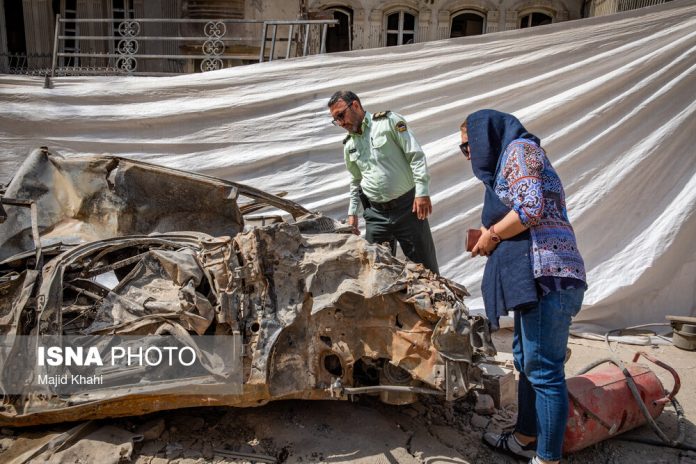
Iran reports severe environmental damage from 12-day aggression by Zionist regime

The report warns of significant damage to the country’s water resources and soil and also warns of the serious risks to public health due to the attacks.

The Department of Environment said beyond the human casualties and infrastructure destruction, the Zionist regime’s attacks have caused extensive environmental harm with long-term ecological implications. It further condemned the aggression, calling for legal accountability and reparations.

The Department of Environment also confirmed that comprehensive assessments of environmental damage are underway nationwide, and a detailed report will soon be released.

Iranian Army announces military drills in Esfahan, warns of possible explosions

Crime Scene

The Army said controlled explosions and loud sounds may be heard during this period as part of pre-planned drills.

It underlined that these activities are routine and pose no threat to public safety.

The Army urged people in Esfahan and its suburbs to be alarmed, as all operations are conducted under approved safety protocols within the designated area.

Iran among top 10 global producers of heavy water

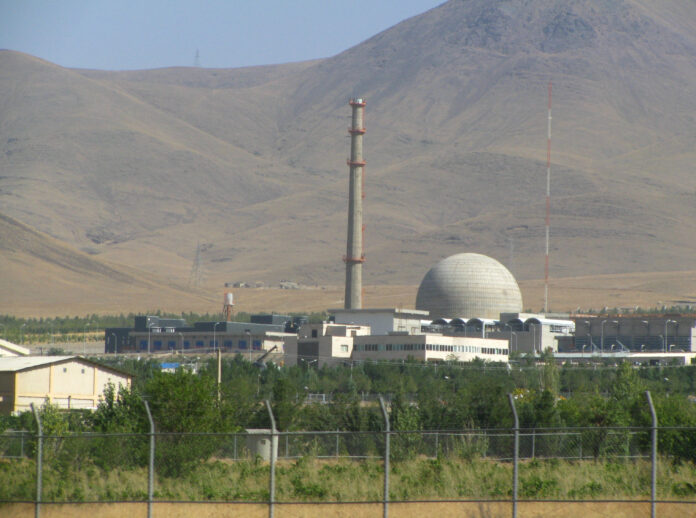
Heavy water, which is produced domestically at the Khondab Heavy Water Complex near Arak, in central Iran, plays a crucial role in nuclear reactors, radiopharmaceutical production, and scientific research.

The Khondab facility, with an annual production capacity of approximately 20 tons, was designed and built indigenously, officially launching operations in 2006.

Over the years, Iran has exported dozens of tons of heavy water globally including 32 tons to the United States and 38 tons to Russia. Buyers from Asia and Europe have also shown strong interest due to the product’s high quality.

On June 18, 2025, the Zionist regime carried out a military strike near the Khondab complex. However, authorities confirmed there were no casualties or radioactive leaks, as the site had been preemptively evacuated.

Iran faces severe water shortages as dam inflows drop by 43%

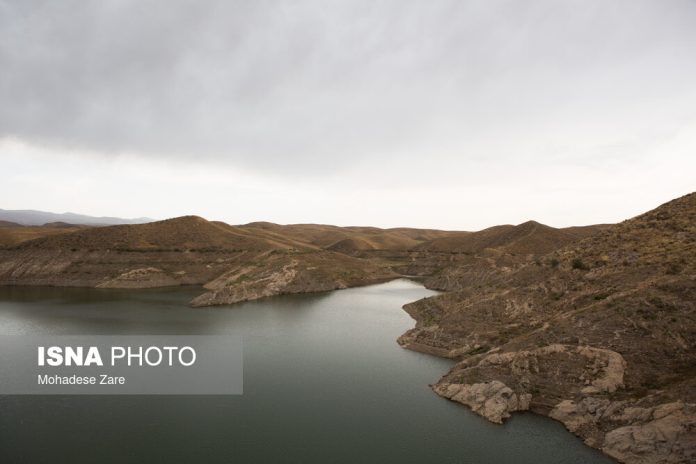
Outflows also declined by 21%, and total dam storage has decreased by 26%, now standing at 23.67 billion cubic meters.

National rainfall has dropped 39% below the long-term 57-year average and 40% compared to last year.

The hardest-hit provinces include Hormozgan (-78%), Sistan and Baluchestan (-76%), and Bushehr (-54%). Tehran’s major dams — including Amirkabir, Lar, Taleqan, and Latian — have also seen significant declines in water levels.

Experts attribute these alarming figures to climate change, rising temperatures, and increased evaporation, urging immediate water consumption management across households, agriculture, and industry.

Only Gilan province saw a slight rainfall increase (+7%), while all others recorded deficits.

Fars News reveals new details of Zionist regime’s attack on Iran’s Supreme National Security Council meeting

According to the report, the attack occurred shortly before noon on Monday, June 16, during a meeting attended by the heads of the three branches of power including Iran’s President Masoud Pezeshkian and also other senior officials.

The session was taking place in the lower levels of a secure government facility in western Tehran when the assault began.

Fars adds the attack was modeled after an Israeli plan to assassinate Hezbollah leader Sayyed Hassan Nasrallah, involving the launch of six bombs or missiles aimed at entry and exit points to block evacuation routes and disrupt ventilation.

Following the explosions, power was cut to the targeted floor. However, Iranian officials reportedly managed to escape through a pre-designated emergency hatch. Some, including the president, are said to have sustained minor leg injuries while evacuating the premises.

Fars also criticized the hypocrisy of Western and pro-Zionist media outlets, saying they ignore acts of state terrorism while simultaneously attack Iran for calling Donald Trump and Benjamin Netanyahu “enemies of God” (mohareb) based on Islamic jurisprudence.

Iranian MP: Suspicious microchips found in shoes of IAEA inspectors

IAEA Team

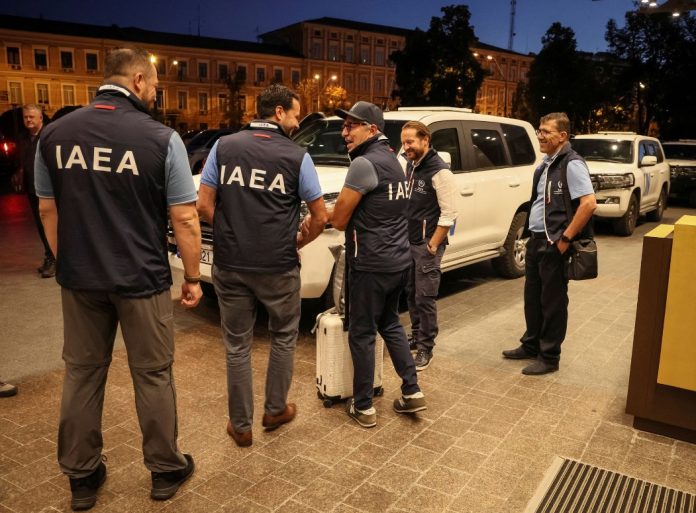
Deputy Chairman of the Iranian Parliament’s National Security and Foreign Policy Commission Mahmoud Nabavian also said that the presence of microchips in inspectors’ shoes suggests potential espionage activity.

“Why is it that when IAEA inspectors enter our nuclear sites and undergo body searches, we find microchips in their shoes? What are they trying to monitor?”, Nabavian asked.

He went on to accuse the IAEA of acting on intelligence provided by hostile sources, particularly Israel.

“The agency raises questions about three of our sites, but isn’t it true that Israel stole our documents and gave them to the IAEA? Why is the agency listening to a regime that’s not even a member of the NPT?”, the lawmaker added.

Nabavian further noted that classified Iranian reports submitted to the IAEA had been passed to the Zionist regime by the agency’s Director General Rafael Grossi.

“We submit our reports as an NPT signatory, and yet Mr. Grossi hands them to the Zionist regime and we later recovered the same documents, nearly 10 million of them, through operations carried out by Iran’s Ministry of Intelligence.”

The lawmaker underscored that what he says is not speculative. “We’re not making slogans; we have evidence and that is why we say espionage is taking place under the cover of international inspections”, Nabavian said.

He also recalled previous incidents where confidential Iranian information submitted to the IAEA was leaked to the press even before being discussed in official IAEA meetings.

Trump considering dispatching new funds to Ukraine for first time since taking office: CBS News

Russia Ukraine War Weapons Arms

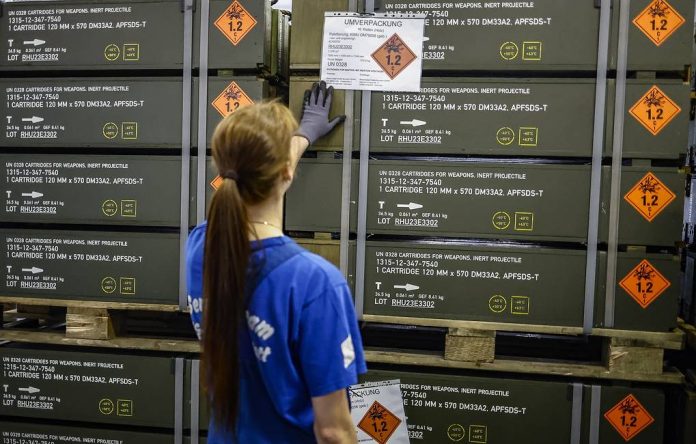
The news comes shortly after Reuters reported that Trump plans to greenlight new weapons for Ukraine under the Presidential Drawdown Authority for the first time, heralding a major shift in his administration’s approach to military aid.

Sources told CBS News that the funds for Kyiv may be part of a message the White House hopes to send Russia, which has drastically ramped up mass missile and drone attacks against Ukraine in recent months.

It is not clear where these new funds for Ukraine would come from, but current and former U.S. officials outlined some possible options. Trump has around $3.85 billion from the Presidential Drawdown Authority remaining from former U.S. President Joe Biden, officials said.

Trump also has the power to confiscate about $5 billion in frozen Russian assets and channel those funds to Ukraine, former officials said. Neither Trump nor Biden have previously exercised that authority.

Reports of new U.S. aid for Ukraine come ahead of a “major statement” on Russia that Trump is expected to make on July 14. Trump teased the announcement after expressing frustration with Russia and its escalating attacks.

“I’m disappointed in Russia, but we’ll see what happens over the next couple of weeks,” Trump told NBC News, adding, “I think I’ll have a major statement to make on Russia on Monday.”

Trump also stated he had worked out an agreement with NATO to transfer U.S. weapons to Ukraine.

“We’re sending weapons to NATO, and NATO is paying for those weapons, 100%. So what we’re doing is the weapons that are going out are going to NATO, and then NATO is going to be giving those weapons (to Ukraine), and NATO is paying for those weapons,” he continued.

Trump has previously criticized U.S. military aid to Ukraine, lambasting Biden for the billions of dollars sent to Kyiv following Russia’s full-scale invasion. His administration has not authorized any additional weapons or funding for Ukraine and has said it plans to reduce the amount of military aid to Ukraine in its upcoming defense budget.

The Pentagon in early July also halted Ukraine-bound shipments of weapons — including vital air defense munitions — citing concerns over dwindling U.S. stockpiles. Washington has reportedly since resumed some deliveries, though questions remain about the flow of weapons and Trump’s involvement in the decision.

But in recent days Trump’s attitude appears to have shifted. He is reportedly considering providing Ukraine with another U.S. Patriot air defense battery and is working with NATO partners to get weapons to Kyiv. His upcoming statement on Russia could also signal new willingness to mount pressure on Moscow — a step his administration has been slow to take.

Russia’s wave of mass attacks have upended Trump’s hopes of securing a peace deal between Russia and Ukraine and drew rare criticism of Russian President Vladimir Putin from the White House.

North Korea voices ‘unconditional’ support for Russia in Ukraine

Lavrov is on a three-day visit to North Korea, which has provided troops and arms for Russia’s war on Ukraine and pledged more military support as Moscow tries to make advances in the conflict.

Kim met Lavrov in the eastern coastal city of Wonsan, where Lavrov and his North Korean counterpart, Choe Son Hui, held their second strategic dialogue, pledging further cooperation under a partnership treaty signed last year that includes a mutual defence pact.

Kim told Lavrov the steps taken by the allies in response to radically evolving global geopolitics would contribute greatly to securing peace and security around the world, North Korea’s state news agency KCNA reported.

“Kim Jong Un reaffirmed the DPRK is ready to unconditionally support and encourage all the measures taken by the Russian leadership as regards the tackling of the root cause of the Ukrainian crisis,” KCNA said, using the acronym for the country’s official name, the Democratic People’s Republic of Korea.

Russia’s Ministry of Foreign Affairs posted a video on Telegram of the two men shaking hands and greeting each other with a hug.

The North Korean leader also expressed a “firm belief that the Russian army and people would surely win victory in accomplishing the sacred cause of defending the dignity and basic interests of the country”.

The two men otherwise discussed “important matters for faithfully implementing the agreements made at the historic DPRK-Russia summit talks in June 2024”, KCNA added.

Relations between Russia and North Korea have deepened dramatically during the last two years of the war in Ukraine, which started with Russia’s full-scale invasion of its neighbour in February 2022, with Pyongyang deploying more than 10,000 troops and arms to back Moscow.

The two heavily sanctioned nations signed a military deal last year, including a mutual defence clause, during a rare visit by Russian President Vladimir Putin to North Korea.

Lavrov told Kim that Putin “hopes for continued direct contacts in the very near future”, according to the Russian state news agency TASS.

Ahead of the visit, Russia announced that it would begin twice-a-week flights between Moscow and Pyongyang.

Lavrov lauded Wonsan as “a good tourist attraction”, adding: “We hope it will be popular not only with local citizens, but also with Russians.”

Tehran environmental official dismisses presence of cyanide, arsenic in wetland dust

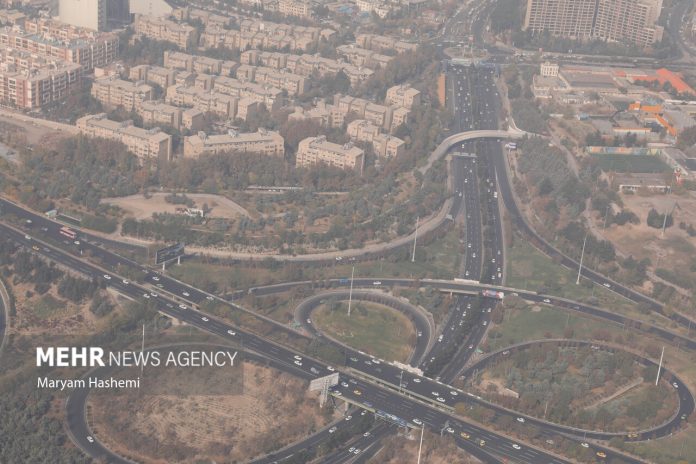
Air Pollution

Hassan Abbasnejad said while the wetland, one of the main sources of dust in southeastern Tehran, has dried up in recent years due to lack of natural water flow, no scientific evidence supports the presence of dangerous contaminants in its airborne dust.

“Available data and environmental samples show no traces of cyanide or arsenic”, Abbasnejad said.

He further urged local residents not to pay attention to baseless rumors. Abbasnejad acknowledged that trace amounts of elements like chromium have been found in the wetland bed in previous years due to wastewater discharge from nearby industrial units.

He however underlined that the levels are not high enough to contaminate dust storms.

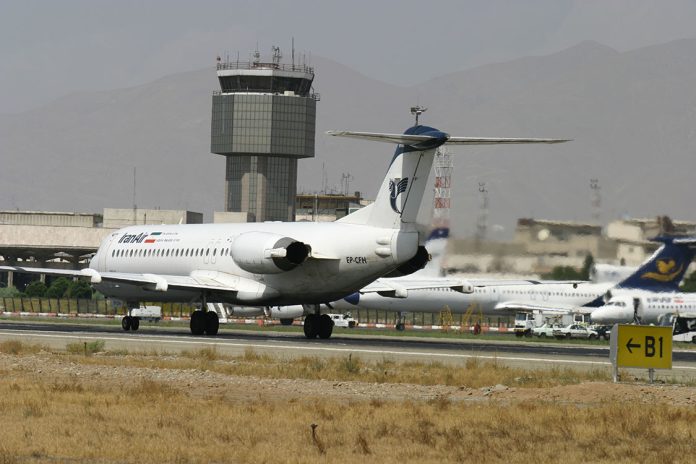
Tehran’s Mehrabad Airport denies explosion rumors

Mehrabad Airport

In an official statement, airport authorities clarified that no incident has taken place at Mehrabad Airport and that all flight operations are proceeding according to schedule.

The statement underscored that the smoke column seen by some observers is unrelated to the airport, as the location of the smoke was outside the airport’s premises.

Mehrabad authorities urged the public and media to avoid spreading unverified information that may cause unnecessary public concern or confusion.