Sunday, January 18, 2026
Home Blog Page 1500

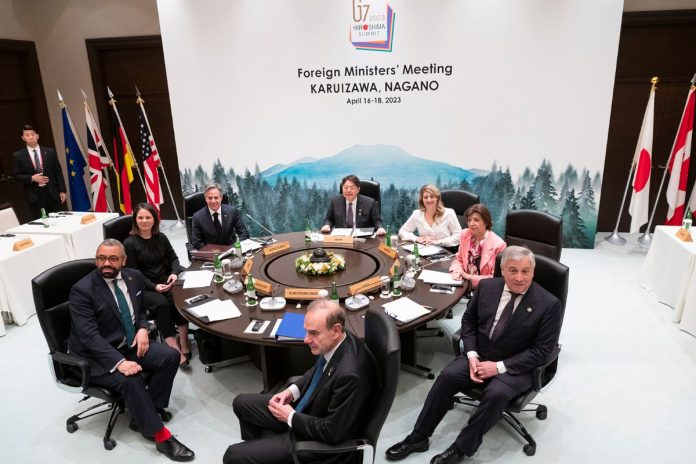
Iran condemns G7 statement, reaffirms cooperation with IAEA, voices opposition to Ukraine war

G7

The Foreign Ministry described the G7 statement as implying the unilateral approach of western parties who violate regional and international peace, stability and security and are trying to impose the group’s will on independent nations and multilateral frameworks.

The statement says it is regrettable that the member states of G7 have leveled unfounded allegations against Iran’s peaceful nuclear program instead of holding the United States accountable for its clear violation of international law due to its unjustified and unilateral withdrawal from the JCPOA, its violation of Security Council Resolution 2231, and its imposition of inhumane sanctions on the Iranian nation, which constitute a crime against humanity as they have had an irreparable impact on the fundamental rights of the Iranian nation.

The Islamic Republic of Iran also voiced its determination to continue technical and constructive cooperation and interactions with the International Atomic Energy Agency, IAEA, within the framework of the NPT and the Comprehensive Safeguards Agreement.

The foreign ministry also reaffirmed Iran’s determination to continue a constructive and responsible approach to resume and finalize the Vienna talks, aimed at revitalizing the Iran nuclear deal, based on the agreed criteria contained in the draft of the negotiations.

The statement adds, “We remind the foreign ministers of Group 7 that they owe the security of navigation in the important waterways of the Persian Gulf and the Strait of Hormuz in the past decades to the Islamic Republic of Iran’s responsible approach. Leveling accusations against Iran is just an irresponsible blame-game to justify the disruptive and destabilizing nature of the US military presence in the region.”

While repeating its opposition to the Ukraine war, the Islamic Republic of Iran underlined the need for an immediate ceasefire and settlement of differences through political talks, reaffirming its respect for the territorial integrity of Ukraine.

“The Islamic Republic has repeatedly stressed that it has not and will not provide any arms to a warring side against the other.”

The statement also says, “While the international community is witnessing crimes being committed by the child-killing Zionist regime in Palestine and flagrant desecration of holy books and the beliefs of more than one billion Muslims in some European countries, the approach adopted by western governments in this regard is utterly hypocritical.”
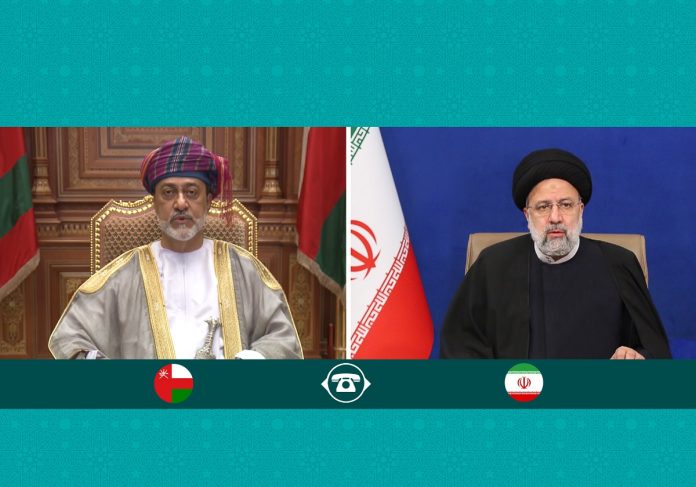
Iranian president urges unity among Muslim nations to deter Zionist regime’s aggressions

Iranian President Ebrahim Raisi Oman’s Sultan Haitham bin Tariq Al Said

President Raisi condemned the Zionist regime’s acts of aggression and said there is no doubt that only cooperation among Muslim countries will be effective in deterring such crimes and in helping Palestinians achieve their rights.

The Iranian president also in advance congratulated the Omani government and people on Eid ul-Fitr, marking the end of Muslim month of Ramadan.

He noted that Tehran’s relations with Muscat have a special place in Iran’s foreign policy.

President Raisi and Kiang Haitham bin Tariq Al Said further reviewed bilateral agreements between the two countries. Oman’s sultan for his part expressed pleasure with the level of ties with Iran and stressed the need for implementing bilateral agreements.

He then strongly condemned the Israeli regime’s desecration of al-Aqsa Mosque, adding that Oman will stick to its policy on the issue of Palestine until Palestinians achieve their legitimate rights.

Rouhani’s website denies claim that ex-president opposed pushing for reparations from US

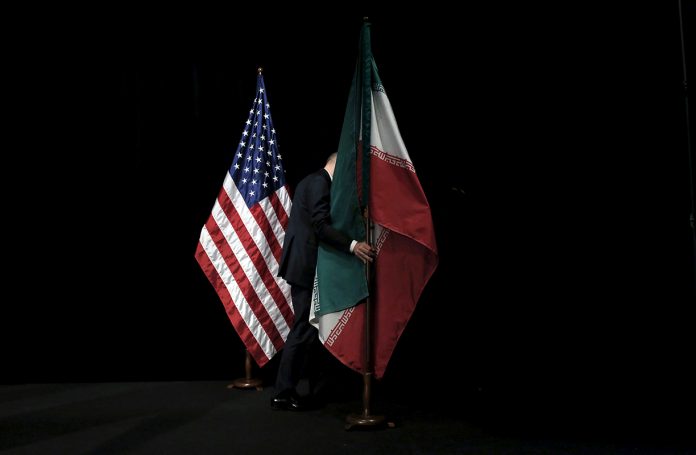
Iran US Flags

Rouhani’s website said it was the establishment’s decision to not push for reparations when the former president’s administration was holding talks with new US President Joe Biden to revive the JCPOA.

The claim over reparations was made by Mohammad Marandi, an advisor to the current negotiating team that talked with other parties to the deal to revive it. Marandi had said even former foreign minister Mohammad Javad Zarif agreed that Iran had to claim reparations from the US but Rouhani himself said it was not necessary to do that.

After Joe Biden took office in 2020, he called for talks with Iran to revive the JCPOA. But he repeated the same conditions set by his predecessor Donald Trump.

Zarif said back then that it was Iran that must set conditions not the US, because Iran had suffered huge economic losses as a result of the US’s unilateral pullout from the JCPOA in 2018.

Zarif added that those losses had to be compensated, but he stopped short of setting this as a precondition for talks with the Biden administration.

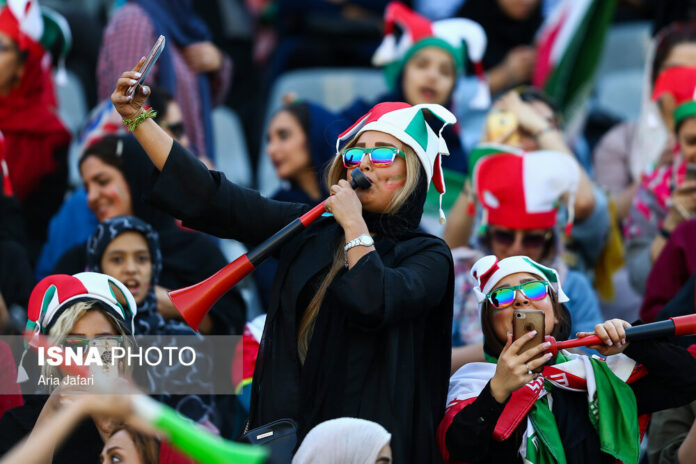
Iranian minister: Officials examining if women can be allowed to watch Tehran Derby at stadium

Women in Stadium

Hamid Sajjadi noted that much of the Azadi Stadium is being repaired currently and authorities are examining which parts of the stadium can be used by female spectators.

He noted that whether to allow women watch the Blue-Red Derby requires consultations between the Iranian Football federation and the council in charge of providing security at sports events.

Sajjadi added that if there are no obstacles to women going to the Azadi Stadium, they are welcome.

Women have previously been allowed to go to stadiums in some cities in Iran. But many female spectators would like to watch the derby match in Tehran.

Officials have already said only 15,000 people will be allowed into the Azadi Stadium because of the repair work underway there.

Under normal circumstances, the Azadi Stadium is filled to capacity during derby matches of Tehran.

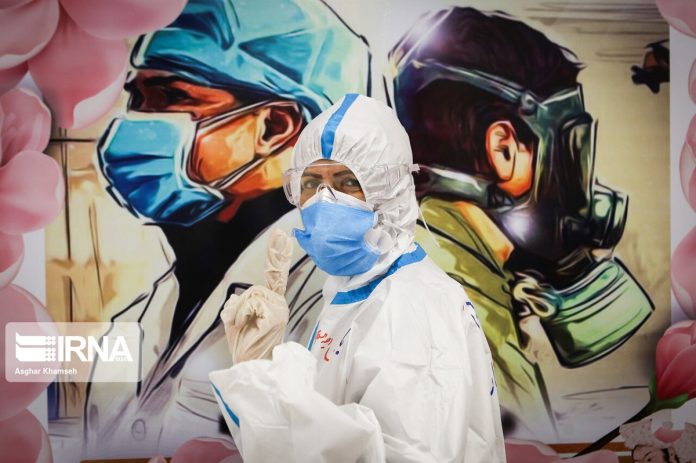
Daily Covid deaths in Iran drop to 23

COVID in Iran

“A sum of 403 new patients infected with COVID-19 have been identified in the country based on confirmed diagnosis criteria during the past 24 hours,” the Iranian Health Ministry’s Public Relations Center said on Wednesday, and added, “231 patients have been hospitalized during the same time span.”

It further announced that the total number of COVID-19 patients has increased to 7,605,105.

“Unfortunately, 23 patients have lost their lives in the past 24 hours, increasing the number of the dead to 145,914,” the ministry noted.

It expressed satisfaction that 7,353,821 coronavirus patients have recovered or been discharged from hospitals so far.

The center went on to say that 746 cases infected with COVID-19 are in critical conditions.

It added that 56,229,754 coronavirus diagnosis tests have so far been carried out across the country.

The health ministry public relations warned that 12 cities are red, 61 cities are orange, 270 cities are yellow, and 105 cities are blue.

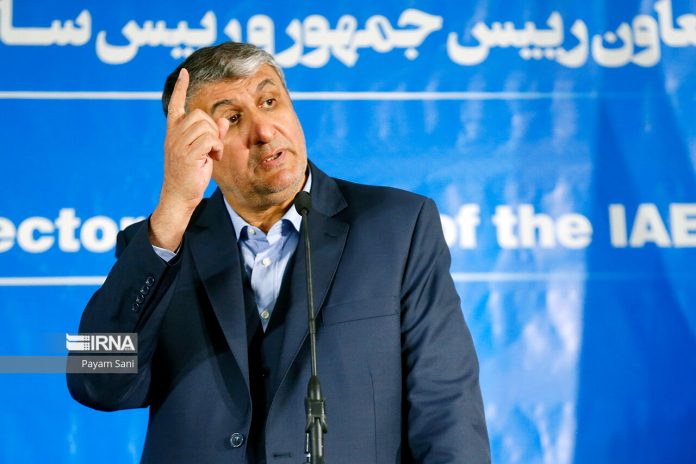
Talks proceeding between Iran, IAEA: Iranian nuclear chief

Mohammad Eslami

Mohammad Eslami told reporters after a cabinet meeting on Wednesday that negotiations were progressing and that “technical and expert delegations are going back and forth between Iran and the Agency everyday and are in contact,” referring to the International Atomic Energy Agency (IAEA).

“We will report on the results of the work (the negotiations) in due time,” Eslami said.

He then shifted to the development of radiopharmaceuticals inside Iran and said 67 such medicinal items were in distribution at 210 medical centers and hospitals across the country.

Eslami said one million cancer patients had used radiopharmaceuticals in Iran, and that work was underway to increase that capacity.

Two new radiopharmaceuticals were being developed in the current year, he said, adding that all such medication was being produced domestically.

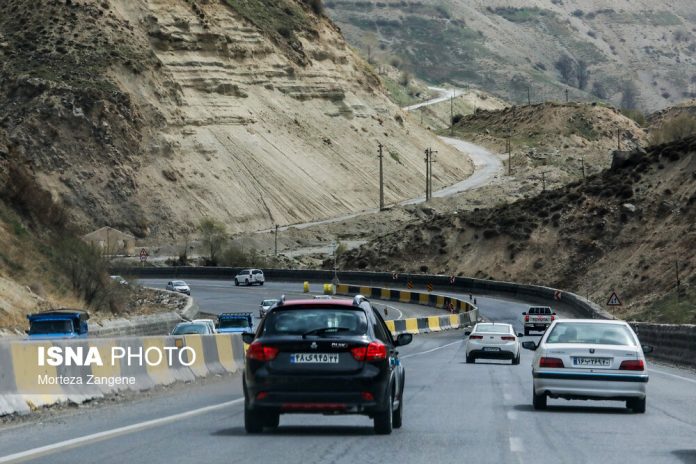
Over 1,100 killed in Iran road accidents during Nowruz holidays: Official

Iran Road

Abbas Masjidi Arani, the head of Iran’s forensic medicine organization, on Tuesday said during the period between March 16 and April 4, a total of 1,168 people lost their lives in traffic accidents.

He added the maximum number of fatalities was recorded on March 17 and April 2 during the holidays, with the provinces of Fars, Sistan-Baluchistan, Kerman, and Tehran topping the list.

Iran’s calendar year starts on March 21, which sees people traveling within or outside the country.

Last year, the number of casualties from traffic incidents during the holiday season was 1,083.

Road accidents have become a common feature of annual Nowruz holidays in Iran, which experts mostly attribute to reckless driving, lack of adherence to traffic rules as well as poor road safety standards.

The holiday rush is mostly seen in northern Iran’s Gilan and Mazandaran provinces, which are located on the coast of the Caspian Sea, as well as southern Fars province and central Isfahan province.

Earlier this month, Iran’s police chief Ahmad Reza Radan stated that road trips witnessed a surge during this year’s New Year holidays compared to previous years, with travelers mostly heading to northern Iran.

He said most road accidents during this period were the result of sleep deprivation and high speed.

Iran is known for having one of the highest rates of fatalities from traffic accidents in the world.

In September last year, a senior police official said at least 600 people die and more than 20,000 are injured in road accidents every year in the Iranian capital Tehran alone.

In July last year, Iran’s state-run Legal Medicine Organization said one person dies in a road accident every half an hour across the country, taking the annual death toll to 17,000.

Iran’s state-owned car firms have also faced criticism in recent years over the decrease in safety standards.

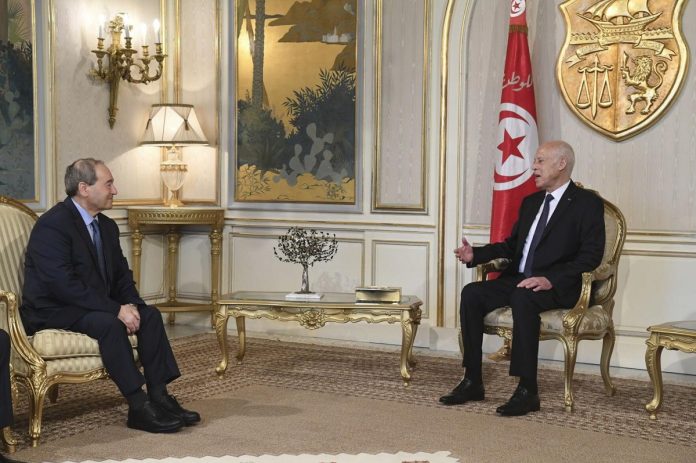
Syria, Tunisia agree to bolster cooperation in a push to restore ties

Syria and Tunisia

In a joint statement issued Tuesday following a meeting in Tunis, Syrian Foreign Minister Faisal Mekdad and his Tunisian counterpart Nabil Ammar welcomed the restoration of bilateral ties, the exchange of ambassadors and the reopening of embassies.

The top diplomats also agreed to work towards enhancing cooperation in economic, consular, humanitarian and security fields, and step up the fight against terrorism and organized crimes.

Additionally, the joint statement affirmed Tunisia’s support for Syria’s possible return to the Cairo-based Arab League.

Tunisia, it added, stands in full solidarity with Syria in the face of recurrent Israeli strikes and backs up the Damascus government’s legitimate right to take back the Golan Heights occupied by the Tel Aviv regime.

The statement also condemned Israel’s systematic attacks on the Palestinian people, vowing to support the oppressed nation to uphold their inalienable right to an independent state with al-Quds as its capital.

Since March 2011, Syria has been gripped by a campaign of militancy and destruction sponsored by the US and its allies.

In recent years, however, Syrian government forces, backed by Russia and Iran, have managed to win back control of almost all regions from terrorist groups.

Over the past few months, some Arab countries, including Saudi Arabia, have been normalizing ties with Damascus.

Tunisia cut off diplomatic relations with Syria in 2012. Five years later, it began limited contacts in part to help track more than 3,000 Tunisian militants reportedly fighting in Syria.

In February, Tunisia sent planes of aid to help Syria cope with the aftermath of a devastating earthquake.

Also on Tuesday, Mekdad met with Tunisian President Kais Saied, with the latter emphasizing his country’s keenness to resume normal relations with Syria.

Saied said Tunisia is determined to preserve the “solid and historical ties of brotherhood and cooperation” with Syria, according to a statement released by the Tunisian Presidency.

Mekdad, for his part, described the Tunisian president’s decision to revive bilateral relations as “bold and courageous,” stating, “We in Syria are very satisfied with the relations that connect our countries.”

He further announced that the Syrian embassy in Tunis will be reopened in the coming days, adding that the new Syrian ambassador will soon resume his work in Tunisia.

Prior to his three-day Tunisia trip, Mekdad paid a visit to Algeria, one of the few Arab countries that maintained diplomatic relations during the Syrian conflict.

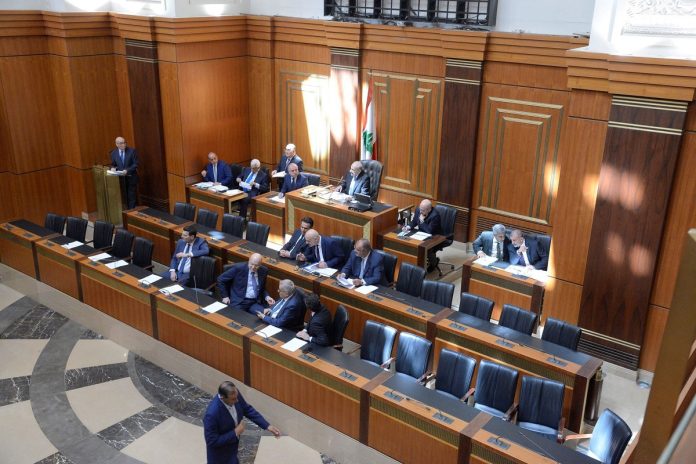
Lebanon postpones local elections to avoid further political paralysis

Lebanon's parliament

Lebanon’s state institutions are already in a power vacuum, with the presidency empty since Michel Aoun’s term expired in October 2022 and no agreement as to who should replace him.

The government is also operating in a limited caretaker capacity.

Staggered municipal and council elections had been scheduled for May but funding has not yet been secured by the state, according to caretaker Interior Minister Bassam Mawlawi.

Lawmakers approved a “technical extension” until May 31, 2024 for the municipal councils and local officials responsible for issuing basic civil documents, saying it would at least protect another state institution from being emptied out.

“Are we supposed to paralyse the state even more?” stated lawmaker Bilal Abdallah after the vote.

Some parliamentarians, including from the Lebanese Forces party boycotted the vote, saying elections were a right.

Others have disputed parliament’s ability to legislate at all, arguing that the constitution stipulates it should elect a president before working on laws.

The current 128-member parliament was elected in May 2022 in the first vote since the country’s economy began to unravel in 2019 and a devastating blast hit Beirut port the following year.

Lawmakers have held repeated sessions to elect a new president in recent months but no candidate was able to secure a majority.

Lebanon’s economy has been crippled by the collapse of its currency, which has lost some 98% of its value against the US dollar since 2019, triggering triple-digit inflation and plunging many into poverty.

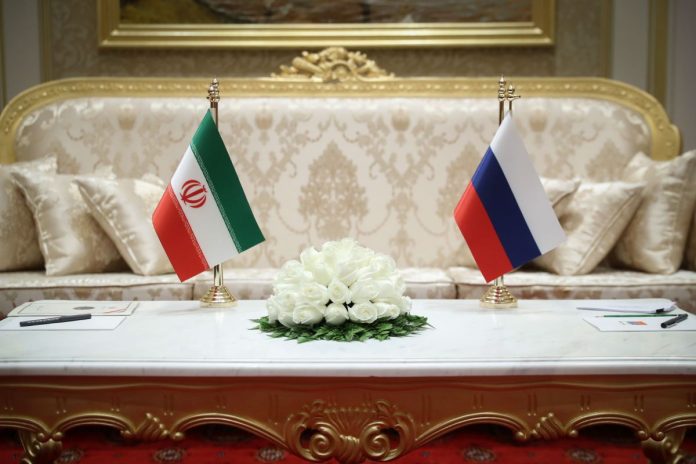
Iran’s ambassador, Putin’s envoy discuss upcoming Syria summit in Moscow

Iran and Russia Flags

Kazem Jalali sat down for talks with Mikhail Bogdanov in Moscow on the agenda of the forthcoming summit that will bring Iran, Russia, Syria and Turkey to the negotiating table.

During the meeting, Jalali and Bogdanov emphasized the importance of the peace initiative for strengthening the stability and security of the region, calling for a continuation of efforts to bring the viewpoints of the conflicting parties closer together.

Syria has been grappling with foreign-sponsored militancy since 2011.

Iran and Russia have been providing aid to Damascus in its fight against Takfiri terror groups, while Turkey has been supporting a number of militants fighting the Damascus government.

Over the past years, Iran, Russia and Turkey have been mediating a peace process between Syria and a number of opposition groups aimed at ending the militancy.

The summit was initially planned to be held in March, but reports said it was postponed as Damascus sought guarantees from Ankara to stop “supporting terror groups” and ending the military occupation of parts of the country.