Thursday, January 15, 2026
Home Blog Page 1437

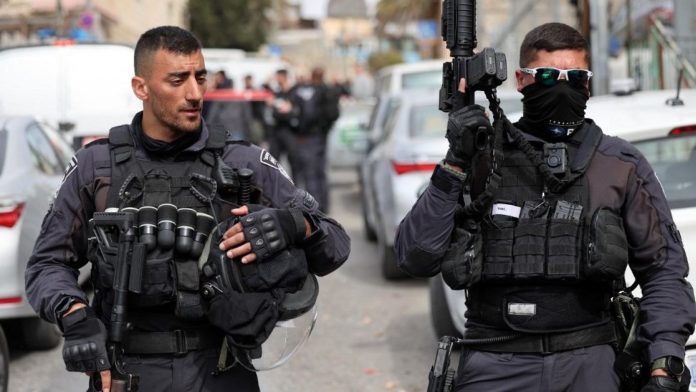
Israeli man shot dead in West Bank

Israeli Police

The drive-by shooting on Tuesday took place close to the Israeli settlement of Hermesh, southwest of Jenin. Such settlements are considered illegal under international law.

The man was identified by local media as Meir Tamari, believed to be in his 30s. He was pronounced dead at Hillel Yaffe Medical Center. He had lived at Hermesh for the past four years, according to a statement by the Shomron Regional Council, the Israeli body that administers settlements in the northern West Bank.

An affiliate of the Fatah-linked al-Aqsa Martyrs Brigades said it had carried out the attack to avenge Palestinians killed by Israel.

“This, and other operations to come, will not be the final response to assuage our pain at the passing of our martyrs. Our pain is greater, and so is our revenge,” the Tulkarm Brigades announced in a statement.

Israeli forces say they have launched a search for two attackers. They also raided a nearby village where they confiscated footage from CCTV cameras.

The attack took place as Israel expands near-nightly military raids in the occupied territory under its most right-wing government yet.

Since the start of 2023, Israeli forces have killed at least 158 Palestinians, including 26 children, according to the Palestinian news agency Wafa.

The death toll also includes 36 Palestinians killed by the Israeli army during a four-day assault on the besieged Gaza Strip from May 9 to 13.

Palestinian attacks against Israelis, meanwhile, have killed at least 22 in the same period.

More than 700,000 Israelis live in settlements in the occupied West Bank and occupied East Jerusalem, which Israel captured in the 1967 War.
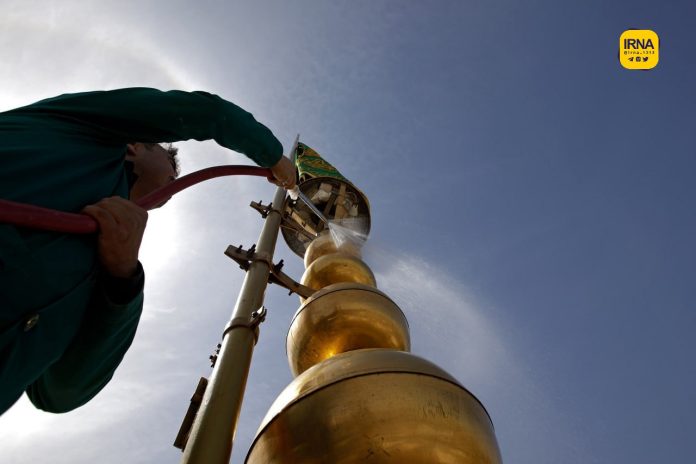
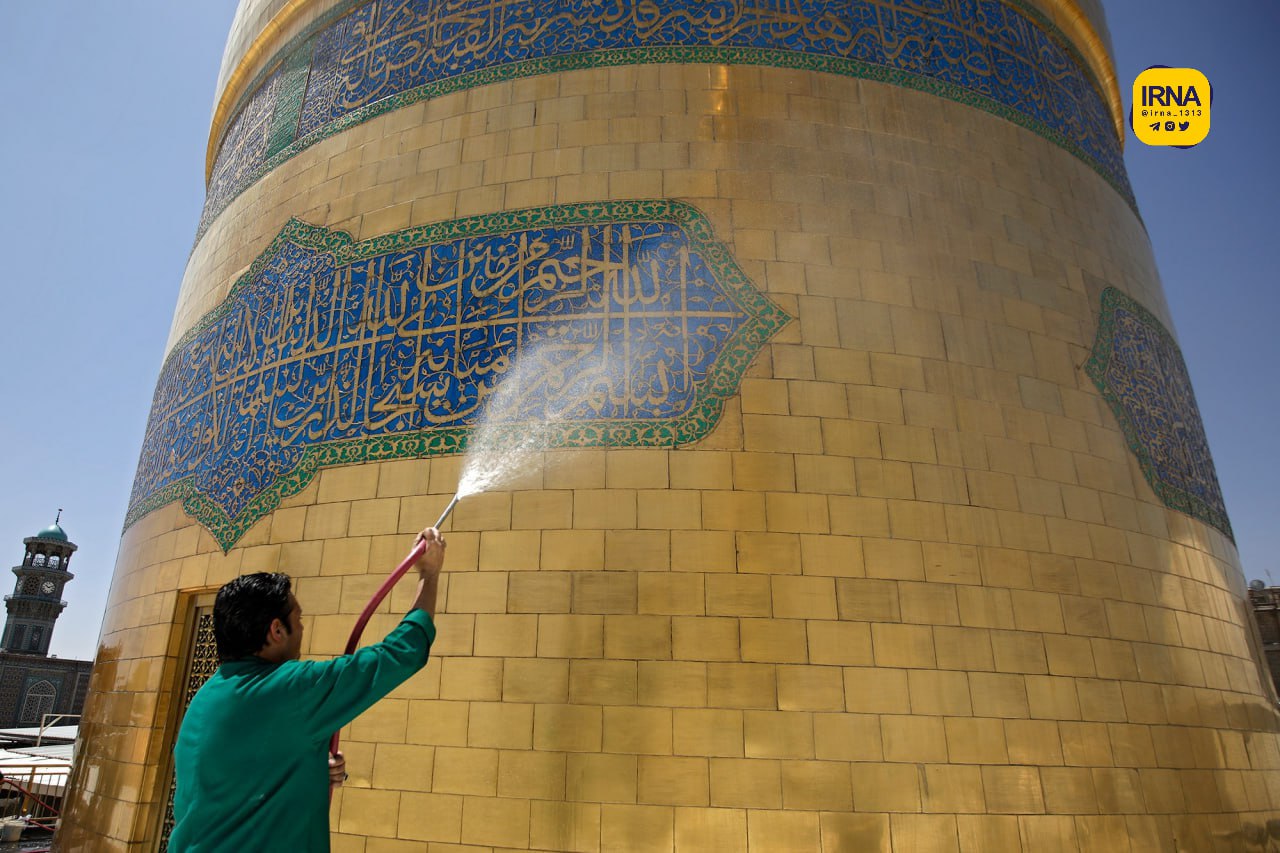
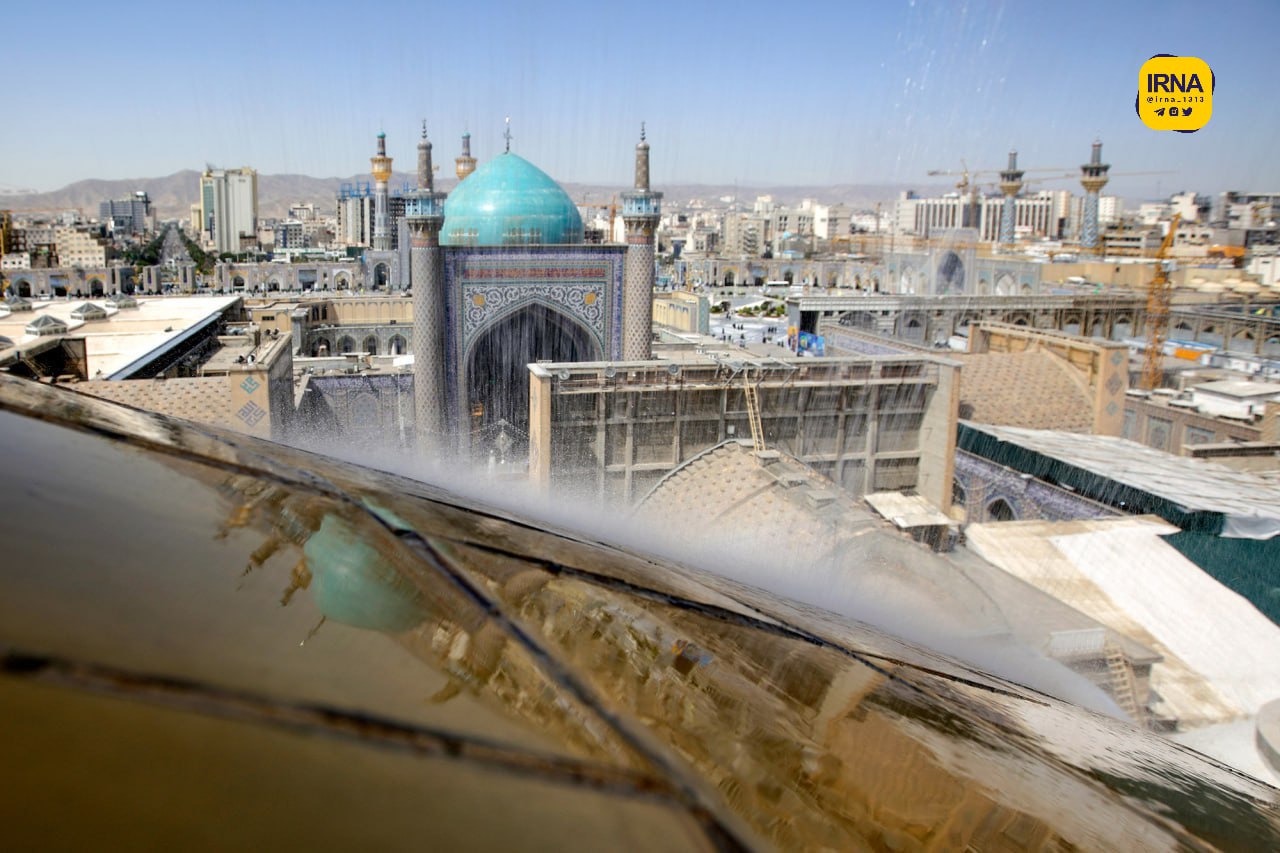
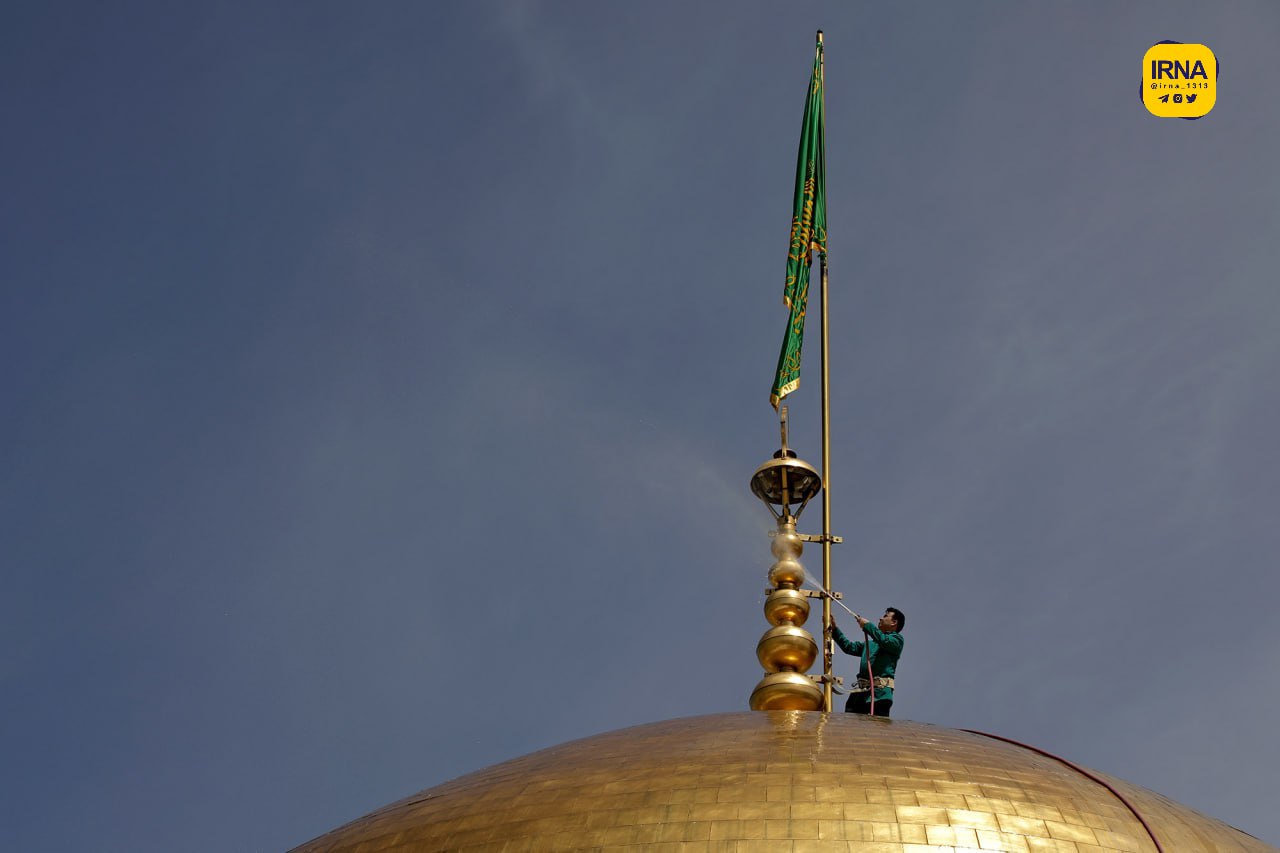
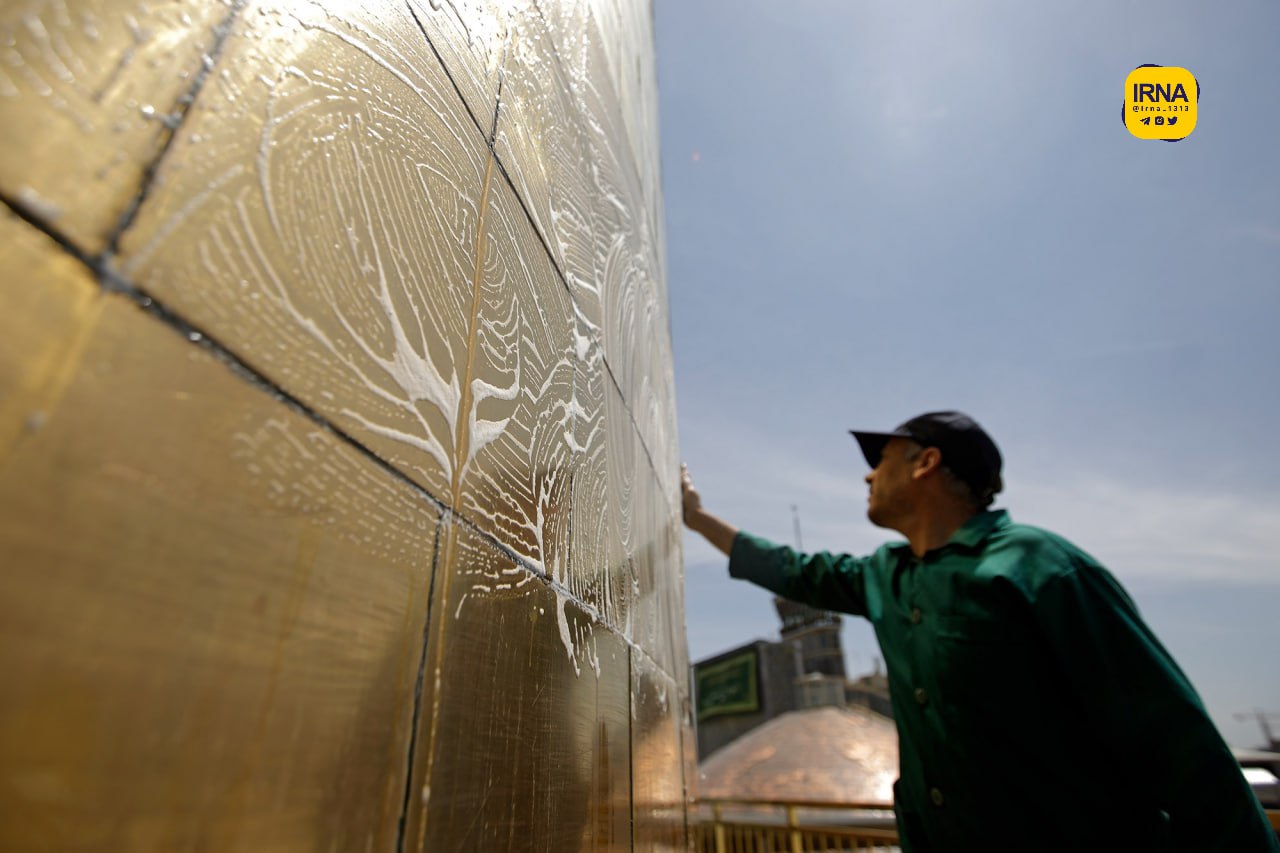
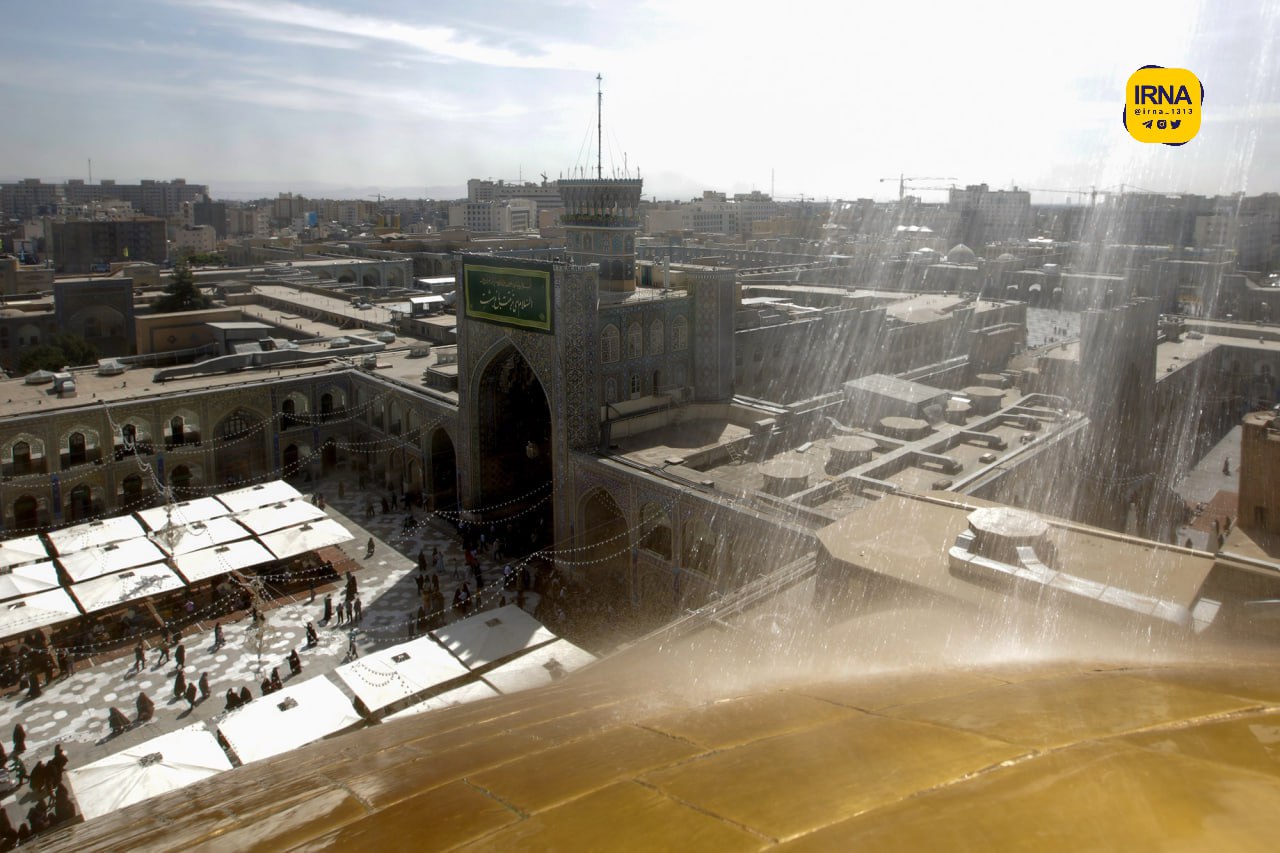
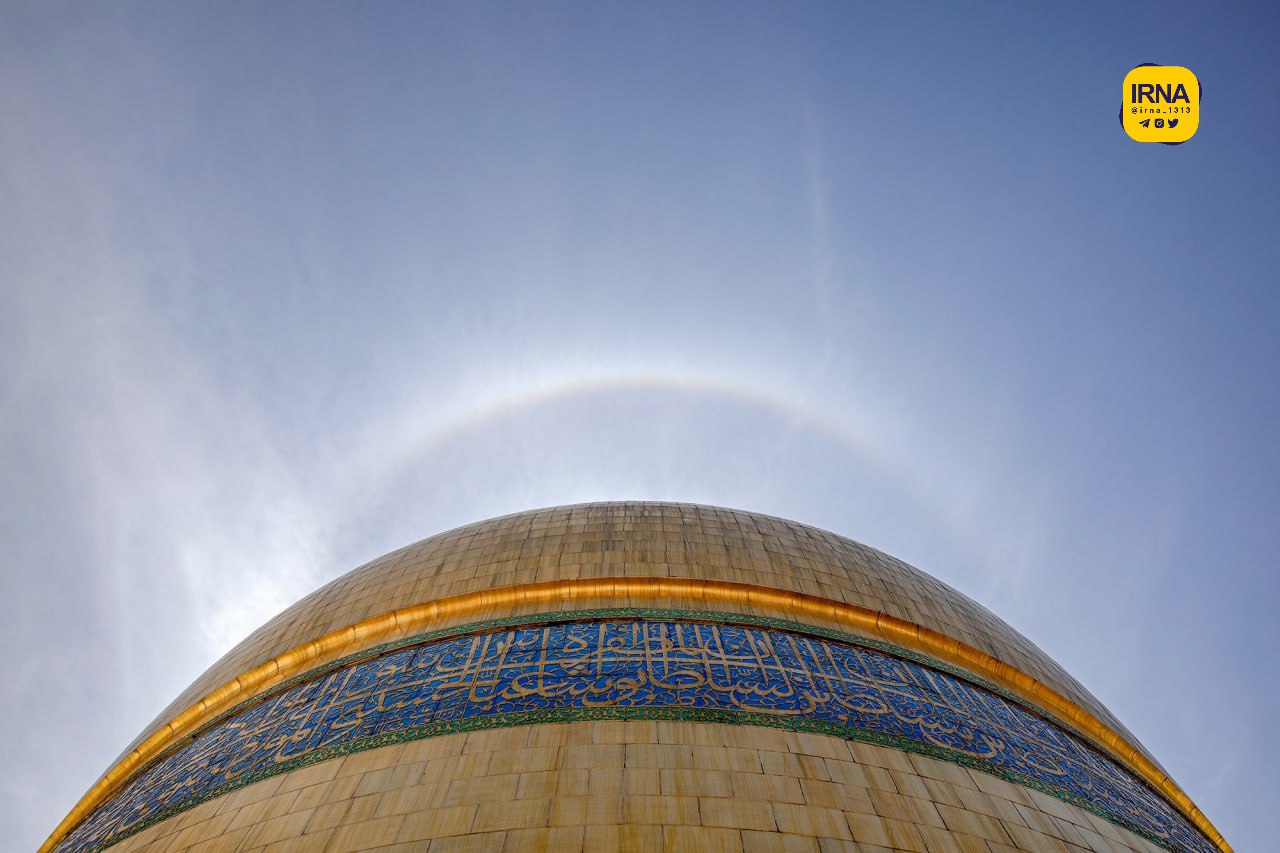
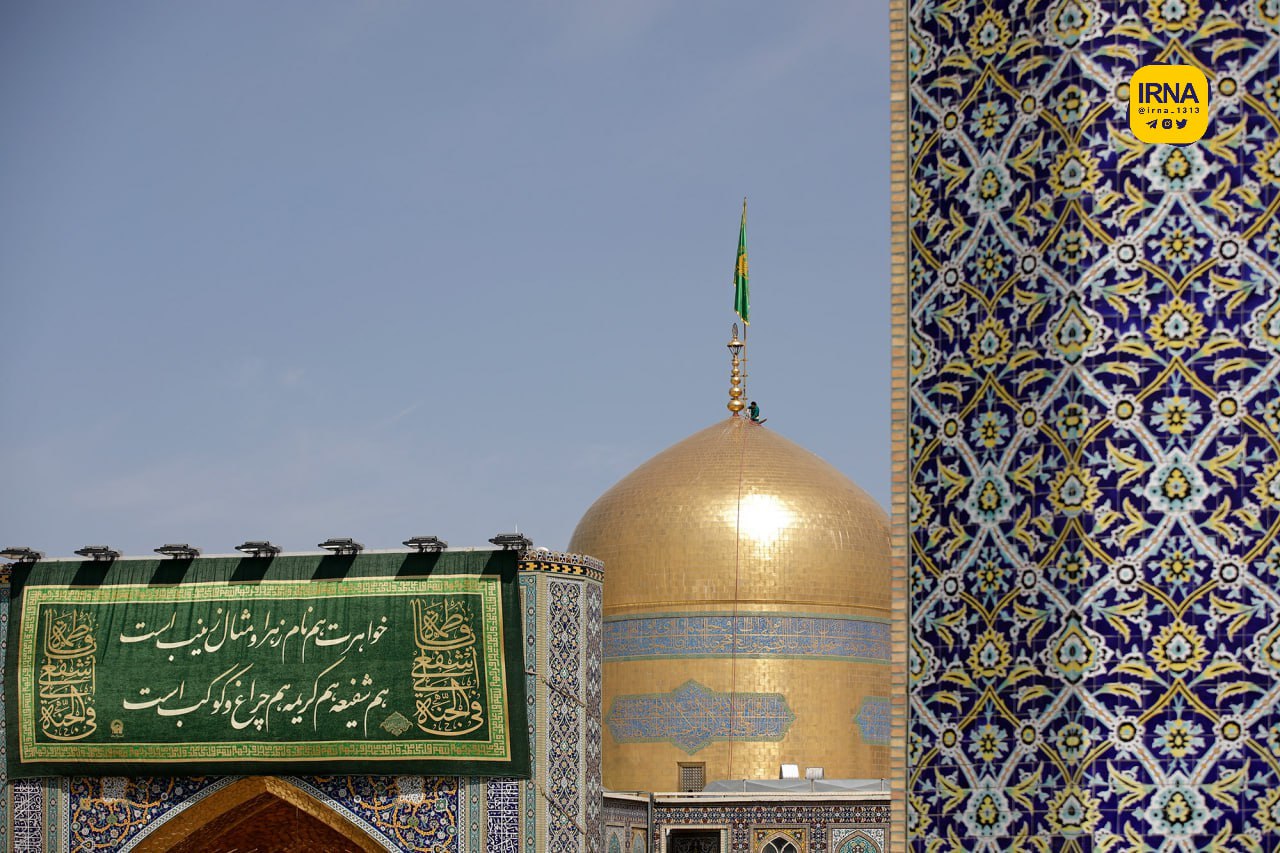
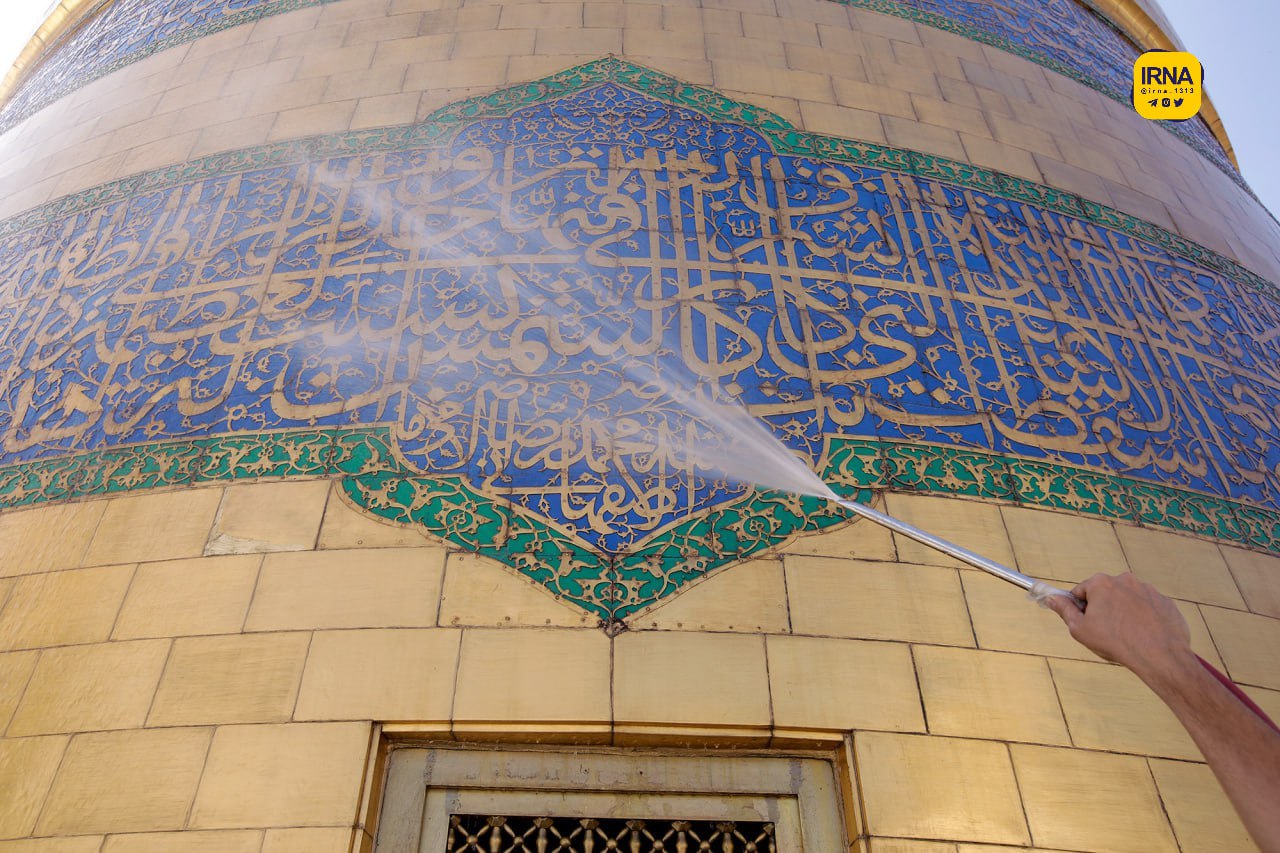
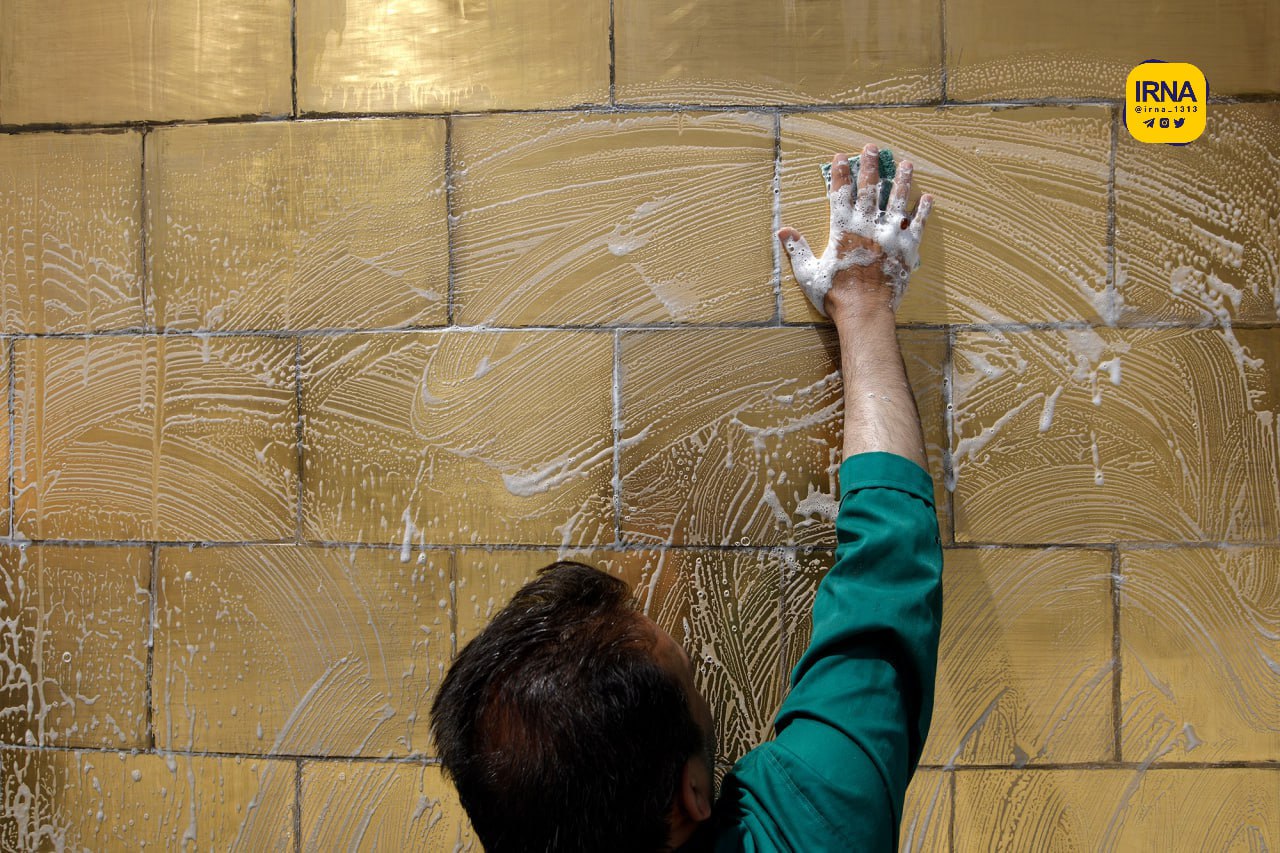
Cleansing ritual performed at Imam Reza’s holy shrine in Iran’s Mashhad ahead of birth anniv.

Cleansing ritual performed at Imam Reza’s holy shrine in Iran’s Mashhad

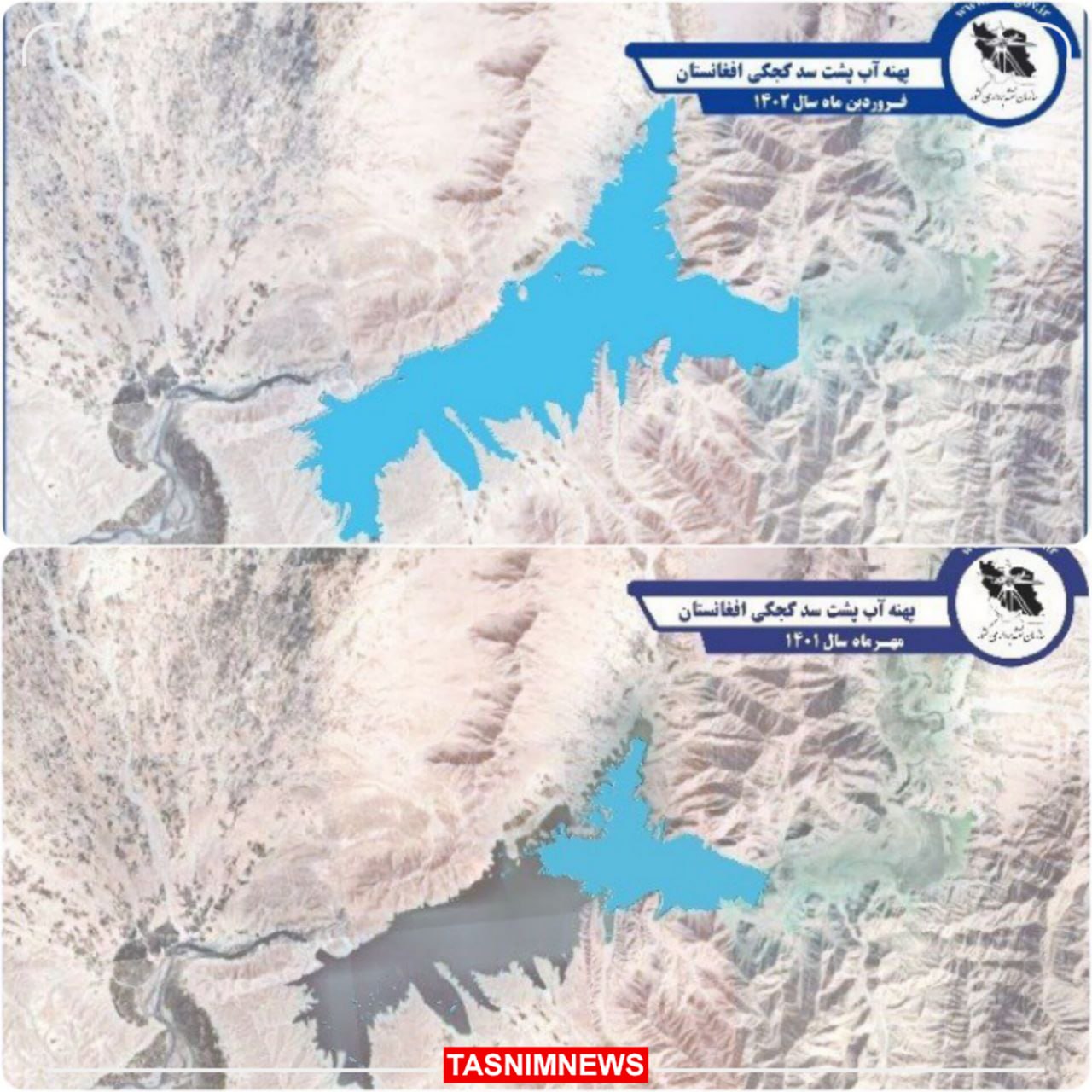
Iran’s share of Helmand River water blocked by Afghanistan’s dams: Images

Iran Water Crisis

Tasnim News Agency ran an article on Tuesday and explained, through satellite images, the reasons why Iran cannot enjoy its share of water from Helmand, refuting the interim Afghan government’s claims about water shortages at the dams on the river.

The images, it said, show the reservoirs of water behind the dams have seen an increase in the past months, confirming the fact that the only reason why water is not reaching Iran is that Afghan rulers are blocking the flow behind dams, in breach of a 1973 treating on sharing water.

Helmand River

Under the 1973 treaty, Afghanistan is bound to release 820 million cubic meters of water from the river annually, but Iranian authorities have repeatedly said that Kabul has been withholding the Iranian water share.

Tensions have been running high between Tehran and Kabul over the case, with Iranian officials threating to resort to pressure tools in case the Taliban keep withholding Iran’s water share.

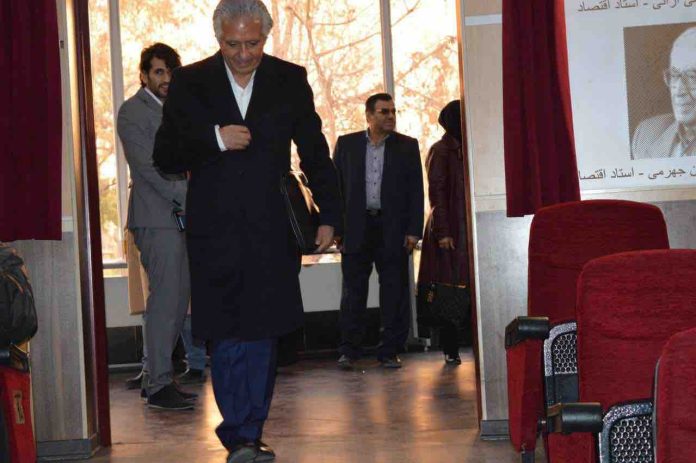
Abdol-Ali Ghavam, Iran’s distinguished political science figure, dies at 78

Abdol-Ali Ghavam

During his four decades of scientific activity, Ghavam wrote many books in the field of political science and played an unmatched role in enriching studies of international relations in Iran.

He was a professor of the Tehran-based Faculty of Economics and Political Sciences at Shahid Beheshti University and former head of the Department of Political Sciences of this university.

His book titled ‘Principles of Foreign Policy and International Policy’ was chosen as the best at one of the editions of Iran’s Book of the Year Awards years ago.

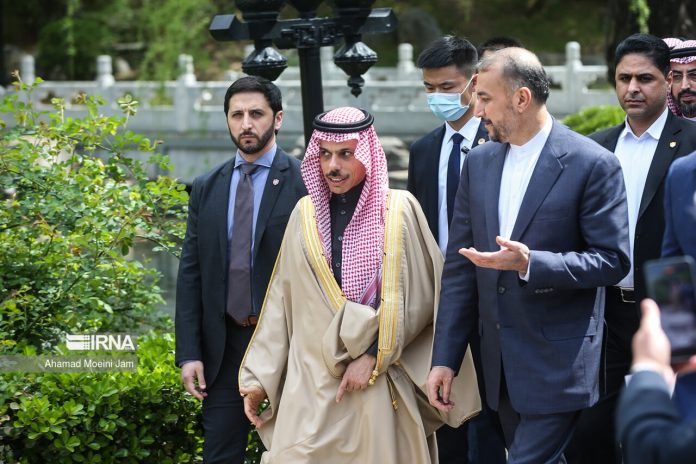
Iran FM: Reconciliation with Saudi Arabia not a ‘tactical agreement’

Hossein Amirabdollahian and Prince Faisal bin Farhan Al Saud

Asked in an interview with Le Figaro if striking a deal with Riyadh was a strategy, the foreign minister said Iran’s current policy is prioritization of its neighbors, and that is why Tehran engaged in months of negotiations in Baghdad and Oman in the lead-up to the China-brokered deal with Riyadh.

“We do not consider the closeness and good ties a tactical agreement,” he said.

Amirabdollahian said Iran and Saudi Arabia had placed the expansion of trade ties high on the agenda of their future bilateral relations.

“We have agreed to develop our economic and commercial relations in the months and years to come,” he said, adding that the Saudi government has put the realization of economic projects a priority.

He was asked on how Saudi Arabia would be able to invest in the Iranian market while the Islamic Republic is under tough US sanctions.

“Sanctions against Iran, won’t be ever-lasting. There are possibilities and facilities at our disposal within the framework of international law,” he replied.

Iran reports 40 new Covid cases, 1 death

COVID in Iran

“A sum of 40 new patients infected with COVID-19 have been identified in the country based on confirmed diagnosis criteria during the past 24 hours,” the Iranian Health Ministry’s Public Relations Center said on Tuesday, and added, “21 patients have been hospitalized during the same time span.”

It further announced that the total number of COVID-19 patients has increased to 7,611,743.

“Unfortunately, one patient has passed away in the past 24 hours, increasing the number of the dead to 146,257,” the ministry noted.

It expressed satisfaction that 7,366,014 coronavirus patients have recovered or been discharged from hospitals so far.

The center went on to say that 137 cases infected with COVID-19 are in critical conditions.

It added that 56,669,149 coronavirus diagnosis tests have so far been carried out across the country.

The health ministry public relations warned that one city is orange, 68 cities are yellow, and 379 cities are blue.

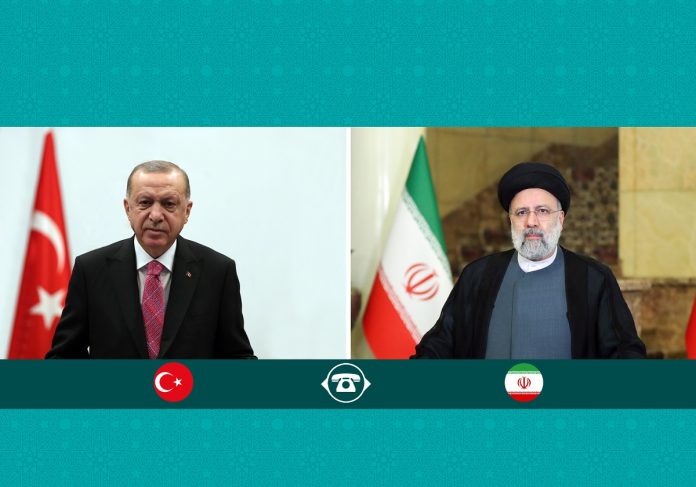
Iran’s Raisi calls for closer ties with Turkey during Erdogan’s new term

Iran and Turkey Presidents Raisi and Erdogan

In a phone conversation with Erdogan on Tuesday, which took place following the Turkish president’s new victory in the presidential runoff, Raisi expressed hope that political, economic, cultural and security cooperation between the two countries will continue to grow under Erdogan’s new tenure.

The president highlighted the effective role of regional cooperation between Iran and Turkey in strengthening the stability and security of the region, calling for the acceleration of joint regional efforts between Tehran and Ankara.

For his part, Erdogan thanked Raisi for his good wishes and said the process of cooperation with Iran in various sectors will move forward strongly and with more seriousness during his new term.

He expressed his country’s desire to continue regional cooperation with Tehran, including in the framework of the four-way cooperation between Turkey, Iran, Russia and Syria, with more seriousness to tackle regional woes.

Official: Iran totally open to resumption of ties with Egypt

Bahadori Jahromi

Ali Bahadori Jahromi said Tuesday that President Ebrahim Raisi of Iran had tasked the Foreign Ministry with seriously following up on the resumption and development of ties with Egypt.

In March, Iran and Saudi Arabia announced a China-brokered agreement for the reconciliation and resumption of diplomatic ties, following a 7-year-long rupture. Interactions between Iran and the Persian Gulf neighbors have since witnessed a significant boost.

In the latest sign of Iran’s growing ties with neighbors, Oman’s Sultan Haitham bin Tariq Al Said started a two-day visit to Iran on Sunday during which the two sides inked four agreements aimed at bolstering trade and energy cooperation.

Jahromi praised the Omani monarch’s fruitful visit to the country and the development of ties between the two sides.

The spokesman highlighted President Raisi’s policy of boosting ties with neighbors and regional countries, saying the value of Iran’s exports to Central Asia, the Caucasus region and Russia increased by 50 percent in the past two months.

Armenia and Azerbaijan exchange accusations ahead of peace talks

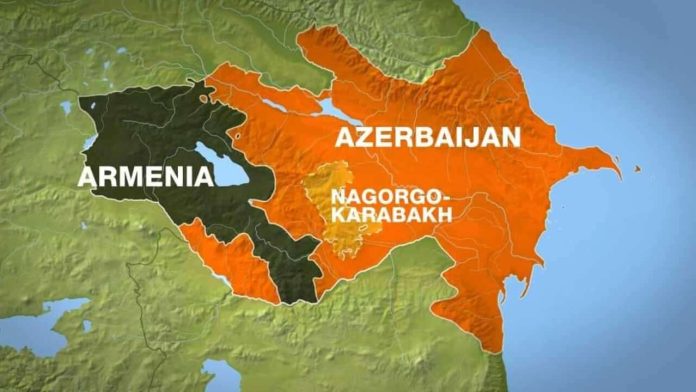
Armenia Azerbaijan

Armenia and Azerbaijan have traded fresh accusations over the disputed Nagorno-Karabakh region just ahead of new peace talks aimed at reaching a long-lasting resolution to the decades-old conflict.

Armenia accused Azerbaijan on Monday of threatening to resort to force after Azeri President Ilham Aliyev demanded the dissolution of Karabakh’s “separatist” local government.

Armenian Foreign Ministry further blamed Aliyev for making “genocidal threats” and “preparing the ground for another aggressive action against the population of Nagorno-Karabakh,” according to an official statement cited by the country’s official Armenpress news agency.

The statement came after Aliyev called on Armenians on Sunday to abandon their “illusions” of Karabakh’s independence, while boasting military successes scored by Azerbaijan in the 2020 war to recapture the region after Armenia took it over in 1994.

“That means abiding by the laws of Azerbaijan, becoming normal, loyal citizens, tossing false state symbols onto the rubbish heap and dissolving the so-called parliament,” Aliyev further emphasized in remarks made in the town of Lachin.

The verbal blows came as peace talks between the two sides had appeared to be making progress in recent weeks, with Armenian Prime Minister Nikol Pashinyan expressing his country’s readiness to recognize Karabakh as part of Azerbaijan.

Karabakh has always been internationally recognized as part of Azerbaijan though it is mostly populated by ethnic Armenians who have resisted Azerbaijan’s sovereignty over the territory since a separatist movement waged a war against Azerbaijan in 1994 and captured it.

Azerbaijan eventually recaptured the in 2020 the territory captured by the Armenian separatists shortly after the Soviet rule collapsed in the early 1990s.

Since the six-week 2020 war, which left more than 6,500 people killed on both sides and eventually concluded by a Russian-brokered truce, Pashinyan and Aliyev have held several talks brokered by Moscow and the European Union.

The two men met last week in Moscow, where Russian President Vladimir Putin declared the two sides were making progress towards clinching a long-term peace deal.

The Armenian and Azeri leaders are due to meet again at an EU development meeting in Moldova on Wednesday, when leaders from more than 40 states as well as European institutions are also expected to take part.

Top on the agenda is the Karabakh dispute, along with demarcation of the two nations’ border, return of prisoners and establishment of trade “corridors” running through each other’s territory.

Morad-Sahraei becomes Iran’s education minister after winning confidence vote at Parliament

Reza Morad-Sahraei

During a parliamentary session on Tuesday, Morad-Sahraei, who has been serving as the caretaker of the Ministry of Education since March, presented his agenda and plans to the lawmakers.

At the session, 167 lawmakers voted in favor of the proposed minister and 86 against. Fourteen legislators also abstained.

Morad-Sahraei was appointed as the Education Ministry’s caretaker by President Ebrahim Raisi after Minister Yousef Nouri resigned from his post.

The resignation came in the wake of a delay in paying the teachers’ salaries, which prompted the president to order First Vice President Mohammad Mokhber to investigate and deal with any probable malpractice.

Morad-Sahraei, 47, holds a Ph.D. in linguistics and serves as the dean of Farhangian University.