Thursday, January 1, 2026
Home Blog Page 1383

Pakistan vows to counter Indo-US defense cooperation

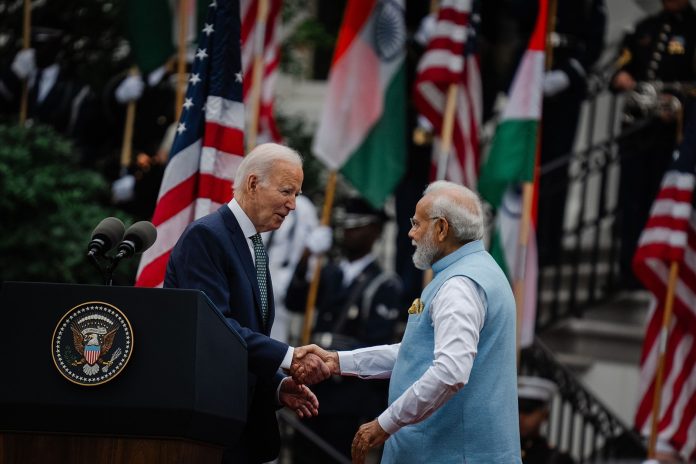
Joe Biden and Narendra Modi

Official sources told The Express Tribune on Thursday that the US was informed through diplomatic channels that the transfer of advanced military hardware to India without taking into account Pakistan’s legitimate concerns would undermine the strategic stability and conventional balance in the South Asian region.

Pakistan told the US that India would feel embolden with the acquisitions of the technologies, thus putting the country’s national security interests in jeopardy, according to the sources familiar with the development.

Islamabad made it clear to Washington that such a cooperation between India and the US that harms its interests will leave Pakistan with no other option but to go for counter measures.

When Indian Prime Minister Narendra Modi recently visited the United States on a first state visit, his trip was not only rich in optics but some substantive decisions were taken.

For example, General Electric and India’s state-owned Hindustan Aeronautics Limited will make in India advanced fighter jet engines for the country’s indigenous light combat aircraft.

The US also agreed to set up a facility in India to produce battle-tested armed drones. For decades, Russia remained the major supplier of arms to India with 65 percent share only a few years ago.

That has now come down to 45% while the US share has jumped from 1 per cent to 11 per cent. The other major decision taken during Modi’s visit was that the US memory chip giant, Micron Technology, will invest up to $825 million to build a semiconductor assembly and test facility in India, creating thousands of jobs.

This indicates that the US is not only willing to sell arms to India but is not averse to the idea of transferring technology, something that has already raised alarm bells in Pakistan.

The US arms sale and transfer of technologies to India may be aimed at China but the development will certainly upset the military balance in South Asia.

Pakistan feels that the deepening US-India defense ties is a direct threat to its national security.

“Such steps are accentuating the military imbalance in the region and undermining strategic stability. They remain unhelpful in achieving the objective of a durable peace in South Asia,” read a statement of the Foreign Office while reacting to the Indo-US defense deals.

The US is certainly not bothered much as it is looking to achieve the bigger objective — to tame China. In fact, just a day after Modi wrapped up his visit to the US, the Indian army violated the ceasefire along the Line of Control (LoC). This was the first known transgression since the two countries agreed to renew the truce in February 2021.

The statement issued by Inter-Services Public Relations (ISPR) indicated that the Indian move was linked to its burgeoning defense ties with the US. “Driven by a new found geo-political patronage, India forces have embarked on a plan to take innocent lives to satiate their false narratives and concocted allegations.”

Islamabad was also perturbed with the Indo-US joint statement where a specific reference was made to Pakistan. The joint statement accused Pakistan of cross border terrorism and use of terrorist proxies. Pakistan strongly rebutted the charges and found them as unwarranted, one sided and misleading.

The US Deputy Chief of Mission was called to the Ministry of Foreign Affairs and a demarche was made to him regarding the US-India Joint Statement, issued on 22 June.

Pakistan’s concerns and disappointment at the unwarranted, one-sided and misleading references to it in the Joint Statement were conveyed to the US side.

It was stressed that the United States should refrain from issuing statements that may be construed as an encouragement of India’s baseless and politically motivated narrative against Pakistan.

It was also emphasized that counter-terrorism co-operation between Pakistan and US had been progressing well and that an enabling environment, centered around trust and understanding, was imperative to further solidifying Pakistan-US ties.
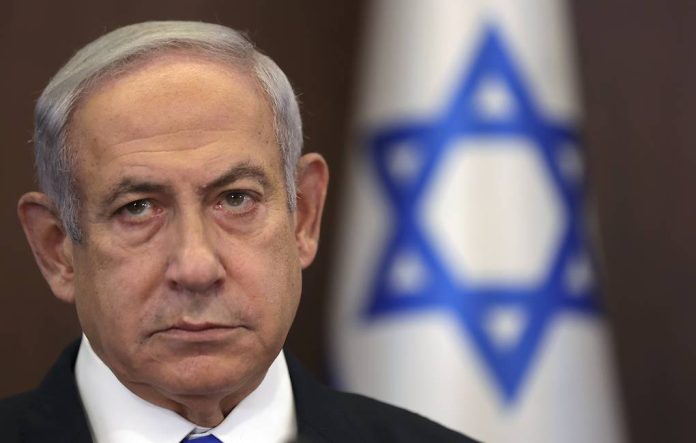
Israel not to deliver Iron Dome to Ukraine for fear it falls into Iran’s hands: PM

Benjamin Netanyahu

Israel is not giving the Iron Dome air defense system or other weapons to Ukraine because of its concerns that they might end up in Iran’s possession, Netanyahu said in an interview with The Wall Street Journal.

“I think, it’s important to understand that we are concerned also with the possibility that systems that we would give to Ukraine would fall into Iranian hands,” he continued.

Netanyahu pointed out that if that happens, Tehran would be able to use Israeli weapons against Israel.

He noted that Israel is a densely populated country and so far, it has been avoiding major casualties because the Iron Dome system was shooting down 95% of the missiles targeting Israel’s population centers.

“Now, if that system would fall in the hands of Iran, then millions of Israelis would be left defenseless and in peril,” he added.

While Israel has condemned Russia’s military operation in Ukraine, it has not taken part in the Western sanctions on Moscow and has refrained from providing lethal aid to Kiev, focusing instead on humanitarian assistance.

Netanyahu has previously expressed concerns over the potential spillover of Israeli weapons. Last week, he stated that the proliferation of weapons is “not a theoretical possibility,” noting that Western anti-tank weapons destined for Ukraine had already found their way to the Middle East.

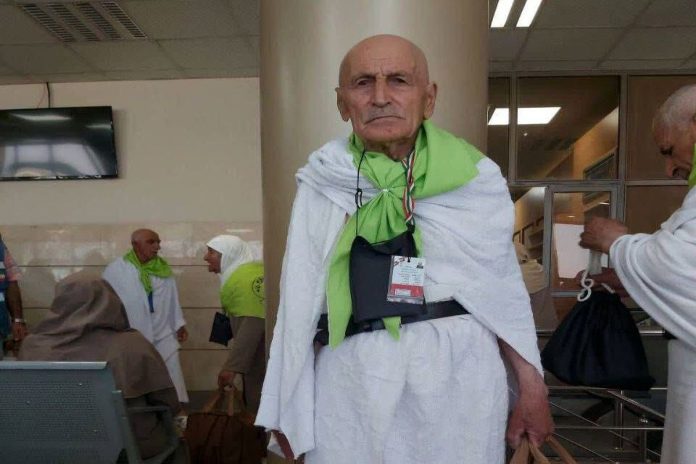
Oldest Iranian Hajj pilgrim dies of heart attack after rituals in Mina, Saudi Arabia

Oldest Iranian Hajj pilgrim

Mostafa Mahmoudzadeh, 111, suffered a cardiac arrest right after performing the Hajj rituals in Mina, near the holy city of Mecca in Saudi Arabia.

He will be laid to rest in Saudi Arabia, said Iranian Hajj officials on Thursday.

Ahead of his departure for the pilgrimage, Mahmoudzadeh spoke to Iranian media about his long-running desire to perform Hajj.

“I dreamed of traveling to the Land of Revelation (Mecca) since I was young, but it was not possible to go. I wanted to register a few years ago, but I changed my mind because I was old and I was afraid that I would not have the opportunity to travel,” he said.

“Finally, I signed up at the suggestion of one of my friends,” he added.

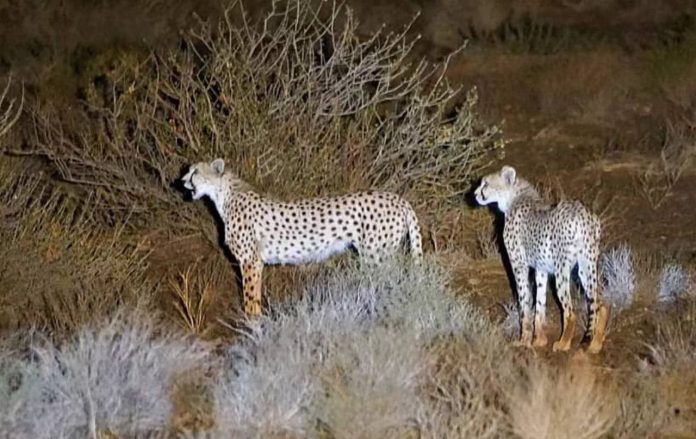
Mother cheetah looking for cub killed in Iran car accident

Mother cheetah

The cheetah cub lost its life after it was hit by a car on the perilous road connecting the city of Sabzevar in Khorasan Razavi Province to the city of Miami in Semnan Province.

Footage captured by an environmentalist and released by Iranian media showed the mother cheetah, named Helia, and her other cub searching for the lost child.

Cheetahs, the world’s fastest land animals, once stalked habitats from the eastern reaches of India to the Atlantic coast of Senegal.

They are still found in parts of southern Africa but have practically disappeared from North Africa and Asia.

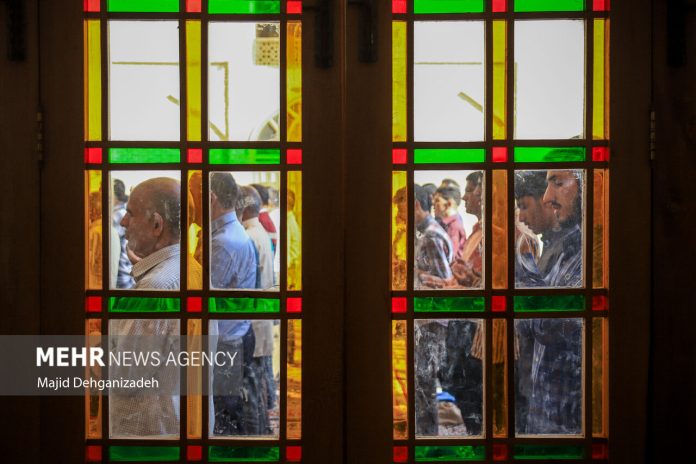
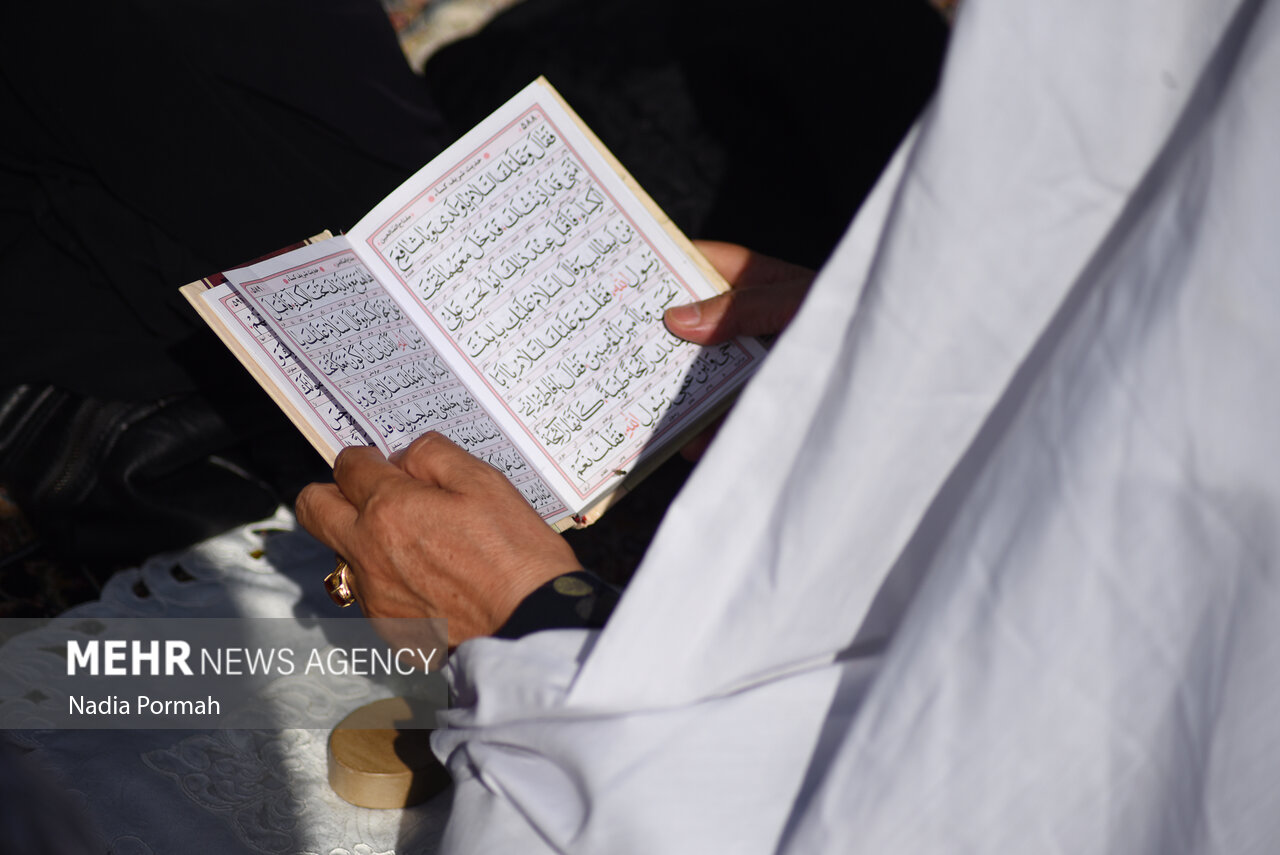
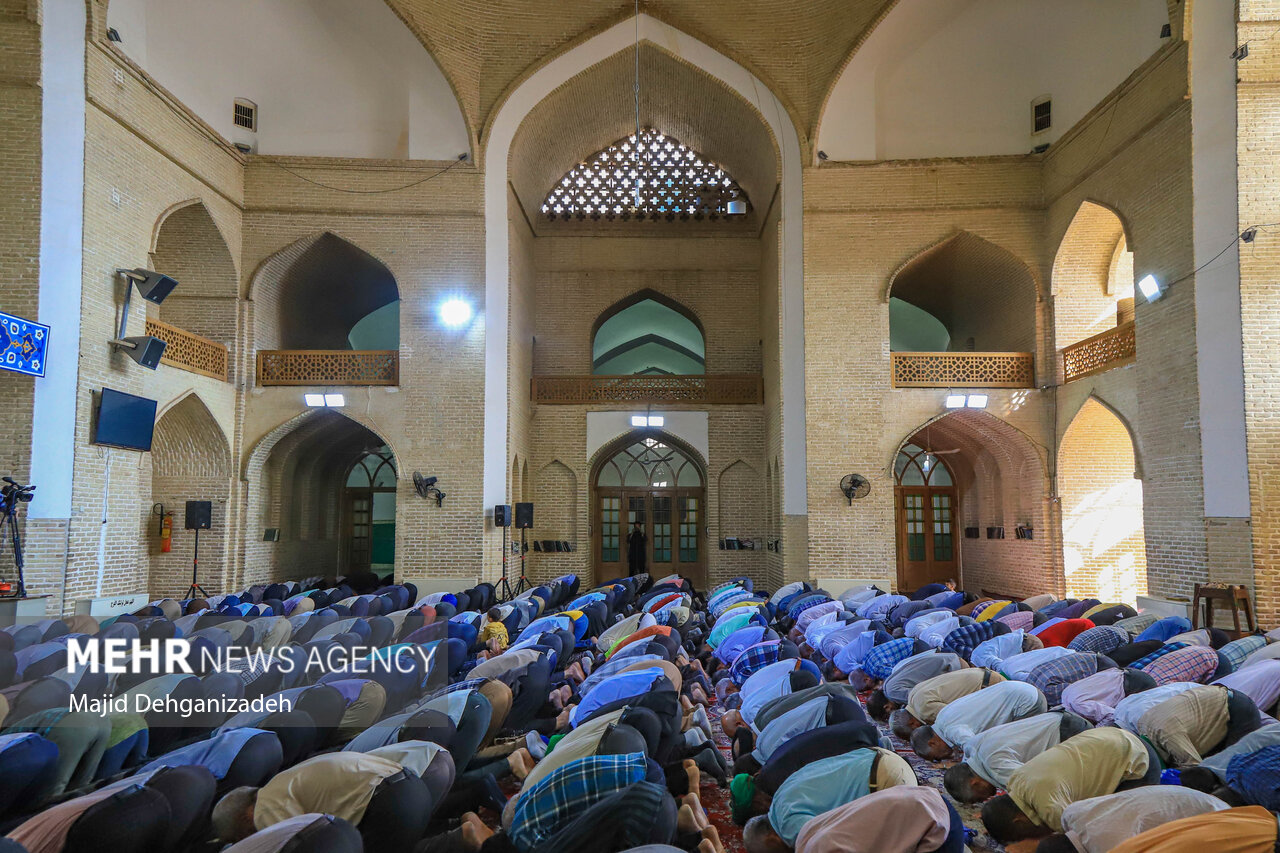
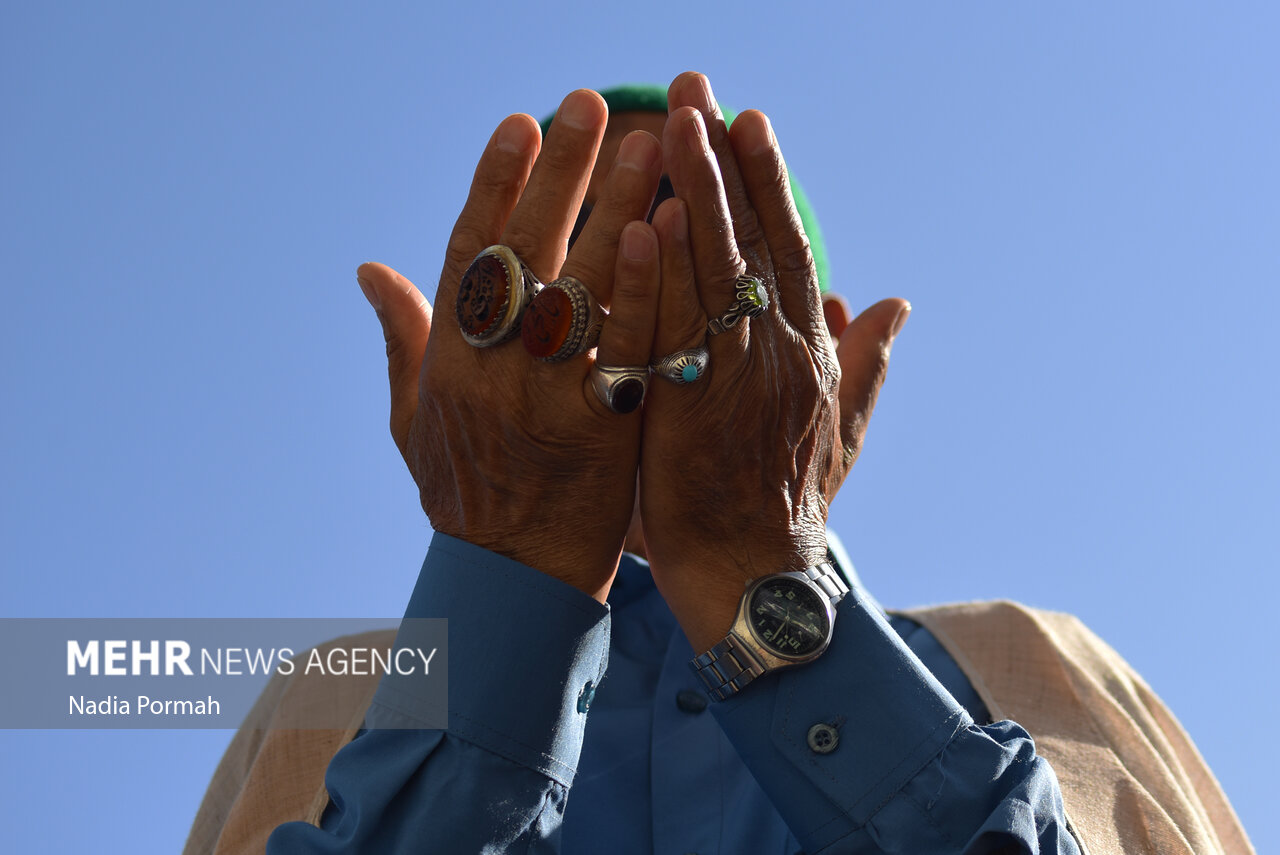
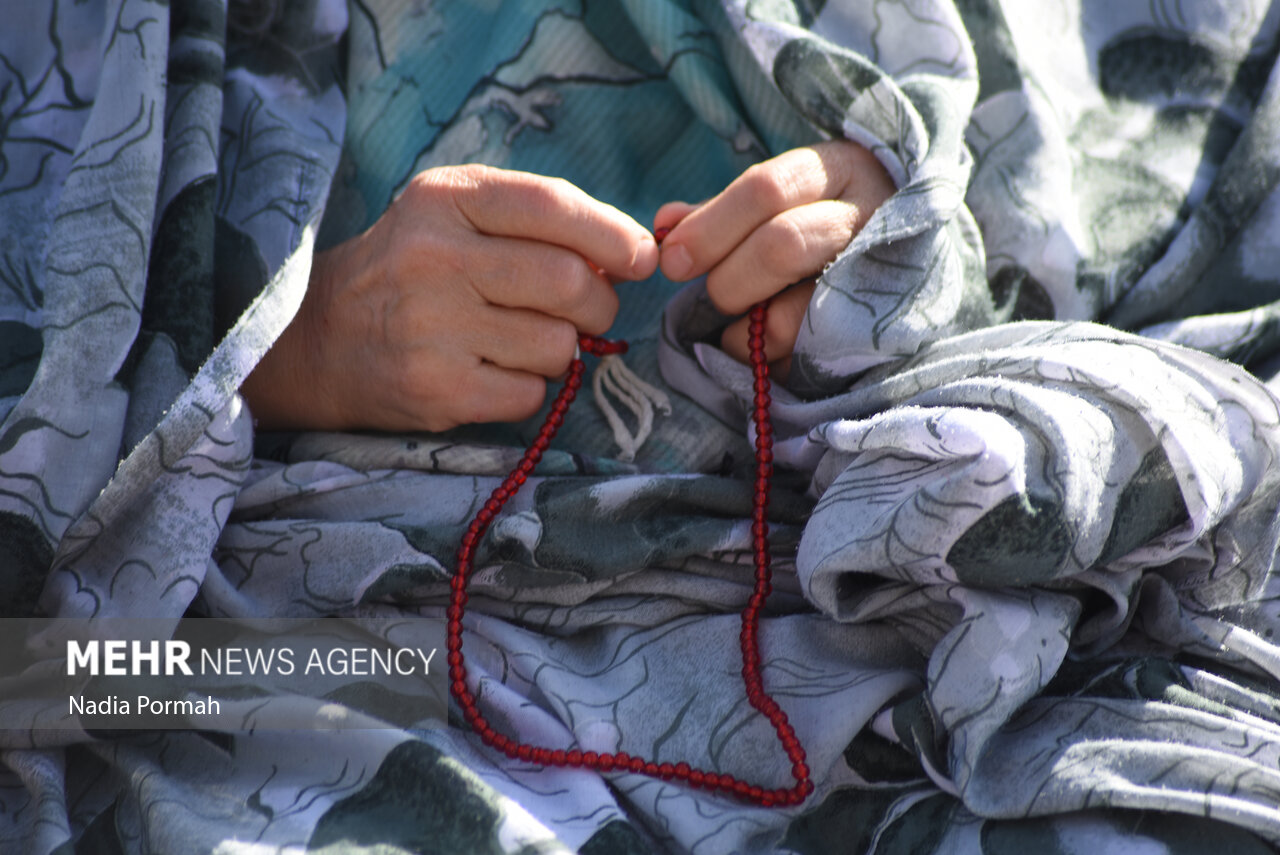
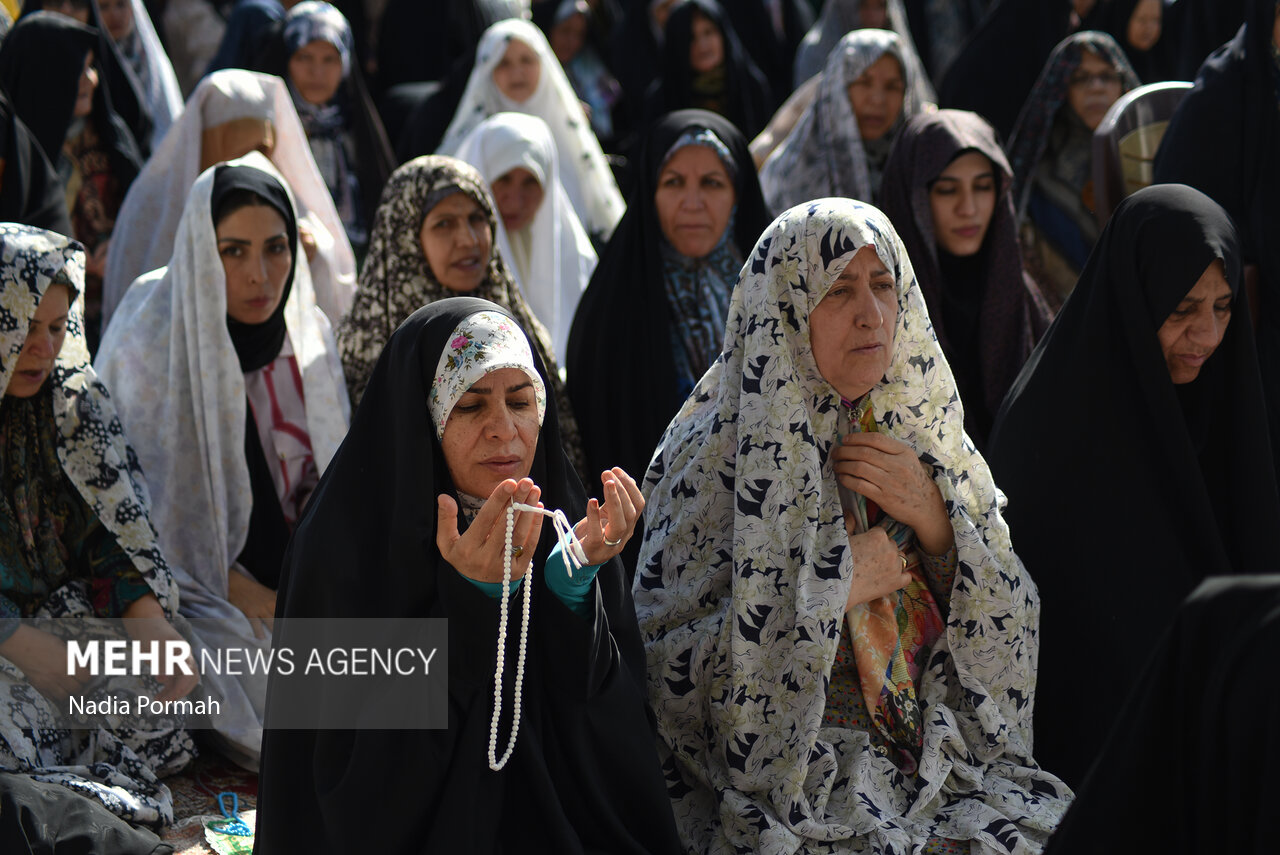
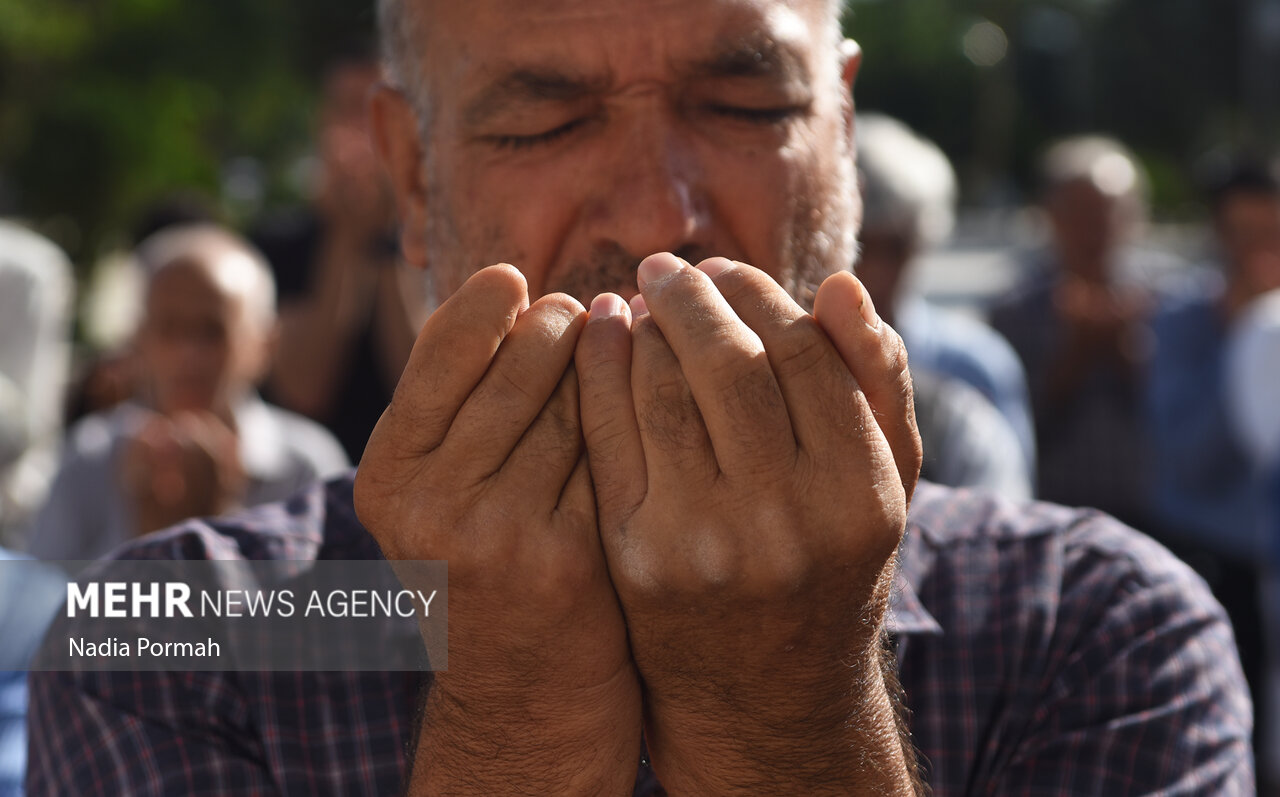
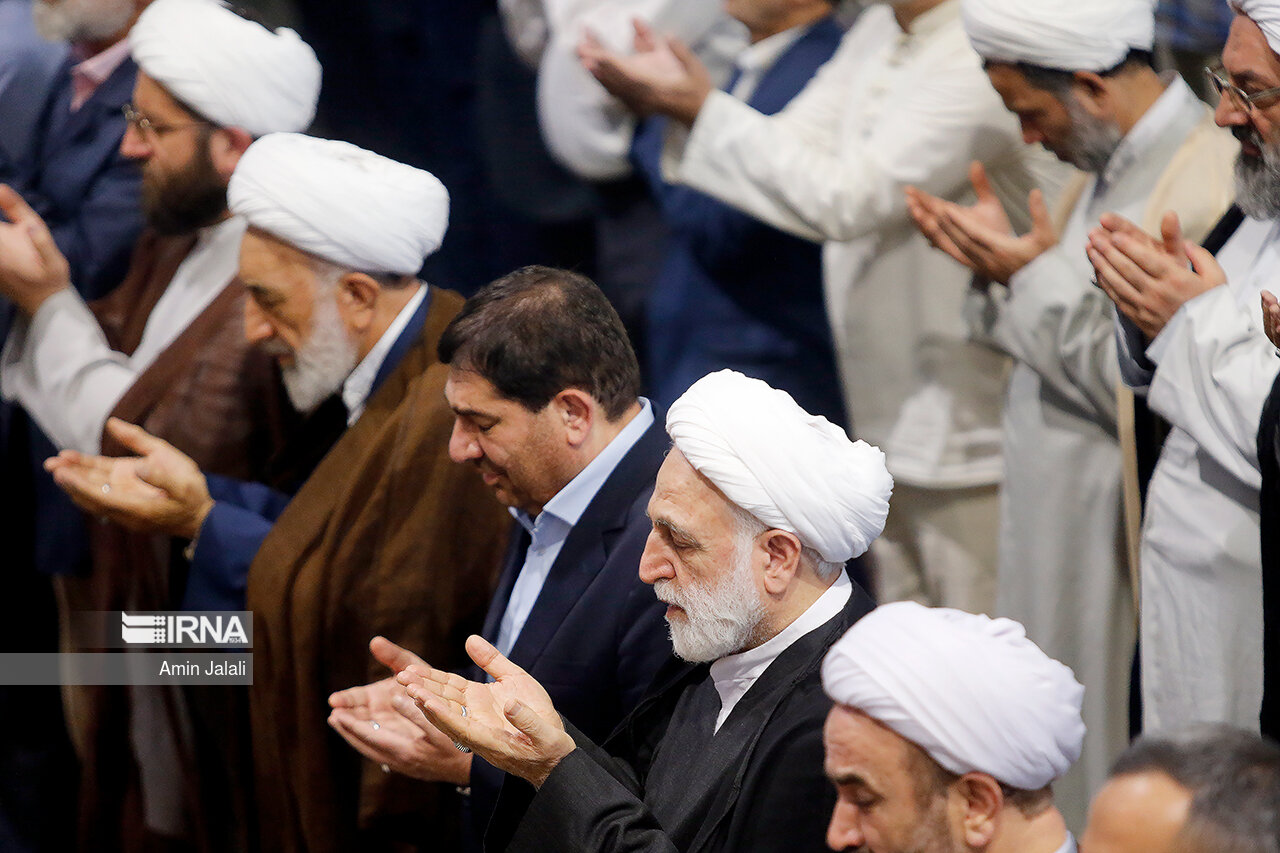
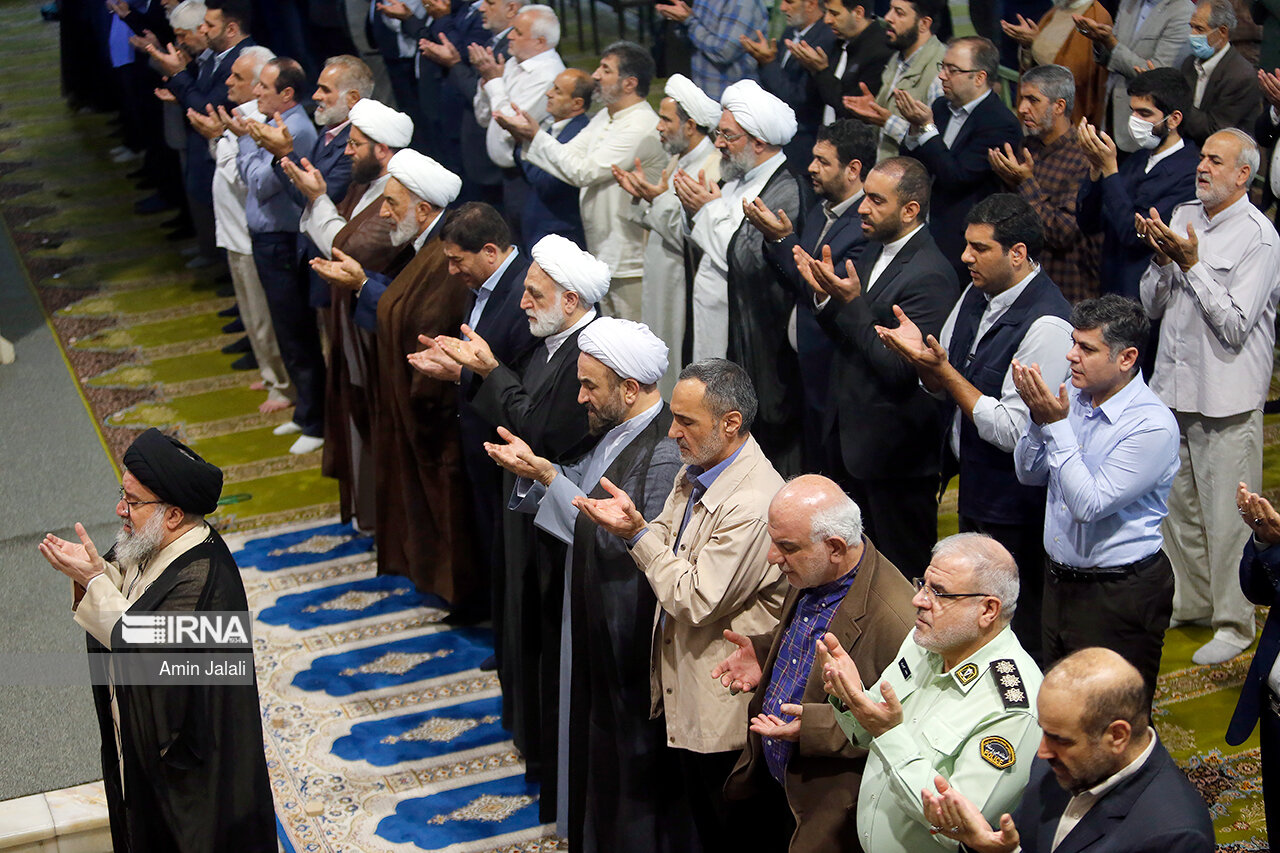
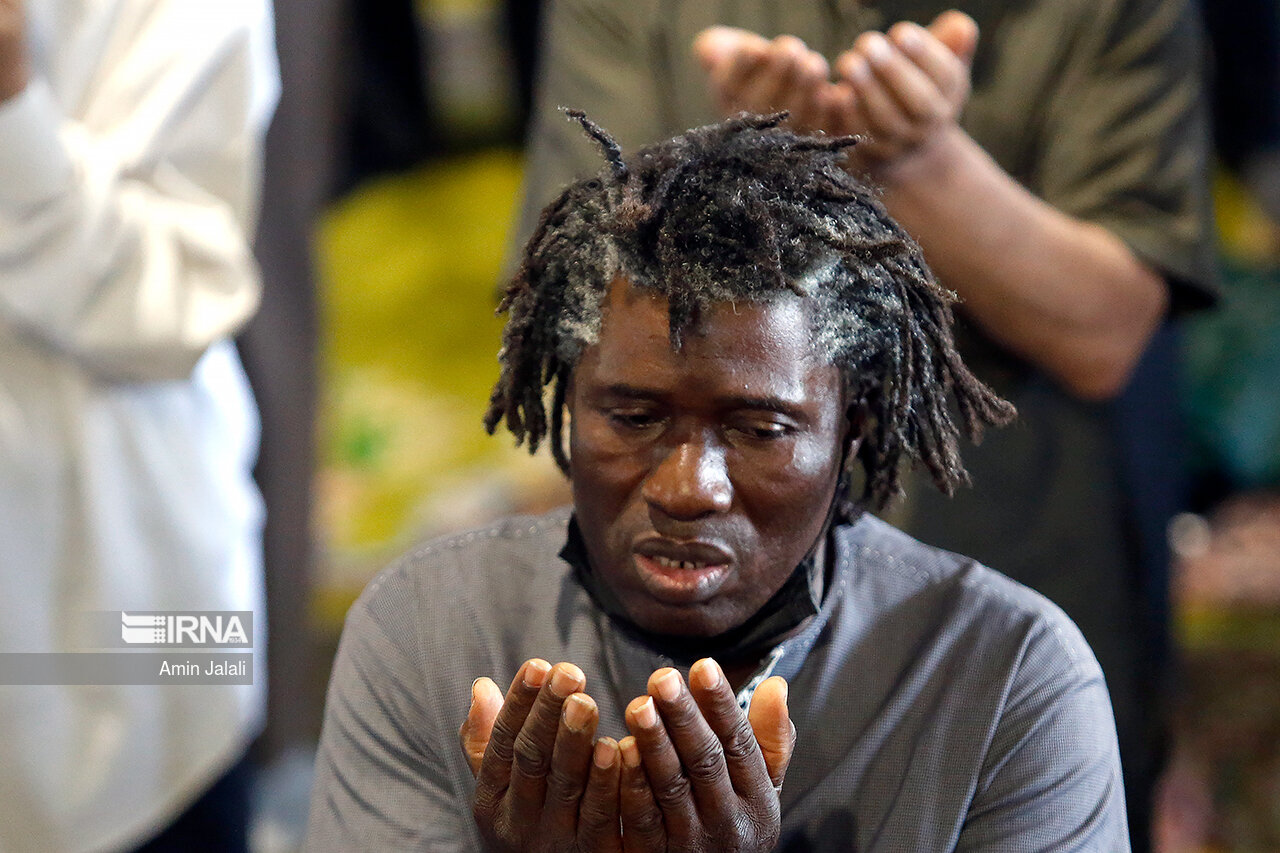
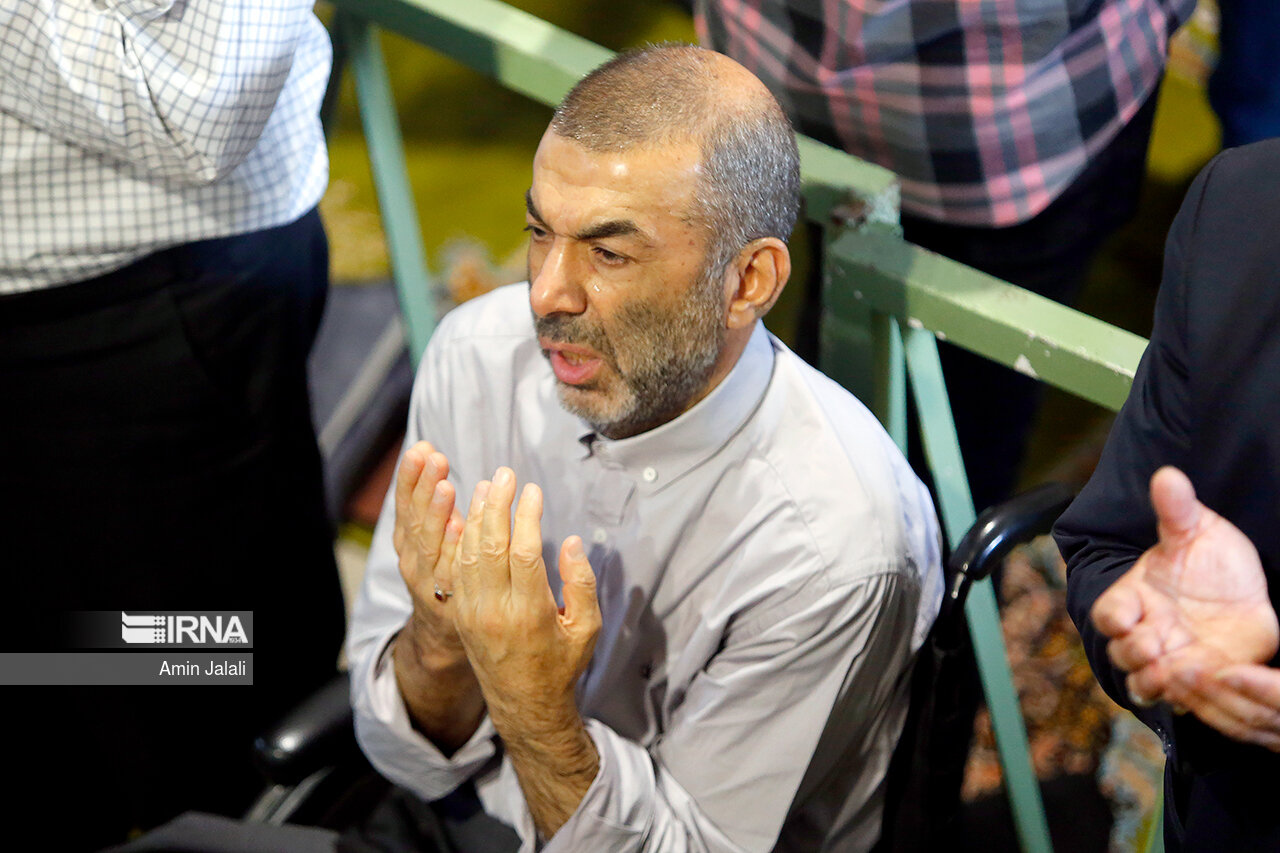
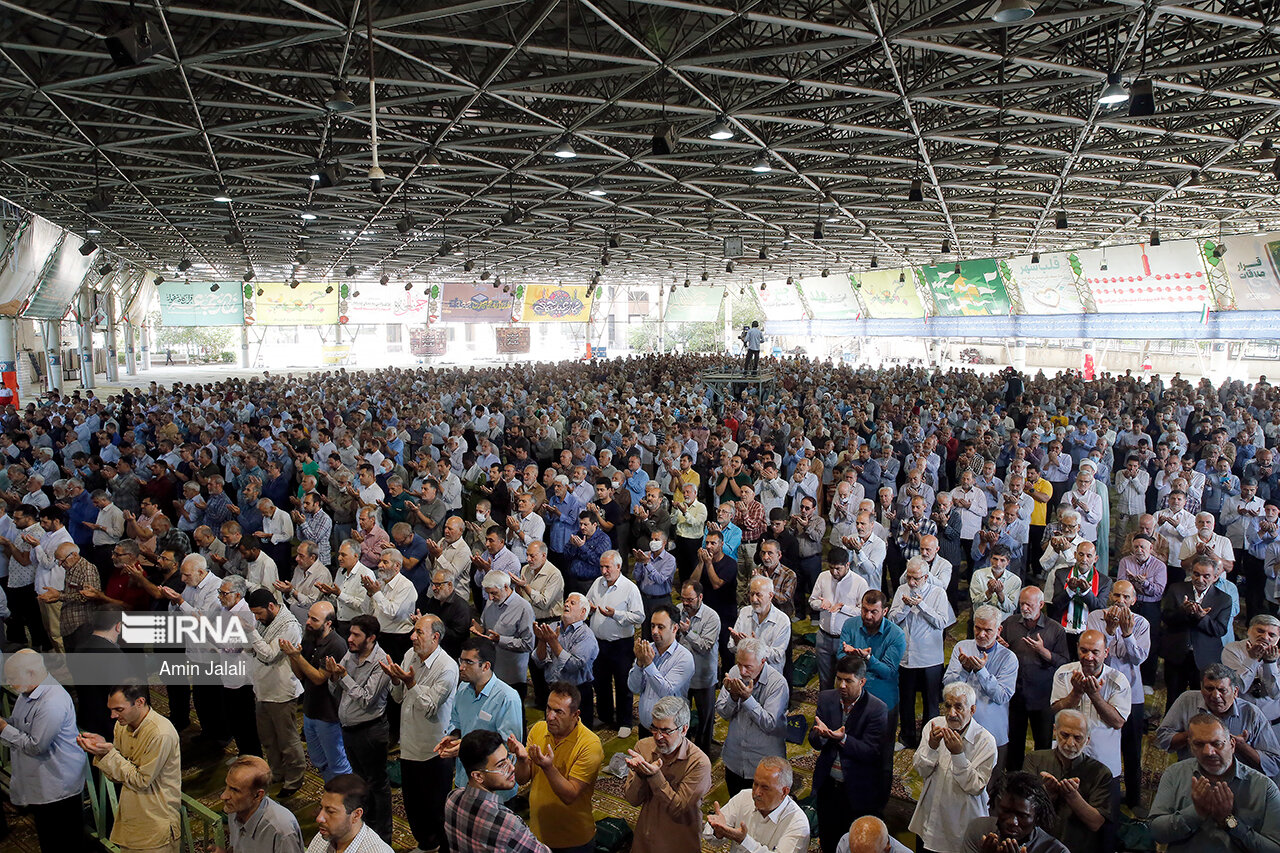
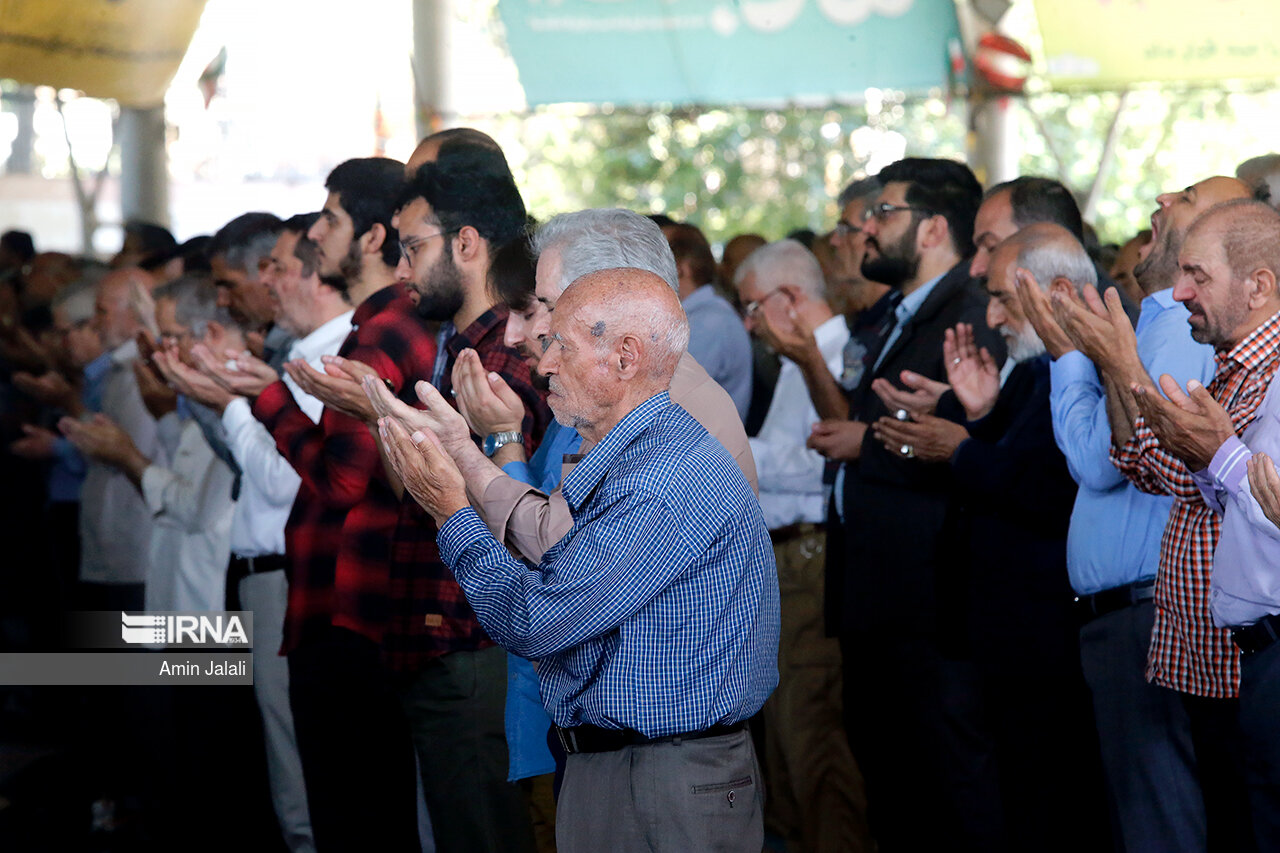
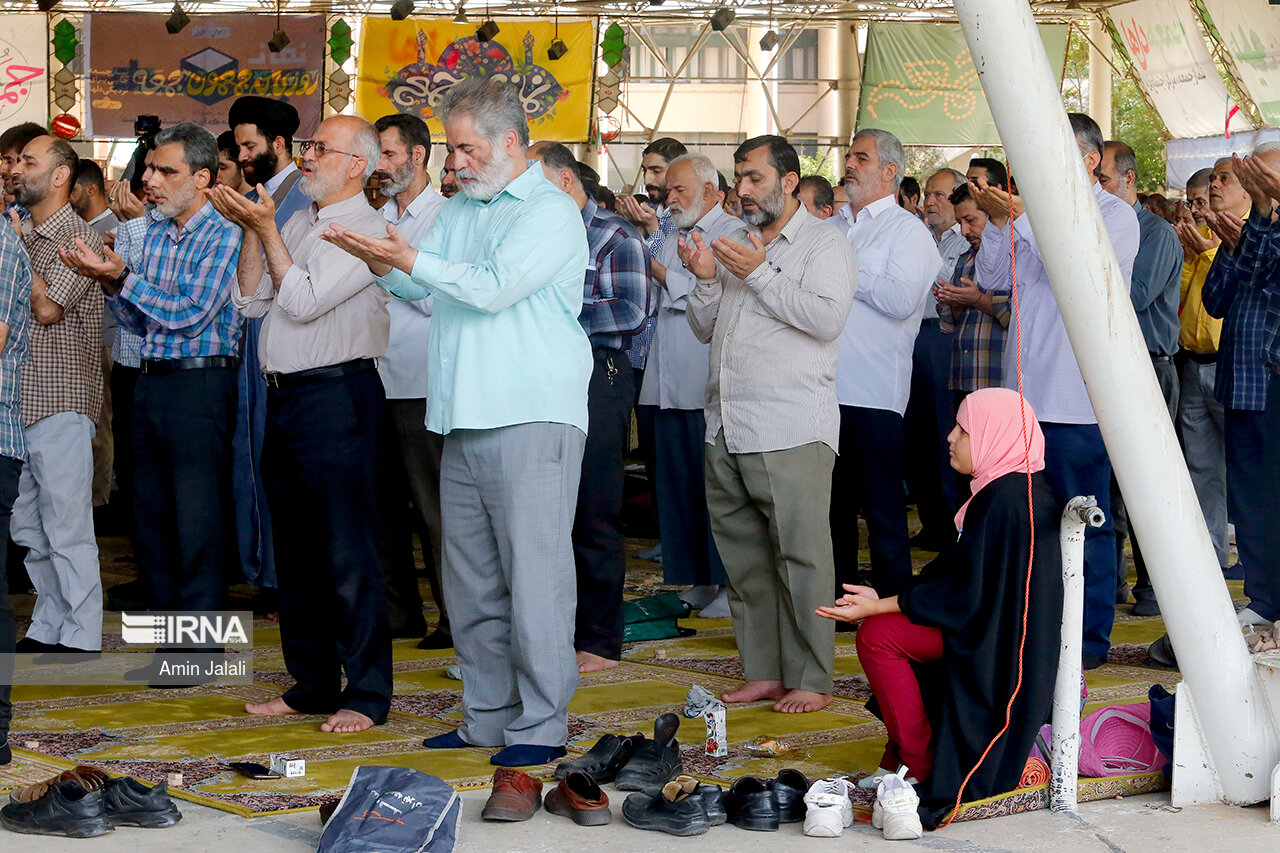
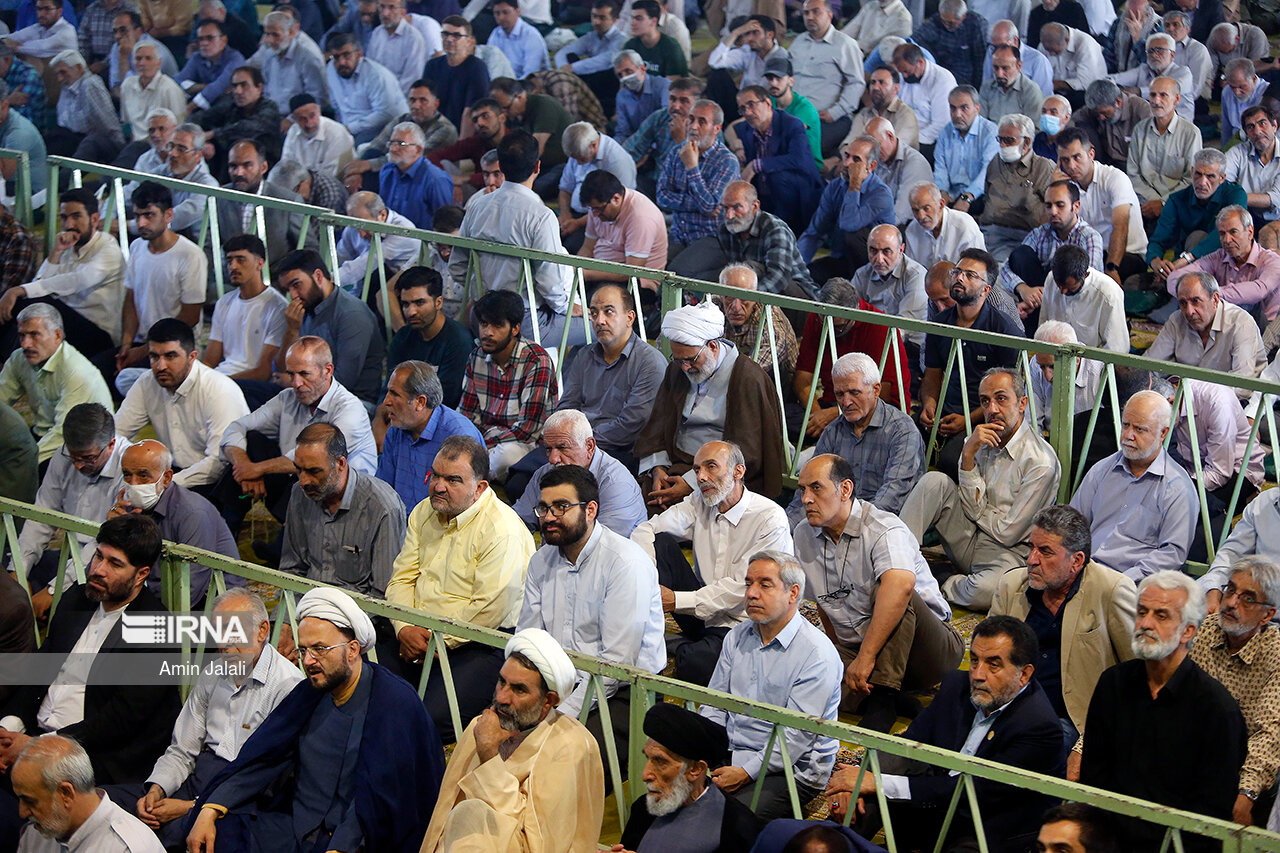
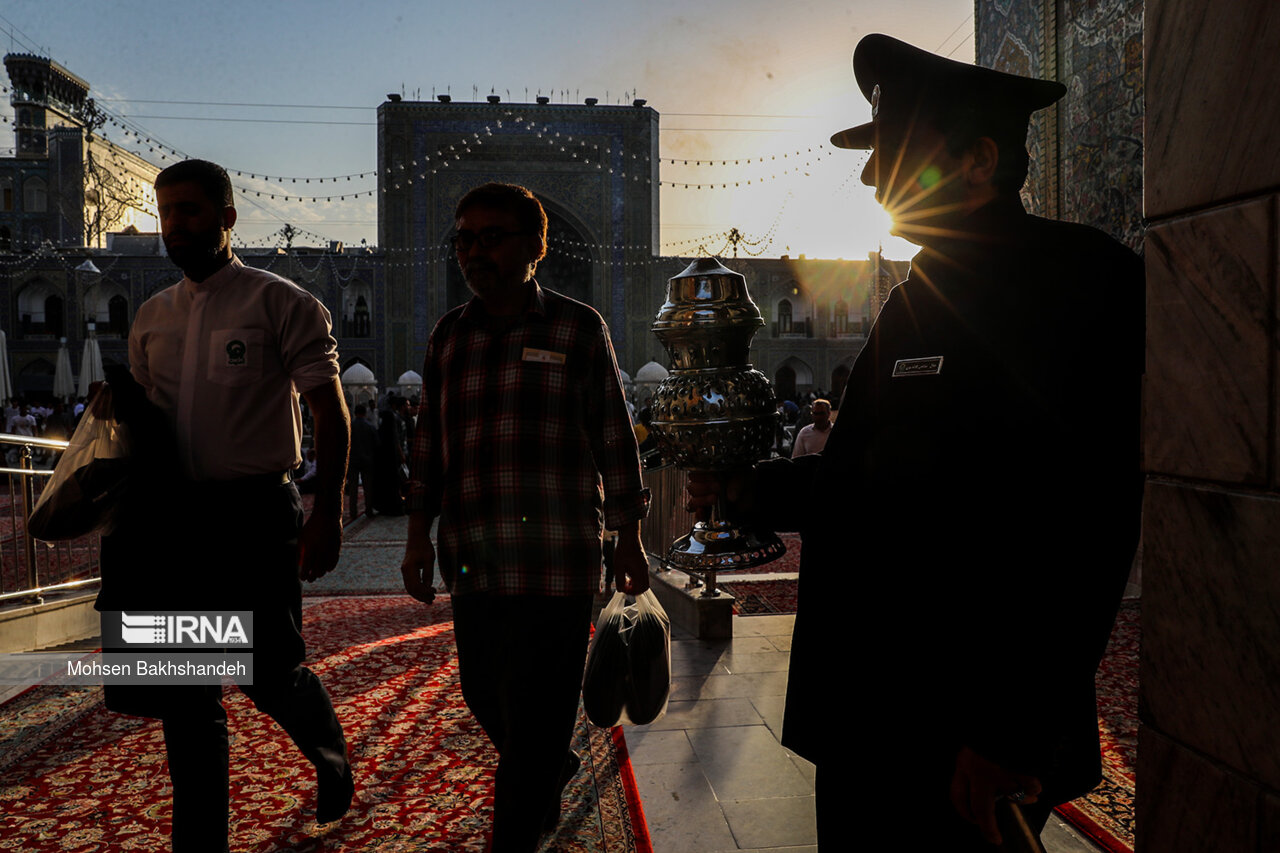
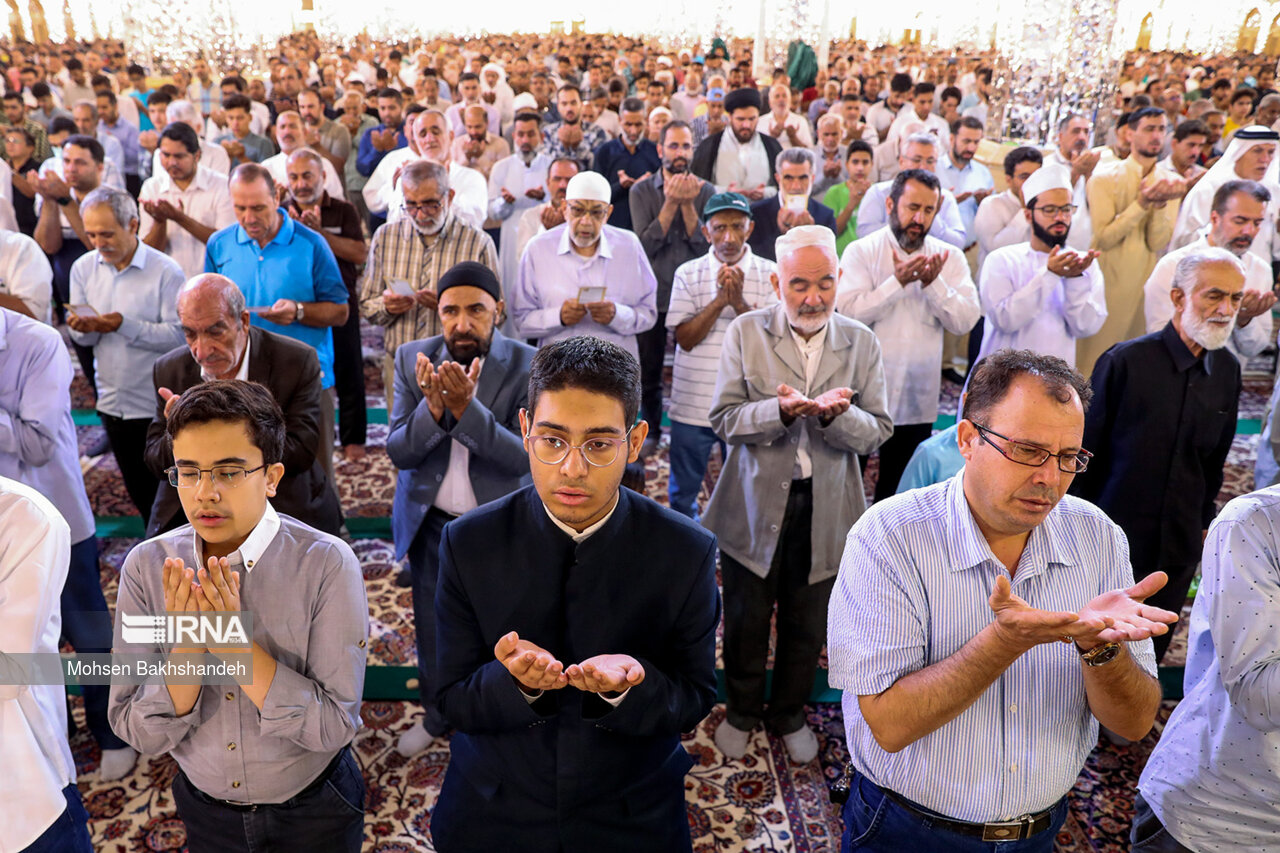
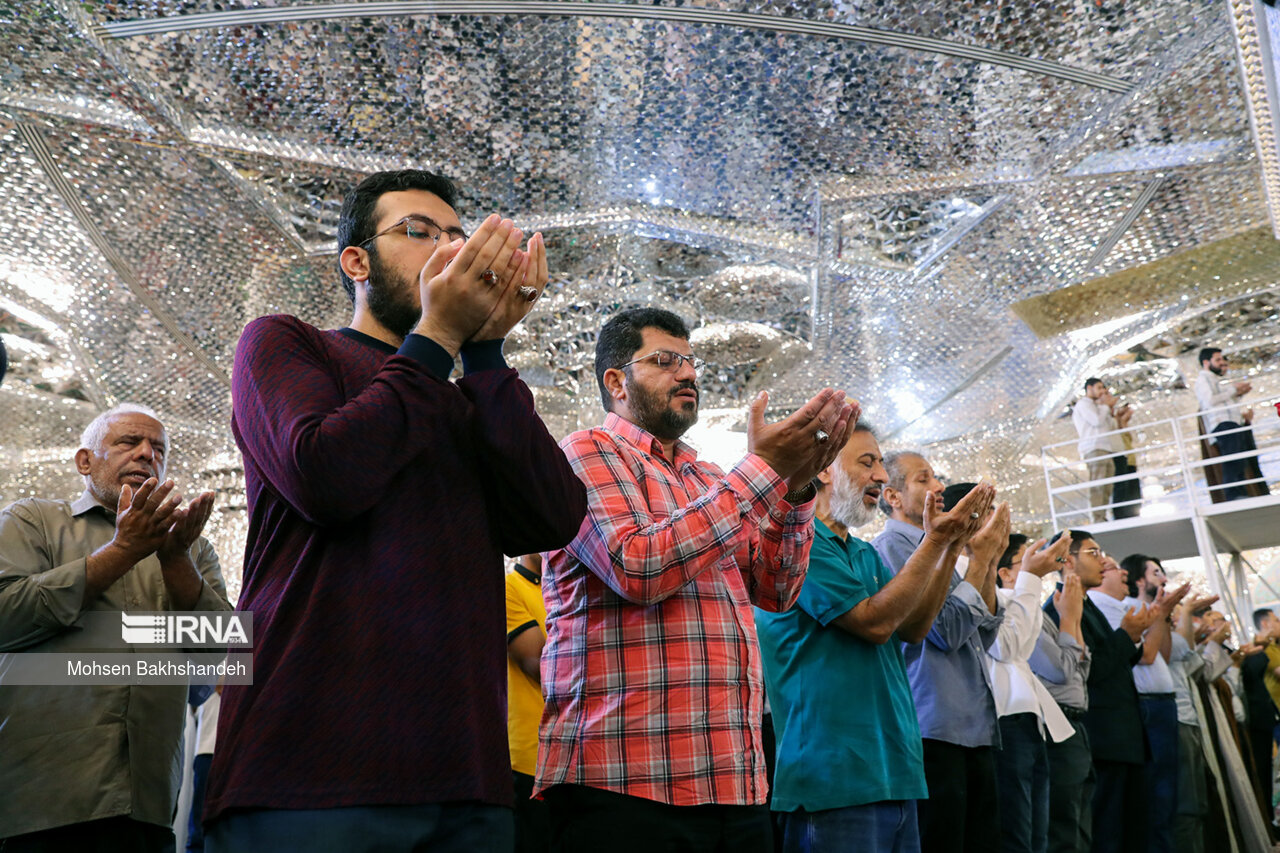
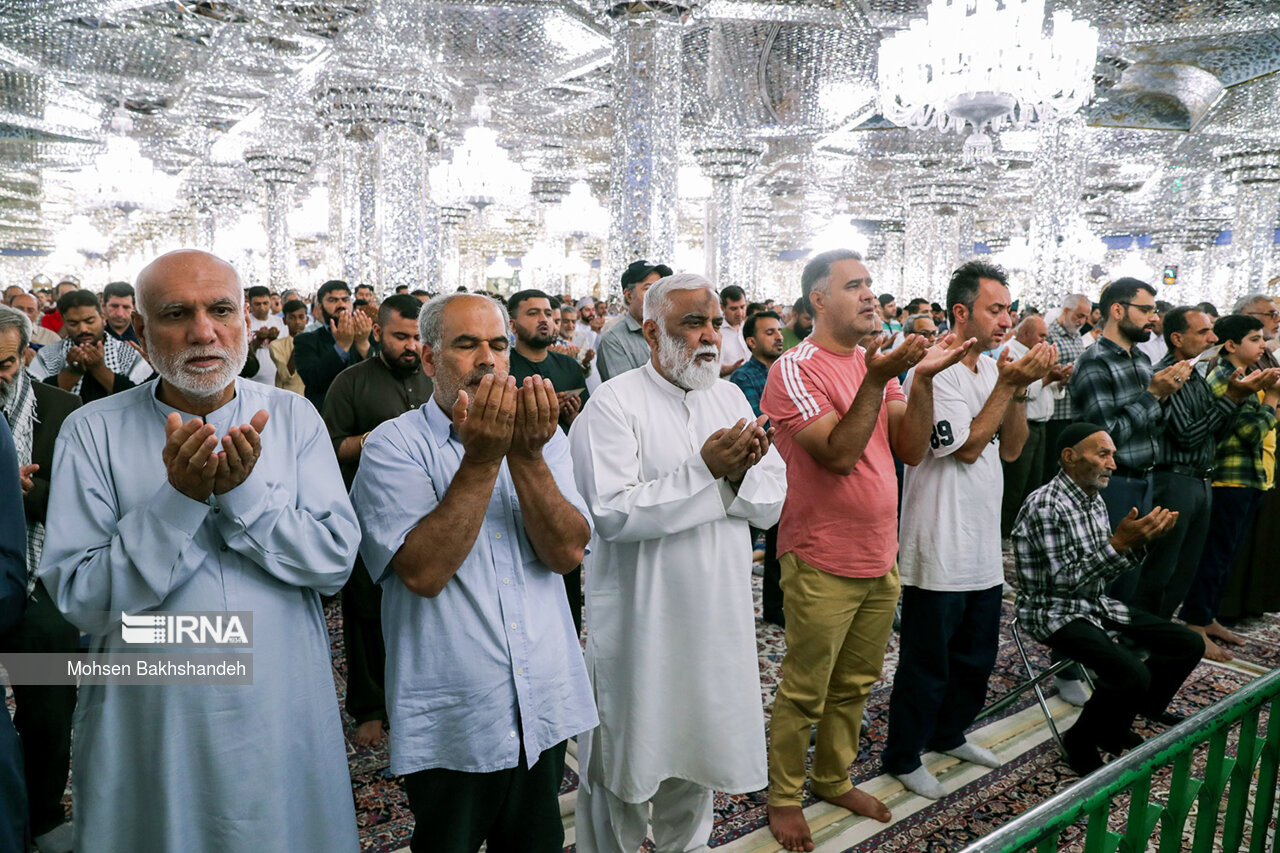
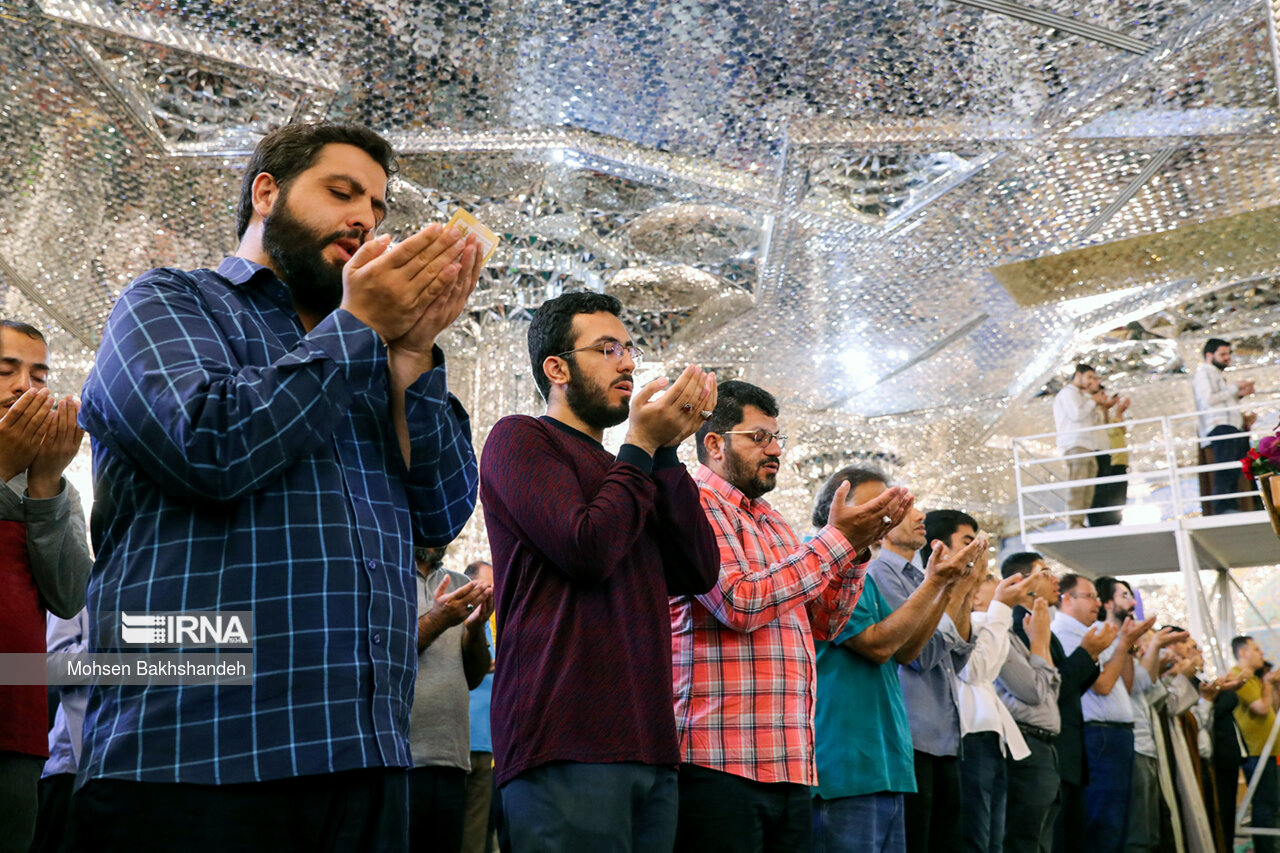
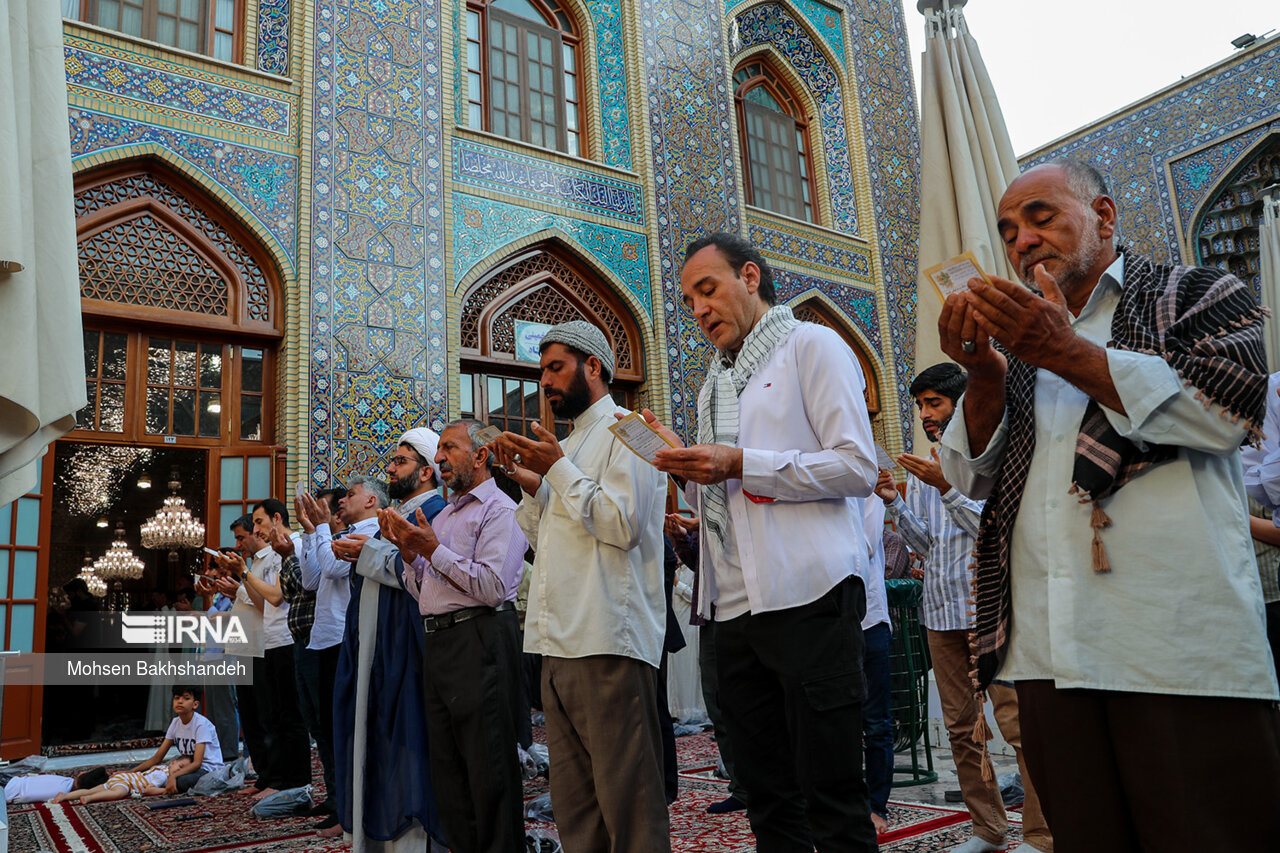
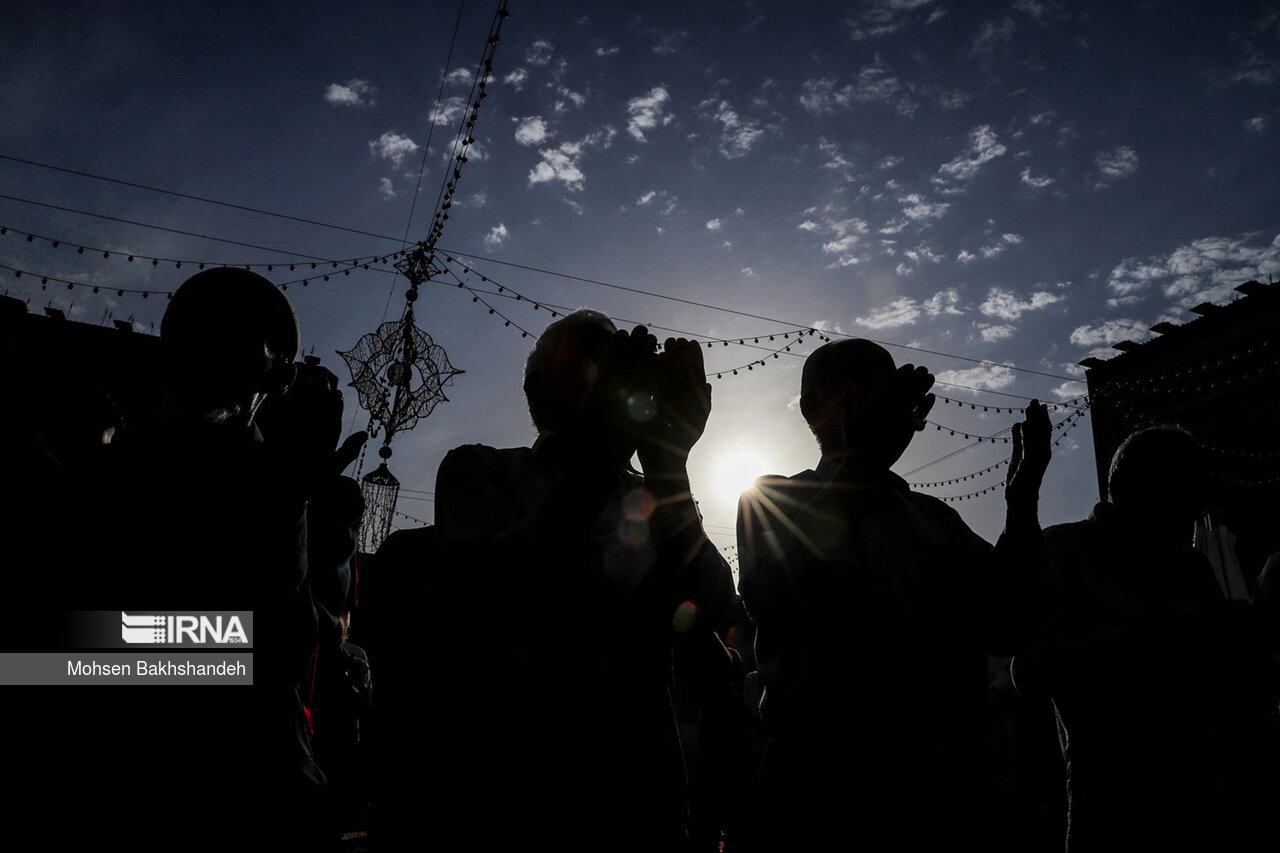
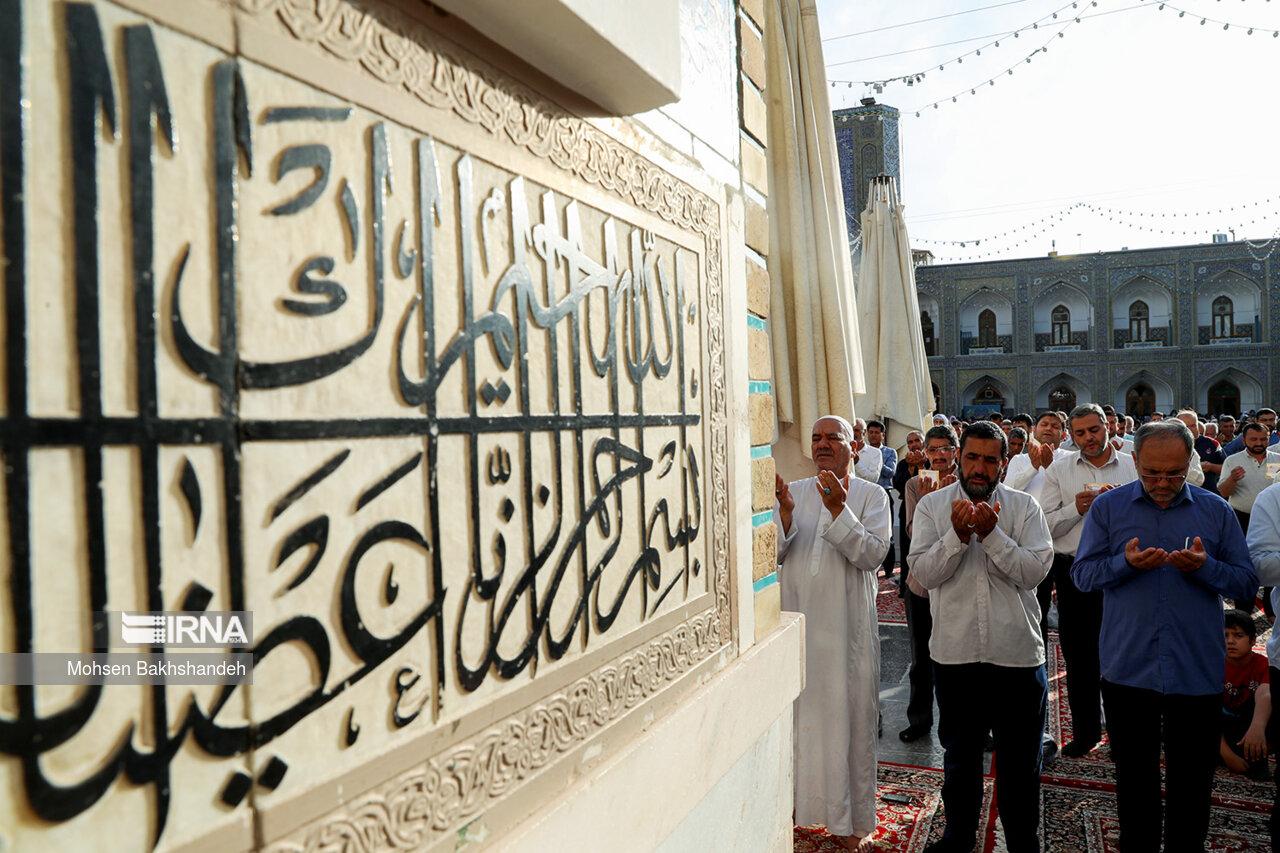
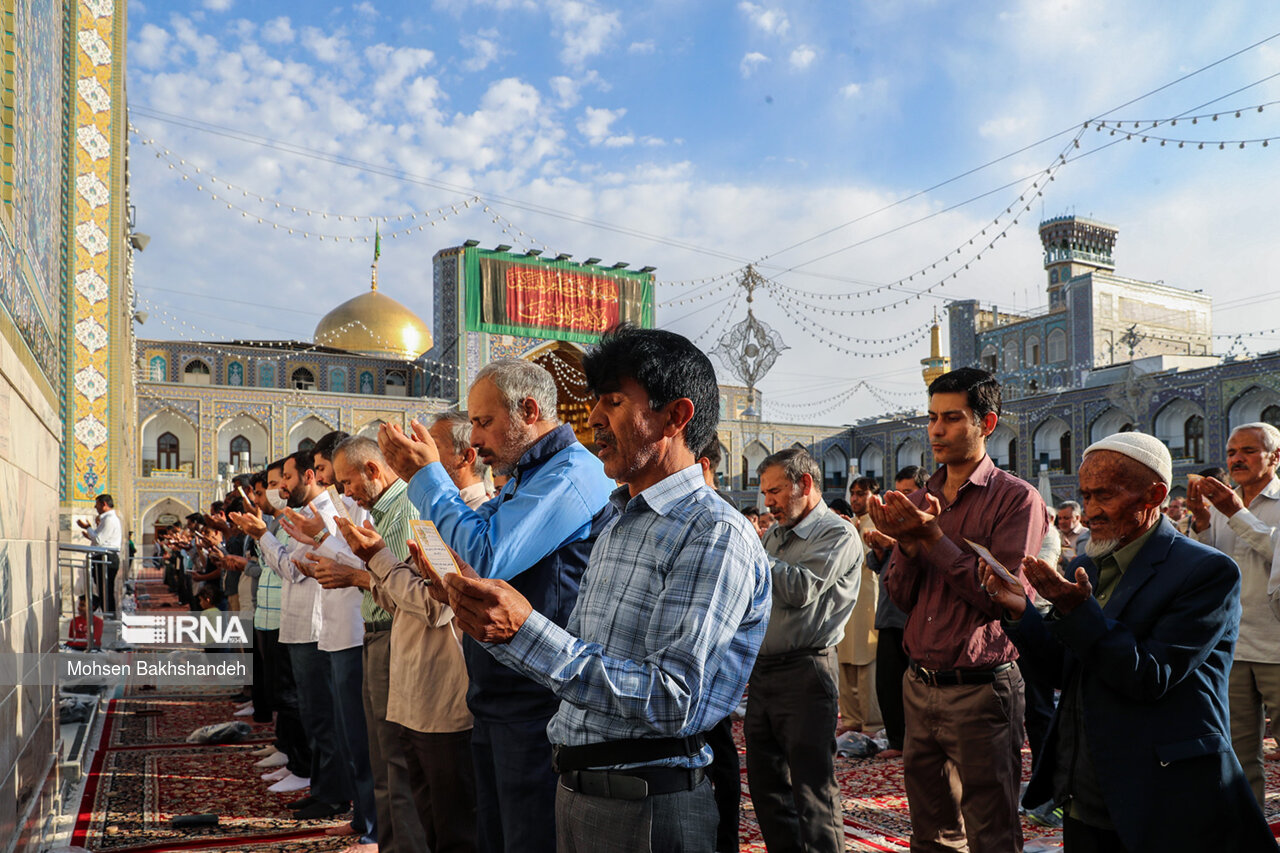
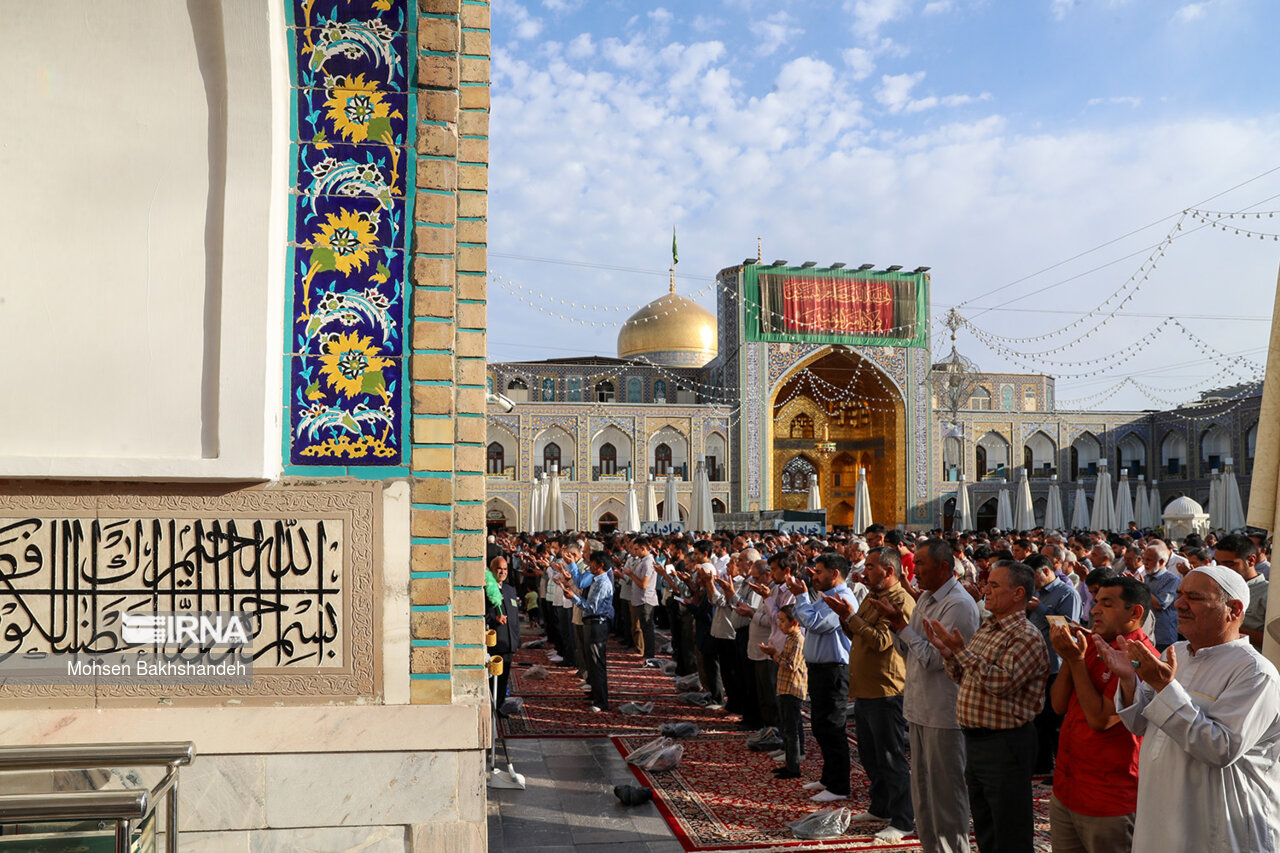
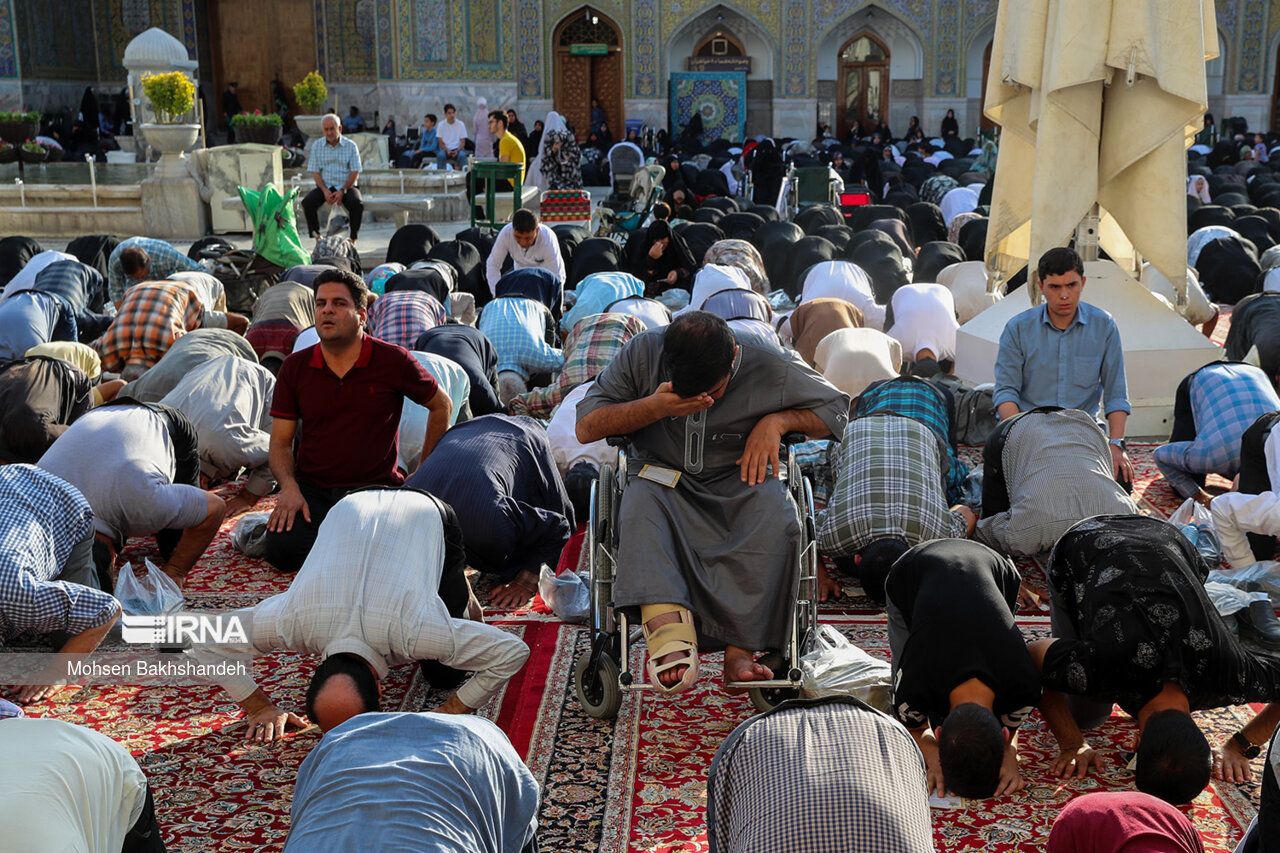
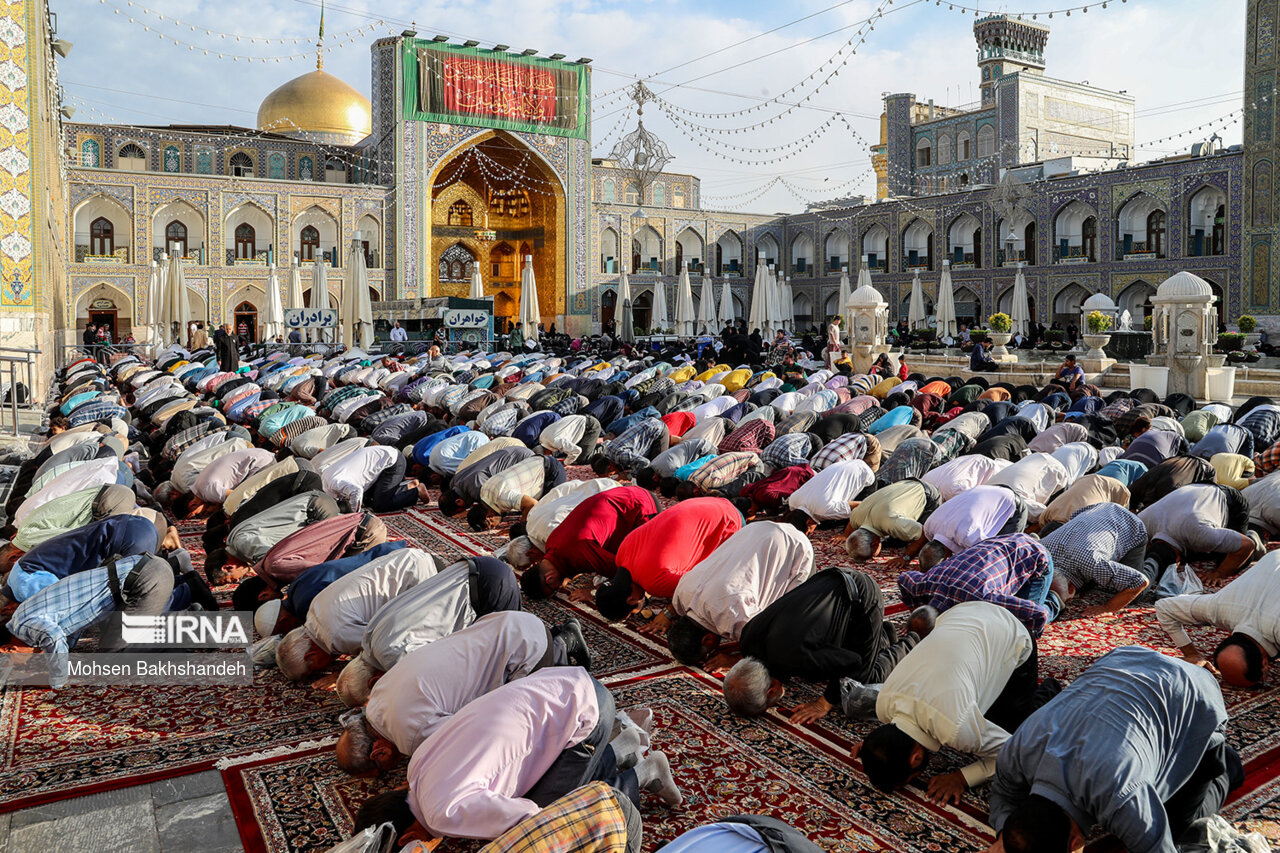
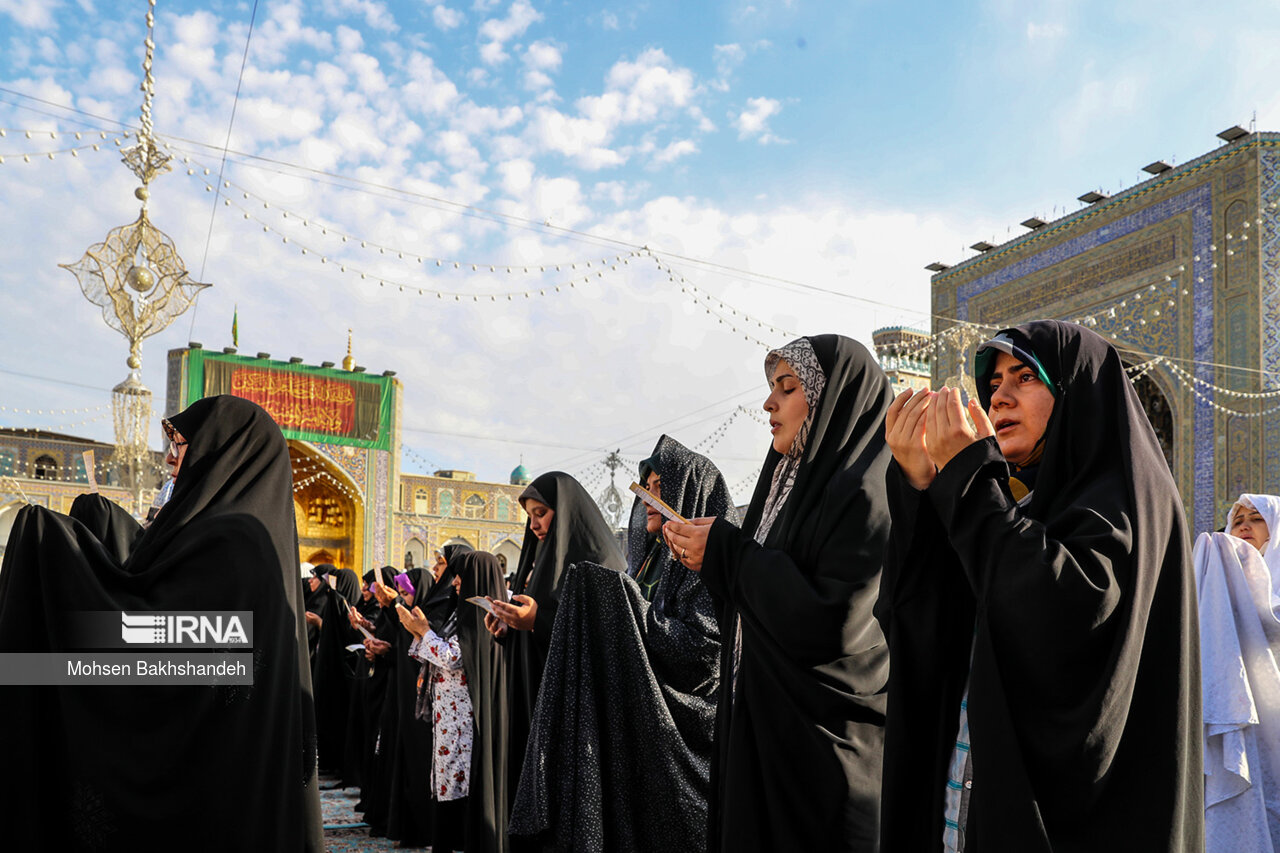
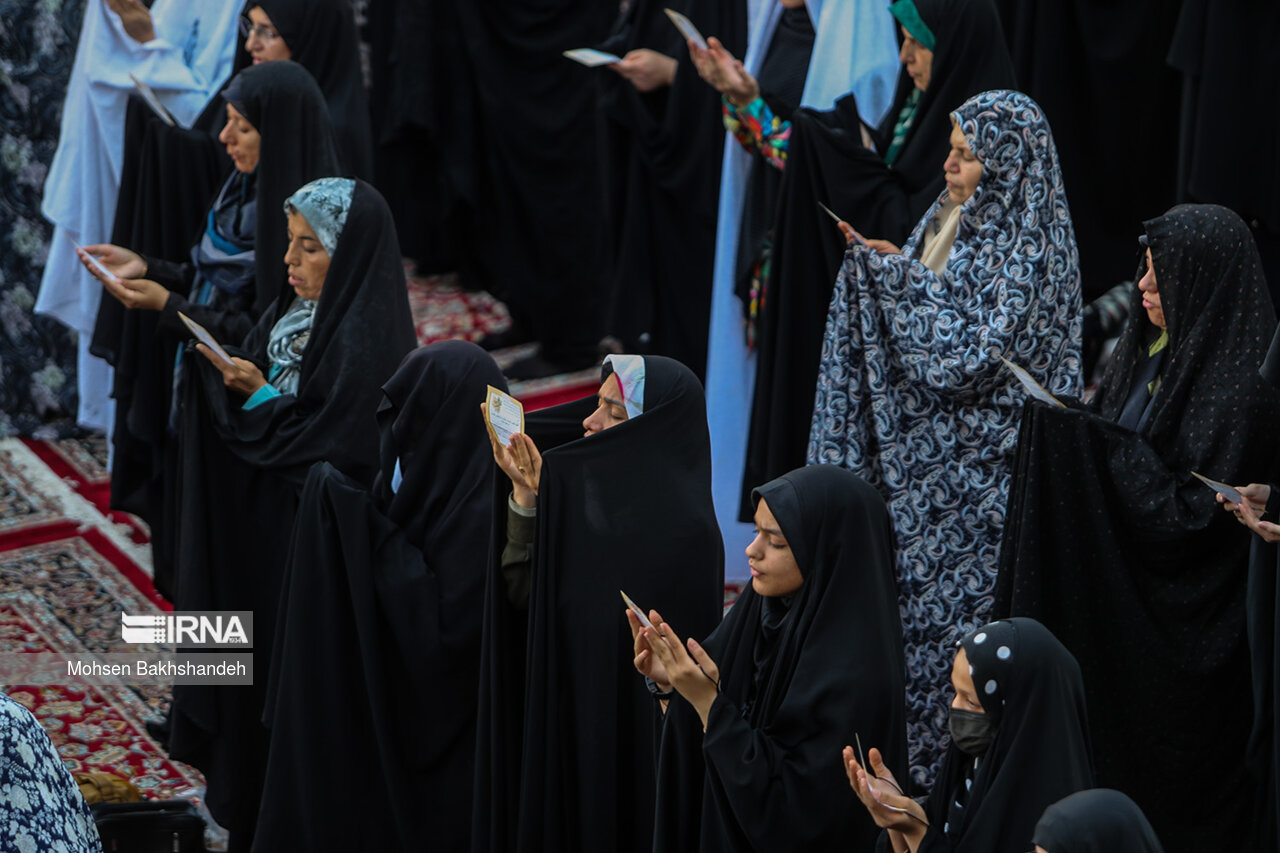
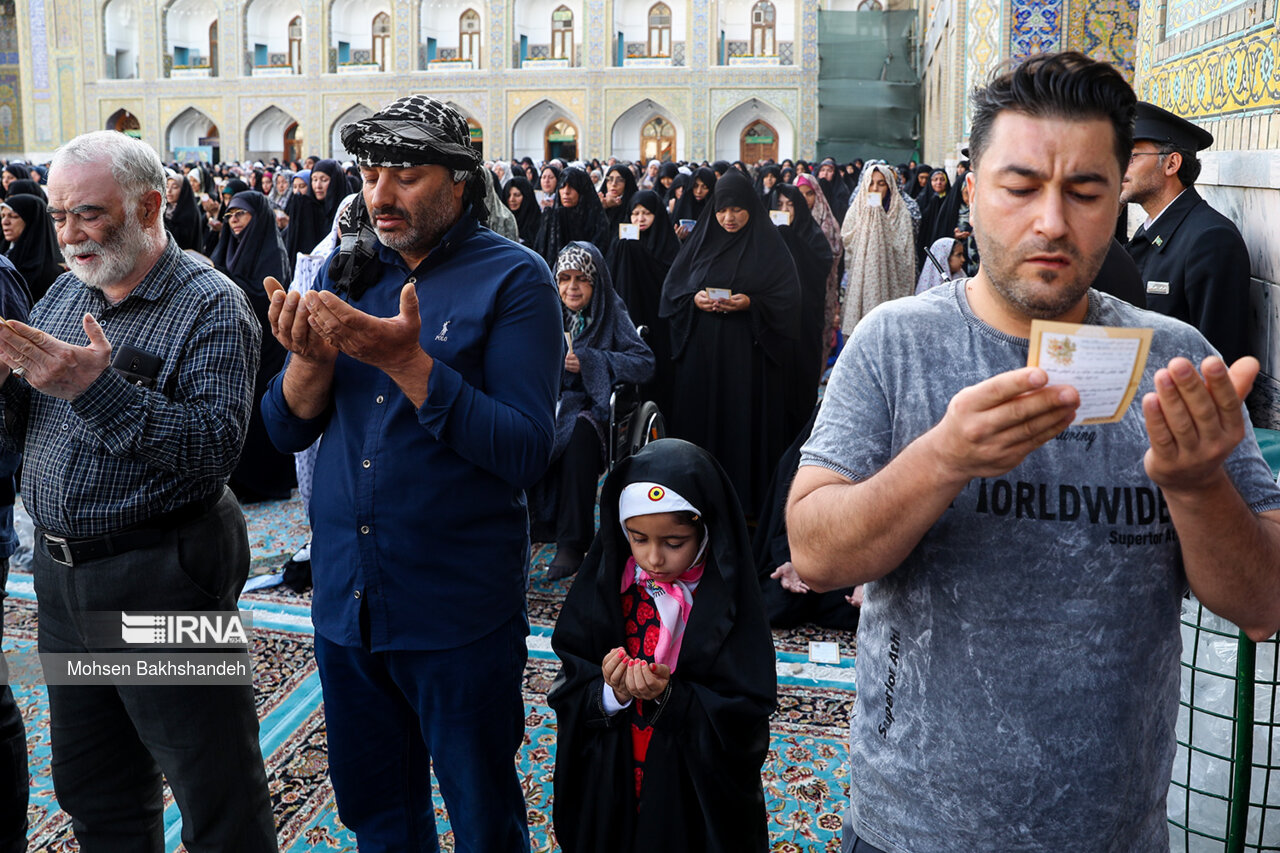
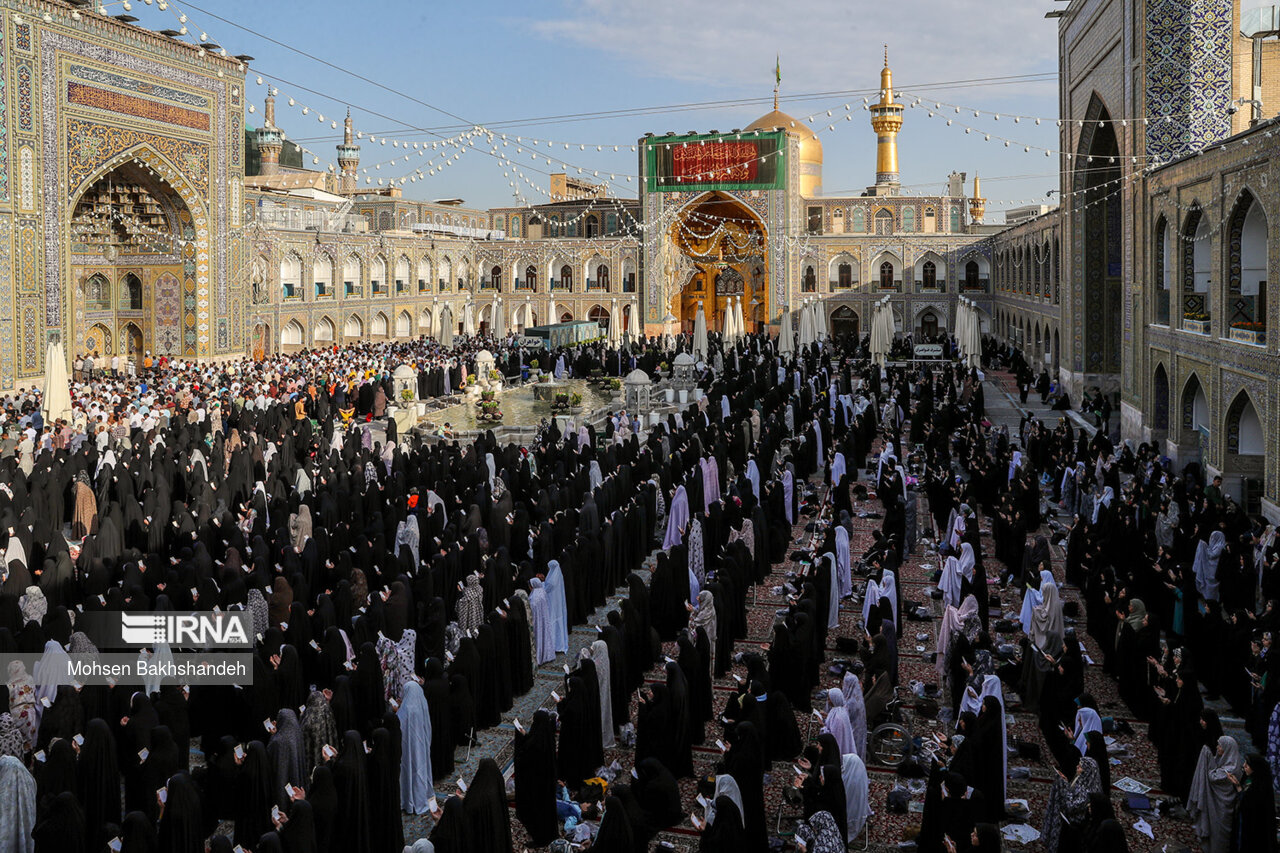
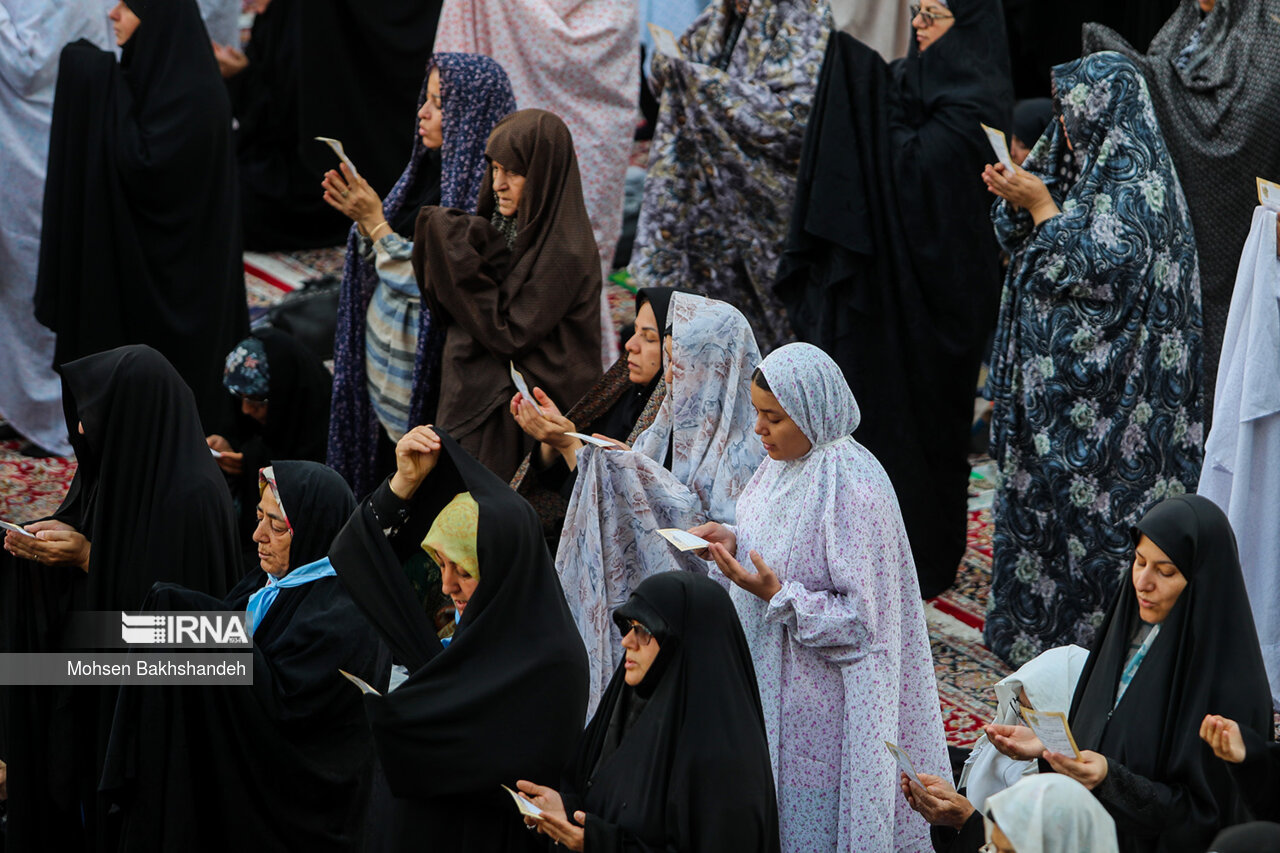
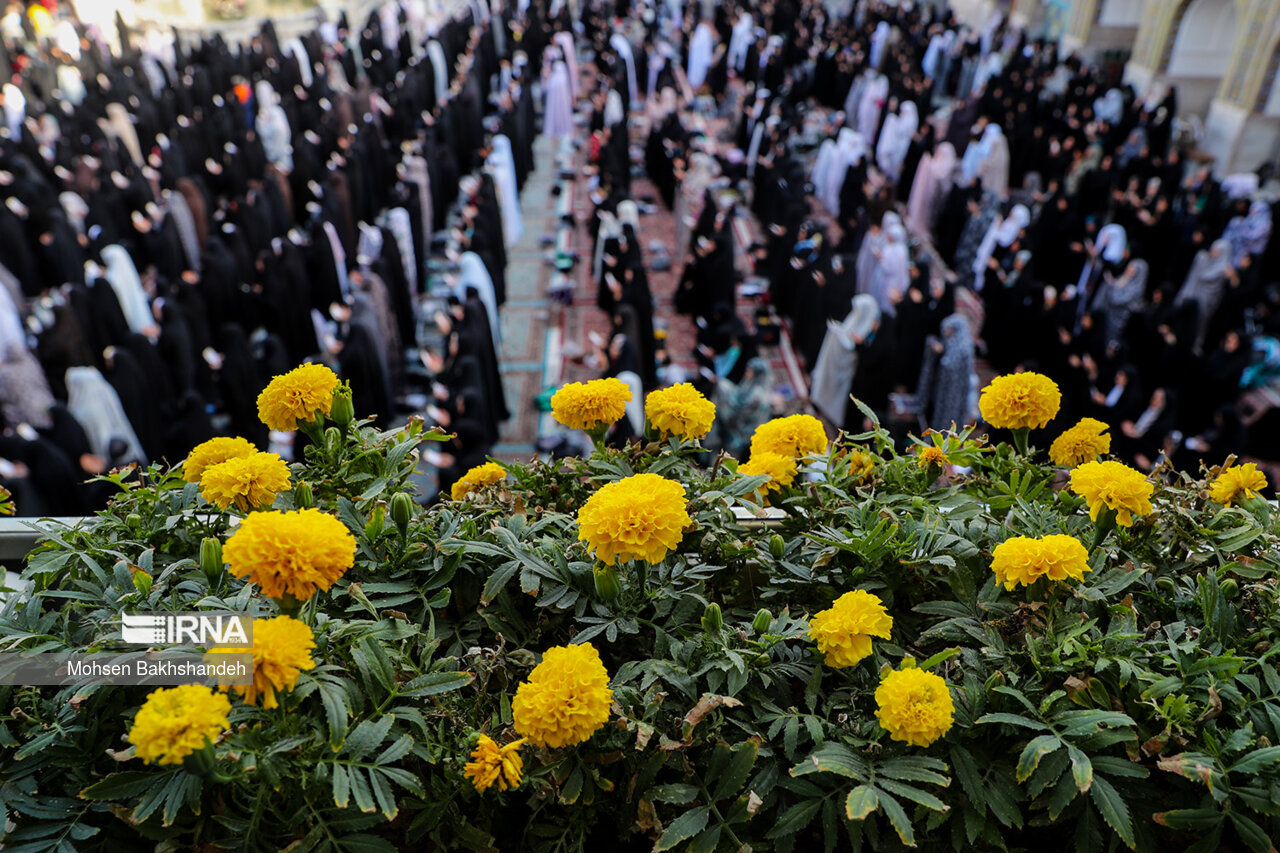
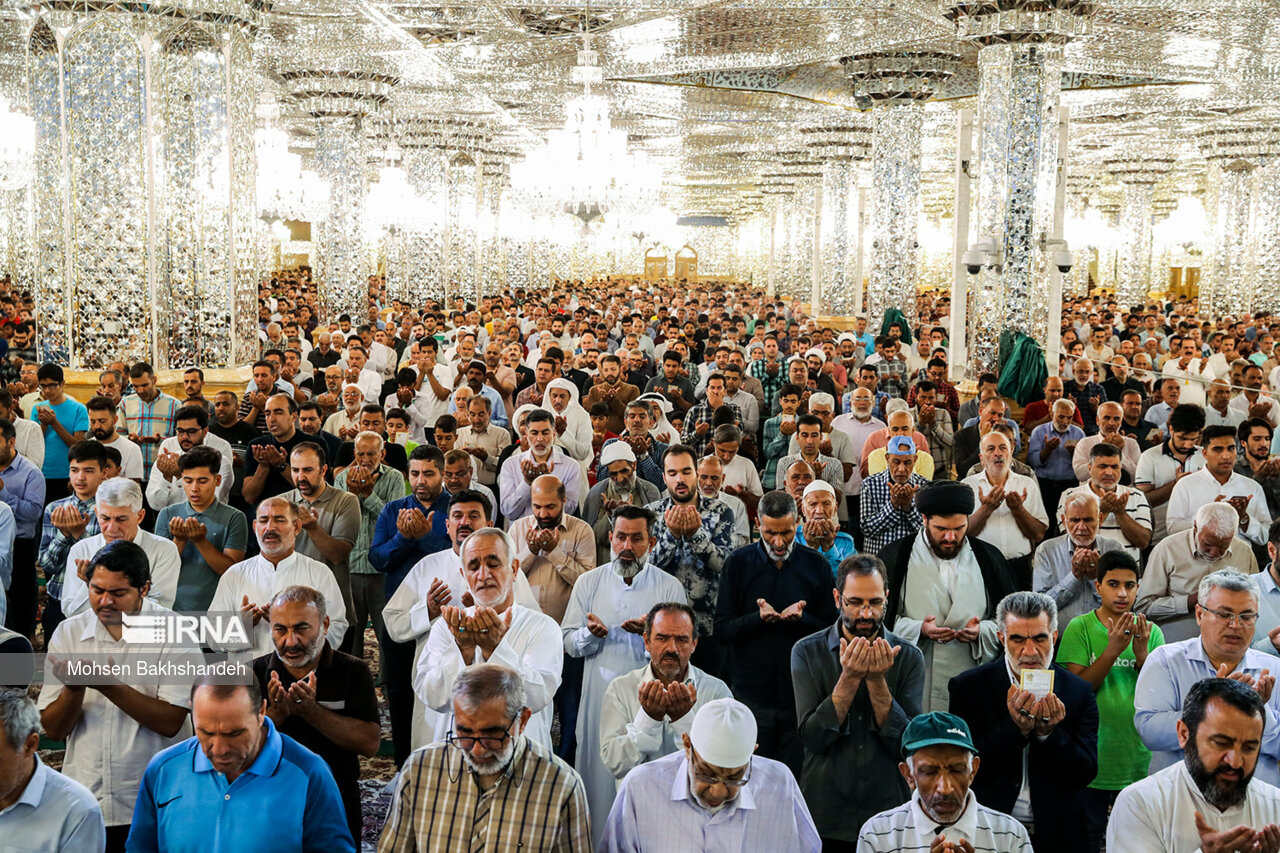
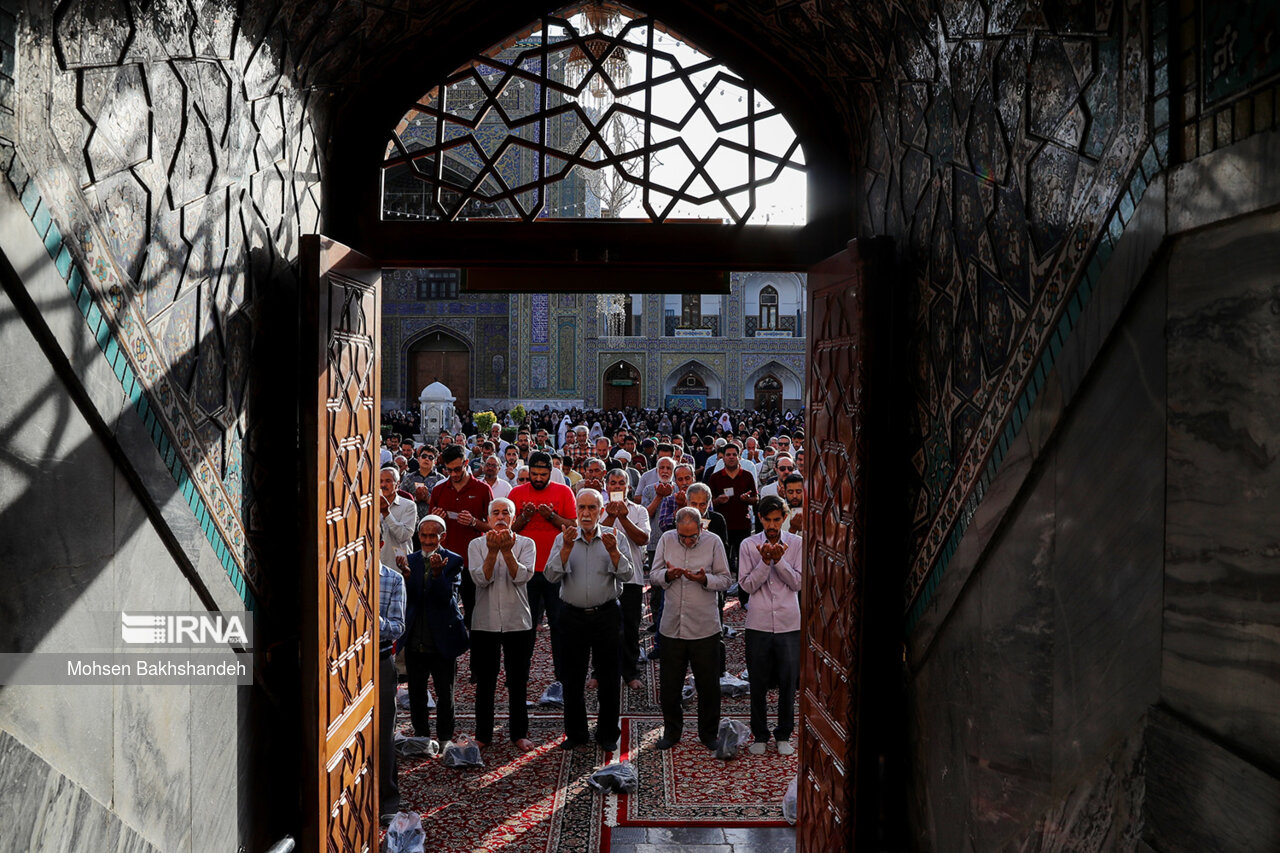
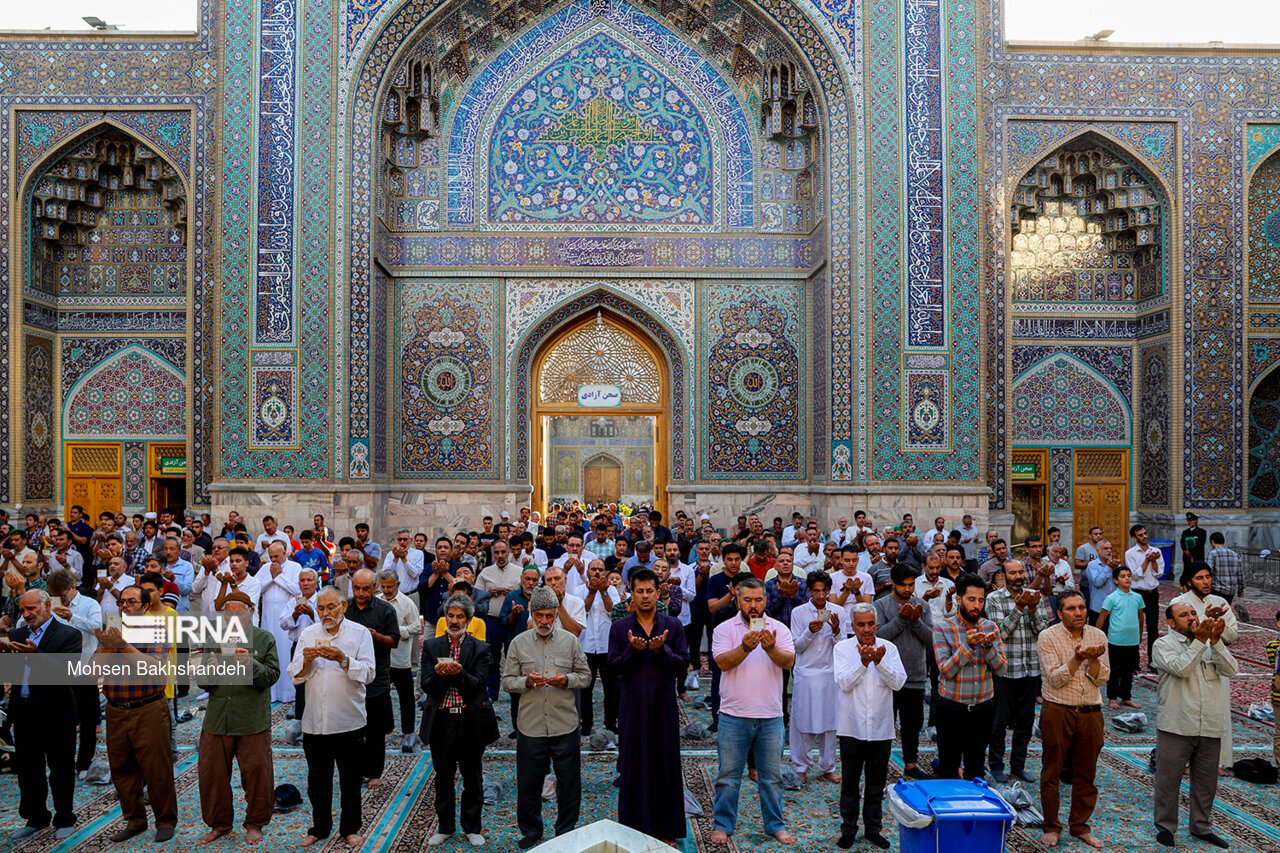
Pictures: Iranian worshippers attend Eid al-Adha prayers countrywide

Eid al-Adha prayers

More in pictures:

Iran’s police chief inks agreement with Russia’s National Guard on expansion of security cooperation

Iran Russia

According to Iran’s official news agency (IRNA), “the development and expansion of security and law enforcement cooperation, [and] the exchange of experience to deal with the factors that create insecurity are among of the axes of this memorandum.”

Radan also made a visit to the National Guard Memorial Museum in Moscow after signing the cooperation memorandum.

Iran’s police chief, accompanied by a delegation, traveled to Russia on Tuesday to enhance security cooperation between the law enforcement agencies of the two countries.

Speaking to reporters upon arrival at Moscow’s Vnukovo International Airport, Iran’s police chief described the visit as a “very good beginning” of closer cooperation between Iran and Russia.

Also on Wednesday, Radan met with the secretary of the Security Council of Russia, Nikolai Patrushev, to discuss bilateral cooperation between the two countries.

Radan and Patrushev exchanged views on interaction between the special services and law enforcement agencies of Iran and Russia, and signed a memorandum to jointly combat drug trafficking, organized crime and smuggling.

Russian media reports said the police chiefs of the two countries would also discuss the fight against terrorist organizations in Eurasia and could exchange experience on countering attempts by Western intelligence agencies to destabilize the situations in Iran and Russia, and organize riots.

Iranian President Ebrahim Raisi visited Russia in January 2022 and described his trip as a milestone in the promotion of ties between Tehran and Moscow.

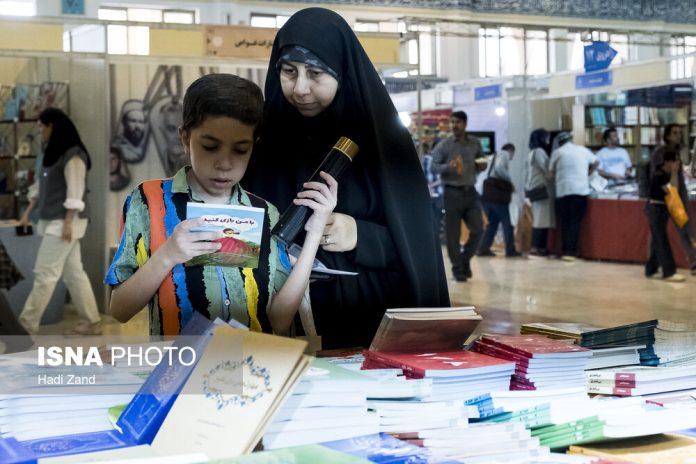
Iran’s Eghbalzadeh, young translator of children’s books, passes away

Book

Her sister, Pegah Eghbalzadeh, who is also a translator, paid tribute to Pante-a in an Instagram post on Tuesday.

Pante-a is the daughter of Shahram Eghbalzadeh, a well-known author and translator active in the same field.

She has translated many books such as ‘The Longest Night’ written by Marion Dane Bauer, and ‘A Family Like Ours,’ ‘Angela’s Airplane,’ among others.

Reports say Eghbalzadeh has committed suicide for unknown reasons.

Sources say Europe to retain ballistic missile sanctions on Iran

Iran Missile

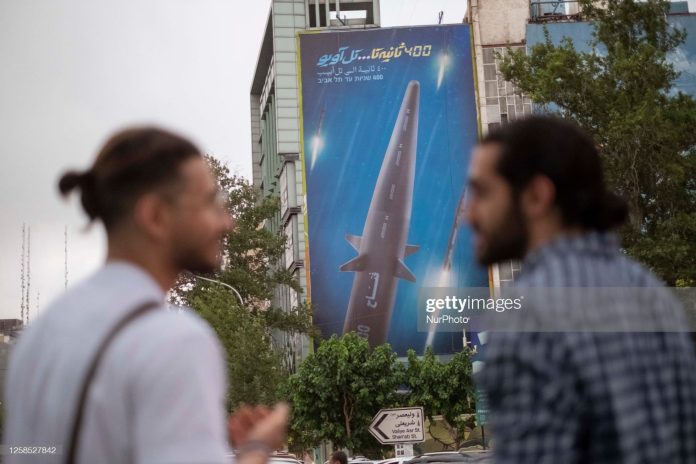
The sources cited three reasons for keeping the sanctions: “Russia’s use of Iranian drones against Ukraine”; “the possibility Iran might transfer ballistic missiles to Russia”; and “depriving Iran of the nuclear deal’s benefits given Tehran has violated the accord, albeit only after the United States did so first”.

Both Iran and Russia have repeatedly denied claims that Tehran has provided Moscow with drones to be used in the war in Ukraine.

Keeping the EU sanctions would reflect Western efforts to prevent Iran from developing nuclear weapons and the means to deliver them despite the collapse of the 2015 agreement, which then-U.S. President Donald Trump abandoned in 2018.

Tehran has repeatedly stated that it has no intention of developing nuclear weapons, with Iranian Supreme Leader Ayatollah Ali Khamenei even issuing religious edicts against the atom bomb and other weapons of mass destruction.

“The Iranians have been told quite clearly (of plans to keep the sanctions) and now the question is what, if any, retaliatory steps the Iranians might take and (how) to anticipate that,” said a Western diplomat on condition of anonymity.

The EU sanctions are set to expire on Oct. 18 under a U.N. resolution that enshrined the 2015 nuclear deal.

They “called upon” Iran not to do anything to develop ballistic missiles that could carry nuclear weapons, a phrase urging Iran not to do so but short of a mandatory prohibition.

They also barred anyone from buying, selling or transferring drones and their components capable of flying more than 300 km (186 miles) to or from Iran without prior authorization from the U.N. Security Council, permission that has not been granted.

It was not clear whether the E3, a group comprised of Britain, France and Germany, told Iran of their intent to retain the EU sanctions when their senior officials met Iran’s chief nuclear negotiator Ali Bagheri Kani on June 12 in Abu Dhabi.

EU diplomat Enrique Mora, who co-ordinates talks on the 2015 deal, raised the issue of keeping the EU sanctions when he met Bagheri Kani in Doha on June 21, but the Iranian official refused to discuss the matter, an Iranian official told Reuters on condition of anonymity.

A second Iranian official brushed off the possibility of the sanctions remaining, stating Tehran had advanced its nuclear and missile programs for years despite Western sanctions.

“Maintaining sanctions, in any capacity and form, will not hinder Iran’s ongoing advancements,” said this Iranian official, also on condition of anonymity.

“It serves as a reminder that the West cannot be relied upon and trusted,” the official added.

Britain’s foreign ministry did not comment on whether the E3 planned to keep the sanctions or had told Iran of any decision.

However, a British foreign ministry spokesperson said the June 12 talks in Abu Dhabi “covered the range of our concerns about Iran’s behaviour, including its continued nuclear escalation.”

France and Germany’s foreign ministries have made similar comments about those talks.

A European diplomat stated Mora had started laying the legal groundwork to retain the sanctions, which would have to be approved by all 27 EU members. Two sources said the issue had not yet been discussed among all EU states.

“The lifting of sanctions was based on the principle that 2231 would be respected,” this diplomat said, referring to the U.N. Security Council resolution that enshrined the 2015 deal.

“That has not been the case, so there is a discussion with the Iranians to make clear that we won’t lift these sanctions,” they added.

EU Spokesperson Nabila Massrali said the JCPOA sets out in some detail the commitments of different participants on the so-called Transition Day which was still several months away (Oct. 18).

“We will provide further information on EU related aspects in due course,” she added in response to detailed questions by Reuters.

Under the 2015 nuclear agreement, any party could trigger the “snapback” or return of all sanctions that it removed. Most U.S. sanctions were restored after Trump left the deal.

However, three sources stated that the E3 did not wish to do this chiefly because it would undercut a threat conveyed in a letter from their foreign ministers to Iran last year that they would trigger “snapback” if Iran enriched uranium to weapons-grade.

Iranian officials say the country’s missile activities are conventional, defensive and totally legitimate in accordance with international law.

Tehran has stressed that some western countries, which have themselves a long and clear record in trampling on their own international obligations in various fields such as nuclear tests, the non-proliferation regime, hosting nuclear missiles, and playing a destructive role in regional and international relations, do not have the right to comment on the Islamic Republic’s legitimate and totally lawful defense capabilities.
Iran has cautioned the United States that the window of opportunity for an agreement on reviving the nuclear deal will not remain open forever, urging Washington to adopt a constructive approach to salvage the accord.

Iran showed to the world the peaceful nature of its nuclear program by signing the Joint Comprehensive Plan of Action (JCPOA) with six world states — namely the U.S., Germany, France, Britain, Russia and China. But, Washington’s unilateral withdrawal in May 2018 and its subsequent re-imposition of sanctions against Tehran left the future of the deal in limbo.

Negotiations between the parties to the landmark agreement kicked off in Vienna in April 2021, with the intention of bringing the U.S. back into the deal and putting an end to its “maximum pressure” campaign against Iran.

The discussions, however, have been at a standstill since August 2022 due to Washington’s insistence on not lifting all of the anti-Iran sanctions and offering the necessary guarantees that it will not exit the agreement again.

Iran blasts desecration of Holy Qur’an in Sweden

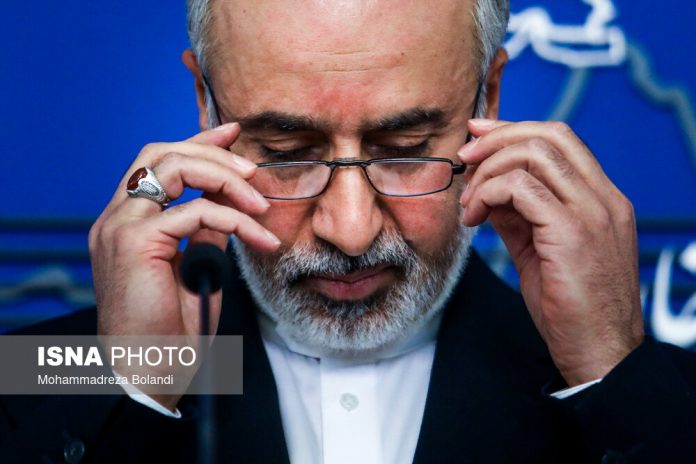
Nasser Kanaani

Nasser Kanaani reacted to a move by Sweden to give the green light to the opponents of Islam to desecrate Holy Qur’an again.

He said it is a provocative, ill-considered and unacceptable act to pave the way for the repeated desecration of divine sanctities, especially at the same time as the holy days of the Islamic Ummah and the gathering of millions of Muslims in the World Hajj Congress.
Referring to the efforts of the international community and human rights organizations to promote respect for religions and authentic religious teachings, Kanaani said insulting the holy books is an example of violence and spreading hatred, and is contrary to the original values of human rights.
Kanaani said, “The government and people of the Islamic Republic of Iran, like other Muslims and free thinkers of the world, do not tolerate such an insult and strongly condemn it.”

“The Swedish government is expected to prevent a repetition of the desecration of sanctities and seriously pay attention to the principle of responsibility and accountability in this regard,” he added.

On Wednesday a man believed to be of Iraqi origion tore up and burned a copy of Holy Quran outside Stockholm’s central mosque following a police permission.

Millions join Eid al-Adha prayers across Iran

Eid al-Adha prayers

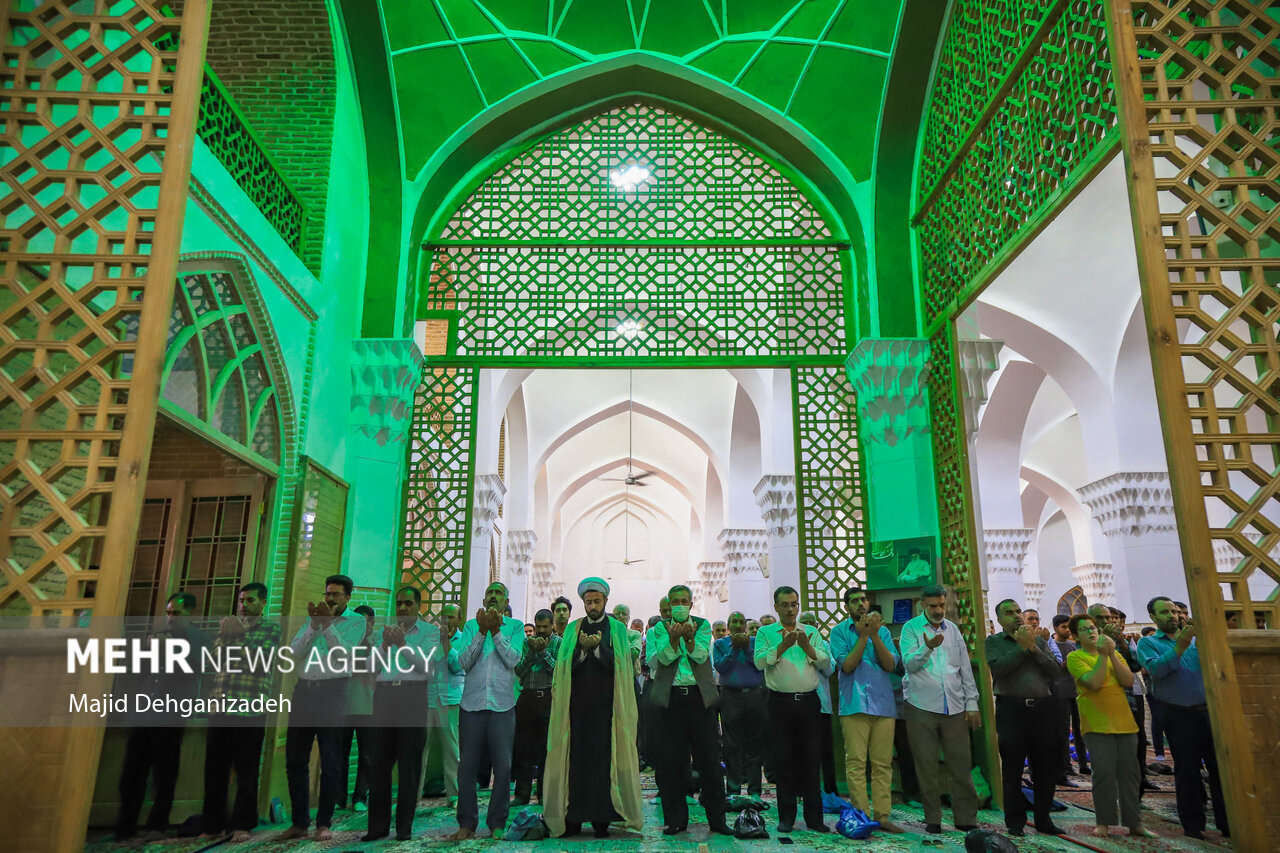
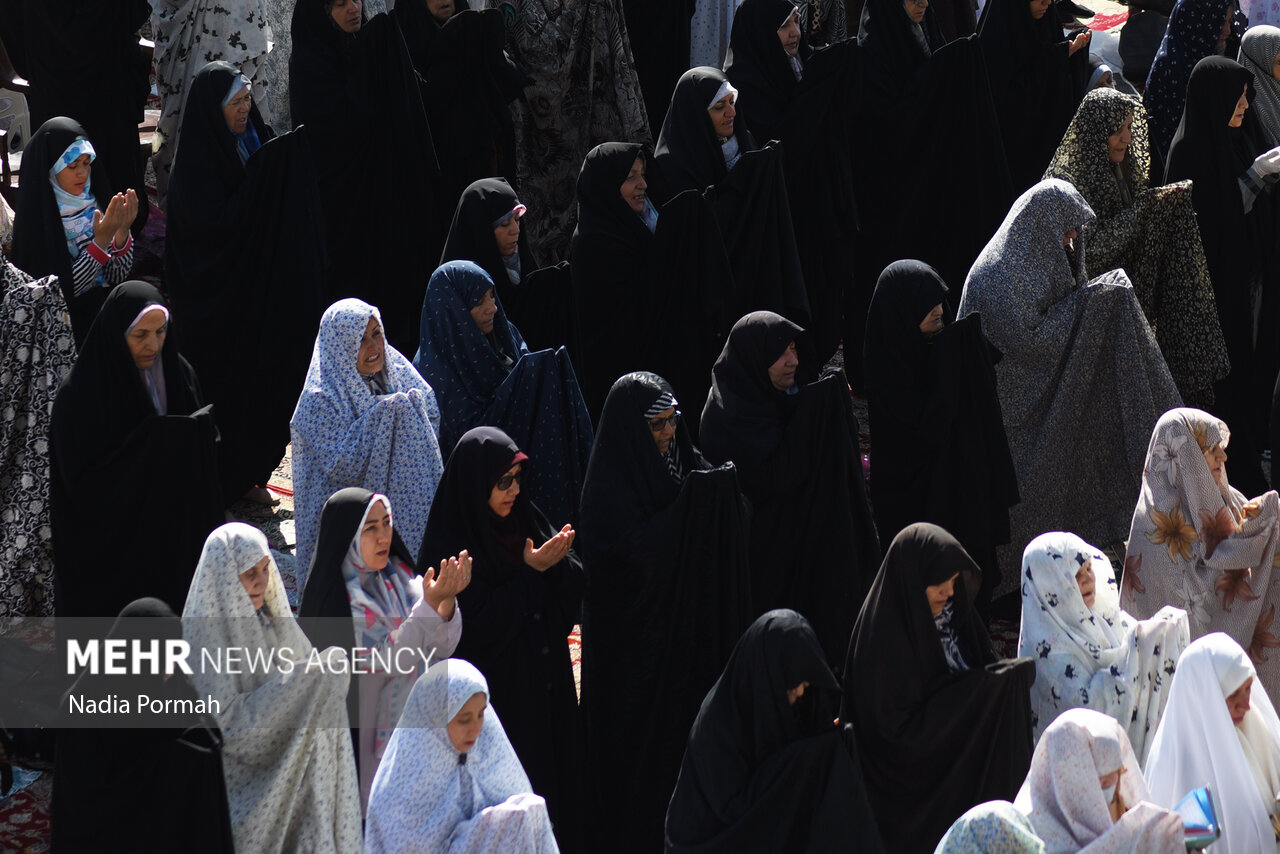
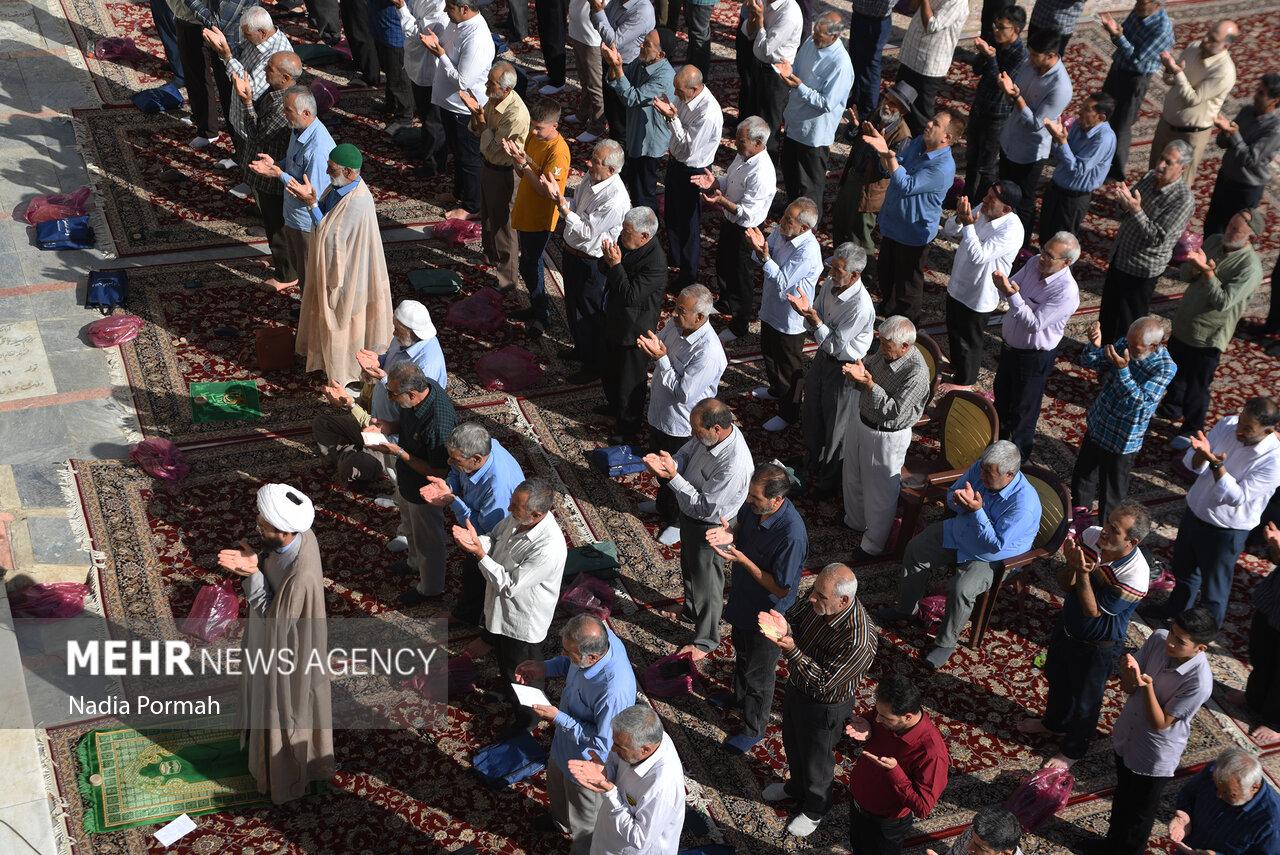
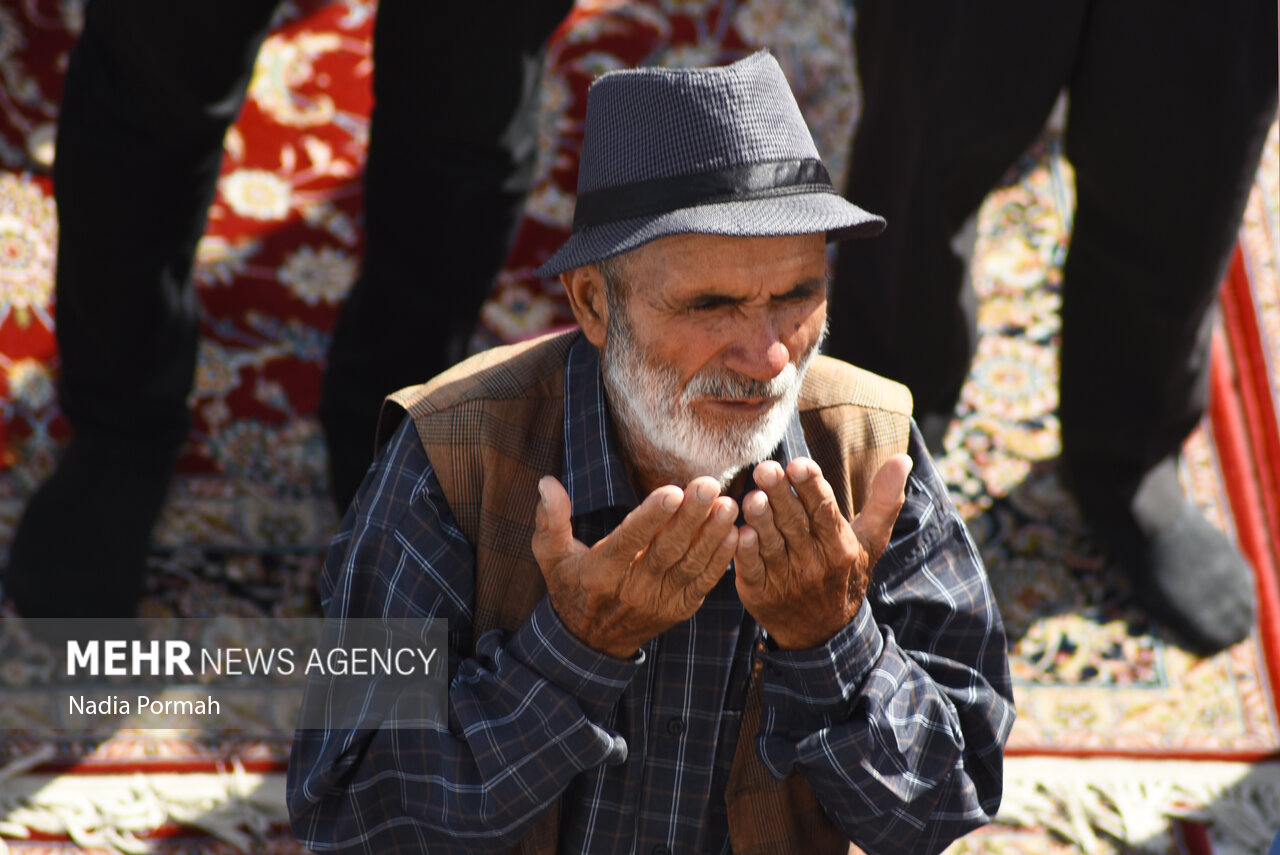
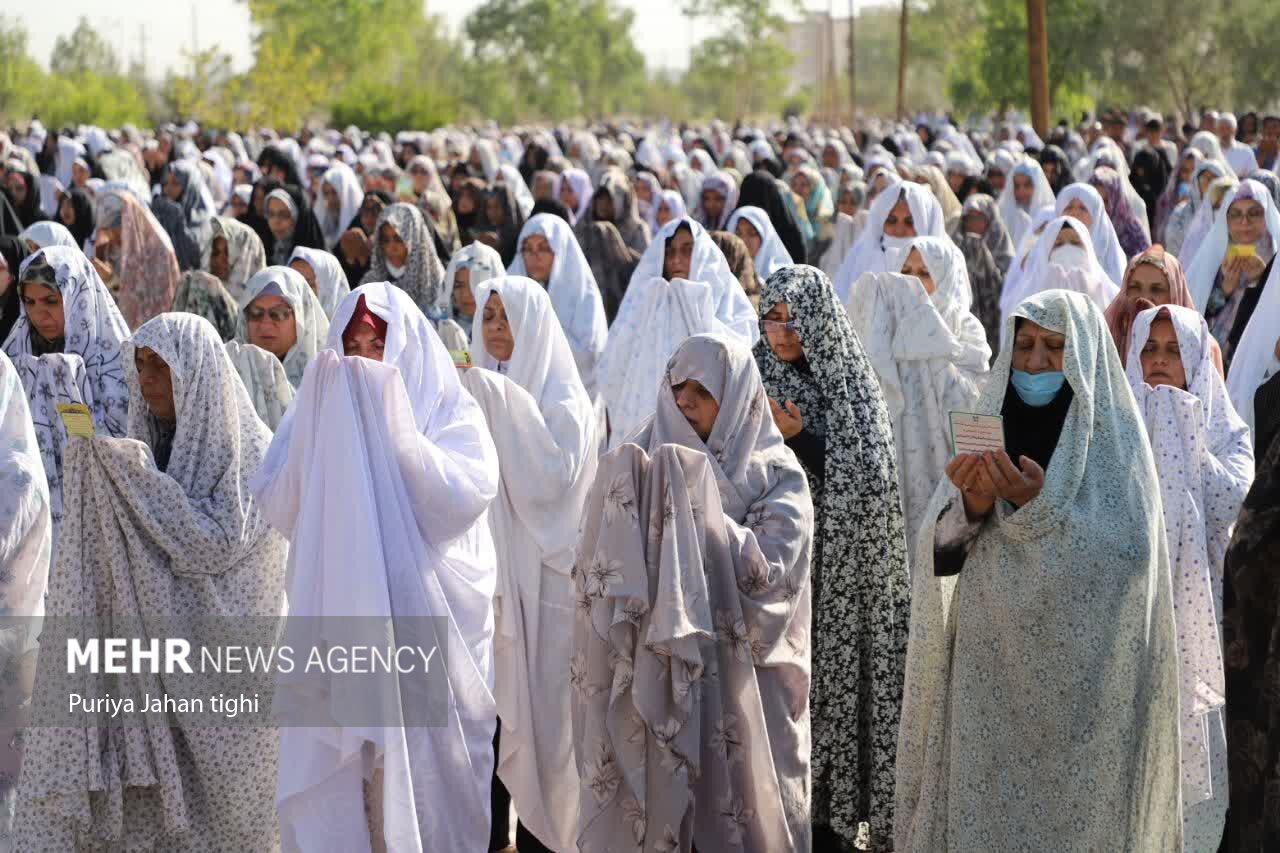
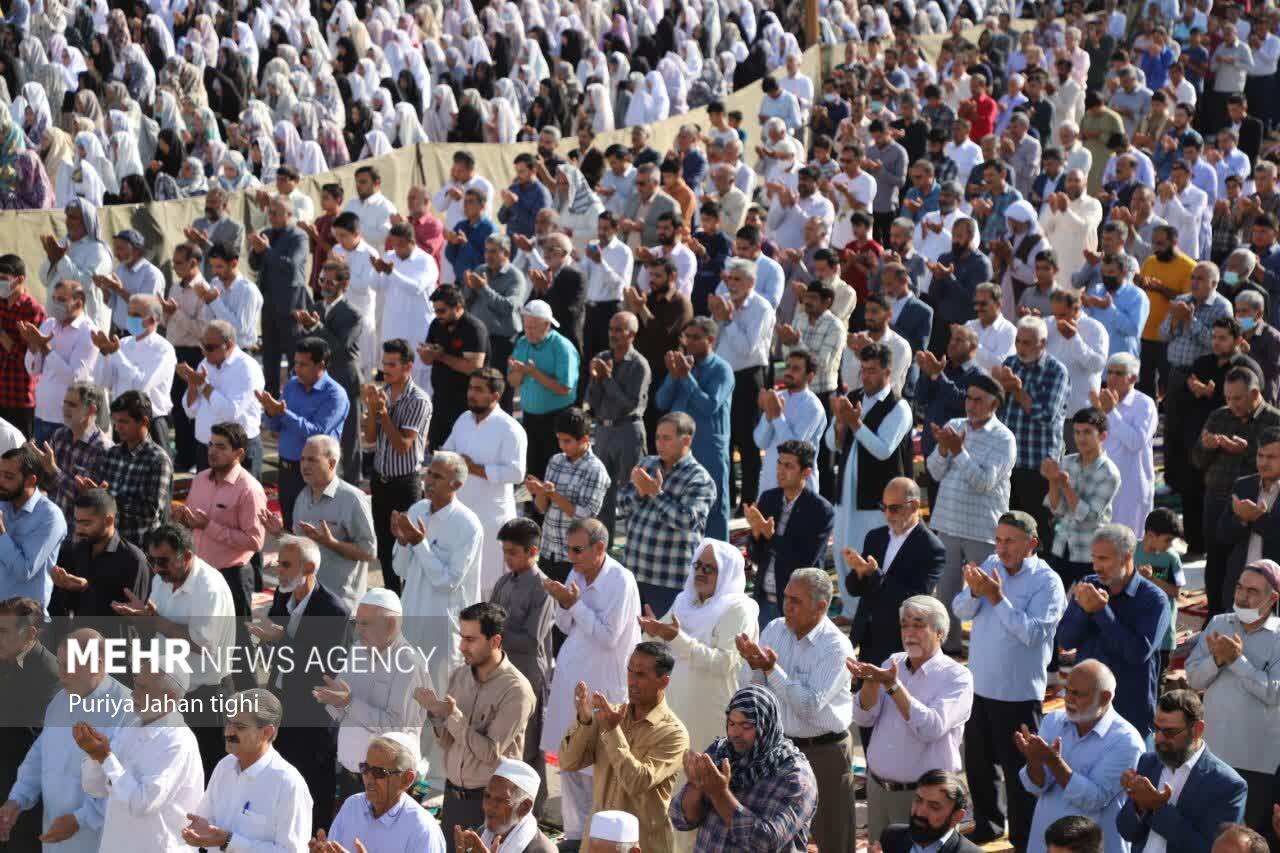
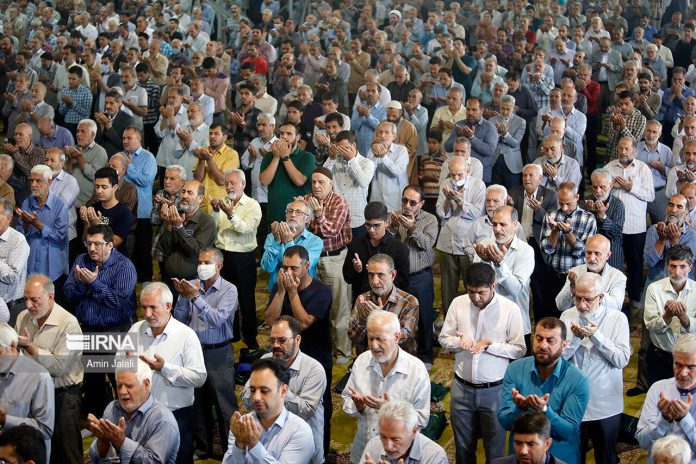
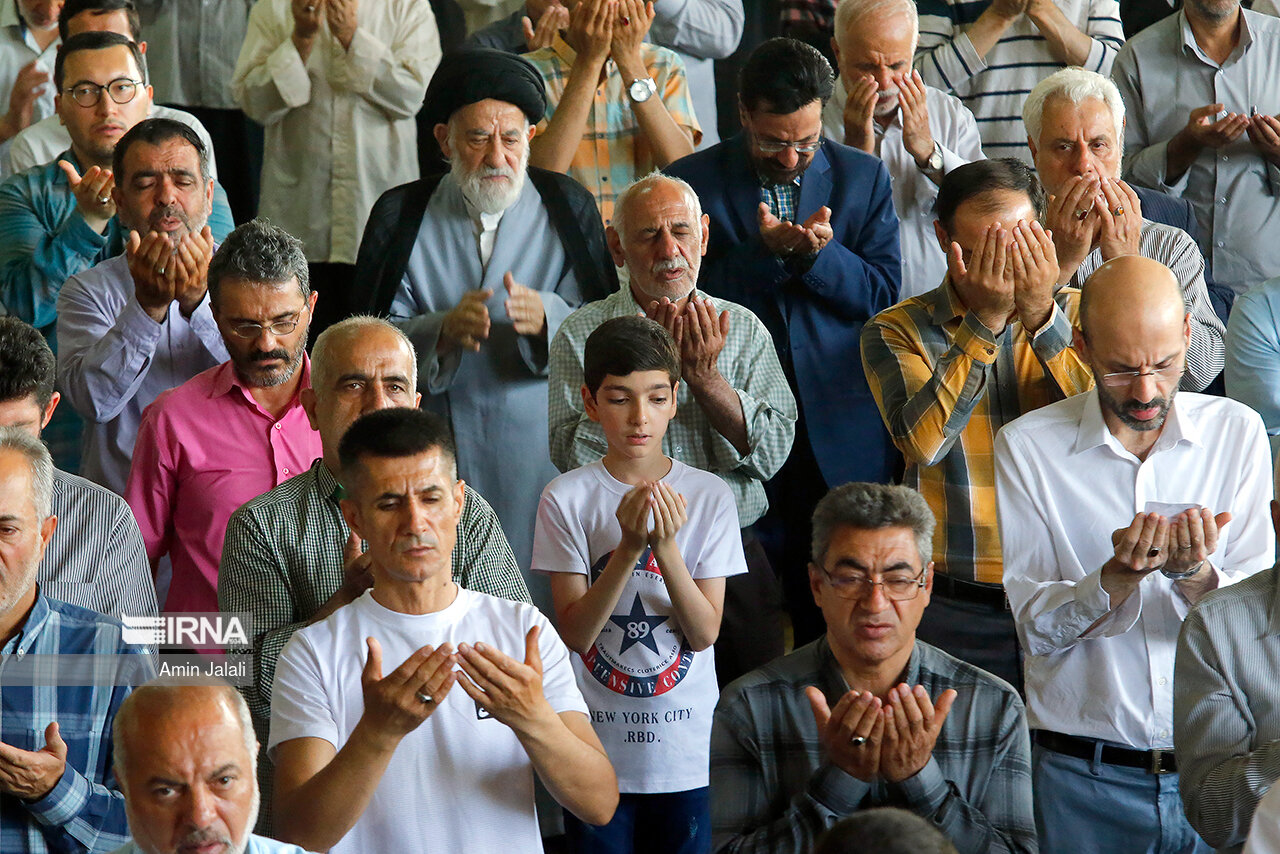
On Thursday morning, worshipers in the Iranian capital, Tehran, and other cities countrywide joined the mass prayers of Eid al-Adha, one of the main holidays on the Islamic calendar.

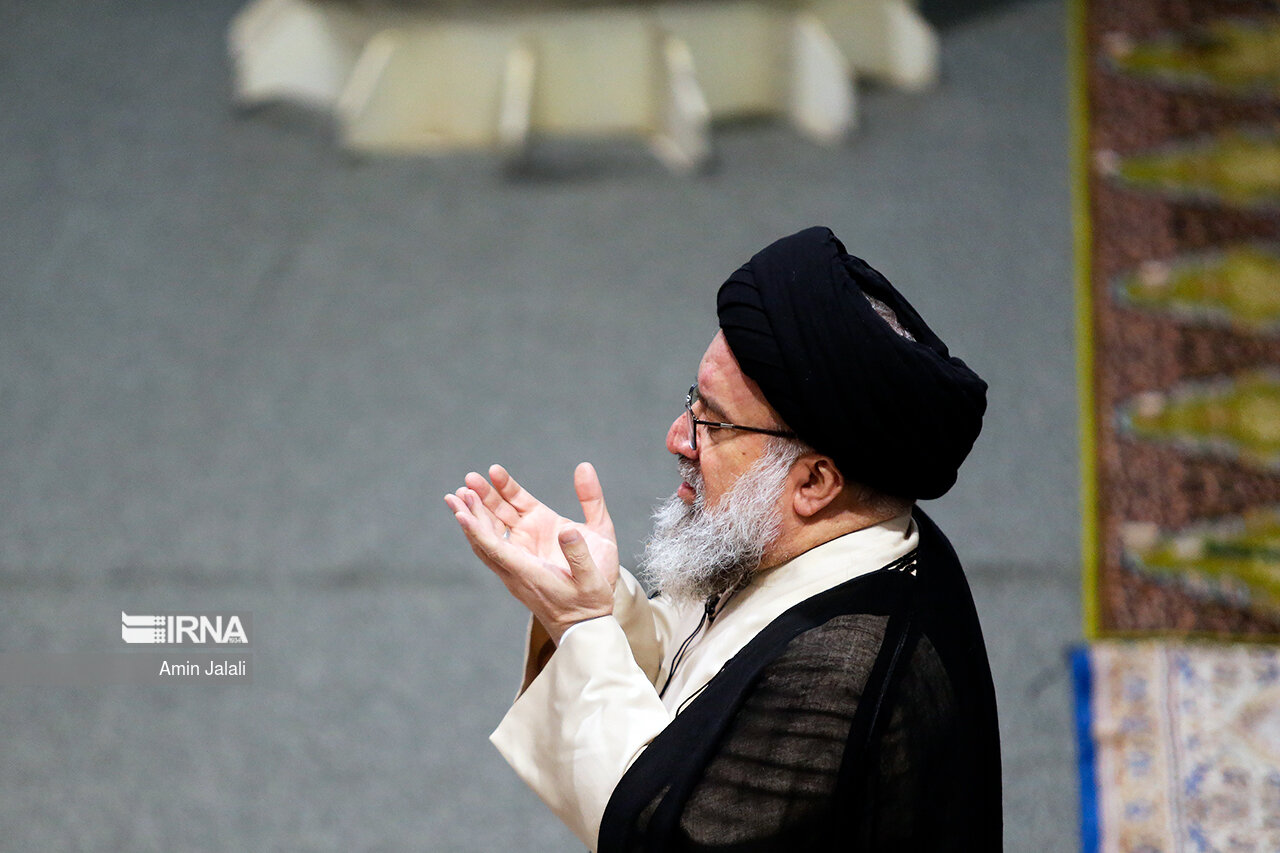
In Tehran, the Eid prayers were performed at the University of Tehran and led by senior cleric Ayatollah Seyyed Ahmad Khatami.

Many government and military officials were among the worshippers.

The festivity honors the willingness of Prophet Ibrahim to sacrifice his son, Ismail, as an act of obedience to God’s command.

However, before he could sacrifice his son in the name of God, and because of his willingness to do so, God the Al-mighty provided him with a ram to sacrifice instead.

In commemoration of this intervention, animals are ritually sacrificed. Part of their meat is consumed by the family that offers the animal, while the rest of the meat is distributed among the poor and the needy.

Muslims worldwide mark the holiday by sacrificing livestock.