Thursday, January 1, 2026
Home Blog Page 1382

Families of Iranians in MKO captivity rally to thank Albania for raiding terror base

Families of Iranians in MKO captivity rally to thank Albania for raiding terror base

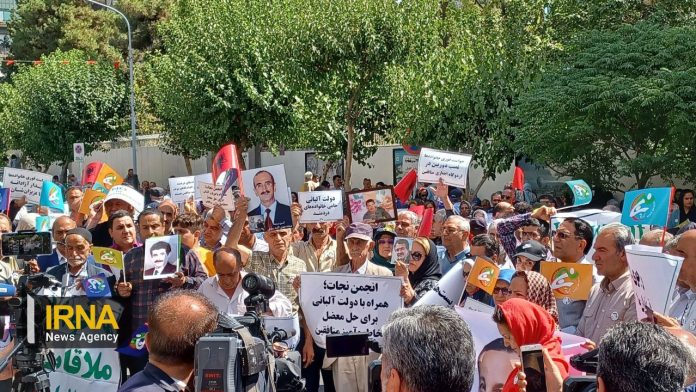
On Friday, families of those deceived and lured into the MKO gathered outside the Embassy of Turkey, as Albania’s interests section in Tehran, urging Tirana to facilitate their visits to the European country and help them pursue the fate of their loved ones held hostage by the terror group.

Albanian media reported that the country’s security forces made their way into the Ashraf-3 camp near Tirana, checking the vehicles leaving the terror base.

This comes around a week after hundreds of Albanian forces stormed the camp and confiscated computers and electronic devices over indications of cyber operations originating from the site against foreign institutions.

Clashes erupted between the police and MKO members, leaving one of the terrorists dead and several others wounded.

The MKO, the most hatred terrorist group among the Iranians, has carried out numerous terrorist attacks against Iranian civilians and government officials over the past decades.

More than 17,000 people have fallen victim to the terror group, officials say.

The group was expelled from Iraq in 2016 and was resettled in Albania.

UN to probe fate of thousands missing in Syria war

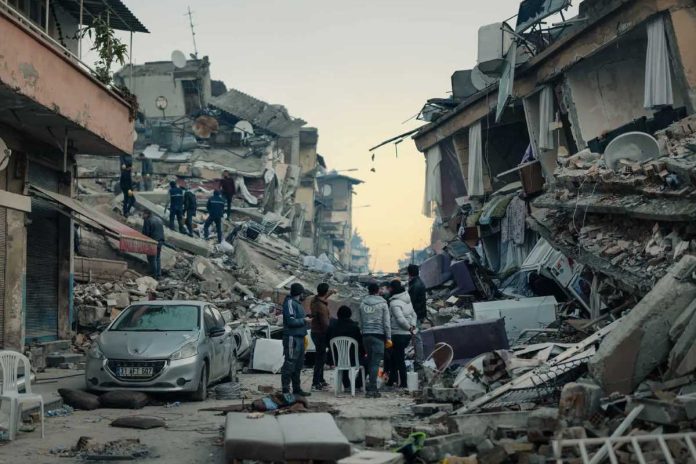
Quake in Turkey and Syria

The resolution, an important response to appeals by their families and loved ones, was adopted on Thursday by the 193-member world body with 83 votes in favour, 11 opposed and 62 abstentions.

Among those opposing the resolution was Syria, which said it will not cooperate with the new institution. Russia, China, Belarus, North Korea, Cuba and Iran also voted no.

The resolution, spearheaded by Luxembourg, noted that after 12 years of fighting in Syria “little progress has been achieved in alleviating the suffering of families by providing answers as to the fate and whereabouts of all missing persons”.

The resolution authorises the establishment of an Independent Institution of Missing Persons in the Syrian Arab Republic, under UN auspices, “to clarify the fate and whereabouts of all missing persons … and to provide adequate support to victims, survivors and the families of those missing”.

Victims, survivors and the families of the missing should be represented in the new body, which will be guided by principles including “do no harm”, impartiality, transparency and the confidentiality of sources and information, according to the resolution.

UN Secretary General Antonio Guterres must now present terms of reference for the new institution within 80 working days and take steps to speedily establish the body and put it into operation.

New York-based Human Rights Watch said the new organisation needs to have the right tools at its disposal to do its job.

“UN member countries should ensure that this new institution has the staff and resources necessary to determine what happened to so many thousands of people who vanished during Syria’s 12 years of conflict,” Louis Charbonneau, the group’s UN director, announced in a statement.

“The people of Syria deserve no less,” Charbonneau added.

Syrian Ambassador Bassam Sabbagh called the resolution “politicised”, stating it clearly reflects “flagrant interference in our internal affairs” and provides new evidence of the “hostile approach” of the United States and other Western nations to his country.

Urging a “no” vote, he said Syria has addressed the issue of missing persons, processed all claims of disappearances submitted to law enforcement authorities and carried out “independent investigations in accordance with Syrian law and on the basis of available information and resources”.

Syria’s conflict, now in its 13th year, has killed nearly a half million people and displaced half of its pre-war population of 23 million.

The International Commission on Missing Persons cites UN estimates that in 2021 more than 130,000 Syrians were missing as a result of the conflict.

Iran’s Raisi inaugurates water transfer project in Kerman Province

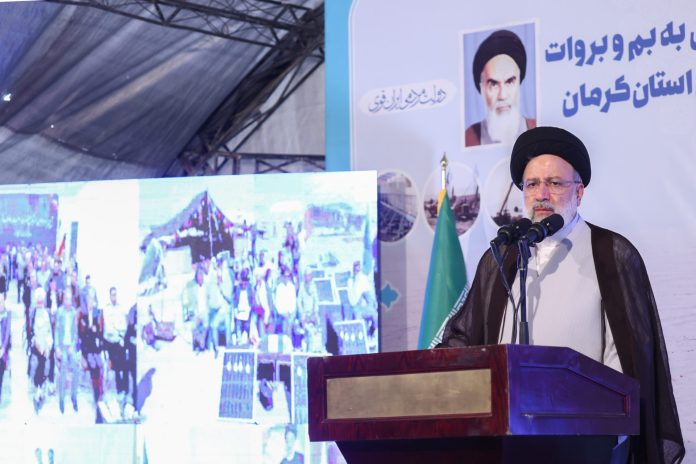
Ebrahim Raisi

The system, inaugurated by Raisi on Friday morning, features a 57-kilometer water transfer pipeline, a pumping station with a capacity of 970 liters per second, two tanks with a capacity of10,500 cubic meters, 40 kilometers of power lines and the first phase of a water treatment plant with a capacity of 250 liters per second.

The Nesa Dam, which has a capacity of 168 million cubic meters, is located in the east of Kerman Province.

Most of the water in the reservoir is supplied from the Jebalbarez mountains and is thus of high quality, according to the experts.

Water scarcity, mainly triggered by drought, has been a recurring problem in Kerman over the past years.

Residents of Kerman have been facing severe water shortages amid scorching summer temperatures in the province.

Swedish envoy summoned to Iran Foreign Ministry over desecration of Islamic sanctities

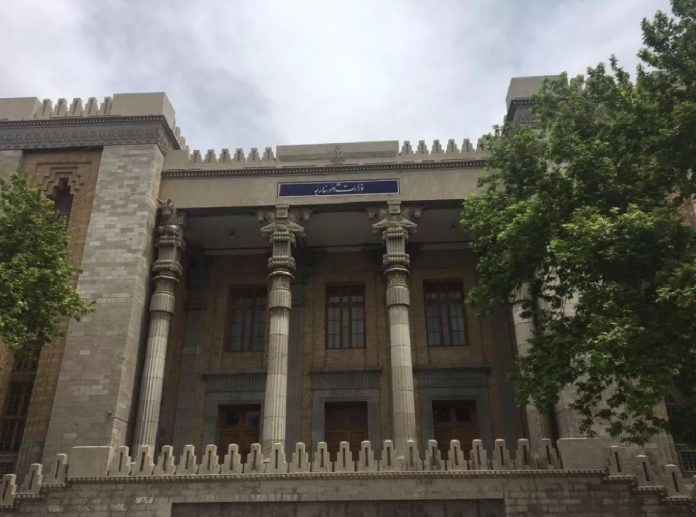
The Iranian Foreign Ministry

The Swedish diplomat was told that the Swedish government’s silence and passive behavior embolden violators of one of the basic and obvious principles of human rights, namely the principle of respect for religious and divine values.

While Muslims have been performing Hajj and honoring religious and Islamic rituals these days, insulting their sanctities solely serves to spread hatred and call for violence by abusing the principle of freedom of speech, he was further told.

In response, the Swedish chargé d’affaires emphasized the Swedish government’s opposition to any form of Islamophobia, and stated that he would convey the protest to Stockholm as soon as possible.

On Wednesday a man believed to be of Iraqi origin tore up and burned a copy of Holy Quran outside Stockholm’s central mosque following a police permission.

Biden’s Iran envoy put on leave over ‘security clearance’ issue

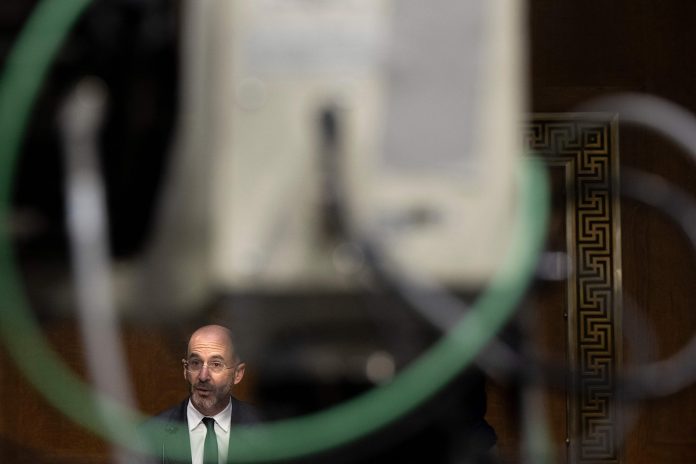
Robert Malley

CNN reported the development concerning the official, Robert Malley, on Thursday, quoting anonymous sources.

“I have been informed that my security clearance is under review. I have not been provided any further information, but I expect the investigation to be resolved favorably and soon,” Malley told Reuters.

“In the meantime, I am on leave,” he added.

Earlier, US State Department spokesman Matt Miller said Malley was on leave but did not say why or for how long, announcing that his deputy, Abram Paley, was filling in on an acting basis.

Several American officials, including former President Donald Trump, incumbent President Joe Biden, and former secretary of state Hillary Clinton have invoked investigations over their unprofessional or even suspicious handling of classified information and documents.

Malley was part of the American negotiating team that partook in the talks that led to the conclusion of a 2015 deal between world countries, including Washington, and Tehran.

The deal enabled the removal of some sanctions against Iran, which, in turn, volunteered to change some aspects of its peaceful nuclear energy program.

Trump, however, left the deal in 2018, and returned the sanctions.

Malley was appointed as the US’s special envoy for Iran soon after Joe Biden took over as the US president.

He has been part of Biden’s team that has been negotiating the potential revival of the agreement, which is officially known as the Joint Comprehensive Plan of Action (JCPOA).

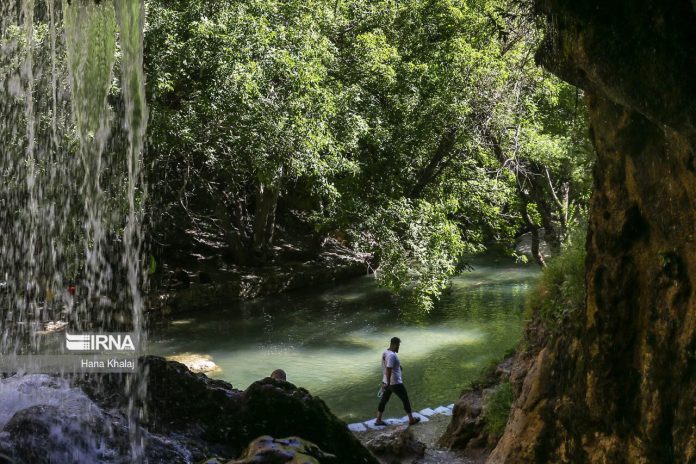
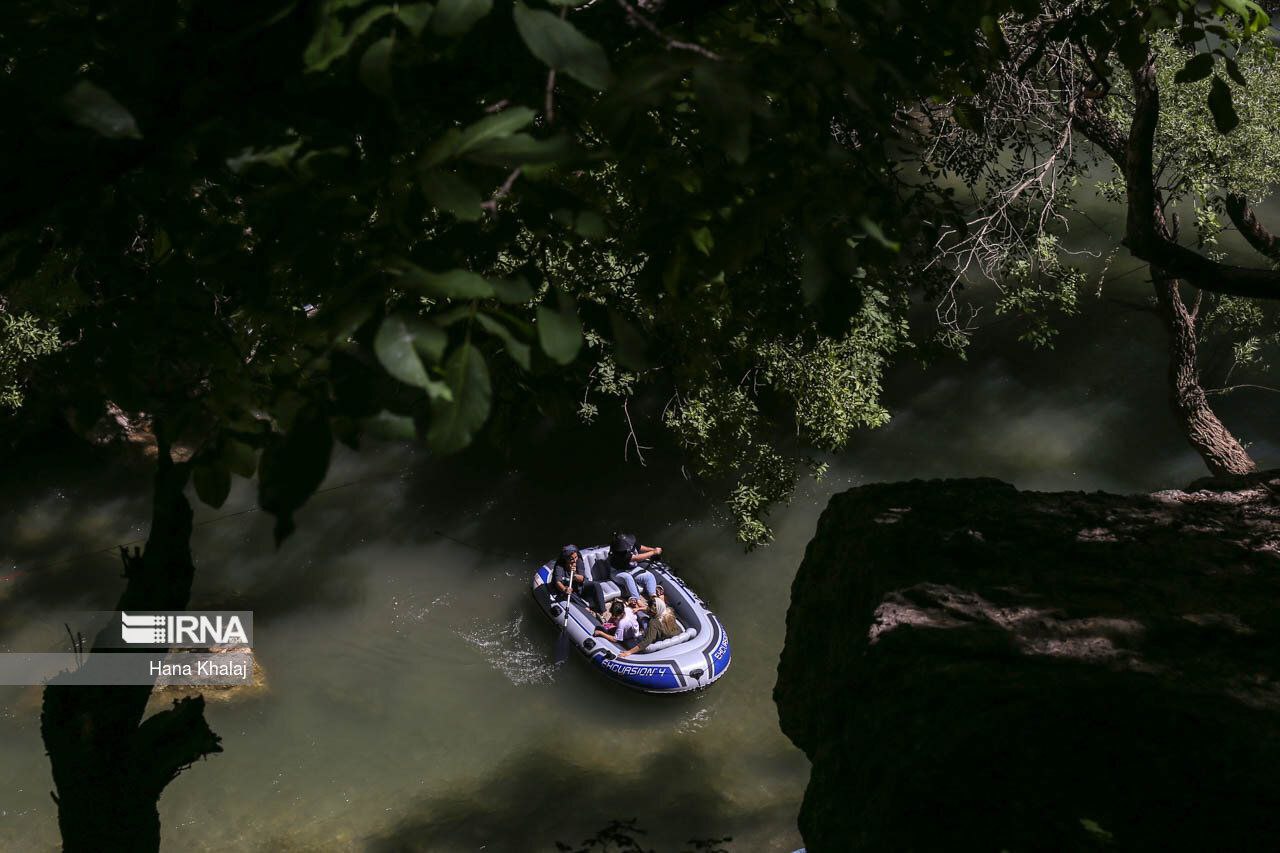
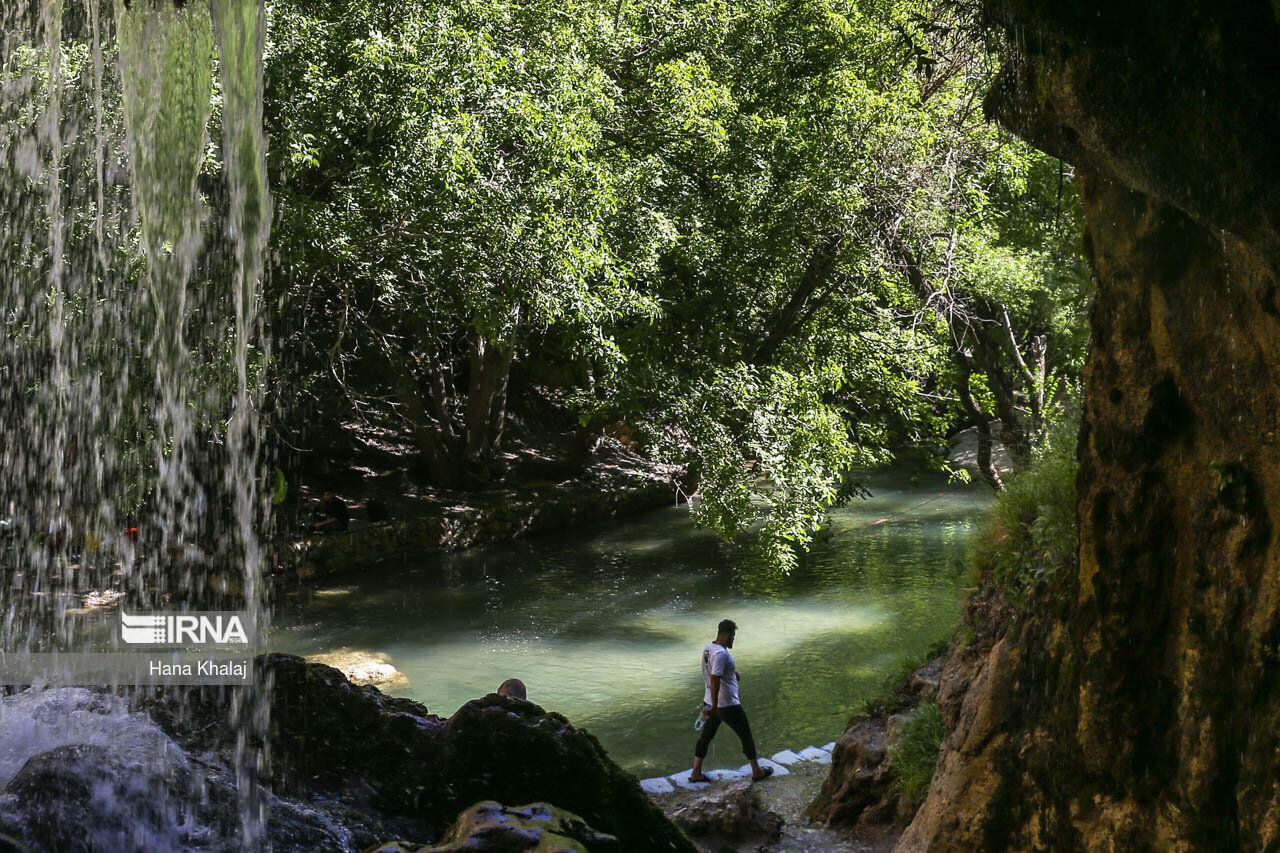
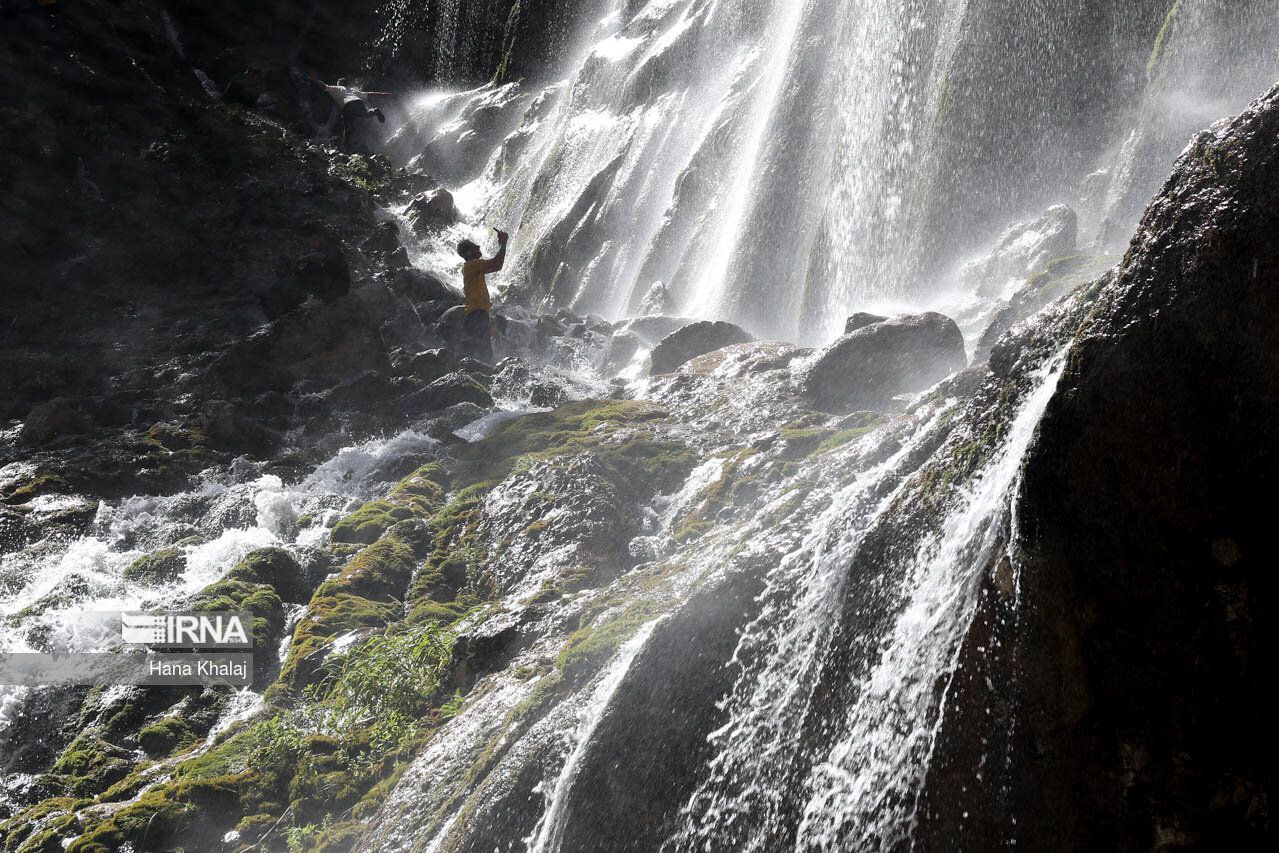
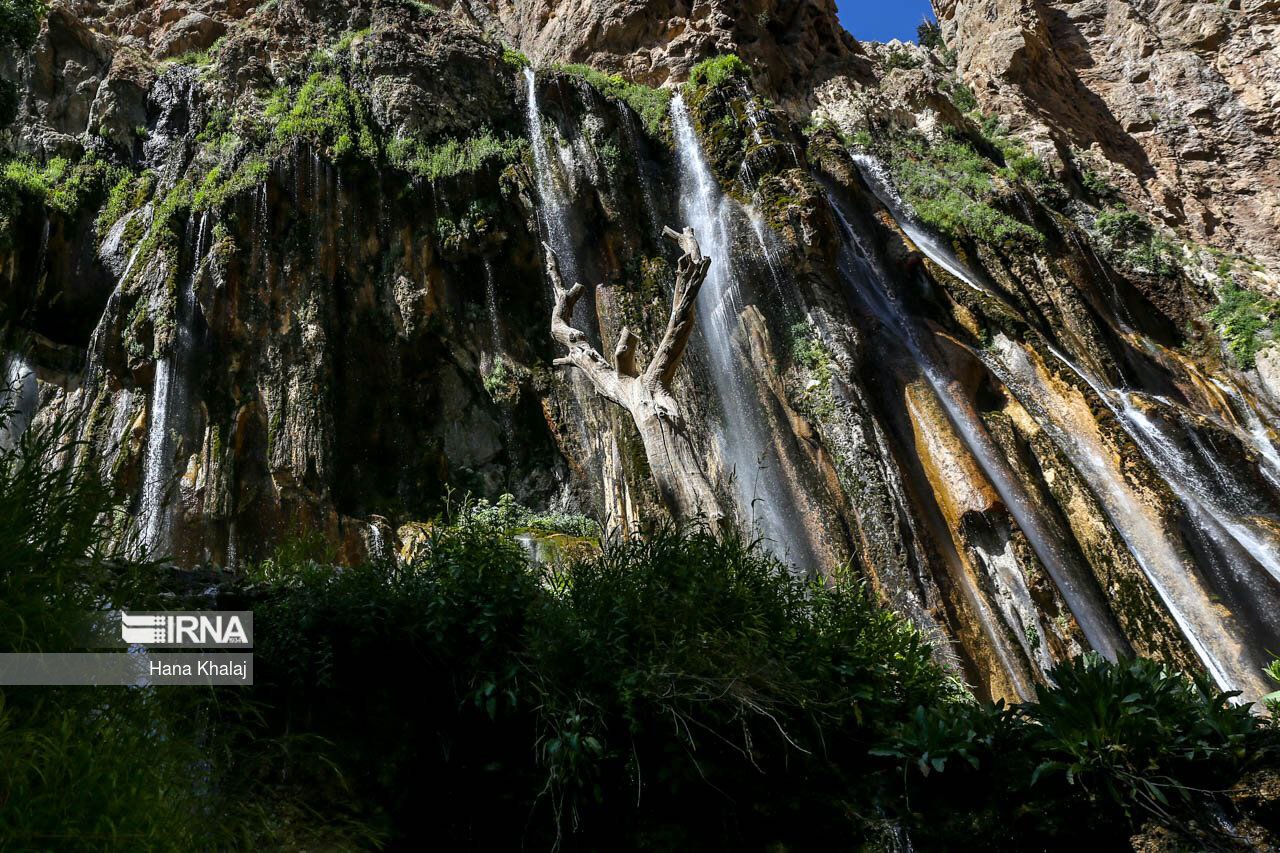
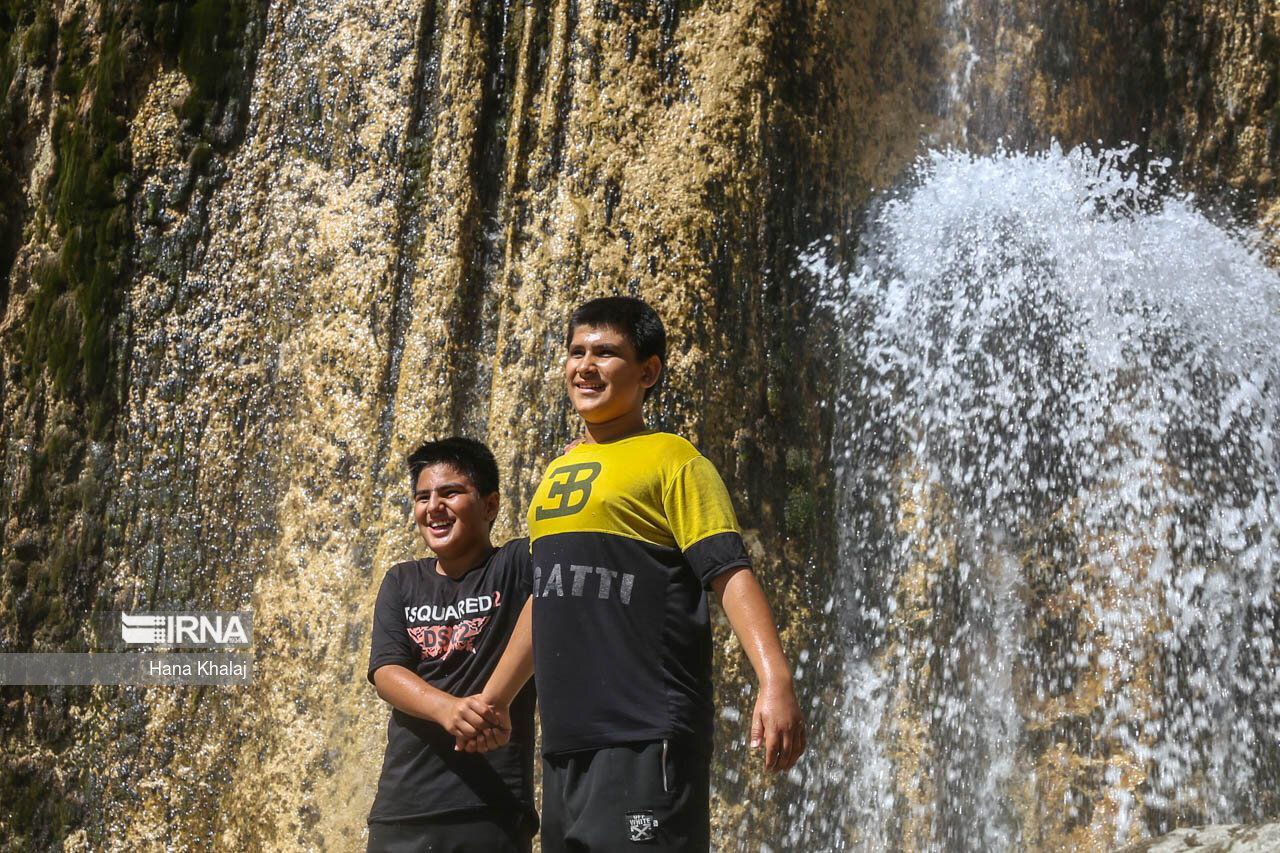
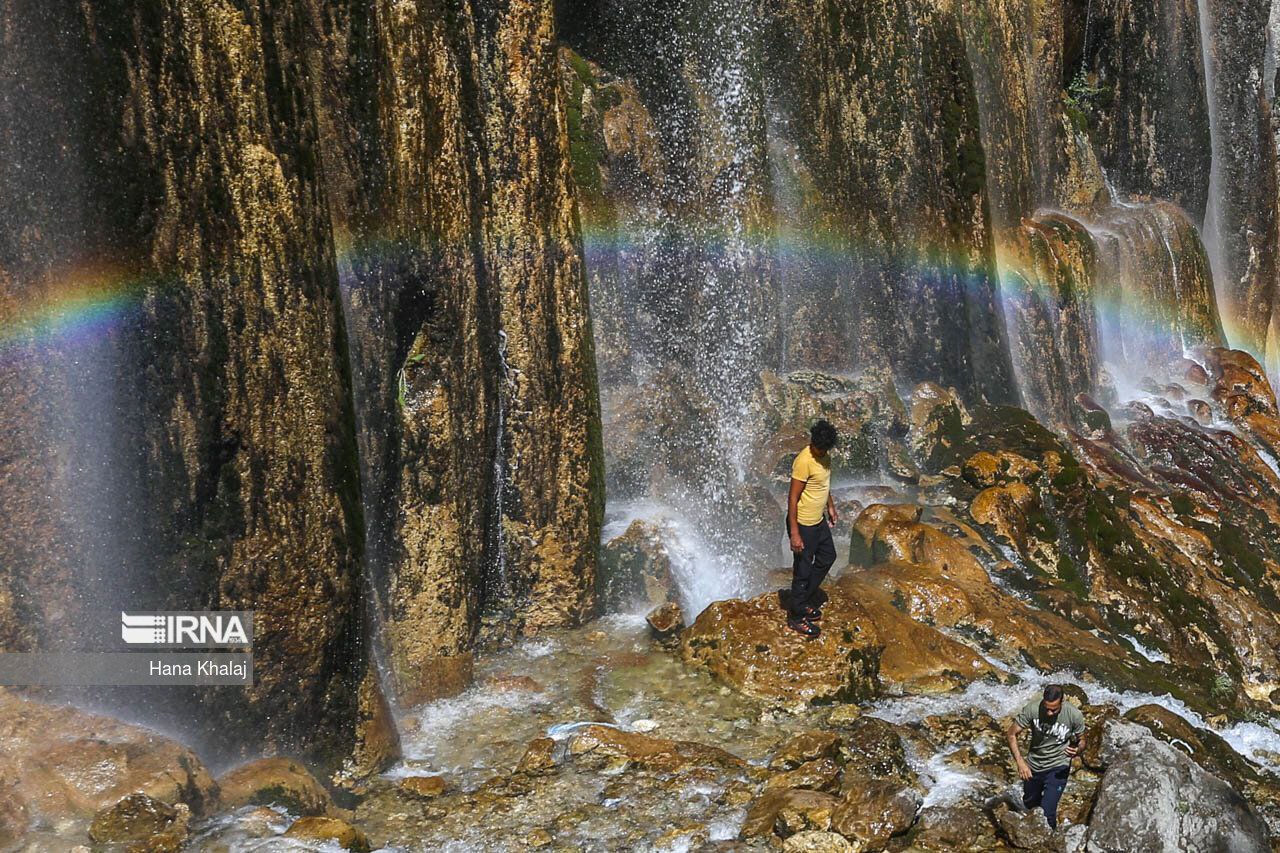
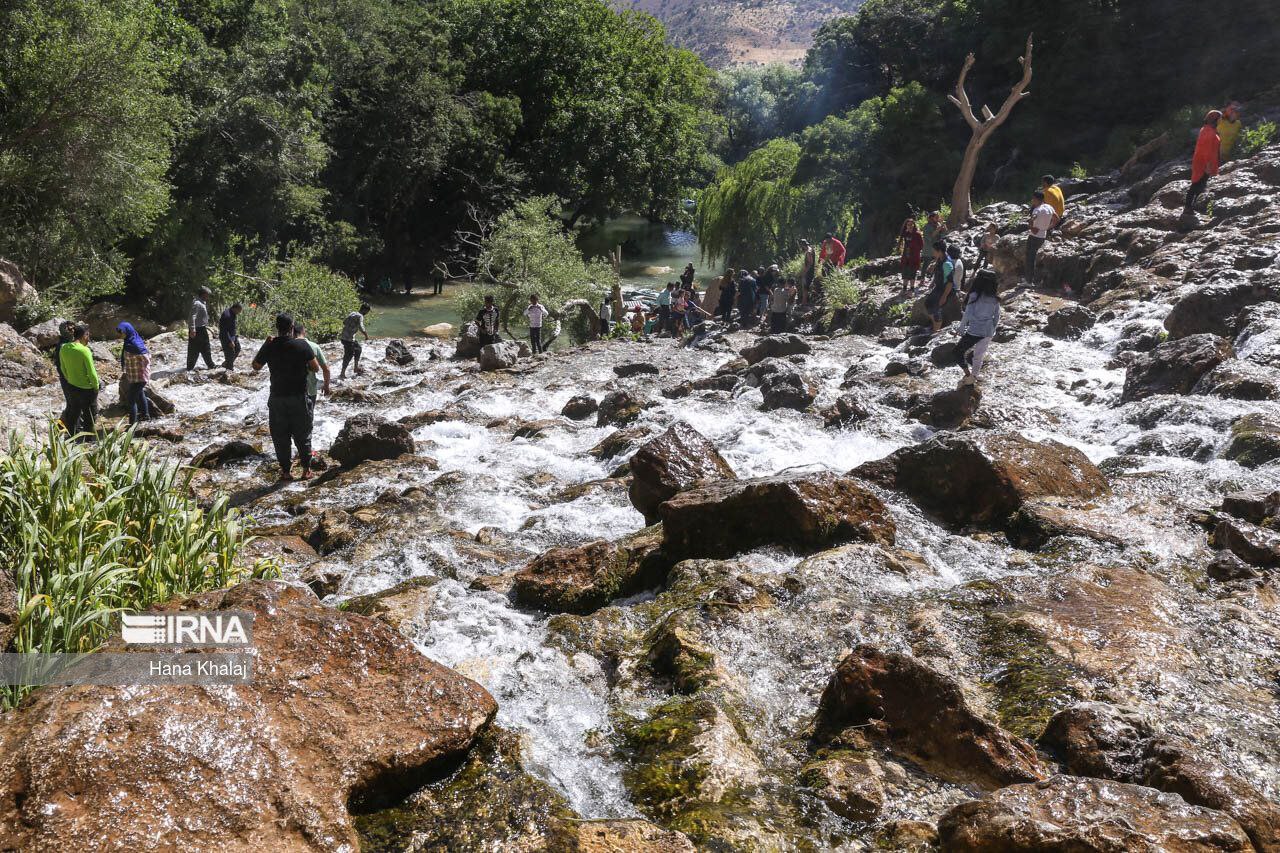
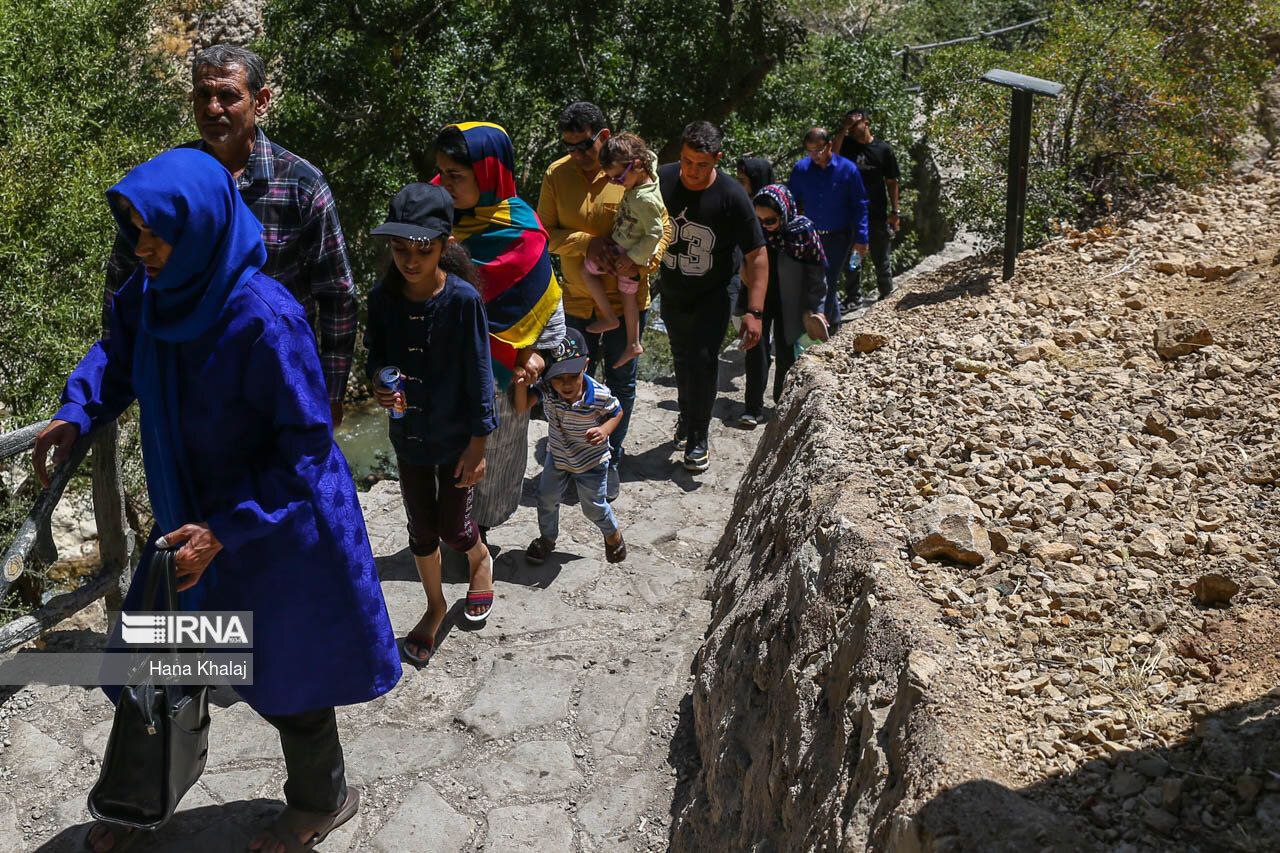
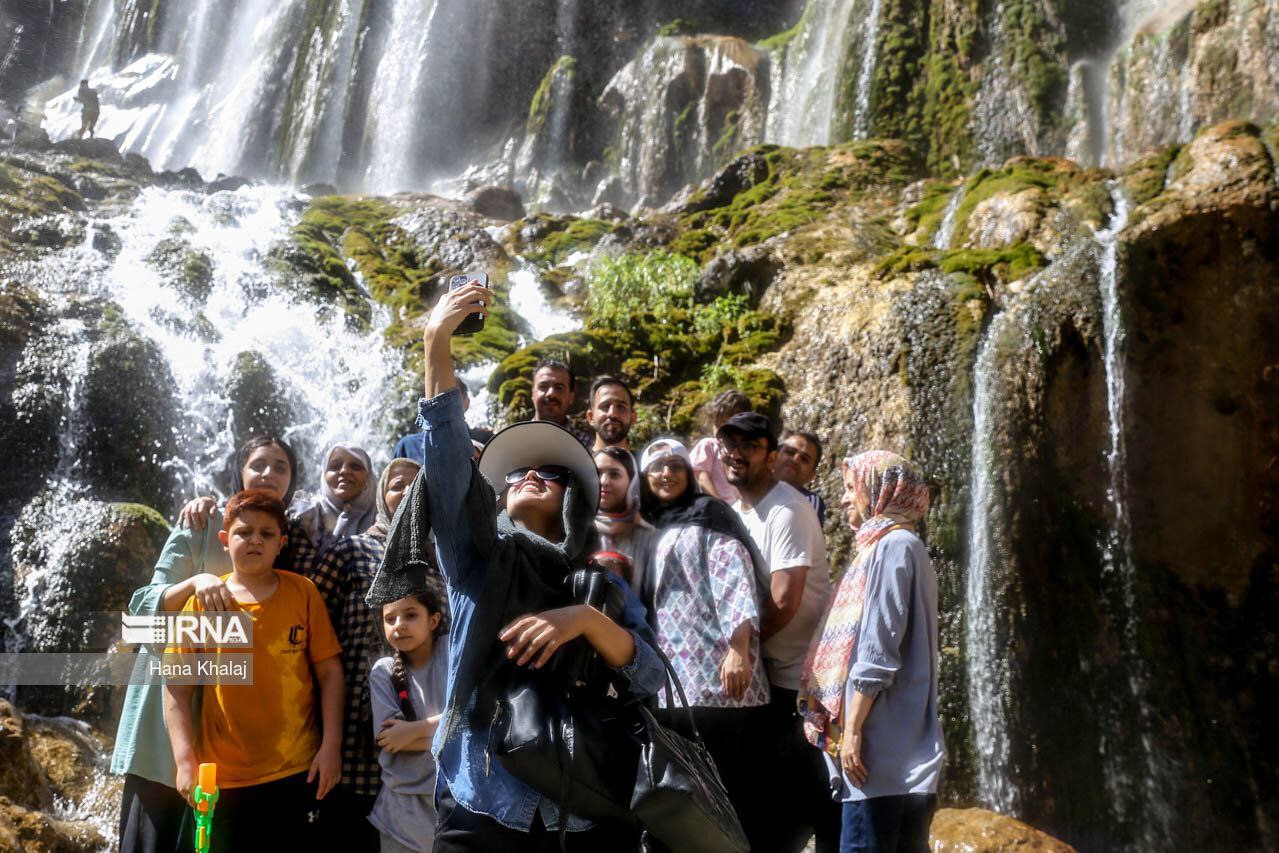
Iran tourism: Visit Margoon Waterfall in Fars Province

Margoon Waterfall is located in the Margoon village, southern Iran.

The waterfall is actually the source of the river and there is no river on top of the mountain, but there are more than a few thousand springs that originate from the body of the rocky wall of the mountain from which water is thrown out.

The waterfall hosts tourists from different cities of Iran all year round.

Iran FM says welcomes restoration of ties with Egypt, Morocco

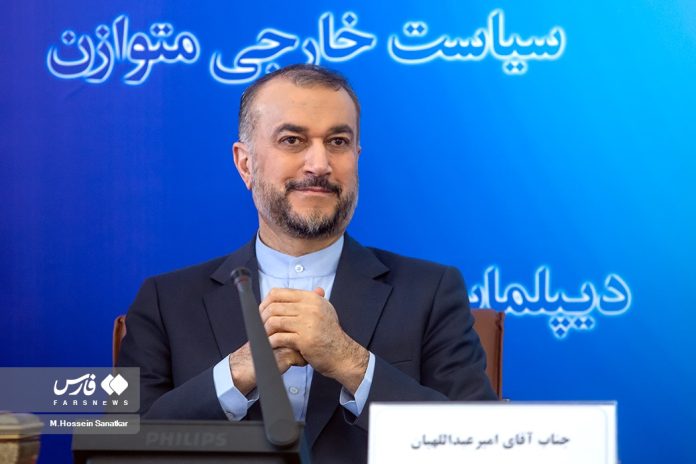
Hossein Amirabdollahian

Hossein Amirabdollahian made the remarks in a speech to the Muslim ambassadors in the capital Tehran on Thursday on the occasion of the Eid al-Adha, or the Feast of Sacrifice.

Amirabdollahian said among the foreign policy priorities of the Iranian government is paying special attention to the relationship with the Islamic world and the countries of the region.

He referred to the recent restoration of the Iran-Saudi ties as the result of this policy.

The top Iranian diplomat went on to say, “We likewise welcome the development of relations and normalization with other regional and Muslim countries, including the Arab Republic of Egypt and the Muslim and brotherly state of Morocco.”

Iran and Egypt severed diplomatic ties in 1980 one year into the victory of the Islamic Revolution in Iran.

Morocco cut off relations with Iran in May 2018 over what it called Iran’s support for the Polisario Front, an armed group fighting for self-determination of Western Sahara claimed by Morocco.

Amirabdollahian, in other comments, voiced concerns over the crisis and civil war unfolding in Sudan.

He reiterated, “Undoubtedly, the enemies of the Islamic world hatched extensive plots to divide the Islamic countries; what happened in recent years in Afghanistan, Iraq and Syria is part of the conspiracy of the enemies of the Islamic Ummah and Islamic countries.”

Amirabdollahian also added the issue of Palestine is still the main issue and priority of the Islamic world.

Ex-Iran envoy: Chances of world recognition of Taliban diminishing

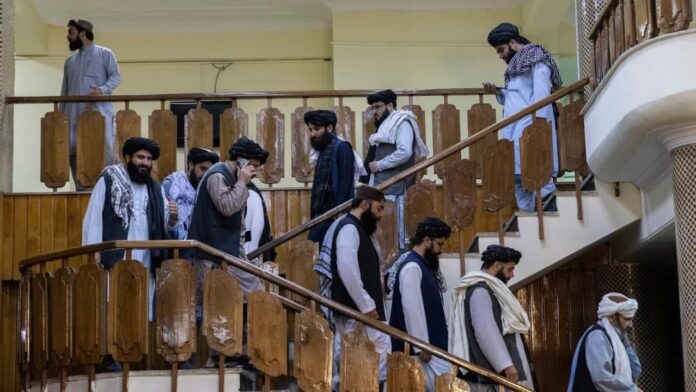
Taliban

Mohamamd Reza Bahrami said in a tweet this is mainly because of the Taliban’s governance and their policy toward non-Afghan extremist groups.

Bahrami added that the current trend will inevitably lead to the deepening of the gap between the Taliban and the global community.

The Taliban toppled the government of former Afghan president Ashraf Ghani in the summer of 2021, forcing him into self-exile. This happened during the chaotic US withdrawal from Afghanistan.

World countries have not yet recognized the group as the legitimate rulers of Afghanistan.

Meanwhile, the UN envoy for Afghanistan has recently warned the Taliban rulers so long as their restrictions on women and girls are in place, the international recognition of the group as the legitimate government of Afghanistan will be “nearly impossible.”

Pakistan vows to counter Indo-US defense cooperation

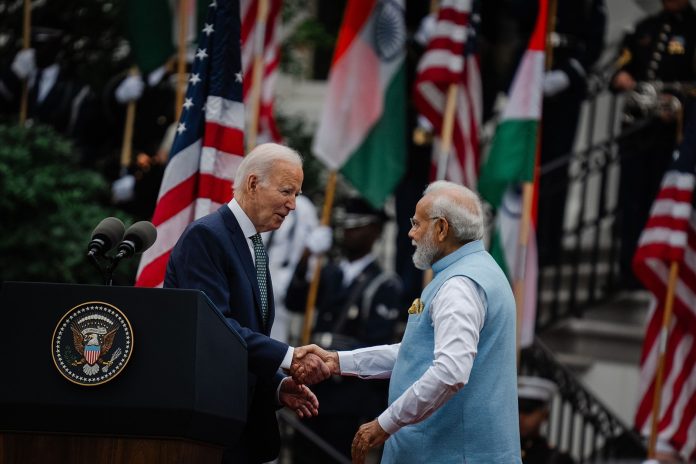
Joe Biden and Narendra Modi

Official sources told The Express Tribune on Thursday that the US was informed through diplomatic channels that the transfer of advanced military hardware to India without taking into account Pakistan’s legitimate concerns would undermine the strategic stability and conventional balance in the South Asian region.

Pakistan told the US that India would feel embolden with the acquisitions of the technologies, thus putting the country’s national security interests in jeopardy, according to the sources familiar with the development.

Islamabad made it clear to Washington that such a cooperation between India and the US that harms its interests will leave Pakistan with no other option but to go for counter measures.

When Indian Prime Minister Narendra Modi recently visited the United States on a first state visit, his trip was not only rich in optics but some substantive decisions were taken.

For example, General Electric and India’s state-owned Hindustan Aeronautics Limited will make in India advanced fighter jet engines for the country’s indigenous light combat aircraft.

The US also agreed to set up a facility in India to produce battle-tested armed drones. For decades, Russia remained the major supplier of arms to India with 65 percent share only a few years ago.

That has now come down to 45% while the US share has jumped from 1 per cent to 11 per cent. The other major decision taken during Modi’s visit was that the US memory chip giant, Micron Technology, will invest up to $825 million to build a semiconductor assembly and test facility in India, creating thousands of jobs.

This indicates that the US is not only willing to sell arms to India but is not averse to the idea of transferring technology, something that has already raised alarm bells in Pakistan.

The US arms sale and transfer of technologies to India may be aimed at China but the development will certainly upset the military balance in South Asia.

Pakistan feels that the deepening US-India defense ties is a direct threat to its national security.

“Such steps are accentuating the military imbalance in the region and undermining strategic stability. They remain unhelpful in achieving the objective of a durable peace in South Asia,” read a statement of the Foreign Office while reacting to the Indo-US defense deals.

The US is certainly not bothered much as it is looking to achieve the bigger objective — to tame China. In fact, just a day after Modi wrapped up his visit to the US, the Indian army violated the ceasefire along the Line of Control (LoC). This was the first known transgression since the two countries agreed to renew the truce in February 2021.

The statement issued by Inter-Services Public Relations (ISPR) indicated that the Indian move was linked to its burgeoning defense ties with the US. “Driven by a new found geo-political patronage, India forces have embarked on a plan to take innocent lives to satiate their false narratives and concocted allegations.”

Islamabad was also perturbed with the Indo-US joint statement where a specific reference was made to Pakistan. The joint statement accused Pakistan of cross border terrorism and use of terrorist proxies. Pakistan strongly rebutted the charges and found them as unwarranted, one sided and misleading.

The US Deputy Chief of Mission was called to the Ministry of Foreign Affairs and a demarche was made to him regarding the US-India Joint Statement, issued on 22 June.

Pakistan’s concerns and disappointment at the unwarranted, one-sided and misleading references to it in the Joint Statement were conveyed to the US side.

It was stressed that the United States should refrain from issuing statements that may be construed as an encouragement of India’s baseless and politically motivated narrative against Pakistan.

It was also emphasized that counter-terrorism co-operation between Pakistan and US had been progressing well and that an enabling environment, centered around trust and understanding, was imperative to further solidifying Pakistan-US ties.

Israel not to deliver Iron Dome to Ukraine for fear it falls into Iran’s hands: PM

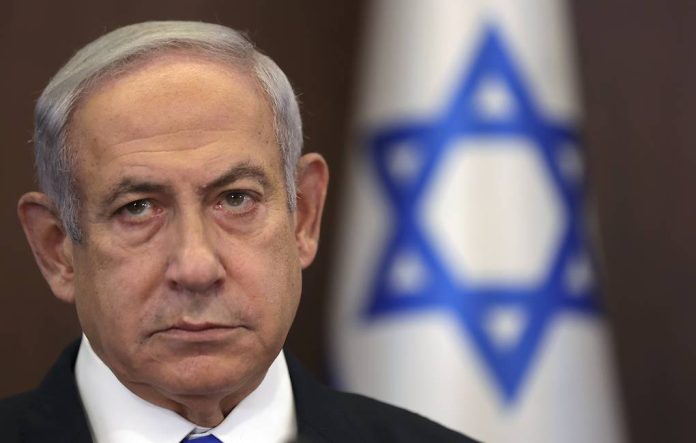
Benjamin Netanyahu

Israel is not giving the Iron Dome air defense system or other weapons to Ukraine because of its concerns that they might end up in Iran’s possession, Netanyahu said in an interview with The Wall Street Journal.

“I think, it’s important to understand that we are concerned also with the possibility that systems that we would give to Ukraine would fall into Iranian hands,” he continued.

Netanyahu pointed out that if that happens, Tehran would be able to use Israeli weapons against Israel.

He noted that Israel is a densely populated country and so far, it has been avoiding major casualties because the Iron Dome system was shooting down 95% of the missiles targeting Israel’s population centers.

“Now, if that system would fall in the hands of Iran, then millions of Israelis would be left defenseless and in peril,” he added.

While Israel has condemned Russia’s military operation in Ukraine, it has not taken part in the Western sanctions on Moscow and has refrained from providing lethal aid to Kiev, focusing instead on humanitarian assistance.

Netanyahu has previously expressed concerns over the potential spillover of Israeli weapons. Last week, he stated that the proliferation of weapons is “not a theoretical possibility,” noting that Western anti-tank weapons destined for Ukraine had already found their way to the Middle East.