Thursday, January 1, 2026
Home Blog Page 1384

Mother cheetah looking for cub killed in Iran car accident

Mother cheetah

The cheetah cub lost its life after it was hit by a car on the perilous road connecting the city of Sabzevar in Khorasan Razavi Province to the city of Miami in Semnan Province.

Footage captured by an environmentalist and released by Iranian media showed the mother cheetah, named Helia, and her other cub searching for the lost child.

Cheetahs, the world’s fastest land animals, once stalked habitats from the eastern reaches of India to the Atlantic coast of Senegal.

They are still found in parts of southern Africa but have practically disappeared from North Africa and Asia.

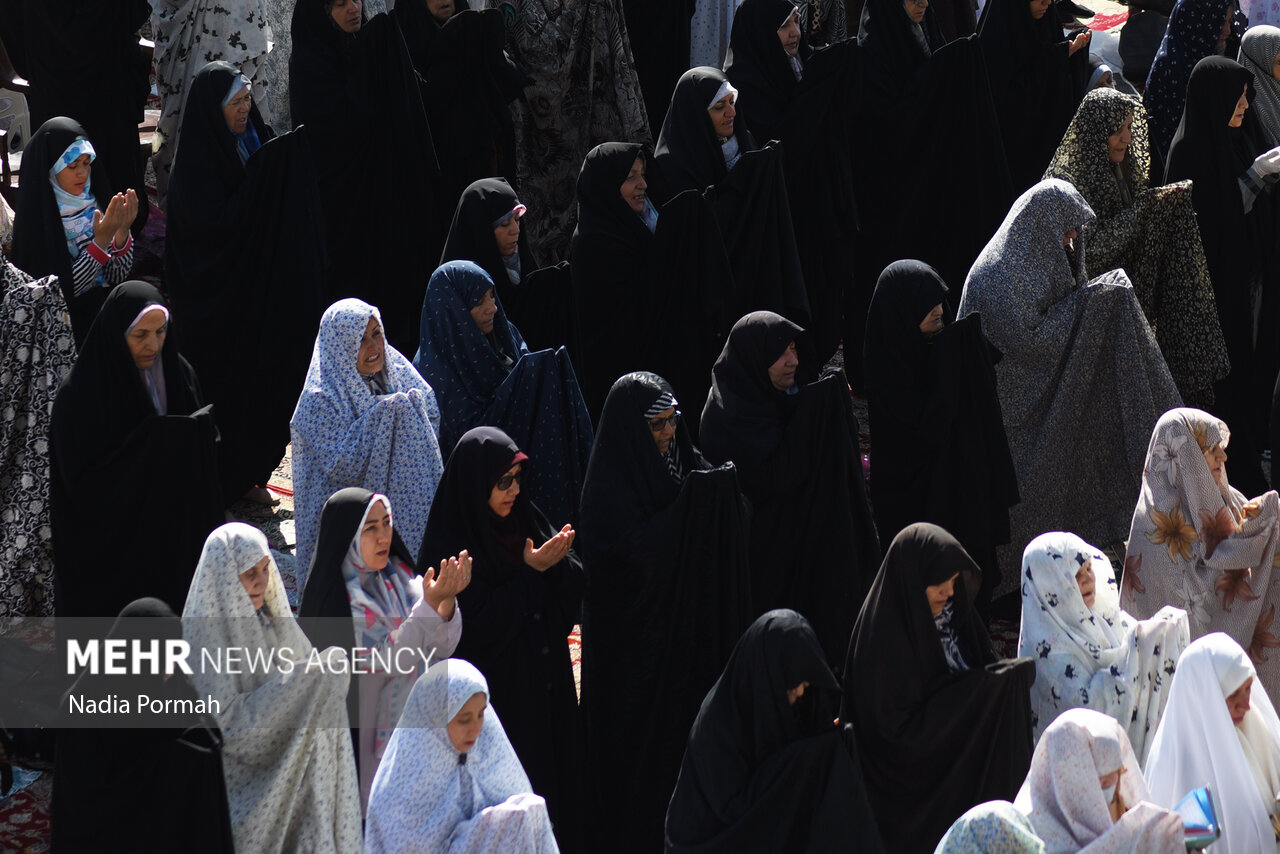
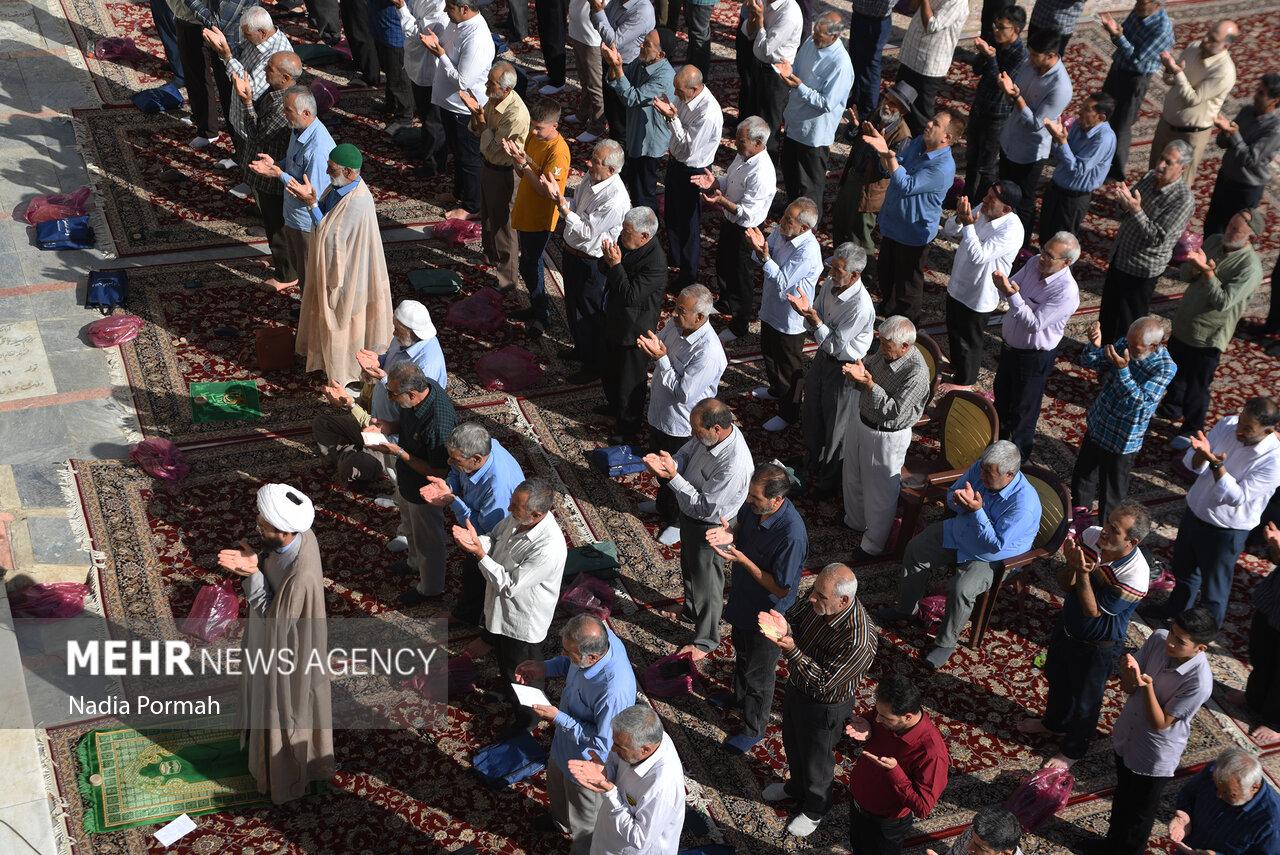
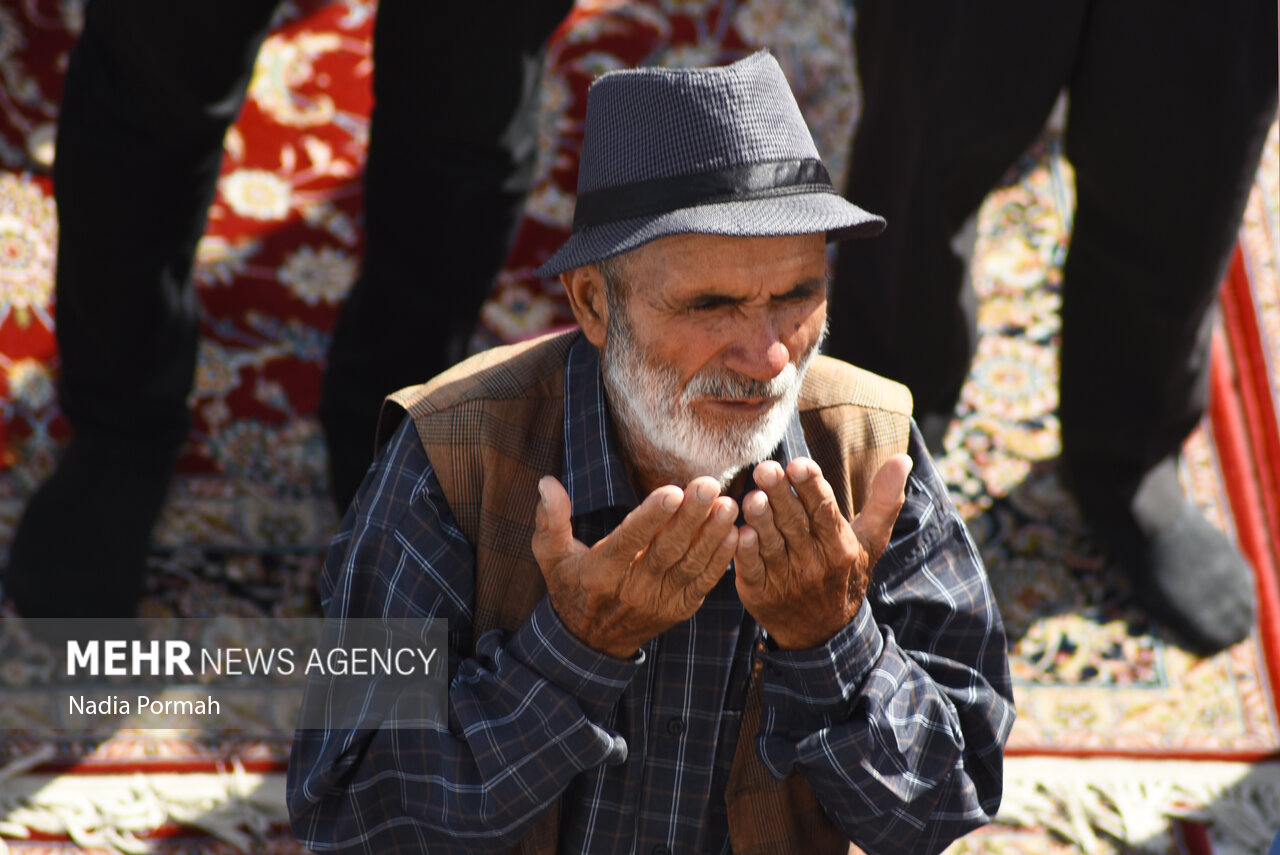
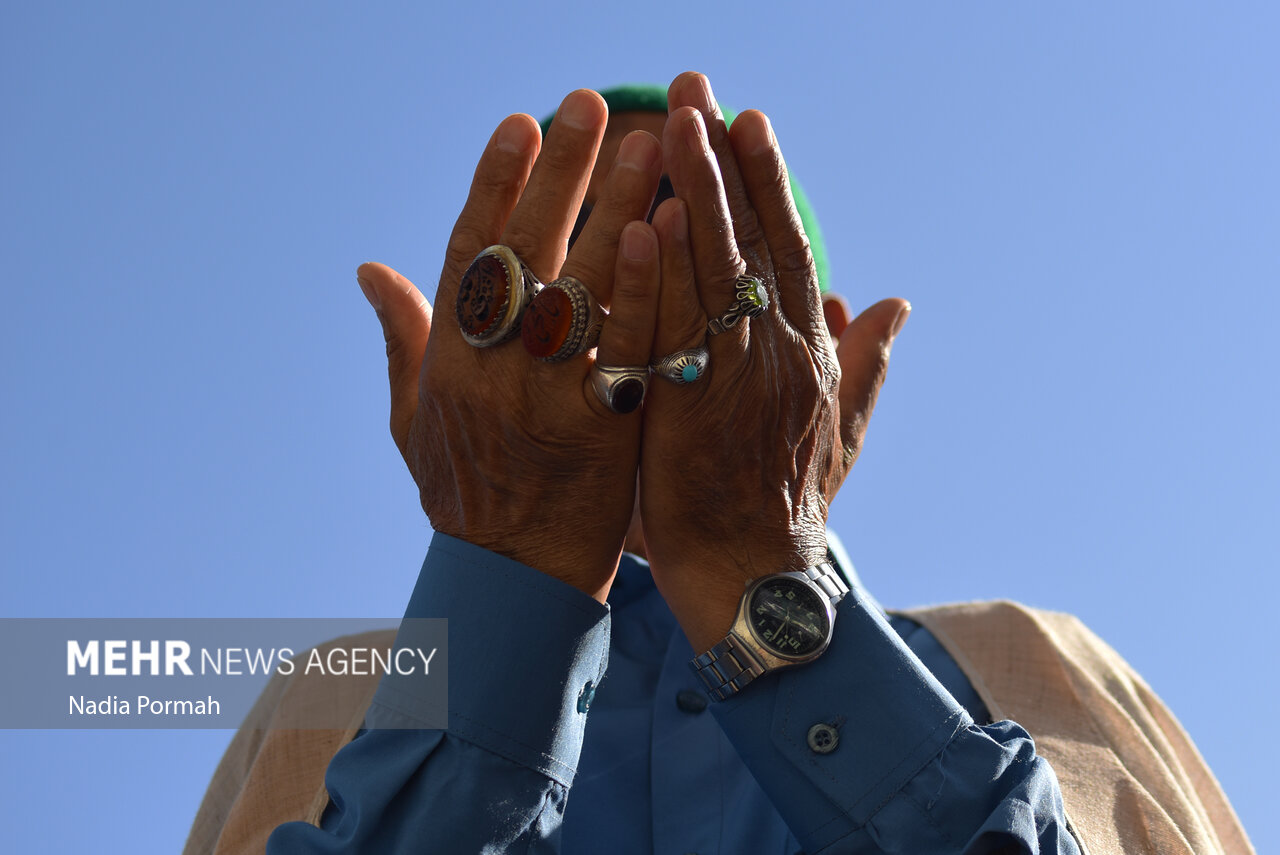
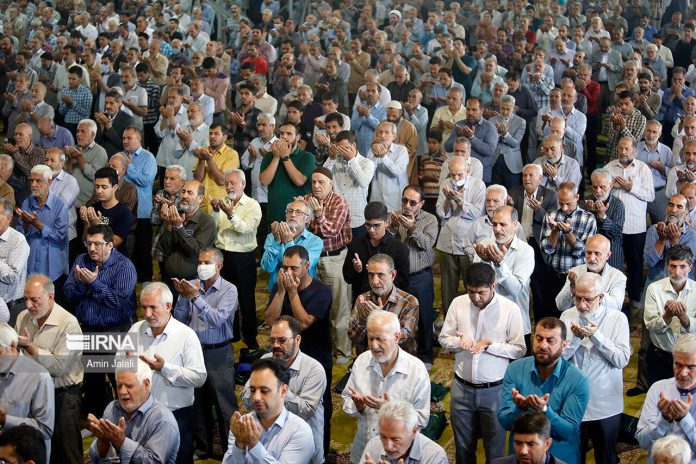
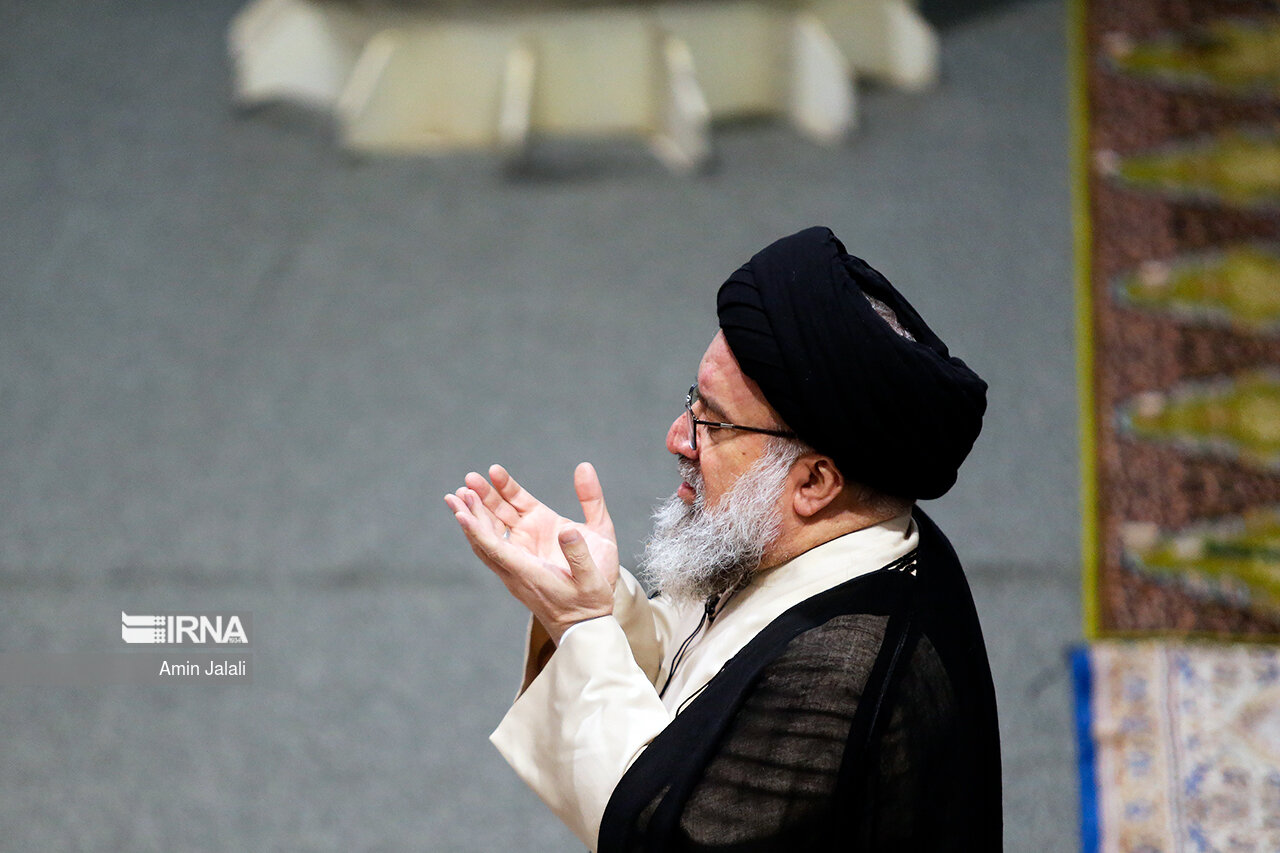
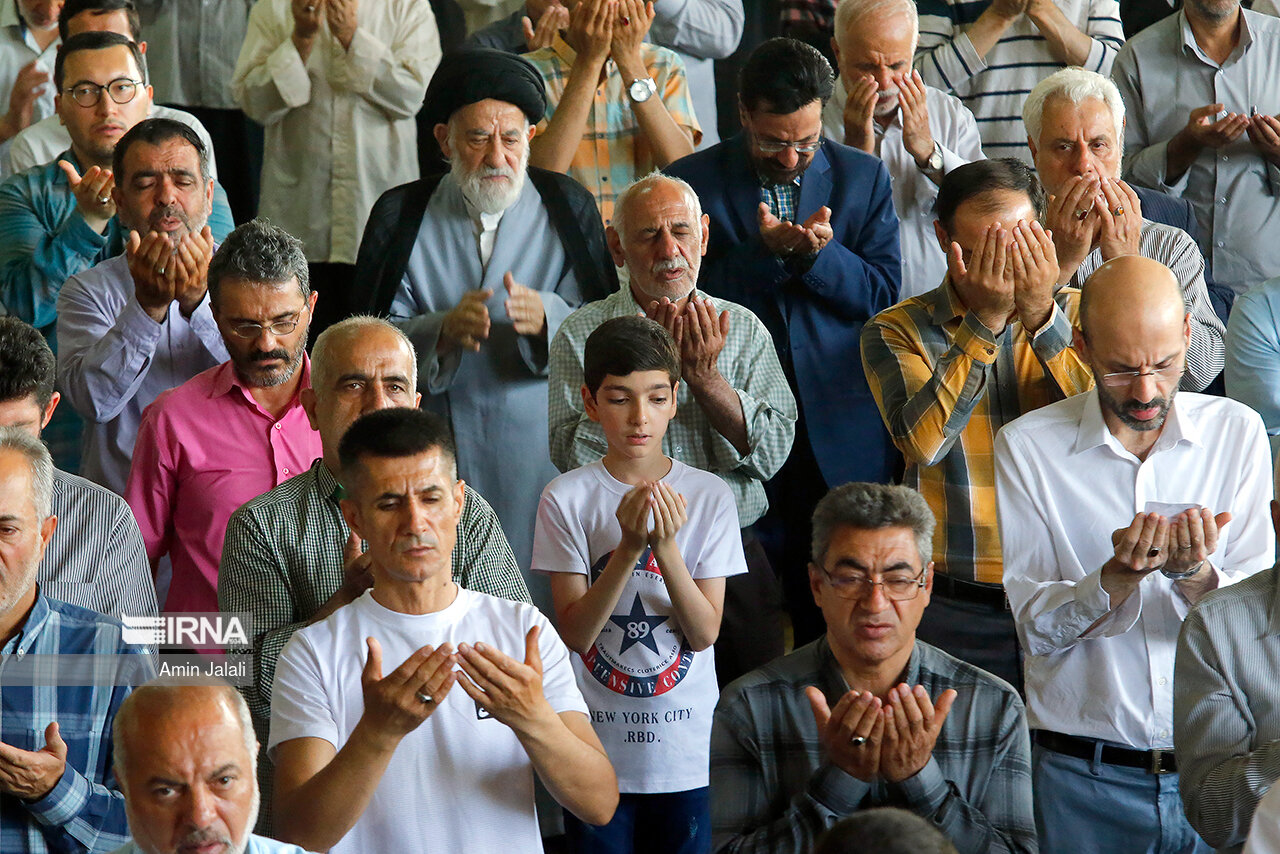
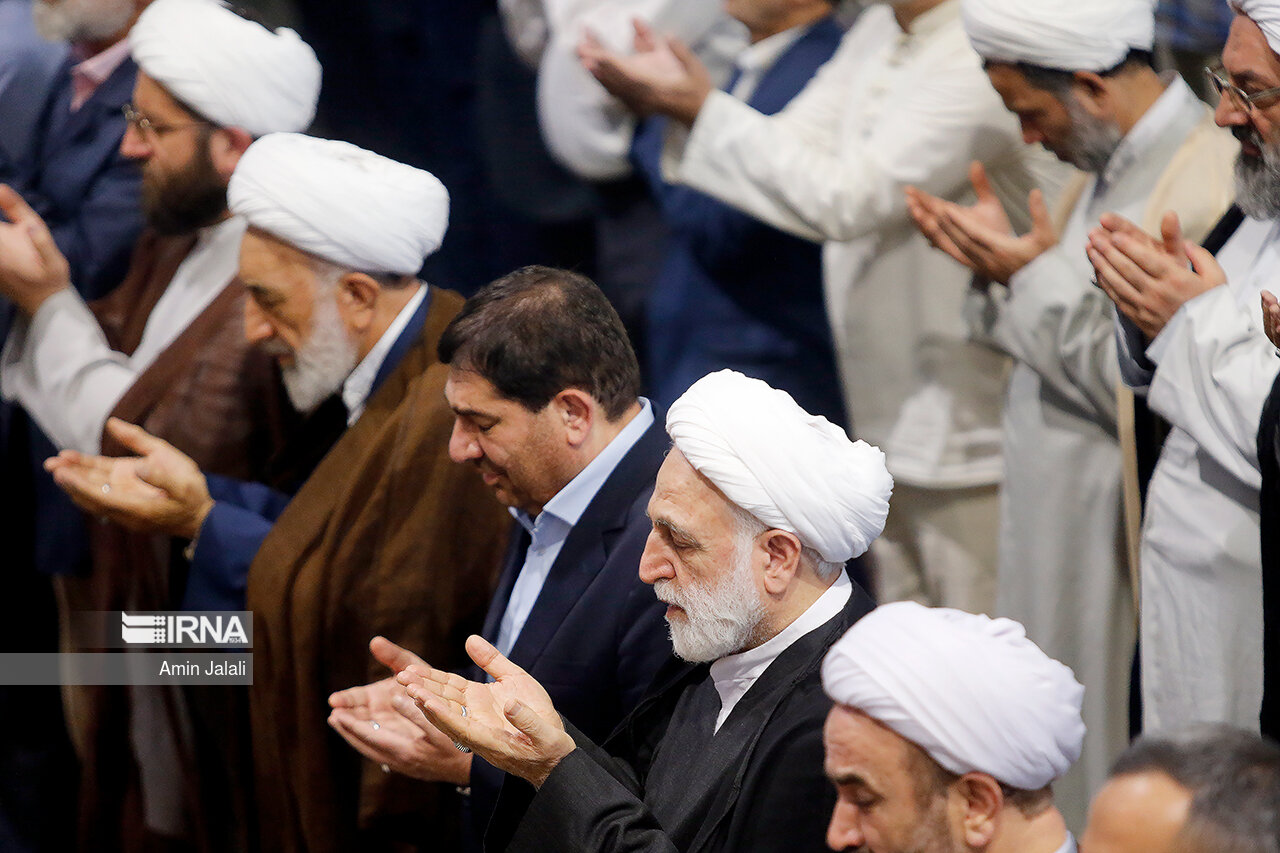
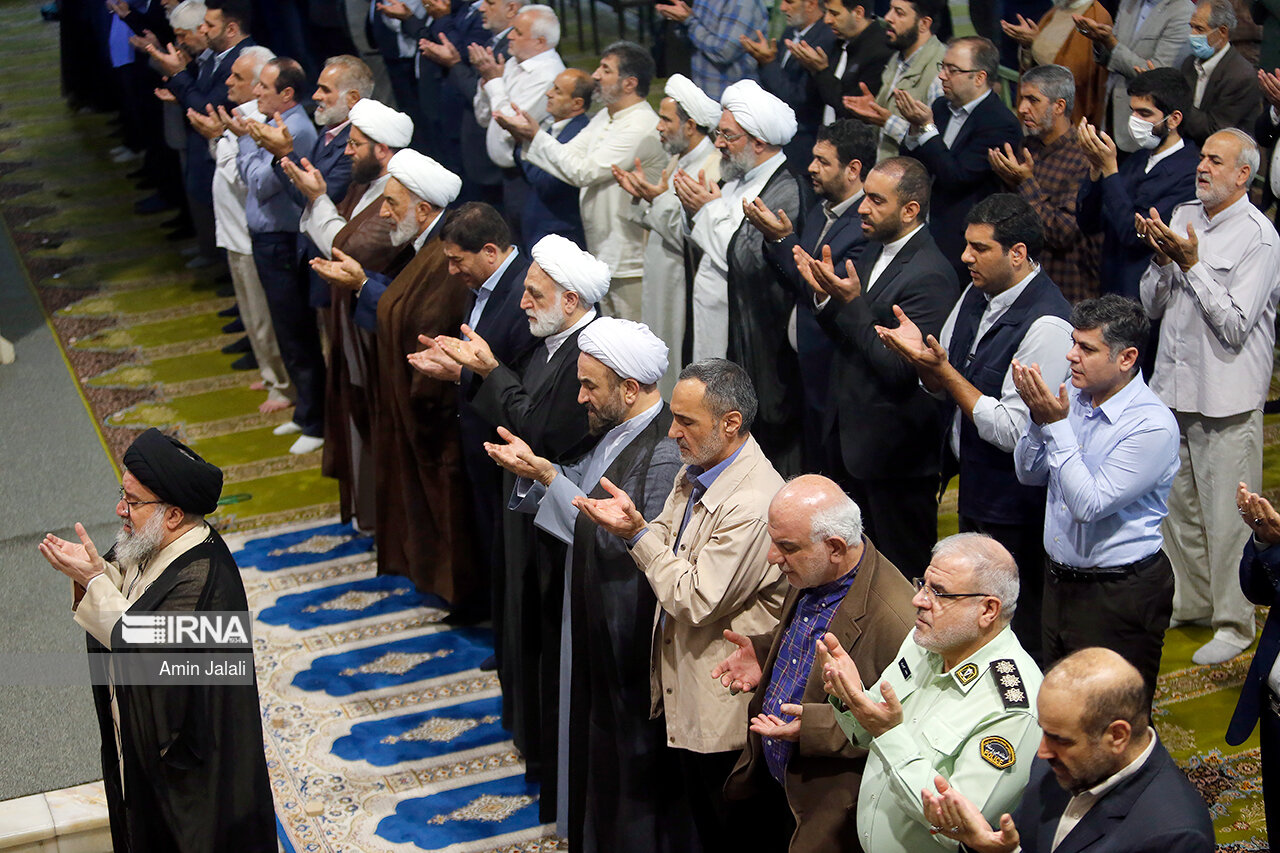
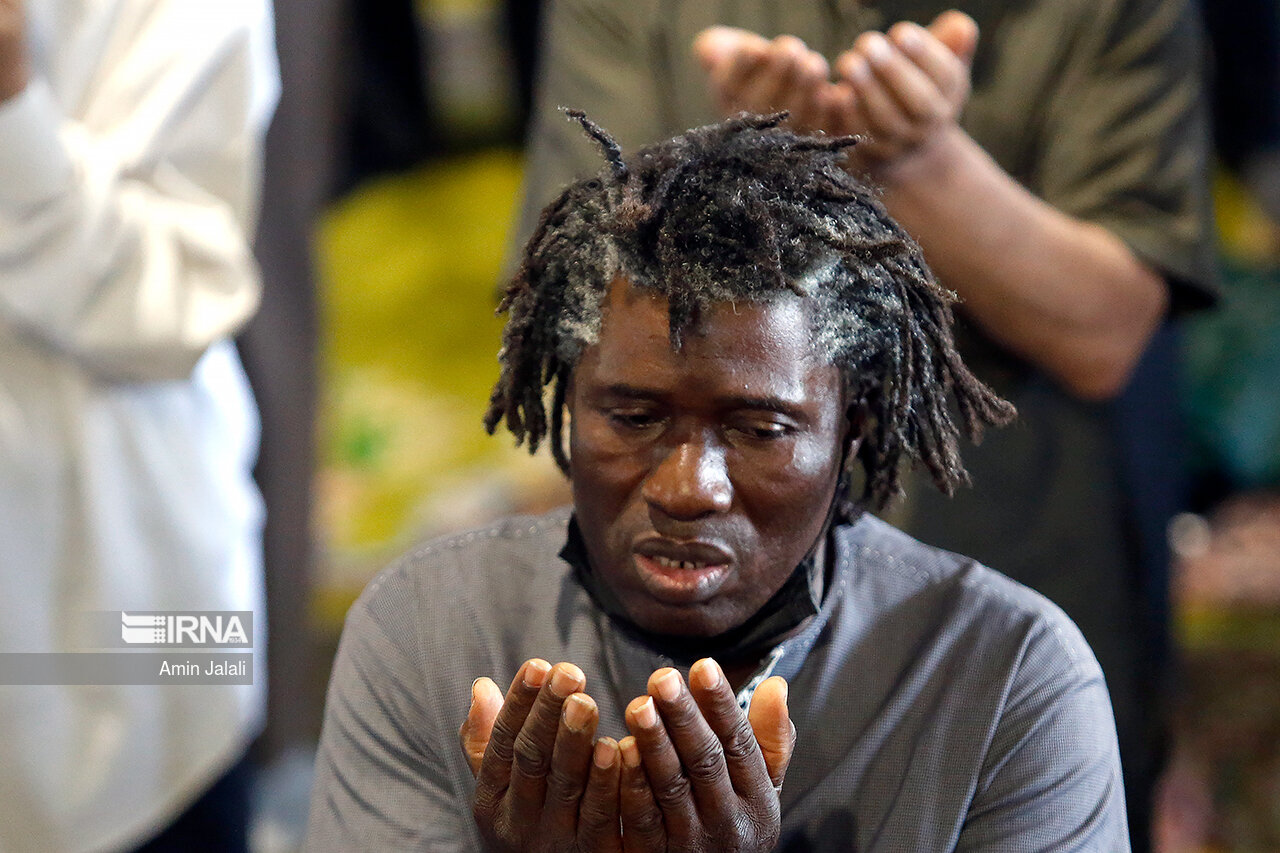
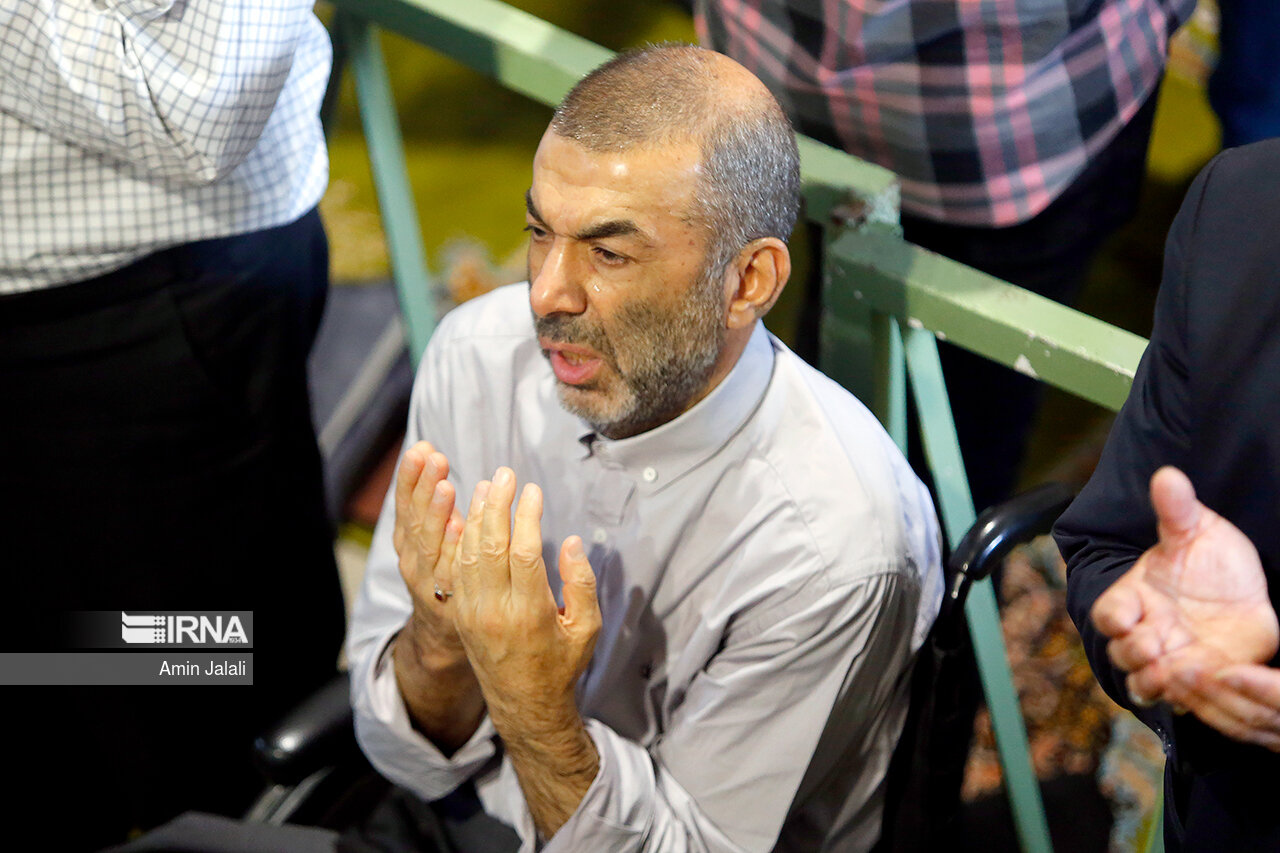
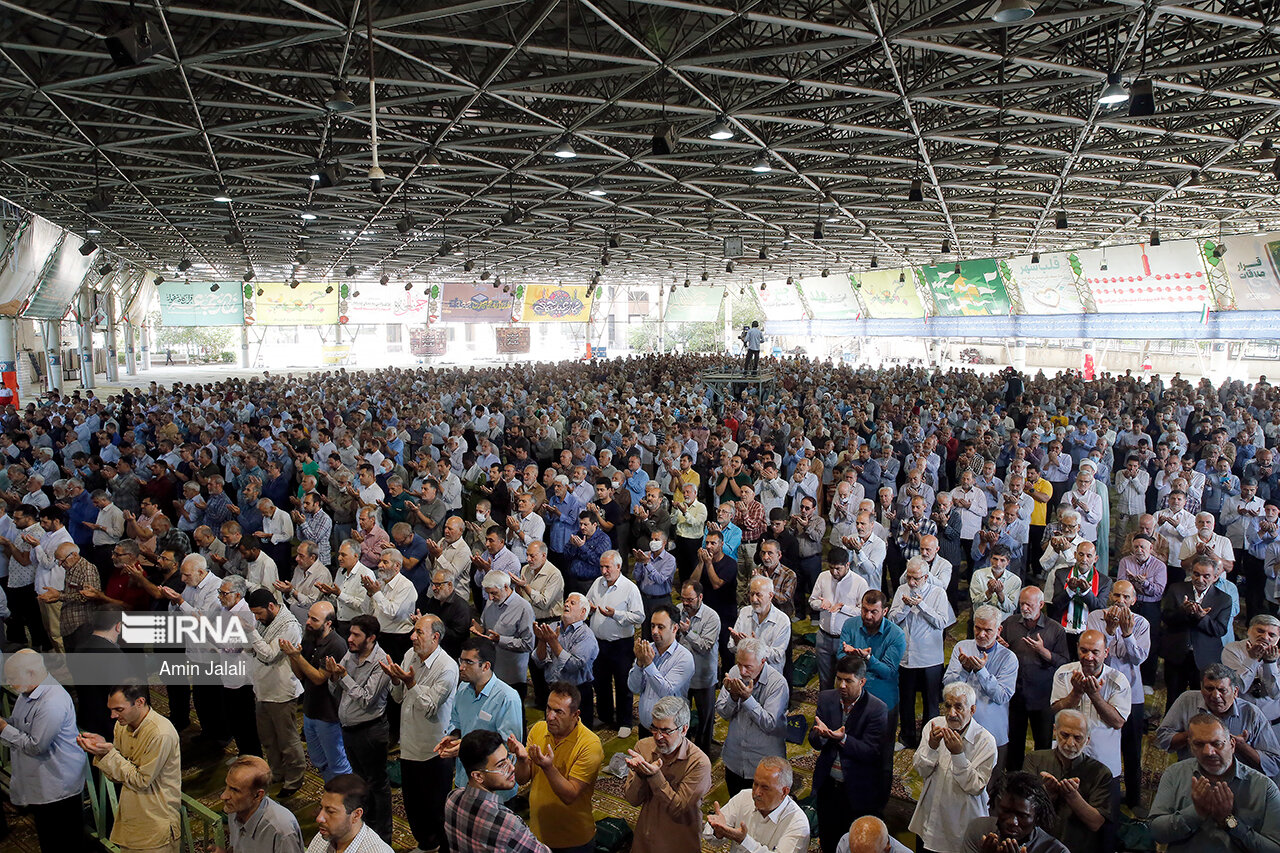
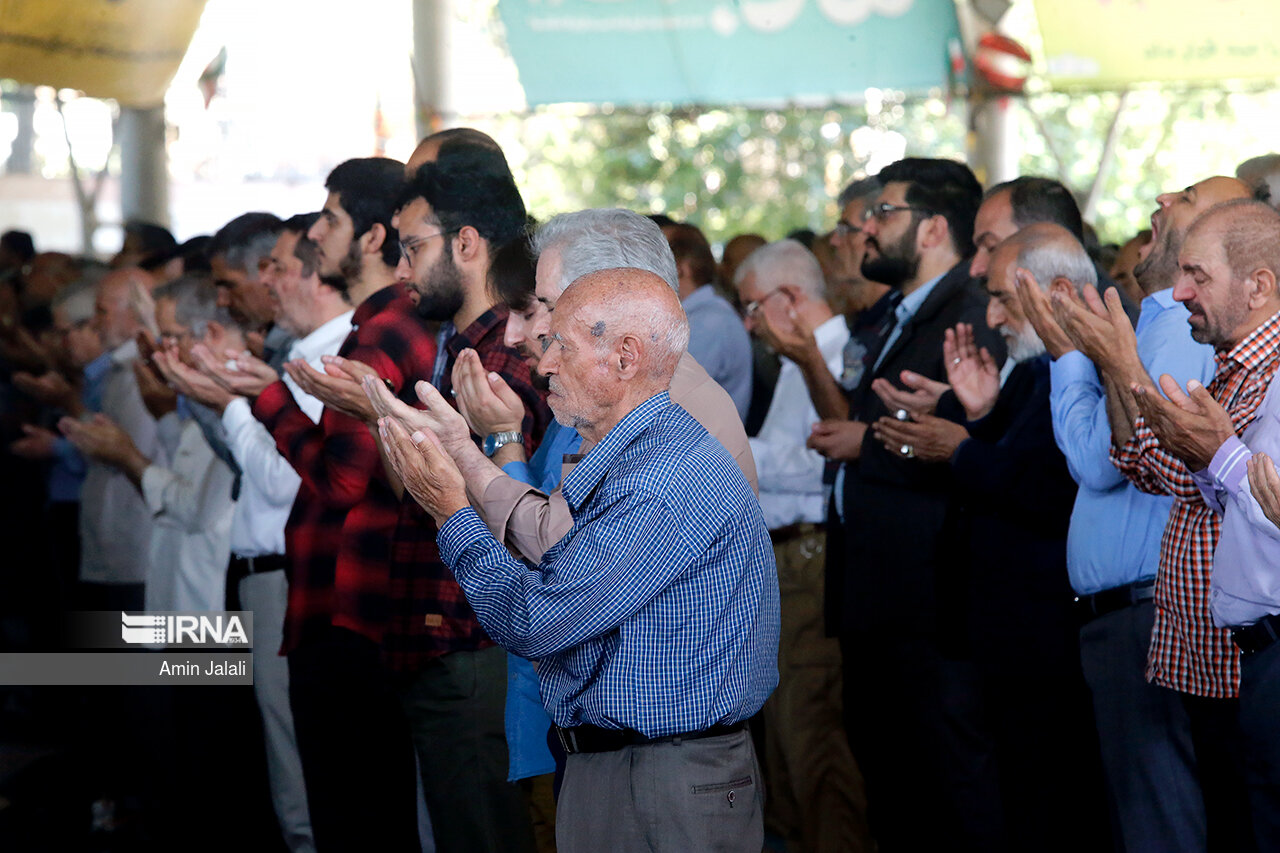
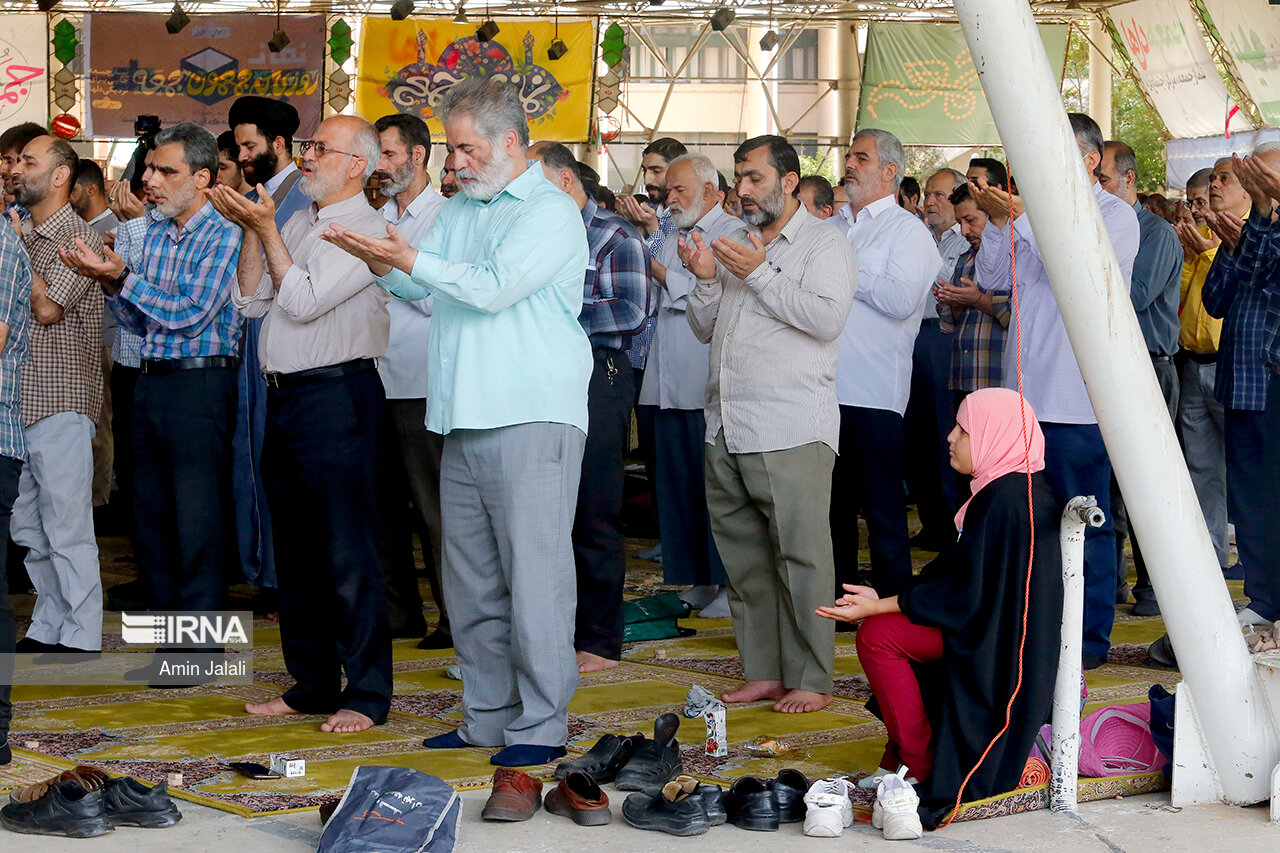
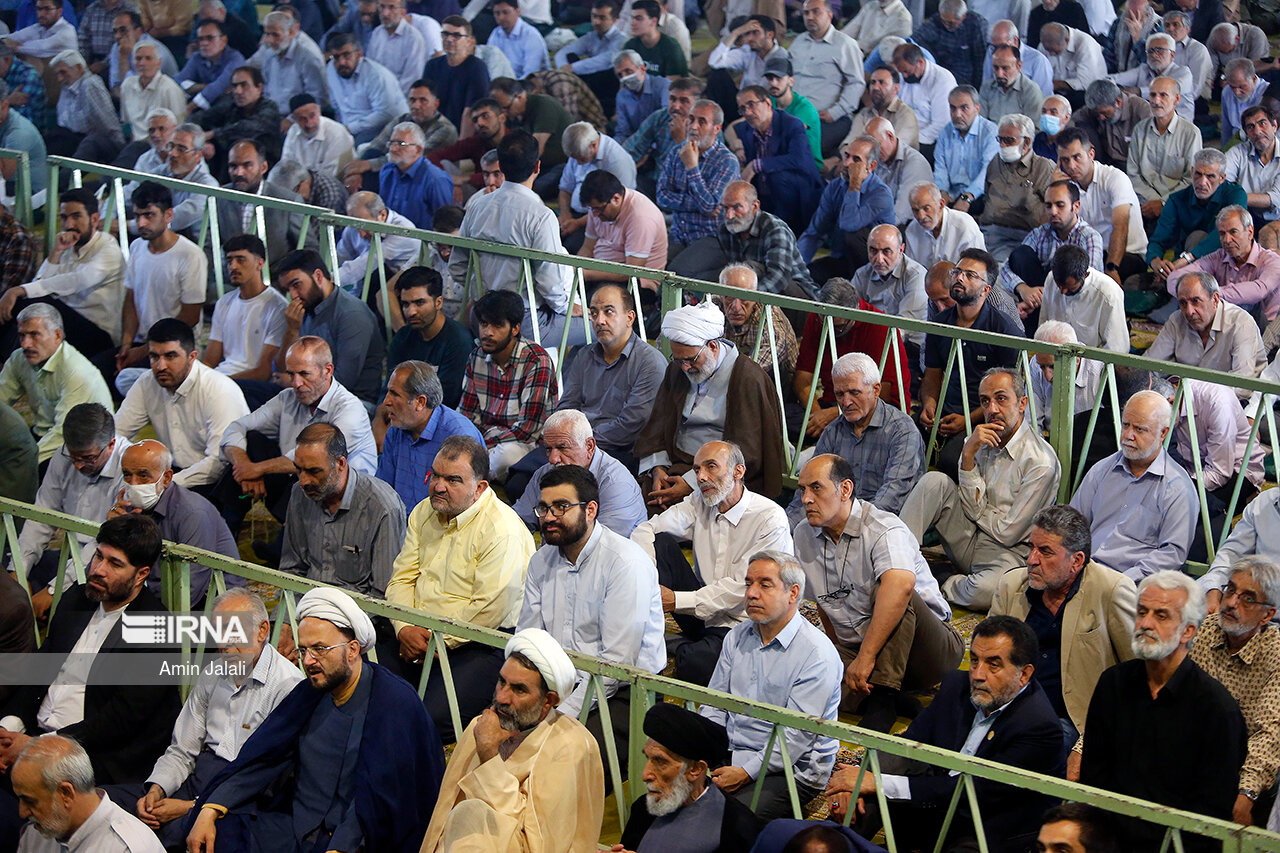
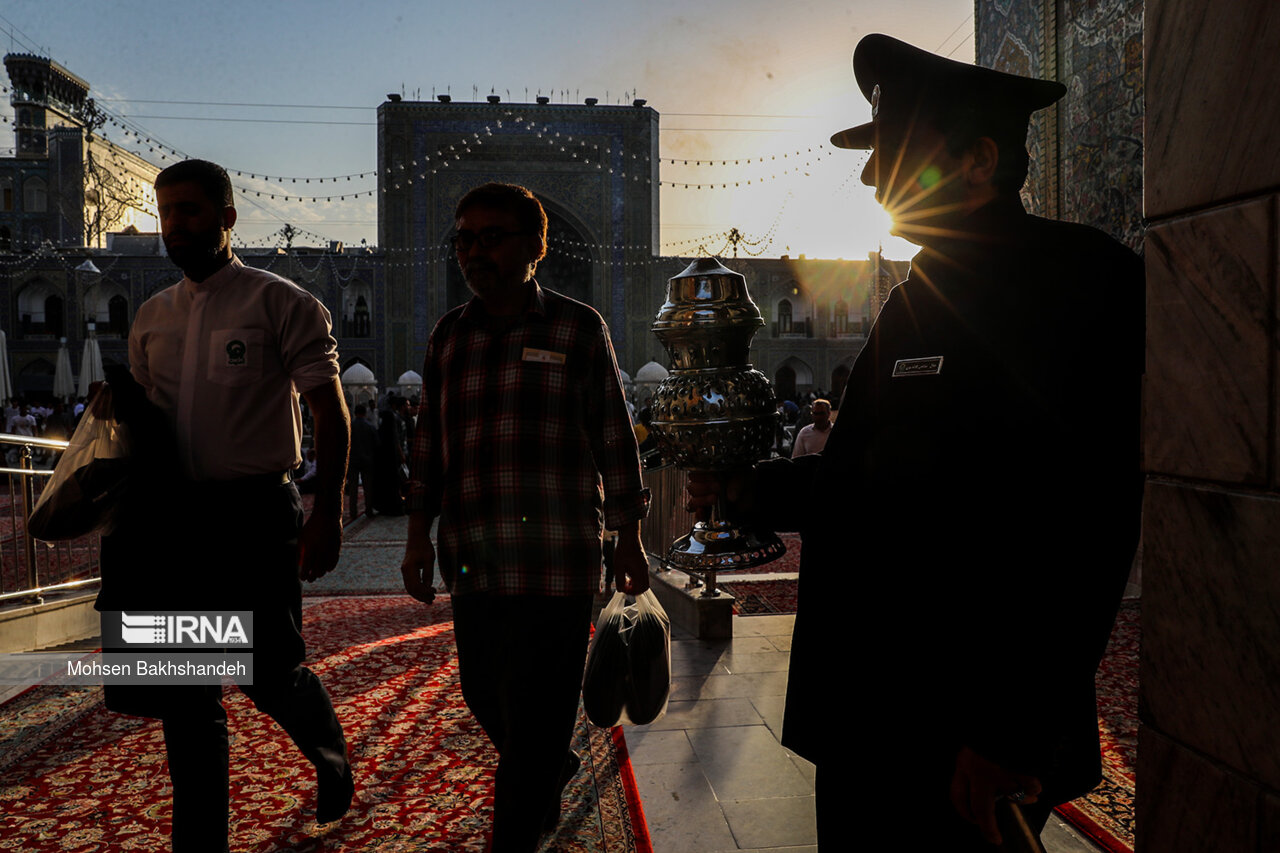
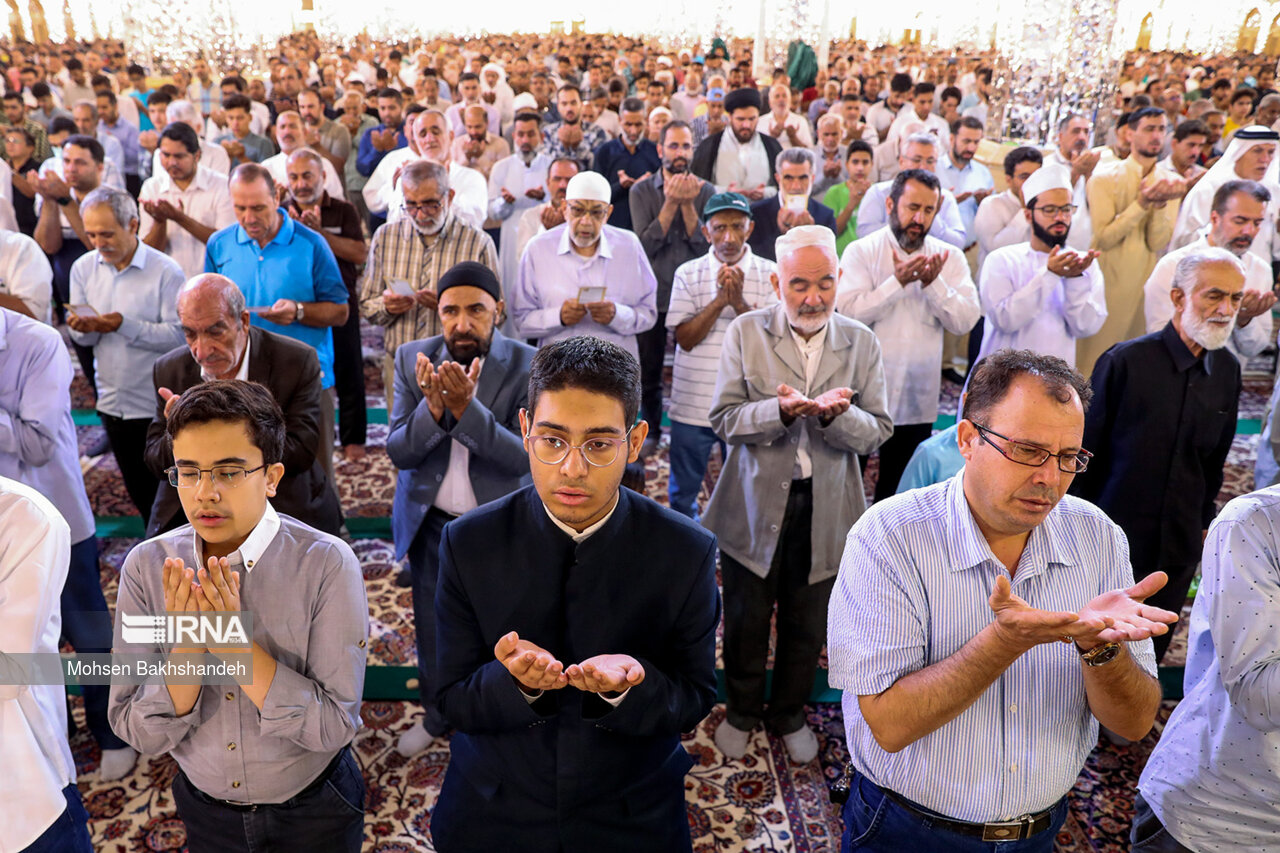
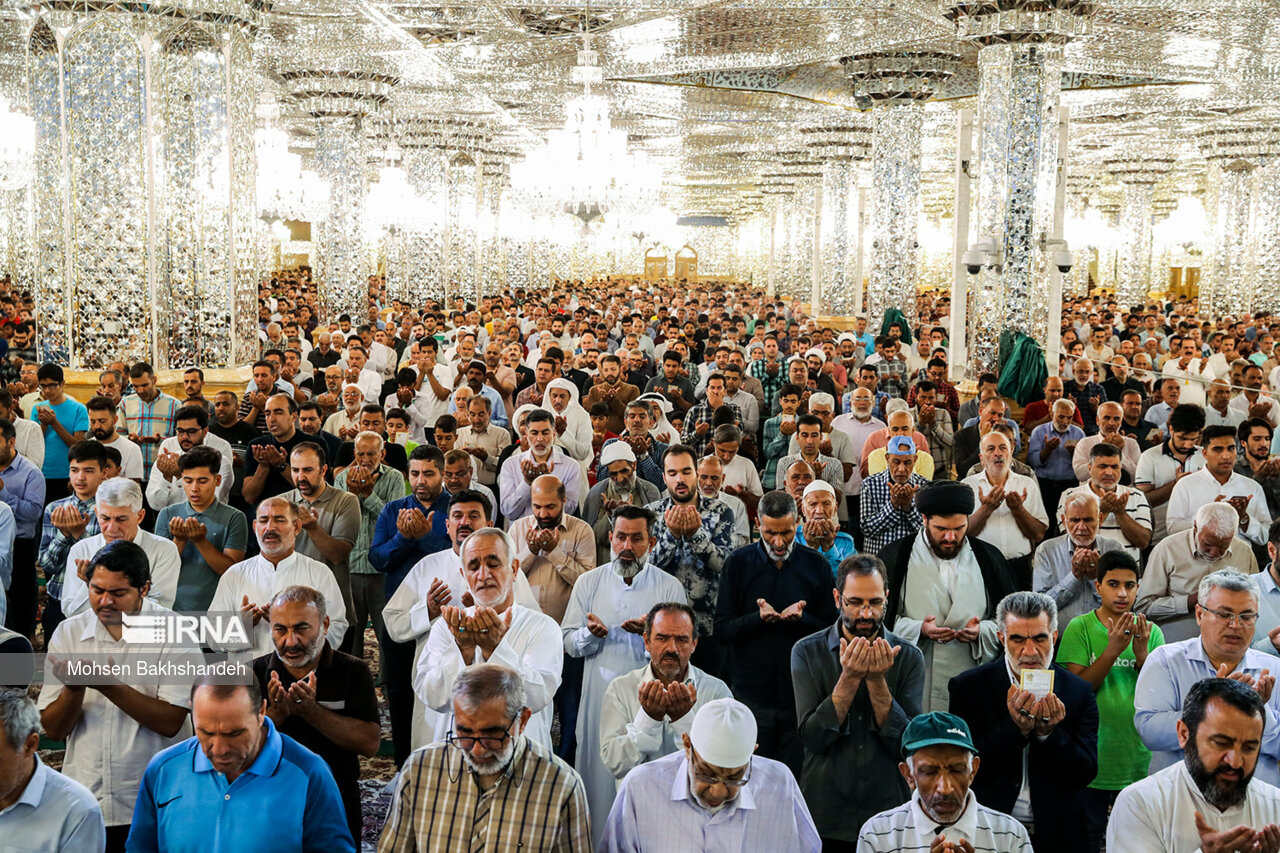
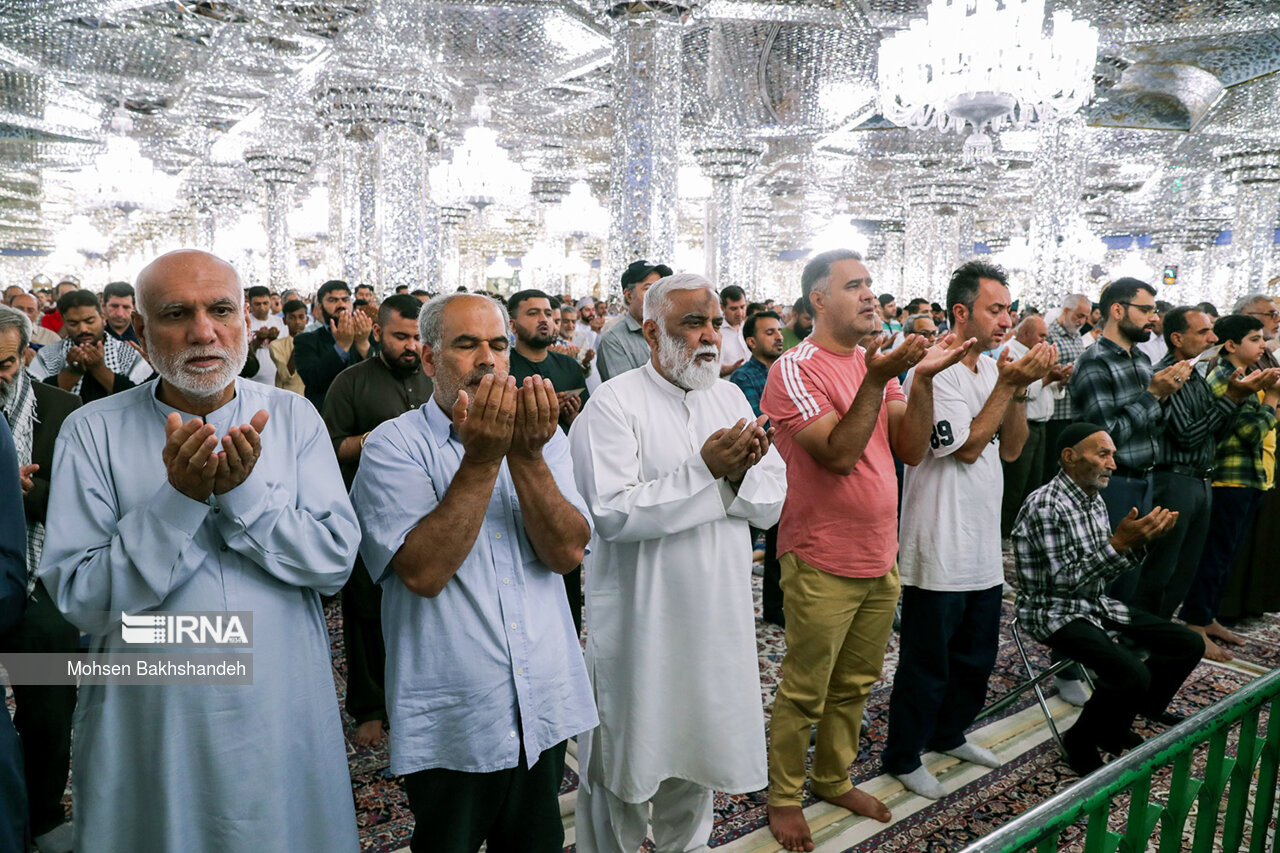
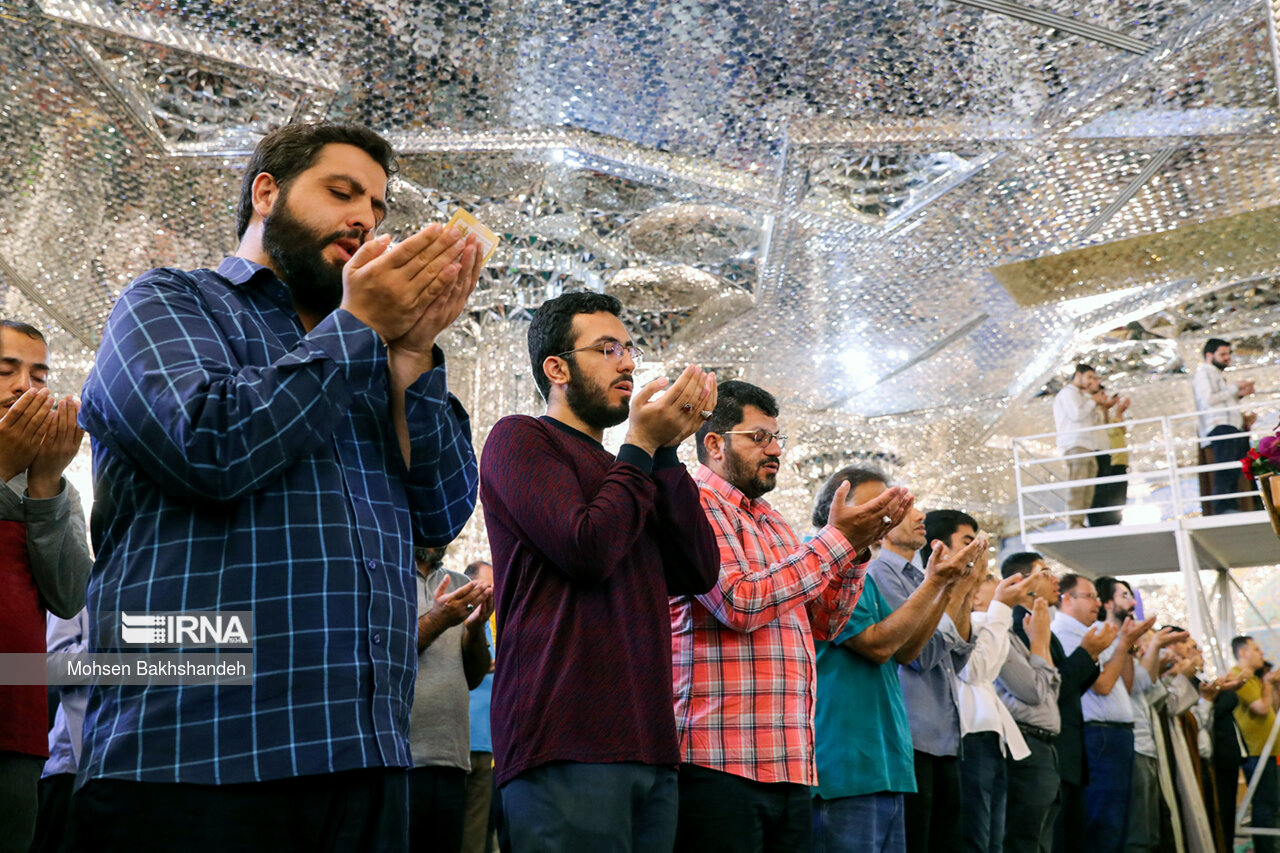
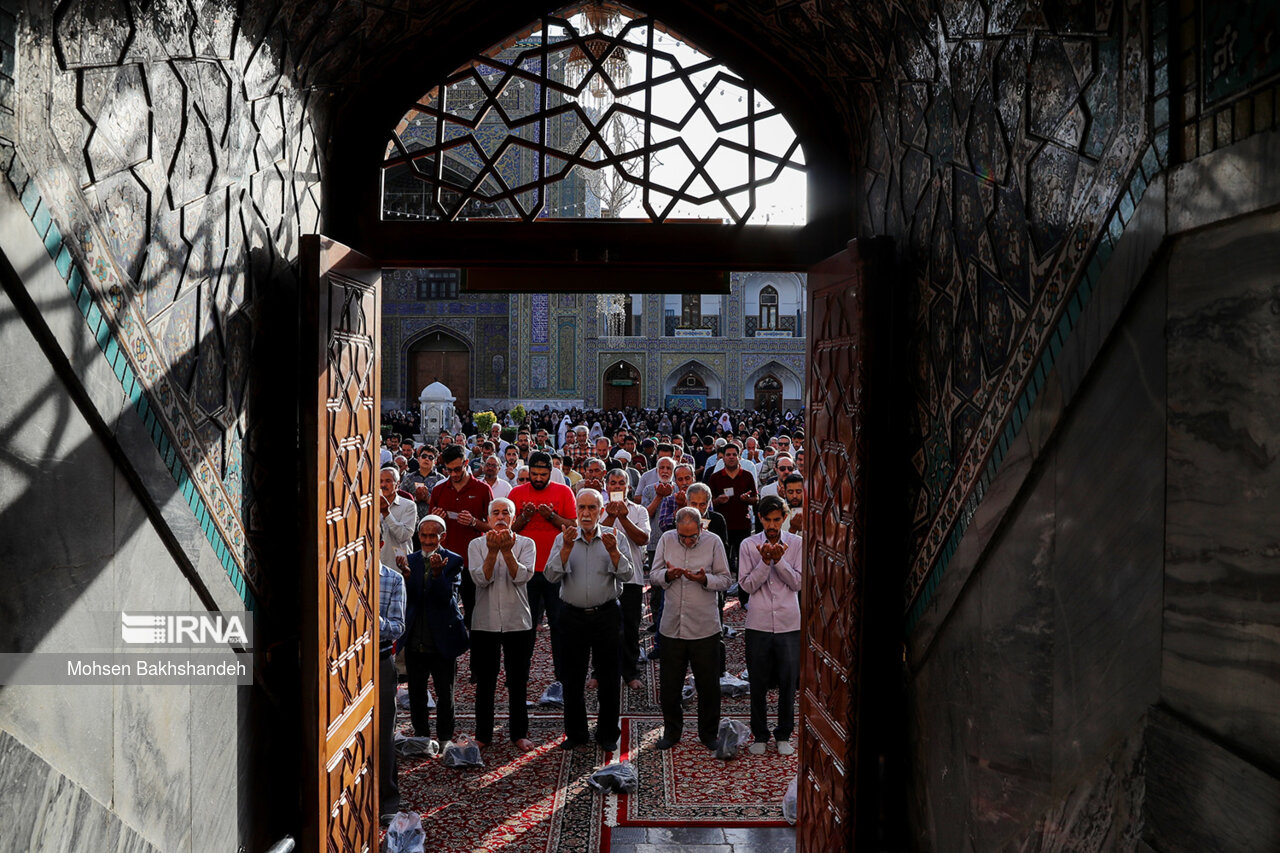
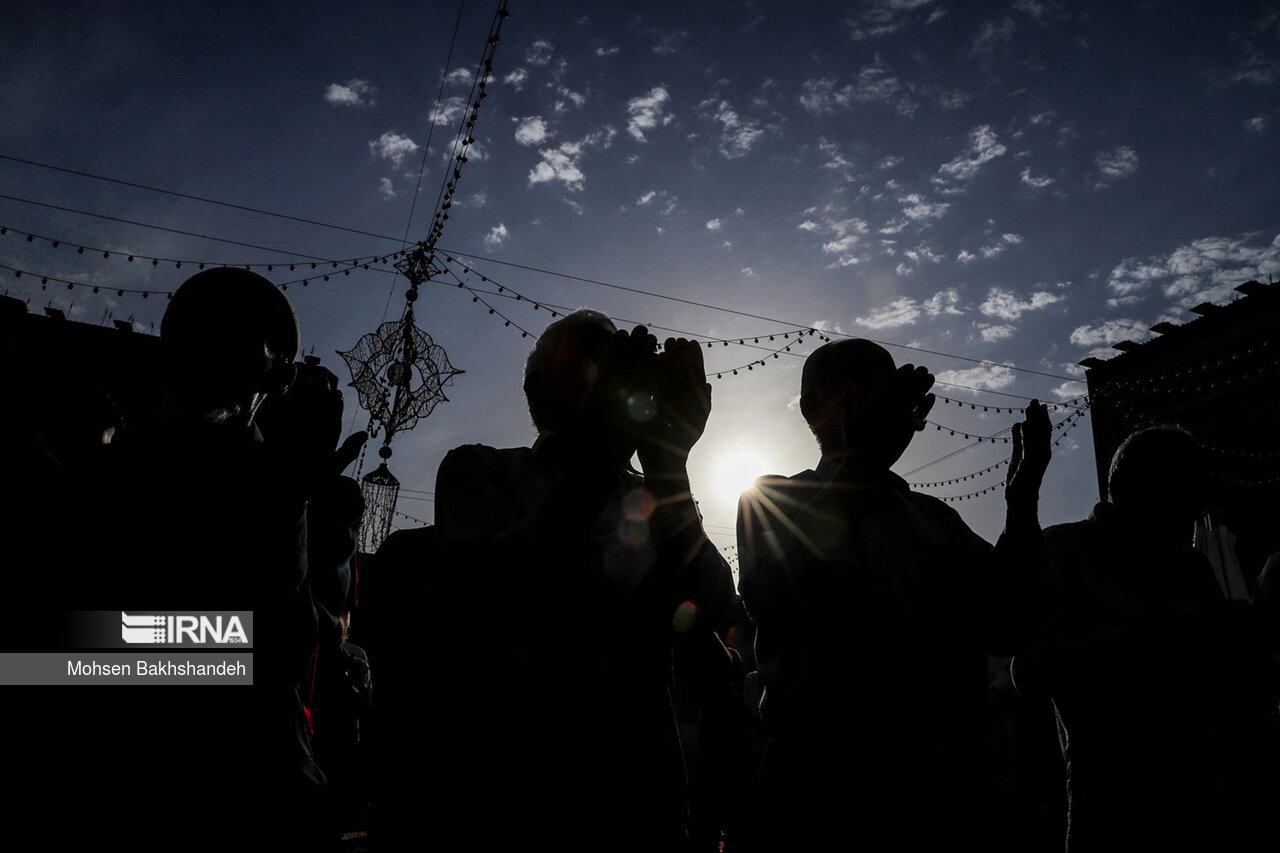
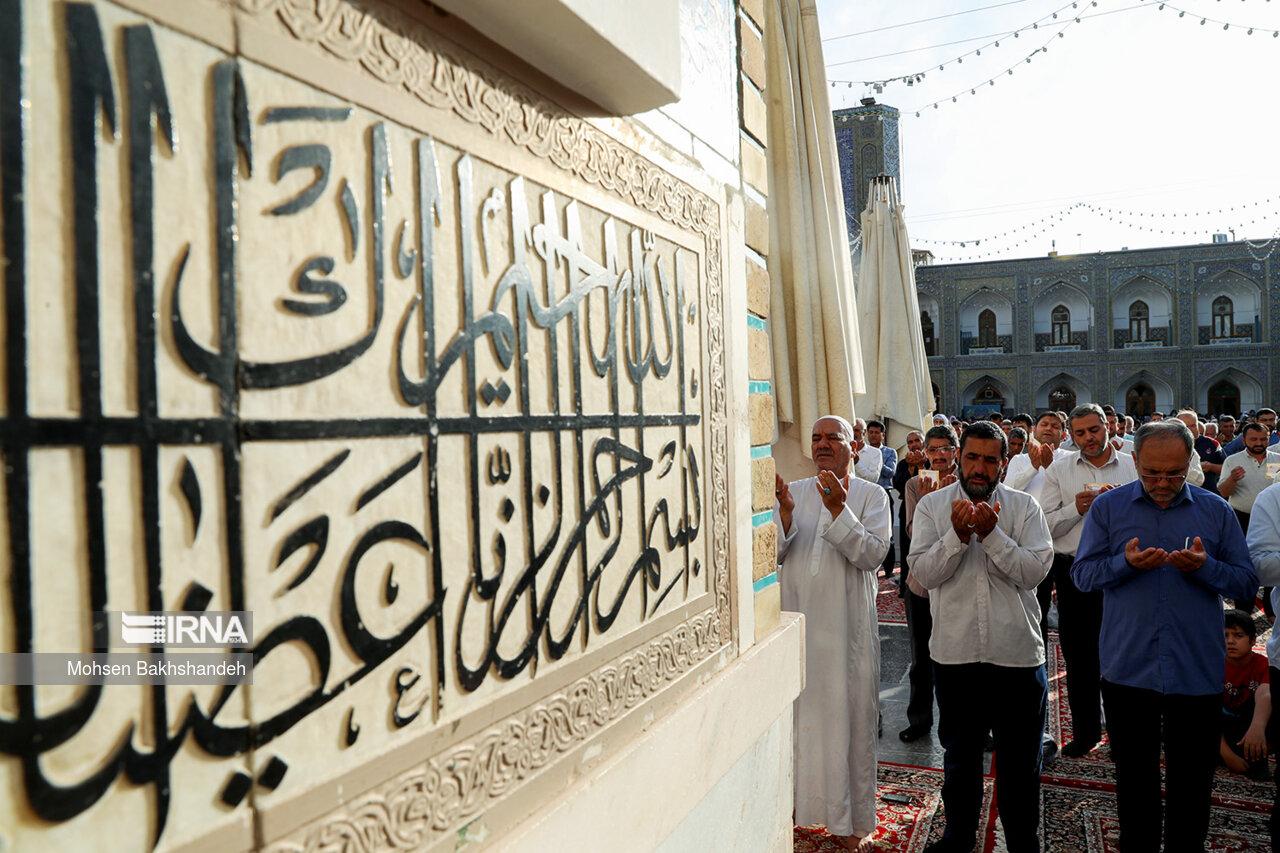
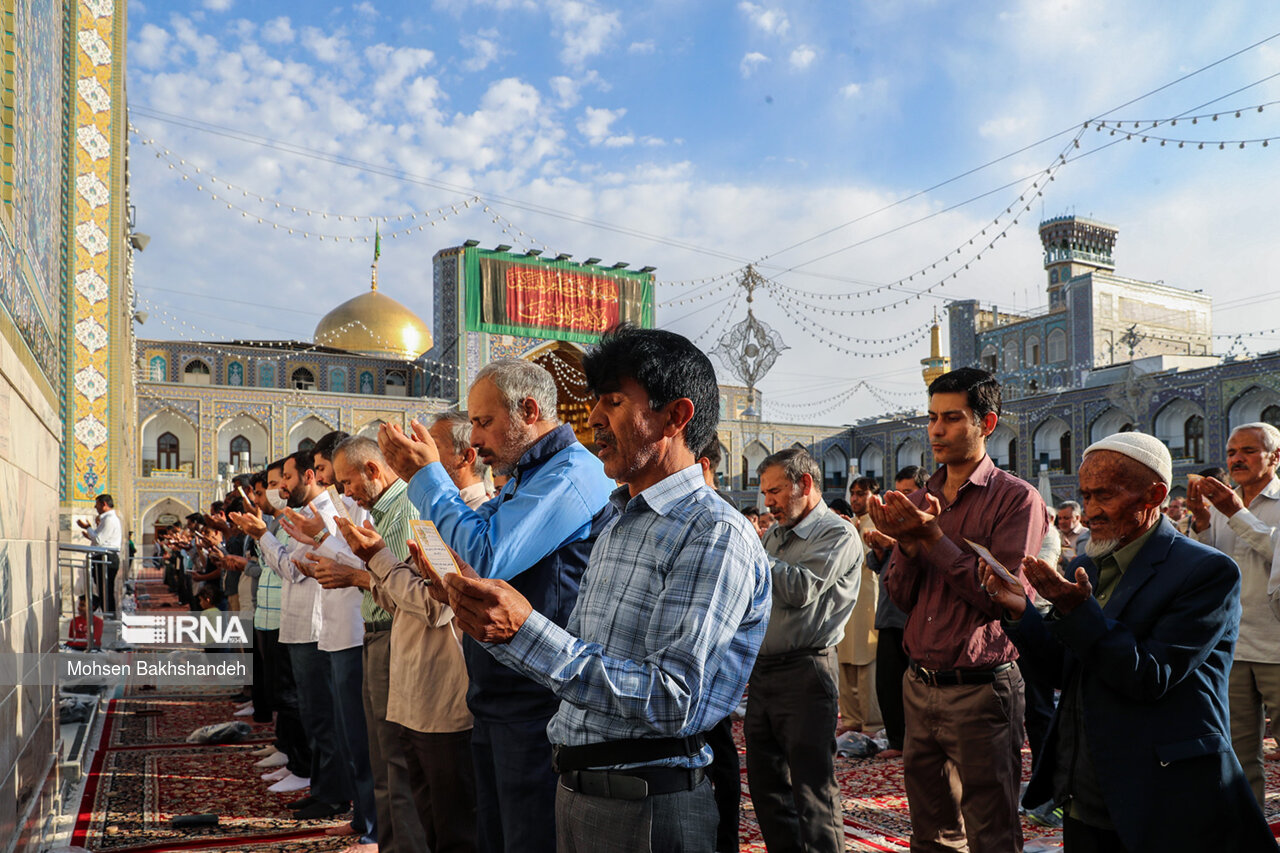
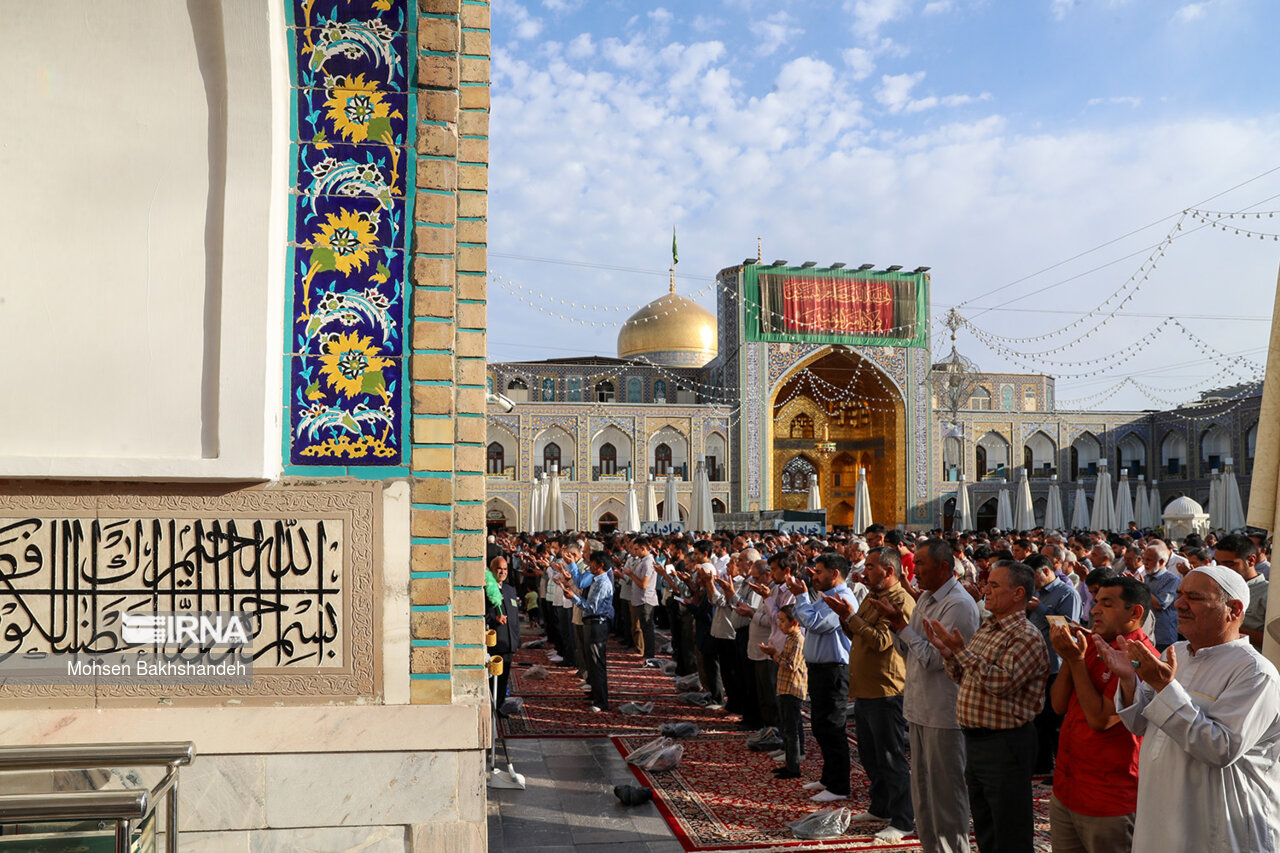
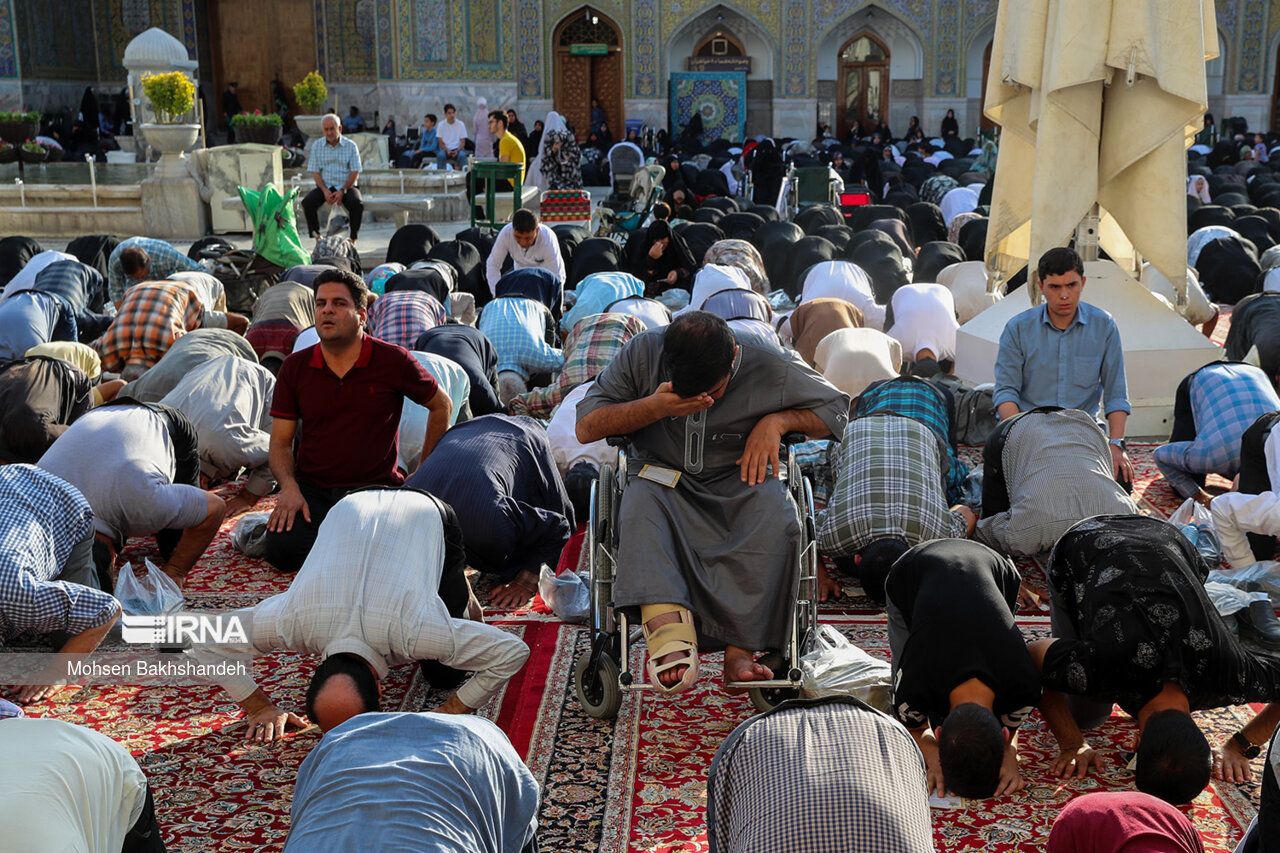
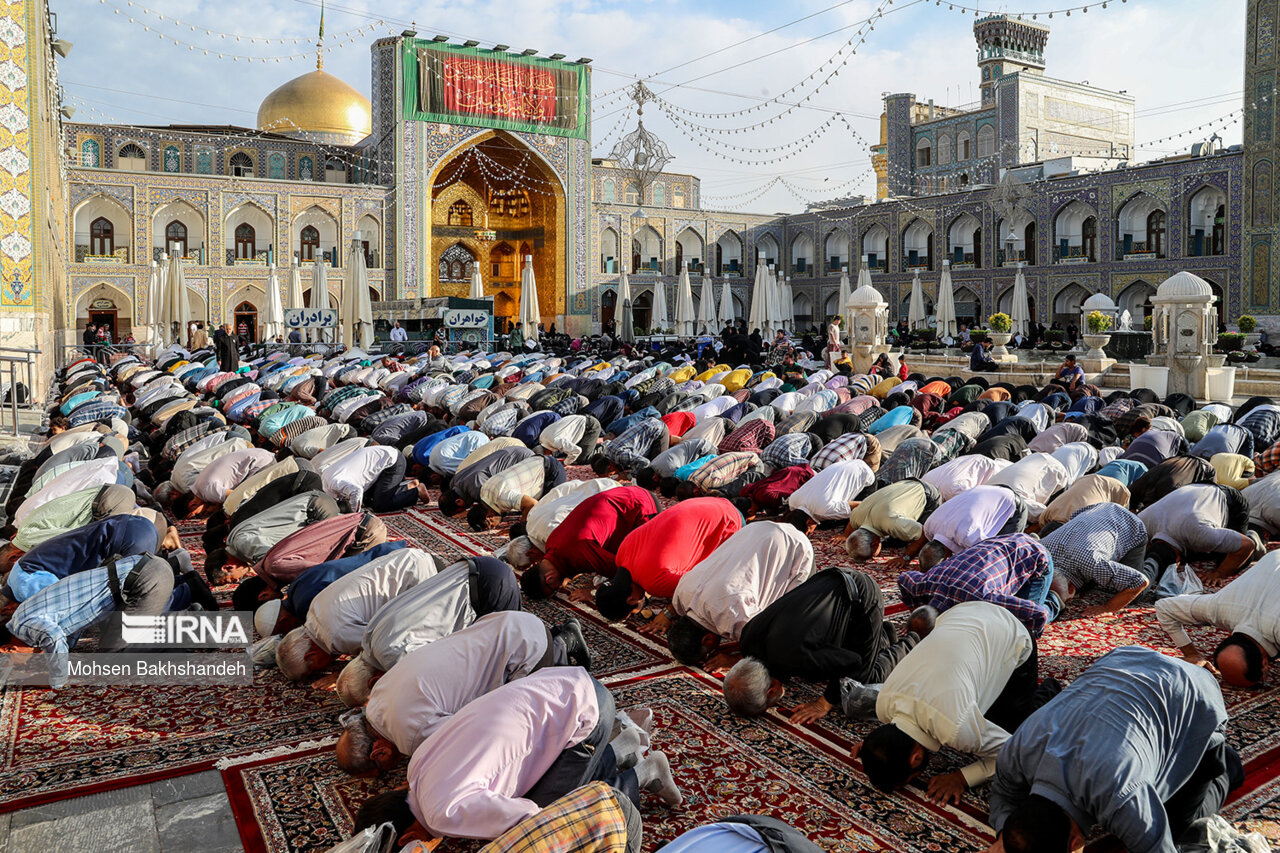
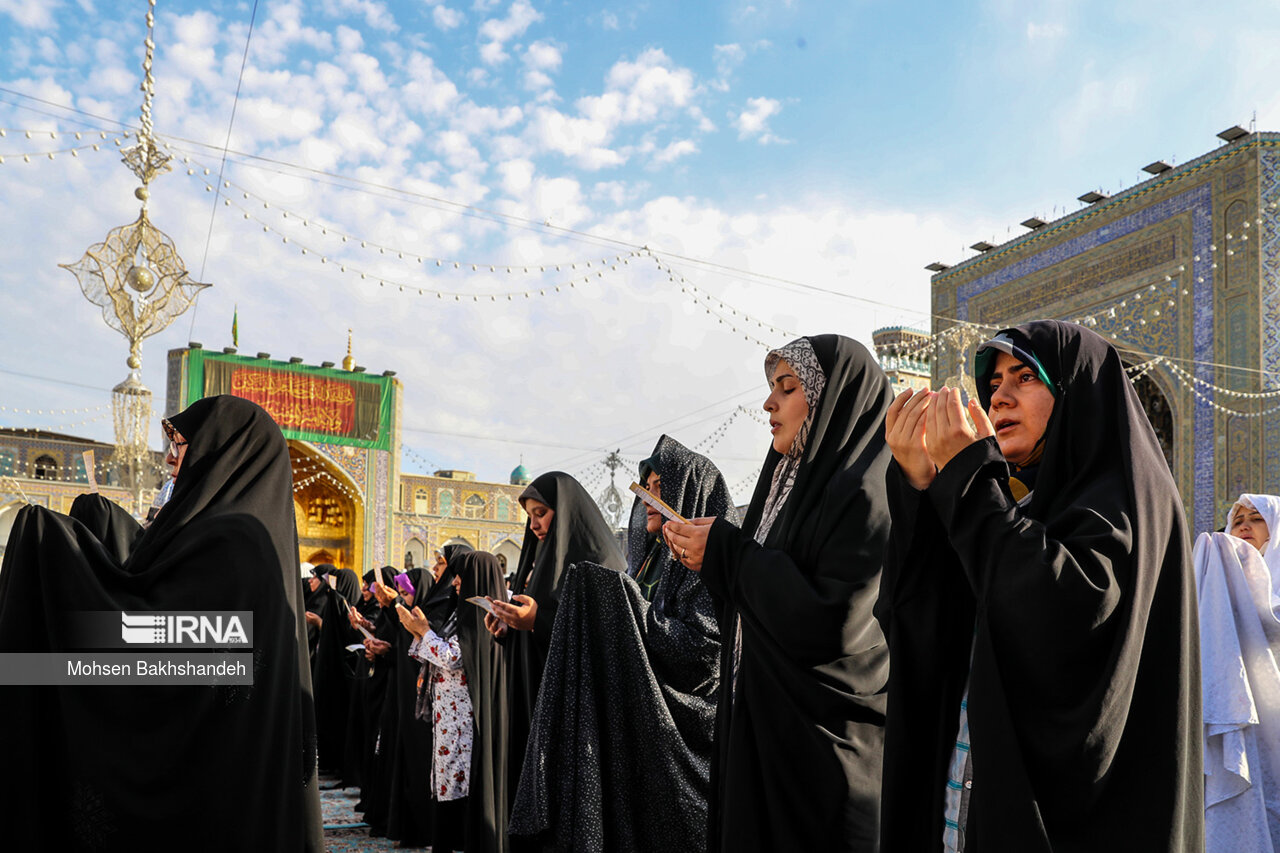
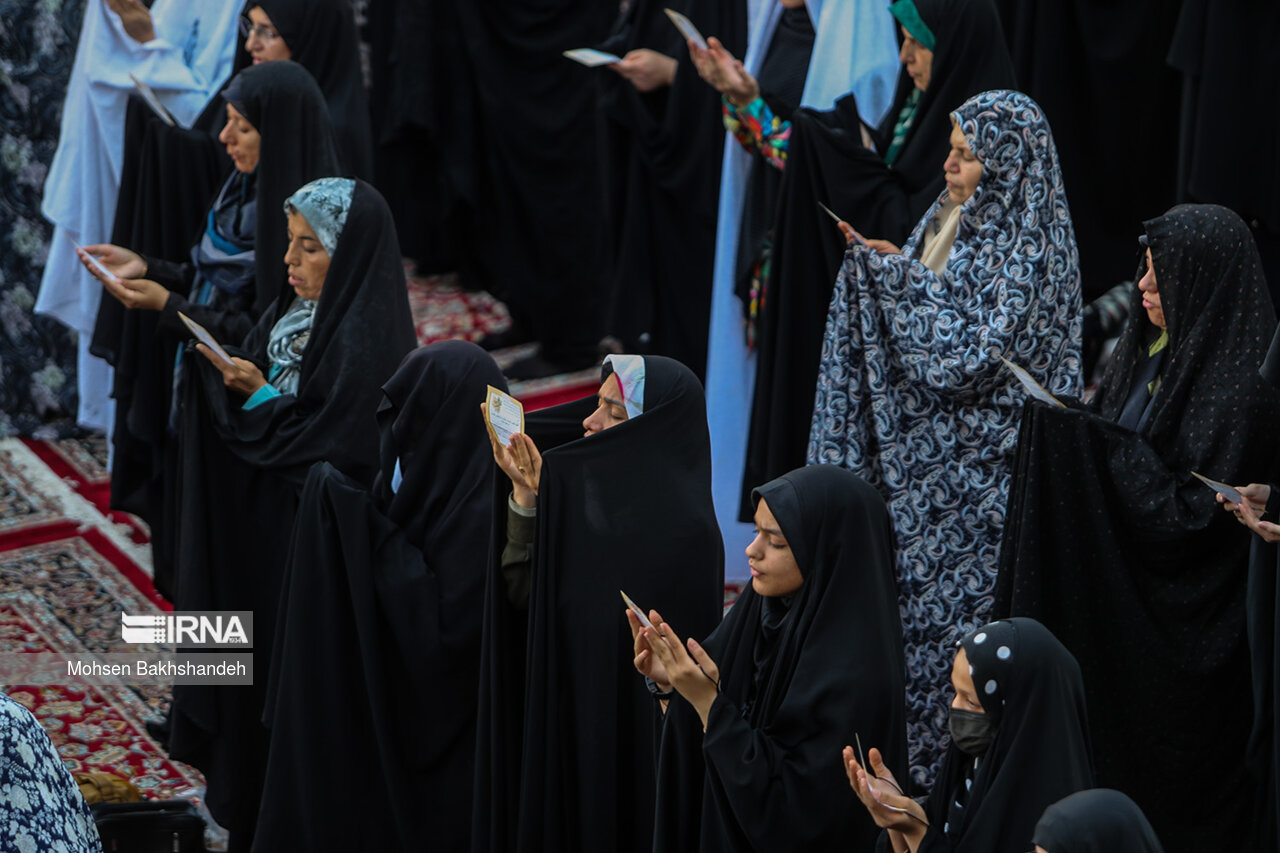
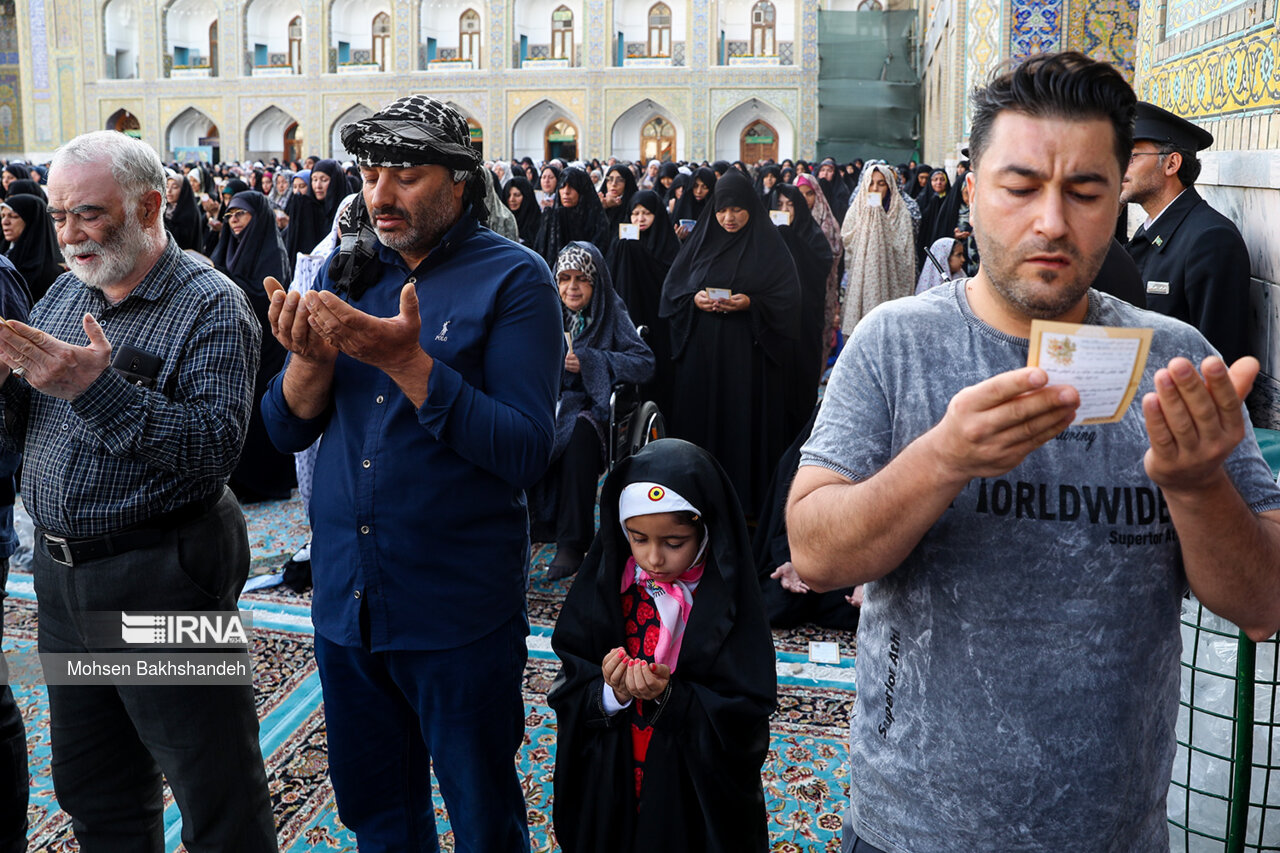
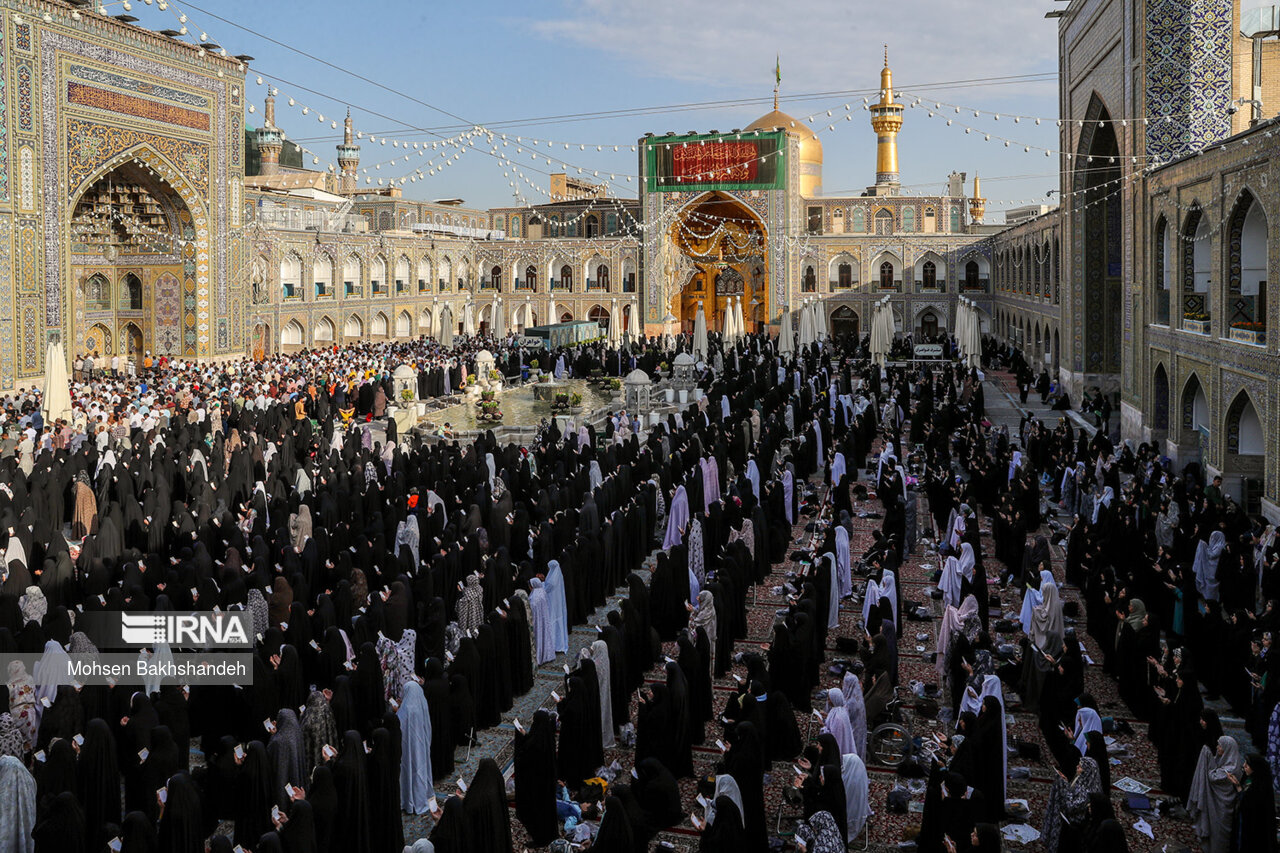
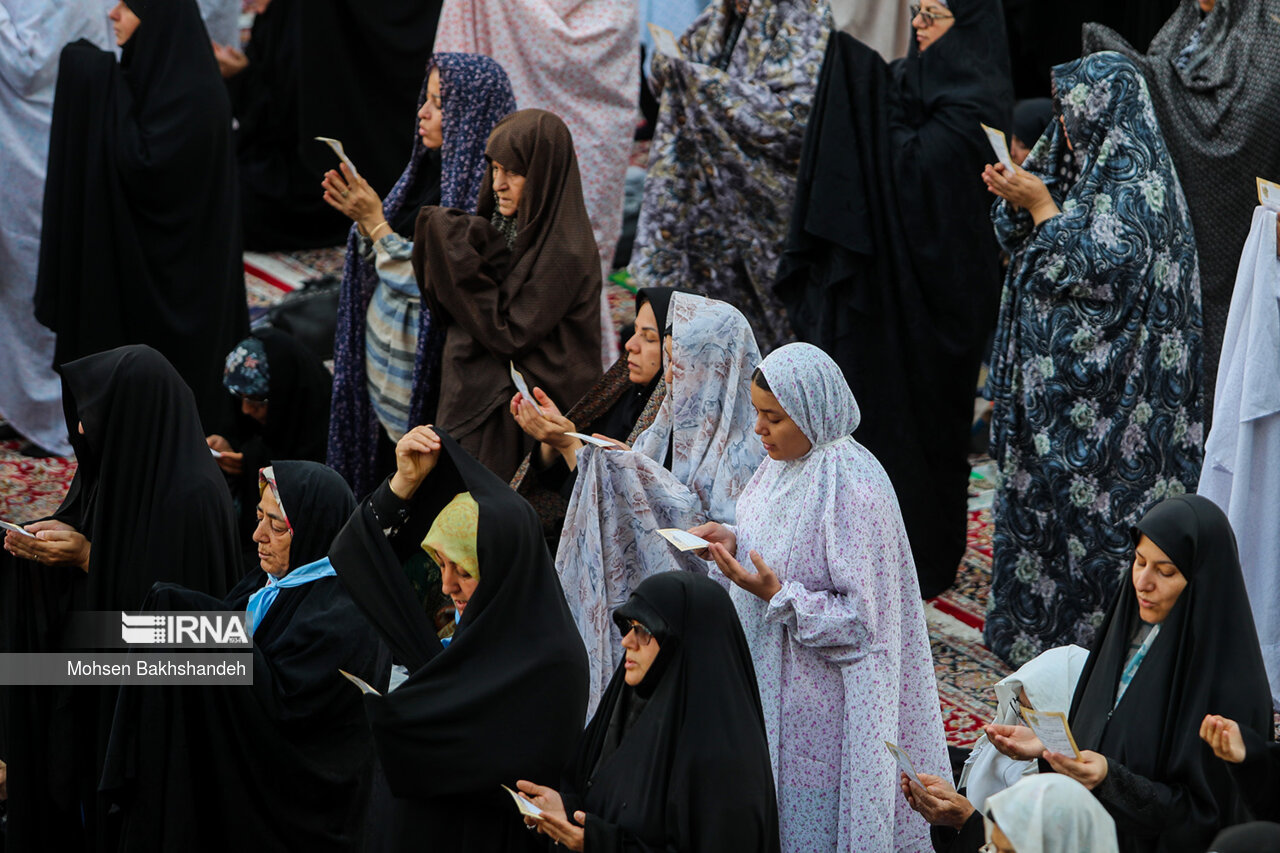
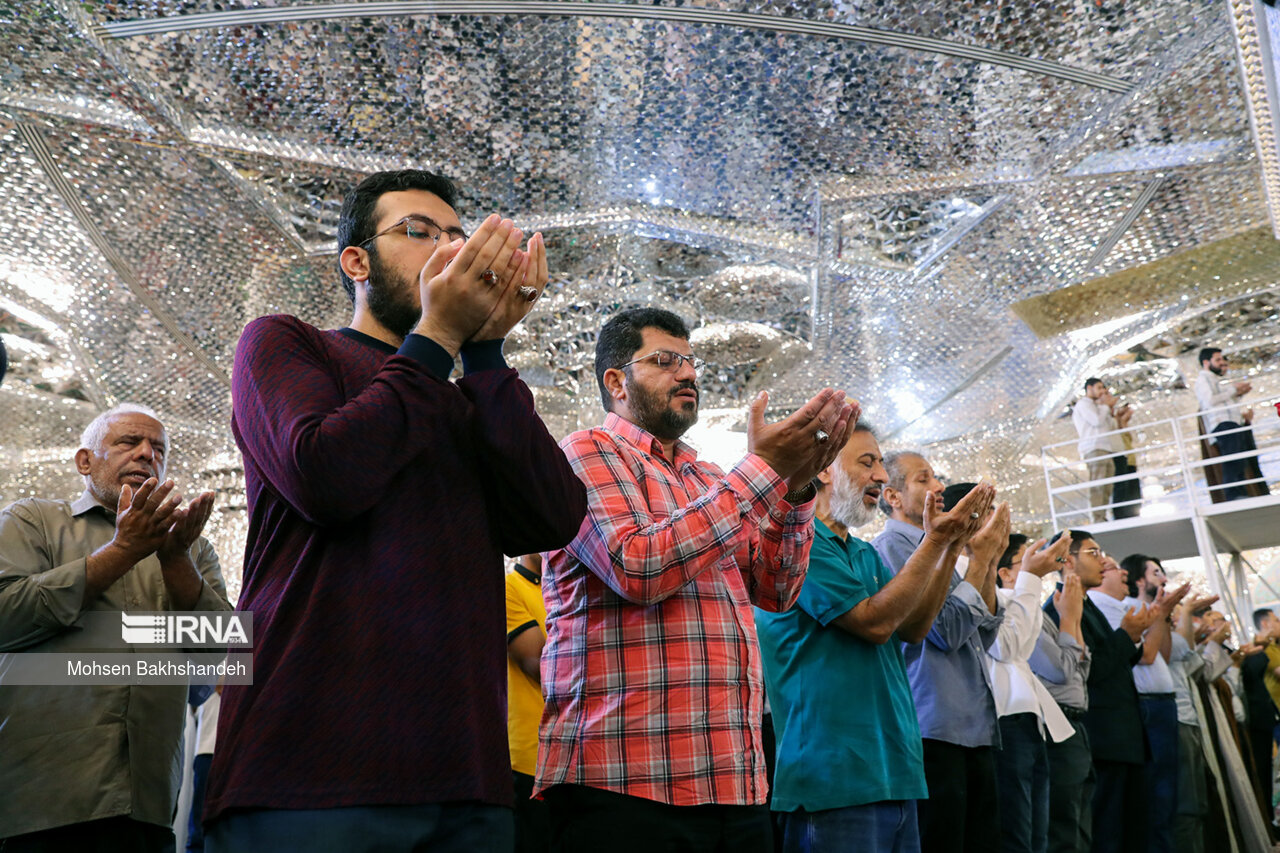
Pictures: Iranian worshippers attend Eid al-Adha prayers countrywide

Eid al-Adha prayers

More in pictures:

Iran’s police chief inks agreement with Russia’s National Guard on expansion of security cooperation

Iran Russia

According to Iran’s official news agency (IRNA), “the development and expansion of security and law enforcement cooperation, [and] the exchange of experience to deal with the factors that create insecurity are among of the axes of this memorandum.”

Radan also made a visit to the National Guard Memorial Museum in Moscow after signing the cooperation memorandum.

Iran’s police chief, accompanied by a delegation, traveled to Russia on Tuesday to enhance security cooperation between the law enforcement agencies of the two countries.

Speaking to reporters upon arrival at Moscow’s Vnukovo International Airport, Iran’s police chief described the visit as a “very good beginning” of closer cooperation between Iran and Russia.

Also on Wednesday, Radan met with the secretary of the Security Council of Russia, Nikolai Patrushev, to discuss bilateral cooperation between the two countries.

Radan and Patrushev exchanged views on interaction between the special services and law enforcement agencies of Iran and Russia, and signed a memorandum to jointly combat drug trafficking, organized crime and smuggling.

Russian media reports said the police chiefs of the two countries would also discuss the fight against terrorist organizations in Eurasia and could exchange experience on countering attempts by Western intelligence agencies to destabilize the situations in Iran and Russia, and organize riots.

Iranian President Ebrahim Raisi visited Russia in January 2022 and described his trip as a milestone in the promotion of ties between Tehran and Moscow.

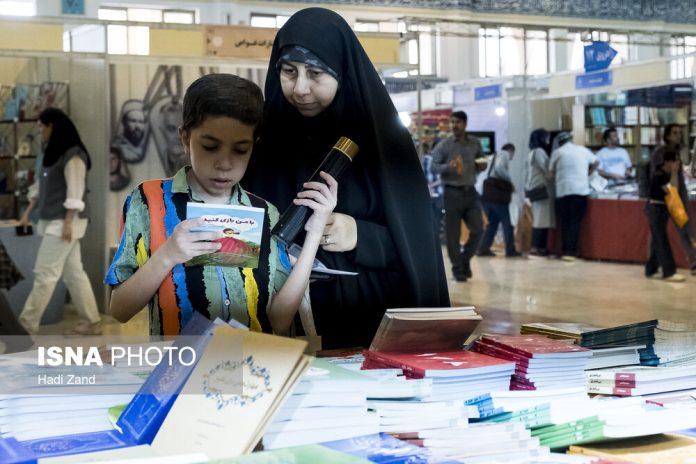
Iran’s Eghbalzadeh, young translator of children’s books, passes away

Book

Her sister, Pegah Eghbalzadeh, who is also a translator, paid tribute to Pante-a in an Instagram post on Tuesday.

Pante-a is the daughter of Shahram Eghbalzadeh, a well-known author and translator active in the same field.

She has translated many books such as ‘The Longest Night’ written by Marion Dane Bauer, and ‘A Family Like Ours,’ ‘Angela’s Airplane,’ among others.

Reports say Eghbalzadeh has committed suicide for unknown reasons.

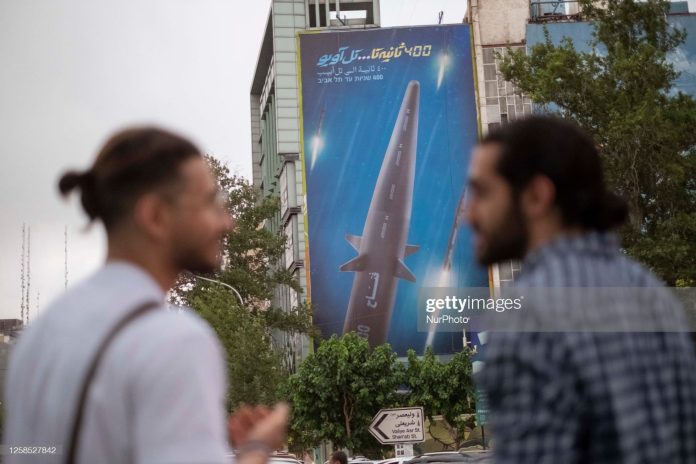
Sources say Europe to retain ballistic missile sanctions on Iran

Iran Missile

The sources cited three reasons for keeping the sanctions: “Russia’s use of Iranian drones against Ukraine”; “the possibility Iran might transfer ballistic missiles to Russia”; and “depriving Iran of the nuclear deal’s benefits given Tehran has violated the accord, albeit only after the United States did so first”.

Both Iran and Russia have repeatedly denied claims that Tehran has provided Moscow with drones to be used in the war in Ukraine.

Keeping the EU sanctions would reflect Western efforts to prevent Iran from developing nuclear weapons and the means to deliver them despite the collapse of the 2015 agreement, which then-U.S. President Donald Trump abandoned in 2018.

Tehran has repeatedly stated that it has no intention of developing nuclear weapons, with Iranian Supreme Leader Ayatollah Ali Khamenei even issuing religious edicts against the atom bomb and other weapons of mass destruction.

“The Iranians have been told quite clearly (of plans to keep the sanctions) and now the question is what, if any, retaliatory steps the Iranians might take and (how) to anticipate that,” said a Western diplomat on condition of anonymity.

The EU sanctions are set to expire on Oct. 18 under a U.N. resolution that enshrined the 2015 nuclear deal.

They “called upon” Iran not to do anything to develop ballistic missiles that could carry nuclear weapons, a phrase urging Iran not to do so but short of a mandatory prohibition.

They also barred anyone from buying, selling or transferring drones and their components capable of flying more than 300 km (186 miles) to or from Iran without prior authorization from the U.N. Security Council, permission that has not been granted.

It was not clear whether the E3, a group comprised of Britain, France and Germany, told Iran of their intent to retain the EU sanctions when their senior officials met Iran’s chief nuclear negotiator Ali Bagheri Kani on June 12 in Abu Dhabi.

EU diplomat Enrique Mora, who co-ordinates talks on the 2015 deal, raised the issue of keeping the EU sanctions when he met Bagheri Kani in Doha on June 21, but the Iranian official refused to discuss the matter, an Iranian official told Reuters on condition of anonymity.

A second Iranian official brushed off the possibility of the sanctions remaining, stating Tehran had advanced its nuclear and missile programs for years despite Western sanctions.

“Maintaining sanctions, in any capacity and form, will not hinder Iran’s ongoing advancements,” said this Iranian official, also on condition of anonymity.

“It serves as a reminder that the West cannot be relied upon and trusted,” the official added.

Britain’s foreign ministry did not comment on whether the E3 planned to keep the sanctions or had told Iran of any decision.

However, a British foreign ministry spokesperson said the June 12 talks in Abu Dhabi “covered the range of our concerns about Iran’s behaviour, including its continued nuclear escalation.”

France and Germany’s foreign ministries have made similar comments about those talks.

A European diplomat stated Mora had started laying the legal groundwork to retain the sanctions, which would have to be approved by all 27 EU members. Two sources said the issue had not yet been discussed among all EU states.

“The lifting of sanctions was based on the principle that 2231 would be respected,” this diplomat said, referring to the U.N. Security Council resolution that enshrined the 2015 deal.

“That has not been the case, so there is a discussion with the Iranians to make clear that we won’t lift these sanctions,” they added.

EU Spokesperson Nabila Massrali said the JCPOA sets out in some detail the commitments of different participants on the so-called Transition Day which was still several months away (Oct. 18).

“We will provide further information on EU related aspects in due course,” she added in response to detailed questions by Reuters.

Under the 2015 nuclear agreement, any party could trigger the “snapback” or return of all sanctions that it removed. Most U.S. sanctions were restored after Trump left the deal.

However, three sources stated that the E3 did not wish to do this chiefly because it would undercut a threat conveyed in a letter from their foreign ministers to Iran last year that they would trigger “snapback” if Iran enriched uranium to weapons-grade.

Iranian officials say the country’s missile activities are conventional, defensive and totally legitimate in accordance with international law.

Tehran has stressed that some western countries, which have themselves a long and clear record in trampling on their own international obligations in various fields such as nuclear tests, the non-proliferation regime, hosting nuclear missiles, and playing a destructive role in regional and international relations, do not have the right to comment on the Islamic Republic’s legitimate and totally lawful defense capabilities.

Iran has cautioned the United States that the window of opportunity for an agreement on reviving the nuclear deal will not remain open forever, urging Washington to adopt a constructive approach to salvage the accord.

Iran showed to the world the peaceful nature of its nuclear program by signing the Joint Comprehensive Plan of Action (JCPOA) with six world states — namely the U.S., Germany, France, Britain, Russia and China. But, Washington’s unilateral withdrawal in May 2018 and its subsequent re-imposition of sanctions against Tehran left the future of the deal in limbo.

Negotiations between the parties to the landmark agreement kicked off in Vienna in April 2021, with the intention of bringing the U.S. back into the deal and putting an end to its “maximum pressure” campaign against Iran.

The discussions, however, have been at a standstill since August 2022 due to Washington’s insistence on not lifting all of the anti-Iran sanctions and offering the necessary guarantees that it will not exit the agreement again.


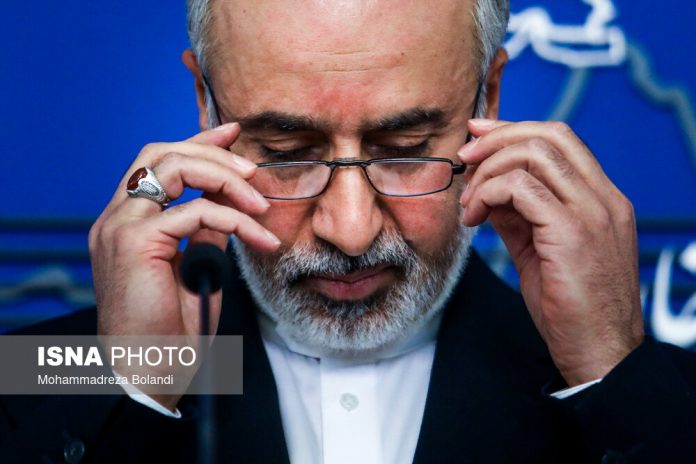
Iran blasts desecration of Holy Qur’an in Sweden

Nasser Kanaani

Nasser Kanaani reacted to a move by Sweden to give the green light to the opponents of Islam to desecrate Holy Qur’an again.
He said it is a provocative, ill-considered and unacceptable act to pave the way for the repeated desecration of divine sanctities, especially at the same time as the holy days of the Islamic Ummah and the gathering of millions of Muslims in the World Hajj Congress.

Referring to the efforts of the international community and human rights organizations to promote respect for religions and authentic religious teachings, Kanaani said insulting the holy books is an example of violence and spreading hatred, and is contrary to the original values of human rights.

Kanaani said, “The government and people of the Islamic Republic of Iran, like other Muslims and free thinkers of the world, do not tolerate such an insult and strongly condemn it.”

“The Swedish government is expected to prevent a repetition of the desecration of sanctities and seriously pay attention to the principle of responsibility and accountability in this regard,” he added.

On Wednesday a man believed to be of Iraqi origion tore up and burned a copy of Holy Quran outside Stockholm’s central mosque following a police permission.
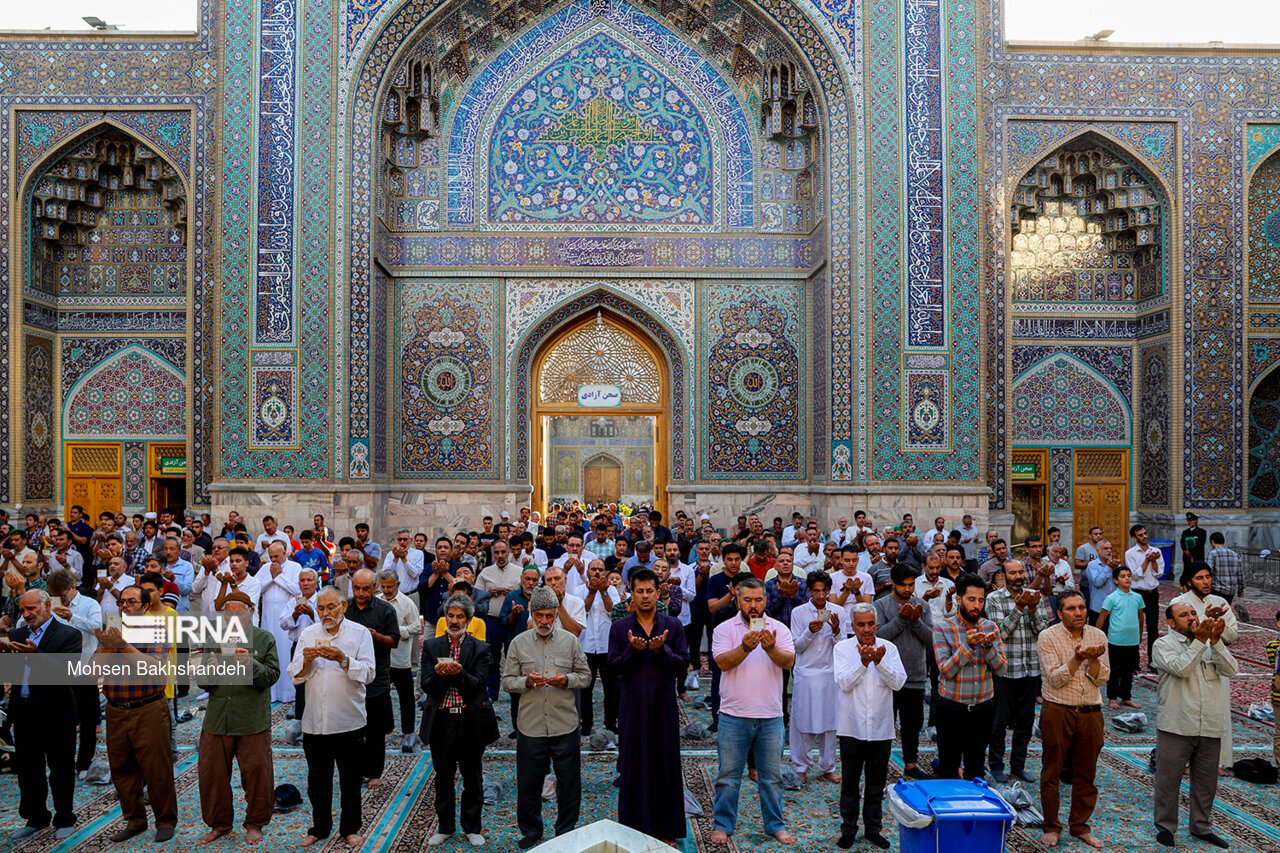
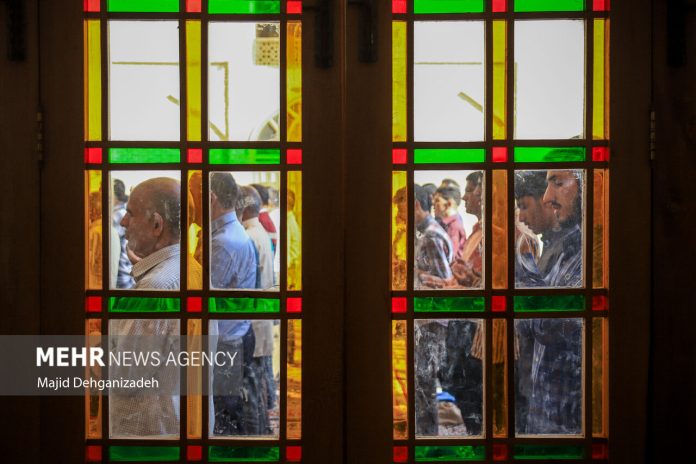
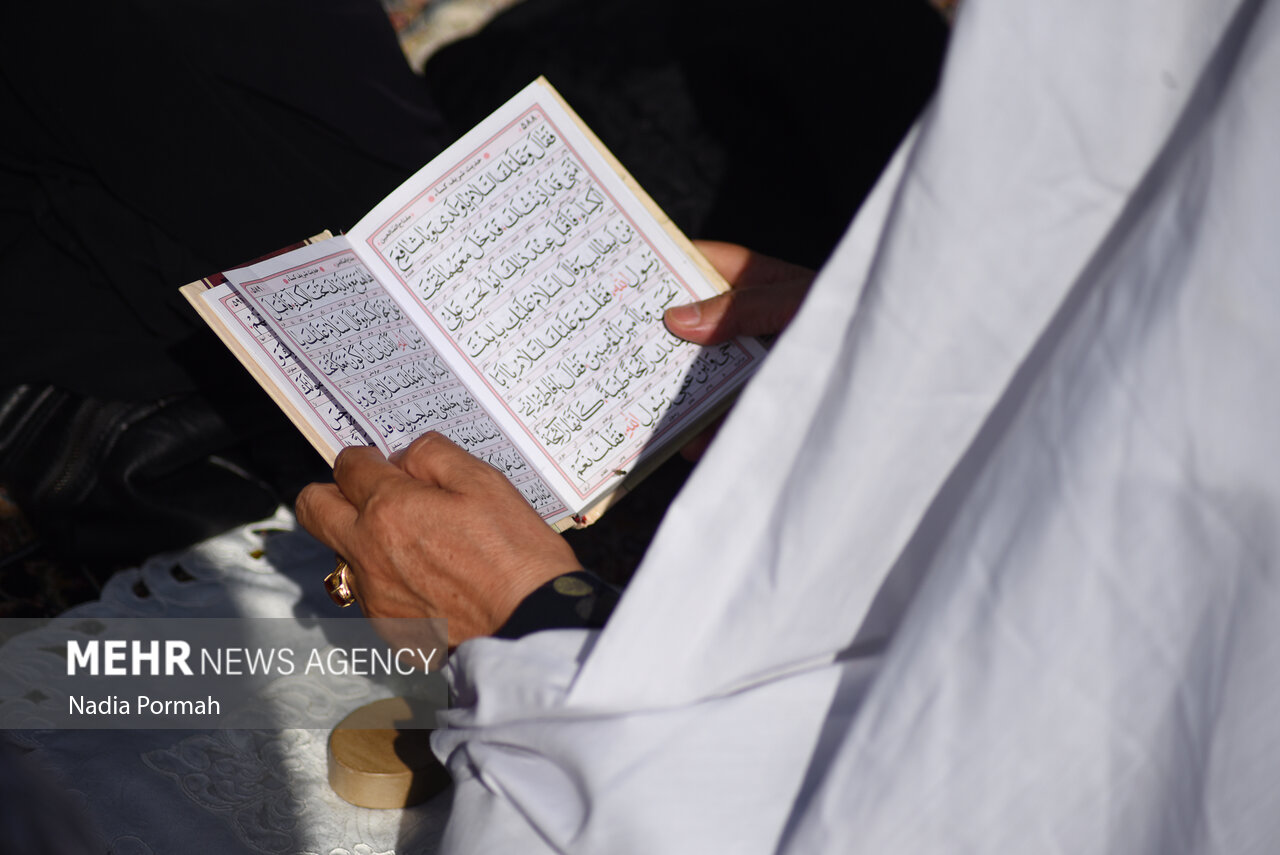
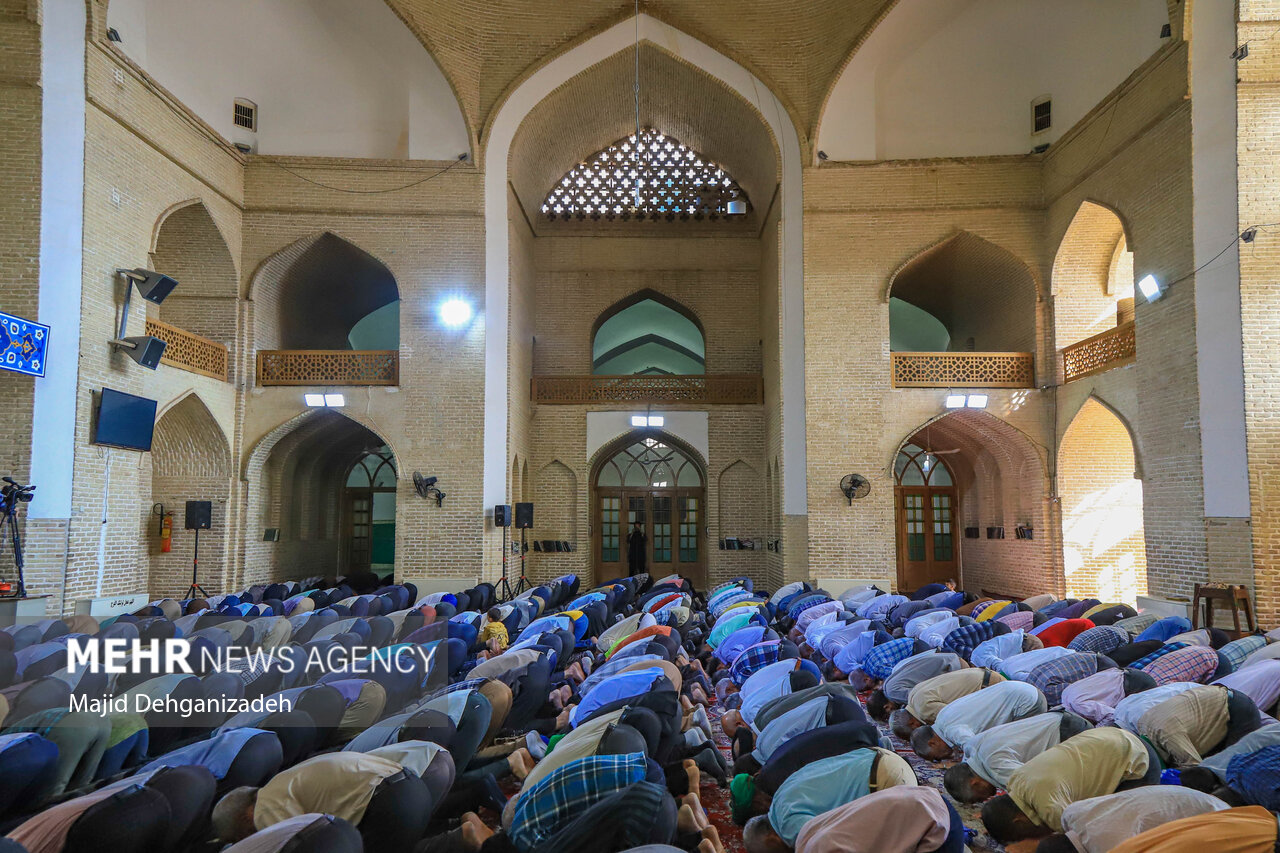
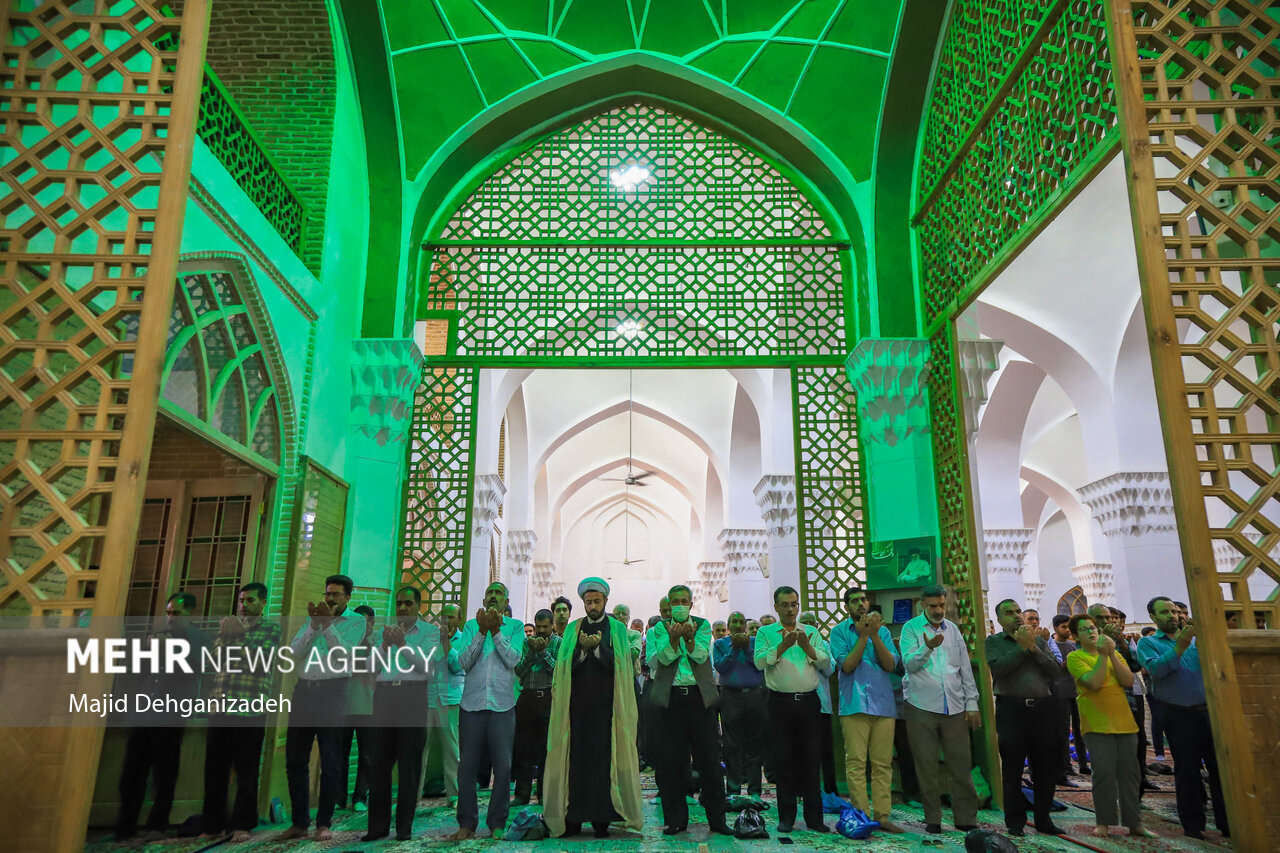
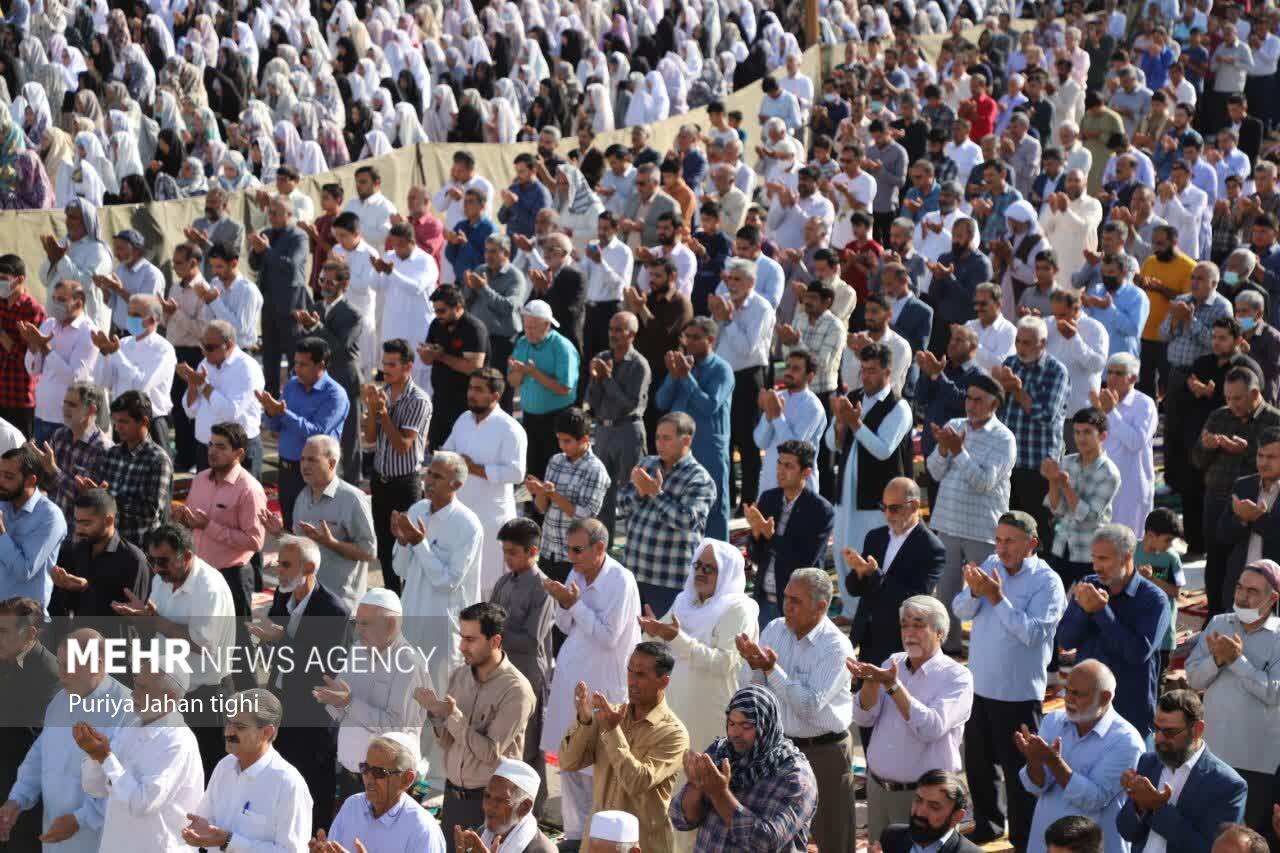
Millions join Eid al-Adha prayers across Iran

Eid al-Adha prayers

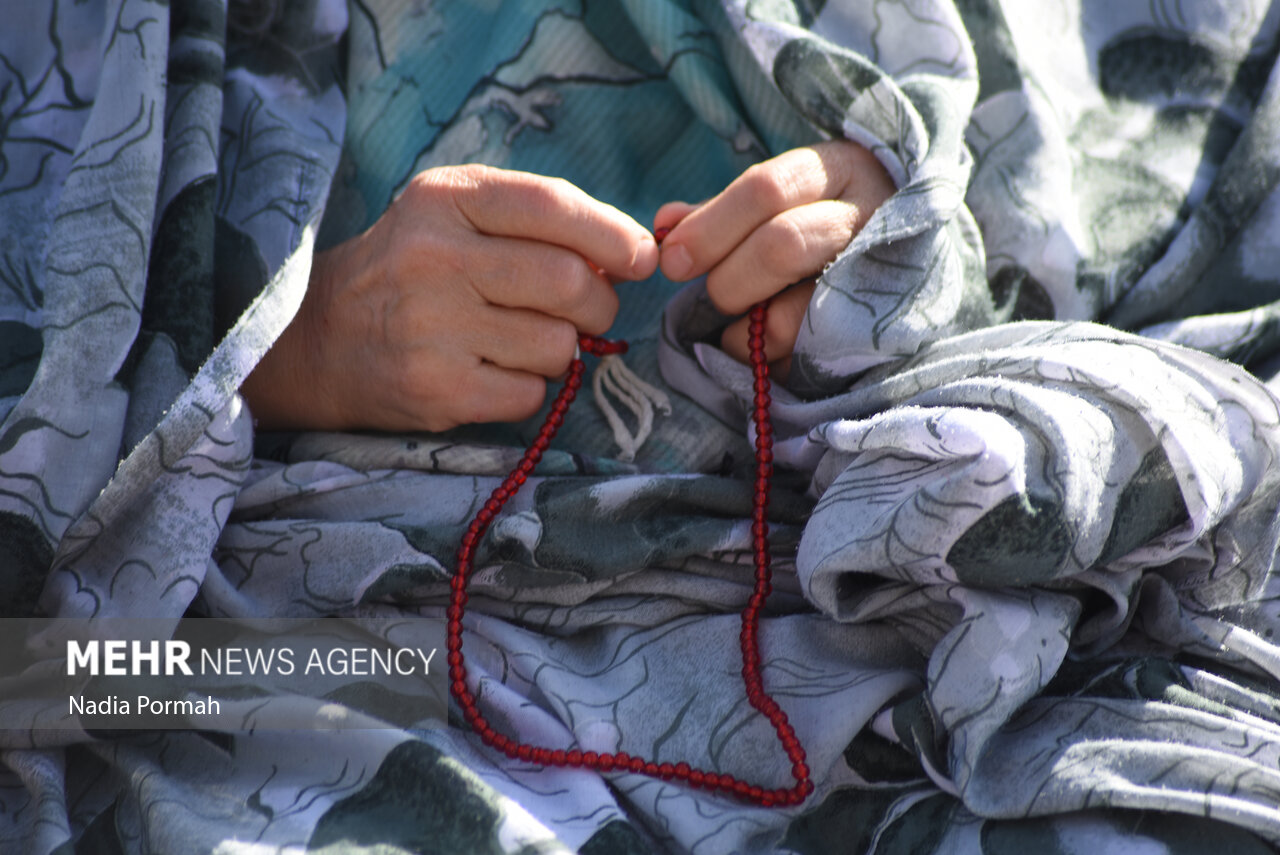
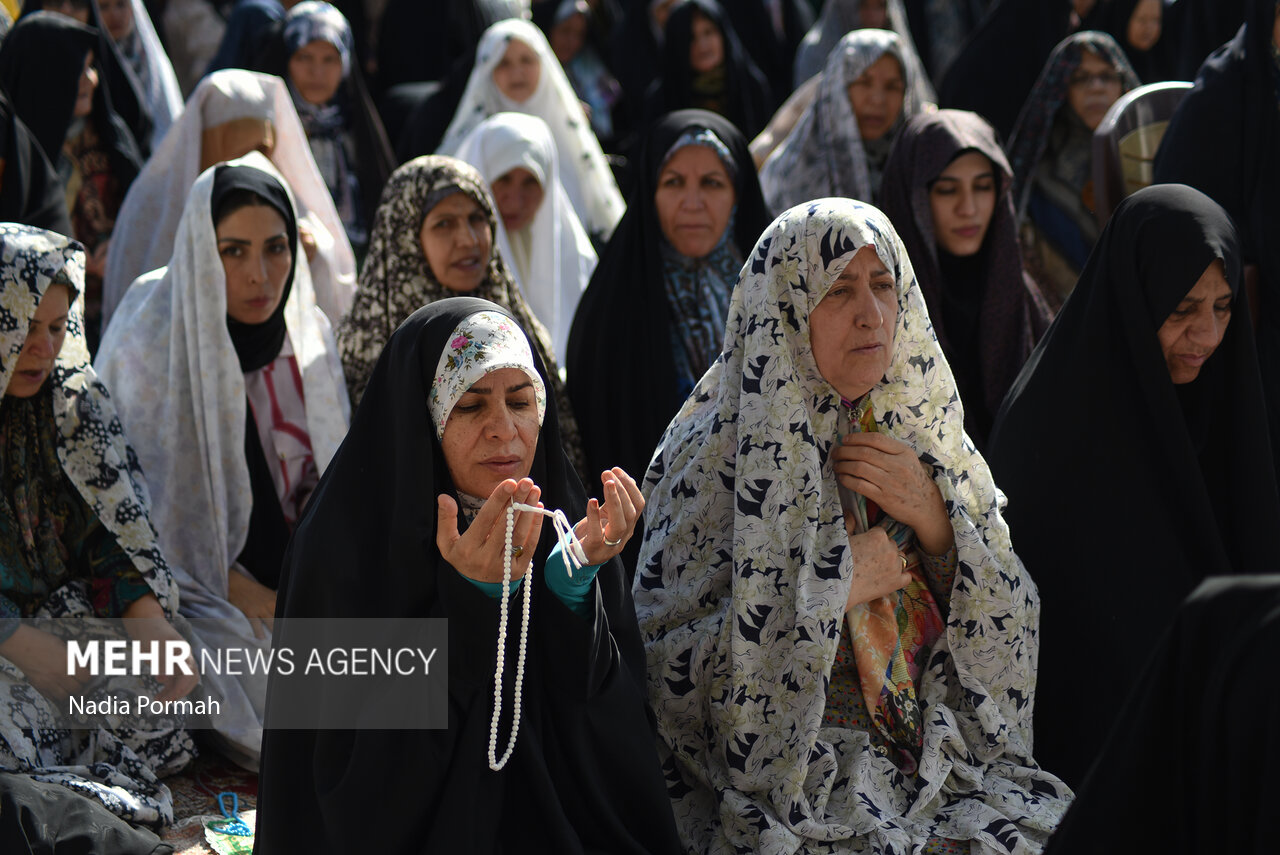
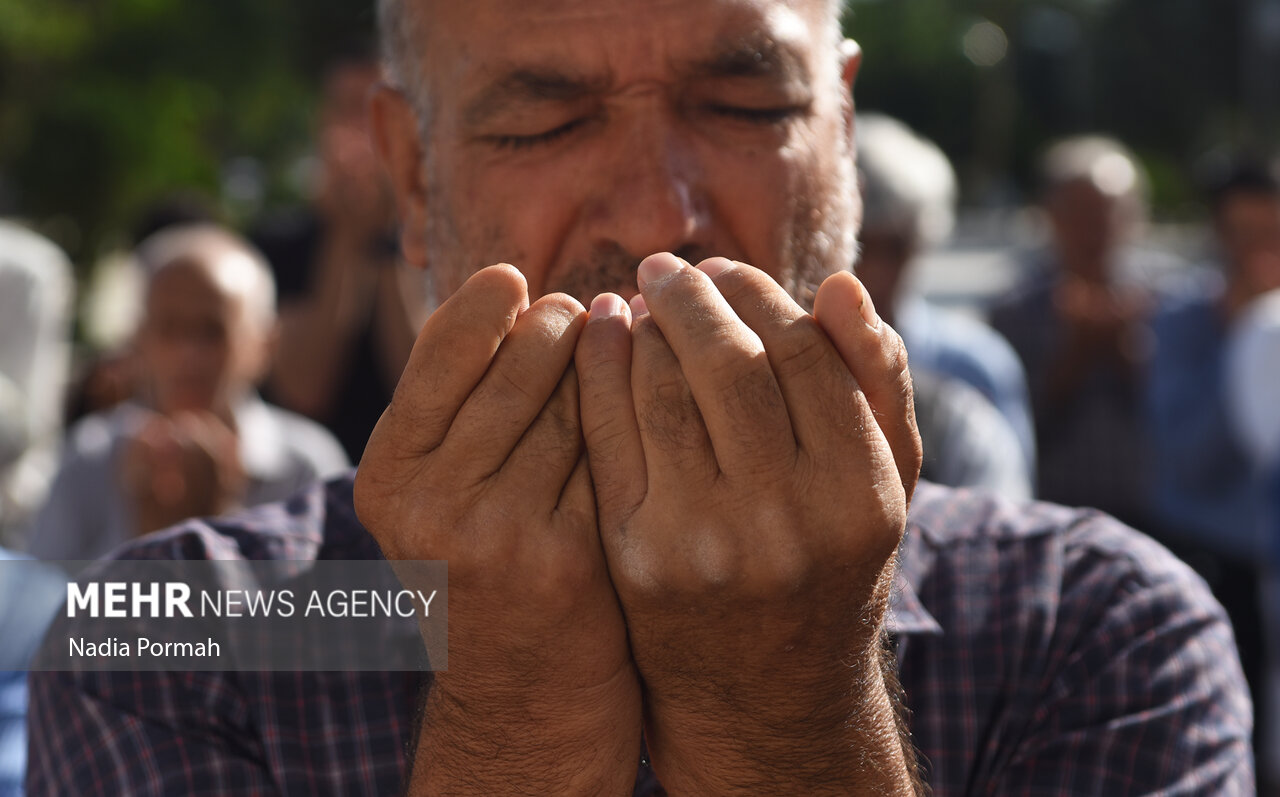
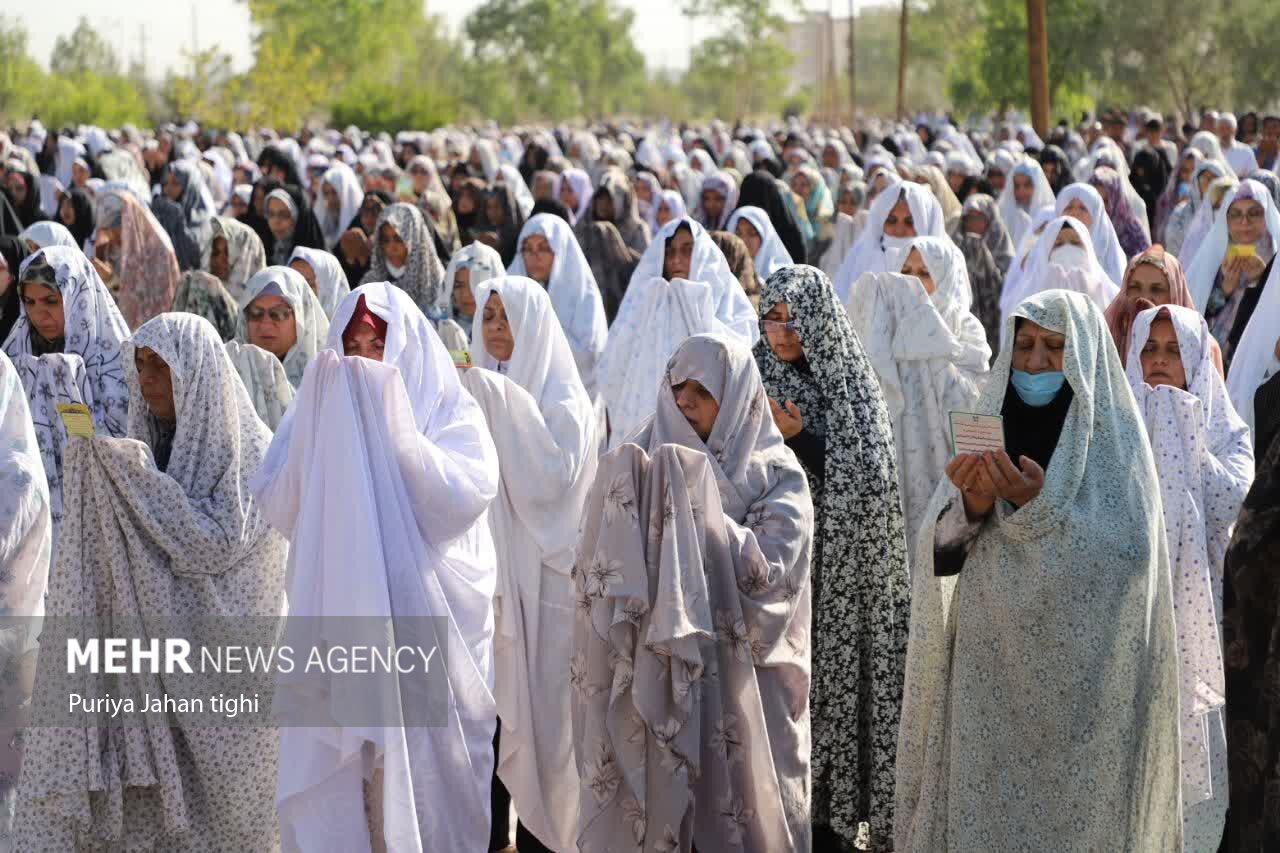
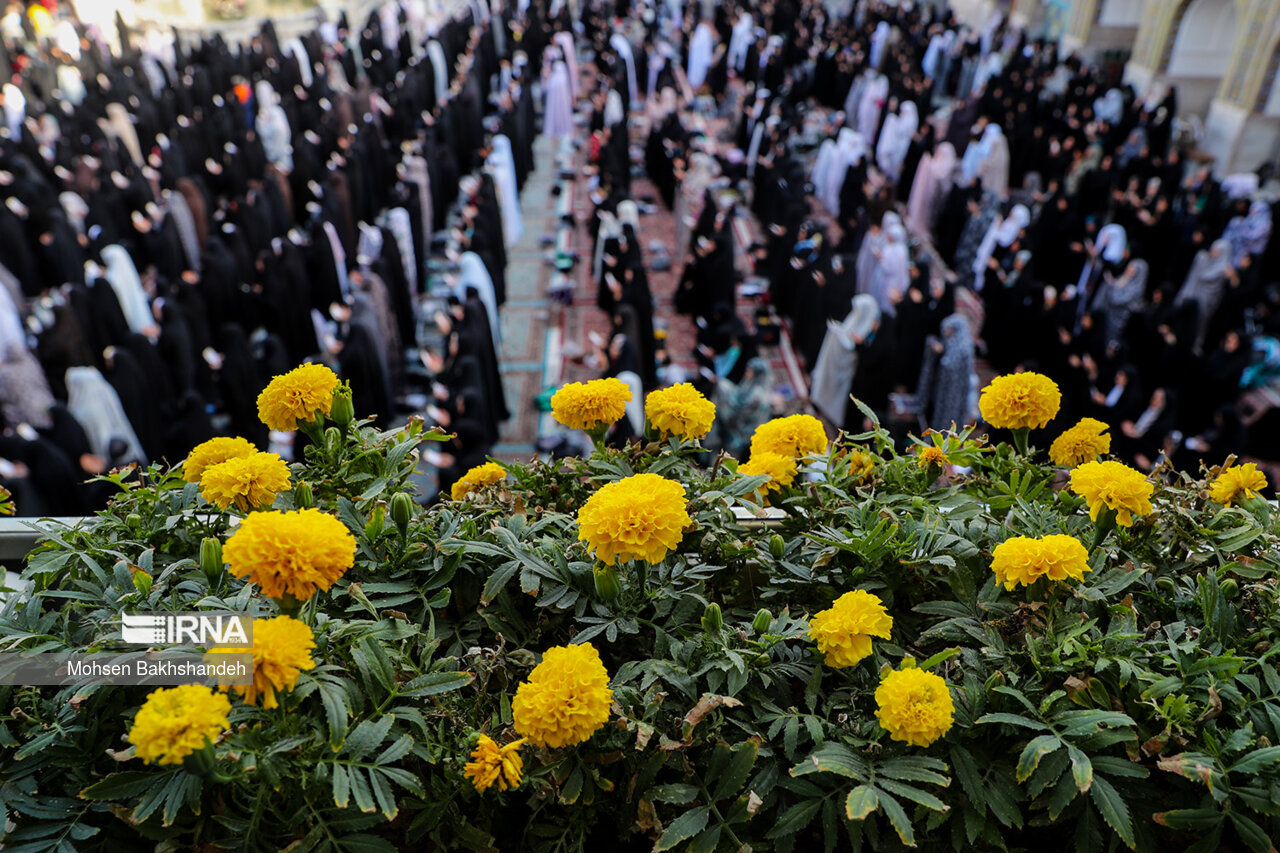
On Thursday morning, worshipers in the Iranian capital, Tehran, and other cities countrywide joined the mass prayers of Eid al-Adha, one of the main holidays on the Islamic calendar.
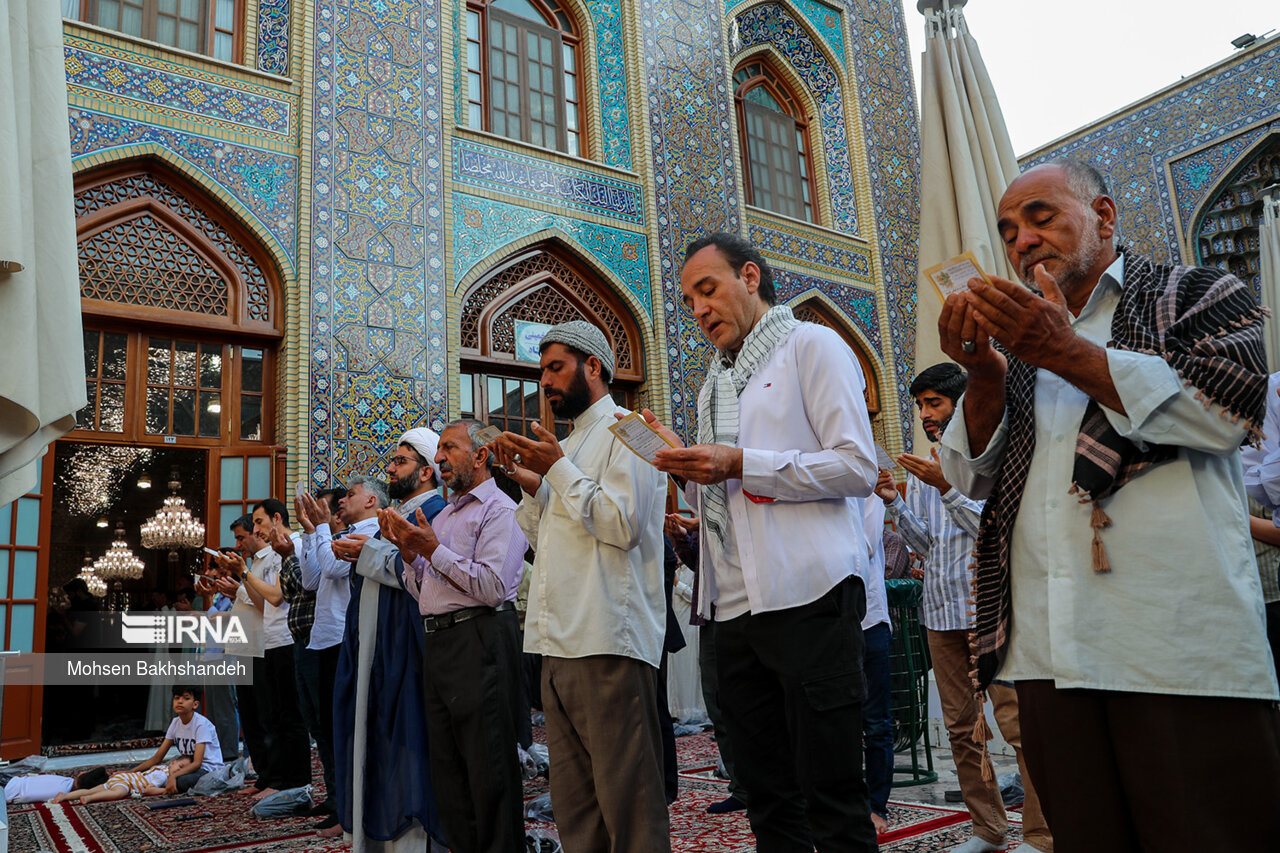
In Tehran, the Eid prayers were performed at the University of Tehran and led by senior cleric Ayatollah Seyyed Ahmad Khatami.

Many government and military officials were among the worshippers.

The festivity honors the willingness of Prophet Ibrahim to sacrifice his son, Ismail, as an act of obedience to God’s command.

However, before he could sacrifice his son in the name of God, and because of his willingness to do so, God the Al-mighty provided him with a ram to sacrifice instead.

In commemoration of this intervention, animals are ritually sacrificed. Part of their meat is consumed by the family that offers the animal, while the rest of the meat is distributed among the poor and the needy.

Muslims worldwide mark the holiday by sacrificing livestock.

Two dead in shooting outside US consulate in Jeddah, Saudi Arabia

US consulate in Jeddah

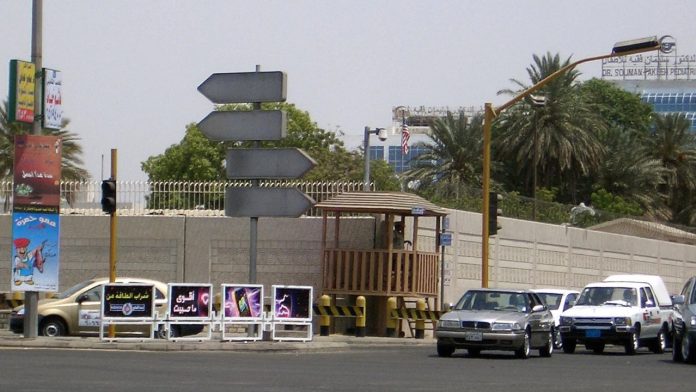
“A person in a car stopped near the American consulate building in Jeddah Governorate and got out of it carrying a firearm in his hand,” a spokesperson for the Mecca Region police said, adding, “So security authorities took the initiative to deal with him as required and the exchange of fire resulted in his death.”

The Saudi Press Agency (SPA), a state news outlet, reported the death of the security guard, who was part of the consulate’s private security.

No US citizens were injured in the gunfire, the US State Department said afterwards.

But, it added, “the US Embassy and Consulate remain in contact with Saudi authorities as they investigate the incident”.

The US consulate in the Red Sea port city, home to more than 4.7 million people, has been a target of violence before, including in 2016.

That year, security personnel identified a suspicious person near the parking lot of the Dr Suleiman Faqeeh Hospital, across the street from the consulate.

When they approached the individual, “he blew himself up with a suicide belt”, according to the Saudi interior ministry. The bomber was killed and two others injured.

The explosion coincided with the US Independence Day holiday, held on July 4, as well as the end of Ramadan that year. Three other suicide bombings occurred on the same day — one in Medina, targeting the Prophet’s Mosque, and two at a mosque in the eastern city of Qatif.

The consulate in Jeddah was also targeted in an attack in 2004, which saw five people breach the building with firearms and explosives.

Four Saudi security personnel were killed outside the consulate and five staff inside. Media reports at the time say that 18 employees and visa applicants were briefly held hostage before Saudi forces could arrive.

Three of the five attackers also died at the scene. The other two were wounded. In 2013, a Saudi Arabian court sentenced one man to death for his role in the 2004 attack and 19 more to 25 years in detention. The attack was blamed on al-Qaeda.

Iran files complaint against Canada at UN court for breaching state immunity

International Court of Justice

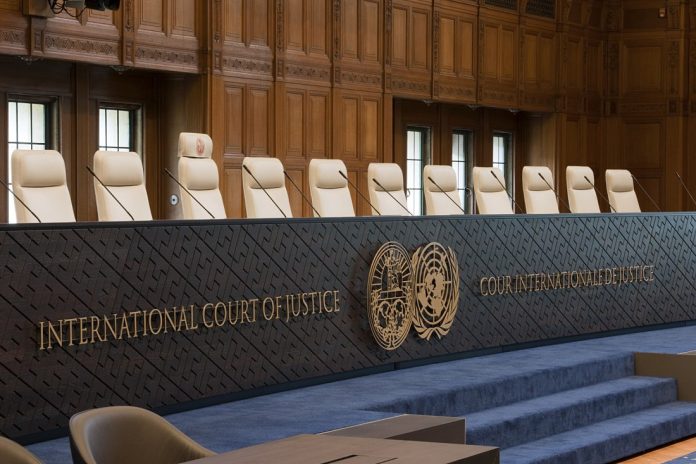
A statement by the Iranian government’s website said Tehran wants the the International Court of Justice to compel Canada to stop violating the Iranian government’s immunities as a sovereign state in Canadian courts and avoid repeating such breaches of international law in the future.

Iran’s filing to the court also demands compensation from Canada.

It said the violations began in 2012, when Ottawa listed Iran as a terror sponsor under “false and wrongful” allegations and then seized property and assets belonging to the Iranian government.

The statement said Canada has continued this “wrong process” in spite of repeated protests by Iran.

“Iran, through this move, once again showed [its adherence] to its principled position on the peaceful settlement of differences and commitment to the rule of law regarding relations between countries,” the statement said, expressing hope that Canada will change its “political approach” and stop violating its obligations.

Tehran said Canada had breached international law by court rulings ordering Iranian assets to be handed over to victims of various attacks that Canada blames on groups backed by Iran.

The Hague-based court confirmed in a statement that Iran had launched legal proceedings against Canada on Tuesday.

Iran said in its filing to the court that “Canada has adopted and implemented a series of legislative, executive, and judicial measures against Iran and its property [since 2012] in breach of its international obligations,” said the statement.

“Iran respectfully requests the Court to adjudge and declare that by failing to respect the immunities of Iran and its property, Canada has violated its international obligations toward Iran,” it added.

It also noted that Iran demanded compensation from Canada for the “violation of its international obligations”, and asked the ICJ to tell Ottawa to overrule any judgments against Tehran in Canadian courts.

Tehran has also filed a case against Washington over using billions of dollars in assets frozen to compensate victims of alleged terror attacks.

In March, ICJ judges ruled Washington had illegally allowed courts to freeze assets of some Iranian companies and ordered Washington to pay compensation, but left the amount to be determined later.

The statement by the Iranian government also rejected Canada’s frequent accusations that Iran supports terrorism and violates human rights.

The statement said Canada has systematically violated human rights, supported the “dominating and interventionist” foreign policies of the US, and has acted as an accomplice in the Israeli regime’s inhumane crimes in Palestine and southwest Asia.

“It shouldn’t be forgotten that the Canadian government has in its anti-human rights record the genocide of hundreds of native indigenous children at compulsory schools and the mass burial of these innocent children,” it added, referring to recent discoveries of hundreds of graves of indigenous children at former government-run compulsory boarding schools in Canada.

Canada broke off diplomatic ties with Iran and closed its Tehran embassy in a surprise move in 2012, citing various reasons including Iran’s support for Syria, its nuclear work and alleged threats to the Israeli regime.

US says Saudi Arabia-Israel normalisation difficult but possible

Antony Blinken

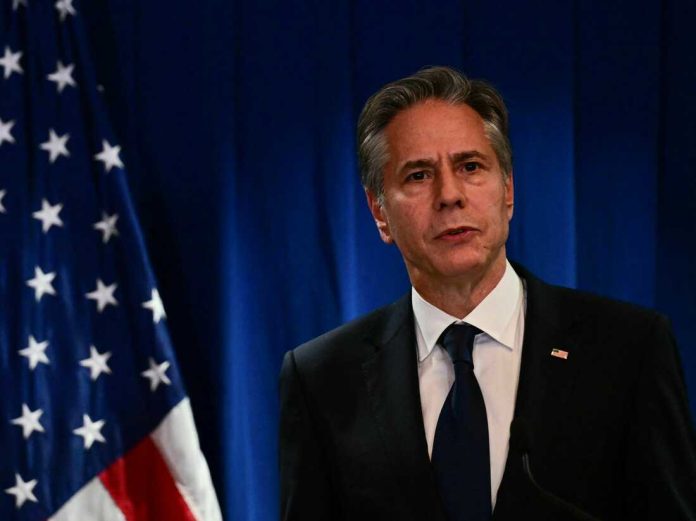
Speaking at the Council on Foreign Relations in New York City on Wednesday, the top United States diplomat stated both Saudi Arabia and Israel are “interested” in the prospect of normalisation.

“It is incredibly challenging, hard – not something that can happen overnight,” Blinken said.

“But it’s also a real prospect, and one that we’re working on because … both the Saudis and Israelis are looking for us to play a particular role in that effort. We’re very much engaged in it,” he added.

Blinken visited Saudi Arabia earlier in June with the explicit objective of promoting normalisation after declaring it a “national security interest” of the US.

Although he did not secure a deal between the two countries during his trip to the region, his remarks on Wednesday showed that the administration of President Joe Biden is pushing on with that campaign.

The top US diplomat’s comments also came amid an apparent regional realignment after Iran and Saudi Arabia re-established their own diplomatic ties after years of animosity.

Few Arabs states have recognised Israel – a key US ally in the region – since its establishment in 1948, but former US President Donald Trump’s administration helped secure agreements to forge formal relations between Israel and the United Arab Emirates, Bahrain and Morocco in 2020.

Sudan also agreed in 2021 to join the normalisation deals, known as the Abraham Accords.

Israeli leaders have said they are seeking to include Saudi Arabia in the normalisation deals.

For their part, Saudi officials have said Riyadh is sticking by the Arab Peace Initiative, which conditions normalisation with Israel on its withdrawal from Arab territories and the establishment of a Palestinian state, as well as finding a “fair solution” to the plight of Palestinian refugees.

As the Joe Biden administration continued to encourage deeper ties between Israel and Arab states, the Israeli-Palestinian conflict has raged on – with the right-wing Israeli government expanding illegal settlements in the occupied West Bank and intensifying violence against Palestinians.

US officials have voiced opposition to settlement-building while also stressing “ironclad” support for Israel. The US provides at least $3.4bn in aid to Israel annually.

On Wednesday, Blinken warned that unrest between Israelis and Palestinians makes it more difficult for Washington’s normalisation drive.

“We’ve told our friends and allies in Israel that if there’s a fire burning in their back yard, it’s going to be a lot tougher – if not impossible – to actually both deepen the existing agreements as well as to expand them to include potentially Saudi Arabia,” he stated.

Blinken went on to suggest that settlement expansion is not in Israel’s interest.

“If Israel were to find itself – either by intent or by accident – responsible for the West Bank with three million Palestinians and 500,000-plus settlers, what is that going to mean in terms of the allocation of resources, including security resources, that Israel otherwise needs to be concerned about when it comes to Gaza, when it comes to Lebanon, when it comes to Iran?” Blinken asked.

As the occupying power that controls the West Bank’s ports of entry, air space, imports and exports and security, Israel is already responsible for the territory, according to international law.

Leading rights groups, including Amnesty International and Human Rights Watch, have accused Israel of imposing a system of apartheid on Palestinians.

Khalil Jahshan, executive director of the Arab Center Washington DC, a think tank, told Al Jazeera earlier this month that prioritising Saudi Arabia-Israel normalisation was a “distorted interpretation” of US national interest.

He added the Biden administration is “weak” and looking for a boost before the presidential elections next year, so it is reinforcing the normalisation push despite its unpopularity among Arab people.

“Maybe those who advocate that line are basically telling us the absence of war and enmity between those two countries is cheaper and more secure for the United States. But frankly, when was the last time Saudi Arabia and Israel clashed militarily? Never,” Jahshan continued.

Despite the violence in Israel and Palestine and the Saudi-Iranian rapprochement, Blinken said on Wednesday that the Middle East is seeing a “de-escalation of conflict and crisis with one notable exception – Iran”.

US media reports have recently outlined a looming US-Iran informal understanding to ease tensions and partly curb Tehran’s nuclear programme, but Blinken said there is “no agreement in the offing” between the two countries.