Monday, December 22, 2025
Home Blog Page 1362

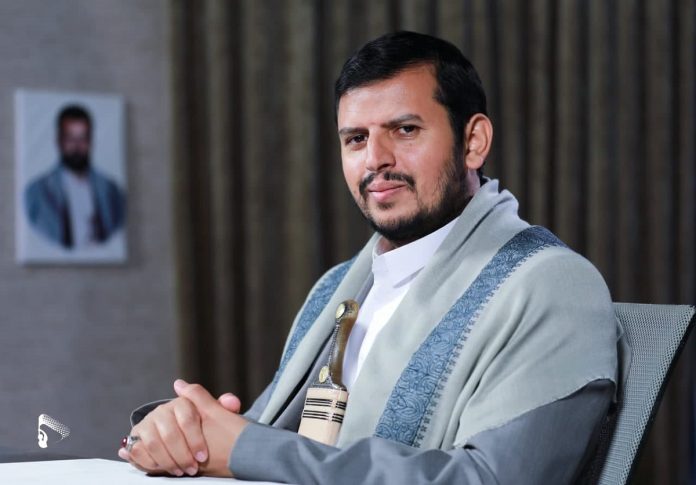
Ansarullah leader says desecration of Quran in west done under Israeli lobby

Sayyed Abdul-Malik Badreddin Al-Houthi

Al-Houthi made the remarks on Tuesday, less than a week after two men stood outside the Swedish capital of Stockholm’s central mosque and burned a copy of the holy book following a go-ahead given to them by a Swedish court.

The repeated and state-authorized instance of sacrilege against the Muslim holy book was made to coincide with the Muslim festivity of Eid al-Adha (Feast of Sacrifice), which marks the conclusion of the annual Hajj pilgrimage that is partaken by millions of Muslims from across the world.

The act of desecration has opened the floodgates of protest across the Muslim world.

Al-Houthi vehemently condemned Western countries’ double standards vis-à-vis Muslims, saying acts of sacrilege against the Holy Qur’an amounted to insult against all prophets and holy books.

The Westerners refuse to expose Zionists’ crimes, he said, adding, “This points to the Zionist lobby’s influence [across the Western countries].”

“The lobby manipulates the West and infiltrates nations as it pleases. The Western world has, therefore, turned into a hotbed of the lobby’s plots,” he continued.

The Ansarullah leader, meanwhile, criticized Muslim countries for their failure to serve the insult with a proper response.

“It would be a salutary lesson for other countries if Muslim countries severed their diplomatic relations with Sweden and started bringing it under economic sanctions,” he said.

Referring to Sweden’s limited hosting of intra-Yemeni talks in the past, al-Houthi stated Sana’a had officially informed Stockholm that it would not be allowed to serve as the convening country for any new such negotiations.

Elsewhere in his remarks, the Yemeni official pointed to Israel’s earlier killing of at least 13 Palestinians across the occupied West Bank, mostly in the northern city of Jenin.

He identified Tel Aviv as a “criminal” entity that has been perpetrating crimes against the Palestinians on a daily basis since its claiming existence on Palestinian soil in 1948.

“The [international] Muslim nation bears a great responsibility concerning Palestine,” al-Houthi concluded, considering Arab states’ positions on the Israeli crimes to be disproportionate to the oppression that was being committed against Palestinians.

Israeli soldier killed in Jenin, West Bank

Israel Palestine

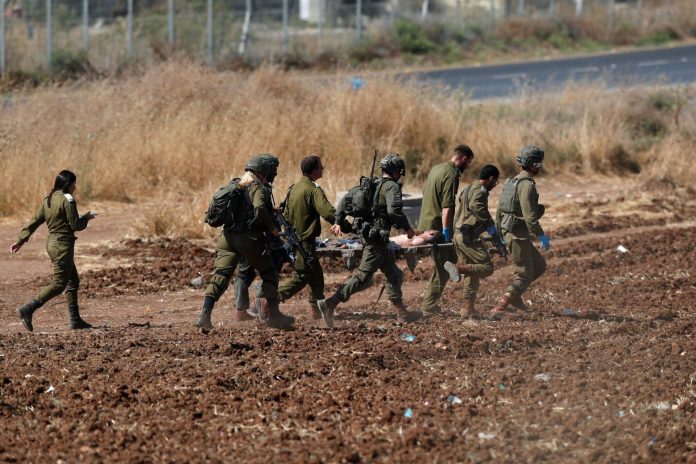
“A non-commissioned officer in combat service was killed by live fire during the operation against terrorist infrastructure in the Jenin Camp this evening,” the Israeli military posted on Twitter, with a message of condolence for the soldier’s family.

Intense armed clashes have broken out in Jenin between Palestinian fighters and the Israeli forces.

The escalation came as Israeli troops began to withdraw from the occupied West Bank city of Jenin.

It marked the toughest confrontation between the two sides since the beginning of Israel’s brutal aggression.

At least 12 Palestinians have been killed in Jenin and one in Ramallah amid Israel’s largest raid in decades in the occupied West Bank.

EU’s Borrel: Iran nuclear deal, talks important to US

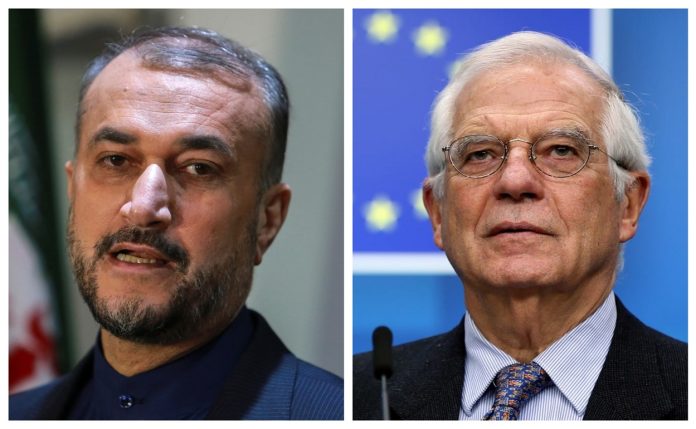
Josep Borrell & Hossein Amir Abdolahian

Borrell, in a phone conversation with the Iranian Foreign Minister Hossein Amirabdollahian, welcomed the ongoing cooperation and negotiations between the Islamic Republic and the International Atomic Energy Agency (IAEA), and evaluated its continuation as useful and positive.

Pointing to the recent sacrilegious act against Islamic values in Sweden, Borrell added, “Insulting the Holy Qur’an is not the position of the European Union, and any insult and action against religions is completely condemned by the European Union.”

The EU foreign policy chief once again welcomed the normalization of ties between Iran and Saudi Arabia.

Iran’s foreign minister for his part emphasized the need for Europe to deal seriously and effectively with all kinds of Islamophobia, strongly condemning the insults in Sweden against Islamic sanctities and the Holy Qur’an.

He highlighted the importance of maintaining the dialog channels between Iran and Europe in an effort to achieve a common understanding between the two sides, and described the recent negotiations between Tehran and the European parties as frank and constructive.

Referring to the Ukraine developments, the Iranian foreign minister added, “The Islamic Republic of Iran has always been a supporter of peace and stability in the world, including Ukraine, and in this context, it believes that stopping the war is only possible through political initiatives.”

Amirabdollahian also pointed to the record and terrorist actions of the Mujahedin-e-Khalq Organization (MKO) terror group, and considered the Albanian government’s recent move to deal with the anti-Iran terrorists, although it was late, to be an experience for the European countries that have endangered the security of their people by supporting them.

Live Update: Russia’s “Special Operation” in Ukraine; Day 497

Russia accuses EU of proposing ‘deliberate infeasible arrangement’ to allow SWIFT transactions

Russian foreign ministry spokesperson Maria Zakharova says the European Union considering the possibility of allowing Rosselkhozbank (Russian Agricultural Bank) to create a subsidiary to service agricultural exports with access to SWIFT, the international financial transaction communications network, is a “deliberate infeasible arrangement”.

The Financial Times and other media outlets reported that the EU is considering a proposal to allow a sanctioned Russian bank to create a subsidiary that could reconnect to the global financial network.

“This story follows a high-profile media campaign launched by the Westerners, Ukrainians and the UN amid the upcoming expiry of the Black Sea Initiative for the export of Ukrainian food on July 17,” Zakharova told reporters in Russia.

“It is their way of creating a semblance of some breakthrough results in the normalisation of Russian agricultural exports as stipulated in the Russia-UN memorandum,” she continued, adding: “There has been no progress on the implementation of this agreement.”


Putin will try to consolidate power after Wagner insurrection: Zelensky

As Russian President Vladimir Putin navigates the aftermath of last month’s stunning Wagner insurrection, he will be trying to “consolidate his society,” Ukrainian President Volodymyr Zelensky said in an exclusive CNN interview.

“He will (do) everything in order to break and nullify the Wagnerites’ fame and everything they were doing. He will be distancing himself from all that and will be communicating extensively in order to unify the society,” Zelensky stated.

He added that Putin had been notably out of public sight since a secretive Kremlin deal ended the mercenary group’s brief, chaotic rebellion.

“After all these events, where did Putin go?” Zelensky continued, adding, “He rarely comes outside to the street. We see him in his offices, etc., but we never see him out and about.”


UN official may visit Russia before grain deal expires

Rebeca Grynspan, secretary general of the United Nations Conference for Trade and Development, has said that she may visit Russia before the Black Sea grain deal expires.

“We will consider going to Moscow in the days that are left, but that has not been confirmed yet,” she told reporters in Geneva.

Grynspan also added that the UN is “making every effort” to ensure that the Black Sea grain deal and a memorandum of understanding to facilitate access of Russian fertiliser and other products to global markets are extended.

Kremlin spokesperson Dimitry Peskov has told reporters that Russia will announce its decision on extending the Black Sea grain deal with Ukraine, in a “timely manner”.

But he told reporters that parts of the deal which concern Russia “are still not fulfilled” and added that “there is still time for the West to fullfill those parts”.


Ukraine says ‘particularly fruitful’ few days in counteroffensive

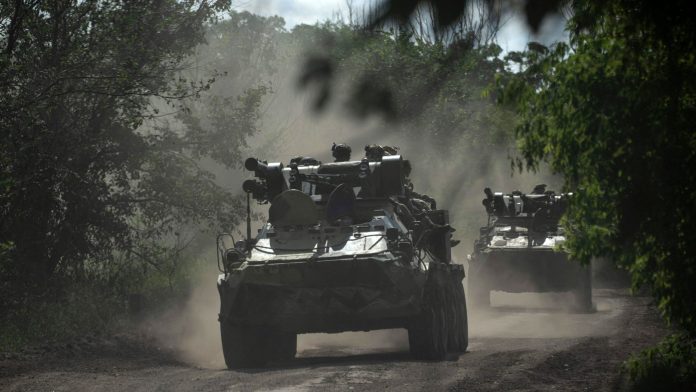
A Ukrainian counteroffensive against Russian forces has been “particularly fruitful” in recent days, according to a senior security official.

The comments by Oleksiy Danilov, who heads Ukraine’s National Security and Defense Council, were Kyiv’s latest positive assessment of the month-old counterattack, although Moscow has not acknowledged advances by Ukraine.

Ukraine’s Deputy Defence Minister Hanna Maliar also reported gains around the ruined eastern city of Bakhmut amid fierce Russian resistance. Russian forces captured the city in May after 10 months of fighting.

“At this stage of active hostilities, Ukraine’s Defense Forces are fulfilling the number one task – the maximum destruction of manpower, equipment, fuel depots, military vehicles, command posts, artillery and air defense forces of the Russian army,” Danilov wrote on Twitter.


Ukraine says it is prepared for possible Russian attack on Zaporizhzhia nuclear plant

Ukrainian officials said they have procedures in place for a potential Russian assault on the Zaporizhzhia power plant, as Kyiv warned of a provocation from the Kremlin at the facility.

Deputy Defense Minister Hanna Maliar warned Moscow is capable of “completely reckless actions” that could it try to pass off as sabotage by Ukraine. At the same time, Kremlin spokesperson Dmitry Peskov said there is a “great threat of sabotage by Kyiv” at the plant, which could have “catastrophic consequences.”

Maliar stated on Wednesday: “In order to minimize potential negative consequences, emergency services have been training for several days in four Ukrainian regions — Dnipropetrovsk, Zaporizhzhia, Kherson and Mykolaiv — to overcome the consequences of a possible terrorist attack on the ZNPP.”

Russia could attack the plant, she warned, to turn the momentum of the war in its favor and “achieve its military goals,” she added.

Ukrainian President Volodymyr Zelensky accused the Kremlin on Tuesday of possibly planting explosives on the roof of the Zaporizhzhia plant, an assertion based on military intelligence.

Radiation levels are “within normal limits” and in the 30-kilometer (18.6-mile) zone around impacted power plants and areas around Chernobyl are “within monthly average values,” according to the Ukrainian Ministry of Internal Affairs.

Meanwhile, Ukrainian officials in Nikopol in southern Ukraine announced the Russian-occupied Zaporizhzhia plant is operating normally and there have been no “significant movements of occupiers’ manpower and equipment.”

Local military official Yurii Malashko echoed Maliar and stressed that while Russian forces are “unpredictable,” Ukrainian special forces are ready for any dangerous development and have “checked the necessary equipment and worked out response plans.”

The Ukrainian state energy company Energoatom said the water level in the cooling pond is “stable and under control,” despite a Russian attack on the Kakhovka dam, which provides water for cooling the plant, causing extensive flooding in the nearby Kherson region.

Russian-installed officials in Zaporizhzhia rebuffed concerns raised by Ukrainian authorities, saying “everything is normal,” and the plant is operational.


NATO must offer ‘real security guarantees to Ukraine’: Italian PM

Italy’s Prime Minister Giorgia Meloni has said that next week’s NATO summit should offer “real security guarantees to Ukraine”.

Speaking at a press conference alongside her Polish counterpart in Warsaw, Meloni also told reporters that Poland and Italy are “in perfect agreement on this issue”.

NATO leaders will meet at a summit in Vilnius, Lithuania next week.


Kremlin says it can’t confirm report that Xi warned Putin against using nuclear weapons in Ukraine

The Kremlin says it could not confirm a Financial Times report that Chinese President Xi Jinping had personally warned Putin against using nuclear weapons in Ukraine.

The newspaper said Xi delivered the message when he visited Moscow in March.

“No, I can’t confirm it,” Kremlin spokesman Dmitry Peskov told reporters when asked about the report.

He added the two countries had issued statements at the time on the content of their talks and “everything else is fiction.”


Putin says Russian economy doing better than expected

President Vladimir Putin has said the Russian economy was performing better than expected after Prime Minister Mikhail Mishustin reported to him that gross domestic product growth and inflation have been surprisingly positive.

GDP growth may exceed 2 percent this year and consumer price inflation may not rise above 5 percent in annual terms, Mishustin told Putin at a meeting at the Kremlin. The International Monetary Fund expects the Russian economy to grow 0.7 percent this year.

“Our results, at least for the time being, let’s say, cautiously, are better than previously expected, better than predicted,” Putin added, according to a transcript on the Kremlin’s website.

Russia’s economy contracted 2.1 percent in 2022 and was under particular pressure in spring of last year when Kyiv’s allies imposed sweeping sanctions against Moscow over its military campaign in Ukraine.


Ukraine claims advances south of Bakhmut

Ukraine keeps making gains south of Bakhmut while facing stiff resistance to the north of the embattled eastern city, according to Ukrainian Deputy Defense Minister Hanna Maliar.

Russia is “throwing all its forces” to try and stop Kyiv’s advance in the area, Maliar claimed, adding that Moscow’s soldiers are pushing in the direction of Lyman, Svatove and Bakhmut, and had set up a three-tiered defense in those areas “to gain a foothold.”

“But they are still not succeeding,” she said Tuesday.

Lyman and Svatore are cities north of Bakhmut.

In its daily update, the Ukrainian Military’s General Staff also announced Ukraine was consolidating positions around Bakhmut.

“Ukrainian soldiers continue to conduct offensive operations to the south and north of Bakhmut, strengthening on the achieved lines,” it noted.

Neither Maliar nor the General Staff reported any advances along the southern front, where Ukraine’s counteroffensive is meeting stiff resistance.

“At the Zaporizhzhia and Kherson directions, the enemy is focusing its main efforts on preventing the advance of our troops,” the general staff update said.

“At the same time, the Ukrainian Defence Forces continue to conduct offensive operations in the Melitopol and Berdiansk directions, securing the achieved positions, inflicting artillery fire on the identified enemy targets, and carrying out counter-battery measures,” it added.


Ukraine has launched more than 84,000 criminal cases on war crimes during Russia’s invasion: Zelensky

The Ukrainian National Police investigations into war crimes committed during Russia’s invasion of Ukraine have led to the launch of more than 84,000 criminal cases and an additional 1,838 notices of suspicion, according to President Volodymyr Zelensky.

The body has also created a special database called “War Criminal,” which now includes the records of more than 200,000 Russian service members and mercenaries, Zelensky stated.

During a speech commemorating the National Police Day, Zelensky thanked law enforcement for its work, saying it will bring Russia “to full accountability for its aggression and terror against Ukraine.”


Zelensky and NATO chief discuss upcoming alliance summit in Lithuania

Ukrainian President Volodymyr Zelensky and NATO Secretary General Jens Stoltenberg held a phone call to coordinate their positions ahead of the alliance’s upcoming summit in Vilnius.

A former prime minister of Norway and UN Special Envoy on Climate Change, Stoltenberg became NATO’s Secretary General in October 2014. On Tuesday, he announced his term was extended for a further year.

Ukraine is expected to be at the top of the agenda when the leaders of the military alliance meet in the Lithuanian capital next week.


Zelenskyy tells Macron of Russian ‘dangerous provocations’ at nuclear plant

Ukrainian President Volodymyr Zelensky told his French counterpart Emmanuel Macron that Russia was planning “dangerous provocations” at the Zaporizhzhia nuclear power plant.

“I warned Emmanuel Macron that the occupation troops are preparing dangerous provocations at the Zaporizhzhia plant,” Zelensky said in a statement.

“We agreed to keep the situation under maximum control together with the IAEA [International Atomic Energy Agency],” he added.


Ukraine has “proceeded in a very precise and well-organized way so far”: German chancellor

The Ukrainian forces have “proceeded in a very precise and well-organized way so far” in the war, German Chancellor Olaf Scholz said Tuesday.

Speaking at a joint press conference with Romanian Prime Minister Marcel Ciolacu, Scholz said he “never expected that everything would change from one day to the next,” but added the Ukrainian defense forces had been planning operations “in a very targeted way.”

Meanwhile, Ciolacu stated Romania had expected the conflict to end with the Ukrainian counteroffensive, but has had to reckon with a longer-lasting conflict.

While Ukraine remains in a state of war, it cannot become a NATO member, Scholz continued, adding that the criteria for NATO membership included “no open border conflicts.“

However, the important thing, he said, was NATO’s “great practical support for Ukraine,” which will continue.

Germany has “created the conditions to support Ukraine even for a long time if the war lasts for a long time,” he added, noting that many countries will be able to support Kyiv “for one, two, three, and if need be, more years, because we don’t know how long the military conflict will last.”


There are no grounds to continue Black Sea grain deal: Russia

Russia’s Foreign Ministry on Tuesday said it sees no basis for renewing the UN-brokered Black Sea grain deal, which is set to expire on July 17.

“The ‘Black Sea Initiative,’ the purpose of which was to provide assistance to needy countries in Africa, Asia and Latin America, has turned into a purely commercial export of Ukrainian food to ‘well-fed’ countries,” the foreign ministry claimed in a statement, also criticizing the West’s refusal to ease sanctions on Russia.

“It is obvious that there are no grounds for further continuation of the ‘Black Sea Initiative,'” the foreign ministry added.

The deal, which was first brokered by the United Nations and Turkey last July to guarantee safe passage for ships carrying vital grain exports from Ukraine, was most recently extended in May.

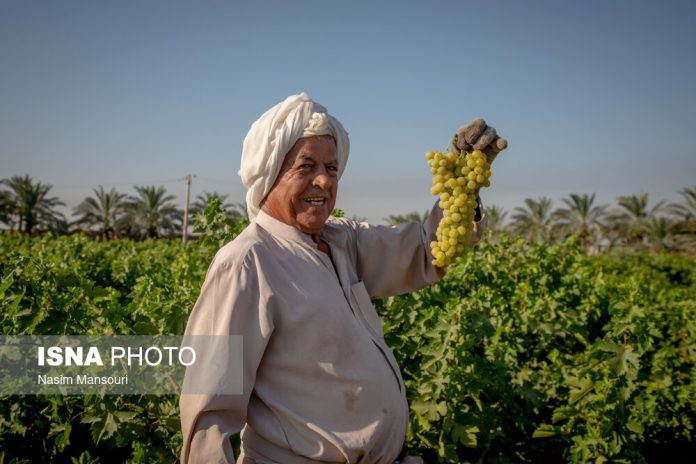
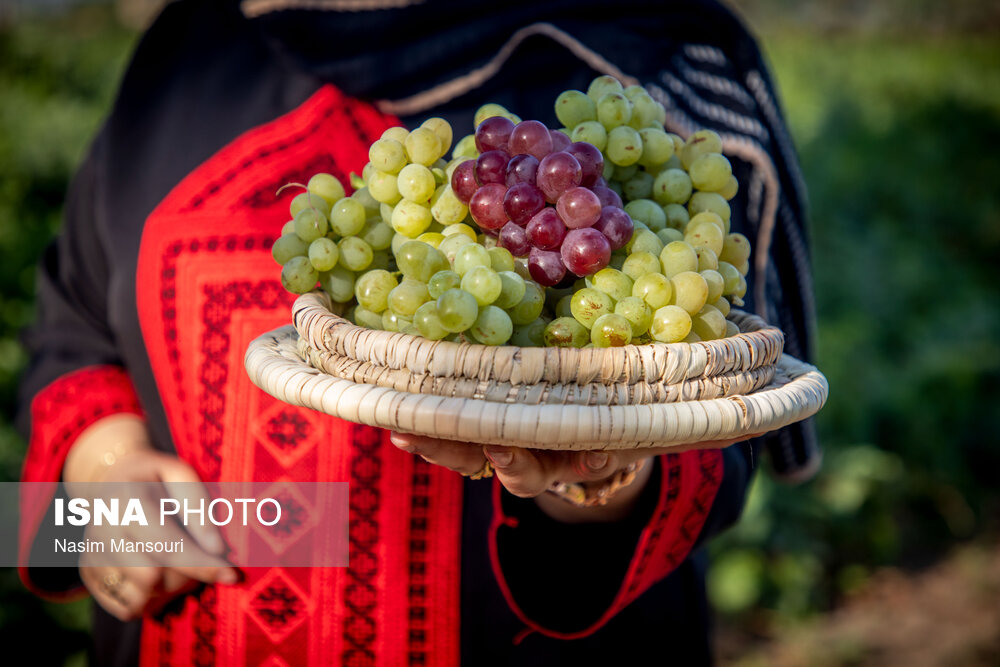
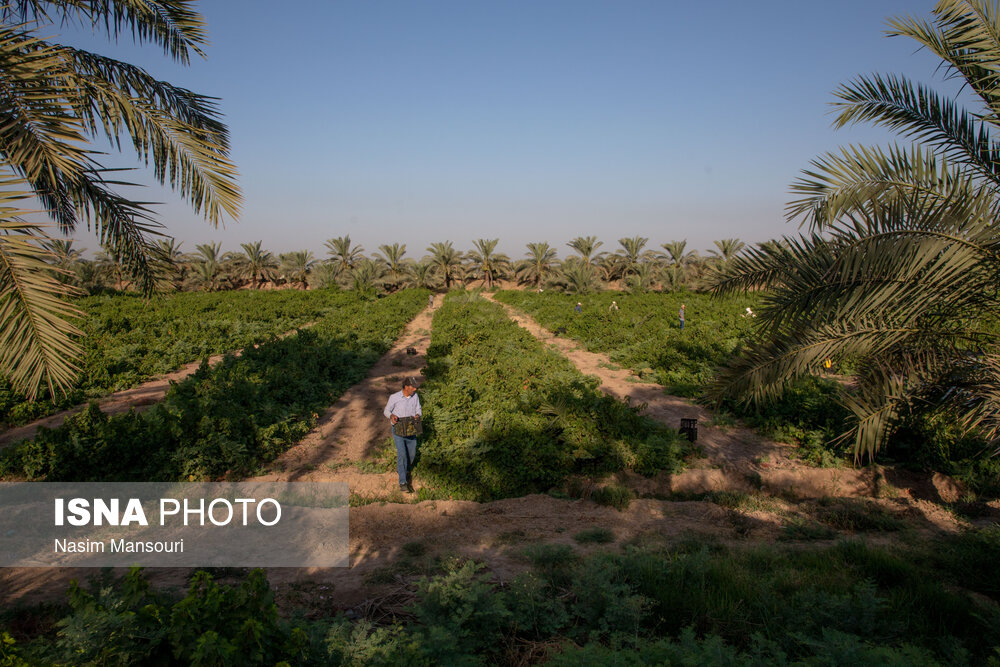
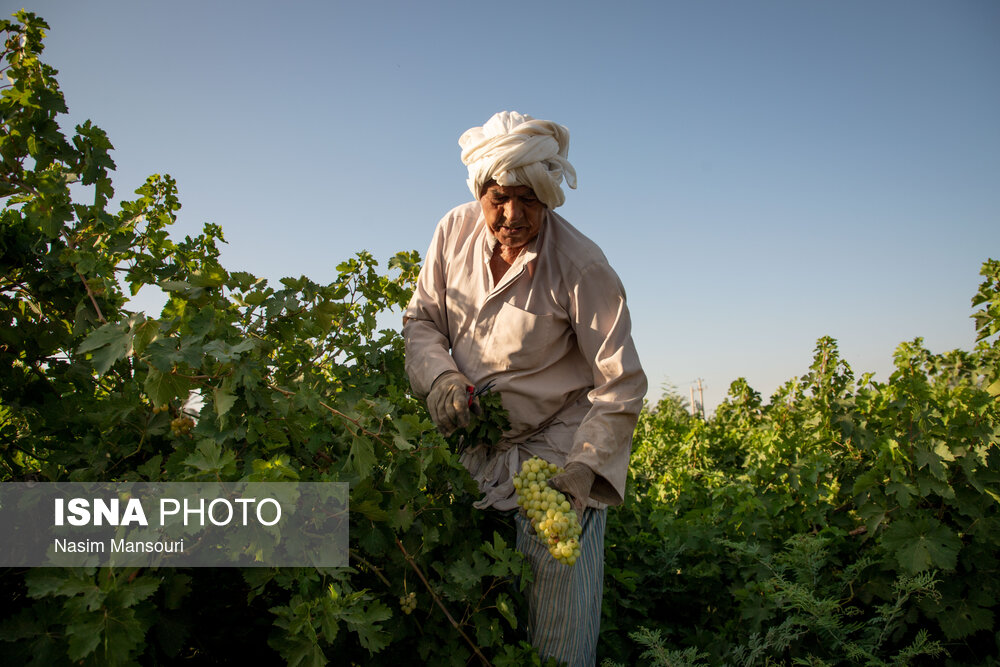
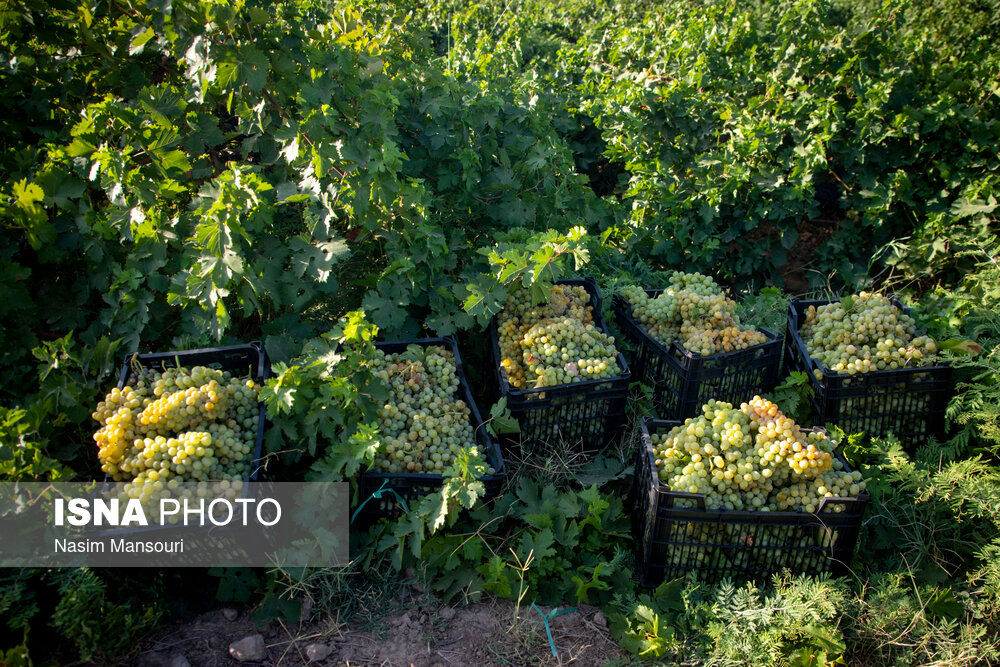
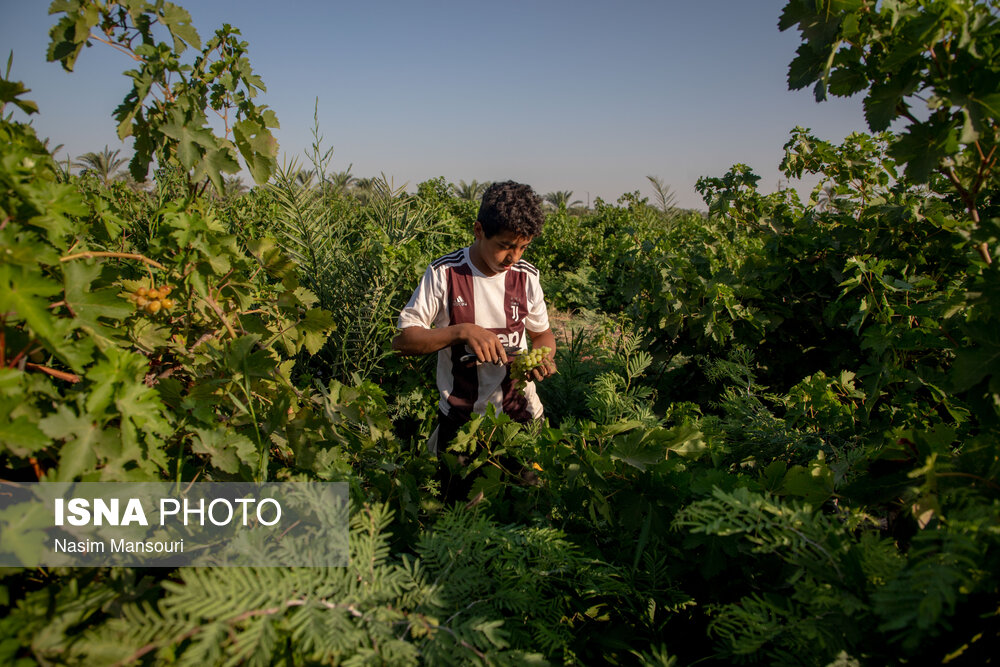
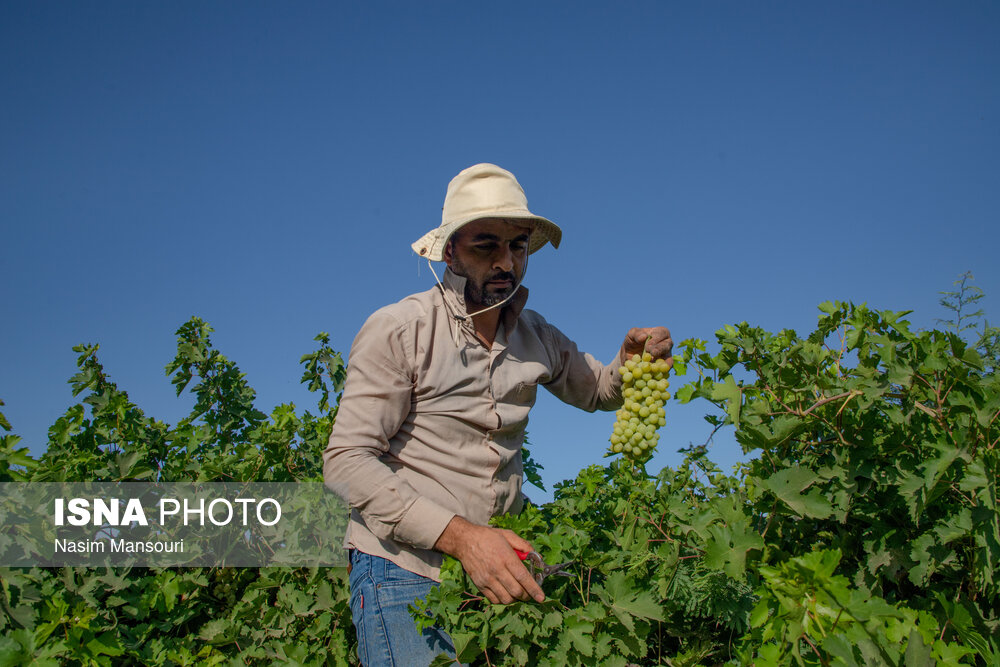
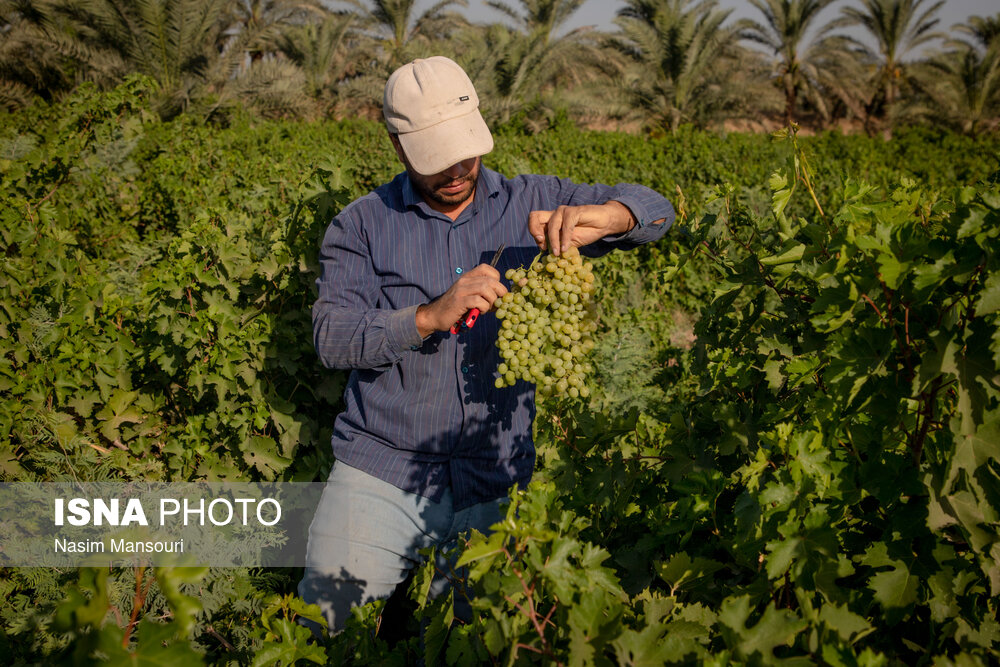
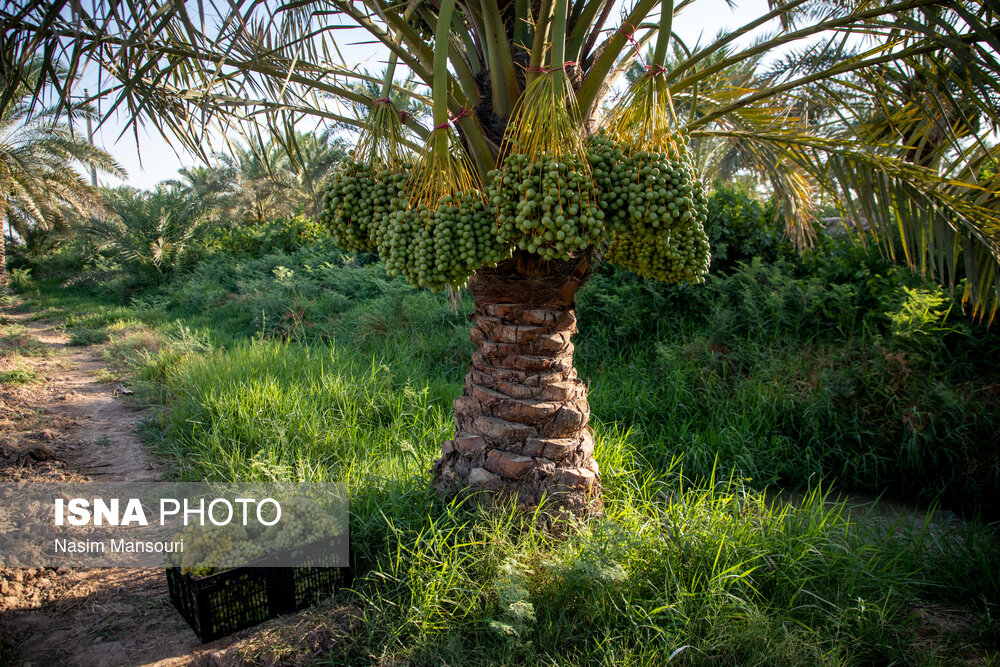
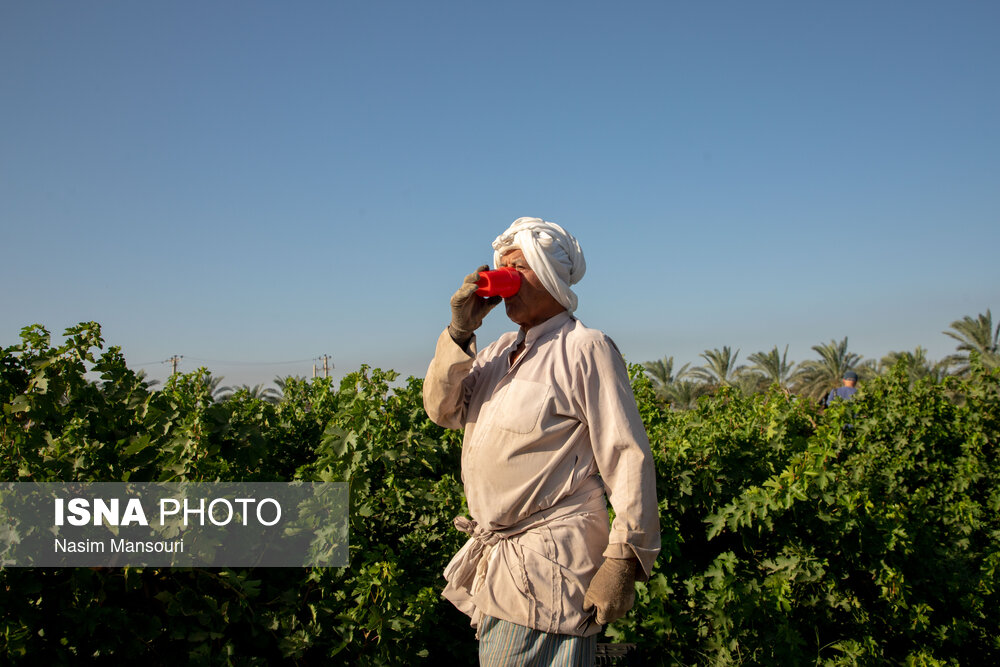
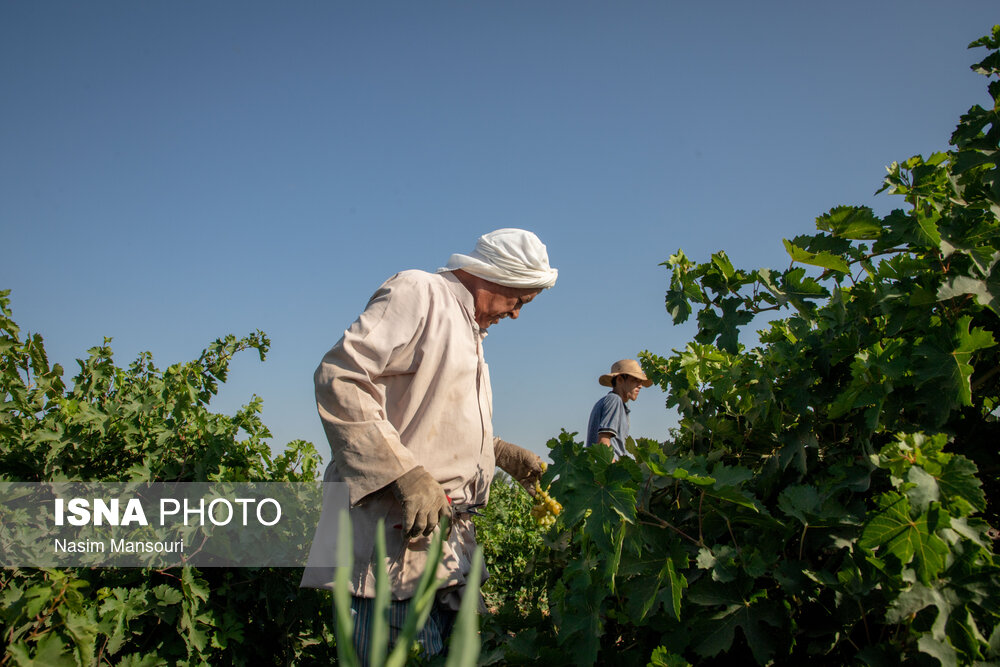
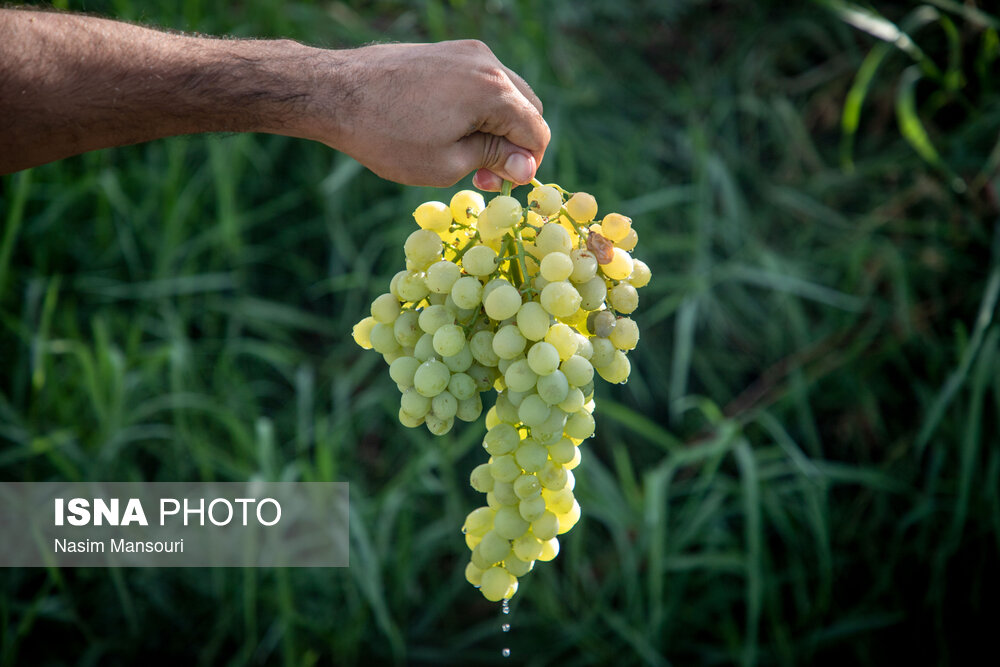
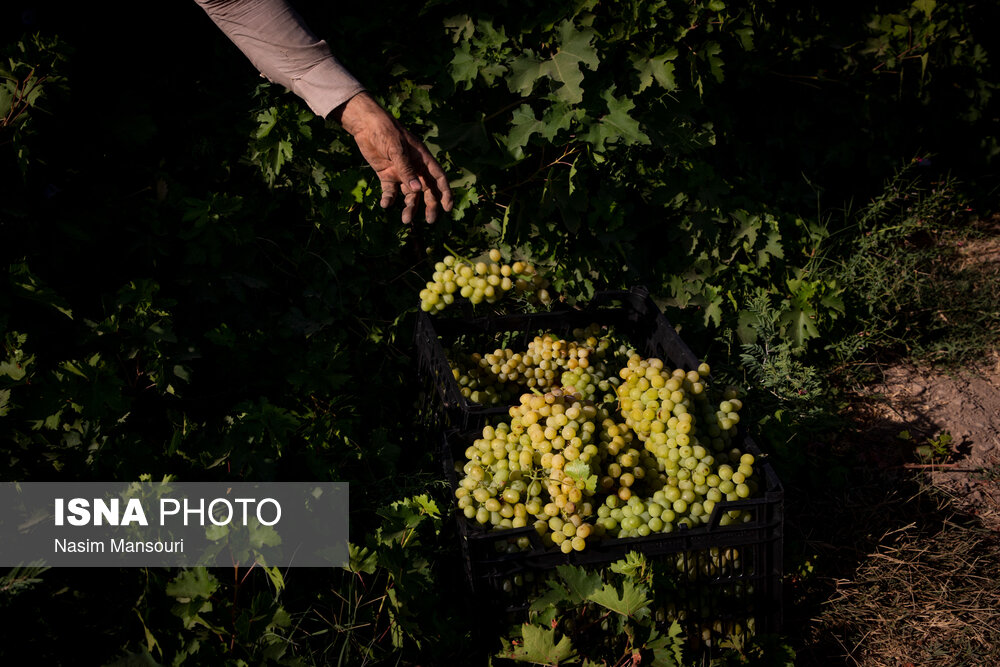
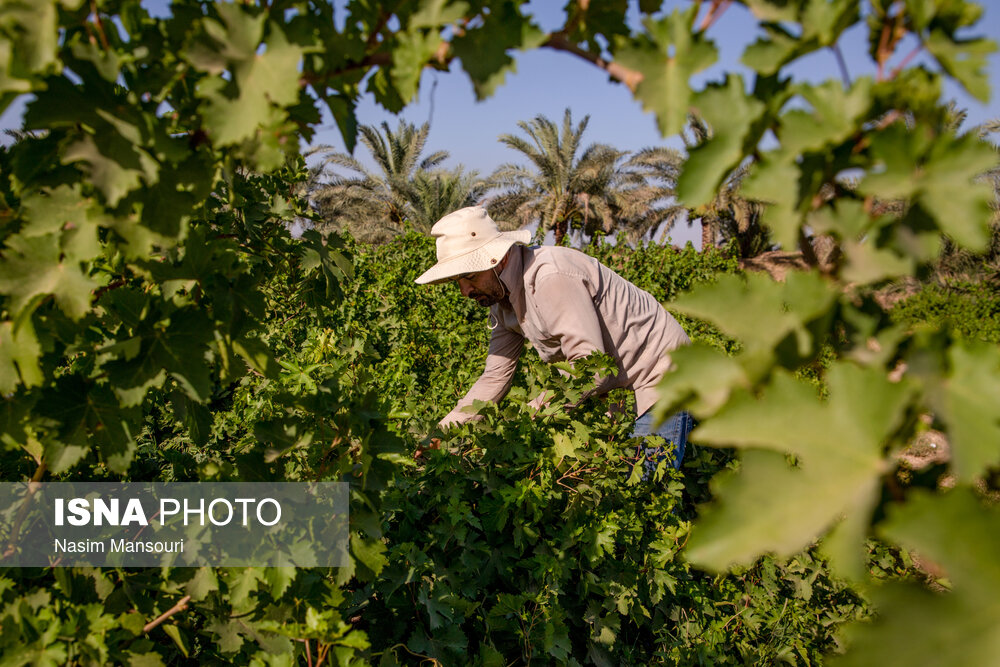
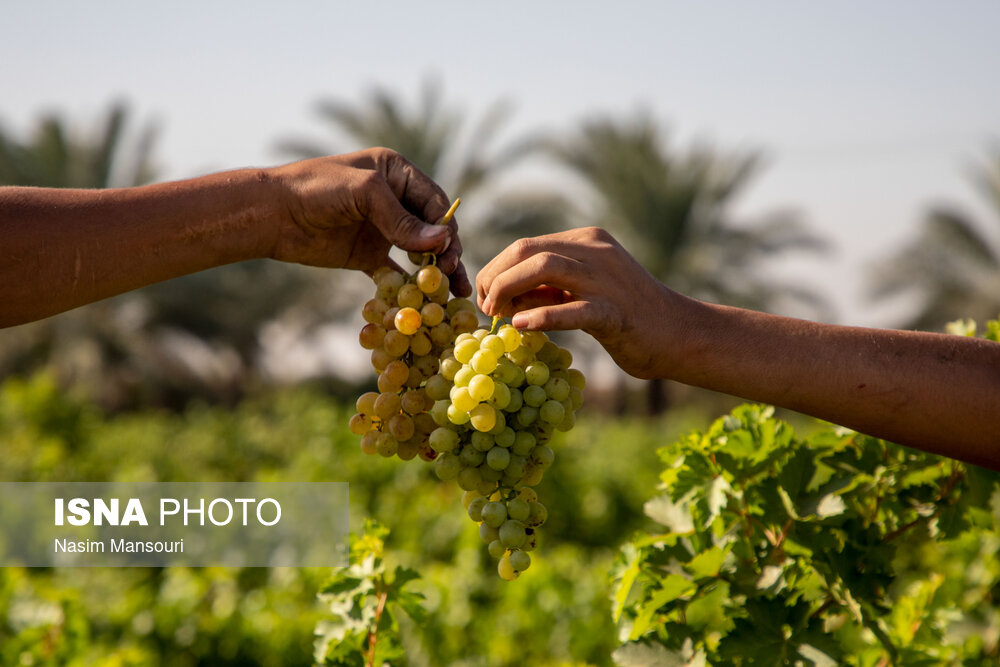
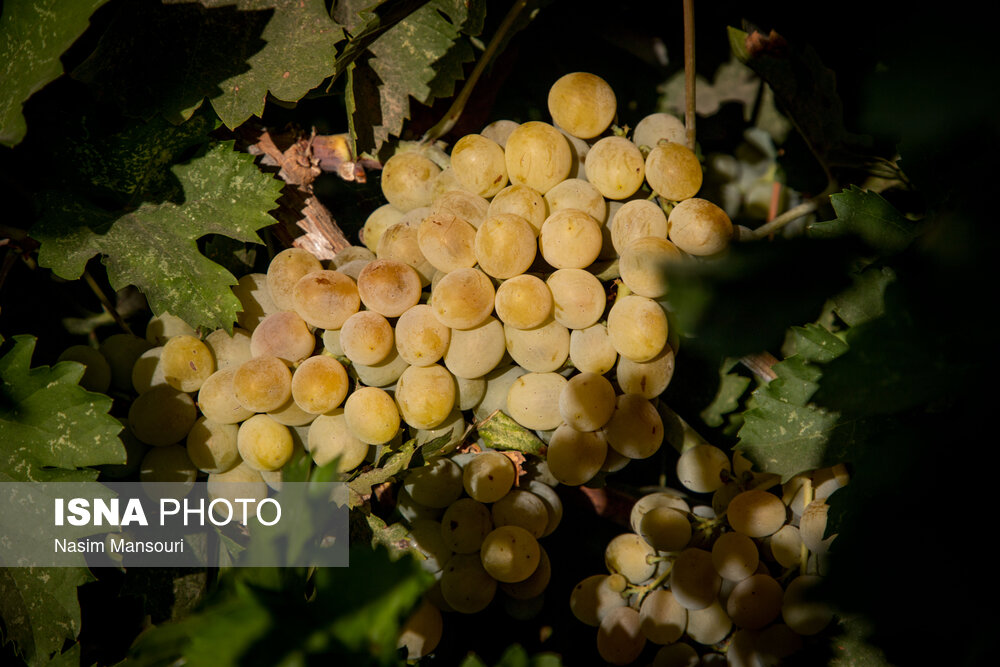
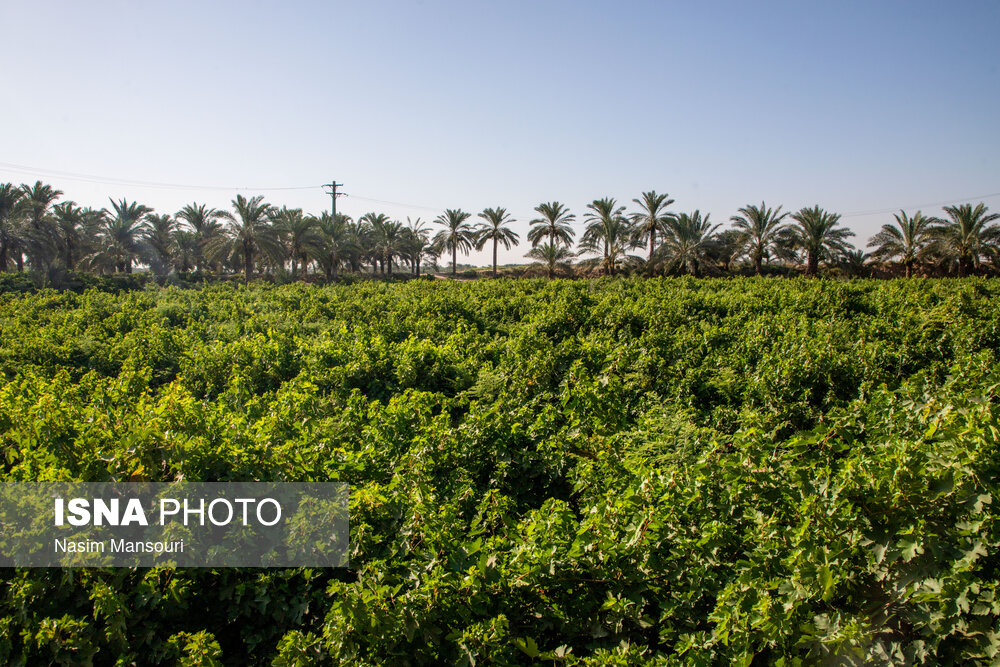
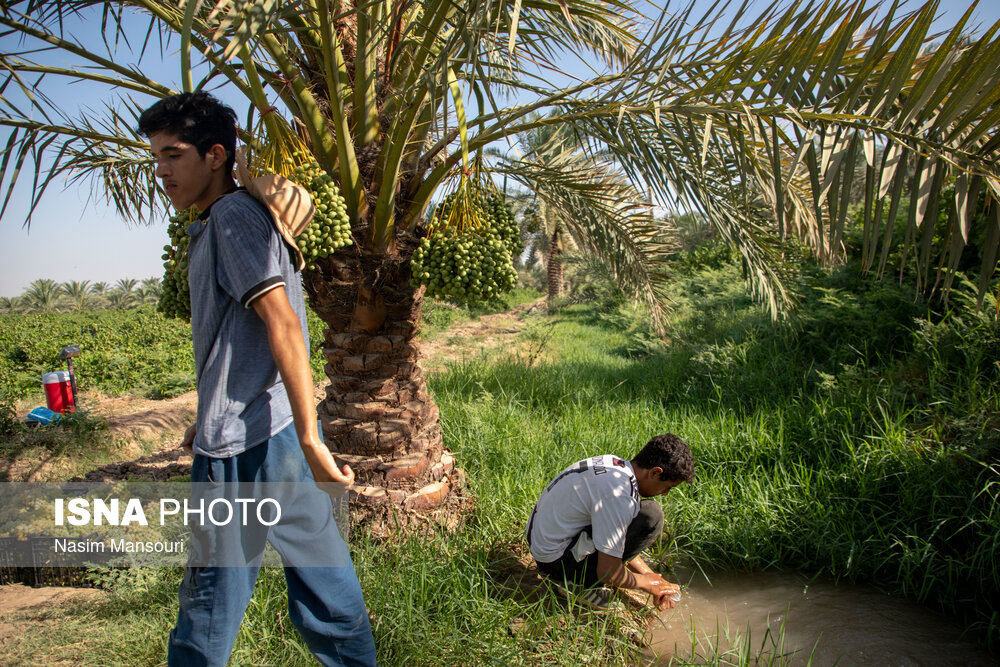
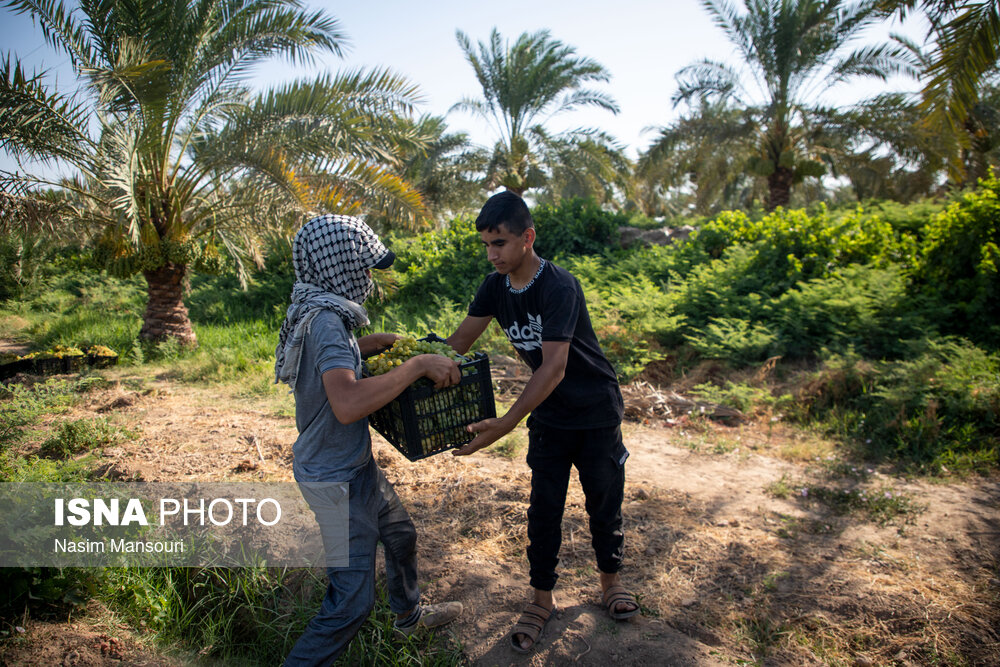
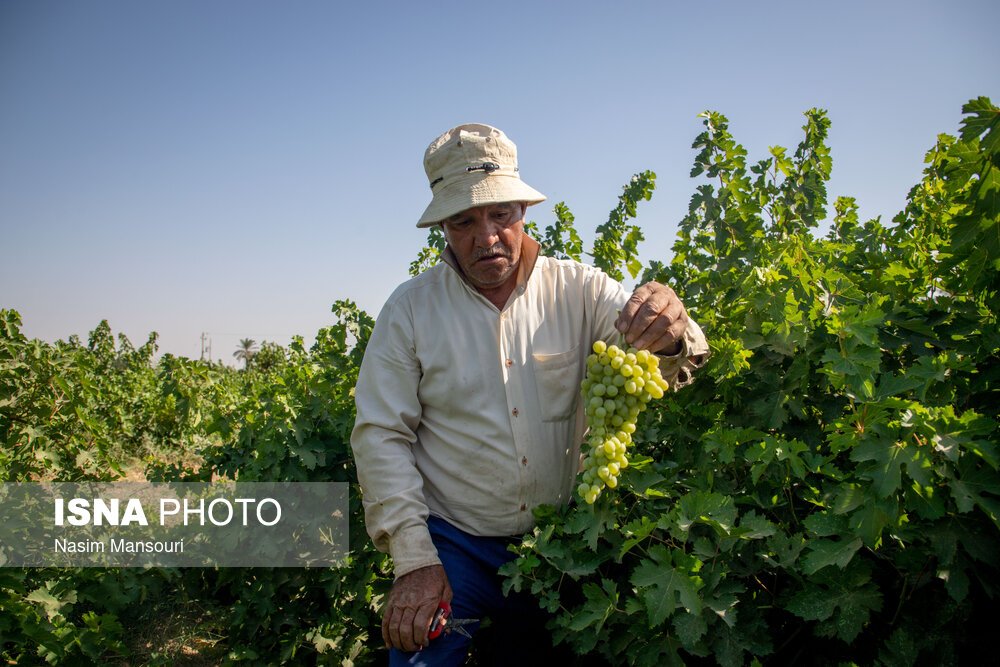
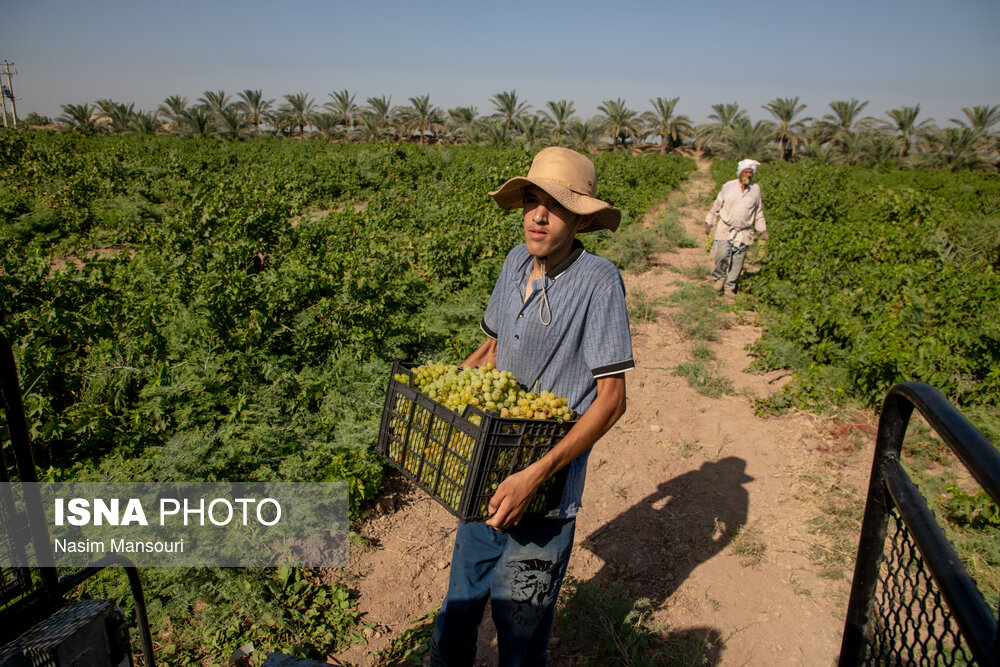
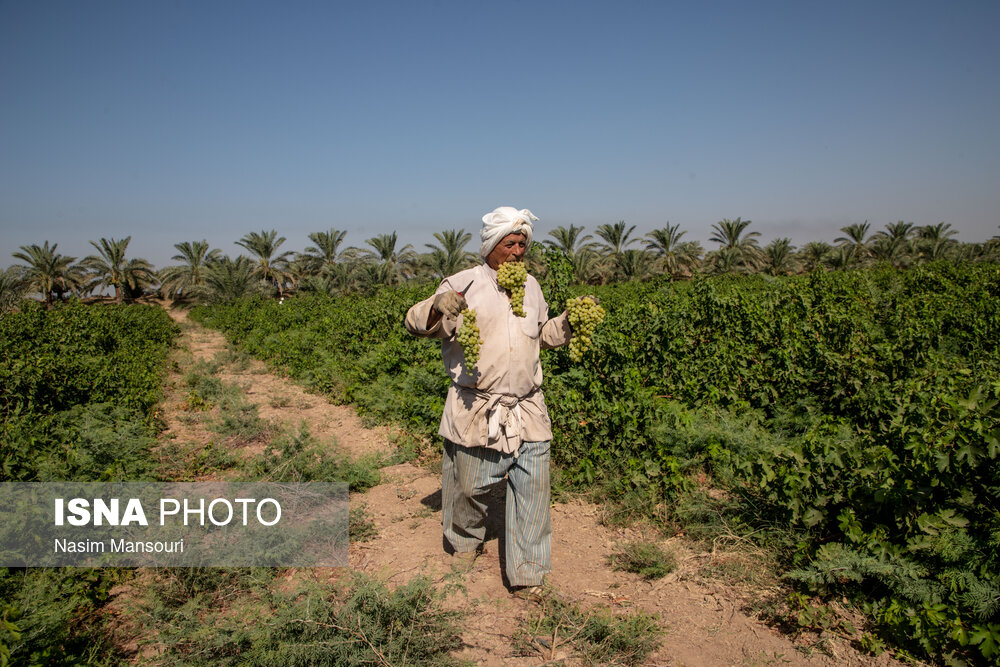
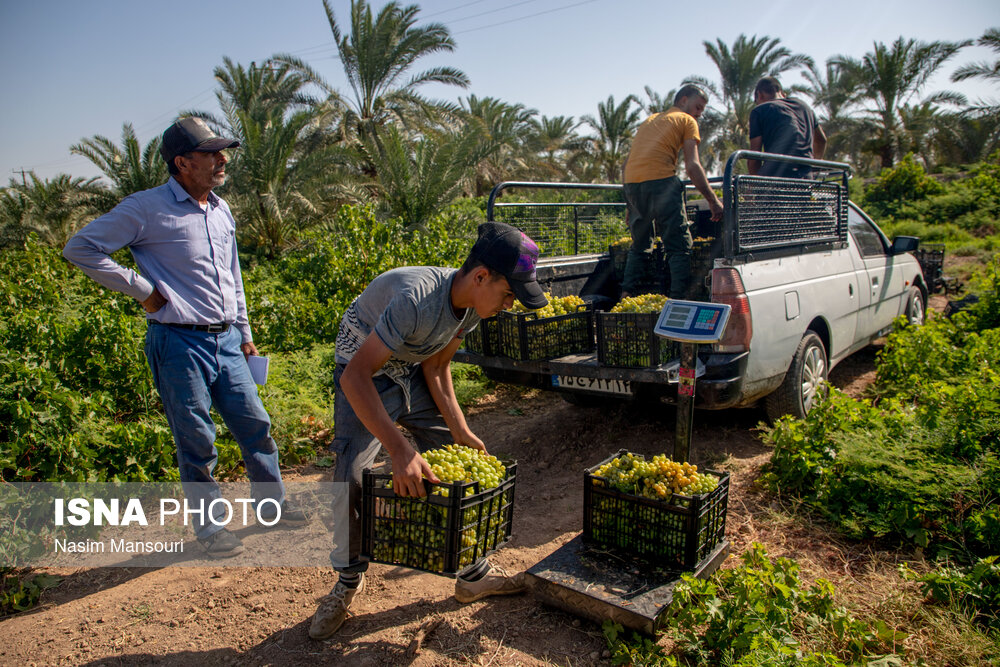
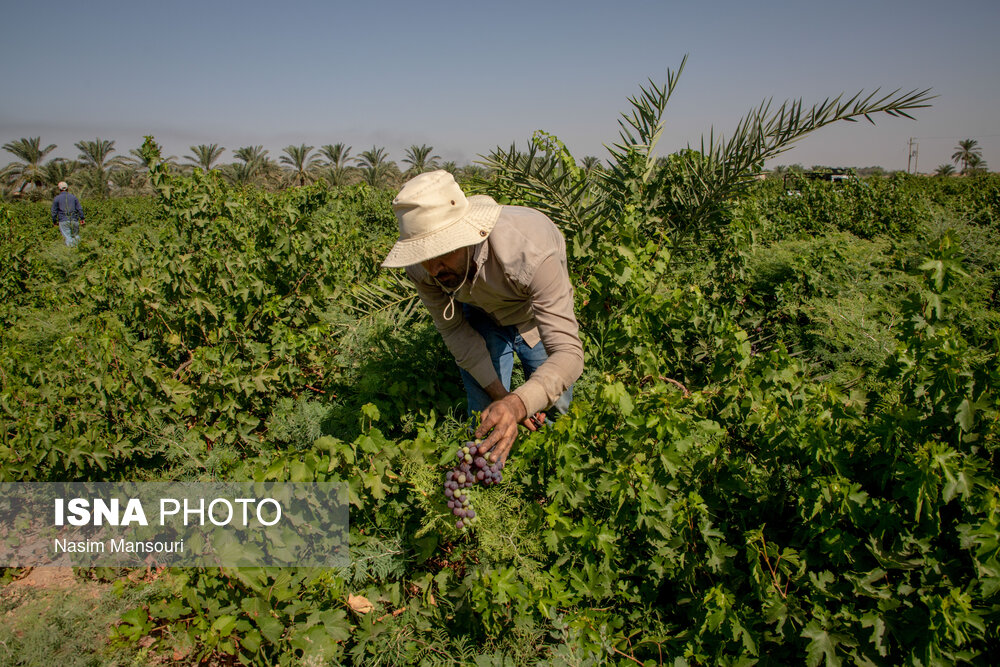
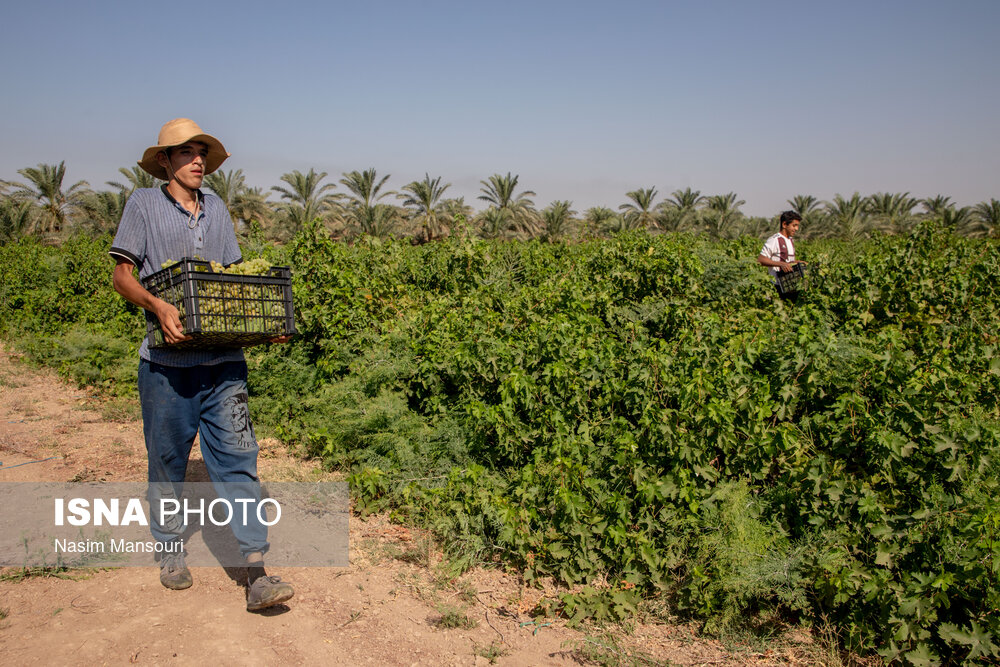
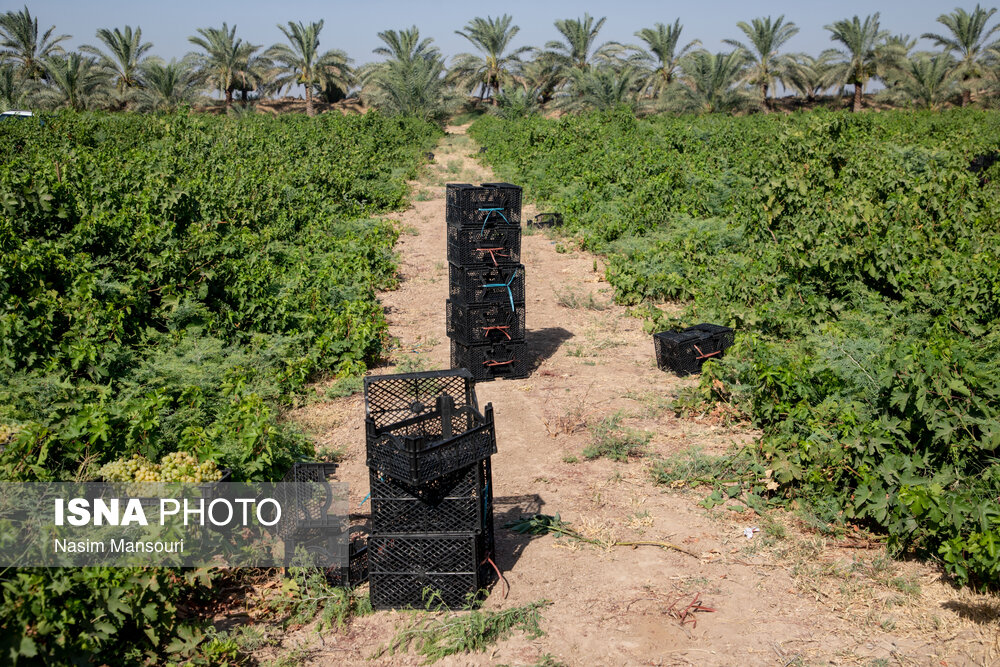
Grape harvest in Greater Gazavieh, Iran’s Kuzestan Province

Grape harvest in Iran

The two types of grapes, namely Yaghouti and Askari, are harvested from the vineyards in Greater Gazavieh. The grapes produced in Karoon are among the first fruits harvested in Iran.

Being 10 kilometers away from the provincial capital city of Ahvaz and located to the east of the Karoon River, Greater Gazavieh is the land of vineyards that are adjoined to the palm groves.

Take a look at the related images:


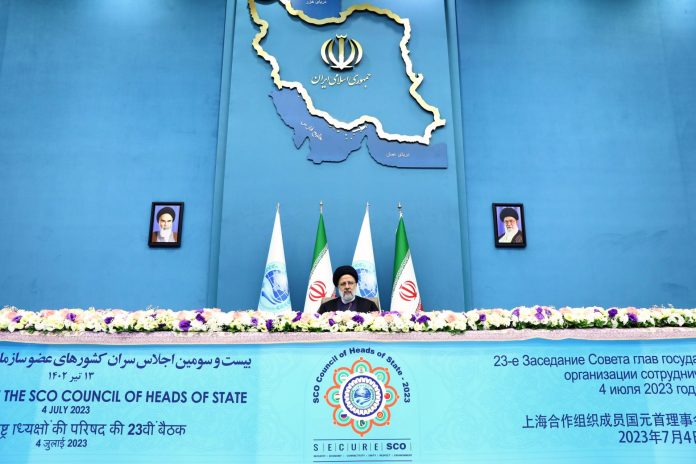
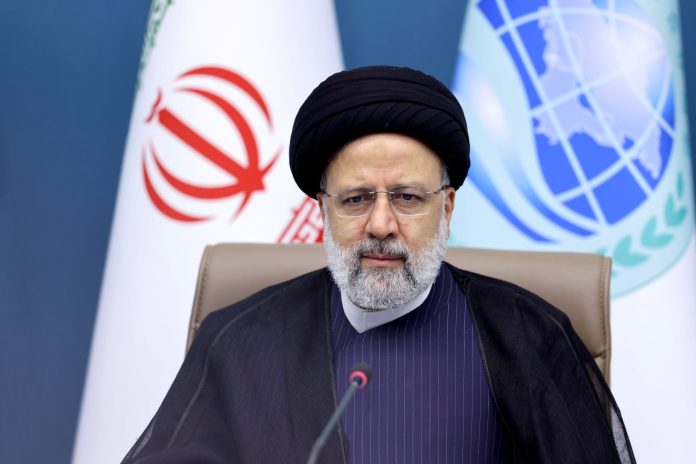
President Raisi says Iran’s SCO membership will have historical benefits

Ebrahim Raisi

“Iran believes that [the SCO] is a growing organization with significant indicators and capacities and a privileged position, and the benefits of this official [accession] of Iran will be recorded in history,” he said.

He also expressed his gratitude to Indian Prime Minister Narendra Modi for hosting the summit.

The president expressed hope that Iran’s presence in the organization will provide a platform for achieving collective security and sustainable development, as well as unity between the countries.

Iran’s application to join the SCO as a full member was confirmed by member states of the bloc two years ago; and the technical process for accepting the membership bid was approved a year ago at the 22nd SCO summit in Samarkand, Uzbekistan.

Following is the full text of Raisi’s speech to the SCO summit in India:

In the Name of Allah, the Most Beneficent, the Most Merciful

Dear Mr Narendra Modi, Prime Minister of India,

Mr Zhang Ming, Secretary General of the Shanghai Cooperation Organisation,

Dear Presidents, Excellencies,

Ladies and gentlemen,

First of all, I would like to thank the honourable Prime Minister of India for hosting and others involved in holding this important summit. I take this opportunity to, on behalf of the nation and the government of the Islamic Republic of Iran, express my satisfaction due to the official accession of the Islamic Republic of Iran as the ninth official member of the Shanghai Cooperation Organisation. Also, I sincerely thank the efforts made by the secretariat and the respected members of the organisation.

The Islamic Republic of Iran believes that the Shanghai Cooperation Organisation, as a growing organisation with significant characteristics and capacities, has a privileged position in promoting the development of political, security and economic cooperation. Certainly, the benefits of the official membership of the Islamic Republic of Iran in the Shanghai Cooperation Organisation will remain in history.

In particular, I hope that Iran’s presence in this important and influential organisation will provide a platform for collective security, lead to sustainable development, expand links and communications, strengthen unity, respect the sovereignty of countries more than ever before, and provide synergies to deal with environmental threats.

Now, I would like to briefly state some points related to the role of the Islamic Republic of Iran in these six areas:

Security; The experience of different nations in the last two decades has shown more than ever that security is an endogenous matter and a collective achievement. Sustainable peace and stability is possible when the nations of the region rely on common ideals arising from their culture and civilisation and provide a platform for cooperation. Regional security is started by the will of the nations, strengthened by the will of the governments, and is achieved far from the intervention of the dominating powers.

Based on such a view, the Islamic Republic of Iran has made the policy of “neighbourhood and convergence” the basis of its foreign policy and considers it the best way to achieve regional peace and stability. With the experience of more than two decades of successfully fighting terrorism and extremism, the Islamic Republic of Iran has proven its commitment to ensuring security and fighting hegemony in the region, and is ready to share its experience and capabilities within the framework of the Shanghai Cooperation Organisation mechanisms so that we can move towards a region free from terrorism, extremism and separatism.

Economy; The Shanghai Cooperation Organisation comprises more than 60% of the population of the Eurasian region and more than 40% of the world’s population. This huge capacity has given this organisation a wide potential to develop trade and deepen economic cooperation in various forms.

The Islamic Republic of Iran, while supporting constructive initiatives such as the “Global Development Initiative”, believes that the cooperation of its members in the fields of energy, technology, industry, agriculture, trade and commerce can open a clear vision of a just regional order for the nations of the world. This is while the Western hegemonic powers, by resorting to economic coercion and sanctions, have jeopardised the security and economic prosperity and the principles of fair trade in the world.

Relying on the experience of the past decades, it is now quite evident that, along with militarism, what forms the basis of the western domination system has been the dominance of the dollar and therefore any attempt to shape a fair international system requires the removal of this instrument of dominance in intra-regional relations.

Expanding the use of national currencies in international trade and financial exchanges between the members of this organization and their business partners requires more serious attention. The Islamic Republic of Iran welcomes any move to introduce financial payment instruments based on modern technologies to facilitate financial exchanges between members and business partners, especially in multilateral frameworks.

Possessing expert human resources and significant achievements in the field of advanced technologies and modern sciences is one of the special capacities of the Islamic Republic of Iran, which can strengthen multilateral economic cooperation. The Iranian nation, relying on its domestic power and indigenous knowledge, has been able to achieve high levels of scientific production, technology, biotechnology, medicine, nano, engineering, electronics, defence and many knowledge-based areas -areas requested by many countries for cooperation. The Islamic Republic is also ready to share its experiences and achievements while developing scientific and technological cooperation.

Strengthening Links; General economic development requires the expansion of transit and transportation links and routes in the region. Expanding these links can help achieve the lofty goal of economic convergence only by respecting the sovereignty of countries.

Currently, very valuable initiatives are underway at the Eurasian level, which have been able to link the member countries together and provide the infrastructure for the expansion of trade between the nations of the region. The Islamic Republic of Iran has always declared its full support for the existing mega-projects such as the North-South Corridor and the Belt-Road Project and has made it a priority. In this regard, with the efforts of Iranian experts and the joint cooperation of Iran and Russia, the completion of the North-South Corridor rail route has entered the implementation stage. The use of this communication highway can help to improve and stabilise global supply chains and bring security to the nations of the region. In this regard, we are ready to carry out the necessary cooperation to organise the transportation of goods and passengers, increase the access of members to global markets and coordinate transportation policies. We believe that the Shanghai Cooperation Organisation can facilitate the cooperation of member countries to advance and develop existing transit projects and define new initiatives.

Also, the security and infrastructural advantages of the Islamic Republic of Iran to increase energy transmission lines can be provided to the respected members of Shanghai for the implementation of joint economic projects with high efficiency guarantees.

Unity; the historical and cultural ties between the member countries of the Shanghai Cooperation Organisation have brought common ideals, goals and interests and lead us to a common definition of security and development. The most important step in strengthening unity is to protect local progressive norms, make rules on those norms, and prevent western norms from prevailing so that cooperative concepts are not emptied of their real meanings.

Our greatest capacity for unity and peacemaking is our civilisational capacity. Now that this ancient continent has recovered, it must once again become a civilisation-building by relying on ethics, spirituality, justice, rationality and respect for human dignity. The Shanghai Cooperation Organisation, which is a symbol of this “great family of civilisations”, is now standing in a position that can establish new horizons of regional convergence and security-building cooperation.

Respect for the values and sanctities of the nations is a unifying principle, and any insult to the values, especially the insult of some European countries to the Holy Quran, shows its moral downfall and causes hatred and spread of insecurity, which should be dealt with by display of the unity by civilised nations.

Respect for the Sovereignty of Nations; multilateralism in the contemporary world means joint efforts and synergy of independent countries to achieve common good. Such a perception of multilateralism is in conflict with security alliances to promote violence and hostility with other countries. Real multilateralism is for the benefit of the nations and not for the powers. In the light of respecting the sovereignty of countries and relying on mutually beneficial cooperation, the lofty goals of security and sustainable development can be realised.

The government that is celebrating its independence anniversary today on the 4th of July violates the independence of many countries and has denied the right to self-determination from many nations, especially the Palestinian nation.

There is be no free human being or a civilised nation without caring for to the cause of Palestine and the freedom of this oppressed nation from the oppression and occupation of the Zionist Regime. Today’s crimes of the Zionist Regime in the Jenin camp are a reminder of the painful crimes of the occupation of Palestine in 1948. The Zionist Regime is an objective symbol of encroaching on the sovereignty of nations.

The Islamic Republic of Iran, while respecting the sovereignty of all independent nations, condemns any interference in the internal affairs of countries and considers the strengthening of national sovereignty as the main solution to deal with insecurity and terrorism.

The environment; one of the most important threats that threatens the world community in the present era is climate change. Climate change has the possibility of turning into geopolitical tensions that can cause complex security crises for countries. Our region is also facing various environmental threats such as lack of water resources, air warming and soil erosion. The nature of these threats is such that it is not possible to deal with them except in the light of multilateral cooperation, understanding possible damages in the long term and setting rules and regulations within the framework of regional organisations. In this regard, the Islamic Republic of Iran believes that by creating multilateral mechanisms, including the formation of joint working groups for the fair management and distribution of water resources, such challenges can be prevented from turning into tension.

Mr President, dear colleagues,

At the end, while thanking again the honourable Prime Minister of India for hosting and others involved in the successful holding of this important meeting, I congratulate the new chairmanship of the organisation to the Republic of Kazakhstan and wish the success of this valuable summit in achieving its great goals.

Thank you for your attention

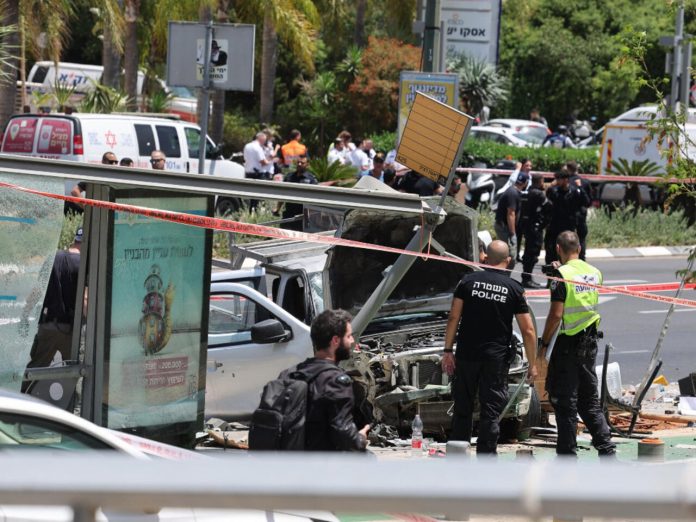
Several injured in Tel Aviv car-ramming and stabbing attack

Israel Palestine

Israeli police said on Tuesday they had received a report about “a car that attacked a number of civilians” in north Tel Aviv and that the suspect “has been neutralised”.

A medic who examined him at the scene told Israel’s Kan radio that he had been shot dead.

“It appears that the suspect was driving a vehicle travelling from south to north, rammed into pedestrians standing in the shopping centre and proceeded to get out of the vehicle to stab civilians with a sharp object,” police announced, adding that three of those wounded were in a serious condition.

Hamas announced that the car-ramming and stabbing attack in Tel Aviv was carried out by one of its members.

In a statement, it identified the attacker as Abdel-Wahhab Issa Hussein Khalayleh, a 20-year-old from Hebron.

The group added that Khalayleh’s action was “legitimate self-defence” against Israel’s raid in Jenin and against “the crimes of displacement, killing and destruction committed by the occupying forces.”

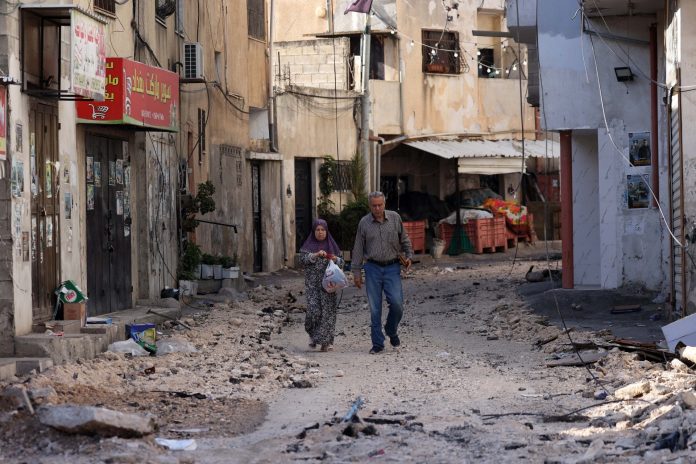
Israel launched a ground and aerial assault on Jenin refugee camp on Monday morning, killing at least ten people and wounding dozens more.

The operation, which was still continuing on Tuesday, has been slammed by Palestinians as a “new war crime“.

Iran’s UN mission: Israel responds only to logic of force, not dialog

Israel Palestine

Based on Iran’s evaluation, the Palestinian people cannot restore the rights that they have been stripped of by Israel, since the regime can be brought to the negotiating table only through the use of force, the mission said.

Early on Monday, more than 1,000 Israeli soldiers backed by air attacks launched a raid on the Jenin refugee camp in the West Bank.

At least 10 Palestinians have been killed in Jenin and one in Ramallah as Israel’s largest assault in decades in the occupied West Bank enters its second day.

UN agencies have raised concerns over the scale of Israel’s assault, adding that first aid responders are being prevented from reaching critically injured people.

Iran officially becomes member state of Shanghai Cooperation Organization

President Seyed Ebrahim Raisi SCO

During the India-hosted SCO summit, which started on Tuesday morning, Iran’s accession to the organization was finalized in the presence of its leaders.

During the meeting, also joined by Iranian President Ebrahim Raisi, Indian Prime Minister Narendra Modi voiced satisfaction with Iran’s official accession to the strategic body.

“I am happy that Iran is going to join the SCO family as a new member,” he said.

Other SCO leaders also offered congratulations to Iran.

The participants also discussed ways to facilitate the membership of Belarus.

The SCO is an eight-member transcontinental political, economic, and security organization.

The organization was founded by China, Russia, Uzbekistan, Kazakhstan, Kyrgyzstan, and Tajikistan at a summit held in Shanghai in 2001.

It is regarded as the world’s largest regional organization in terms of geographic scope and population, covering approximately 60% of the Eurasia region and 40% of the world population.

Iran submitted its initial application to the alliance 15 years ago. At a session held in the Tajik capital of Dushanbe in September 2021, Iran’s candidacy was accepted.

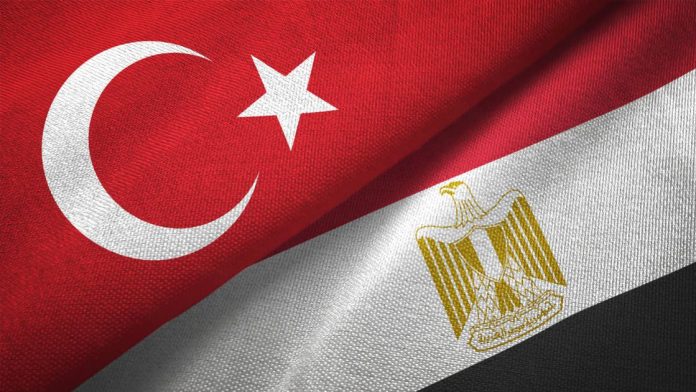
Turkey and Egypt restore diplomatic ties after a decade

Turkey Egypt

Consultations between senior foreign ministry officials in Ankara and Cairo began in 2021 as Turkey sought better ties with Egypt, the United Arab Emirates, Israel and Saudi Arabia.

Normalisation between Ankara and Cairo accelerated after Egypt’s President Abdel Fattah al-Sisi and his Turkish counterpart Recep Tayyip Erdogan shook hands in Doha at the World Cup in 2022.

Sisi and Erdogan agreed to exchange ambassadors in May.
Amr Elhamamy will become Egypt’s ambassador in Ankara while Turkey nominated Salih Mutlu Sen to become its ambassador in Cairo, the Egyptian foreign ministry said.

The two countries have not had ambassadors since 2013, when Egypt expelled Turkey’s ambassador and accused Ankara of backing organisations bent on undermining the country.