Sunday, April 19, 2026
Home Blog Page 132

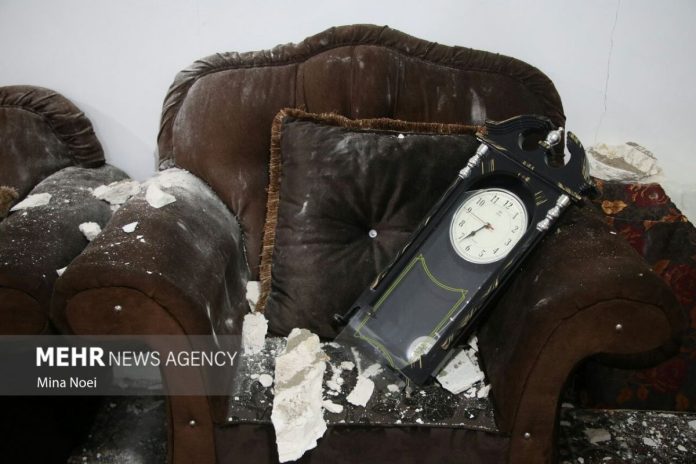
Magnitude 5.4 earthquake strikes Iranian provinces of Sistan-Baluchestan, Kerman

Earthquake Iran

According to the Seismological Center of the Institute of Geophysics, University of Tehran, the quake occurred at 08:36 local time.

The epicenter was recorded at a depth of 28 kilometers, near the town of Zahakloot in Jazmourian County.

The nearest cities to the epicenter were Zahakloot (47 km, Kerman Province), Masjed Hazrat Abolfazl (64 km, Sistan-Baluchestan), and Galmourti (70 km, Sistan-Baluchestan).

Mohammad Ali Arabnejad, Deputy Director of Crisis Management in Kerman Province, confirmed that the quake occurred in an uninhabited area and caused no damage or casualties.

He stated that emergency teams remain on full alert and field assessments are ongoing.

Officials said the seismic activity has not disrupted local services and urged residents to remain calm while staying informed through official channels.

Iran sits on several major fault lines and is prone to frequent seismic activity.
Iranian parliament speaker: Majlis is offspring of Constitutional Revolution

Mohammad Bagher Ghalibaf

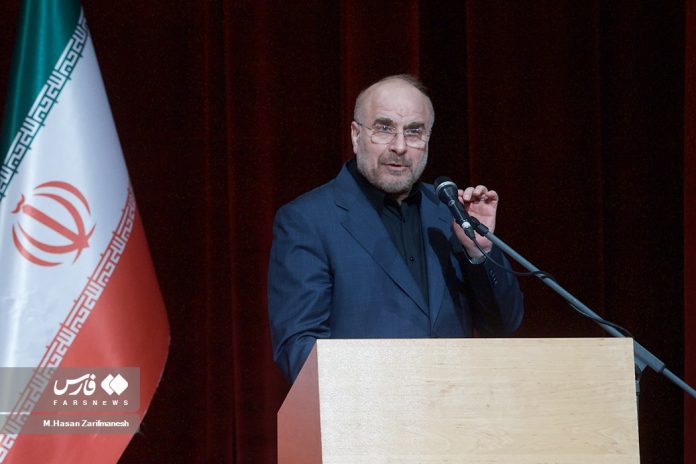
Speaking at the opening of Tuesday’s parliamentary session, Ghalibaf said, “The Majlis is the offspring of the Constitutional Revolution and a valuable legacy entrusted to us.”

He called the revolution, which began on August 5, 1906, a significant turning point in modern Iranian history, rooted in public demands for justice and the rule of law.

While acknowledging the challenges faced by the movement, including foreign interference and internal setbacks, Ghalibaf described the revolution as a grassroots effort inspired by the Iranian people’s religious and social consciousness.

He said the Constitutional Revolution was not merely a political transformation but a foundation for Iran’s early experiences in establishing religious democracy and resisting tyranny.

Its legacy, he added, lived on in the nationalization of the oil industry and the Islamic Revolution.

Ghalibaf concluded by honoring the memory of constitutional-era martyrs and figures such as Sheikh Fazlollah Noori, reaffirming the Parliament’s commitment to uphold its historical and legal responsibilities.

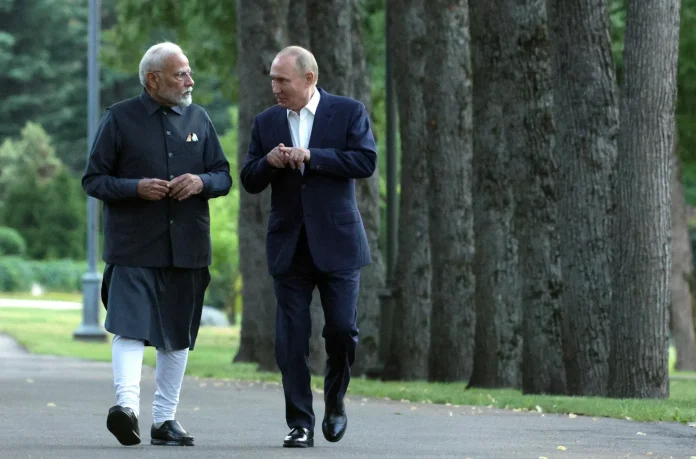
Trump pledges to raise tariff on India over Russia oil purchases

New Delhi quickly pushed back, saying the move was unjustified and vowing to protect its interests.

Trump’s heightened pressure on India comes after he signaled fresh sanctions on Moscow if it did not make progress by Friday towards a peace deal with Kyiv, more than three years since Russia’s invasion.

Moscow is anticipating talks this week with the US leader’s special envoy Steve Witkoff, who is expected to meet President Vladimir Putin.

On Monday, Trump said in a post to his Truth Social platform that India was “buying massive amounts of Russian Oil” and selling it for “big profits.”

“They don’t care how many people in Ukraine are being killed by the Russian War Machine,” Trump added.

“Because of this, I will be substantially raising the Tariff paid by India to the USA.”

He did not provide details on what tariff level he had in mind.

Even before the threat, an existing 10 percent US tariff on Indian products is expected to rise to 25 percent this week.

“The targeting of India is unjustified and unreasonable,” India Foreign Ministry spokesman Randhir Jaiswal said in a statement, after Trump’s announcement.

“Like any major economy, India will take all necessary measures to safeguard its national interests and economic security.”

India has become a major buyer of Russian oil, providing a much-needed export market for Moscow after it was cut off from traditional buyers in Europe because of the war.

That has drastically reshaped energy ties, with India saving itself billions of dollars while bolstering Moscow’s coffers.

But India argued it “began importing from Russia because traditional supplies were diverted to Europe after the outbreak of the conflict.”

The world’s most populous country is not an export powerhouse, but the United States is its largest trading partner.

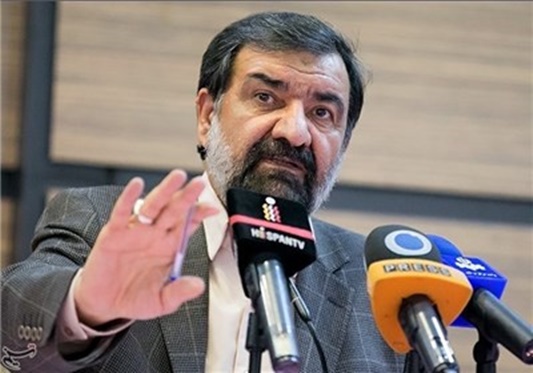
Former IRGC chief commander: Peace requires power and readiness to repel aggression

Mohsen Rezaei

Rezaei said if Iran seeks peace and security on its soil, it must be fully prepared to suppress aggressors and defeat any force that violates the country’s sovereignty.

Rezaei then spoke about Iran’s “new defensive system”, established during the eight-year war with Iraq, as a key factor in safeguarding the nation’s territory.

The member of Iran’s Expediency Council referred to the 12-day Israeli war on Iran, saying the Islamic Republic was “completely successful” in that war.

Rezaei further noted that the martyrs of that war inspired a national awakening.

“Their blood brought insight to our people, especially the youth, and helped them recognize the true enemies of Iran,” he added.

Rezaei reiterated Iran leader’s call for constant military readiness, saying peace is possible only through strength, deterrence, and vigilance.

Iranian MP: No physical access to nuclear sites to be granted to IAEA officials

IAEA

Vahid Jalalzadeh stressed that the IAEA team, expected in Iran next week, will be strictly limited to technical and expert-level discussions with Iranian officials.

“According to legislation passed by Parliament, under no circumstances will the delegation or any foreign body be allowed physical access or inspection of Iran’s nuclear installations”, he said.

Jalalzadeh further noted that the visit, coordinated by the Atomic Energy Organization of Iran (AEOI), does not include provisions for granting inspection rights or site access requested by the agency.

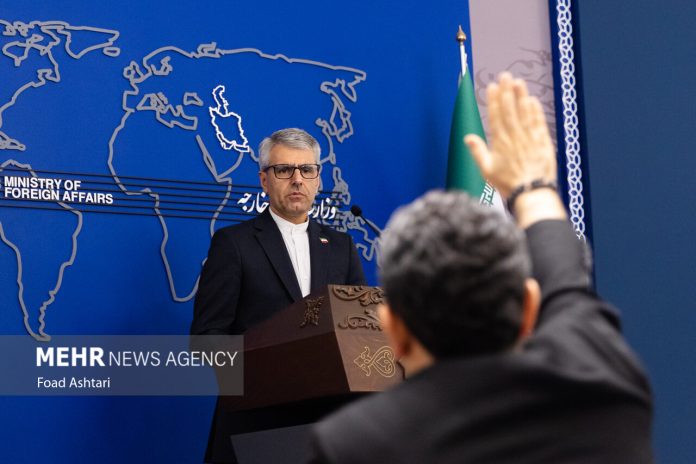
Iranian Foreign Ministry Spokesman Esmail Baqaei, confirmed on Monday that an IAEA official would arrive in Tehran within ten days.

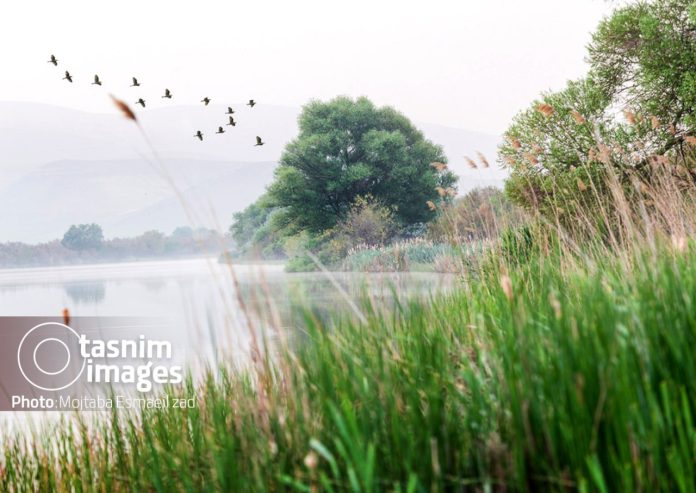
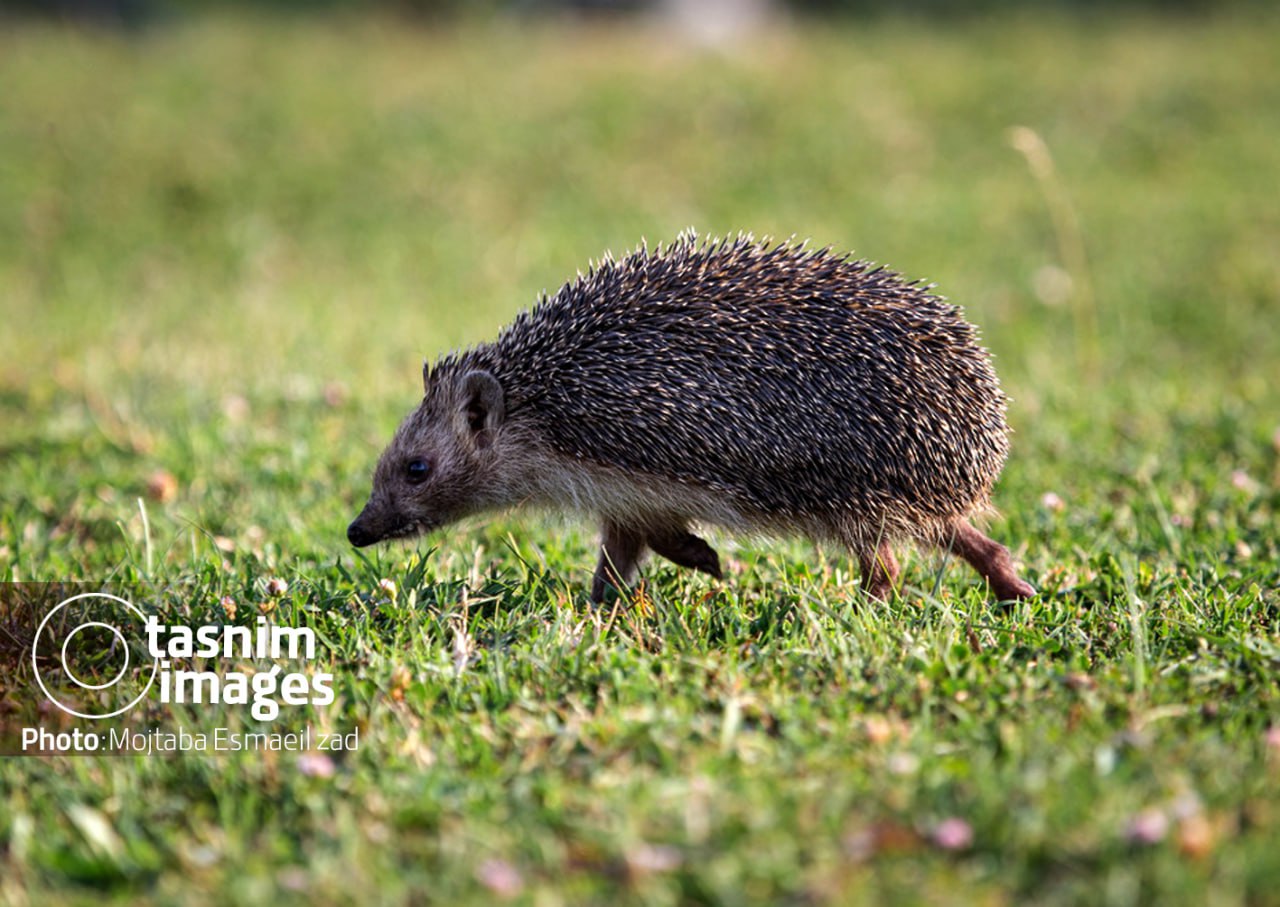
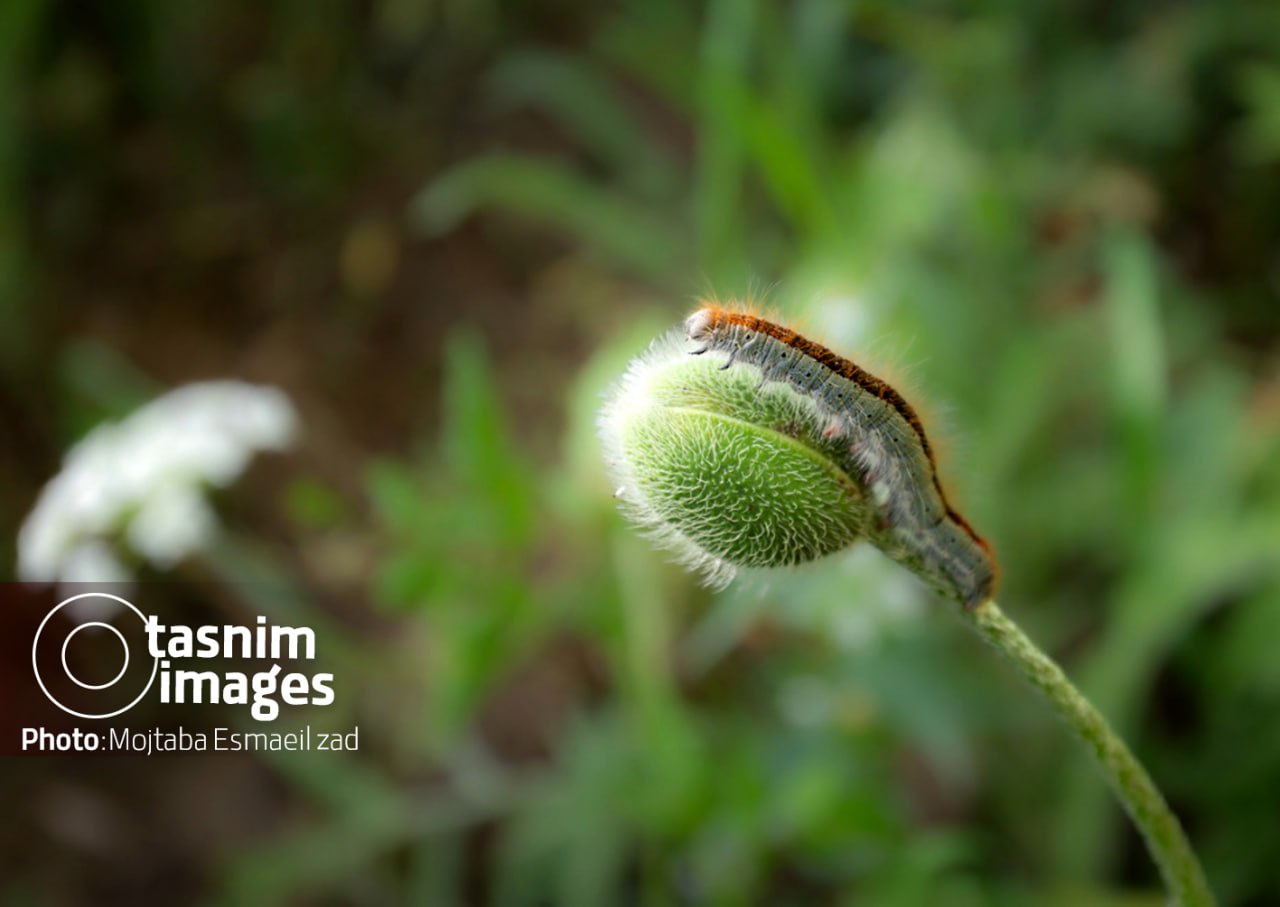
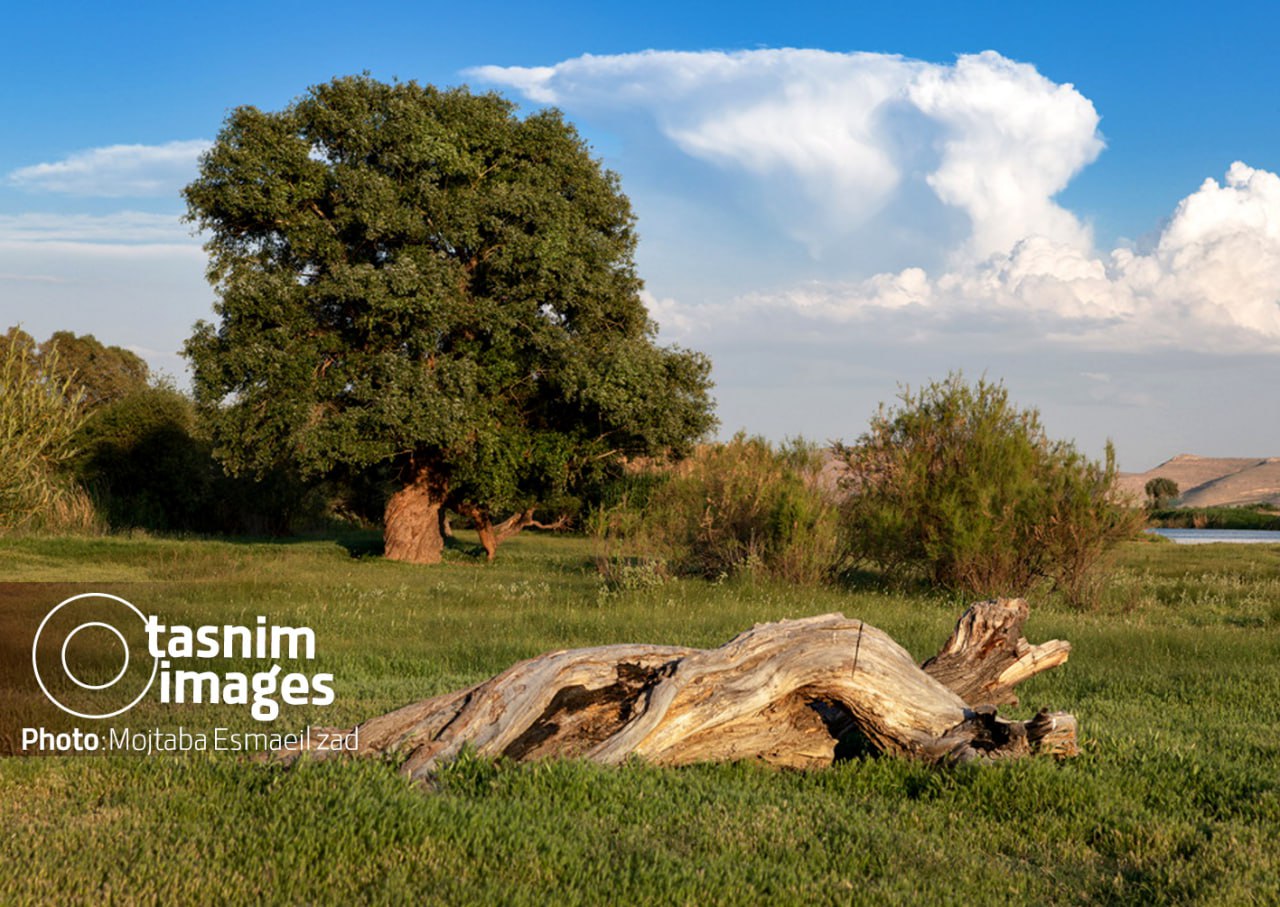
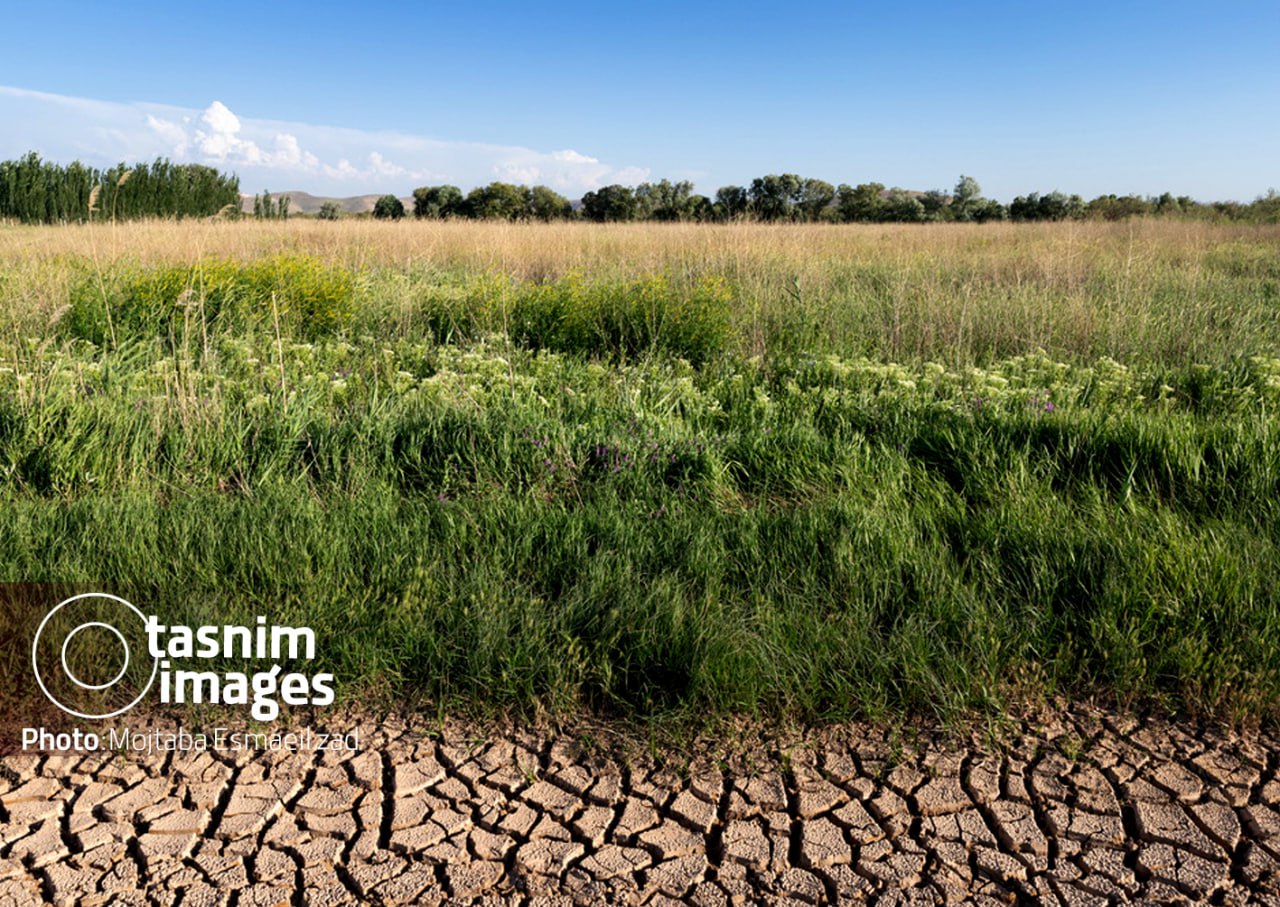
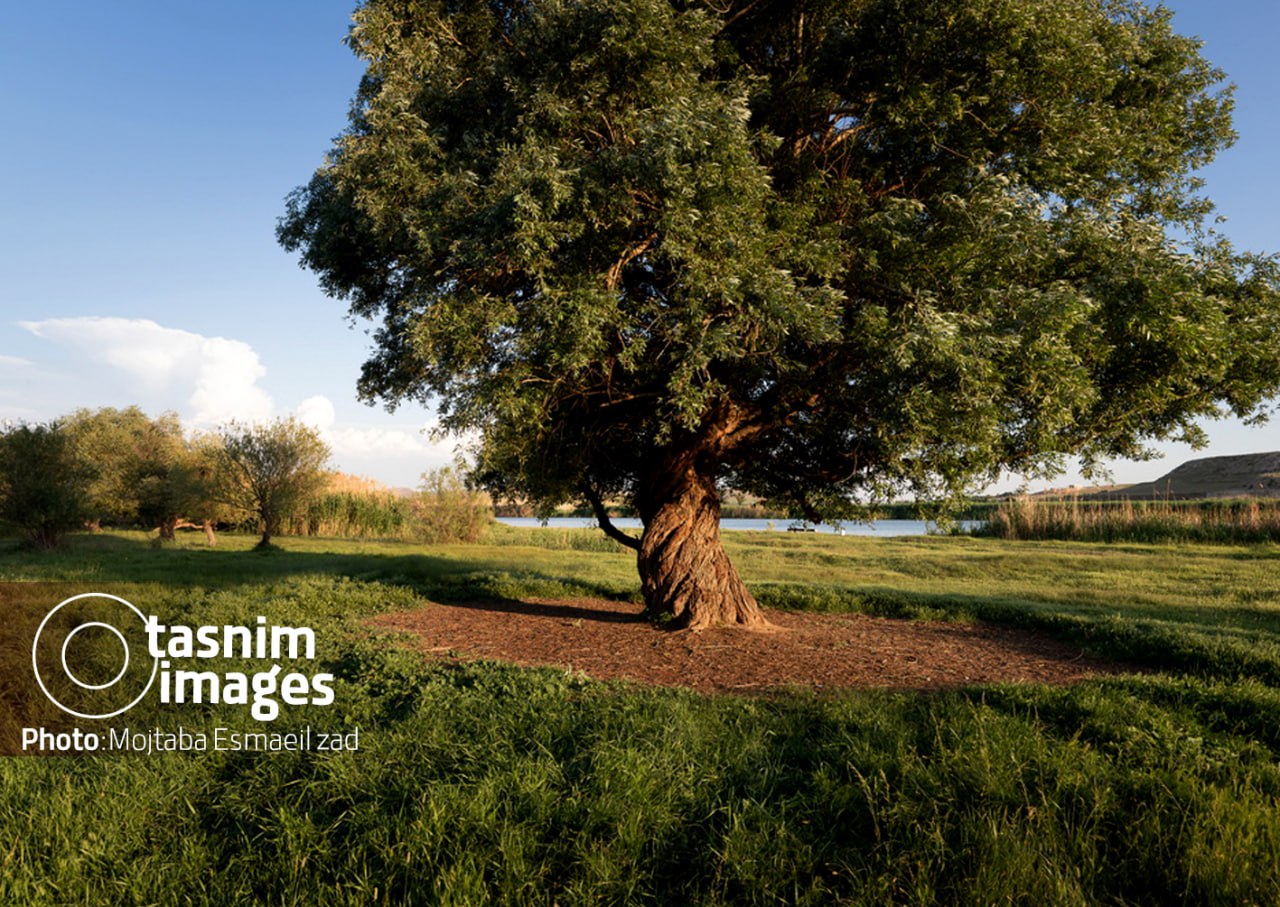
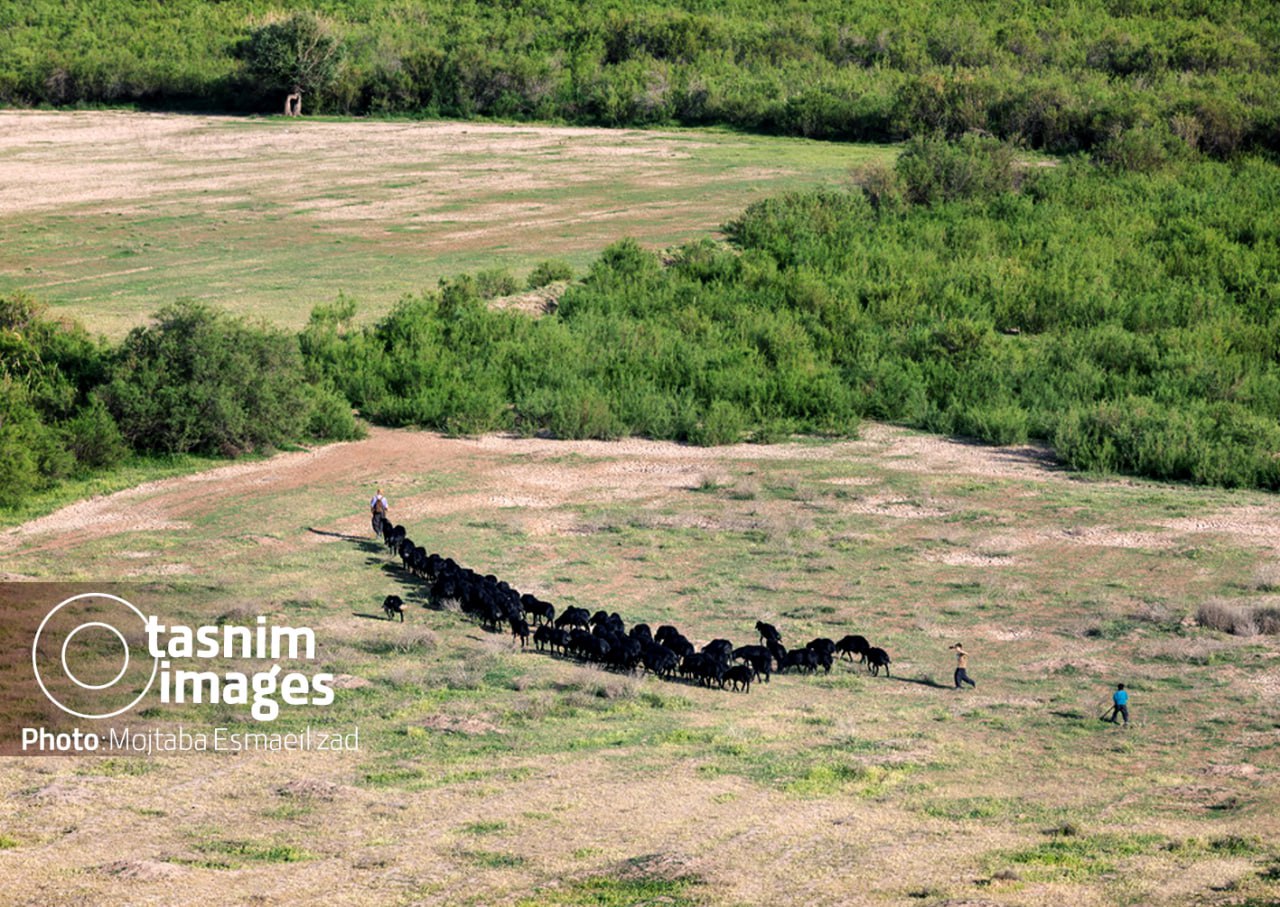
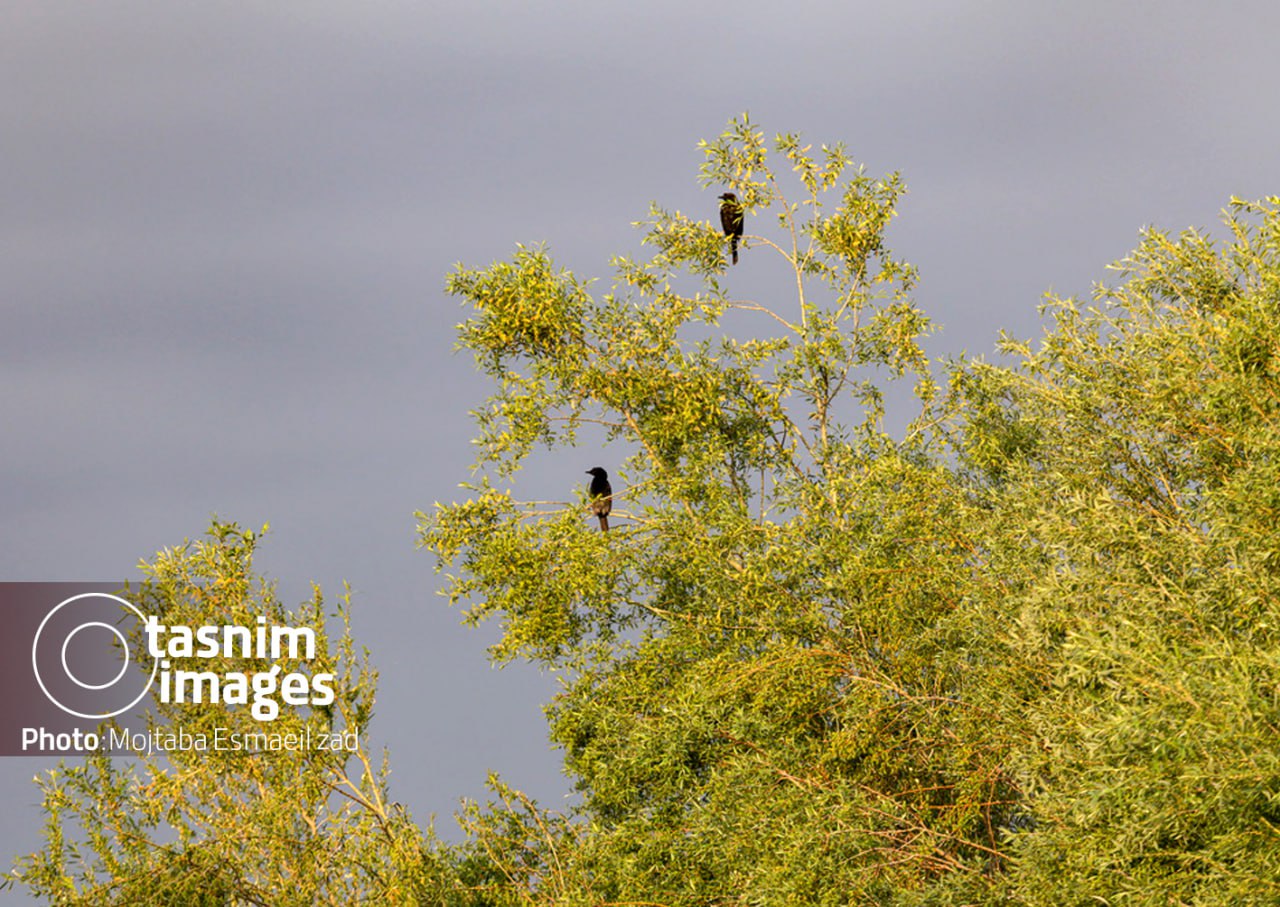
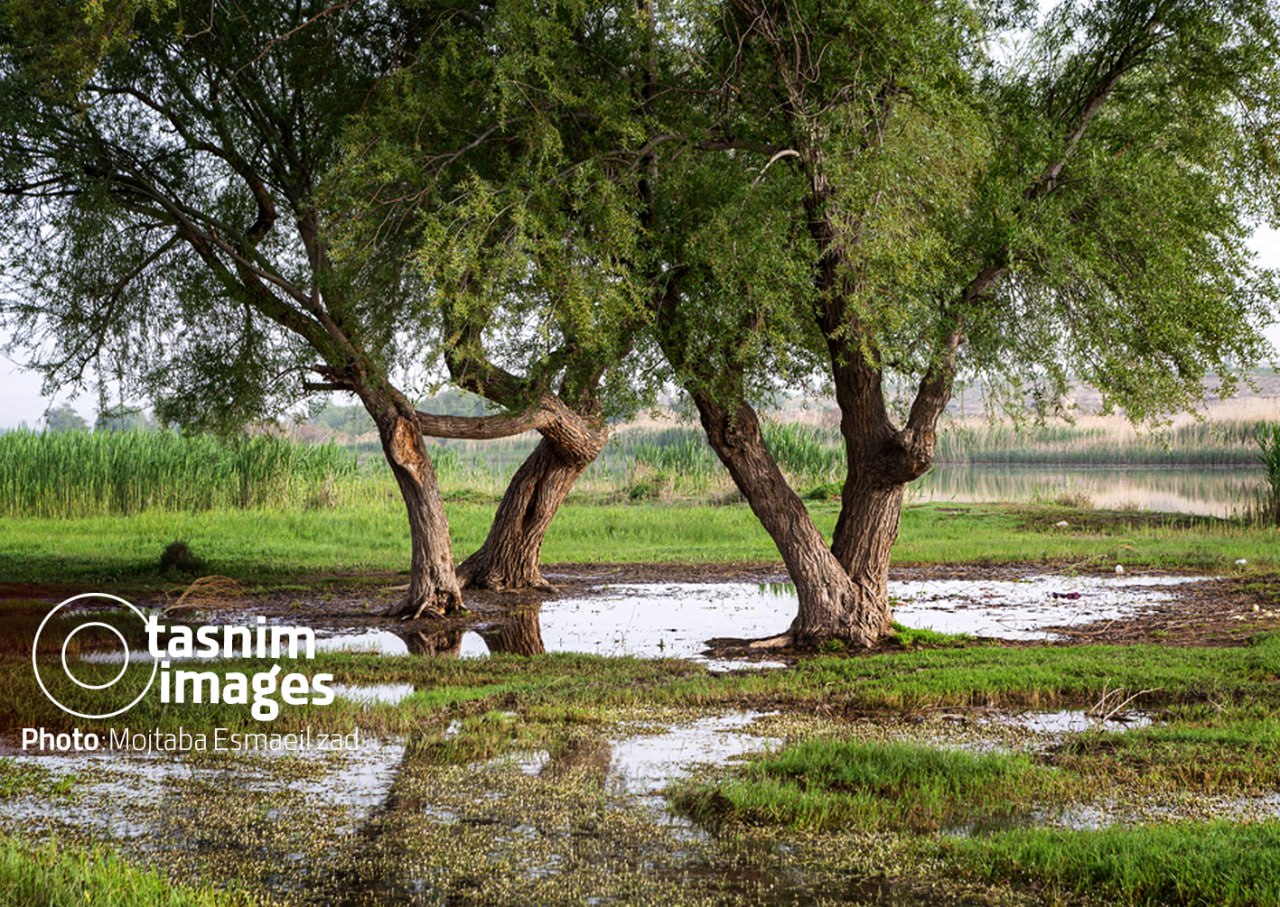
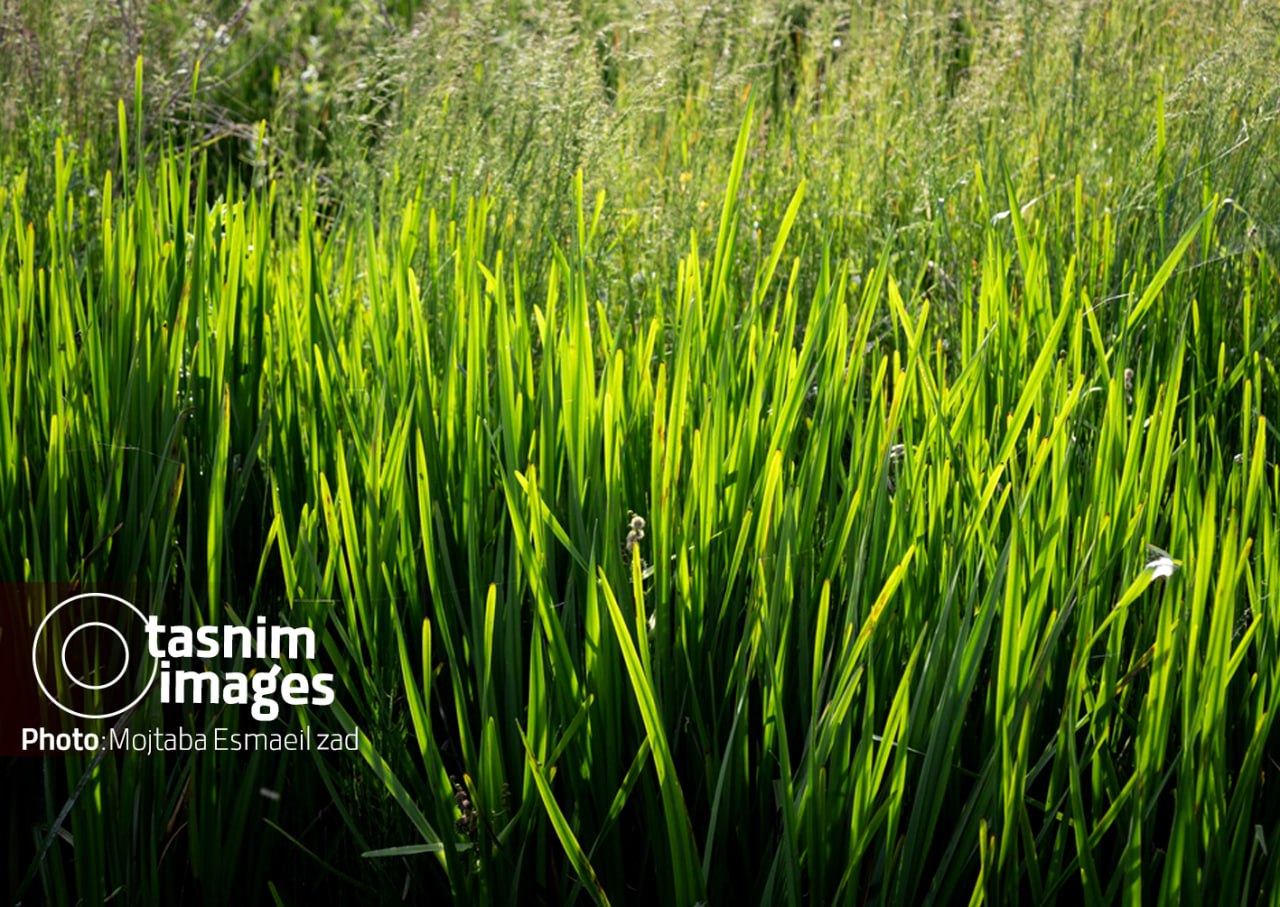
Photo report: Nowruzlu Wetland protected area in Miandoab, northwestern Iran

This permanent wetland is fed by the Zarrineh River, which provides vital water resources year-round.

The area is rich in biodiversity and is home to a wide variety of plant and animal species.

It is managed and protected by Iran’s Department of Environment to ensure ecological balance and conservation of natural habitats.

More in picture:

Mohammad Hossein Omid appointed as president of University of Tehran

The session took place at the council’s secretariat and focused on evaluating the academic, research, and administrative qualifications of the candidates.

According to the council, Mohammad Hossein Omid was officially approved as the new president of the University of Tehran following a vote by the committee members.

Khosropanah, who also chairs the university presidents’ approval committee, stated that all proposed individuals underwent careful evaluation.

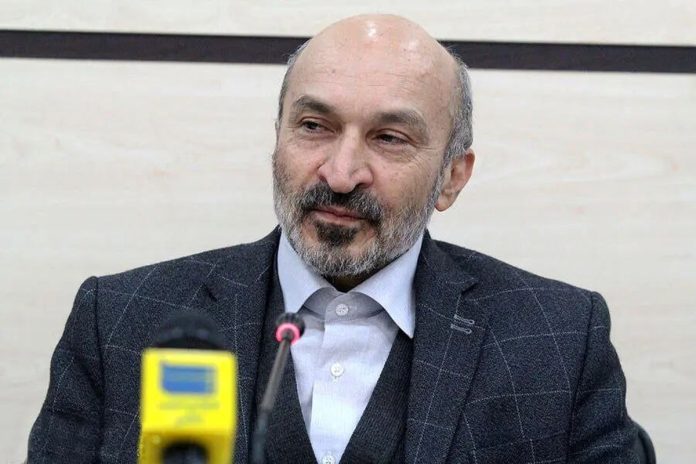
Among those confirmed were Mohammad Hassanzadeh Mahmoudabad (University of Mohaghegh Ardebili), Alireza Afsharifar (Shiraz University), Hamid Taheri (Imam Khomeini International University), Adel Si-o-Seh Mardeh (University of Kurdistan), and others. The appointment of Dr. Fariba Mohammadi as head of the Sports Science Research Institute was also confirmed at the meeting.

New details emerge about Israeli missile strike on Iranian Supreme National Security Council meeting

According to Jafar Ghaempanah, President Massoud Pezeshkian and other officials were inside the meeting venue when several explosions caused the building to fill with dust and led to a power outage.
The participants were split into smaller groups to locate a safe exit.

President Pezeshkian, who could barely see the light, reportedly only “the size of two palms,” due to the debris, cleared debris to open a passage.

After finding an exit, he helped others escape as well, he noted, adding the group then boarded a damaged vehicle and returned to work shortly after.

Ghaempanah stated that the site was hit two more times following their evacuation. Tragically, several rescue personnel were killed in the subsequent attacks.

The incident marks one of the most direct and high-risk assaults on Iran’s top tier officials during the escalation that started by the Israeli aggression on June 13.

Top Trump aide accuses India of financing Russia’s war against Ukraine

“What he (Trump) said very clearly is that it is not acceptable for India to continue financing this war by purchasing the oil from Russia,” said Stephen Miller, deputy chief of staff at the White House and one of Trump’s most influential aides.

Miller’s criticism was some of the strongest yet by the Trump administration about one of the United States’ major partners in the Indo-Pacific.

“People will be shocked to learn that India is basically tied with China in purchasing Russian oil. That’s an astonishing fact,” Miller said on Fox News’ “Sunday Morning Futures.”

Indian government sources told Reuters on Saturday that New Delhi will keep purchasing oil from Moscow despite U.S. threats.

A 25% tariff on Indian products went into effect on Friday as a result of its purchase of military equipment and energy from Russia. Trump has also threatened 100% tariffs on U.S. imports from countries that buy Russian oil unless Moscow reaches a major peace deal with Ukraine.

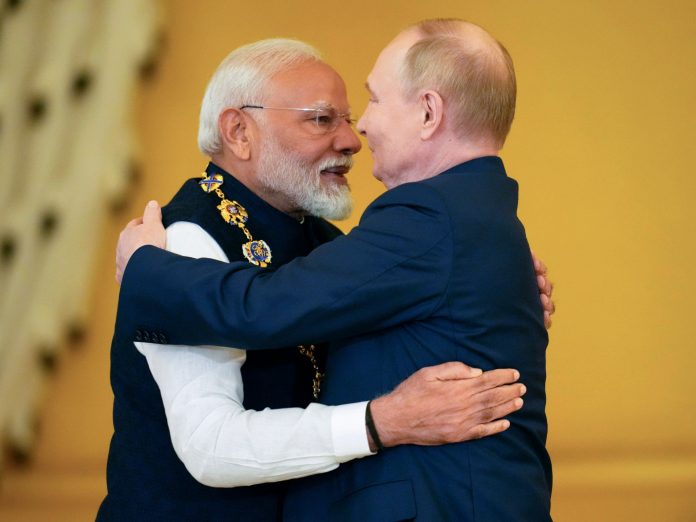
Miller tempered his criticism by noting Trump’s relationship with Indian Prime Minister Narendra Modi, which he described as “tremendous.”

Foreign Ministry Spokesman: IAEA official to visit Tehran

Esmail Baghaei

Esmail Baqaei stressed that Iran remains a member of the Non-Proliferation Treaty (NPT) and the Safeguards Agreement, and as a law-abiding country, it will continue to honor its commitments as long as it retains membership.

He added that Iran’s grievances regarding the IAEA’s politicized conduct are clear, emphasizing that the Agency must act strictly within its technical mandate and avoid succumbing to external pressures.

Baqaei noted that currently no inspectors are present in Iran, and any cooperation with the Agency must be regulated strictly in line with the Iranian Parliament’s resolution.

Regarding the “snapback mechanism” for reimposing anti-Iran sanctions, Baqaei said that the three European countries — the UK, France, and Germany — have no legal right to misuse this mechanism.

He warned that it has become clear to them that resorting to such a tool would certainly have consequences both for the non-proliferation regime and for those three countries themselves.

Baqaei also responded to remarks made by the British foreign secretary against Iran, saying: “He is in no position to make such statements.”

He added that the comments follow the long-standing tradition of that country’s politicians, who, driven by a colonial mindset, are accustomed to making such claims.