Saturday, December 27, 2025
Home Blog Page 1310

Tajikistan vows cooperation with Iran over Shiraz terror attack

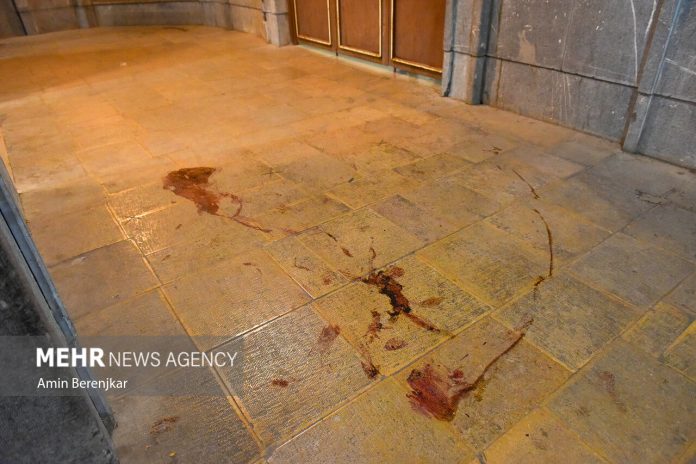
Shiraz Shah Cheragh Terror Attack

Sirojiddin Muhriddin, the Foreign Minister of Tajikistan, strongly condemned the deadly attack and emphasized that the bond between the people of Iran and Tajikistan is resilient enough to withstand the actions of criminal and terrorist elements.

He stated, “We want to assure everyone that this incident will not impact the relationship between our two brotherly nations.”

Muhriddin also expressed Tajikistan’s willingness to collaborate with Tehran if an official request for cooperation is made. This statement comes after it was revealed that the perpetrator of this heinous act was a Tajikistani citizen.

Two people were killed and several others were injured in the terror attack.

Iranian daily slams government’s ‘double standards’ in US policies

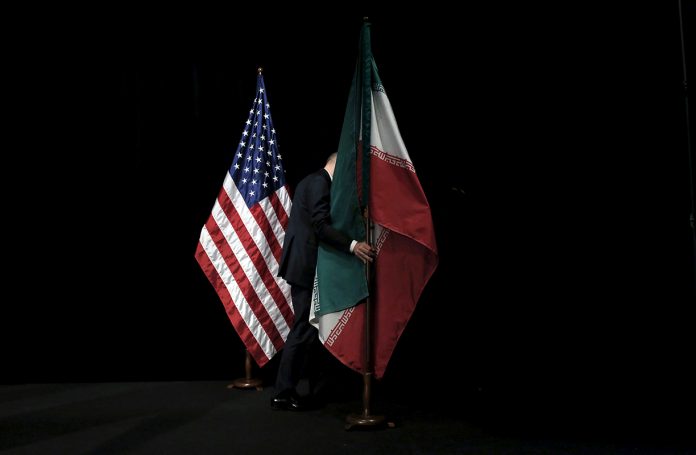
Iran US Flags

Tehran struck a deal with Washington last week to secure the release of its frozen funds blocked in South Korea due to US sanctions.

Iranian Foreign Ministry Spokesperson Nasser Kanaani said on Monday Iran has received the ‘necessary guarantees’ that its frozen assets abroad will be unblocked under the agreement mediated by regional powers.

Iranian daily Jomhouri-e Eslami, in an article on Monday, criticized pro-government newspapers and incumbent officials for heaping praise on the Iranian Foreign Ministry and passing off the ‘guarantees’ as an achievement for Iran’s diplomacy.

Jomhouri-e Eslami noted that the same officials and dailies censured the previous administration of president Hassan Rouhani for receiving assurances that Washington would abide by its commitments, accusing the former nuclear negotiating team of ‘naivety’ for trusting the US.

The daily called on officials to “show some respect to collective memory” and warned that people would lose confidence in the government due to the dual policies.

Dozens killed in fire at fuel station south of Russia

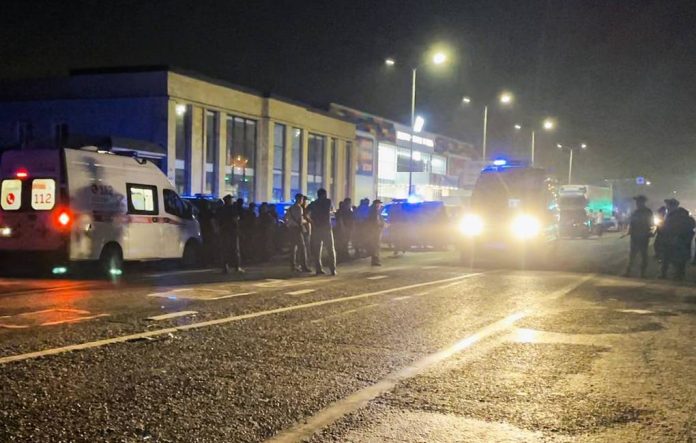
Russia Blast

35 people have been reported dead following an explosion at an auto-repair shop in Makhachkala – the capital of Russia’s southern republic of Dagestan – on Monday evening.

On Tuesday morning, Russia’s Ministry of Emergency Situations (EMERCOM) added that at least 105 people had been injured. The blast also caused a fire and further powerful explosions at an adjacent fuel station.

According to Russia’s Health Ministry, dozens of people – including numerous children – are being treated in hospitals in Makhachkala. It added that many of the injured are in a serious condition.

Local investigators have opened a criminal probe into the incident based on suspicions that services were being provided in an unsafe manner, causing numerous fatalities.

The Telegram channel SHOT posted a video capturing the immediate aftermath of the blast. Footage shows massive bursts of flames rising over a large area near the fuel station, which also appears to be on fire. Plumes of black smoke were seen billowing into the sky. According to some reports, the fire spread from the fuel station to nearby buildings.

More than 70 first responders are now working at the scene, with canine teams involved in the efforts, according to EMERCOM. The region’s governor, Sergey Melikov, said on Telegram that he was personally monitoring the situation.

The first deputy head of the Health Ministry, Viktor Fisenko, flew to Dagestan to ensure that the victims received all necessary medical assistance. Meanwhile, the Emergencies Ministry said the victims would be airlifted to Moscow on a special flight, if necessary.

Poll shows Israel under Netanyahu on verge of collapse

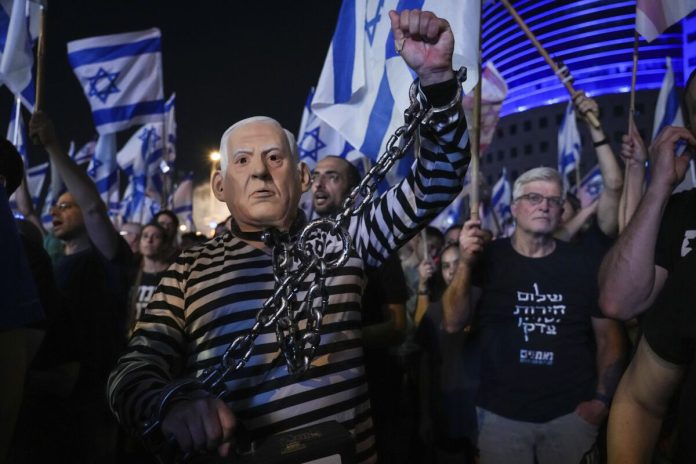
Israel Protest

According to a new poll conducted by the so-called Israel Democracy Institute, 58 percent of respondents think the potential collapse is “due to the severe internal crisis.”

Only a third of respondents disagreed with this assertion, which was widely shared among those on the left but largely rejected by the political right.

Over 60 percent expressed the sentiment that the legislation is bad for democracy while only 35 percent saw it as beneficial.

In case of a collapse, 56 percent of respondents anticipated that the protest movement against the judicial overhaul would grow stronger.

75 percent of respondents on the left stated that their mood is worse than usual, as opposed to 23 percent on the right.

Netanyahu’s push to weaken the power of the judiciary has significantly impacted Israelis’ faith in the future.

Thousands of protesters have rallied for the 32nd straight week against the policies of the hard-right cabinet.

The Netanyahu regime includes far-right and ultra-Orthodox parties. It triggered the demonstrations in January by announcing the judicial overhaul plan, which it then forwarded to the Knesset in the form of several bills.

The changes seek to enfeeble the regime’s high court in favor of the political elite by rendering the former incapable of striking down the decisions that are made by politicians Other proposed changes include giving the cabinet a greater say in the appointment of judges to the court.

Ever since its onset, the protest movement has snowballed into the biggest to have ever been faced by the occupying entity throughout its history.

Israeli soldiers kill 2 Palestinians in West Bank

Israeli Forces in West Bank

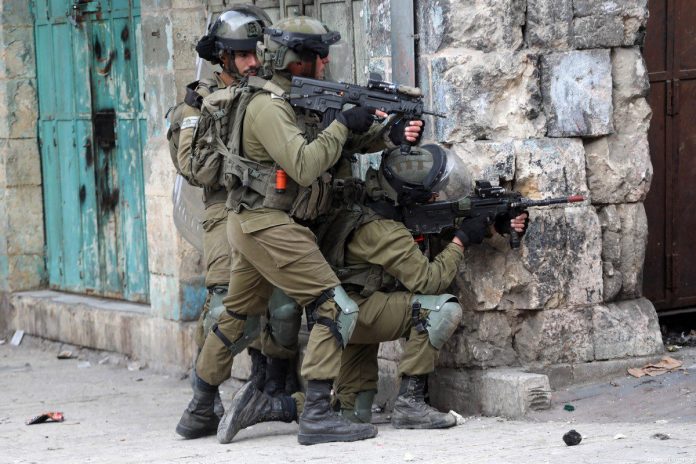
“Two young men were rushed to the hospital with bullets in their chests,” the Jericho Hospital’s director told Reuters on Tuesday.

The Palestinian Health Ministry said 16-year-old Qusay al-Walaji and Mohammed Nujoom, 25, were shot in the chest by Israeli troops “during an attack on Jericho at dawn today” – the first deadly raid in months on Jericho.

Residents in the area said there were armed clashes with Israeli forces but it was not known whether the two slain men were involved. The raid lasted for less than an hour, the residents added.

Violence in the occupied West Bank has worsened over the past months amid Israeli raids on refugee camps in the territory, deadly attacks by Jewish settlers on Palestinian villages and Palestinian street attacks on Israelis.

The French news agency AFP reported that the two people killed in Jericho brings to 216 the number of Palestinians killed by Israeli forces so far this year.

Some 28 Israelis, one Ukrainian and one Italian have also been killed, according to an AFP tally compiled from official sources on both sides.

UN rights experts denounce idea of ‘reformed’ Taliban

Taliban

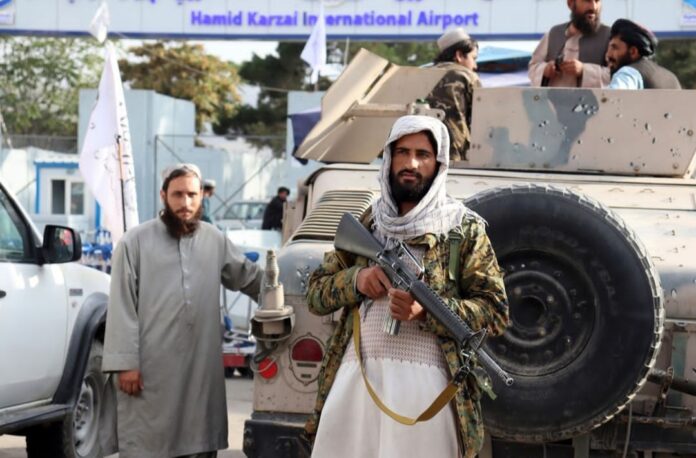
The gap between promises and practices by Afghanistan’s de facto authorities has widened during this period, they said, denouncing the idea of a “reformed” Taliban.

They added Taliban policies imposed on the population “have resulted in a continuous, systematic and shocking rescinding of a multitude of human rights, including the rights to education, work, and freedoms of expression, assembly and association.”

The experts cited consistent credible reports of summary executions and other violations, including acts tantamount to enforced disappearances, widespread arbitrary detention, torture, and ill treatment, as well as arbitrary displacement.

Hardest hit are women and girls; ethnic, religious and other minorities; people with disabilities, displaced persons, and LGBTQ+ persons (lesbian, gay, bisexual, transgender, queer and others). Human rights defenders and other civil society representatives, journalists, artists, educators, and former government and security officials, are also affected.

“Despite reassurances by the Taliban de facto authorities that any restrictions, particularly in terms of access to education would be temporary, the facts on the ground have demonstrated an accelerated, systematic, and all engulfing system of segregation, marginalization and persecution,” they stated.

They noted that in comparison to last year, discrimination against women and girls has deepened, subjecting them “to total domination so egregious, that the collective practices constitute gender persecution, a crime against humanity”.

Last December, Afghan women were barred from working with humanitarian organizations, which was later expanded to include UN agencies. The Taliban also prohibited girls from attending secondary school. Recently, de facto authorities in several provinces reportedly stopped allowing girls over the age of 10 from attending school.

“Women have even been denied the ability to seek comfort in some of their own spaces such as beauty salons that were frequented and run by women, as these have been recently ordered to close,” the experts continued.

Furthermore, promises for a more inclusive form of government did not materialize, the amnesty for former government and military officials is being violated, and guidelines to stop torture and ill treatment in detention centres are often ignored, among other concerns.

The de facto authorities also have introduced the use of cruel and undignified punishments such as stoning, flogging and burying under a wall in contravention of international human rights standards, they said, adding that “the concept of a “reformed” Taliban has been exposed as mistaken.”

The rights experts issued a six-point appeal that called for the Taliban to immediately reverse the treatment of women and girls, including allowing them to enjoy all human rights such as the rights to freedom of movement, participation in political and public life, and access to education.

The Taliban should also end reprisals against former government and security officials, as well as civil servants, and uphold the general amnesty. The appeal further called for ending arbitrary detentions and torture, ensuring that civil society and journalists can function without undue hindrance, and enforcing measures to prevent discrimination against ethnic and religious minorities.

The experts also highlighted the dire humanitarian situation in Afghanistan, which is occurring amid an economic downturn, with an estimated 16 million children not receiving basic food or healthcare. The situation is driving harmful practices such as child marriage, abuse, exploitation, and even the sale of children and body organs.

Nearly 30 million Afghans require assistance, an all-time high. However, the UN humanitarian affairs office, OCHA, recently reported that a $3.2 billion plan to support them faces a “critical funding gap” of $1.3 billion.

The experts feared that the consequences could include discontinuation of community-based classes, reduced food assistance, and closure of health facilities.

“Moreover, these dire conditions, compounded by a plethora of restrictions, and a lack of employment opportunities may lead to harmful coping mechanisms such as joining criminal or armed groups,” they warned.

“Many Afghans continue to leave the country out of desperation. While countries that are receiving Afghans should be commended, many Afghan refugees reside in host countries in desperate circumstances”.

The experts called for the international community “to commit to the people of Afghanistan with renewed vigour and increased unity”, if the situation is to change.

They urged decisive action that includes “ensuring political engagement with all Afghan interlocutors manifests a human rights centered and gender integrated approach”, bridging the humanitarian funding gap, and finding ways to provide aid that reaches the Afghan people directly.

Among the other measures called for are supporting investigation and accountability mechanisms for human rights violations, recognizing the treatment of women and girls by the Taliban as gender persecution, and stepping up commitment to Afghan refugees and migrants.

The 31 experts who issued the statement were appointed by the UN Human Rights Council to monitor and report on specific country situations or thematic issues.

They include Richard Bennett, Special Rapporteur on Afghanistan; Reem Alsalem, Special Rapporteur on violence against women and girls; Farida Shaheed, Special Rapporteur on the right to education, and the members of the Working Group on enforced or involuntary disappearances.

Special Rapporteurs and other independent experts serve in their individual capacity and are independent of any Government or organization.

They are not UN staff and do not receive payment for their work.

Iranian filmmaker Roustayi given six-month sentence

Saeed Roustayi

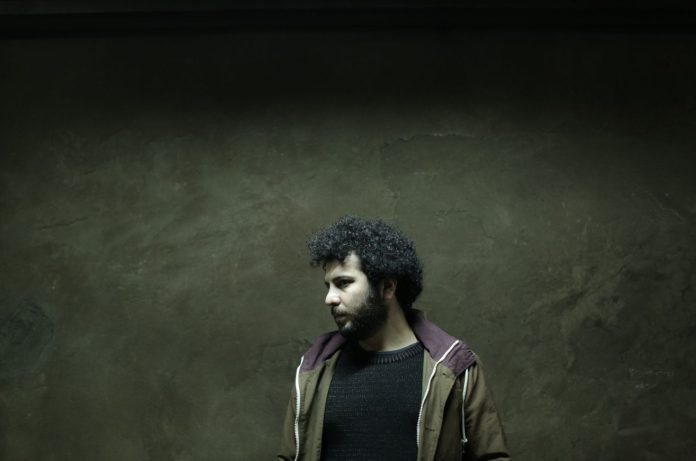
According to the verdict issued by the court, Roustayi is banned from all cinematic activities during the six-month sentence and has to take courses on “filmmaking while preserving national and moral interests.”

Roustayi’s Leila’s Brothers failed to get a permit for screening in Iran for its caustic criticism of Iranian society and family reeling from economic sanctions.

While the movie was screened in international festivals, including Cannes and Munich, and won international accolade, it drew the wrath of some critics and officials in Iran for ‘insulting’ Iranian families and presenting a ‘spiteful and ugly’ image of traditions.

In an interview on the sidelines of the Munich Film Festival, Roustaei said, “A large part of my movie deals with sanctions. One can as well make a series about the sanctions and what happened in Iran. The West had problems with the government officials in Iran, but only the people paid the price.”

UN, EU condemn Iran’s shrine terrorist attack

Shiraz Shah Cheragh Terror Attack

The UN spokesman made the remarks in response to a question by IRNA correspondent in New York.

Dujarric said that the UN condemns the attack at the religious site, and sympathized with the people and government of Iran.

“UN Secretary General Antonio Guterres strongly condemns the terrorist attack on Shah Cheragh which is the second of its kind over the past 10 months,” he added.

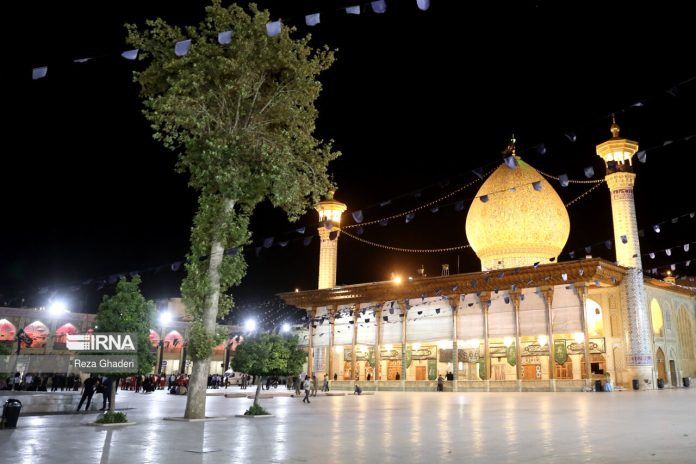
A terrorist went on a shooting spree in the holy shrine in Shiraz on Sunday night, killing two and injuring 10 people.

Iranian President Ebrahim Raisi on Sunday ordered Interior Minister Ahmad Vahidi and Governor of Fars Province Mohammad Hadi Imanieh to swiftly identify and punish the perpetrators of the terrorist attack.

The Shah Cheragh shrine in Shiraz was the scene of a similar attack by armed terrorists last year.

On October 26, 2022, an armed terrorist barged into the shrine, killing 13 pilgrims, including women and children, and injuring dozens more before he was shot and injured by security forces.

US, some European states orchestrated 2022 riots: Iran president

Ebrahim Raisi

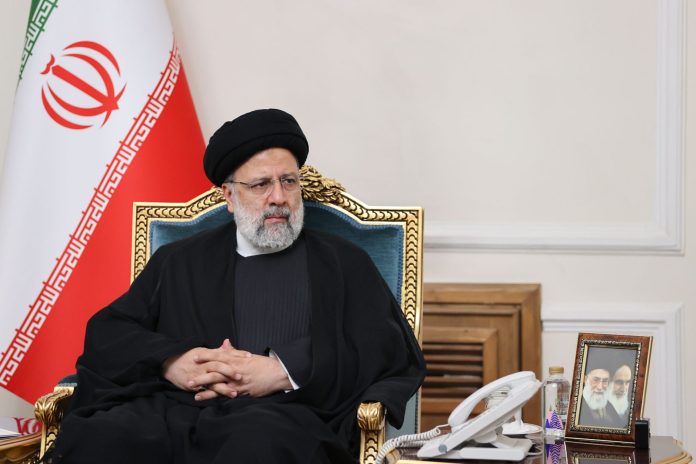
Raisi made the remarks in a Monday meeting with the members of a committee set up to investigate various aspects of 2022 riots.

“The United States and some European countries, along with [Iran’s] adversaries, wronged the Iranian nation and targeted security, calm, businesses and minds of [our] dear people by orchestrating the riots. However, our people foiled their [plot] through steadfastness,” the Iranian president stated.

He stressed that no injustice should be done to even a single person in the course of investigations.

The president added that presenting a “correct and fair narrative” of those incidents based on facts, documents and eyewitness accounts, free from any bias, is among the most important duties of the committee.

The Iranian president noted that reparations must be made for all people whose rights have been violated during the riots or have been harmed in any way.

Foreign-backed riots broke out in Iran last September after the death of Ms. Amini. She fainted at a police station in the capital Tehran and was pronounced dead three days later at the hospital.

An official report by Iran’s Legal Medicine Organization concluded that Amini’s death was caused by illness rather than alleged blows to the head or other vital body organs.

Iran’s intelligence community has said several countries, including the United States and the United Kingdom, used their spy and propaganda apparatuses to provoke violent riots in the country.

Rioters went on a rampage, brutally attacking security officers and causing massive damage to public property.

Hezbollah threatens to return Israel to “stone age” in any war with Lebanon

Hezbollah Leader Sayyed Hassan Nasrallah

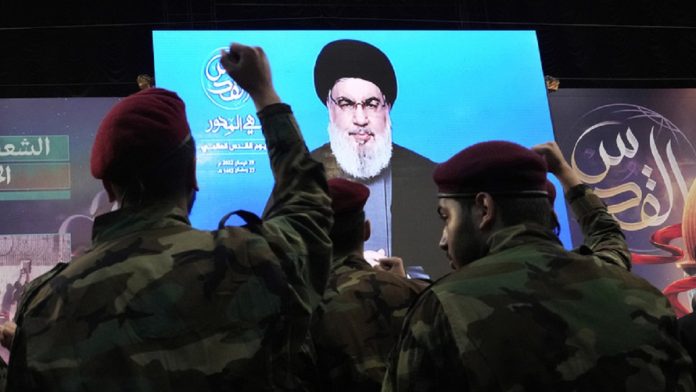
Nasrallah made the remarks on Monday while delivering a speech on the 17th anniversary of Israel’s defeat in the 33-day war against Lebanon in 2006.

The Hezbollah leader was referring to Israeli minister of military affairs’ recent remarks that the regime’s forces would send Lebanon back to the Stone Age in a new war.

“The main point is what Lebanon and the resistance [axis] can do [in case of such a war]. The enemy’s leaders and commanders are well aware of this, but they only pursue media maneuvers, which are of no value to us. We tell the enemy’s commanders that if you enter a new war with Lebanon, you will go back to the Stone Age as well,” Nasrallah said.

Nasrallah noted that 17 years after the war with Lebanon “Israelis have not been able to rebuild the damaged image of their military.”

“The Israeli military is currently at its worst compared to the past … [and this is why] the [Israeli] enemy has moved from an offensive to a defensive position,” the Hezbollah leader continued.

Nasrallah added that the resistance axis is currently having the upper hand in all areas, while Israel is hiding behind walls.

At present, the Hezbollah leader said, resistance against Israel is intensifying both in Lebanon and across the occupied Palestinian territories, especially the West Bank, while conditions in Israel are deteriorating.

“The [Israeli] enemy is not able to calculate the number of precision-strike missiles of the resistance, which are able to destroy key infrastructures of Israel,” Nasrallah added.

He noted that Hezbollah only needs a handful of precision-strike missiles in order to attack all civilian and non-civilian airports, air bases, power and water plants, main communication centers, infrastructures and refineries of Israel.

“If Israel entered into a war with the entire resistance axis, it would actually cease to exist. The enemy’s commanders must know that [in case of a war with the resistance axis] they would have started a game of death. We are not afraid of their threats. Lebanon possesses elements of power, which can create deterrence against the enemy,” Nasrallah stated.

“Today, the enemy is much weaker than the past, while the resistance and its axis have become much more powerful than the past,” the Hezbollah leader said.

He then warned Israel against any encroachment on the rights of the Lebanese people and the country’s natural resources, saying such encroachment will be faced with a crushing response.

“The real guarantee for preservation of Lebanon’s rights and its oil wealth is that our country must maintain all its elements of power, topped by the resistance,” Nasrallah continued, adding, “Those who have been monitoring Israel’s conditions since the 33-day war now clearly see that this regime is going downhill.”

Nasrallah said Israeli authorities hold military maneuvers every year to supposedly bolster their home front, but they have reached the conclusion that this front is not ready for war.

“The missing link in Israel’s home front is distrust [in the regime’s military commanders and political leaders]. The occupiers are not ready to make sacrifices and accept the consequences of war. Since the 33-day war, the image of Israeli army’s invincibility has been shattered and the regime’s military has become weak and incapacitated,” Nasrallah added.

Stressing that the resistance will take back all Lebanon’s border areas from Israel and will act as the country’s main protecting shield, Nasrallah stated, “Today, the enemy is much weaker than 2006 in political, military, popular and mental terms, and the resistance axis is much stronger than that time.”