Friday, December 26, 2025
Home Blog Page 1083

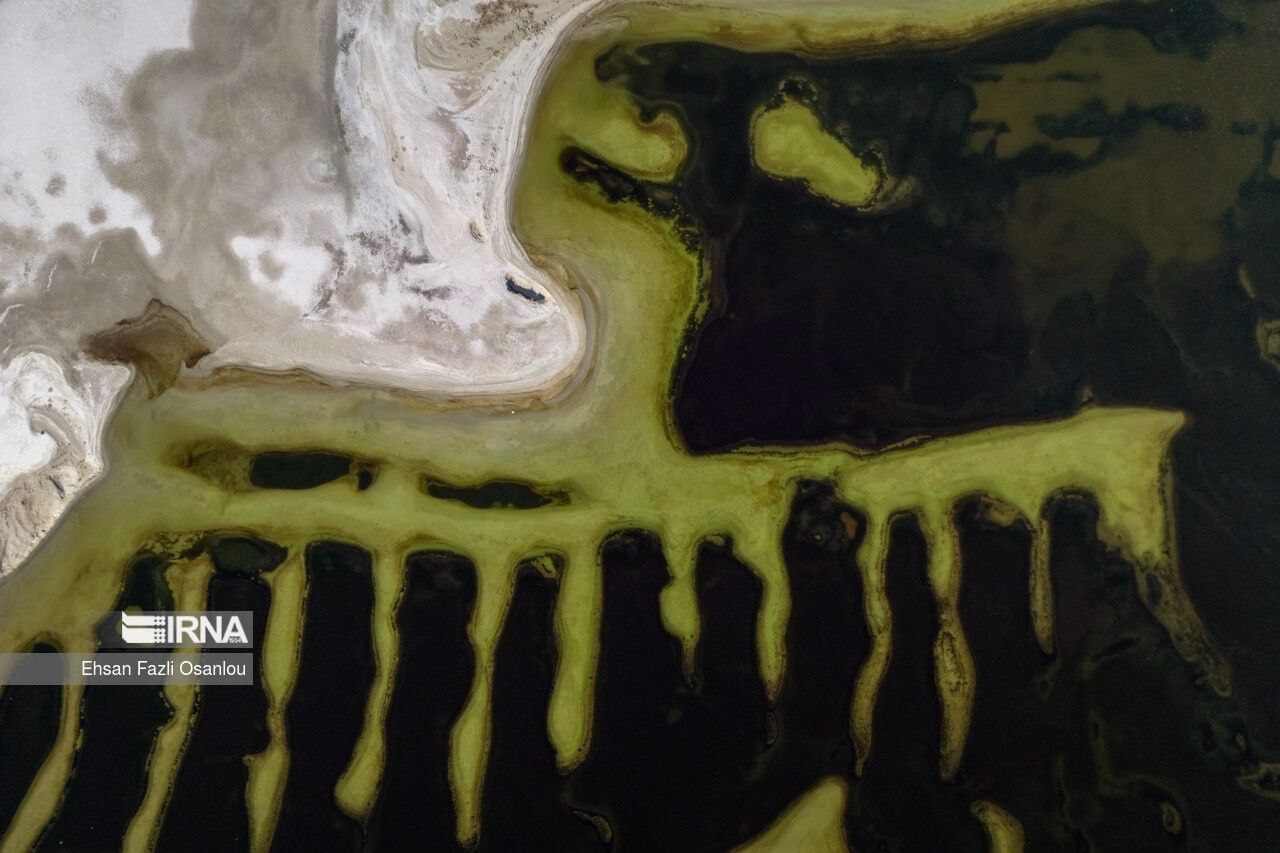
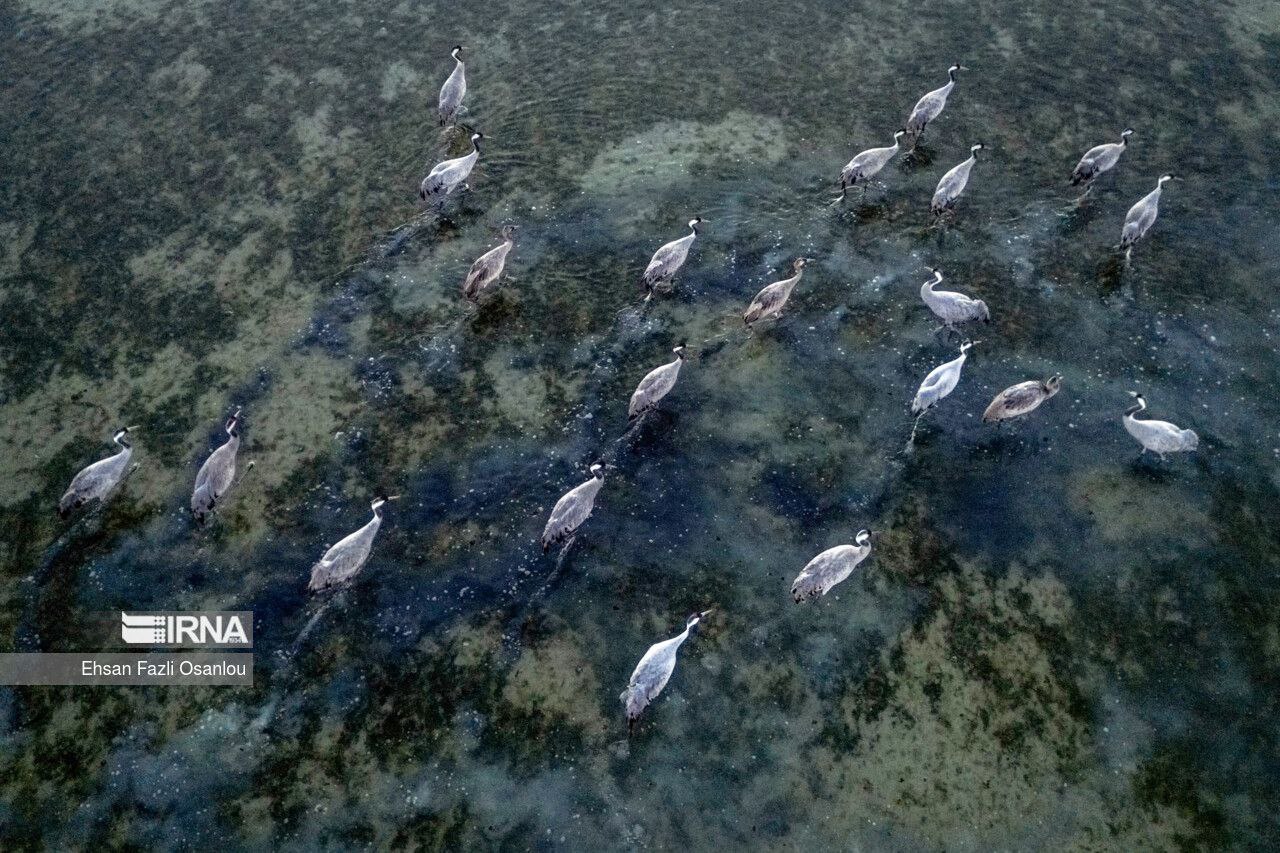
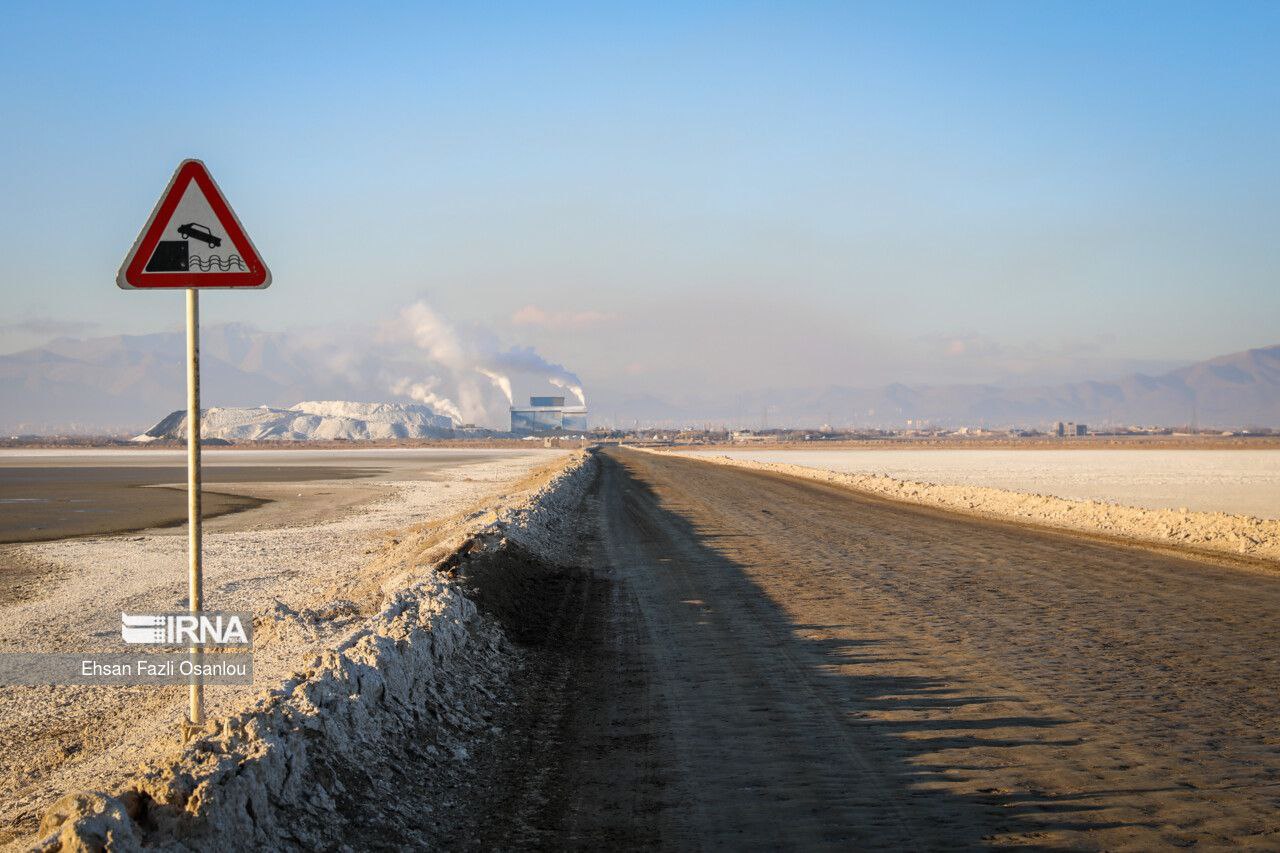
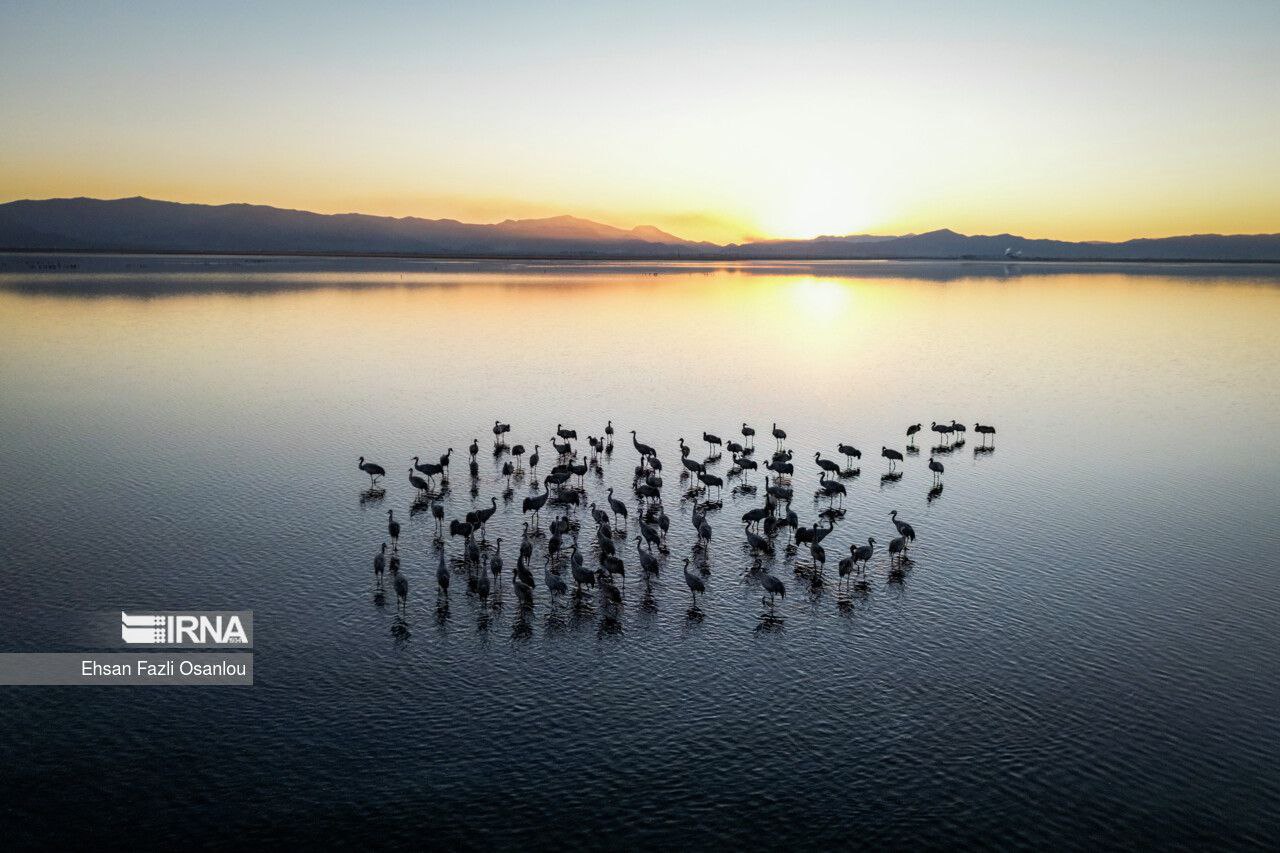
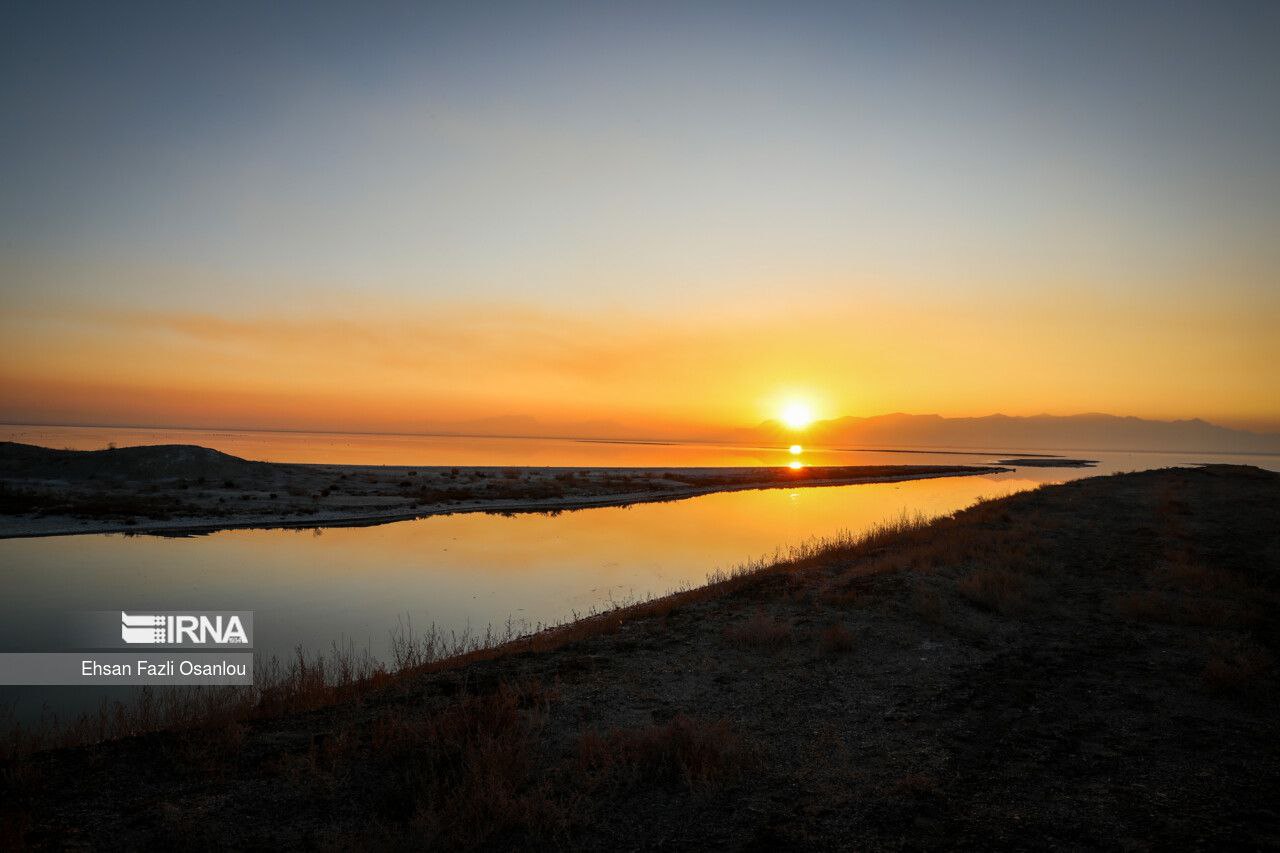
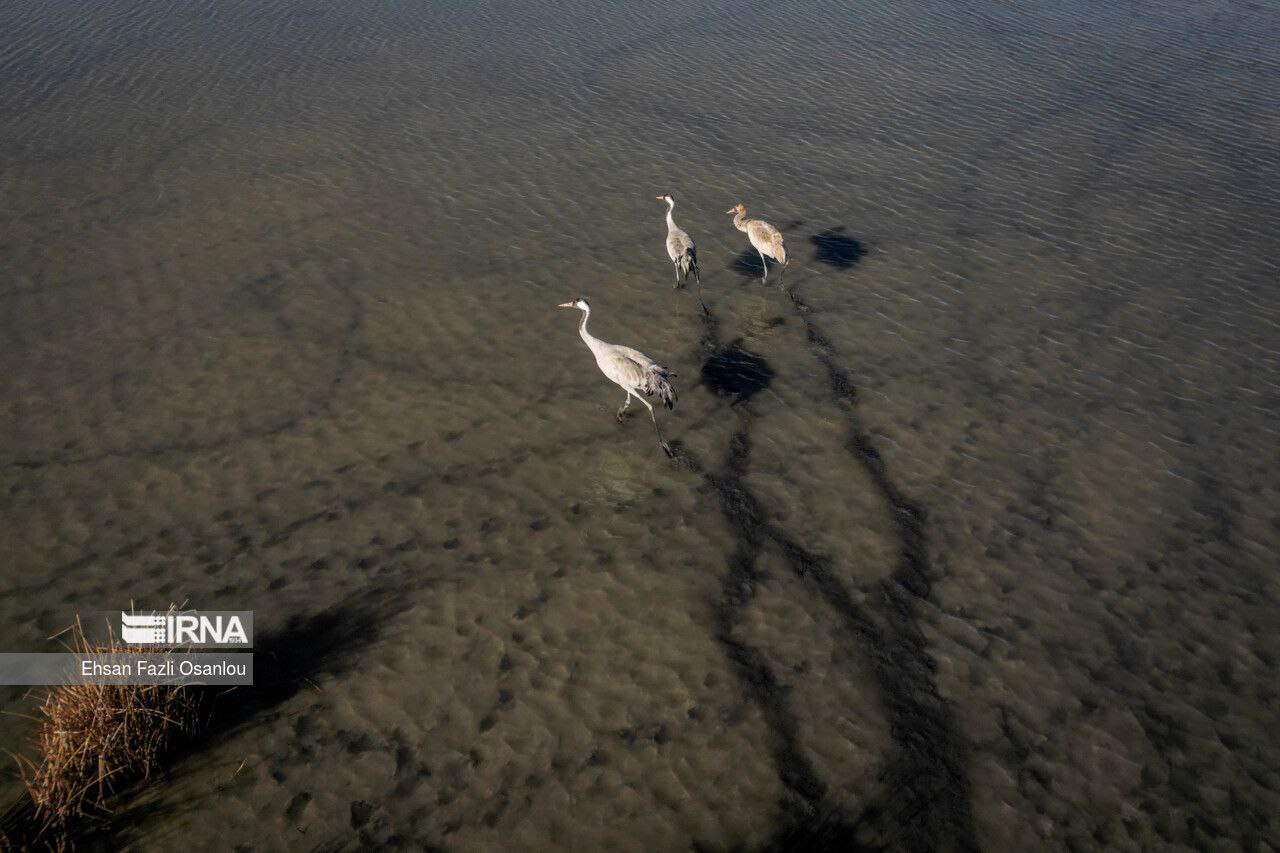
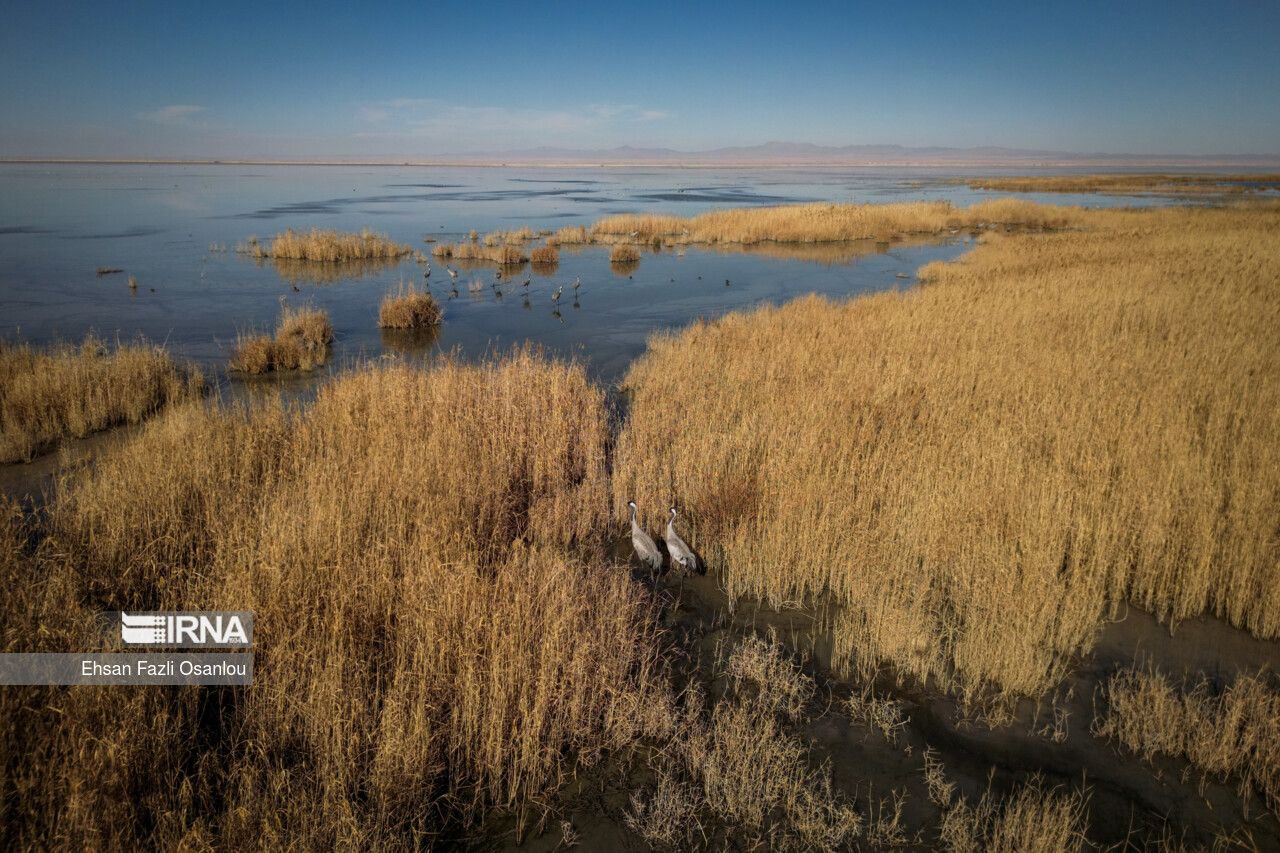
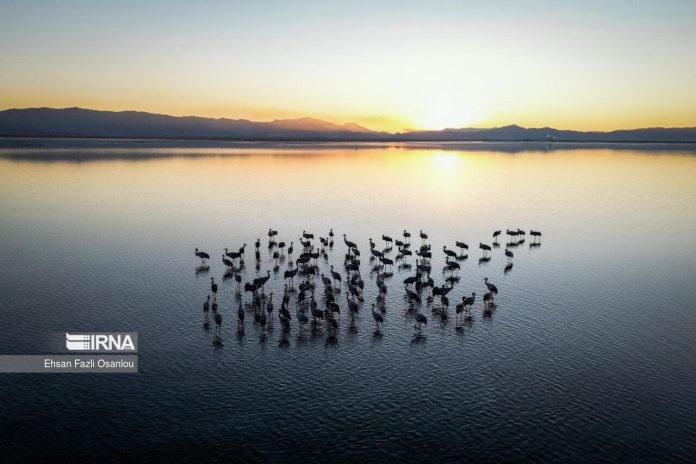
Iran tourism: Miqan among 10 major wetlands in the country

Iran Miqan wetland

This wetland has become one of the most important environments in the country due to the high population of Gruidaes.

The vegetation of the region is more of saline, plants that makes the wetland an important resource of halophytes in the country.

The high number of Gruidae has made the wetland a popular tourist resort.

More in pictures:

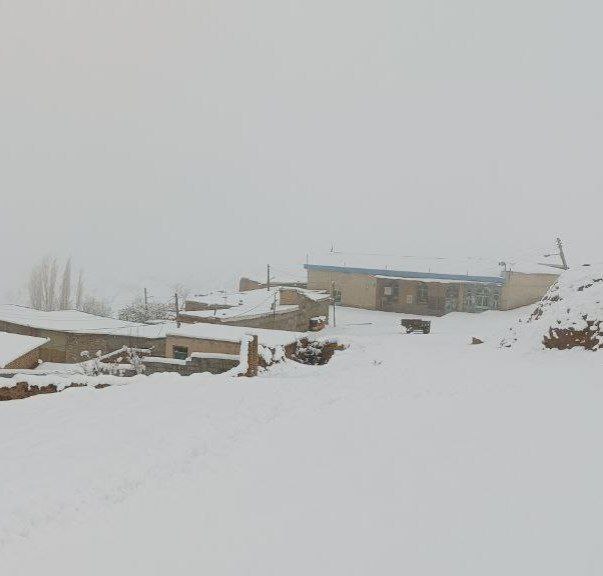
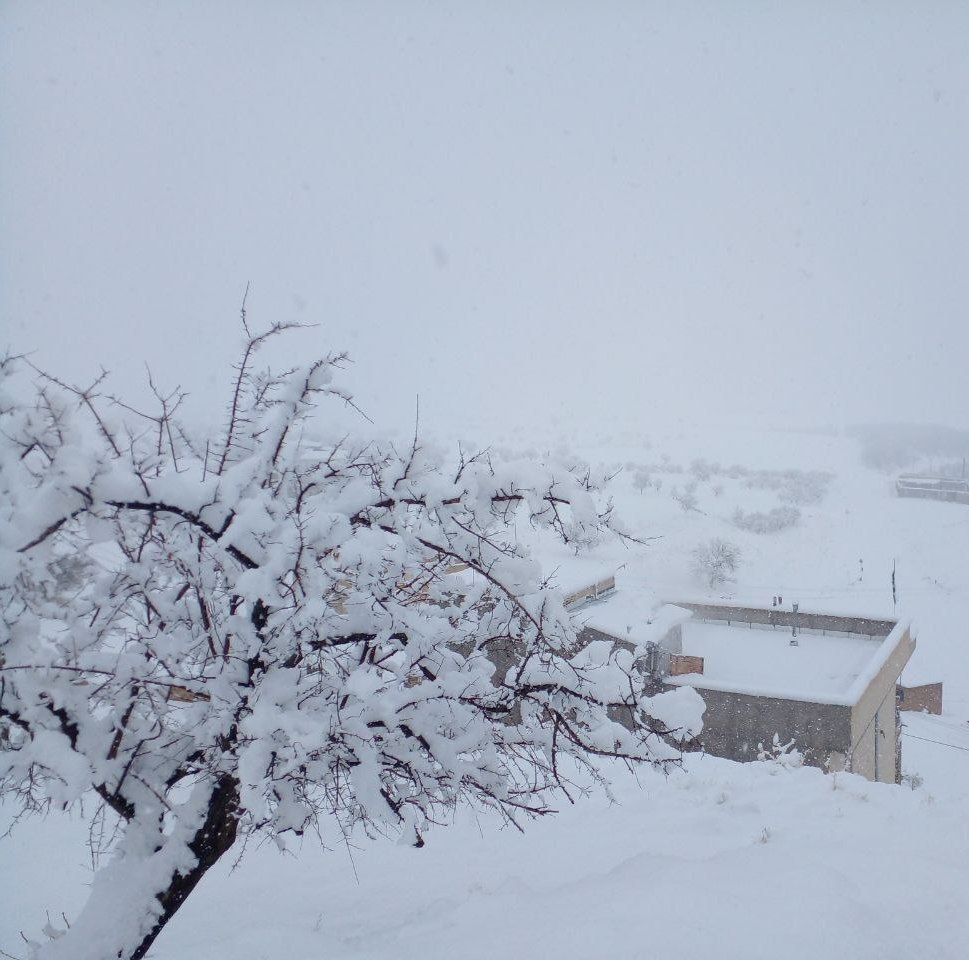
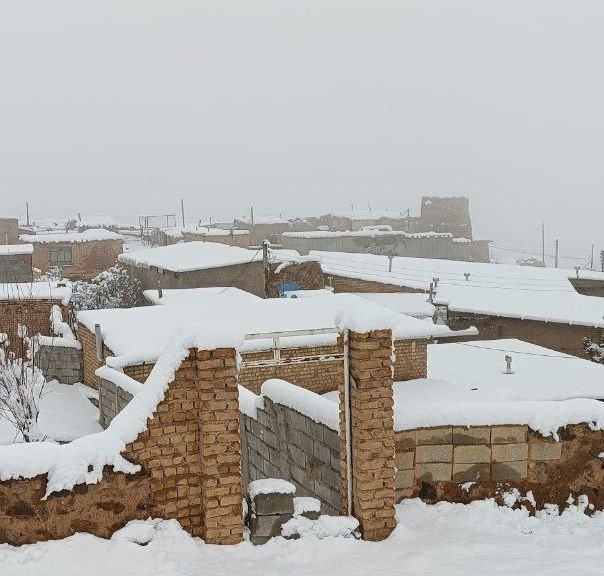
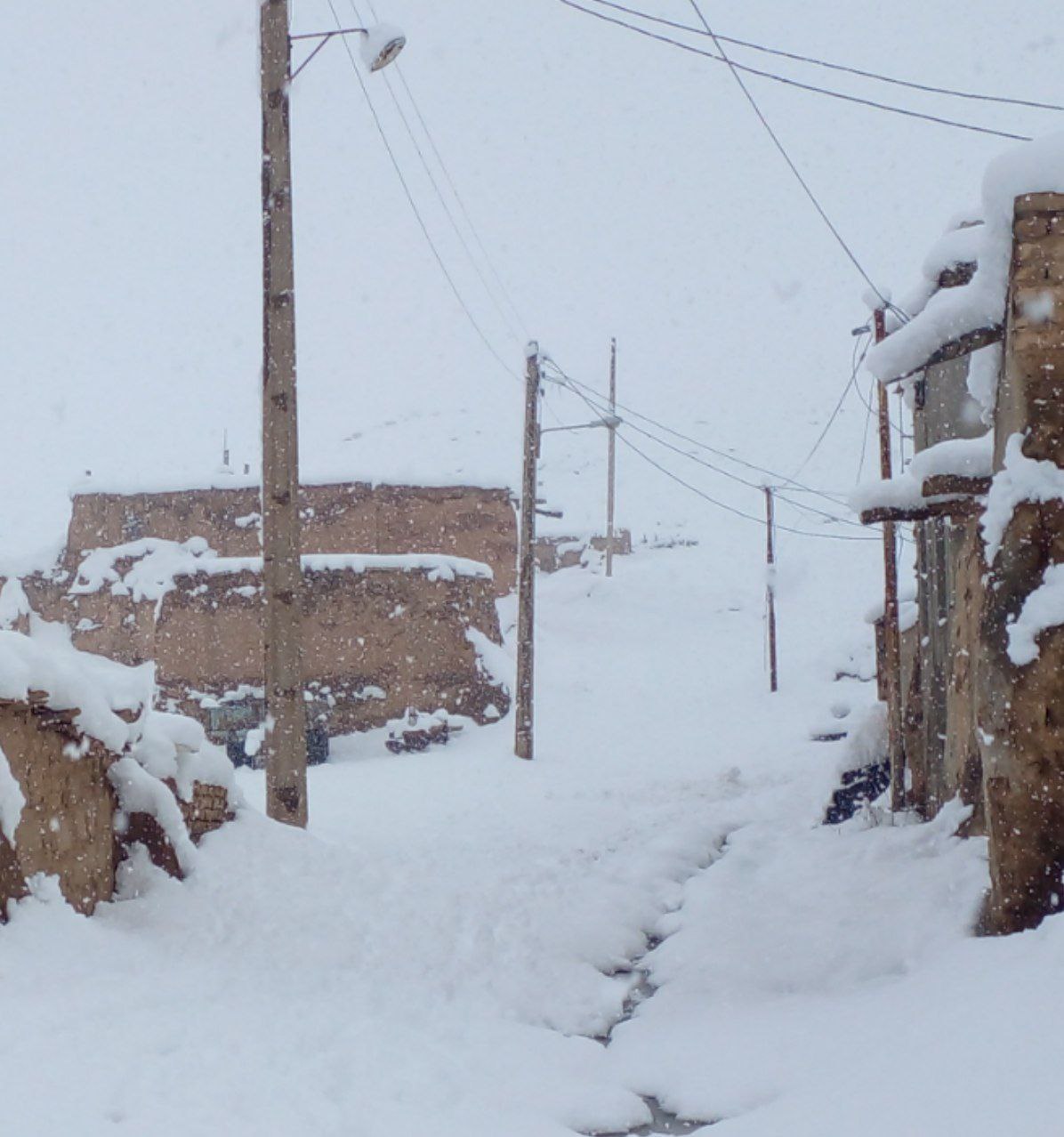
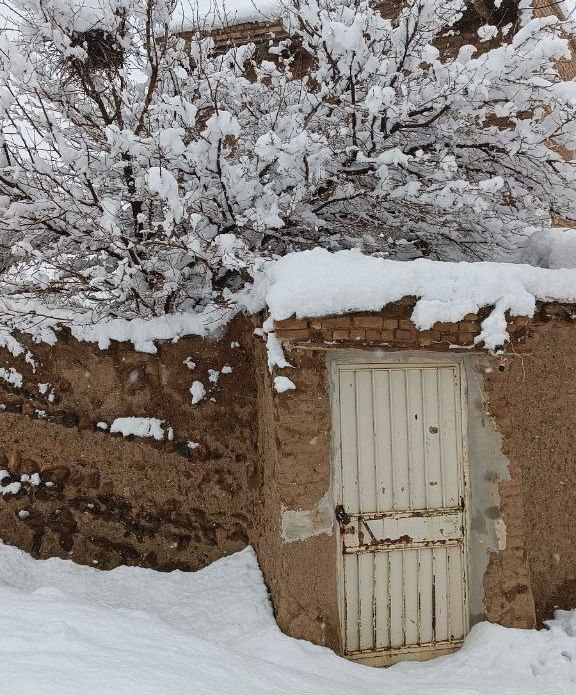
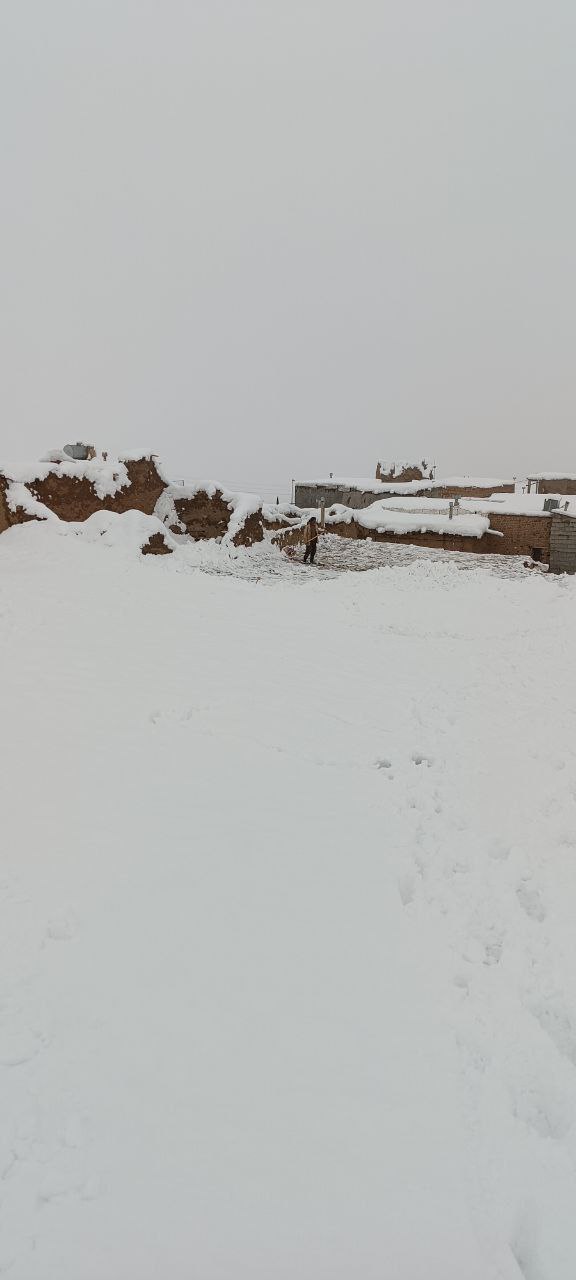
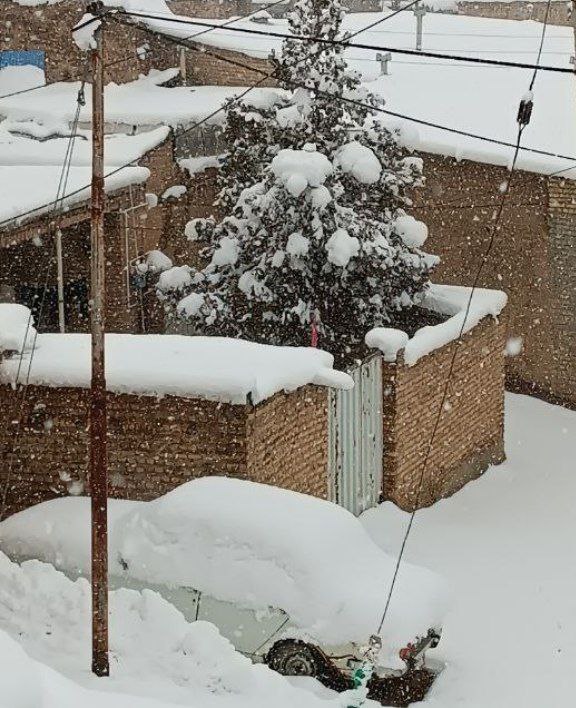
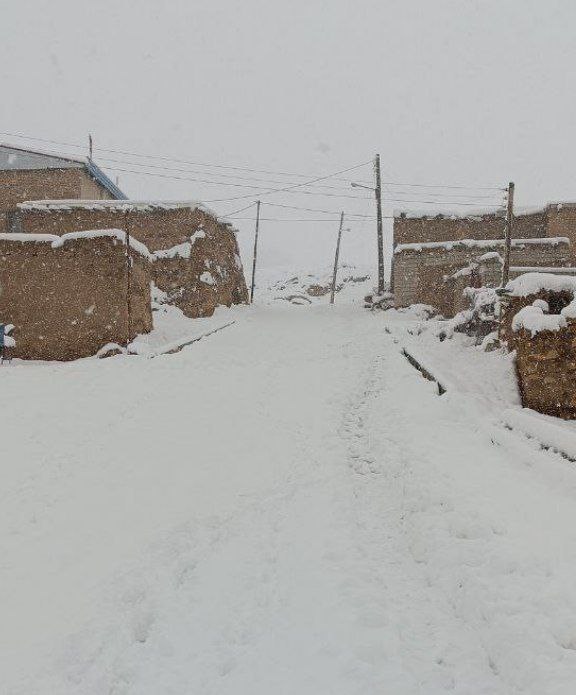
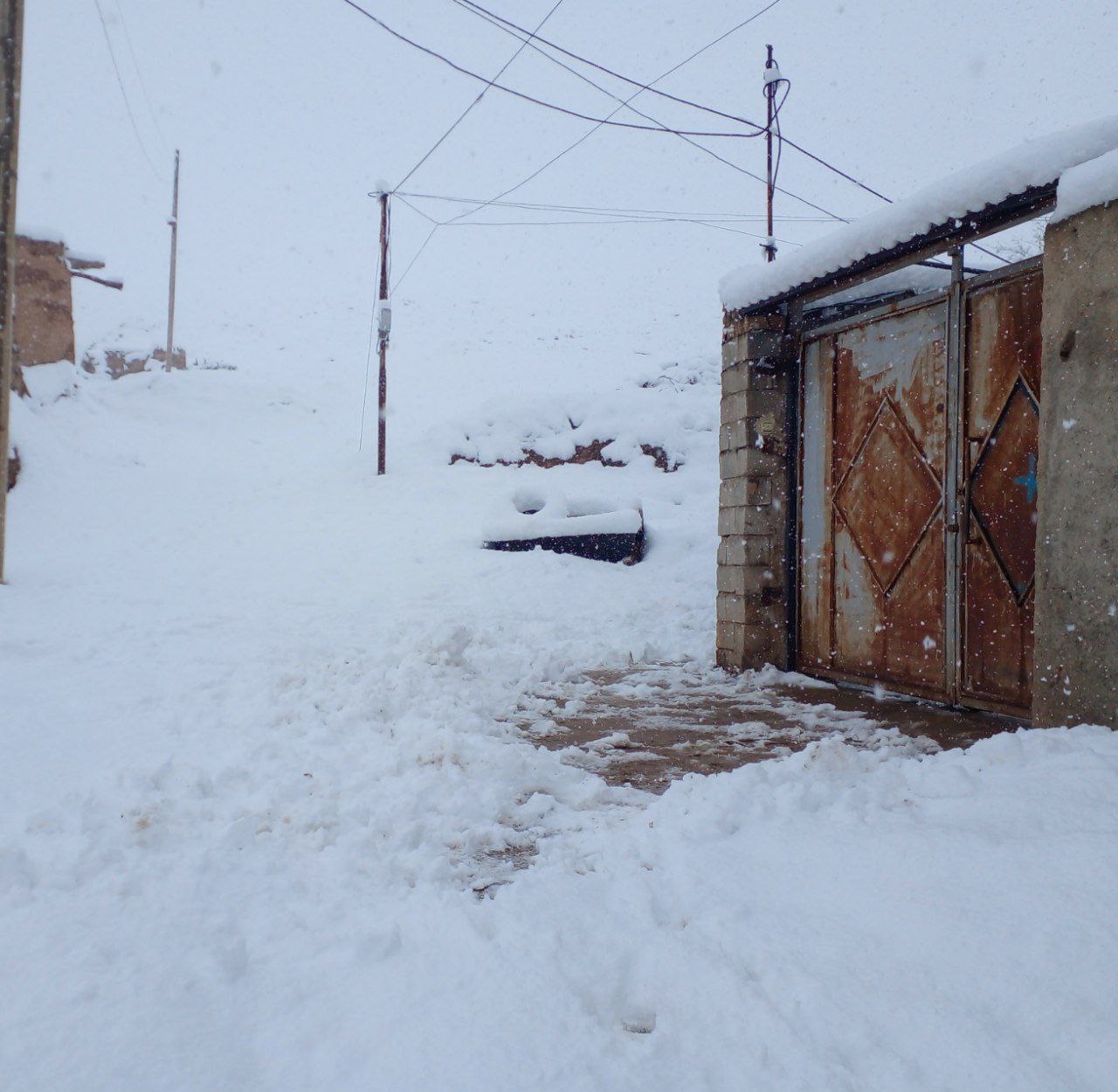
Iranians filled with joy after much-coveted snow plasters cities

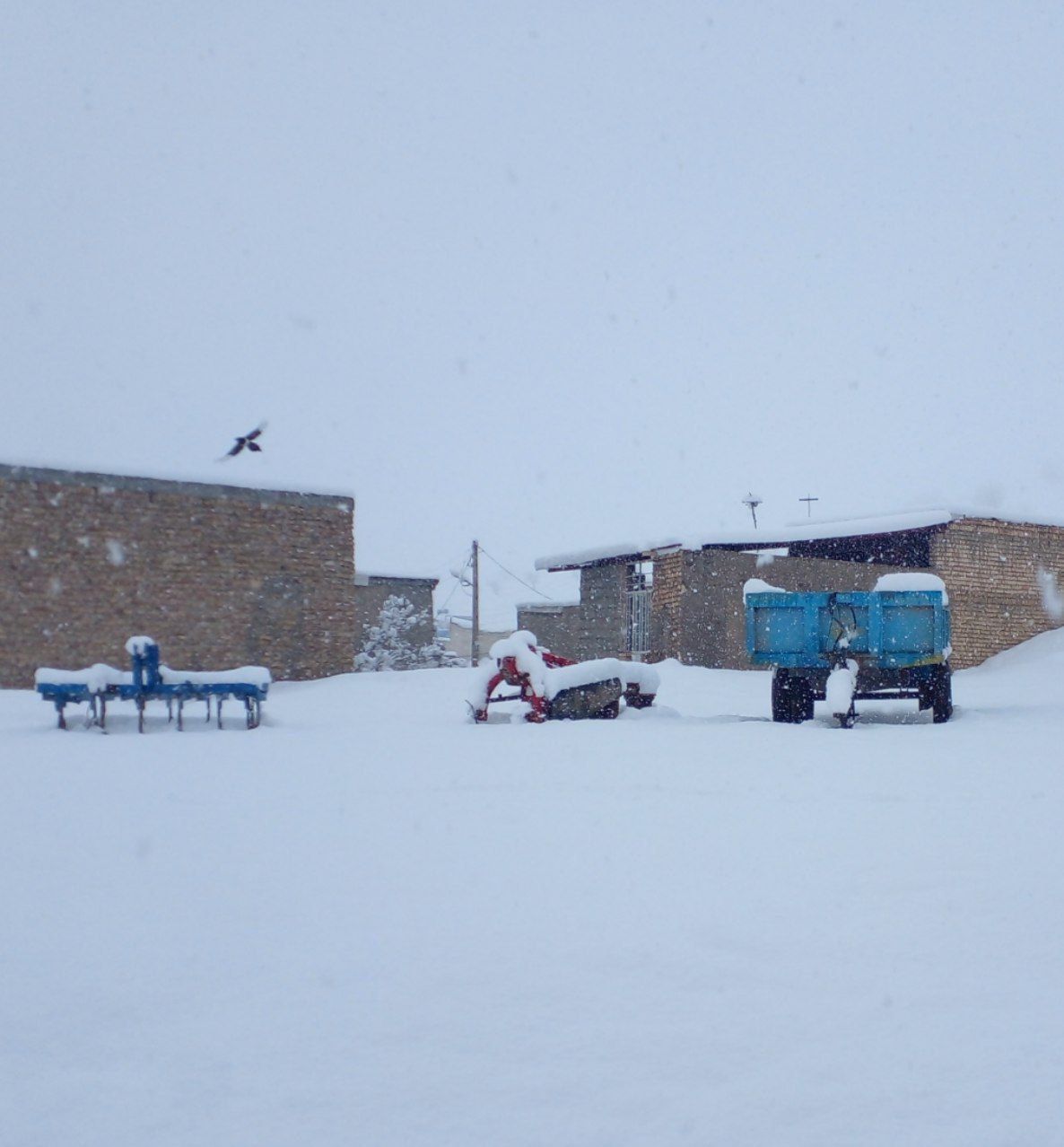
The snow blanketed many cities and villages in the Hamedan Province, in western Iran.

People were joyful on the roads leading to the north of the country under the snow.

In the capital Tehran and some other cities also, people felt blessed to see the snow this year.

Iran has been experiencing an alarmingly dry winter with precipitation much lower than average.

After four consecutive years of serious water scarcity, the country is grappling with one of its most severe droughts in over five decades.

US, UK carried out 73 strikes across Yemen, at least 5 killed: Houthi Spokesman

US UK Attack Yemen

“The American and British enemy bears full responsibility for its criminal aggression against our Yemeni people, and it will not go unanswered and unpunished,” he said.

“The Yemeni armed forces will not hesitate to target sources of threat and all hostile targets on land and at sea in defense of Yemen, its sovereignty and independence,” he added.

The group spokesperson said in a statement on his official X account the US and UK’s bombing of Houthi military targets in Yemen will not deter the group from waging attacks on Israel-linked vessels in the Red Sea.

Mohammad Abdulsalam added that nothing could justify the US and UK’s “treacherous aggression”.

Early on Friday, US and British forces launched air, ship and submarine strikes against targets across Yemen.

Yemenis have declared their open support for Palestine’s struggle against the Israeli occupation since the regime launched a devastating war on Gaza on October 7 after the territory’s Palestinian resistance movements carried out a surprise retaliatory attack, dubbed Operation Al-Aqsa Storm, against the occupying entity.

Strikes on Yemen came after Yemeni forces targeted several Israeli-owned and -bound shipping in the Red Sea in support of Palestinians in war-torn Gaza, where more than 23,000 Palestinians have been killed in Israeli onslaught since early October.

Afghan migrant dies, four wounded in mine blast on Iran-Iraq border 

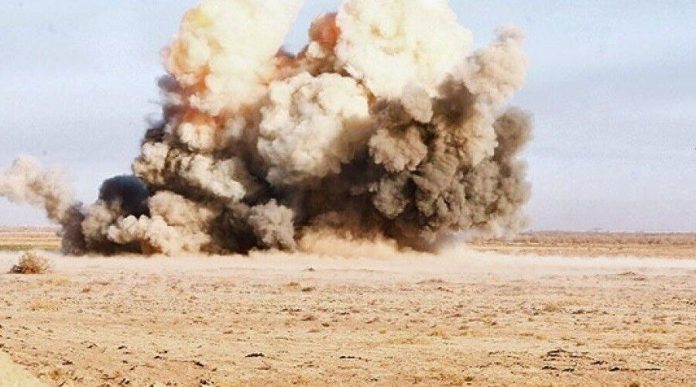
Ali Abbas Shafeie said that the migrants sought to illegally enter Iraq through the Iranian border on Thursday night and stepped on a mine three kilometers into the Iraqi territory.

Shafeie said Iranian officials made the coordination with Iraqi officials to deploy a demining team in order to clear a passage for the transfer of the dead body and taking the wounded to the hospital in Mehran.

For the past decades, Iran has been hosting millions of Afghan migrants who have fled the harsh economic conditions in their home country. Some of them also use Iran as a conduit to reach Turkey and Europe in the hope of better living conditions.

Iran condemns US, Britain’s bombing of Yemen as ‘arbitrary move’

Nasser Kanaani

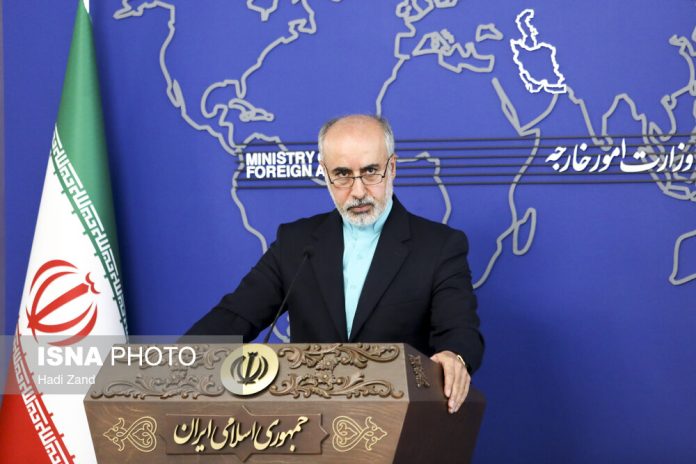
Kanaani added that the military raids were in line with the US and Britain’s full support for Israel’s “war crimes” against the Palestinian nation in Gaza and the West Bank during the past hundred days.

Kanaani warned, “The arbitrary attacks will have no result other than fuelling insecurity and instability in the region.”

The spokesperson said, while the Zionist regime continues its strikes and war crimes in the Gaza Strip and the West Bank, the US and the UK are trying to distract the attention of the people in the world from Israel’s crimes against the Palestinian people.

Kanaani warned of the repercussions of repeating such arbitrary attacks on regional and international peace and security.
He called on the international community to act responsibly and stop the spread of the war, instability and insecurity in the region.

The United States and the United Kingdom launched air strikes against what they call Houthi targets, including “logistical hubs, air defence systems and weapons storage” in Yemen, following a spate of attacks on shipping vessels in the Red Sea region.
The Yemeni Houthis, in support of the Palestinians in the Gaza and the West Bank, facing Israel’s onslaught, have recently targetted Israel-bound vessels.

US, UK pound Houthi targets in Yemen

US UK Attack Yemen

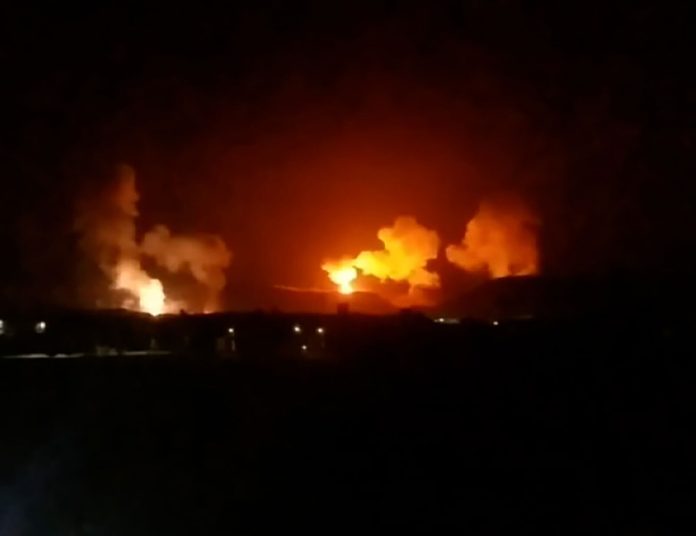
Explosions were reported in several cities across the war-ravaged country, including the capital Sanaa, the western port city of Hodeidah, the Houthi stronghold of Saada and the south-western city of Dhamar.

In a statement early on Friday, US President Joe Biden said the strikes were in response to the Houthis endangering “freedom of navigation in one of the world’s most vital waterways”, and were carried out with the UK and with support from Australia, Bahrain, Canada and The Netherlands.

“These targeted strikes are a clear message that the United States and our partners will not tolerate attacks on our personnel or allow hostile actors to imperil freedom of navigation in one of the world’s most critical commercial routes,” Biden added.

The US Secretary of Defense, Lloyd Austin, has also stressed the strikes on Yemen send a “clear message to the Houthis” that the group’s attacks in the Red Sea won’t be tolerated.

“This action is intended to disrupt and degrade the Houthis’ capabilities to endanger mariners and threaten global trade in one of the world’s most critical waterways,” he announced in a statement.

The US military’s Central Command (CENTCOM) has also announced Yemen’s Houthi fighters “will be held accountable” for their “illegal and dangerous actions” against Red Sea shipping.

CENTCOM said that US and UK forces, with support from Australia, Canada, the Netherlands and Bahrain, “conducted joint strikes on Houthi targets to degrade their capability”.

Radar systems, air defence facilities, weapons storage and launch sites for drones and missiles were attacked, CENTCOM added.

“We hold the Houthi militants and their destabilizing Iranian sponsors responsible for the illegal, indiscriminate, and reckless attacks on international shipping that have impacted 55 nations so far, including endangering the lives of hundreds of mariners, including the United States,” CENTCOM Commander General Michael Erik Kurilla stated.

The US military has been leading a maritime coalition of 12 countries to counter Houthi attacks on international shipping vessels in the Red Sea, which the group stresses have been carried out in protest of Israel’s war on Gaza. There have been 27 reported such attacks since October 17, according to CENTCOM.

US Air Force Central Commander Lt. Gen. Alex Grynkewich said in a news release US and coalition forces hit more than 60 targets at 16 Houthi locations in Yemen Thursday evening.

More than 100 precision-guided munitions were used in the strikes on command and control nodes, munitions depots, launching systems, production facilities and air defense radar systems, he stated.

“We remain committed to our critical partners throughout the Middle East to defend against Iranian-backed Militia Groups, including Houthi militants, and the threat they pose to regional security and stability,” Grynkewich added.

UK Prime Minister Rishi Sunak also confirmed that the Royal Air Force, alongside US forces, and with “non-operational support” from the Netherlands, Canada and Bahrain, carried out the attacks on Houthi fighters in Yemen.

The UK Defense Secretary, Grant Shapps, has also stated that four Royal Air Force Typhoon jets conducted “precision strikes” on Houthi military targets in Yemen.

He wrote on X that “this action was not only necessary, it was our duty to protect vessels [and] freedom of navigation” in light of the great threat to “innocent lives and global trade” that Houthi attacks in the Red Sea presented.

The Houthis warned of severe retaliation against the US and UK for bombing targets in Yemen.

Mohammed al-Bukhaiti, a senior Houthi official, has warned the US and UK that they will “regret” attacking Yemen, which he described as “the greatest folly in their history”.

In posts on social media, al-Bukhaiti said London and Washington had made “a mistake” in launching a war on Yemen.

The world, he stated, was now witnessing a “unique war” in which those supporting “right and those who are wrong” can be clearly identified.

“The goal of one of its parties is to stop the crimes of genocide in Gaza, represented by Yemen, while the goal of the other party is to support and protect its perpetrators, represented by America and Britain.”

“Every individual in this world is faced with two choices that have no third: Either to stand with the victims of genocide or to stand with its perpetrators,” he added.

Houthi leader Abdul Malik Al-Houthi has earlier stated that any United States aggression against Yemen “will not go unanswered”, amid fears that the group’s attacks could esclate Israel’s war on Gaza into a wider regional conflict.

Al-Houthi said in a speech on Thursday that the response from the group will be “much greater” than this week’s barrage of drones and missiles on the Red Sea.

“The answer will not only be attacking the Americans in the sea with more than 24 drones and missiles — the response will be much more,” al-Houthi added.

The leader said that Yemen is ready “to confront American aggression” and criticized US and United Kingdom support for Israel, stating it “will not deter” Yemen’s actions.

He added the strategy in preventing Israeli-linked ships from traversing the Red Sea has been effective, citing the recent American attack on the Houthis’ navy as evidence of this impact.

Furthermore, al-Houthi accused the US and the UK of trying to involve other countries in the confrontation against Yemen, warning that those who target Yemen and its naval forces risk their maritime safety and commercial shipping interests.

“Those who want to get involved and attack our people and target the naval forces are risking their maritime safety and their commercial ships.”

It comes a day after eleven members of the United Nations Security Council voted in favour of a measure calling on the Houthis to “immediately cease all attacks” in the Red Sea, “which impede global commerce and navigational rights and freedoms as well as regional peace”.

Houthi fighters in Yemen have for months launched drones and missiles at shipping in the Red Sea which is said to be connected to Tel Aviv, in a show of support for Palestinians amid Israel’s war on the Gaza Strip.

The Red Sea is one of the world’s most important shipping lanes, linking European and Asian markets through the Suez Canal.

Around 12 percent of global trade passes through the Bab-el-Mandeb strait, near to where the Houthis are targeting shipping.

ICJ genocide case against Israel: South Africa argues “no armed attack” can justify breaching genocide convention

ICJ

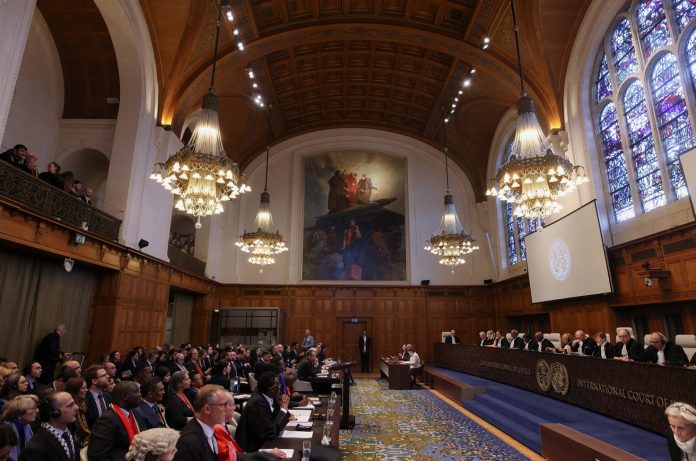
Addressing the court, South Africa’s Minister of Justice Ronald Lamola said the oppression of Palestinian people did not begin following the Hamas attacks, arguing it has been ongoing for years.

“In the Gaza Strip, at least since 2004, Israel continues to exercise control over the air space, territorial waters, land crossing, water, electricity and civilian infrastructure.”

He added that “South Africa unequivocally condemned the targeting of civilians by Hamas and other Palestinians and groups, and the taking of hostages on the 7th of October 2023.”

But, he argued, “no armed attack on a state territory, no matter how serious… even an attack involving atrocity crimes can provide any justification for, or defense to, breaches to the convention. Whether it is a matter of law or morality.

“Israel’s response to the 7th of October 2023 attack has crossed this line and gives rise to the breaches of the convention,” he told the court.

South Africa has been providing evidence it said shows a “pattern of genocidal conduct” by Israel.

Adila Hassim, one of the advocates representing South Africa, said Israel’s “actions show a systematic pattern of conduct from which genocide can be inferred.”

In an 84-page filing to the ICJ, South Africa cited evidence it said showed Israel is committing genocide by killing Palestinians in Gaza, causing serious mental and bodily harm, forced evacuations, widespread hunger, and by creating conditions “calculated to bring about their physical destruction.”

Hassim discussed some of the evidence presented by South Africa in its filing, including Israel’s air strikes in Gaza.

She stated Palestinians in Gaza have “been killed if they have failed to evacuate, in the places to which they have fled, and even while they have attempted to flee along Israeli-declared safe routes”.

“The level of Israel’s killing is so extensive that nowhere is safe in Gaza,” she continued, adding that the destruction was “beyond any acceptable legal – let alone humane – justification.””

Hassim also cited videos and images she said showed Israeli soldiers “joyfully detonating entire apartment blocks and town squares, erecting the Israeli flag over the wreckage, seeking to reestablish Israeli settlements on the rubble of Palestinian homes, and thus extinguishing the very basis of Palestinian life in Gaza”.

She also cited experts who have claimed that more may die in Gaza because of disease and starvation than because of Israeli air strikes.

Another lawyer representing South Africa, Tembeka Ngcukaitobi, addressed the court, arguing that South Africa is “not alone in drawing attention to Israel’s genocidal rhetoric against Palestinians in Gaza”.

“Fifteen United Nations special rapporteurs and 21 members of the United Nations weapon groups have warned that what is happening in Gaza reflects a genocide in the making and an overt intent to destroy the Palestinian people and occupation,” he said.

“Israel has a genocidal intent against the Palestinians in Gaza,” Ngcukaitobi told the court, adding, “That is evident in the way in which Israel’s military attack is being conducted, which has been described by Ms Hasim.”

“It is systematic in its character and form. The mass displacement of the population of Gaza, headed into areas where they continue to be killed and the deliberate creation of conditions that quote — lead to a slow death — unquote.”

Ngcukaitobi went on to say there was an “extraordinary feature” in this case, stating, “Israel’s political leaders, military commanders, and persons holding official positions, have systematically and in explicit terms declared their genocidal intent.”

He added these statements “are then repeated by soldiers on the ground in Gaza as they engage in the destruction of Palestinians and the physical infrastructure of Gaza.”

“Israel’s special genocidal intent is rooted in the belief that in fact the enemy is not just the military wing of Hamas, or indeed Hamas generally, but is embedded in the fabric of Palestinian life in Gaza,” Ngcukaitobi claimed.

He cited Israeli Prime Minister Benjamin Netanyahu’s address to Israeli forces on October 28, ahead of the imminent launch of its ground offensive in Gaza.

“Remember what Amalek did to you,” Netanyahu said in his address, which Ngcukaitobi told the court “refers to a Biblical command by God to Saul for the retaliatory destruction of an entire group of people known as the Amalekites.”

Ngcukaitobi cited a verse from the book of Samuel also referring to the Amalekites.

“Do not spare them; put to death men and women, children and infants, cattle and sheep, camels and donkeys,” reads the verse.

Ngcukaitobi then referenced quotes from Israeli Defense Minister Yoav Gallant.

“On 9 October, the Defense Minister Yoav Gallant gave a situation update to the army where he said that as Israel was imposing a complete siege on Gaza there would be no electricity, no food, no water, no fuel. Everything would be closed. Because Israel is fighting ‘human animals,'” Ngcukaitobi told the court.

Ngcukaitobi continued, “Speaking to troops on the Gaza border he instructed them that he has released “all the restraints” and that Gaza won’t return to what it was before.”

“We will eliminate everything. We will reach all places,” Ngcukaitobi quoted Gallant as saying.

South Africa has argued that if the International Court of Justice refuses to grant emergency measures in its genocide case against Israel, the court would “treat Palestinians differently, as less worthy of protection than others”.

It wants the court to order a halt in Israel’s Gaza campaign, something the court could rule on in a matter of weeks.

Max du Plessis, one of the advocates representing South Africa, cited various cases in which the ICJ has granted “provisional measures” in order to protect the rights of peoples around the world.

In January 2020, the court granted The Gambia’s request for provisional measures to protect the Rohingya people remaining in Myanmar from Genocide. The Court has granted similar measures to protect Ukrainians from ongoing Russian aggression, and Bosnians during the Balkan Wars in the 1990s.

South Africa has argued that the rights of Palestinians must be protected “from imminent and irreparable loss” while the court considers the full merit of the case, which could take years.

“To find otherwise would not only be to treat Palestinians differently, as less worthy of protection than others, it would also be for the court to unduly limit its own competence, to turn its back upon its extensive prior jurisprudence, and to close its eyes to the breach of the rights which lie at the heart of the convention, and which breaches are taking place in Gaza right now,” du Plessis stressed.

South Africa has stressed throughout the hearing that the Court need only to decide that Israel’s actions are “plausibly genocidal” for it to grant provisional measures.

Blinne Ní Ghrálaigh has also addressed the court, outlining previous times the ICJ has implemented provisional measures to stop a country from committing genocide.

Among the cases Ní Ghrálaigh cited were when The Gambia accused Myanmar of genocide against Rohingya Muslims and Russia’s invasion of Ukraine.

“Madame President, members of the court, if the indication of provisional measures was justified on the facts in those cases that I have cited, how could it not be here? In a situation of much greater severity where the imminent risk of irreparable harm is so much greater?”

“The imminent risk of death, harm and destruction that Palestinians in Gaza face today, and that they risk every day during the pendency of these proceedings on any view justifies, indeed compels the indication of provisional measures,” she argued.

Ní Ghrálaigh continued to say that the international community had “repeatedly failed. It failed the people of Rwanda. It failed the Bosnian people and the Rohingya, prompting this court to take action. It failed again by ignoring the early warnings of the grave risk of genocide to the Palestinian people sounded by international experts since October 19 last year”.

“The international community continues to fail the Palestinian people, despite the overt, dehumanizing, genocidal rhetoric by Israeli governmental and military officials, matched by the Israeli army’s actions on the ground,” she said.

As a part of her closing remarks, Ní Ghrálaigh stated “the world should be ashamed” by the situation in Gaza.

She shared two photographs with the court.

One is from a hospital in northern Gaza and has the words “whoever stays until the end, will tell the story, we did what we could. Remember us”. She then showed a photo of the destroyed whiteboard after it was hit by an Israeli missile, killing the note’s author.

South Africa posed a challenge to the International Court of Justice’s panel of judges, saying it is “hard to think of a case in recent history that has been so important for the future of international law”.

Towards the end of South Africa’s three-hour oral argument, Vaughan Lowe, one of the lawyers representing it, said now “is not a moment for the court to sit back and be silent,” and that its decision would have a bearing on the future of the court itself.

Lowe asked the court to grant provisional measures ordering Israel to suspend its military campaign in Gaza, to prevent further abuses of the rights of Palestinians while the court considers the full merits of the case.

“Israel says that Palestine and Palestinians are not its target, that its aim is to destroy Hamas. But months of continuous bombing, flattening entire residential blocks, and cutting off food and water and electricity and communications to an entire population, cannot credibly be argued to be a manhunt for members of Hamas,” Lowe added.

Addressing the various charges of hypocrisy that have been laid against South Africa, including why it has not also brought a charge of genocide against Hamas, Lowe explained this is a matter for the Intentional Criminal Court – and not the ICJ.

“Hamas is not a state and cannot be a party to the genocide convention, and cannot be a party to these proceedings,” Lowe continued. Whereas the ICJ hears cases brought by states accusing others of violating their UN treaty obligations, the ICC tries individuals for crimes including war crimes and crimes against humanity.

Lowe concluded by summarizing South Africa’s argument.

“South Africa believes that the publicly available evidence of the scale of the destruction resulting from the bombardment of Gaza, and the deliberate restriction of food, water, medicines and electricity available to the population of Gaza, demonstrates that the government of Israel… is intent on destroying the Palestinians in Gaza as a group, and is doing nothing to prevent or punish the actions of others who support that aim.”

He stressed “the point is not simply that Israel is acting disproportionately – the point is the the prohibition on genocide is an absolute”.

Vusi Madonsela, South Africa’s ambassador to the Hague ended day one of the hearing by detailing the country’s requests for provisional measures.

He requested the measures be considered “as a matter of extreme urgency”.

Among the provisional measures requested include:

  • That Israel suspends its military operations in and against Gaza
  • That Israel ensures its military – and any associated groups stop any military operations
  • That Israel stops killing Palestinian people
  • That Israel stops displacing Palestinian people from their homes and ensures they have access to food, water, healthcare and basic infrastructure
  • That Israel take “all reasonable actions within their power to prevent genocide”

South Africa finished presenting its case. Israel, which has denied the allegations, will respond on Friday.

Iran urges ICJ to impartially handle Zionist regime’s war crimes accusations

ICJ

Kanaani emphasized the need for fair judgment in the face of charges brought against the Israeli regime by South Africa regarding the commission of crimes against humanity against Palestinians in the Gaza Strip and the West Bank.

The spokesperson expressed concerns over potential external influences, stating that the International Court of Justice should resist both political and non-political pressures, particularly from the United States.

Kanaani asserted that attempts by the U.S. to advance political plans aligned with the Zionist regime would be unsuccessful.

The developments come as South Africa, which has brought the case, is asking the UN court to act urgently “to protect against further, severe and irreparable harm to the rights of the Palestinian people under the genocide convention, which continues to be violated with impunity.”

Around 24,000 Palestinians have been killed in Israel’s onslaught against Gaza since early October.

Iran says manhunt for Kerman terror attack elements expanded abroad, 35 nabbed

Kerman Terror Attack

In a statement released on Thursday, the Intelligence Ministry said the process of identifying and capturing all people involved in masterminding, ordering and carrying out the fatal terrorist attack in Kerman is going on accurately and instantly at home and abroad.

So far, 35 individuals have been arrested in the provinces of Kerman, Sistan and Balouchestan, Khorasan Razavi, Isfahan, Tehran and West Azarbaijan in connection with the attack, the ministry said, adding that a number of culprits have been identified outside Iran and a serious manhunt has been launched for them.

According to the statement, the mastermind and main backer of the criminal attack was a Tajik national, alias “Abdullah Tajiki”, who had illegally entered Iran on December 19 from the southeastern border together with a woman and a child in order to “provide cover” for the attack.

Apart from supervising the terrorist operation, he had expertise in making improvised explosive devices, the statement noted, adding Tajiki had left Iran two days before the tragic attack in Kerman after assembling IEDs.

The Intelligence Ministry added that one of the suicide bombers who detonated himself in the terrorist attack was “Bazirov (Bozerov) Israeli”, a 24-year-old Tajik national.

The suicide attacker had joined the Daesh (ISIL or ISIS) terrorist group after acquaintance with the group via the Telegram messaging platform. He had traveled to Van in Turkey in recent months, crossed into Iran with the help of human traffickers at the western and eastern border areas and traveled to Badakhshan in Afghanistan, where he received training at a Daesh camp.

Bazirov Israeli was deployed to Iran after a couple of months of training in Badakhshan, arrived in Saravan after passing through the Jaleq-Kallegan border crossing, and traveled past Khash, Iranshahr and Jiroft before reaching Kerman to join Abdullah Tajiki, it added.

The ministry noted that the terrorists had plans to detonate the mausoleum of late Iranian commander Lt. General Qassem Soleimani, but changed their mind after observing the strict and multi-layered security and decided to carry out the evil terrorist attack at places far from the graveyard.

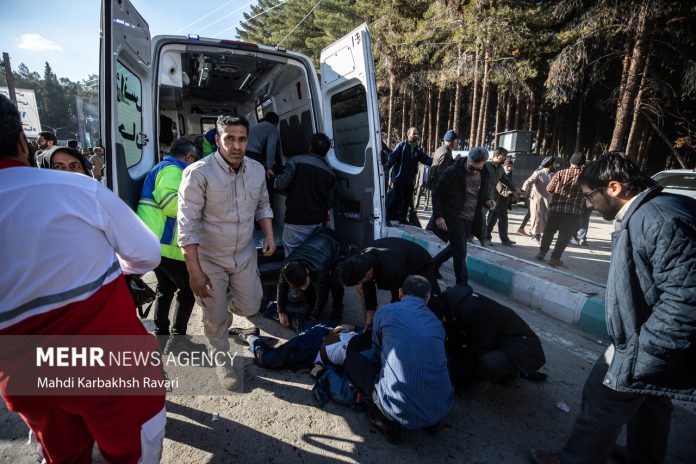
Last week’s twin blasts at the event held in commemoration of the fourth anniversary of General Soleimani’s martyrdom resulted in the tragic loss of at least 93 lives and left nearly 300 individuals injured, with some in critical condition.

Leader of the Islamic Revolution Ayatollah Seyed Ali Khamenei has warned that those behind the terrorist act will receive a severe response.

Iranian navy seizes oil tanker in retaliation for oil theft by U.S.

Iran Navy

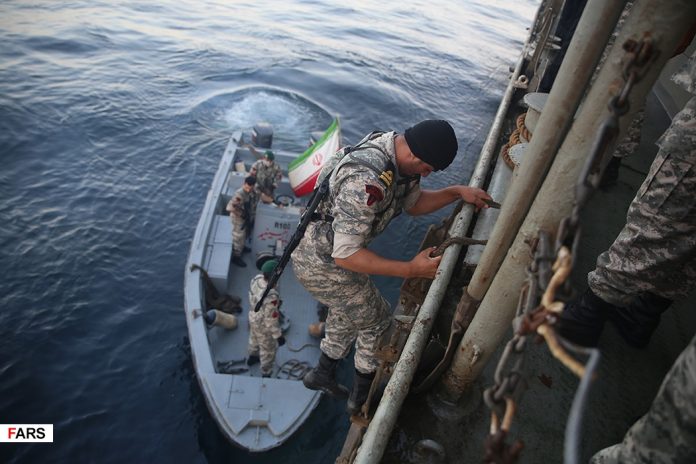
According to the public relations department of the Iranian Army, the move comes in response to the violation of the Suez Rajan ship in May, during which Iranian oil was stolen by the United States.

The statement said the offending tanker, previously involved in the oil theft under U.S. guidance, was renamed Nicholas ST and intercepted by the Iranian Navy this morning.

Iran says the seizure of the Nicholas ST oil tanker was authorized by a court order.

The army added that the oil tanker is being transferred to the ports of the Islamic Republic for delivery to judicial authorities.

In response to an exclusive question asked by Iran Front Page, the Permanent Mission of the Islamic Republic of Iran to the United Nations has said: “The Iranian Army’s seizure of the oil tanker does not constitute hijacking; rather, it is a lawful undertaking sanctioned by a court order and corresponds to the theft of Iran’s very own oil.”