Saturday, December 27, 2025
Home Blog Page 1082

4k Israeli soldiers disabled in Gaza war: Report

Israeli Army

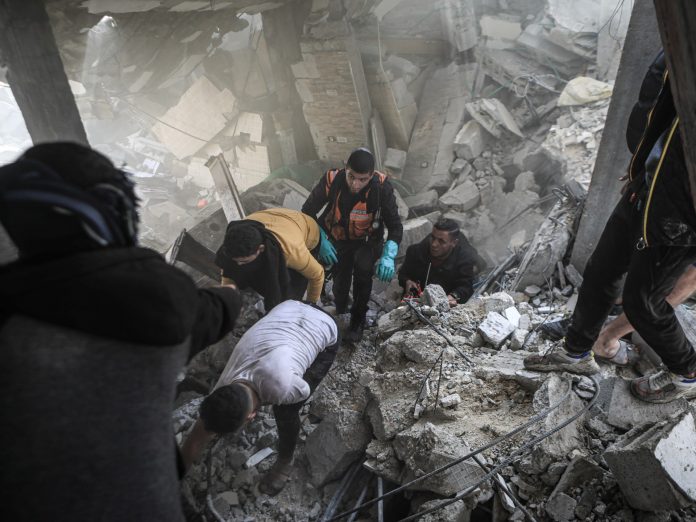
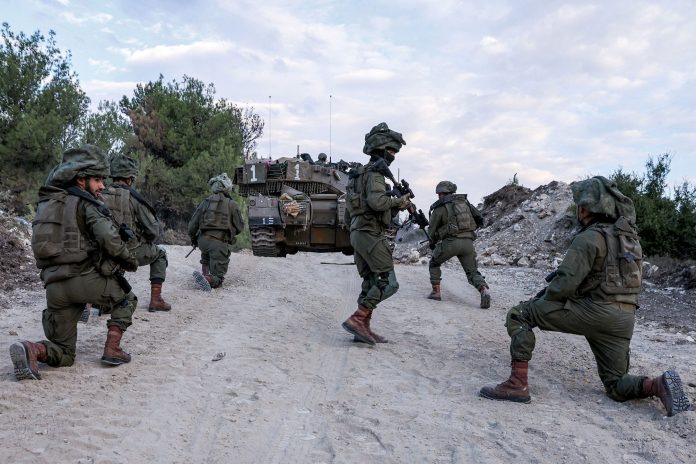
Israel is preparing to receive “a large number of disabled Israeli soldiers”, and after 100 days of the war, “around 4,000 soldiers have already been acknowledged as having disabilities”, Hebrew news site, Walla, reported on Saturday.

The site considered Hamas’ attack on Oct. 7 as having “led Israel into a war that it had not previously experienced in terms of the number of soldier injuries, but more importantly, the injuries are extremely severe”.

“Thanks to the devoted and high-quality care provided by rescue teams and medical teams, those with severe injuries survive,” it added.

The report noted that the Israeli army “does not provide all data about the wounded to the public, for fear that it will lower people’s morale”.

“Currently, about 4,000 soldiers (with disabilities) have been recognized according to classification 3, meaning they are entitled to all treatments and rights enjoyed by a disabled person in the Israeli army without being officially recognized in this way,” said Walla.

It added that salaries are being paid to injured soldiers and their treatment without the need to prove anything and that the rehabilitation process “will begin soon to reintegrate them into life.”

The site quoted Idan Kaliman, chairman of the Israel Defense Forces Organization for the Disables, who stated “I have been in the organization for 30 years, and I have never encountered such a large number of severely wounded individuals. There are many wounded with amputated limbs, blindness, or paralysis”.

Kaliman pointed out that there are “many wounded who have had their limbs amputated, as well as those who were blinded and paralyzed”.

The Israeli army announced the conscription of 360,000 reservists in the ongoing war against the Gaza Strip since Oct. 7, while the ground operation began Oct. 27.

As of early Friday, the number of officers and soldiers killed in the ranks of the army since the beginning of the war hit 520, including 186 since the start of the ground war in Gaza.

Palestinian fighters still present in northern Gaza: Report

Hamas

The latest report by the Institute for the Study of War (ISW) and the Critical Threats Project (CTP) says Palestinian armed fighters still maintain a presence in northern Gaza Strip.

The report also quoted an Israeli military official as claiming that most of the local Hamas battalion commanders in the area have been killed but dozens of fighters are still active and are now in “guerilla mode”.

Israel has also carried on with its operations in Khan Younis in the south.

The Israeli army has recently claimed it has “completed the dismantling” of Hamas’s command structure in the northern Gaza Strip.

Israel’s military chief has also stated that the conflict in Gaza, persisting for three months already, would likely last throughout 2024 and spill over to other fronts. Herzi Halevi, the chief of staff of the Israel Defense Forces (IDF), stated 2024 would be “challenging” and that Israel would “certainly be involved in fighting in Gaza throughout the year”, implying that the current full-scale conflict with Hamas could ease but not end.

Israel has pounded the Gaza Strip since a cross-border attack by the Palestinian group Hamas on Oct. 7, killing more than 23,800 Palestinians, mostly women and children, and injuring nearly 60,000 others, according to local health authorities.

The onslaught has left Gaza in ruins, with 60% of the enclave’s infrastructure damaged or destroyed and nearly 2 million residents displaced amid acute shortages of food, clean water, and medicine.

About 1,200 people were killed in Hamas’s initial attack on Israel.

CIA giving Israel intel on Hamas leaders, hostages in Gaza: Report

CIA

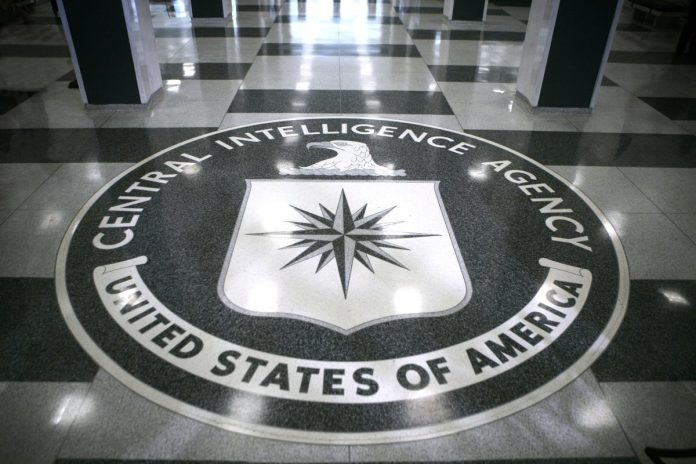
National Security Advisor Jake Sullivan reportedly ordered the formation of a new task force to gather intelligence on the captives’ whereabouts and Hamas leaders shortly after the October 7 attack.

The report said US officials believe that top Hamas leader Yahya Sinwar is hiding in the deepest parts of the group’s tunnel network under Khan Younis in southern Gaza, and that he is also believed to have surrounded himself by Israeli captives to make any operation against him highly challenging.

It added Washington is spending many more resources on collecting intelligence on Hamas than it was before the war, and is also carrying out more drone flights over Gaza to intercept communications between Hamas operatives.

According to the report, the US has already started transferring information to Israel on the location of senior leaders, however, it is not clear how effective this has been and none of the major leaders in the besieged enclave have yet been killed or captured.

Hamas chief Ismail Haniyeh has recently stressed that the group will only release Israeli hostages from Gaza after all Palestinian prisoners are released from Israel’s prisons.

“They will absolutely not retrieve their captives except after all our prisoners in occupation prisons are released,” he stated.

Haniyeh added that Israel “was not able to retrieve a single captive, except only after the resistance accepted the truce agreement”.

105 people were released by Hamas during a temporary truce with Israel, which started on November 24 and ended early December 1. In exchange, 240 Palestinians were freed from Israeli prisons, mainly women and minors, and many of whom had been detained but never charged.

Israel has pounded the Gaza Strip since a cross-border attack by the Palestinian group Hamas on Oct. 7, killing more than 23,800 Palestinians, mostly women and children, and injuring nearly 60,000 others, according to local health authorities.

The onslaught has left Gaza in ruins, with 60% of the enclave’s infrastructure damaged or destroyed and nearly 2 million residents displaced amid acute shortages of food, clean water, and medicine.

About 1,200 people were killed in Hamas’s initial attack on Israel.

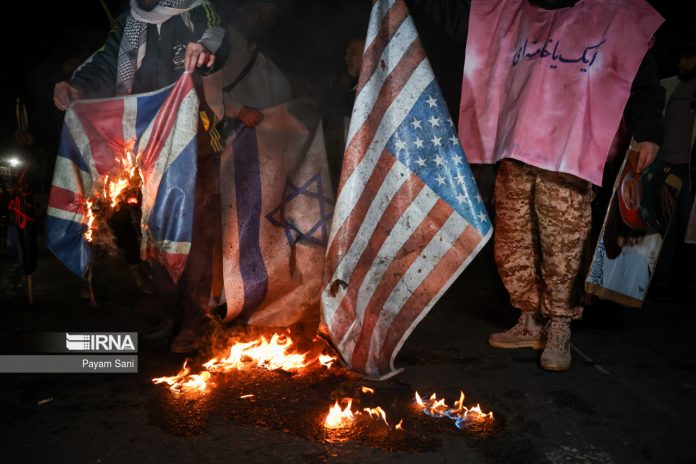
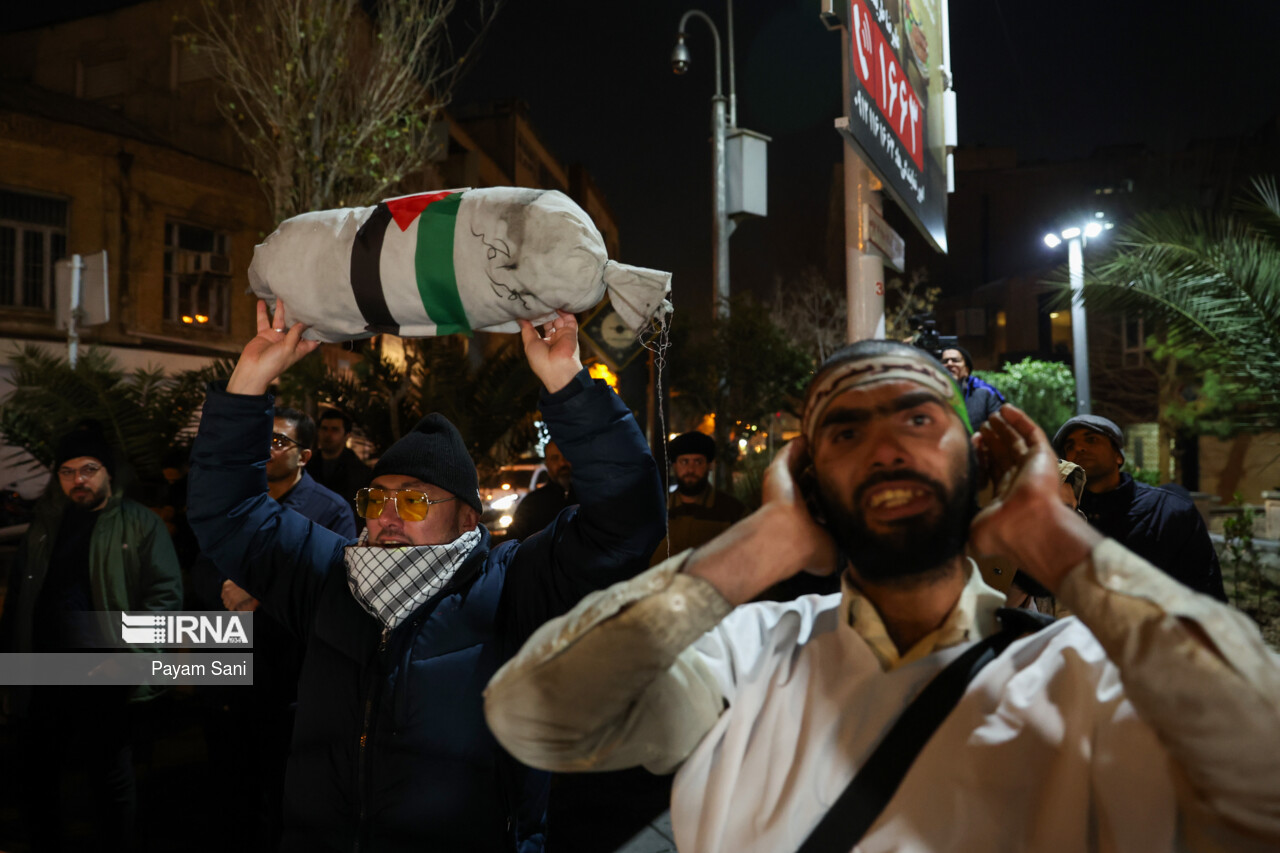
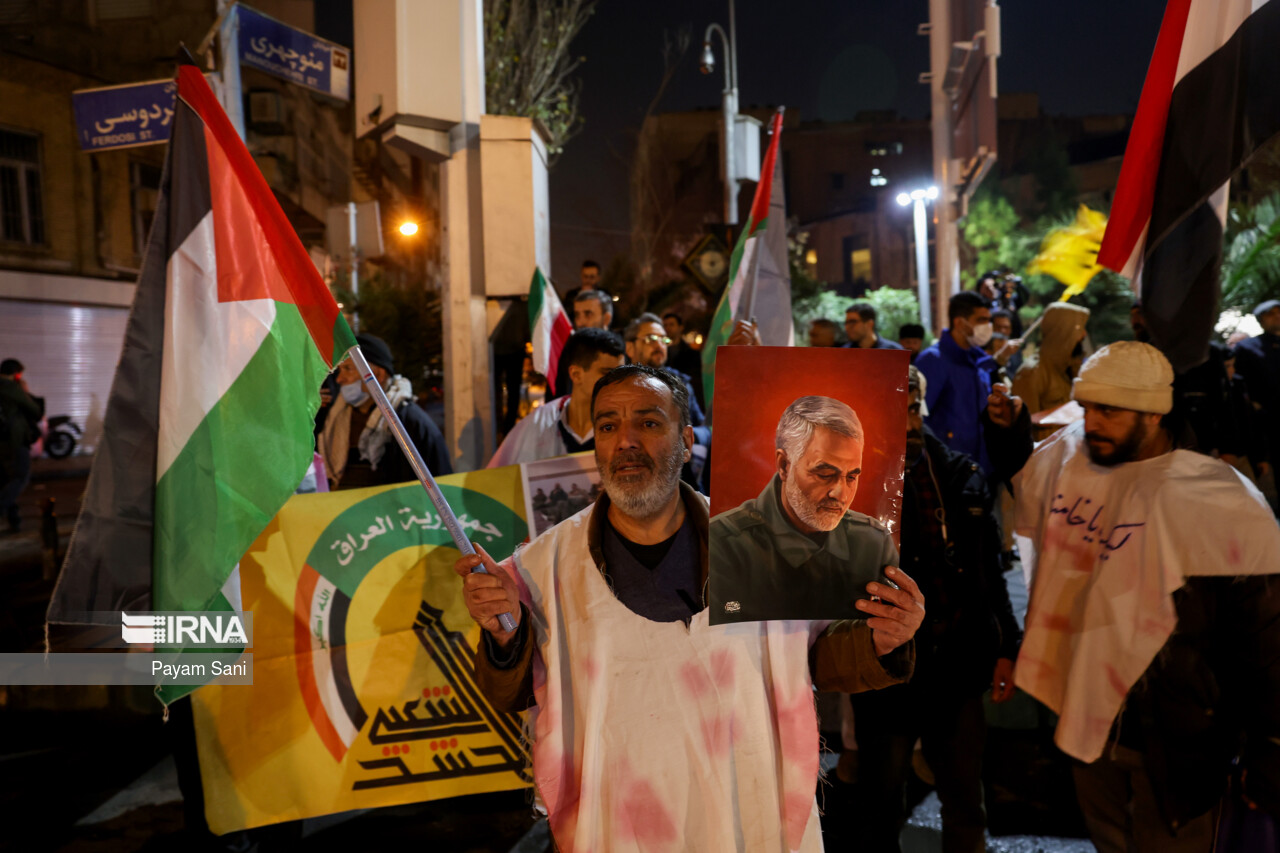
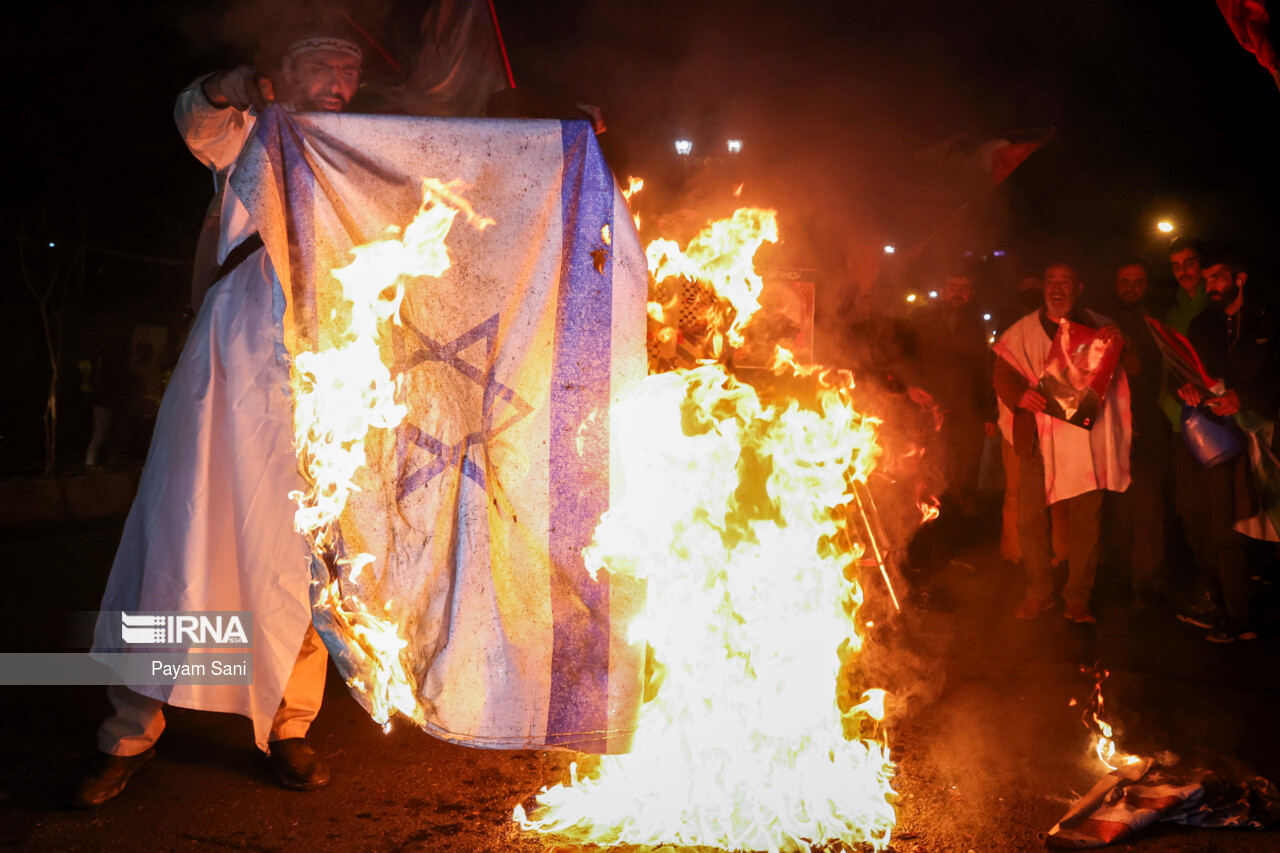
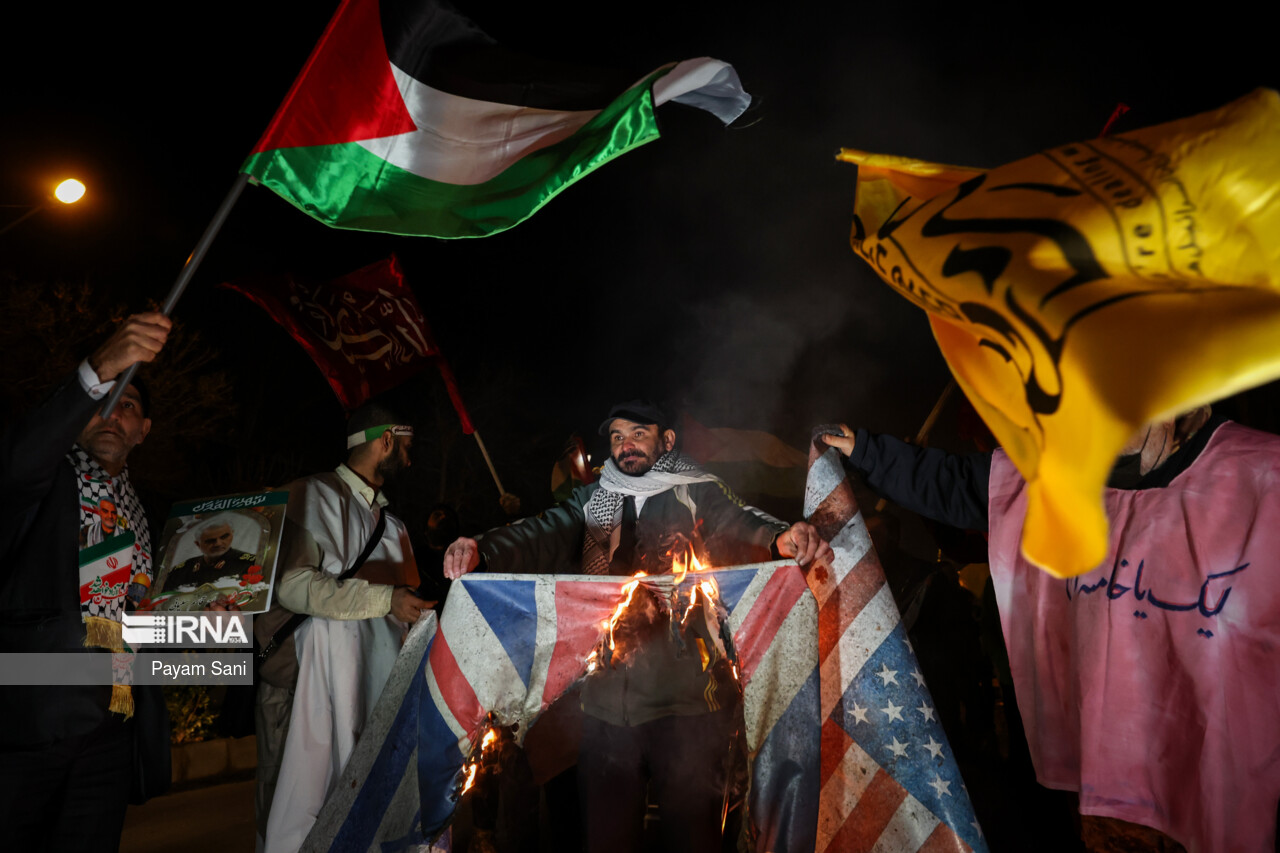
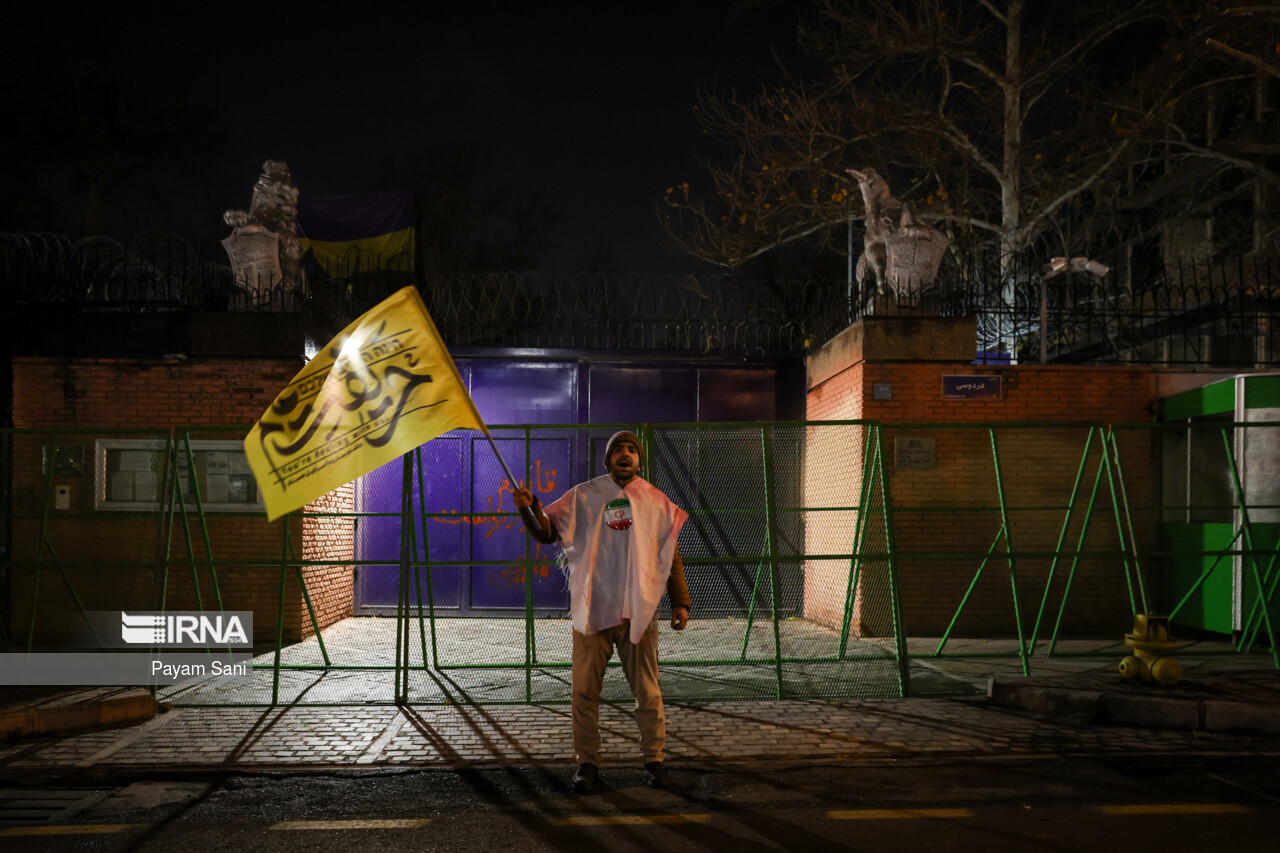
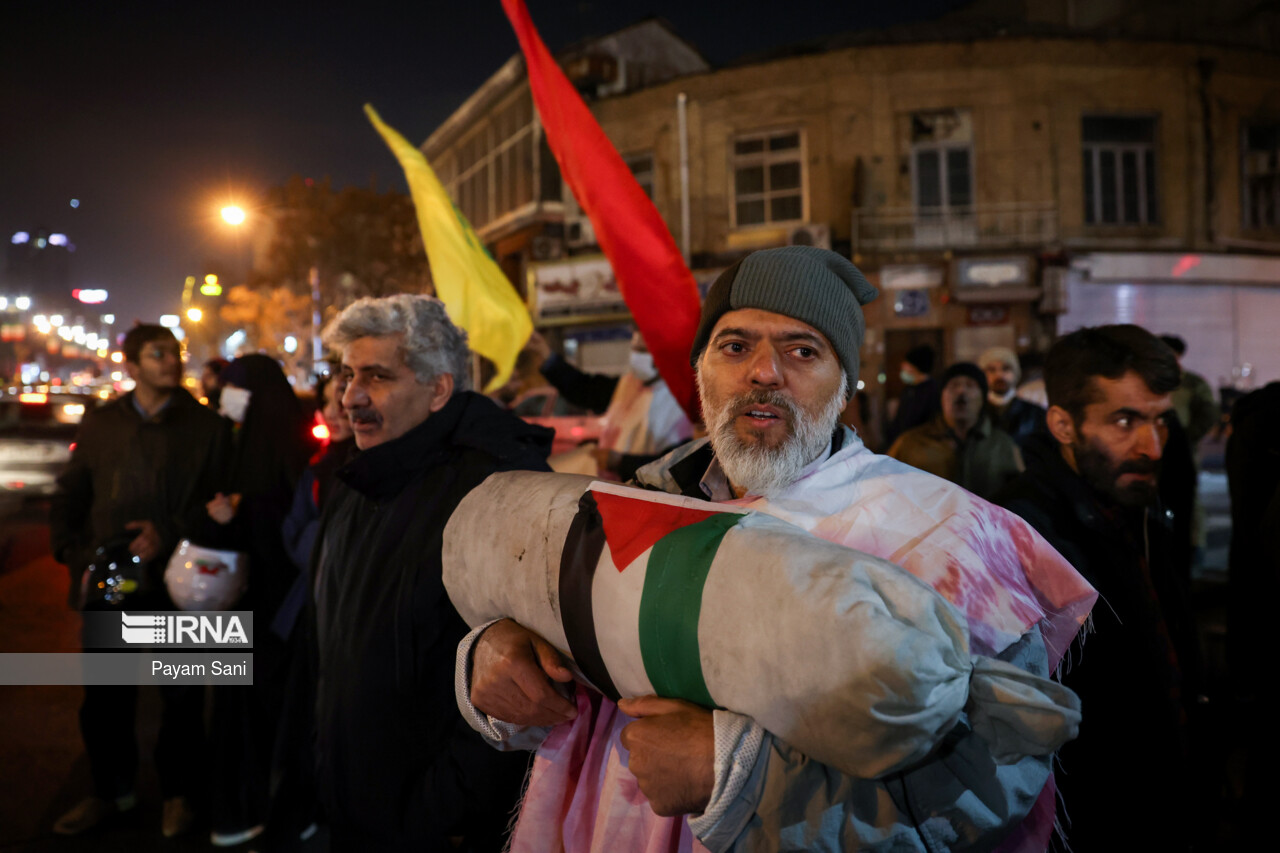
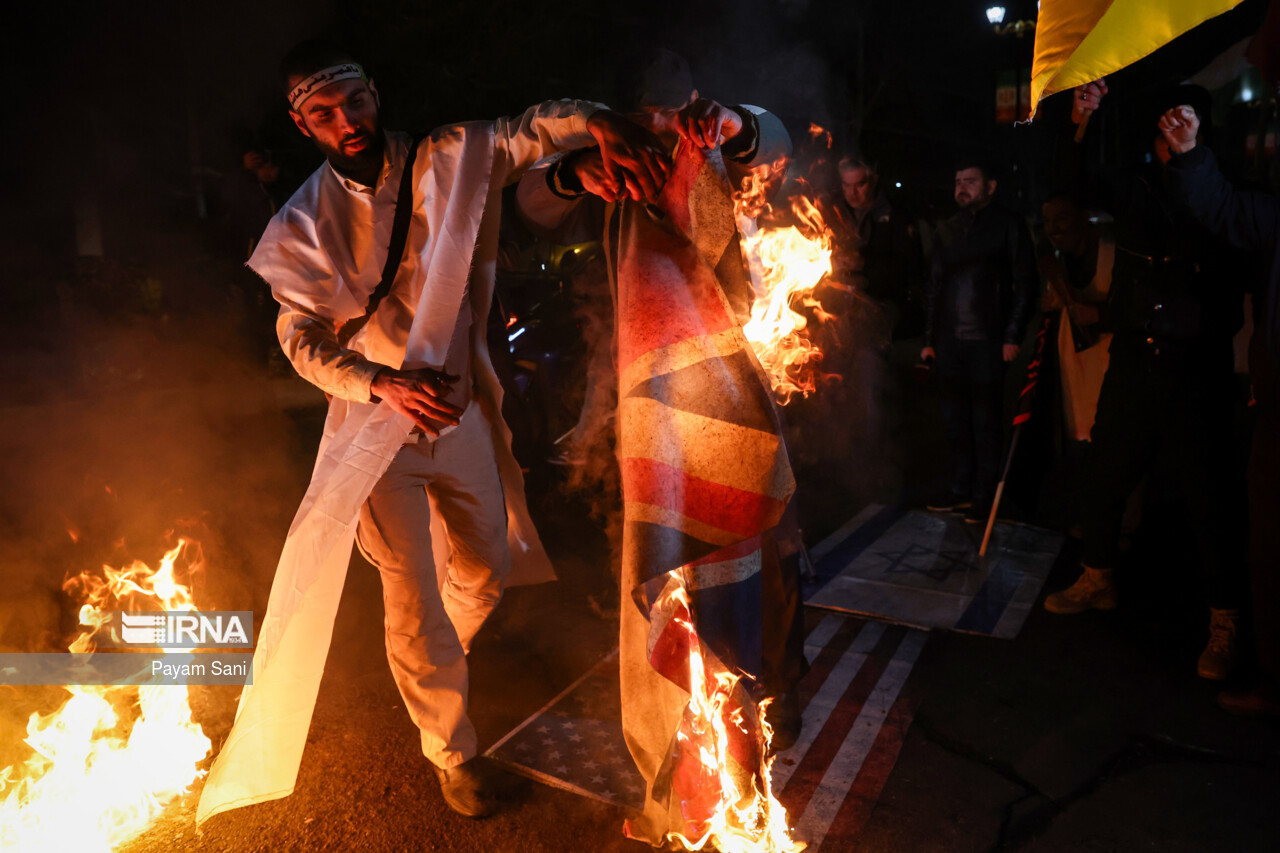
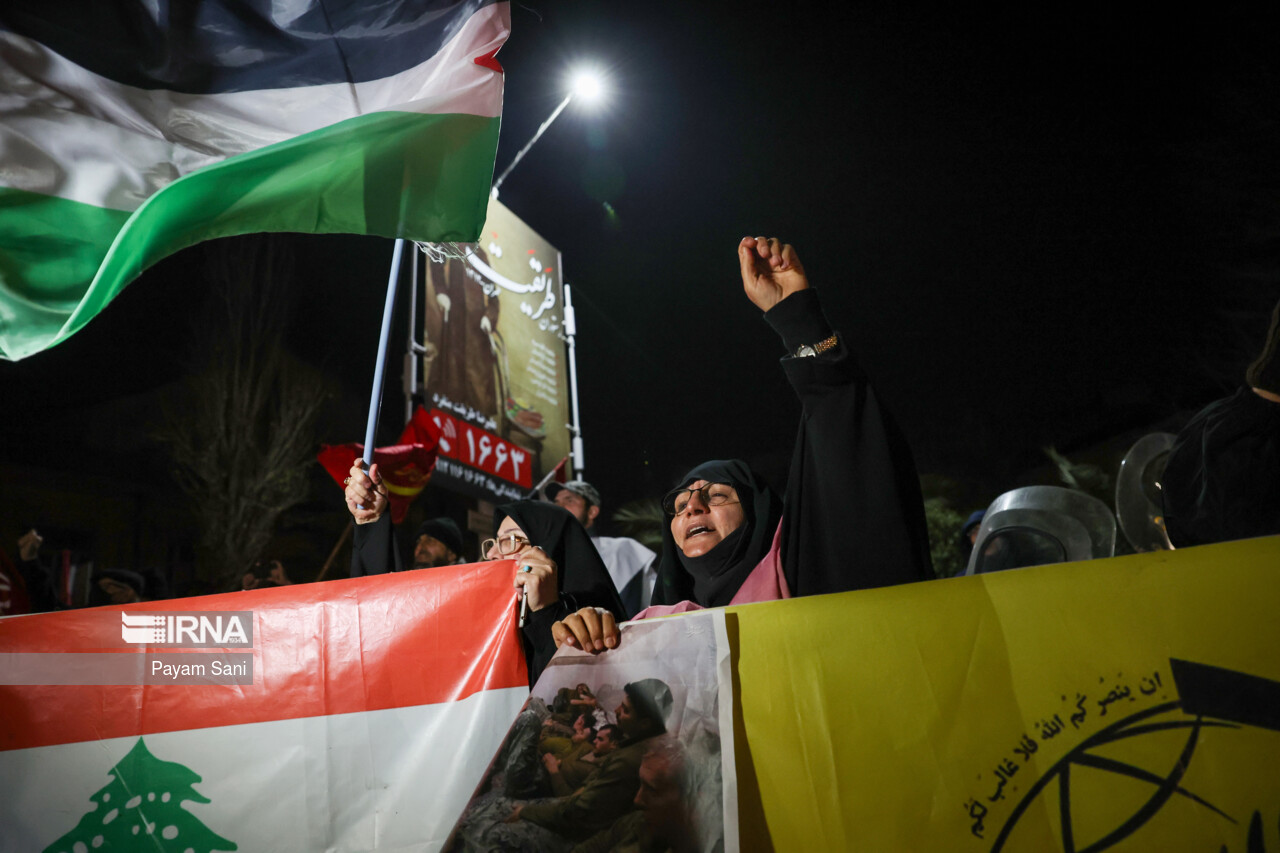
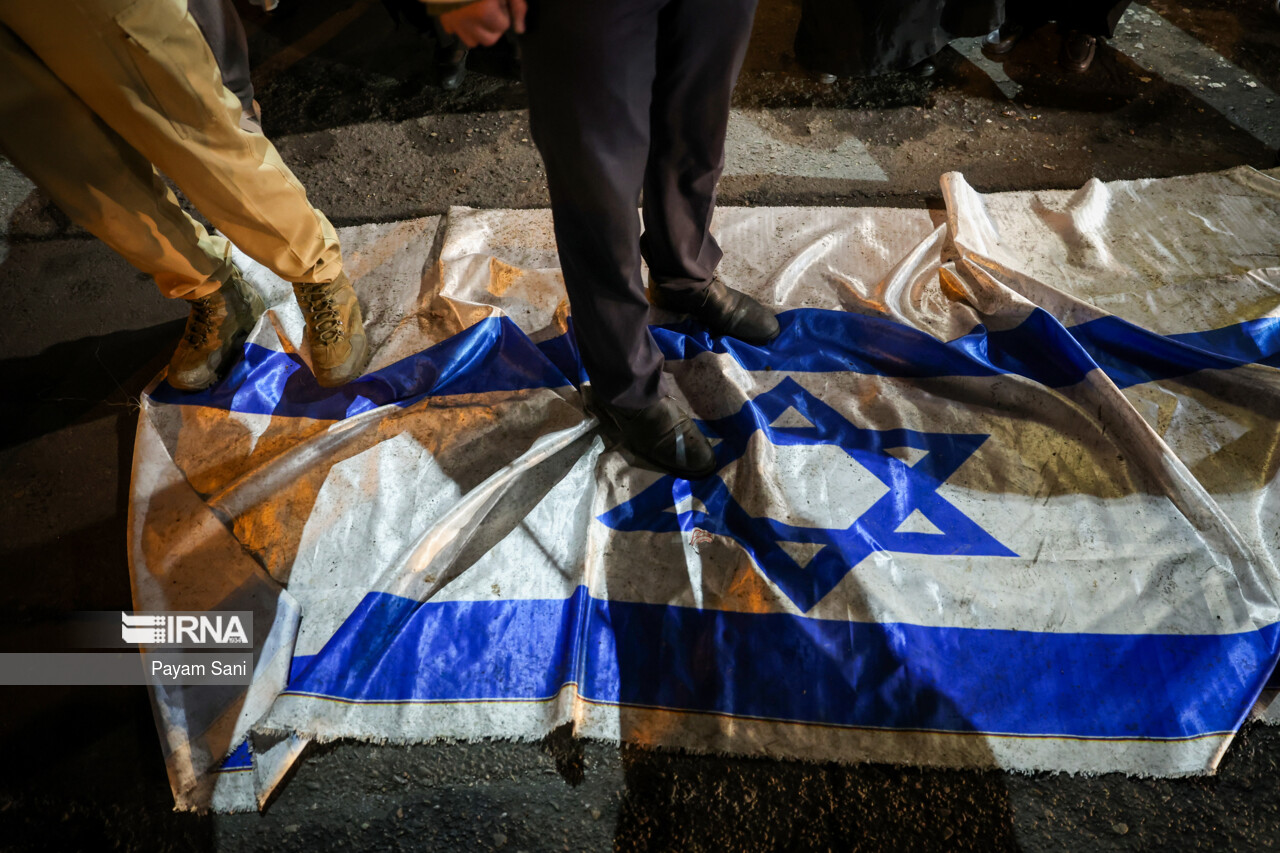
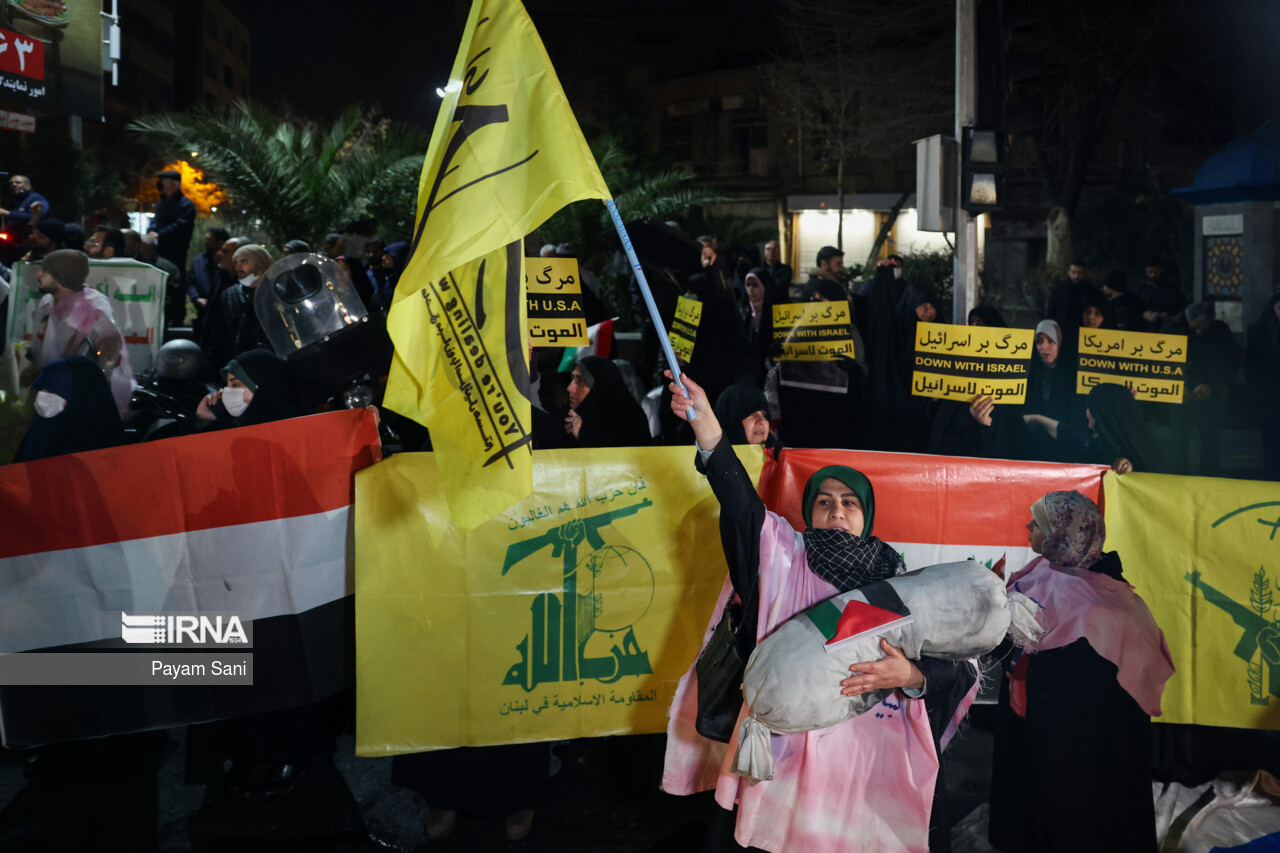
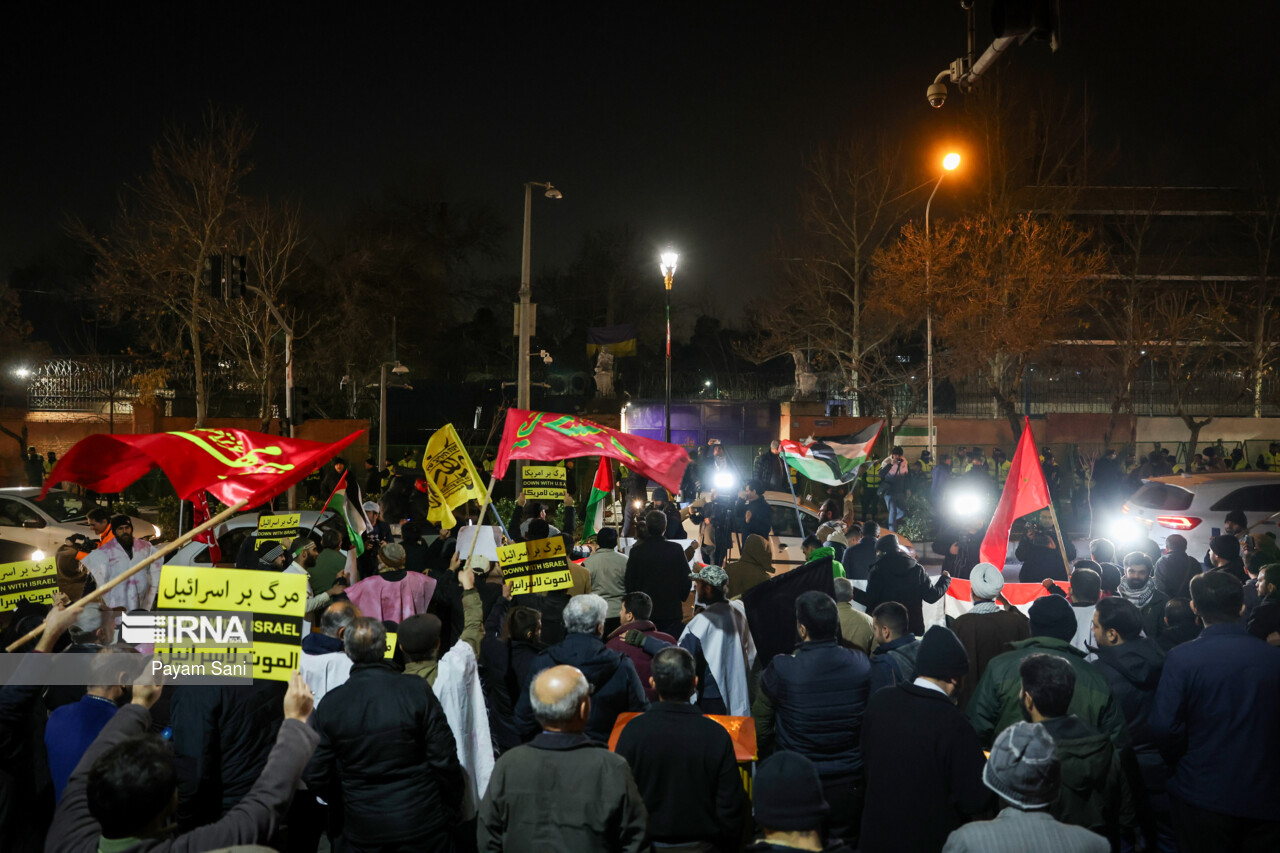
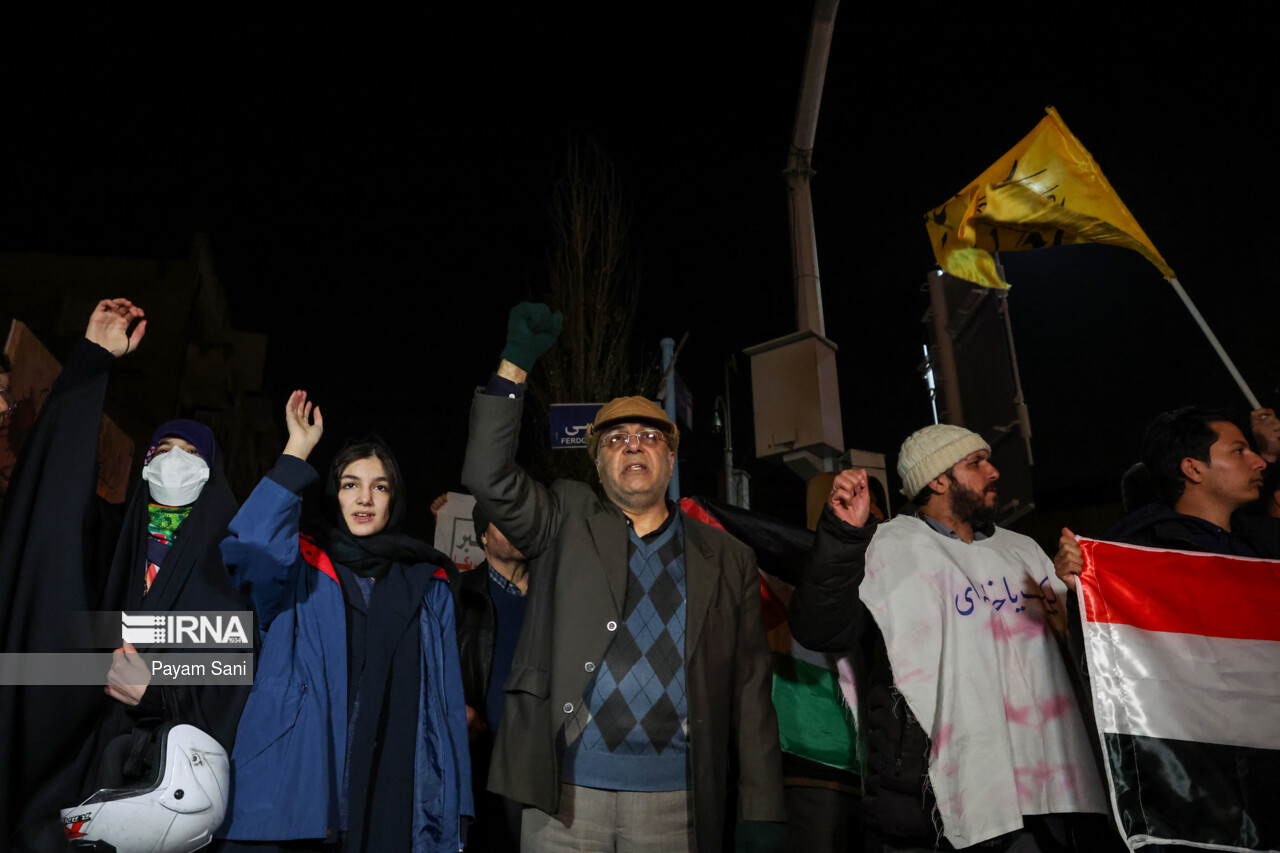
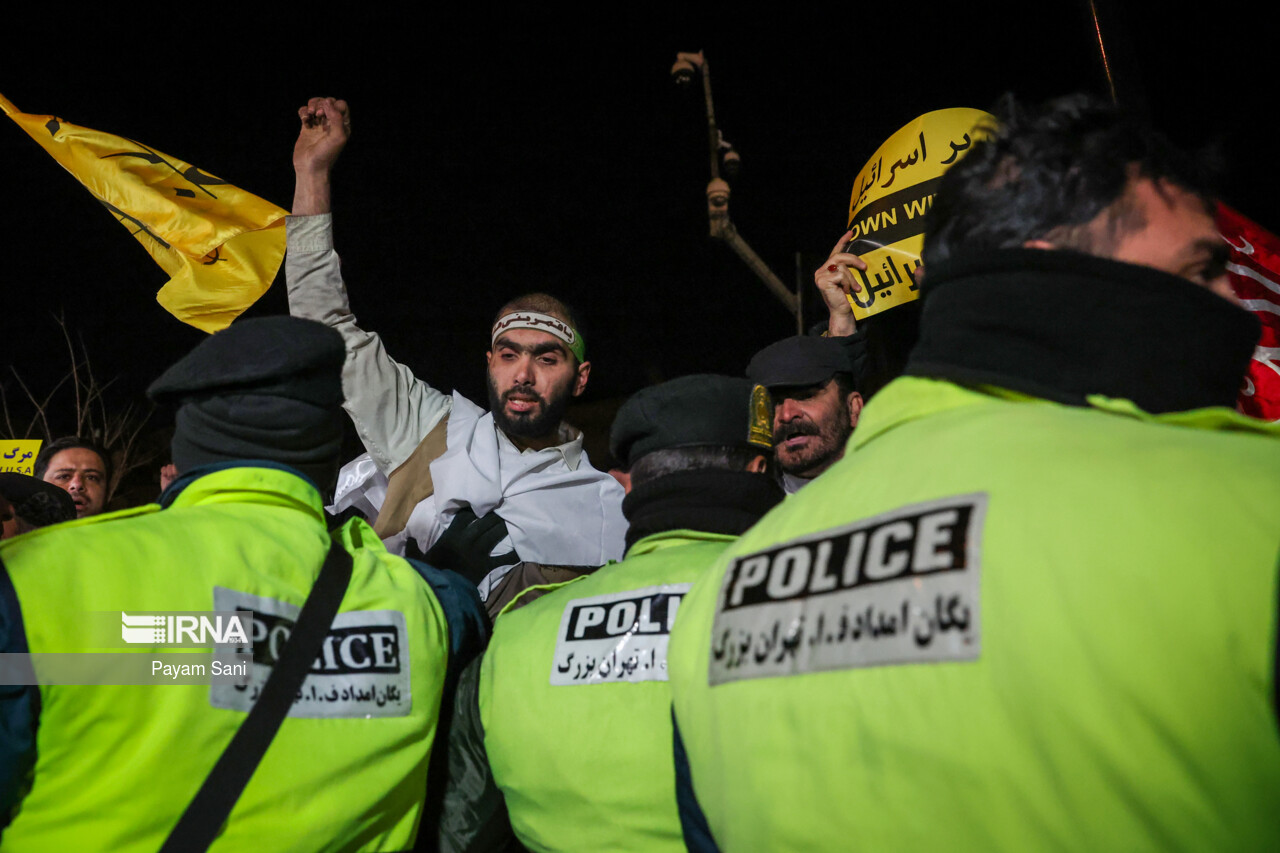
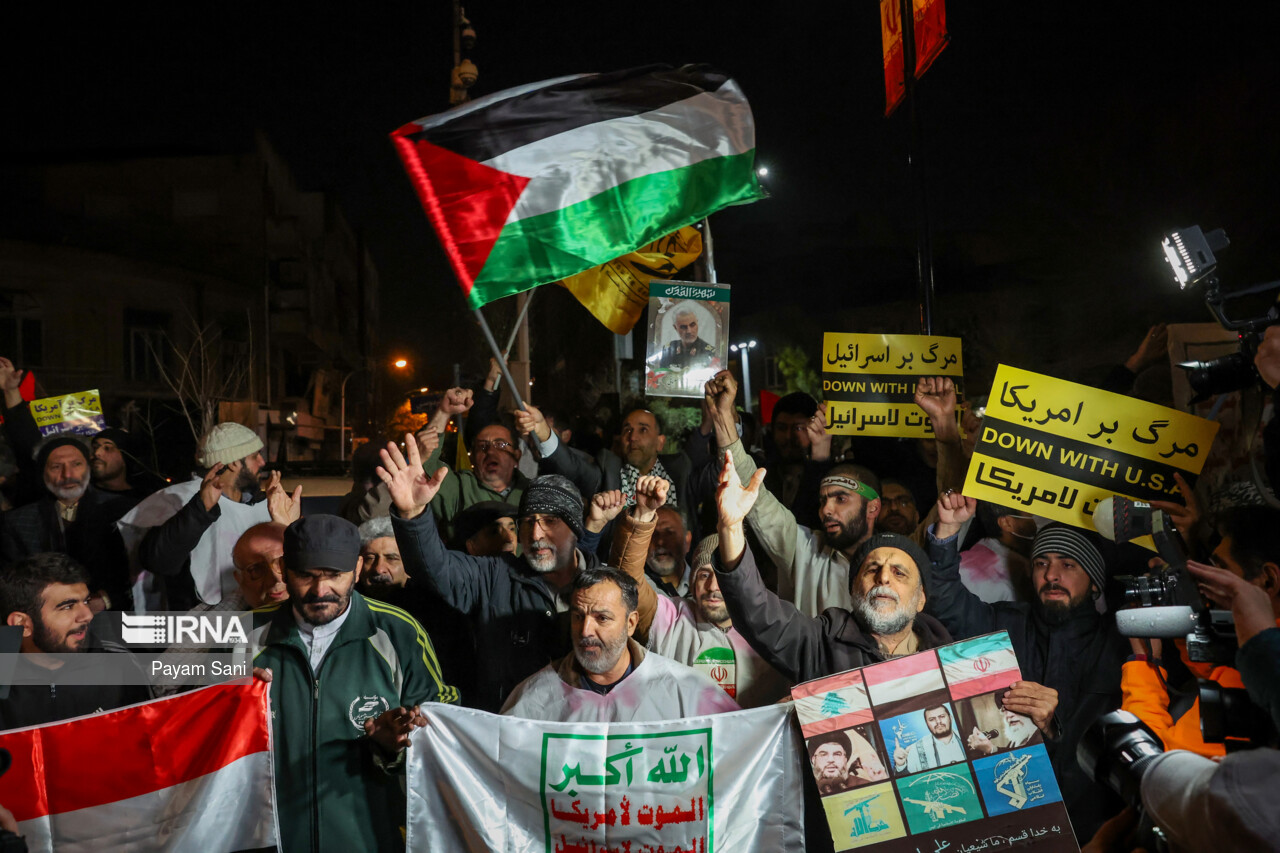
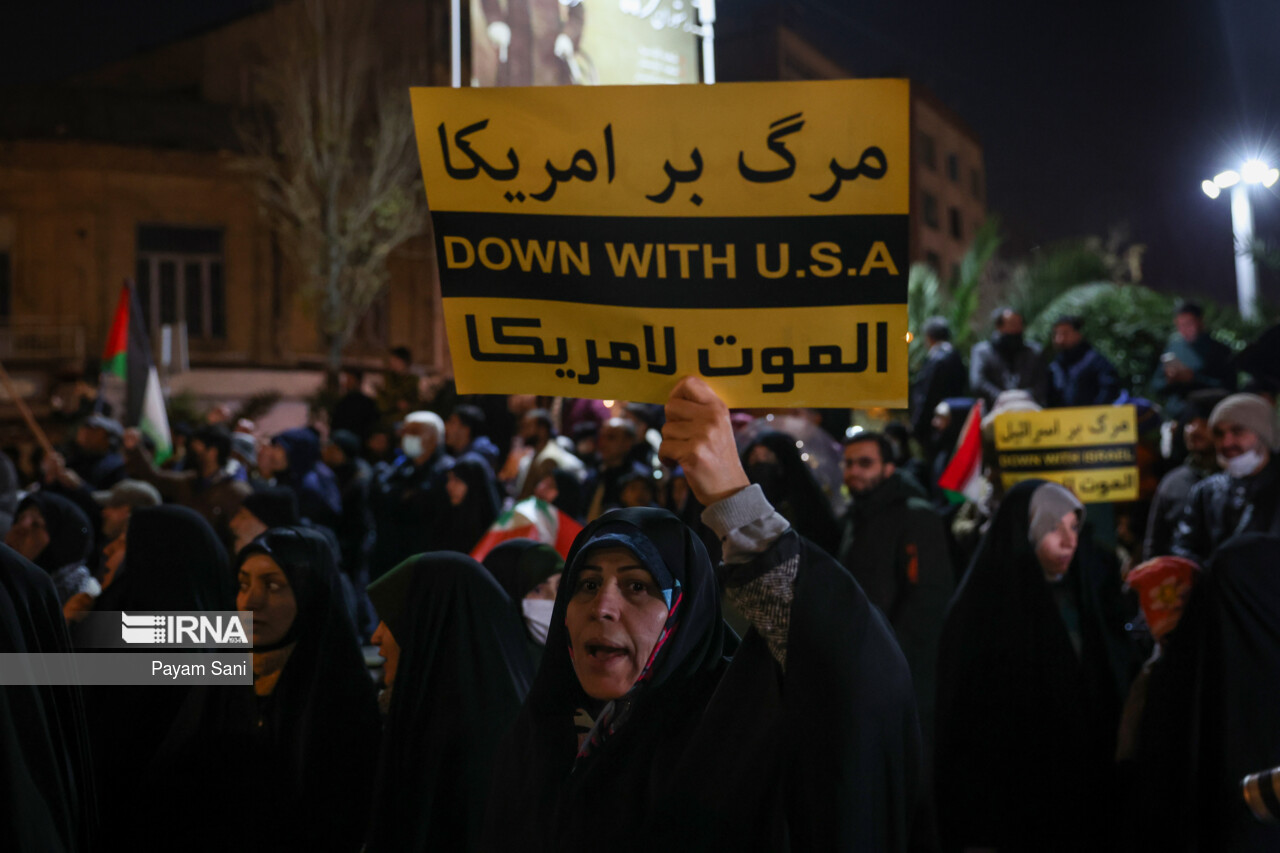
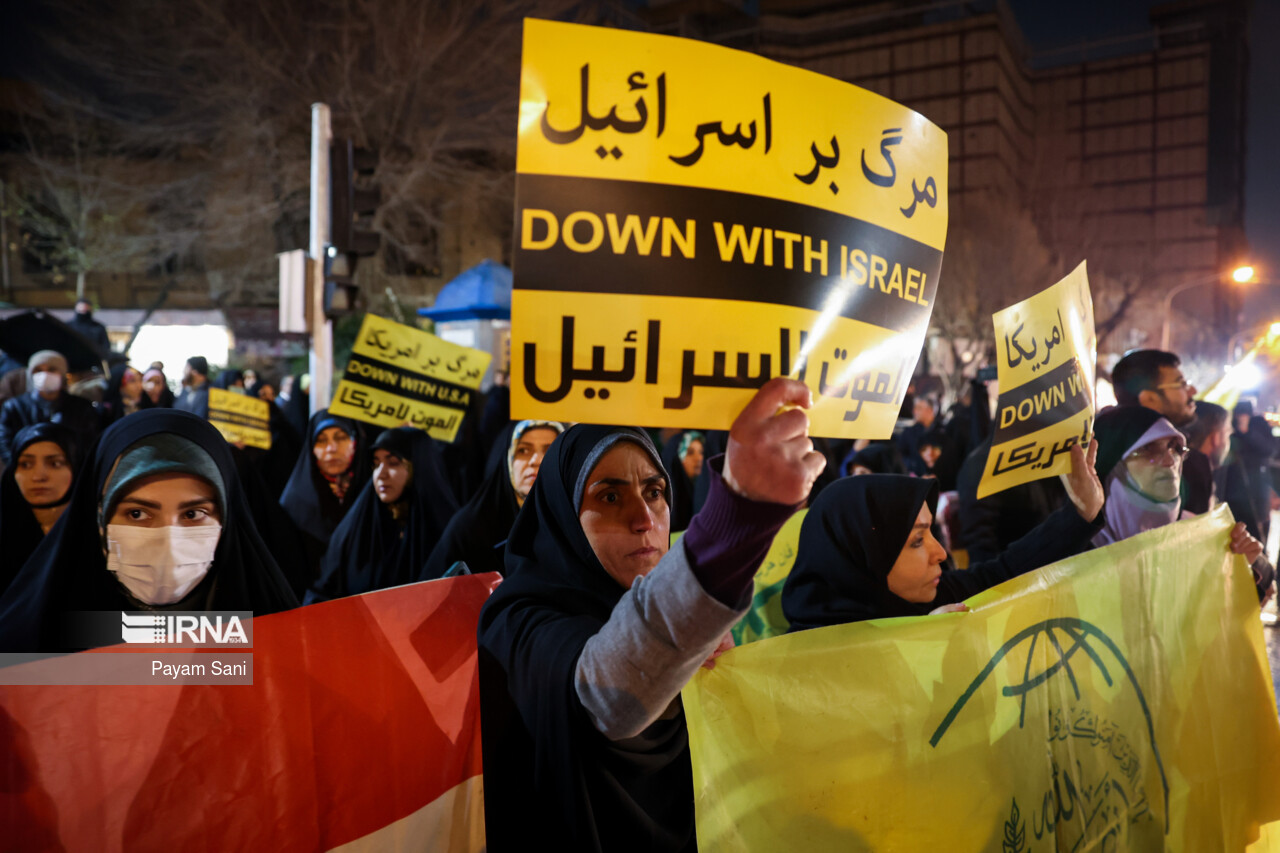
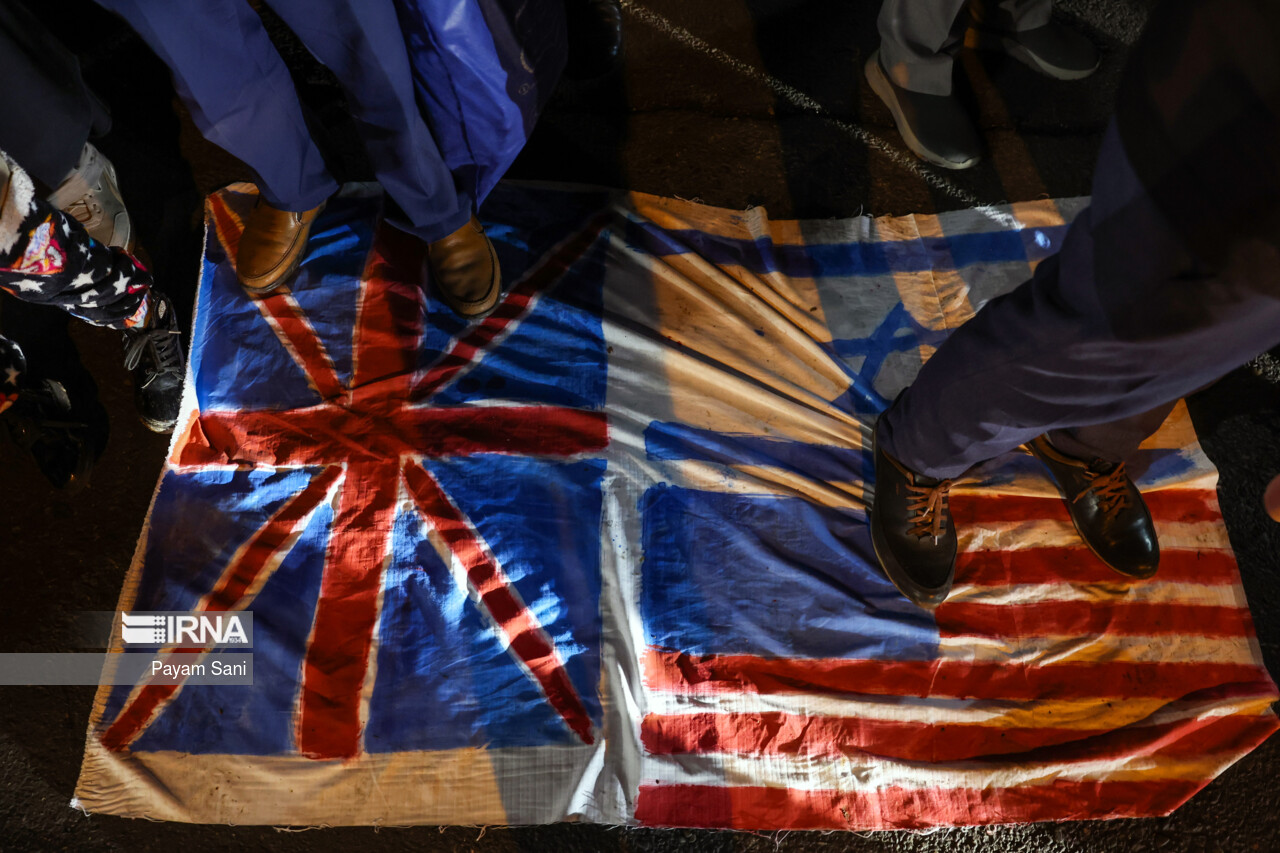
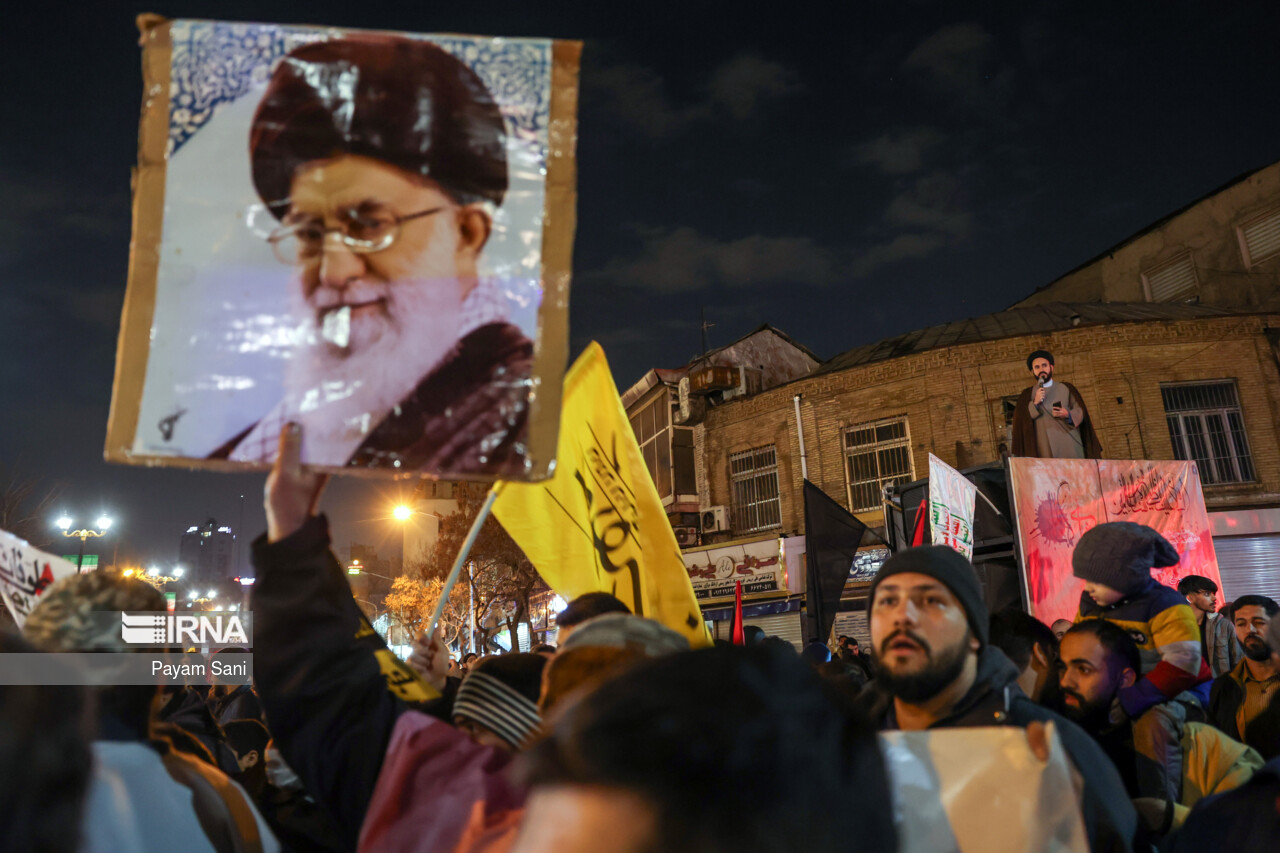
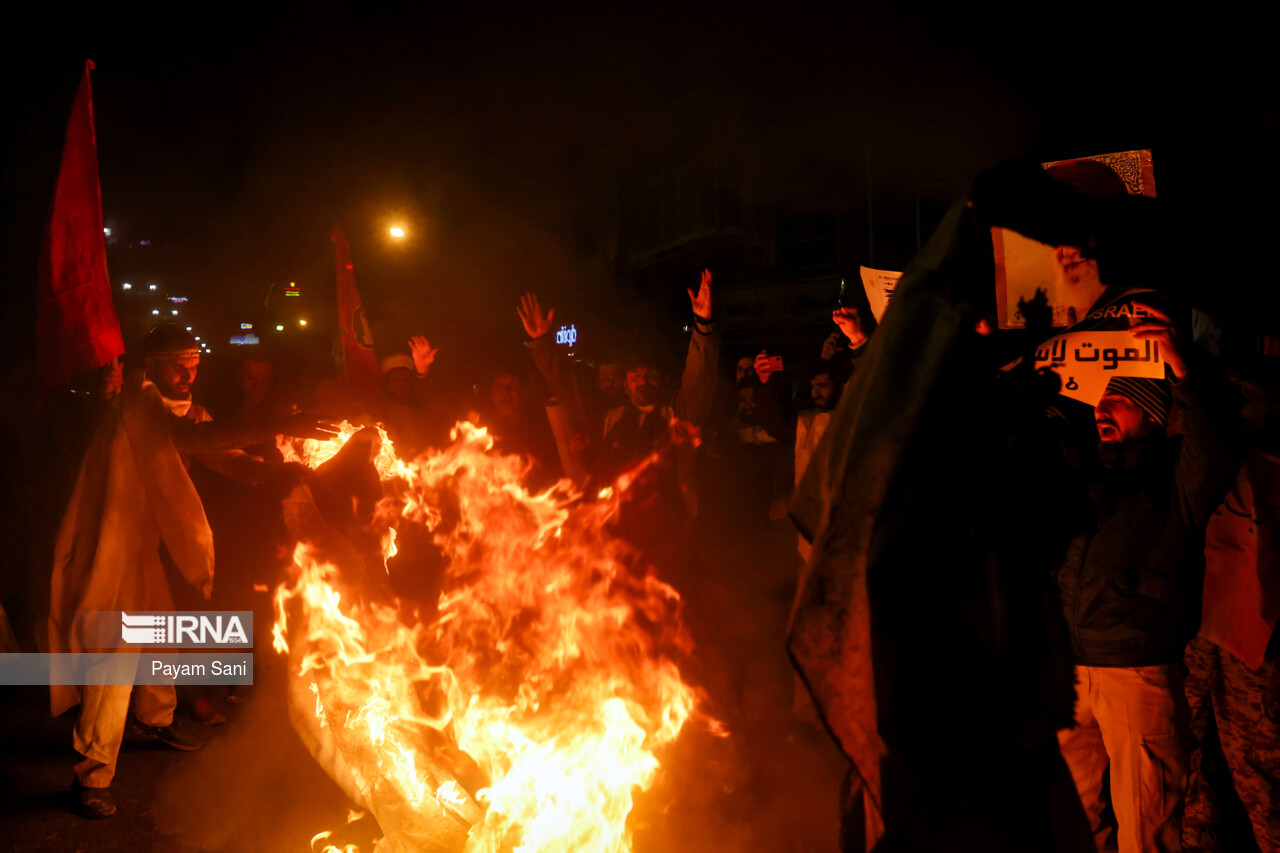
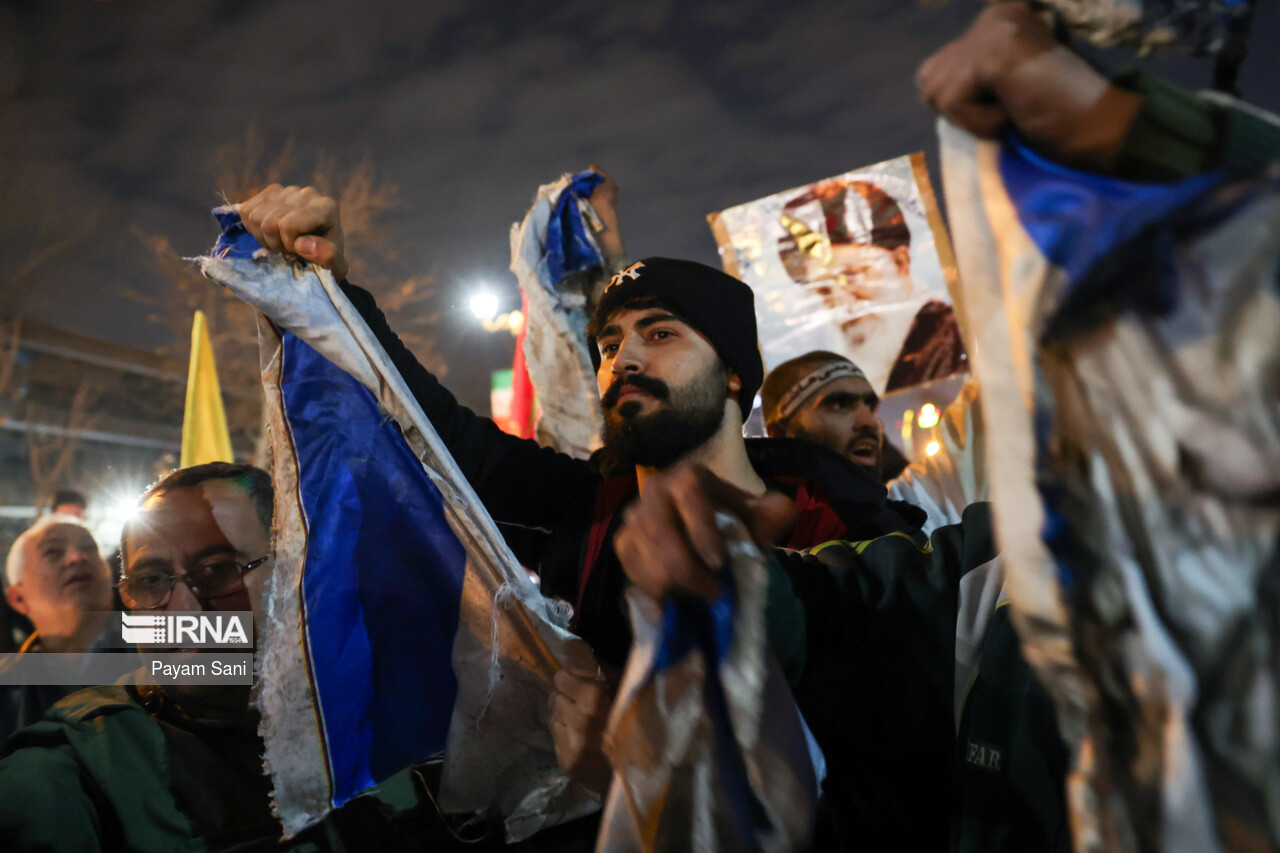
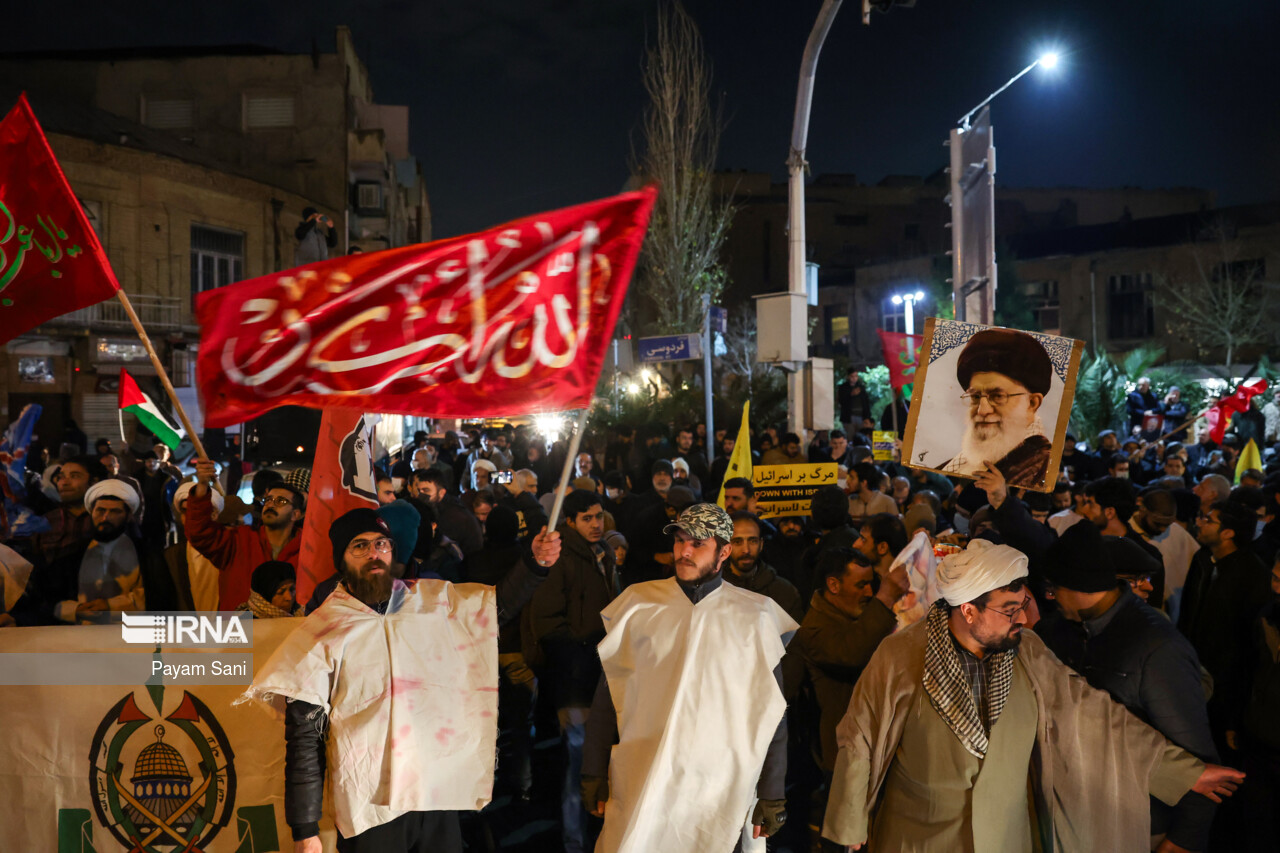
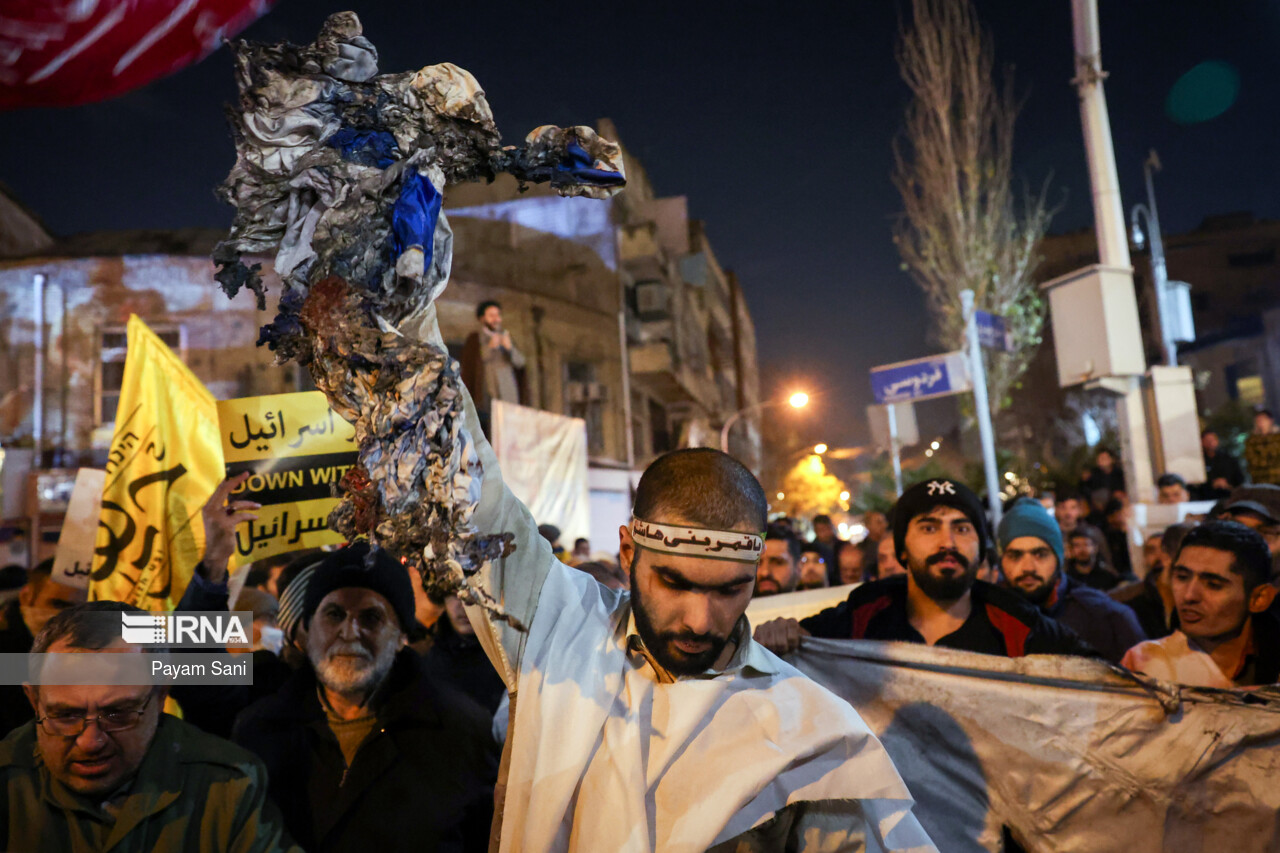
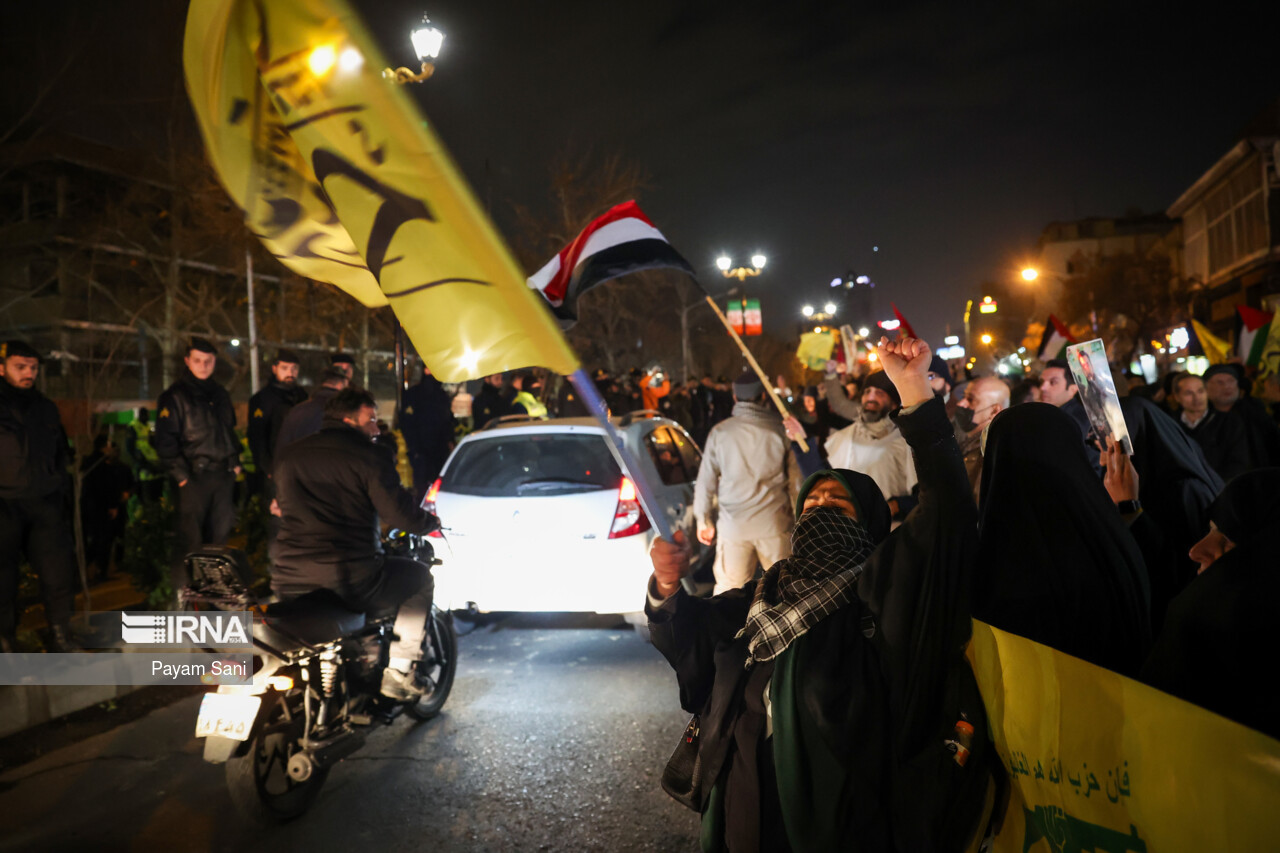
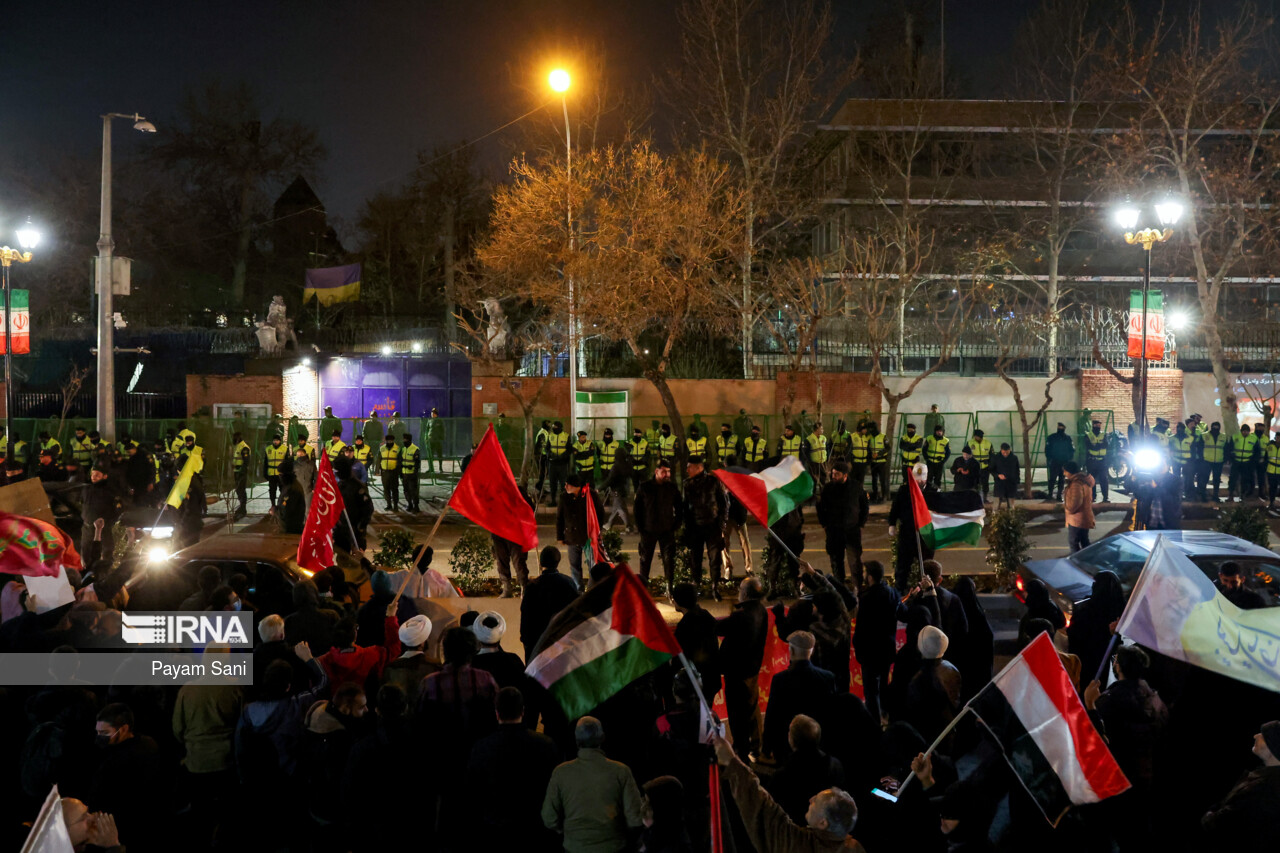
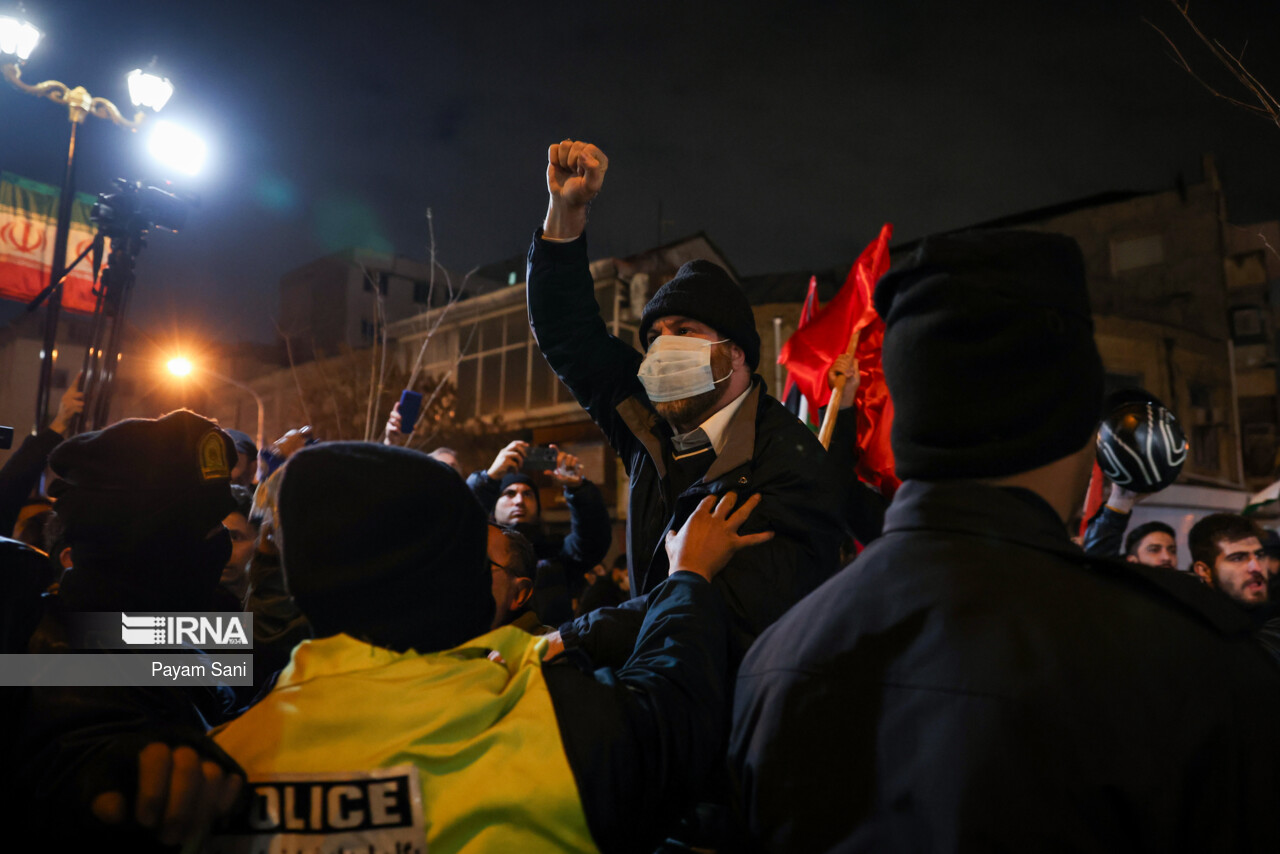
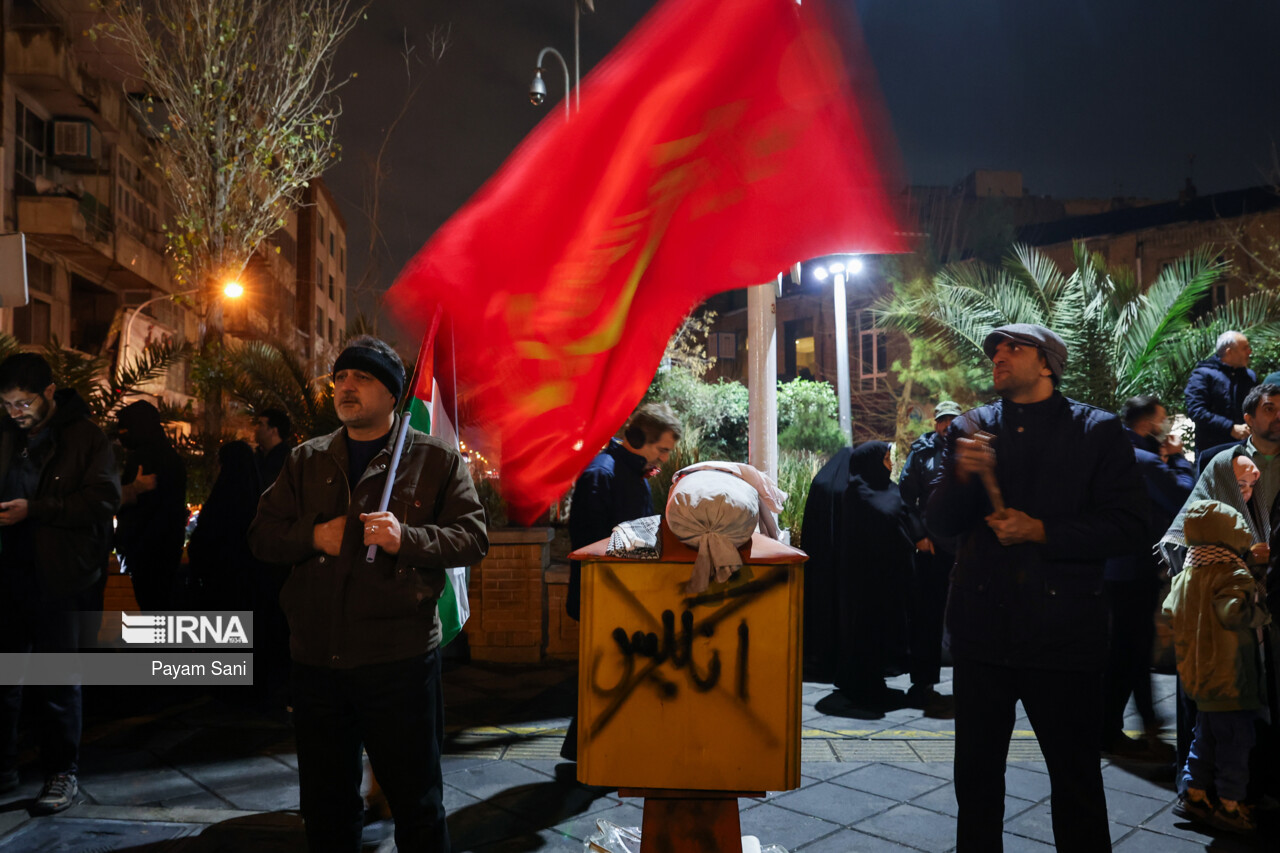
Iranians gather outside British embassy in Tehran to slam Yemen attack

US UK Israel Flags

More in pictures:

Analyst: U.S. strikes on Yemen come with go-ahead from Saudi Arabia

US UK Yemen Attack

“Saudi Crown Prince Mohammed bin Salman announced that despite the war on Gaza, there has been no disruption in the trend of establishment of ties between Saudi Arabia and Israel,” said Heshmat Falahatpisheh.

“This was a concession that Saudi Arabia gave the U.S. and its allies,” added Falahatpisheh, a former head of the National Security and Foreign Policy Commission of Iran’s parliament.

“With these developments, the situation in the region will get more tense, i.e., we will face more challenges,” he explained.

“What will happen is going to make the management of affairs more difficult unless a real diplomacy takes shape in the region and, in the first place, the war in Palestine comes under control and, later, other trends emerge,” said the analyst.

“The Islamic Republic of Iran has, so far, tried not to get involved in this crisis. The advocates of détente between the United States and Iran have only one year to head off an unprecedented war between the two countries,” he added.

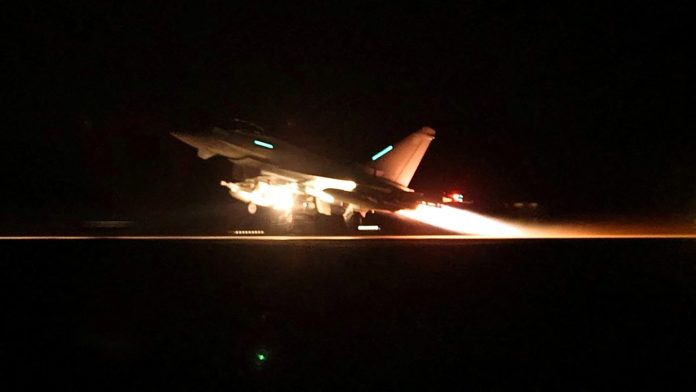
The United States and Britain have launched military attacks on different cities in Yemen, including the capital Sana’a, over its attacks in the Red Sea.

The U.S.-led strikes come despite repeated clarifications by the Yemeni armed forces that they have been targeting only Israeli and Israel-bound ships over the regime’s bloodshed in the Gaza Strip.

Yemen says all ships except those heading to Israeli ports are safe.

Houthi’s radar site targeted in new US strikes in Yemen: Official

US UK Yemen Attack

The official told CNN the additional strikes carried out Friday night were much smaller in scope than the previous night. They targeted a radar facility used by the Houthis.

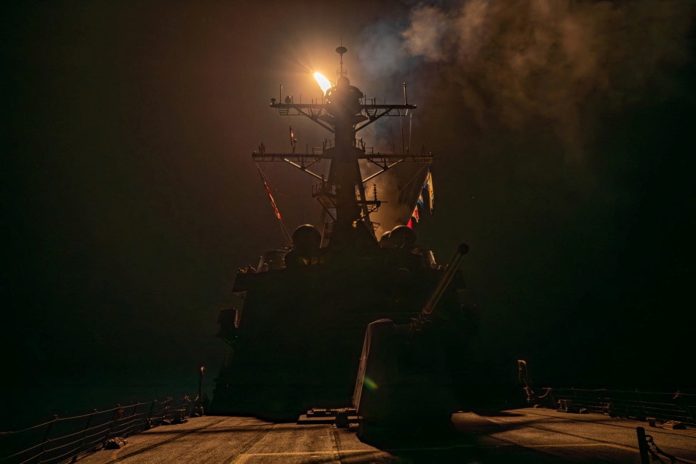
Later, US Central Command (CENTCOM) announced the destroyer USS Carney fired Tomahawk cruise missiles at a Houthi radar station in Yemen.

The new strikes occurred at 3:45 am local time and were “a follow-on action” to the US and UK strikes that took place the previous night.

Yemeni TV station Al-Masirah reported that the strikes were targeting the country’s capital Sanaa.

People living in the Yemeni capital took to social media to report hearing several loud explosions.

The US and Britain previously carried out air raids and launched cruise missiles at Yemen with the aim of punishing the Houthis – a group that controls part of the country, including Sanaa and the key port city of Hodeidah – for disrupting the shipping in the vital Red Sea waterway.

The Houthis have pledged solidarity with the Palestinians and vowed not to stop attacking merchant vessels until Israel ends its ongoing war with Hamas, which erupted on October 7. More than 50 countries have since been affected in 27 Houthi attacks on ships, according to the White House.

Houthi military leader Mahdi al-Mashat reiterated on Friday that the group will continue attacking Israeli-linked ships “until the Israeli aggression against the Palestinians” ends.

The Houthis have fired at least one ballistic missile into the Red Sea since the initial US-UK strikes, according to Washington.

The United States is not seeking war with Yemen, but is prepared to respond decisively to Houthi assaults in the Red Sea, the White House said on Friday.

“We’re not interested in … a war with Yemen. We’re not interested in a conflict of any kind here,” White House spokesperson John Kirby told reporters on Air Force One.

“Everything the president has been doing has been trying to prevent any escalation of conflict, including the strikes last night,” he added.

The Pentagon has also announced that the US is prepared for potential retaliation from the Houthis but does not seek further escalation in the region.

Iranian football player Taremi AFC best goal scorer of 2023

Mehdi Taremi

Taremi scored 31 goals; 19 of them in all competitions for Porto and 12 for his national team.

Kyogo Furuhashi (Japan) and Omar Al-Somah (Syria) also totaled 31 goals; they conceded to Taremi due to a tie-breaker.

Taremi was the best AFC goal-scorer in 2022 as well.

Scenes of “utter horror” in northern Gaza with corpses left on streets, people starving: UN

Gaza War

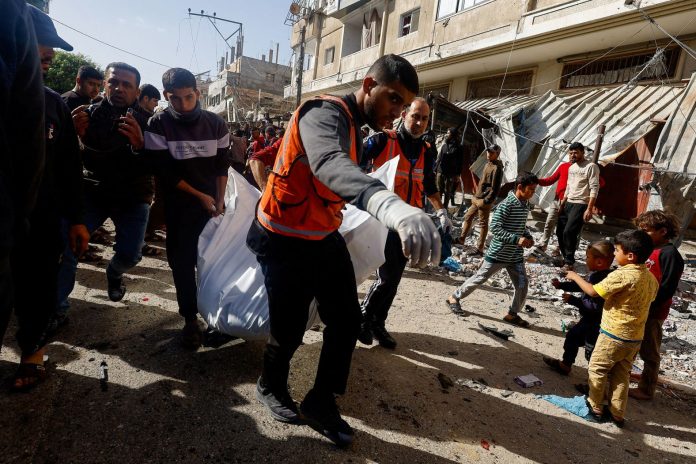
“Corpses left lying in the road. People with evident signs of starvation stopping trucks in search of anything they can get to survive,” Griffiths, UN Under-Secretary-General for Humanitarian Affairs and Emergency Relief Coordinator, told members of the UN Security Council on Friday.

Griffiths stated many people no longer had homes to return to, with shelters in the enclave housing far more people than they could cope with.

Food and water was running out and the risk of famine was growing by the day, he added.

The health system, he said, was “in a state of collapse,” where women were unable to give birth safely, children could not get vaccinated, infectious diseases were on the rise and people had been seeking shelter in hospital yards.

In a stinging criticism, Griffiths said his team’s efforts to send humanitarian convoys to the north have been met with delays and denials amid impossible conditions, with the safety of aid workers being put in danger.

“Orders for evacuation are unrelenting. As ground operations move southwards, aerial bombardments have intensified in areas where civilians were told to relocate for their safety,” Griffiths said of Israel’s evacuation policies.

“There is no safe place in Gaza. Dignified human life is a near impossibility,” he continued.
But the UN humanitarian chief also urged people not to forget “the 1,200 people killed, thousands injured, and hundreds taken in the brutal attack by Hamas and other armed groups on Israel on October 7, and the accounts of abhorrent sexual violence”.

“What we have seen since October 7 is a stain on our collective conscience. Unless we act, it will become an indelible mark on our humanity.”

Israel has launched relentless air and ground attacks on the Gaza Strip since a cross-border attack by Hamas, which Tel Aviv said killed around 1,200 people.

At least 23,708 Palestinians have since been killed, mostly women and children, and 60,050 injured, according to Palestinian health authorities.

According to the UN, 85% of the population of Gaza is already internally displaced amid acute shortages of food, clean water and medicine, while 60% of the enclave’s infrastructure is damaged or destroyed.

An official from UN Population Fund (UNFPA) on Friday voiced concern about the dire humanitarian situation in the Gaza Strip following the Israeli attacks since Oct. 7.

“I’ve returned today for a week in Gaza and it’s clear from my visit: The situation in Gaza is beyond any of our worst nightmares, and it’s getting worse. What I saw, what I felt was fear, despair, desperation is everywhere,” Dominic Allen, UNFPA Representative for the State of Palestine, told reporters via video link.

Stressing that nowhere safe in Gaza, Allen stated after the fear comes the immense humanitarian needs as the people in the coastal territory lack food, water, health care and shelter.

“I don’t even want to speak about a life with dignity because I didn’t see any of that in Gaza right now. What I saw was really truly heartbreaking,” he added.

The world needs to help Gaza now, Allen said, adding that he is personally “terrified” for over 1 million women and girls, who are “suffering the most,” including 5,500 pregnant women due to give birth in this coming months.

“During my visit I met some of them and I can’t stop thinking about them. Many of them suffering from thirst, malnutrition, lack of health. If the bombs don’t kill them, if disease hunger and dehydration don’t catch up with them, simply giving life, will. And we can’t let this happen.”

A UN spokesman also on Friday voiced concern as Israel continues to displace hundreds of Palestinians in the southern Gaza Strip.

“In southern Gaza, new evacuation orders were issued yesterday to residents of the Al-Mawasi area and several blocks near Salah al-Din road, covering an estimated 4.6 square km,” Stephane Dujarric told reporters.

Biden administration reevaluating designating Yemen’s Houthis as terrorist entity

Yemen's Houthi

“I think they are,” Biden said when asked if he was willing to call the Houthis a terrorist group.

Biden later told reporters in Allentown, Pennsylvania, that it is irrelevant whether his administration formally makes that designation. He added the US and other nations would respond anyway to their attacks in the Red Sea.
“It’s irrelevant whether they’re designated,” Biden said. “We’ve put together a group of nations that are going to say if they continue to act and behave as they do, we’ll respond.”

Questioned about some Democrats who said he should have sought Congressional approval for the strikes, Biden rejected their objections outright.

“They’re wrong and I sent up this morning when the strikes occurred exactly what happened,” he stated.

In 2021, the Biden administration reversed the Donald Trump administration’s eleventh-hour decision to designate Yemen’s Houthi rebels as a foreign terrorist organization.

Earlier Friday, the White House reiterated it was reviewing a terror designation for the Houthis. John Kirby, the national security council spokesperson, said no decisions had been made and couldn’t provide a timeline for how long the review would take.

The US and UK militaries launched strikes against Houthi targets in Houthi-controlled areas of Yemen on Thursday, marking a significant response after the Biden administration and its allies warned that the group would bear the consequences of its attacks on commercial shipping in the Red Sea.

The Houthis announced that United States and United Kingdom interests are “legitimate targets” for the Yemeni fighters.

Strikes on Yemen came after Yemeni fighters targeted several Israeli-owned and -bound shipping in the Red Sea in support of Palestinians in war-torn Gaza, where nearly 24,000 Palestinians have been killed in Israeli military onslaught since October 7.

Gaza daily deaths exceed all other major conflicts in 21st century: Report

Gaza War

Britain-based charity Oxfam said that the daily death toll of Palestinians in Israel’s war on Gaza surpasses that of any other major conflict in the 21st century, while survivors remain at high risk due to hunger, diseases and cold, as well as ongoing Israeli bombardments.

“Israel’s military is killing Palestinians at an average rate of 250 people a day, which massively exceeds the daily death toll of any other major conflict of recent years,” Oxfam announced in a statement.

For comparison, the charity provided a list of average deaths per day in other conflicts since the turn of the century: 96.5 in Syria, 51.6 in Sudan, 50.8 in Iraq, 43.9 in Ukraine, 23.8 in Afghanistan, and 15.8 in Yemen.

Oxfam added the crisis is further compounded by Israel’s restrictions on the entry of aid into Gaza, where only 10 percent of weekly food aid that is needed gets in. This poses a serious risk of starvation for those who survive the relentless bombardment, it said.

United States-based rights group Human Rights Watch (HRW) has also released its World Report 2024, which said civilians in Gaza have been “targeted, attacked, abused, and killed over the past year at a scale unprecedented in the recent history of Israel and Palestine”.

Nearly 24,000 Palestinians have been killed and 60,000 injured in Israeli strikes on Gaza since October 7, according to Gaza’s Ministry of Health.

“The heinous crimes carried out by Israeli forces and Palestinian armed groups since October 7 are the abhorrent legacy of decades-long impunity for unlawful attacks and Israel’s systematic repression of Palestinians,” said Omar Shakir, Israel and Palestine director at HRW.

“How many more civilians must suffer or be killed as a result of war crimes before countries supplying weapons pull the plug and otherwise take action to end these atrocities?” he asked.

This comes as South Africa on Thursday presented its case against Israel at the International Court of Justice in The Hague, accusing the country of committing “genocide” against Palestinians in Gaza, a charge that Israel’s Prime Minister Benjamin Netanyahu rejected as “hypocrisy and lies”.

In its report, HRW noted that Israel’s war on Gaza has included “acts of collective punishment that amount to war crimes and include the use of starvation as a method of warfare”, including cutting off essential services such as water and electricity and blocking the entry of most critical humanitarian aid.

Meanwhile, in the occupied West Bank, HRW noted during the first eight months of 2023, incidents of settler violence against Palestinians and their property reached the highest daily average since the United Nations started recording this data in 2006. At least 3,291 Palestinians were held in administrative detention without charge or trial, according to Israel Prison Service figures.

“Israeli authorities’ repression of Palestinians, undertaken as part of a policy to maintain the domination of Jewish Israelis over Palestinians, amount to the crimes against humanity of apartheid and persecution,” HRW added.

Experts in mapping damage during wartime have also found that the war in Gaza now sits among the deadliest and most destructive in recent history.

According to an analysis of Copernicus Sentinel-1 satellite data by the CUNY Graduate Center and Oregon State University, the war has killed more civilians than the US-led coalition did in its three-year campaign against ISIL (ISIS or Daesh).

The offensive has wreaked more destruction than the razing of Syria’s Aleppo between 2012 and 2016, Ukraine’s Mariupol or, proportionally, the Allied bombing of Germany in World War II, researchers found, according to a report by The Associated Press.

Israel’s offensive has likely either damaged or destroyed more than two-thirds of all structures in northern Gaza and a quarter of buildings in the southern area of Khan Younis, according to satellite data collected by the research group.

That includes tens of thousands of homes as well as schools, hospitals, mosques and stores. UN monitors have said that about 70 percent of school buildings across Gaza have been damaged.

“Gaza is now a different colour from space. It’s a different texture,” stated Corey Scher of the CUNY Graduate Center, who has worked to map destruction across several war zones.