
The event was scheduled to coincide with the Ramadan War and was attended by a significant number of participants in the capital’s main squares.
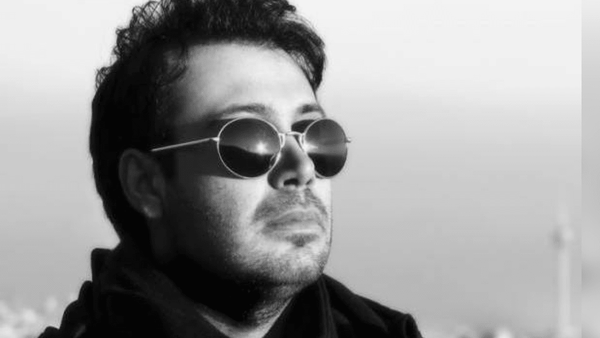
During the 12th Revolutionary Art Week, pop singer and composer Mohsen Chavoshi was honored as the “Person of the Year of the Islamic Revolution in 1404”. Excerpts from Chavoshi’s works “Elaaj” and “Hasbi Allah” were broadcast, and the audience sang along.
In 1404, while the nation was engaged in two imposed conflicts — one lasting 12 days and the Ramadan War — Chavoshi produced the musical pieces “Elaaj” and “Hasbi Allah.” These works connected music to the concept of patriotism, elicited a substantial public response, sustained the spirit of resistance during critical periods, and reinforced hope among the populace.
Other candidates for the “Person of the Year of the Islamic Revolution Art” award included: Seyyed Ali Mirfatah (painter, journalist, and artistic figure); Maryam Shabani (director and writer of the theater productions “For Hana” and “Angels of Minab”); Sirous Moghadam (director and manager of the “Paytakht 7” series); and Mohammad Mirkiani (a prominent writer known for the series “Our Story Became Similar”).
Following the martyrdom of Seyyed Morteza Avini, a distinguished artistic and revolutionary figure, on April 9, 1993, this date was designated as “Islamic Revolution Art Day” upon the recommendation of poets, writers, and artists from the Art Center to the Supreme Leader of the Revolution. Commemorating the anniversary of Avini’s martyrdom, under the initiative of the Islamic Revolution Art Center, a series of programs is organized across the country for one week.
At the conclusion of this week, the “Person of the Year of the Islamic Revolution Art” is announced.
