
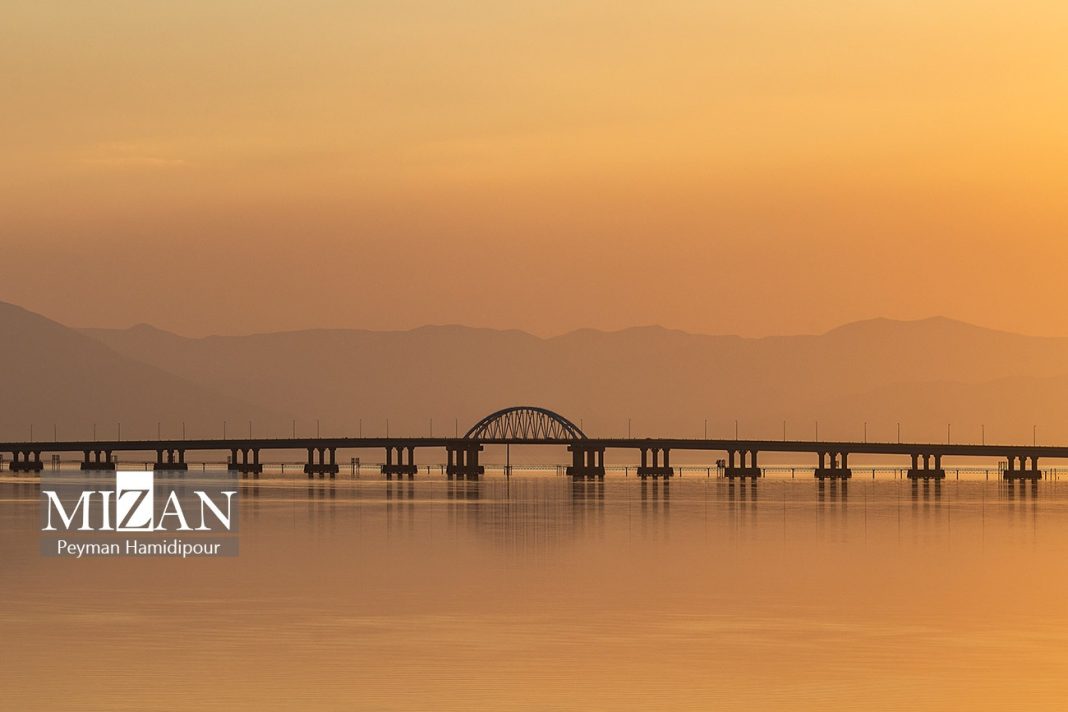
Prolonged drought has worsened water shortages across West Azarbaijan Province, but experts stress that reduced rainfall accounts for only 20-30 percent of the crisis.
The main drivers, they say, are decades of over-extraction for agriculture and extensive dam construction across the basin.
According to provincial water authorities, rainfall in the Lake Urmia watershed is down 81 percent compared with last year and 86 percent below long-term averages.
Storage levels in the basin’s dams have fallen by 46 percent, while underground aquifers are rapidly declining, contributing to severe land subsidence in plains such as Salmas and Kahriz.
Saeed Issa-Pour, planning director at the Restoration Headquarters, said the lake’s annual environmental water right is around 3.2 billion cubic meters, but last year only 470 million cubic meters, less than 10 percent, was delivered.
He noted that more than 100 large and small dams now intercept water flowing toward the lake.
Officials warn that even a return of normal rainfall will not save Lake Urmia without major changes in water management and agricultural consumption.
