
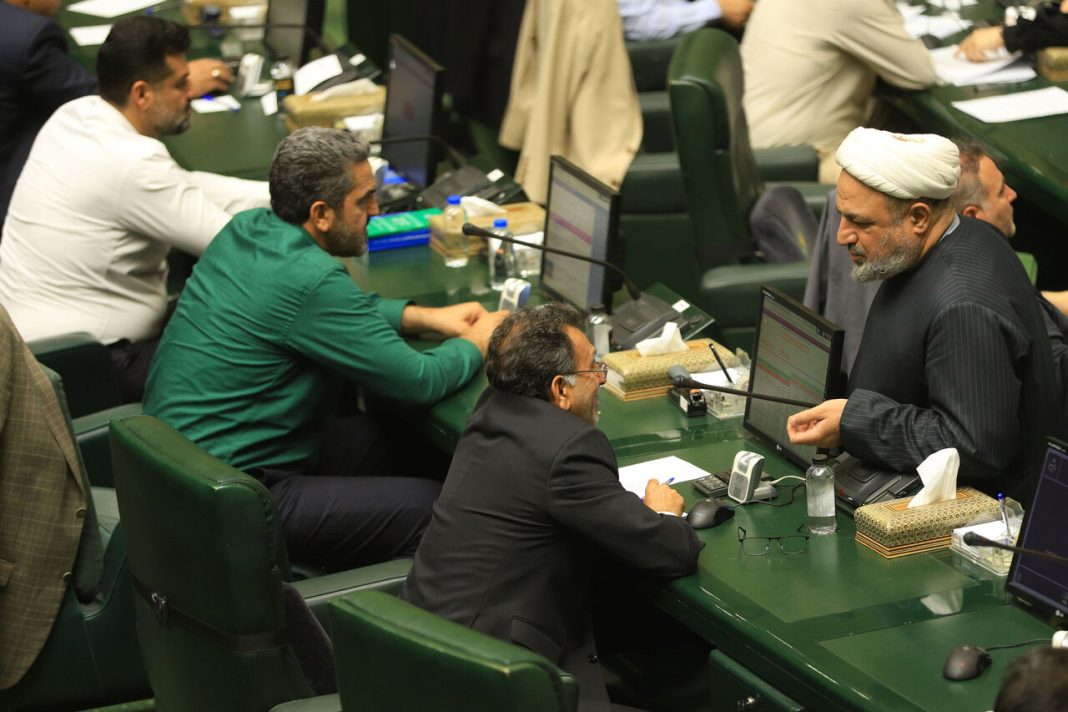
The proposal, submitted by the administration of President Massoud Pezeshkian, was passed with 205 votes in favor, 49 against, and 3 abstentions out of 260 lawmakers present.
Titled “Combating the Publication of False News Content in Cyberspace,” the 22-article bill introduces penalties for users who publish or distribute misleading or manipulated news online. These include imprisonment, financial fines, and access restrictions.
The bill assigns the Ministry of Culture and Islamic Guidance to establish a nationwide reporting system for digital activity and coordinate with the judiciary by forwarding reports of violations. The government argues the move will protect public trust and national unity.
Defending the urgency of the legislation, government representative Kazem Delkhosh stated that while cyberspace has clear benefits, unregulated content can harm societal cohesion and state authority.
However, some lawmakers voiced concern. MP Farid Mousavi criticized the bill’s prioritization, arguing that in the aftermath of the recent war with Israel, national unity and transparency are more urgent than policing online content.
