
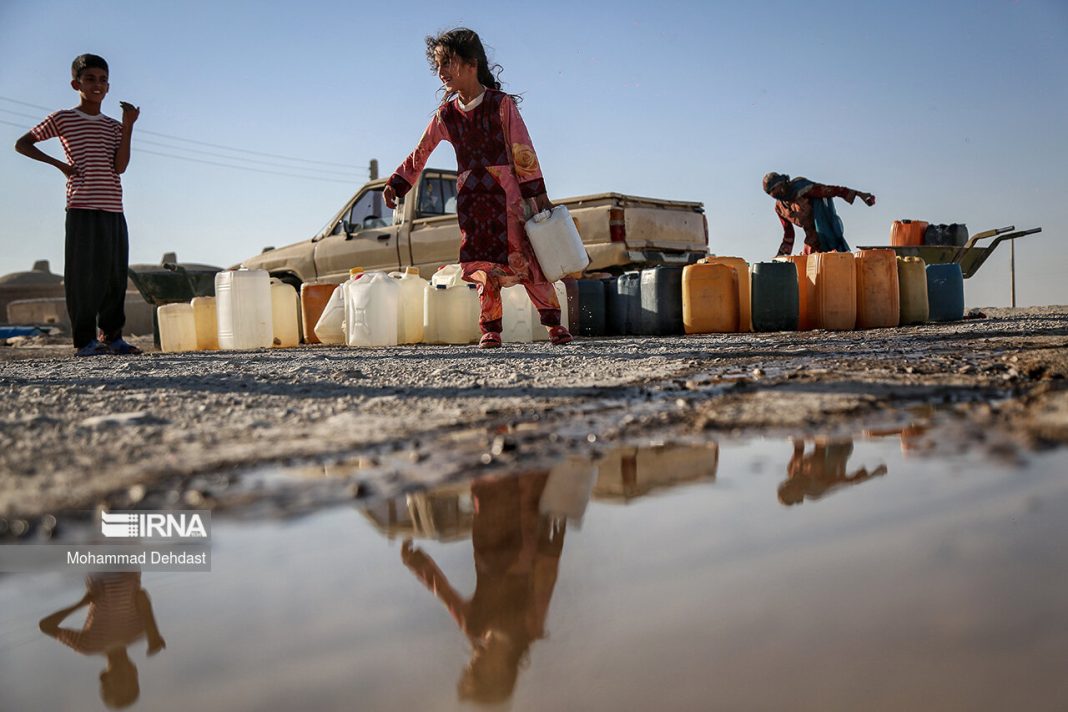
Speaking in an open session of the Islamic Consultative Assembly, Pezeshkian said all provinces, without exception, are facing water stress, citing ongoing tensions among provinces including Isfahan, Chaharmahal and Bakhtiari, Kohgiluyeh and Boyer-Ahmad, Khuzestan, and Yazd.
He said continued disputes between provinces are not a solution, noting that such conflicts would not arise if sufficient water resources existed.
The president said citizens who have made sacrifices for the country are now confronting a complex crisis that cannot be resolved through rivalry or fragmented decision-making.
He stressed that the government is committed to implementing scientific recommendations provided by universities and experts, and urged lawmakers to place trust in specialists and academic research.
Pezeshkian argued that science-based decisions, even if they encounter implementation challenges, can be corrected and improved, while non-expert decisions have historically deepened crises.
He added that ineffective laws must be revised, saying repeated legislation since the early years after the revolution has failed to reverse worsening water indicators.
Referring to studies conducted with the participation of experts in water resources, agriculture, irrigation, sociology, economics, and management, Pezeshkian said these assessments show a continuous deterioration of the country’s water situation.
He emphasized that national and international research confirms the crisis affects all provinces and cannot be solved simply by reallocating or redistributing water.
The president also compared the water crisis to air pollution in Tehran, saying both are the result of development that exceeded environmental capacity.
