
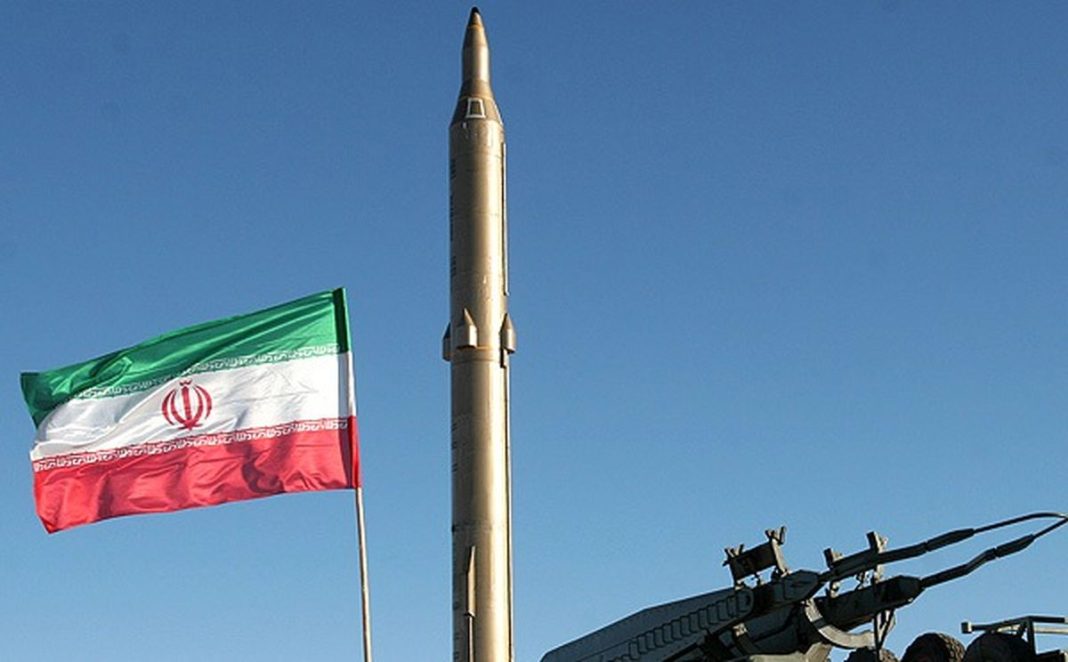
Brigadier General Gholamreza Jalali, head of Iran’s Passive Defense Organization, stated on Saturday that “almost all of Iran’s underground and mountain-based missile infrastructure remains intact,” noting that only minor surface-level damage occurred at some entrances.
He said these could be repaired without affecting operational readiness.
According to General Jalali, Iran has spent the past 20 years developing deeply buried missile bases and secure storage sites under mountains, based on “persistent threat assessments and priority given to aerospace and missile systems.”
He credited the late General Amir Ali Hajizadeh, former IRGC aerospace commander, for overseeing major advancements, including the simultaneous launch of multiple missiles from underground silos.
General Jalali also said Iran adopted similar fortification measures for its nuclear facilities, particularly Fordow and Isfahan, after evaluating threats such as US bunker-buster bombs.
He suggested that claims of extensive US destruction during the strikes in June were inaccurate but added that some details remain classified.
On cyber defense, General Jalali stated that while his organization provides planning and oversight, operational responsibility lies with individual agencies.
He noted previous vulnerabilities in banking software and said fuel station networks have since been redesigned to prevent nationwide disruptions.
General Jalali also raised concerns over foreign digital platforms and surveillance risks, saying data transmitted through external servers can be monitored and analyzed by adversaries.
He provided examples of security vulnerabilities found in imported surveillance cameras and stressed the need for national control over digital infrastructure.
Regarding civilian preparedness, General Jalali confirmed that Tehran has underground spaces, including metro stations, that could serve as public shelters, though upgrades in sanitation and security systems are still needed.
He said authorities refrained from publicly announcing shelter plans to avoid causing public anxiety.
