
The United Nations’ top rights body decided to set up an investigation to gather and preserve evidence of international crimes.
A draft resolution brought forward by the European Union was adopted without a vote by the 47-country council in Geneva.
“Four years since the Taliban takeover by force, the human rights situation has only deteriorated amidst a deepening humanitarian crisis,” said Denmark’s ambassador Ib Petersen, introducing the resolution on behalf of the EU.
The Taliban has “entrenched repression” and laid waste to civic space in Afghanistan, he stated.
“This council has a duty to react and stand in solidarity with the people of Afghanistan,” added Petersen, stressing that the probe would address long-standing impunity.
The resolution sets up an ongoing independent investigation “to collect, consolidate, preserve and analyse evidence of international crimes and the most serious violations of international law”.
Its scope notably includes violations and abuses against women and girls.
It will also prepare files to facilitate independent criminal proceedings.
“The mechanism will be able to preserve testimonies and stories of victims,” an EU spokesperson told AFP.
The Taliban returned to power in Afghanistan in 2021. The Taliban government remains largely excluded from the international community, which criticises it for its repressive measures, particularly those targeting women.
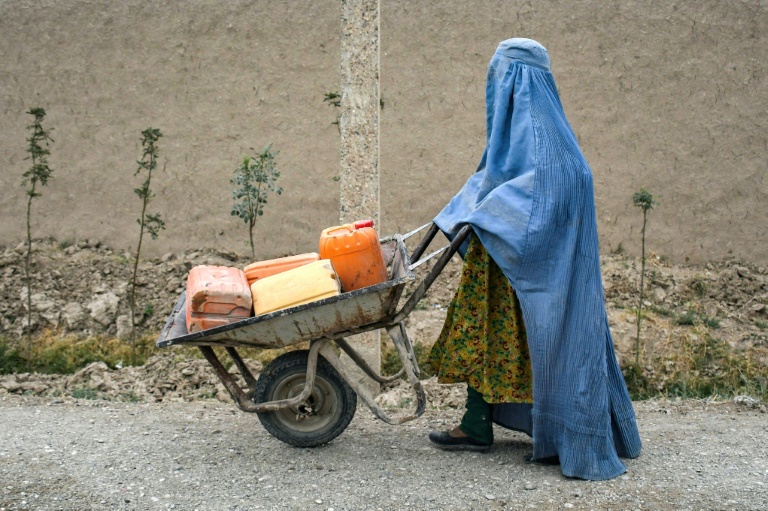
Afghan women can no longer practise many professions or travel without a male chaperone, and are banned from studying after the age of 12, walking in parks or going to gyms.
The resolution “deplores the Taliban’s institutionalisation of its system of discrimination, segregation, domination, disrespect for human dignity and exclusion of women and girls”.
