Wednesday, December 24, 2025
Home Blog Page 988

Iran asserts commitment to nuclear obligations

Iran nuclear program

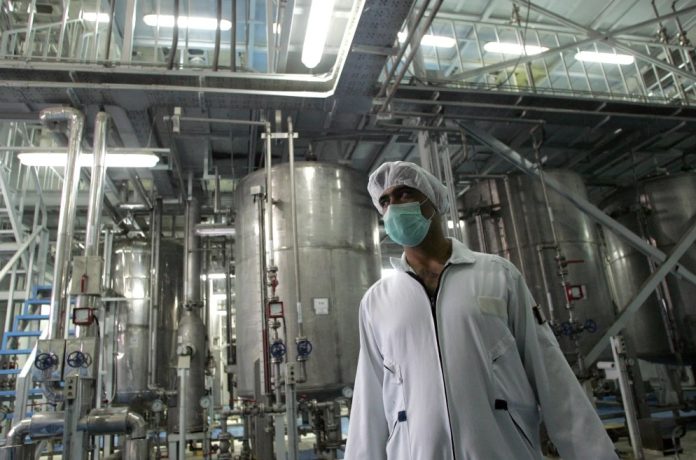
In response to the IAEA Director General’s reports submitted to the Board of Governors of the  agency, the Permanent Mission of the Islamic Republic of Iran to the United Nations Office in Vienna released a comprehensive Non-Paper, outlining Tehran’s perspectives on the matter.

The Non-Paper addressed concerns regarding the division of subjects in the reports, citing discrepancies between the Joint Comprehensive Plan of Action (JCPOA) and Nuclear Non-Proliferation Treaty (NPT) safeguards.

Highlighting the fallout from the United States’ withdrawal from the JCPOA in 2018 and the subsequent failure of the European Union and three member states—Germany, England, and France—to fulfill their obligations, Iran underscored its right to take voluntary clarifying measures beyond the safeguard agreement.

Iran’s decision to cease JCPOA obligations came as a response to the U.S. withdrawal and the European countries’ failure to uphold commitments.

The Non-Paper asserted that these geopolitical realities cannot serve as a basis for the three European nations to evade their responsibilities, reinforcing Iran’s commitment to its inherent rights within the JCPOA framework.

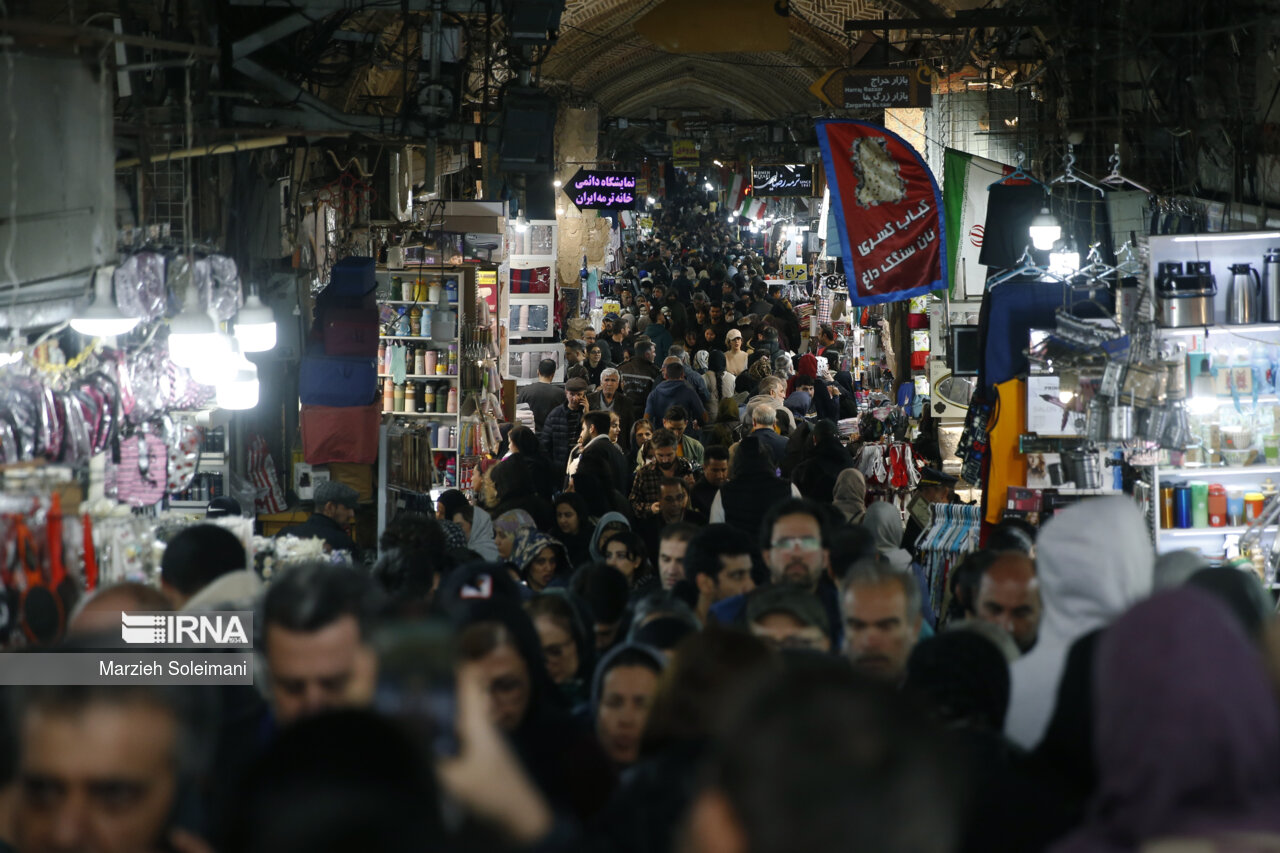
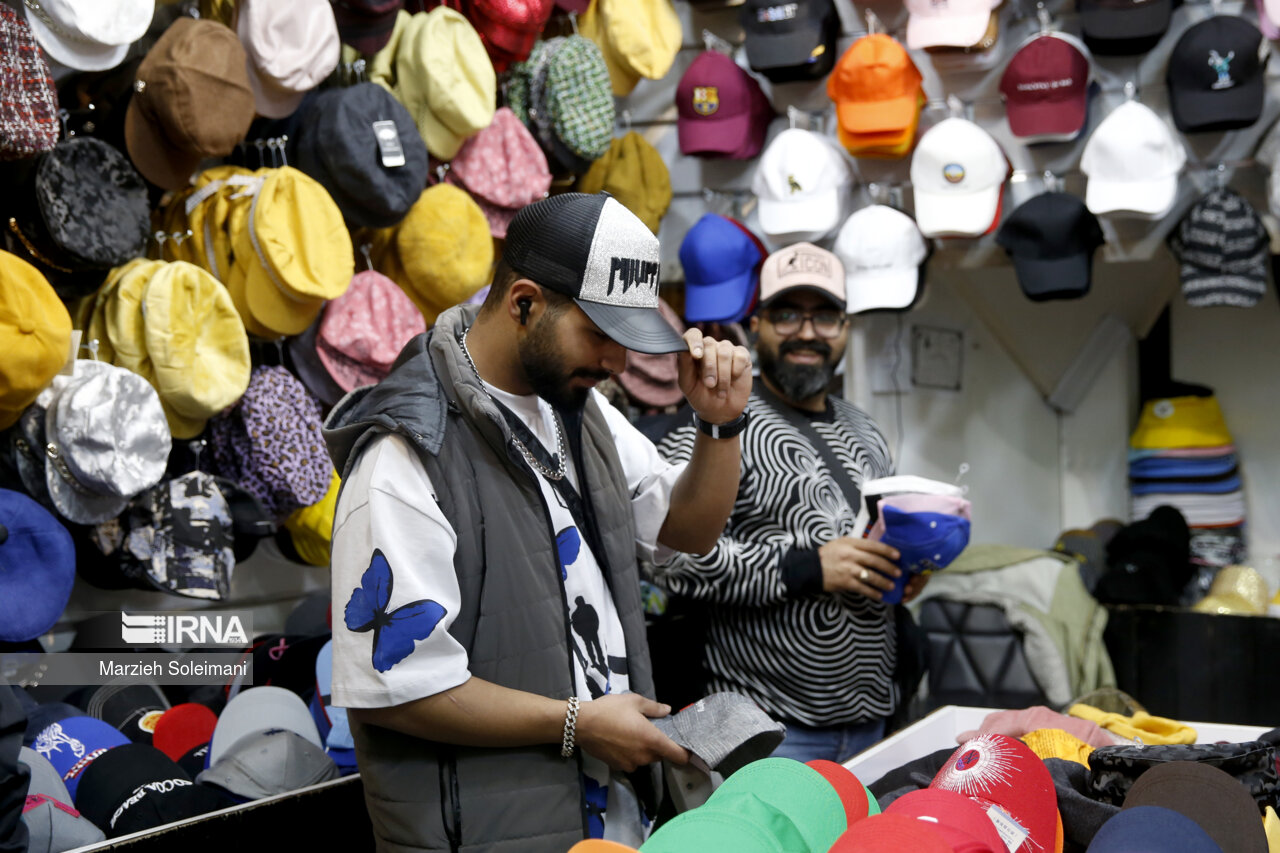
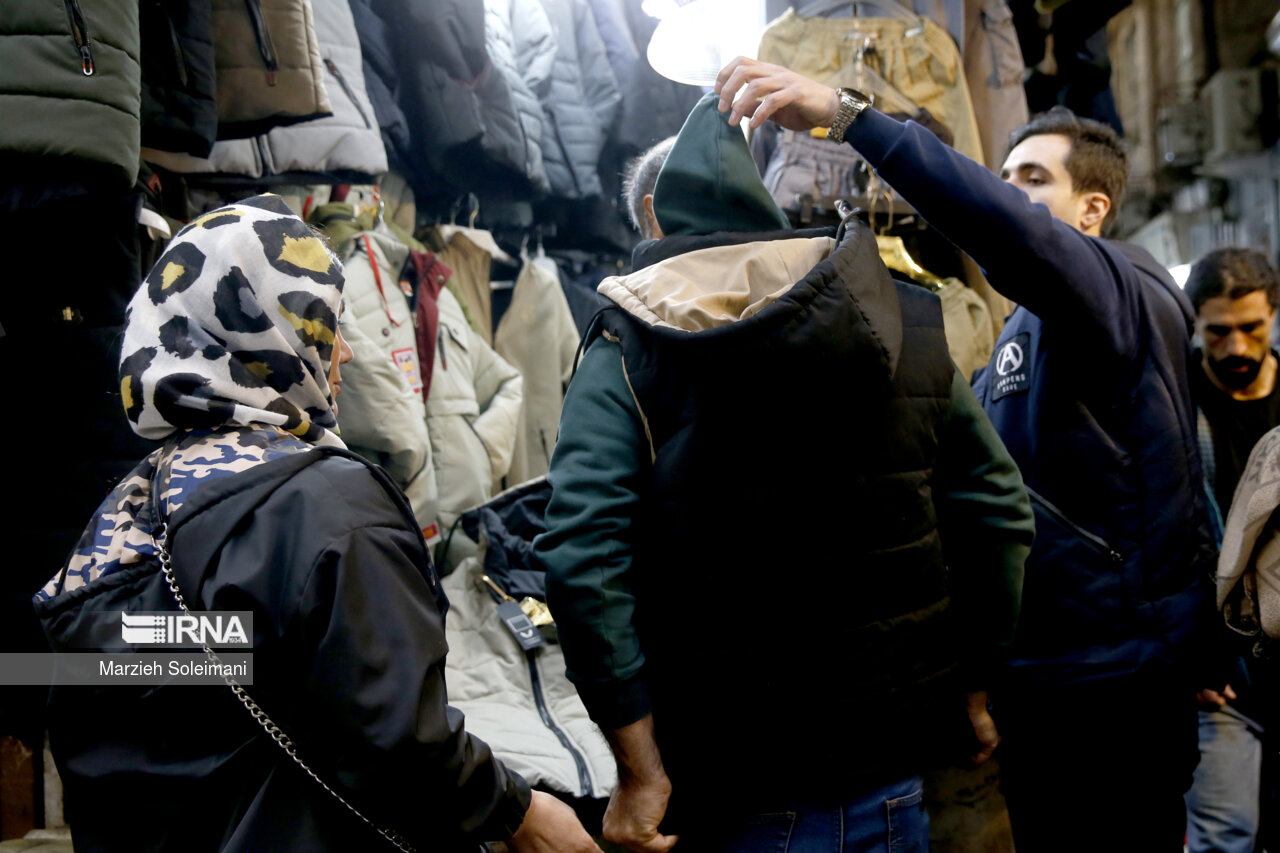
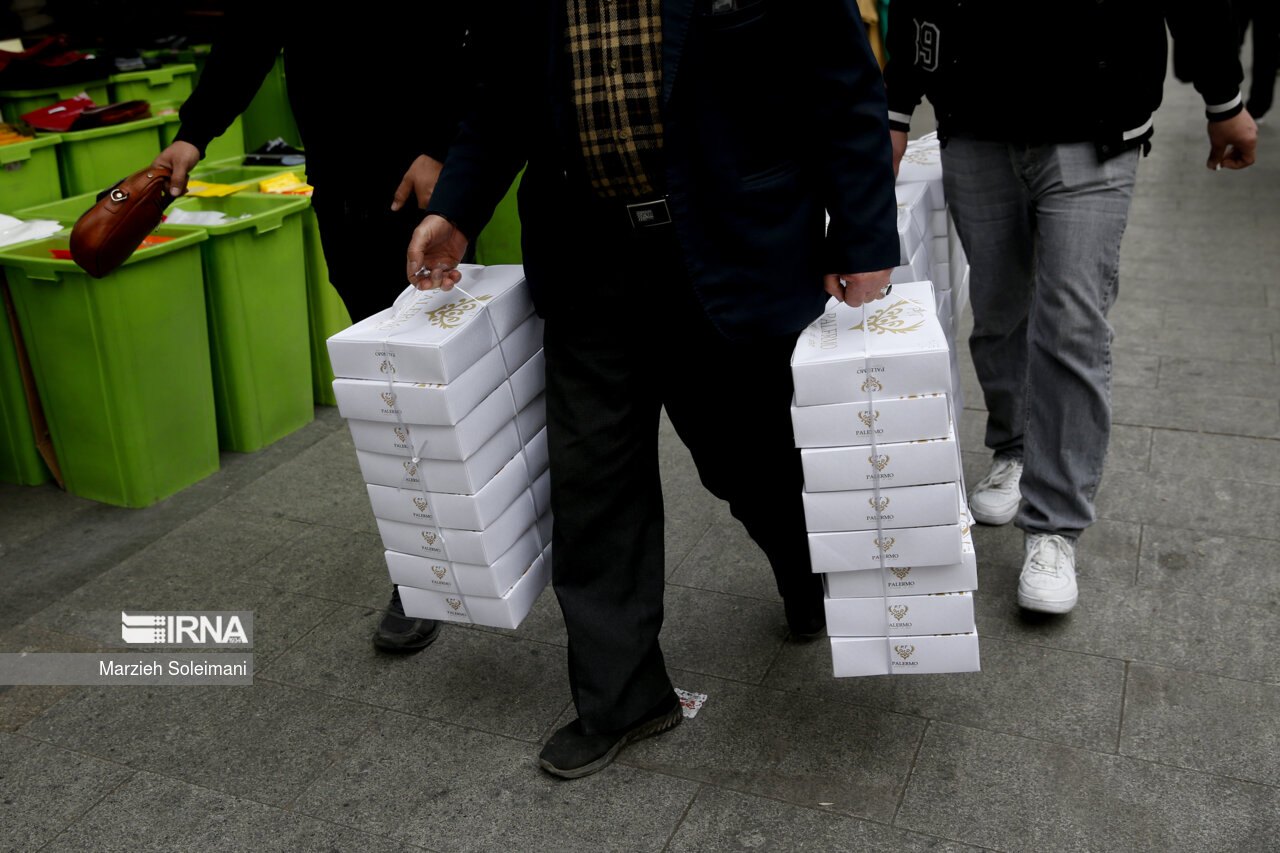
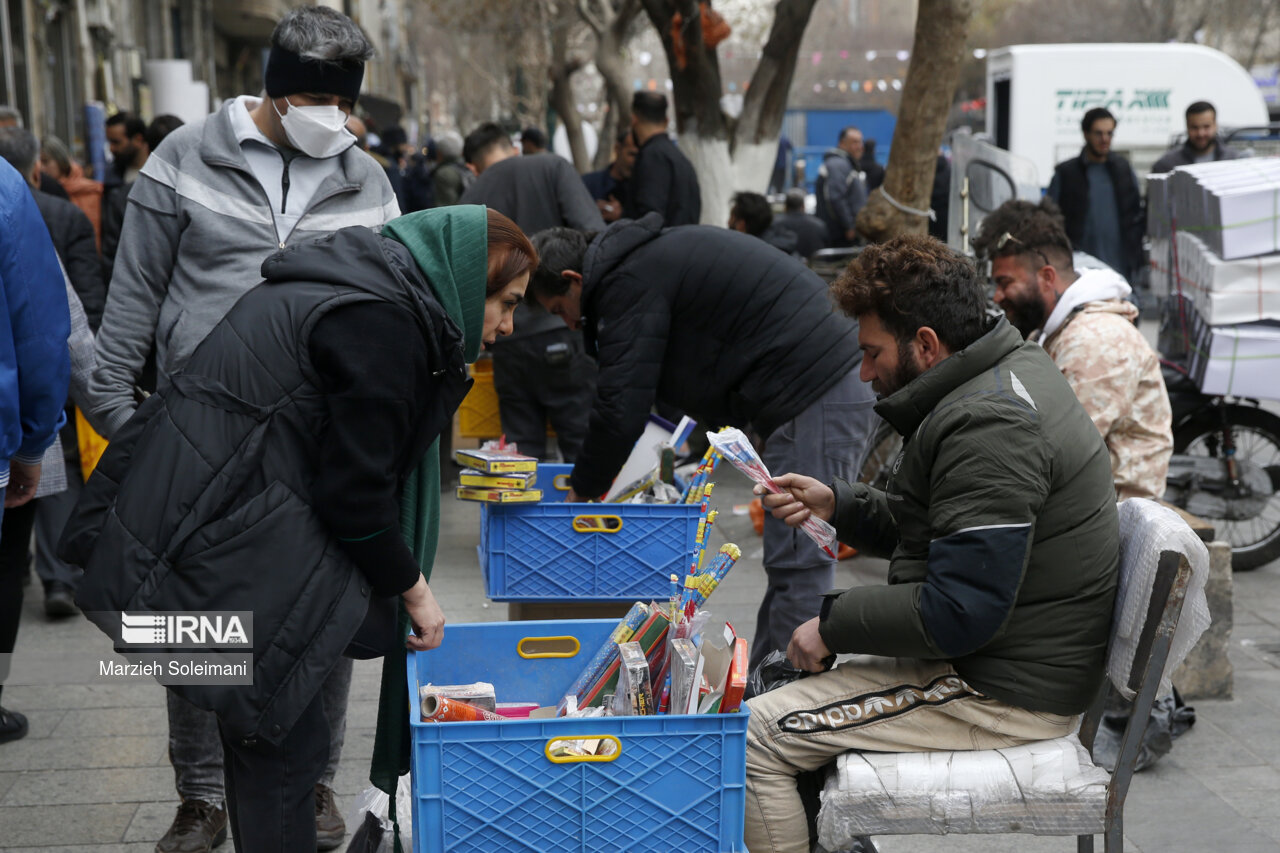
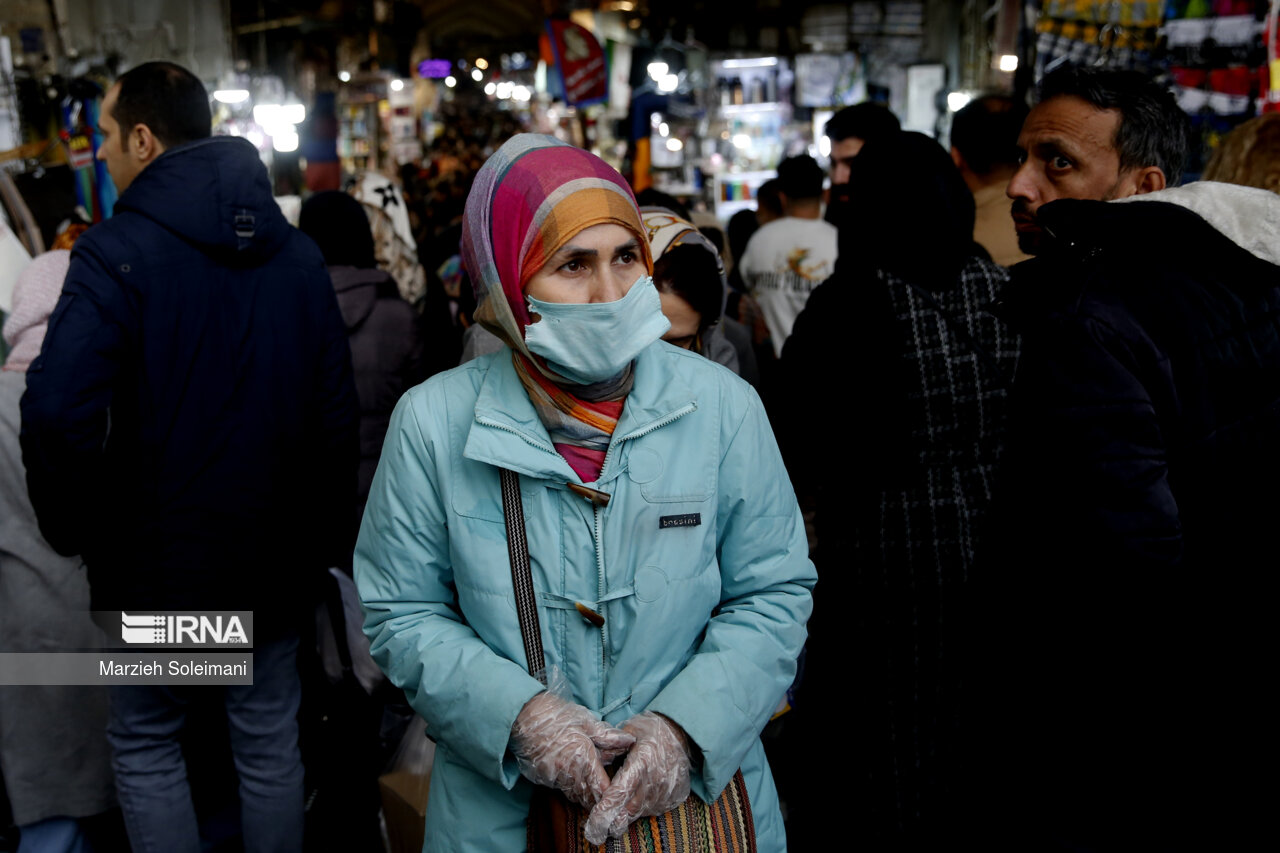
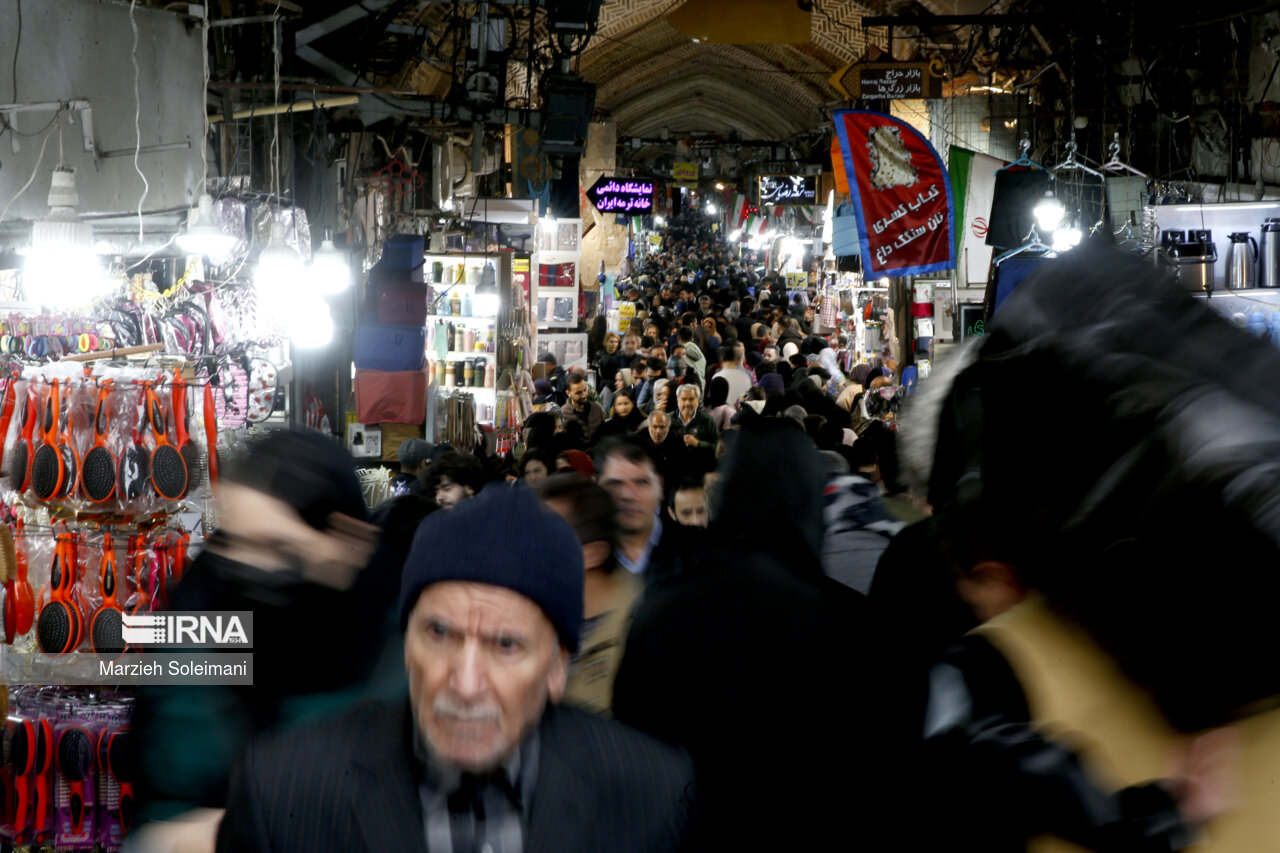
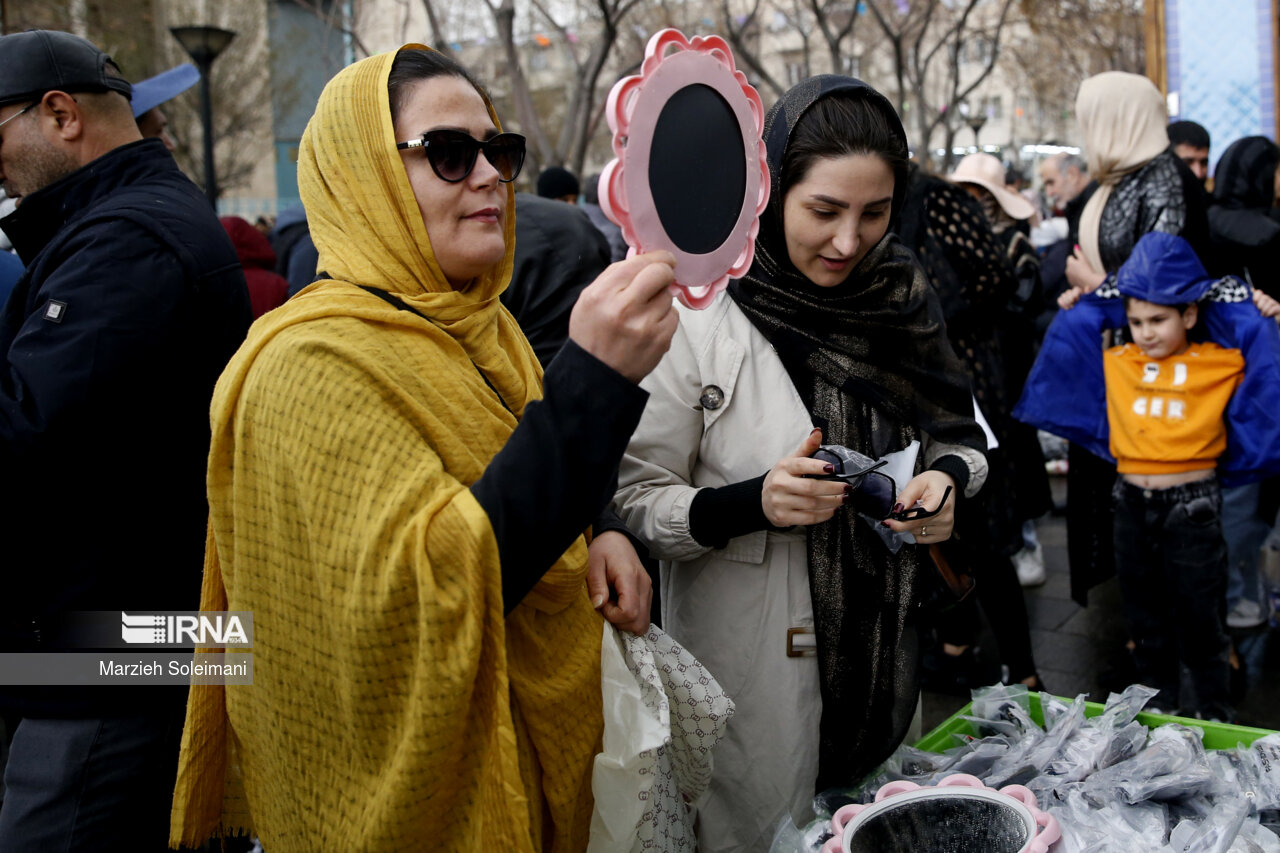
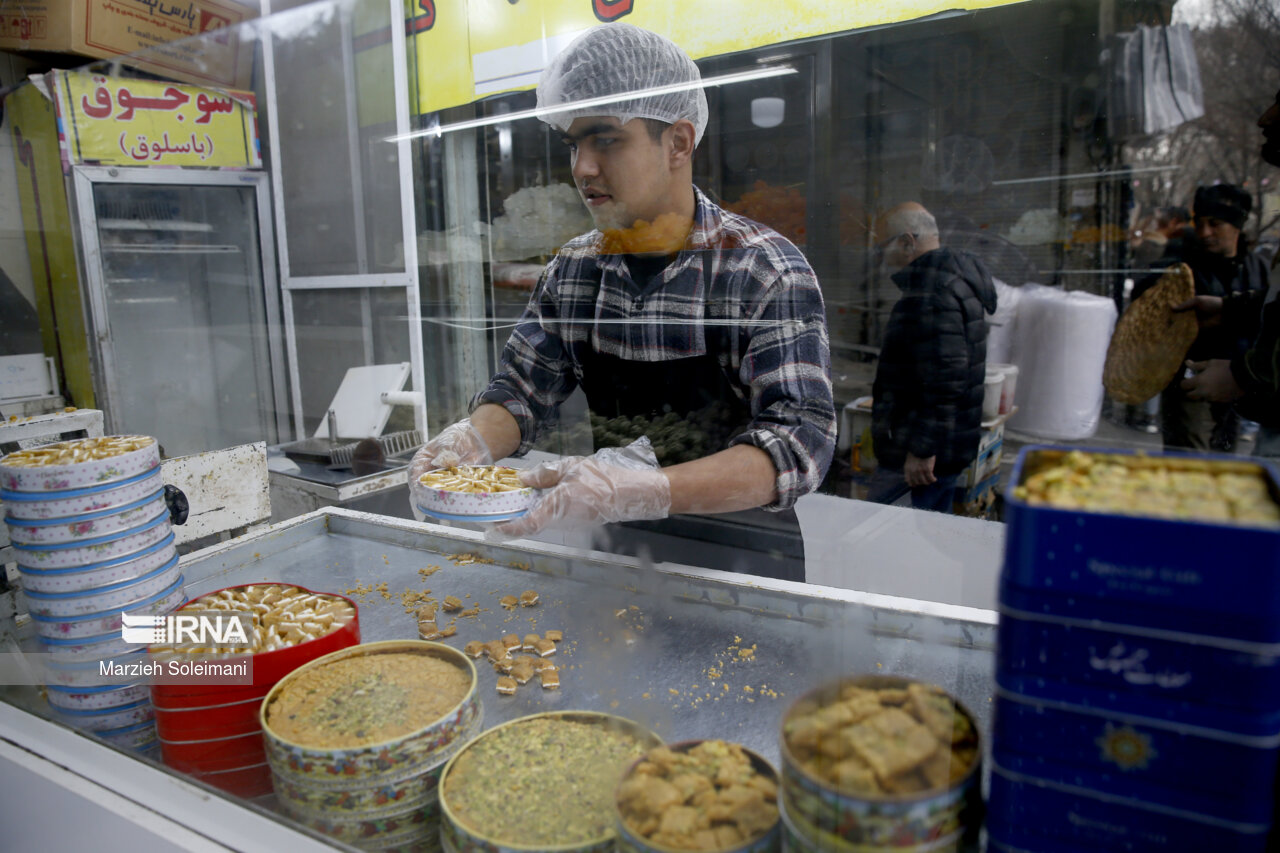
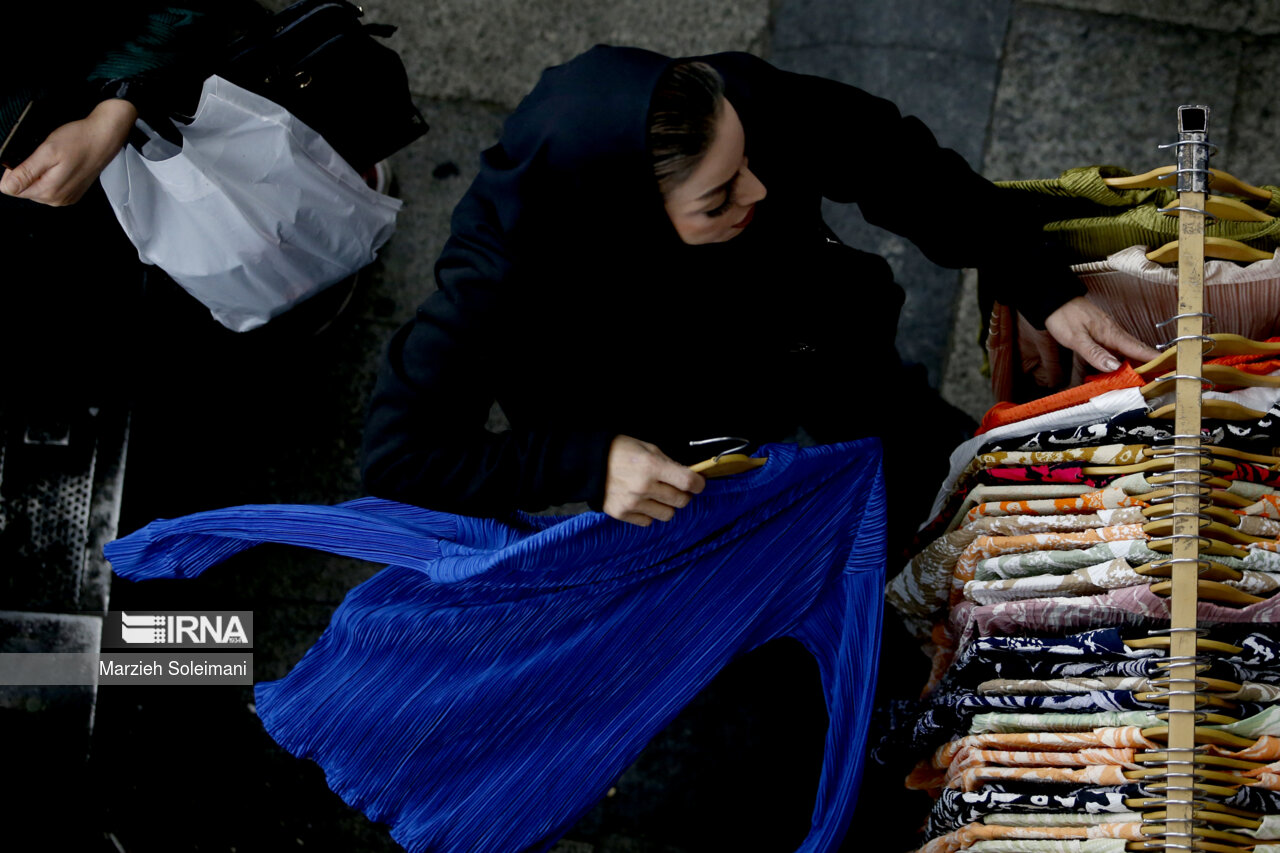
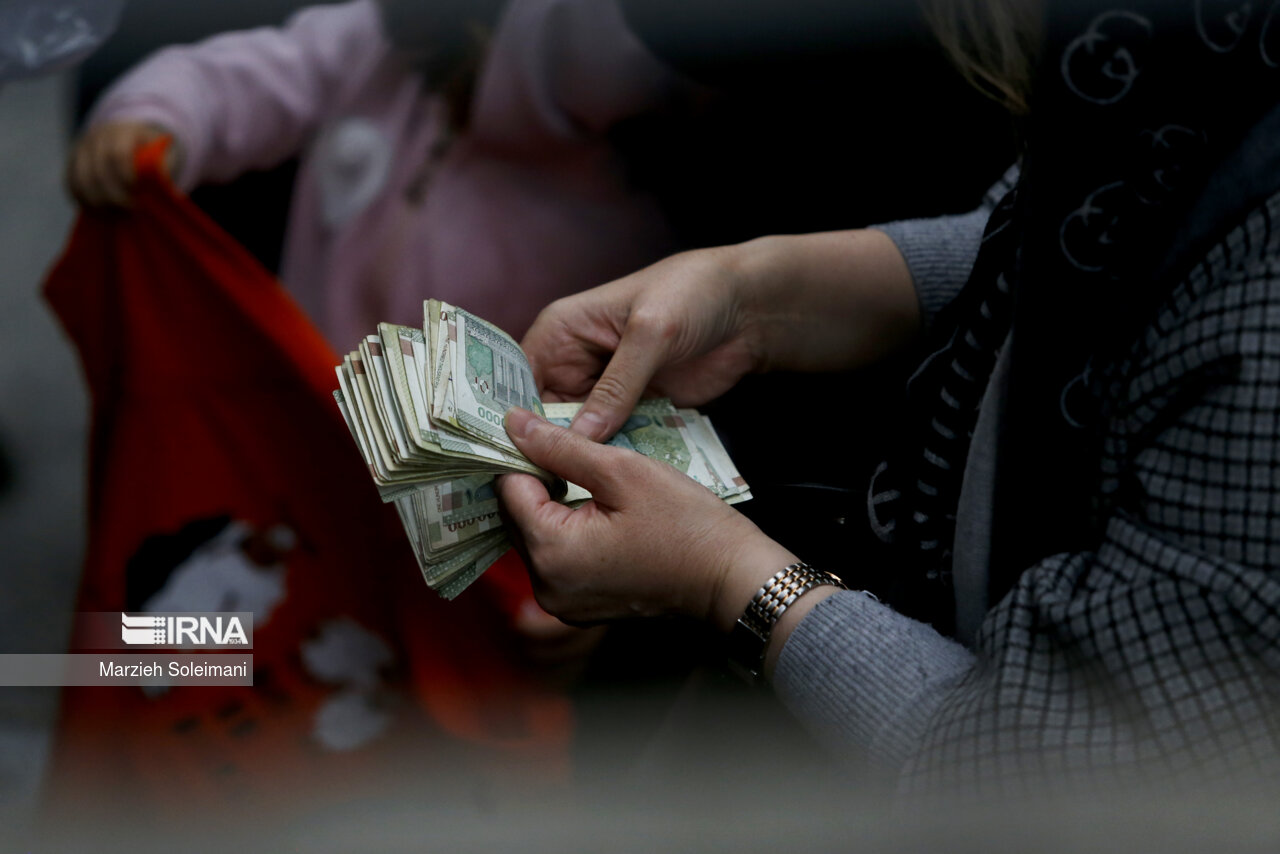
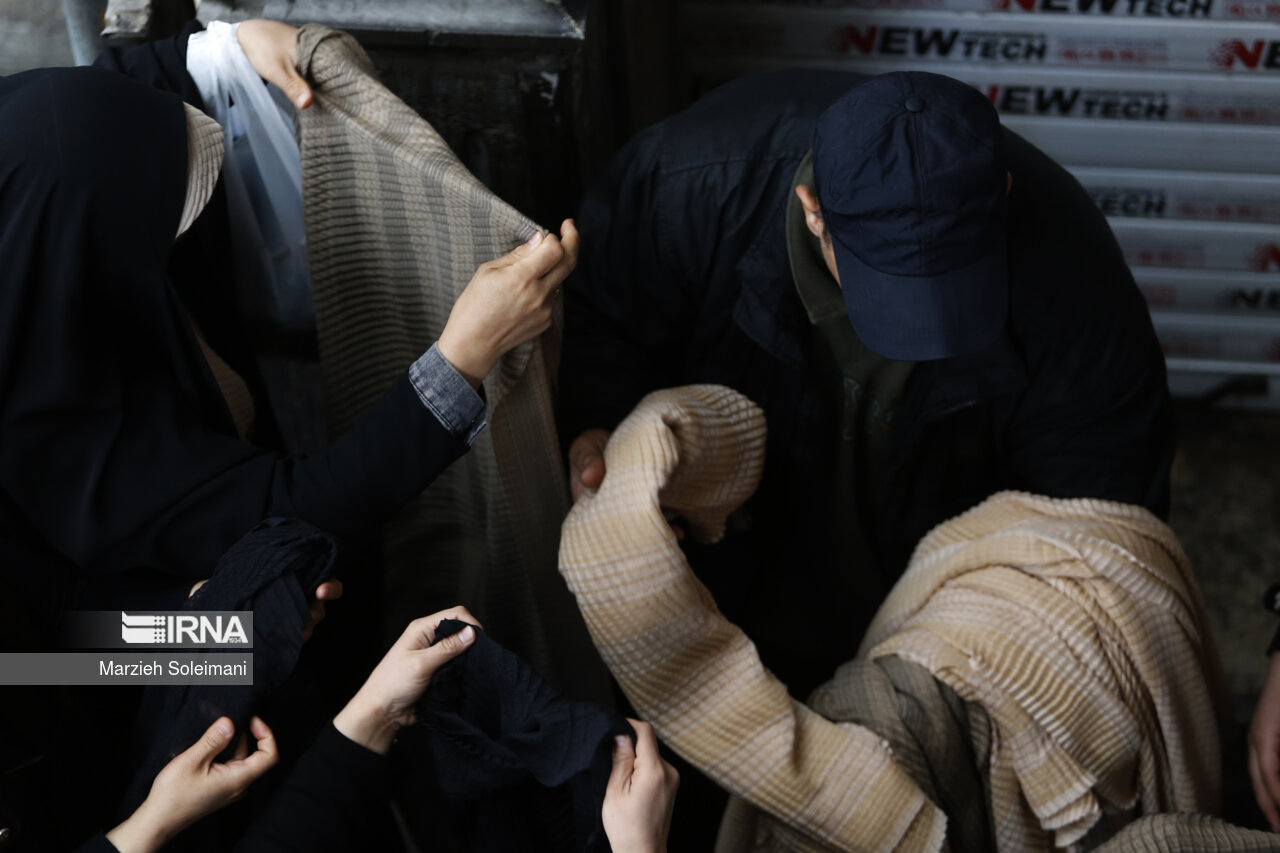
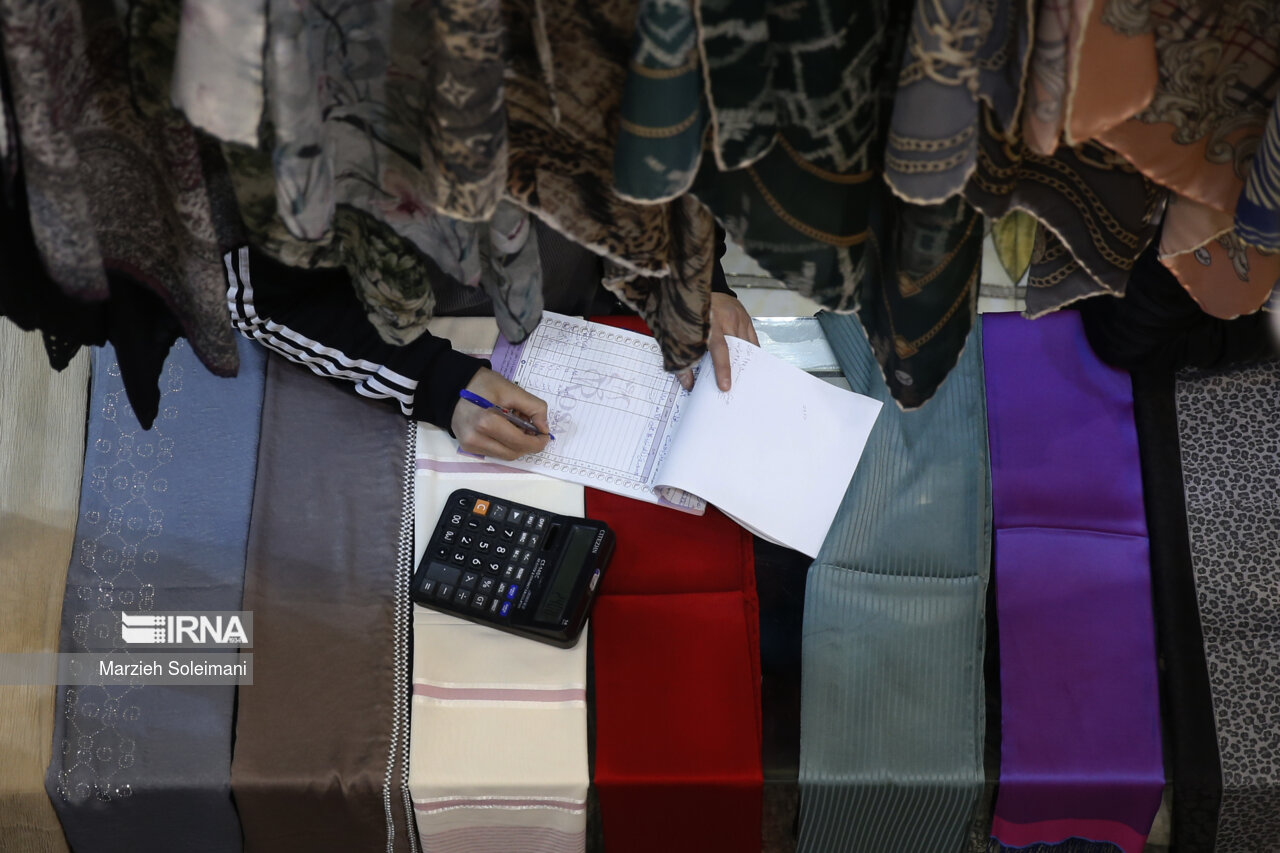
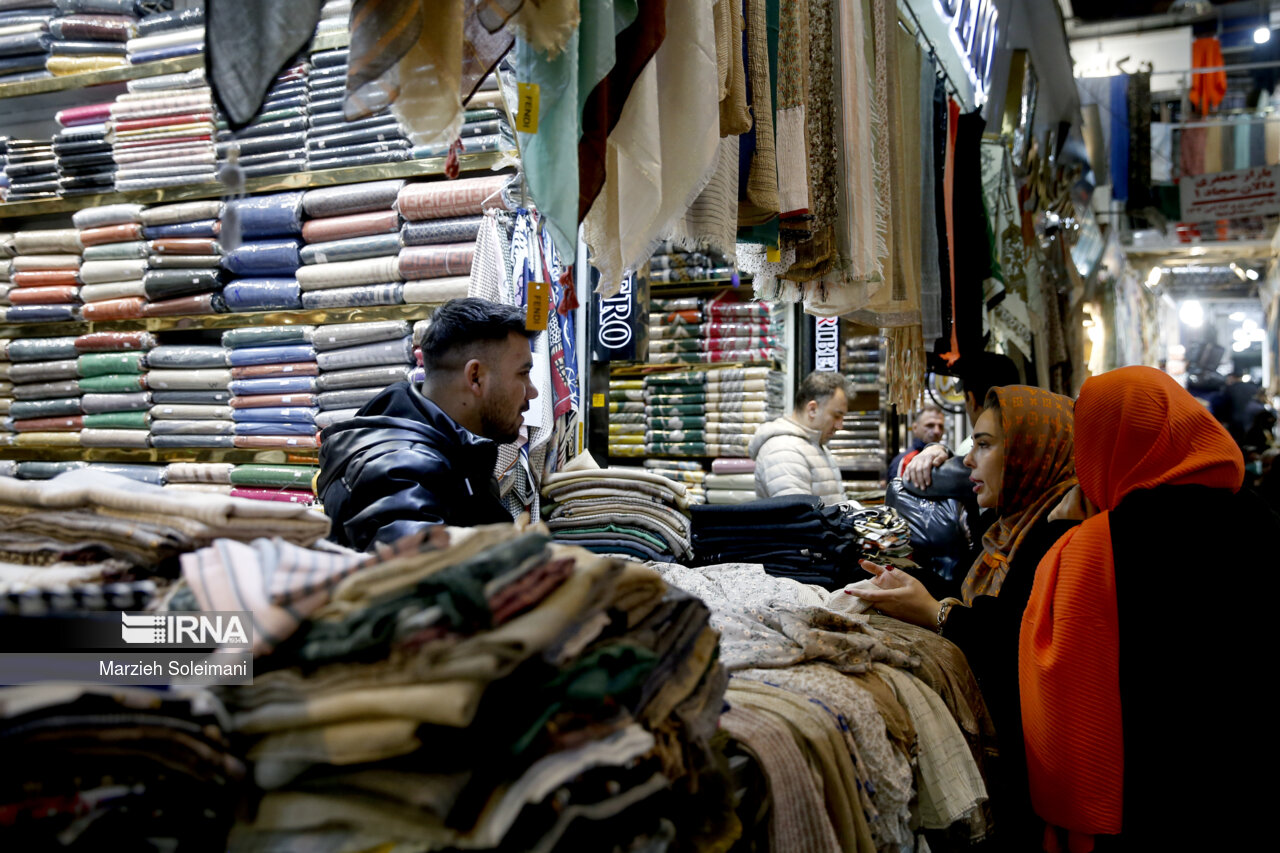
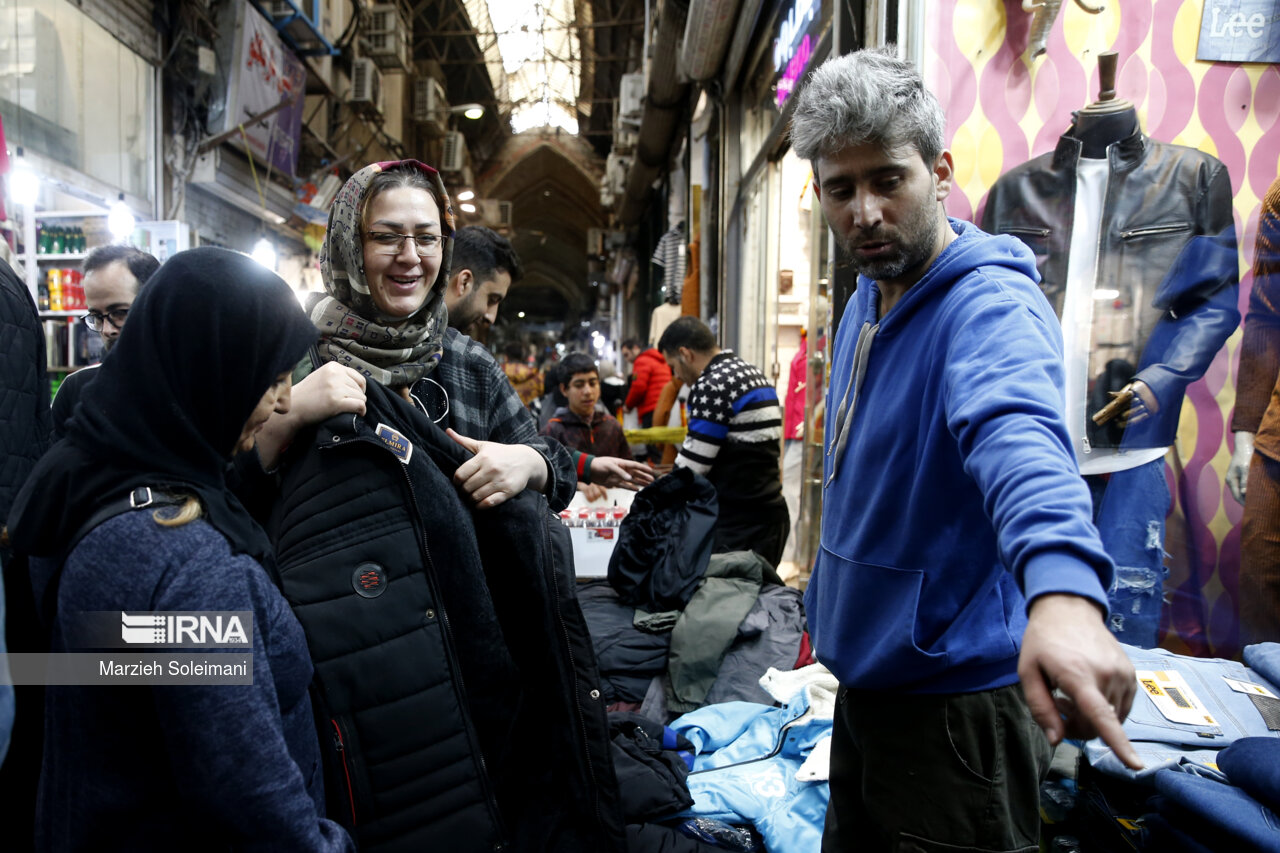
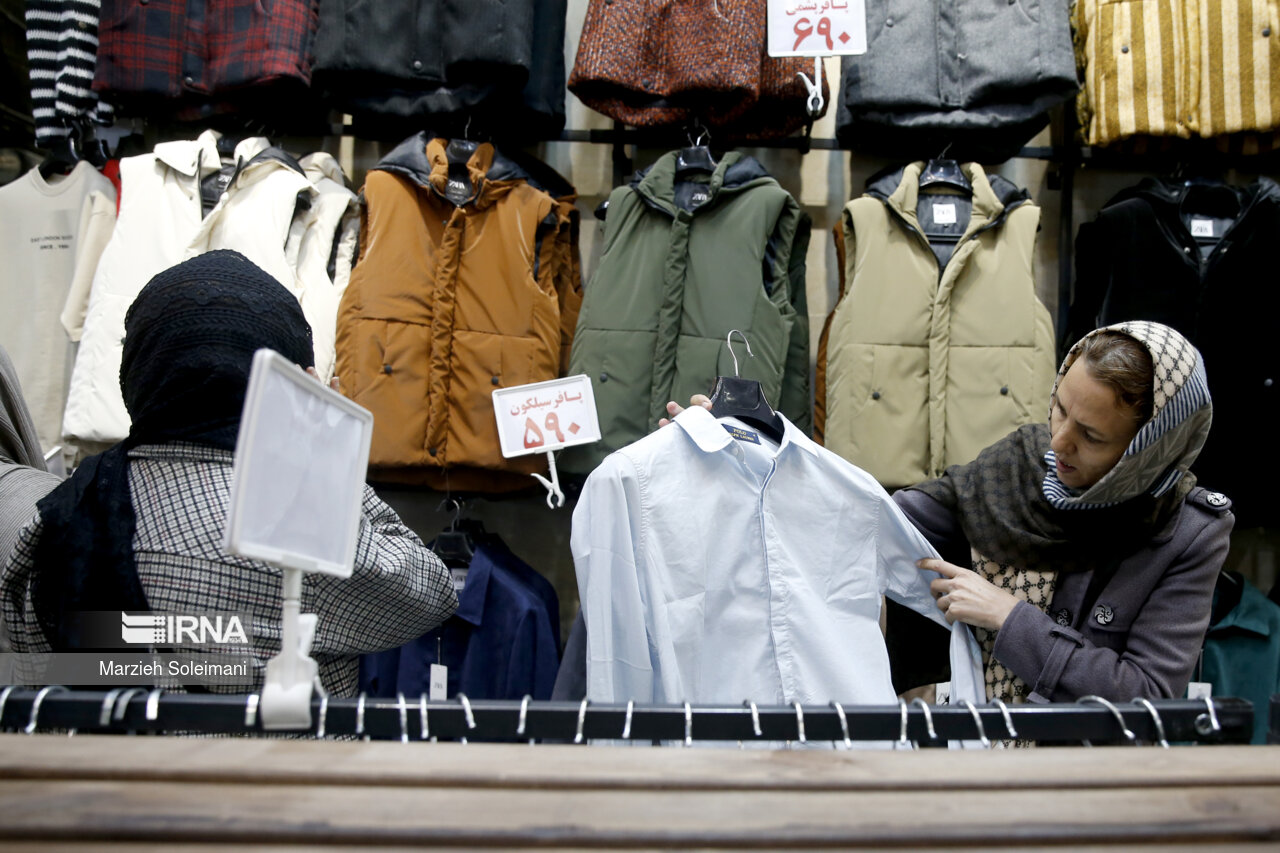
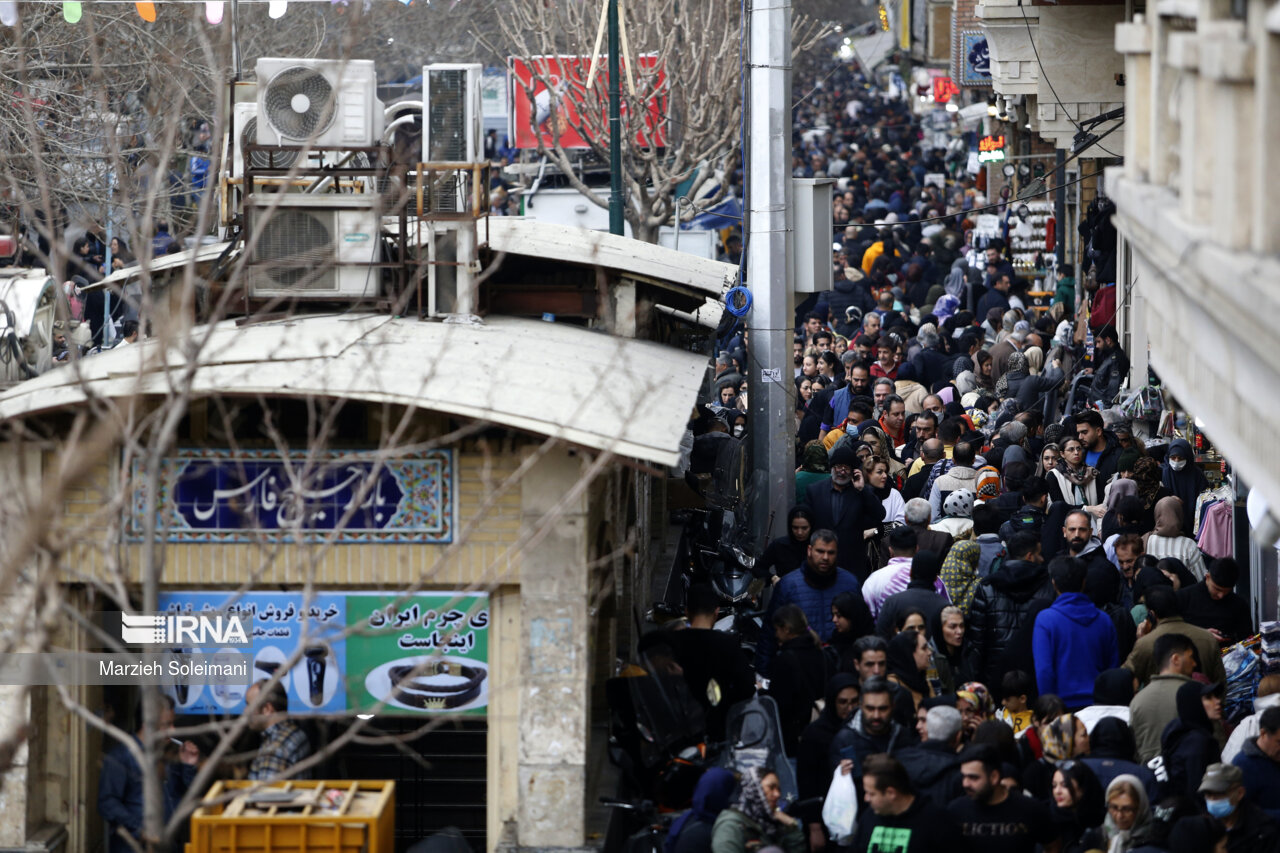
Grand bazaar bustle: Tehran’s residents flock for new year, Ramadan preparations

Tehran Grand bazaar

The bustling marketplace, renowned for its rich cultural significance, witnessed a surge of activity as people sought to prepare for the upcoming festivities and observe the sacred month.

Amidst the labyrinthine alleys of the Grand Bazaar, families engaged in the time-honored practice of shopping for new year’s necessities and special Ramadan items, from intricately designed Persian carpets to traditional sweets and spices.

The atmosphere buzzed with anticipation as shoppers exchanged warm greetings and shared in the excitement of the approaching celebrations.

As the heart of Tehran throbbed with life, the Grand Bazaar became a focal point for both commerce and communal connection.

The Grand Bazaar, a microcosm of tradition and modernity, once again stood as a testament to the enduring vibrancy of Iranian culture.

In Iran, the holy month of Ramadan started on Wednesday, while the new Petsian year, Nowruz, is just a few days away.

More in pictures:

Iran’s natl deaf futsal triumph secures gold in 20th winter Olympics

Iran's natl deaf futsal

The star of the match, Alireza Mokhtarabadi, etched his name in history by scoring all three decisive goals, securing the gold for the Iranian team.

This triumph follows last year’s remarkable performance when Iran’s national futsal team faced Sweden in the 5th World Championship finals in Sao Paulo, Brazil.

After a hard-fought 1-1 draw in injury time, the Iranian team emerged victorious with a 3-0 win in penalty kicks, claiming the championship.

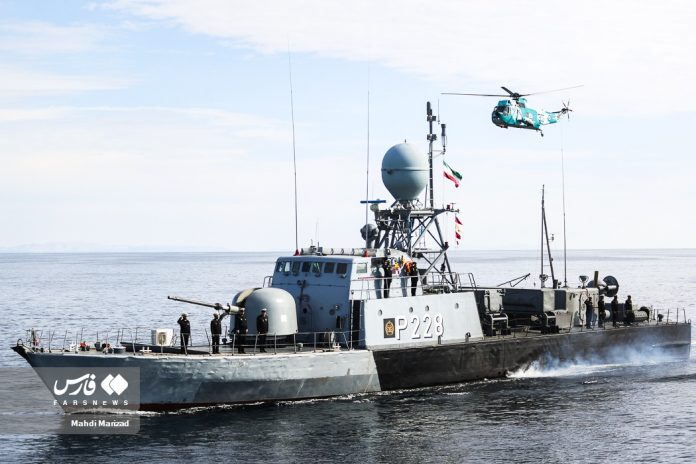
Iran set to launch joint naval drills with Russia, China

Iranian Navy

Rear Admiral Mostafa Tajeddini said on Tuesday that the exercises dubbed Maritime Security Belt 2024 will involve warships and aviation forces.

He said, “This year, for the fifth consecutive year, the trilateral joint naval exercises will be held by the Iranian, the Russian, and China navies with the slogan “together for the establishment of peace and security”.”

China will send two guided missile warships and a supply ship for the drills which will continue through March 16.

On Monday, the Russian Defense Ministry also announced that the Varyag missile cruiser of the Russian Pacific Fleet had arrived in the Iranian port of Chabahar to participate in the drills.

The maneuvers are aimed at maintaining the maritime security in the region and expanding multilateral cooperation among the participating countries to ward off foreign threats and piracy attempts.

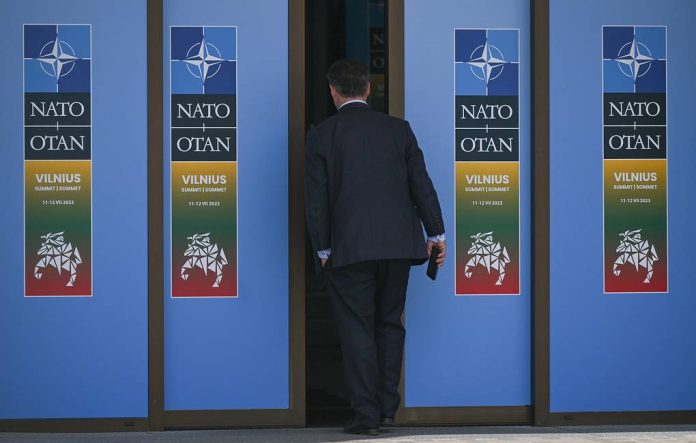
Moscow doesn’t want direct conflict with NATO: US intelligence

NATO

“Russia almost certainly does not want a direct military conflict with U.S. and NATO forces and will continue asymmetric activity below what it calculates to be the threshold of military conflict globally,” the report said.

“Russia remains a resilient and capable adversary across a wide range of domains and seeks to project and defend its interests globally and to undermine the United States and the West,” the report added.

The Office of the Director of National Intelligence (ODNI) unveiled its 2024 threat assessment in a report to Congress on Monday. The study, which reflects input from the CIA and 17 other intelligence agencies, predicted that Moscow will “continue asymmetric activity below what it calculates to be the threshold of military conflict globally”.

The US intelligence assessment claimed that the Ukraine conflict has done “enormous damage” to Russia, but it conceded that the crisis has led to stronger anti-US alliances.

“Russia’s strengthening ties with China, Iran and North Korea to bolster its defense production and economy are a major challenge for the West and partners.”

Russian President Vladimir Putin “probably believes” that his strategy in Ukraine is paying off and that Western aid to Kiev will wane, partly because of the Israel-Hamas war, according to the ODNI. The US spy agencies conceded that Russian forces have been making battlefield gains in the former Soviet republic since late last year and are benefiting from “uncertainties about the future of Western military assistance”.

US President Joe Biden’s administration ran out of Ukraine funding in January after burning through $113 billion in congressionally approved aid packages. The administration’s request for $60 billion in additional funding has stalled in Congress because of Republican opposition. In fact, Biden blamed US lawmakers for last month’s fall of Avdeevka, a key Donbass stronghold, to Russian forces, saying Ukrainian troops didn’t get the ammunition they needed.

“I think without supplemental assistance in 2024, you’re going to see more Avdeevkas, and that – it seems to me – would be a massive and historic mistake for the United States,” CIA chief Bill Burns told members of the US Senate Intelligence Committee on Monday. If more US aid is approved, he added, Ukrainian forces can “regain the offensive initiative” by late 2024 or early 2025.

The intel assessment acknowledged that the momentum in Ukraine is “increasingly shifting” in Russia’s favor.

“Russia’s defense industry is significantly ramping up production of a panoply of long-range strike weapons, artillery munitions and other capabilities that will allow it to sustain a long, high-intensity war if necessary.”

NATO Secretary General Jens Stoltenberg also said at a press conference in Brussels on Monday the military alliance does not currently see any military threat from Russia against the bloc’s member-states.

“We don’t see any imminent military threat [from Russia] against any NATO ally,” he said, answering a relevant question from journalists.

Nevertheless, Stoltenberg stressed that NATO must be prepared for threats from Russia and stay vigilant. In his opinion, at present Moscow does not threaten the alliance due to the fact that it is preoccupied with Ukraine.

11 killed in US-UK strikes on Yemen

US UK Yemen Attack

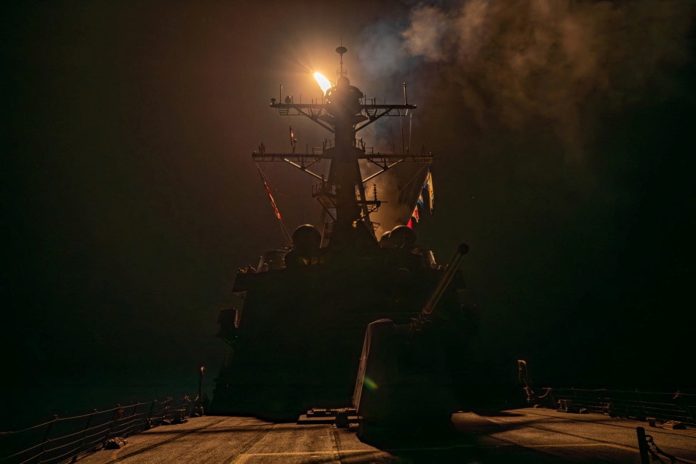
US Central Command (Centcom) announced it carried out six strikes on Monday, claiming it destroyed an unmanned underwater vessel and 18 anti-ship missiles in Houthi controlled areas.

“These weapons presented an imminent threat to merchant vessels and US Navy ships in the region,” Centcom said in its statement, adding that the strikes were carried out to “protect freedom of navigation and make international waters safer”.

Houthi fighters in Yemen have repeatedly launched drones and missiles against international commercial shipping since mid-November, saying they are acting in solidarity with Palestinians and in opposition to Israel’s war on the Gaza Strip.

The Houthi attacks have disrupted global shipping, forcing firms to reroute to longer and more expensive journeys around southern Africa.

Despite reprisals from the US, UK and other coalition partners, the Houthis have escalated their campaign of attacks on Israeli-linked vessels in one of the world’s busiest shipping lanes.

Houthi military spokesperson Yahya Sarea said on Tuesday that the group would escalate their military operations during the Islamic holy month of Ramadan in solidarity with Palestinians in Gaza.

Sarea also added that the “US ship Pinocchio” was targeted in the Red Sea with missiles.

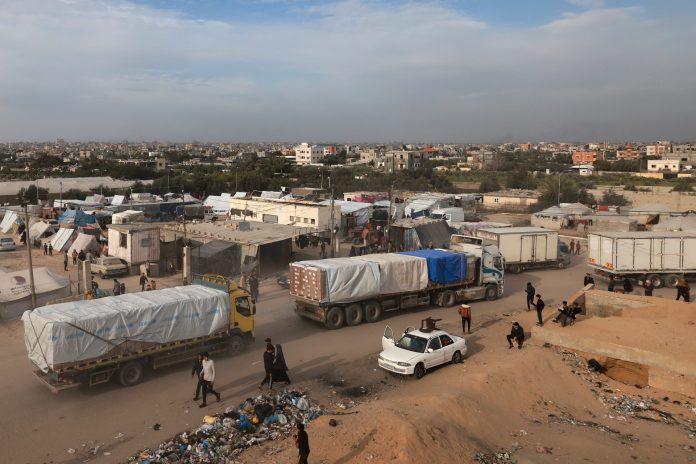
2,000 medical staff in northern Gaza need food: Health Ministry

Gaza War

They “did not find anything to break their fast with on the first day of Ramadan”, it said.

“We call on international and relief institutions to quickly provide food to hospitals in northern Gaza,” it added.

On Monday, Palestinians in Gaza, like most Muslims worldwide, marked the first day of Ramadan under continued Israeli bombing across the Gaza Strip, making it the toughest month for them as they suffer displacement and lack food, water and most basic items.

Israel has waged a deadly military offensive on the Gaza Strip since an Oct. 7 cross-border attack led by the Palestinian group Hamas in which nearly 1,200 people were killed.

More than 31,100 Palestinians, mostly women and children, have since been killed in Gaza, and over 72,700 others injured amid mass destruction and shortages of necessities.

Israel has also imposed a crippling blockade on the Gaza Strip, leaving its population, particularly residents of northern Gaza, on the verge of starvation.

According to the Palestinian Health Ministry, at least 27 people have died of malnutrition and dehydration in Gaza due to the Israeli blockade.

The Israeli war has pushed 85% of Gaza’s population into internal displacement amid a crippling blockade of most food, clean water, and medicine, while 60% of the enclave’s infrastructure has been damaged or destroyed, according to the UN.

Israel stands accused of genocide at the International Court of Justice. An interim ruling in January ordered Tel Aviv to stop genocidal acts and take measures to guarantee that humanitarian assistance is provided to civilians in Gaza.

Two more babies died of malnutrition in the northern Gaza Strip on Monday amid an Israeli blockade on the Palestinian enclave, according to medics.

The two infants lost their lives at Kamal Adwan Hospital in Beit Lahia city, Samer Labad, a pediatrician, told Anadolu.

“They died as the Israeli occupation refused to allow food and medical supplies into northern Gaza,” he said.

The Palestinian doctor warned that more children are at risk of death from malnutrition as a result of Israel’s ongoing blockade on the enclave.

“We appeal to the Red Cross and international agencies to urgently intervene to provide food and medical supplies to the residents of northern Gaza,” he added.

Iranian police officer killed in clash with drug smugglers

Iran Police

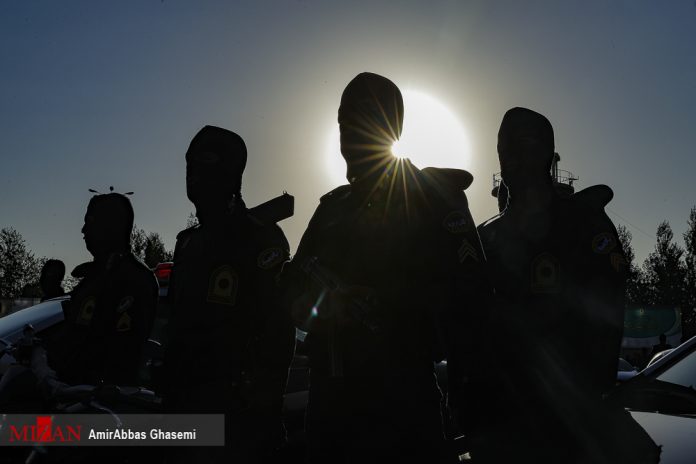
The officer, identified as Sergeant Major Hosseinali Shakib, was on patrol in the city of Mehrestan when he approached two suspicious moving vehicles. But the smugglers opened fire on him and shot the officer injured.

The police officer was rushed to the hospital, but he succumbed to his wounds on the way to the medical center.

The assailants fled the scene, but efforts are underway to catch them.

Iran is a conduit for drug smugglers from neighboring Afghanistan and Pakistan to Europe. Thousands of Iranian security forces have died in clashes with smugglers and terrorists in border provinces.

Iran arrests four over publishing video of woman’s altercation with cleric in Qom

woman’s altercation with cleric in Qom

Deputy Prosecutor of Qom Rouhollah Moslem Khani said on Tuesday that those arrested sent the video to Saudi-funded Iran International television network that had an extensive coverage of the nationwide riots and protests in Iran that were triggered after the death of a woman in police custody over her flimsy hijab in 2022.

The video that has gone viral in Iran shows a tense encounter between the young woman and the cleric, which escalated into a brawl as the people asked the cleric to delete the alleged video.

The CCTV camera footage shows the woman’s headscarf slips off after entering the clinic while she was holding her ill baby in her arms.

Commenting on the incident, Moslem Khani said, “What has become clear to us and we were certain about is there had been a scheme and planning to cause division and sedition in the society.”

He added, “The arrested individuals admitted that they coordinated and sent the video to the hostile network with the intention of causing rifts within the society.”

Under the Iranian Constitution, wearing Islamic Hijab is obligatory for women in public.

European weapons imports doubled amid Ukraine war: Report

Russia Ukraine War

The continent imported 94% more weapons between 2019 and 2023 than it did between 2014 and 2018, according to a SIPRI report published on Monday. Almost every major Western European power hiked arms purchases in this period, with France increasing its imports by 112%, Germany by 188%, and the UK by 41%, the data shows.

However, Ukraine increased its imports by 6,633%, becoming Europe’s largest weapons importer and the world’s fourth-largest, behind India, Saudi Arabia, and Qatar.

Across the board, European nations have dramatically hiked defense spending in response to the conflict in Ukraine, both to fund weapons transfers to Kiev and to rearm their own militaries. EU members increased their military spending to a record $261 billion in 2022, with six member states implementing hikes of more than 10% in 2021.

However, the EU has struggled to produce enough arms and ammunition to maintain its own stocks and to supply Ukraine’s demand, particularly for artillery shells. Out of a million 155mm shells promised to Kiev by March, less than a third were delivered, Ukrainian President Volodymyr Zelensky complained late last month. Brussels disputed his figures.

With their own industries lagging, European countries have turned to foreign suppliers, particularly the US. From 2019-2023, 55% of Europe’s arms imports came from the US, with the remainder coming from Asia, the Middle East, and other European countries. Overall, the US increased its share of global arms exports from 34% to 42% during the period studied, selling weapons to 107 states.

Although arming Ukraine has strained European production capacity, two nations – France and Italy – have managed to increase their arms exports since 2019, with customers in India and the Middle East driving this rise. Paris boosted its exports by 47% from 2014-2018 and 2019-2023, eclipsing Russia as the world’s second-largest weapons exporter.