
Instead of tombstones, simple wooden posts inscribed with the names and details of the deceased are placed on the graves, creating a landscape that resembles a garden filled with cut tree trunks.
More in this report:
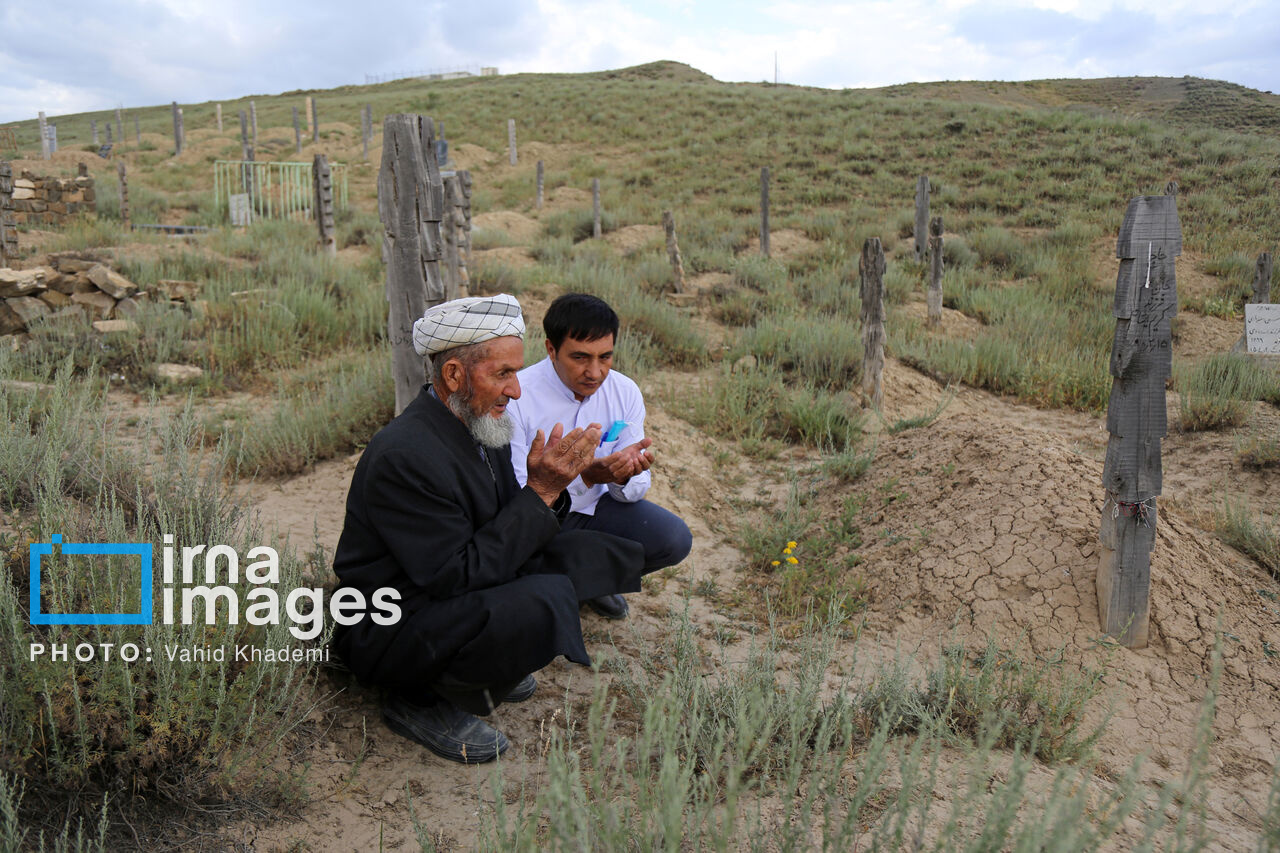
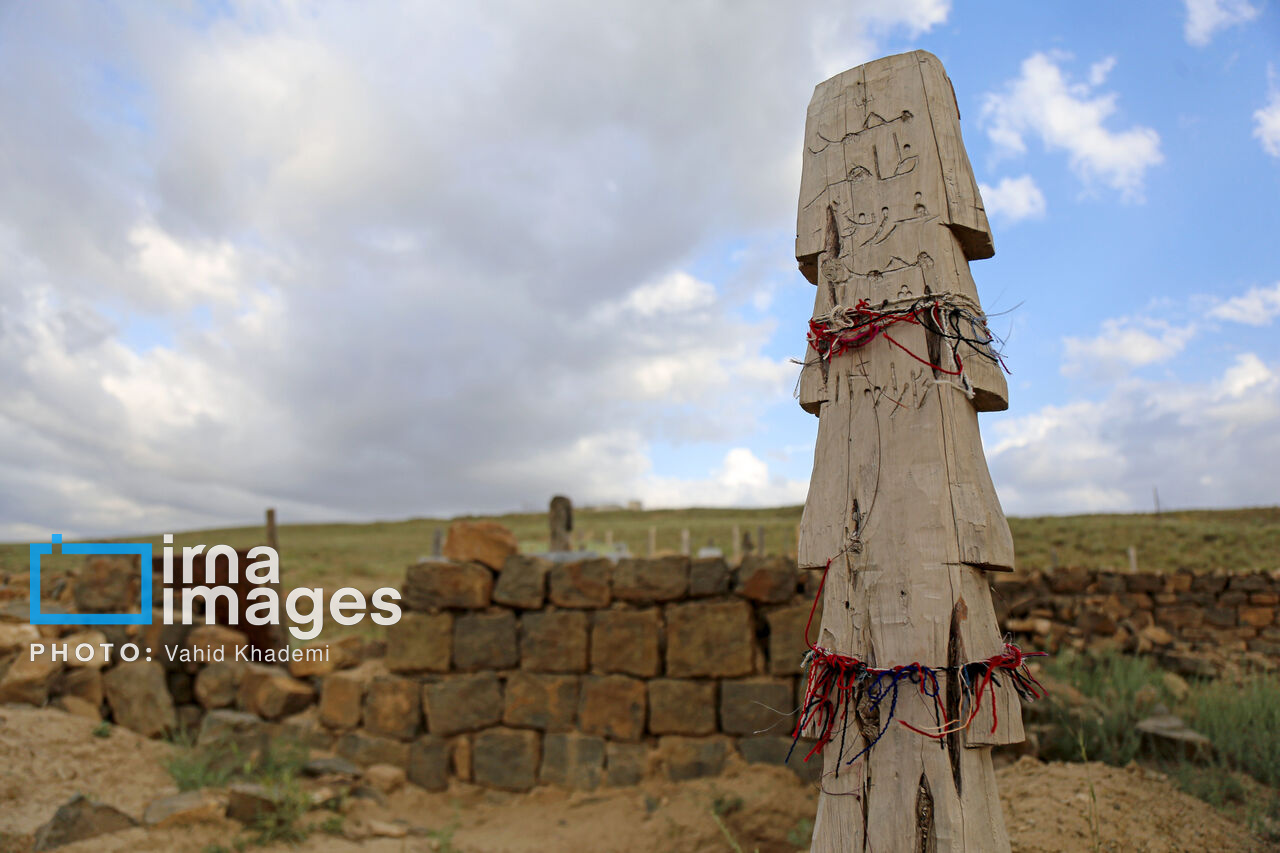
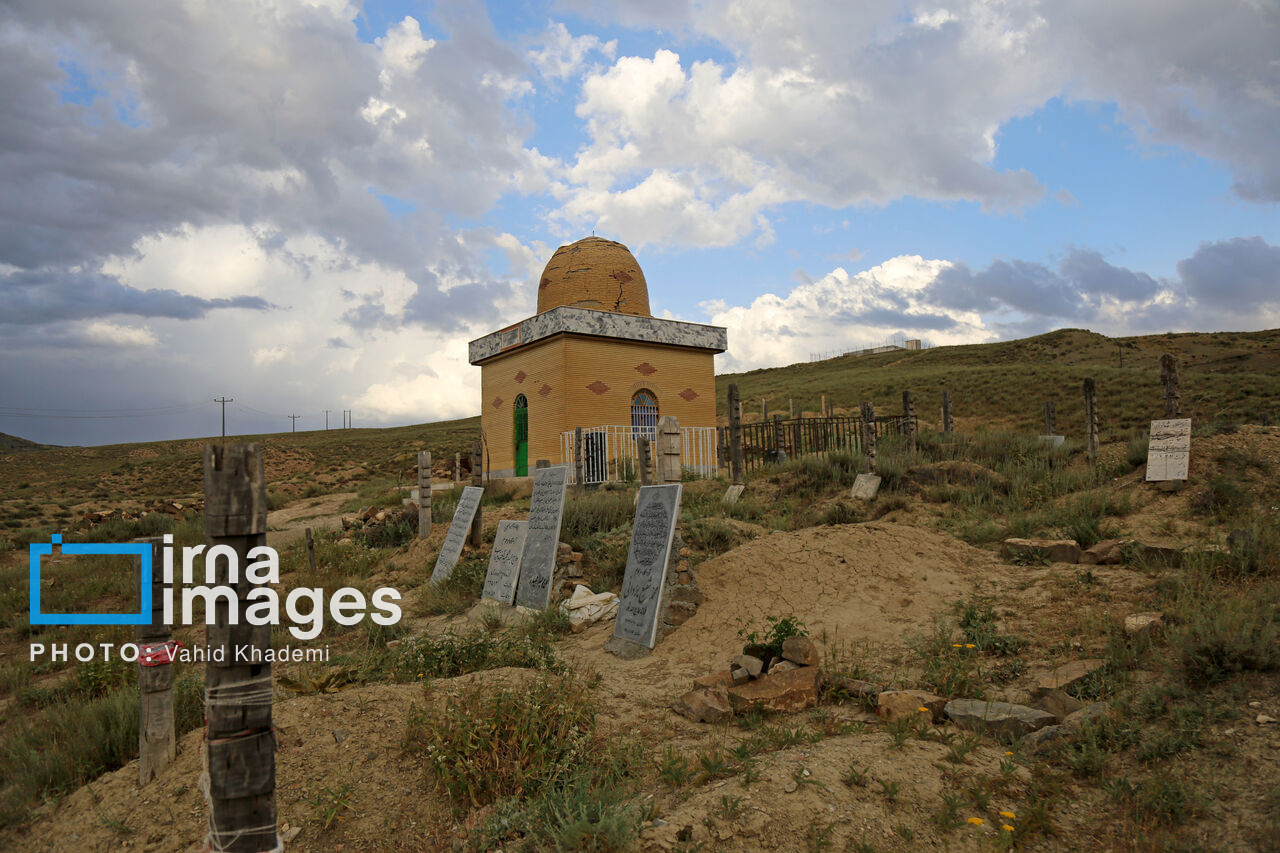
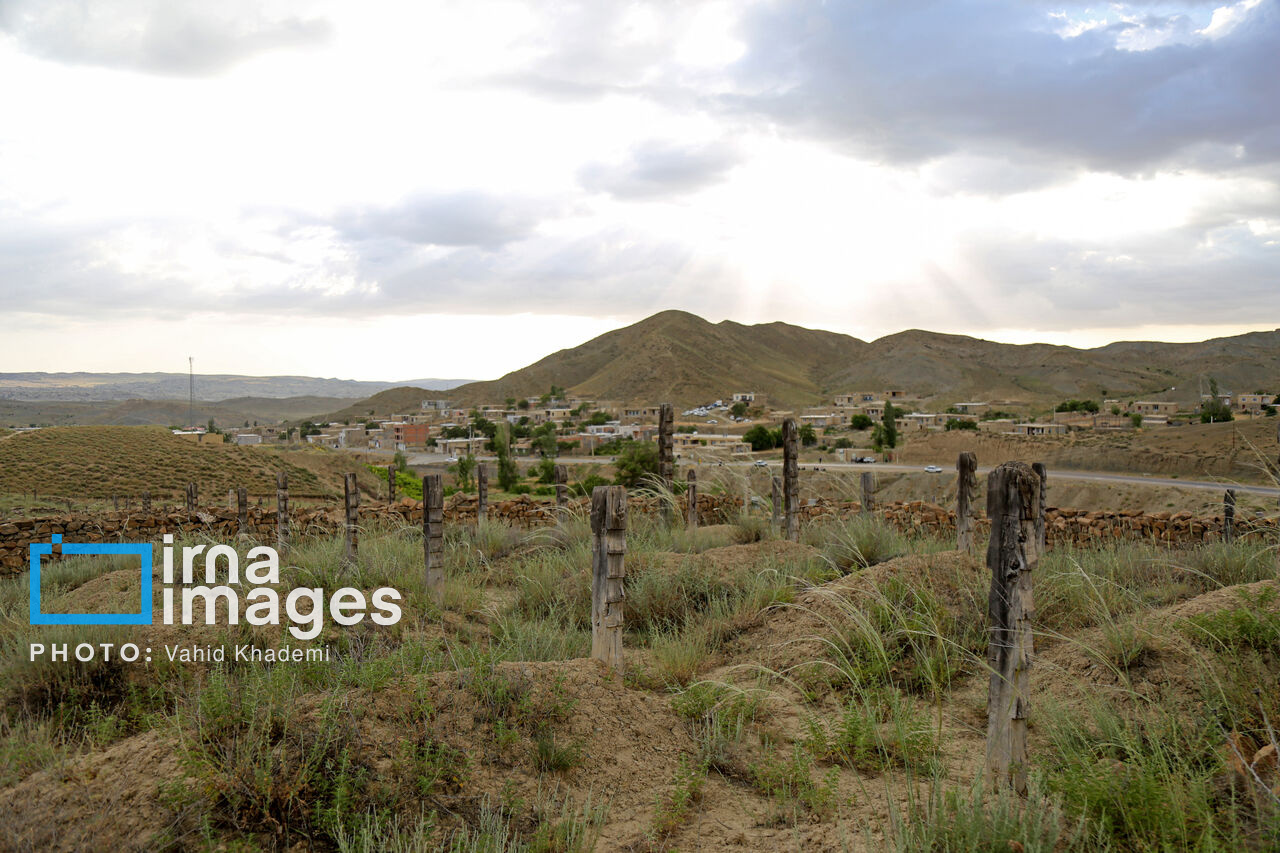
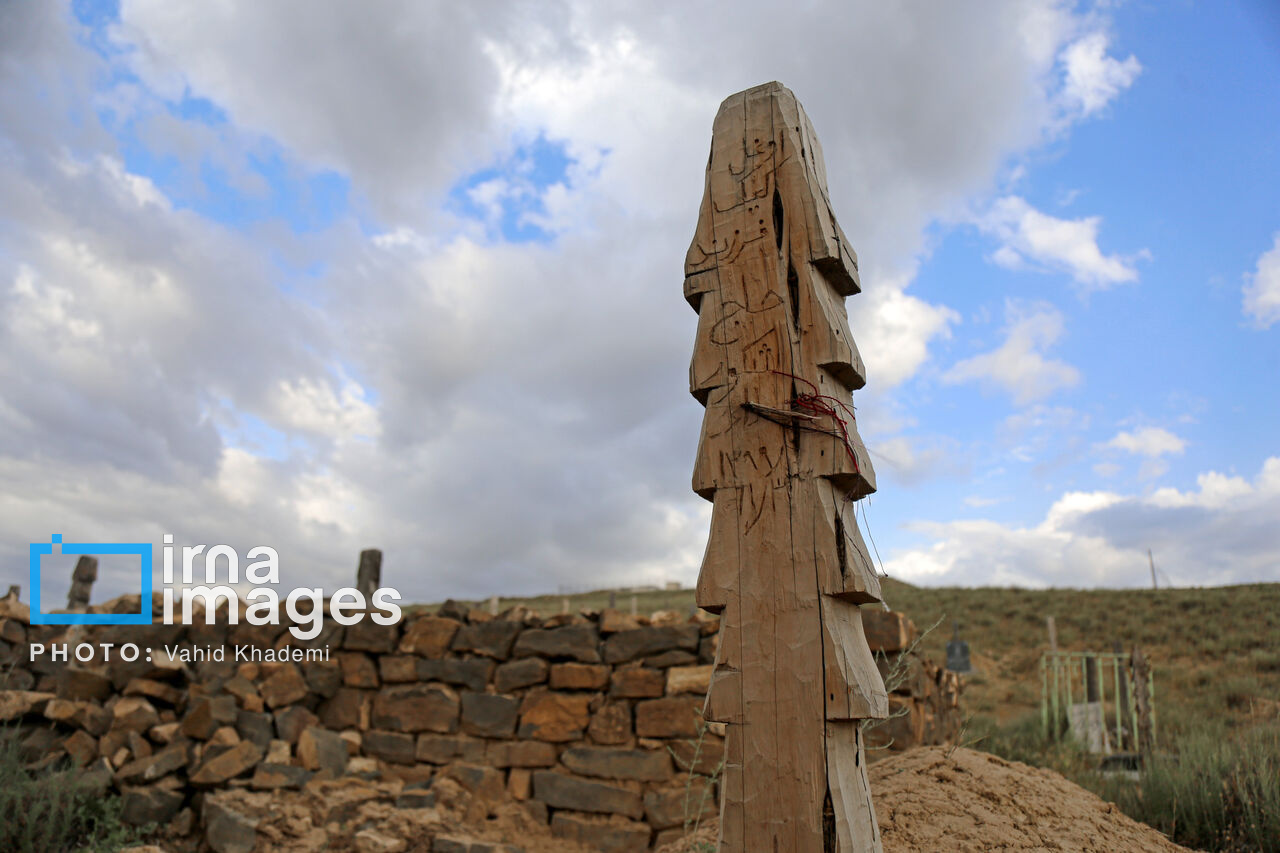
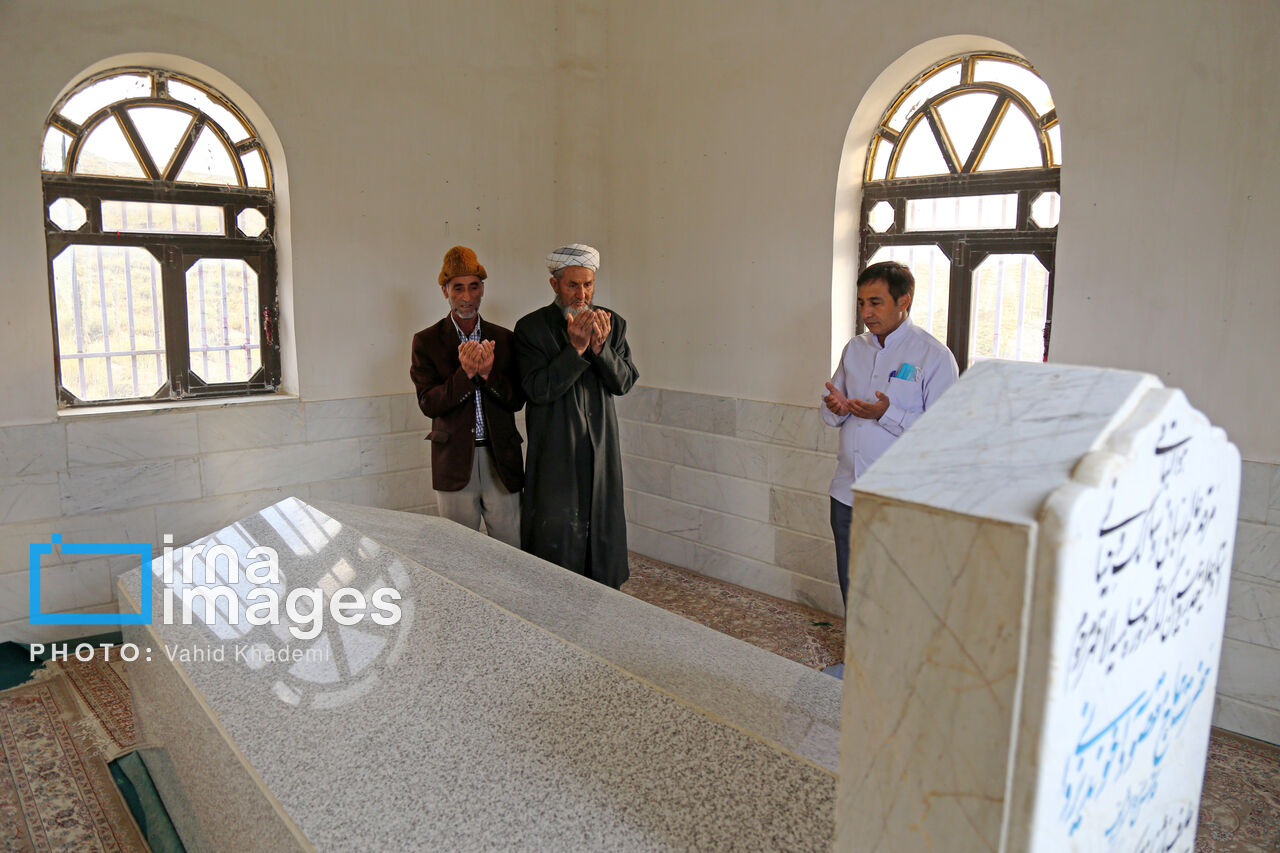
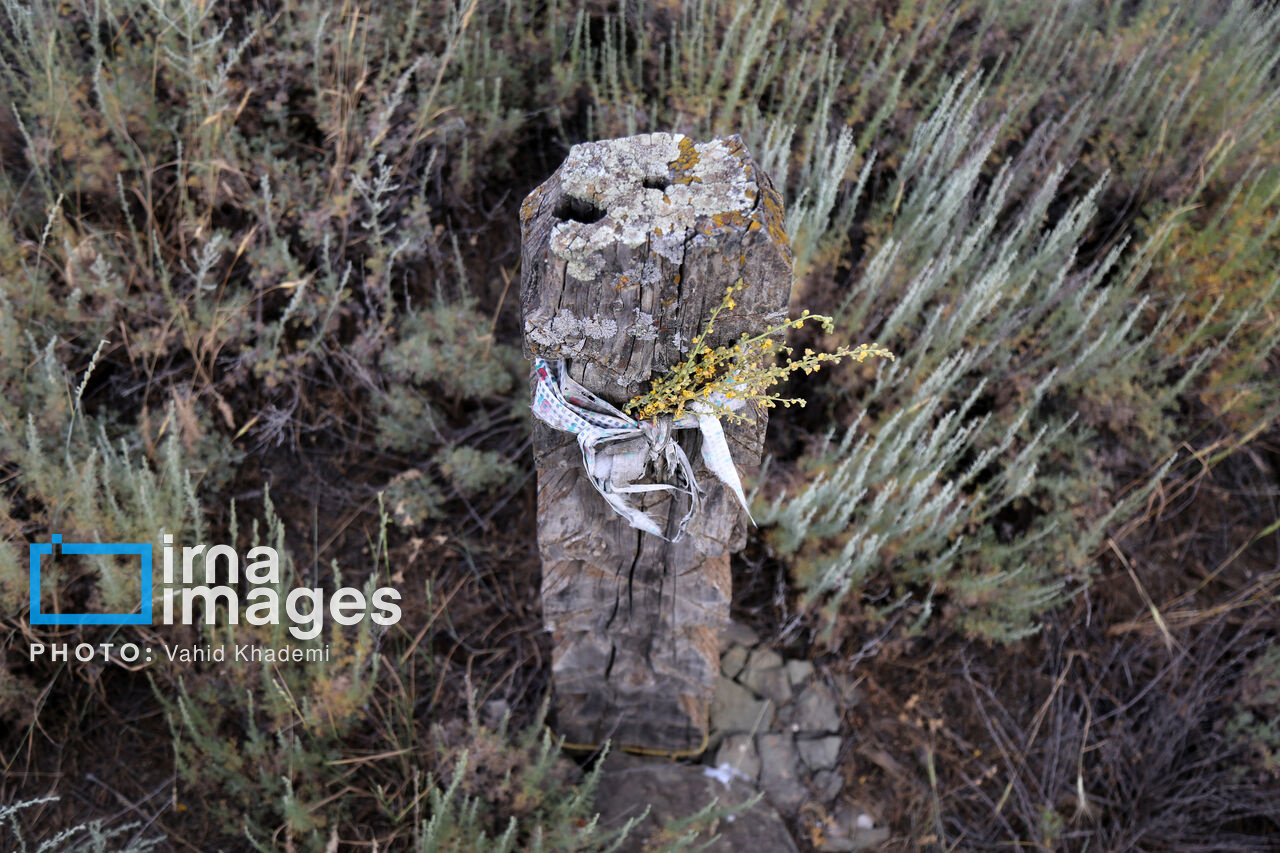
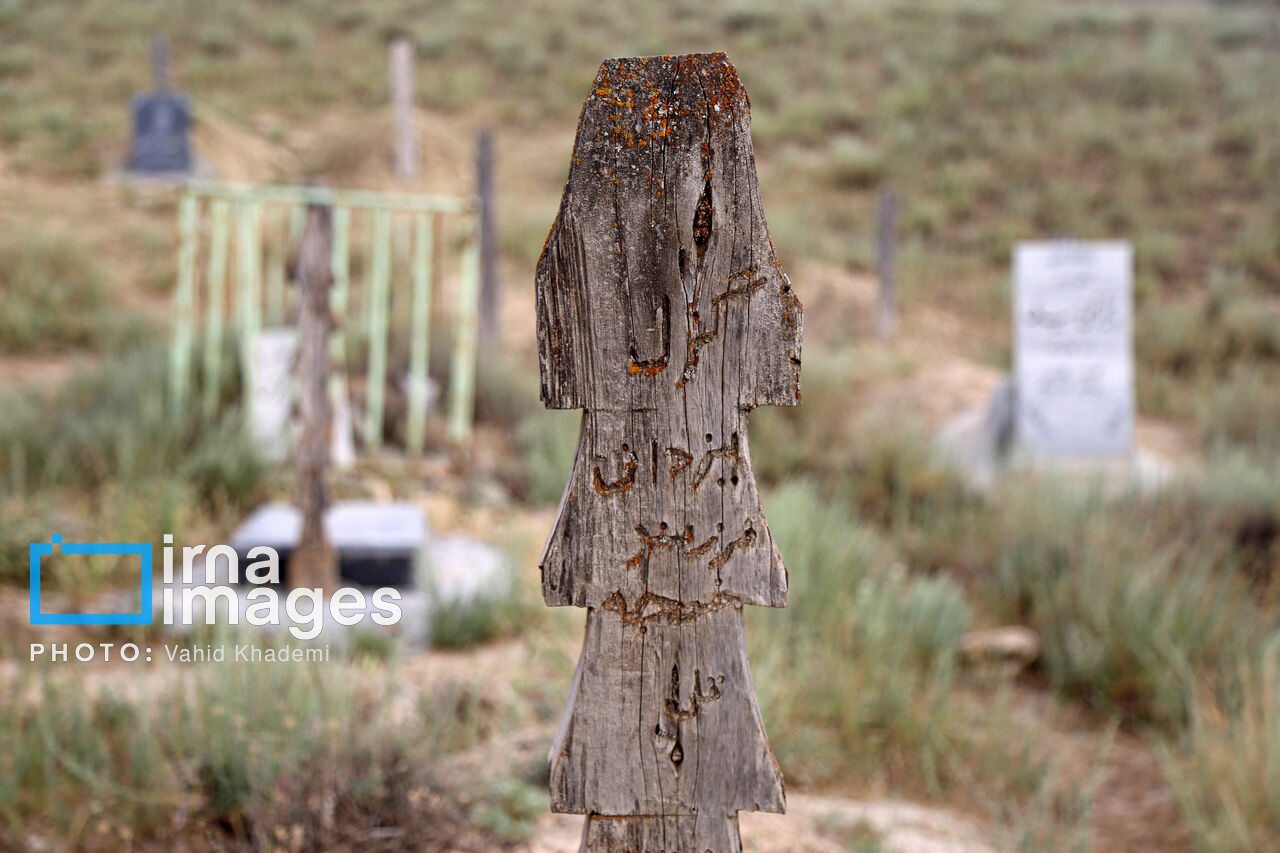
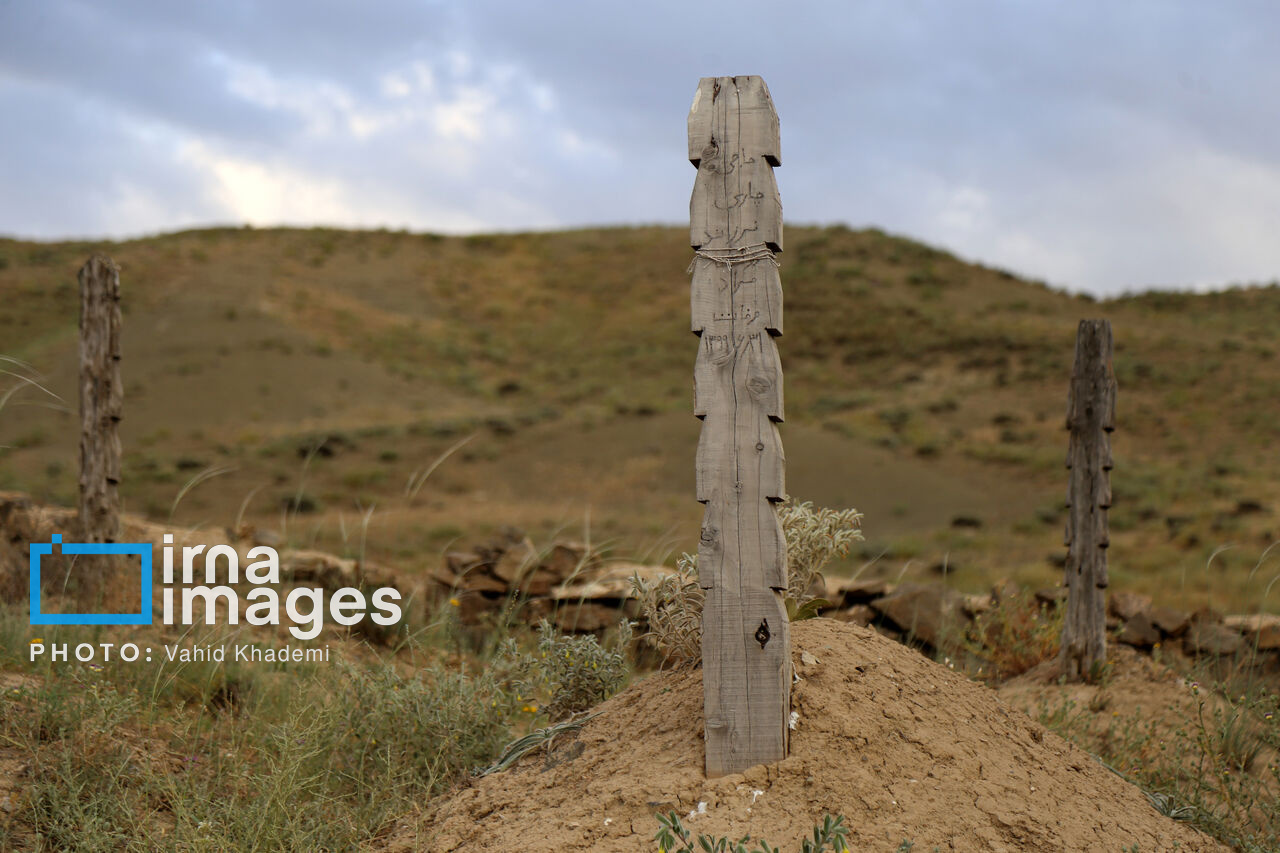
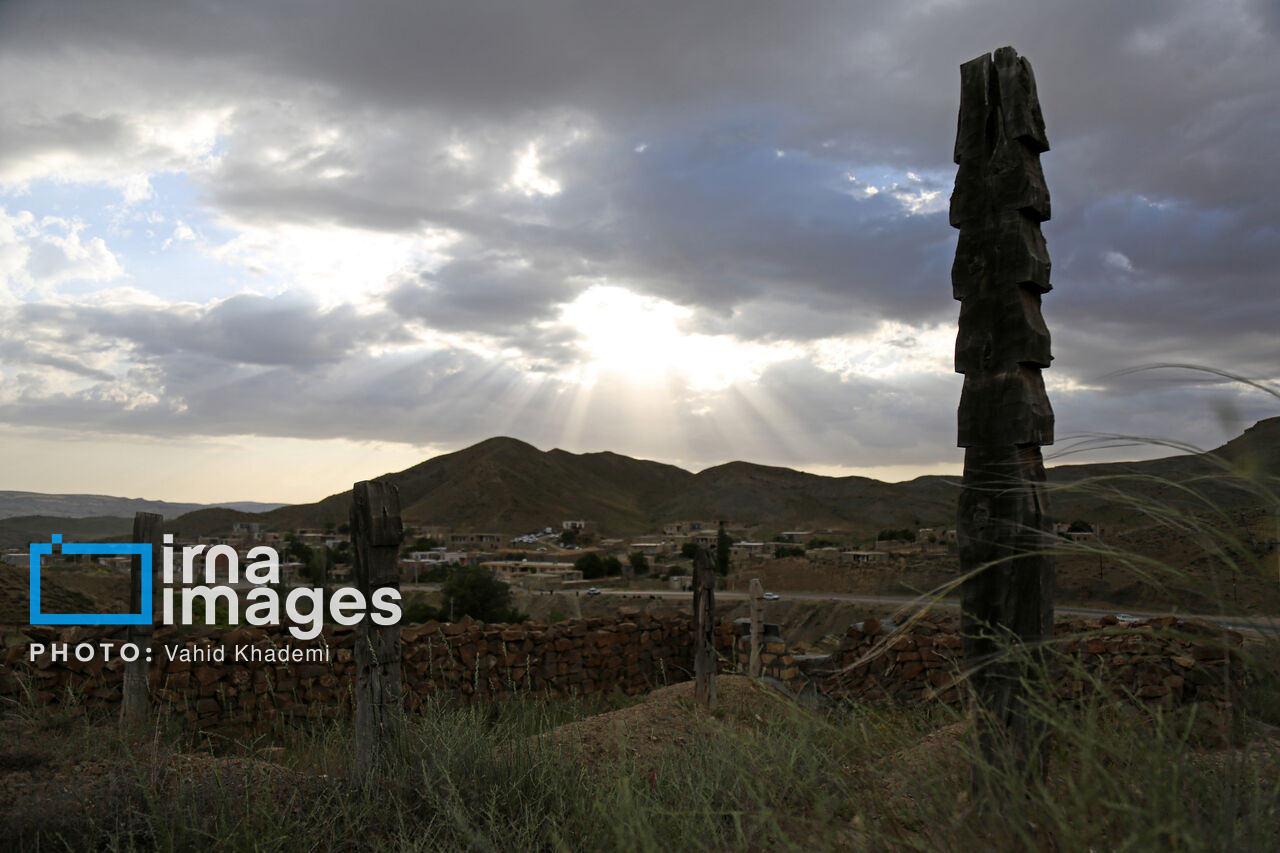
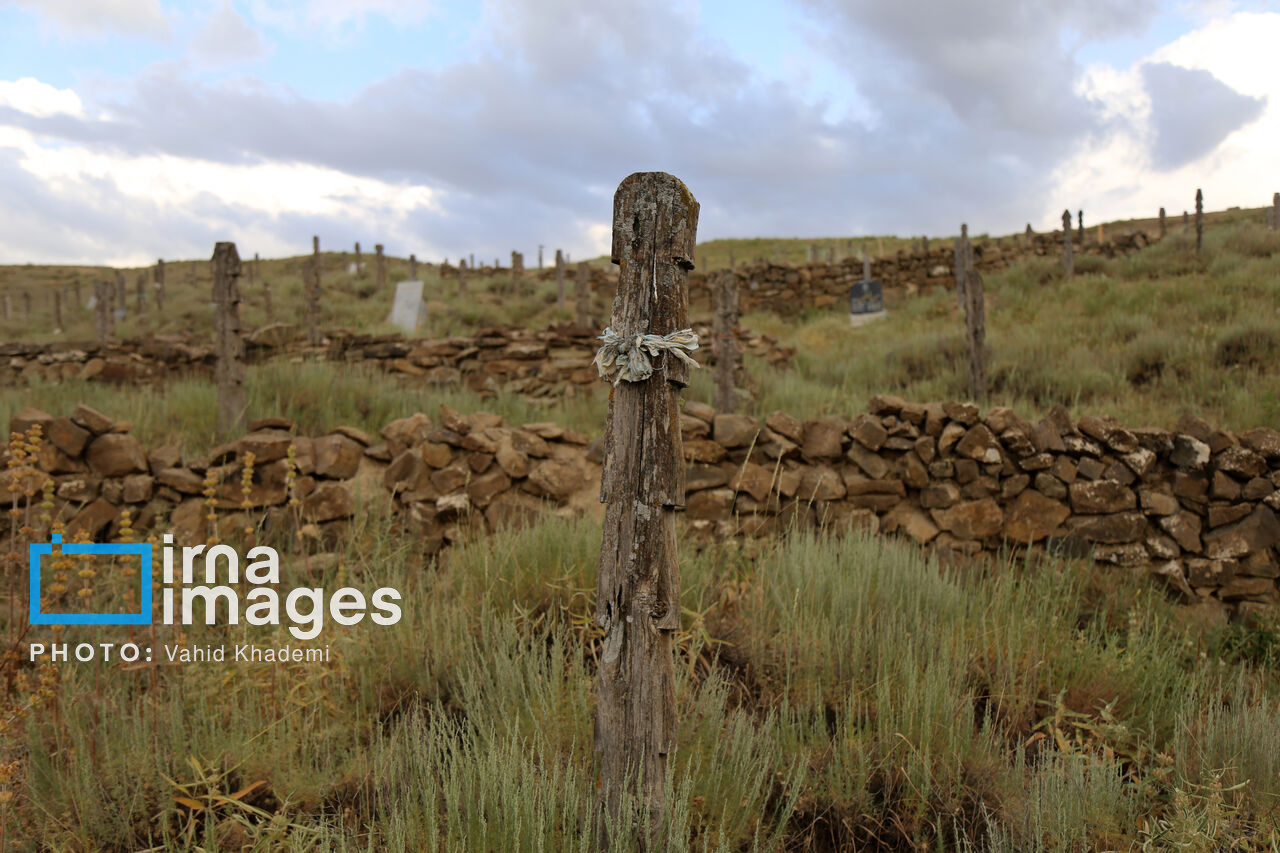
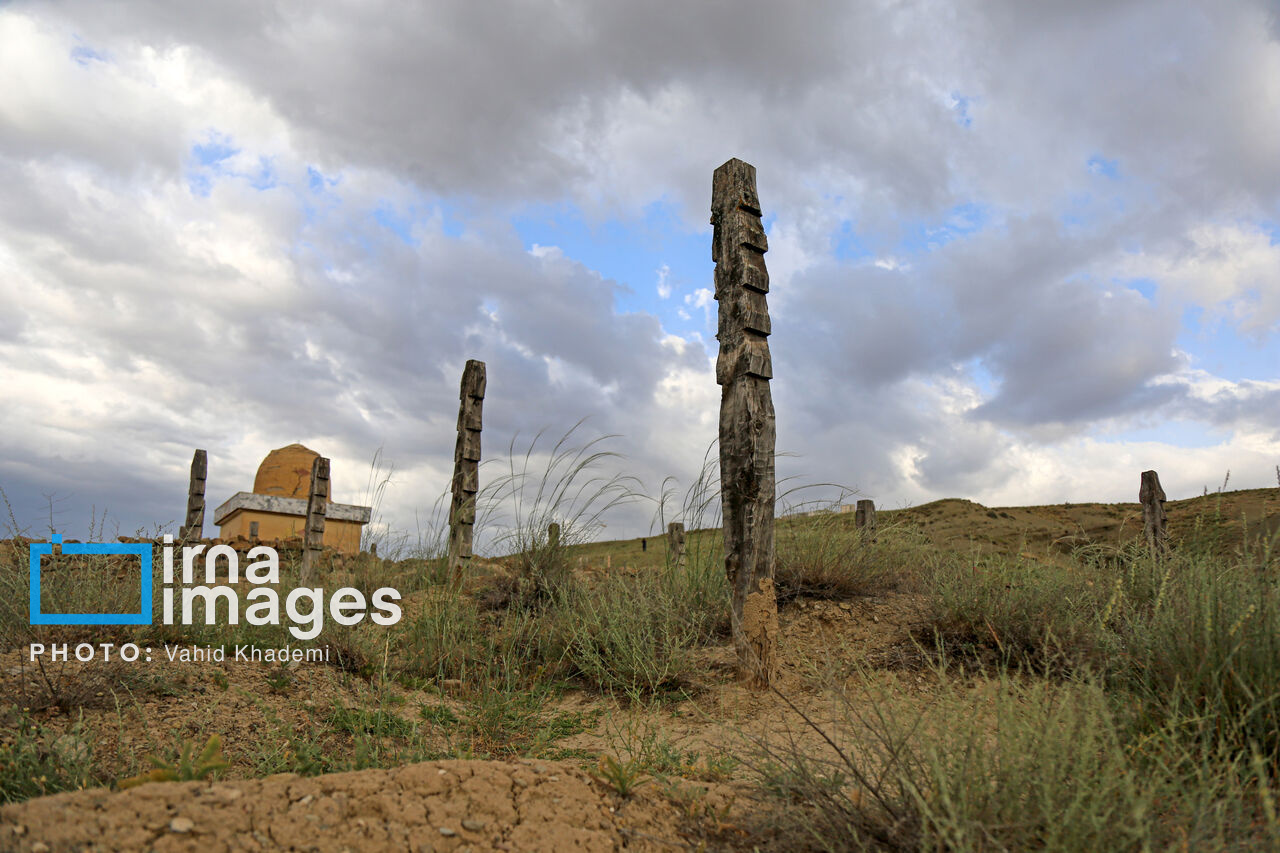
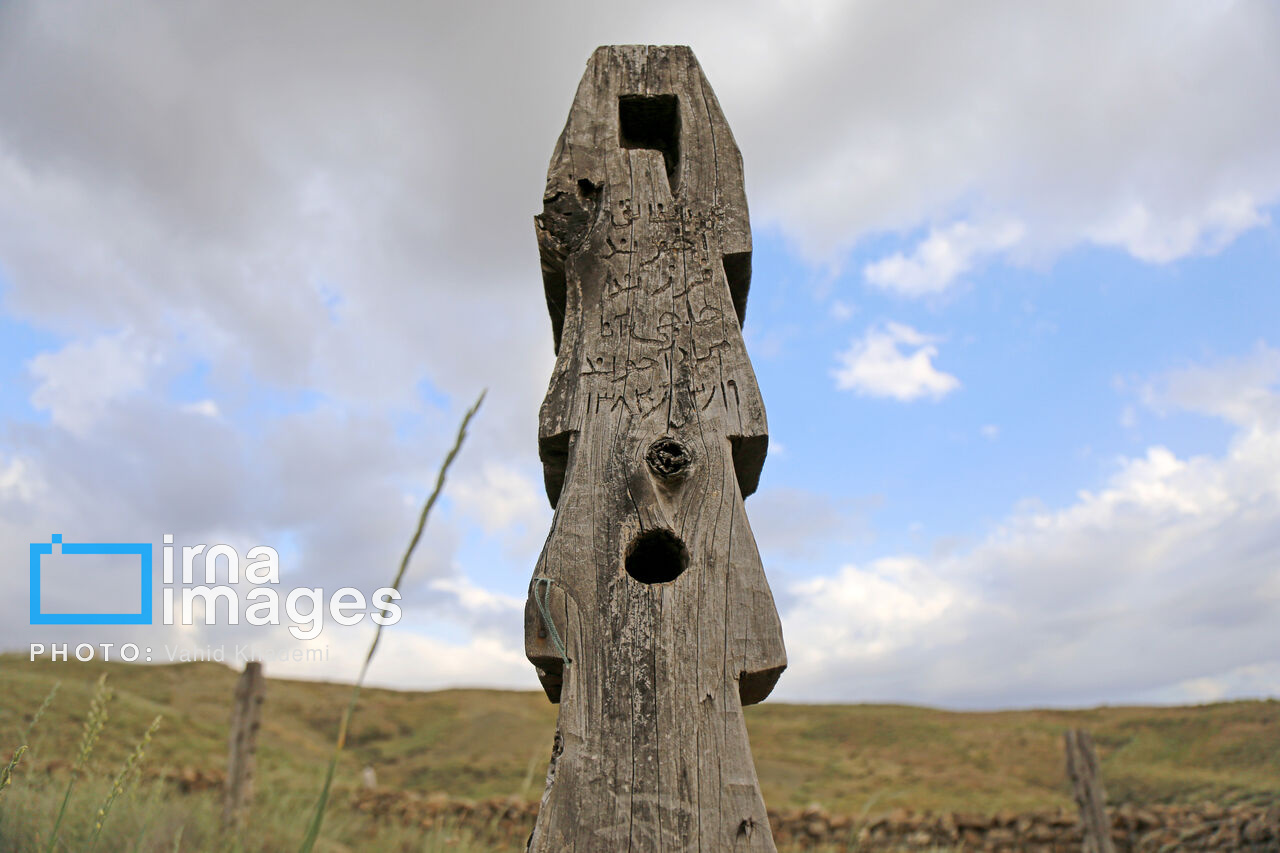
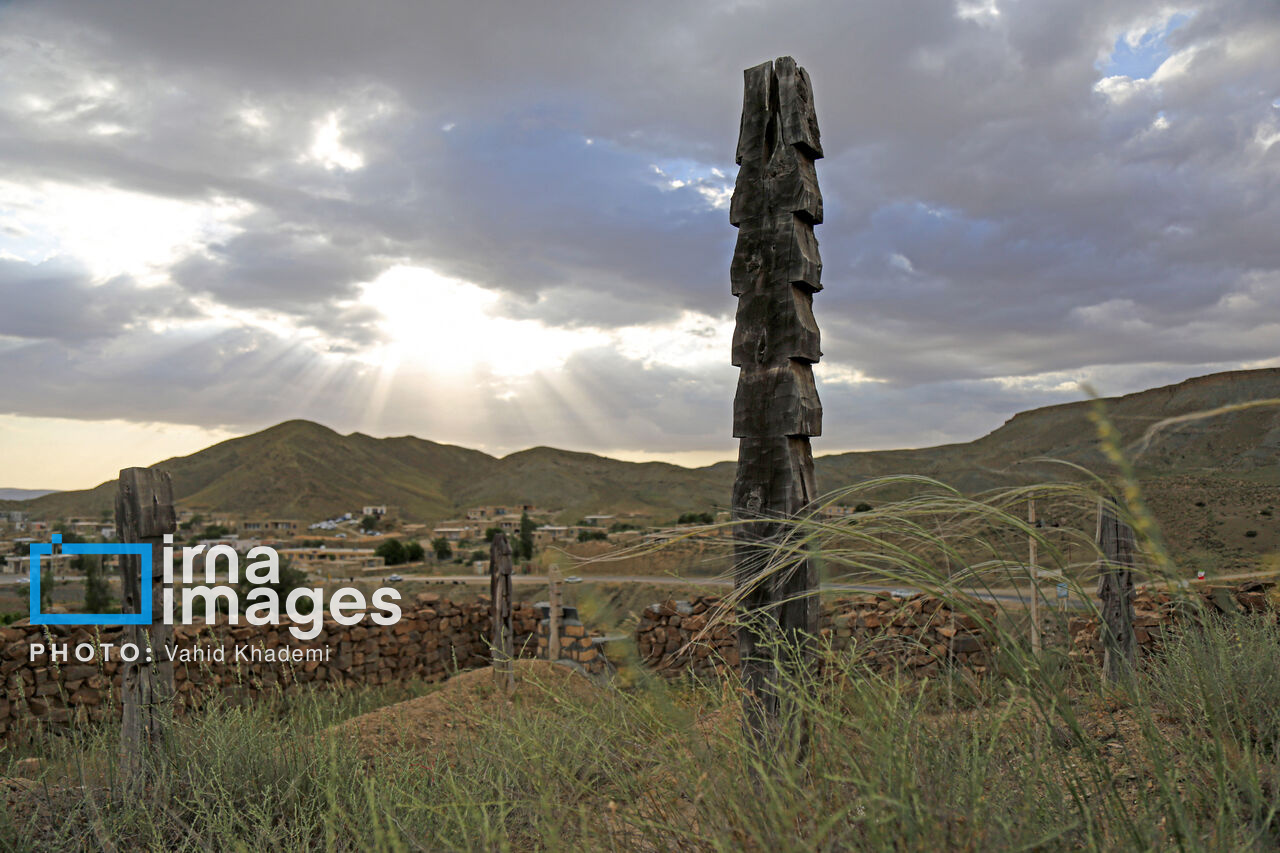
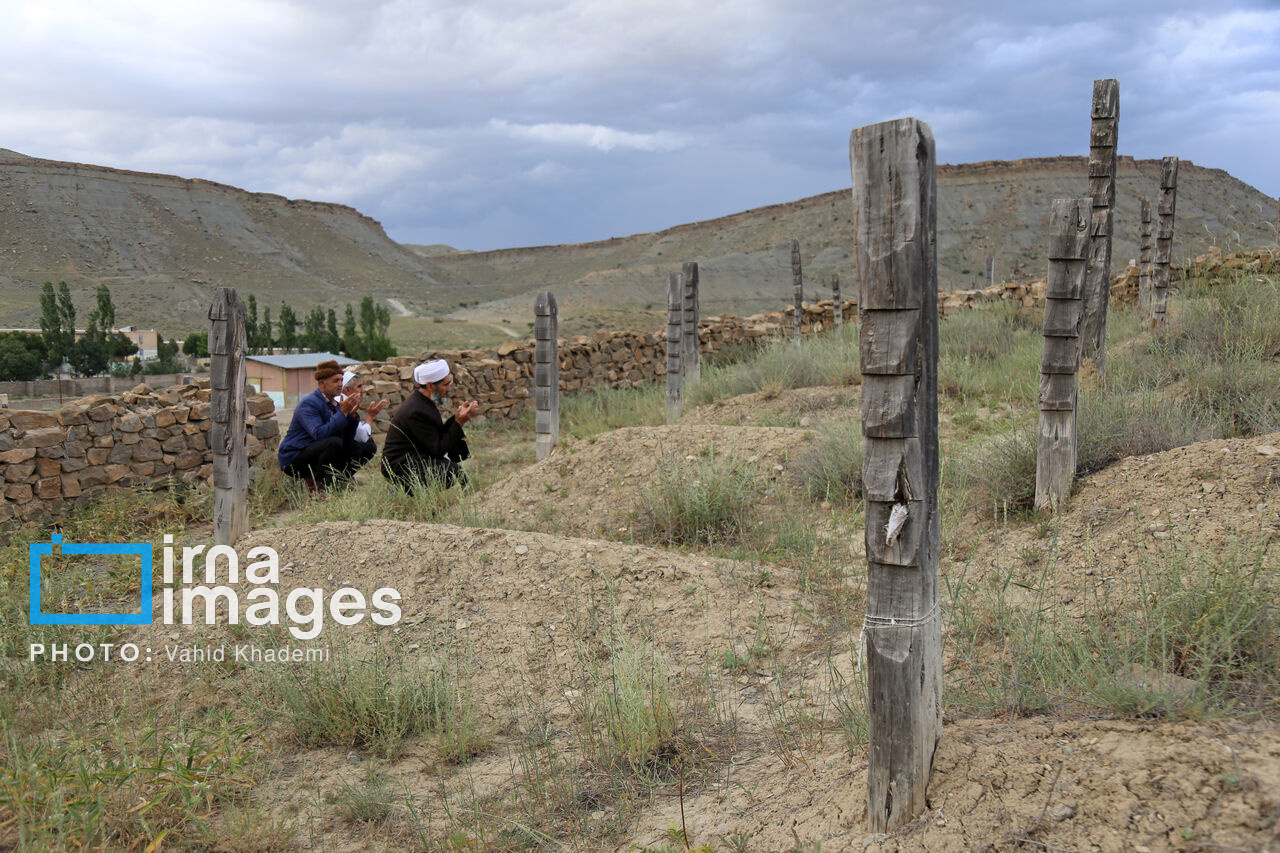
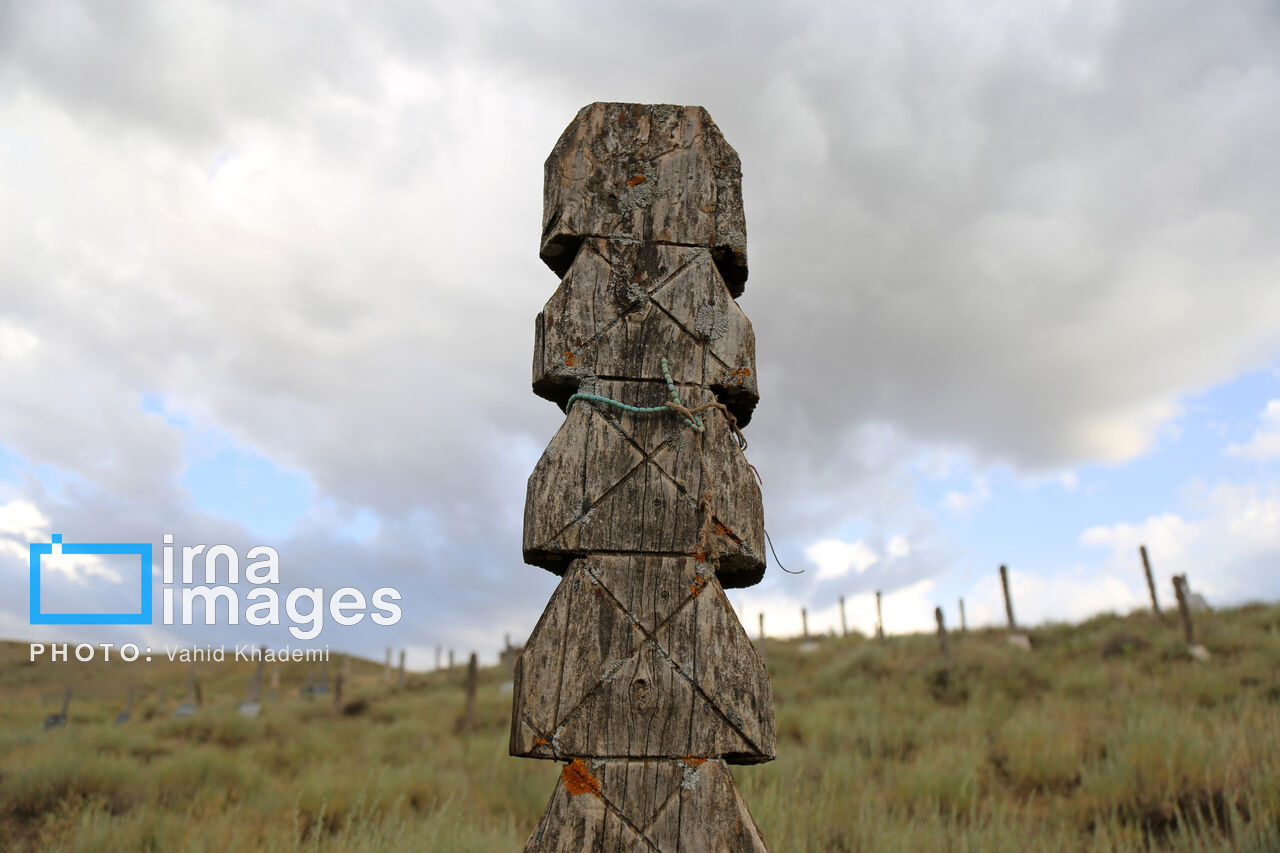
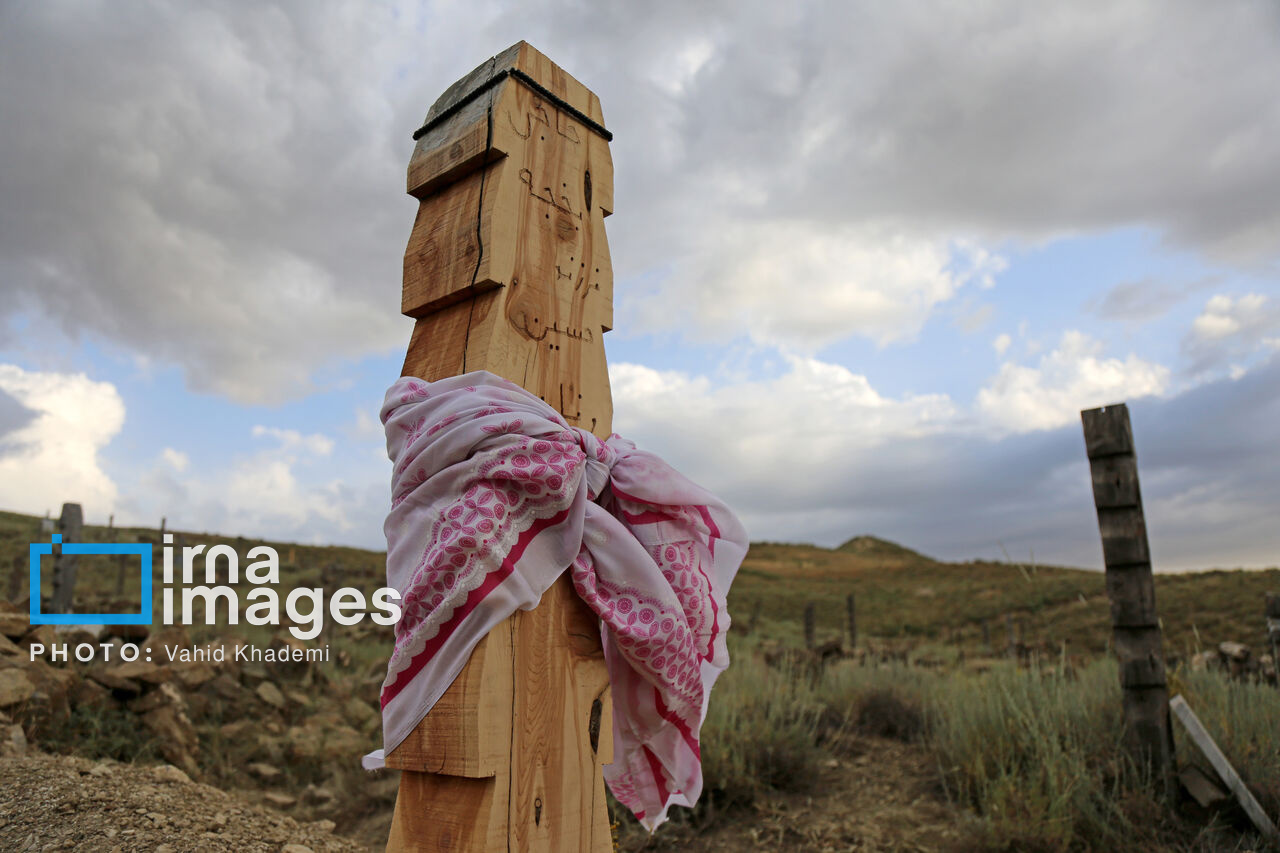
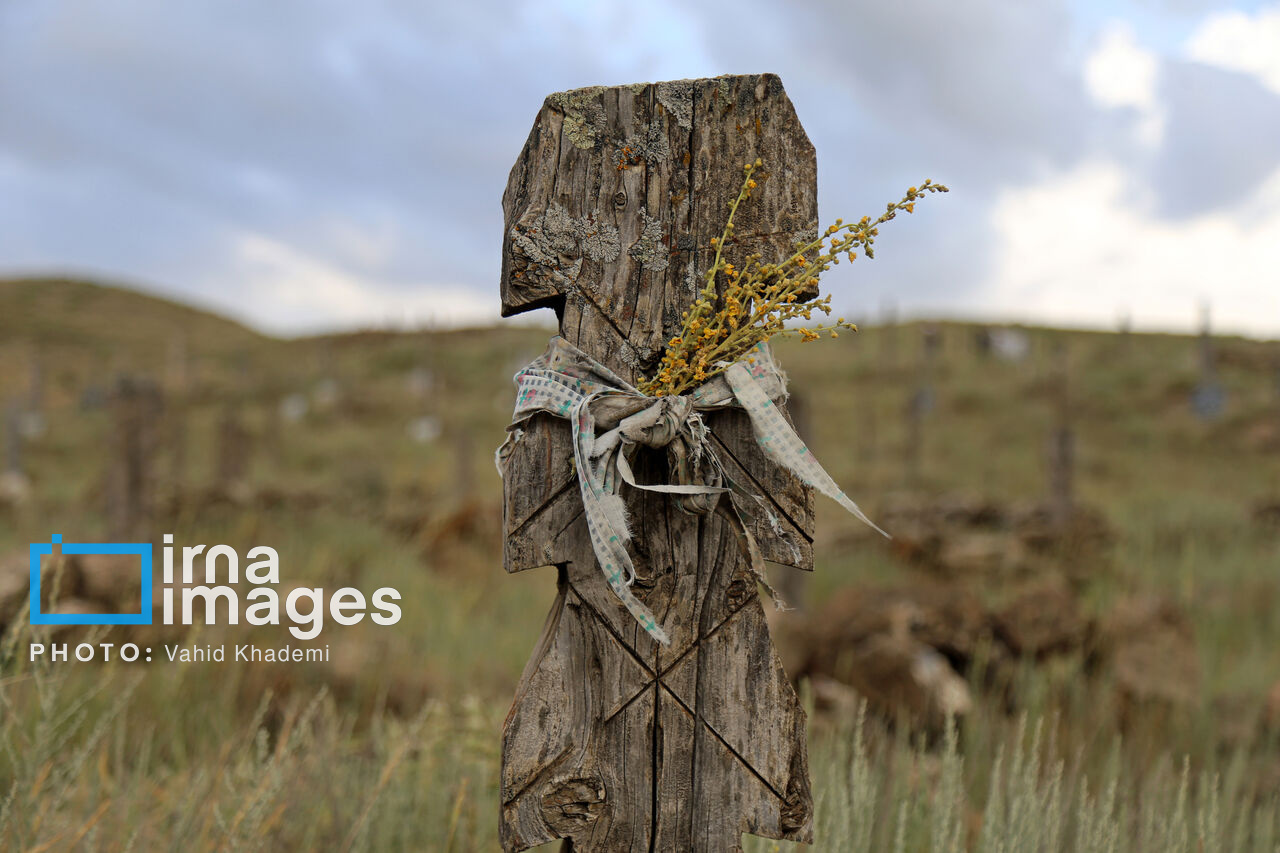
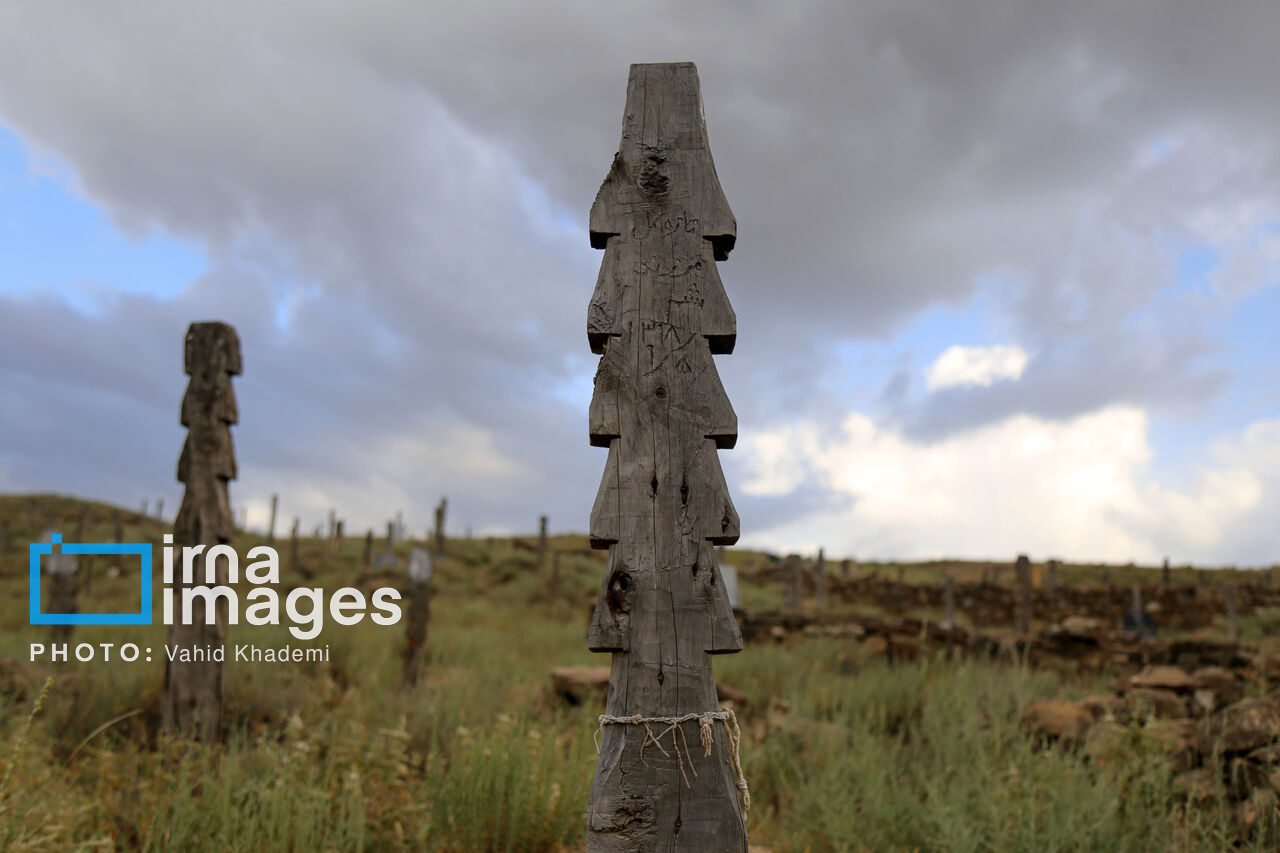
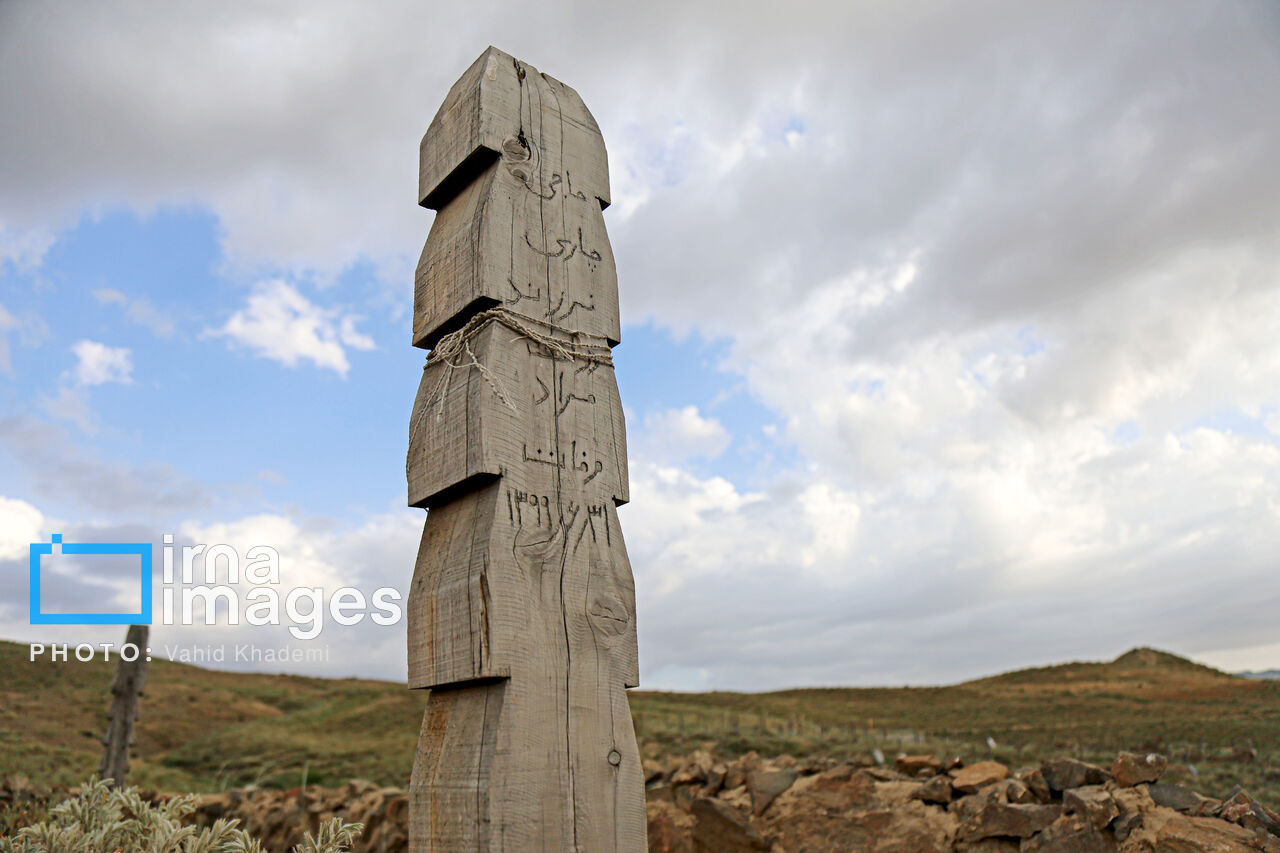
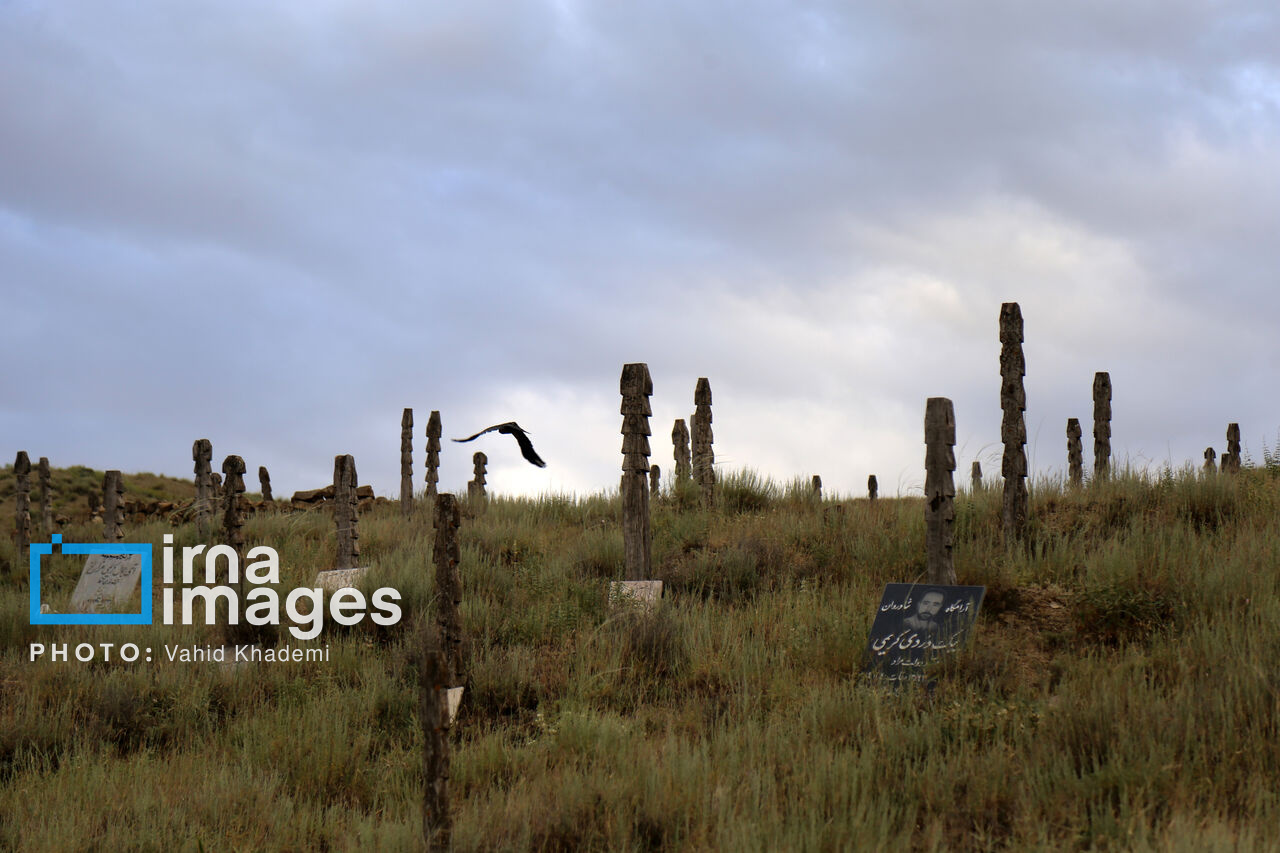
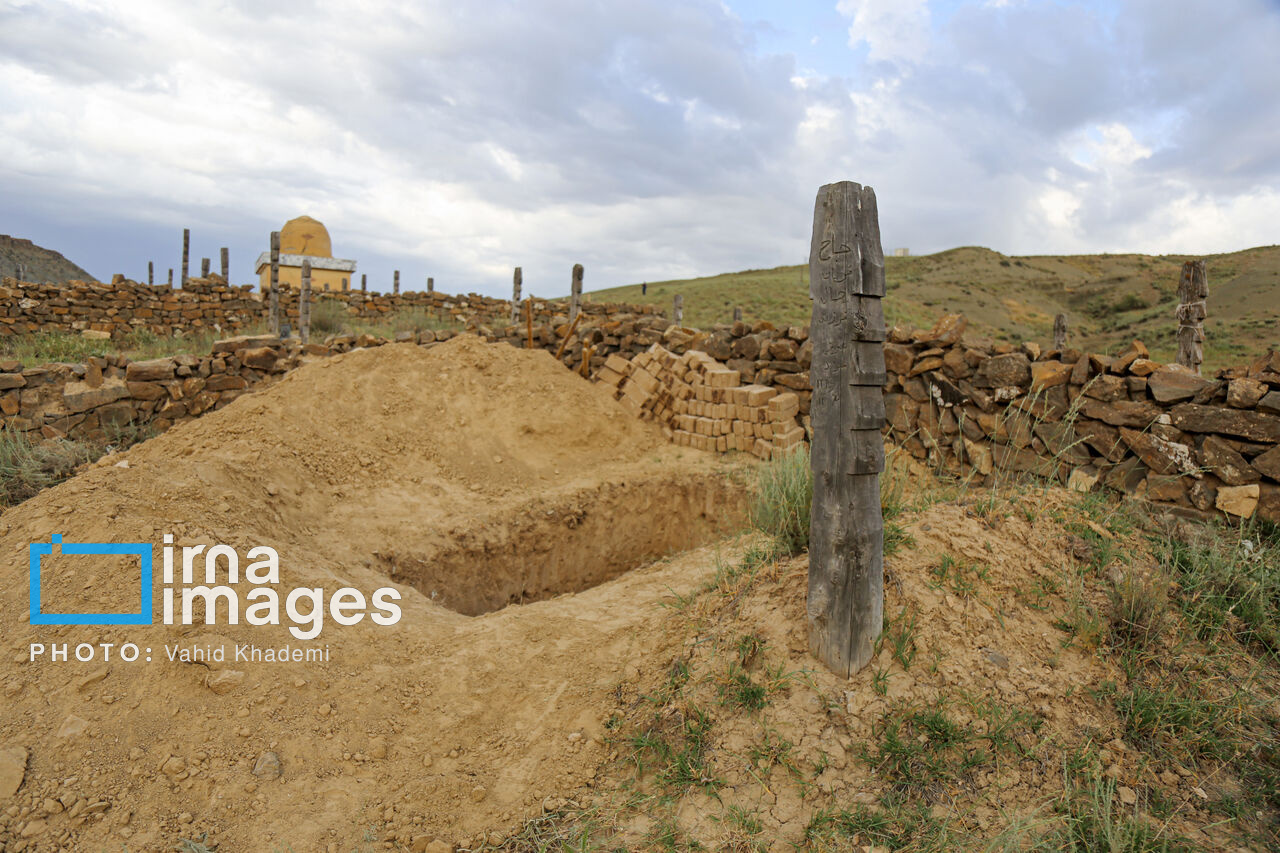
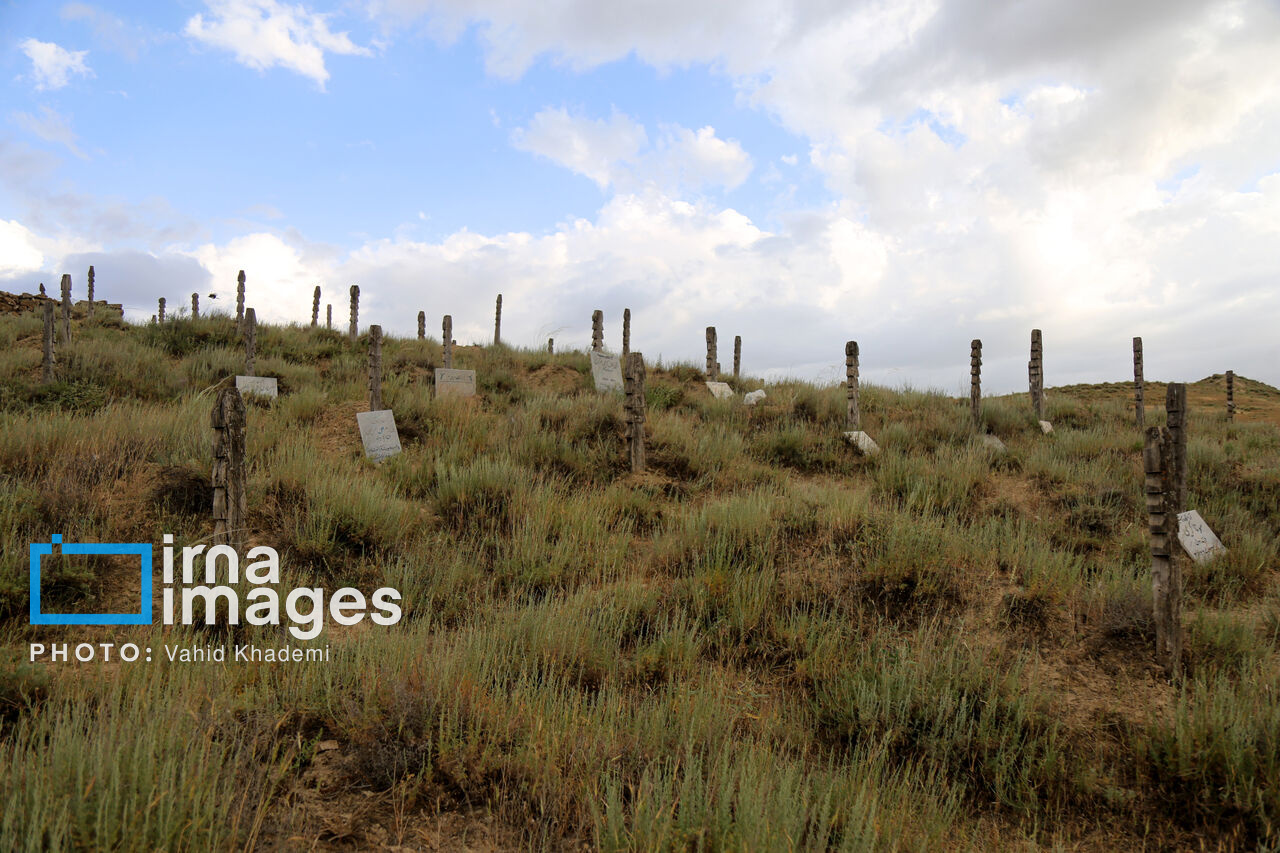
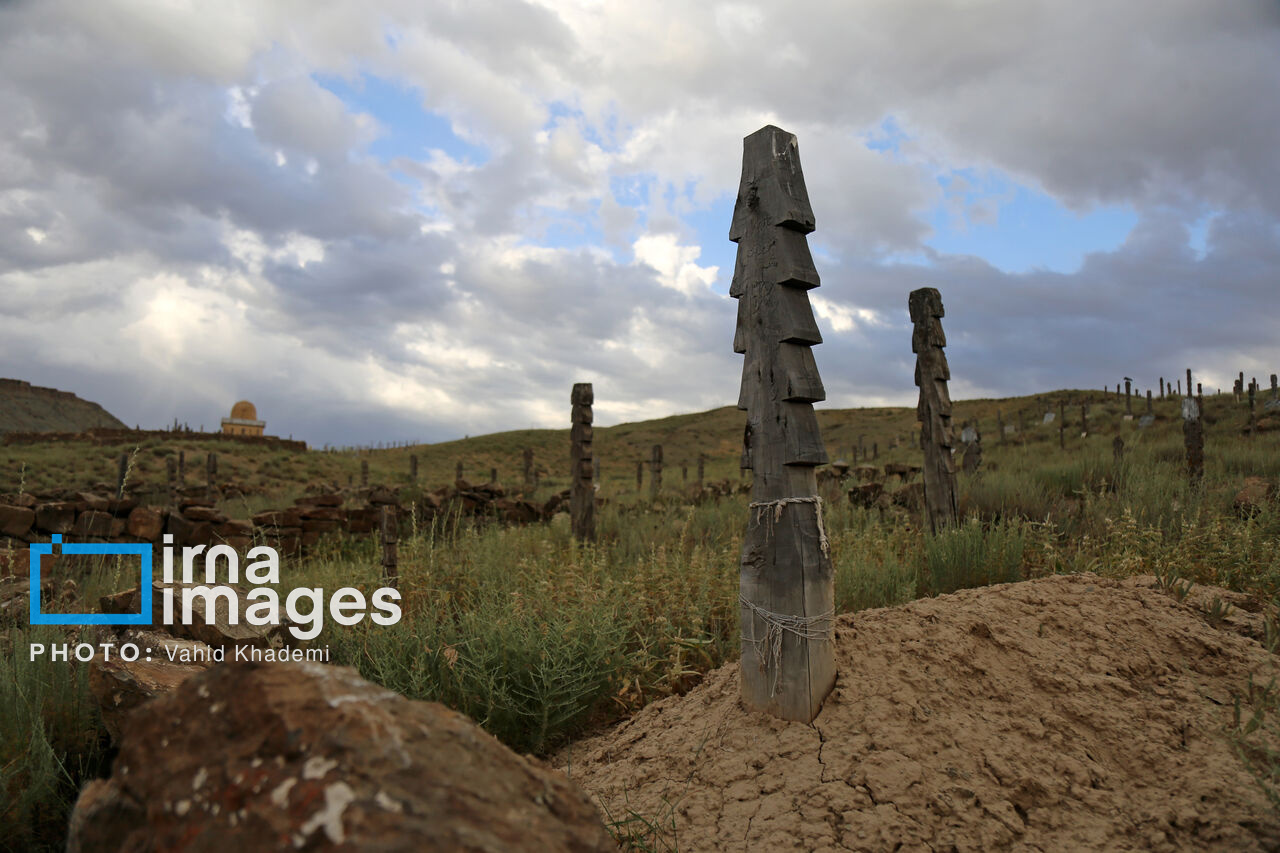
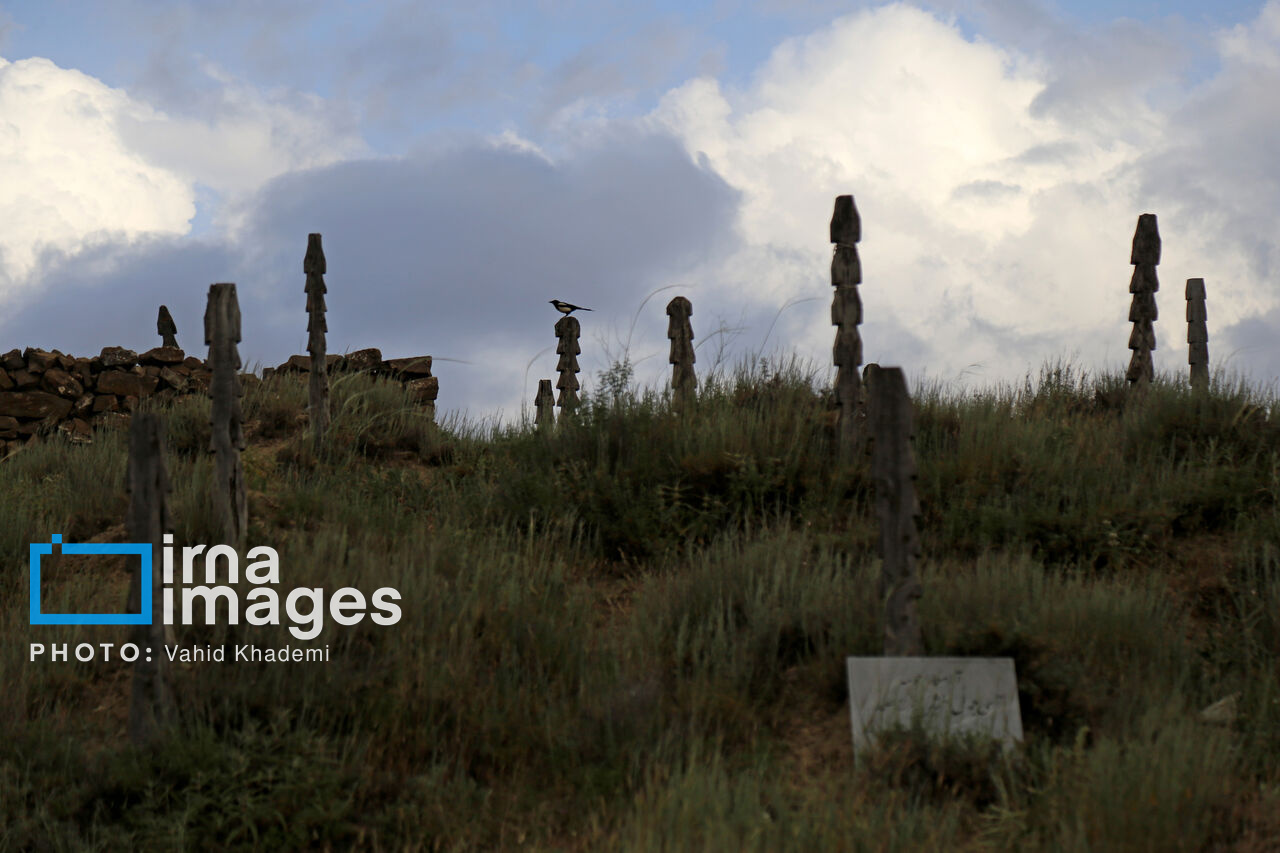
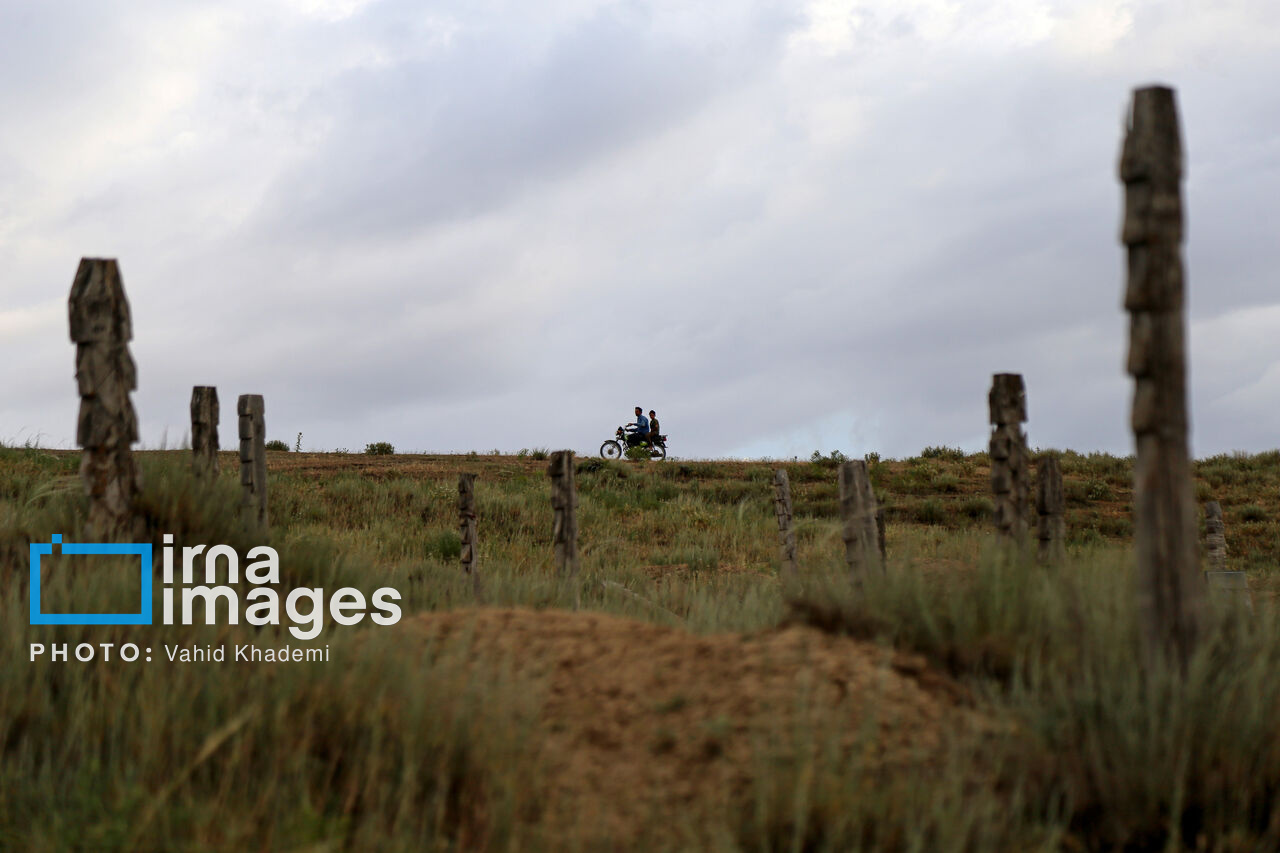
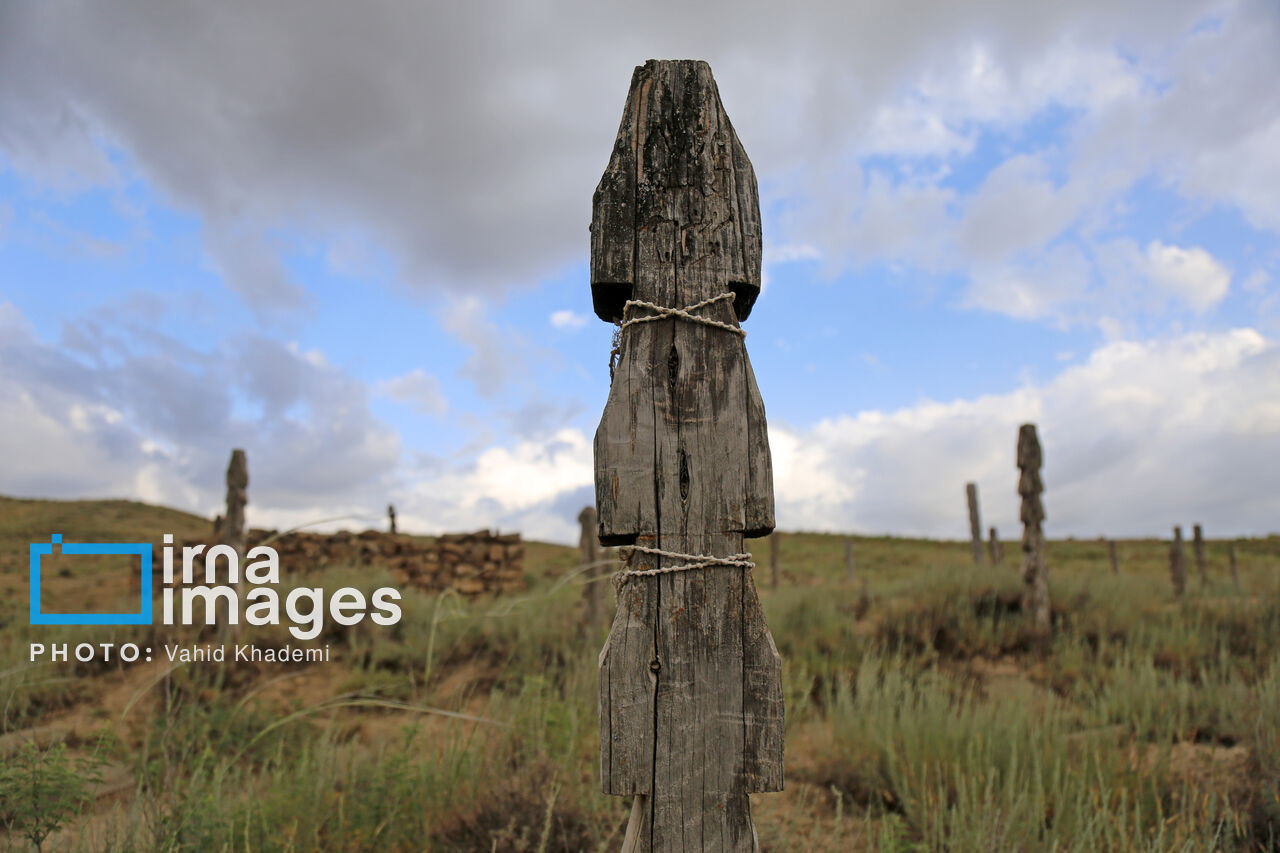
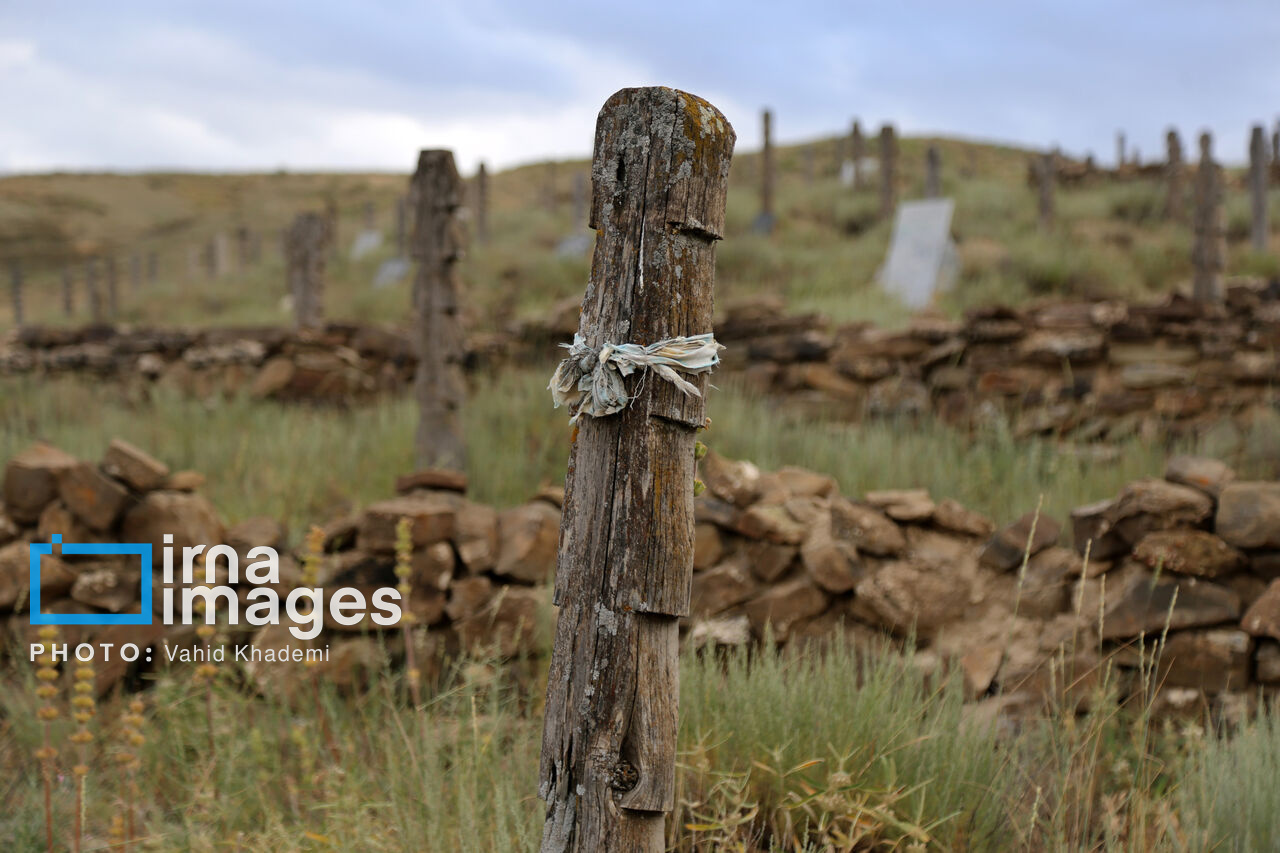
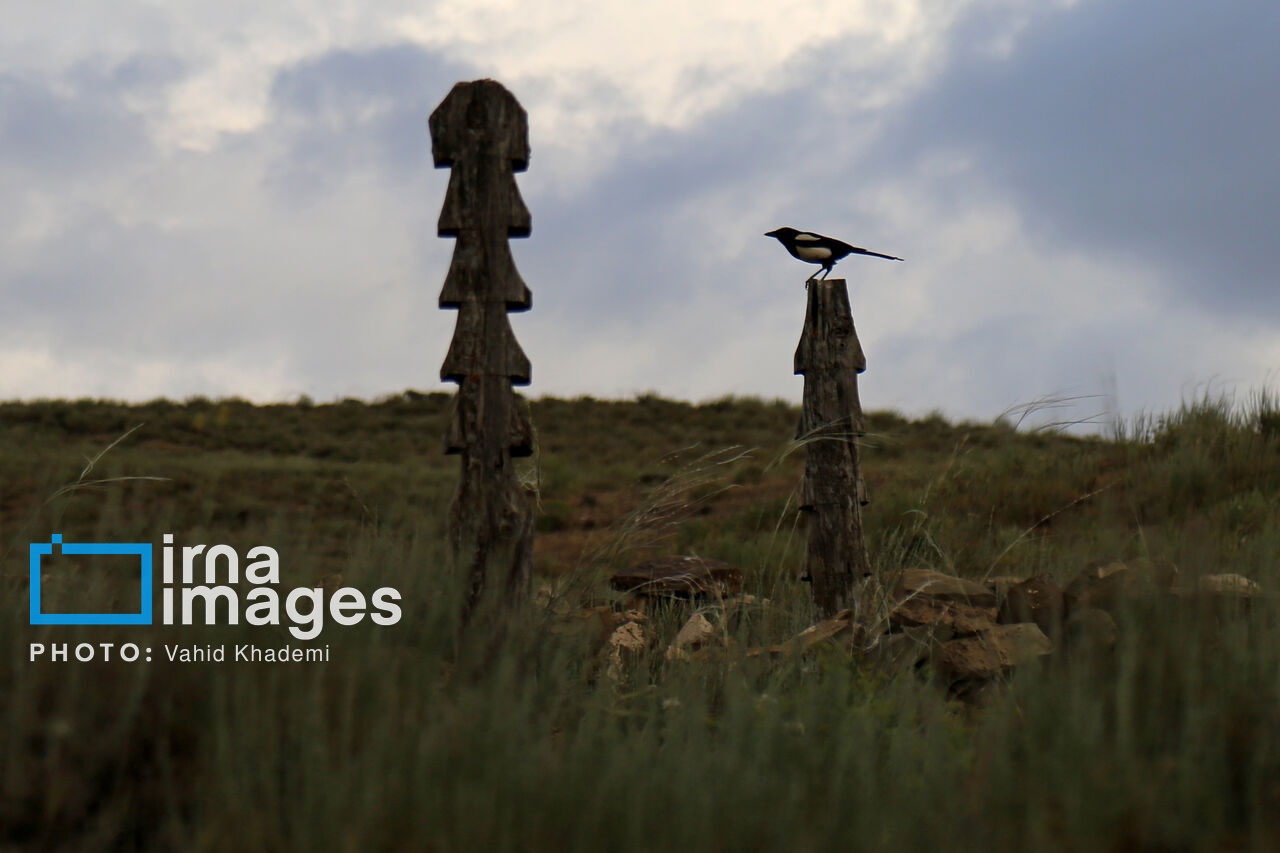
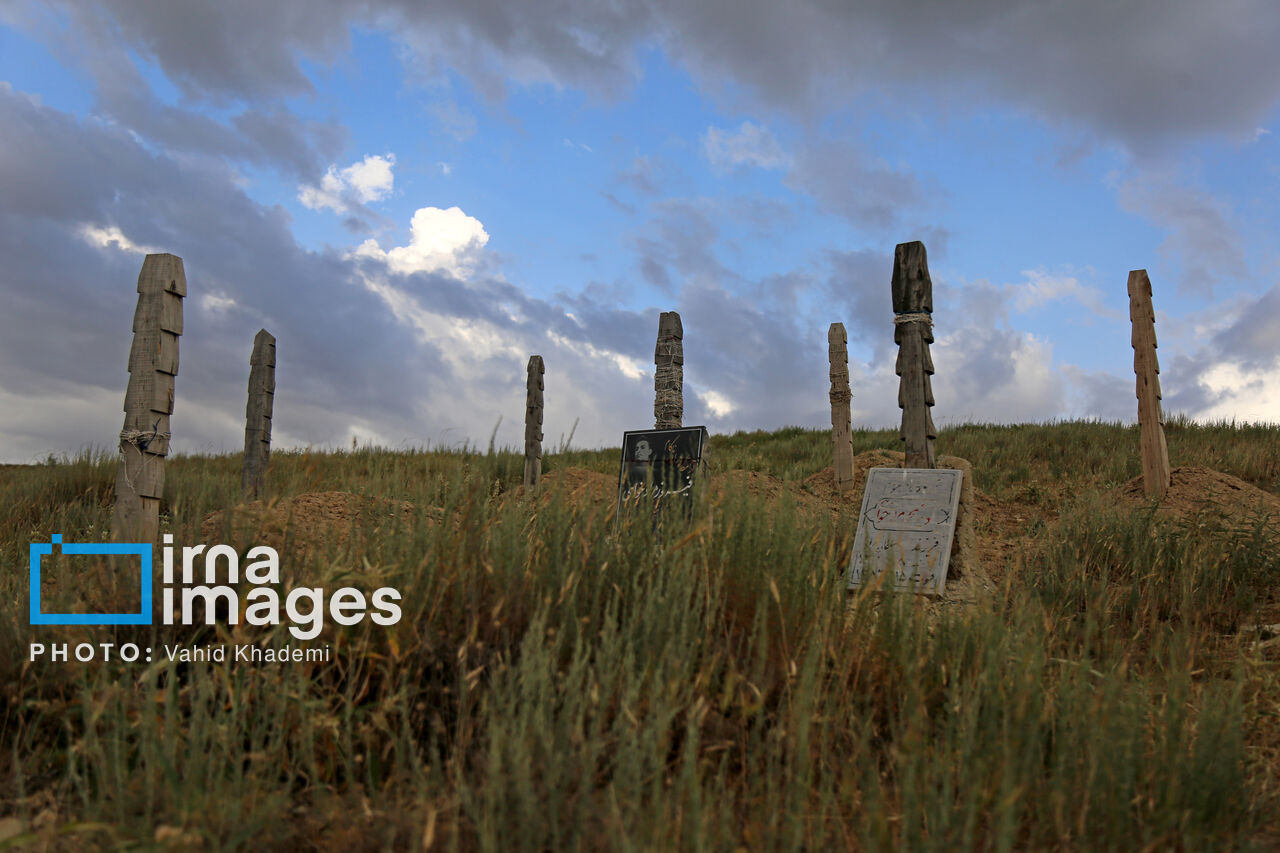
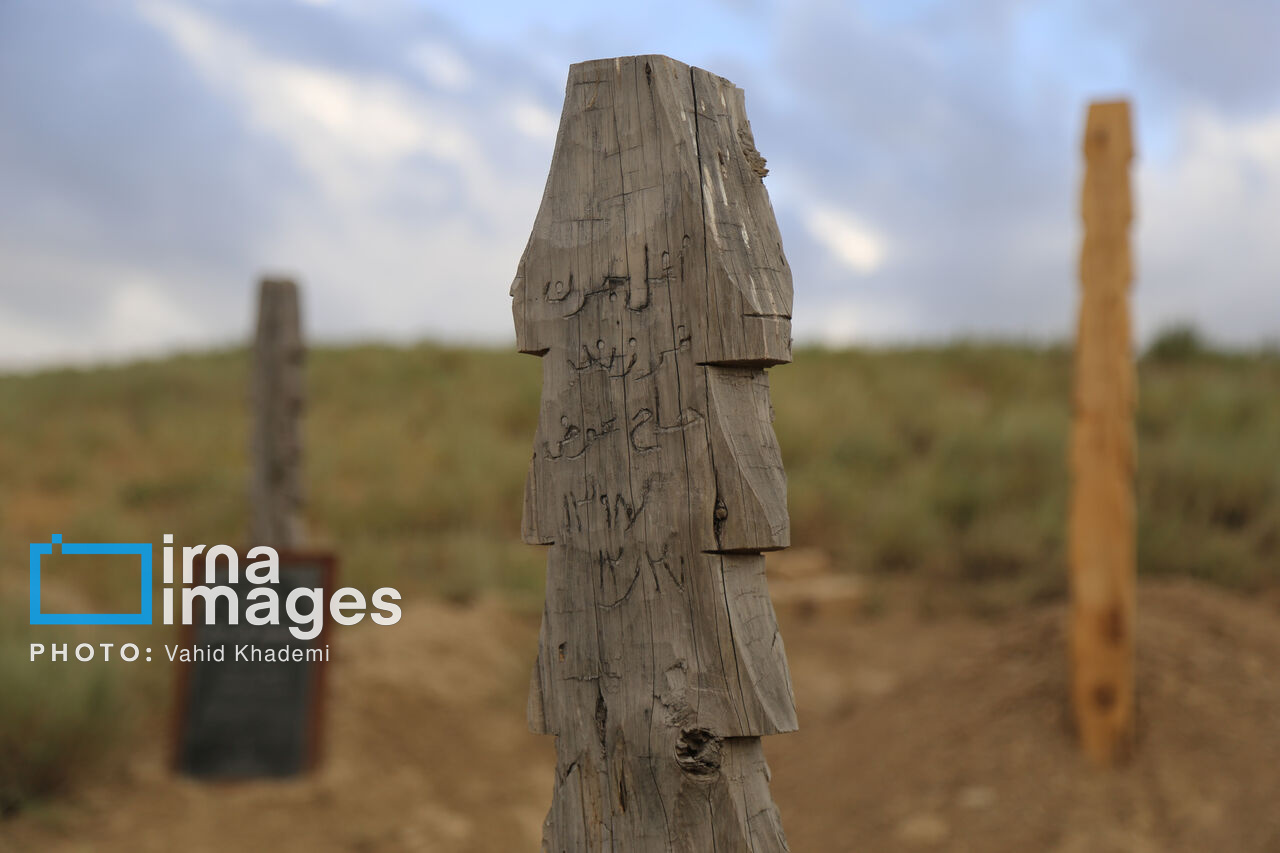
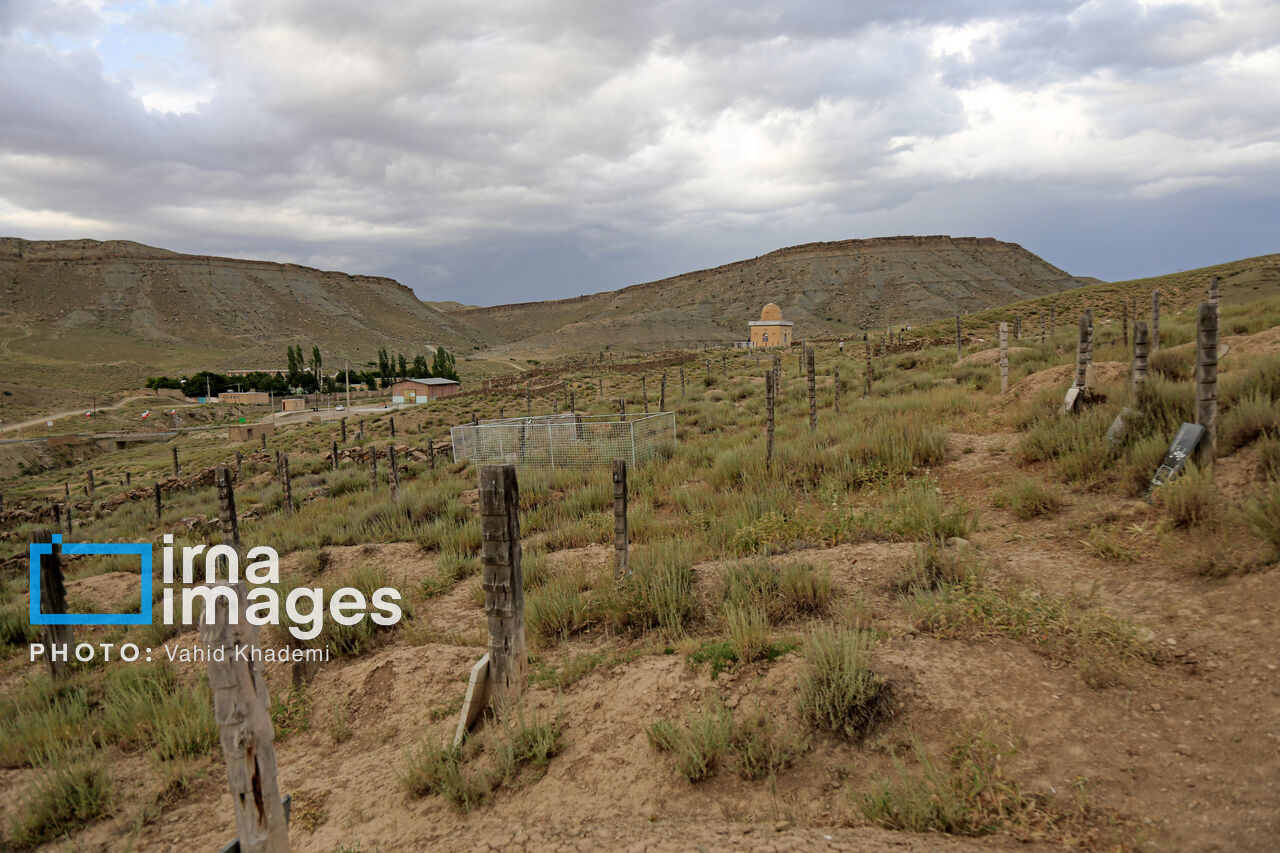
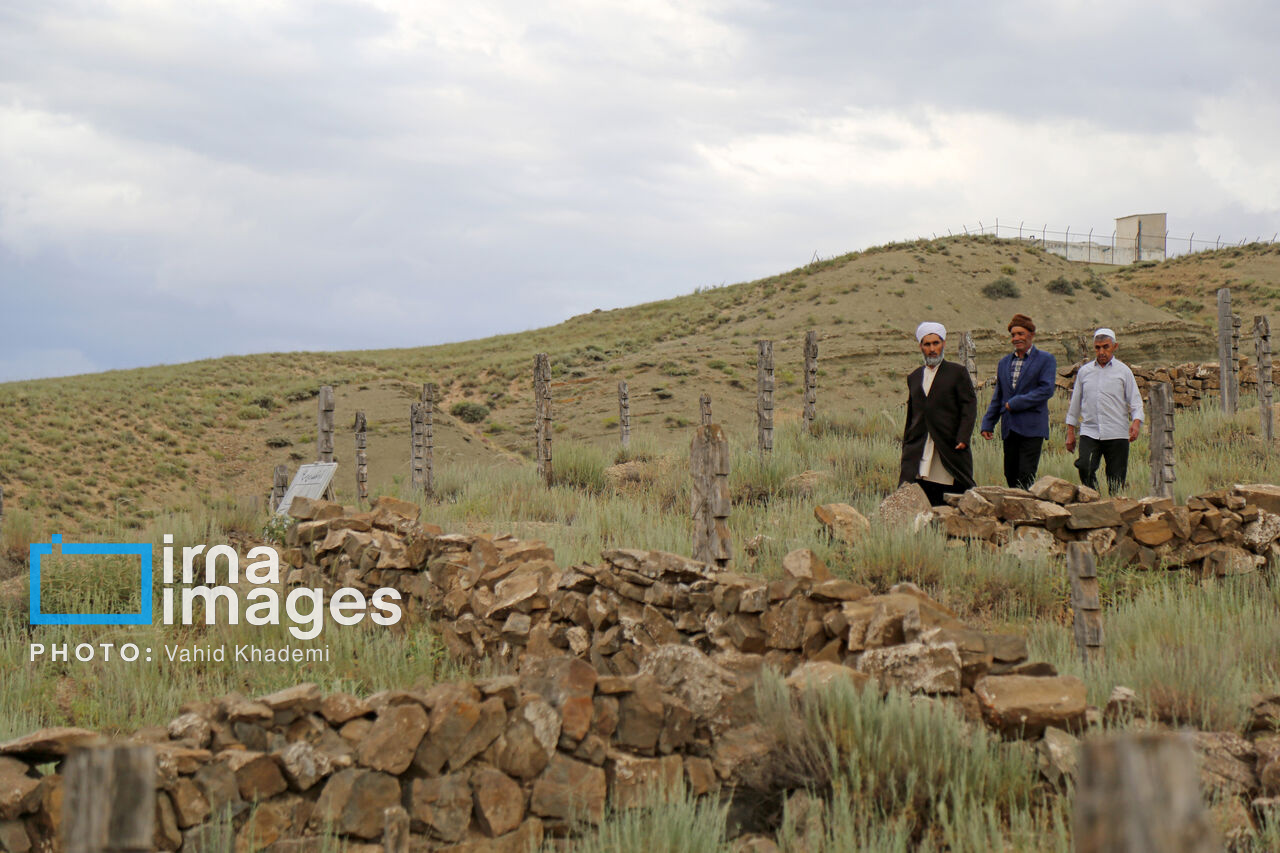
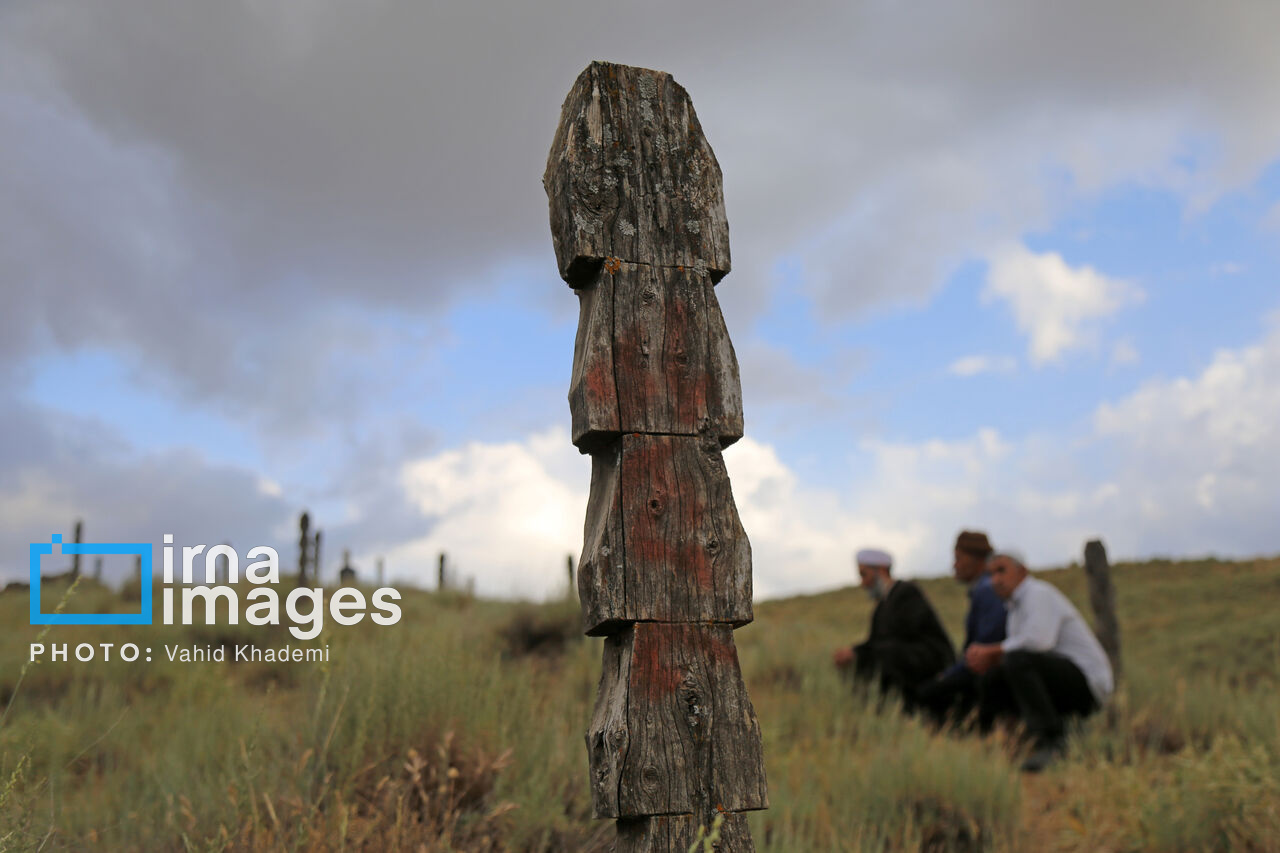
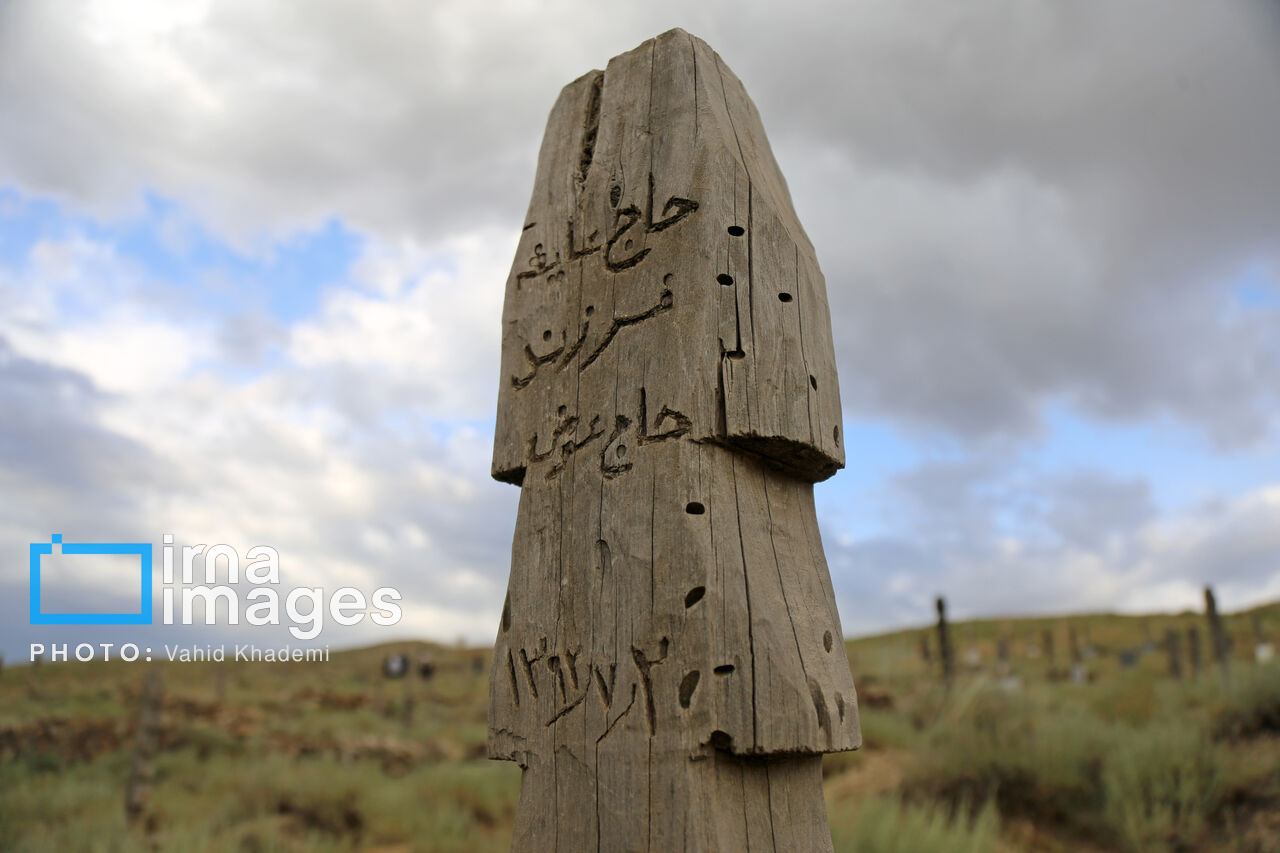
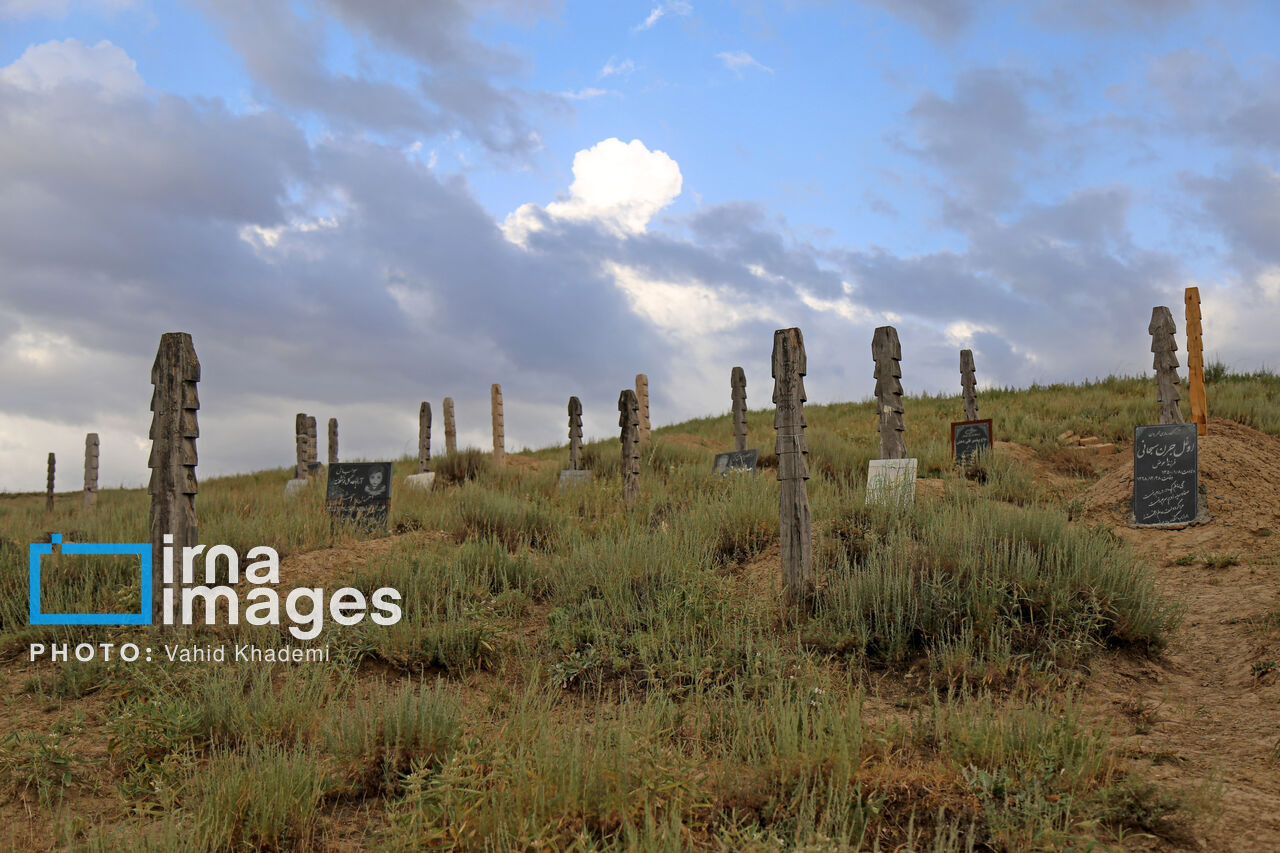
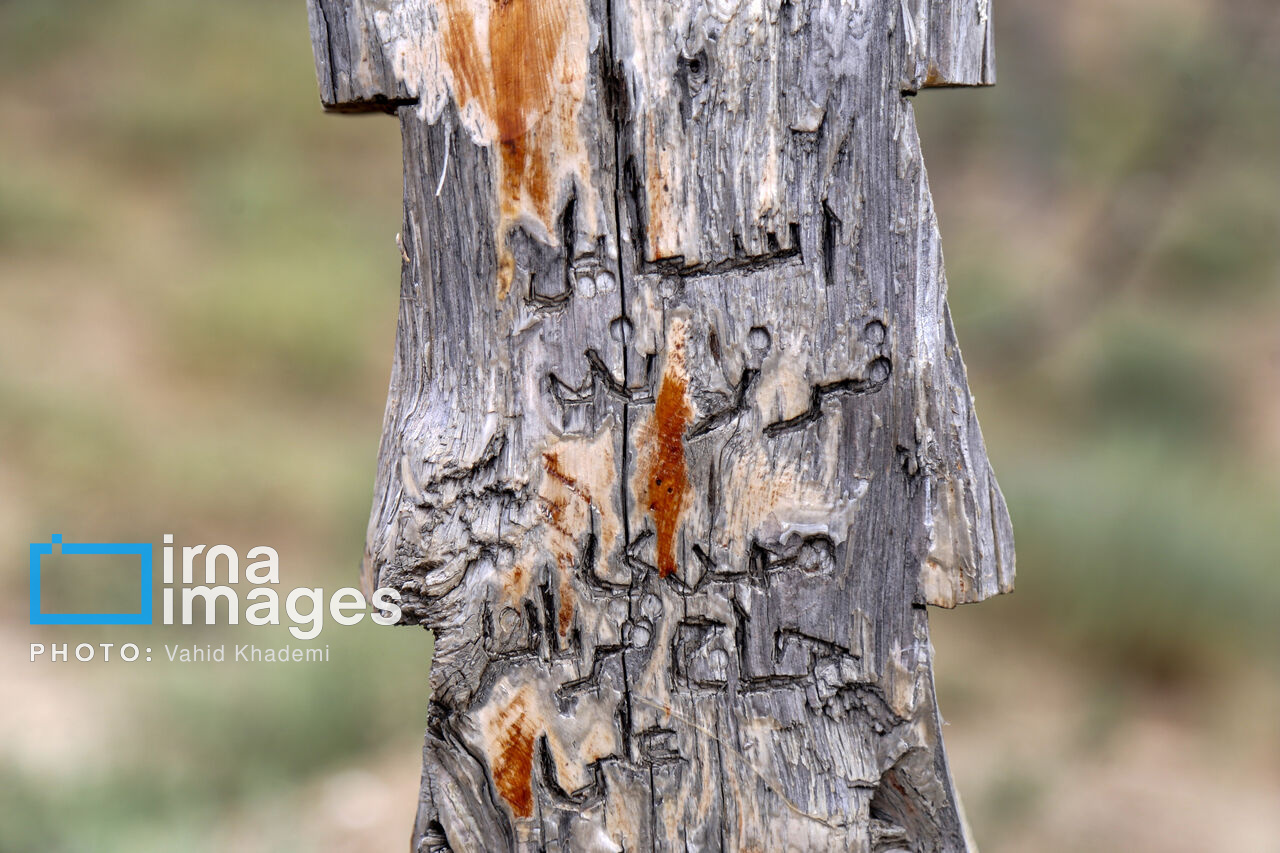
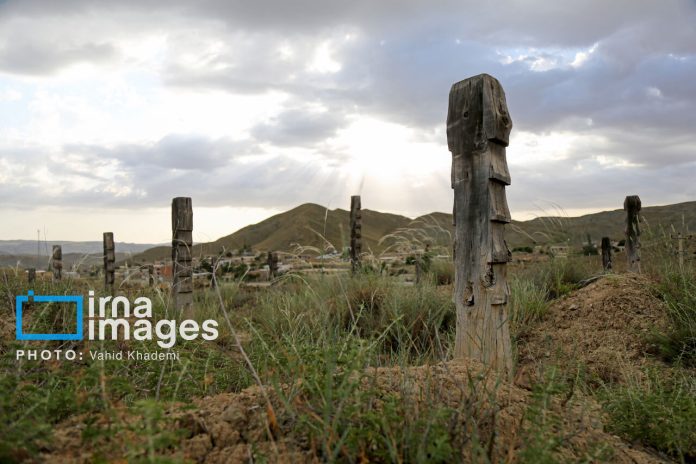
Instead of tombstones, simple wooden posts inscribed with the names and details of the deceased are placed on the graves, creating a landscape that resembles a garden filled with cut tree trunks.
More in this report:
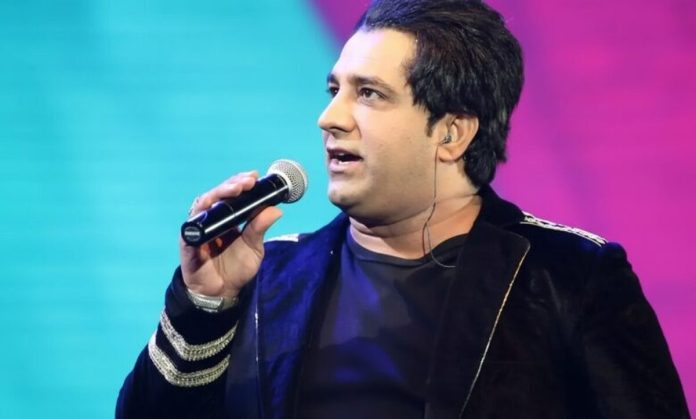
He collapsed on stage on the opening night of the city’s Date Festival and was rushed to hospital, but doctors were unable to save him.
Jahan, whose full name was Omid Pouladi Jahan, was born in February 1982 in Abadan.
The son of renowned southern Iranian singer Mahmoud Jahan, he grew up surrounded by music and began singing and playing instruments from a young age. His family later relocated to Bushehr and then Tehran.
He launched his professional career in 2004 and rose to prominence with his debut unofficial album Pesare Jonoobi (Southern Boy), followed by Papati (Barefoot) in 2006, which established him as a popular figure in Iranian pop.
Known for his energetic performances and southern-style rhythms, Jahan built a wide fan base across the country.
The head of Bam’s Culture and Islamic Guidance Office had earlier said the singer had been scheduled for multiple performances at the festival, which would run until September 18.
His sudden death has shocked fans and the Iranian music community, many of whom have expressed their condolences on social media.
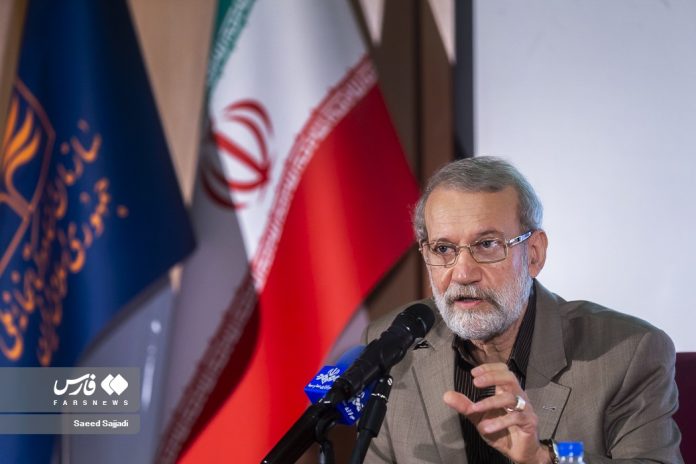
In a post on X, Ali Larijani criticized the recent Organisation of Islamic Cooperation summit as “full of speeches and without practical results,” likening it to an ineffective UN Security Council meeting.
He warned that inaction “is equal to ordering a new aggression against the Zionist regime,” and urged Muslim governments to take concrete collective steps rather than issuing statements.
Larijani added that even a limited, decisive move would alarm the regime’s backers and could force them to reconsider orders to Israel “in pursuit of world peace and a Nobel prize,” using ironic language to highlight “international hypocrisy.”
He also appealed to leaders to act on behalf of hungry and oppressed Palestinians, urging at minimum “a brief decision” to prevent their further destruction and to avert greater regional fallout.
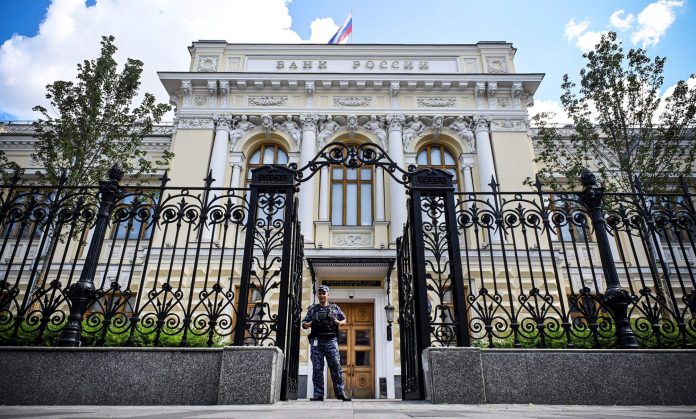
Western nations froze an estimated $300 billion in Russian assets following the escalation of the Ukraine conflict in 2022, some €200 billion of which are held by Brussels-based clearinghouse Euroclear. The funds have generated billions in interest, and the West has been exploring ways to use the revenue to finance Ukraine. While refraining from outright seizure, the G7 last year backed a plan to provide Kiev with $50 billion in loans to be repaid using the profits. The EU pledged $21 billion.
According to a proposal seen by the outlet, Washington will urge the G7 to back measures enabling the outright confiscation of the frozen reserves for transfer to Kiev. Separately, people familiar with the matter told Bloomberg that senior US officials have discussed the idea with their European counterparts.
Some EU leaders and experts have cautioned against outright seizure, warning it could violate international law, undermine investor confidence, and destabilize financial markets. Moscow has condemned the asset freeze and warned that seizure would amount to “robbery” and violate international law, while also backfiring on the West.
The US plan extends beyond asset seizures, proposing 50% to 100% tariffs on China and India aimed at restricting Russian energy sales and blocking dual-use technology transfers, Bloomberg wrote. It also seeks sanctions on the so-called Russian ‘shadow fleet’ of oil tankers, energy giant Rosneft, and maritime insurance, along with measures against regional banks, firms linked to the defense sector, and curbs on AI and fintech services in Russian Special Economic Zones.
US President Donald Trump, who has been pushing for a direct meeting between Russian President Vladimir Putin and Ukraine’s President Volodymyr Zelensky, has threatened new sanctions on Moscow.
“It’ll be hitting very hard with sanctions to banks and having to do with oil and tariffs also,” he told Fox News on Friday.
The Kremlin announced that direct negotiations between Moscow and Kiev remain possible but are currently on hold.
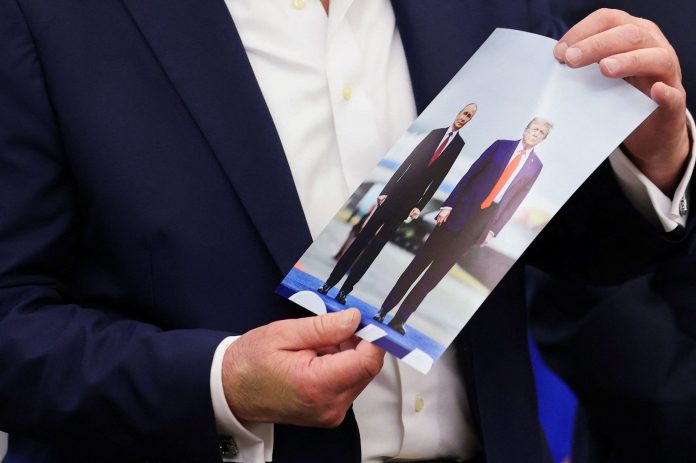
Asked if his patience with Putin had run out, Trump said: “Yeah. It’s sort of running out and running out fast.”
In an interview with Fox News, Trump stated that he had long had a good relationship with Putin, but expressed frustration at his failure to end the war.
“We’re going to have to come down very, very strong,” he continued, adding sanctions on banks and oil were an option, along with tariffs, but European countries also needed to participate.
“But I’ve already done it. I’ve done a lot,” Trump stated, noting that India – one of the biggest buyers of Russian oil – was facing a 50% tariff on its exports to the US.
“That’s not an easy thing to do. That’s a big deal and it causes a rift with India,” he told the “Fox & Friends” program.
“And remember this, this is a Europe problem, much more than our problem.”
The United States told the United Nations Security Council on Friday it would “defend every inch of NATO territory” after a suspected Russian drone incursion into Poland.
“The United States stands by our NATO allies in the face of these alarming airspace violations,” acting US Ambassador to the UN Dorothy Shea told the 15-member body.
The remarks appear aimed at assuaging Washington’s NATO allies after Trump on Thursday said Russia’s drone incursion into Poland could have been a mistake.
Shea also noted Russia has intensified its bombing campaign against Ukraine since Trump met with Russian President Vladimir Putin in Alaska as part of his bid to broker an end to Moscow’s more than three-year war in Ukraine.
“These actions, now with the addition of violating the airspace of a US ally – intentionally or otherwise – show immense disrespect for good-faith US efforts to bring an end to this conflict,” Shea added.
Poland shot down drones in its airspace on Wednesday with the backing of aircraft from its NATO allies, the first time a member of the Western military alliance is known to have fired shots during Russia’s war in Ukraine.
“We know, and I repeat, we know that it was not a mistake,” Poland’s Secretary of State Marcin Bosacki told the council.
He showed photos of a downed drone, pointing out Russian lettering on parts of it. “Poland will not be intimidated.”
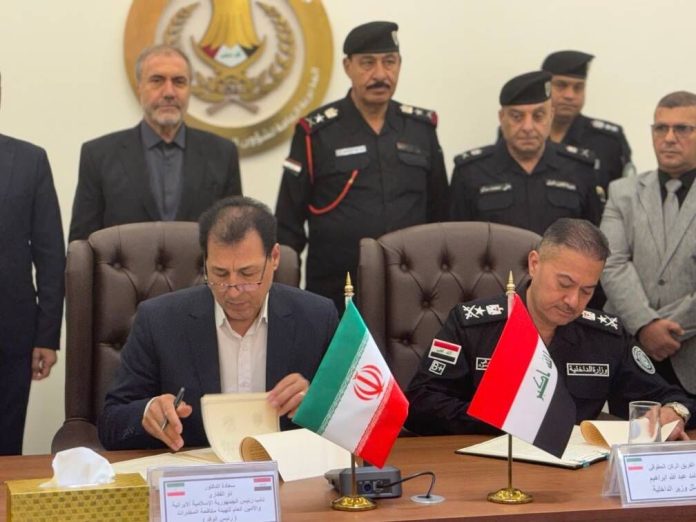
The MoU includes measures such as tighter border controls, capacity building for law enforcement through joint training workshops, scientific collaboration on demand reduction, and expanded programs for prevention, treatment, and rehabilitation.
It also emphasizes stricter monitoring of psychotropic substances and chemical precursors under international oversight to prevent their illicit use.
The agreement was signed during the second meeting of the Iran-Iraq Joint Committee on Counter-Narcotics.
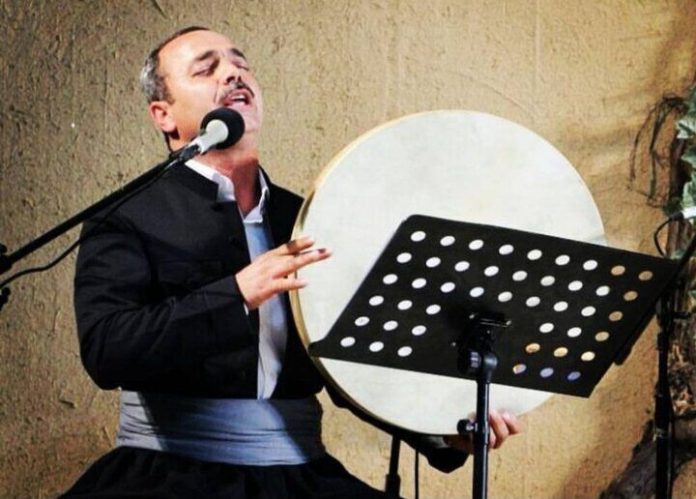
Yassini, a prominent figure in the musical tradition of Kurdistan, died of a heart attack at a hospital in Bijar, said Mansour Moradi, a fellow daf player.
His body will be transferred to Sanandaj and laid to rest in the city’s artists’ cemetery.
Born in 1967, Yassini was the son of the renowned musician Sediq Yassini and a distinguished student of master Khalifeh Karim Safvati.
Over the decades, he became widely respected for his command of Sufi and devotional rhythms, as well as for his dedication to teaching the daf voluntarily to younger generations.
His efforts helped train hundreds of new players and expanded the presence of Kurdish percussion in Iran’s musical landscape.
Yassini performed in numerous concerts inside and outside Iran, served as a juror in the Daf Navaye Rahmat festival, and most recently judged the daf category at the 18th National Youth Music Festival.
The Iranian Music Association expressed condolences, calling his death “a painful loss” for the nation’s music community.
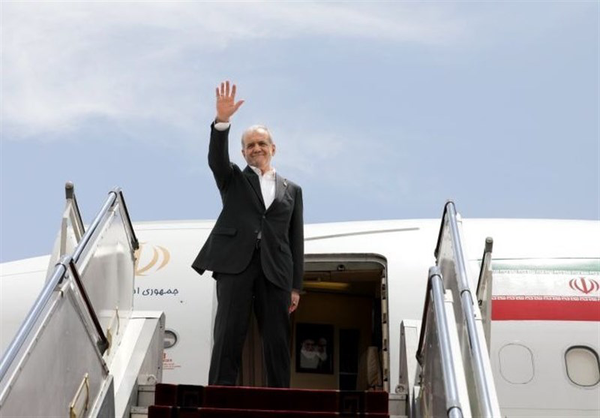
The meeting — organized by the Organization of Islamic Cooperation (OIC) and the Arab League — aims to support Qatar’s government and condemn the crimes of the Israeli regime.
It will be held in the Qatari capital on Sunday and Monday, with the Iranian delegation among the high-level participants.
President Pezeshkian is scheduled to deliver a speech at the summit.
Tuesday’s Israeli strikes on Doha left several people dead and injured. The attacks reportedly targeted leaders of Hamas but failed to achieve that goal.
Many countries, including Iran, strongly condemned the strikes as a blatant violation of the UN Charter and Qatar’s territorial integrity.
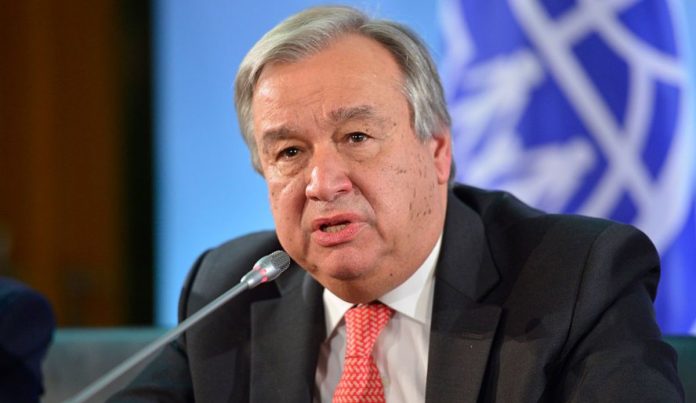
In a phone call on Thursday evening with Iranian Foreign Minister Seyed Abbas Araghchi, Guterres affirmed the UN’s backing for continued dialogue and diplomacy regarding Iran’s nuclear program.
Araghchi, for his part, reiterated Iran’s commitment to protecting the rights and interests of its people under the Nuclear Non-Proliferation Treaty (NPT). He stressed the need for the United Nations and all countries to firmly and clearly condemn the illegal attacks on Iran’s peaceful nuclear facilities by Israel and the US.
He criticized the stance of the three European countries (Britain, Germany, and France) for ignoring U.S. and Israeli military attacks on Iran while threatening to revive annulled UN Security Council resolutions—calling this approach baseless and irresponsible, and warning that it would only complicate the situation.
Araghchi also highlighted Iran’s constructive cooperation with the IAEA to clarify how it will meet its safeguards commitments under the new conditions created by these unlawful attacks. He urged European states and UN Security Council members to recognize the importance of this development.
Additionally, Araghchi said the genocide in Occupied Palestine and the Zionist regime’s warmongering are the most urgent global challenges. He condemned Israel’s recent terrorist attack on Qatar and called on the international community, the UN, and the Secretary-General personally to help end the genocide and curb Israel’s expansionism and aggression.
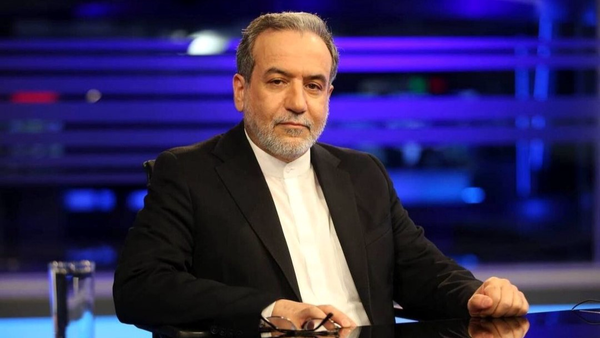
Speaking on state television on Thursday night, Araghchi said the arrangement reached with the agency on Tuesday remains valid only as long as no “hostile action” against Iran, including the reimposition of UN sanctions under snapback, takes place.
He emphasized that Iran and the IAEA have reached a new understanding that takes into account recent attacks on Iranian nuclear facilities, which Tehran denounced as “unlawful and in violation of international law.”
According to Araghchi, the new framework requires that requests for inspections be reviewed by Iran’s Supreme National Security Council in line with parliamentary legislation.
He stressed that no inspections have been granted so far and future access will depend on national security considerations.
The foreign minister reiterated that Tehran rejects conditions set by the three European signatories to the 2015 nuclear deal, saying they are pursuing unrealistic demands.
He also warned that if snapback were triggered, Iran’s response would be “definite” and determined by the Supreme National Security Council.
© All Content by IFP News ( Iran Front Page ) is licensed under a Creative Commons Attribution 4.0 International License.
