Sunday, December 28, 2025
Home Blog Page 884

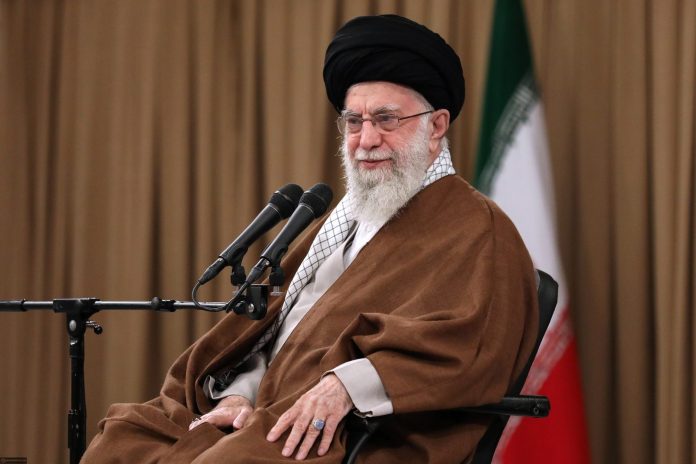
Leader calls on newly-elected MPs to fulfill Iran’s national interests

The message was read out by Hojatoleslam Mohammadi Golpayegani, the Chief of Staff of the Office of the Supreme Leader, on Monday morning.

The Leader stressed that the parliament should be a source of tranquility, hope, inspiration and an advocate for public solidarity in the country.

Ayatollah Khamenei described the inauguration of the new parliament as the continuation and strengthening of the religious democracy, praising it as a great divine gift to the Iranian nation.

The Supreme Leader called for the disciplined interaction and cooperation between the parliament and other government branches, saying it will help realize the characteristics of a balanced parliament.

He also called on the new parliamentarians to observe ethical obligations, describing it as a significant part of the Islamic life style.

The 12th round of the Iranian Parliament, or the Islamic Consultative Council, kicked off on Monday morning with high-ranking civil and military officials in attendance. Each term of the 290-member legislature lasts four years.

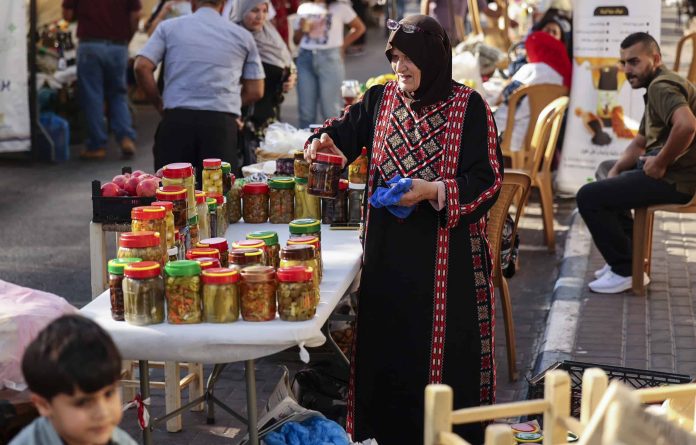
Palestinian minister says economy facing unprecedented shock amid Gaza war

In a press statement, Alamour said that “the war” carried out by the Israeli government and the financial and economic blockade are disrupting commercial activity and causing an economic contraction for Palestine, which is expected to reach 10 percent.

A World Bank report published on Thursday projected that the Palestinian economy would contract in a range of 6.5 to 9.4 percent this year.

Alamour revealed that the Palestinian economy loses about 20 million U.S. dollars every day due to the complete cessation of production in the Gaza Strip and disruptions in the West Bank, in addition to the unemployment of workers and the sharp decline in economic activity and purchasing power.

Alamour called on the international community to oblige the Israeli government to stop the “genocide” and end the financial and economic blockade which is being practiced as “political blackmail”.

The World Bank added in the report that the Palestinian Authority’s public finances have deteriorated sharply in the past three months, significantly increasing the risk of a public finance collapse.

At the end of 2023, the financing gap reached 682 million U.S. dollars, and this gap is expected to double in the coming months to reach 1.2 billion, according to the report.

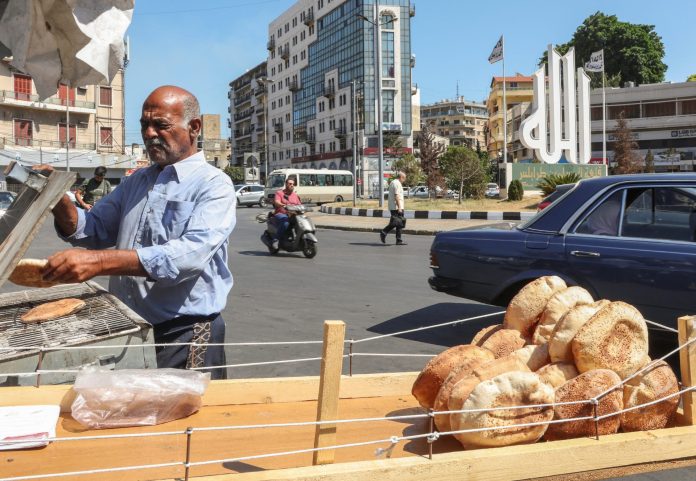
World Bank says 30% of people in Lebanon live in poverty

In a report, the World Bank presented results of a survey that covered around 60 percent of the population, excluding southern and eastern regions bordering Israel and Syria.

The report reveals a significant increase in poverty from 12 percent in 2012 to 44 percent in 2022 across surveyed areas.

It also highlights that poverty is unevenly distributed across the country.

In the north of Lebanon, the poverty rate reached as high as 70 percent, where most residents are employed in agriculture and construction.

The poverty gap rose from three percent in 2012 to 9.4 percent in 2022.

Among Syrian refugees, the poverty rate reached 87 percent.

Lebanon estimates that some 1.5 million Syrian refugees live in the country – which has the world’s highest number of refugees per capita – including approximately 815,000 registered with the United Nations.

Lebanon has been grappling with years of economic meltdown, described by the World Bank in 2021 as one of the three worst economic crises globally since the mid-19th century.

The World Bank said Syrian refugees have been “hard hit” by the crisis, with almost nine out of every 10 Syrians in Lebanon being poor.

In the largely neglected northern region of Akkar, which borders Syria, the poverty rate reached as high as 70 percent, up from 22 percent between 2012 and 2022.

In contrast, in Beirut, poverty declined from four percent to two percent, suggesting unevenly distributed wealth.

The study could not access data from the eastern Hermel region or from parts of the country’s south, where Hezbollah and Israel have exchanged cross-border fire for months following the start of Israel’s war on the Gaza Strip.

Since late 2019, Lebanon’s currency has collapsed, losing more than 95 percent of its value against the dollar. Meanwhile, GDP has collapsed as inflation has skyrocketed.

The financial crisis has forced households to adopt coping strategies, “including cutting back on food consumption and non-food expenses, as well as reducing health expenditures, with likely severe long-term consequences”, the World Bank added.

With food insecurity on the rise, impoverished households have been twice as likely to cut meal portions or the number of meals, borrow food, or rely on assistance from family or friends.

“Poor households were nearly four times as likely to have an adult member restrict their food intake to feed their children,” the report added.

The report was published hours after an International Monetary Fund (IMF) delegation visiting Lebanon said unemployment and poverty have surged to “exceptionally high” levels in the absence of economic reforms.

The IMF also warned that the war on Gaza and increased hostilities on Lebanon’s southern border were exacerbating the country’s economic problems.

Israeli strikes on southern Lebanon have displaced tens of thousands of people, damaged infrastructure, agriculture, and trade, and hit tourism.

The World Bank warned in December that the spillover from Israel’s war on Gaza would push Lebanon’s economy back into recession.

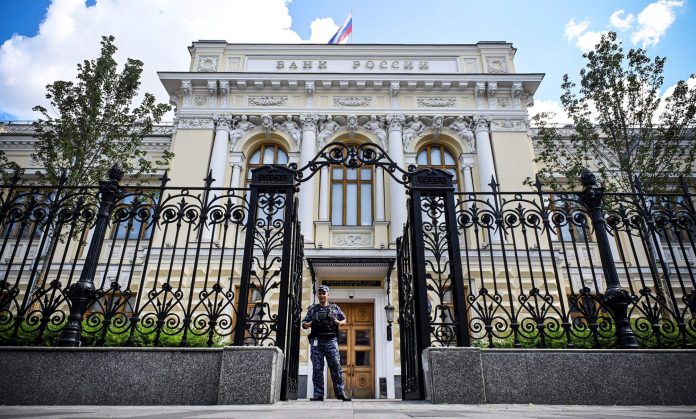
Italy says G7 failed to finalize plans for tapping Russian assets

Russian Central Bank

Italy holds the group’s presidency this year, and hosted this week’s two-day meeting of the G7 finance ministers in the town of Stresa.

At a press conference at the end of the summit on Saturday, Giorgetti said the group made progress on the Russian assets issue, but “has yet to finalize” the process because it still “presents significant technical and legal problems”.

Speaking to reporters on Friday, he added that the parties were trying to reach a “politically desirable solution” that would be “incontestable from a legal point of view,” and finding it takes time. Giorgetti noted that the final decisions for the move will likely be made at the June G7 leaders’ summit in Puglia.

Following the start of the Ukraine conflict in early 2022, Western countries blocked around $300 billion in assets belonging to Russia’s central bank as part of the sanctions on Moscow. Roughly two-thirds of these funds are held in the EU clearing house Euroclear, and the rest is mostly sitting untapped in other EU nations, with around $5 billion in the US.

While Washington has been eager to seize the assets outright, the G7 is reportedly not considering this option due to concerns of its European members that it would damage their financial credibility and discourage other countries from keeping their assets in the bloc. Instead, the group is focused on ways to tap the profits generated by the assets, and how to use them.

According to reports citing the summit’s attendees, one of the most widely discussed options is using future profits from the frozen funds as collateral for a multibillion-dollar loan to Kiev. However, German Finance Minister Christian Lindner told reporters on Friday that “it is still to be seen whether it will be possible to introduce such an instrument” due to the legal repercussions it may bring.

Another option that has reportedly been discussed is allocating the proceeds from the frozen assets directly to Ukrainian leader Volodymyr Zelensky, with 90% of the sum to be used on weapons purchases, while the remaining 10% would go to the reconstruction of the country.

Russia has warned against any actions targeting its assets, saying they would amount to theft, while vowing retaliation. Earlier this week, President Vladimir Putin signed a decree outlining a mechanism that would allow Moscow to seize property owned by US-linked entities and citizens through court if Washington attempts to confiscate Russian assets held abroad.

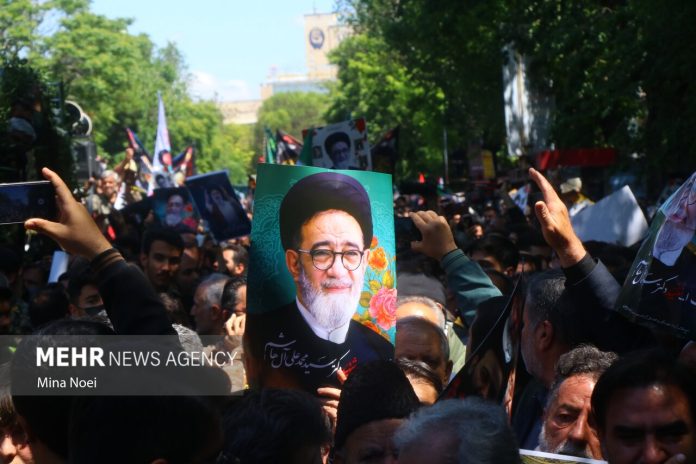
New report discloses cleric aboard Iranian president’s helicopter survived crash

The Iranian state TV’s channel one aired a report at 2 pm local time on Sunday, providing more details of the tragic helicopter crash that killed Iranian President Ebrahim Raisi and his entourage.

The president’s convoy included three helicopters, returning from Khoda Afarin region in Iran’s northwestern province of East Azarbaijan after inaugurating a dam at the common border with the Republic of Azerbaijan. Two of the choppers carrying a number of ministers and officials had landed safely in the foggy weather.

But the third chopper crashed in mountainous forests, killing President Raisi, Foreign Minister Amirabdollahian, Friday prayers leader of Tabriz Ayatollah Mohammad Ali Al-e-Hashem, Governor of East Azarbaijan Malek Rahmati, the commander of the president’s security team, two pilots and a flight crew.

According to the video report, Al-e-Hashem was alive for hours after the crash and answered a call with the mobile phone of the chief pilot, Colonel Taher Mostafavi.

The video shows Energy Minister Ali Akbar Mehrabian talking to Al-e-Hashem after the crash and asking questions about the incident.

“Mr. Al-e-Hashem! Do you hear me? Are you fine?” the energy minister said on the phone.

After a response from the cleric, Mehrabian asked about the whereabouts of others. A few moments later, the energy minister was seen doing a facepalm gesture to express dismay at what he had heard.

“So they are not around you, are they?… Are you alone?” the energy minister asked Al-e-Hashem.

The contact raised the rescuers’ hopes of finding survivors.

After 14 hours of search involving forces on the ground and drones, the wreckage of the helicopter was found on May 20 morning, with all passengers pronounced dead.

On May 24, the General Staff of the Iranian Armed Forces issued its first report detailing the circumstances and causes surrounding the crash, saying the aircraft burst into flames upon collision with the mountainous terrain.

“Remarkably, the remaining wreckage displayed no evidence of bullet holes or similar impacts,” it added.

Russia says doesn’t need to draft more soldiers

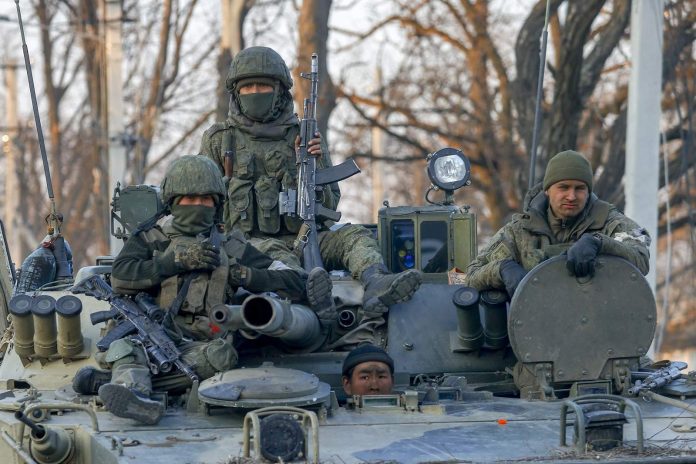
The FT claimed, citing several sources who spoke to the outlet, that in order to maintain momentum in the conflict and launch a new summer offensive, Moscow will need to mobilize more troops. According to one source, allegedly close to the Russian Defense Ministry, “by the end of this year, or early next year, a new partial mobilization wave will become inevitable”.

However Peskov told reporters on Saturday “It is unlikely that FT understands the real picture. I can only say that we are actively recruiting volunteers willing to serve on a contract basis, the process continues daily. And the president [Vladimir Putin] has said more than once that, according to our military, there is no need [for another mobilization]”.

Last month, Ukraine’s Volodymyr Zelensky also claimed that Russia was planning to mobilize an additional 300,000 troops by as early as June 1. To that, Peskov at the time simply responded “not true”.

Russia carried out a partial mobilization in September 2022, seven months into the conflict. This allowed 300,000 people, primarily those with previous military experience, to be called to duty. Following this, further recruitment was carried out on a voluntary basis.

In December, Putin stated that Russia does not plan to announce a second mobilization, noting at the time that the inflow of volunteers had been exceeding expectations. In early April, the Defense Ministry said that more than 100,000 Russian citizens had volunteered for military service since the beginning of the year.

Meanwhile, Ukraine has been struggling to replenish the ranks of its army amid a series of setbacks in the conflict. Last month, Kiev adopted a new mobilization law that lowered the conscription age from 27 to 25, expanded the powers of enlistment officers, and introduced stricter penalties for draft dodgers. Earlier in May, a law was also passed allowing some prison inmates to be released on parole for joining the military in an effort to address critical shortages of manpower on the front line.

Zelensky previously insisted that only 31,000 Ukrainian servicemen had been killed in the conflict so far. This figure was treated with skepticism even among Ukraine’s Western sponsors. The Russian Defense Ministry, meanwhile, has claimed that Ukrainian military casualties this year alone have amounted to over 111,000 soldiers.

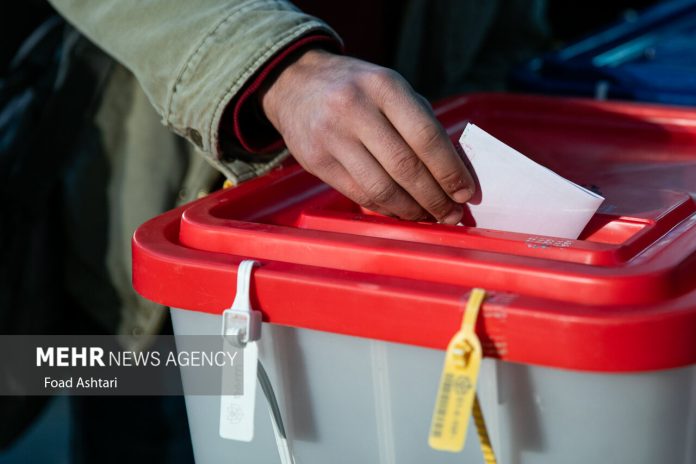
Iran’s presidential election process initiated

Notice No. 1 from the country’s Election Headquarters specifies that candidate registration for the 14th presidential term will take place from Thursday, 30 May 2024, to Monday, 3 June 2024.

Prospective candidates must meet several criteria, including having a minimum of four years of experience in significant political or administrative roles, such as deputy chiefs of the three branches of power, members of the Supreme National Security Council, and heads of major governmental and public institutions.

Candidates must also be between 40 and 75 years old, possess at least a master’s degree or equivalent, and demonstrate the health and capability to fulfill presidential duties.

Further requirements include the submission of executive programs, presentation of consultants, no deprivation of social rights, and a clean criminal record, particularly concerning economic crimes and actions against the state.

Additionally, candidates must not have affiliations with illegal groups or the previous Iranian regime, ensuring their alignment with the Islamic Republic’s principles.

The next round of the presidential election is slated to be held on June 28. The untimely vote will be held following the demise of President Raisi in an air incident last Sunday.

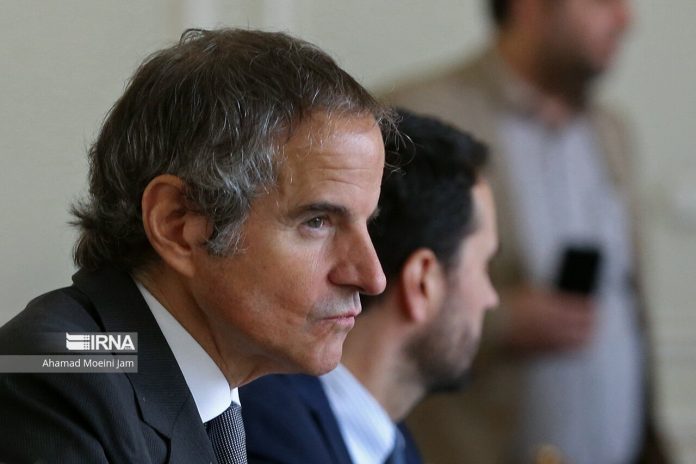
IAEA chief condoles President Raisi’s demise

IAEA Grossi

The sorrowful news also included the passing of Iran’s Foreign Minister, Hossein Amirabdollahian, and other prominent officials in a copter crash last Sunday.

In an official statement, Grossi conveyed the deep sorrow felt by the IAEA upon learning of the unfortunate event.

He extended his sympathies not only to the bereaved families but also to the Iranian government and its people.

“The news of the tragic and untimely death of His Excellency Seyyed Ebrahim Raisi, President of the Islamic Republic of Iran, His Excellency Hossein Amirabdollahian, Foreign Minister, and other honorable officials of the Islamic Republic of Iran was sorrowful,” Grossi stated.

“Allow me, on behalf of the International Atomic Energy Agency, to express my most sincere condolences to their families, the government, and the people of Iran,” he added.

Iran Reformist camp says in talks to field candidates for presidential election

Ahmad Hakimipour, the head of the Central Council of the reformist Will of the Iranian Nation Party told Fars News Agency on Sunday that the party has started marathon talks to come to a unanimous decision on the candidates.

Hakimipour named former first vice president Es’haq Jahangiri, former governor of the Central Bank Abdolnaser Hemmati, ex-vice president Mohammad Reza Aref, former MP Massoud Pezeshkian, veteran politician and former governor Mohsen Mehralizadeh, top lawyer and cleric Mohsen Rohami, and Majid Ansari, who is currently a member of the Expediency Council, as the likely candidates.

He, however, said the candidates will be named after the registration kicks off on Thursday.

Hakimipour said, “Anyways, the reformists are not indifferent to the elections, and we are looking for a person who can solve people’s problems with a non-partisan view.”

Iranians will go the polls on June 28 to choose a successor to the late President Ebrahim Raisi who died in a helicopter crash last Sunday.

Iran’s acting president says Tehran’s support for Palestine unshakable

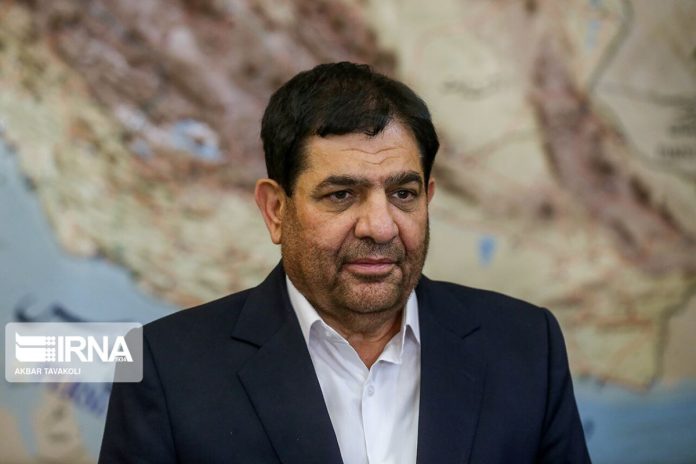
Iranian First Vice President Mohammad Mokhber

In a telephone conversation with Secretary General of the Islamic Jihad movement Ziad al-Nakhala on Saturday, Mokhber highlighted the late Iranian president and foreign minister’s concerns about the Palestinian people’s rights and resistance.

“The Islamic Republic of Iran’s fundamental strategy of supporting the resistance current, particularly the Palestinian resistance groups, would not change with a change of individuals,” the acting president said.

Mokhber described resistance as the most effective strategy for countering the Zionist regime’s crimes and acts of aggression.

The acting president also hailed Iran’s retaliatory ‘True Promise’ operation against the Israeli military targets as an outcome of the resistance current that humiliated the US and the Zionist regime.

In a meeting with head of the political bureau of the Palestinian Islamic Resistance Movement Hamas in Tehran on May 22, Leader of the Islamic Revolution Ayatollah Seyyed Ali Khamenei hailed the remarkable resistance displayed by the people of Gaza, which he said has surprised the world.

Ayatollah Khamenei also stressed that Mokhber, who is in charge of the country’s executive affairs, will uphold the late president’s policies and beliefs regarding Palestine with the same drive and spirit.

A helicopter carrying President Raisi and his entourage crashed in northwestern mountainous forests on May 19, killing the president, Foreign Minister Hossein Amirabdollahian, and six others.