Saturday, December 27, 2025
Home Blog Page 790

Report: Saudi king sends letter to Iran’s new president, underlines enhanced ties

Saudi King

Saudi Minister of State Prince Mansour bin Miteb bin Abdulaziz who was in Tehran to hold talks with Iranian officials, was accompanied by Foreign Affairs Vice Minister Waleed bin Abdulkarim Elkhereiji, and the Saudi Ambassador to Iran Abdullah bin Saud al-Anzi to deliver the letter on Tuesday.

The letter conveys best wishes on behalf of the Saudi king and Crown Prince Mohammed bin Salman for Pezeshkian during his term in office.

Part of the letter reads, “We are pleased to send you our sincere congratulations and best wishes for success and well-being.”

“The King of Saudi Arabia expresses his wish to continue the development of relations between the two brotherly states and nations and to continue the coordination and talks in order to promote regional and international security and peace,” it added.

Tehran and Riyadh have emerged from a period of rocky relations over several issues, including the Saudi war on Yemen and violent protests outside Saudi diplomatic missions in Iran over the execution of a top Shia cleric in Saudi Arabia.

UN Security Council members fear all-out war after assassination of Haniyeh

Hamas Ismail Haniyeh

The UNSC’s emergency meeting on Wednesday came as Iran and Hamas – the Palestinian group that governs the war-torn Gaza Strip – blamed Israel for Haniyeh’s death and pledged to seek revenge.

Haniyeh’s assassination occurred less than 24 hours after Israel killed Hezbollah’s most senior military commander Fuad Shukr in an air raid on the Lebanese capital, Beirut.

At the UNSC meeting, Palestine said the global community must stop Israel from dragging the Middle East into the “abyss”, while China, Russia and Algeria condemned Haniyeh’s assassination. The United States, United Kingdom and France raised what they said was Iranian support for destabilising actors in the region, while Japan said it feared an all-out war in the Middle East.

“Israel has been the oppressor, tormentor and murderer of Palestinians for decades, and it is the longstanding destabiliser of our region,” said Feda Abdelhady Nasser, the deputy permanent observer of the State of Palestine to the UN.

“It must be stopped,” she stated, while also calling for accountability for the killing of Haniyeh as well as the “murder and injury of over 130,000 Palestinian children, women and men across these past 300 days of horror and hell in Gaza”.

“The international community has a choice to make,” she continued, adding, “Let it be for peace and security. Do not let Israel drag us all to the abyss.”

Iran’s UN Ambassador Amir Saeid Iravani said Tehran has consistently exercised maximum restraint but reserved its right to respond decisively to Haniyeh’s assassination. He called on the UNSC to condemn Israel and punish it with sanctions.

“The Islamic Republic of Iran reserves its inherent right to self-defence in accordance with international law to respond decisively to this terrorist and criminal act when it deems necessary and appropriate,” Iravani added.

“This act of terror is another manifestation of Israel’s decades-long pattern of terrorism and sabotage targeting Palestinians and other supporters of the Palestinian cause across the region and beyond.”

Iravani went on to blame the US as well as “war-mongering leaders” in Israel for Haniyeh’s killing.

“The responsibility of the United States as a strategic ally, and main supporters of the Israeli regime in the region cannot be overlooked in this horrific crime. This act could not [have] occurred without the authorisation and intelligence support of the US,” Iravani stressed.

The US, however, denied any knowledge of the attack and said a broader war was neither imminent nor inevitable. Robert Wood, the US’s deputy ambassador to the UN, also called for members with influence over Iran “to increase pressure on it to stop escalating its proxy conflict against Israel and other actors”.

Israel meanwhile urged the UNSC to condemn Iran for what it called support of regional “terrorism” and increase sanctions on Tehran. Jonathan Miller, Israel’s deputy representative to the UN, also denounced what he called a lack of condemnation of Hezbollah for the killings in the town of Majdal Shams in the occupied Golan Heights. The Lebanese group has denied involvement in the attack.

“We will defend ourselves and respond with great force against those who harm us,” Miller said, calling on the world to support Israel.

Syria, from which Israel seized the Golan Heights in 1967, also spoke at the meeting, dismissing as “lies” Israeli claims that the rocket attack on Majdal Shams targeted Israel’s population. Syria’s ambassador, Koussay al-Dahhak, noted the territory is Syrian and accused Israel of “weaponising” the attack on the Druze community “to continue its aggression on the states of the region”.

Lebanon too contested Israel’s claim that its actions in the region were acts of self-defence.

“Israel’s claim that it seeks to protect the population it occupies is a display of hypocrisy,” stated Hadi Hachem, Lebanon’s Charges d’Affaires for the UN.

“The real goal of Israel is to prolong and escalate the hostilities. And it is ironic that the killer of tens of thousands of children in Gaza sheds tears for the children of the occupied Syrian Golan.”

Hachem also warned the UNSC that a conflict in the Middle East would have global repercussions.

“What starts in the Middle East will spread to the whole world,” he said.

Fu Cong, China’s ambassador to the UN, stated failure to achieve a ceasefire in Gaza was responsible for worsening tensions. He called for “countries with major influence” to put out the flames of war in the Palestinian enclave.

He went on to describe Haniyeh’s killing as “a blatant attempt to sabotage peace efforts” and urged Israel “to halt all its military operations in Gaza and immediately stop its collective punishment of the people in Gaza”.

Russia too described Haniyeh’s assassination as “a serious blow” for truce talks, while Shino Mitsuko, Japan’s deputy UN representative, said, “We fear the region is at the brink of all-out-war” and urged stepped-up international efforts to prevent such a conflict.

France and the United Kingdom also appealed for restraint, with London’s UN Ambassador Barbara Woodward reiterating a call for an immediate ceasefire in Gaza. She said Israel and Hamas needed to recommit to a peace process that would result in a two-state solution with a secure Israel and a sovereign Palestinian state.

“The path to peace must be through diplomatic negotiations. Long-term peace will not be secured by bombs and bullets,” she added.

IRGC: Iranian military advisor assassinated in Israeli strike on Lebanon

Israel Lebanon Attack

Iran’s Islamic Revolution Guard Corps (IRGC), in a statement on Thursday, confirmed Milad Bidi was targeted by Israeli fighter jets in the Dahieh, in the south of Beirut.

Bidi was stationed in a building adjacent to the building where senior Hezbollah commander, Fuad Shukr, was hit in the Israeli strike on Tuesday and his body was identified earlier on Thursday.

Bidi was a top IRGC advisor who had been assigned to missions in Syria and Lebanon.

Iran has deployed its military advisors in Syria at the official request of the Syrian government to fight against terrorist groups, including the remnants of Daesh.

UN experts urge targeted sanctions and arms embargo on Israel amid regional tensions

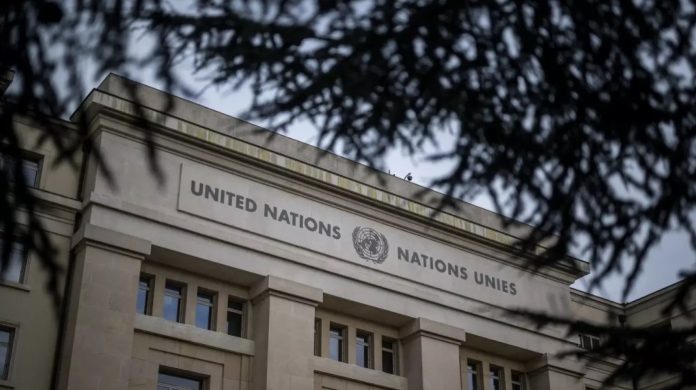
United Nations

In a joint statement, the experts urged UN member states to “immediately review all diplomatic, political, and economic ties with Israel, inclusive of business and finance, pension funds, academia and charities”.

They called on member states to implement an immediate and complete embargo on the sale of arms, munitions and other military equipment to Israel.

The UN experts added that states must impose targeted sanctions on Israel and investigate dual citizens involved in crimes while serving in the Israeli military, or involved in settler violence in the occupied West Bank.

The UN experts’ statement is in response to the International Court of Justice’s (ICJ) recent landmark advisory opinion that the Israeli occupation of Palestinian territory is unlawful and should be brought to an end “as rapidly as possible”.

Judges at ICJ ruled that member states have a duty to “take steps to prevent trade or investment relations that assist in the maintenance of the illegal situation created by Israel”.

The UN experts stressed: “The advisory opinion reaffirms peremptory norms prohibiting annexation, settlements, racial segregation and apartheid, and should be seen as declaratory in nature and binding on Israel and all states supporting the occupation.”

First F-16s arrive in Ukraine: Report

Zelensky

The origin of the aircraft is not yet clear. Last year, a group of NATO states, including Denmark, the Netherlands, Belgium, Canada, Luxembourg, Norway, Poland, Portugal, Romania, and Sweden, formed the so-called ‘F-16 coalition’. Greece, the US, Bulgaria, and France later joined.

While some countries, including the Netherlands and Denmark, pledged to provide Kiev with 24 and 19 aircraft respectively from their own stocks, others committed to training Ukrainian pilots.

Norway has also recently stated that it would donate six fighter jets to Kiev.

According to the sources cited by Bloomberg, a delivery deadline set for the end of this month has been “respected”. Earlier in July, the outgoing Dutch government said all preparations for the delivery of F-16s had been finished and the transfer would take place “soon”.

It is unclear whether the Ukrainian pilots trained to operate the aircraft by Kiev’s Western backers can immediately make use of the warplanes, Bloomberg noted.

Kremlin spokesman Dmitry Peskov told journalists on Thursday the recent reported delivery of Western F-16s to Ukraine will not have a significant impact on the battlefield and Kiev must be aware of this.

Commenting on the report, Peskov stressed that there is no “magic pill” for Kiev and that it will not have this “panacea” for long.

“These planes will appear, their number will gradually decrease, they will be shot down and destroyed,” the Russian presidential spokesman stated. The jets “will not be able to significantly influence the dynamics of events at the front,” Peskov added.
Moscow has repeatedly stated that F-16s, just like the other Western weapons provided to Kiev, will not change the outcome of the conflict. The Russian military will destroy the planes as it has done with other Ukrainian hardware, Kremlin spokesman Dmitry Peskov said earlier this year.

Last week, Kiev’s top military commander, Colonel General Aleksandr Syrsky, admitted to The Guardian that the Ukrainian military would have to limit the use of F-16s to avoid them being shot down by Russian forces. Moscow has “superior aviation” and “very strong” air defenses, the general said at that time, adding that the US-made aircraft would have to stay dozens of kilometers away from the front lines to avoid serious risk.

A private Russian company earlier offered a bounty of 15 million rubles ($170,000) for the destruction of the first F-16 in the conflict.

Russia has on multiple occasions warned that the ever-increasing level of support that Western states are providing to Kiev will only prolong the conflict and human suffering. Continued deliveries of ever-heavier weapons to Ukraine also make Kiev’s Western backers de facto participants of the conflict, it noted. Top officials in Moscow, including President Vladimir Putin, have referred to the Ukraine crisis as a proxy war waged by Washington and its NATO allies against Russia.

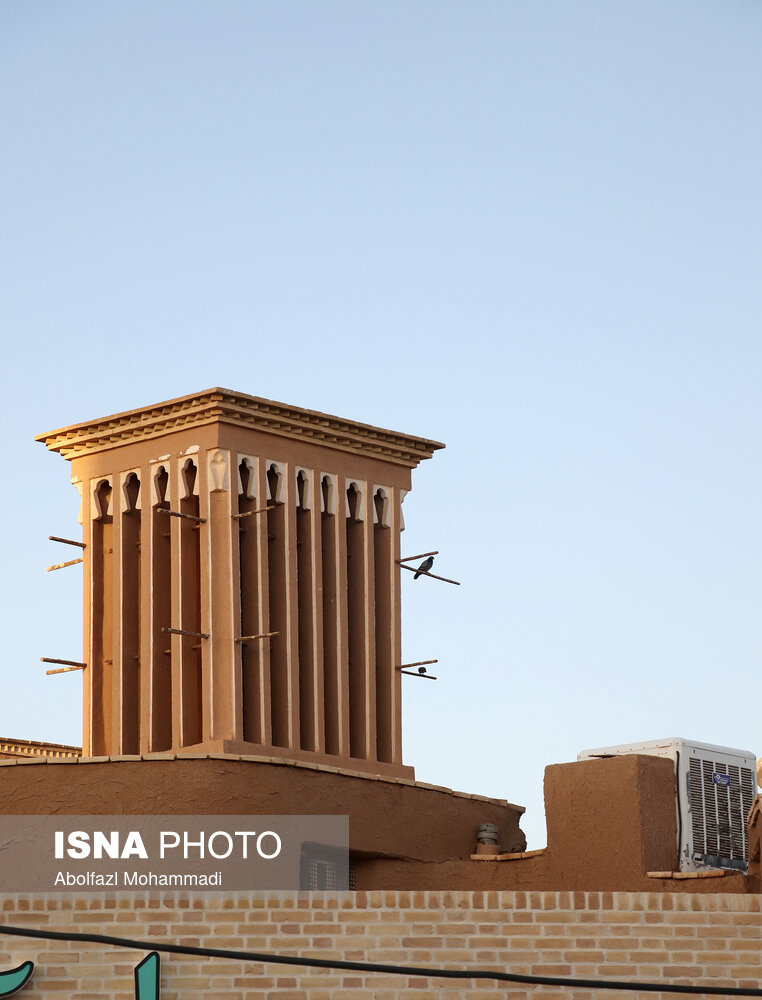
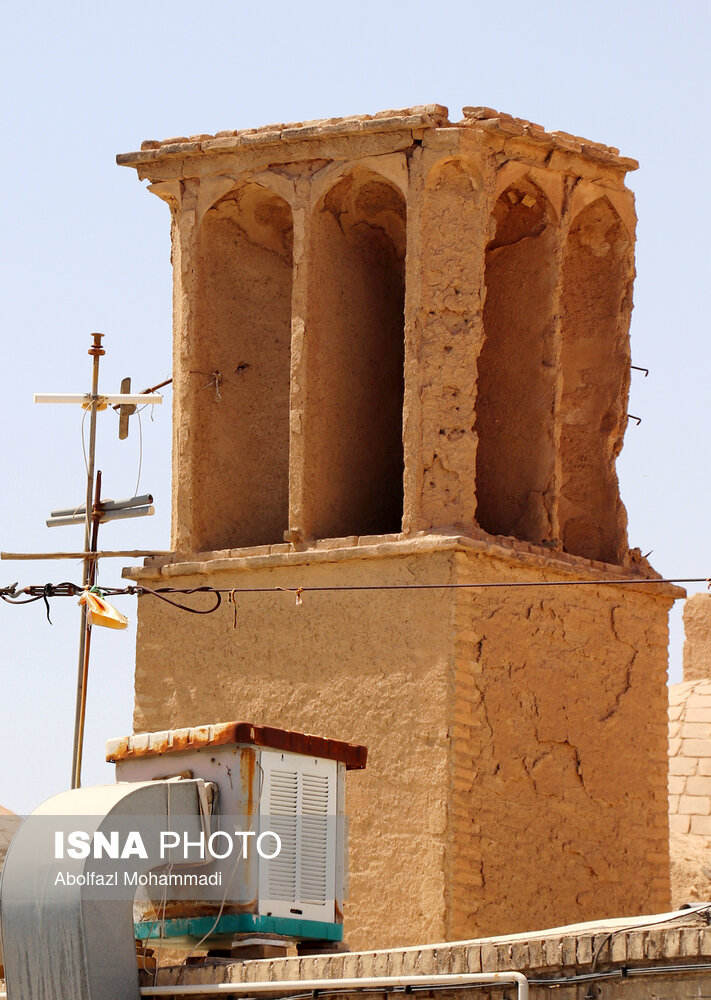
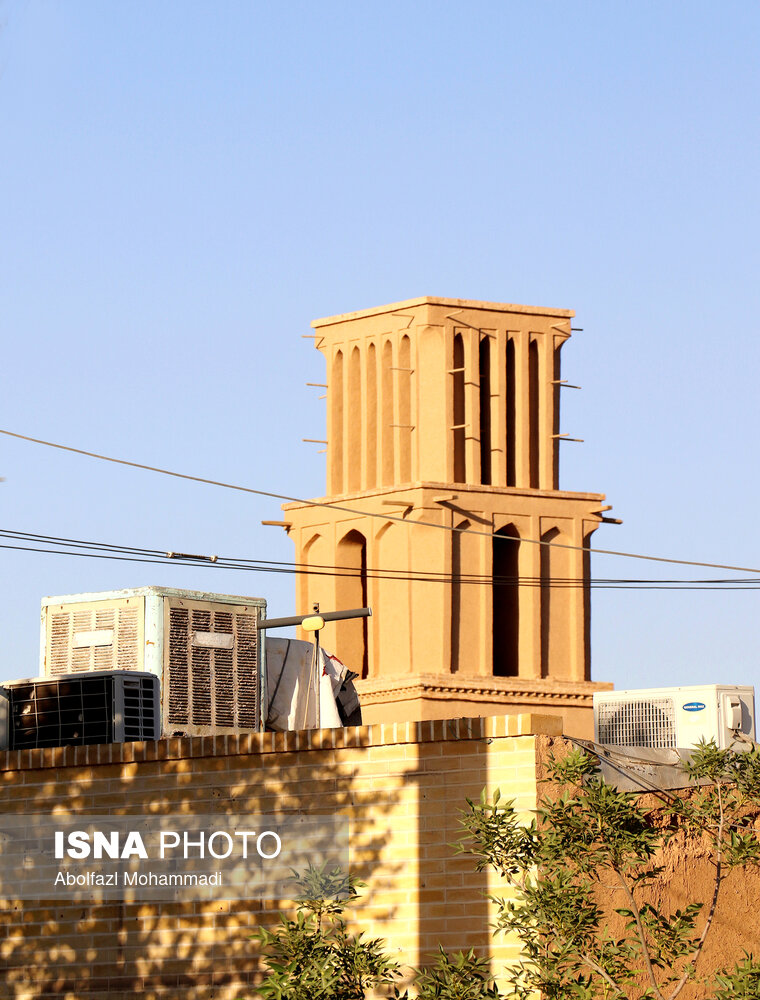
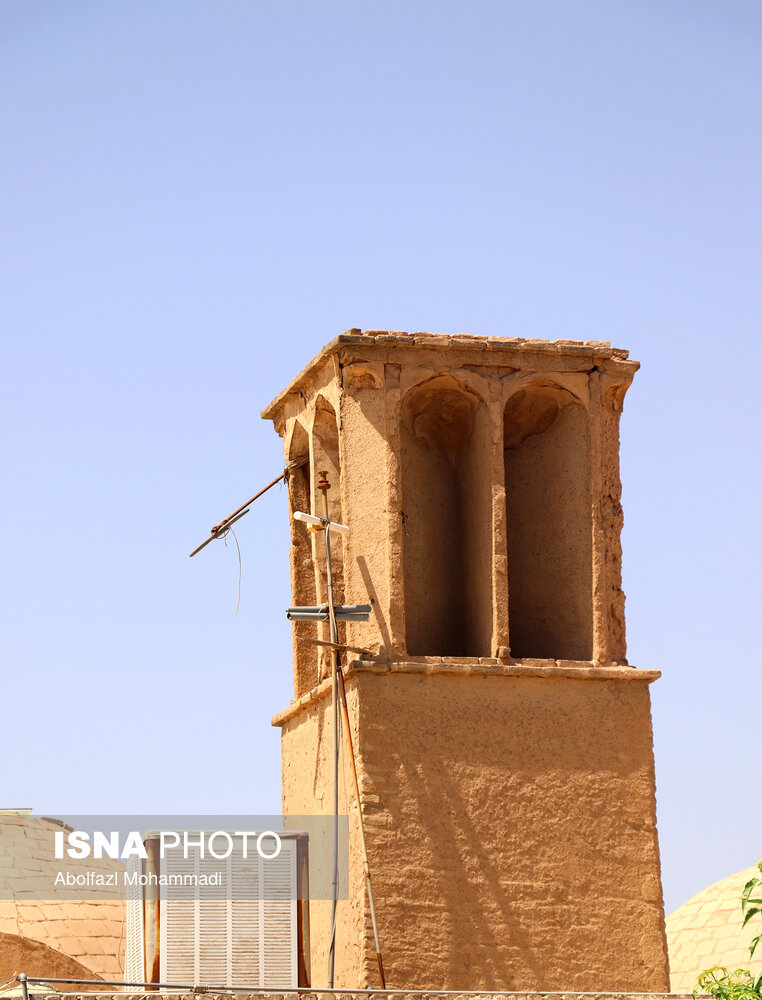
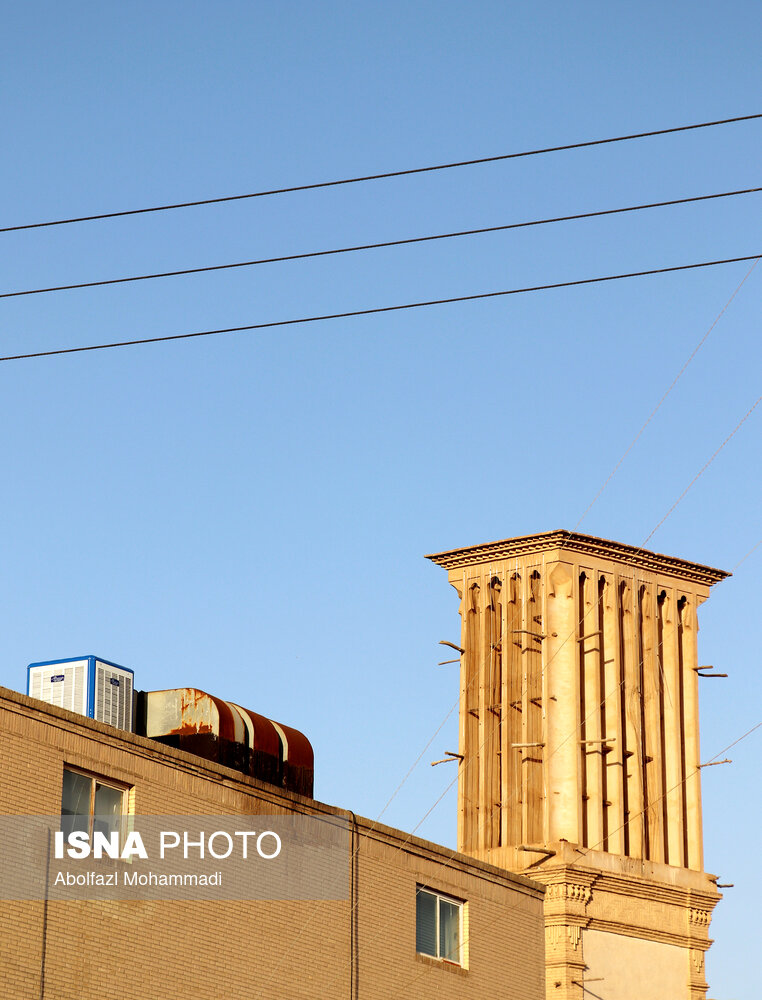
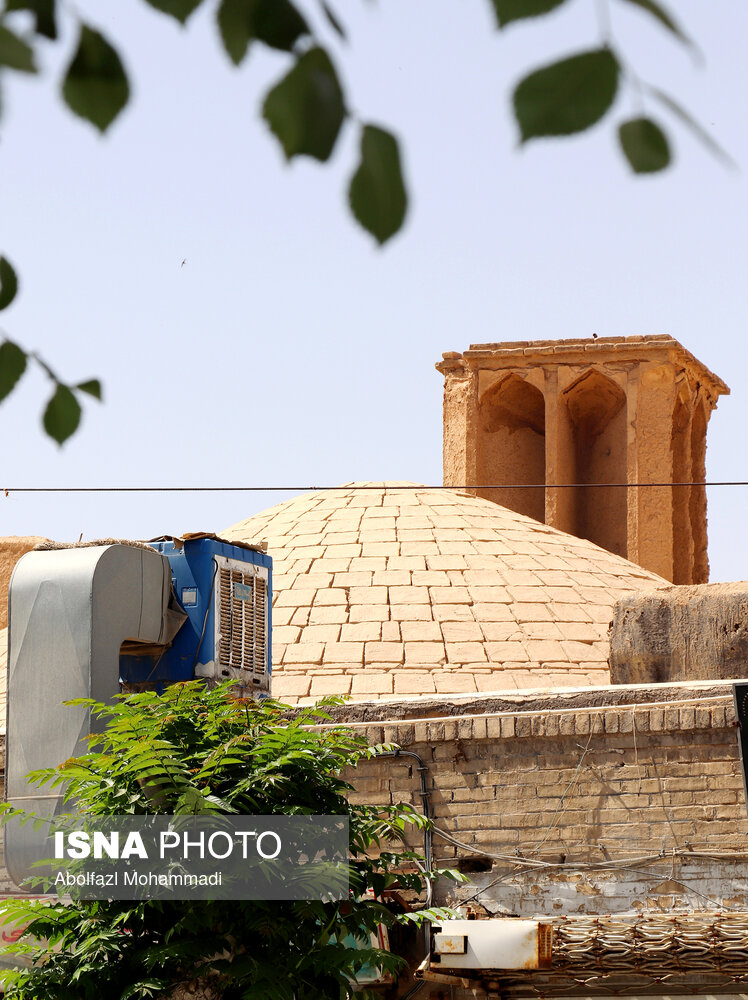
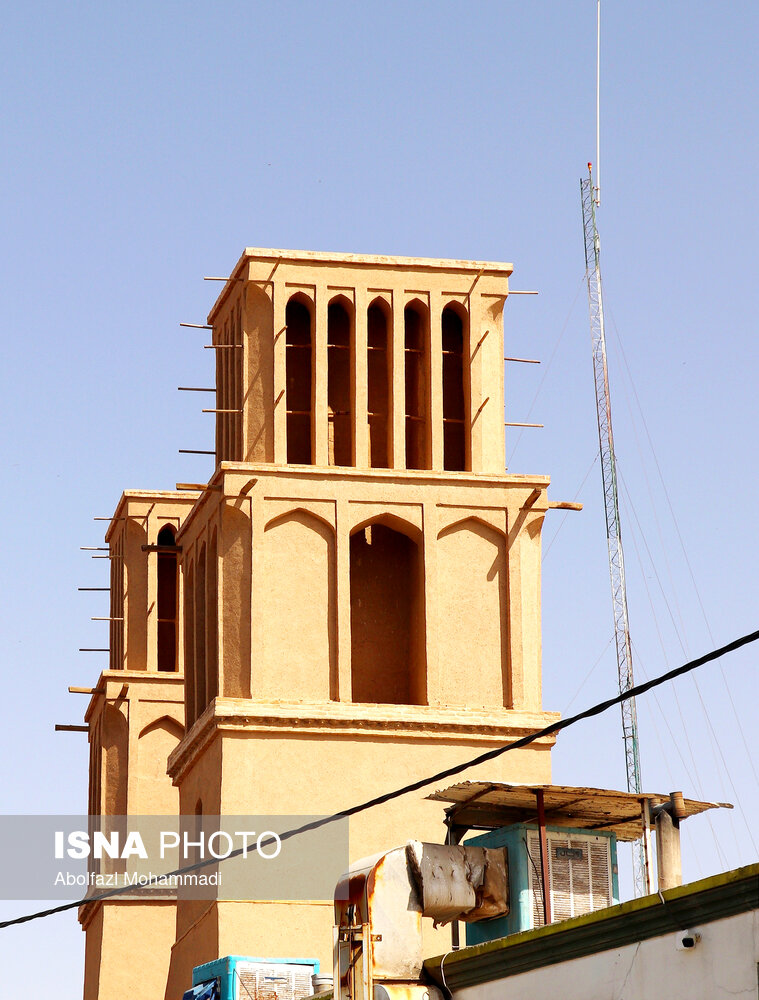
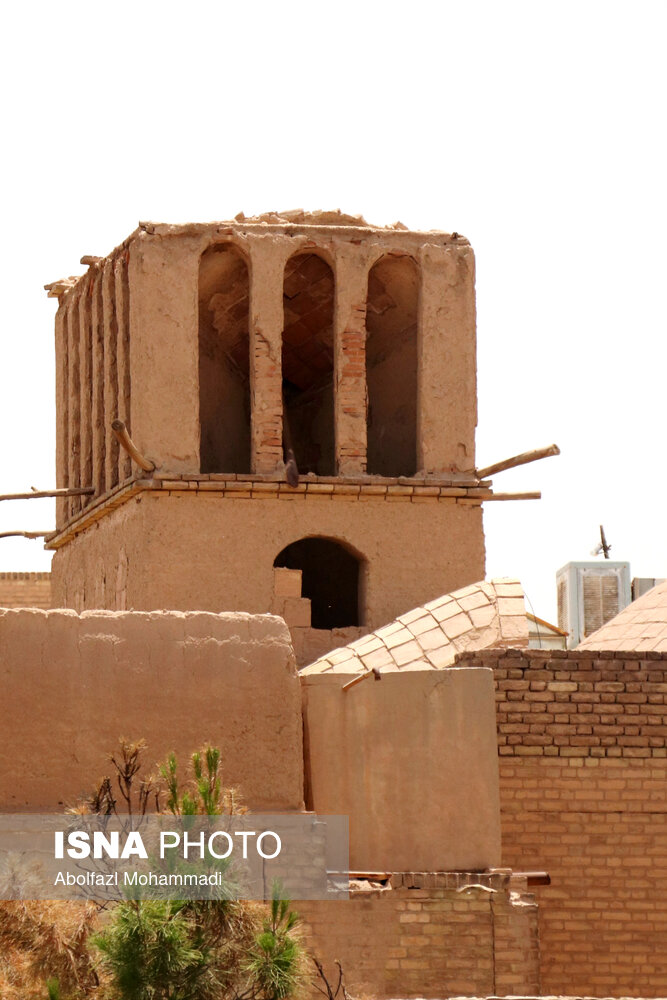
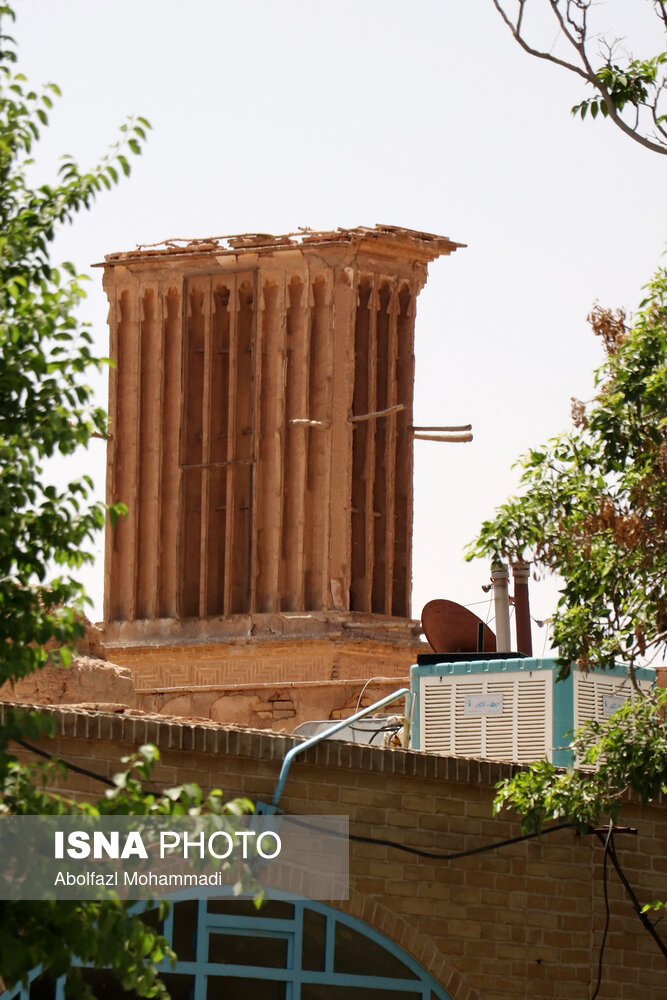
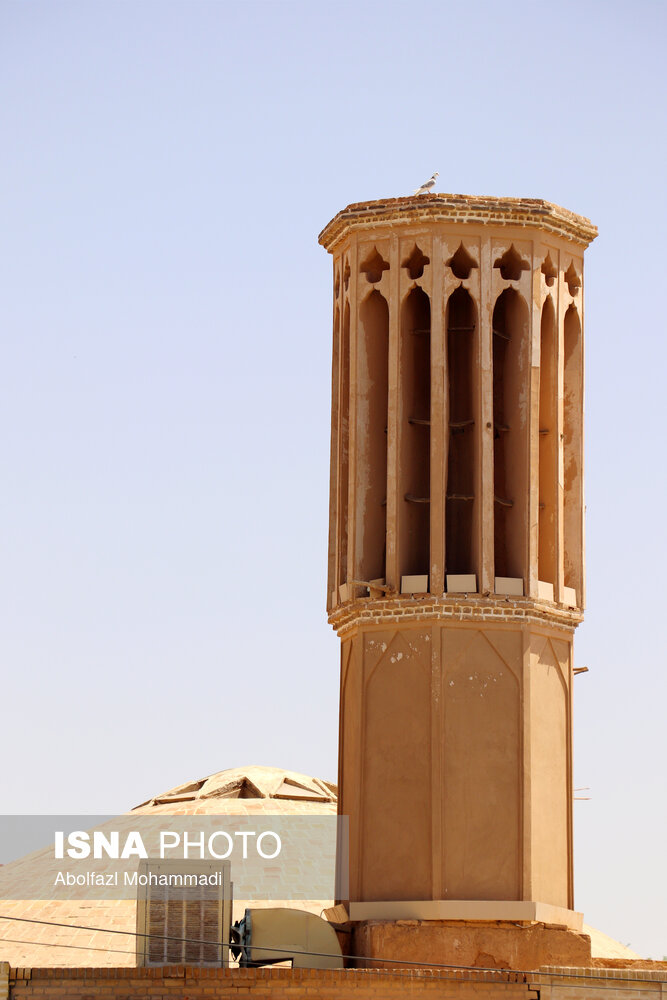
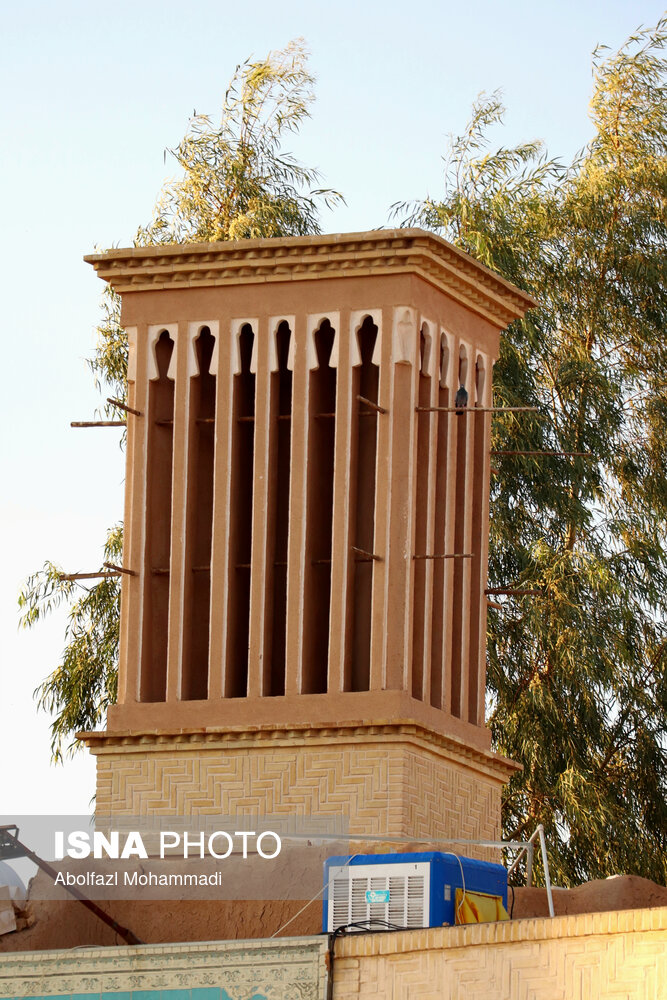
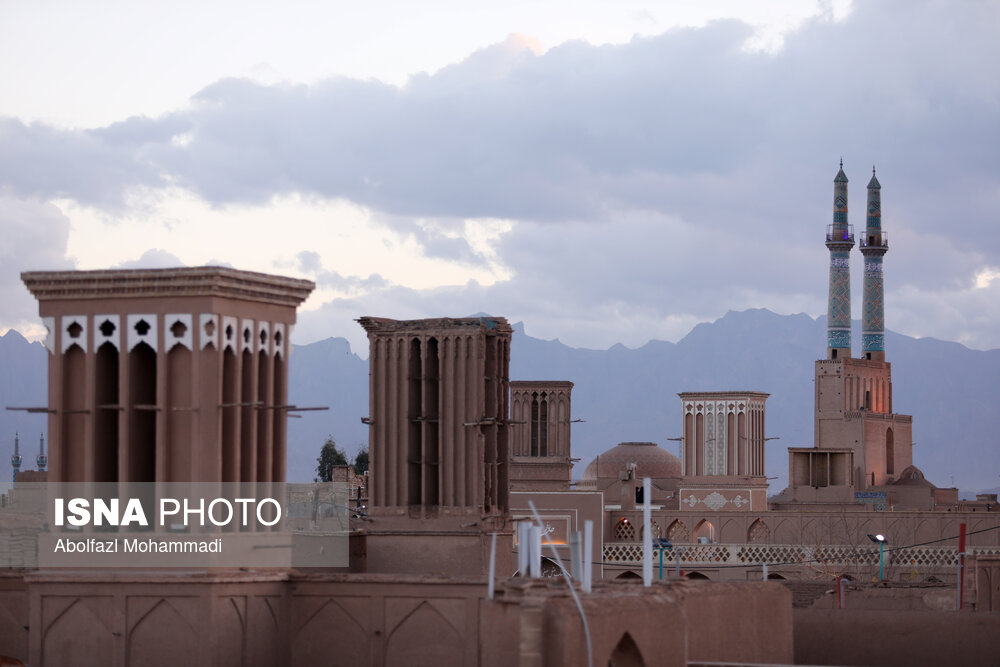
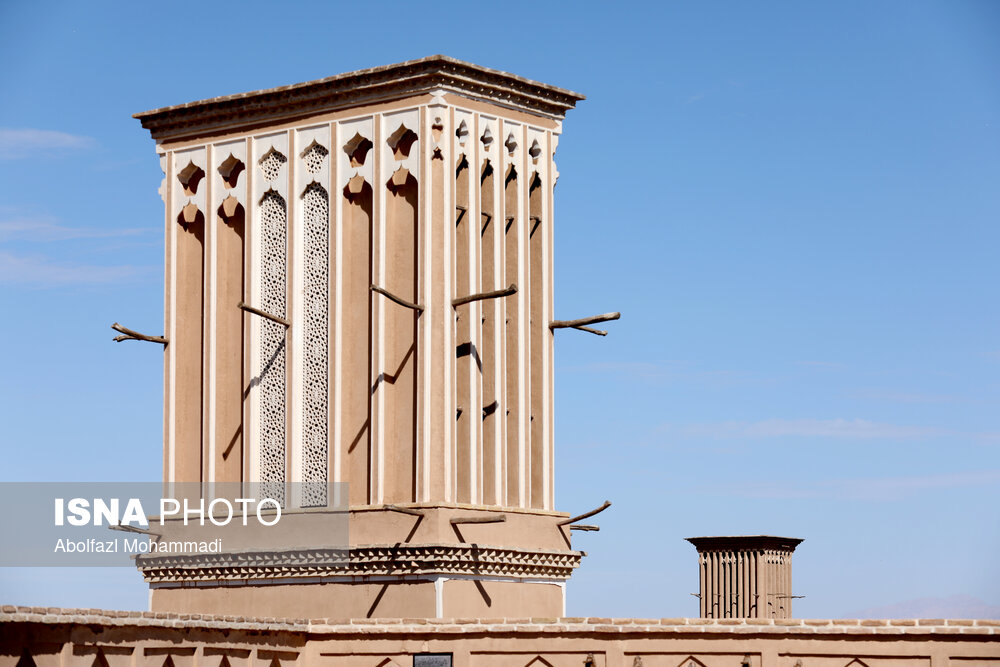
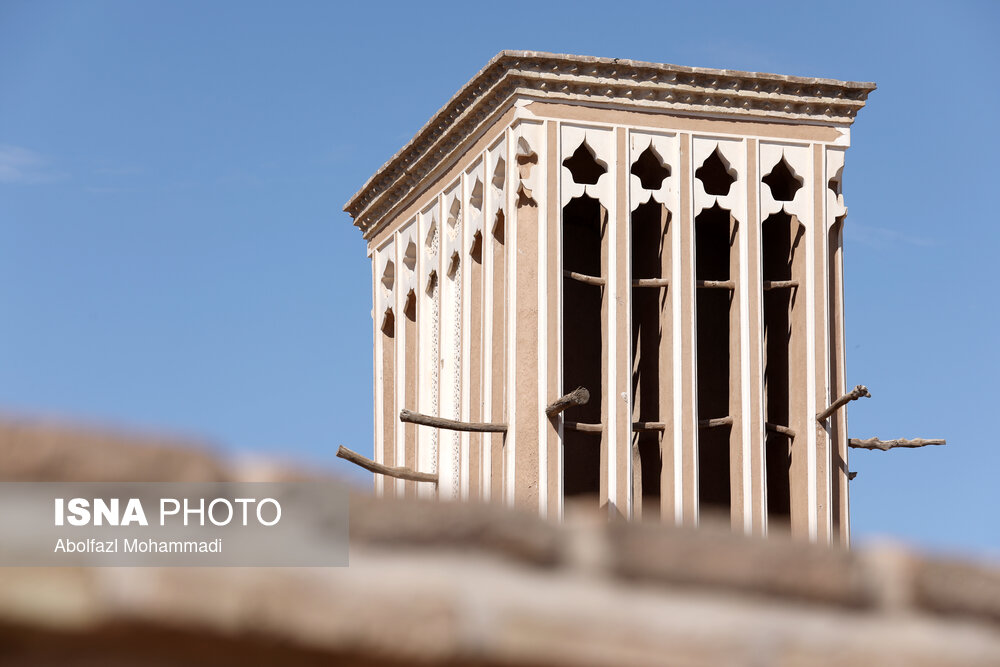
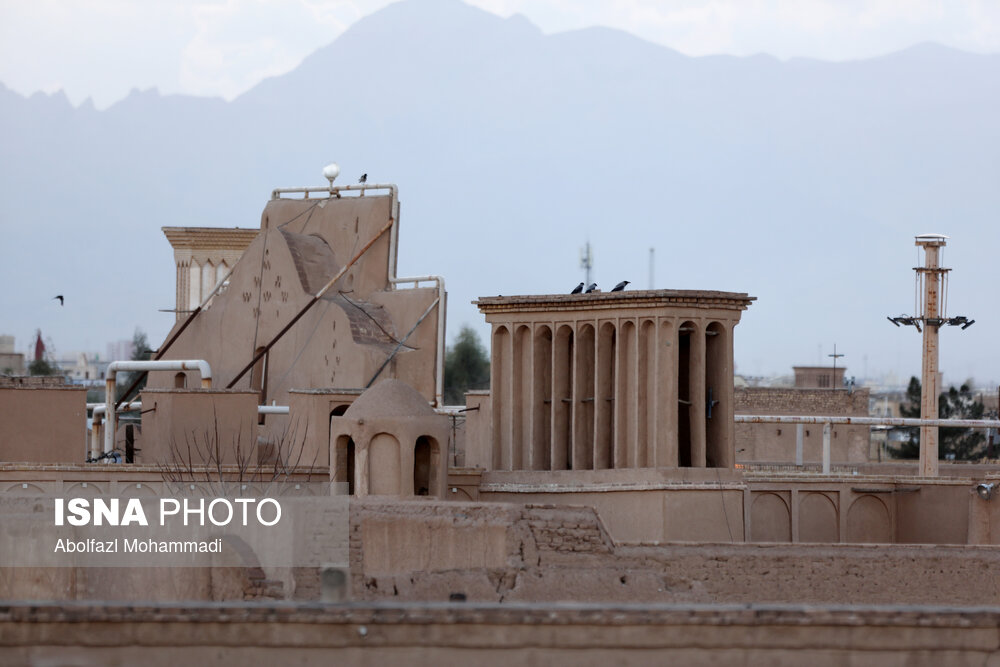
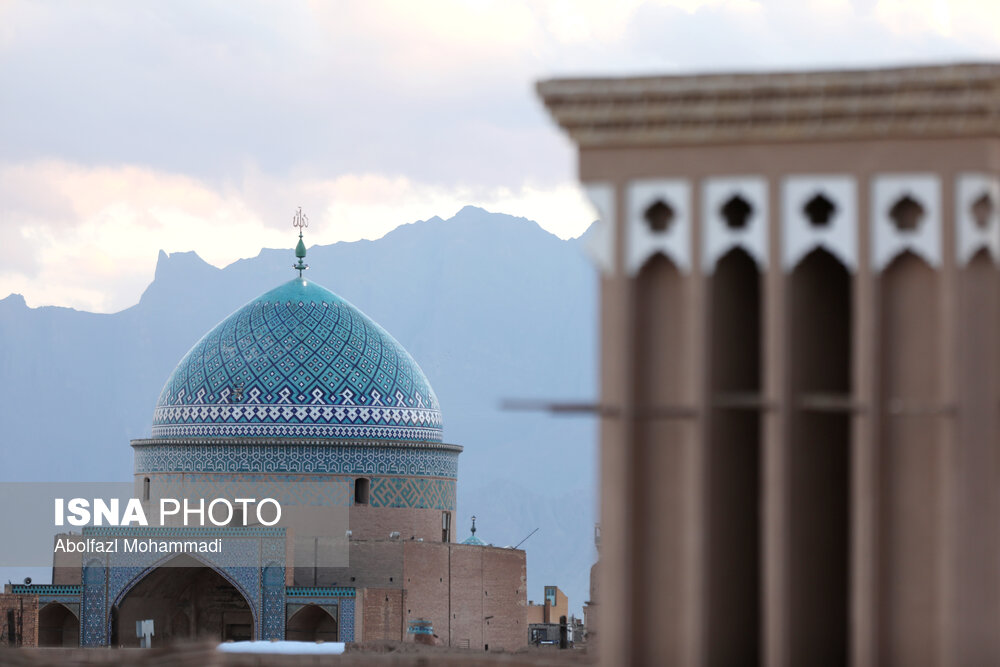
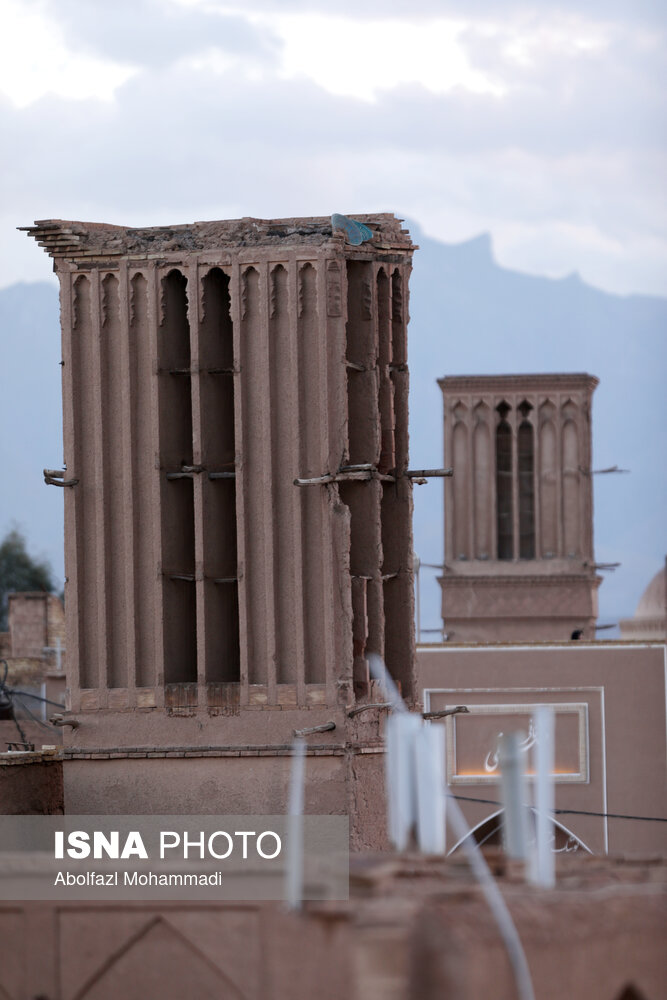
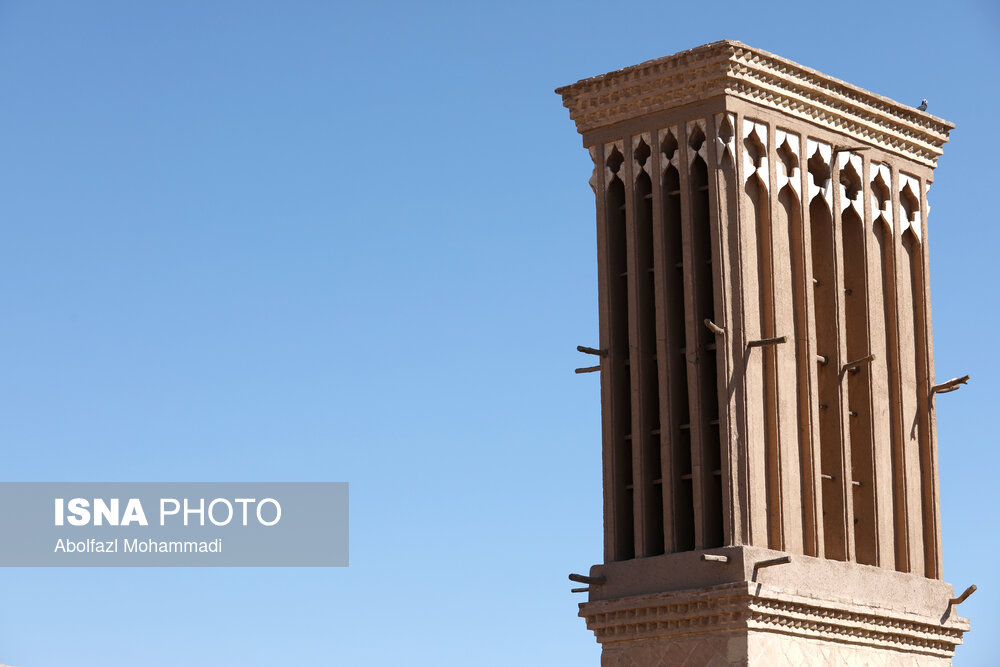
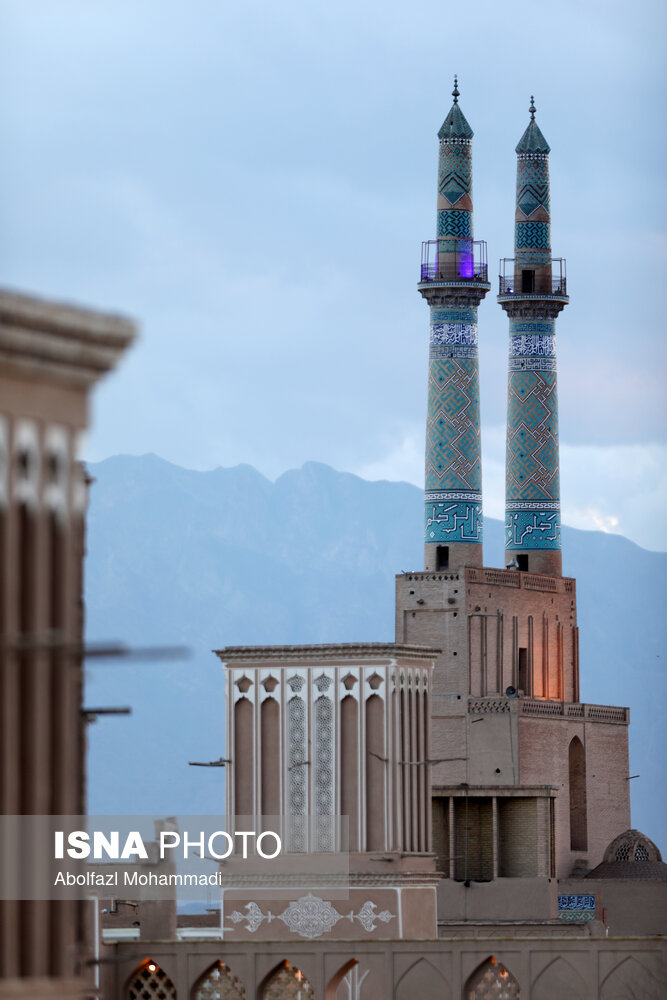
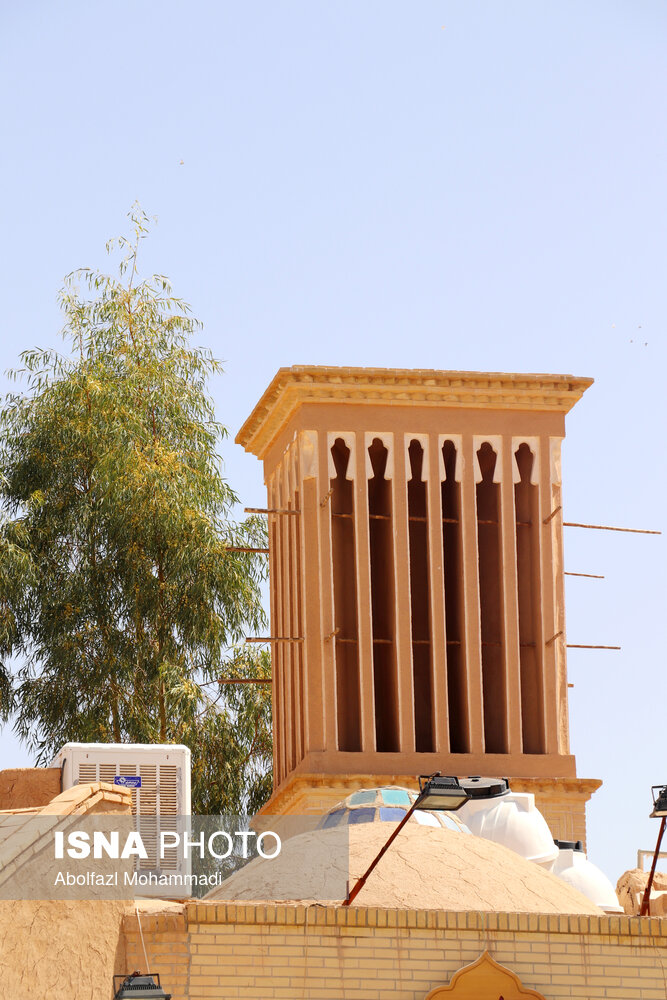
Yazd windcatchers, historical masterpieces in central Iran

Yazd windcatchers

One of the Iranian cities where the windcatchers are commonplace is Yazd in central Iran.

These are one of the masterpieces of Iranian engineering, which played an important role in the ventilation of the interior of houses without consuming any kind of energy.

As a historical city, Yazd is famous for its windcatchers.

The windcatcher was invented in the past as a tool to withstand the harsh conditions of hot and dry weather in desert areas like the one in which Yazd is located.

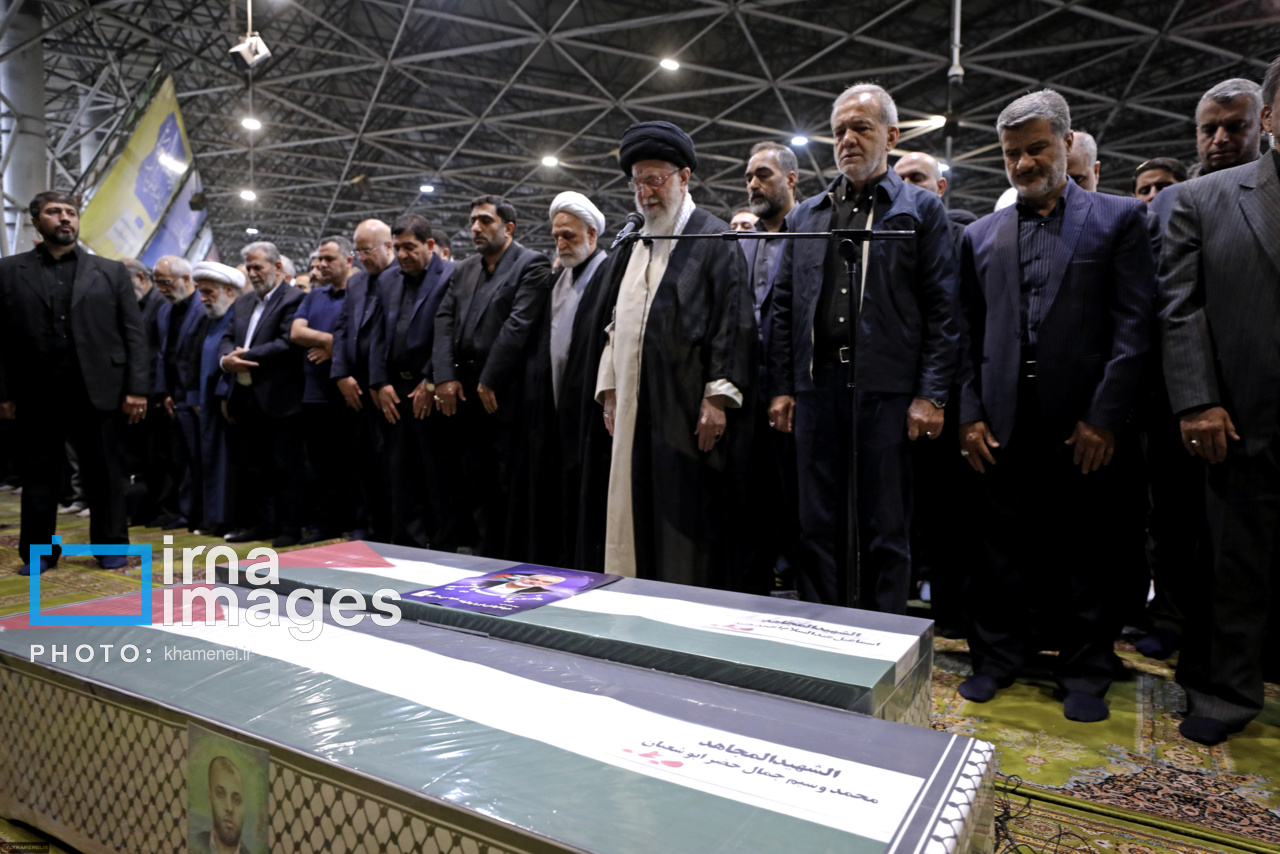
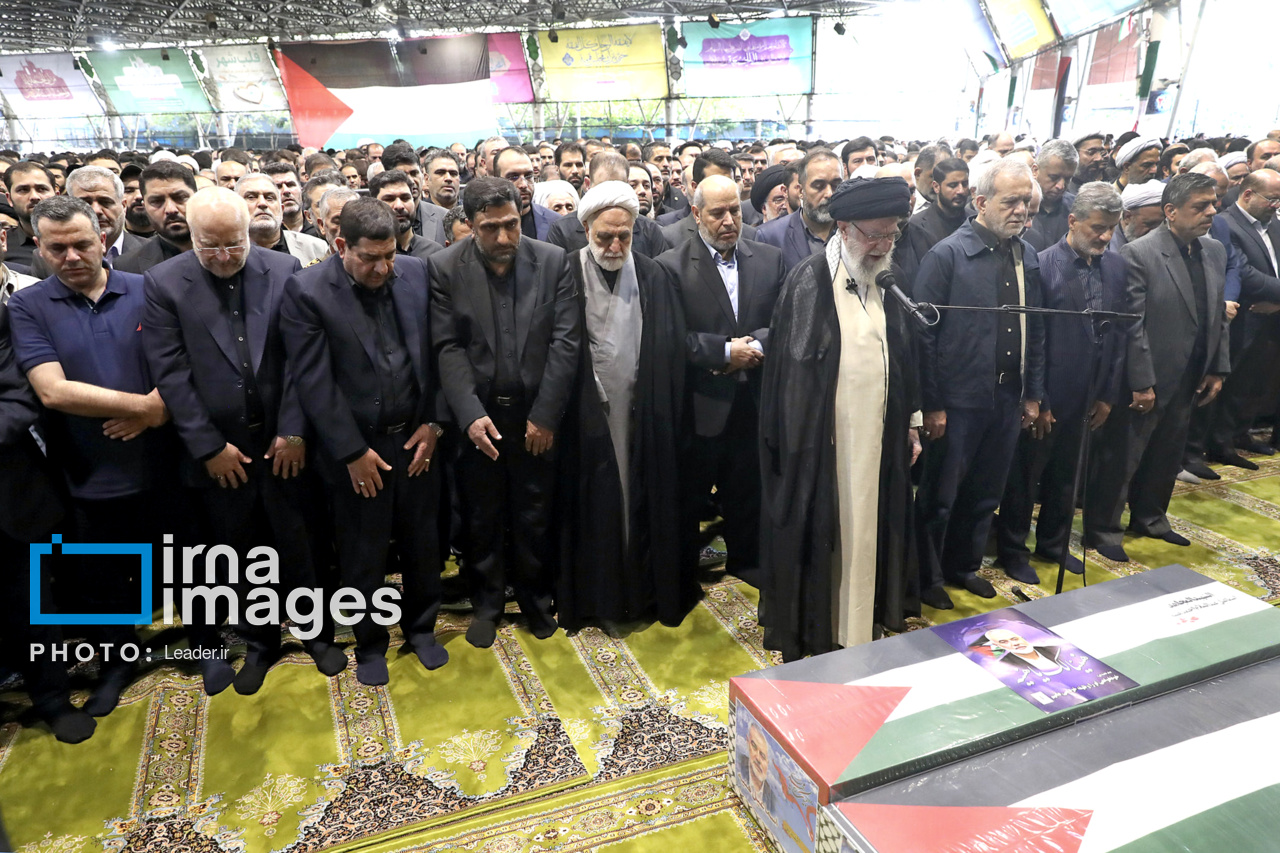
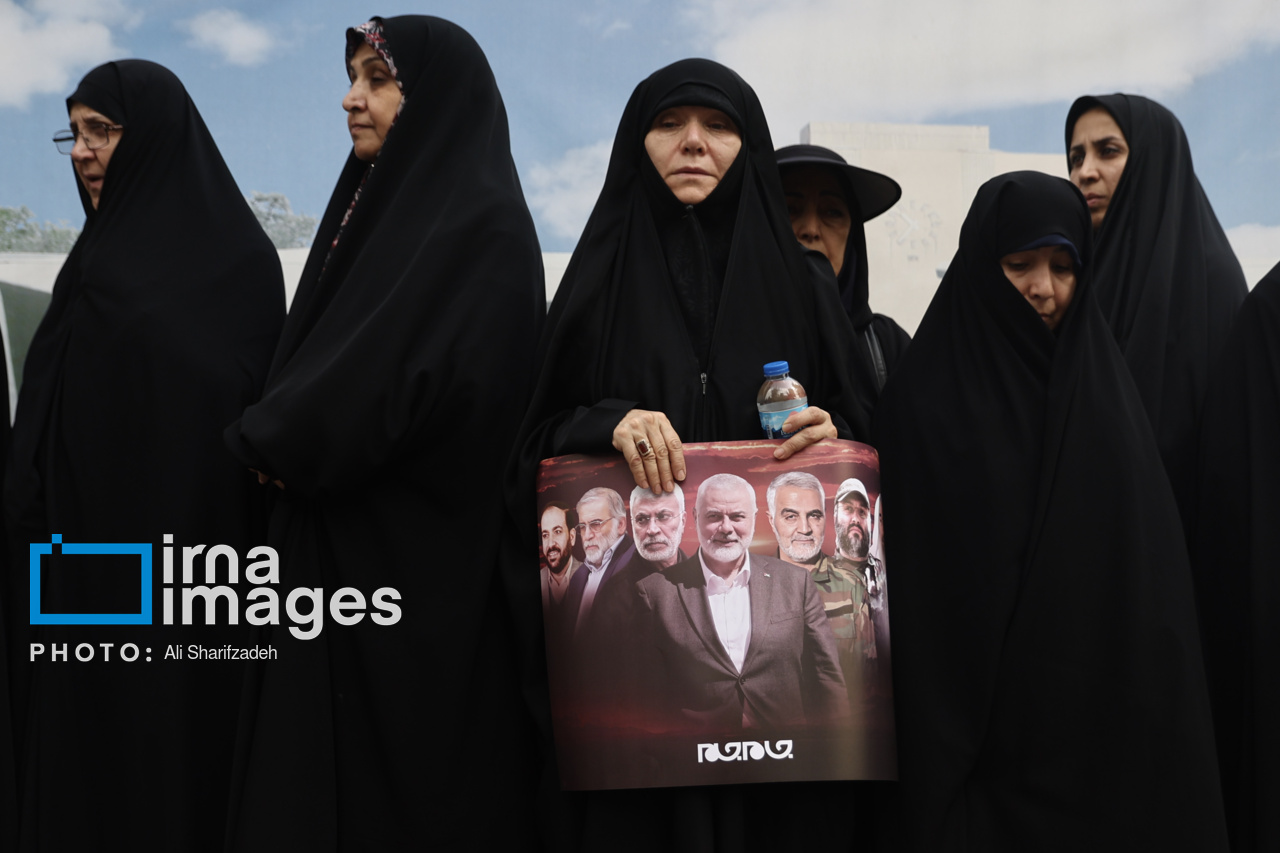
Iranians hold funeral for assassinated Hamas leader Haniyeh in Tehran

Hamas Ismail Haniyeh

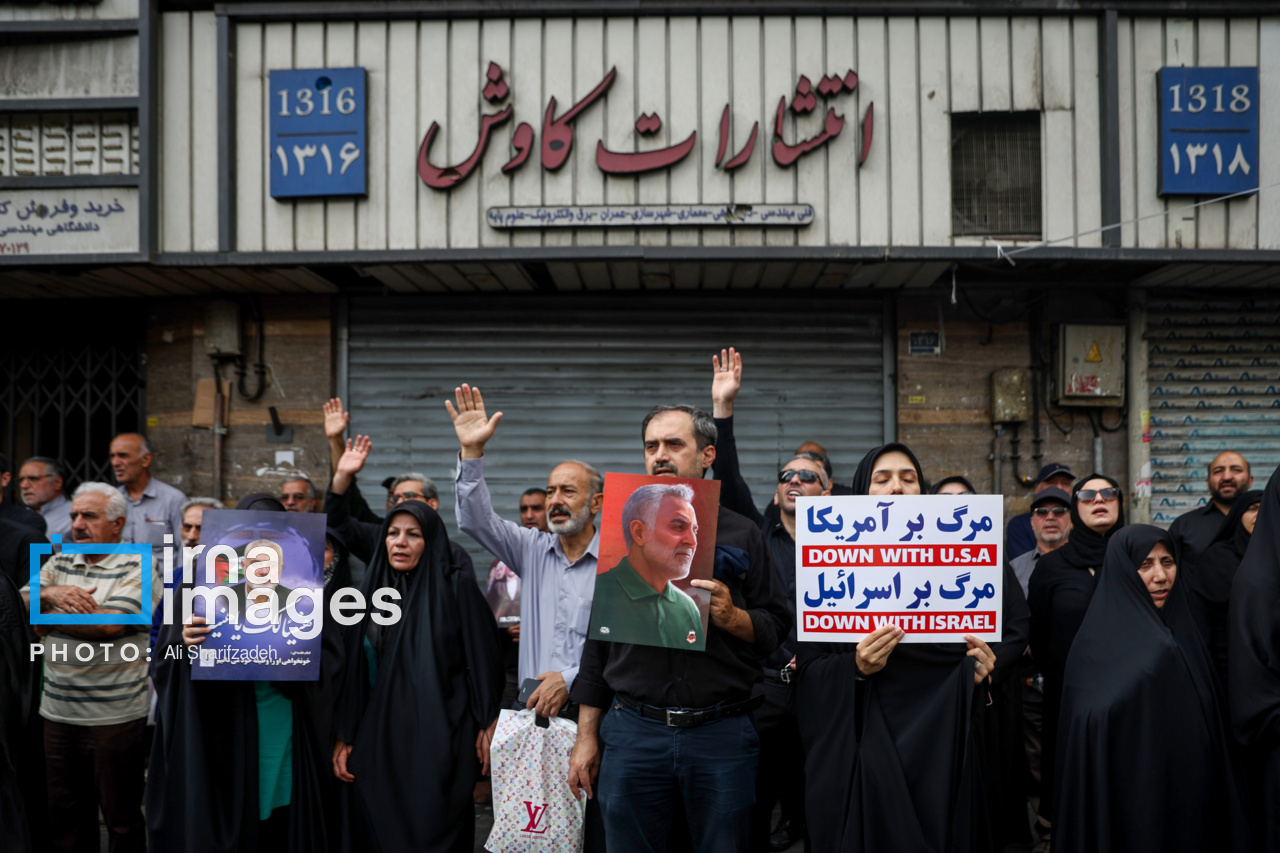
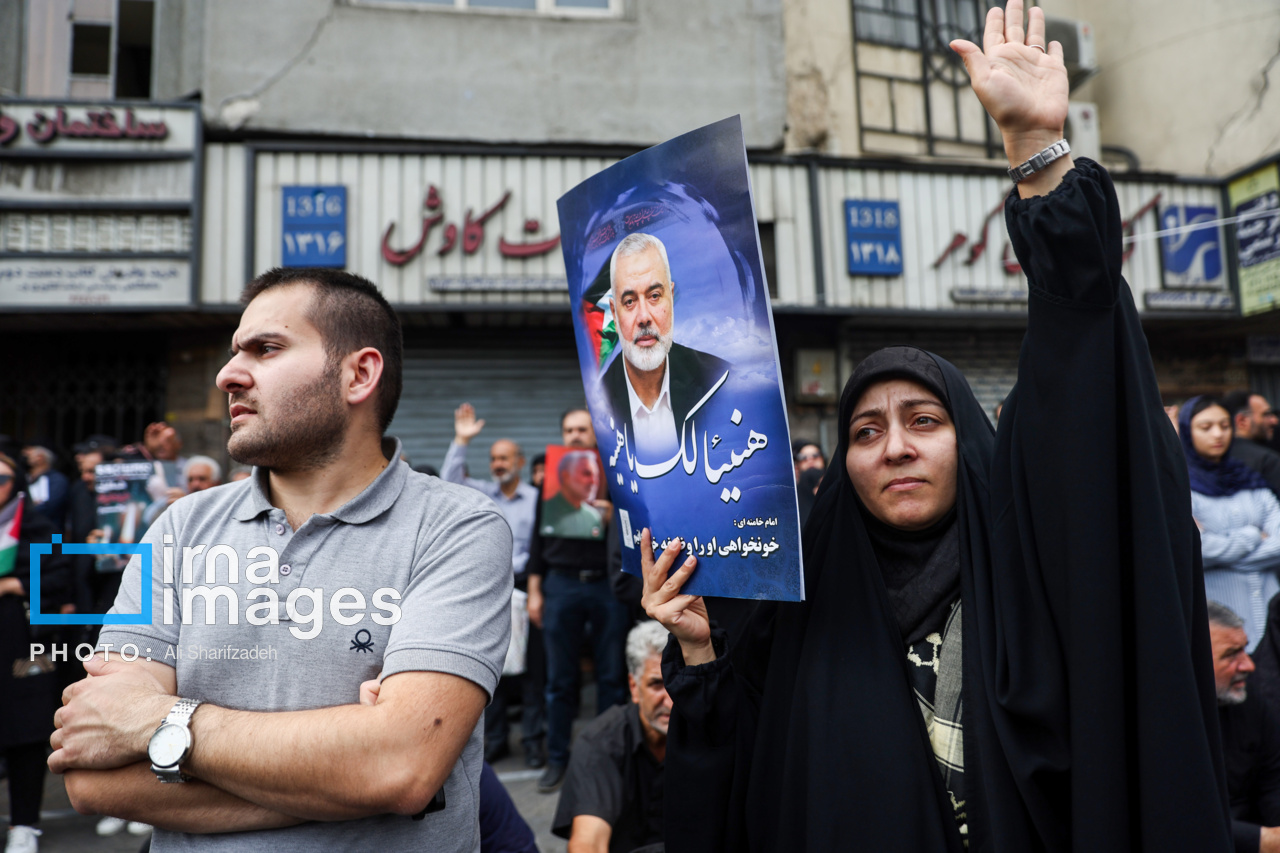
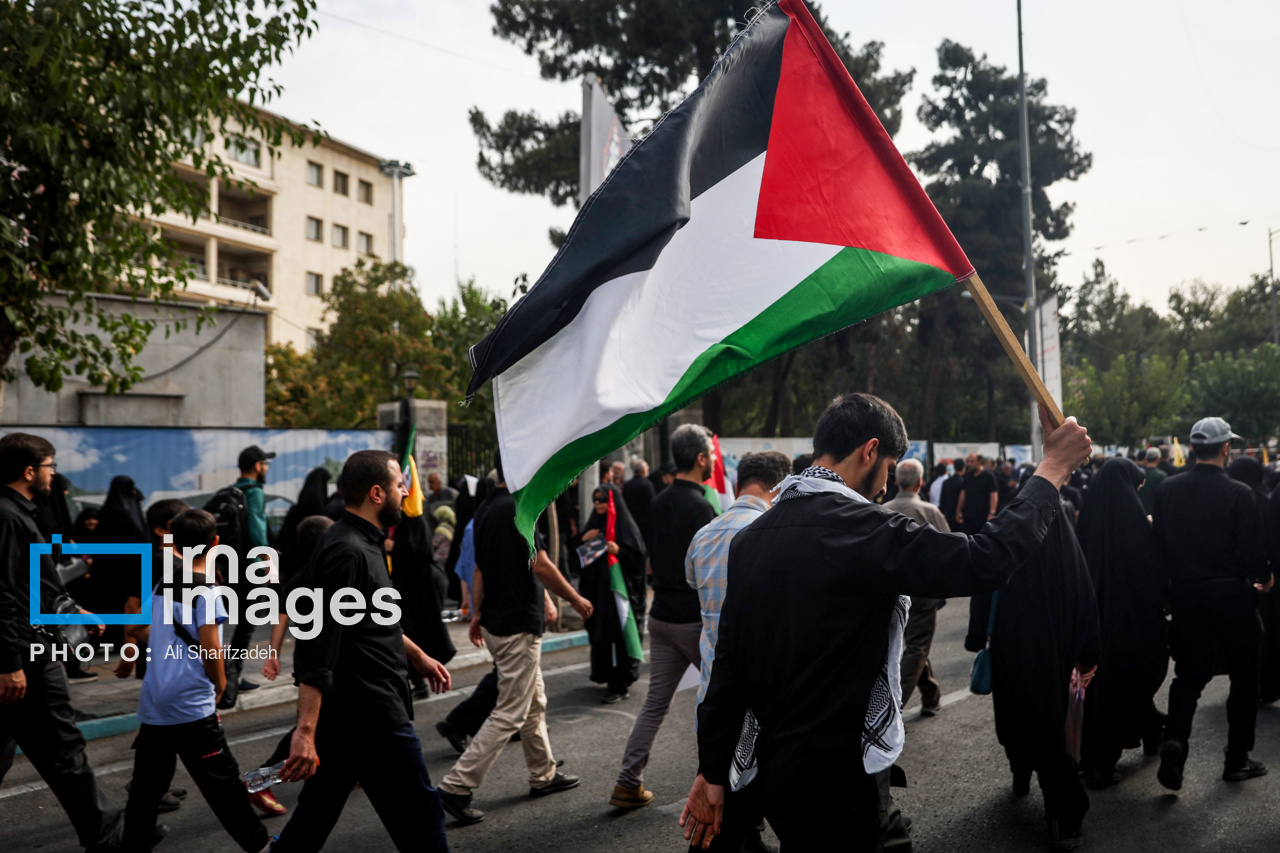
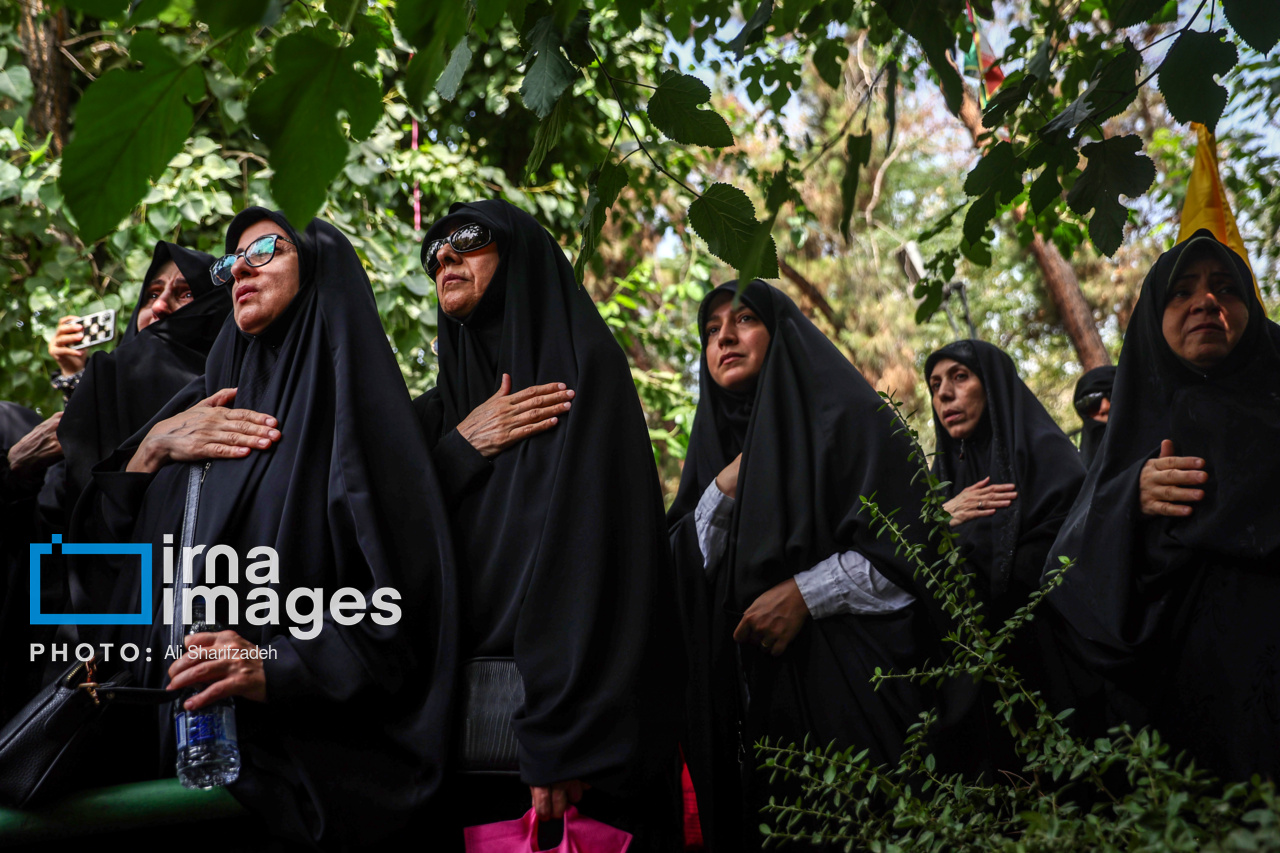
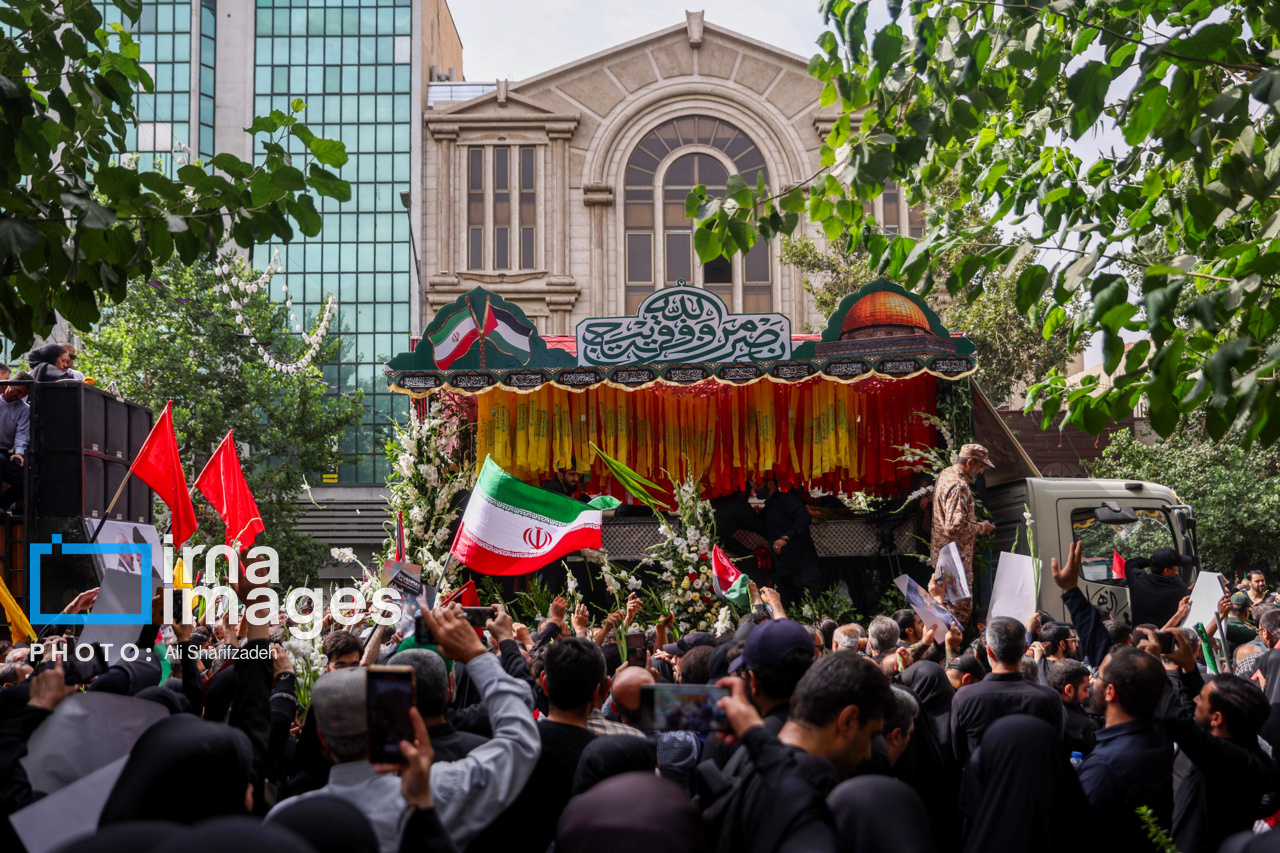
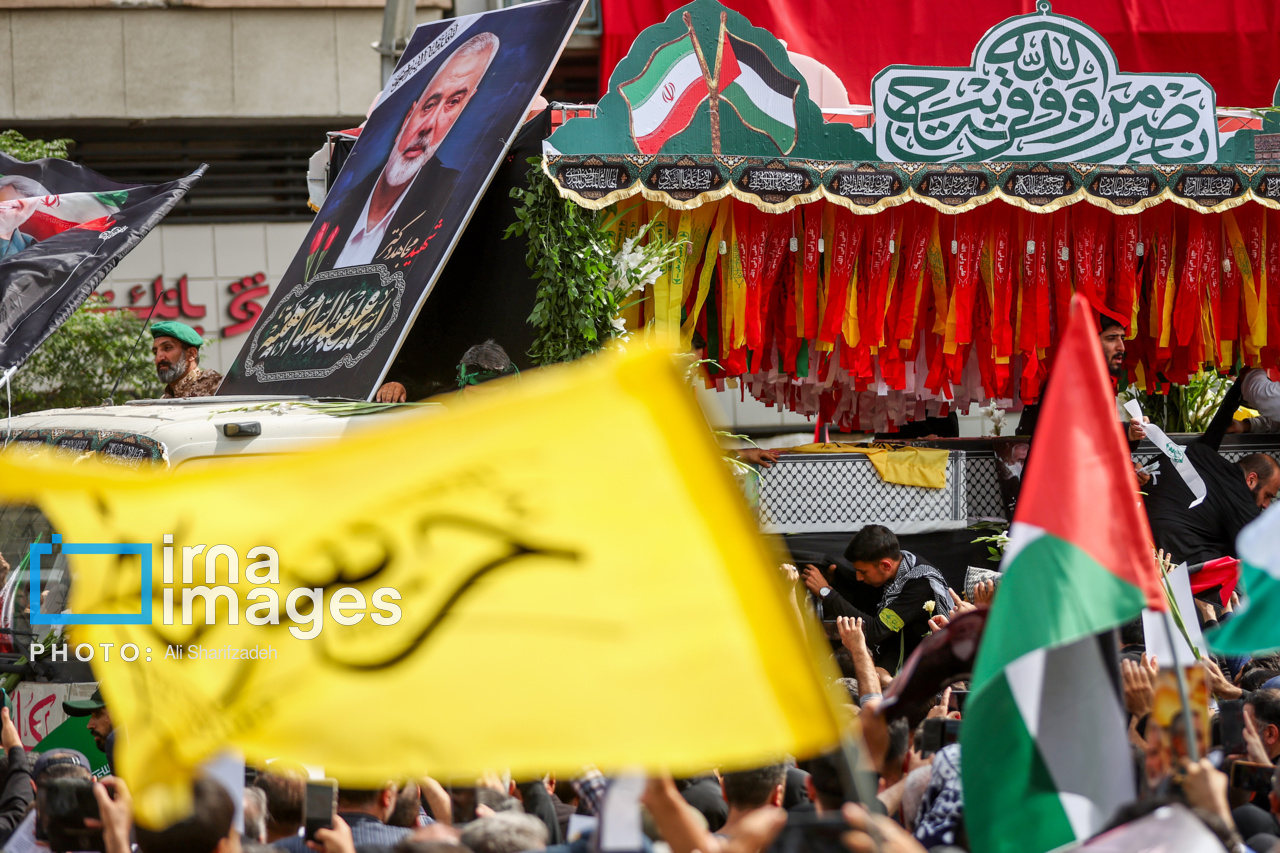
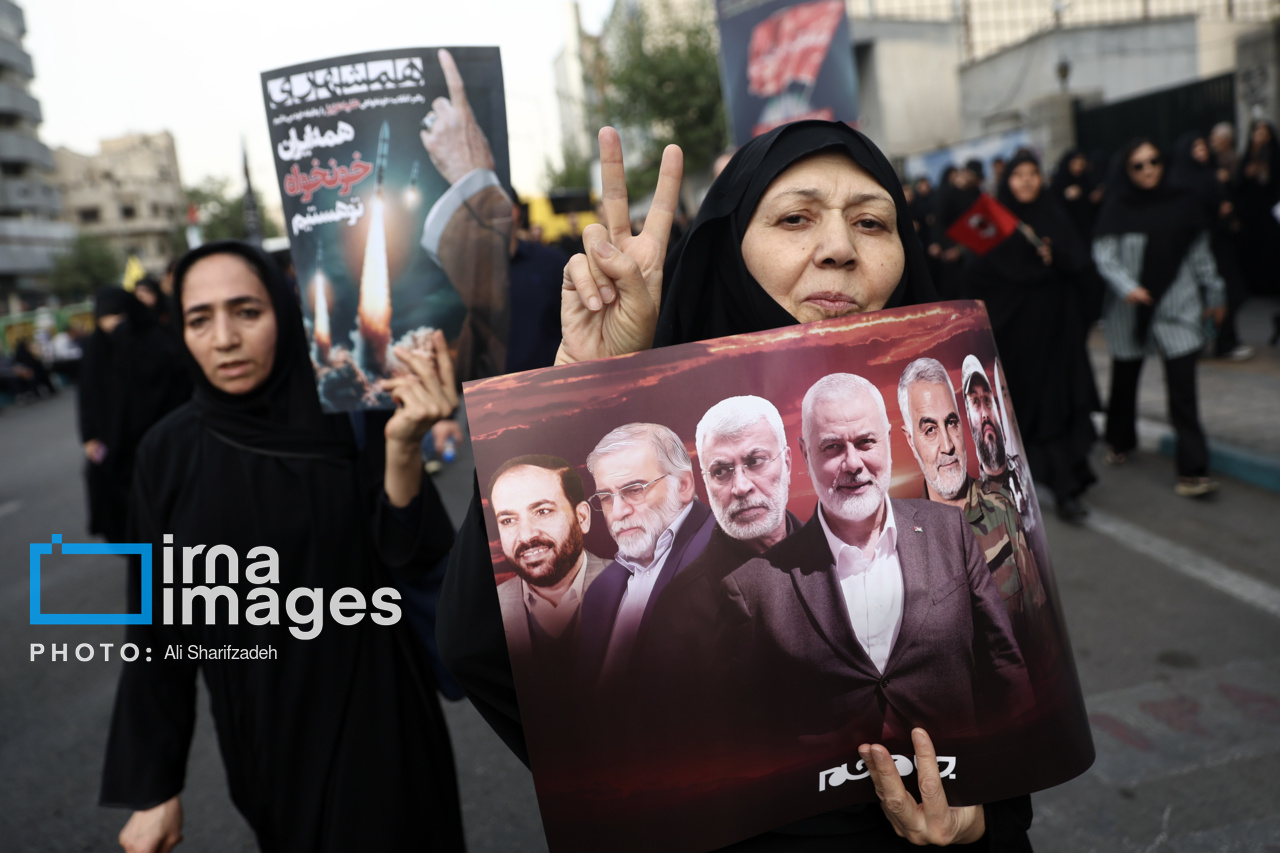
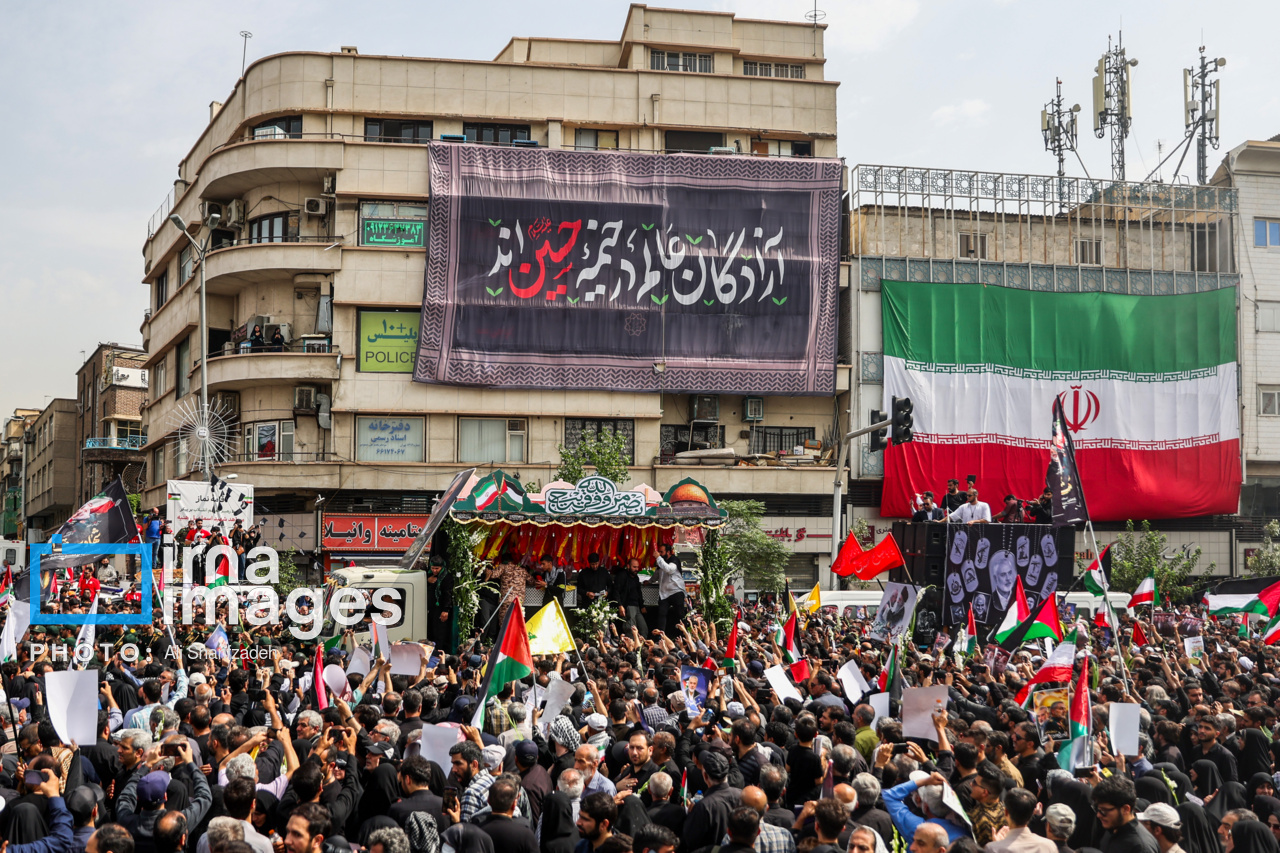
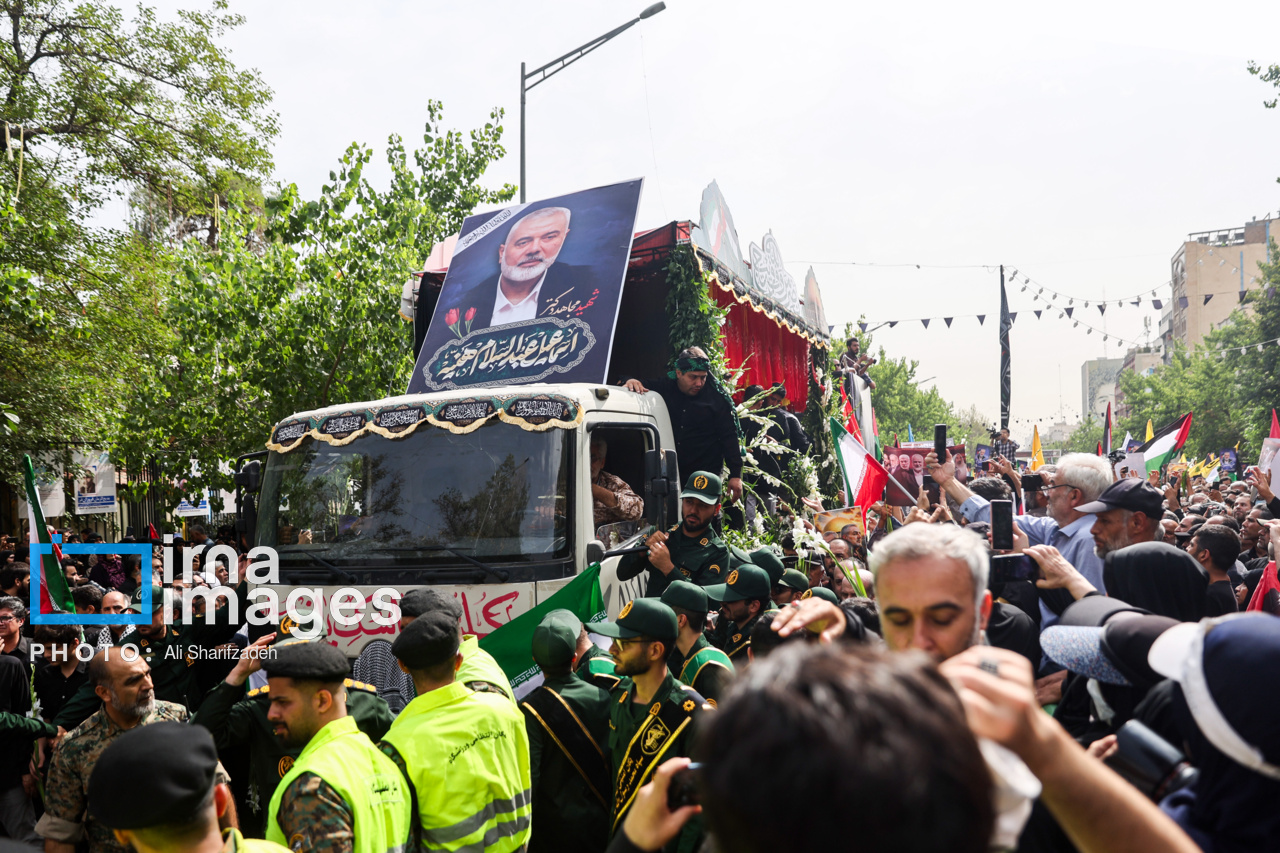
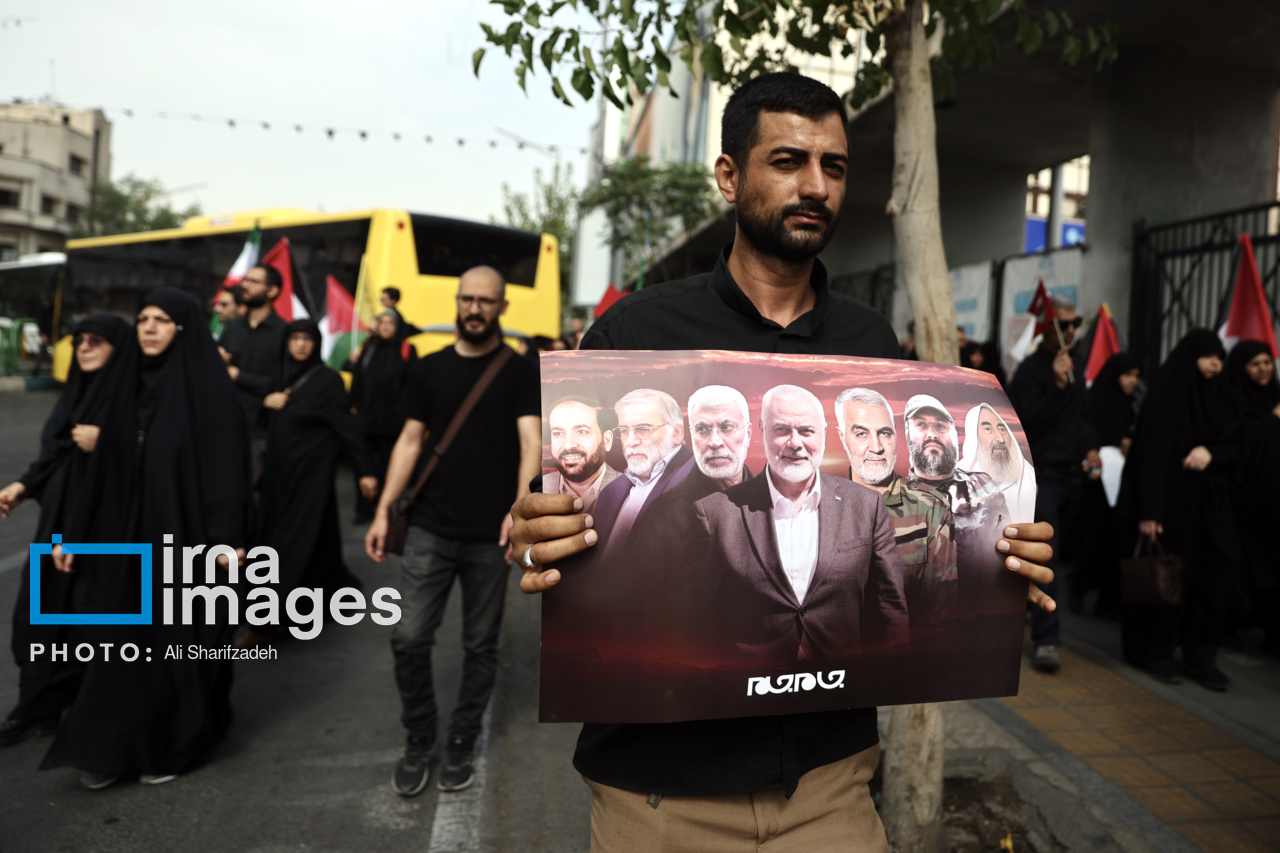
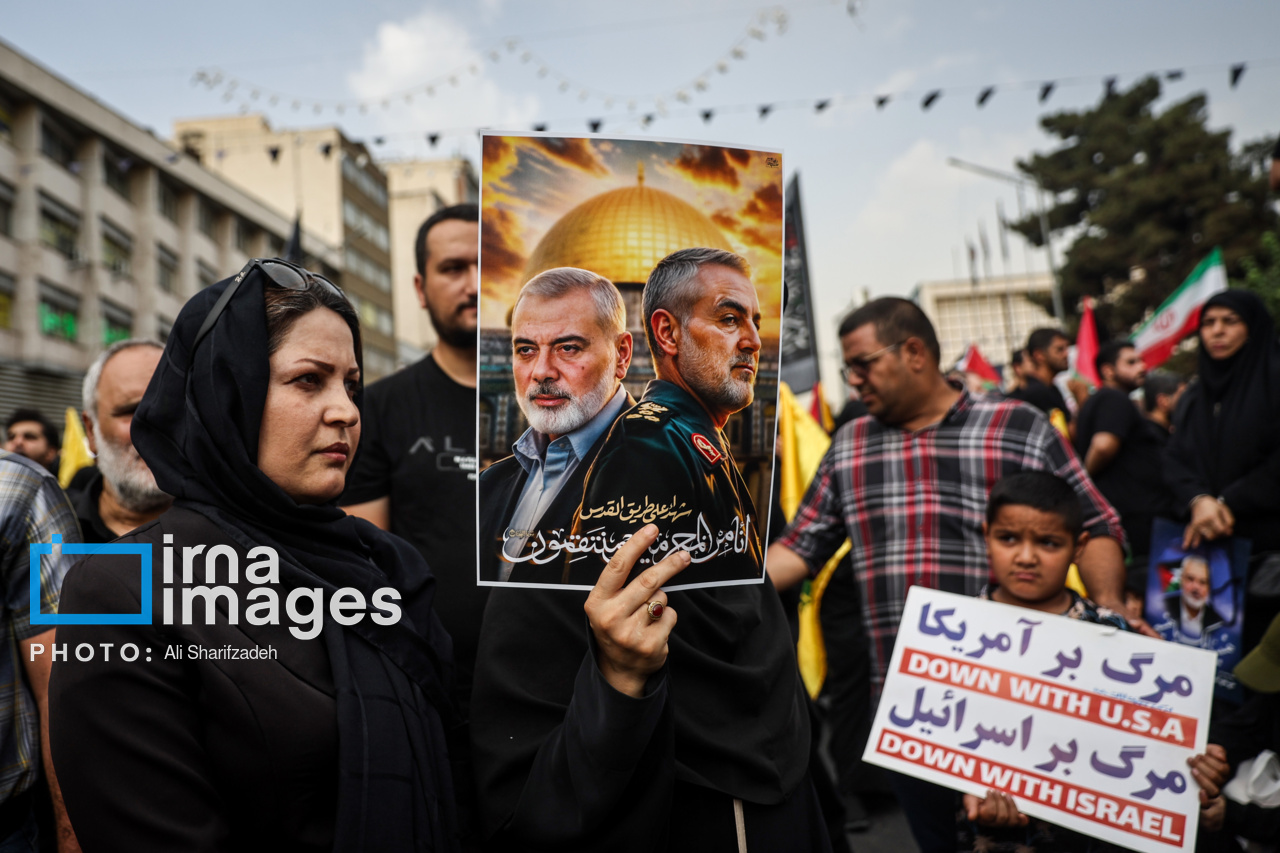
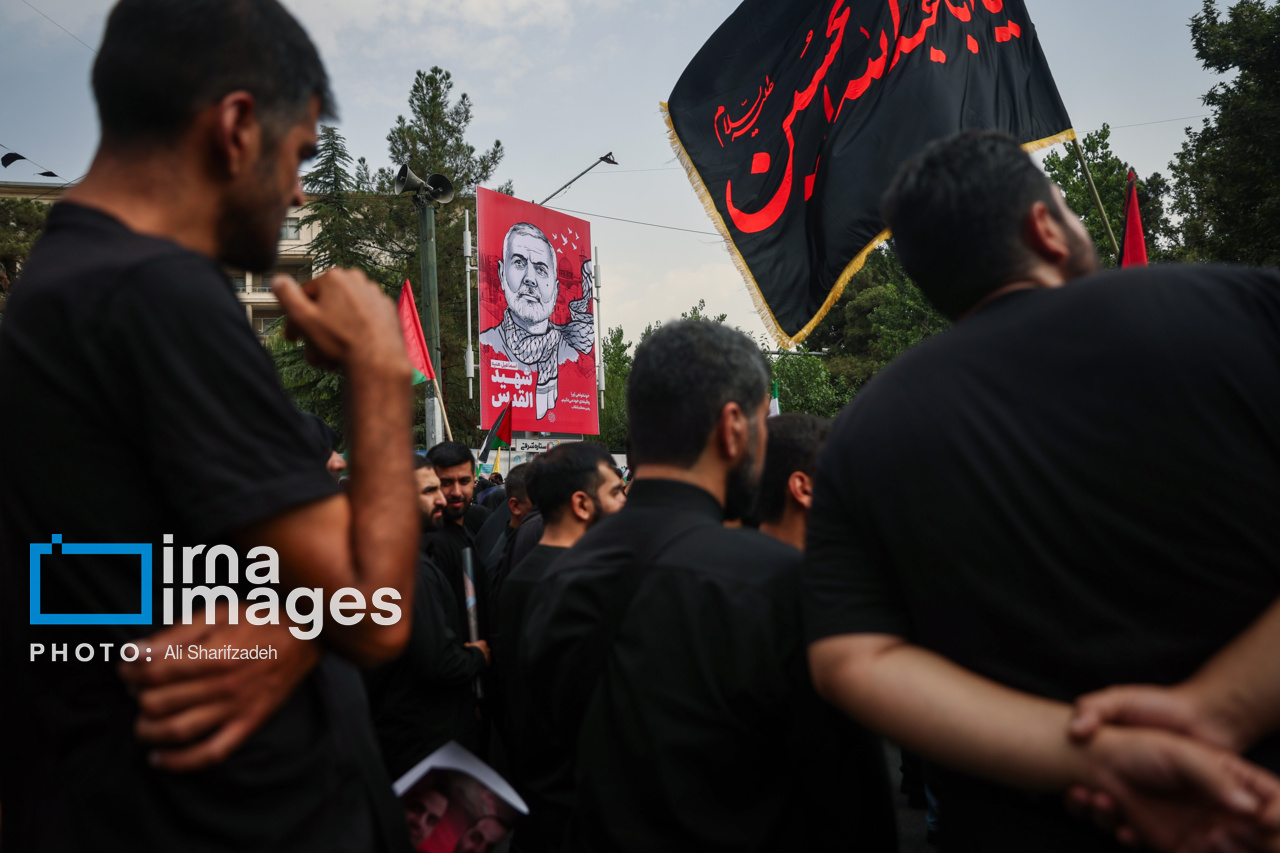
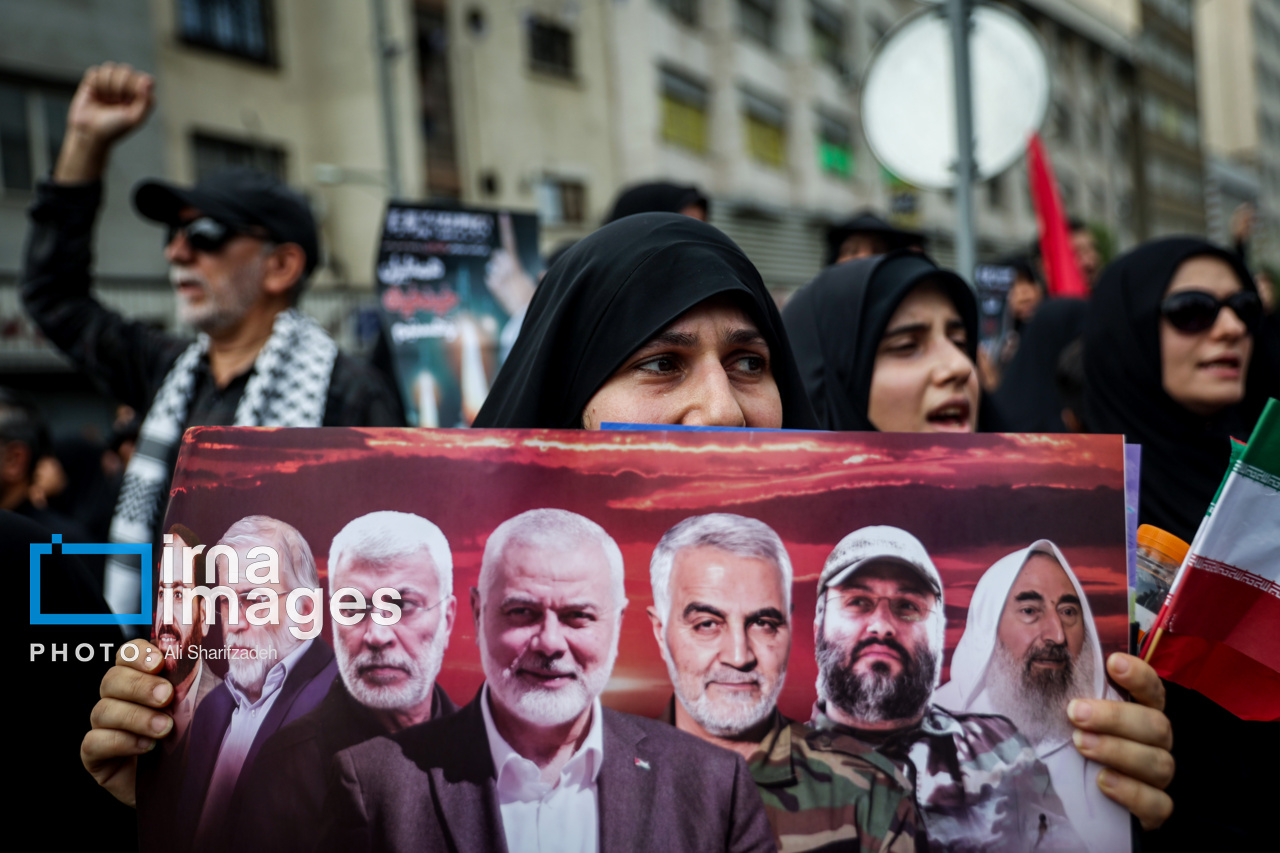
The funeral started at 08:00 local time (0430 GMT) on Tehran University’s campus and the surrounding streets.

The Leader of the Islamic Revolution Ayatollah Seyyed Ali Khamenei led the prayers for the deceased.

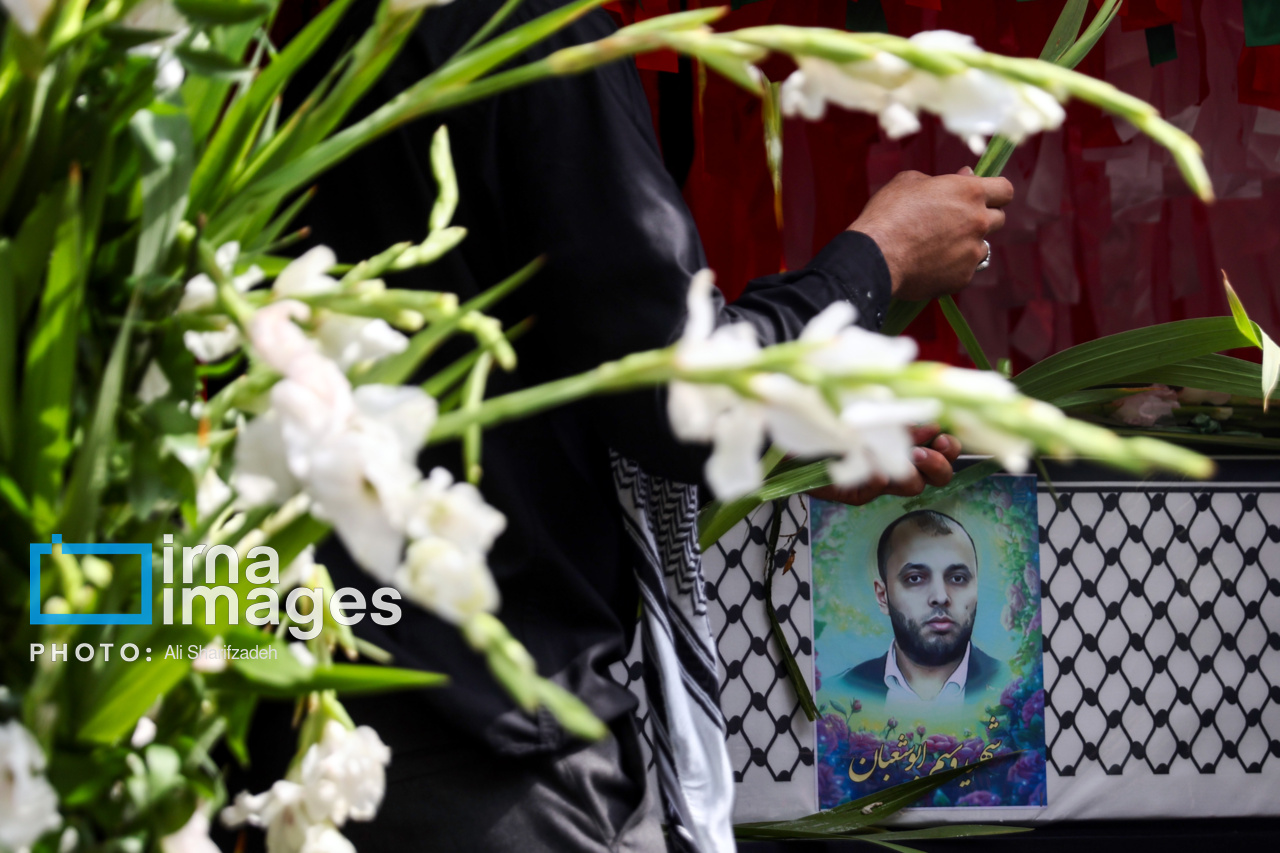
Ayatollah Khamenei paid tribute to the Hamas leader and his bodyguard Wasim Abu Shaaban.

Iranian Parliament Speaker Mohammad Baqer Qalibaf also addressed the participants, saying the Israeli regime’s crimes stem from its failure to deal with resistance fighters.

Qalibaf warned the Israeli regime that resorting to assassination is a ‘strategic mistake’ which will adversely impact the developments in the region.

The Iranian parliament speaker echoed previous remarks by Ayatollah Khamenei and other Iranian officials that Israel will pay a heavy price for the terrorist move.

Haniyeh and other resistance leaders had traveled to the Iranian capital to take part in the inauguration ceremony of Iran’s President Massoud Pezeshkian.

According to the initial investigation, Israel was directly involved in the assassination.

Haniyeh hit ‘directly’ by missile: Hamas official

Hamas Ismail Haniyeh

Al-Hayya warned the Zionist regime will pay a heavy price for the crime of assassinating Haniyeh.

He said the late Hamas chief devoted himself full-time to Islam and the Palestinian nation, and that Hamas will not give up resisting the Israeli occupation after Haniyeh’s murder.

“Haniyeh was not hiding in a secret place and his assassination does not constitute a success for the Israeli enemy’s spy service. Ever since the Gaza war broke out [in early October last year], the enemy had sought to isolate the resistance front. It was, nevertheless, astonished to see Haniyeh shuttling between world capitals. The enemy has not achieved any success. It only kills, destroys and seeks to ignite the entire region,” Hayya added.
The high-profile Hamas official also stated that Israel is well aware of the fact that the Axis of Resistance will not allow the assassination of Haniyeh to go unanswered.

“The Zionist regime will pay a heavy price for the crime. Hamas and other resistance groups follow a clear strategy.”

“The Zionist enemy is trying to set the entire region ablaze as an act of projection. The Zionist regime must pay a heavy price for this barbaric crime. Hamas and resistance will continue, and Haniyeh’s successor will follow his path,” Hayya said.

He underlined that Haniyeh’s killing clearly showed that there is no option other than resistance in dealing with Israel.

“The al-Qassam Brigades will not allow the murder of Haniyeh to go unpunished. Palestinian factions must unite on the option of armed resistance. There is no other choice before us,” Hayya underscored.

Meanwhile, Osama Hamdan, the senior Hamas representative in Lebanon, stated Haniyeh was assassinated while leading the Palestinian nation towards Liberation, and directing the Operation Al-Aqsa Storm against the Zionist enemy.

“We mourn the loss of our national icon Ismail Haniyeh, who attained martyrdom while fighting on the path of struggle and striving for the liberation of the holy city of al-Quds and entire Palestinian territories,” Hamdan added.
“Our blood as resistance figures is not more precious than that of other Palestinians. The resistance front has expanded its capabilities and prowess whenever our leaders have got killed.”

The top Hamas official stressed that Haniyeh’s killing will not stop Palestinians from following the path of resistance and struggle aimed at liberation of Palestinian lands.

“The crime of Haniyeh’s assassination will not ensure the occupying regime’s survival. The best policy in the wake of the late leader’s targeted killing is to cement national unity and work towards its realization.”

Body of Hezbollah military commander found in rubble in Beirut

Israel Lebanon Attack

Lebanese group Hezbollah has confirmed that Shukr was killed in an Israeli attack in southern Beirut.

The Israeli military announced it carried out a “precision strike” in Beirut on Tuesday that killed Shukr, claiming that he had been responsible for the missile strike that killed 12 children playing football in Majdal Shams in the occupied Golan Heights on Saturday. Hezbollah has denied carrying out the attack.

Hezbollah, who previously announced Shukr had survived the attack, said in a statement on Wednesday that “the great jihadist commander brother Fuad Shukr (Hajj Mohsen) was present” in the building targeted by “the Zionist enemy”.

Announcing his death, the group added that Shukr’s presence was “a distinctive force for resistance” and stated their leader, Seyyed Hassan Nasrallah, would make an address on the occasion of Shukr’s funeral on Thursday.

Shukr, also known as al-Hajj Mohsen, was born in Nabatieh in Baalbek in eastern Lebanon. He was among Hezbollah’s founders after Israel’s invasion of Lebanon in 1982.

On Tuesday, the attack on a densely populated area in Beirut’s suburbs hit the Haret Hreik neighbourhood near Hezbollah’s Shura Council, its central decision-making authority. At least 5 people were killed and 74 wounded in the raid.
EU senior diplomat meets Araqchi in Tehran 

Mora, deputy of the EU’s foreign policy chief, who attended the swearing-in ceremony of Iran’s President Masoud Pezeshkian on Tuesday, met Araqchi on Wednesday.
Iran and the EU have tried to revive the 2015 nuclear deal that was set aside after the US left the agreement under former US president Donald Trump in 2018.

Following the US withdrawal, Trump reinstated sanctions on Iran, which shot back by reducing its obligations under the nuclear deal, known as JCPOA.

Araqchi and Mora played a prominent role in the marathon talks aimed at concluding the JCPOA (Joint Comprehensive Plan of Action).