Thursday, January 1, 2026
Home Blog Page 611

Iran, Egypt FMs warn of regional repercussions of Syria unrest

Syria War

Iranian Foreign Minister Seyyed Abbas Araghchi had a phone conversation on Wednesday evening with his Egyptian counterpart, Badr Abdel-Aty, to discuss regional developments with a focus on the developments in Syria.

Araghchi detailed the outcome of his recent talks with Syrian and Turkish officials during his visits to Damascus and Ankara, emphasizing Iran’s consistent policy of supporting the Syrian government, army, and people in their fight against terrorist groups.

The Iranian foreign minister warned of the serious threat posed by the reactivation and expansion of terrorist groups in Syria to regional peace, stability, and security.

He highlighted the need to continue diplomatic efforts and consultations among key regional actors to counter the danger.

Meanwhile, the Egyptian foreign minister reiterated Egypt’s policy of supporting Syria’s sovereignty, territorial integrity, and legitimate institutions.

Both ministers agreed to maintain ongoing communications and talks.

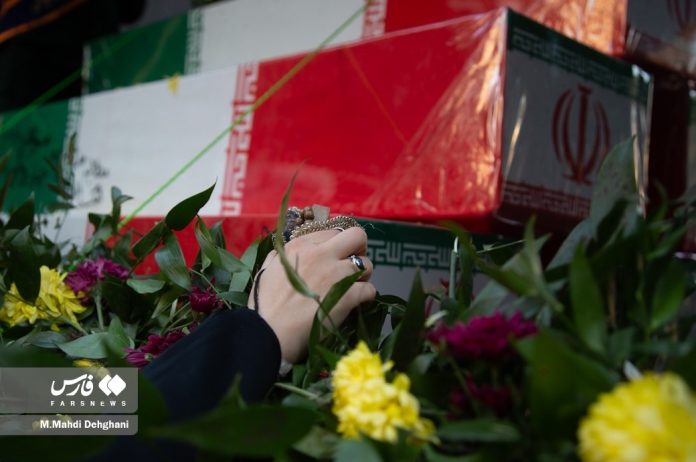
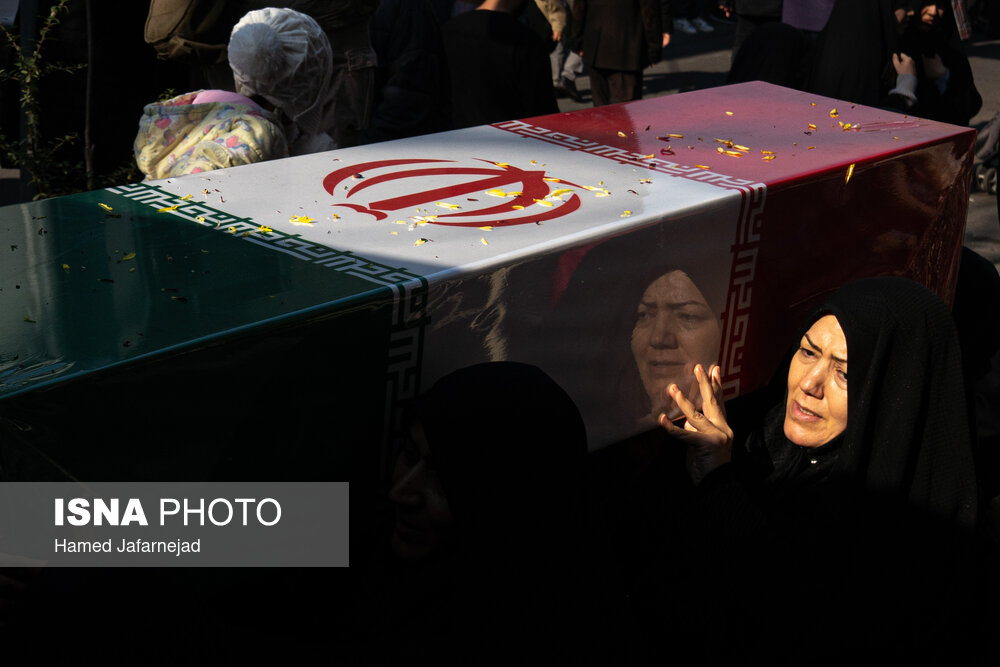
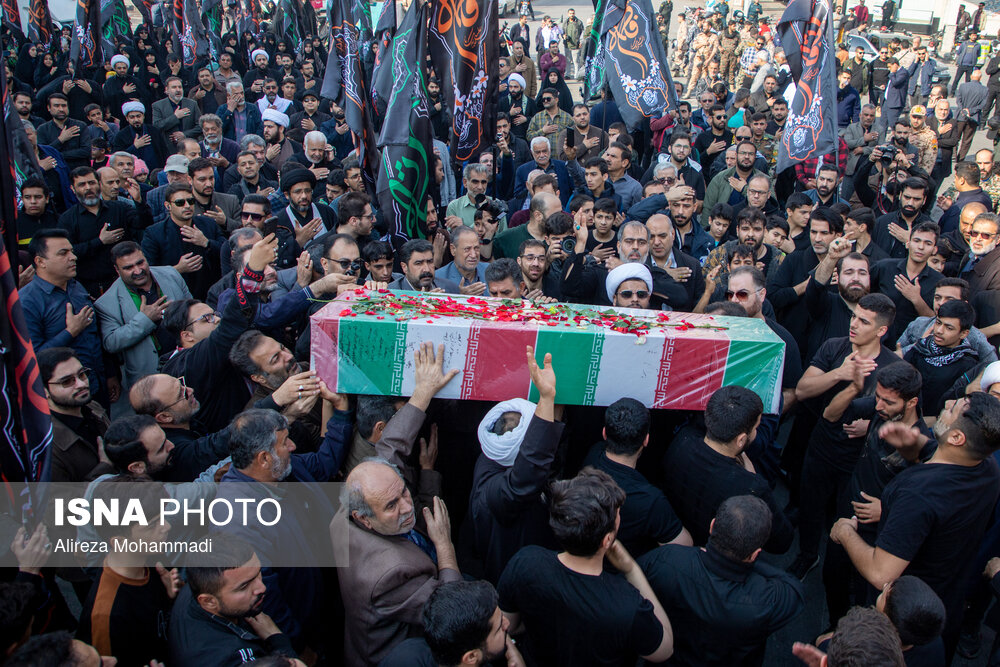
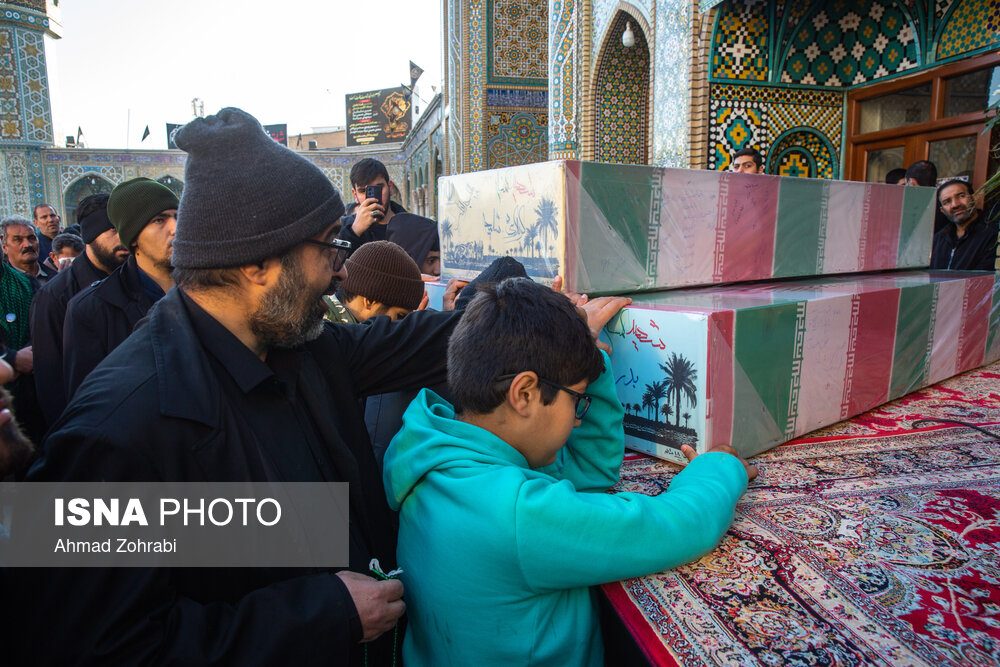
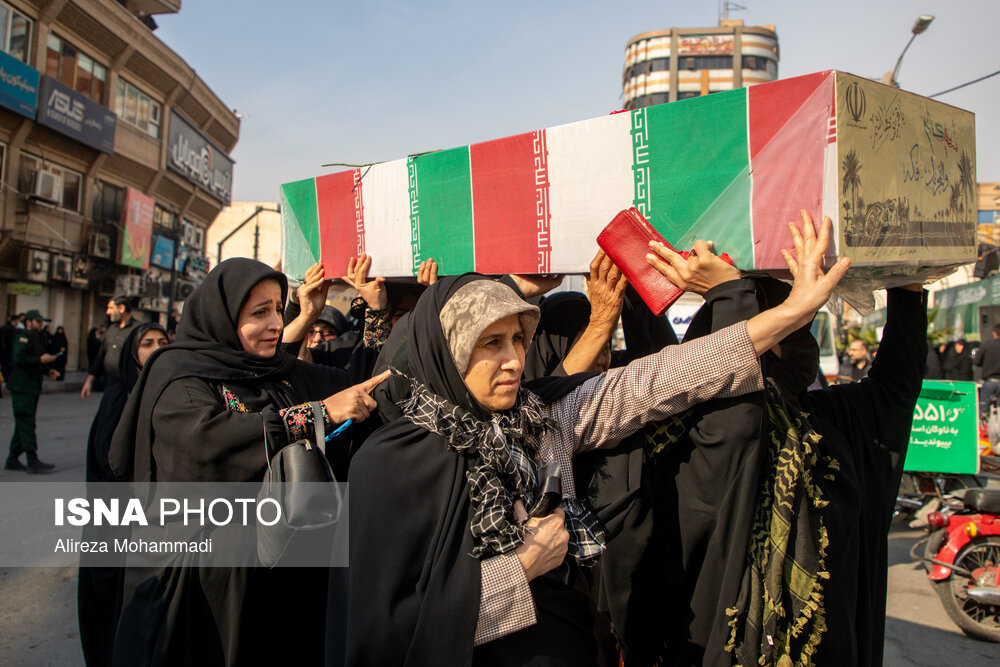
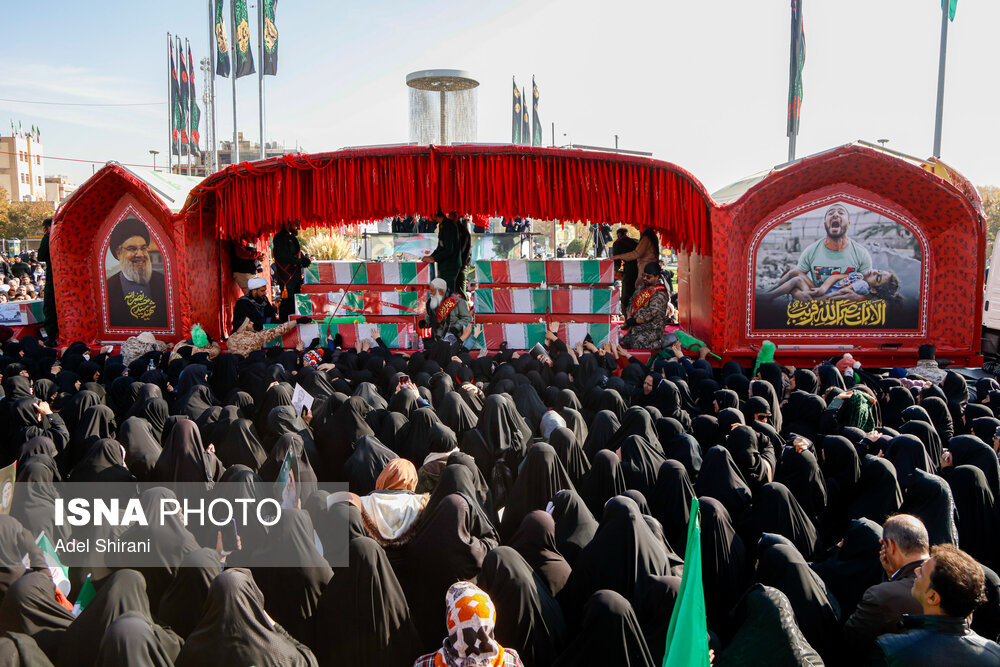
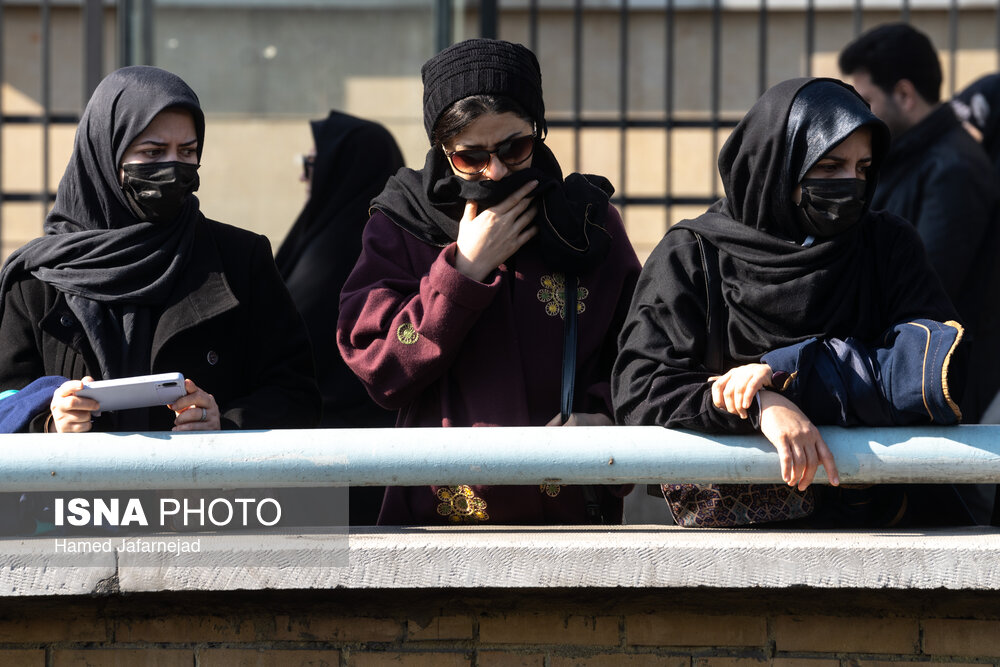
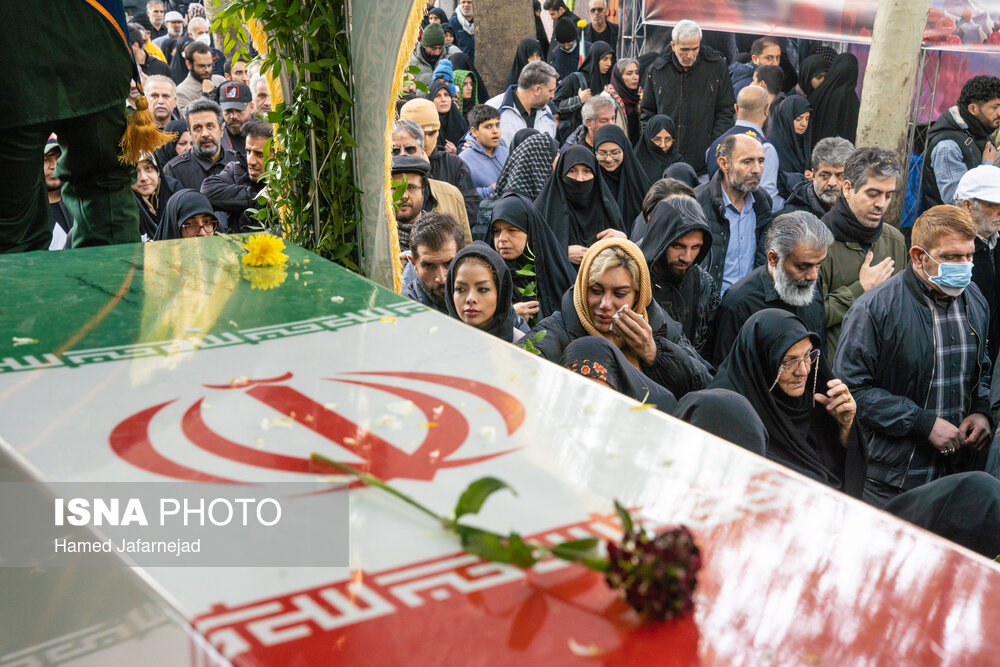
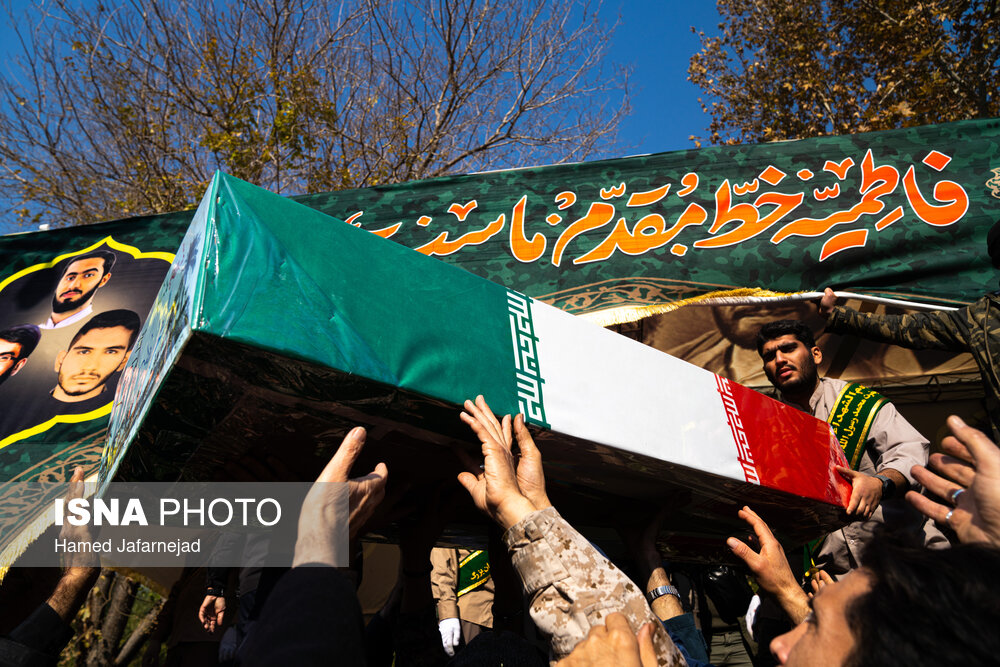
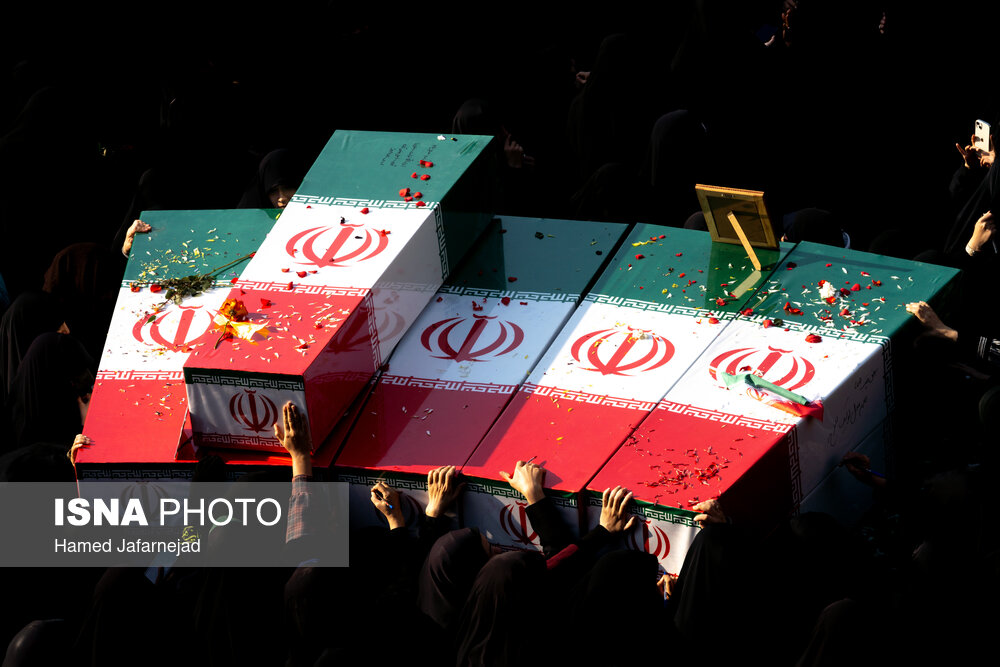
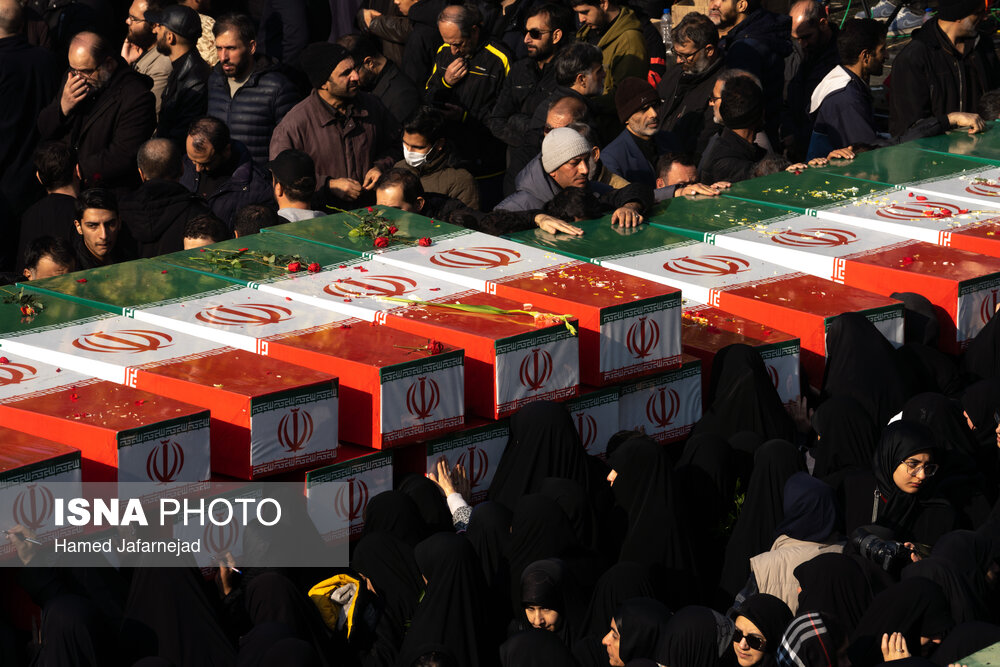
Funeral ceremony of anonymous martyrs held in Tehran, several other cities

The event in Tehran started from Tehran University to honor the remains of 300 unknown martyrs from the Iran-Iraq war in the 1980s.

The ceremony witnessed a massive turnout.

After speeches and eulogies, the martyrs’ caravan will proceed towards the Martyrs’ Miraj for burial.

100 martyrs will be laid to rest in Tehran and 200 in other provinces. The martyrs will be buried in more than 100 locations after Thursday’s ceremonies, across local, regional, city, and provincial levels.

These remains of the martyrs have recently been discovered from various operations during the eight-year war.

During the war, which began on September 22, 1980, and continued until August 20, 1988, a total of 197,337 Iranian soldiers were martyred.

Syria gov’t troops battle terrorists near city of Hama

Syria War

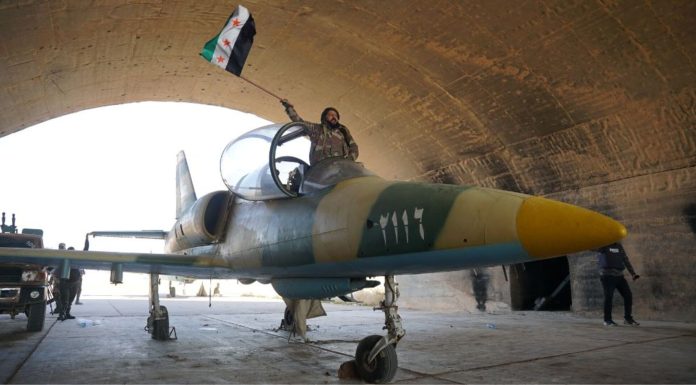
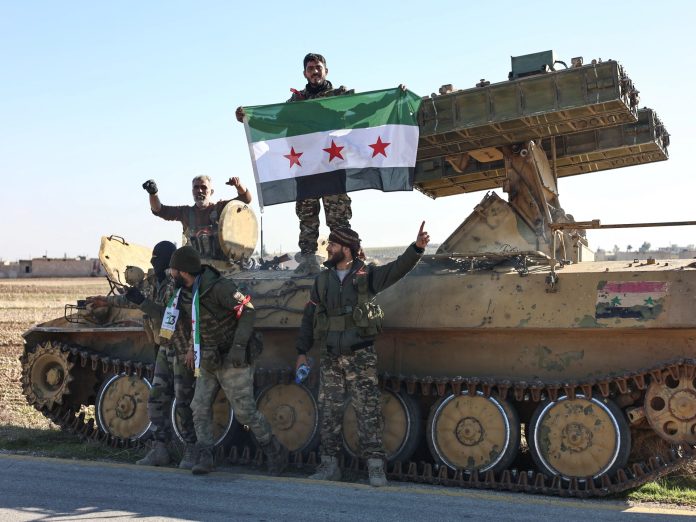
Terrorists have staged their biggest advance in years over the past week, capturing large parts of the northern city of Aleppo, the country’s largest, as well as towns and villages in southern parts of the northwestern Idlib province.

The offensive is being led by led by Hayat Tahrir al-Sham (HTS), as well as Turkiye-backed fighters known as the Syrian National Army (SNA). Both groups have in recent years entrenched themselves in northwest Idlib province and parts of northern Aleppo, with HTS considered the dominant force.

A video circulating on social media showed HTS leader Abu Mohammed al-Golani on Wednesday surrounded by supporters as he walked in front of the Citadel of Aleppo, a large medieval fortified palace in the centre of the old city.

The war between President Bashar Assad and his allies – including Russia and Iran – and the array of militant groups seeking his overthrow has killed an estimated half-million people during the past 13 years.

Syrian state media SANA on Wednesday said militants retreated some 20km (12 miles) from government-held Hama, Syria’s fourth-largest city, as government troops backed by Russian airpower entrenched themselves in the outskirts.

Fierce fighting has raged for days as Damascus fears that militants will make their way into the city as they did over the weekend into Aleppo.

If militants seize Hama city and control the province, it could leave the coastal cities of Tartous and Lattakia isolated from the rest of the country. Lattakia is a key political stronghold for Assad and Syria’s Alawite community, as well as a strategic Russian naval base.

Tens of thousands have been displaced by the fighting, which started last week, Geir Pedersen, the UN special envoy for Syria, stated Tuesday.

“If we do not see de-escalation and a rapid move to a serious political process, involving the Syrian parties and the key international players, then I fear we will see a deepening of the crisis,” Pedersen said in an address the UN Security Council.

“Syria will be in grave danger of further division, deterioration, and destruction,” he added.

Turkiye, which backs Syria’s opposition, has called on Assad to reconcile with opposition forces and include them in any political solution to end the conflict.

Ankara has been seeking to normalise ties with Syria to address perceived security threats from groups affiliated with Kurdish fighters along its southern border and to help ensure the safe return of more than 3 million Syrian refugees.

Assad has insisted that Turkiye’s withdrawal of its military forces from northern Syria be a condition for any normalisation between the two countries.

Damascus refers to the opposition as “terrorists”, and Assad has promised to respond to the offensive with an iron fist.

Iran president announces commitment to implementing 25-year partnership deal with China

Masoud Pezeshkian and Zhang Guoqing

Iran’s president made the remarks in a meeting with visiting Chinese Vice-Premier Zhang Guoqing who has visited Tehran.

Pezeshkian pointed to his constructive meeting with Chinese President Xi Jinping on the sidelines of the recent meeting of the BRICS leaders in Kazan, Russia, saying Iran and China have always enjoyed friendly ties.

The Iranian president also called ties between the two countries strategic.

He went on to say that his administration has been seeking to implement the partnership agreement since the first days of his tenure as president.

The president added Iran is determined to expand cooperation with China and Russia to tackle American unilateralism.

For his part, the Chinese vice-premier extended the warm greetings of his country’s president to Pezeshkian and stated that Iran is a great and important country in the region and plays a constructive and effective role on the international stage.

The vice premier added Iran is a strategic and important partner for China and his country has focused on strengthening strategic and long-term relations with Iran.

Washington told Damascus it would pull troops from Syria, reduce sanctions if it closed Iran’s supply lines: Report

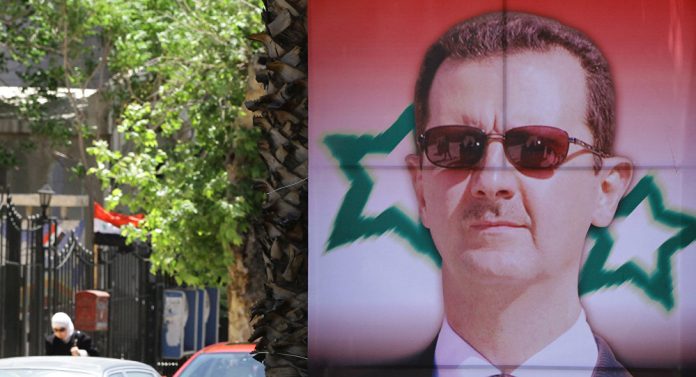
Syria's Bashar Assad

The US was working with Israel and the United Arab Emirates to make the offer to Assad, according to a report published by The New York Times on Wednesday.

The report provides few details, such as who delivered the messages to Assad and how the US and Israel envisioned the Syrian leader would remove Iran from his country.

Assad relies heavily on Russian air support and Iranian ground forces to remain in power.

Russia and Iran helped Assad wrest back control of much of Syria from rebels, including those backed by Persian Gulf states, roughly a decade ago.

Assad’s tenuous grip on Syria has been seriously threatened since last week when Ha’yat Tahrir al-Sham (HTS), a rebel group based in northwestern Syria, and other militias backed by Turkey called the Syrian National Army launched a surprise offensive.

They swept through Assad’s front lines, taking Syria’s second city of Aleppo, and are now engaged in bitter fighting with Assad’s troops in Hama.

According to the report, the offers to Assad came before the HTS offensive.

The offers included promises of economic aid and plans to reduce US sanctions against Damascus.

Quakes jolt Khuzestan in Iran’s south

Earthquake

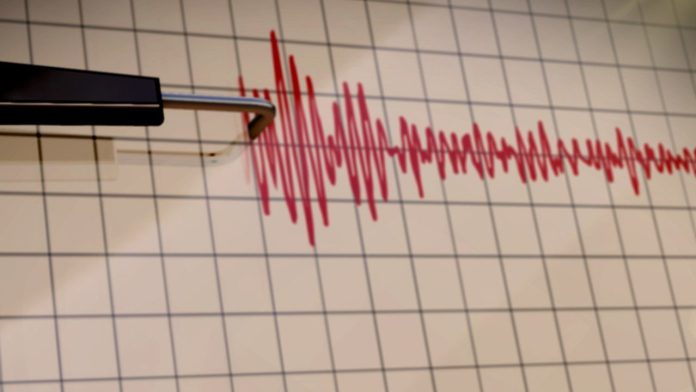
A 5.6 magnitude earthquake struck the region, with its epicenter near the city of Haftgel.

The quake, which occurred at 7:32 am local time at a depth of 10 kilometers, was felt across many parts of the province, according to the National Seismography Center.

A second earthquake, with 4.8 magnitude on the Richter scale, struck about 8 km to the northwest near Masjed Soleyman at 7:53 am local time.

Residents in adjacent cities including Ahvaz, Masjed Soleyman, Bavi, Hamidiyeh, and Shushtar reported feeling the tremors.

There have been no reports of damage or casualties from the quake.

Rescue and emergency teams are monitoring the situation and are prepared to respond to any emergencies.

This is the second earthquake to hit the region in a week. Last Friday, a 3.6 magnitude earthquake also shook the provincial capital city of Ahvaz.

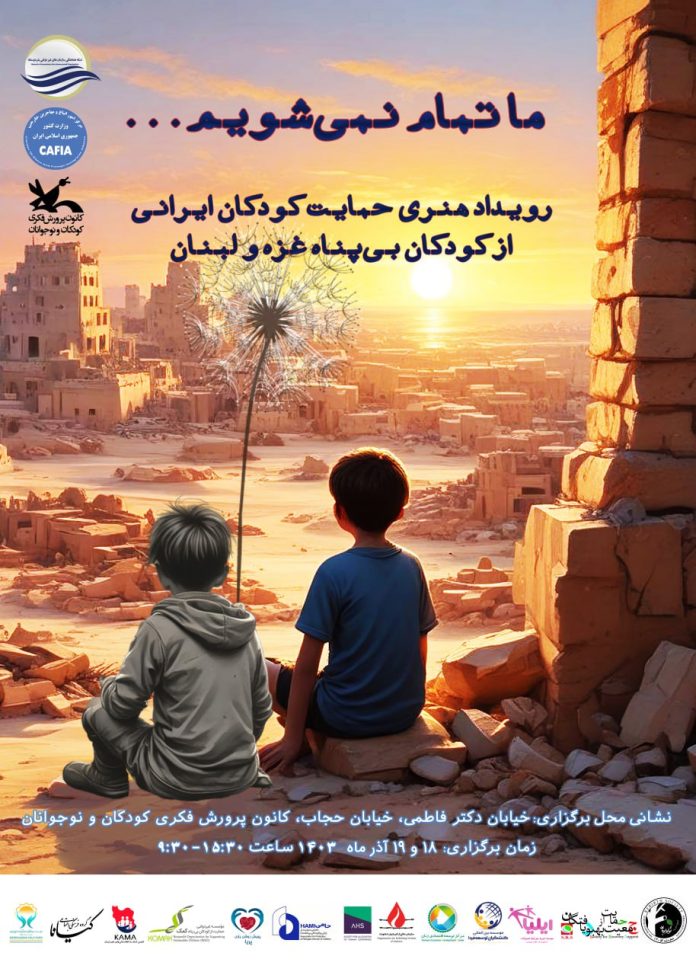
“We will not be finished” 

Organized by 13 NGOs, the event aims to raise awareness about the plight of children affected by conflict.

The event is supported by the National Network of Humanitarian NGOs and the Institute for the Intellectual Development of Children and Young Adults in Iran.

Scheduled for December 9-10, 2024, the event will kick off with the presence of officials, media representatives, and international figures.

Attendees can expect to see over 75 artworks created by Iranian children, alongside performances, video art displays, letter-writing activities, and olive tree planting.

Each activity symbolizes a message of hope and support for the children of Gaza and Lebanon.

The second day of the event features a specialized program with university professors, focusing on the role of media, children, and NGOs.

Several international organizations, such as the Institute for Development Activists and the Women’s Economic Development Center, are going to help bring attention to the humanitarian needs of these children.

Thousands of children have been killed during the Israeli onslaught against Gaza and its aggression against Lebanon.

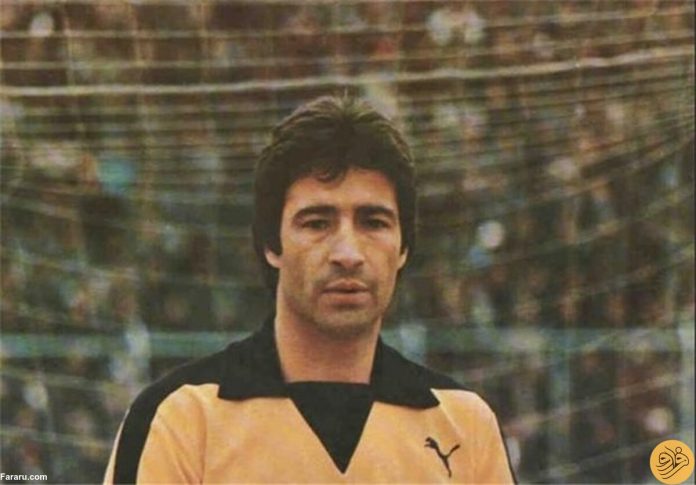
Late Iranian goalkeeper Hejazi named as Asia’s best goalie throughout history  

Nasser Hejazi

Hejazi was born in December 1949 in Tehran.

He played primarily for Esteghlal (formerly known as Taj) and earned 62 caps for the Iran national team during his career.

Hejazi made his international debut in 1969 and quickly established himself as Iran’s first-choice goalkeeper.

He played a crucial role in Iran’s victories at the AFC Asian Cup in 1972 and 1976, contributing significantly to the team’s success.

Hejazi also participated in the 1972 Munich Olympics, the 1976 Montreal Olympics, and the 1978 FIFA World Cup.

Hejazi is remembered not only for his exceptional skills on the field but also for his contributions to Iranian football as a coach.

His legacy continues to inspire future generations of athletes in Iran.

Hejazi died in May 2011 in Tehran after a long battle with lung cancer.

Iranian FM to visit Iraq on Friday

Abbas Araghchi

The top Iranian diplomat is scheduled to travel to Iraq on Friday, December 6.

He is going to hold negotiations with the Iraqi officials amid the critical situation in Syria where terrorist groups have captured a number of northern regions.

The top Iranian diplomat paid visits to Damascus and Ankara following the resurgence of terrorist activities in Syria during the past week.

Araqchi has stressed that the eruption of another war in Syria will not benefit anybody, warning against the spread of terrorism to the entire region.

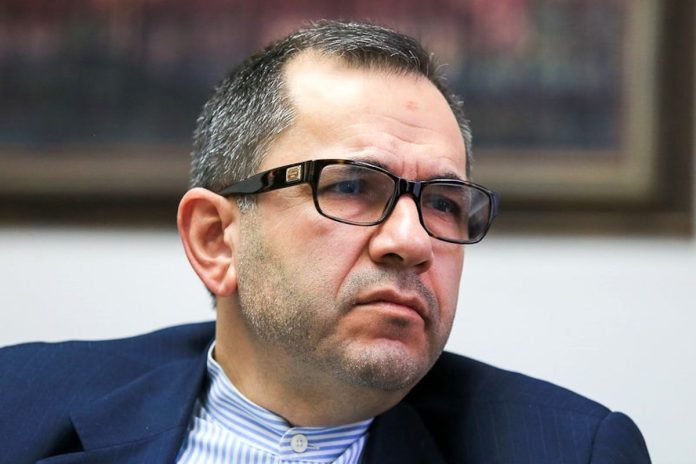
Iran deputy FM warns of possible withdrawal from NPT if snapback activated

Majid Takht-e Ravanchi

Takht-Ravanchi made the remarks as quoted by spokesman for the Iranian Parliament’s National Security and Foreign Policy Committee, Ebrahim Rezaei, on Tuesday after the senior diplomat engaged in talks in the Swiss city of Geneva with representatives from the UK, France and Germany — the three European signatories to the 2015 Iran nuclear deal, known as the Joint Comprehensive Plan of Action (JCPOA).

“Takht-Ravanchi announced that at this stage we felt that negotiation could be useful and we talked about various issues, including the nuclear issue. Also, regarding Iran’s countermeasures in the event of the resumption of snapback [mechanism], one of the options we raised was to withdraw from the NPT and that we could abandon the NPT,” Rezaei said.

The deputy foreign minister stated that they will probably have another round of exchanging views with Europe, and that all discussions were within the framework of regulations, noting that they “participated in the talks without false optimism” he added.

The committee spokesman also cited Takht-Ravanchi as saying that the goal of the Geneva talks was to safeguard the achievements of the 1979 Islamic Revolution.

“We did not negotiate, we merely discussed and exchanged views; we did not negotiate in Geneva because we did not have a text and there was no text on which we could actually negotiate,” he said.

Rezaei quoted Takht-Ravanchi as saying that the Europeans failed to adhere to their commitments after then-US president Donald Trump withdrew from the JCPOA, adding, “We were trying to first set the framework for the talks, and we are a long way from negotiations.”

The committee spokesman also cited another Iranian negotiator in the Geneva talks, Kazem Gharibabadi, who is Iran’s deputy foreign minister for legal and international affairs, as saying that no negotiation had come to pass.

“Negotiations have not yet taken place, and most of our exchanges in recent talks have been on the nuclear issue and the brutal sanctions against the Iranian nation, and of course we also talked about countermeasures,” Gharibabadi was quoted as saying.

“In these talks, some recent measures against our country, including the sanctions on [Iran’s] shipping and airlines, the recent European statement on Iranian islands [in the Persian Gulf], and the resolution of the Board of Governors, were taken to task.”

In 2015, Iran proved the peaceful nature of its nuclear program to the world by signing the JCPOA with six world powers. However, Washington’s unilateral withdrawal in 2018 and its subsequent re-imposition of sanctions against Tehran left the future of the deal in limbo.

In 2019, Iran started to roll back the limits it had accepted under the JCPOA after the other parties failed to live up to their commitments.

Tensions between Iran and European countries have escalated over the past two years due to European accusations that Iran has supplied ballistic missiles to Russia for use in the Ukraine conflict, an allegation that Tehran has categorically rejected. Ukrainian President Volodymyr Zelensky has also stated that no such missiles were delivered to Russia.

In a recent action against Tehran, the European troika pushed the adoption of a resolution in the Board of Governors of the International Atomic Energy Agency (IAEA).

The resolution accused Tehran of poor cooperation with the agency and demanded a “comprehensive” report on its nuclear activities by spring 2025. In response, Iran said it has activated a “series of new and advanced centrifuges.”