Wednesday, December 31, 2025
Home Blog Page 594

Data show Iran’s oil exports to China dropped significantly

Iran Oil

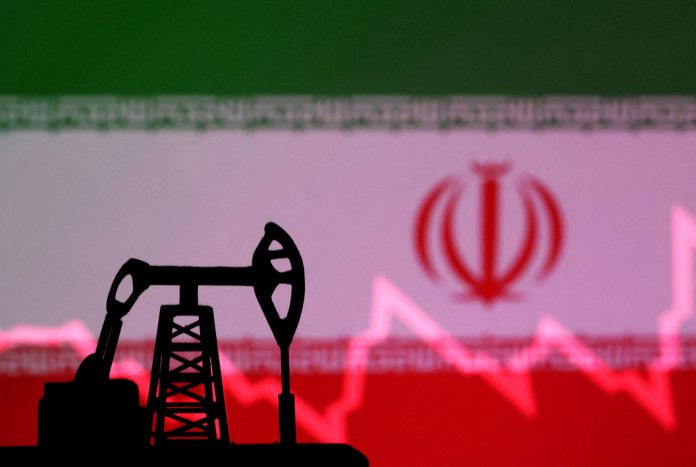
The data from Kpler, covered in a Saturday report by the Fars news agency, showed that Iranian oil exports to China had reached an average of 1.31 million barrels per day (bpd) in November, down 0.524 million bpd from October and the lowest reported in four months.

Kpler, a data analytics firm headquarters in Brussels, blamed the fall on a shortage of feedstock at Iranian refineries, geopolitical tensions, and new US sanctions affecting Iran’s arrangements for transporting oil to Chinese customers.

It added that Iran’s floating oil supplies near Singapore and Malaysia had increased because of declining deliveries to China.

However, Fars said that a sudden fall of government in Syria had caused more Iranian oil shipments to be rerouted to China, giving the Chinese customers increased negotiating power on prices.

Iran has been supplying a bulk of its crude oil to private buyers in China in the past years to avoid US sanctions that restrict its deliveries to state buyers.

Iran’s oil exports to China reached record levels in recent months, a major sign that US sanctions had effectively failed to remove the Iranian supplies from the markets.

Importing more than 0.75 million bpd of oil from Iran, China was the largest official buyer of Iranian oil before 2018 when former US president and current president-elect Donald Trump withdrew from an international deal on Iran’s nuclear program and imposed sanctions on the country.
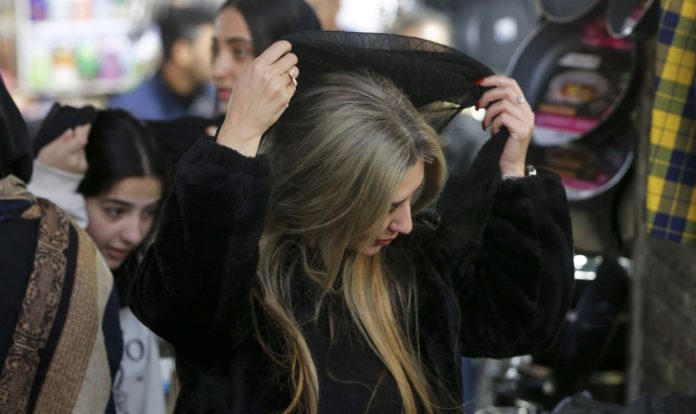
Top Iranian security body to assess controversial Hijab Law before implementation

Ali Rabiei expressed gratitude to the president for considering the social implications of the law and involving the SNSC in its execution.

“Thanks to the president for placing the implementation of this law, considering its social consequences, on the agenda of the Supreme National Security Council,” he wrote in a social media post.

The controversial law, which mandates that women and girls wear a hijab in public, imposes severe penalties for non-compliance.

Days earlier, Rabiei had warned “These days, when I talk to any of the establishment’s loyalists from any spectrum, they believe that the Hijab and Chastity Law is impractical, and will lead to civil disobedience.”

A member of the Iranian Parliament’s Presiding Board confirmed that the Secretariat of the SNSC has requested the suspension of the implementation of the law, which is feared to trigger social unrest.

Alireza Salimi stated that the government plans to send a revised bill to the Parliament to address ambiguities in the current Hijab Law.

In a recent television interview, President Pezeshkian acknowledged the numerous questions and ambiguities surrounding the law’s implementation and emphasized the need for dialogue and cooperation to ensure the law’s effective execution.

Turkey reopens diplomatic mission in Syria days after fall of Assad gov’t

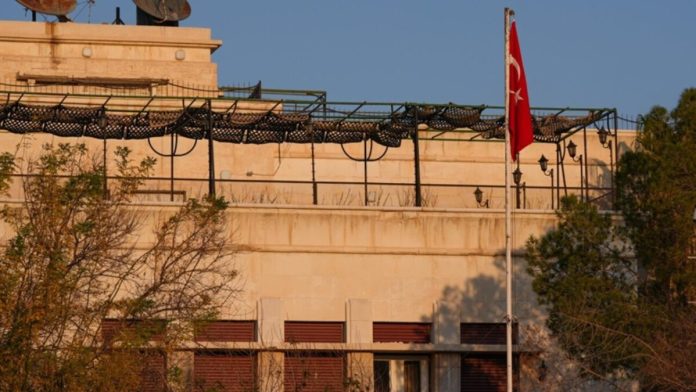
The embassy, which had suspended operations in 2012, officially reopened with Burhan Koroglu, Türkiye’s ambassador to Mauritania, as acting charge d’affaires.

Turkish Foreign Minister Hakan Fidan had formally assigned Koroglu to the new post on Thursday.

Located near the city’s Rawda Square in an area where the diplomatic missions of many other countries are also located, the Turkish Embassy continued to provide its services for a time after the regime’s violent crackdown on peaceful protesters in 2011.

However, it suspended its daily activities in late March 2012.

Embassy staff and their families returned to Türkiye following this decision.

Since the downfall of the Assad government earlier this month, the Syrian Consulate General in Istanbul has continued its operations uninterrupted.

Assad, Syria’s leader for nearly 25 years, fled to Russia after armed groups took control of Damascus last week.

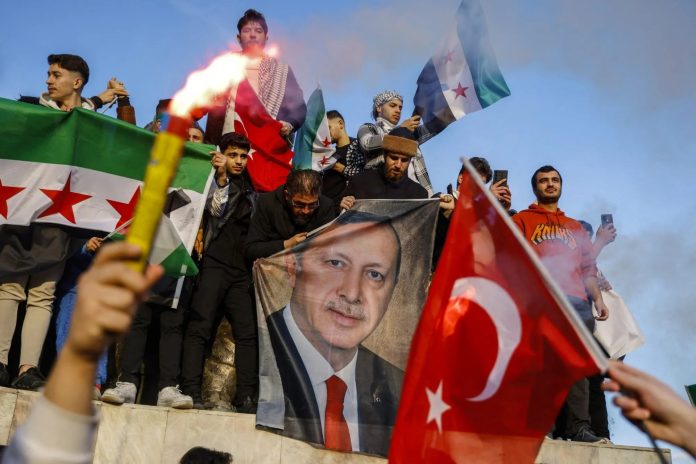
On Saturday, Turkey’s president stated that Syrians today are hopeful for the future after 13 years of war in their country.

“(For the first time) In years, people are smiling on the streets of Aleppo, Homs, and Damascus. After 13 years, our Syrian brothers and sisters are looking to their future with hope,” Recep Tayyip Erdogan said at a local congress of his Justice and Development (AK) Party in the eastern province of Erzurum.

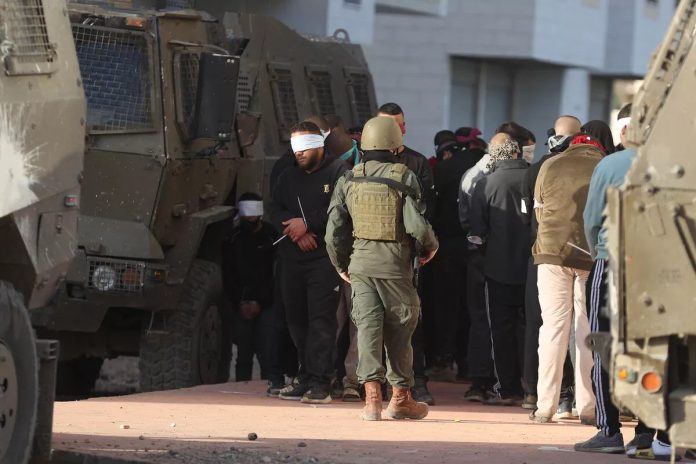
Over 12k Palestinians arrested by Israel in West Bank since start of Gaza war: Report

Israel Palestine

The Palestinian Prisoners Club said in an updated report on Friday that a majority of the arrests took place in the governorates of al-Khalil and occupied al-Quds.

More than 10,000 administrative detention orders were issued during that period, it added.

The detainees included more than 440 women and 795 children.

The regime forces have also arrested 141 journalists, of whom 59 remain in detention, including five women and 33 journalists from Gaza.

Of those detained, 11,000 people are held in administrative detention without trial or charge.

Under its policy of administrative detention, the occupying regime detains Palestinians without trial or charge for up to six months; a period which can be extended for an indefinite number of times.

The figure does not include Palestinians detained in Gaza, which are estimated in the thousands.

The ongoing arrest campaigns are accompanied by escalating abuse and severe beatings, and verbal and physical threats against detainees and their families, prisoners’ rights group said.

The abusive methods include sabotage and destruction of citizens’ homes, as well as the confiscation of personal vehicles, cash, and jewelry, the organization added.

Detainees were also used as human shields, while their families were held as hostages for periods.

In addition to the arrest campaigns, the Prisoners Club said the regime forces carried out field executions, including against family members of the prisoners.

Israel continues to withhold the bodies of 47 Palestinian prisoners who died in its jails since the start of the war on Gaza.

In recent years, the Israeli military has conducted regular raids in the West Bank, which have escalated with the beginning of the war on Gaza on Oct. 7, 2023. Palestinians have also been violently attacked by illegal Israeli settlers.

At least 809 Palestinians have since been killed and over 6,450 others injured by Israeli army fire in the occupied territory, according to the Health Ministry.

In July, the International Court of Justice declared that Israel’s decades-long occupation of Palestinian land had been “illegal” and demanded the evacuation of all existing settlements in the West Bank and East al-Quds.

Israel launched the war on Gaza on October 7, 2023, after the Palestinian resistance movement Hamas waged the surprise Operation al-Aqsa Flood against the occupying entity in response to the Israeli regime’s decades-long campaign of bloodletting and devastation against Palestinians.

The regime’s bloody onslaught on Gaza has so far killed at least 44,900 Palestinians, mostly women and children. Thousands more are also missing and presumed dead under rubble.

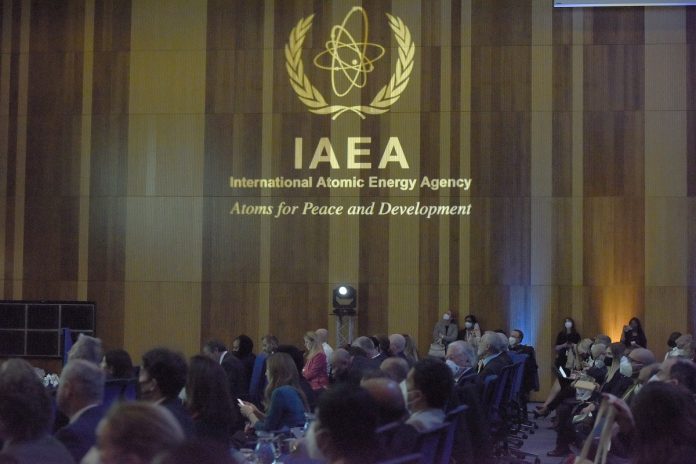
Iran says to increase inspections as nuclear capacity expands

IAEA

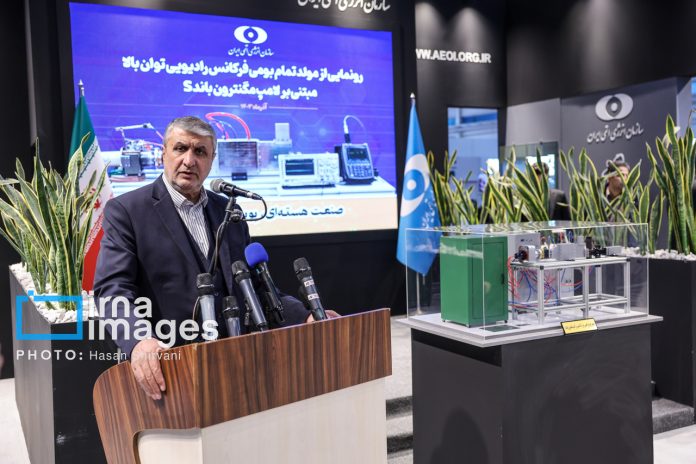
Speaking at the unveiling of a new high-power radio frequency generator on Saturday, Mohammad Eslami said that Iran’s nuclear activities comply with the IAEA regulations and safeguard agreements.

“We have expanded our capacity, and naturally, the number of inspections must increase,” he stated.

Eslami noted the country aims to generate 20,000 megawatts of electricity from nuclear power by 2040, adding that the Bushehr nuclear power plant has connected 70 billion kilowatt-hours of electricity to the national grid so far.

He highlighted the environmental benefits of nuclear energy as “clean and sustainable,” explaining, “A single uranium fuel pellet produces as much thermal energy as 481 cubic meters of gas or one ton of coal.”

Elsami criticized the Western allegations against Iran’s nuclear program, calling them unfounded, saying, “This is a long-standing propaganda effort by Zionist entity, which has never succeeded.”

The Iranian atomic chief also mentioned that Iran’s cooperation with the IAEA continues under the framework of the Non-Proliferation Treaty (NPT) and the agency’s safeguards agreements.

He asserted that Iran has provided necessary clarifications to the IAEA regarding previously disputed sites.

EU seeking to impose first sanctions on Russian intelligence over “disinformation campaigns”: Report

The European Union

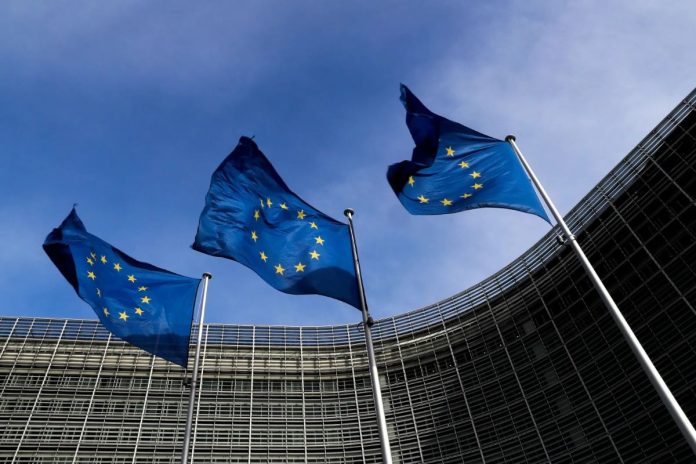
The proposed measures target more than a dozen individuals and three entities, including Russian intelligence officers and media entrepreneurs, according to Bloomberg. The sanctions aim to counter destabilizing operations globally.

In addition, the EU plans to sanction around two dozen Belarusian individuals for alleged human rights violations or ties to President Alexander Lukashenko’s government, as part of a broader package expected to be approved by EU foreign ministers on Dec. 16 in Brussels.

The proposals follow EU ambassadors’ approval of a 15th sanctions package against Russia, targeting its “shadow fleet” of aging tankers used to bypass oil export restrictions, the Hungarian Presidency of the EU Council announced on Dec. 11.

The sanctions also apply to individuals and entities aiding Russia’s military and technological advancements by evading export controls.

European Commission President Ursula von der Leyen praised the move, wroting on X, “…the EU and its G7 partners are committed to keeping pressure on the Kremlin.”

Nuclear head says Iran producing dozens of radiopharmaceuticals using domestic technology

Mohammad Eslami

Eslami made the remarks on Saturday during the unveiling of a new achievement by the Iranian Research Institute for Nuclear Sciences and Technologies, titled the indigenously developed high-power radio frequency generator, at the Technology Market Exhibition in Tehran.

He added that this system includes the main and essential components of electron accelerators, which are urgently needed in the country.

Eslami highlighted the importance of collaboration among the Research Institute for Nuclear Sciences and Technologies, knowledge-based companies, and universities in Iran in the nuclear field, stating that this process will continue.

According to Eslami, the achievement unveiled has applications in various fields, including medical radiotherapy, imaging of customs container shipments, and industrial imaging.

Regarding Iran’s achievements in the field of radiopharmaceuticals, he stated that today the Atomic Energy Organization is providing consumers in hospitals and radiotherapy centers with 69 domestically-made radiopharmaceutical products.

Eslami emphasized that 20 radiopharmaceuticals are currently under research at the Research Institute for Nuclear Sciences and Technologies, many of which have entered the clinical phase and will be made available after completing the clinical stages.

The Iranian atomic chief pointed out these radiopharmaceuticals are used in treating and combating cancer cells.

Majority of Turks see Assad’s overthrow as positive: Poll

Syria War

Just over 51 percent of respondents said they were satisfied with the collapse of the Assad dynasty, while 27 percent expressed neutrality on the matter.

The poll was carried out by Stracom, a research and consultancy firm, between December 8 and 11.

Since the start of the Syrian war, the Turkish government, led by President Recep Tayyip Erdogan, has been a key backer of the the Syrian opposition, which spent close to 14 years trying to depose Assad.

In contrast, the Turkish opposition has periodically urged the president to engage with Assad to resolve the Syrian crisis.

One of the most pressing issues for Turkish society has been the presence of more than three million Syrian refugees, who Turkey has hosted for more than a decade.

Despite considerable pressure from his party and electorate, Erdogan stood by the refugees before the critical May 2023 presidential elections, declaring that he would not forcibly send them back.

However, since last year, Turkey’s new interior minister, Ali Yerlikaya, has sporadically deported Syrians to Turkish-controlled areas in northern Syria in an effort to reduce their numbers.

The poll revealed that 61 percent of participants believe Syrian refugees would return to their homes now that Assad has been overthrown.

Last week, Yerlikaya mentioned that the number of Syrians leaving Turkey has doubled since Assad’s fall, as Ankara opened a new border gate in Hatay to expedite the return of refugees.

Many analysts credit Erdogan with being a pivotal actor behind Assad’s overthrow.

However, only 43 percent of respondents in the survey attributed this success to Erdogan.

Ceren Kenar, the founder and general manager of Stracom, said that Erdogan could leverage the fall of Assad to his advantage in domestic politics, given that a plurality perceives him as successful in this regard.

The poll also highlighted regional concerns. Over a third of participants expressed anxiety about a potential increase in Israel’s influence in the region following Assad’s fall, while more than 43 percent indicated they were undecided on the subject.

“There is a concern amongst some respondents that Israel might exploit the situation in Syria and expand its influence in the region,” Kenar told Middle East Eye.

“This sentiment is particularly pronounced even amongst those who view the regime’s fall positively,” Kenar continued.

Kenar also noted that Assad’s fall has sparked newfound expectations that Syrian refugees will return soon.

“If this does not happen within a short time frame, it could further exacerbate tensions within Turkish society,” she added.

Syria facing tough test: Iran

Abbas Araghchi

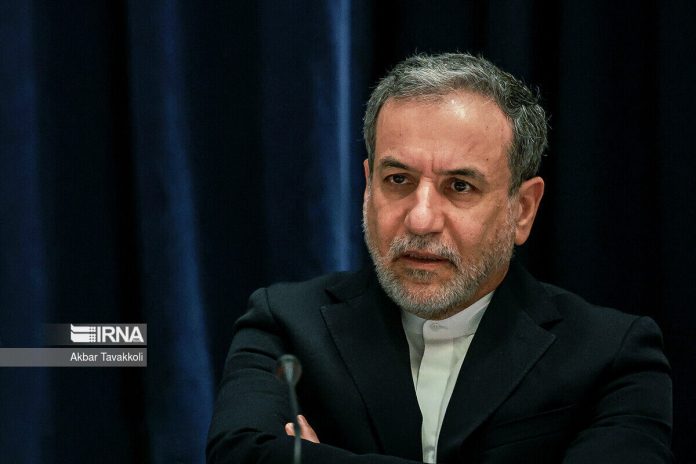
“Today, Syria faces a difficult test. The threat posed by the movements of terrorist groups such as al-Qaeda and Daesh has heightened regional concerns, raising fears that the terrorists may turn Syria into their safe haven,” wrote Araghchi in a note published by the Lebanese daily Al-Akhbar on Saturday.

The “aggressions and military interventions” by the Zionist regime, the US, and their regional allies have created significant challenges, he added.

Araghchi termed the interventions as “irreparable strategic miscalculations” that expose the objective behind them.

“The clear objective of these aggressions and interventions is the destruction of Syria’s social foundations, scientific assets, economic infrastructure, and defensive capabilities,” he said.

“There is no doubt that the Islamic world is extremely worried about the future of the West Asian region, given the conditions that the Levant and Palestine are in.”

The minister touched on the expansion of the Israeli regime’s “barbaric crimes” and their extension to Syria, which began immediately after the fall of the Assad government.

“A question to ask is who is responsible for Israel’s encroachment on the territory that is internally struggling with the difficult conditions of the fall of one government and the birth of another!?” he wrote.

Araghchi chastised the regional countries, saying their expressions of regret and concern are “the most meaningless words used in the rhetoric of many states responsible for shaping the fate of the people of West Asia”.

For over seventy-five years now, he said, the resistance has been “the only viable solution available to the children of this region in the face of the blatant aggression of the Zionist regime and the overt support of irresponsible states for the ongoing atrocities.”

The Iranian foreign minister proposed “free elections” as a solution to the current impasse.

“The way out of the current impasse and to keep the flag of independence aloft and uphold the pride and dignity of the Syrian nation is to preserve cohesion and foster a spirit of coexistence among the people through free elections that will allow all segments of the society to determine the future of their country,” he added.

“Respect for the people’s votes is realized through free and fair elections that reflect the will of the Syrian nation and lead to the formation of a political system representing all segments of society,” he continued.

Iranian officials join ‘Two Degrees Less’ campaign amid cold spell

Iran Snow

President Pezeshkian announced on Thursday through a video his participation in the campaign to lower heating by two degrees Celsius and invited the public to join the initiative, which has gained momentum.

Minister of Roads and Urban Development Farzaneh Sadeq emphasized the need for public cooperation in fuel consumption reduction.

She highlighted that reducing heating by two degrees can significantly impact energy management.

Government Spokeswoman Fatemeh Mohajerani noted that reducing temperature by one degree can save 25 million cubic meters of gas in the country.

She encouraged everyone to join the campaign for a warmer and better winter.

Shina Ansari, Vice President and head of the Environmental Protection Organization, joined the campaign, emphasizing the collective effort to ensure stable gas supply, reduce air pollution, and prevent power outages.

Oil Minister Mohsen Paknejad underscored the necessity of implementing restrictions on gas consumption in the domestic, commercial, and non-major industrial sectors due to increased household gas usage.

Deputy Minister of Petroleum Saeed Tavakoli also urged the public to lower their room temperatures.

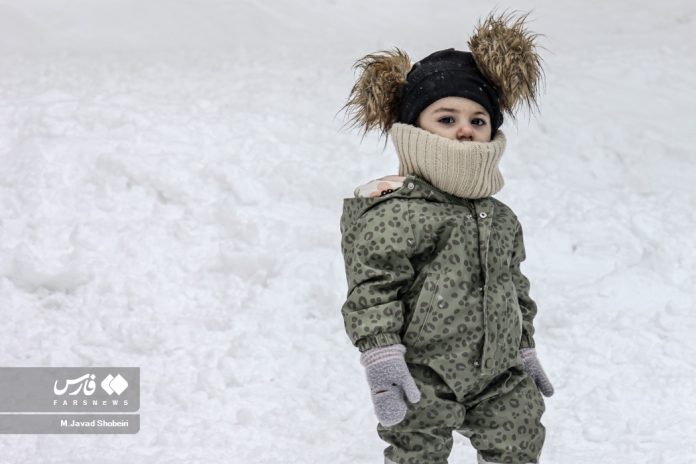
The Iranian Meteorology Organization has warned of a dramatic temperature drop, predicting temperatures to plummet by 10 to 15 degrees Celsius in northern parts of the country and 8 to 12 degrees in southern and central areas over the next few days.

It is forecasted that the temperature in Tehran will drop to minus 3 degrees Celsius on Sunday.