Saturday, December 27, 2025
Home Blog Page 562

German opposition suggests Scholz could meet Putin within weeks

Olaf Scholz

“There are increasing indications that Chancellor Scholz will travel to Moscow and meet Putin before February 23,” Kiesewetter said on X.

“For Ukraine, implementing the intended plans would mean, among other things, a suspension of the Paris Charter for 10 to 20 years. How the Ukrainian population or our neighbors react to all of this will be revealing.”

Kiesewetter criticized the potential meeting, warning that “Ukraine must not be the object or the victim. Russia is up to its neck in economic and social terms, but Ukraine, which is in much worse shape, should be accommodated—not Russia!”

He also cautioned that any negotiations at this time “are at the expense of Ukraine and de facto mean submission.”

In his election campaign, Scholz has positioned himself as a “chancellor of peace”, advocating for both support for Ukraine and negotiations with Russia to end the war. However, Kiesewetter took aim at what he referred to as the “so-called ‘Moscow connection'” and called for greater clarity and resolve within Germany’s leadership.

The CDU is currently leading in pre-election polls, with party leader Friedrich Merz widely seen as the frontrunner to become Germany’s next chancellor.

German Chancellor Olaf Scholz and Russian President Vladimir Putin held their first phone conversation in nearly two years on Nov. 15, according to a German government statement.

The unannounced hour-long call saw Scholz condemning Russia’s war in Ukraine, urging Putin to withdraw troops and pursue a “just and lasting peace” through negotiations. Scholz reaffirmed Germany’s “unwavering determination to support Ukraine in its defensive struggle against Russian aggression for as long as necessary”.

President Volodymyr Zelensky stated in November that Scholz’s call with Putin opens a “Pandora’s box”, potentially leading to “other conversations and other calls”.
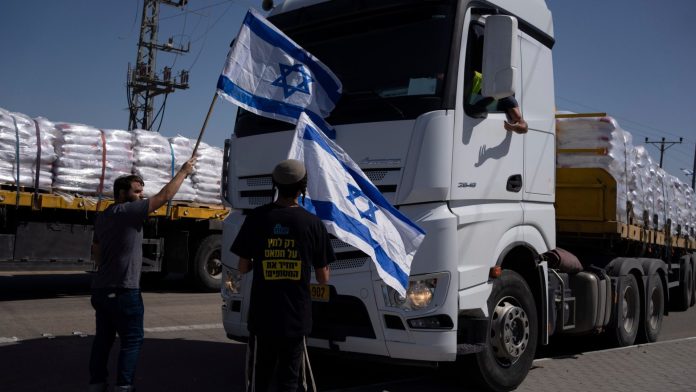
Israel eyes Gaza aid cuts as Trump gets ready to take office: Report

Gaza Humanitarian Aid

Israel’s Channel 12 reported current aid levels may be reduced in the coming weeks following Trump’s inauguration on January 20.

An unnamed Israeli “political source” told the network: “We doubt the amount of aid currently allowed into Gaza will remain the same under Trump’s administration. If such a decision is made to reduce aid, it will be coordinated with the new US administration.”

Continuing aid deliveries would help Hamas maintain its hold over Gaza, the source added.

The United Nations World Food Programme (WFP) announced in late December it is currently able to deliver only about one-third of the food required to aid hungry Palestinians in Gaza, as Israel prevents humanitarian missions from reaching the blockaded territory.

The WFP in a social media post said that the agency was only able to bring in roughly one-third of the food it needs to support hungry Palestinians in the besieged Strip.

The agency further called for safe and sustained access to deliver life-saving aid to Gaza.

This comes as essential humanitarian entering Gaza dropped to its lowest levels in a year in November, despite experts warning that famine is likely imminent.

The WFP gain emphasized the need for a ceasefire in Gaza.

The latest Integrated Food Security Phase Classification (IPC) snapshot projects that over 1.95 million people in Gaza will face acute food insecurity over the coming months.

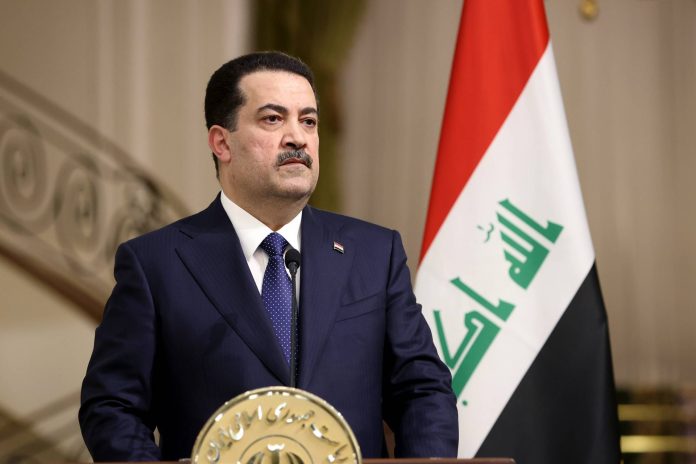
Iraqi prime minister due in Tehran on Wednesday

Mohammed Shia' al-Sudani

According to a statement from his office, reported by IRNA on Sunday, the visit aims to discuss bilateral relations and ways to strengthen them, especially in light of the achievements from Iranian President Massoud Pezeshkian’s visit to Baghdad back in September.

The two sides will also exchange views on recent developments in the region.

Last Tuesday, the spokesperson of the Iranian Foreign Ministry informed reporters about the upcoming visit of the Iraqi prime minister.

Esmaeil Baqaei noted that the visit is part of the continuous consultations between Iran and Iraq to expand bilateral relations and discuss regional developments.

While some sources had stated that the Prime Minister of Iraq is carrying a message from Julani, the new ruler of Syria to Iran, Alaa al-Din Boroujerdi, a member of the National Security and Foreign Policy Committee of the Iranian Parliament, had previously said that given the developments in Syria, this visit holds significant importance in terms of regional security issues.

He added special matters may have been conveyed to the Iraqi side that they wish to relay to Iran, but I do not think that this message delivery holds a significant place in this visit. The most important focus of this visit is regional issues, developments in Syria, and the role that both countries have played in this regard.

Britain vulnerable to ballistic missile strikes: Times

Iran Missile

Several members of the US-led military bloc have recently expressed “frustration” over the UK not contributing enough to defensive shields to protect Europe from possible long-range strikes, the British newspaper reported.

NATO will call upon British Prime Minister Keir Starmer later this year to significantly increase spending on its surface-based air defense (SBAD) in order to defend the UK’s critical infrastructure, including nuclear power plants and military bases, the report read. The demand is contained in the bloc’s paper, called the Capability Target 2025, which was seen by The Times.

The independent panel leading the strategic defense review, commissioned by the British government, is also understood to be “deeply concerned” by the state of the country’s missile shield, and is expected to focus on the need for more investment in it, the article noted.

The paper said unnamed defense officials and military experts, whom it interviewed for the story, stressed “the growing risk to Britain and its military assets overseas, as China, Russia and Iran rapidly develop ballistic missiles that can cross continents at many times the speed of sound”.

Senior military sources told The Times that the UK “is in peril now”, but in 15 years, a ballistic missile “will be able to hit Britain from anywhere in the world”.

Militant groups in Middle Eastern countries such as Libya could potentially target London if they are able to acquire long-range missiles, they warned.

Royal Navy warships, which are taking part in the US-led operation against the Houthis in Yemen, are in danger of being struck by more advanced ballistic missiles provided to the group by its allies, the sources added.

They also claimed that UK’s overseas military bases, including those in Cyprus, are facing “a growing risk” from non-state actors and terrorists.

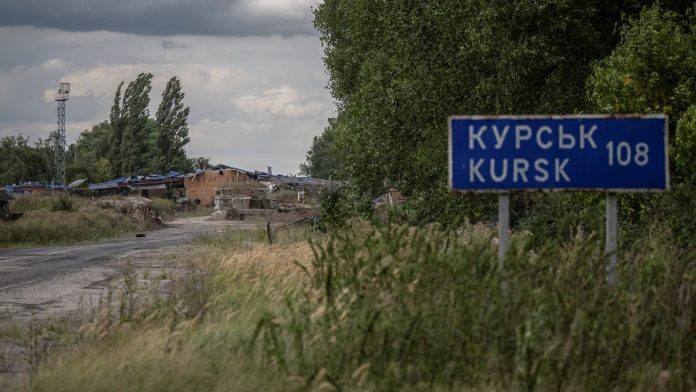
Zelensky claims heavy Russian, North Korean losses in Kursk

Russia Ukraine War

“In battles yesterday and today near a single village, Makhnovka, in Kursk region, the Russian army lost up to a battalion of North Korean infantry soldiers and Russian paratroops,” Zelensky said, citing information from Ukraine’s top commander.

He added that “this is significant”.

While Zelensky did not share further details, a battalion typically consists of several hundred troops.

In late 2024, Zelensky also called on China to use its influence over North Korea to prevent the deployment of North Korean soldiers to the front line.

“The Korean people should not lose their people in battles in Europe. And this can be influenced, in particular, by Korea’s neighbors, in particular, China. If China is sincere in its statements that the war should not expand, appropriate influence on Pyongyang is necessary,” Zelensky said.

Reports have suggested that Russia had stationed approximately 12,000 North Korean soldiers in the Kursk region to assist in ousting Ukrainian forces.

Ukraine first began its surprise incursion into Kursk Oblast in early August. Ukrainian forces have been fighting to hold onto territory in the region ever since in hopes it can be used as a bargaining chip in future negotiations with Russia.

US says supplied ‘a lot of weapons’ to Ukraine ahead of war

Western Weapons

The top diplomat made the remarks while speaking on the New York Times’ ‘The Interview’ podcast, aired on Saturday.

The US saw the conflict between Russia and Ukraine “coming” and wanted to get Kiev “prepared” for it, according to Blinken.

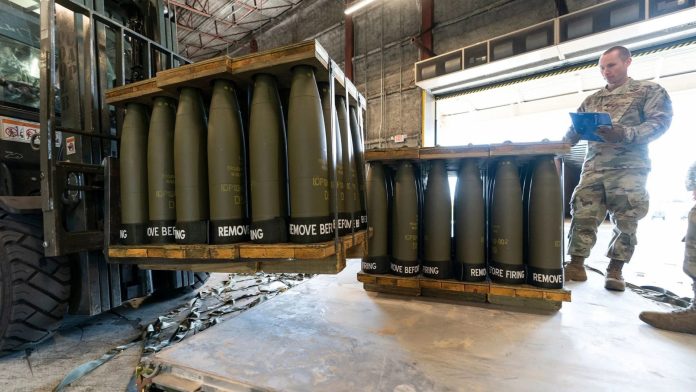
“Starting in September and then again in December, we quietly got a lot of weapons to Ukraine to make sure that they had in hand what they needed to defend themselves – things like Stingers, Javelins that they could use,” he said.

The weaponry has proven “instrumental” in “preventing Russia from taking Kiev,” as well as “rolling over the country, erasing it from the map,” Blinken asserted.

The intentions ascribed to Moscow by the top US diplomat, however, sharply contrast with the goals of the military operation repeatedly articulated by Russia’s leadership. The original aims included demilitarization and denazification of the country, as well as Kiev accepting a neutral status and abandoning its aspirations to join NATO.

Over time, the list was somewhat expanded in the wake of the incorporation of the four formerly Ukrainian regions of Kherson and Zaporozhye, as well as the Donetsk and Lugansk People’s Republics, into Russia. Moscow has repeatedly stressed any potential negotiations with Kiev would require it to accept the “realities on the ground”, as well as to withdraw troops from the new Russian territories.

Iran calls US-UK attack on Yemen ‘violation of UN charter’

Esmael baghaei

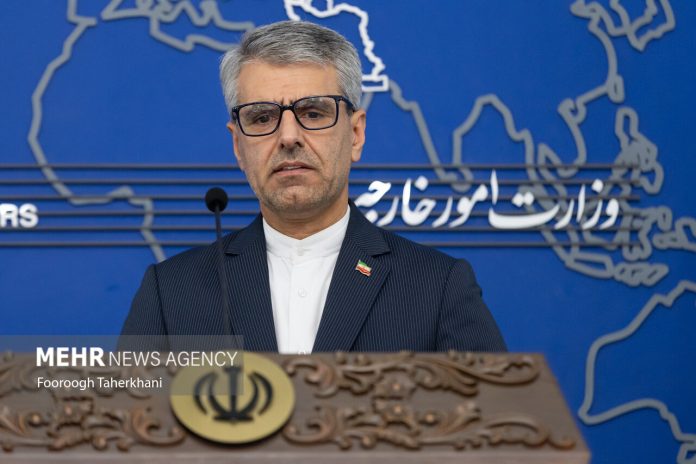
Baqaei emphasized that the ongoing and repeated military aggressions by the US, UK, and the Zionist regime against Yemen constitute a clear violation of Yemen’s national sovereignty and territorial integrity, and contradict the principles of international law and the United Nations Charter.

He warned that these aggressive actions would lead to increased insecurity and instability in the West Asia region.

Elsewhere, the Iranian Foreign Ministry spokesperson condemned the continued genocide and killings of the oppressed people of Palestine by the Israeli regime.

Pointing to the ongoing US-UK military and political support for the Zionist regime, Baqaei highlighted their direct involvement in committing heinous international crimes against the people of Gaza.

He praised the honorable stance of the Yemeni people and other free nations in showing solidarity with and support for the Palestinian people.

Baqaei called for more serious action from the international community and Islamic countries, especially through the Organization of Islamic Cooperation (OIC), to stop the genocide in occupied Palestine and help the displaced people of Gaza.

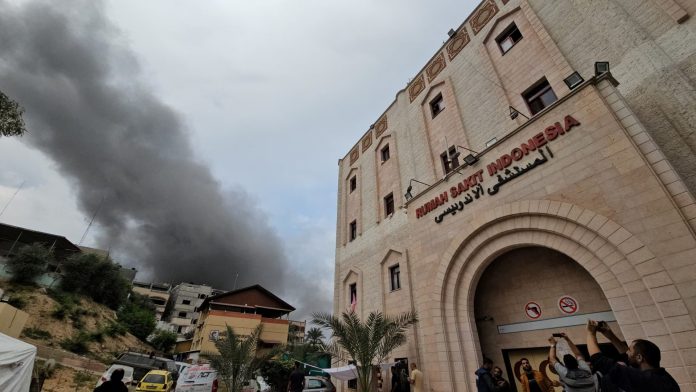
Gaza health ministry says Indonesian Hospital out of service

Gaza War

The ministry noted that the North Gaza governorate has three public hospitals, Kamal Adwan, Beit Hanoon and the Indonesian Hospital, all of which have been taken out of service by Israel’s offensive.

On Friday, Israeli soldiers surrounded the Indonesian Hospital in Beit Lahiya, where many displaced Palestinians have sought shelter.

Kamal Adwan Hospital in Beit Lahiya was cleared of patients and staff and it was severely burned by the Israeli army last week. Hussam Abu Safia, the director of the hospital, was also arrested by Israeli forces during their raid on Kamal Adwan Hospital in Beit Lahiya last week.

On Saturday, World Health Organization (WHO) chief Tedros Adhanom Ghebreyesus posted on X that the agency had received “no updates on the safety and wellbeing” of the 51-year old Abu Safia.

A separate evacuation order has also been issued to the al-Awda Hospital in Jabalia.

Healthcare in the Gaza Strip has been pushed to the brink of collapse amid repeated attacks by Israeli forces, including last week’s destruction of the Kamal Adwan Hospital. Both the Indonesian and al-Awda Hospitals have been damaged due to repeated Israeli attacks since October 2023.

Images from the Indonesian Hospital show children among the severely injured patients.

Israel has defended its raids on medical facilities by saying they are being used by Palestinian armed groups, but the UN has frequently questioned the veracity of the claims.

Israel’s targeting of medical facilities in Gaza prompted the UN Security Council to hold an emergency meeting on Friday, during which UN officials pleaded for the protection of the hospitals.

At the meeting, UN human rights chief Volker Turk said Israel has failed to substantiate many of its claims that the facilities were being used by fighters in Gaza, describing the allegations as “often vague and broad” and in some cases “appear to be contradicted by publicly available information”.

Turk called for an independent investigation into all Israeli attacks on medical facilities and healthcare workers in Gaza, as well as the alleged misuse of such facilities.

Rik Peeperkorn of the WHO urged Israel to immediately rescind its evacuation orders on the Indonesian and al-Awda Hospitals.

“They are struggling to stay open. Food, water and fuel are depleting fast,” he said at the UNSC meeting, adding that the hospitals have been without many essential medicines over the last 85 days amid Israel’s renewed assault on northern Gaza.

Peeperkorn stated the WHO was deeply concerned about the fate of the director of the Kamal Adwan Hospital, who was detained by Israel last week.

“We have lost contact with him since and call for his immediate release.”

Israel’s war on Gaza has killed at least 45,650 Palestinians and wounded 108,5600 since October 7, 2023. At least 1,200 people were killed in Israel during the Hamas-led attacks that day and about 250 others were taken captive.

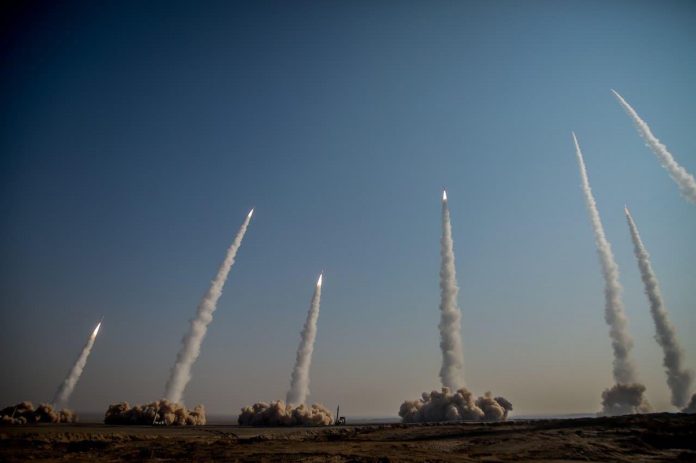
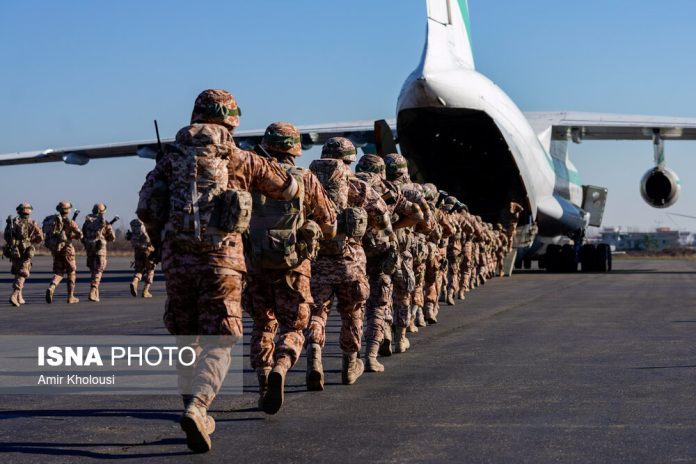
IRGC says deploying ‘new weaponry’ during military drills

Iran Army

The drills also enlist the capabilities of local Basij volunteer forces, he said, adding, “I hope that these series of measures and maneuvers serve to contribute to the [country’s] holy [Islamic] establishment’s and the Iranian nation’s esteem and strength.”

The drills were taking place “in continuation of the country’s efforts to enhance the capabilities of its Armed Forces and defend the Islamic Republic’s holy establishment”, the commander noted.

The maneuvers currently feature aligning the enlisted servicemen in designated columns and establishing their presence across the region, and would go on to comprise various other stages, the military official said.

“The region that has been chosen for implementation of the maneuvers is among our border regions. In the past too, namely during the country’s Sacred Defense [against the invading army of Iraq’s former dictator Saddam Hussein], as well as during various other junctures, when the Iranian nation’s enemies were seeking to stir up insecurity, we witnessed implementation of some valuable measures by our servicemen in this region,” Azimi noted.

The drills also host combat performance by a military unit enlisted by the IRGC’s Special Ground Forces from the northern province of Gilan, he added.

The Islamic Republic’s Armed Forces, including the IRGC and the country’s Army, have been continuously enhancing their military hardware and combat readiness in line with the directives that have been issued by Leader of the Islamic Revolution Ayatollah Seyyed Ali Khamenei.

The forces have vowed to defend the country’s sovereignty and territorial integrity in the face of the threats that are posed by the Iranian nation’s enemies.

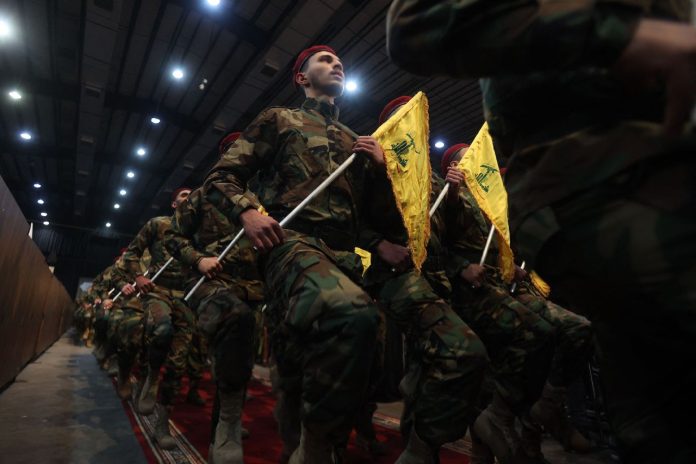
Hezbollah warns its ‘patience might run out’ over Israel violations of cease-fire

Hezbollah

Addressing critics of Hezbollah’s silence on Israel’s violations of the cease-fire agreement, Qassem said in a televised speech that the group’s leadership “is the one that decides when to resist, how to resist, the method of resistance, and the weapons to use”.

Warning further, he stated: “Our patience (regarding these violations) might run out … and when we decide to act, you will see it immediately.”

In this context, Qassem added that the cease-fire agreement “exclusively applies to the area south of the Litani River, and the (Lebanese) state is responsible, along with the sponsors, for restraining Israel and ensuring the agreement’s implementation.”

Under the cease-fire terms, Israel is required to withdraw its forces south of the Blue Line – a de facto border – in phases, while the Lebanese army is to deploy in southern Lebanon within 60 days.

The 1701 resolution, adopted on Aug. 11, 2006, calls for a complete halt to hostilities between Hezbollah and Israel and the establishment of a weapons-free zone between the Blue Line and the Litani River in southern Lebanon, with exceptions for the Lebanese army and UNIFIL.

Data from the Lebanese Health Ministry indicates that since Israel’s onslaught against Lebanon began on Oct. 8, 2023, at least 4,063 people have been killed, including women, children, and health workers, while 16,664 others have been injured.