Sunday, December 28, 2025
Home Blog Page 549

Trump’s Ukraine aide postpones visit to Kyiv until after inauguration: Reuters

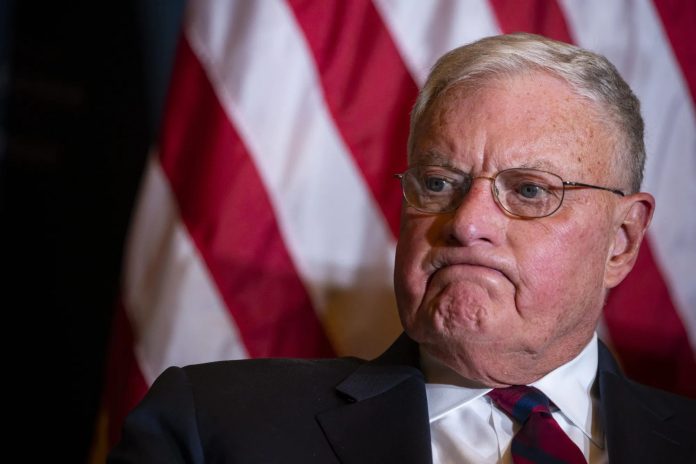
Keith Kellogg

According to the sources who spoke to Reuters, the new date has not yet been set, and it was not immediately clear as to why the trip was postponed.

President Volodymyr Zelensky previously confirmed to journalists in Brussels on Dec. 19 that Kellogg would visit Ukraine before Trump’s inauguration in January, according to a Kyiv Independent reporter.

Ukrainian Foreign Ministry spokesperson Heorhii Tykhyi stated on Dec. 20 that Ukraine and the US had initially reached a preliminary agreement on the date of a visit to Kyiv by Kellogg — although that date was never publicly revealed.

Reuters reported on Dec. 18 that Kellogg planned to visit Kyiv and several European capitals before Trump takes office on Jan. 20 as part of the new administration’s effort to address Russia’s full-scale war against Ukraine.

Sources confirmed on Jan. 6 that Kellogg remains committed to visiting other European capitals, including Rome and Paris.

Kellogg, a former national security advisor to Vice President Mike Pence, is a known figure to Ukraine and “has maintained close ties… in recent years” with Kyiv, Tykhyi noted on Nov. 28.

Trump has pledged to quickly bring an end to the war but has not provided details on how he plans to do it.

Zelensky recently stressed that the country must do everything possible to end the war through diplomatic means in 2025, adding that a war would “end faster” under a Trump administration.

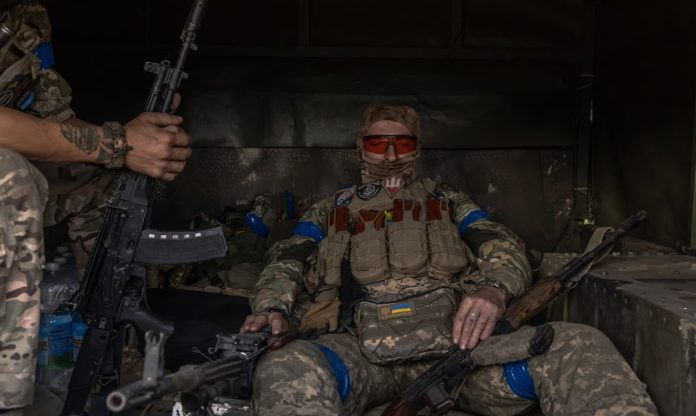
Ukrainian military says fends off almost 100 Russian attacks in a day in Kursk Oblast

Russia Ukraine War

This represents nearly half of the skirmishes over the past day, as the military reported 218 clashes across the front.

On Jan. 5, Ukraine launched renewed offensive operations in the Russian region, which is seen as crucial for any possible peace negotiations.

The Russian Defense Ministry alleged on Jan. 6 that the Ukrainian advance was halted and that Ukraine’s primary units were destroyed near Berdin, a settlement along a road leading northeast to the city of Kursk.

Ukraine has not commented on the claims and provided limited information on the operation.

The US-based think tank Institute for the Study of War (ISW) announced that between Jan. 5 and 6, Ukrainian forces advanced in southern Berdin, central Russkoye Porechnoye, and central Novosotnitsky, all northeast of Sudzha, a key Ukraine-held town in the region.

The ISW analysts speculated that these attacks “may be the beginning stages of a concerted Ukrainian operation in Kursk Oblast or elsewhere in the theater”.

In the meantime, Russian forces took advantage of Ukrainian activity to attack elsewhere in the Kursk Oblast salient, apparently advancing west of Malaya Loknya, according to the ISW.

Ukrainian forces launched a large-scale operation in Kursk Oblast in early August, allegedly capturing up to 1,300 square kilometers (500 square miles) of Russian soil. Since then, Russia has deployed reinforcements — including North Korean soldiers — in the area and reportedly retook around half of the lost territory.

Outgoing U.S. Secretary of State Antony Blinken said on Jan. 6 that Ukrainian positions in Russia’s Kursk Oblast could play an important role in possible talks with Russia.

Prospects of negotiations in 2025 are hotly discussed amid U.S. President-elect Donald Trump’s pledges to bring Kyiv and Moscow to the negotiating table.

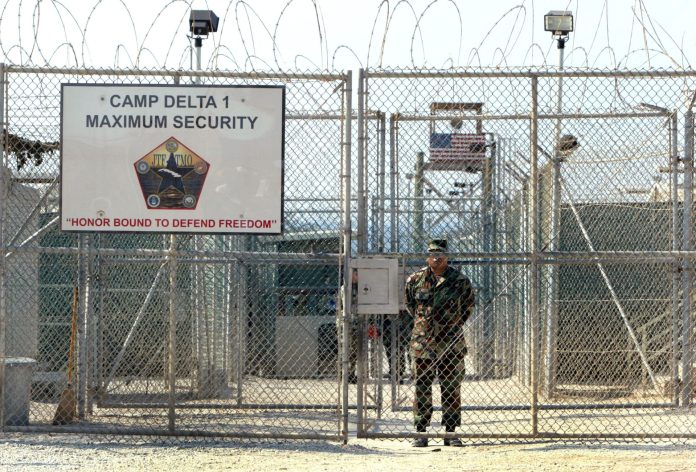
US transfers several prisoners from Guantánamo Bay to Oman

Guantánamo Bay

The 11 prisoners were Yemeni nationals, according to the Defense Department, and their transfer to the country of Oman brings the detainee population at the site down to just 15 people.

President Joe Biden has continued the mission of the Barack Obama administration to transfer prisoners out and wind down operations at the site that has become infamous for accusations of torture and abuse as the US carried out the war on terrorism.

The Pentagon also announced a detainee transfer to Tunisia in December, but it’s unclear if Biden intends to bring down the population even further before he leaves office.

Several inmates are likely to remain for now, including the alleged 9/11 mastermind, Khalid Sheikh Mohammed, known as KSM, and four of his conspirators. Including KSM, four of the five are set to stand trial beginning this week.

The US announced plea deals for KSM and three conspirators last year, but Defense Secretary Lloyd Austin revoked them. Last week, a military appeals court ruled that Austin did not have the authority to revoke the plea deals, which included life sentences for KSM and the three conspirators.

The transfers this week were authorized for one detainee, Tawfiq Nasir Awad Al-Bihani, by an executive order signed by then-President Obama in 2009. The others were authorized by a review board.

“Although different processes, each of the 10 Yemeni detainees underwent a thorough, interagency review by career professionals who unanimously determined all detainees as transfer eligible consistent with the national security interests of the United States,” the Pentagon announced in a release.

One of the detainees transferred was Sharqawi Al Hajj, 51, who spent 21 years at Guantánamo Bay despite never being charged with a crime and who was hospitalized after undergoing a hunger strike in 2017.

Hajj was represented by the Center for Constitutional Rights.

Pardiss Kebriaei, a senior staff attorney at the legal foundation, stated his thoughts were with Hajj as he “transitions to the free world after almost 23 years in captivity.”

“His release is hopeful for him and for us,” Kebriaei said in a statement.

“We are grateful to Oman and to the individuals in the administration who made this transfer happen, and to the many people over the years whose work and advocacy paved the way for this moment,” Kebriaei added.

The legal foundation said Hajj was one of 119 victims named in a Senate Intelligence report on the CIA’s alleged abuses, and that he spent more than two years at the CIA’s sites before transferring to Guantánamo Bay in 2004.

Of the 15 men still at the Cuba site, six have never been charged, three of whom are awaiting release while the other three waiting for clearance, according to the Center for Constitutional Rights.

Lalejin: The enchanting ceramics capital of Iran

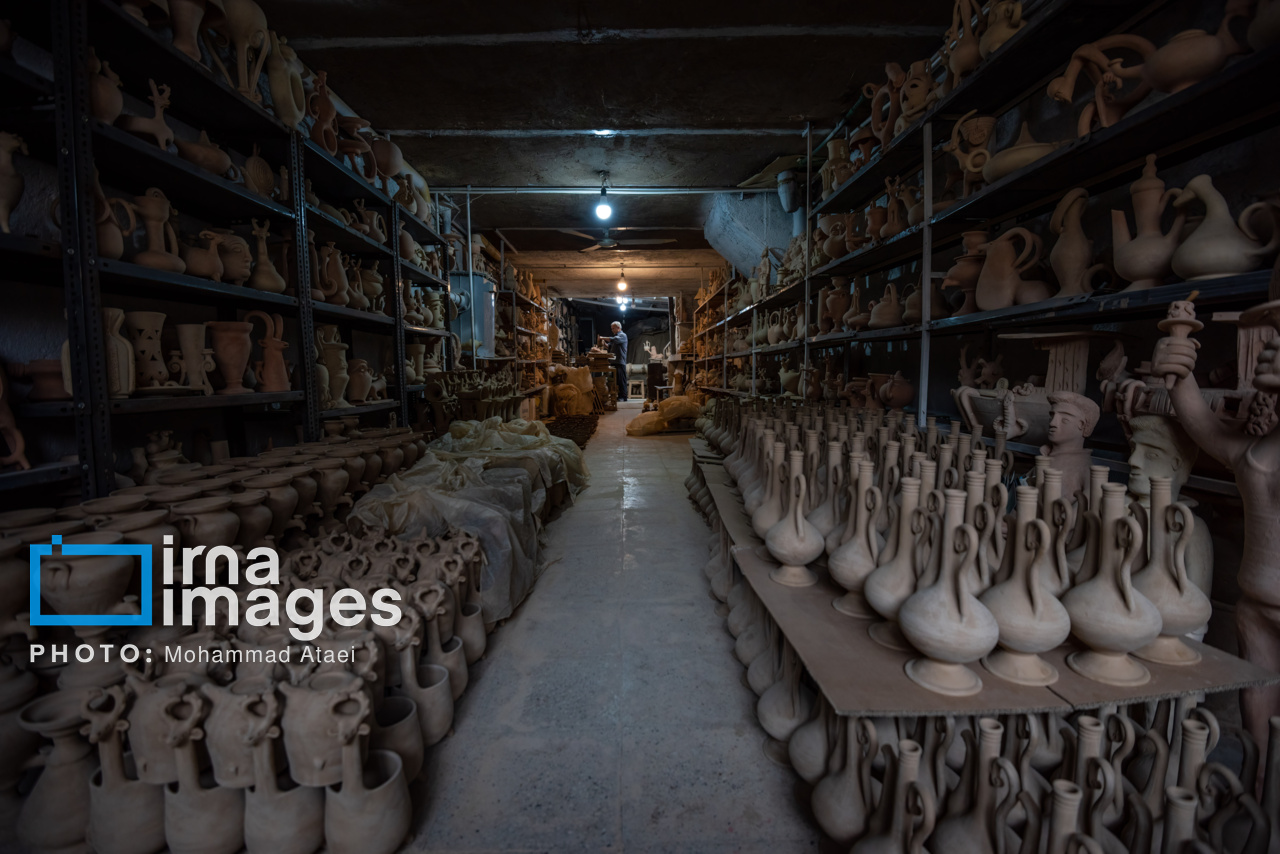
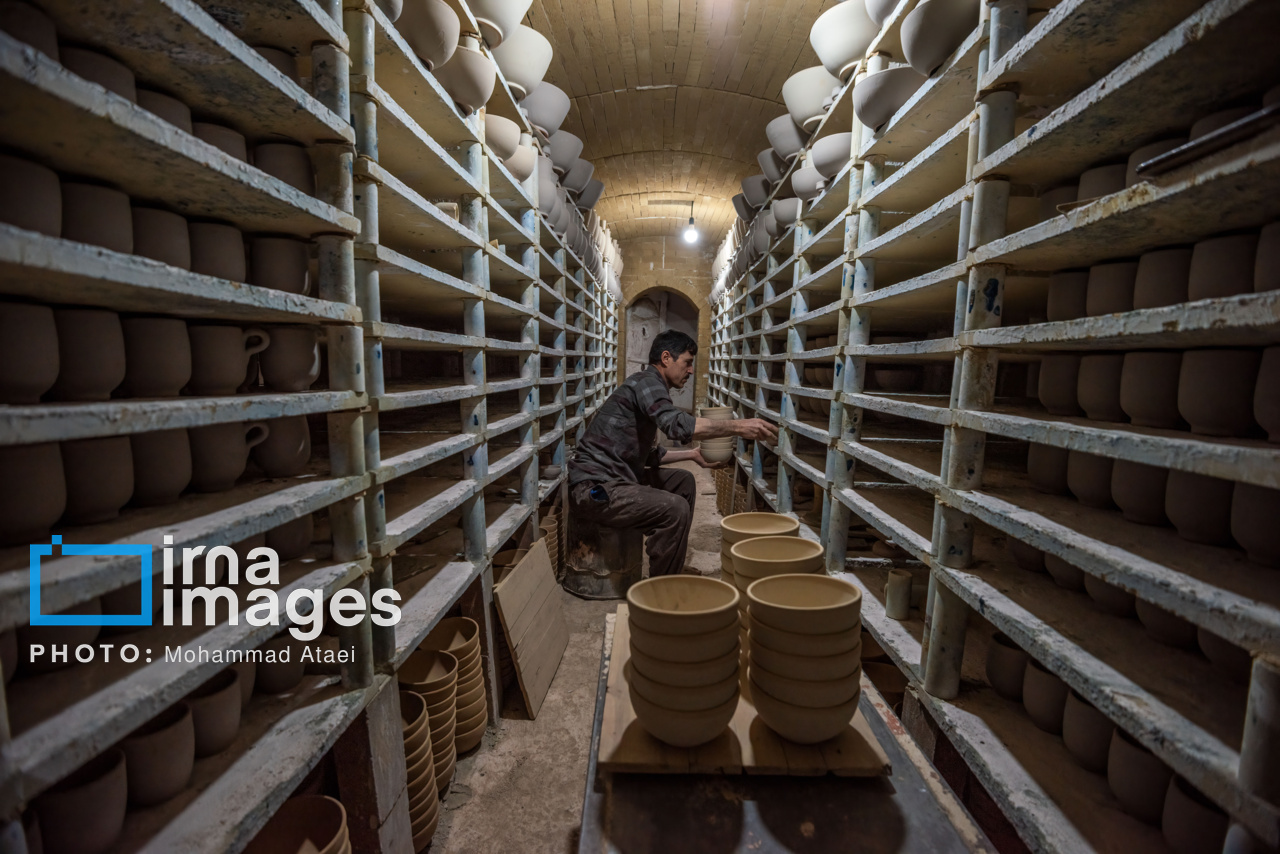
The historic city, adorned with the title “Global City of Pottery” or the “Ceramics Capital,” owes its renown to the tireless dedication of its artisans.

For over seven millennia, the tradition of pottery has been the lifeblood of Lalejin.

In the past, this city was not just a center of ceramic creation but a beacon of culture in the Middle East. The clay here, once mere dirt, is transformed through skilled hands into beautiful vessels that tell stories of human creativity and resilience.

Find more the mesmerizing art in the pictures:

Iran’s export confederation chief emphasizes need for FATF compliance

FATF

In an interview with IRNA news agency, Mohammad Lahooti highlighted that the current administration is determined to resolve issues related to Iran’s inclusion in the FATF.

He pointed out that although sanctions have adversely affected the economy and foreign trade, being on the FATF blacklist is an even more significant challenge.

He also warned that failure to join the FATF could lead to losing key trade partners like Russia and China, as the countries conduct substantial trade with Europe and the US and are cautious about FATF regulations.

Lahooti noted that without resolving the issue, financial and trade interactions with other countries would become increasingly difficult and the situation would force Iran to rely on costly and less competitive methods to circumvent sanctions.

He also mentioned that the Iranian Leader has approved the review of the Palermo and CFT conventions, the two sticking points for Iran, by the Expediency Council, which had been stalled since 2019.

President Massoud Pezeshkian has committed to facilitating financial and trade relations globally, emphasizing the urgency of FATF compliance for economic stability.

US stresses Israeli withdrawal from Lebanon

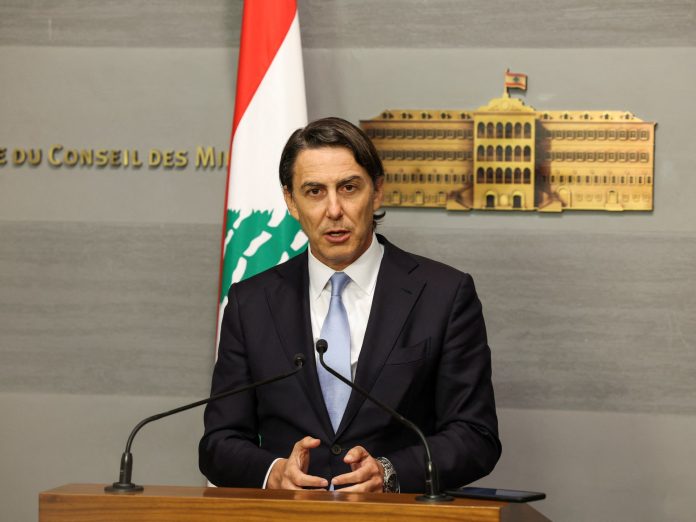
United States envoy Amos Hochstein

Hochstein’s remarks came after his meeting with Lebanese Parliament Speaker Nabih Berri in Beirut during a two-day visit to discuss Israel’s cease-fire agreement with Lebanon.

Speaking to reporters, Hochstein noted that before meeting Berri, he attended the third monitoring mechanism session for the cessation of hostilities in Naqoura in southern Lebanon.

His statements follow a warning by Israeli Defense Minister Israel Katz, who threatened to revoke the cease-fire agreement with Hezbollah unless the group withdraws beyond the Litani River.

On Sunday, the Israeli Public Broadcasting Corporation (KAN) reported, citing unnamed sources, that Israel is preparing to extend its stay in Lebanon well beyond the agreed 60 days. According to the sources, the Israeli military deems it necessary to remain in certain military positions for at least 90 days.

The broadcaster also noted that Israel is expected to inform the US that it will not withdraw from south Lebanon at the end of the cease-fire period, claiming that “the Lebanese army is not meeting the agreement’s conditions and Hezbollah is regrouping in the area.”

Since Nov. 27, 2024, a fragile cease-fire has been in place, ending a series of mutual attacks between Israel and Hezbollah that began on Oct. 8, 2023 and escalated into a full-scale war on Sept. 23, 2024.

The agreement’s key provisions include Israel’s gradual withdrawal to south of the Blue Line over 60 days and the deployment of the Lebanese army and security forces along the border, crossings and southern regions.

Hochstein said, “The Israeli military started its withdrawal from Naqoura…and back into Israel proper today, south of the Blue Line.”

“These withdrawals will continue until all Israeli forces are out of Lebanon completely, and as the Lebanese army continues to deploy into the south and all the way to the Blue Line,” he added.

He acknowledged the challenges.

“This is not an easy process; it is complex. The Lebanese army is implementing the agreement by deploying in the south as the sole authority ensuring security for its people, allowing southern residents to return to their homes.”

The Lebanese parliament speaker’s office announced that Berri discussed the general situation and political and field developments, highlighting Israel’s continued violations of the cease-fire agreement during his meeting with Hochstein.

According to the agreement, Lebanese forces are to be the sole armed entity in the south of the country, with all unauthorized military infrastructure dismantled and weapons confiscated. However, the agreement maintains Israel and Lebanon’s inherent right to self-defense.

According to official Lebanese reports, 398 Israeli violations have been recorded since the cease-fire agreement was signed, resulting in 32 fatalities and 38 injuries.

The Israeli assault on Lebanon has claimed 4,063 lives and injured 16,663, including many women and children. The conflict also displaced approximately 1.4 million people, with most casualties and displacements occurring after the escalation on Sept. 23, 2024.

Lebanese caretaker Prime Minister Najib Mikati has also demanded a clear timetable Monday for completing Israel’s withdrawal from south Lebanon before a 60-day deadline expires, emphasizing that any talk of Israel extending the cease-fire period is “categorically unacceptable”.

Mikati’s remarks came during his meeting with Hochstein in Beirut, according to Lebanon’s official National News Agency.

The agency reported that Mikati discussed the progress made since the announcement of the security arrangements related to the cease-fire.

Mikati reiterated his call for “a clear timetable for completing Israel’s withdrawal before the 60-day deadline”, according to the agency.

He warned that “continued violations and talk of extending Israel’s presence under the cease-fire are entirely unacceptable”.

“We place these developments before the nations that brokered the agreement and the committee tasked with overseeing its implementation,” the agency quoted him as saying.

The prime minister reiterated calls to “end Israeli security violations of the cease-fire, halt ongoing assaults on southern towns, stop systematic destruction of homes and infrastructure, and cease violations of Lebanese airspace”.

Yemen’s Houthis claim to have targeted US aircraft carrier, several spots in Israel

Yemen Houthi

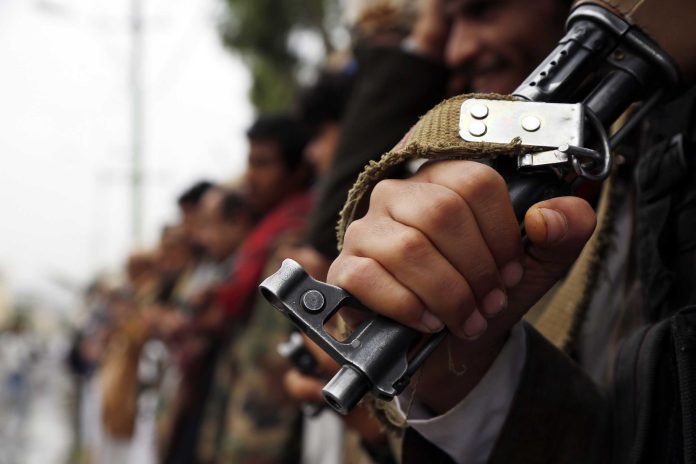
In a televised speech, he claimed that the operation took place north of the Red Sea while the US military was preparing to launch a major air attack against Yemen. He said the Houthi attack stifled the US military’s planned operation.

Saree also stated the armed forces carried out two military operations this afternoon. The first targeted a “military target” linked to the Israeli military in the area around Tel Aviv with two drones. He added that a further drone had targeted the same area this evening.

A drone was also launched at a target in Ashkelon in southern Israel.

He noted the operations “successfully achieved their objectives”.

Since November 2023, the Houthis have launched nearly 100 attacks on ships in the Red Sea, actions they say are in solidarity with Palestinians suffering under Israel’s war on Gaza, which has killed more than 45,500 people and wounded over 108,000 Palestinians.

The Houthis have stressed they will stop their attacks if Israel’s war on Gaza stops.

Despite attacks by the United States, Britain and Israel on Yemeni territory, the Houthi military operations have continued unabated.

US says “anti-terror operation” in Iraq left coalition member dead

US Forces in Syria

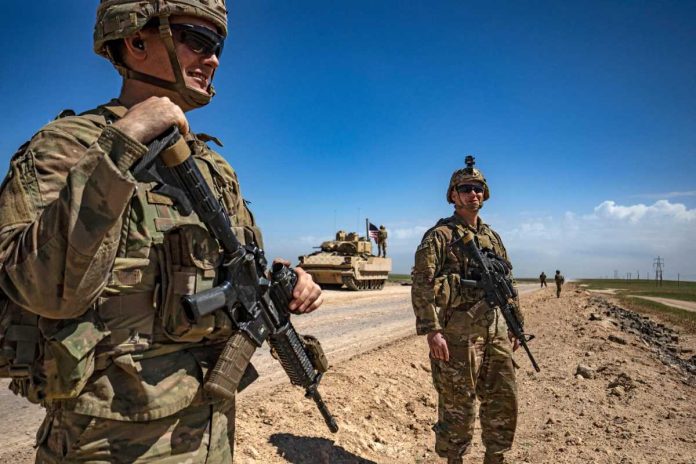
“One Coalition member was killed and two were wounded from two different nations. There were no injuries to US personnel or damage to U.S. equipment,” CENTCOM said in a statement.

CENTCOM said it conducted operations in Iraq and Syria, from Dec. 30 to Jan. 6, along with its partner forces.

Gen. Michael Erik Kurilla, CENTCOM commander, stated partnered operations are “critical” to preventing the terrorist group from taking advantage of the changing security environment in the region.

“The enduring defeat of Daesh is a global effort that relies on our Coalition, allies, and partners. US Central Command remains committed to aggressively pursuing these terrorists that threaten the region, our allies, and our citizens,” he added.

Turkey says Kurdish militias in Syria will be ‘eliminated’

Kurdish Forces

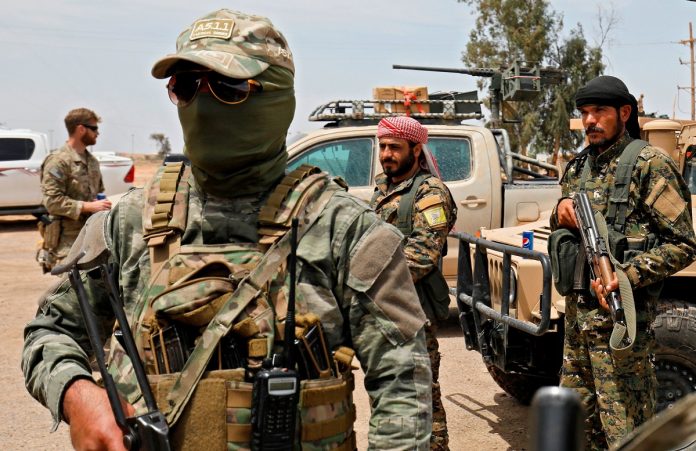
Turkiye sees the People’s Protection Units (YPG) – the main component of the United States-backed Syrian Democratic Forces (SDF) – as a “terrorist” group linked to the outlawed Kurdistan Workers’ Party (PKK).

“Conditions in Syria have changed. We believe it’s only a matter of time before PKK/YPG is eliminated,” Foreign Minister Hakan Fidan told a news conference in the capital Ankara on Monday.

Fidan warned against any Western support for Kurdish-led groups in Syria.

“If you [the West] have different aims in the region, if you want to serve another policy by using Daesh as an excuse to embolden the PKK, then there is no way for that, either,” he added, using an Arabic name for the ISIL (also known as ISIS) group.

Turkiye has long been rankled by US support for the Kurdish-led SDF in northern Syria.

But Washington has long seen the SDF, which spearheaded the fight against ISIL in 2019 and controls jails and camps in which the group’s fighters are held, as crucial to preventing a resurgence of the group.

New Syrian leader Ahmed al-Sharaa, whose Hayat Tahrir al-Sham (HTS) group has long had ties with Turkiye, told Al Arabiya TV on Sunday that the Kurdish-led forces should be integrated into the national army.

Observers fear space could be left for ISIL fighters to regather strength after the overthrow of al-Assad.

The group has managed to survive in both Iraq and Syria despite the destruction of its so-called caliphate that lasted from 2014 to 2019.

“We discussed what we can do together against the threat of Daesh in Syria and the region,” Fidan said.

“[ISIL] is a poison for Muslim societies. Of course, using our religion to brutally kill people … [and] create chaos is not something we will remain silent about,” he added.

“It is very important that [ISIL] does not rise again.”

Iran embassy censures British MP’s support for assassination of anti-terror commander, Soleimani

Qassem Soleimani

In a post on its X account on Monday, the embassy rejected Tugendhat’s claim that Trump’s decision to authorize the assassination of Soleimani triggered a chain of events that finally led to the overthrow of former Syrian president Basher al-Assad.

Tugendhat, a former UK security minister, also predicted that Iran would collapse in a few years.

“It’s absolutely unlawful and immoral to endorse arbitrary killing and assassination,” the embassy wrote.

It added that calling for war and aggression against a member state of the United Nations is “extremely reckless”.

“Only an ignorant and irresponsible person with a troubled background can be so low as to approve lawlessness, incite violence and suggest attacking another nation,” the Iranian embassy emphasized.

The United States assassinated General Soleimani, former commander of the Quds Force of the Islamic Revolution Guards Corps, and Abu Mahdi al-Muhandis, deputy commander of Iraq’s Popular Mobilization Units, in a drone strike near Baghdad International Airport on January 3, 2020.

Both commanders were admired by Muslim nations for eliminating the US-sponsored Daesh terrorist group in the region, particularly in Iraq and Syria.