Monday, January 19, 2026
Home Blog Page 524

US to consult allies on Ukraine peace plan, seeks Europe’s weapons purchases for Kyiv: Telegraph

Russia Ukraine War

Keith Kellogg, Trump’s envoy for Ukraine and Russia, reportedly assured European diplomats that NATO allies would be consulted before finalizing any proposal. He also promised to engage with European heads of state on the issue, according to the outlet.

The Trump administration is also exploring ways to continue arming Ukraine without significantly increasing U.S. spending, according to Reuters.

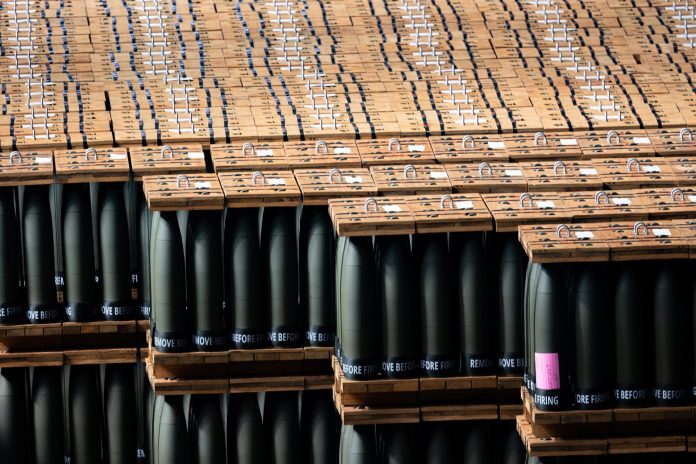
One approach reportedly under discussion is encouraging European allies to purchase more American weapons for Kyiv. U.S. officials, including Kellogg, are expected to raise this issue during the Munich Security Conference this week.

President Volodymyr Zelensky will lead Ukraine’s delegation at the conference, where he is expected to meet with U.S. officials. Vice President JD Vance, Secretary of State Marco Rubio, and Kellogg will represent the Trump administration.

While Bloomberg previously reported that Trump’s team might unveil a peace plan in Munich, Kellogg denied this. Ukraine is preparing to host Kellogg on Feb. 20 following the conference, according to sources cited by RBC-Ukraine.

The Munich Security Conference comes at a critical moment for Kyiv, as Ukraine seeks to establish working relations with the new U.S. administration, which has taken a different approach to the war than its predecessor.

Kellogg has described a “near-term” resolution as achievable within 100 days of the inauguration, calling it his personal and professional goal to help Trump broker a solution within that timeframe.

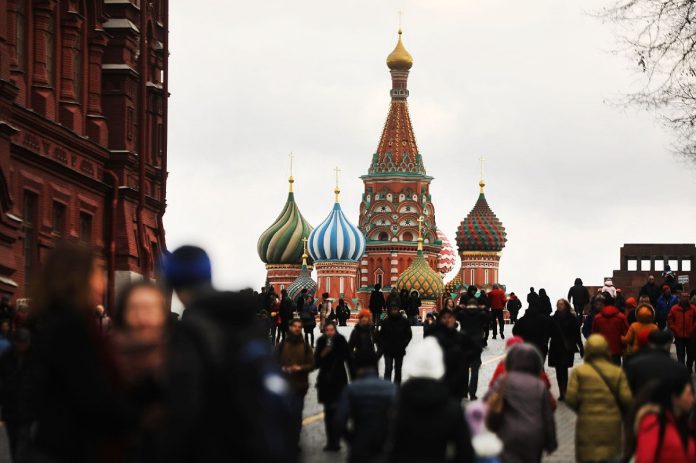
Kremlin claims large part of Ukraine seeks to become Russia

Kremlin

Commenting on US President Donald Trump’s statement that Ukraine could one day become Russia, the spokesman said: “The fact that a large part of Ukraine wants to become Russia or has already joined it is obvious.”

“This is a fact that has materialized on the ground: Russia now has four new regions. People who, despite many dangers, were queuing to vote in a referendum on joining Russia – this in many ways corresponds to the words of President Trump,” Peskov pointed out.

Speaking about the possibility of implementing the US leader’s proposals, the Kremlin spokesman added that “every event has a 50% chance: either yes or no.”

Earlier, in an interview with the Fox News TV channel, Trump stated that “Ukraine may be Russian one day” and did not rule out that he would like Ukraine to return all the money spent by the US government on its support. The US leader clarified that he would like to receive the equivalent of $500 billion in Ukrainian rare-earth metals.

Iran border guards rescue 250 stranded Afghan Nationals amid severe snowstorm

Iran Border Guard

Hojjat Sadeghi, the prosecutor of Taybad, bodering Afghanistan, confirmed the rescue operation, stating that the Afghan nationals were provided with medical and welfare services to stabilize their condition before being processed for legal repatriation to Afghanistan.

Sadeghi emphasized that the border areas remain unsafe for illegal crossings, particularly during extreme weather conditions.

He also noted that since the beginning of the current year, over 1,400 undocumented Afghan nationals have been intercepted and returned to Afghanistan through the Dogharoon international border crossing, located 18 kilometers from Taybad.

Sadeghi reiterated Iran’s firm stance on preventing illegal border crossings, warning that violators would face strict legal action.

Former diplomat criticizes misinterpretation of Trump’s Iran policy directive

Trump

In an article on Sharq, Kourosh Ahmadi emphasized that while the decision to engage in negotiations falls within the authority of high-ranking officials, such decisions must be based on accurate and precise information.

He pointed to recent remarks by Mohammad Bagher Ghalibaf, Speaker of Iran’s Parliament, as an example of misinformation.

Ghalibaf claimed that Trump’s directive aimed to “disarm Iran,” a statement Ahmadi refuted, clarifying that the document focuses on enforcing existing sanctions rather than introducing new ones.

The directive outlines four key policy objectives: preventing Iran from acquiring nuclear weapons and intercontinental ballistic missiles, countering regional destabilizing activities, disrupting the financial networks of the Islamic Revolution Guard Corps (IRGC), and addressing Iran’s missile program.

Ahmadi highlighted that the directive does not call for Iran’s disarmament but rather seeks to counter specific military capabilities.

He also noted that the document lacks the legal weight of an executive order and is not enforceable in courts, relying solely on the president’s discretion.

Trump’s mixed signals, including his hope to avoid extensive use of the directive and his focus on reaching a nuclear agreement, further complicate its interpretation, he added.

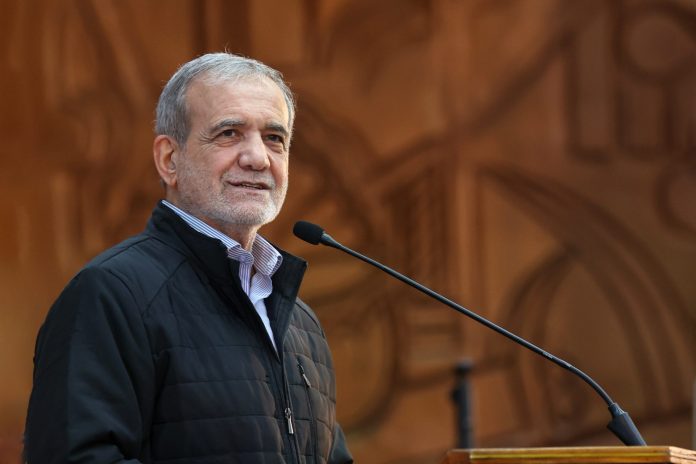
Iranian president criticizes West for negative media portrayal, welcomes tourists to experience country’s true image

He expressed his dismay at the negative narratives about Iran, stating, “Some of the things said about Iran are so shameful that I cannot repeat them. Having traveled abroad, I can say that Iran and its people are entirely different. Iran is a land of hospitable people.”

Pezeshkian highlighted Iran’s rich cultural heritage and diversity, asserting that the country is a destination for people of all tastes, beliefs, and ethnicities.

He also stressed the importance of tourism as a means to foster global peace and understanding, referencing a Quranic verse that encourages travel for growth and development.

“Peace and security cannot be achieved through aggression, killing, or discrimination,” he said. “They come through communication, friendship, and kindness.”

The President also underscored Iran’s readiness to welcome international visitors across various fields, including politics, tourism, science, and commerce.

He expressed Iran’s commitment to removing barriers to tourism development and showcasing its true identity.

“We welcome those who come to Iran to see for themselves how different the reality is from the negative propaganda spread by some media outlets,” he added.

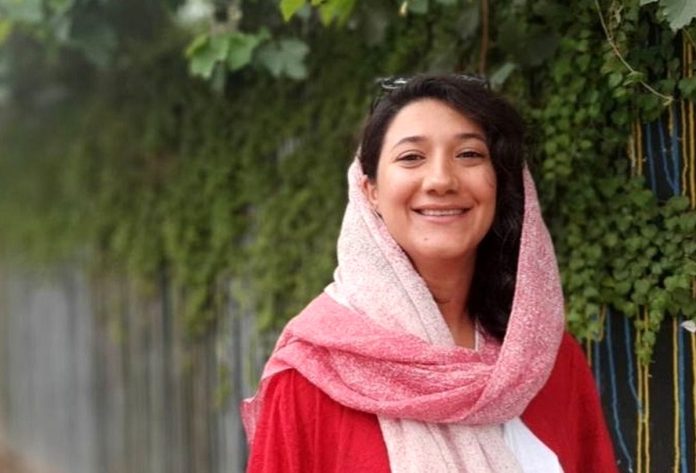
Lawyer: Detained Iranian journalist Niloufar Hamedi pardoned

Hamedi was initially detained on September 22, 2022, and faced charges including “collaboration with the hostile government of the US,” “assembly and collusion to commit crimes against national security,” and “propaganda activities against the system.”

After 13 months of provisional detention, she was tried and sentenced to a total of 13 years in prison: 7 years for collaboration with a foreign government, 5 years for assembly and collusion, and 1 year for propaganda activities.

On January 14, 2024, Hamedi was temporarily released on bail set at approximately $200,000 by the Tehran Appeals Court after spending 17 months in detention.

Following an appeal, the court acquitted her of the charge of “collaboration with a hostile foreign government.” The remaining charges were pardoned, and her case has been officially closed.

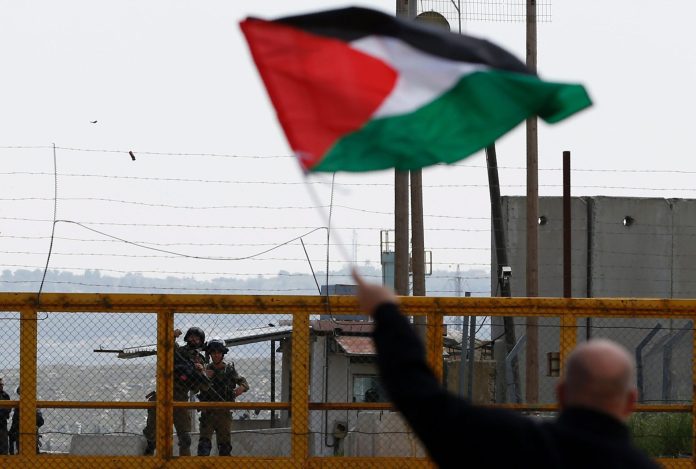
UN warns forced displacement in West Bank by Israel ‘escalating at alarming pace’, impacting 76k Palestinians

Palestine Israel

In a statement, the agency reported that Israel’s so-called “Iron Wall” military raid has resulted in the near-complete evacuation of several key refugee camps.

UNRWA expressed deep concern over the forced displacement of the communities, describing the situation as “escalating at an alarming pace” due to increasingly coercive and dangerous living conditions.

“The use of air strikes, armored bulldozers, controlled detonations, and advanced weaponry by the Israeli forces has become commonplace,” UNRWA stated, adding that these methods appear to be a spillover from the ongoing conflict in Gaza.

The agency reiterated that “civilians and civilian infrastructure must be protected at all times and that collective punishment is never acceptable.”

Since January 21, Israel has carried out military operations in Jenin, Tulkarm, and Tammun in the northern West Bank, killing over 30 Palestinians, according to the Palestinian Health Ministry.

The operation, which began in the Jenin refugee camp, has now reached its third week, marking the longest military campaign in the West Bank since the second Intifada.

UNRWA reported that the offensive has spread to the Tulkarm, Nur Shams, and Far’a refugee camps, which collectively house approximately 76,600 Palestinian refugees.

Israeli soldiers are reportedly intensifying their operations in the occupied West Bank, particularly in Jenin, where local sources say the occupation forces are targeting Palestinian residents and their property, leading to violent confrontations with Palestinian fighters.

Eyewitnesses have reported hearing explosions in the eastern neighborhoods of Jenin, while Israeli soldiers have prevented ambulances from accessing the area. Video footage has emerged showing Israeli bulldozers destroying paved roads in the region.

The grave situation has been compounded by the Israeli military’s actions in surrounding towns, such as Jaba.

UNRWA’s updates indicate that the ongoing offensive has already displaced around 40,000 individuals in the West Bank, contributing to a humanitarian crisis that has left thousands without shelter or basic necessities.

Under Israel’s parliament (Knesset) law enacted on January 30, UNRWA no longer has any contact with the Israeli authorities, hindering the ability to address critical issues related to civilian suffering and the urgent need for humanitarian aid.

Since the onset of Israel’s genocidal war on Gaza on October 7, 2023, Israel has significantly increased its violence in the West Bank, killing more than 900 Palestinians in the occupied territory.

Gaza urges global pressure on Israel to implement humanitarian protocol in ceasefire deal

Gaza War

“Despite clear agreements under the humanitarian protocol of the ceasefire, Israel has repeatedly failed to honor its commitments,” Ismail Al-Thawabta, the director of the office, told Anadolu.

This has resulted in severe shortages of food, clean water and medical supplies, endangering the lives of thousands of Palestinians, he said.

“The delay in the delivery of aid, including food and water, has caused a surge in malnutrition, especially among children,” al-Thawabta noted, adding “medical supplies are running out, threatening the lives of thousands of patients.”

He also highlighted that the agreement stipulated the delivery of 60,000 caravans, 200,000 tents and 600 aid trucks daily, yet the delays have left tens of thousands of Palestinians without shelter.

The failure to implement the agreement has led to a further deterioration in Gaza’s infrastructure.

Al-Thawabta pointed out that Israel’s obstruction of the delivery of humanitarian, medical and civil defense equipment as well as debris removal has exacerbated the crisis.

Additionally, the lack of fuel has led to the continued closure of power plants, causing prolonged electricity outages and further straining essential services such as hospitals and water pumps.

Al-Thawabta warned that the continued displacement of Palestinians along with ongoing Israeli airstrikes and the destruction of educational facilities is severely impacting the mental health of civilians, particularly women, children and the elderly.

He emphasized that Israel’s actions violate international humanitarian law, including the Geneva Conventions, which are meant to protect civilians and ensure the delivery of aid during conflicts. He urged the international community to press Israel to fulfill its commitments, asserting that failure to do so could lead to an even more devastating crisis.

He also held the US accountable for the consequences of Israel’s noncompliance, urging both international mediators and signatories of the ceasefire agreement to exert stronger pressure on Israel to implement the protocol in full.

Al-Thawabta’s statements came in the wake of an announcement by the Al-Qassam Brigades, the military wing of the Palestinian group Hamas, that it would delay the Saturday release of Israeli prisoners as part of the ceasefire agreement, citing violations by Israel.

The three-phase ceasefire deal has been in place in Gaza since Jan. 19, halting Israel’s genocidal war, which has killed more than 48,000 people and left the enclave in ruins.

In the first phase of truce, which runs until early March, 33 Israeli hostages are to be released in exchange for a number of Palestinian prisoners. The sixth Israel-Hamas swap was scheduled to take place this week.

The International Criminal Court issued arrest warrants in November last year for Israeli Prime Minister Benjamin Netanyahu and his former Defense Minister Yoav Gallant for war crimes and crimes against humanity in Gaza.

Israel also faces a genocide case at the International Court of Justice for its war on the enclave.

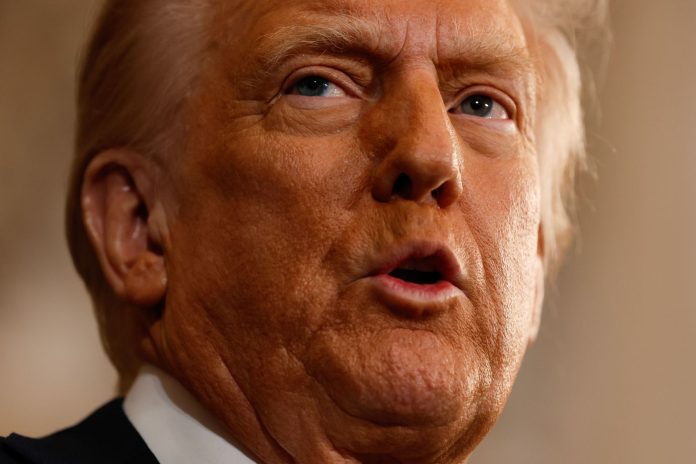
Trump says wants Ukraine to pay back $500 billion

US Weapons

In an interview with Fox News’ Bret Baier, Trump claimed that “the United States is in for more than $300 billion, probably 350” in various forms of aid to Ukraine, adding that it would be “stupid” for Washington to continue bankrolling Kiev without receiving anything in return.

“I want to have our money secured because we’re spending hundreds of billions of dollars,” he stated, adding, “They have tremendously valuable land in terms of rare earth, in terms of oil and gas, in terms of other things.”

“I told them that I want the equivalent, like $500 billion worth of rare earths, and they’ve essentially agreed to do that,” Trump continued.

“So at least we don’t feel stupid. Otherwise, we’re stupid. I said to them, we have to get something.”

“You know, they may make a deal, they may not make a deal, they may be Russian someday, or they may not be Russian someday, but we’re gonna have all this money in there, and I say, I want it back,” he added.

Ukrainian leader Volodymyr Zelensky confirmed last week that he would be open to reaching an agreement over the country’s deposits of lithium, titanium, and other metals. However, he insisted that Ukraine’s Western backers must first help push Russian forces out of mineral-rich territories before they can invest in rare-earth resources.

Before the escalation of the Ukraine conflict in 2022, the country had Europe’s largest reserves of titanium and lithium. While not classified as rare-earth elements, they are critical for military industries, batteries, and capacitors.

The list of rare-earth metals found in Ukraine also includes beryllium, manganese, gallium, uranium, zirconium, graphite, apatite, fluorite, and nickel.

According to Forbes, around $7 trillion of Ukraine’s total mineral wealth is located in its former Donbass regions of Donetsk and Lugansk, which declared independence from Ukraine in 2014 following the Western-backed Maidan coup in Kiev. Most of these territories came under Russian control after Donetsk and Lugansk voted to join Russia in 2022.

UN temporarily halts operations in Yemen after staff detentions by Houthis

Yemen Houthi

UN Secretary-General Antonio Guterres directed UN agencies to halt activities due to the “absence of the necessary security conditions and guarantees,” according to a statement from the spokesperson’s office following Houthi’s detaining “eight additional United Nations personnel, including six working in Sa’ada governorate.”

“This extraordinary and temporary measure seeks to balance the imperative to stay and deliver with the need to have the safety and security of the UN personnel and its partners guaranteed,” said the statement, adding that “such guarantees are ultimately required to ensure the effectiveness and sustainability of our efforts.”

The UN urged the Houthis to ensure the release of the detained staff, emphasizing that the pause allows time “to arrange the release of arbitrarily detained UN personnel and ensure that the necessary conditions are in place to deliver critical humanitarian support.”

“The United Nations remains fully committed to assist the millions of people in need across Yemen,” it noted.

Yemen remains mired in one of the world’s worst humanitarian and economic crises, fueled by nearly a decade of war.

The war in Yemen has claimed over 150,000 lives and has led to one of the worst humanitarian crises globally, resulting in tens of thousands of additional deaths.