Tuesday, April 28, 2026
Home Blog Page 4874

Commander rules out inspection of military sites, interview with scientists

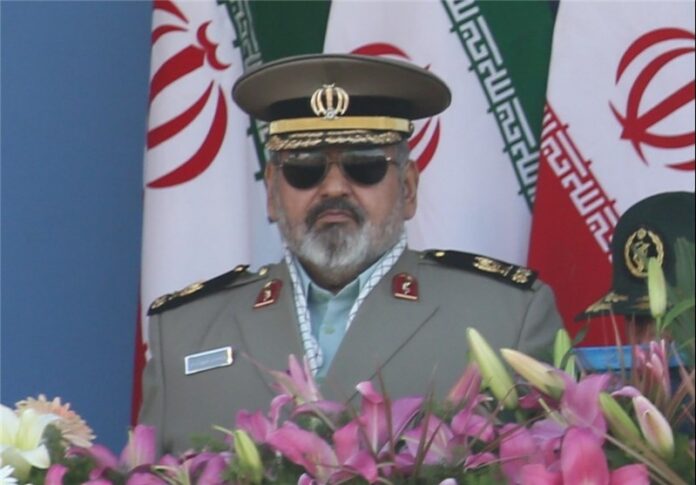
Firouzabadi

Chief of Staff of the Iranian armed forces underscored that nobody is permitted to inspect the country’s military sites or interview its nuclear scientists, something he derided as the West’s “excessive and illogical” demands in the course of nuclear talks with Iran.

In a message released on Monday, Major General Hassan Firouzabadi described the enemy’s access to Iran’s military centers and interviews with nuclear scientists as being out of the question.

He added that calls for access to military sites and interviews with scientists are “excuses” to prepare the ground for harming the Islamic Revolution.

Earlier on April 9, Supreme Leader of the Islamic Revolution Ayatollah Seyed Ali Khamenei also categorically rejected foreign access to the country’s “security and defense” sectors under the pretext of nuclear monitoring.

[…]

Can Iran and P5+1 strike a deal by July 1?

Capture1

With five weeks to go before a July 1 deadline, nuclear talks between Iran and P5+1 have entered a critical stage with the two sides expressing optimism that a final deal seems to be on the horizon. Nonetheless, new differences have emerged between Iran and the US in the drafting of a comprehensive nuclear deal.

Aftab-e Yazd daily has asked international relations experts to weigh in on the latest developments in nuclear talks. The reformist daily raised the following questions: Can we be hopeful about the conclusion of an agreement? How can the recent differences between the parties to the talks affect the process? Will the talks be extended again?

What comes below is the translation of excerpts of what the experts said in response to those questions:

Iran and US hands are tied in nuclear agreement 

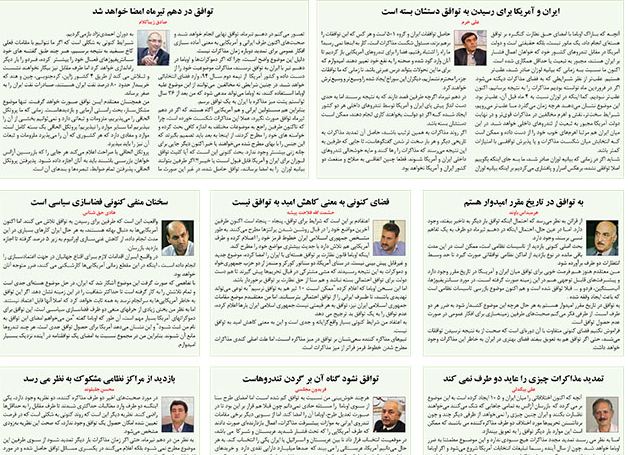
ali-khoramAli Khorram, a former diplomat and international relations expert 

[…]

We are now farther back than where we stood on April 2 when the Lausanne statement was released. […] As time goes by, we fall farther behind and face tougher conditions, opponents of the talks gain ground and the US administration comes under increasing pressure to succumb to hardliner demands. […]

If the current trend persists, nuclear talks will extend and they get tougher in the process. The obstacles which crop up may make the parties involved come to the conclusion that they’d better break off the talks, and this will see hardliners in Iran and the US take pleasure in the inconclusiveness of the talks. Certainly this does not serve the interests of Iran or the United States.

Nuclear agreement will be signed by July 1

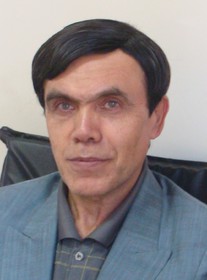
sadegh-zibakalamSadegh Zibakalam, political science professor at University of Tehran

[…] If President Obama and fellow Democrats fail to reach an agreement with Iran by July 1, nuclear talks will be taken off the agenda and the US will go into election mood as of the second half of the Iranian year [September 2015 – March 2016].

At the current situation, the opponents cannot use the inconclusiveness of the talks against Obama; nor can the US president claim that he has managed to sign an agreement with Iran at the negotiating table after 36 years [of estrangement].

[…]

Now there is no room for more bargaining. A question arises here as to whether or not Iran and the US approve of the general framework of the Lausanne agreement? If parties to the talks can sign the statement they released in Lausanne, an agreement will be produced. If not, Iran will return to the period when Ahmadinejad was president.

[…]

I’m hopeful about an agreement by the deadline

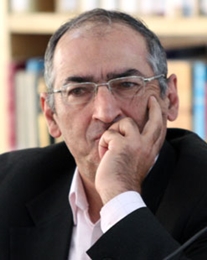
hermidasDavoud Hermidas-Bavand, professor of international law

[…]

I’m hopeful about Iran and P5+1 reaching an agreement by [July 1] deadline. Lengthy talks will not serve the interests of either side. I think the remarks the two sides make aim to prepare public opinion for a situation in which no agreement is produced.

We need to bear in mind that the current situation is different from the period in which the talks were believed to be headed for a breakdown. Even if the [nuclear] agreement is kept on hold, a more positive atmosphere will be created in Iran thanks to the talks.


The current atmosphere does not mean we are less hopeful

falahatHeshmatollah Falahatpisheh, university professor and a former MP

I think chances for striking a deal are 50-50. […]

That Obama has signed the congressional Review of Iran Nuclear Deal Bill into law is not a new and unpredictable issue. […]

In my opinion, the current conditions are serious and realistic; this does not mean that hopes for reaching an agreement have disappeared.

The negotiating teams are trying to arrive at an agreement at the negotiating table, but the red lines which are set beyond the negotiating table are to blame for the slow pace of the talks.


The current negative views are the result of a politically charged climate

hadi-haghshenasHadi Haghshenas, a former MP       

The fact of the matter is that the two sides are trying to arrive at an agreement. But now the Americans are looking for an excuse [to obstruct the talks]. For its part, Iran has taken several measures [in good faith], among them reduction of the level of uranium enrichment to less than five percent and agreeing to UN inspections.

[…]

If the Lausanne agreement fails to be finalized thanks to the [measures taken by the] Americans, it will show to the whole world that they are not trustworthy at all.

[…]

All in all, I am very much optimistic about inking a [final comprehensive nuclear] agreement in the not-too-distant future.

Extension of talks earn the two sides nothing

bigdeliAli Bigdeli, a political analyst

[…]

Extension of the talks seems to be of no use. This will be definitely to the detriment of Obama, because the election campaign officially gets in full swing in the United States next year. If Obama had not sought an agreement, he would not have accepted to get engaged in nuclear talks.

Obama is under pressures now and has to set a different tone. Earlier he had announced that extra issues such as missile purchases and ties with Israel would have nothing to do with the talks, no strings attached. But Mr. Obama has set a new condition today, talking about a change in Iran’s regional policies.

Although talks are likely to be extended, passage of time will earn the two sides nothing. Rather, the two sides should solve their problems soon.


Hardliners are to blame for failure to ink an agreement

majlesiFereydoun Majlesi, University Professor

Although I am now less optimistic about the conclusion of a deal, I do not view Obama’s signing of a Senate bill into law as something critical, because Obama was supposed to sign the bill earlier if it were toned down.

As the talks were moving forward, certain hardline Iranian officials resorted to obstructionism, forcing the American side – which is under pressure from Saudi Arabia and its allies – to choose between Saudi Arabia and Israel on the one hand and Iran on the other.

[…]

The possible inconclusiveness of nuclear talks can be blamed on what the hardliners did which helped Netanyahu achieve his intended goal. When confidence-building measures were needed, the hardliners started to make threats.

Inspection of military sites seems suspicious

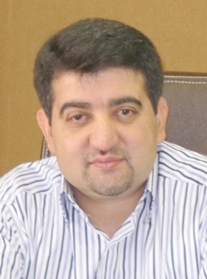
jalilvandMohsen Jalilvand, international relations experts 

[…]

Inspection of military sites is a new suspicious question. IAEA chief Amano’s reading of the Additional Protocol is a problem too. There are still outstanding issues as to whether just nuclear sanctions or all sanctions should be lifted. Removal or suspension of sanctions and the way UN experts will inspect the Iranian sites are the bone of contention too.

We should wait to see if the outstanding questions can be removed in the remaining time before the conclusion of a nuclear deal.

Iran’s reaction to aggression not to be limited to borders: Former guard commander

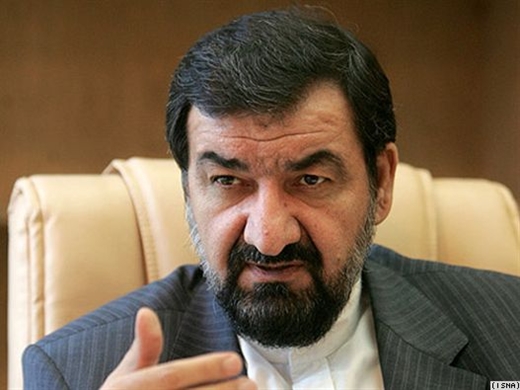
Mohssen Rezai

Any wrong move against the Iranian territories will be followed by an unforgettable lesson for invaders, Secretary of Iran’s Expediency Council Mohsen Rezaei said, noting that such response will not be confined to the country’s borders.

“If there is any aggression against Iran’s borders, we will not remain at the borders like (we did) in the past,” Rezaei said in the southwestern city of Khorramshahr on Sunday.

He was speaking in a ceremony to commemorate the anniversary of the liberation of Khorramshahr, a city in southwestern Iran which had been occupied by Iraq’s Baathist army in the early 1980s. The city was recaptured by the Iranian armed forces on May 24, 1982.

Rezaei also lashed out at the US and Israel for triggering unrest in Muslim countries over the past 70 years, warning that they want insecurity to spill into Iran.

“I advise you to come to you senses and stop fomenting insecurity in Syria, Iraq, Gaza and Yemen. Let the world of Islam be as calm as Europe,” he said in comments addressed at the West, the US in particular.

While the Iranian diplomats try to put out the flames of wars through diplomatic approaches, the country’s military commanders are prepared for every possibility, he underlined.

In relevant comments on May 6, Supreme Leader of the Islamic Revolution Ayatollah Seyyed Ali Khamenei reaffirmed that the Iranian nation will not let any possible act of aggression against the country go unanswered.

The Leader said he has already made it clear, even during the tenure of former US president, that “the era of hit and run has ended”, and that the Iranian nation will chase aggressors.

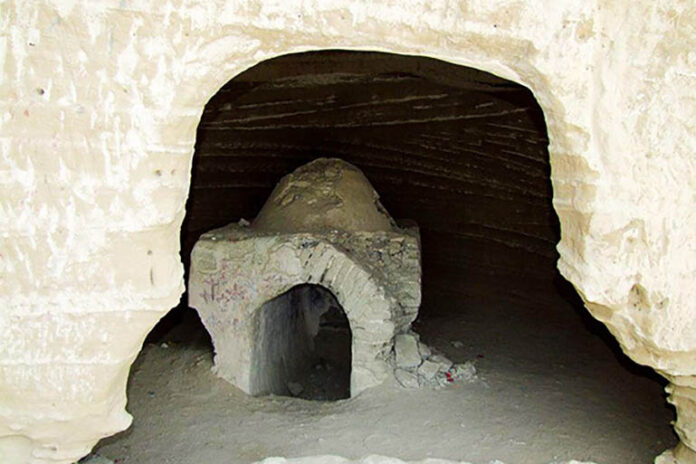
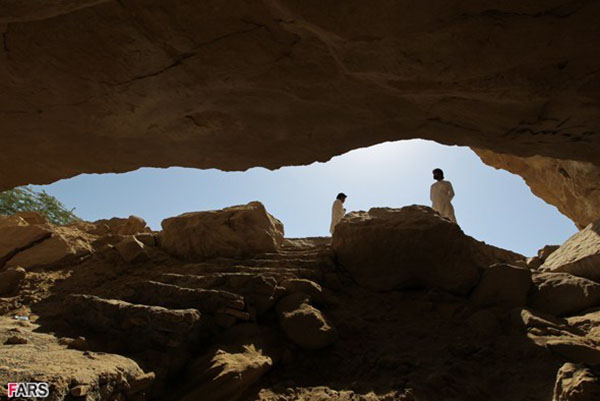
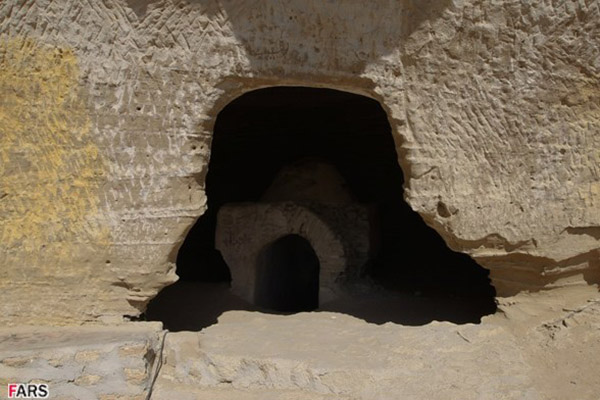
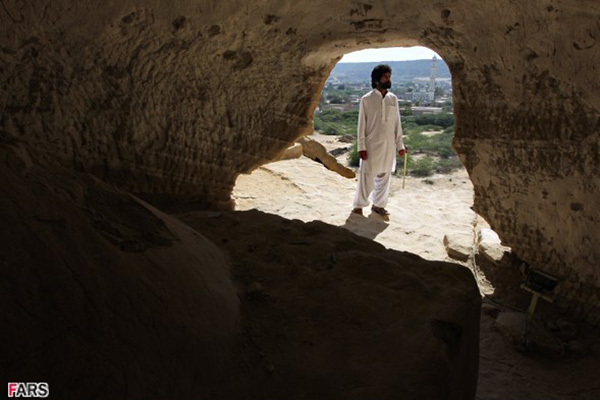
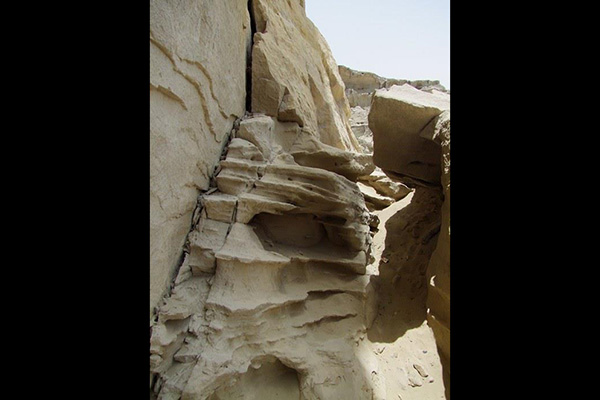
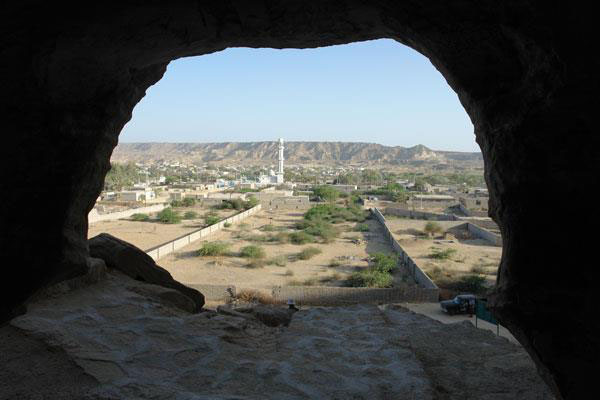
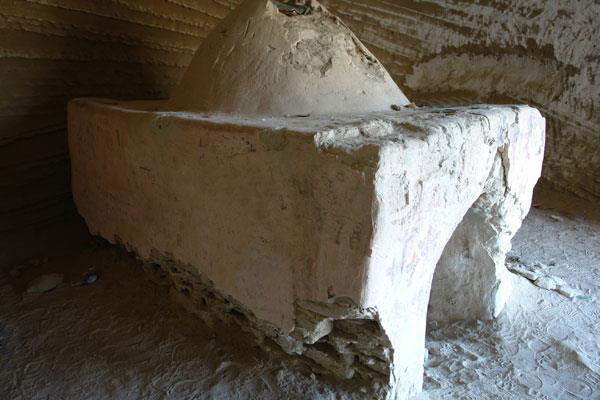
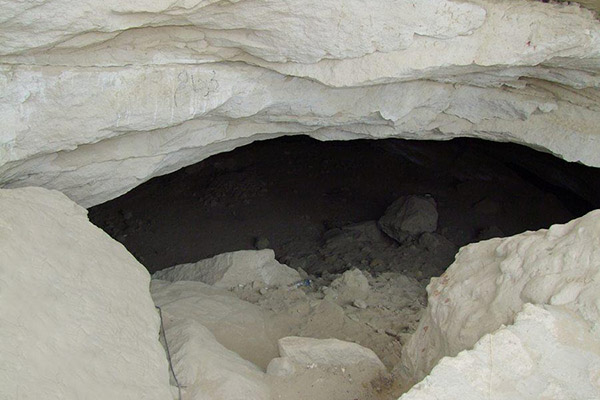
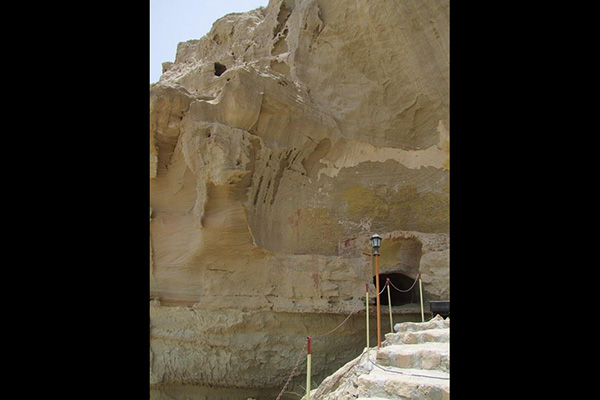
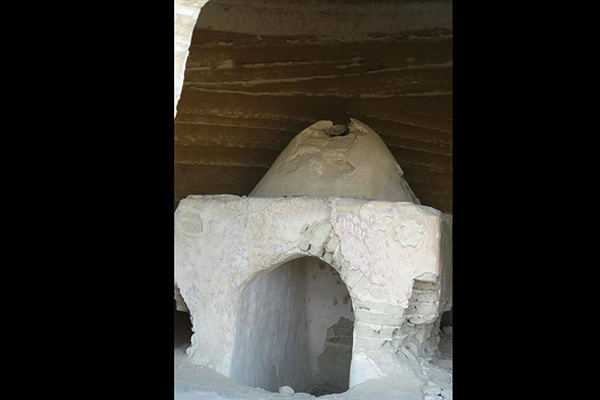
Banmasity Caves of Chabahar, Southeastern Iran

Banmasity Caves000

In the Shahbazband Mountains of Chabahar, about 25 m above ground level, there are two man-made caves and one natural one. The trio is called Banmasity Caves by locals. In the local language, ban means a pious person and masity is a place of worship.

Inside the small natural cave, there is a cubic grave whose dome is 40 cm in height. On three sides of the dome, there are inscriptions and signs in red and purple which are similar to Indian writing.

Seven steps away, there is a second cave made of stucco and stone. The third cave is 50 m away. These caves seem to have served as either a shelter or a place of worship. At the entrance to all three caves, there is a platform that seems to have been used for religious rituals.

The following images of Banmasity caves have been released by different websites:

Alborz Symphony Orchestra observes liberation of Khorramshahr with FM in attendance (PHOTOS)

Zarif-Music2

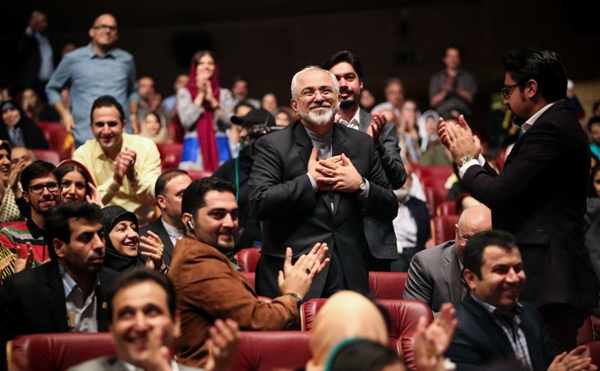
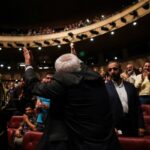
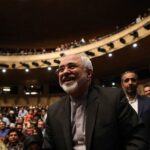
The Alborz Symphony Orchestra went on stage at Tehran’s Milad Tower on Saturday night to mark the anniversary of the liberation of Khorramshahr.

Foreign Minister Mohammad Javad Zarif was also invited to the concert. The audience was thrilled by his arrival while the orchestra was preparing to perform.

The audience gave Zarif a very warm welcome by chanting the slogan “Love you Zarif”.

“Where Art Thou, Divine Martyrs”, “Anfal”, “Khorramshahr Symphonic Poem” and “In Golestaneh”, all composed by Hushang Kamkar, were performed during the concert, which was part of the Iranian Composers Night program.

Before the performance, the organizers screened a video in which Hushang Kamkar explained the endeavor he undertook to compose the pieces.

He said that he had sold his wedding gifts to raise funds for recording “Where Art Thou, Divine Martyrs” in 1981.

Elaborating on “Khorramshahr Symphonic Poem”, Kamkar said that he composed the piece to praise the resistance by the people of Khorramshahr against the enemy.

The orchestra conducted by Sohrab Kashef also performed French composer George Bizet’s “Carmen”, Russian composer Modest Petrovich Mussorgsky’s “Night on Bald Mountain” and Finnish composer Jean Sibelius’s “Finlandia”.

The following images provided by Mehr News Agency’s Hossein Razzaghnejad and ISNA’s Borna Ghasemi:

Change in tactic or strategy?

obama-bush

Will the future bear out President Obama’s prediction that failure to clinch an agreement with Iran may result in the isolation of the US among its friends and European allies?

Did President Obama’s warning, which came in response to opponents at home of a nuclear deal with Tehran, emanate from the understanding that days of hegemonic excessiveness and recourse to intimidation and threats are over? Or from appreciating the fact that solutions to modern-day problems lie in nothing but wise diplomacy the core principle of which is respect in practice for the rights of others?

On the world stage, such diplomacy requires national interests to be defined in relation to the collective interests of the international community to make sure that they are advanced through mutual respect and constructive interaction with other nations across the world.

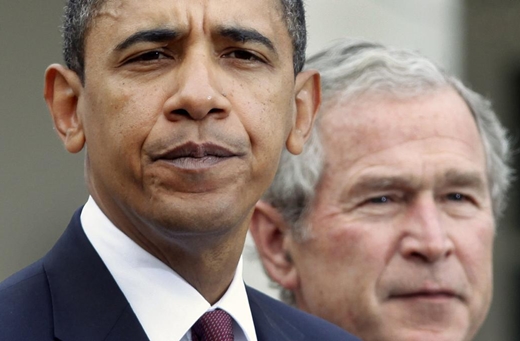
Barack Obama ran on a platform of change. His choice of the campaign slogan can be construed as understanding the need for change in Washington’s strategic policies to make America more compatible with the rest of the international community.

George W. Bush was unwilling to come to terms with the fact that the world has undergone change. So, he tried to advance his objectives with the help of the Pentagon and his NATO allies. He cherished a new world order to be policed by the US.

He had realized that power equations on the world stage were metamorphosing, but he failed to appreciate the fact that he was not the only one in charge of managing the world. Nor did he realize that the era of the US and its traditional ally Britain establishing all-too-obedient rules in other countries was gone.

His Hollywood-style scenario featured redrawing the world map – expanding some countries and contracting others – similar to what a sovereign government might do to its provinces, for one reason or another.

George W. Bush had inherited his father’s unfulfilled dream. George Bush 41 entertained the idea of introducing a new world order and globalizing American culture. But, his unrealistic ambitions never materialized.

His failure was not the result of wrong tactics. In fact, it was an irreparable strategic blunder by Washington to believe that through a change in tactic and replacement of “war” with “diplomacy”, it could achieve an unattainable objective.

By the same token, President Obama seems to have failed to reach a thorough understanding of his campaign slogan: Change. Although he is a Democrat, he too seems to have been fixated on fulfilling the dreams of neocons through a change of tactics.

Perhaps, he knows that what America needs more than a change in tactics is the revision of its strategies. But, in a battle that pits realism against wishful thinking, realists seem to have to withdraw from the race in favor of dreamers.

America is pregnant with fundamental change in its interpretation of “power” and “international relations” in today’s world, but President Obama does not seem to be a seasoned and determined enough midwife to deliver the baby. Or maybe, time is not ripe for America to experience labor pains, and this baby cannot be prematurely delivered through cesarean section, especially by an African-American jurist, and not a Caucasian politician.

It would be a big mistake for American foreign policy strategists to assume that a change in tactics could do damage control and help restore their country’s past glory.

Also, it would be miscalculation on their part if they thought the tarnished image of America could be repaired through withdrawing US troops from Afghanistan and Iraq, replacing military action [which is still on the table] with diplomacy to settle the nuclear dispute with Iran, not sending forces to Syria or occasionally holding the radical Israeli government in check.

What the US needs is fundamental change in its approach to the world and its nations, a question which has yet to be addressed even on a national level. So there is no wonder that signs of practical change in America’s international relations are nowhere to be seen.

It is astonishing that the US, which has cutting-edge communication technology and has provided the world with the infrastructure needed for a borderless globe, does not have brave politicians to dismantle Medieval feudalism, modern-day slavery and colonialism.

It’s a great pity that instead of being used to reach understanding and coexistence among nations and securing synergy and enhancing living standards, dialog is being used on a mission of coercion which used to be accomplished through the use of artillery, tanks, snipers and fighter jets. One must keep in mind that introduction of change in approaches won’t necessarily be successful.

Nuclear negotiations between Iran and P5+1 are – I don’t want to use the past tense of the verb: were – one of the most remarkable opportunities which can possibly land world rulers on the path to alignment with nations; nations which think of a better future and are brought together thanks to modern communications.

They have either undergone change or realized the need for change. Undoubtedly, people of the world, particularly the elite and scholars, will not take kindly to any impediments to this inevitable fate of human society, whether the hurdle presents itself in the form of Zionist extremism and Daeshism [the extremist ideology of IS], or ignorance at the negotiating table.

It seems that among nuclear negotiators, Europeans are better prepared to hear out the message of “change”, but symptoms of congenital inability to appreciate it can be clearly seen among US congressmen and statesmen.

The Iranian government and nation still hope that following two years of intensive talks in Geneva, Vienna, and Lausanne which finally produced a statement, the Europeans will play by the book. In fact, they have enough reasons to think of the interests of their own countries as members of an independent union.

US hardliners should take President Obama’s warning seriously that insistence on halting Iran’s nuclear program would be an illusion that could translate into “losing touch with reality”, if not outright alienation. They should accept the fact that this style of policy-making for a country which views itself as the world leader would be disastrous.

By electing President Rouhani almost two years ago, the Iranian nation told the world that it also thinks of change on a national and global scale, and is ready to honor its obligations and has paid a price for change already.

After what Iran went through when an adventurous government was in office, it is now saying it has reached some sort of national unity to strike harmony with the rest of the world through flexibility of its nuclear negotiators which has at times gone beyond expectations.

We want peace for everyone across the world regardless of their race and religion; we know peace and security are either for all or for no one. The approach that puts others first can be viewed as realistic self-love.

Now, we have adopted a wait-and-see approach to find out what good things will come out of moderation and termination of aggressive policies and adventurous rhetoric for us – read the entire world.

As Supreme Leader Ayatollah Khamenei, who made constructive interaction with the world possible through his support for the negotiating team, put it what comes out of two years of negotiations is the final act.

In other words, in Iran’s contemporary history, there are enough reasons for distrust in the West, particularly America. So Iranians won’t have to wait for assistance from the West to secure development. However, it is expedient, both for the world and Iran, to give a second chance to diplomacy so that the wisdom, good judgment, logic and commitment to law of veteran politicians can be assessed and their claims can be verified!

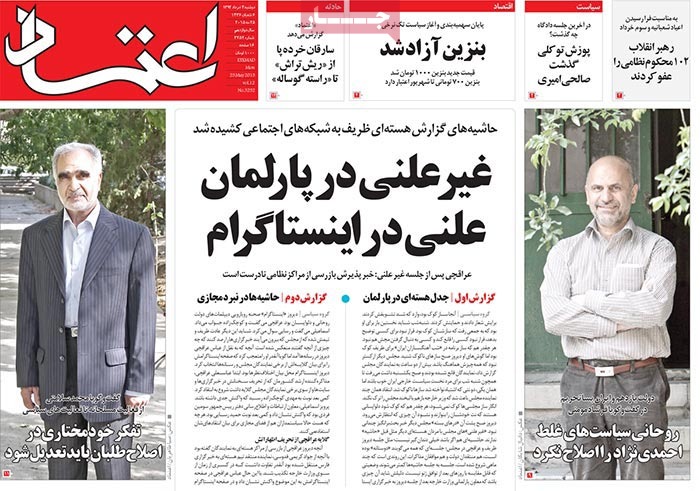
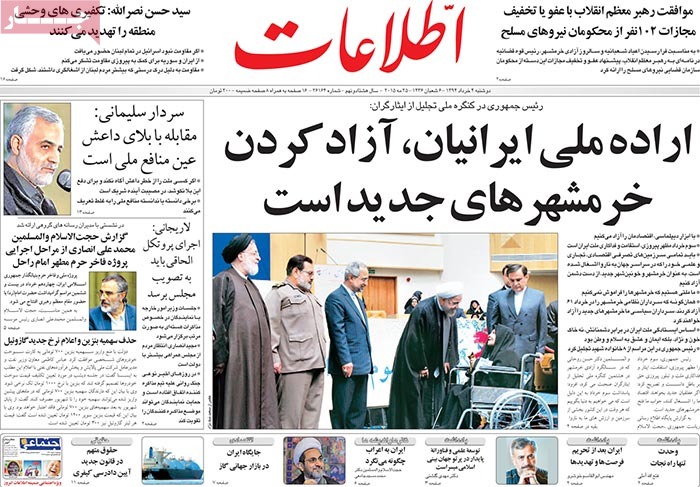
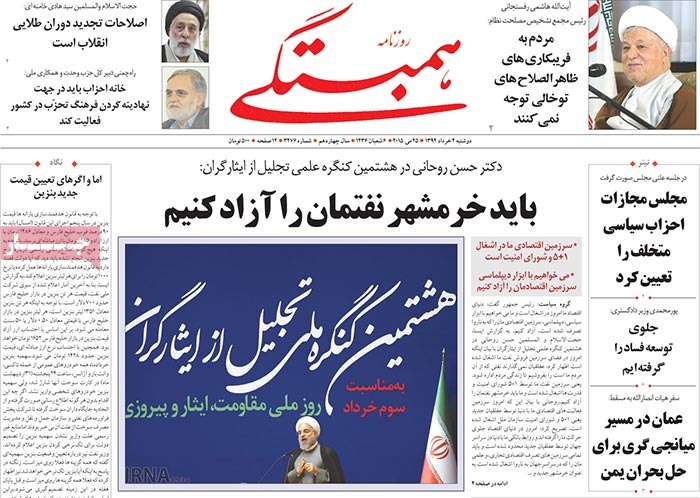
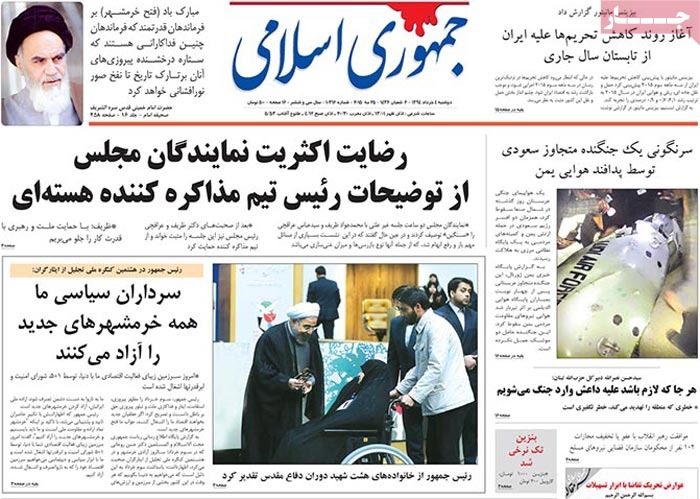
A look at Iranian newspaper front pages on May 25

Iranian Newspapers Headlines

The appearance in parliament of Foreign Minister Mohammad Javad Zarif and his deputy Abbas Araghchi to present a report on nuclear negotiations with P5+1 dominated the front pages of Iranian newspapers on Monday. The Supreme Leader’s decision to pardon or commute the sentences of 100-plus military convicts also made front-page headlines. A government decision to increase gasoline prices was under the front-page spotlight too.


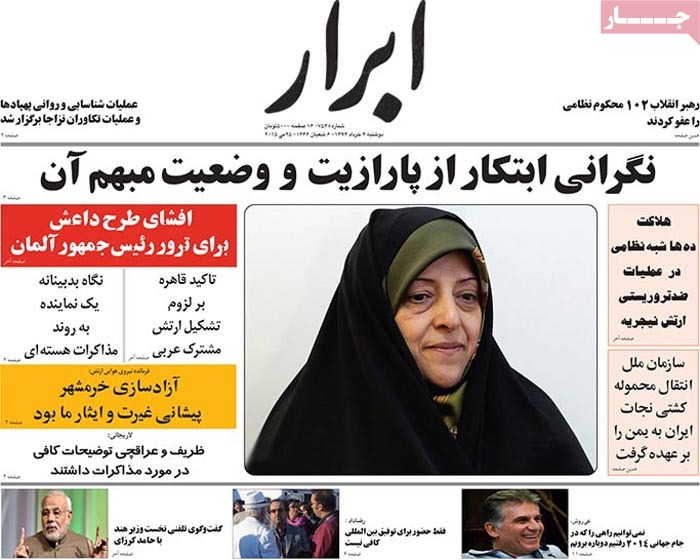
Abrar: Director of the Environment Protection Organization has expressed concern about the jamming of satellite signals and the ambiguities surrounding the move.


A look at Iranian newspaper front pages on May 25


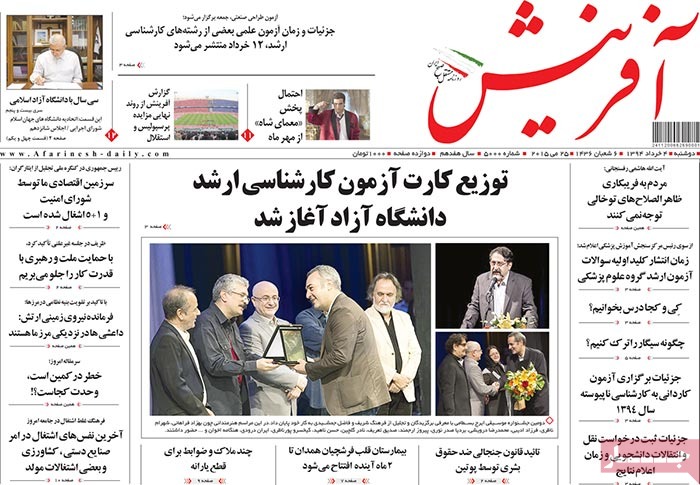
Afarinesh: A senior Army commander has underlined efforts to boost the capabilities of the Army, citing the presence of IS terrorists close to Iran’s [western] border.


A look at Iranian newspaper front pages on May 25


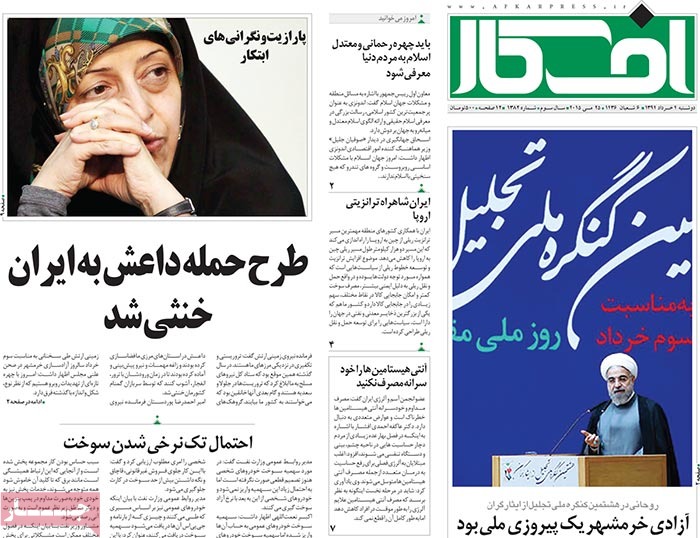
Afkar: “An IS plot to attack Iran has been foiled,” said the commander of the ground troops of the Iranian Army.


A look at Iranian newspaper front pages on May 25


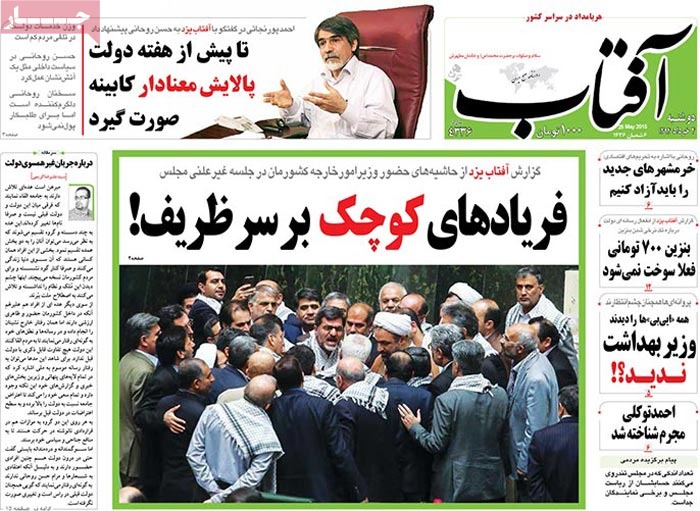
Aftab-e Yazd: Tehran MP Ahmad Tavakoli has been found guilty [of insulting senior officials of the establishment].


A look at Iranian newspaper front pages on May 25


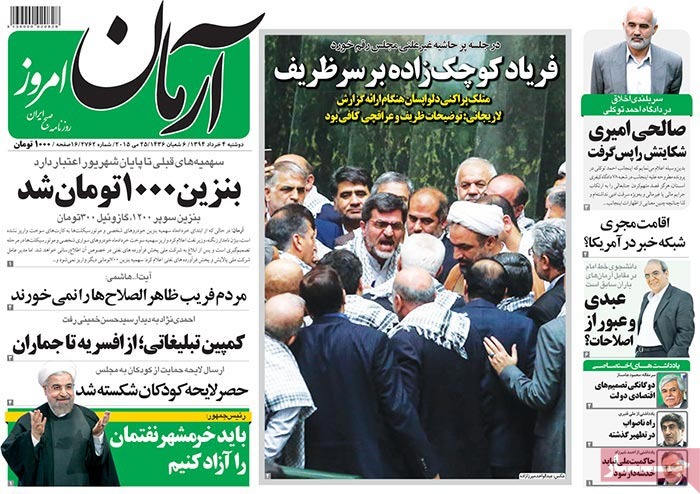
Arman-e Emrooz: [Hardline MP] Mehdi Kuchakzadeh shouted at Foreign Minister Zarif during a closed-door session of parliament.

The Worriers [supporters of former President Mahmoud Ahmadinejad who are opposed to every policy of President Rouhani and his administration] heckled the top diplomat as he presented a report to the chamber on nuclear talks.

Parliament Speaker Ali Larijani later described the explanations of Zarif and his deputy Abbas Araghchi as sufficient.

Arman-e Emrooz: Salehi Amiri, the president of the National Library and Archives, has dropped charges against Ahmad Tavakoli.

[It came after the principlist MP and a onetime presidential candidate wrote a letter to the top librarian and apologized.]

“It was never my intention to accuse Your Excellency of financial or non-financial offenses, particularly plagiarism,” the MP said in a letter of apology.


A look at Iranian newspaper front pages on May 25


Etemad: Deputy Foreign Minister Abbas Araghchi has said reports that Iran has accepted inspections of its military sites are inaccurate.

The diplomat, who is a member of the Iranian nuclear negotiating team, made the comment after a closed-door session of parliament where he together with his boss offered a report to MPs on nuclear talks with P5+1.


A look at Iranian newspaper front pages on May 25


Ettela’at: Parliament Speaker Ali Larijani says implementation of the Additional Protocol needs the go-ahead of the Islamic Consultative Assembly.


A look at Iranian newspaper front pages on May 25


Hambastegi: “The public won’t be fooled by those who only ostensibly seek the expedience of the country,” said Chairman of the Expediency Council Ayatollah Akbar Hashemi Rafsanjani.


A look at Iranian newspaper front pages on May 25


Jomhouri Islami: President Hassan Rouhani has appreciated the services of the families of the soldiers who fell during the Sacred Defense.


A look at Iranian newspaper front pages on May 25


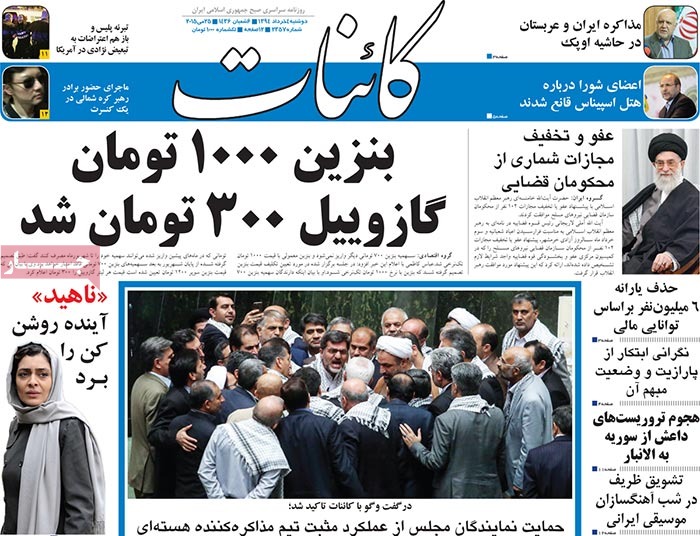
Kaenat: The price of gasoline has increased to 1,000 tomans (almost 30 cents) a liter.

Kaenat: The Supreme Leader has pardoned or commuted the sentences of 102 military convicts.


A look at Iranian newspaper front pages on May 25


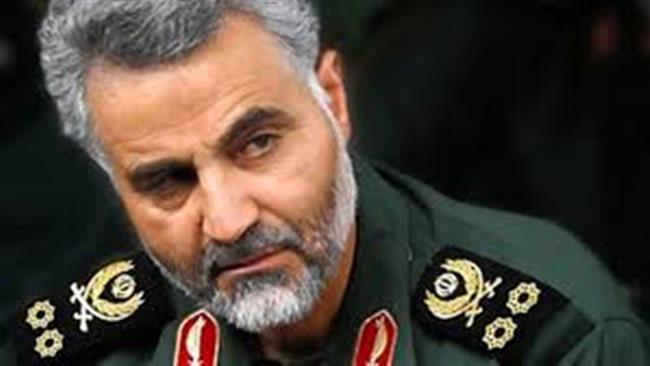
Confronting Daesh is akin to serving national interests: General Soleimani

Ghasem Soleimani

Commander of the Islamic Revolution Guard Corps’ Quds Force Major General Ghasem Soleimani defended taking action against Daesh [the Arabic term for ISIL] terrorists.

Addressing a local gathering to mark the liberation anniversary of Khorramshahr during the Saddam-imposed war (1980-1988), the general stressed that fighting the terrorist group is equal to securing national interests.

The group – whose terrorists slaughter human beings like sheep as they chant religious slogans – poses a major threat, he added.

Soleimani also cautioned against misrepresenting the national interests by those who attempt to score domestic political gains.

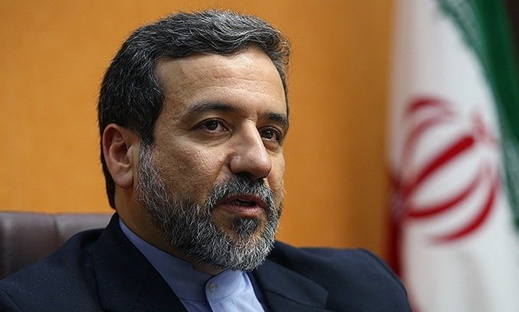
Iran will not allow military sites inspection: Araghchi

Abbas Araghchi

A senior Iranian nuclear negotiator says Tehran will not allow inspection of its military sites as part of a prospective nuclear deal with P5+1.

Speaking at a closed door session of Iranian parliament on Sunday, Abbas Araghchi, the deputy foreign minister for legal and international affairs, stressed that the Iranian delegation has always reaffirmed Tehran’s red lines during nuclear negotiations with the six world powers.

Tehran will never agree to the inspection of its military sites or any interview with its nuclear scientists, he said, adding, “All ways to abuse have been principally blocked during nuclear talks.”

Araghchi also highlighted the role of parliament in Iran’s nuclear case, saying that Tehran’s acceptance of the Additional Protocol to the Nuclear Non-Proliferation Treaty (NPT) depends on parliament’s approval.

Earlier in the month, he had stressed that the possible inspections of Iran’s non-nuclear sites would not go beyond the framework of the Additional Protocol.

Araghchi and Iranian Foreign Minister Mohammad Javad Zarif attended a closed-door session of parliament to brief lawmakers on the recent nuclear negotiations with P5+1.

Iran and P5+1 — the United States, Britain, France, Russia, China and Germany — wrapped up their latest round of talks in the Austrian capital city of Vienna on May 22 in another effort to narrow down the remaining differences and pave the way for a possible final nuclear deal.

Iran and P5+1 are currently working to reach a final accord on Iran’s nuclear program by the end of June.

The two sides reached a mutual understanding on the parameters of the Joint Comprehensive Plan of Action (JCPOA) – as the comprehensive agreement on the Islamic Republic’s nuclear program is called – in the Swiss city of Lausanne on April 2.

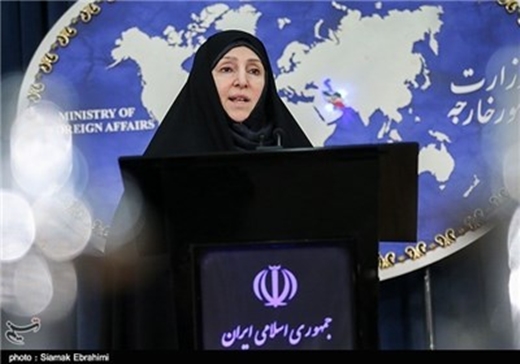
Spokeswoman rejects Obama’s anti-Iran remarks

afkham

Iran’s Foreign Ministry spokeswoman slammed recent allegations raised by US President Barack Obama who accused Iran of anti-Semitism and having expansionist ambitions, and hit back at Washington for trying to flare up tensions in the Middle East region.

“The Islamic Republic of Iran is the source of stability and security in the unstable region of the Middle East and it actively encourages and pursues the political approaches and regional cooperation for countering violence and extremism,” Foreign Ministry Spokeswoman Marziyeh Afkham said on Saturday.

Her comments came in response to Obama’s interview with The Atlantic on May 19, when he accused Iran of anti-Semitism and expansionist ambitions, reiterating that the “military option” against Iran is still viable.

Afkham made it clear that Iran respects followers of all divine religions, including Jews, noting that Tehran’s anti-Zionism policies and opposition to the Tel Aviv regime have nothing to do with Judaism and its followers.

She also described attempts to promote “Iranophobia” as a plot that aims to fan the flames of regional crises and incite rift.

“The historical facts provide clear proof of Iran’s constructive and peaceful role in the region and the world,” she explained.

Afkham further decried Obama’s talk of military option against Iran as “recurring negative rhetoric” that has no place in the real world.

Obama’s anti-Iran comments came while Washington is supporting Saudi Arabia in a military campaign against Yemen.

The Saudi-led coalition, which seeks to restore power to the fugitive former President Abd Rabbuh Mansour Hadi, includes eight other Arab states and is receiving logistical support from the US, Britain and France.

According to Yemen’s Freedom House Foundation, the Saudi airstrikes have claimed the lives of nearly 4,000 Yemeni people since March 26, while more than 7,000 others have been wounded, most of them civilians.

Meantime, the Office of the High Commissioner for Human Rights (OHCHR) revealed that 2,453 civilians have been injured, among whom 130 were women and 234 children.