Sunday, December 28, 2025
Home Blog Page 4820

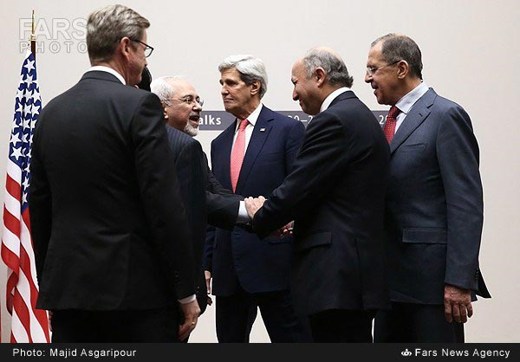
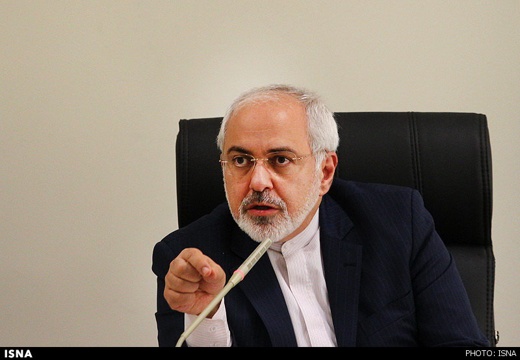
Netanyahu trying to have disruptive effect on nuclear talks: Zarif

Zarif-Iran FM

Iran’s foreign minister says the Israeli prime minister is trying to have a disruptive effect on the Islamic Republic’s nuclear negotiations with world powers.

“He’s trying to,” Mohammad Javad Zarif said on Tuesday, asked by the CNN if Benjamin Netanyahu was trying to have such effect on the talks.

“But I don’t think trying to create tension and conflict helps anybody,” the Iranian top diplomat noted.

Also on Tuesday, Netanyahu addressed the US Congress, calling on the United States not to negotiate “a very bad deal” with Iran over its nuclear energy program. He said, “We’ve been told for over a year that no deal is better than a bad deal. Well this is a bad deal, a very bad deal. We’re better off without it.”

Iran and P5+1 – Russia, China, France, Britain, the US and Germany – are negotiating to narrow their differences over the Islamic Republic’s nuclear energy program ahead of a July 1 deadline.

Netanyahu said that it is not true that “the only alternative to this deal is war.”

“The alternative to this deal is a much better deal. A better deal that doesn’t leave Iran with a vast nuclear infrastructure and such a short breakout point,” he added.

He said that the ongoing nuclear negotiations would provide Iran “with a short breakout time for a bomb.”

“According to the deal not a single nuclear facility would be demolished,” he said.

“So this deal won’t change Iran for the better, it will only change the Middle East for the worst,” he noted.

US President Barack Obama said there was “nothing new” in the speech.

He told reporters that Netanyahu “did not offer any viable alternative.”

Speaking to reporters in the Swiss city of Geneva on Tuesday, EU foreign policy chief Federica Mogherini warned against “spreading fears” about a final nuclear deal that is being negotiated by representatives from Iran and the six states.

“Spreading fears is not helpful at this stage,” Mogherini told reporters, adding, “We are getting closer” to a comprehensive accord aimed at ending the longstanding dispute on Tehran’s nuclear dossier.

Reflecting on the talks, Zarif also said “we’re starting to move forward, but it’s a lot of work.”
Spreading fears on Iran nuclear deal unhelpful: EU

EU foreign policy chief

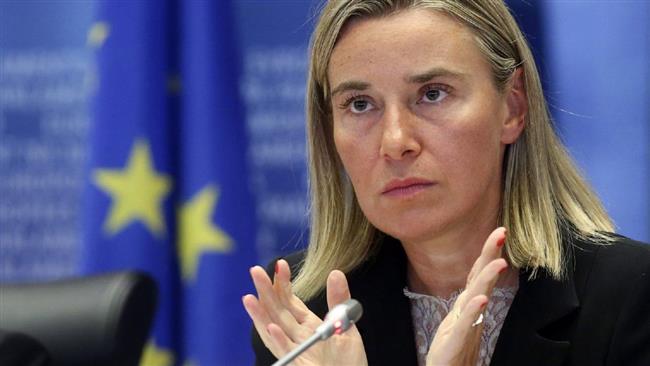
The European Union says “spreading fears” about an emerging deal between Tehran and P5+1 on Iran’s nuclear program is unhelpful.

Speaking to reporters in the Swiss city of Geneva, on Tuesday, EU foreign policy chief, Federica Mogherini, warned against “spreading fears” about a final nuclear deal that is being negotiated by representatives from Iran and the six states.

“Spreading fears is not helpful at this stage,” Mogherini told reporters, adding, “We are getting closer” to a comprehensive accord aimed at ending the longstanding dispute on Tehran’s nuclear dossier.

Her remarks came just as Israeli Prime Minister Benjamin Netanyahu, who has repeatedly attacked the emerging Iran deal, began his speech at US Congress.

The senior EU diplomat further said Tehran and its negotiating partners have taken “significant steps in the last weeks, with a lot of political will that I see on many sides.”

“(In) the talks of this last round, including the one of today, (there) were encouraging signs,” Mogherini said, adding, “I would like to make an appeal, a plea to all public actors to facilitate rather than put in danger diplomatic efforts that have been extremely difficult.”

Mogherini also stated that she had held a phone conversation with US Secretary of State John Kerry on Tehran’s nuclear issue and was set to discuss the matter with Iranian Foreign Minister Mohammad Javad Zarif later on Tuesday.

The EU foreign policy chief made the comments as officials from Iran and the United States are holding a second day of discussions in their latest round of talks over Tehran’s nuclear program in the Swiss city of Montreux.

Zarif and Kerry, who are heading the Iranian and American delegations, sat down for more than two hours of nuclear discussions on Monday.

The new round of talks in Montreux comes as representatives from Iran and the United States held three rounds of intense negotiations in the Swiss city of Geneva on February 22-23 to bridge their differences ahead of the July 1 deadline for Iran and P5+1 to reach a comprehensive nuclear deal.

The two sides have missed two deadlines since an interim deal was signed in November 2013.

Irked by the interim accord between Tehran and P5+1, Israeli authorities have been lobbying over the past year to hinder a permanent accord on Tehran’s nuclear case.

In his latest attempt to sabotage a lasting nuclear agreement, the Israeli premier told US congressmen on Tuesday that a future accord would benefit the Islamic Republic, accusing Washington of negotiating a “bad deal” with Iran.

Netanyahu claimed that the nuclear agreement would provide Iran “with a short breakout time for a bomb,” adding, “According to the deal not a single [facility] would be demolished… because Iran’s [facilities] would be left largely intact.”

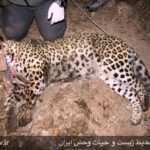
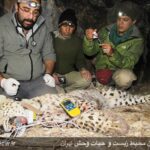
Borzoo, a 3rd Persian leopard fitted with GPS tracking neckband

Persian leopard-Borzoo-4

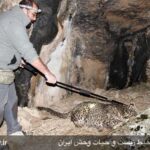
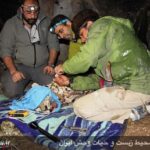
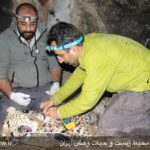
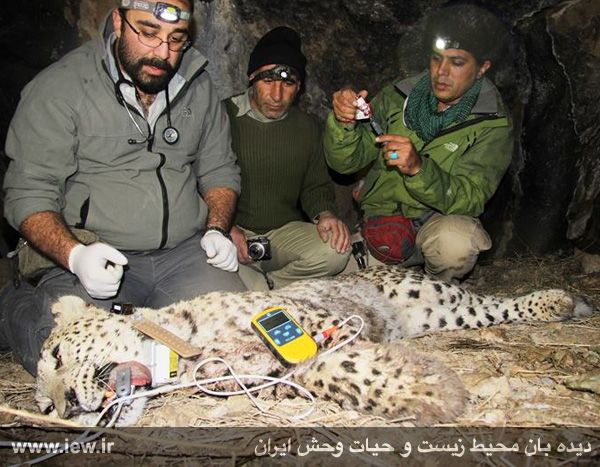
The website of Iran Environment and Wildlife reported on February 24 that a third Persian leopard has been captured alive in Tandooreh National Park and fitted with a GPS tracking neckband.

At stages one and two of the project, which is the doctoral thesis of Mohammad Sadegh Farhadinia, Borna, and Bardiya [two male Persian leopards] were equipped with similar neckbands.

A third stage of the project saw researchers set traps in late January to capture more leopards alive. One day after the traps were laid, a third leopard was caught. In order to carry out some tests and examination, the feline was given a dose of aesthetic through a blowpipe.

The subsequent examination of the big cat showed that he was about 11 years old and weighed 57 kg, which is not much for an adult Persian leopard.

Dr. Iman Memarian, a veterinarian who conducted the medical examination, said, “Although some of his teeth were decayed, he still has enough healthy teeth to hunt. To ease the tracking of this old and experienced leopard, we named him Borzoo.”

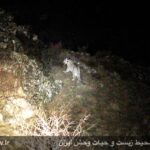
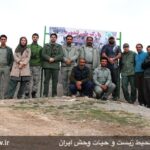
A few days after Borzoo was released into the wild, a picture of him was captured by a camera installed in the park. The following is a photo gallery posted by www.iew.ir of the operation during which Borzoo was equipped with the tracking neckband:


Third exhibition of games and toys opens in Tehran

Iran game exhibition

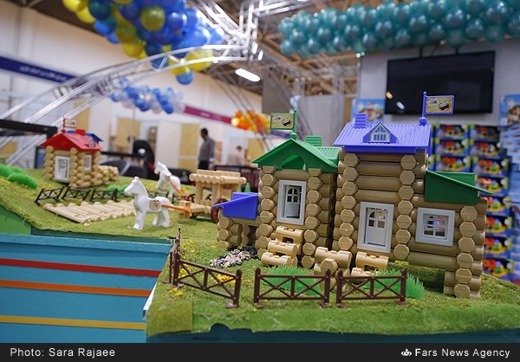
The exhibition aimed at presenting toys designed by Iranian producers and local games gives families a chance to get their children great New Year gifts. This is the perfect place to find toys and gifts for a 4 year old.

Toys importers, producers and distributors are participating in the exhibition held at the Institute for the Intellectual Development of Children and Young Adults in Tehran.

The exhibition will work until Friday March 6.

Iran ready to boost cooperation with UN human rights commissioner

Zarif-Un-Human-Rights

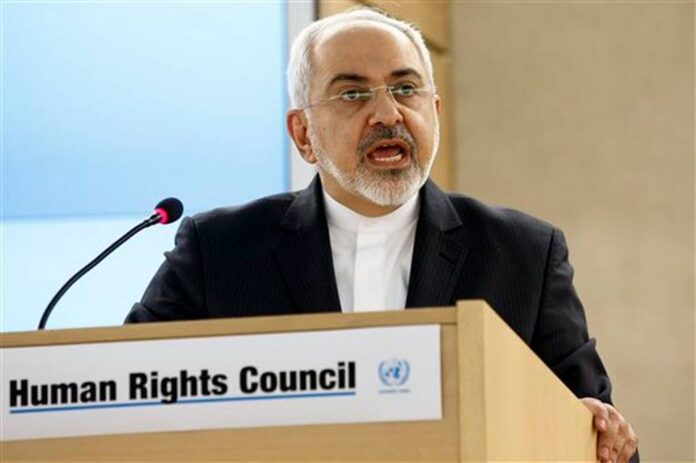
Iranian Foreign Minister Mohammad Javad Zarif on Monday voiced Iran’s readiness to boost cooperation with UN human rights commissioner.

He made the remarks in a meeting in Geneva with UN High Commissioner for Human Rights Zeid Ra’ad al-Hussein.

Zarif expressed concern over the spread of Islamophobia in the West and said that Tehran is concerned about the arrival of terrorist agents from Western countries in the Middle East.

He emphasized the need for identification of the root causes of terrorism and extremism and for an unbiased campaign against the phenomenon.

The foreign minister criticized double standards employed by Western governments and misusing the issue of freedom of expression to desecrate the religious sanctities.

Meanwhile, the UN commissioner for human rights said the UN agency is ready to do its best to promote international cooperation and dialogue and welcomes every effort which helps promote human rights.

Iran, US envoys wrap up nuclear talks in Montreux

Iran-Us-Nuclear-Talks

The negotiations were held on Monday in an attempt to narrow differences on the outstanding issues over the Islamic Republic’s nuclear program.

Iranian Foreign Minister Mohammad Javad Zarif, Director of the Atomic Energy Organization of Iran Ali Akbar Salehi, Iran’s deputy foreign ministers Abbas Araghchi and Majid Takht Ravanchi together with special aide to Iran’s president Hossein Fereidoun made up the Iranian team. The US delegation was comprised of US Secretary of State John Kerry, Under Secretary of State for Political Affairs Wendy Sherman, EU’s deputy foreign policy chief Helga Schmid and US Energy Secretary Ernest Moniz.

The talks are scheduled to continue on Tuesday in the Swiss city from 9:00 am local time (800 GMT).

Before the talks on Monday, Kerry had announced that he would leave Montreux after visiting Zarif. The reports, however, said that he plans to stay in the Swiss city for negotiations. According to reports, the two sides seem to be determined to reach a political agreement ahead of a key July 1 deadline for reaching a comprehensive deal.

The new round of talks in Montreux came as representatives from Iran and the United States held three rounds of intensive talks in the Swiss city of Geneva on February 22-23 to bridge their differences ahead of the July 1 deadline.

Iran and P5+1– Britain, France, China, Russia, and the United States plus Germany – are making attempts to narrow their differences on the outstanding issues related to Iran’s nuclear program. The two sides have missed two deadlines since an interim deal was signed in November 2013. They have set July 1 as the next deadline for clinching a final deal.

Russia, Iran sign new agreement on Bushehr power plant

Iran-Russia

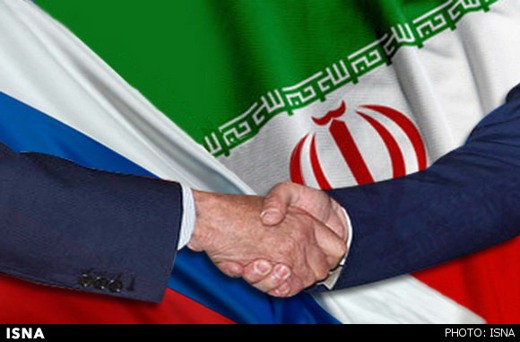
Russia and Iran signed an agreement to supply services to the Bushehr nuclear power plant, the head of Rosenergoatom said.

According to Rosenergoatom Chief Executive Officer Evgeny Romanov, the firm agreed on a five-year cooperation deal with Iran.

The two sides came to the agreement that Roseenergoatom, a subsidiary of Rosatom, will take part in building new power stations in Bushehr.

Bushehr power station has a 1,000 MW nuclear reactor which has been generating electricity since 2014.

Russian Company Rosatom and Atomic Energy Organization of Iran (AEOI) signed a treaty in 2014 to build the second and third units of Bushehr power plant, Sputnik reported.

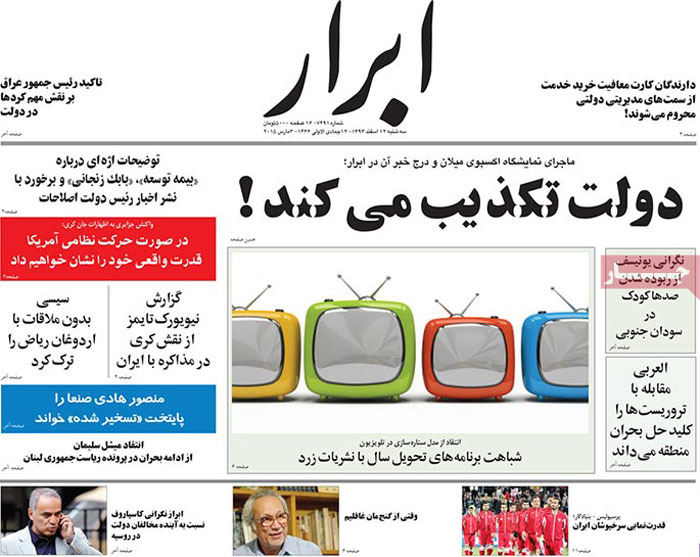
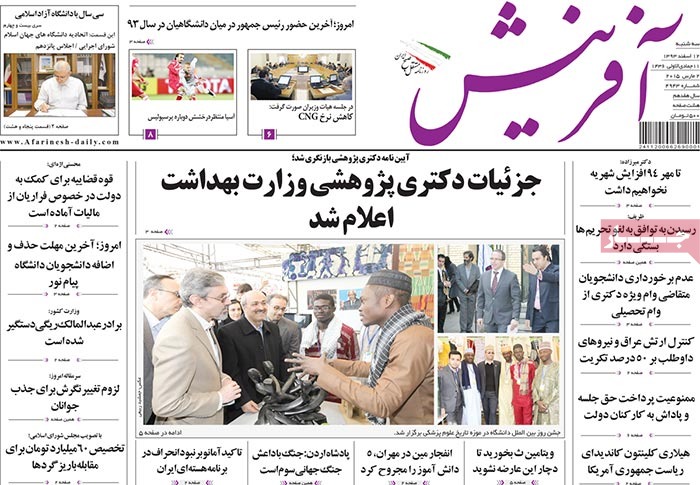
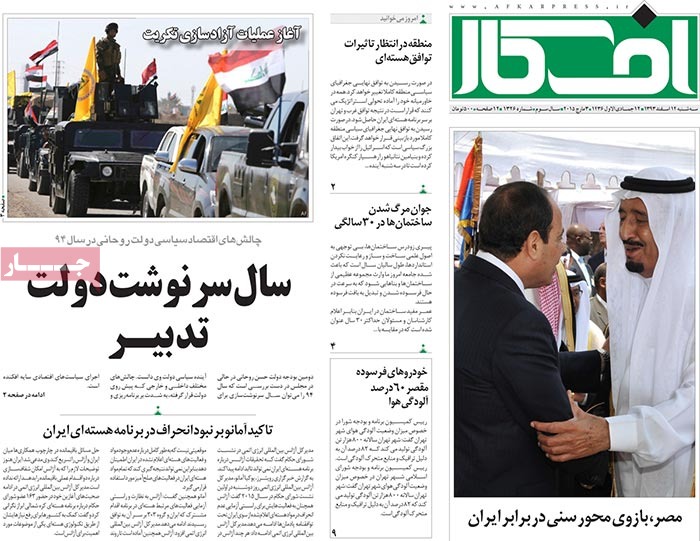
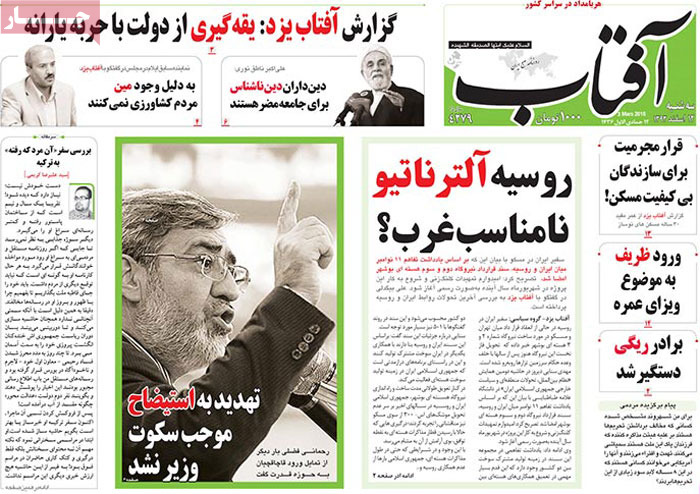
A look at Iranian newspaper front pages on March 3

Iranian Newspapers Headlines

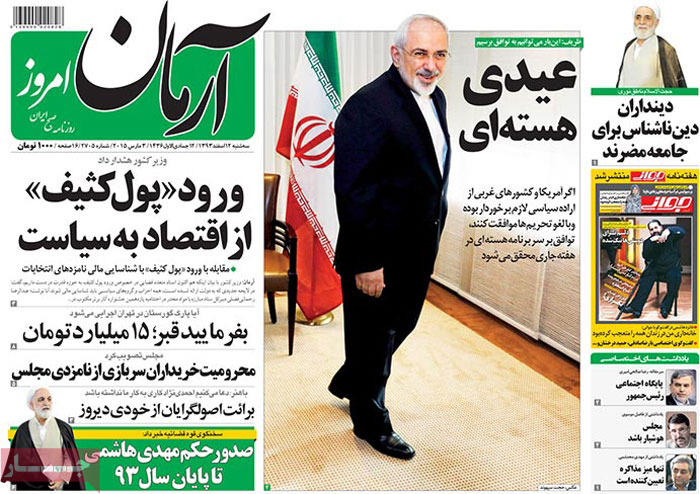
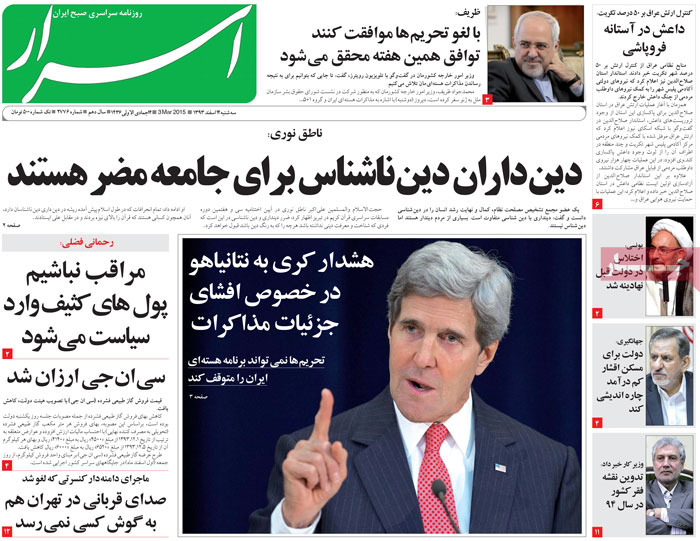
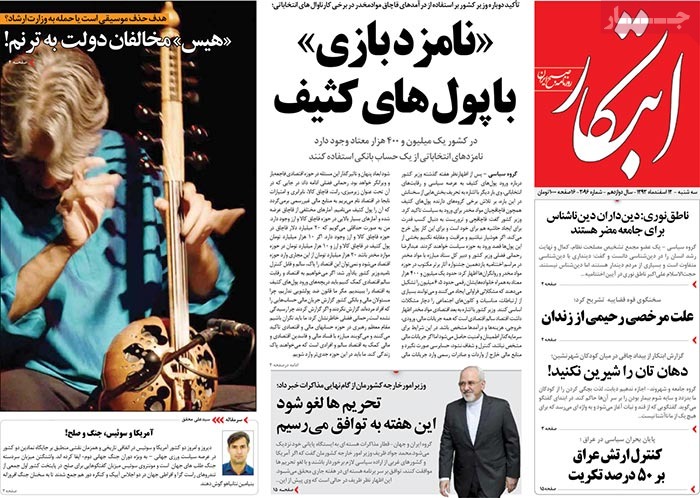
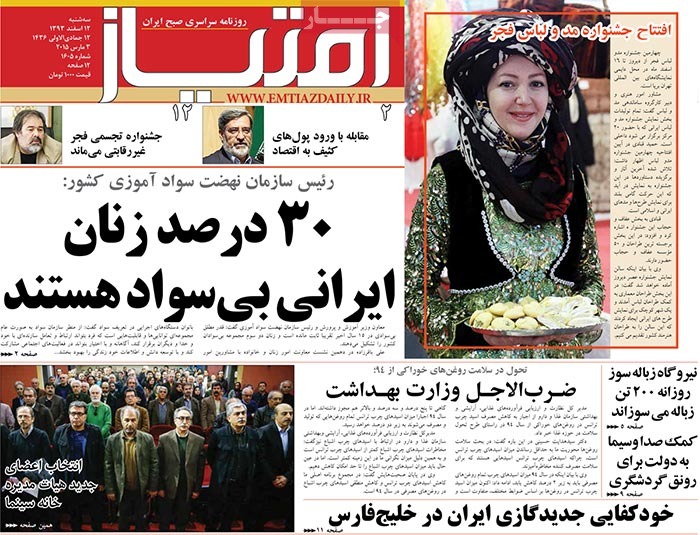
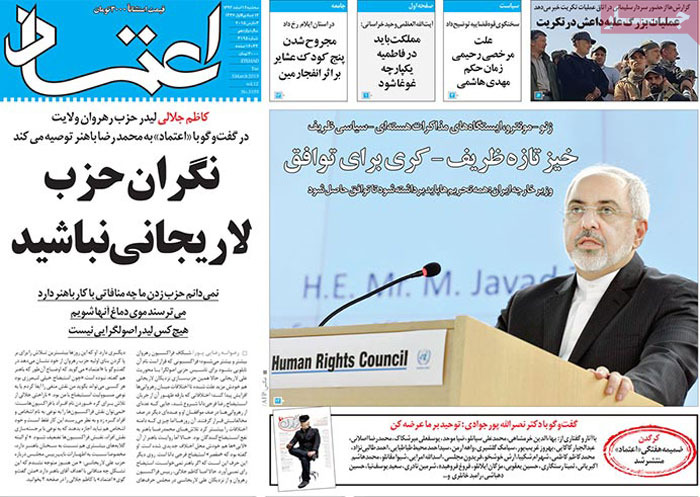
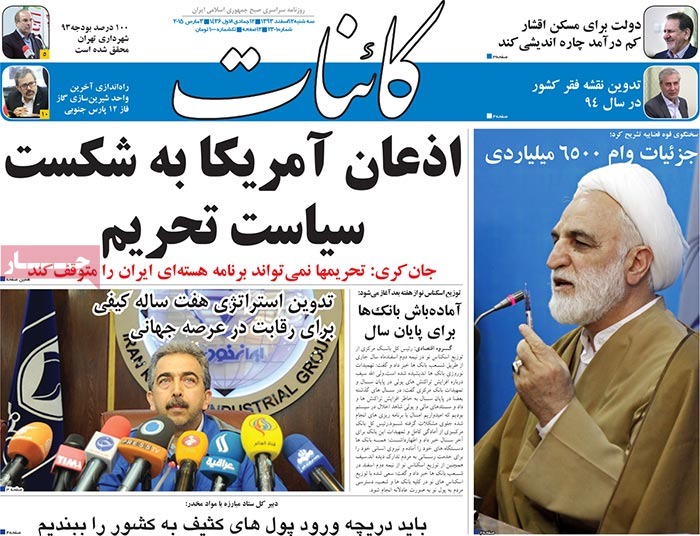
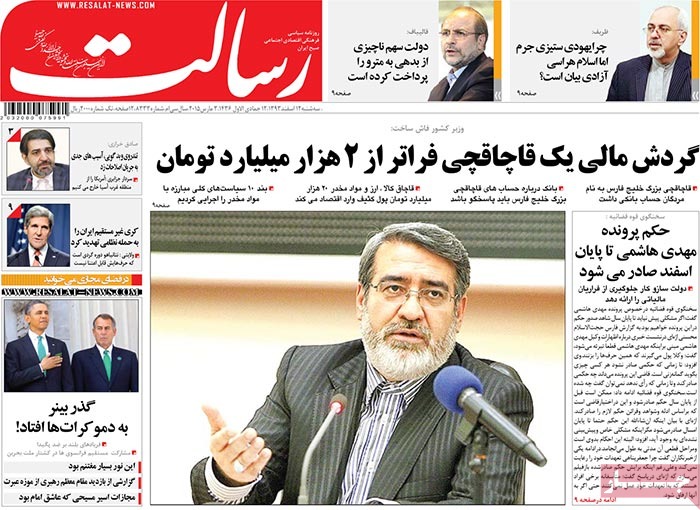
A news conference of the Judiciary spokesman during which Mohseni Ejei touched on a number of issues including the cases involving Mehdi Hashemi and Babak Zanjani as well as tax evasion dominated the front pages of Iranian newspapers on Tuesday. Also on the covers of the dailies were the comments of Foreign Minister Zarif about the likely conclusion of a nuclear deal between Iran and P5+1 this week if “the West showed determination and agreed to lift all sanctions.”


Abrar: “If the US took military action, we would put our real might on display,” said the deputy chief of staff of the Iranian armed forces.


A look at Iranian newspaper front pages on March 3


Afarinesh: “The Judiciary is ready to help the Executive branch turn up the heat on tax evaders,” announced the Judiciary spokesman.


A look at Iranian newspaper front pages on March 3


Afkar: Old cars are to blame for 60 percent of air pollution in the capital.

Afkar: The IAEA chief has admitted there has been no diversion in Iran’s nuclear program.


A look at Iranian newspaper front pages on March 3


Aftab-e Yazd: Impeachment threats did not silence the minister.

Interior Minister Abdolreza Rahmani Fazli has once again said drug traffickers are willing to make their way into politics.


A look at Iranian newspaper front pages on March 3


Arman-e Emrooz: A nuclear present for New Year

Foreign Minister Mohammad Javad Zarif said if the West showed political determination and agreed to terminate sanctions, a deal could be clinched over Iran’s nuclear case as early as this week.

Arman-e Emrooz: A verdict is expected in the case of Mehdi Hashemi by yearend

The announcement that the ruling in the case of Ayatollah Hashemi Rafsanjani’s son is less than three weeks away was made by the Judiciary spokesman in a press conference.


A look at Iranian newspaper front pages on March 3


Asrar: “The faithful who lack insight into the faith harm the interests of society,” said Ali Akbar Nategh Nouri, a member of the Expediency Council.


A look at Iranian newspaper front pages on March 3


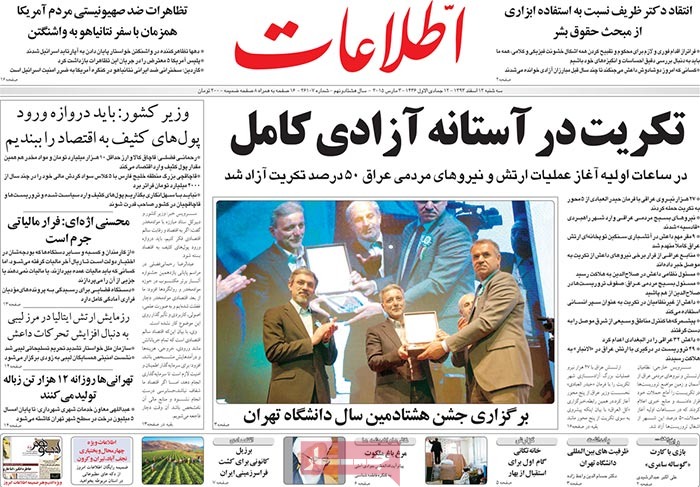
Ebtekar: The Iraqi army has retaken some 50 percent of Tikrit from terrorists.


A look at Iranian newspaper front pages on March 3


Emtiaz: Fajr Clothing and Fashion Festival has opened in Tehran.


A look at Iranian newspaper front pages on March 3


Etemad: Five nomadic kids were wounded when a landmine went off in Ilam Province.


A look at Iranian newspaper front pages on March 3


Ettela’at: Scores of people have staged an anti-Zionist rally in Washington.

The rally was timed to coincide with a visit by the Israeli prime minister to the US.

Ettela’at: Residents of Tehran produce some 12,000 tons of garbage daily.

Ettela’at: A ceremony has been held to celebrate the 80th anniversary of University of Tehran.


A look at Iranian newspaper front pages on March 3


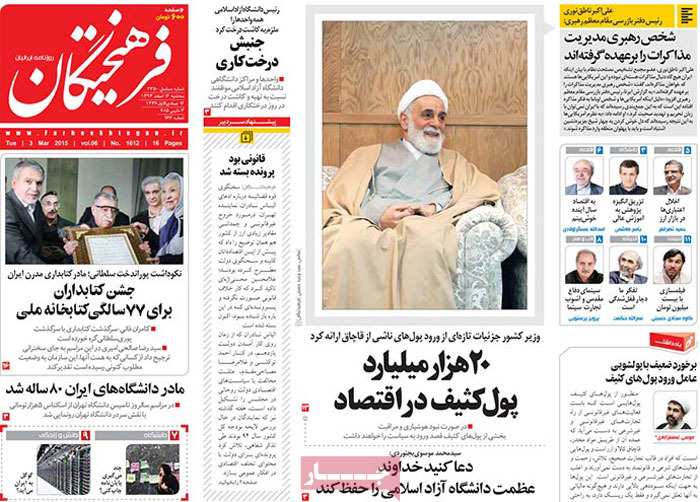
Farhikhtegan: A ceremony has been held to mark the 77th anniversary of the National Library of Iran.


A look at Iranian newspaper front pages on March 3


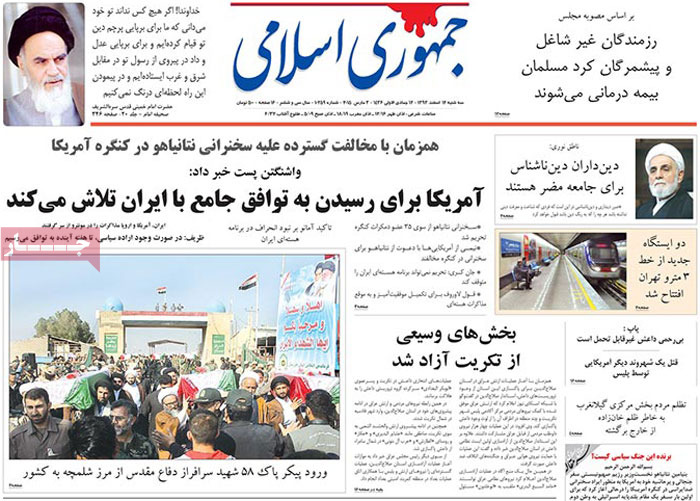
Jomhouri Islami: The remains of 58 martyrs of the Sacred Defense have arrived back home through Shalamcheh Border Crossing.


A look at Iranian newspaper front pages on March 3


Kaenat: Iranian carmakers draw up a seven-year quality strategy to become competitive on the world stage.


A look at Iranian newspaper front pages on March 3


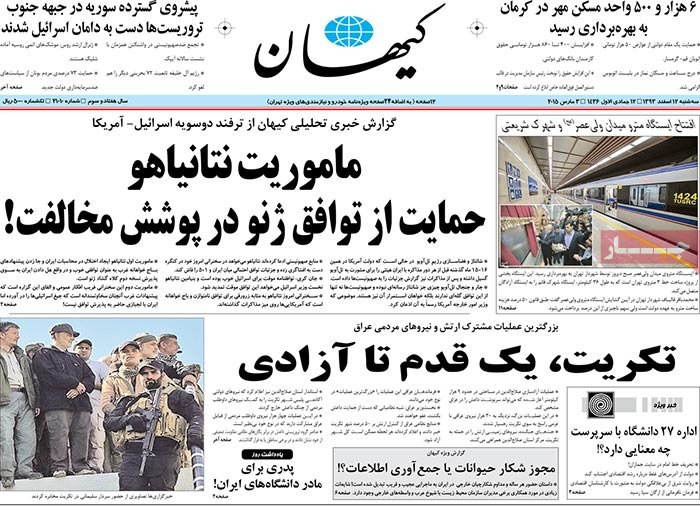
Kayhan: Netanyahu’s mission: Support for the Geneva deal under the guise of opposition!

Kayhan: Two new subway stations have opened in the capital.

Kayhan: What does it mean to run 27 universities through acting presidents?


A look at Iranian newspaper front pages on March 3


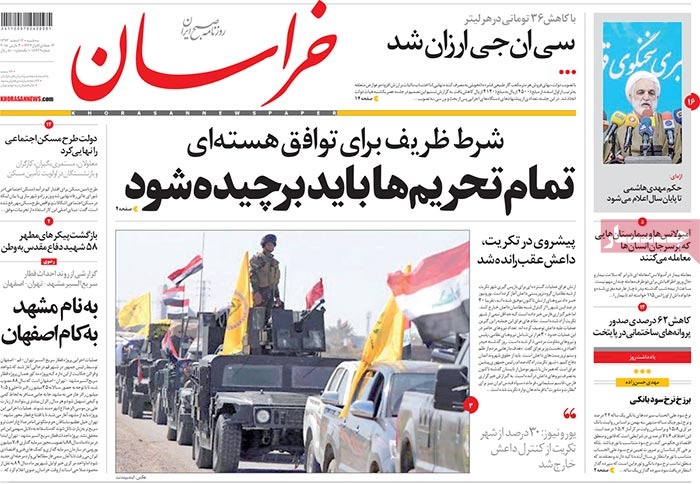
Khorasan: The price of CNG has decreased.


A look at Iranian newspaper front pages on March 3


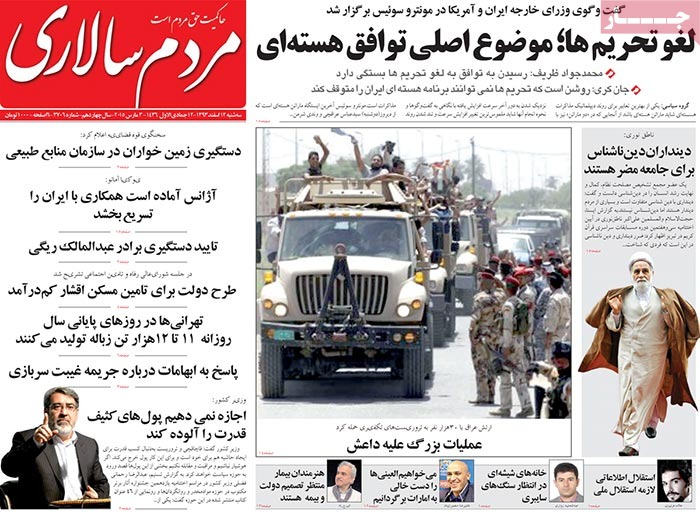
Mardomsalari: There are confirmed reports that a brother of executed terrorist Abdolmalek Rigi has been arrested.


A look at Iranian newspaper front pages on March 3


Resalat: “Why is that anti-Semitism constitutes a crime but Islamophobia is freedom of speech?”

The Iranian Foreign Minister Mohammad Javad Zarif posed the question during his speech at the UN Human Rights Council.


A look at Iranian newspaper front pages on March 3


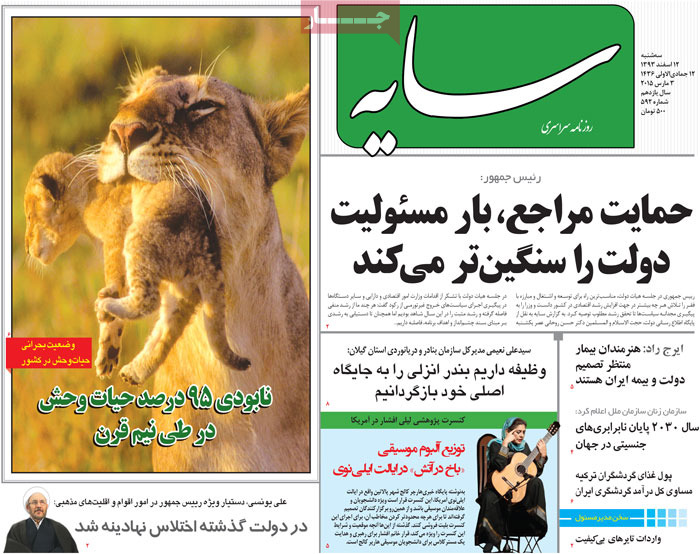
Sayeh: Some 95 percent of the country’s wildlife has vanished in half a century.

Sayeh: “The previous government institutionalized embezzlement,” said Ali Younesi, a special adviser to the president for minority affairs.


A look at Iranian newspaper front pages on March 3


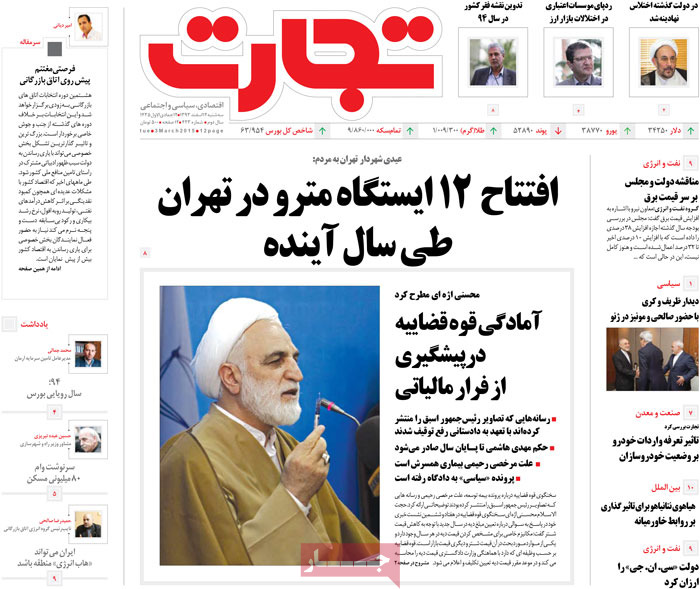
Tejarat: Twelve new subway stations will be inaugurated in the capital next year.


A look at Iranian newspaper front pages on March 3


Don’t pin much hope on untrustworthy West: MP

Mansour Haghighat Pour

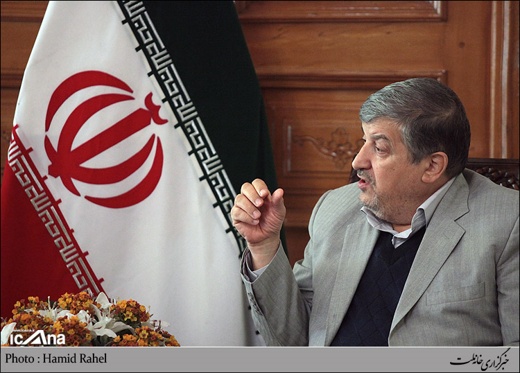
Deputy Chairman of Parliament’s National Security and Foreign Policy Committee Dr. Mansour Haghighatpour does not share the optimism of the executive branch about nuclear talks with P5+1. On March 2 Javan daily published an interview with the MP. What comes below is a partial translation of the report that preceded the interview:

Haghighatpour did not paint a promising picture of the future of nuclear talks and described as impossible the optimistic comments government spokesman Mohammad Bagher Nobakht who recently expressed hope a comprehensive deal could be clinched by March 31.

The MP said that Western officials are not trustworthy at all and that their major objective is to prolong the talks, because they don’t want to live with a mighty Iran.

He also denounced the fixation of the 11th government on the nuclear dossier as an undeniable shortcoming, and advised the executive to pay more attention to domestic production and to fulfillment of resistance-based economy. The government should stop looking at everything through the prism of a nuclear deal.

Taking a swipe at the performance of IRIB [Islamic Republic of Iran broadcasting], the MP said Reformists are using the broadcaster to put across the message that deputies’ handling of things runs counter to public demands.

Western rivalry against the backdrop of nuclear talks

Zarif-Fabius-Kerry

Iran has recently hosted Western officials who have come to the country to talk business despite the fact that part of the sanctions are still in place. These visits show a shift of policy in the West which did not want to have economic interaction with Iran before a final nuclear deal, citing that trade transactions with Iran would breach the sanctions regime.

Arman-e Emrooz daily on March 2 ran an opinion piece by Javid Ghorban Oghli, an international relations expert, on how Western countries are impatient to invest in Iran after the possible conclusion of a final nuclear deal. The following is a partial translation of the piece:

[…]

Word has spread that a number of global giants have sent their representatives to Iran to open talks, eagerly waiting for a final deal to get into the Iranian market.

[…]

The Americans, who have been absent from Iran for more than 30 years, are putting together their plans not to let that 30-something-year absence and political disagreements stand in the way of their efforts to make a comeback to Iran.

Thus, a political deal they have raised [as part of a final nuclear deal between Iran and P5+1] is, partly, related to atomic issues, and in part, about the assurances the US needs about its active role in the Iranian market following the conclusion of a comprehensive deal.

That’s why Washington has entered a race in which it has lined up against European nations, among them Italy and France.

[…] What the US is doing could be seen as an attempt to set the stage for the future when a deal is inked with Iran.

[…]

Iran too should play its own part when it comes to the post-deal period. It needs to set up a working group to identify the country’s development needs and recognize those countries whose relations with Iran can bring more benefits to the Islamic Republic.

Unfortunately over those eight years [when Ahmadinejad was in power], Iran had ties with China, Russia and India. So, Iran needs to work on that working group which can – after the nuclear talks possibly end in a final comprehensive deal – manage the country’s ties with other nations, especially economically developed nations, in keeping with its national and development needs.