Thursday, December 25, 2025
Home Blog Page 481

Ayatollah Khamenei says enemy’s soft war failed to dampen Iran’s resolve

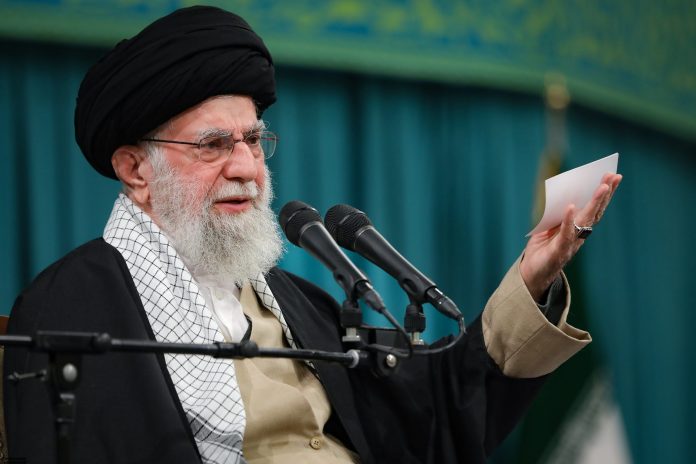
”The massive march of the nation on February 10th showed that the enemy’s software threats have been ineffective against this country and this nation,” Ayatollah Khamenei said in the capital Tehran on Monday, the anniversary of a historic and influential uprising by the people of the province’s capital Tabriz, which played a pivotal role in the success of the country’s historic 1979 Islamic Revolution.

The Leader was pointing to the nation’s monumental turnout in the marches and celebrations that marked the 45th anniversary of the Revolution, which overthrew the country’s former United States-backed tyrannical Pahlavi regime.

“Software threats mean manipulating the public opinion; it means creating division; it means creating doubt in the fundamental principles of the Islamic Revolution; it means creating doubt about steadfastness against the enemy. They are doing this.” Ayatollah Khamenei stated.

“By God’s grace [however], they have not succeeded until today; until today, the enemy’s temptations have not been able to shake the hearts of our people or deter our youths from their resolve and moving [forward],” the Leader added.

Ayatollah Khamenei again cited the case of the extensive commemoration events that took place during the anniversary of the Revolution’s victory this year.

“Where else in the world does such a thing exist? After forty-some years since the victory of the Revolution, on the anniversary of the Revolution’s victory, the entire nation, not the Armed Forces, not the officials, but the masses of the people, honor the day in such a way and enter the field with such a massive turnout, despite all the problems that exist.”

“What does this mean? It means that the enemy’s software threats have not been effective in this country and on this nation until today,” the Leader stated.

Ayatollah Khamenei advised the people functioning within the country’s media industry, including broadcast apparatuses, authors, knowledgeable figures, cyberspace specialists, and authorities serving the education, science, and arts sectors across the nation as well as the country’s youths to “focus their efforts on confronting the enemy’s software threats.”

The Leader commended the country’s sufficient capability to fend off the enemies’ “hardware threats,” noting, “Today, we have no concerns or issues regarding hard defense and the enemy’s hardware threats.”

“Our ability to counter hard threats is at an excellent level, and the people feel secure in this regard.”

Elsewhere during the speech, the Leader acknowledged that the Iranian people had some legitimate problems and expectations.

The predicaments, though, do not prevent the people from defending their Revolution, Ayatollah Khamenei stressed.

Ayatollah Khamenei, meanwhile, identified “the reason for the anger of the [world’s] arrogant powers and colonialists towards the Islamic Republic” as “the steadfastness and resistance of the Iranian people.”

The Leader was pointing to the nation’s unfaltering march towards the country’s betterment and welfare in the face of illegal economic sanctions and mounting political pressure by the US and its allies.

The Leader also hailed the Islamic Revolution for having managed to maintain and preserve itself as an “independent identity” and a “vast and hopeful base for the peoples of the region and even beyond the region.”
Britain open to deploying soldiers for Ukraine peacekeeping campaign

British troops

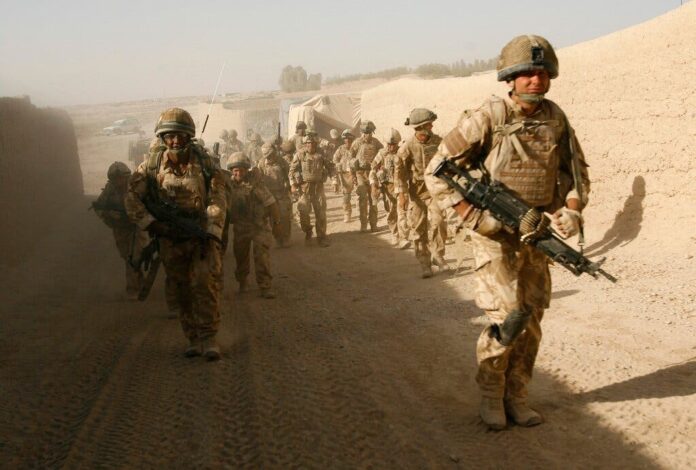
In an article for the Telegraph, Starmer acknowledged the gravity of such a decision, emphasizing that he did not take lightly the idea of placing British servicemen and women in harm’s way: “But any role in helping to guarantee Ukraine’s security is helping to guarantee the security of our continent, and the security of this country.”

His remarks come ahead of a key meeting in Paris, where European leaders will discuss security commitments for Ukraine amid growing concerns over reduced U.S. involvement in European defense.

The Paris summit, convened by French President Emmanuel Macron, was prompted by the exclusion of European nations from early peace talks between the U.S. and Russia, as well as indications that a future Donald Trump administration would scale back security guarantees for Europe.

“I am heading to Paris with a very clear message for our European friends. We have got to show we are truly serious about our own defense and bearing our own burden. We have talked about it for too long – and President (Donald) Trump is right to demand that we get on with it,” Starmer wrote.

Starmer’s statement is expected to increase pressure on allies, particularly Germany, to support a European-led initiative aimed at ensuring Ukraine’s long-term security. He also suggested that the U.K. could serve as a crucial link between Europe and the United States in brokering sustainable peace.

While Russia and the U.S. are set to begin peace discussions in Saudi Arabia, Ukraine has been seemingly left out of the negotiations—a move Starmer strongly criticized. Drawing parallels to the U.S. withdrawal from Afghanistan, he warned that sidelining Kyiv could lead to a fragile ceasefire that fails to deter future Russian aggression.

The prime minister reiterated Britain’s long-term support for Ukraine, including its pledge of three billion ($3.6 billion) pounds annually for military aid until at least 2030, and said that the U.K. is willing to contribute troops to ensure security guarantees.

“We must be clear that peace cannot come at any cost. Ukraine must be at the table in these negotiations because anything less would accept Putin’s position that Ukraine is not a real nation,” Starmer wrote.

The specifics of a European peacekeeping force remain uncertain, but one proposal under discussion involves deploying European troops behind Ukrainian forces rather than directly along the front lines of a potential ceasefire. Some estimates suggest that as many as 100,000 soldiers may be required to make such a mission effective, raising questions about whether European nations would commit sufficient forces.

Iran says to attend Hezbollah chief’s funeral at highest level

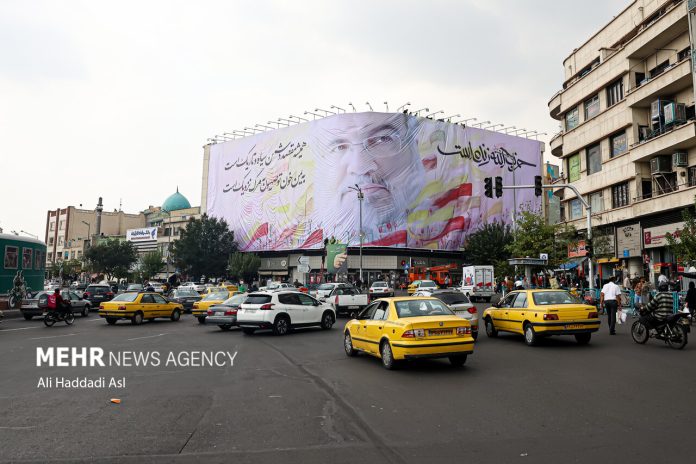
Hezbollah Nasrallah

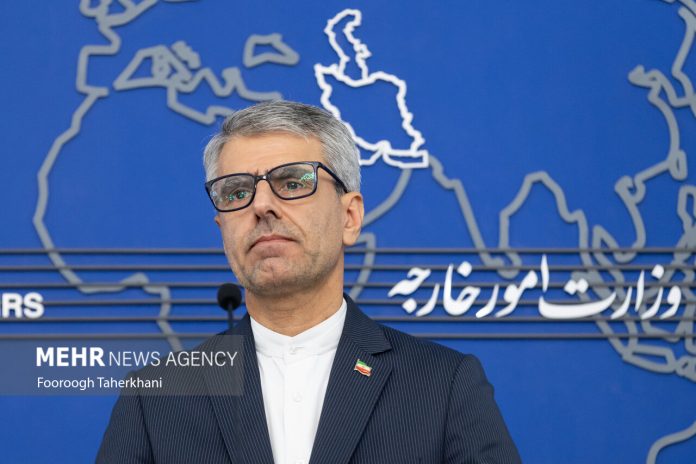
Foreign Ministry spokesperson Esmail Baqaei said Iran will participate in the funeral ceremony for former Secretary General of the Lebanese Hezbollah Hassan Nasrallah at the highest level.

During a regular press briefing on Monday, he stated that Nasrallah’s funeral would be very important and Iran will therefore attend at the highest level. He did not provide details.

Asked about a recent dispute with the Lebanese government in which Beirut did not permit Iranian passenger aircraft to fly to Lebanon, and a phone conversation between Foreign Minister Abbas Araghchi and his Lebanese counterpart, Baqaei noted Araghchi had emphasized that third parties should not be allowed to affect decision making.

“Conversations continue on, and we hope to reach a rational solution that would meet the interests of Iranian and Lebanese people,” he added.

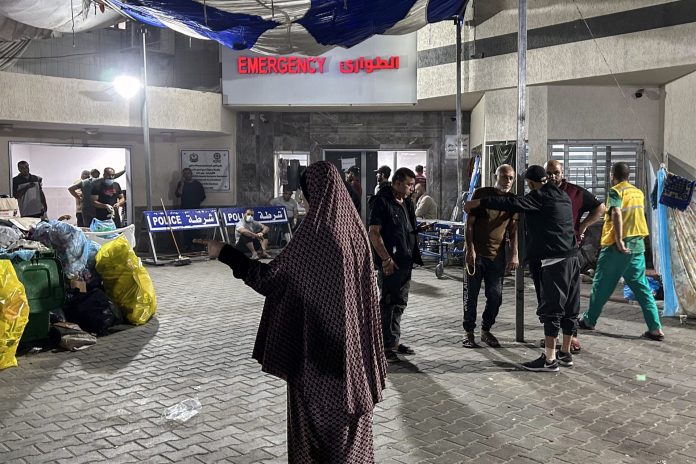
Health ministry warns of severe oxygen shortage in Gaza hospitals after Israeli war

Gaza War Hospital

“Many hospitals are unable to meet their oxygen needs,” the ministry said in a statement.

The ministry warned that Israel’s refusal to allow access to oxygen generators in Gaza “will exacerbate the crisis to levels that threaten the lives of patients.”

The Israeli army has systematically targeted hospitals, schools, and shelters during its destructive offensive in Gaza.

According to figures released by Gaza’s government media office, 34 out of 38 hospitals in Gaza were destroyed by the Israeli army since Oct. 7, 2023. The other four hospitals are offering services at a limited capacity, amid a severe shortage of medicine and medical equipment.

Palestinian authorities also said that 80 healthcare centers stopped services while 162 others and 136 ambulances were destroyed in Israeli attacks.

A ceasefire agreement has been in place in Gaza since Jan. 19, halting Israel’s genocidal war, which has killed more than 48,200 Palestinians, most of them women and children, and left the enclave in ruins.

The International Criminal Court issued arrest warrants in November for Israeli Prime Minister Benjamin Netanyahu and his former Defense Minister Yoav Gallant for war crimes and crimes against humanity in Gaza.

Israel also faces a genocide case at the International Court of Justice for its war on the enclave.

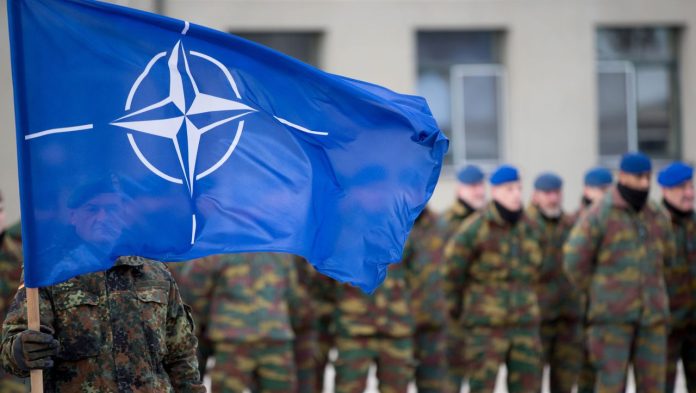
Zelensky claims Putin will wage war against NATO

NATO

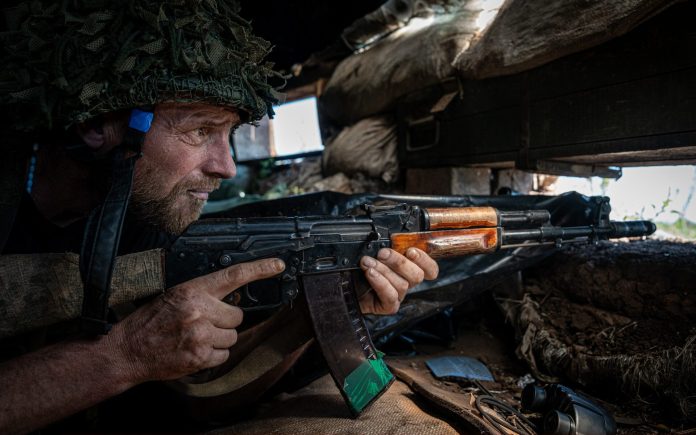
In an interview on NBC News’s “Meet the Press,” Zelensky said his country has intelligence that Putin is planning to conduct a military training operation with 150,000 people, “mostly on the territory of Belarus.”

He warned that it could be a similar precursor to the military forces on Ukraine’s border that Putin claimed were for training purposes before launching the full-scale invasion.

“We know for sure that he is preparing that from the territory of Belarus this year. It can happen in summer, maybe in the beginning, maybe in the end of summer. I do not know when he prepares it. But it will happen,” Zelensky added.

Zelensky warned that NATO countries could be next.

“And at that moment,” Zelensky continued, “knowing that he did not succeed in occupying us, we do not know where he will go. There are risks that this can be Poland and Lithuania because we believe — we believe that Putin will wage war against NATO.”

Zelensky said he thinks Putin is waiting for the NATO alliance to weaken.

“That is why I told you that, ‘What is he waiting for?’ For a weakening of NATO by, for instance, policy of the United States of America, for example, that the United States of America will think to take its military from Europe. Yes, Putin thinks of that. But I will believe that the United States will not take its forces, its contingents from Europe because that will severely weaken NATO and the European continent. Putin definitely counts on that. And the fact that we receive information that he will think of the invasion against former Soviet republics. And forgive me, but today these are NATO countries.”

Zelensky spoke to the Munich Security Conference on Saturday and noted, “I really believe that the time has come” to create “the armed forces of Europe.”

His remarks came as U.S. officials seek to negotiate an end to the nearly three-year war between Russia and Ukraine. Defense Secretary Pete Hegseth stressed earlier this week that the possibility of Ukraine joining NATO was unrealistic at this time. While Hegseth later softened his stance, President Trump’s moves to end the war have rattled critics and allies.

Several Iraqi banks to be banned from US dollar transactions: Reuters

Iraq is working with the United States to ban more local banks and financial firms from engaging in US dollar transactions, says a report, amid efforts by the new government in Washington to restrict Iran’s access to international banking services.

The Sunday report by Reuters news agency said that Iraq’s central bank was going to ban five banks and three financial companies from providing dollar-based banking services to its customers.

The report added the move had been agreed in a meeting last week in Dubai between officials of the Central Bank of Iraq and US Treasury and Federal Reserve officials.

It claimed that the new bans are in line with US President Donald Trump’s so-called “maximum pressure” policy towards Iran as Tehran earns considerable revenues from its exports to Iraq.

Iraq had banned eight banks from US dollar transactions last year.

Reuters reported the new bans would cover Al-Mashreq Al-Arabi Islamic Bank, United Bank for Investment, Al Sanam Islamic Bank, Misk Islamic Bank and Amin Iraq For Islamic Investment and Finance as well as payment services of Amawl, AL-Saqi Payment and Aqsa Payment.

US wants Ukraine ceasefire by Easter: Bloomberg

Russia Ukraine War

A US peace plan could be forthcoming within weeks or even days, Keith Kellogg, Trump’s special envoy on Russia and Ukraine, said on the sidelines of the Munich Security Conference on Saturday.

”The Trump administration has told European officials that it wants to secure a ceasefire in Ukraine by Easter,” Bloomberg said, citing sources briefed on the talks. According to the outlet, some European officials felt the pace of the negotiations was ambitious and possibly unrealistic. Talks are reportedly set to kick off with a meeting of Russian and US representatives in Saudi Arabia in the coming days.

Europe will not be given a place in the negotiations, Kellogg told top European diplomats on Saturday. Despite this, UK and EU officials fear the US expects them to shoulder the burden of Ukraine’s post-war security, Financial Times wrote on Thursday.

The envoy justified the exclusion of Europe, citing the legacy of the Minsk-2 agreement between Ukraine and now Russian Donetsk and Lugansk People’s Republics in 2015. Germany and France stood as guarantors to the failed accord, which then German chancellor Angela Merkel later admitted was just meant to buy Kiev time to strengthen itself.

“When you looked at Minsk-2, there was a lot of people at the table that really had no ability to execute some type of peace process, and it failed miserably. So we are not gonna go down that path,” Kellogg stated.

Moscow has similarly underscored that it will not accept a temporary freeze of hostilities, like the Minsk accords, and insists on a permanent solution that addresses the fundamental causes of the conflict.

Just days prior, Russian President Vladimir Putin and Trump held a phone conversation in the first such interaction since the escalation of the Ukraine conflict in February 2022. The two leaders could meet in Saudi Arabia by the end of this month, Newsweek wrote on Sunday, citing reports.

Putin has previously stressed that Moscow has never shied away from peace talks, but emphasized that they have to be based on terms previously agreed in Istanbul in 2022, modified for the territorial “realities on the ground.”

Russia has demanded that Ukraine embrace neutrality, demilitarize, denazify and remain free of nuclear weapons, among other points.

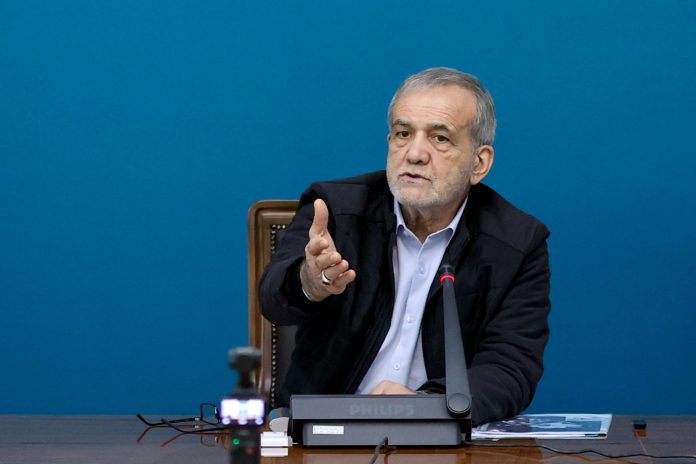
Iranian president criticizes Western hypocrisy on human rights

In a speech during the closing ceremony of the “Tabriz Cultural Week in Tehran,” President Massoud Pezeshkian pointed out that Iran has consistently sought peace, brotherhood, and unity.

He said Western nations support oppressive regimes, such as Israel, while falsely claim to champion human rights.

“They bury women, children, and the elderly under rubble in Gaza, yet dare to speak of human rights,” he added.

The president also reflected on Iran’s historical struggles, including the eight-year imposed war and the loss of thousands of young lives due to enemy conspiracies.

He praised the resilience of the Iranian people, particularly highlighting the pivotal role of the northeastern Iranian city of Tabriz in the 1979 Islamic Revolution.

Pezeshkian reaffirmed his commitment to serving the Iranian people and overcoming challenges through national unity.

He vowed to thwart any attempts by enemies to destabilize the country, expressing confidence in Iran’s ability to emerge stronger.

Iran dismisses G7 ‘unfounded’ claims

Esmael baghaei

He dismissed the claim that Iran engages in destabilizing activities in the region as absurd. Highlighting the actions of G7 member states—particularly the United States, Canada, and three European nations—Baqaei pointed to their military, financial, and political support for the genocidal Zionist regime, as well as their broader military and political interventions in the region.

He asserted that restoring stability and security in West Asia requires an end to the interventionist policies of these countries.

Baqaei reiterated the Islamic Republic of Iran’s legitimate right and legal responsibility to defend its people, territorial integrity, and national sovereignty against any threats or aggression.

He emphasized that Iran’s military-defense capabilities are developed in accordance with international rights and norms, not only to ensure national security but also to contribute to regional peace and stability in West Asia.

He further rejected any doubts regarding the peaceful nature of Iran’s nuclear activities and enrichment program.

The spokesman stated that Iran’s nuclear activities are designed and implemented in accordance with the country’s technical and industrial needs and in full compliance with its rights and international obligations under the Nuclear Non-Proliferation Treaty (NPT) and its Safeguards Agreement.

He also recalled Iran’s longstanding initiative to establish a nuclear-weapon-free Middle East, emphasizing that the only obstacle to achieving this goal is the occupying Zionist regime.

Baqaei condemned the regime’s continued development of weapons of mass destruction, facilitated by unwavering support from G7 countries, at a time when it is engaged in genocide in Gaza and aggression against regional nations. He warned that these actions pose a grave threat to international peace and security.

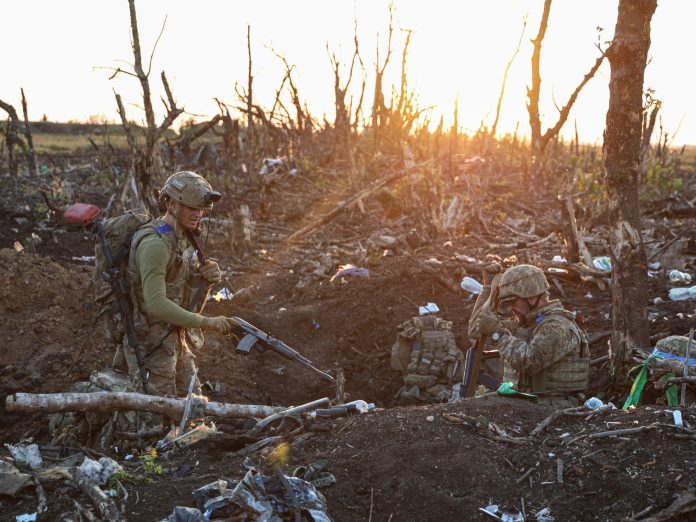
Over 46k Ukrainian soldiers killed since start of Russia’s war: Zelensky

Russia Ukraine War

Zelensky previously revealed the total casualty count in early Febriary, claiming that Ukraine had lost over 45,000 soldiers.

Nearly 380,000 Ukrainian soldiers have been injured since the start of the all-out war, Zelensky told NBC.

“Ten of thousands” of Ukrainian troops are currently missing in action or being held in Russian captivity, according to the president.

According to Ukraine’s General Staff estimates, Russia has lost a total of 859,920 troops since the start of the war. The figures do not specify killed or wounded, though the overall consensus is that it includes dead, wounded, missing, and captured.

Moscow does not disclose its casualty figures, though a Defense Ministry official in recent months let slip that the department received 48,000 requests to identify missing soldiers.

Ukraine will “never accept any decisions between the United States and Russia” regarding the outcome of peace negotiation without Ukraine’s participation, Zelensky stated during the interview.

Zelensky’s comments come amid reports that a U.S. delegation is set to meet with its Russian counterparts in Saudi Arabia for the start of negotiations aimed at ending the war in Ukraine.

“We have this place at the table at the very beginning, and we are the first who are at this table because the war is in Ukraine,” Zelensky added, noting that Ukrainians would never accept a peace deal that was negotiated on their behalf.

“We are thankful for all the support, unity in the U.S. around Ukraine support – even bipartisan support – we are thankful for all of this, but there is no leader in the world that can make a deal with (Russian President Vladimir) Putin without us, about us.”

Concerns have been raised about Ukraine’s role in the negotiations, with European officials emphasizing that Kyiv must not be sidelined. Kyiv has not received an invitation to attend the meeting in Riyadh, with Zelensky telling reporters that he found out about the meetings through media reports.