Wednesday, April 29, 2026
Home Blog Page 4800

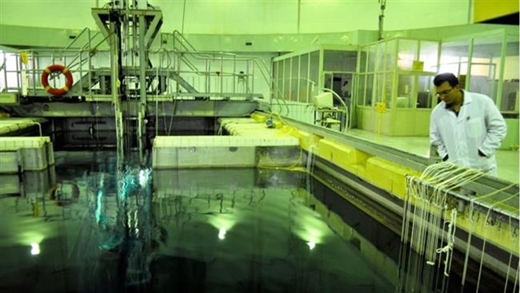
Iran to build specialized nuclear hospital: Salehi

911c2052-446e-47da-9071-f81774522895

Iran has launched a plan to build a major specialized nuclear hospital in the near future, says the country’s nuclear chief.

“Work will soon get underway to construct the hospital,” said Director of the Atomic Energy Organization of Iran (AEOI) Ali Akbar Salehi, adding the plan has been given the all-clear by President Hassan Rouhani as well.

Among the objectives of Iran’s nuclear program is to use nuclear technology in the field of medicine, namely research and development as well as production of radio pharmaceuticals.

Iran only ME country producing radio pharmaceuticals

The top official further underlined that over a million patients in the country are using locally-produced radio pharmaceuticals, adding Iran is the only producer of such medicines in the Middle East.

“No other country in the Middle East is capable of doing this,” said Salehi, adding Iran is exporting radio pharmaceuticals as well.

The radio pharmaceuticals produced by Iran are up to par, said the AEOI chief; however, he noted, the country has set in motion a plan to standardize domestically-produced radio pharmaceuticals, so that they will measure up to international standards and set the stage for the Islamic Republic to become a major exporter in the field.

Iran’s centrifuges

Salehi further touched on untiring efforts by local scientists to develop centrifuges as part of the country’s peaceful nuclear drive and Iran has manufactured and tested eight generations of centrifuges since 1990, adding the ones which prove successful are gradually identified during the process, which “takes time.”

“The IR6 and IR8 machines (centrifuges) are promising and can be used in the future,” the AEOI chief said.

[…]

Iran to master nuclear fuel cycle

Salehi also underlined that Iran is working to master the nuclear fuel cycle, expressing hope that the country will be able to “complete the fuel cycle” through international cooperation and having restrictions removed.

“We will speak with Russians on [Tehran-Moscow] cooperation in the near future to produce several [nuclear] fuel assemblies annually,” said the AEOI chief.

He also said Iran, in cooperation with China, is to construct a complex in the central Iranian city of Arak, which will move the country ahead several decades given the technology involved.

Talks are also underway with China on the construction of two other power plants in Iran, Salehi noted.

Iran not after nukes

Salehi further reiterated Iran’s position that it is not pursuing atomic weapons, recalling a fatwa by Leader of the Islamic Revolution Ayatollah Seyyed Ali Khamenei, which forbids the development and use of nuclear arms.

Iran has announced time and again that it is not seeking to produce nuclear weapons as development of nukes runs counter to both humanitarian principles and religious precepts.
IAEA receives information from Iran under Roadmap agreement

13931101095930444562054

The International Atomic Energy Agency announced in a Saturday press release that it has received documents from Iran as part of a Roadmap agreement earlier reached between the two sides.

Iran today provided the IAEA with its explanation in writing and related documents as agreed in the Roadmap for the clarification of past and present outstanding issues regarding Iran’s nuclear program, concluded between the IAEA and the Islamic Republic of Iran on 14 July 2015, the statement read.

Back on July 14, Head of the International Atomic Energy Agency Yukiya Amano said that a “Roadmap” has been signed between the IAEA and Iran to clarify the outstanding past and present issues.

According to Amano, the Roadmap calls for the IAEA, with Iran’s cooperation, to make an assessment of issues relating to possible military dimensions (PMD) of the Islamic Republic’s nuclear energy program by the end of 2015.

The IAEA received the documents as it was stated in the Roadmap that “Iran will provide, by 15 August 2015, its explanations in writing and related documents to the IAEA, on issues contained in the separate arrangement mentioned in paragraph 1.”

According to the Roadmap, after receiving Iran’s written explanations and related documents, the IAEA will review the information by September 15, 2015, and will submit to Iran questions on any possible ambiguities regarding such information.

The Roadmap was signed on the day when Iran and P5+1 (Russia, China, the US, Britain, France and Germany) reached a conclusion on a lasting nuclear agreement that would terminate all sanctions imposed on Tehran over its nuclear energy program after coming into force.

MP writes letter to judiciary on imprisoned son of former president

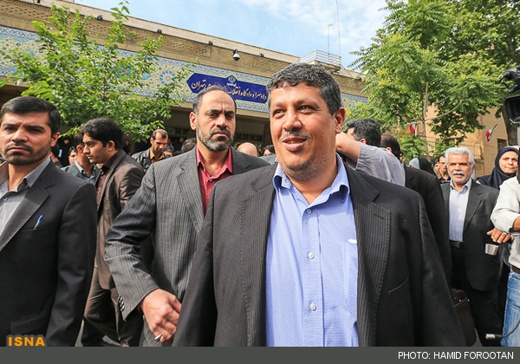
Mehdi Hashemi

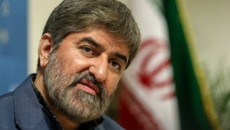
Ali MotahariTehran principlist MP Ali Motahari has urged the judiciary not to see any objection to a court verdict as an actionable attempt to undermine the judicial system.
According to the Iranian Students’ News Agency (August 15), the following is what the outspoken deputy wrote in a letter to Judiciary Spokesman Gholamhossein Mohseni Ejei in reaction to his recent comments about Mehdi Hashemi.

“You [recently] told a news conference, ‘Mehdi Hashemi has claimed that he has been subjected to injustice. Such comments amount to libel and are actionable.’

“It seems that your comments are not true. What is wrong with a defendant or convict with knowledge about his case, or their attorney for that matter, saying that the ruling issued in the case is not fair? Whether or not their comments are true!

“The most the judiciary can do is to proclaim that the verdict has been legitimate and fair. Comments by individuals who are competent to make them should not lead to judicial officials to indict them. That would mean the judiciary is above reproach, something that defies common sense.
“That applies to the criticism a judicial official has directed at a farewell video [between Ayatollah Hashemi Rafsanjani and his son Mehdi] released on social networking sites.

“I don’t know much about the legal case involving Mehdi Hashemi, so I don’t pass any judgment on the verdict. I believe, individuals like me, with no commanding knowledge about the case should have trust in the judiciary. Basically, people do not have time to comment about all cases.

“Why should a family’s farewell with one of its own and seeing him off in compliance with the law, and objection by individuals familiar with the proceedings to the ruling be frowned up and be viewed as an effort to undercut the judiciary?

“That is quite natural among families. Whether their objection is sustainable or not requires the explanation of the judiciary which can even agree to a demand by that family to have the court proceedings broadcast.

“By writing this letter I wish to say not every objection should be viewed as an actionable measure to undermine the judiciary. All that needs to be done is to explain things to the public.”

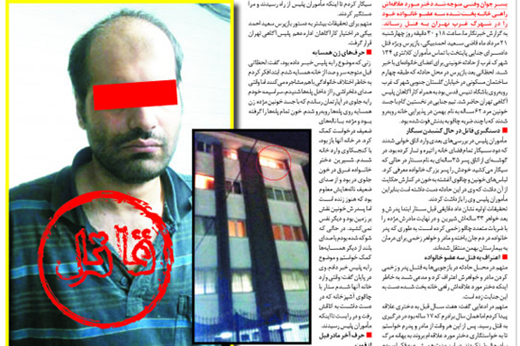
Man kills own flesh and blood in affluent Tehran neighborhood

Capture

When a deadly incident in an apartment in Shahrak-e Gharb was called in Wednesday (August 12), police and crime scene investigators rushed to the affluent Tehran neighborhood to launch an investigation.

The following is the translation of an excerpt of a report Sharq daily published on August 15 of the incident which left three people killed:

On arrival, police found the lifeless body of a 62-year-old father who had been stabbed to death.

Residents of the building told police that that his seriously-wounded wife and daughter had been rushed to the hospital.

A neighbor who had called in law enforcement told the investigators, “When I heard screaming, I came out of my apartment and found the woman and her daughter lay by the elevator bleeding, so I immediately called police and the emergency medical service.”

After hearing what neighbors had to say police arrested the couple’s 35-year-old son.

As the investigation continued, the daughter of the couple died of her wounds in hospital. Her 55-year-old mother, who was in critical condition, managed to tell investigators through body language that her son had been behind the stabbing spree. Unfortunately she could not make it either and lost her life a few hours later.

The police investigation revealed that about seven years earlier a son of the family had been stabbed to death during a street brawl. But earlier in 2015, his parents had forgiven the killer and renounced their right to execution because the murderer was a teenager at the time of the crime. Later, through donations, the blood money had been paid and the convict had been released from prison.

The news that the family forgave the [death-row] convict made neighbors very happy and everyone appreciated the family’s well-intentioned decision.

Yet, the murder had a profound impact on the family. According to neighbors, in the wake of the deadly street fight, the other son of the family [the one who was now in custody for three counts of murder] was nervous and often had arguments with his parents.

It also became clear, during the investigation, that the suspect had been suffering from mental disorder and was on medication.

During the interrogation, the suspect claimed that the murderer of his brother had been executed; a comment which prompted police to assume that he either suffered from dementia or that his family might have kept their decision to forgive the murderer from him.
He admitted, “Around seven years ago, I was seeing a girl. I wanted to marry her. Everything went wrong when my brother was murdered. Our marriage was called off while I was still in love with the girl.”
He further said, “A while ago, I decided to find the girl and pop the question again. I finally found her phone number. Earlier on that [deadly] day, I called her and she told me that she had gotten married and that I had to stop calling her.

Her words hit me so hard and filled me with so much rage. I took a knife and broke the TV screen. Then, I stabbed my father who was sitting on the couch. My mother and sister panicked and ran for their lives. But I stabbed them too. Then I went to my room and lit a cigarette before police came and picked me up.”

Further investigation into the case continues.

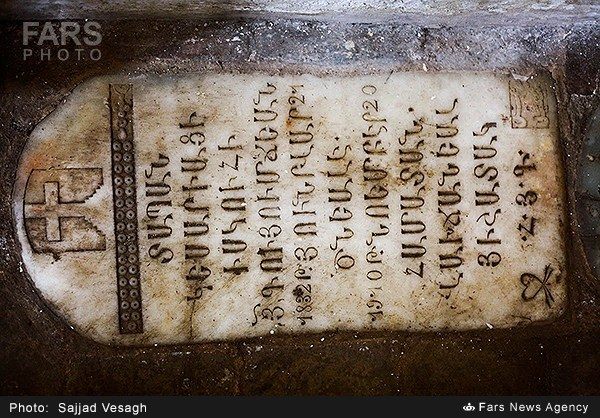
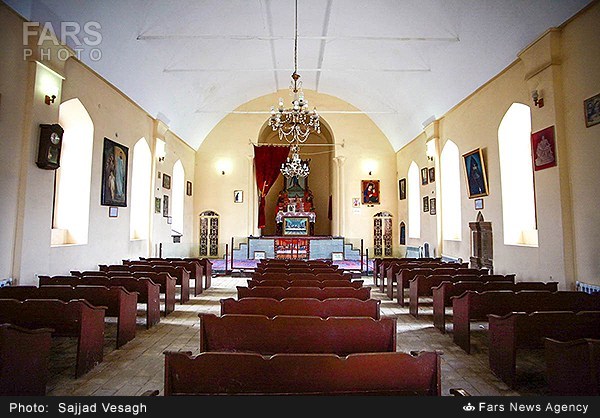
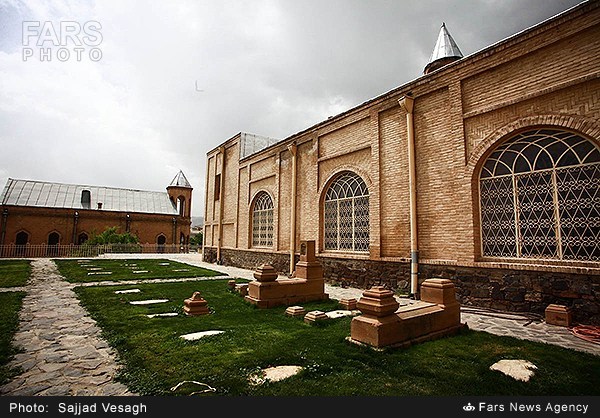
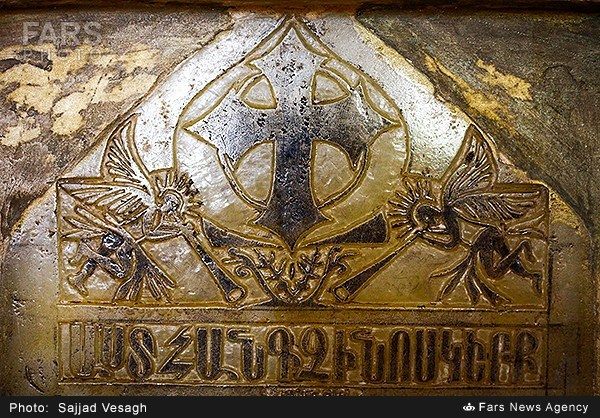
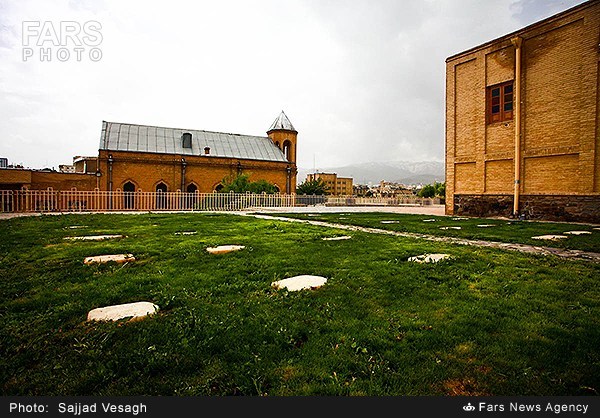
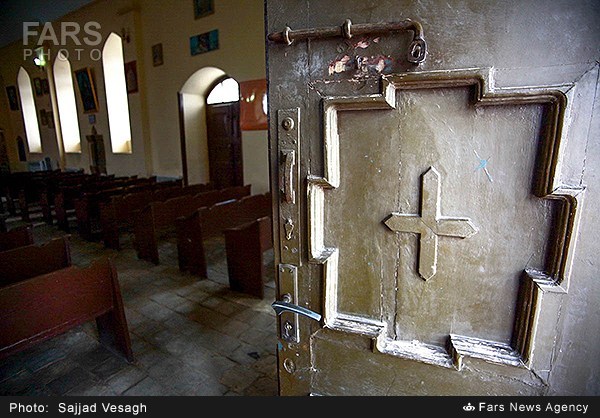
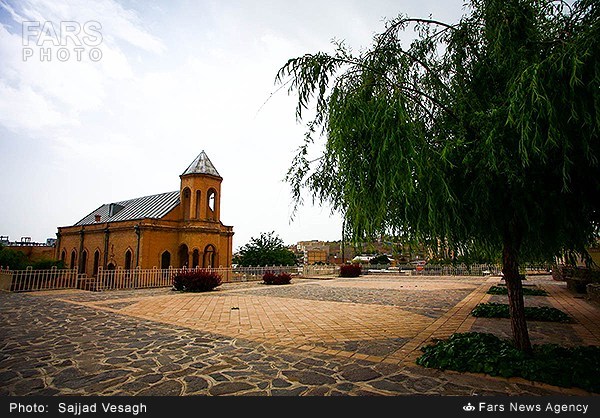
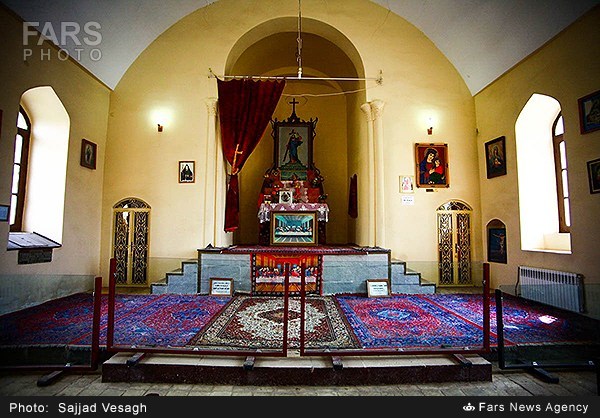
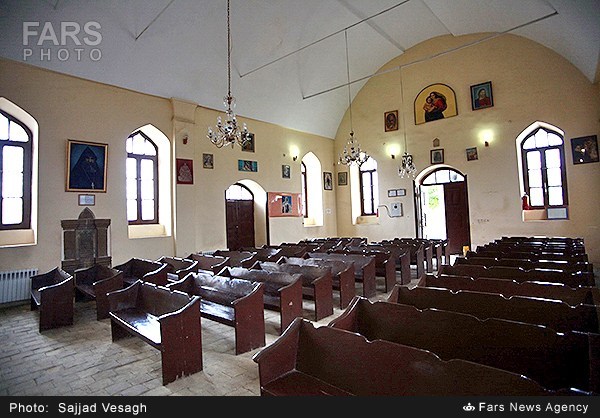
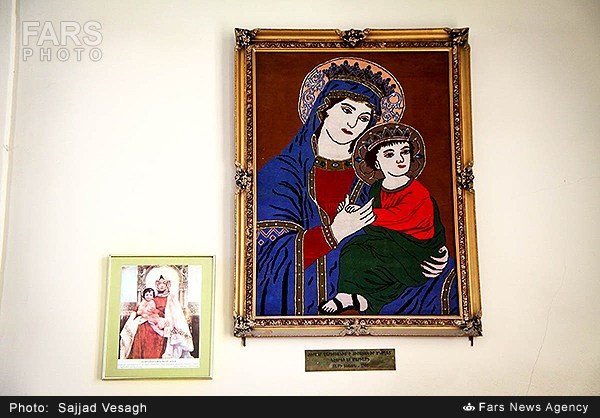
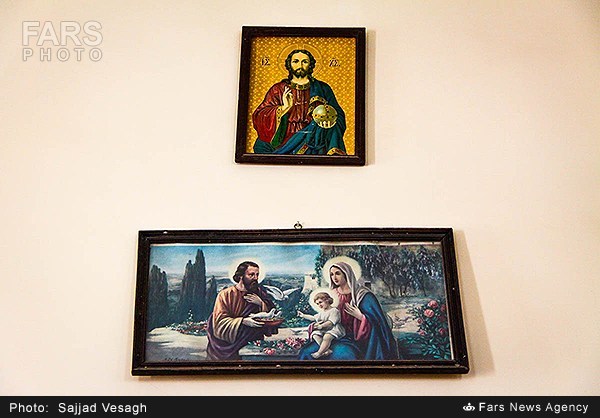
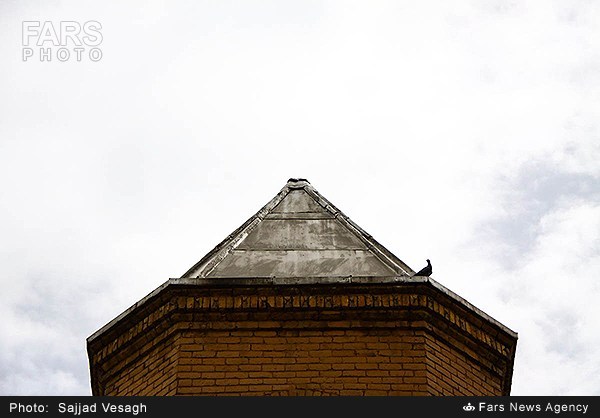
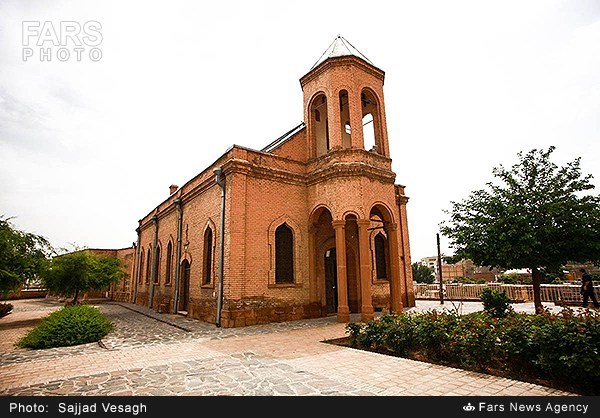
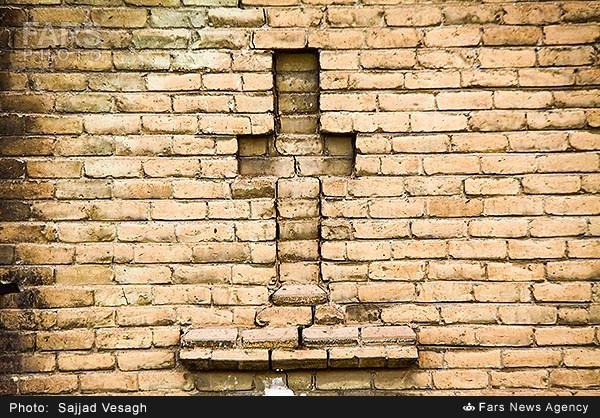
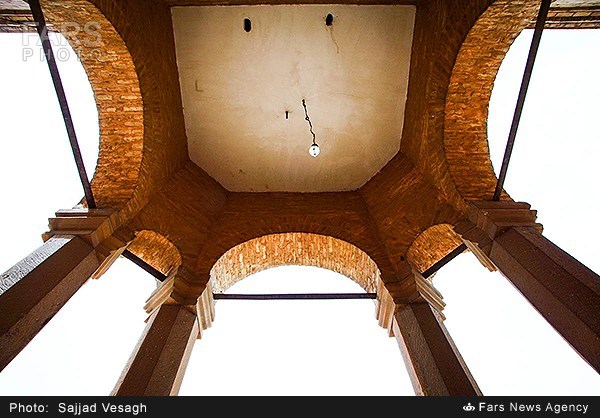
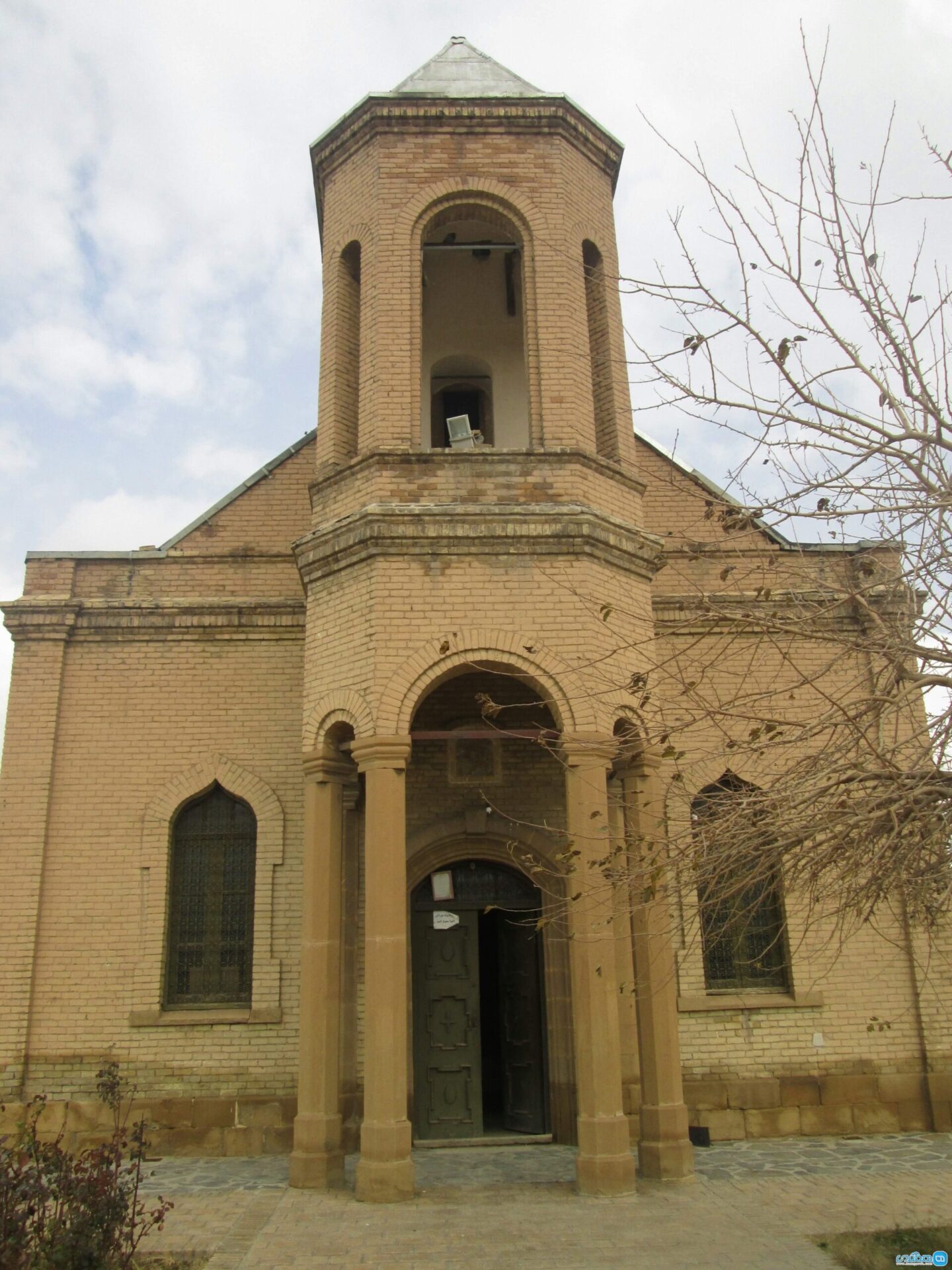
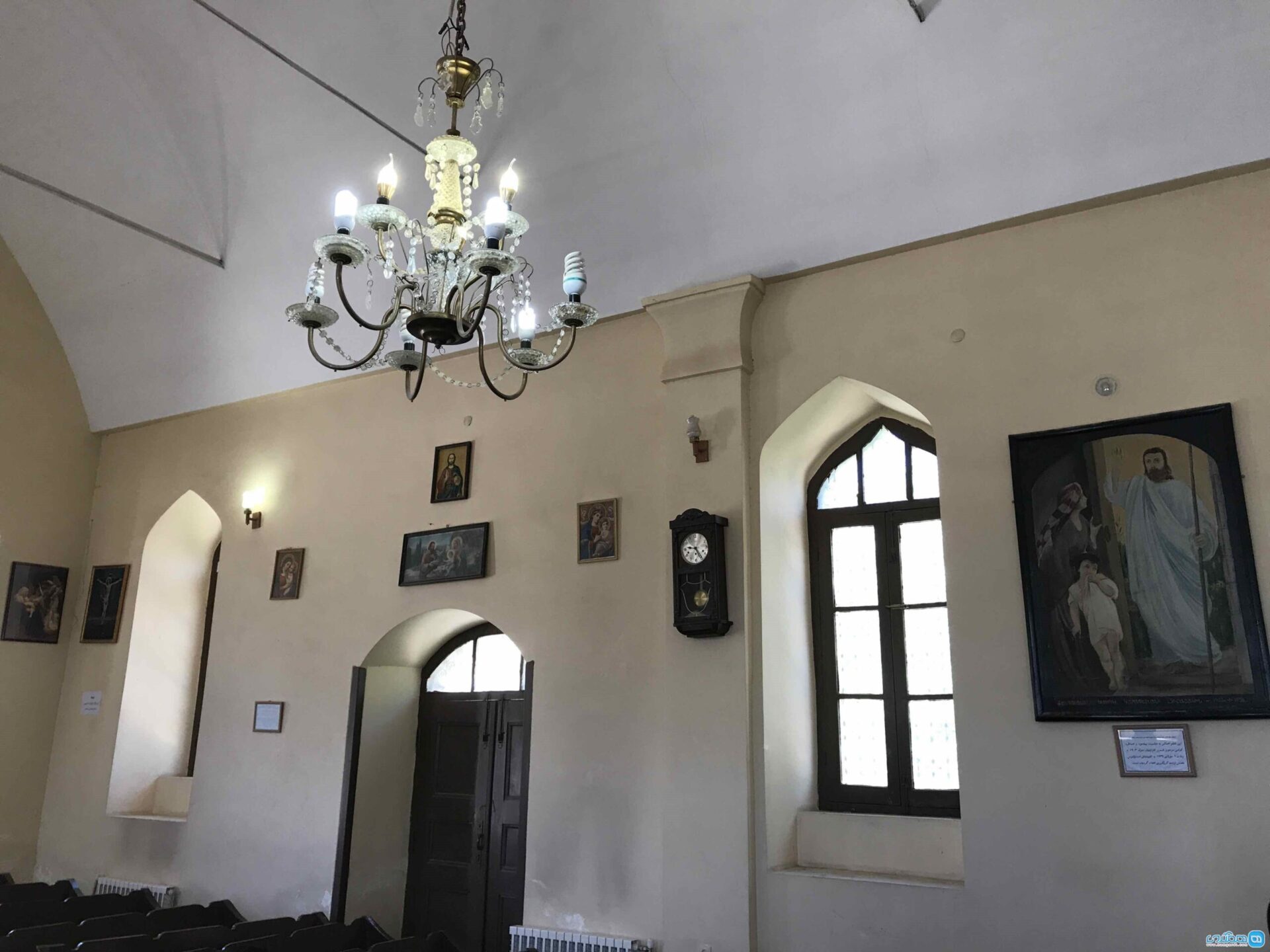
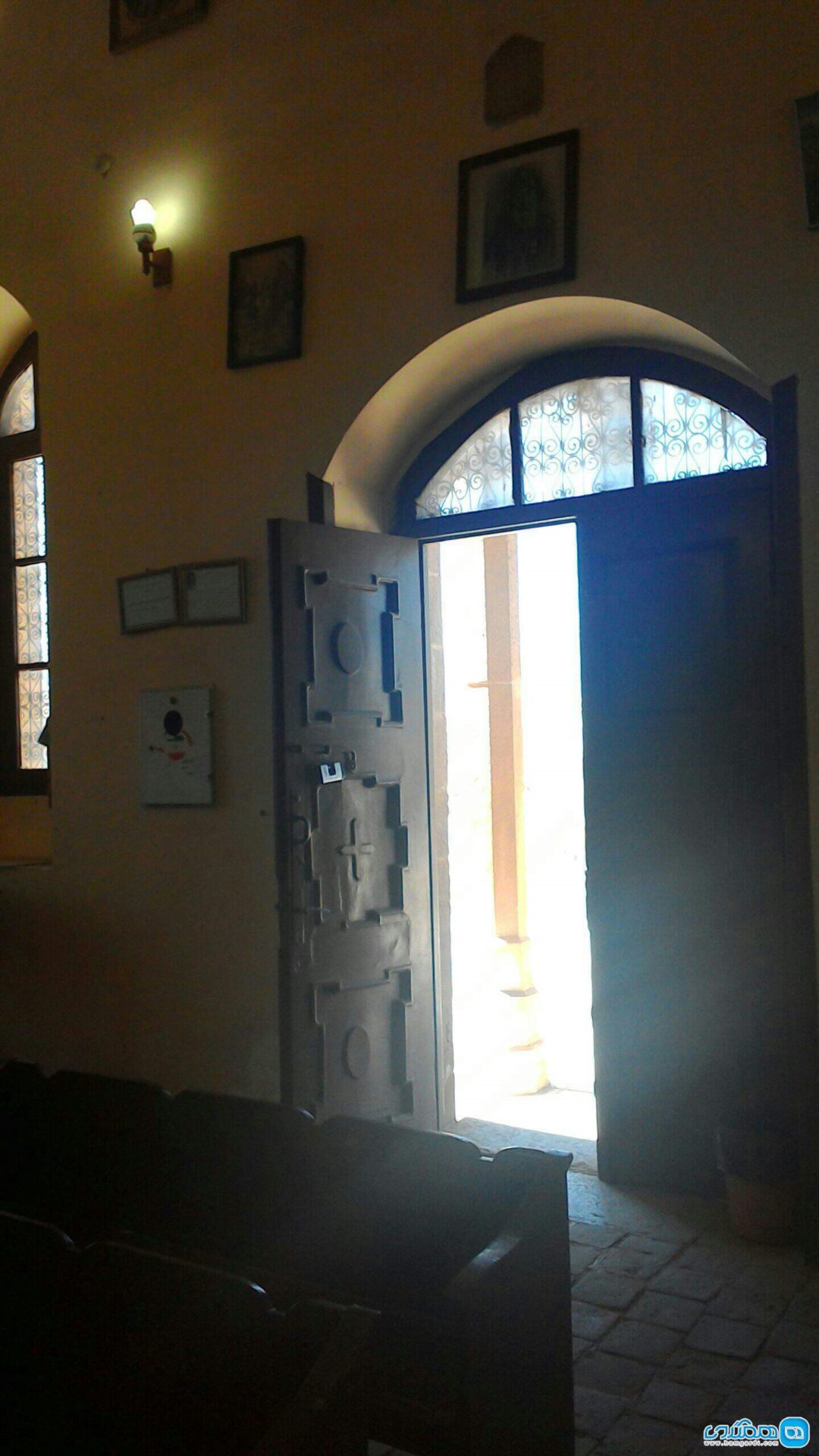
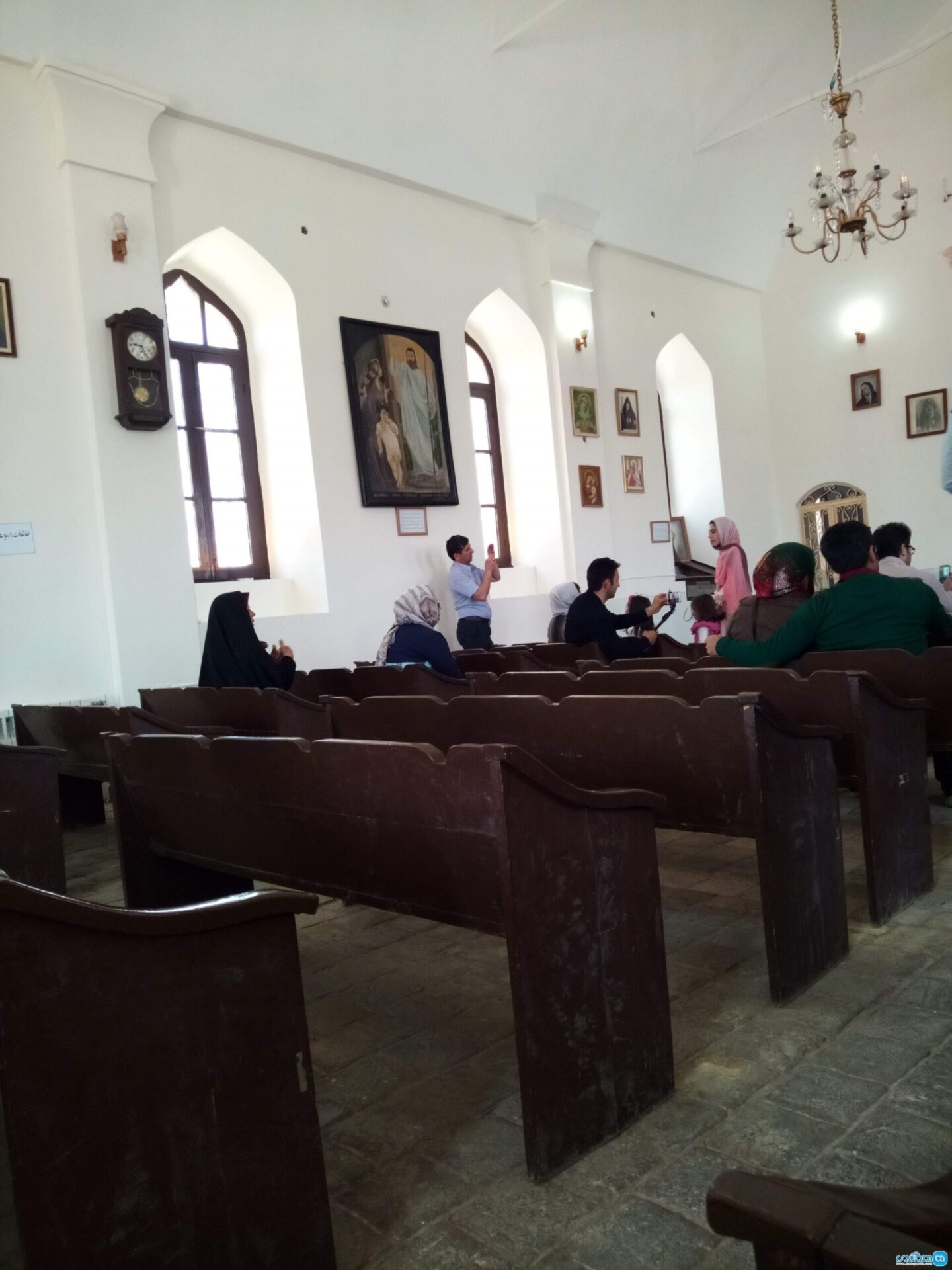
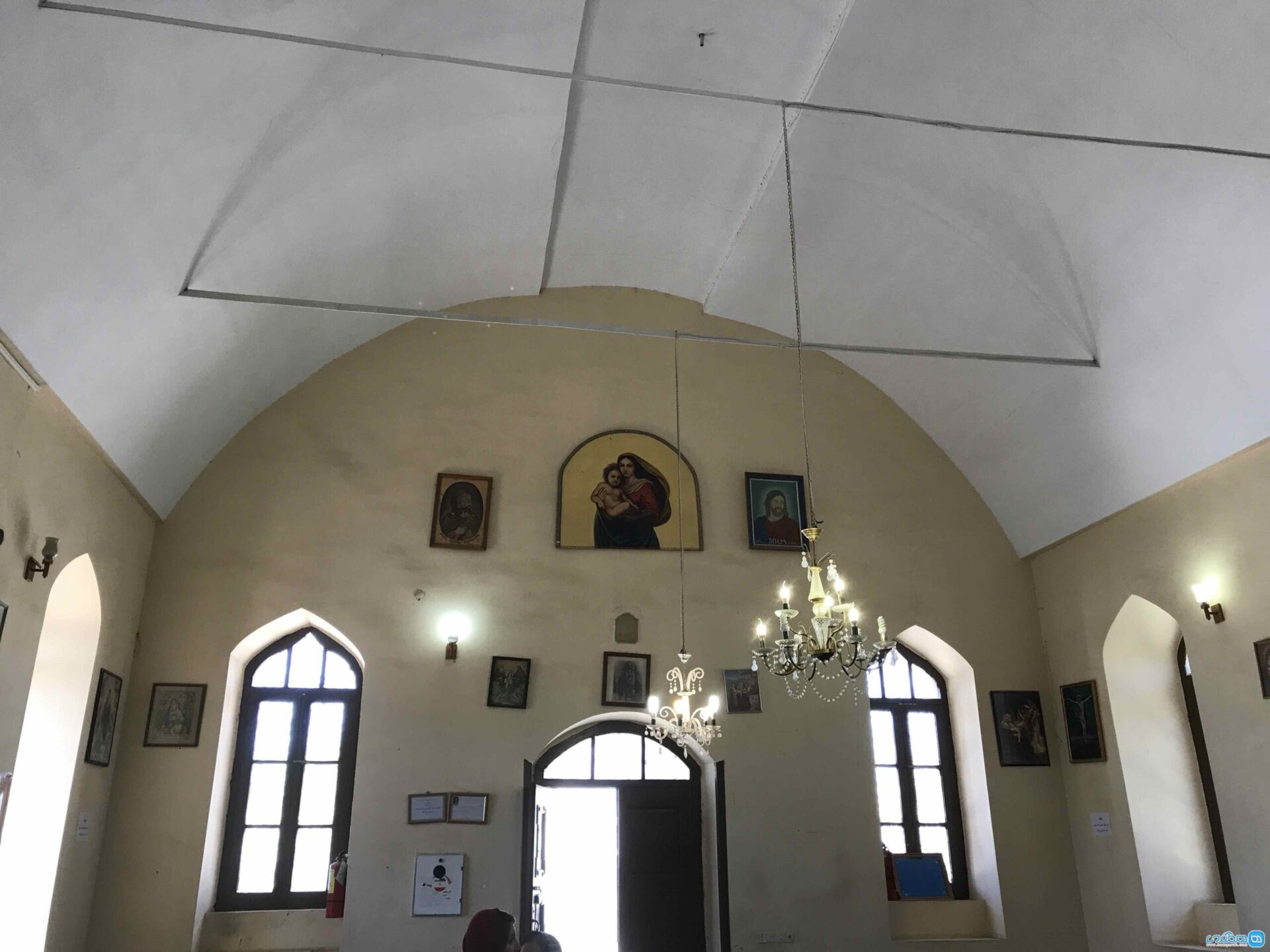
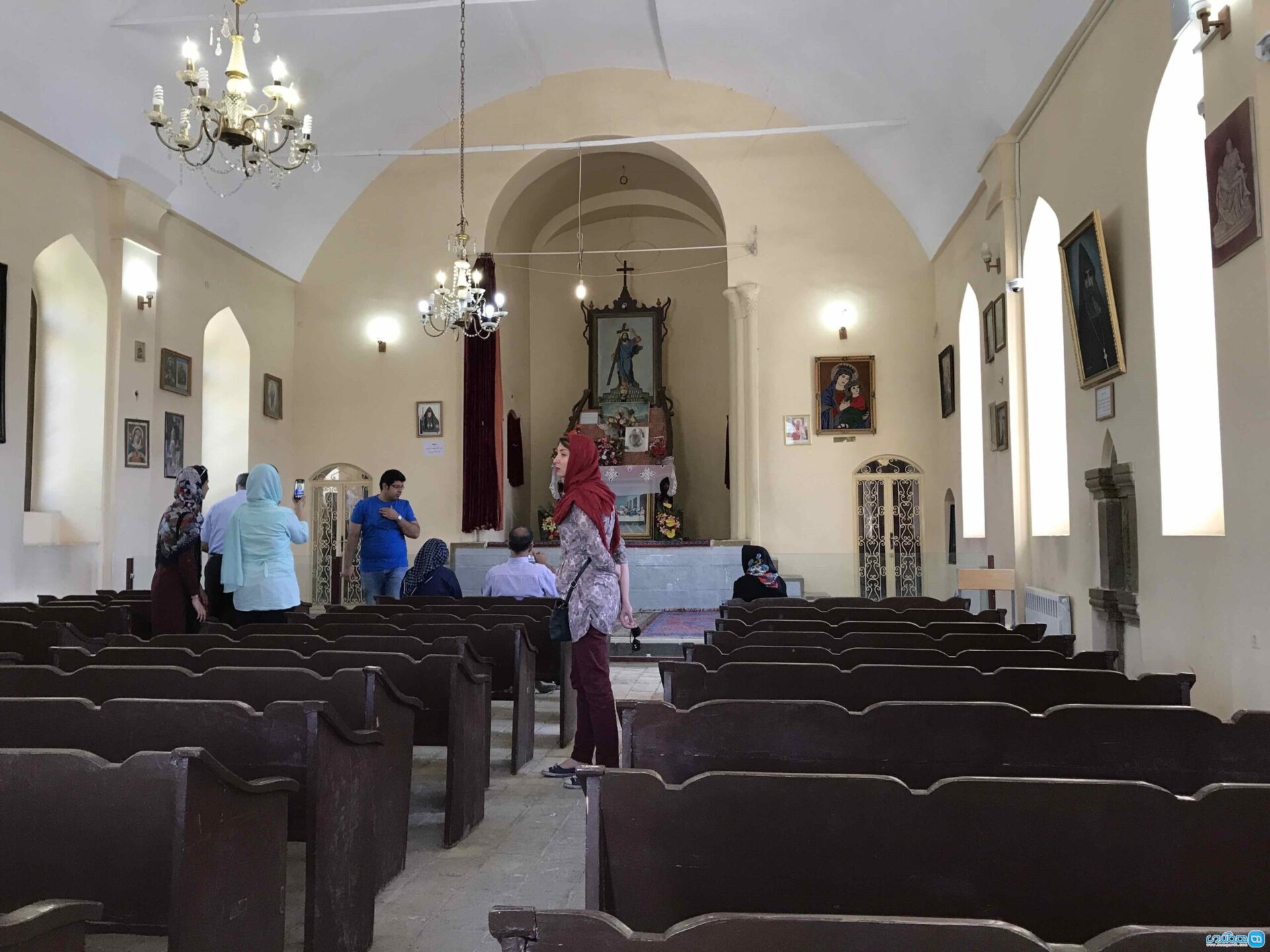
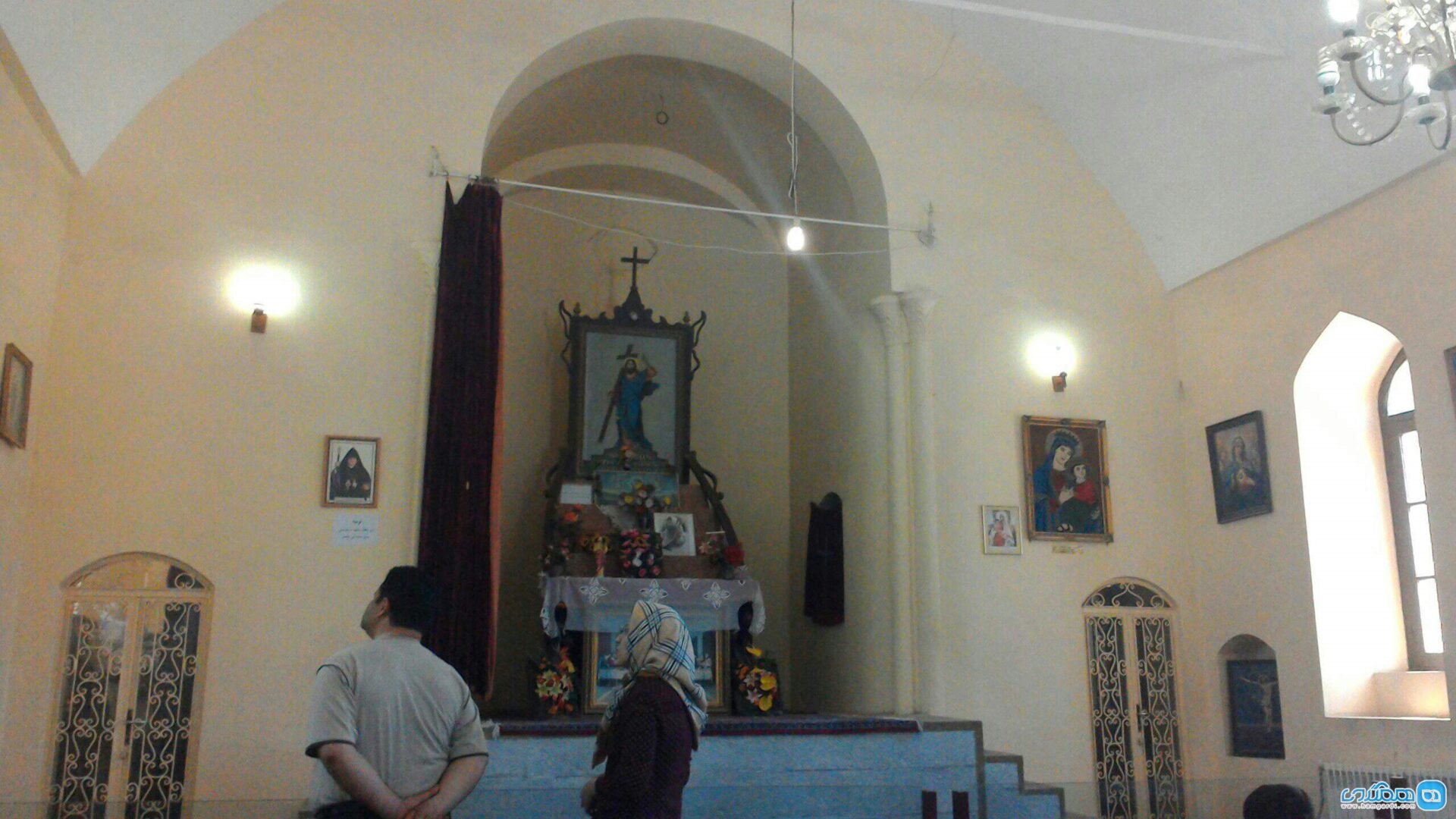
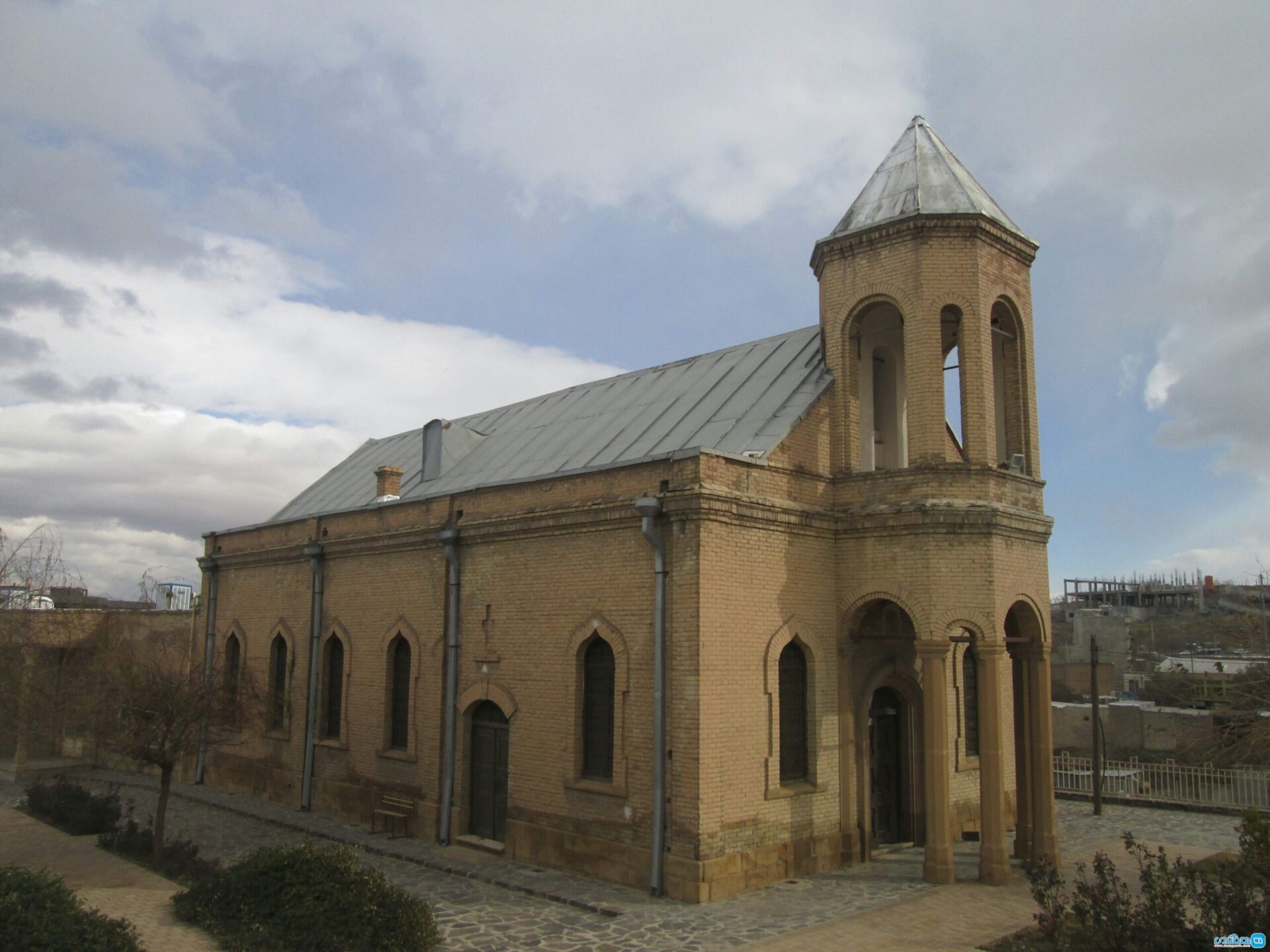
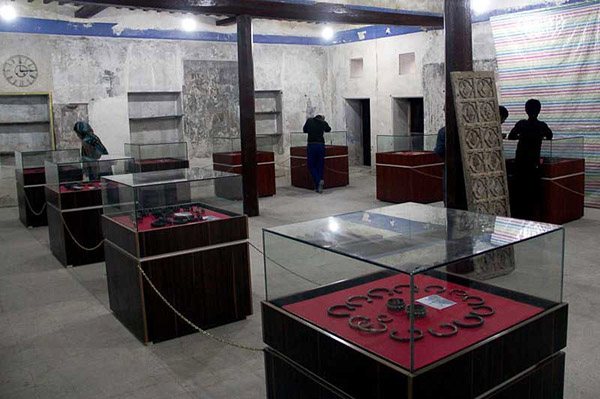
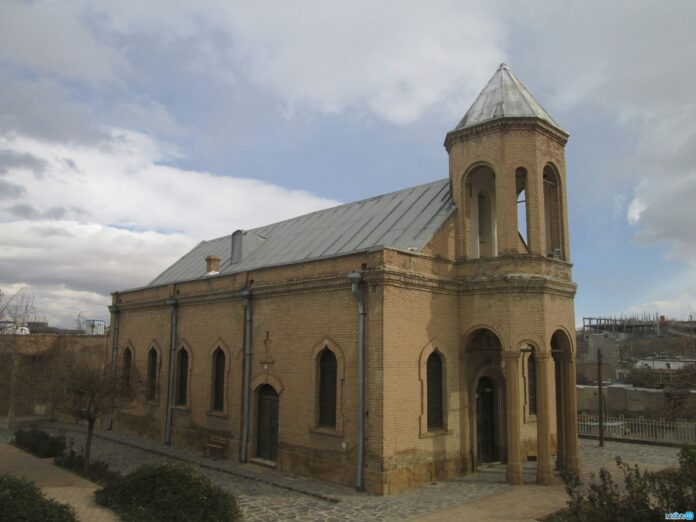
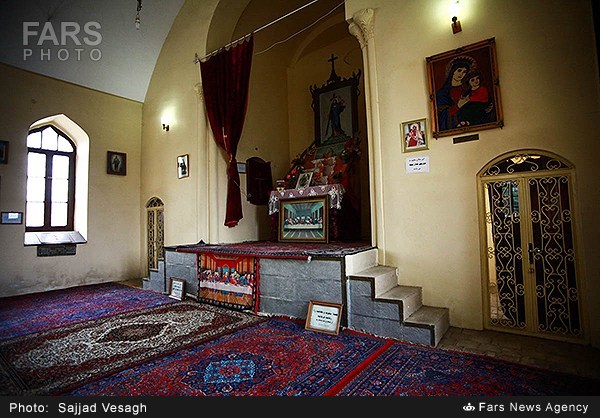
Stepanos Church in Western Iran

Stepanos Church in Western Iran

The Gregorian church of Stepanos in western Iran was built in 1676 by a group of Armenians who hailed from Isfahan and some Russian businessmen and immigrants based in Hamedan.

The church has now turned into a museum in Ecbatana [an ancient city in Media in western Iran].

The Orthodox church of Saint Mary, which was built after the construction of the Protestant church of Stepanos, is also located in eastern Ecbatana in a predominantly Armenian neighborhood of Hamedan.

Images of Stepanos Church posted online by Fars News Agency and Hamgardi website:

Something seems to have gone wrong here

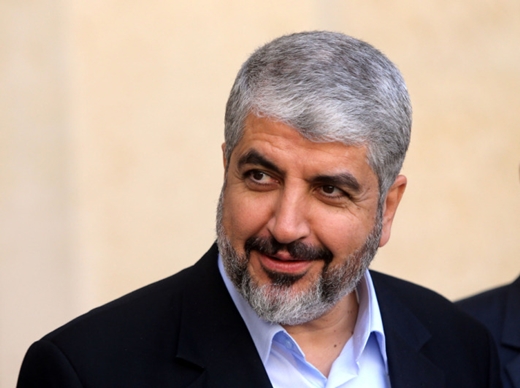
HAMAS'IN SIYASI BURO SEFI HALID MESAL, URDUN'DE

Reports that relations between the Palestinian Islamic Resistance Movement – Hamas – and Saudi Arabia have entered a new phase have caused some in Iran to doubt the thaw in ties and view the visit by Hamas officials to Riyadh as a ‘mistake’.

Aftab-e Yazd on August 15 published a piece bylined by Seyyed Alireza Karimi on Hamas officials and their recent turning to Riyadh. The writer has raised doubts about such behavior, implying that the Palestinian group is backing the wrong horse. The following is the translation of the piece in its entirety:

I do not seek, God forbid, to doubt the establishment’s causes, slogans and principles by writing this. I only seek to talk about the ambiguities that are heard by word of mouth.

This brief piece of writing may prompt those who call the shots in this regard to break their silence and come forward to transparently and openly shed light on the ambiguities in question. It does not seem to be a good idea to allow such ambiguities to grow in society by the day and create issues which are basically false, with no real foundation.

I should say, frankly and without further explanations, that it is hard to digest the behavior of some Hamas officials in the wake of the conclusion of a nuclear deal between Iran and world powers.

Those who follow the news know well that ties between Tehran and Riyadh are now below normal and that the two countries have been locked in a serious problem. The fact of the matter is that the problem has turned so serious these days that the officials who have recently come to power in Saudi Arabia leave no stone unturned to jeopardize Iran’s interests.

On top of political issues, the Saudis failed to take seriously the inhumane treatment of [two] Iranian pilgrims in Jeddah Airport and the sentence they meted out for the violators did not fit the crime.

This comes as the new Iranian government has adopted a peaceful and conciliatory approach, one which has been welcomed by the international community. Nonetheless, the young and inexperienced officials in Riyadh keep beating the drum of division and threats, creating serious problems for the region.

At this juncture, what do the heart-to-hearts between certain senior Hamas leaders and Saudi officials mean, those friendly chats in which the former tries to cozy up to the latter?

It is true that the Palestinian people, their cause and indescribable innocence have nothing to do with officials of [the Islamic Resistance Movement] Hamas, but it is a bit of a gray area that Hamas authorities turn to Saudi Arabia in spite of all manner of support they are given [by Iran]. Something seems to have gone a little awry here.

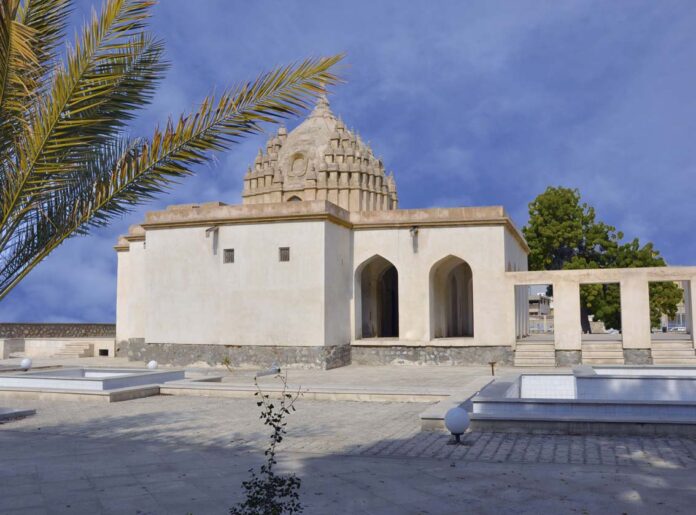
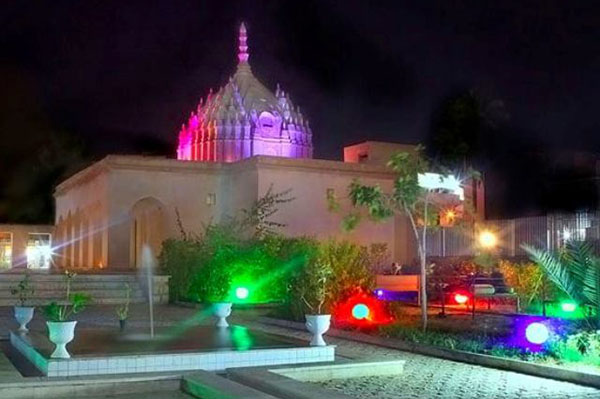
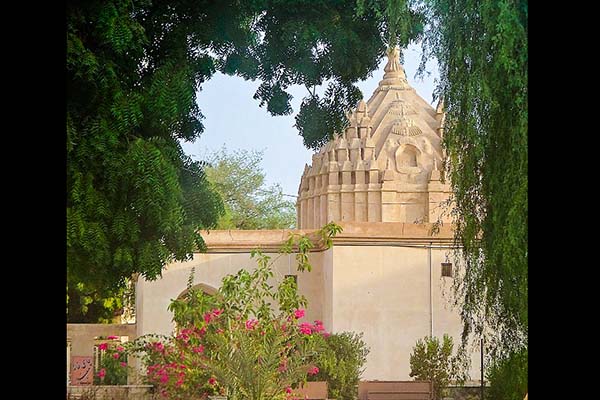
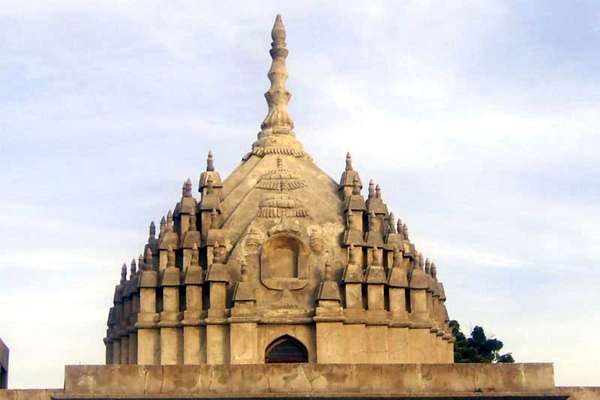
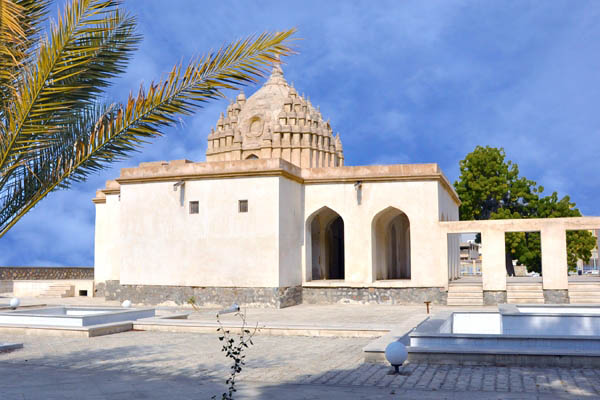
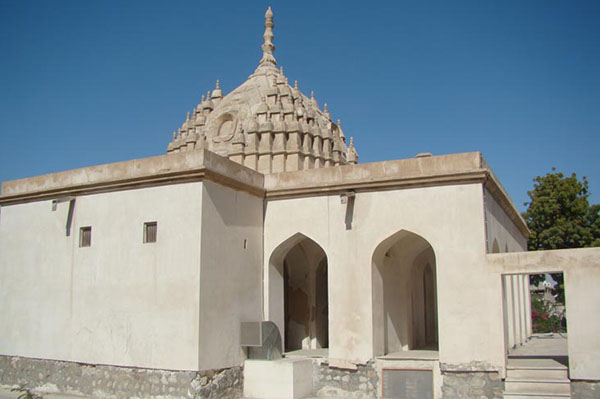
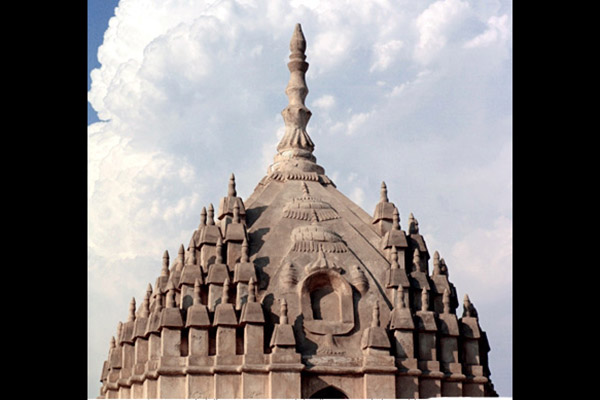
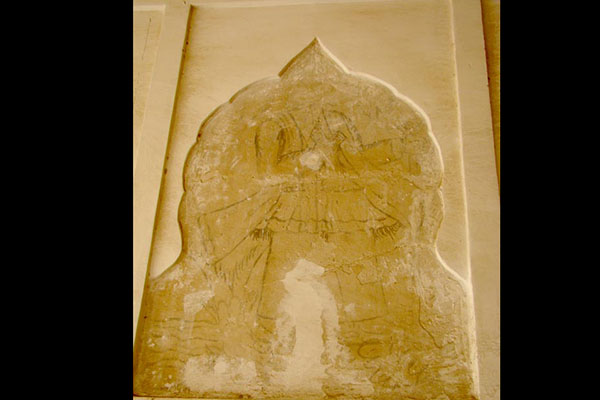
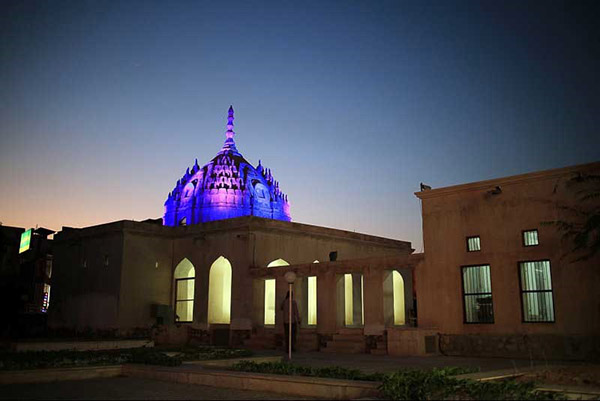
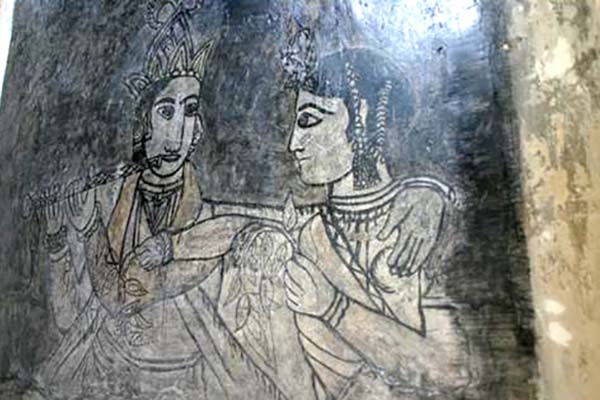
Hindu temple in southern Iran (PHOTOS)

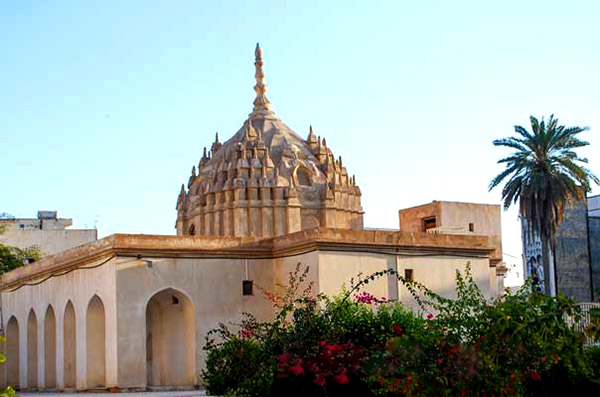
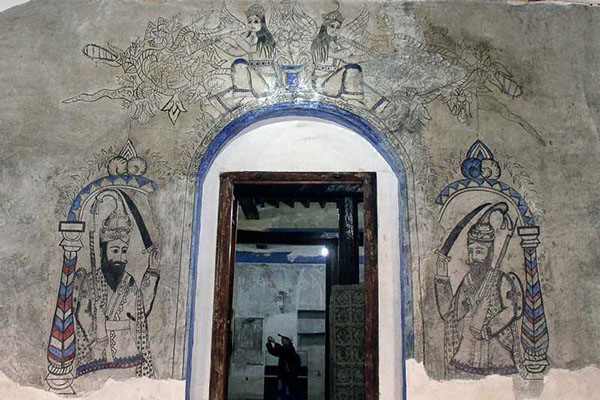
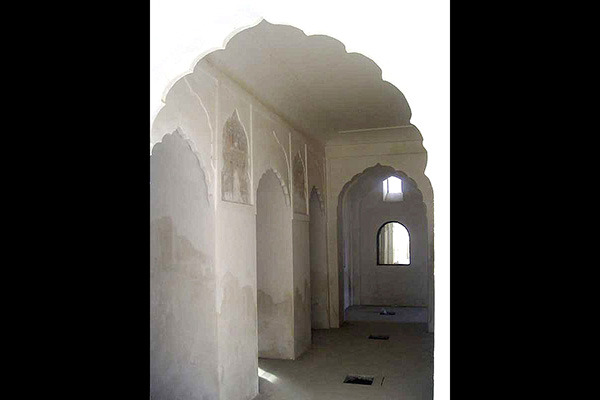
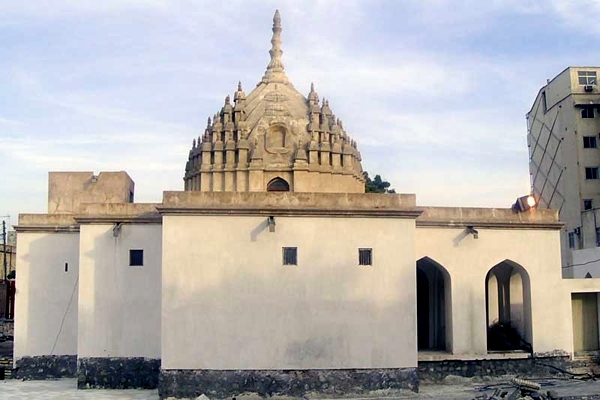
A Hindu temple in Bandar Abbas, the provincial capital of Hormozgan in southern Iran is one of the tourist attractions of the port city.

Funded by Hindu donations, the temple was built in 1892 by Indian businessmen during the reign of Mohammad Hassan Khan Sad al-Molk.

The vaulting of the dome renders it distinguishable from other domes in the Persian Gulf region.

The temple’s architecture has been influenced by Indian houses of worship. It is among a handful of historical sites in Bandar Abbas which capture the attention of tourists visiting the city.

The temple was initially built as a place of worship for Hindu traders who were based in Bandar Abbas and shows that cultural and artistic ties between Iran and India date back a long time.

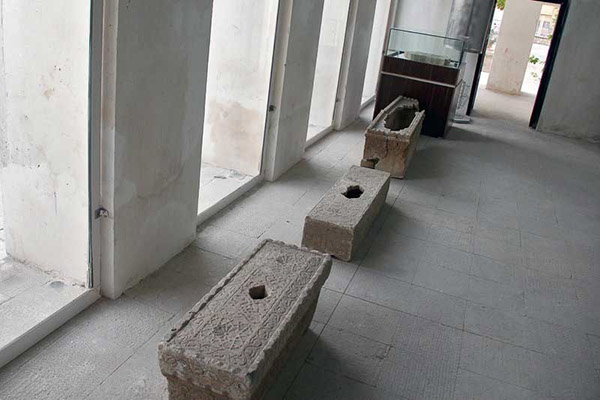
The following are images of the temple published by khabaronline.ir:

Iran warns of enemy’s moves against Islam

872dd8cc-b4f5-45d5-a6bb-3b9a79a040b7

Iran’s President Hassan Rouhani warns that the enemy seeks to create divisions in the region and portray Islam as the religion of violence and extremism, urging resistance against such plots.

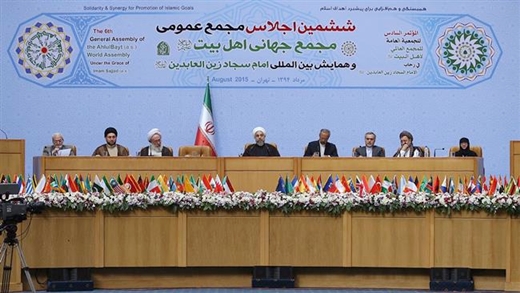
“The enemy intends to turn the religion of morality and brotherhood into a religion of violence, extremism, killing, discord and rifts and we should stand up to such deviation and distortion,” Rouhani said in an address to the opening ceremony of the 6th General Assembly of the AhlulBayt World Assembly in Tehran on Saturday.

“We should not allow enemies to use terrorist groups to portray the religion of Islam…as the religion of killing, violence and destruction,” he added.

He said all Muslims should remain united to thwart the plot and illustrate Islam as the religion of peace.

He further emphasized that Iran would never use its scientific, spiritual and political power against neighboring states or any Muslim country in the region.

Rouhani said that Iran’s strength lies in its logic and its power to negotiate, adding, “We will use our capability and power to establish peace, stability and security in the region.”

The Iranian president noted that Iran respects the values of Islam and democracy while observing the rights of minorities, saying Shiite and Sunni Muslims in the country are equal and live in peace and harmony.

He emphasized that Iran’s logic is based on peace, peaceful coexistence and unity among all Muslims.

The four-day 6th General Assembly of the AhlulBayt World Assembly opened in Tehran in the presence of representatives from 130 countries and some political and cultural figures. The meeting is aimed at reinforcing solidarity and convergence to promote the goals of Islam.

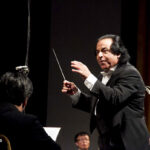
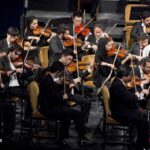
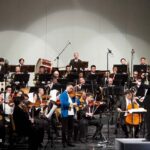
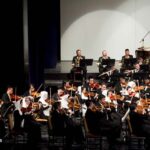
Iran and China make a cultural milestone (PHOTOS)

Iran and China 00

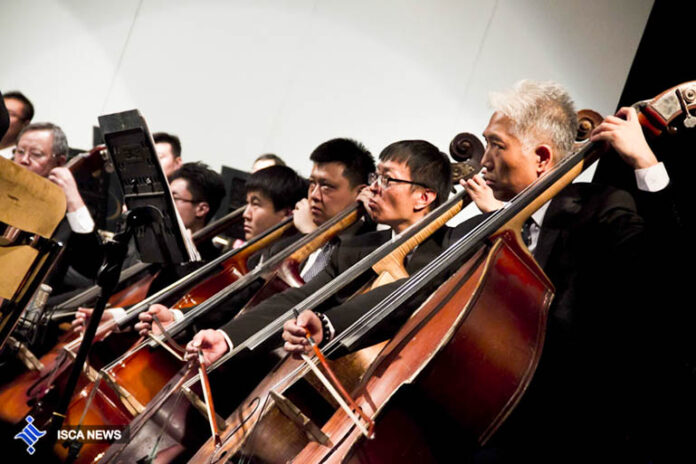
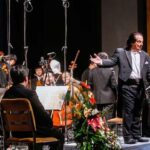
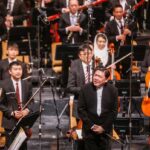
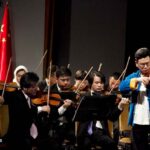
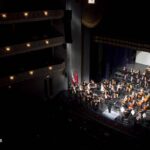
The China Philharmonic Orchestra held two performances in Tehran’s Vahdat Hall on August 13-14.

The Chinese orchestra performed Princess Igor [an opera], Butterfly Lovers’ violin concerto and Tchaikovsky’s greatest symphony, the Symphony No. 5 led by Iranian maestro Ali Rahbari on the first night (August 13).

The Iranian orchestra went onstage on the second night (August 14) and performed Shahrzad with the Chinese performing Antonin Dvorak’ [New World] Symphony No. 9.

The conductor of the Chinese orchestra said that the China Philharmonic Orchestra and the Tehran Symphony Orchestra are excellent on stage and comparing the two is not reasonable.

The Iranian Students’ News Agency (ISNA) on August 12 published a report on remarks by Long Yu, the Chinese conductor after meeting with members of the Tehran Orchestra at Vahdat Hall followed by his Iranian counterpart Ali Rahbari’s comments. The following is the translation of that report:

Long Yu

Prior to our trip, we were very excited. In school, we learned about Iran in history books. We greatly respect Iran’s culture and history.

Today our dream came true when our plane touched down in Tehran. We hope we can learn many things from Iranian traditions and music.

Mr. Rahbari and I view music as a common language. In fact, it is an international language which helps us have better ties and learn from each other.

We are interested in Iran. I’ve had such a dream for long. I used to work with a Chinese orchestra whose members were Muslims.

When I was studying in Germany, I heard about Mr. Rahbari. He is famous and I wanted to work with him. I’m happy I’m working with him now. I want our friendship to continue. Iranian musicians are great and this is just the beginning for us. We hope to host Iran’s orchestra in China.

Professional musicians from China and Iran will perform tough pieces together. Thanks to Mr. Rahbari’s efforts, the makeup of the musical ensemble is excellent. Tehran remarkably excels at high tempo.


Repertoire

We will perform eastern pieces [in addition to western pieces] in our concert, for instance “Butterfly Lovers” is a Chinese piece and “Shahrzad” which is eastern, with a capital E.

The Chinese performers are all young and this shows the young generation’s interest in culture. China has good economic ties with Iran. We should improve our cultural ties too.

China’s name reminds everybody of trade, but our country – like yours – is rich in art, culture and spirituality.

Ali Rahbari

Today is a good day. For the first time ever, Iran and China will perform onstage together. […] One day a gentleman came to me and said, ‘We have a Silk Road tour. We want you to conduct the China Philharmonic Orchestra.’ And I accepted the offer. […]

The following are images issued by various news agencies of the event:


A letter from Proximity of Schools of Thought to Al-Azhar

paper

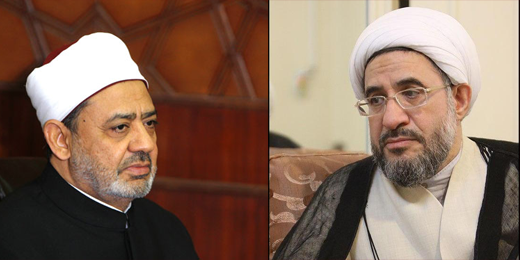
The secretary general of the World Forum for Proximity of Islamic Schools of Thought (WFPIST) has called for efforts to tap into the potential of Sunni and Shiite scholars, saying that unity in the Islamic world is direly needed to address the threats posed by Takfiri groups.

Ayatollah Mohsen Araki made the plea in a letter to Grand Imam of Al-Azhar Ahmed el-Tayeb following the latter’s speech on the need for top Sunni and Shiite scholars to have more interaction and discuss proximity [among Islamic denominations] and the threats posed by Takfiri groups.

Ettela’at newspaper on August 15 published Ayatollah Araki’s letter to the Grand Imam in which he has welcomed the idea of holding joint sessions. The following is the translation of the letter:

To revered Grand Imam of Al-Azhar

I have heard many of your speeches on different occasions, the last one of which focused on your blessed call for the holding of a joint session between Sunni and Shiite scientists to discuss the issues of the world of Islam; make coordination and take joint steps to face the threat posed by Takfiri terrorists; and prevent measures which may divide the Sunnis and Shiites in the world of Islam.

The World Forum for Proximity of Islamic Schools of Thought (WFPIST) appreciates your worthwhile, fatherly stance which has injected new life to the hopes of all those who seek to make reforms and bring religious sects and denominations closer together.

By taking such a stance, Al-Azhar University – which plays a basic, pivotal role in the Islamic Ummah – can [help] create unity among Muslims, and solve momentous issues of the Islamic world, especially the problems arising from sectarian violence and Takfiri terrorism.

The WFPIST voices its readiness to take the necessary measures [in this regard] to lend support to your reformist and proximity-focused efforts, especially the implementation of the proposals put forward by a joint Sunni-Shiite committee.

The WFPIST will send a delegation of the greatest Sunni and Shiite scholars to meet with you, launch cooperation to implement such proposals and take effective steps to help materialize unity in the Muslim world.

Many thanks

The head of the World Forum for Proximity of Islamic Schools of Thought

Ayatollah Mohsen Araki