Thursday, December 25, 2025
Home Blog Page 4777

President Rouhani extends condolences to Nepal after quake

Nepal Earthquake

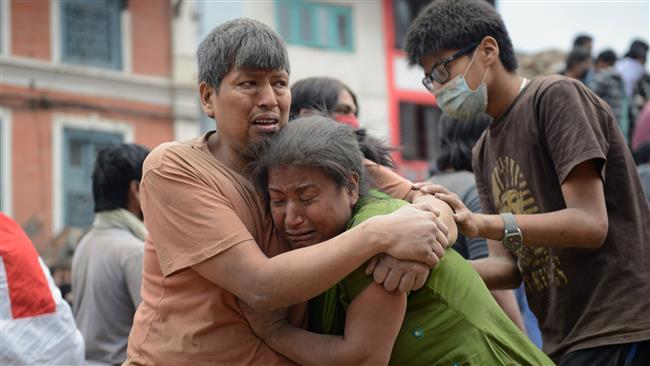
Iran’s President Hassan Rouhani has offered condolences to the Nepali people for a devastating earthquake which has killed over 1,800 so far.

The Iranian president offered his “sympathy and condolences” to the people of Nepal and President Ram Baran Yadav over the deadly earthquake on Saturday.

Rouhani wished swift recovery of the injured, and patience for the bereaved families.

Earlier in the day, Iranian Foreign Ministry Spokeswoman Marzieh Afkham conveyed deep sorrow over the deadly earthquake and offered Iran’s sympathy to the Nepalese government and the families of the victims.


International aid response

Iran has also said it is prepared to send assistance and aid to Nepal’s quake-hit regions.

The Iranian Red Crescent Society has called on Kathmandu to inform it of its aid requirements.

International aid groups have also rushed to Nepal as rescue efforts have been hammered by aftershocks and severed communications.

“We do not yet know the scope of the damage, but this could be one of the deadliest and most devastating earthquakes since the 1934 tremor which devastated Nepal and Bihar,” said Jagan Chapagain, Asia-Pacific director of the International Federation of the Red Cross and Red Crescent Societies (IFRC).

The IFRC also voiced concerns over the plight of villages close to the quake epicenter, some 80 kilometers from the capital Kathmandu.

“Roads have been damaged or blocked by landslides and communication lines are down preventing us from reaching local Red Cross branches to get accurate information,” added Chapagain.

A massive earthquake measuring 7.8 on the Richter scale shook Nepal near its capital with aftershocks continuing through the region hours later.

According to the country’s Home Ministry, 1,805 have been killed and 4,718 injured by the powerful earthquake so far, but many more are feared dead under rubble as rescue efforts are underway to pull out the victims.

According to the country’s information minister, Minendra Rijal, the death toll could reach 4,500 during the next 24 hours.

International section of 33rd Fajr Film Festival kicks off

Fajr international film festival

The international section of the 33rd Fajr Film Festival kicked off on Saturday in the presence of world-famous film director Abbas Kiarostami and Head of Cinematic Organization Hojjatollah Ayoubi.

The cultural event opened in Pardis Mellat cinematic complex on Saturday.

A number of foreign guests along with Iranian cinematic figures were also present in the event.

The international section of the 33rd Fajr Film Festival will continue till May 2nd.

Makran Robotic Team wins gold, silver medals in Switzerland Invention Contests

Makran Robotic Team

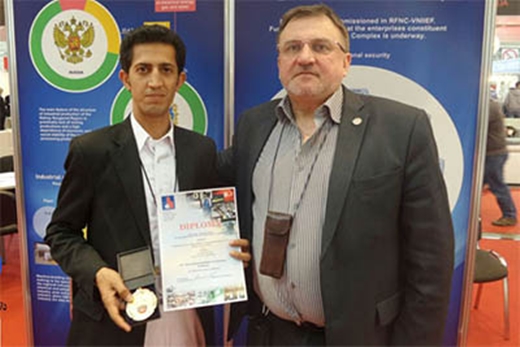
Makran Robotic Team has won two gold and silver medals in Switzerland International Invention Contests.

Sistan-Baluchestan Province Governor General’s Advisor Mohsen Kalvandi, the head of the Makran Robotic Team, said on Saturday that Abdolahad Pakbaz, Nasser Nosrat Zehi and Mohammad Baset Derazehi are the members of the winning team titled Makran Robotic Team sponsored by the Chabahar Free Economic Zone.

The official said the team also beat the competitors in another category and won the prize for the best vertical flight robot design at the contest.

He said 790 inventors from 45 countries took part in the 43rd Switzerland International Invention Contests, in Geneva early April.

The Makran Robotic Team had already scooped the first award at the International Aerial Robotics Competition (IARC) in Shanghai, China.

Dispatched from Saravan Azad Univeristy in Iran’s Sistan and Baluchistan Province, the team garnered the best aerial systems integration prize of the competition.

The International Aerial Robotics Competition is the longest running collegiate aerial robotics challenge in the world.

The aerial robots vary in design from fixed wing airplanes, to conventional helicopters, to ducted fans, to airships, and beyond to bizarre hybrid creations.

A look at Iranian newspaper front pages on April 25

Iranian Newspapers Headlines

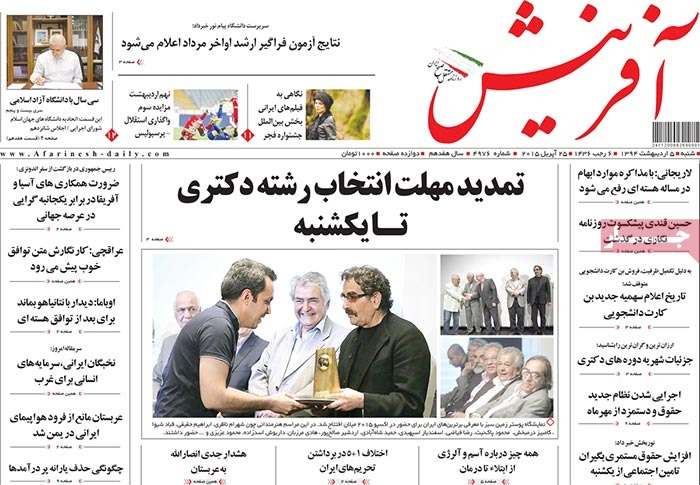
Iranian newspapers on Saturday covered the comments of President Rouhani – back from an Indonesian trip where he attended an Asia-Africa Conference – on sanctions and the need for measures to face up to unilateralism and violence around the world. Remarks by the economy minister on interest rates and government’s tax policies were also in the news.


Afarinesh: “Asia and Africa need to join hands to stand up to unilateralism on the world stage,” said President Rouhani upon arrival home from his Indonesian trip.


A look at Iranian newspaper front pages on April 25


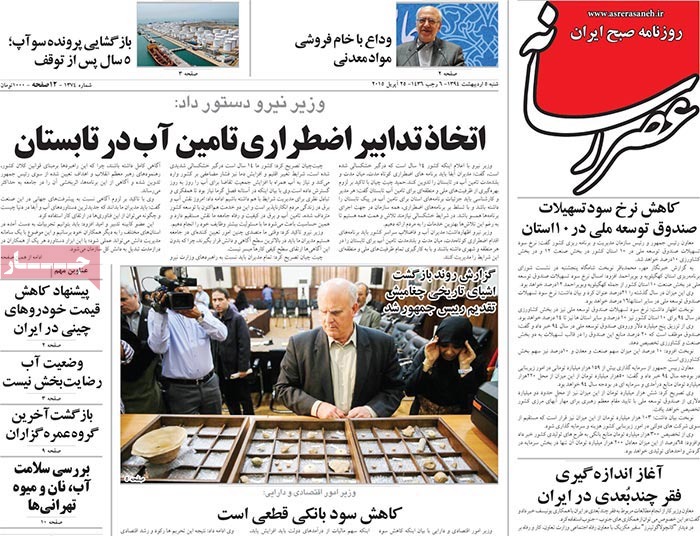
Asr-e Rasaneh: “A decrease in interest rates is sure to happen,” said the economy minister.


A look at Iranian newspaper front pages on April 25


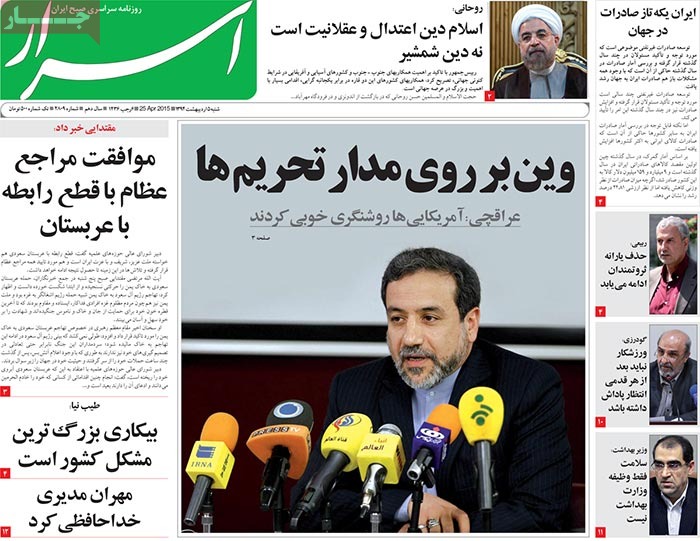
Asrar: “Islam is the faith of moderation and wisdom, not a religion of sword,” said President Rouhani.


A look at Iranian newspaper front pages on April 25


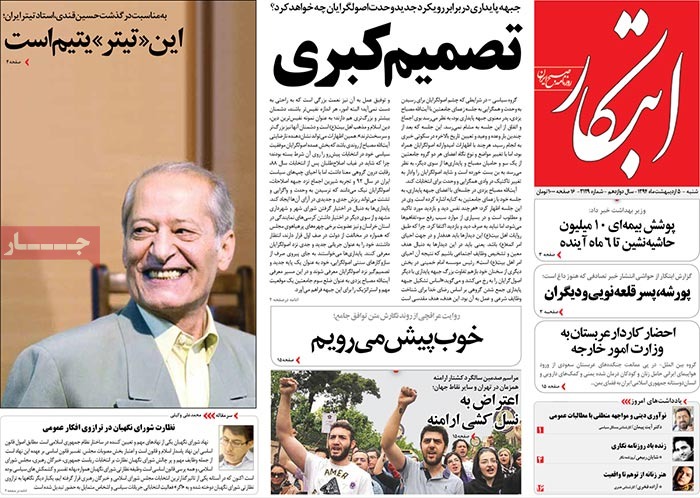
Ebtekar: “We are moving forward well”.

Iran’s nuclear negotiator Abbas Araghchi made the comment on the process of drafting a comprehensive nuclear deal.


A look at Iranian newspaper front pages on April 25


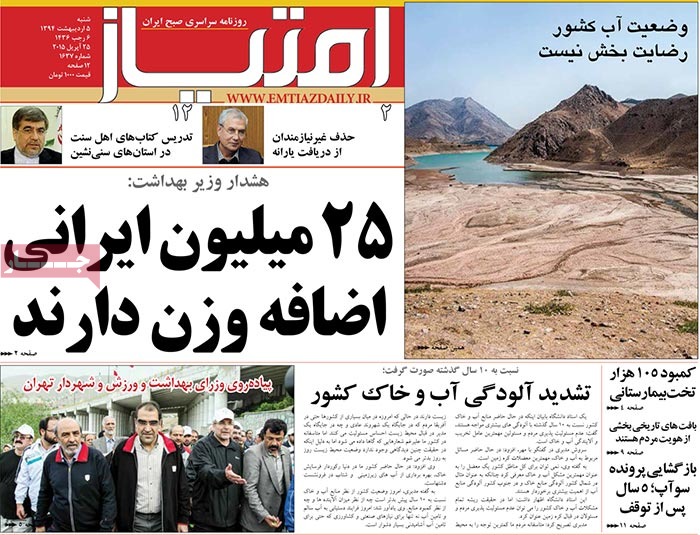
Emtiaz: “[About] 25 million Iranians are overweight,” warned the health minister.


A look at Iranian newspaper front pages on April 25


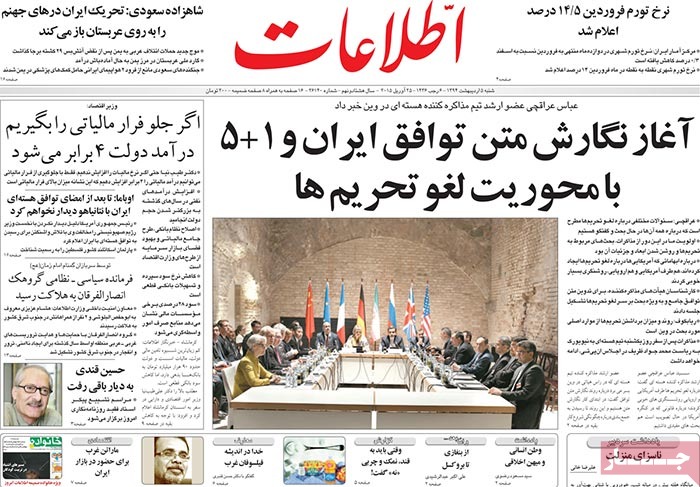
Ettela’at: “If we stop tax evasion, the government’s income will be up four-fold,” said the economy minister.


A look at Iranian newspaper front pages on April 25


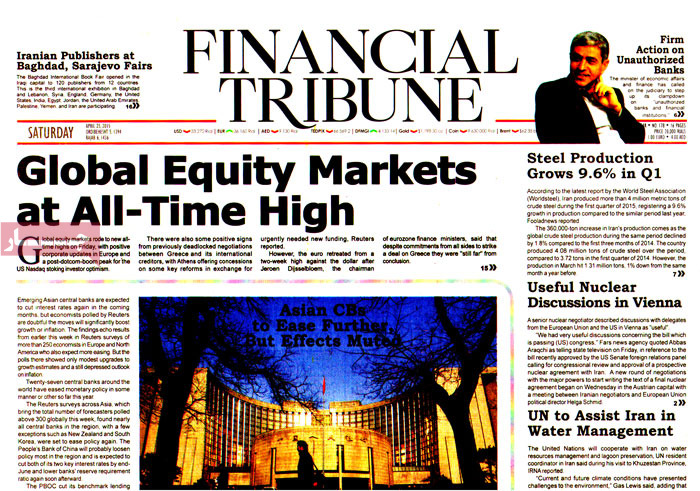
Financial Tribune: UN to assist Iran in water management


A look at Iranian newspaper front pages on April 25 


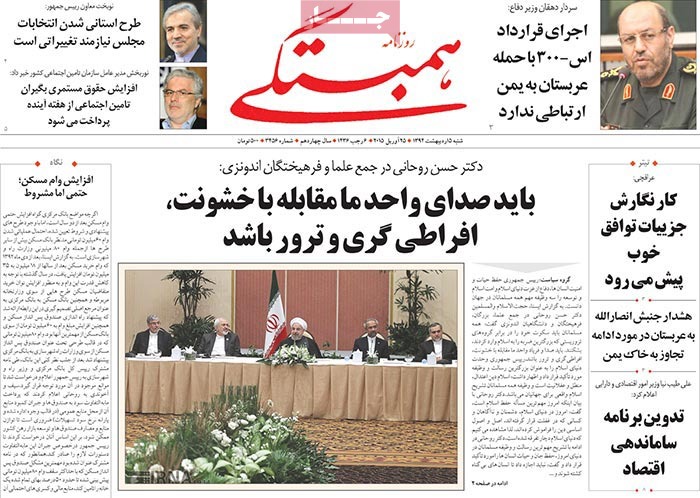
Hambastegi: “The implementation of the S300 contract [Iran has inked with Russia] has nothing to do with Saudi airstrikes in Yemen,” said the Iranian defense minister.


A look at Iranian newspaper front pages on April 25


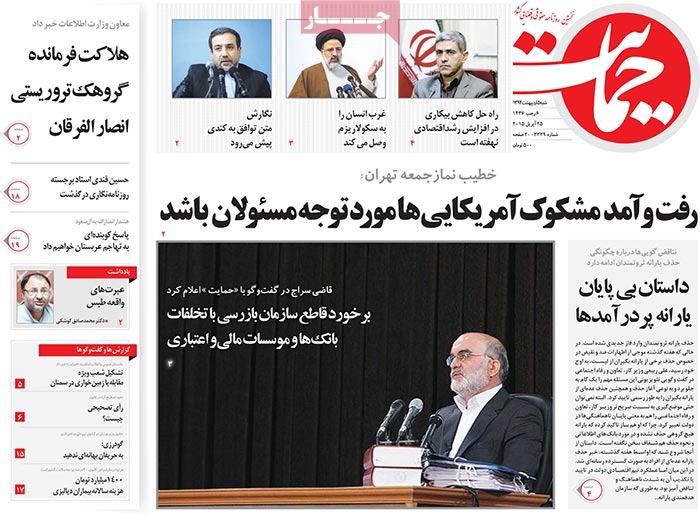
Hemayat: “Officials should be cautious about suspicious trips by the Americans [to Iran],” said Tehran’s Friday prayer leader.


A look at Iranian newspaper front pages on April 25


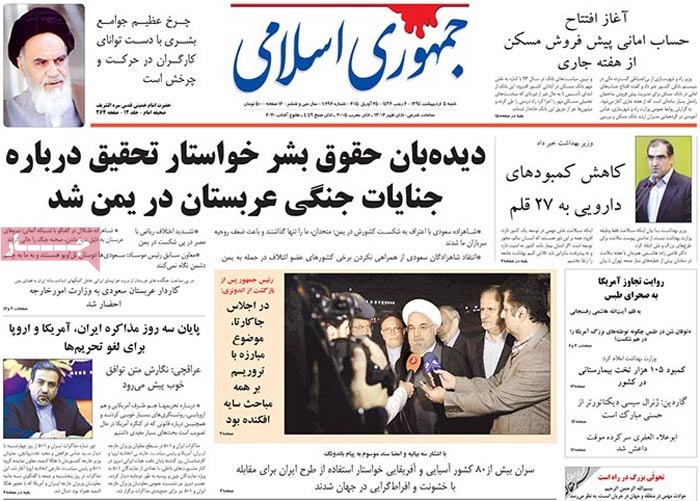
Jomhouri Islami: Human Rights Watch has called for an investigation into Saudi war crimes in Yemen.


A look at Iranian newspaper front pages on April 25


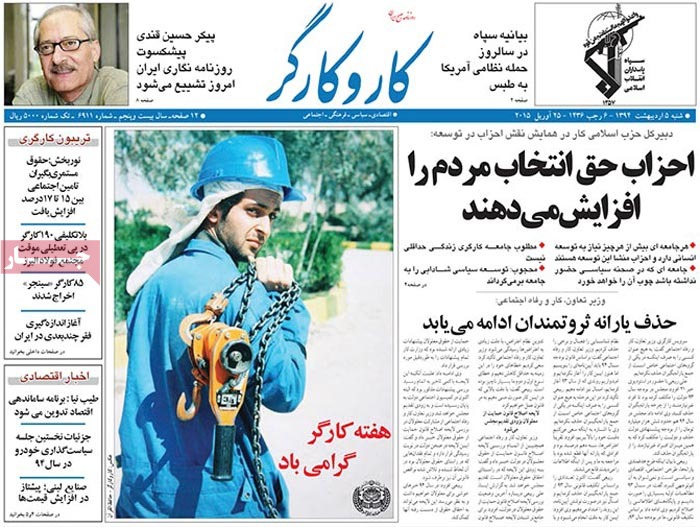
Kar va Kargar: The minister of cooperatives, labor and social welfare has said that the government will continue to remove the subsidies wealthy individuals get on a monthly basis.


A look at Iranian newspaper front pages on April 25


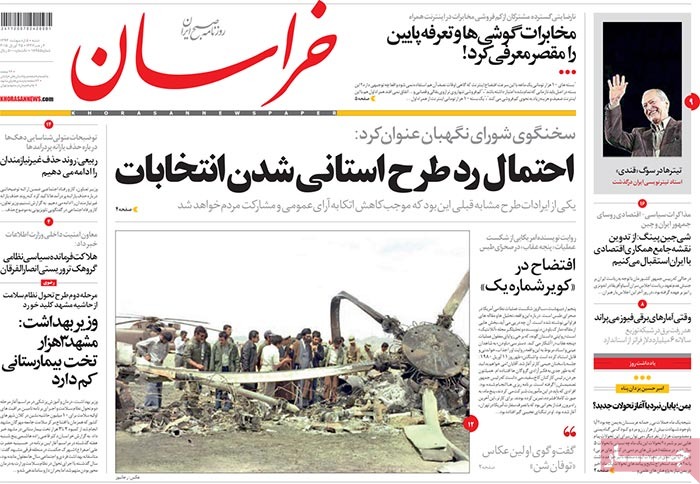
Khorasan: The spokesman of the Guardian Council has said that a plan to hold elections at provincial level is likely to be dismissed.


A look at Iranian newspaper front pages on April 25


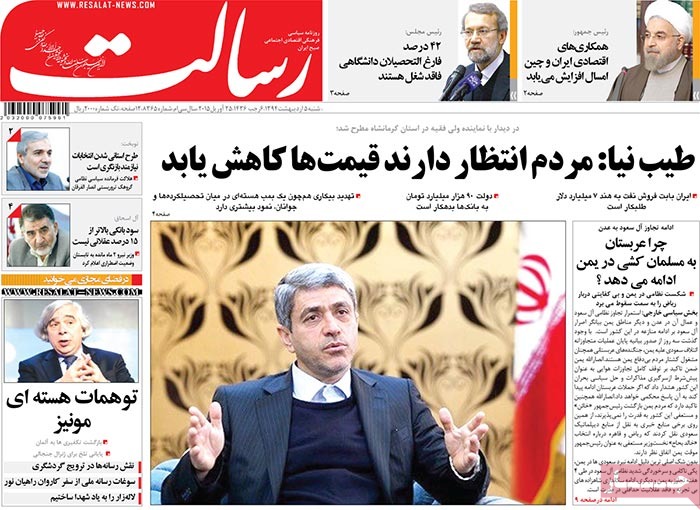
Resalat: “People expect to see prices [of basic items] go down,” said Economy Minister Ali Tayyebnia.


A look at Iranian newspaper front pages on April 25


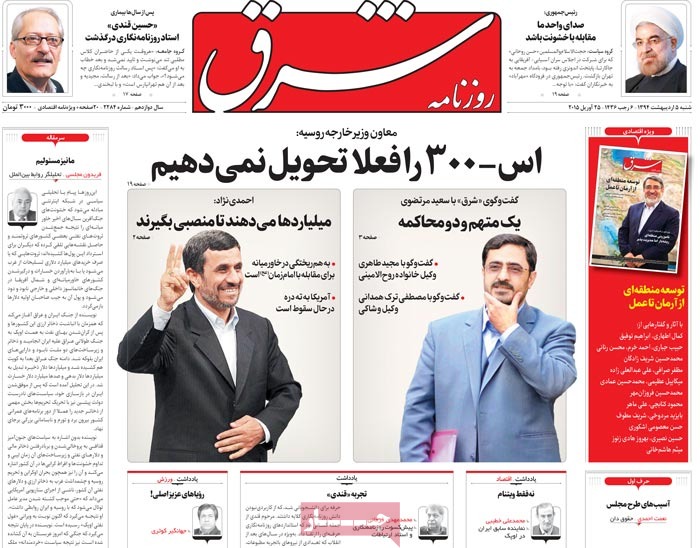
Sharq: One defendant and two trials; the daily has conducted an exclusive interview with Saeed Mortazavi, a former Tehran prosecutor.


A look at Iranian newspaper front pages on April 25


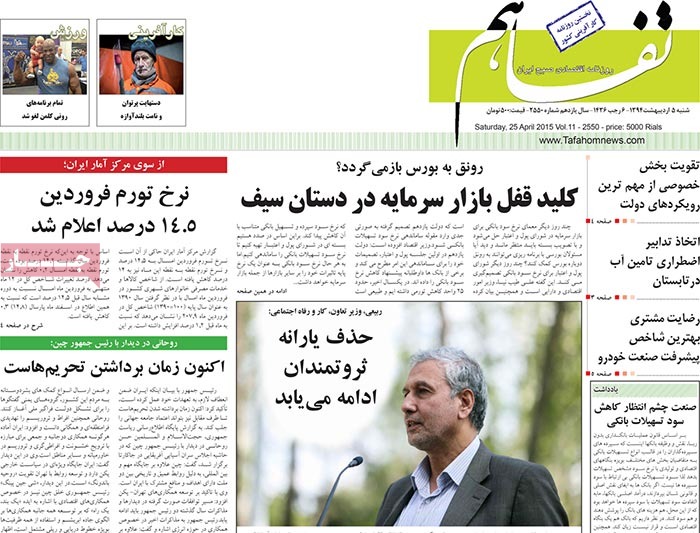
Tafahom: “Time has come for Iran’s sanctions to be lifted,” said President Rouhani in a meeting with his Chinese counterpart Xi Jinping in Jakarta.


A look at Iranian newspaper front pages on April 25


Heavy water production buys Iran membership to world nuclear club: Salehi

Ali Akbar Salehi

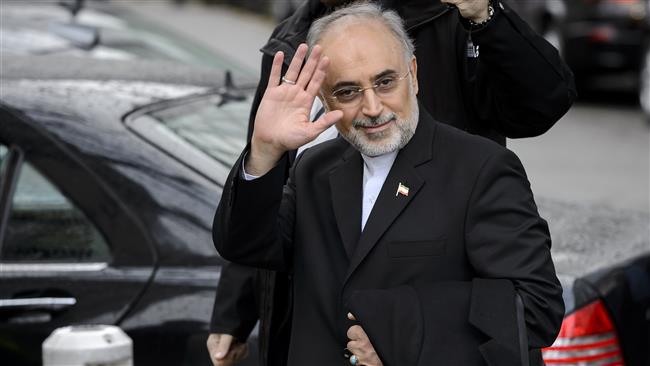
Production of 20 tons of heavy water in the Arak nuclear reactor has solidified Iran’s position as a member of the “world’s nuclear club”, the AEOI chief says.

Head of the Atomic Energy Organization of Iran (AEOI) Ali Akbar Salehi made the comment on national television on Saturday night.

“We took great steps in designing and redesigning the Arak reactor,” Salehi said, noting that Iran is now among the few countries that can produce heavy water, which he called a “strategic product”.

Iran and P5+1 reached a landmark understanding over Tehran’s nuclear program in Switzerland in early April.

According to the understanding, Iran can sell its surplus heavy water after meeting its own needs, Salehi said.

Heavy water is a form of water which contains a higher than normal amount of the hydrogen isotope deuterium, and is used in nuclear magnetic resonance, organic chemistry, and metabolic rate testing among other purposes.

The understanding also stipulates the use of only 5,000 of Iran’s centrifuges, which would produce 2,200 kilograms of enriched uranium every year, the AEOI chief said.

Talks at detailed stage

Salehi added that since the mutual understanding was reached in the lakeside city of Lausanne, the talks have entered a detailed stage.

The latest round of talks, held in Vienna, were focused on the issue of sanctions as legal and technical issues were more or less cleared up, Salehi said, adding that most of the ambiguities related to a US-released fact sheet were also solved.

Less than 24 hours after Iran and P5+1 reached a mutual understanding over Tehran’s nuclear program, the US published its own fact sheet detailing the parameters of the Joint Comprehensive Plan of Action (JCPOA). The sheet, however, had differences with the original joint statement.

Salehi further said that Iran could quickly resume full-scale nuclear activities if any of the agreement signatories violates the deal.

The latest round of the talks between representatives of Iran and P5+1 — the United States, Russia, China, France, Britain, and Germany — which ended on Friday, were held with the aim of drafting the JCPOA according to the parameters set through the mutual understanding reached on April 2.

The talks are scheduled to resume on the sidelines of the nuclear Non-Proliferation Treaty review conference in New York on April 27.

Iranian Navy has no plans to leave the Gulf of Aden: Commander

Irans-Navy-Commander-Rear-Admiral-Habibollah-Sayyari1

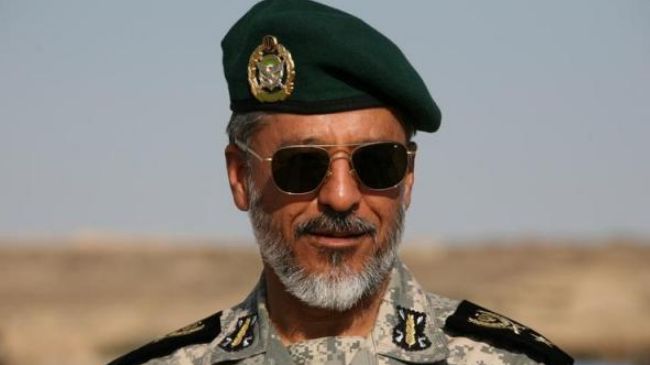
Iranian naval patrols aimed at ensuring security for commercial vessels in the Gulf of Aden will continue, Commander of the Iranian Navy Rear Admiral Habibollah Sayyari said Saturday, adding Iran won’t allow any country to board its vessels without any sound reason.
On April 25, Tasnim News Agency quoted the top commander as saying Iran’s naval presence in regional waters is in line with international rules and regulations and aimed at ensuring safe navigation for commercial vessels, denying American and Saudi allegations that Iran is sending weapons to Yemeni fighters.
He went on to say his forces have received no warning from American vessels in the region and that the presence of Iranian squadron in the Gulf of Aden has nothing to do with Saudi attacks on Yemen.

Rear Admiral Sayyari said as a result of Iran’s presence in the region more than 2,700 Iranian tankers or commercial vessels have made safe journey in regional waters. “We have engaged pirates on close to 200 occasions. Three pirates have been arrested and handed to judicial authorities.”

Iranians commemorate centennial of Armenian genocide (PHOTOS)

Iranian Armenians3

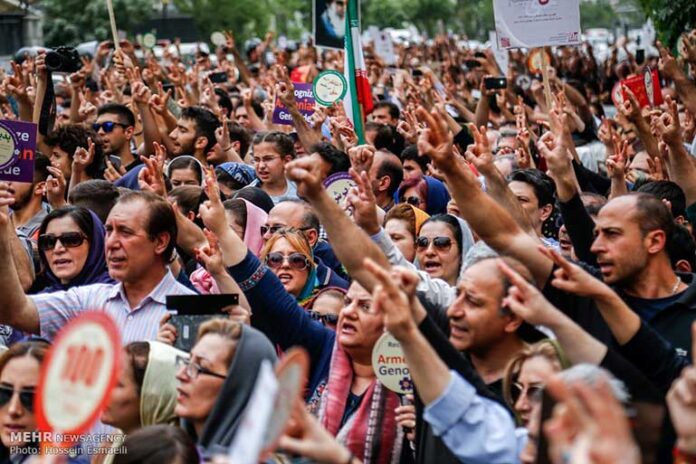
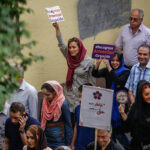
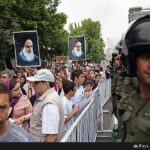
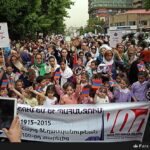
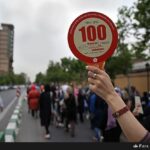
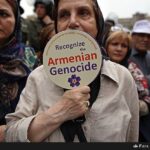
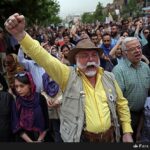
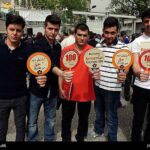
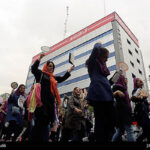
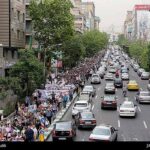
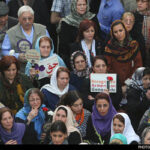
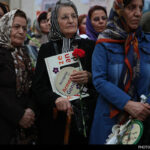
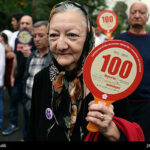
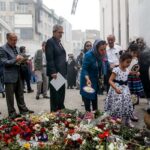
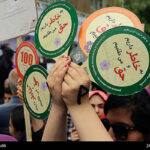
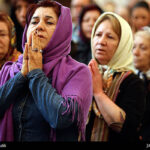
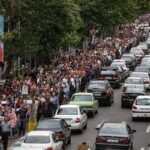
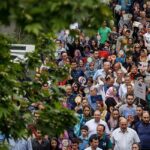
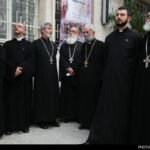
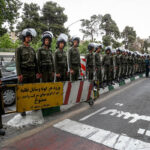
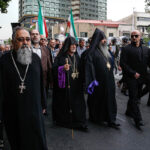
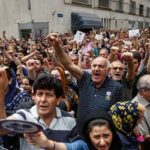
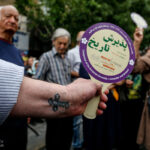
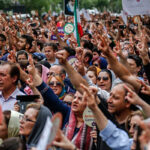
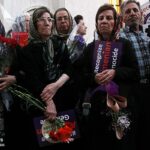
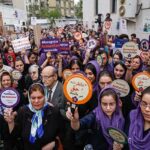
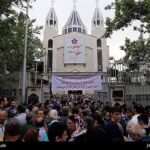
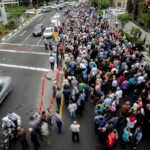
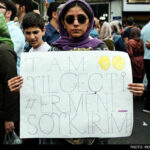
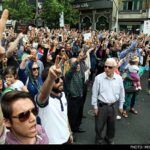
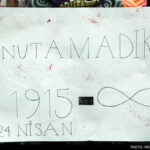
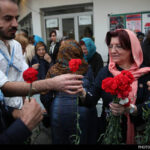
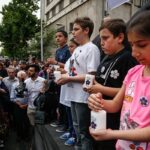
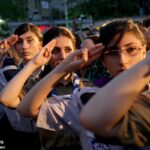
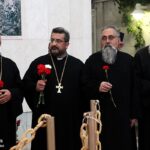
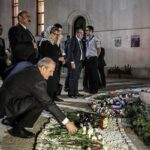
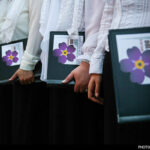
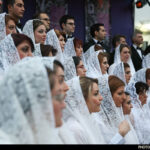
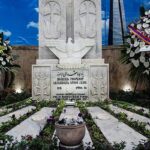
Hundreds of Iranian Armenians gathered outside the Turkish embassy in Tehran on Friday to commemorate the centennial of the massacre of the Armenians during World War I by the Ottomans.

A special memorial service was also held in Tehran for up to 1.5 million ethnic Armenians who are said to have been massacred one century ago.

The following are images of the two events filed by different news agencies:

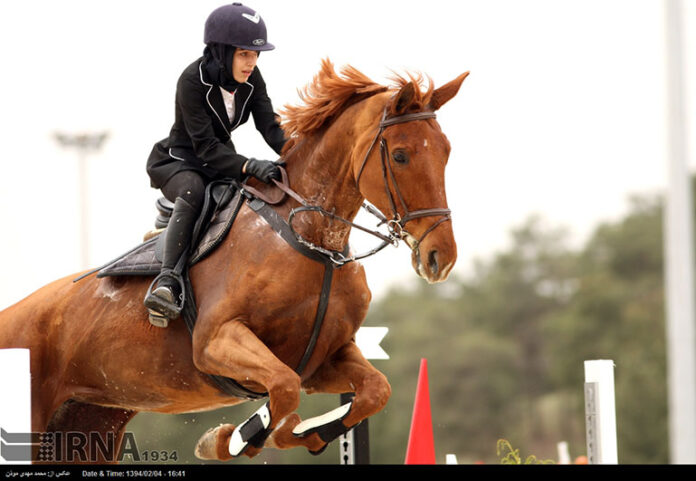
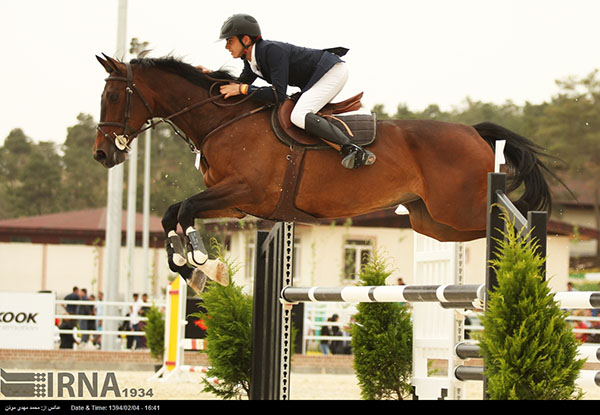
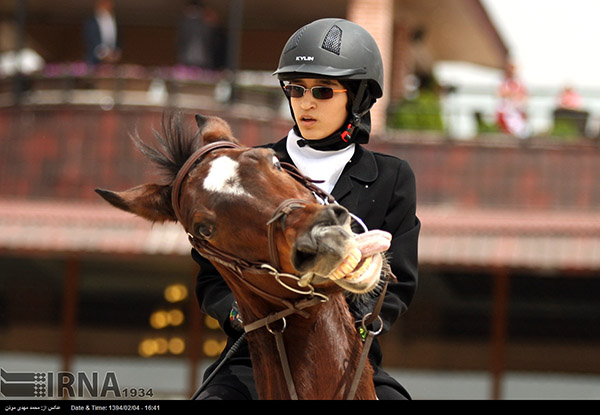
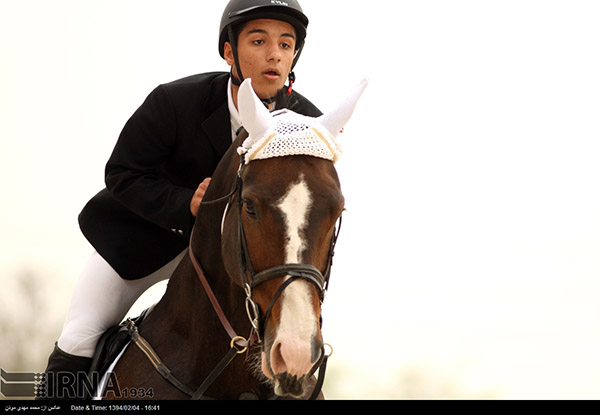
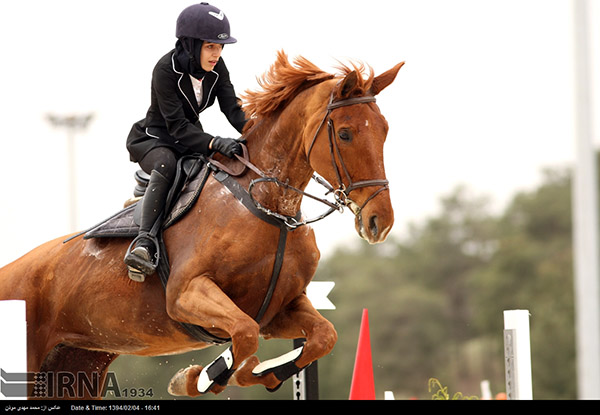
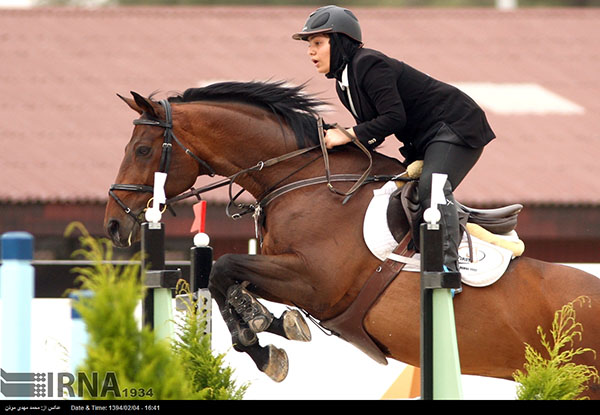
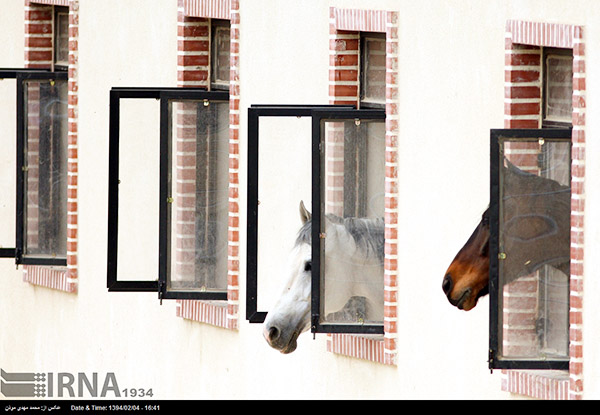
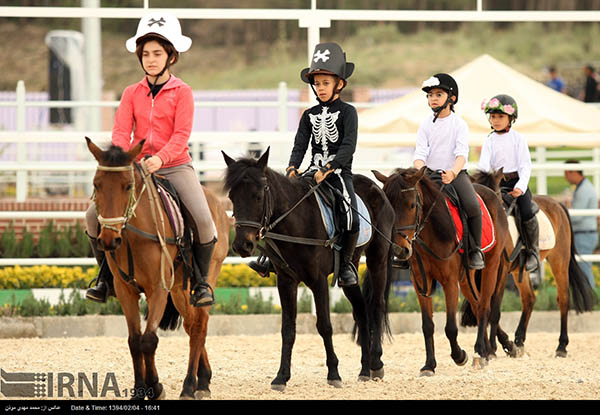
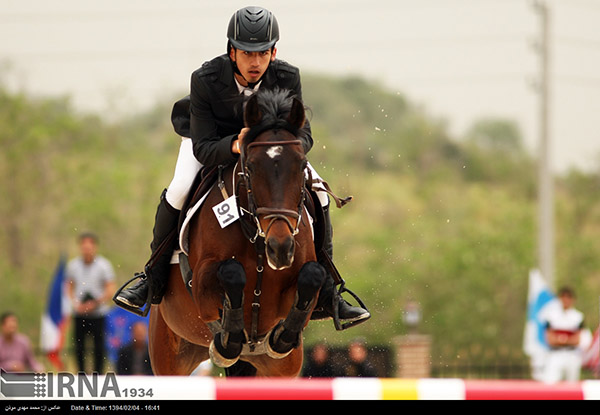
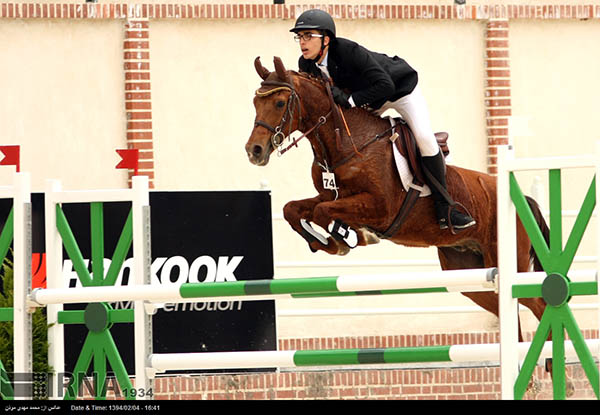
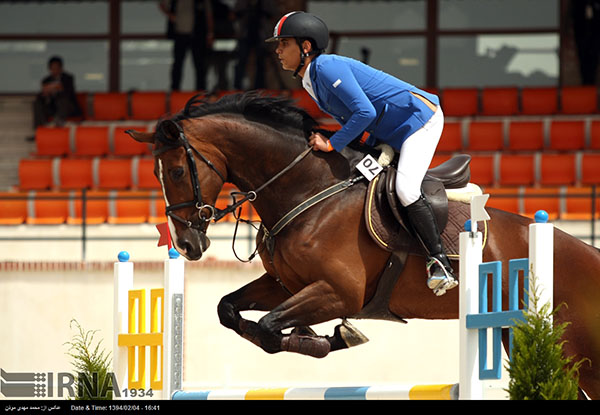
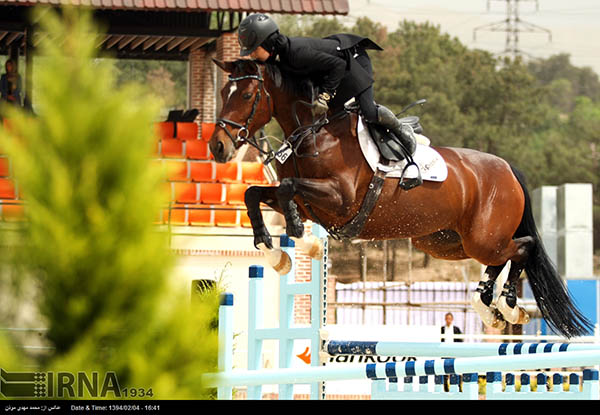
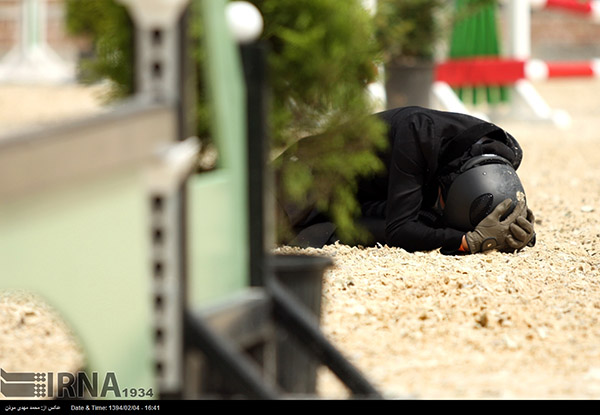
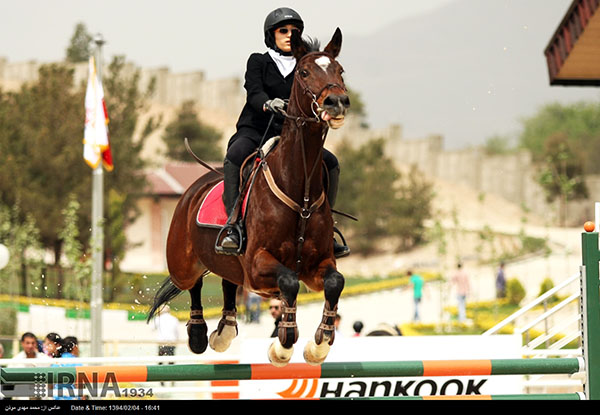
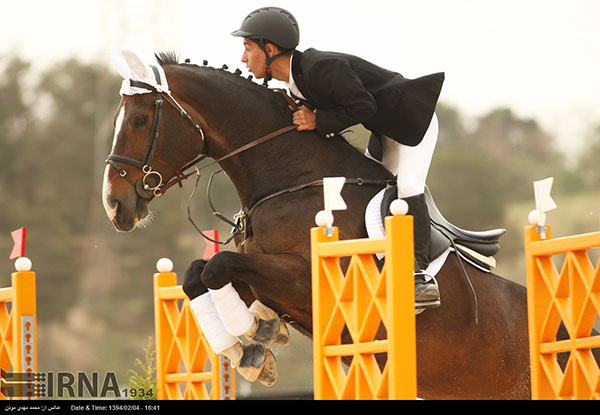
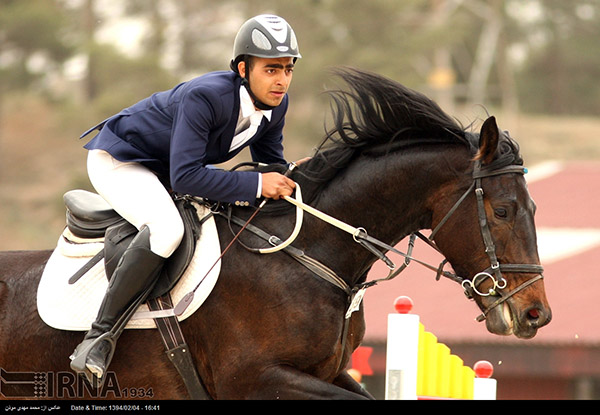
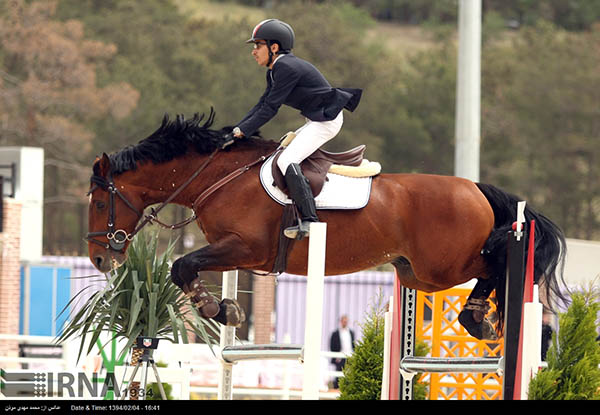
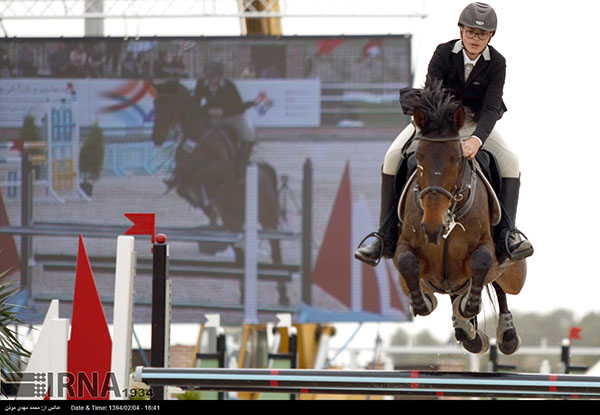
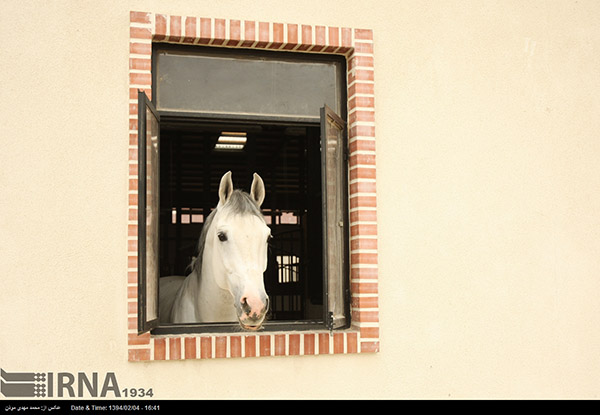
International show-jumping competition in Iran (PHOTOS)

horse-jumping

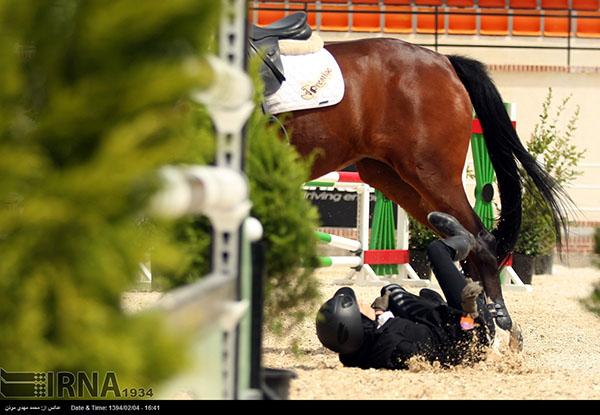
A first international equestrian tournament for jockeys aged between 14 and 18 was held in Chitgar Park, Tehran, on April 24.

Snapshots of the show-jumping event by the Islamic Republic News Agency:

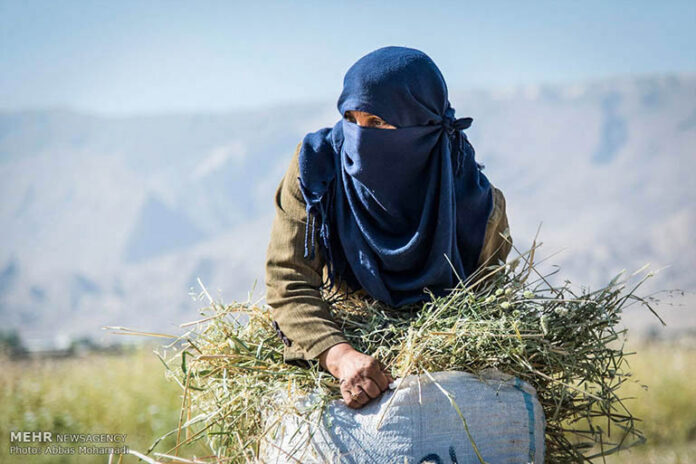
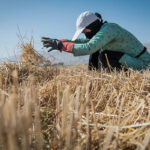
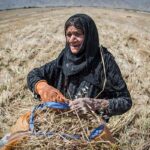
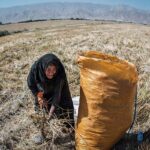
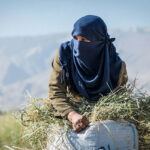
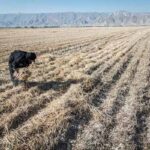
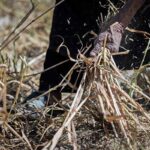
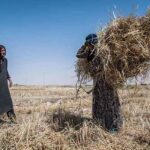
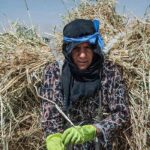
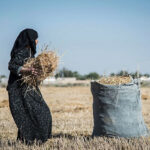
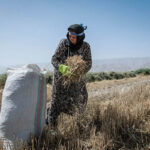
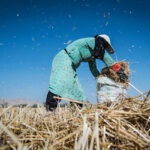
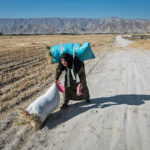
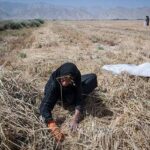
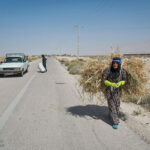
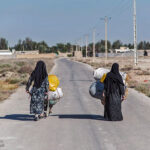
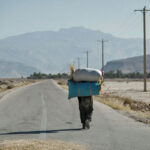
Traditional collection of wheat ears and chaff (PHOTOS)

wheat and chaff

Locals in Lamerd, Fars Province use traditional methods to collect ears and chaff of wheat.


Iran, P5+1 start drafting sanctions removal: Araghchi

Araghchi

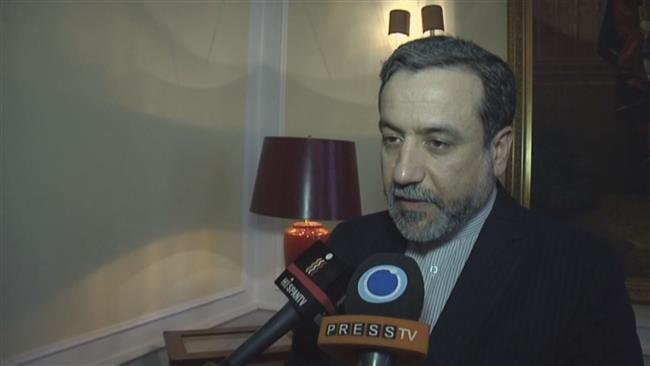
A senior Iranian nuclear negotiator says Iran and P5+1 have started drafting the text of mechanisms related to the removal of sanctions imposed on Tehran over its peaceful nuclear program.

Speaking to Press TV following meetings with representatives of P5+1 in the Austrian capital city of Vienna on Friday, Iran’s Deputy Foreign Minister for Legal and International Affairs Abbas Araghchi said that the US negotiating delegation gave the Iranian nuclear team “very useful” explanations regarding the removal of anti-Iran sanctions.

“This time we only worked on the question of sanctions but the fact is that we had worked on other issues some months ago; I think in July last year. We have already [drafted] some parts of our text. We had already done some drafting in the past, but then it was stopped because we had no solution on major issues. Now we have solutions in almost all issues. What we have to do is to write down these solutions in form of a draft of an agreement. We have also started now from the sanctions and we will go to other issues next time,” he said.

He added that the American and European negotiators resolved some ambiguities regarding the lifting of sanctions.

Noting that drafting has begun on the issue of sanctions, Araghchi said the US team “gave us explanations [about removal of sanctions] which were very useful.”

He said there were also positive talks about a resolution passed by the US Senate Foreign Relations Committee, which will be discussed on the Senate floor next week and is intended to give US Congress a final say over a possible nuclear accord with Iran.

“Some remarks by officials in the US created lots of question marks, and also the act by the Congress to introduce a new bill … [which] actually added to this complicated situation. We had very good discussions especially with the US delegation asking them to clarify their position regarding sanctions, to clarify what is going on in the Congress and I think the explanations by the US delegation was very useful,” he said.

The Iranian deputy foreign minister further noted that the negotiating sides have made steady, but slow progress, adding, “We are working on a dispute settlement mechanism for possibility of violations.”

“We are working on a dispute settlement mechanism the details of which are still under consideration. We do attach great importance to the possibility of violation of commitments by either side, especially from the other side, who has unfortunately not a good record on implementing its commitments. We will certainly have a dispute settlement mechanism according to which if any violation would occur, if any misunderstanding emerges, we will go to that mechanism and try to resolve that before we come to a situation to terminate the agreement,” the Iranian deputy foreign minister explained.

Araghchi continued by saying, “Now we have started to work on the draft of the JCPOA. Obviously at the beginning we need to talk about the frameworks and format of such a draft. We have made some progress but very slowly.… The focus of our discussions this time was on the question of sanctions and we tried to start drafting by in fact the question of sanctions and the related issues.”

“It is a very difficult job to reach a realistic agreement by June but we are hopeful. We think if all parties are serious, which they are, we can conclude these discussions and talks before the end of June. This is quite possible and we think the agreement is at reach, but of course at any time … unpredictable events may cause problems in the way, but if we go in a normal pace we can finish the job,” he concluded.

Representatives of Iran and P5+1 held intense talks in the Austrian capital in the third day of their latest round of negotiations over the Islamic Republic’s nuclear program.

The talks in Vienna are aimed at drafting the text of the Joint Comprehensive Plan of Action (JCPOA) according to the parameters set through a mutual understanding reached in the Swiss city of Lausanne on April 2.

In the morning, Iran’s deputy foreign ministers Abbas Araghchi and Majid Takht-e Ravanchi met with their Russian and Chinese counterparts.

At the same time, experts from negotiating parties held a concurrent meeting. The expert meeting was focused on the mechanism for removal of anti-Iran sanction.

Later in the afternoon, Iranian deputy foreign ministers sat for negotiations with representatives of three European countries, France, Germany and the UK followed by another meeting with the US Under-Secretary of State for Political Affairs Wendy Sherman and EU political director, Helga Schmid.

The new round of the talks between representatives of Iran and P5+1 – the United States, Russia, China, France, Britain, and Germany – lasted three days with the aim of drafting a nuclear accord.

The talks are scheduled to resume on the sidelines of the nuclear Non-Proliferation Treaty review conference in New York on April 27.A senior Iranian nuclear negotiator says Iran and P5+1 have started drafting the text of mechanisms related to the removal of sanctions imposed on Tehran over its peaceful nuclear program.
Speaking to Press TV following meetings with representatives of P5+1 in the Austrian capital city of Vienna on Friday, Iran’s Deputy Foreign Minister for Legal and International Affairs Abbas Araghchi said that the US negotiating delegation gave the Iranian nuclear team “very useful” explanations regarding the removal of anti-Iran sanctions.
“This time we only worked on the question of sanctions but the fact is that we had worked on other issues some months ago; I think in July last year. We have already [drafted] some parts of our text. We had already done some drafting in the past, but then it was stopped because we had no solution on major issues. Now we have solutions in almost all issues. What we have to do is to write down these solutions in form of a draft of an agreement. We have also started now from the sanctions and we will go to other issues next time,” he said.
He added that the American and European negotiators resolved some ambiguities regarding the lifting of sanctions.
Noting that drafting has begun on the issue of sanctions, Araghchi said the US team “gave us explanations [about removal of sanctions] which were very useful.”
He said there were also positive talks about a resolution passed by the US Senate Foreign Relations Committee, which will be discussed on the Senate floor next week and is intended to give US Congress a final say over a possible nuclear accord with Iran.
“Some remarks by officials in the US created lots of question marks, and also the act by the Congress to introduce a new bill … [which] actually added to this complicated situation. We had very good discussions especially with the US delegation asking them to clarify their position regarding sanctions, to clarify what is going on in the Congress and I think the explanations by the US delegation was very useful,” he said.
The Iranian deputy foreign minister further noted that the negotiating sides have made steady, but slow progress, adding, “We are working on a dispute settlement mechanism for possibility of violations.”
“We are working on a dispute settlement mechanism the details of which are still under consideration. We do attach great importance to the possibility of violation of commitments by either side, especially from the other side, who has unfortunately not a good record on implementing its commitments. We will certainly have a dispute settlement mechanism according to which if any violation would occur, if any misunderstanding emerges, we will go to that mechanism and try to resolve that before we come to a situation to terminate the agreement,” the Iranian deputy foreign minister explained.
Araghchi continued by saying, “Now we have started to work on the draft of the JCPOA. Obviously at the beginning we need to talk about the frameworks and format of such a draft. We have made some progress but very slowly.… The focus of our discussions this time was on the question of sanctions and we tried to start drafting by in fact the question of sanctions and the related issues.”
“It is a very difficult job to reach a realistic agreement by June but we are hopeful. We think if all parties are serious, which they are, we can conclude these discussions and talks before the end of June. This is quite possible and we think the agreement is at reach, but of course at any time … unpredictable events may cause problems in the way, but if we go in a normal pace we can finish the job,” he concluded.
Representatives of Iran and P5+1 held intense talks in the Austrian capital in the third day of their latest round of negotiations over the Islamic Republic’s nuclear program.
The talks in Vienna are aimed at drafting the text of the Joint Comprehensive Plan of Action (JCPOA) according to the parameters set through a mutual understanding reached in the Swiss city of Lausanne on April 2.
In the morning, Iran’s deputy foreign ministers Abbas Araghchi and Majid Takht-e Ravanchi met with their Russian and Chinese counterparts.
At the same time, experts from negotiating parties held a concurrent meeting. The expert meeting was focused on the mechanism for removal of anti-Iran sanction.
Later in the afternoon, Iranian deputy foreign ministers sat for negotiations with representatives of three European countries, France, Germany and the UK followed by another meeting with the US Under-Secretary of State for Political Affairs Wendy Sherman and EU political director, Helga Schmid.
The new round of the talks between representatives of Iran and P5+1 – the United States, Russia, China, France, Britain, and Germany – lasted three days with the aim of drafting a nuclear accord.
The talks are scheduled to resume on the sidelines of the nuclear Non-Proliferation Treaty review conference in New York on April 27.