Thursday, December 25, 2025
Home Blog Page 4776

Iranian researchers produce anti-cancer nano-drug

cancer

Iranian researchers have produced a nano-drug which has proven effective in battling the treatment resistant cancers.

The Cancer Research Center of Tehran University of Medical Sciences produced the polymer-based nanocarrier for the targeted release of the anti-cancer drug curcumin.

“This nanocarrier was made without the use of poisonous catalysts and has proven successful in clinical trials on a number of cancer patients,” said Ali Mohammad Alizadeh from the Iran Nanotechnology Initiative Council.

Research has proven that curcumin, which is found in turmeric, has anti-cancer and cancer preventing properties apart from its anti-oxidant and anti-inflammatory properties, he added.

When curcumin is prescribed in its edible form, it has a low effect on the targeted tissues because of its low absorption rate and fast metabolism which causes it to be flushed from the body, he noted.

However, by capsuling curcumin in nano-emulsions (nano curcumin) its medical properties increase, Alizadeh noted.

Even if prescribed in high dosages, the drug is proven not poisonous during first-stage clinical trials and is currently near the end of stage two clinical trials on drug-resistant breast and digestive tract cancers.

Alizadeh added that because all the basic materials required to manufacture nano-curcumin are available in the country it can be domestically mass-produced as an anti-cancer drug.

Domestic friction does not exempt US from honoring int’l commitments

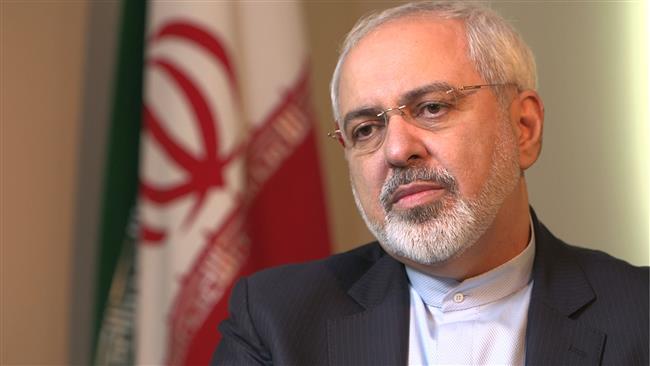
Mohammad Javad Zarif

Foreign Minister Mohammad Javad Zarif has said that political bickering in the US has nothing to do with Iran and that the American administration – not Congress – is responsible for enforcement of the nuclear agreement.

Zarif made the comment in New York, where he is to attend the 2015 Review Conference of the Parties to the Treaty on the Non-Proliferation of Nuclear Weapons (NPT) due to be held at the UN Headquarters from April 27 to May 22.

The following is a partial translation of what else the Islamic Republic News Agency (IRNA) quoted him as saying on the Lausanne agreement:

[…]

“We have said from the very beginning that [conclusion of an] agreement does not conform to sanctions. We have also stressed the fact that under the agreement we arrived at Lausanne, [anti-Iran] sanctions will be lifted and the UN Security Council will release a new resolution to nullify the previous resolutions [against Iran] as we implement the [Lausanne] agreement,” said the Iranian top diplomat.

He went on to say that what we agreed on during the Lausanne talks should turn – at this final stage [of the talks] – into a legally binding document to be implemented down the road.

As for the ballyhoo in the US Congress and bipartisan disputes over the nuclear agreement, Zarif said, “We have already said that the US government is responsible for implementation of the agreement and the problems and disputes inside the US have nothing to do with Iran and the implementation of the deal. Under international regulations, countries are not exempt from honoring their commitments due to their internal problems. This is a basic framework that is of high importance to us”.

He further said that we expect US officials to provide explanations on this [their interpretation of the Lausanne agreement], adding that we want to hear transparent and frank explanations [from Washington] on their in-house bickering and its possible impact on the implementation of the Lausanne agreement.

No internal rift over nuclear talks: Velayati

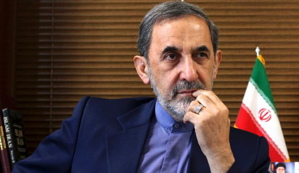
Ali Akbar Velayati

Head of the Strategic Research Center of Iran’s Expediency Council Ali Akbar Velayati rejected the notion that a plan to require the parliament’s approval of a likely nuclear deal between Tehran and world powers would translates to polarization of views in the country.

Speaking to reporters in Tehran on Sunday, Velayati underscored that the Iranian nation remains united when it comes to the country’s major political issues, adding that it is an illusion that discord might emerge between the Iranian people and the three branches of power.

He made the comments in response to speculations about the emergence of polarity and division in the country after Iranian lawmakers prepared a plan that would require a possible final nuclear deal to win the endorsement of parliament.

The plan stipulates that, according to Iran’s Constitution, any possible nuclear accord between Iran and 5+1 (Russia, China, the US, Britain, France and Germany) will have no credibility without authorization of the legislature, an MP told Tasnim on Sunday.

Velayati made it clear that the Iranian diplomats are vigorously doing their job in the nuclear negotiations and that there is no need to worry that their morale might be undermined by the parliament’s move.

“They (negotiators) are doing their job and parliament is also doing its own,” he explained.

On April 2, Iran and 5+1 reached a framework nuclear agreement in Lausanne, Switzerland, with both sides committed to push for a final deal until the end of June.

They also held a three-day round of talks in Vienna on April 22-24 and started drafting the text of the long-awaited agreement.

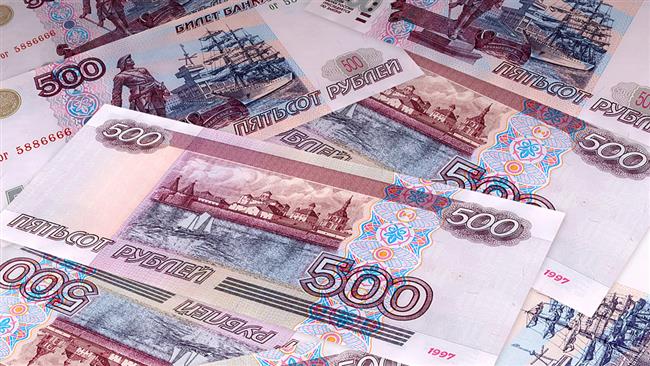
Iran, Russia ditch dollar, trade in ruble

7

Bank officials in Tehran said on Sunday that a mechanism to transfer money to the country’s banks from Russia is now on stream.

Gholam-Reza Panahi, the deputy governor for currency affairs of Bank Melli of Iran (BMI), said the mechanism enables Iranian exporters to transfer payments in rubles from their Russian clients to Iran through the Moscow-based Mir Business Bank.

Panahi said BMI is ready to support Iranian exporters to receive the ruble payments of their Russian clients through Mir Business Bank.

He said Iranian exporters can even choose the same bank for opening letters of credit.

Both countries are subject to a series of draconian US-engineered sanctions. They had already announced plans to ditch the US dollar and trade in their own currencies.

The US and the European Union have imposed an array of embargoes on Russian individuals and businesses over the crisis in Ukraine. They accuse Moscow of supporting anti-Kiev protesters in eastern and southern Ukraine. Russia denies the allegation.

The US and its European allies have also imposed sanctions against Iran over Tehran’s civilian nuclear activities.

Iran decries Saudi obstacle to delivery of emergency supplies

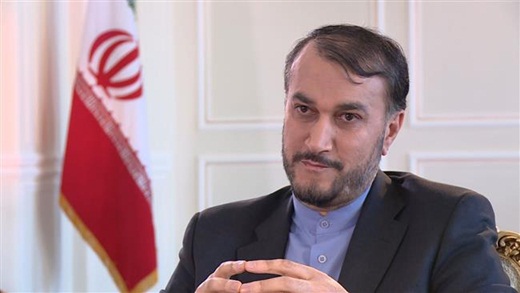
Hossein Amir-Abdollahian

Deputy Foreign Minister for Arab-African Affairs Hossein Amir-Abdollahian on Sunday expressed outrage at the obstacles created by the Saudi government to the delivery of emergency supplies to Yemen.

He said that Iran reviews all options for assisting people in Yemen such as the immediate shipment of relief supplies and transfer of injured civilians.

The Saudi government does not have the right to dictate its policies on others in the region, he said, adding that their military intervention in Bahrain left hundreds of casualties.

He said that the Saudi government is not honoring its obligations under the international law and the Charter of the United Nations which prohibits intervention in the internal affairs of other states.

The Saudi aggression on Yemen has led to the escalation of violence and bloodshed in the country and the entire region, he said, adding that the Saudi government is expected to help promote peace and security in the region, but they have put regional security at risk.

Amir-Abdollahian said that the Saudi government is responsible to play a constructive role and not to disrupt peace and security in the region.

He underlined that Tehran always backs diplomatic talks with the Saudi government.

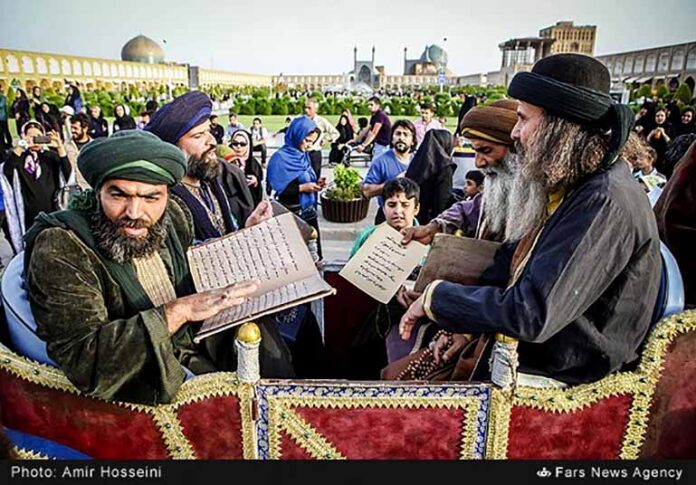
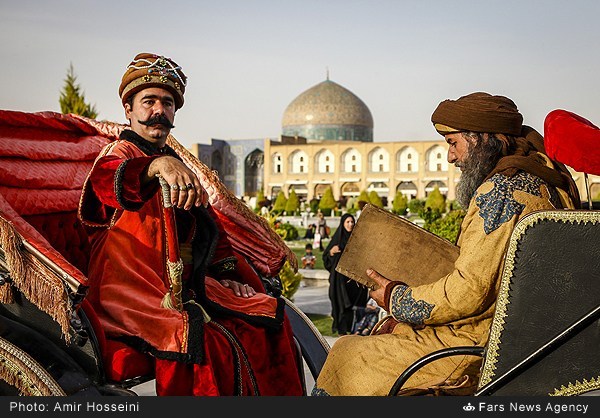
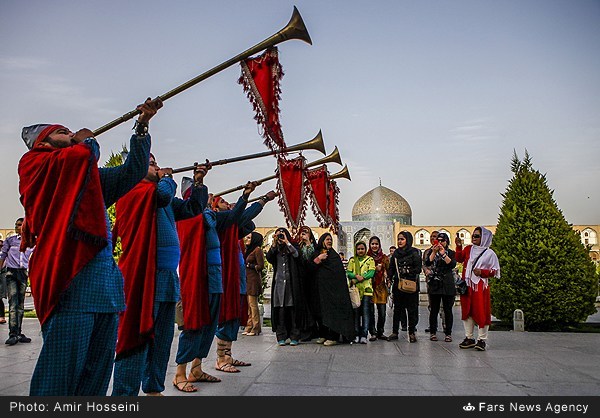
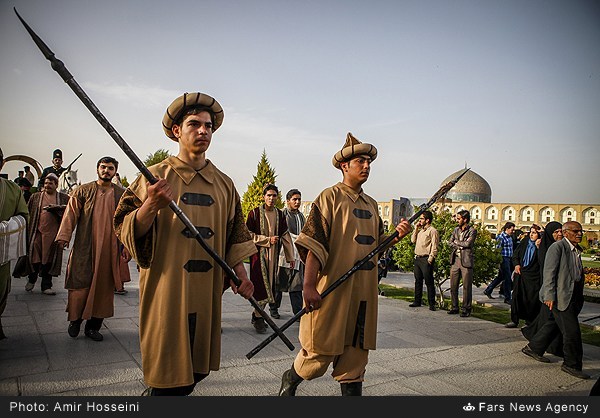
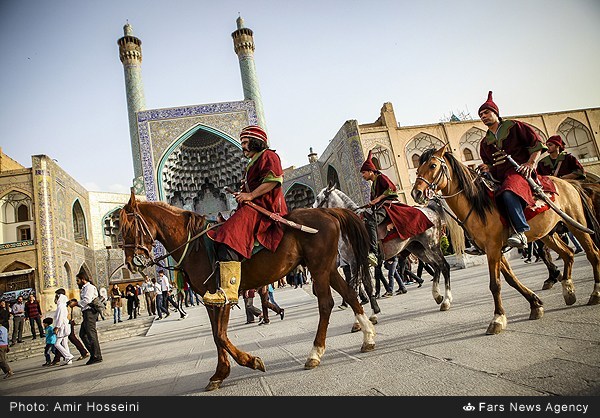
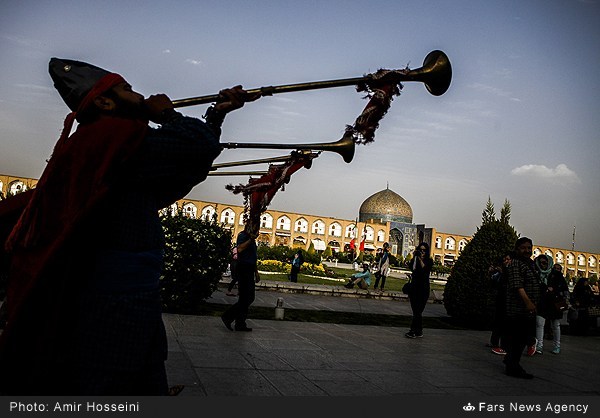
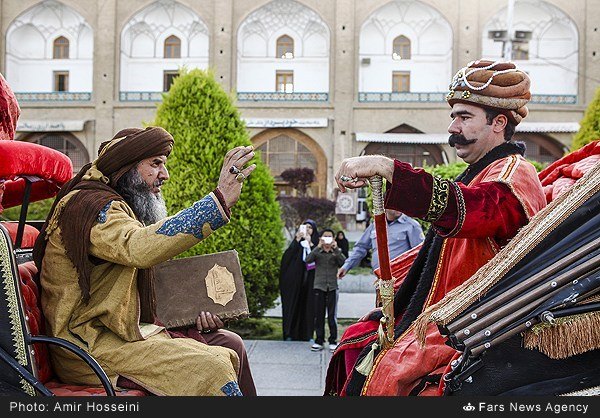
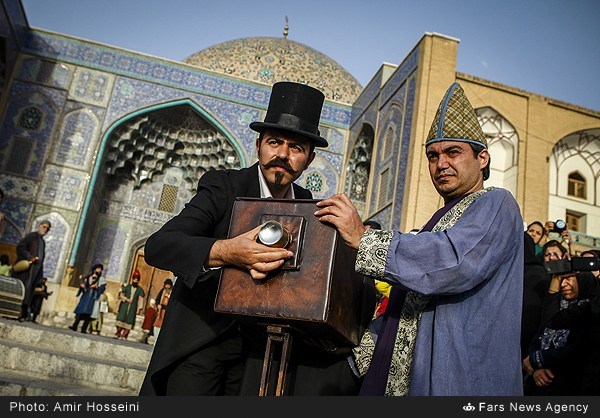
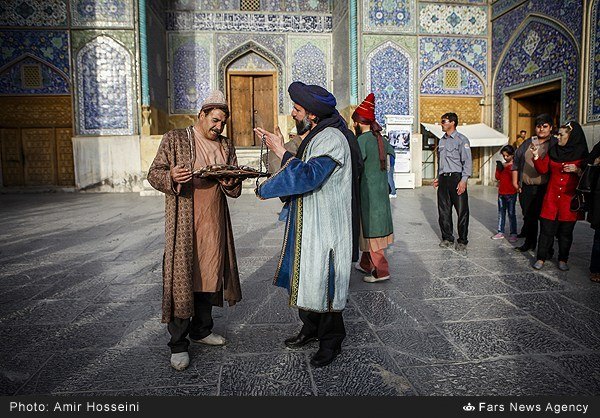
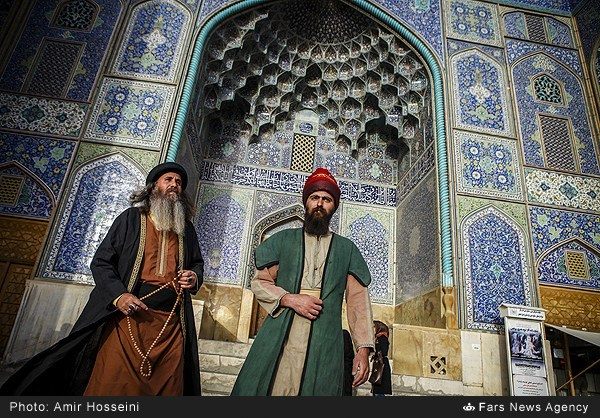
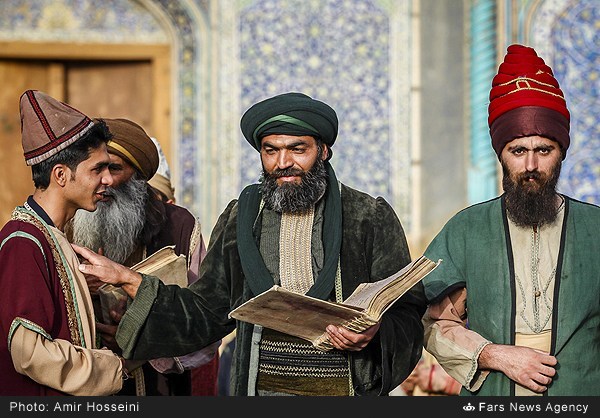
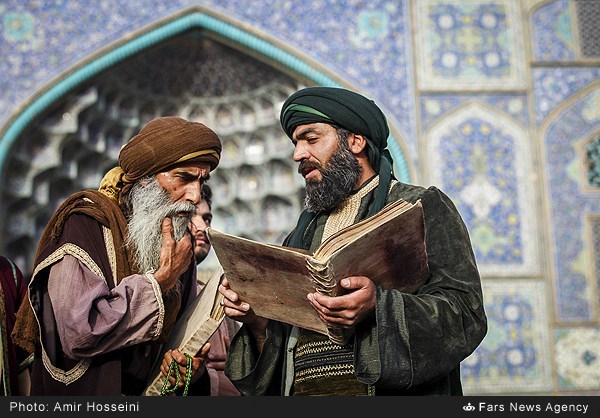
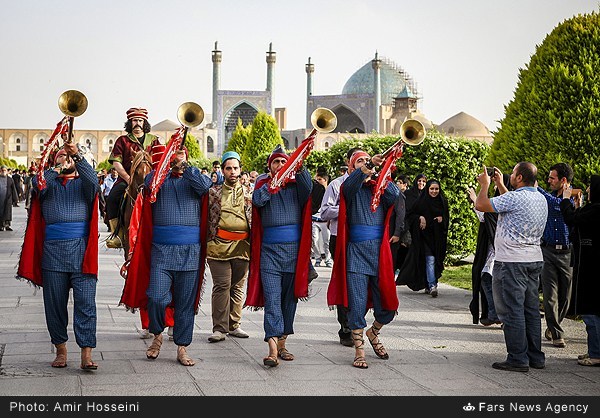
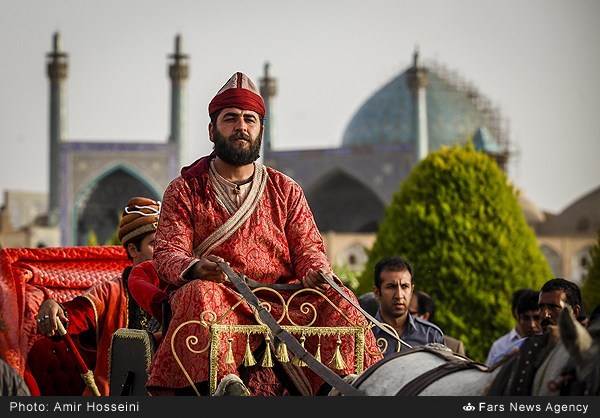
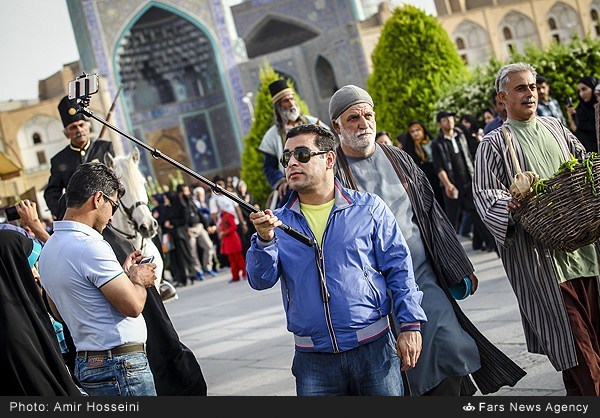
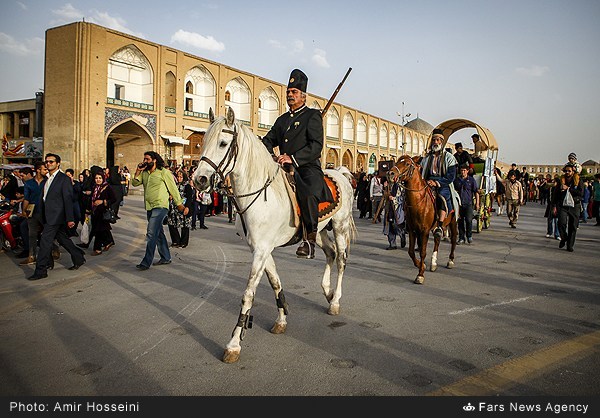
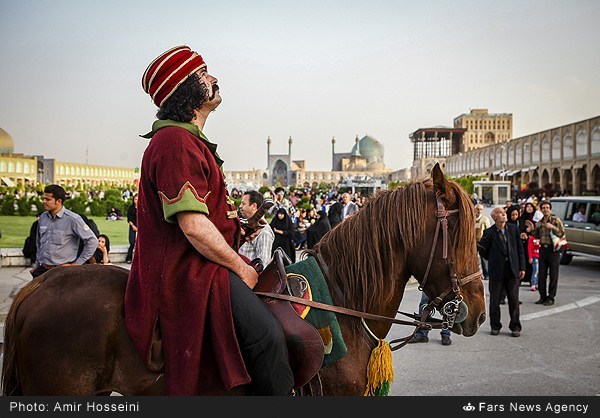
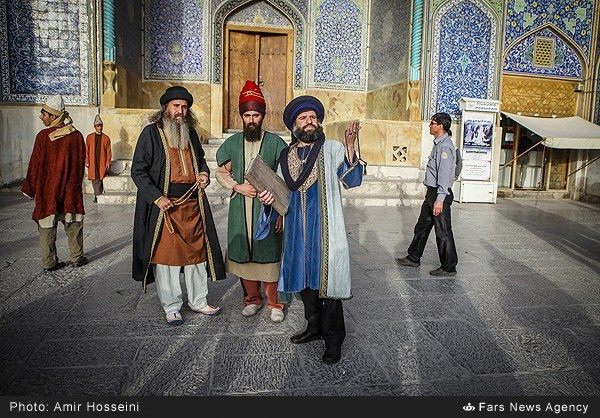
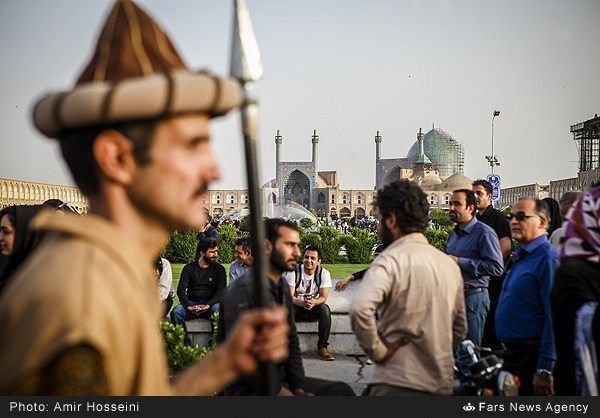
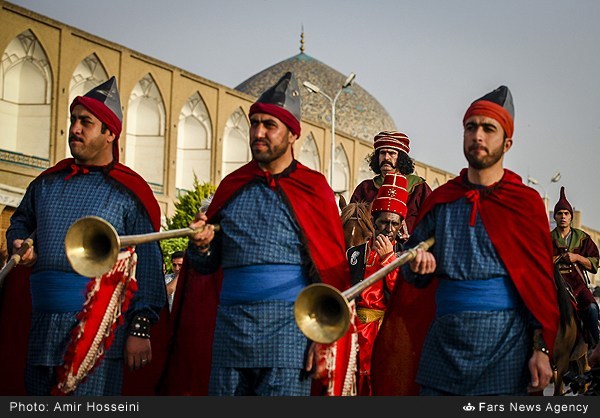
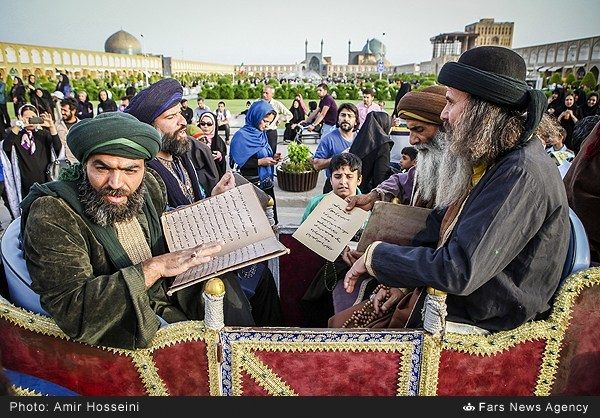
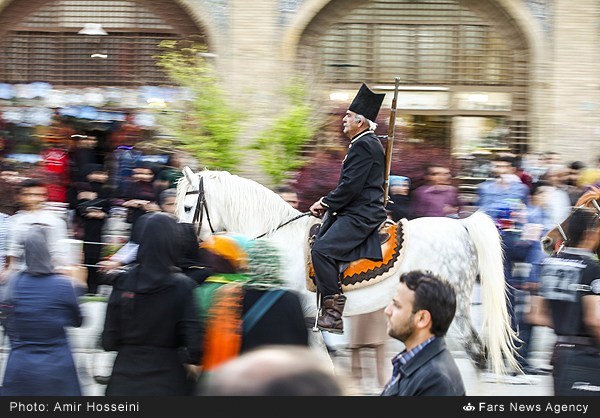
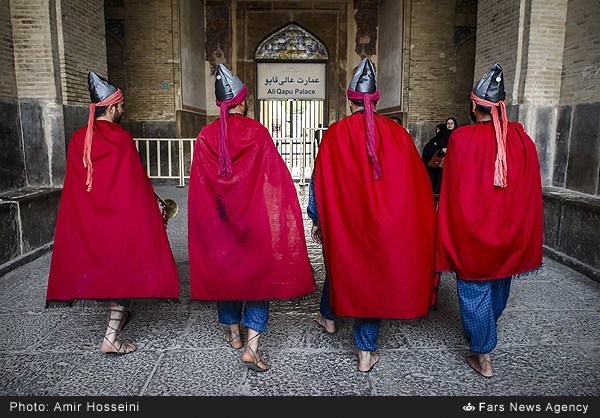
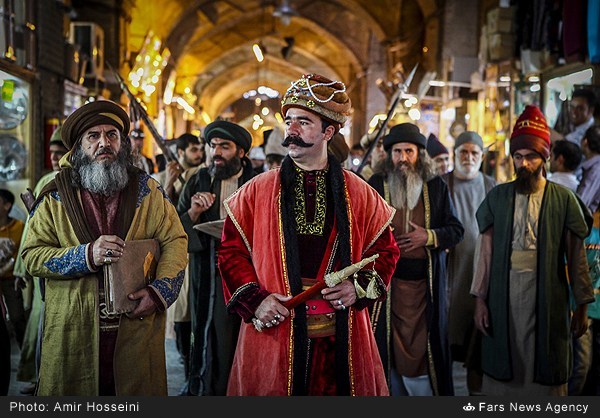
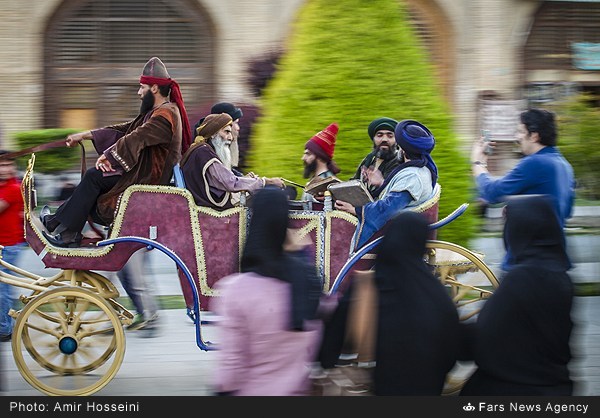
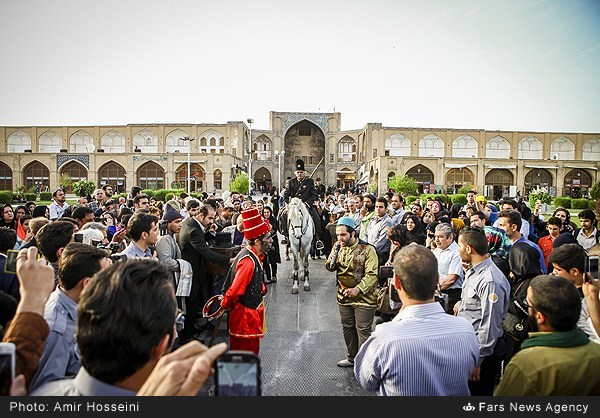
Iran in Photos: Isfahan History Show

Isfahan History Show

A three-day ceremony featuring troupes reenacting part of the history of Isfahan has been held in the historical central city.

The following are images released by Fars News Agency:


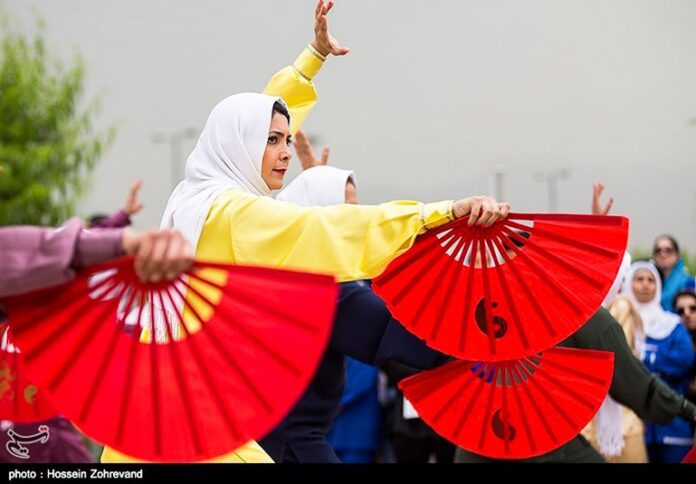
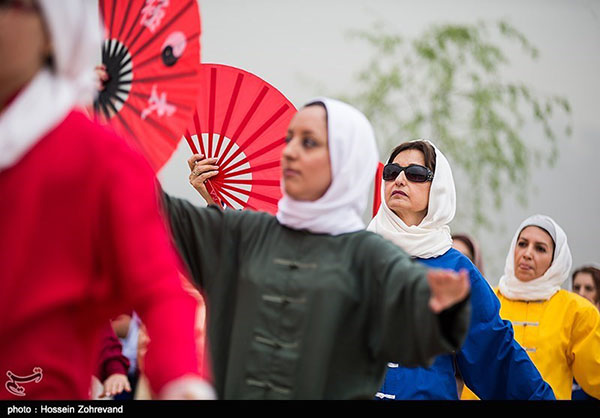
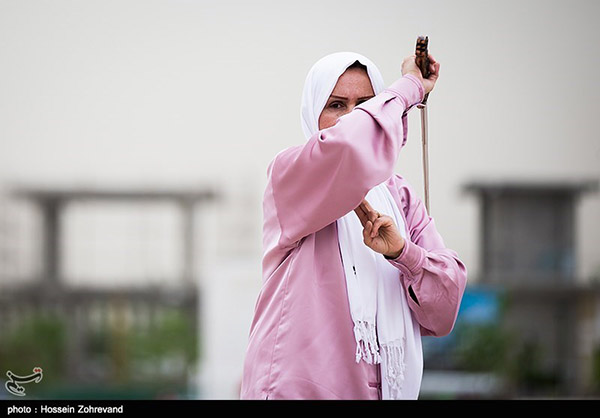
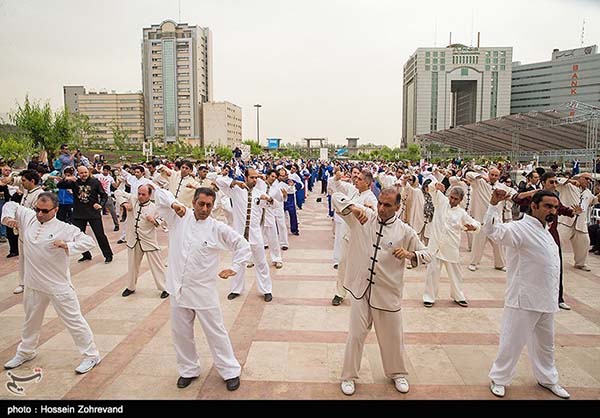
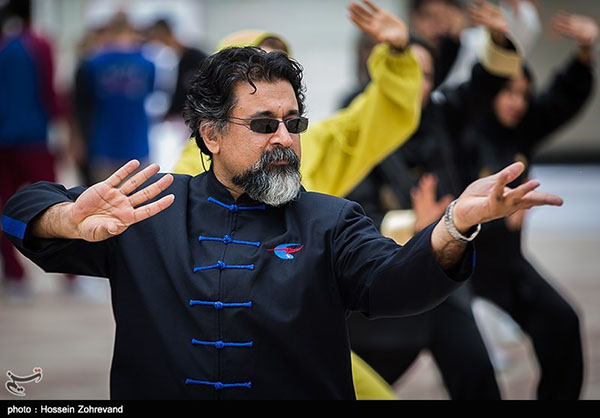
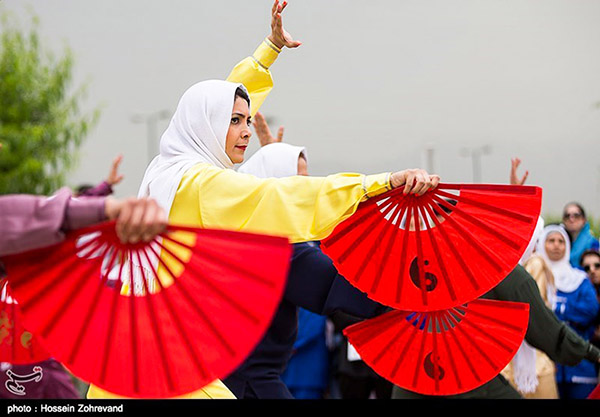
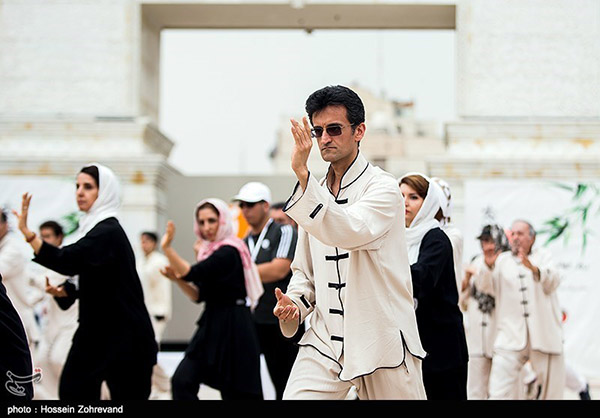
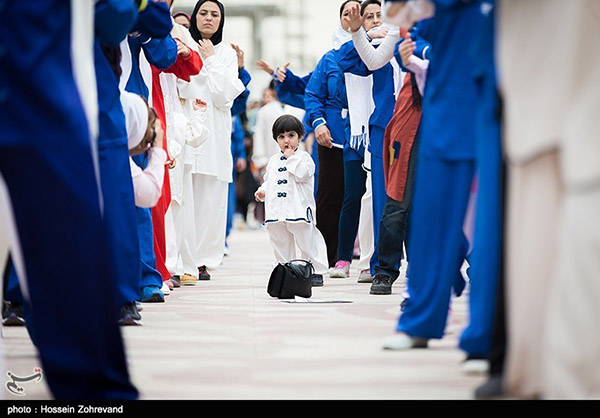
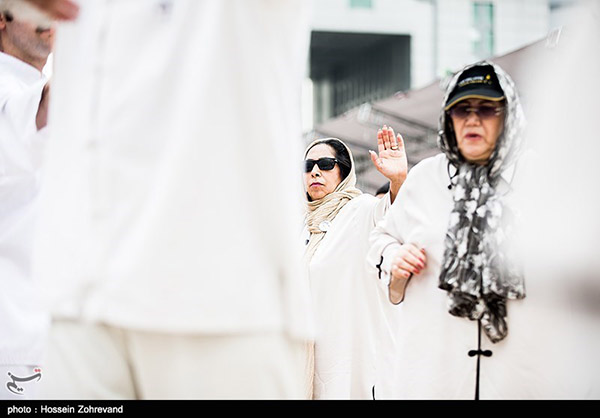
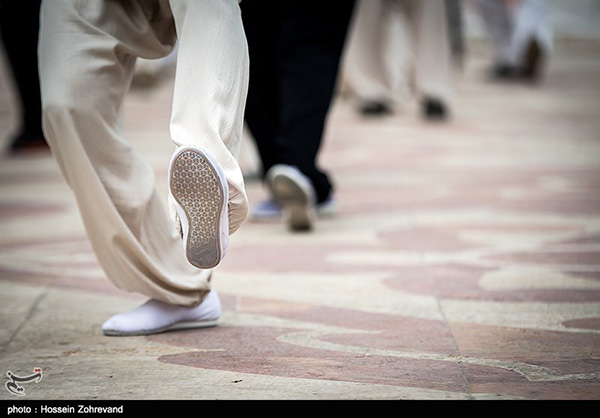
World Tai Chi, Qigong Day observed in Tehran

World Tai Chi, Qigong Day

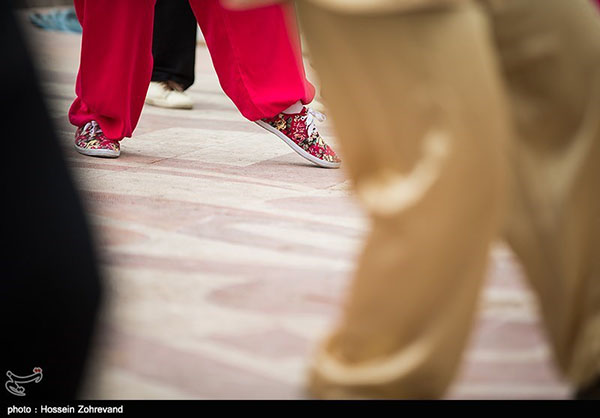
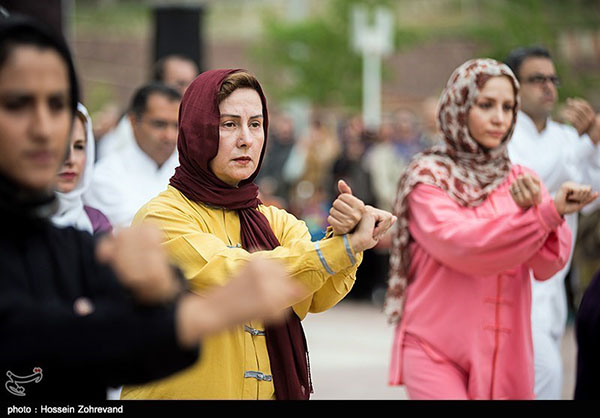
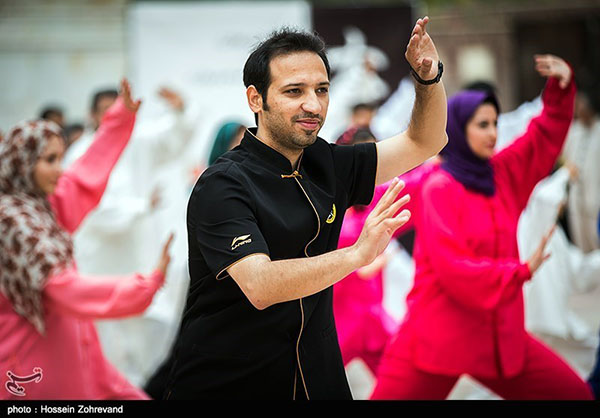
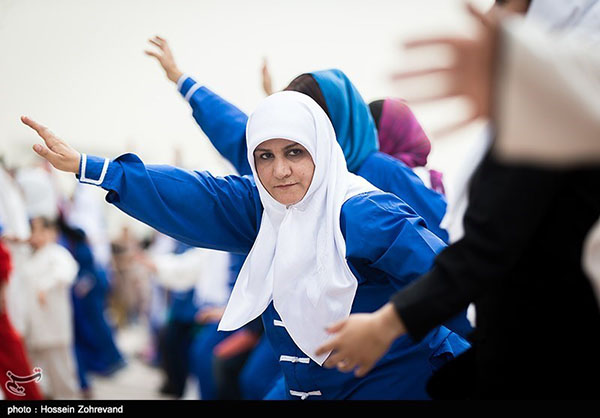
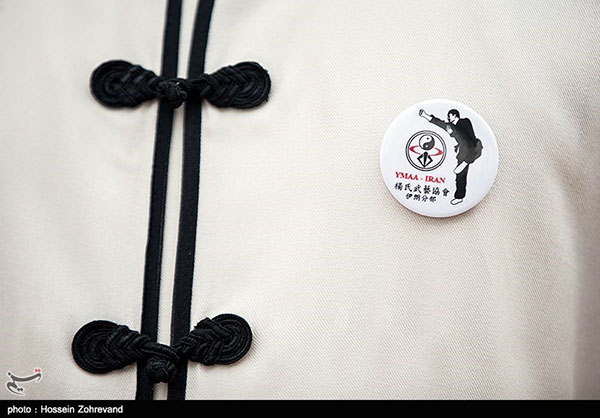
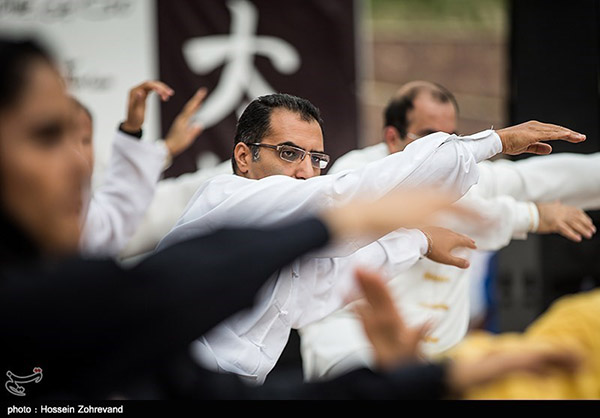
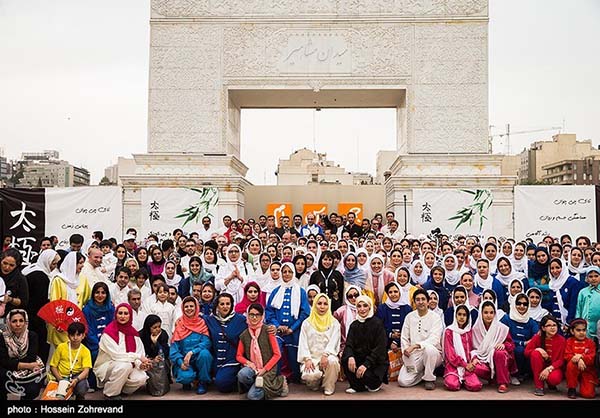
People gathered in a Tehran park to observe the World Tai Chi and Qigong Day.

The annual event is held on the last Saturday of April each year to, among other things, inform people of health and healing issues and call on people from all cultures of the world to embrace wisdom.


Photos of the annual event in Tehran have been released by Tasnim News Agency:

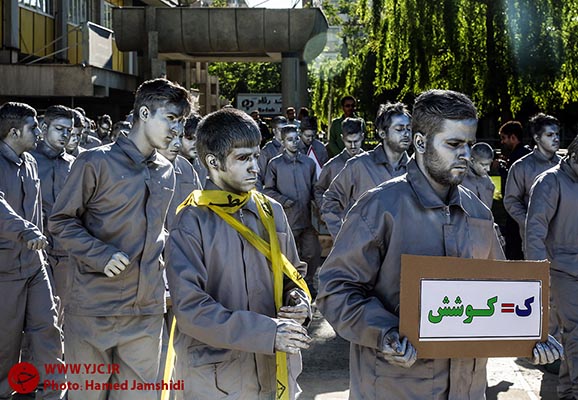
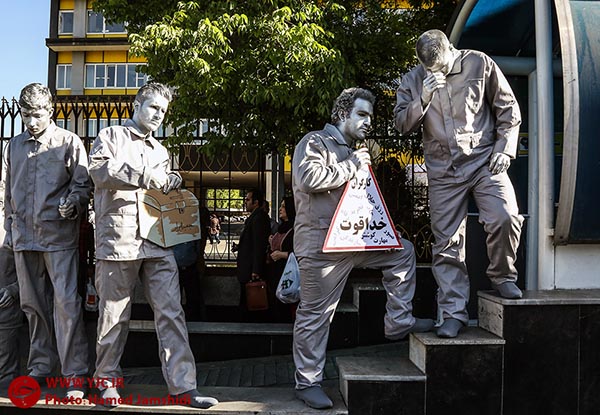
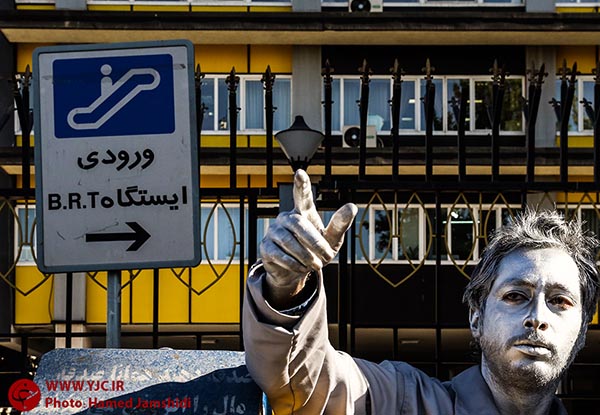
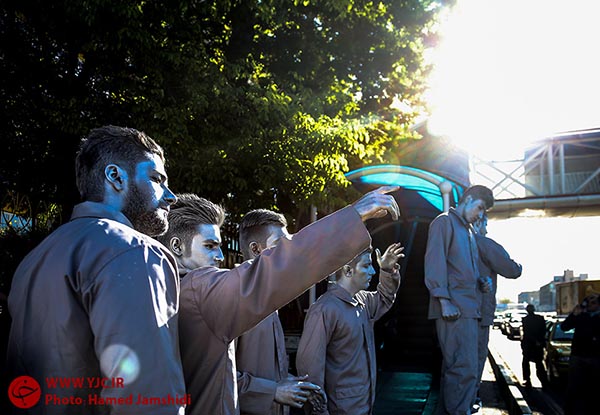
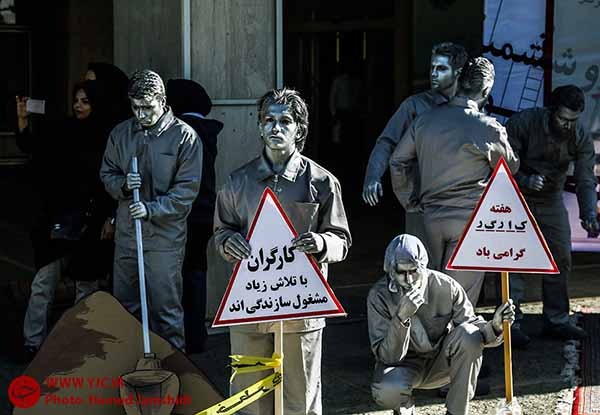
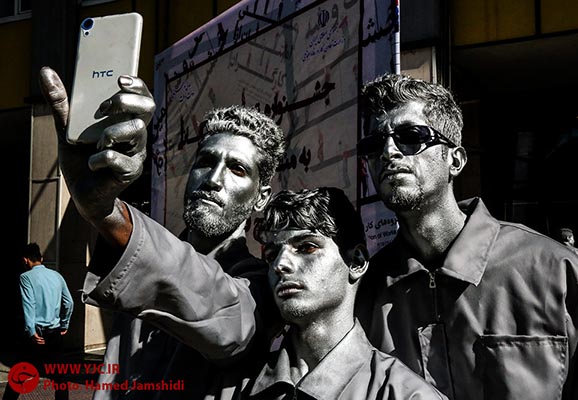
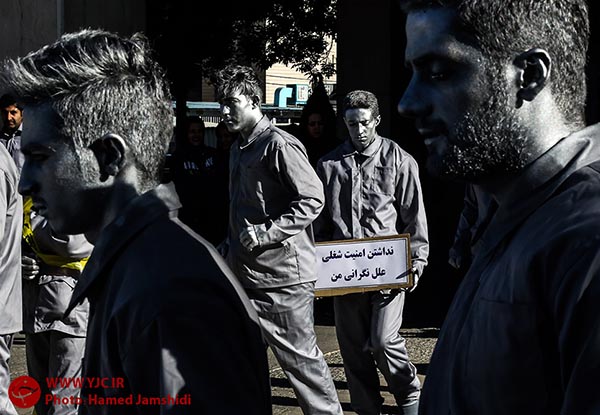
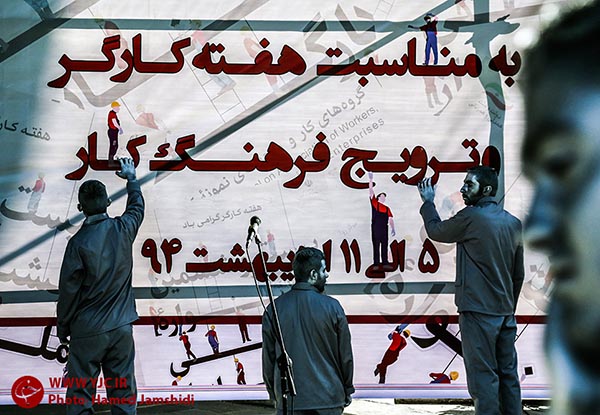
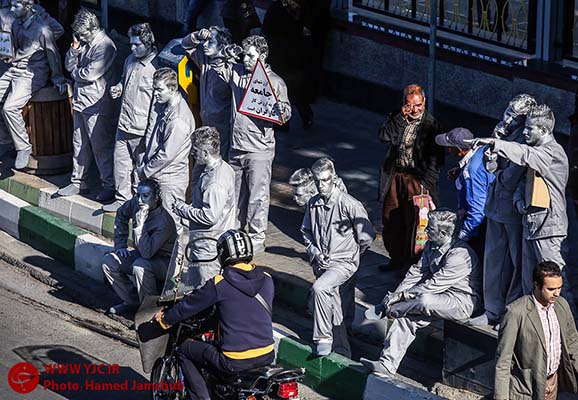
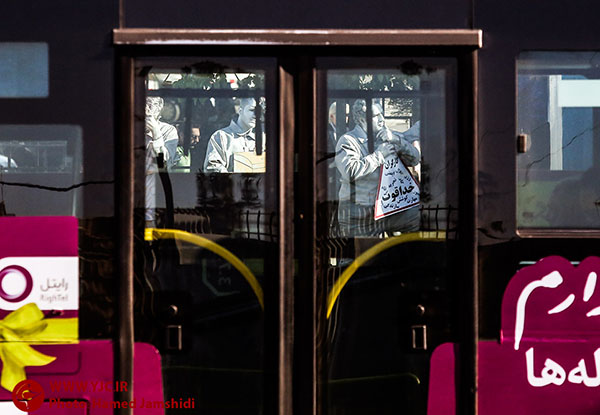
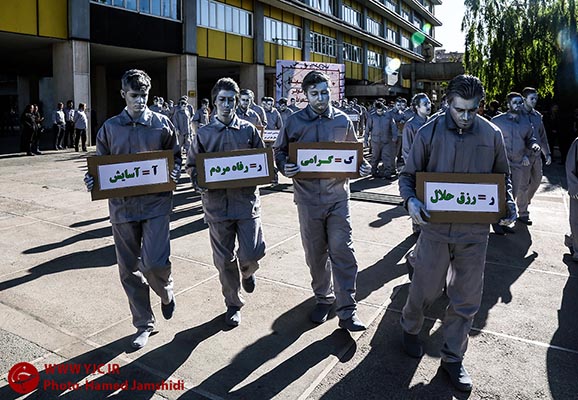
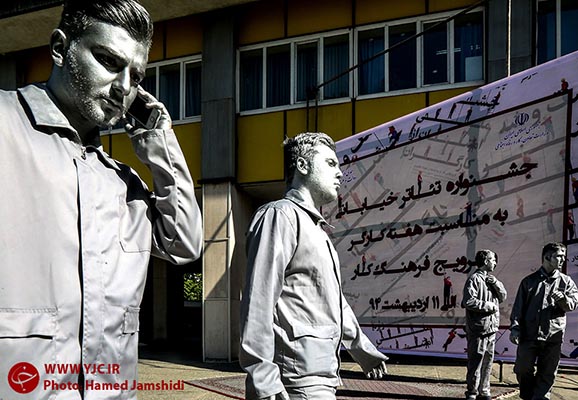
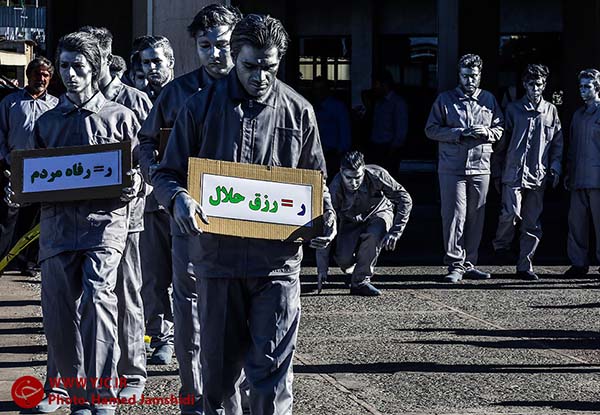
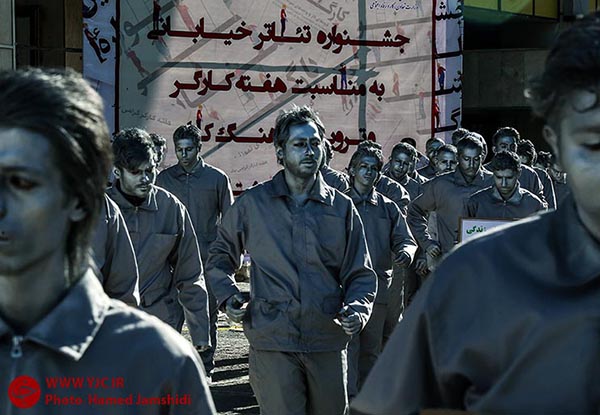
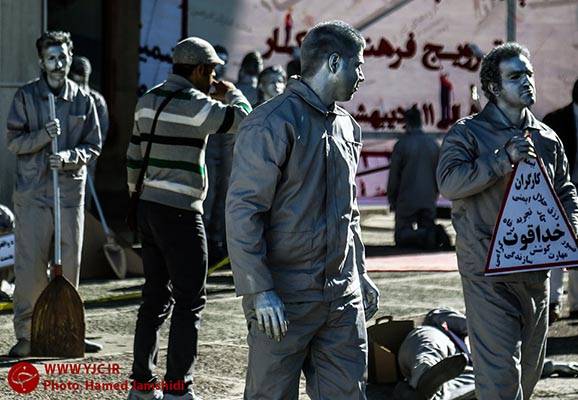
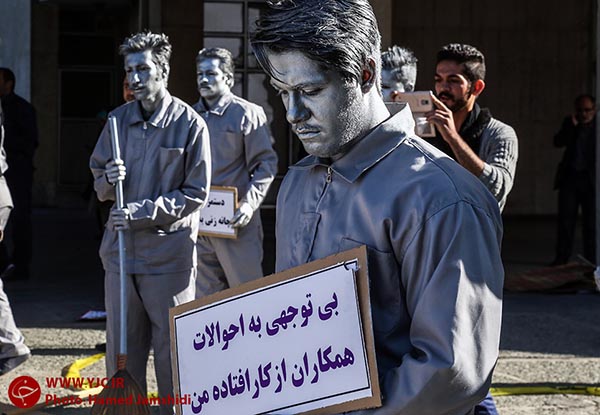
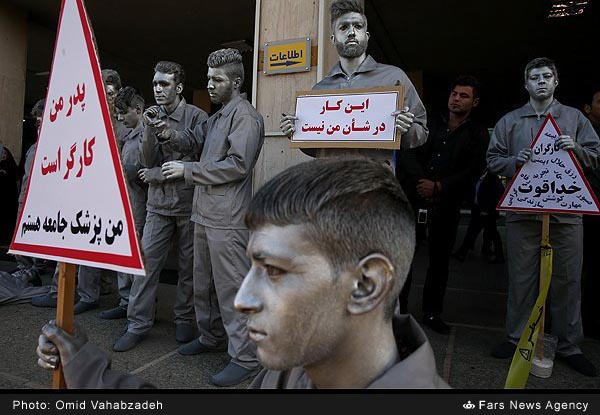
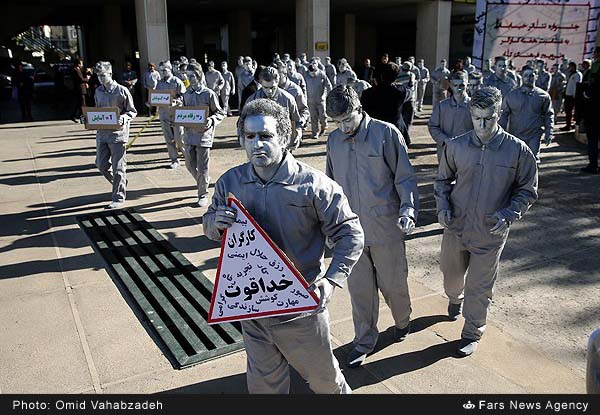
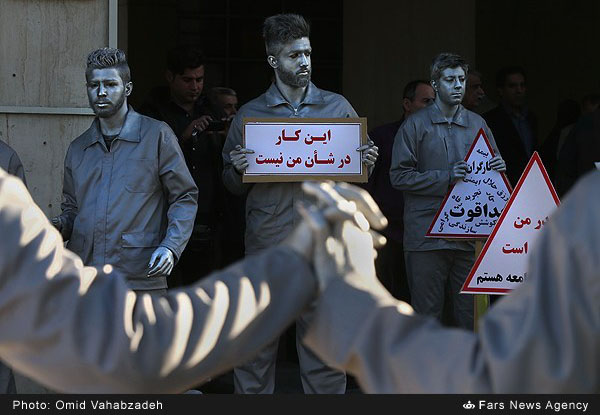
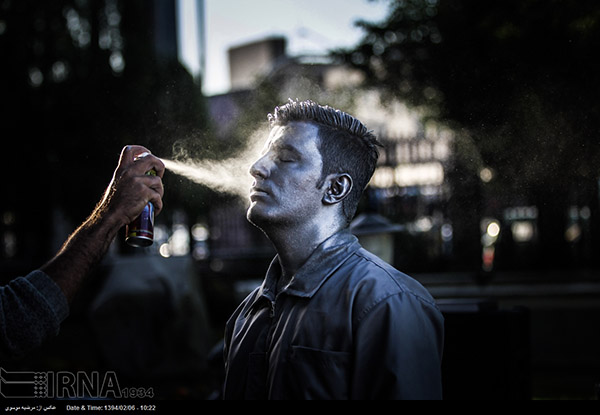
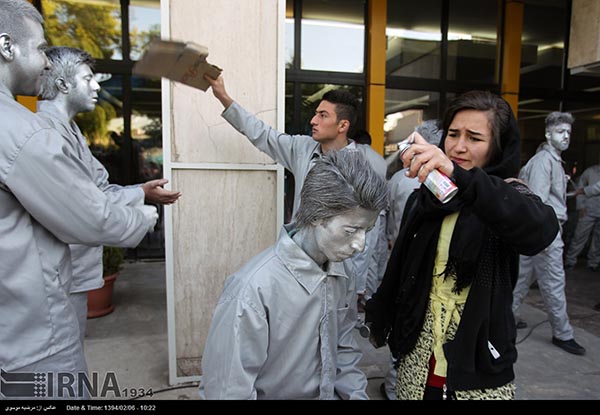
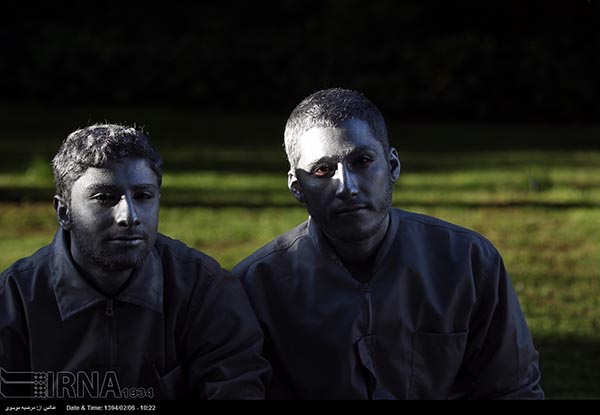
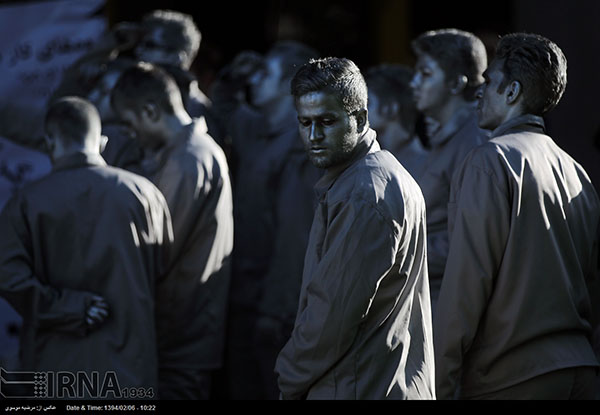
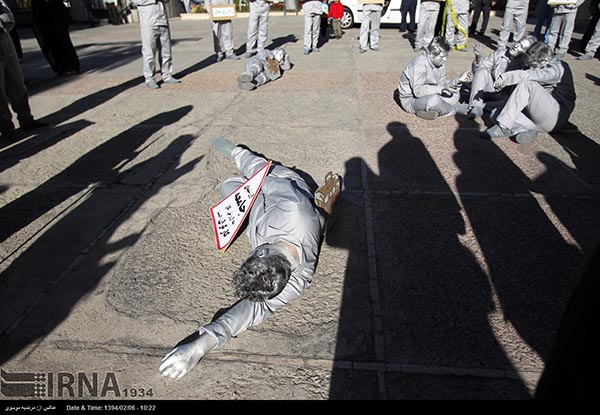
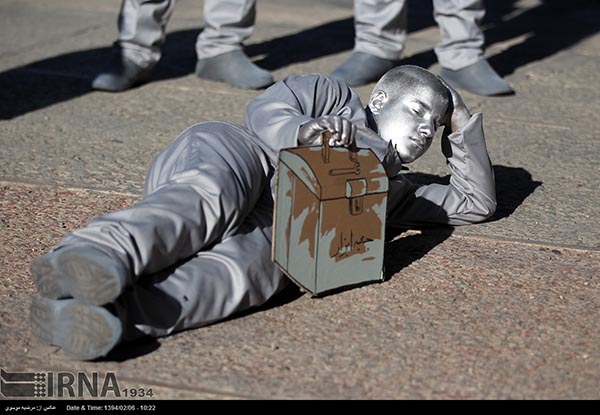
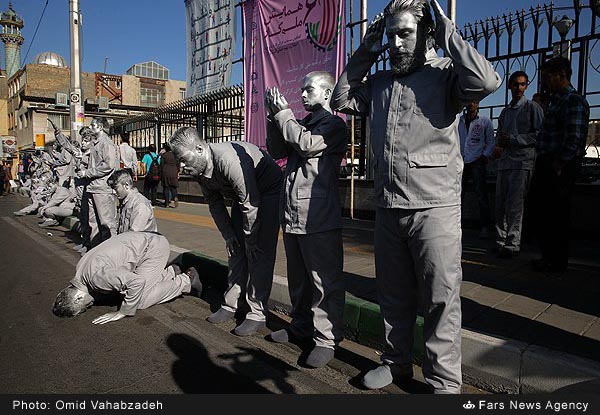
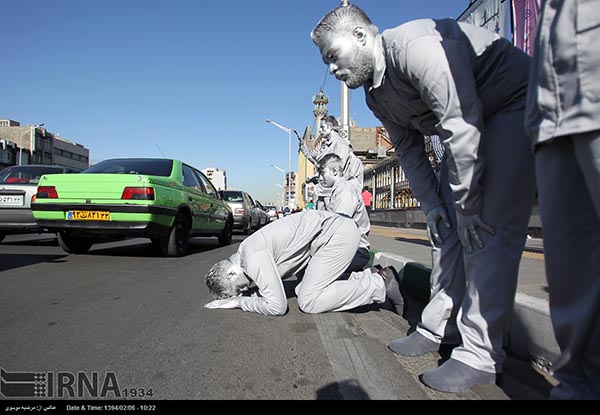
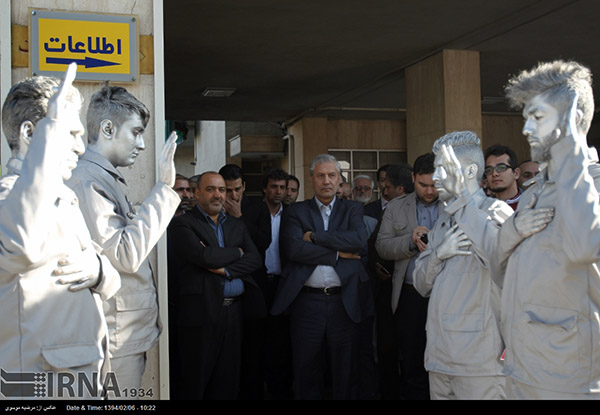
Street theater festival in Tehran to mark Labor Week

Street theater

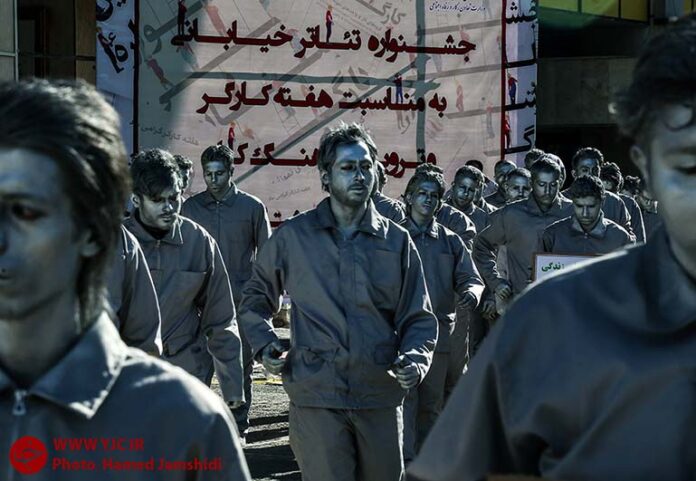
A street theater festival was held in Tehran to mark the Labor Week. Minister of Cooperatives, Labor, and Social Welfare Ali Rabiei was also present in the festival of theatrical performances.

The following are images of the festival released by several news agencies:

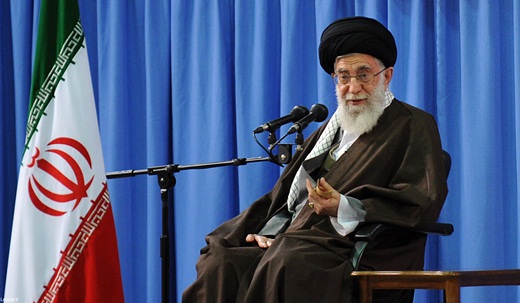
Supreme Leader stresses need for strong police

leader5

Supreme Leader of the Islamic Revolution Ayatollah Seyyed Ali Khamenei has highlighted the necessity of having a powerful police in the country.

Speaking at a meeting with police commanders, Ayatollah Khamenei referred to the Law Enforcement Forces as the symbol of country’s authority and security and said they should focus on enhancing both individual and social security, promoting ethics and improving the spiritual status of society.

He urged the police to focus on improving security on different fronts in society and said confronting and eliminating spiritual threats to the public is of higher importance compared with the physical safety of people.

Of course, the Supreme Leader added, Iran is not seeking an authoritative Hollywood-style police, or one which acts in the same way police are acting in Western and American societies because such an authority will not only fail to provide security but even create insecurity in society.

Ayatollah Khamenei further pointed to the treatment of the American police of black citizens as an example of unjust authority.

The Supreme Leader said even at the present time when the US president himself belongs to the black community, black people are treated with contempt and injustice. Such a treatment, he noted, has of course led to unrest on occasion.

Ayatollah Khamenei also said the police were easier to find their ways close to the Almighty because what they did as their job was a service to the Islamic society which ultimately led to victory of Islam in the world.

A look at Iranian newspaper front pages on April 26

Iranian Newspapers Headlines

President Hassan Rouhani’s comments at a gathering of senior law enforcement commanders on police responsibilities and the devastating quake that rocked Nepal and left more than 1,800 dead dominated the front pages of Iranian newspapers on Sunday.


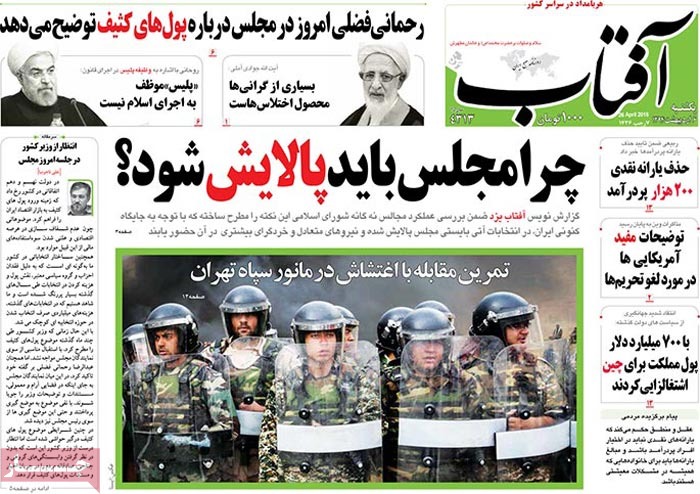
Aftab-e Yazd: Interior Minister Rahmani Fazli will appear in parliament on Sunday to present a report to MPs on the so-called dirty money.

[His earlier comments on dirty money being channeled to the electoral campaigns of some candidates caused a stir.]

Aftab-e Yazd: “Some $700 billion in Iranian money was spent on creating jobs in China,” the first vice-president said.

Eshagh Jahangiri made the comment as he took a swipe at the previous government’s economic policy.

He also said that wisdom dictates that government stop paying cash subsidies to high-income individuals.

Aftab-e Yazd: Recent maneuvers of the Islamic Revolution Guard Corps have featured anti-rioting drills.
 

A look at Iranian newspaper front pages on April 26


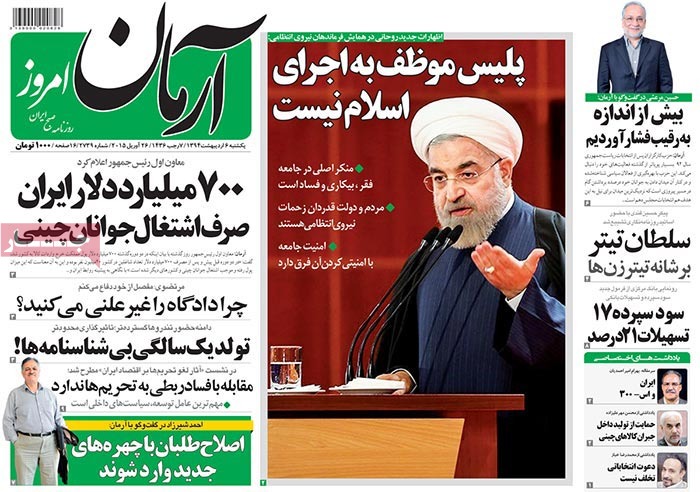
Arman-e Emrooz: Why are you holding my trial in camera?

Saeed Mortazavi, a former prosecutor and director of the Social Security Organization, said in the first session of his trial on fraud charges.

A next hearing in the case is slated for Monday.

Arman-e Emrooz:”It is not police’s duty to implement the rules of Islam,” President Hassan Rouhani said at a meeting with senior police commanders.

In his speech, the president described poverty, unemployment and corruption as real ills in society.

“Ensuring security in society is different from making the social atmosphere security-centered,” the president warned.
 

A look at Iranian newspaper front pages on April 26


Asrar: “The cash subsidies of some 200,000 individuals have been cut,” said the deputy cooperatives minister.

Asrar: Thanks to the support of the Ministry of Sports and Youth, Carlos Queiroz will remain at the helm of the Iranian national soccer team.

[Earlier he had said that he was quitting the job because of disagreements between him and the Football Federation.]
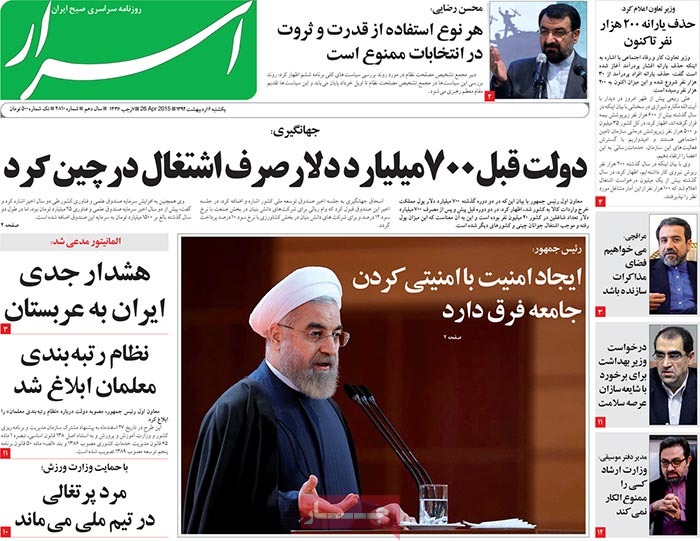
 

A look at Iranian newspaper front pages on April 26


Ebtekar: A response to a threat made against Seyyed [Hassan Khomeini]

The prosecutor of Gorgan, the provincial capital of Golestan, has said that the judiciary is now looking into a statement [purportedly] issued by Hezbollah, threatening the grandson of the founder of the Islamic Republic.

[Hezbollah has dismissed reports that it has made a threat against Seyyed Hassan Khomeini ahead of a never-materialized visit to the northern province.]
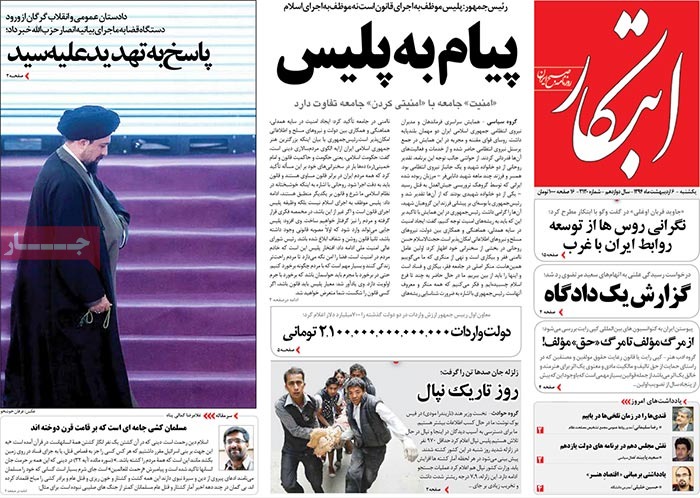
A look at Iranian newspaper front pages on April 26


Ettela’at: President Rouhani said poverty, addiction, hypocrisy and corruption are the social vice of the modern day.

Speaking at a meeting with police commanders, he said that police need to identify the root causes of social harms in the country.

“A line should be drawn between real and hypothetical threats; police need to respect the dignity of individuals in dealing with members of the public; in enforcing laws, police need to pay close attention to priorities.”
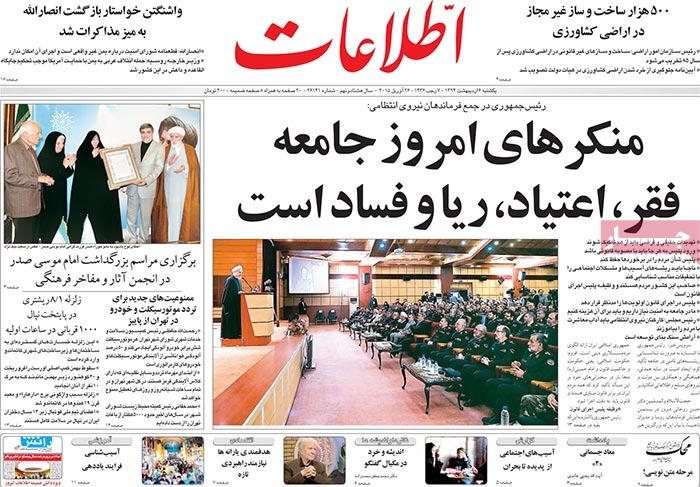
 

A look at Iranian newspaper front pages on April 26


Hambastegi: Parliament Speaker Ali Larijani has warned about a likely increase in security threats along the eastern border this year.

Hambastegi: Hossein Ghandi, a top journalist who was known as king of headline-writing, has been laid to rest at a plot dedicated to dignitaries at Behesht-e Zahra Cemetery, south of Tehran.
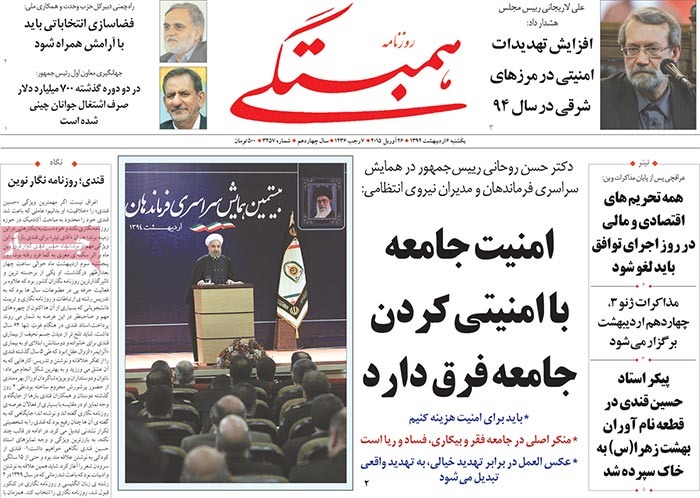
 

A look at Iranian newspaper front pages on April 26


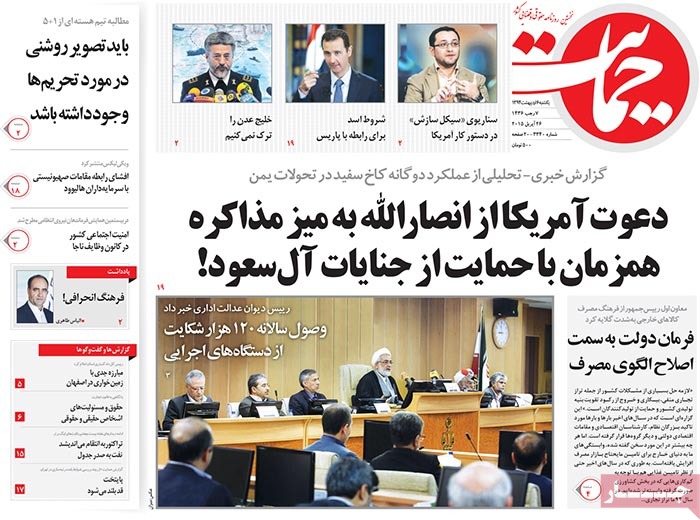
Hemayat: The US urges Ansarullah to sit at the negotiating table and continues to support Saudi crimes in the same breath.

Hemayat: Government order to modify the consumption pattern.

The first vice-president has criticized public tendency to buy foreign-made products.

Hemayat: “Some 120,000 complaints are lodged against the executive branch on a yearly basis,” said the top judge of the Supreme Administrative Justice Court.
 

A look at Iranian newspaper front pages on April 26


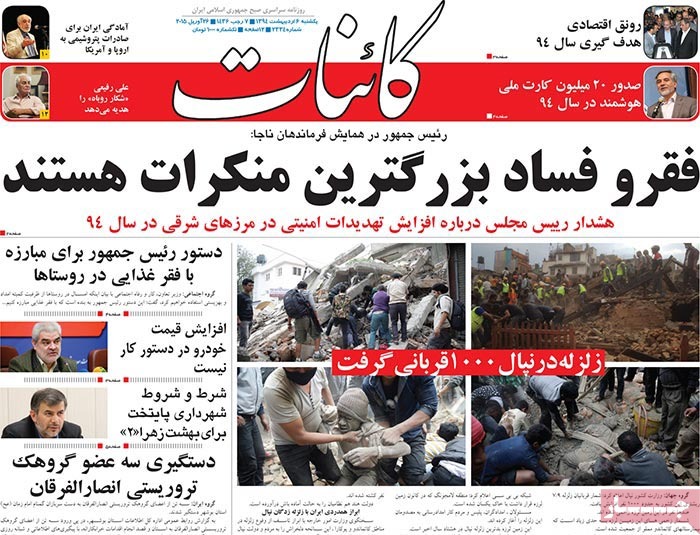
Kaenat: Three members of the Ansar al-Furqan terrorist group have been arrested by the Intelligence Ministry in the south.

Kaenat: The president has ordered measures to fight rural food poverty.
 

A look at Iranian newspaper front pages on April 26


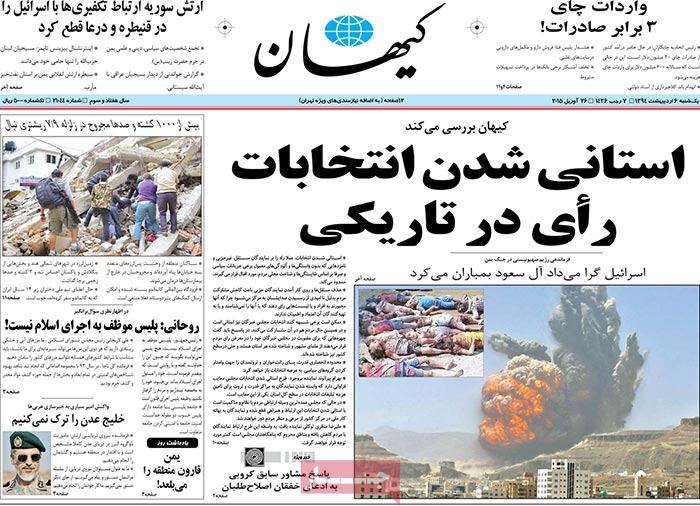
Kayhan: Iran’s tea imports are up three-fold.

Kayhan: Rouhani: Police do not have a duty to enforce Islam!

The daily has described the President Rouhani’s comment at a meeting with police commanders as “controversial”.
 

A look at Iranian newspaper front pages on April 26


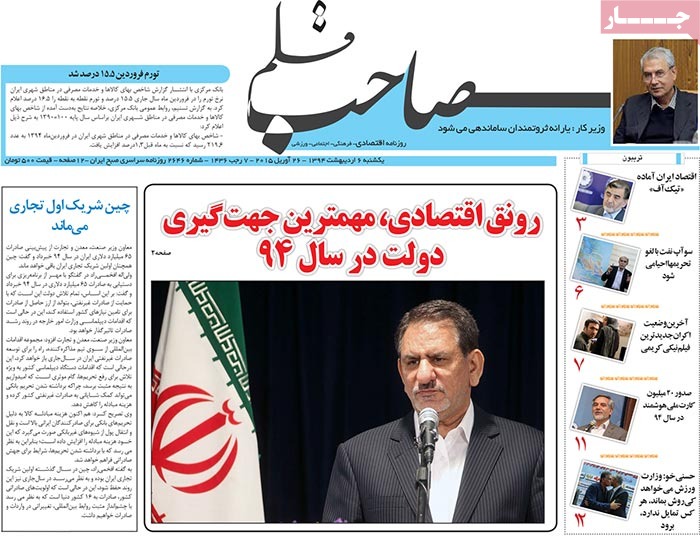
Saheb Ghalam: The first vice-president has said that economic prosperity is the top approach of the government this year.

 

A look at Iranian newspaper front pages on April 26