Sunday, December 21, 2025
Home Blog Page 4738

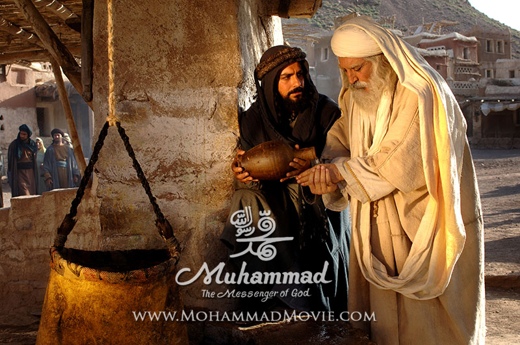
Muhammad, in the eyes of two world-famous cinema figures

muhammad Movie

Muhammad, the Messenger of God, a film directed by Iran’s renowned director Majid Majidi, has been given extensive coverage for its screenings at private and public circles and these days at the Montreal World Film Festival (MWFF).

Previously Color of Paradise and Children of Heaven, also directed by Majidi, drew a lot of attention in big international film festivals.

Mizan Online News Agency on September 9 published images of people in Canada standing in line to watch Muhammad, the Messenger of God together with comments by some cultural and cinematic figures, including two non-Iranian crew members of Majidi’s latest film. The following is a brief translation of comments by Scott E. Anderson, an Academy Award winning visual effects artist and filmmaker who supervised Muhammad’s visual effects, and A. R. Rahman, the Indian musician who has composed the score of Majidi’s film:

Scott E. Anderson: Muhammad, the Messenger of God brings together people from around the world 
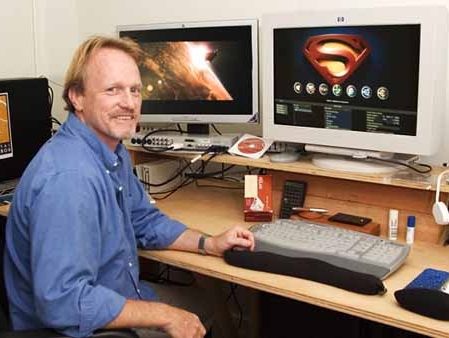
Scott E. Anderson
Scott E. Anderson

In a piece for The Prophet of Compassion, a book which solely focuses on Muhammad, the Messenger of God, Scott Anderson wrote: “I have worked with great film directors such as Peter Jackson, Steven Spielberg, Paul Verhoeven, Roman Polanski, Michael Apted, Curtis Hanson, James Cameron, etc. Now I would like to add Majid Majidi to my list of big directors.”

The great Hollywood filmmaker who worked with Majidi in pre- and post-production phases of Muhammad for four years, further wrote, “I view Muhammad as one of the most important films on my record, not only for its outstanding visual effects or its matchless production, but as a film which I think has the ability to bring together people from around the world and open dialogue among them. From the start, Majidi said that he aimed to make a film about mutual understanding and peace. Now I can better understand what he was saying.”

Oscar winning musician: The score of Muhammad, the Messenger of God is one of my boldest works
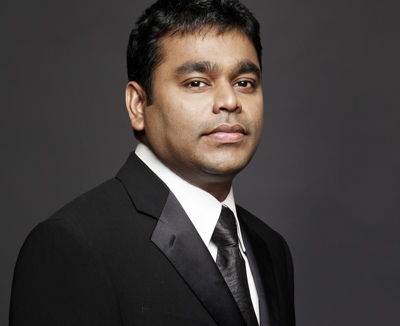
A.R.Rahman
A.R.Rahman

A. R. Rahman talked about his experience in Majidi’s film in an interview with an Indian news website. He said, “The production of this film lasted six or seven years. I know well that how much attention the director has paid to the details. We are all lucky and [at the same time] happy that the film has been met with positive reactions. This is in fact a response to all hard work put in for the movie.”

The big name of the Indian cinema went on to talk about his experience with Majidi, “I learned a lot of things as we were working on the film project. We composed Muhammad’s score in Iran, Germany, France and Egypt with as many as 200 musicians cooperating in the project. Then we mixed it in Chennai, India. This is one of my boldest musical works”.

Rahman also said, “Ideas, language and even the term “each other” are void of any concept. Beyond such terms as Shiite and Sunni there is one sole thing and it is unity. I will watch this film with such an intention. I will watch Muhammad as an orphan who is loved by all”.
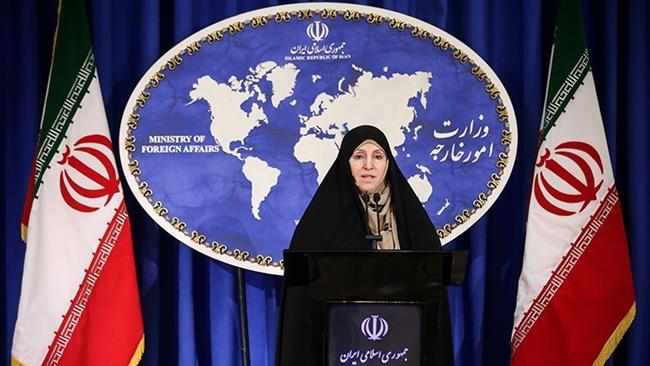
Violation of states’ sovereignty worsens Mideast crises: Iran

Marzieh Afkham

Iran has warned that any violation of other countries’ sovereignty will worsen the chaotic situation in the Middle East following the deployment of Turkish armed forces on Iraqi soil to hunt down Kurdish militants.

Iran “believes that any measure undermining the territorial integrity and sovereignty of countries further complicates the critical situation of the region and provides a justification for the intervention of foreign countries in the region,” Iranian Foreign Ministry Spokeswoman Marzieh Afkham said on Wednesday.

She made the remarks a day after a Turkish government source said two units of Turkish Special Forces had crossed the border into northern Iraq in “hot pursuit” of militants from the Kurdistan Workers’ Party (PKK).

Ankara’s decision came after at least 14 Turkish police officers were killed in a roadside bomb attack in eastern Turkey’s Igdir Province early Tuesday.

Afkham also condemned the deaths of civilians and security forces in the recent wave of terror attacks in Turkey.

The Iranian official expressed concern over the renewed clashes between Turkey and the PKK, expressing hope that the two sides would resume their peace

The PKK has been fighting for an autonomous Kurdish region in southeastern Turkey since 1984. The conflict has left tens of thousands of people dead.


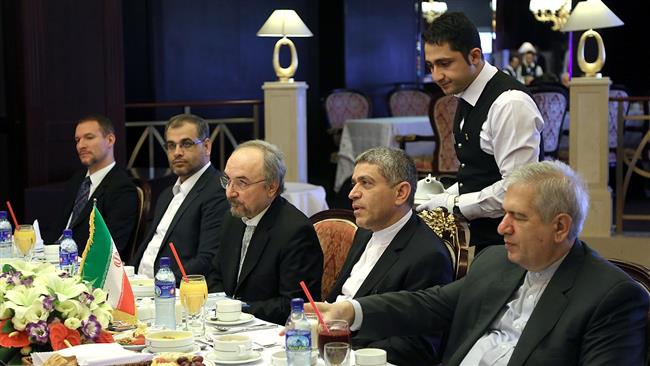
Iran, Austria to triple volume of bilateral trade: Iran min.

Tayebnia-Austria

Iran’s minister of economic affairs and finance has said that Tehran and Vienna are planning to triple the volume of their bilateral trade in the near future.

Ali Tayyebnia made the remarks on the sidelines of a meeting with the visiting Austrian Vice Chancellor and Minister of the Economy Reinhold Mitterlehner in Tehran on Tuesday.

“At present, the volume of trade between Iran and Austria stands at $300 million and the two sides decided during this meeting to increase the figure to $1 billion,” Tayybnia added.

The Iranian minister expressed hope that in view of the available grounds for cooperation between the two countries, the goal would be realized in the near future.

According to Tayyebnia, the two sides also discussed the issue of delayed payments between the two countries’ banks, adding, “One of the issues we discussed during this meeting was how to settle these delayed payments, which are mostly due to conditions brought about by anti-Iran sanctions.”

The Iranian minister stated that the meeting can be a turning point for further expansion of economic and trade cooperation between Iran and Austria.

He also expressed hope that with the removal of sanction following the recent nuclear agreement between Iran and P5+1, existing restrictions against Iran’s foreign trade would be lifted and the country would see a sharp increase in its trade exchanges with the rest of the world.

Tayyebnia said Iran has offered diverse investment projects to the Austrian side, some of which have been accepted and negotiations are underway on their implementation.

The Austrian minister, for his part, said his country is willing to see sanctions imposed on Iran removed in the shortest possible time in order for the two countries to implement projects on which they have agreed.

Mitterlehner added that Austria enjoys vast potential in transportation and steel production and can invest in these fields in Iran.

“We believe that the two sides have serious determination to bolster their ties. Relations with a country like Iran are of high importance to us and the only problem that exists has to with the difficulties associated with monetary exchanges and banking cooperation,” he added.

The Austrian official expressed hope that removal of sanctions would enable the two countries to solve the current monetary and banking problems in the near future.


Rafsanjani: US should compensate past mistakes prior to thaw in ties

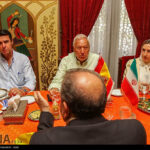
Rafsanjani-Austria

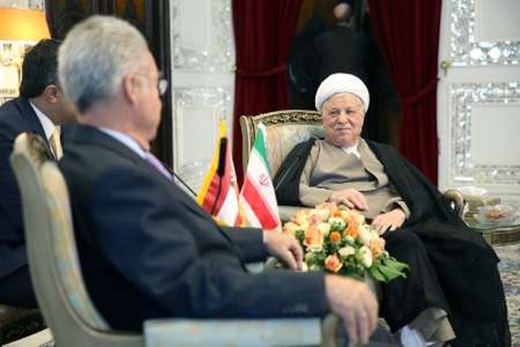
Chairman of the Expediency Council Ayatollah Akbar Hashemi Rafsanjani said on Wednesday that the US pursued hostility toward Iran and should compensate for its past prior to a thaw in ties.

Rafsanjani made the remarks in a meeting with visiting Austrian President Heinz Fischer and accompanying delegation.

Rafsanjani said that Austria is moderate and independent European government in terms of politics and economy.

Referring to Iran’s peaceful and principled policy at different historical junctures mainly after the Iraqi-imposed war (1980-1988), the top councilor said that during the critical period the world governments changed their policy and sided towards Iran and left Iraq alone and the then United Nations secretary-general identified the Iraqi dictator Saddam Hussein as aggressor.

Iraq attacked Kuwaiti to plunder Kuwaiti oil wealth and again repeated its mistakes which led to Saddam’s ouster, he said.

World public opinion indicates they are happy with the nuclear deal between Iran and G5+1 and called both sides to remain committed to implementing the text of the deal, Rafsanjani said.

Both sides should prevent domestic and foreign hardliners from meddling in the deal and should remain committed to their pledges, Rafsanjani said.

On the future of relations between Iran and the US, Rafsanjani said the US administration should adopt a fair policy based on mutual respect and admit to its mistakes in the past and compensate for them.

The Islamic Republic of Iran is ready to broaden cooperation and relations with all the countries mainly with Europe, he said.

Given the deplorable conditions of people in Syria, Libya, Palestine, Yemen, Iraq and other countries involved in the campaign against terrorism, he said stopping the deterioration of the humanitarian crisis requires collective cooperation of all countries away from regional prejudice, Rafsanjani said.

The root cause of all insecurities and terrors in the world is despotism and colonialism, he said.
Expressing regret over the support lent by some countries to terrorists, he said they should not assume that through backing terrorists they can attain their goals, these countries only make a big hurdle for the region and they should be assured that they will pay for their measures because terrorists recruit from among angry and disgruntled youth around the world.

Referring to the failed experience of occupation of Afghanistan by NATO under the pretext to the fight against terrorism and eradication of drug narcotics, Rafsanjani said they failed to attain their goals, but the volume of drug narcotics increased ten-fold and the Taliban gained more power.

Europe for many years made use of cheap human resources and their huge natural resources of under-developed countries and now it is their turn to compensate, he said.

The Austrian president, for his part, expressed pleasure with nuclear deal struck in Vienna on July 14 and said the Austrian government attaches importance to such deal and believes that the deal prepared the ground for expansion of all-out cooperation on various fields as well as fight against international terrorism.

Austria gives priority to expansion of cooperation based on mutual respect with others such as the Islamic Republic of Iran, the Austrian president said.

European countries have reached the conclusion that world’s problems should be resolved through dialogue and there is no room for military action, he said.

Expressing satisfaction over his visit to Iran and meeting with the chairman of the Expediency Council, the Austrian president described negotiations with Iranian officials as fruitful.

Iran won’t negotiate with US on matters other than nuclear issue: Leader

Supreme Leader

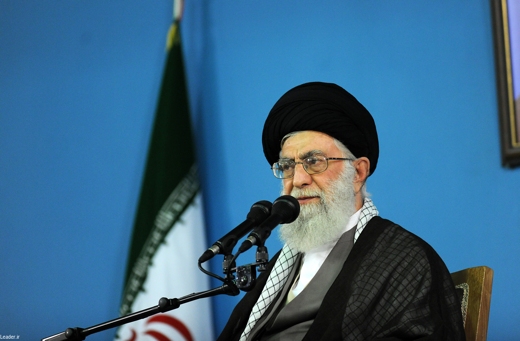
The Supreme Leader of the Islamic Revolution says the Islamic Republic “did not and will not hold talks with US on issues other than nuclear negotiations.”

Addressing people from different walks of life on Wednesday, the Leader said, “We agreed to hold talks with the Americans only on the nuclear issue and for particular reasons, and thank God, our negotiators did a good job.”

Ayatollah Khamenei stated that in other areas, “I have not authorized negotiations and [we] will not hold talks with them,” Ayatollah Khamenei noted.

The Leader noted that the United States does not conceal its animosity toward Iran, adding, “One [US official] smiles, while another draws up a bill against Iran.”

Ayatollah Khamenei emphasized that US officials seek to hold negotiations with Iran because they seek negotiations as a means of influencing the Islamic Republic and imposing their demands on Iran.

Referring to comments by the Tel Aviv regime after the conclusion of the Iran-P5+1 nuclear talks that Israel will have no more concerns about Iran for the coming 25 years as a result of the nuclear agreement, the Leader said, “First of all you will not [survive enough to] see the next 25 years, and God willing, no such thing as ‘the Zionist regime’ will exist in the next 25 years.”

“Secondly, during this period, the combatant, and epic, and jihadi spirit will never leave Zionists alone for a single moment.”

Noting that the late Imam Khomeini has described the United States as “the Great Satan,” the Leader said, “Some people insist on disguising this Great Satan as the savior angel. [However,] the Iranian nation expelled this Satan [from the country]; we must not allow that when we expelled it through the door, it could return and gain influence [again] through the window.”

Emphasizing the importance of having strong and resistance-based economy, advanced science, and a revolutionary spirit as three factors that strengthen the Iranian nation in the face of enemies, Ayatollah Khamenei, added that state officials should respect revolutionary youths, while advising “certain” speakers and writers not to verbally attack faithful and revolutionary youth by labeling them as extremist.

Referring to the importance of elections in Iran, the Leader took to task “certain people” who raise doubt about wholesomeness of elections, stressing that the Guardian Council is the “watching eye” of the Iranian nation and government in any elections.

Bad news coming out of Syria for the US and its Arab allies

atvan

An Arab journalist has said that reports that Russia is sending military aid to Syria and its forces are active in combat zones in that country are sad news for the United States and its Arab allies which are the enemy of Syria and its government.

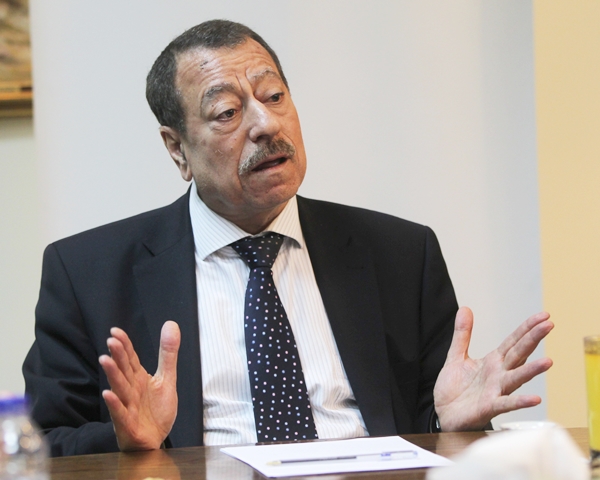
Abdel Bari Atwan, the editor-in-chief of Rai al-Youm, a digital newspaper, wrote this in an editorial and added that it is not surprising that the US and its Arab allies express concern over reports on developments in Syria because news coming from Lattakia and Idlib suggests that the Russian forces and armored vehicles are fighting along with the Syrian Army against the opposition. This indicates that the Russian leaders have decided to show in practice that they are against the ouster of Bashar Assad.

The Islamic Republic News Agency on September 7 published the Farsi version of the Arab journalist’s editorial on the Syrian crisis and the US concern over Russia’s enhanced military build-up in Syria. The following is the translation of the report:

US Secretary of State John Kerry expressed concern – in a telephone call with his Russian counterpart on Saturday (September 5) – over reports of Russian movements in Syria and asked Sergei Lavrov whether Russia is sending military hardware to Syria.

The New York Times published a report in its Friday issue saying that Russia has sent a military unit complete with weapons and ammunition to Syria. The Daily Telegraph wrote that the Syrian state TV reportedly broadcast footage of Russian soldiers and armored vehicle fighting alongside pro-Assad troops in Lattakia, adding “it is reportedly possible to hear Russian being spoken by the troops in the footage. [In further indications of Russian “mission creep” in Syria], a Twitter account linked to Jabhat al-Nusra, al-Qaeda’s Syrian branch, published images of what appeared to be Russian planes and drones flying over Idlib.”

On the sidelines of an Eastern Economic Forum in Vladivostok, President Vladimir Putin confirmed Moscow’s military aid and said, “[…] But we are already providing Syria with quite strong support in terms of equipment, training of military servicemen and weapons”.  He also said that it is premature to say Moscow is ready to participate in the anti-ISIL operations, adding that involvement in such military operations is different from supporting the Syrian regime.
The Russian president’s remarks which were reflected in the Syrian media carry a message for different sides: Moscow will not drop support for its ally, Bashar Assad; as the Syrian opposition forces are marching toward the Syrian coasts getting prepared for a massive onslaught, Russia does not allow the enemies of the Syrian regime to get to Lattakia and other coastal areas in Syria.

This message carries weight given its timing: it has come following insistence by the Saudi foreign minister – in different circles – on the overthrow of Bashar Assad, either militarily or diplomatically, saying that Assad is part of the Syrian problem, not its solution.

Perhaps Putin’s remarks that “The Syrian president agrees with that, all the way down to holding early elections, let’s say, parliamentary ones, [establishing contacts with the so-called healthy opposition, bringing them into governing]” reflects Moscow’s views on the diplomatic settlement of the Syrian crisis: necessary political reforms in Syria with Bashar Assad remaining atop the pyramid of power.

In his remarks, Putin did not talk about the political framework which is to be established in the post-elections era. In other words, he did not discuss whether a transition period should be in place in Syria, or a new constitution – which underlines a multi-party system in the Arab country – will be adopted in post-elections Syria. He also did not say anything about the powers of such an elected parliament.

Presently there are no answers to these questions, but Putin’s words can indicate that Russia is likely to get involved in a direct war to keep Bashar Assad in power. The US is well aware of this; that’s why Washington has focused on the elimination of ISIL, not the ouster of the Syrian regime, [in its involvement in Syria].

Comments by General David Petraeus, the retired American military officer and the former CIA director, on the formation of new forces with the moderate fighters (terrorists) of Nusra Front lying at the core [that he supports using “so-called moderate members of al Qaeda’s Nusra Front to fight ISIS in Syria.”] sends an important signal because he is the mastermind of the Awakening Councils in Iraq which fought against Alqaeda in 2007-8 and diminished its influence.

Also interesting are remarks by US President Barack Obama in a meeting with Saudi King Salman on Friday. Obama did not raise the issue of Bashar Assad leaving office and the US secretary of state too fell short of mentioning Assad’s departure as a prerequisite when he was talking about a diplomatic solution to the Syrian crisis.

If reports on the Russian military presence in Syria are sound – which seem to be correct – this means that the Syrian crisis has entered an international phase, militarily. This is a very important development which can have something to do with the Syrian refugee crisis.

In the midst of the crisis, Turkey is piling pressure on the West to help resolve the Syrian crisis the way Ankara seeks: establishment of a buffer zone at the border to accommodate the Syrian refugees. There are also reports which say Turkey has directly or indirectly forced the Syrian refugees to head for Europe, because it will not continue settling them if the current trend persists.

The new developments which are rapidly unfolding in Syria have concerned and depressed many sides, especially the Saudi-Turkey-Qatar coalition which has always called for the Syrian government to be toppled and Bashar Assed to be forced out of office. But the fact is that they need to know that the entry of big military powers into the Syrian question will tip the balance [in this country].

The coming weeks and months in Syria will be pregnant with unexpected events. What the future holds for this country remains to be seen.

Trade minister reports on agenda and meetings with Spanish delegation

Nematzadeh

Representatives from about 60 Spanish companies are part of a delegation visiting Iran to hold talks with Iranian officials.

The following is the translation of an excerpt of a September 8 SMT report on the comments Iranian Minister of Industries, Mines and Trade Mohammad Reza Nematzadeh made after a meeting with the Spanish delegation:

As states, we facilitate investment and serve as a bridge between the private sectors of Iran and Spain. Iranian and Spanish officials hold talks, but it is the businesses that specify certain areas for mutual industrial and technological cooperation.

It is impossible to work out details of industrial cooperation between the two countries and implement them all in one session, but it’s beneficial to both sides to get to know each other, particularly at chamber of commerce meetings.

Joint ventures will definitely spur economic growth, but in my opinion, the economic impact of such projects won’t be felt overnight.

It takes at least two years for the results of a joint venture to be felt. But because our industries and the production sector do have the potential, we can start investing in these units and see the results next year.

Joint Economic Commission

Fortunately, over the past two months, we have seen willingness on the part of a lot of countries from Europe and other parts of the world to visit Iran to either offer apologies [for staying away from the Iranian market during the sanctions era] or set the stage for cooperation with Iran. Prior to sanctions, we had good economic and trade relations with many of these countries.

Anti-Iran sanctions prompted many countries to prevent their companies from cooperating with Iran. This week, senior officials representing the Czech Republic, Spain, and Austria have arrived in Iran [in preparation for the post-sanctions era].

During a meeting with the Spanish delegation, we put forth the idea of forming a joint economic commission so that we can make proper decisions to bolster economic relations between the two countries.

Our decisions also cover policies which are acceptable to both sides. They include support for the private sector and elimination of obstacles in the way of banking and insurance relations.

We will draft a text for the formation of the joint economic commission by next month and after we reach an agreement, we can pursue trade, industrial and economic cooperation between the two nations.

Cooperation between Iranian and Spanish industrial clusters

As for industrial clusters, Spain has great experience. In this regard, Iran has taken serious steps in recent years and we try to connect the industrial clusters of both countries. Because a majority of them are made up of small- or medium-sized industrial and production units which cannot launch cooperation with each other on their own.

During the meeting, we decided to pave the way for cooperation between Iranian and Spanish industrial clusters.

Iran’s share of global markets

Since the beginning of negotiations with foreign delegations, Iran has laid out its policies in line with the principles of the resistance-based economy which promotes maximum exploitation of domestic capabilities coupled with international interaction and cooperation.

Our policies on negotiations with foreign delegations have been approved of by the president. Our policy-making priorities definitely focus on joint ventures and market sharing.

World countries seek to secure their share of the Iran market; we too want our share of the world market and exports. Therefore, if Iran has a joint venture or economic cooperation with a country, such collaboration should be in keeping with market sharing.

As we offer a share of our market to foreign countries, they should offer a share of their markets to Iranian producers and industrialists so that Iran can promote its non-oil exports. As for modern technologies and science-based industries, it is necessary for Iran and Spain to cooperate, and we underline such collaboration.

Technology transfer to Iran is necessary

The transfer of technology from Spain to Iran is necessary and the two countries should have cooperation on modern technologies and science-based industries.

Presently, the volume of trade between Tehran and Madrid is around $350 million, before sanctions it was 2.5 times more than the present figure.

Promotion of quantitative and qualitative capabilities of Iran’s industry sector

All world countries know anti-Iran sanctions are in the process of being removed, but definite decisions by world giants in doing business with Iran will be made after all sanctions have been lifted.

Of course, sanctions will be terminated in the next few months. We advise Iranian and foreign companies to hold talks over general policies. We know well that a lot of agreements have been reached between Iranian companies and top world firms with some even being finalized.

The Iran market versus the world market

Many companies around the world are waiting for the removal of sanctions, because as long as they are in place, they are not legally permitted to open letters of credit.

Some are concerned that following the removal of sanctions, the Iran market will be dominated by foreign countries, but we believe that cooperation between Iran and other countries should help us find our way into foreign markets. We should also promote our industrial, scientific and practical capabilities, both quantitatively and qualitatively.

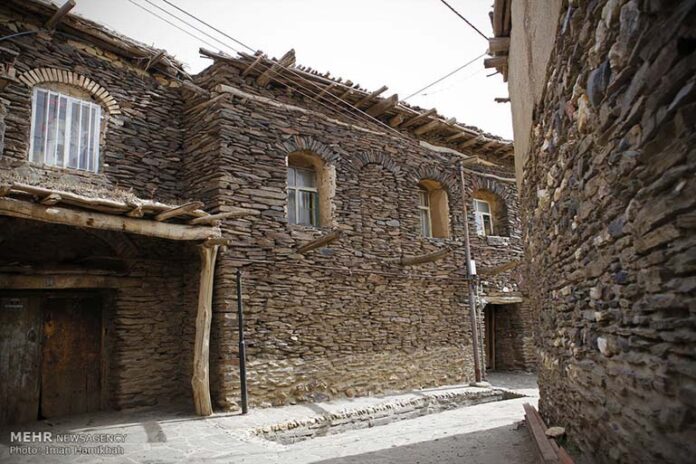
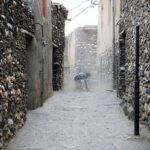
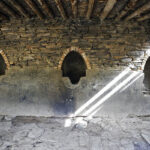
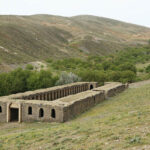
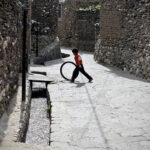
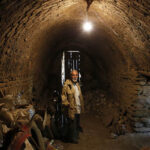
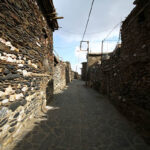
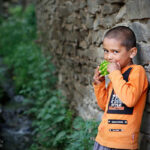
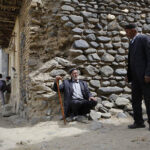
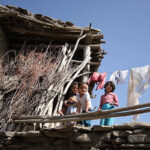
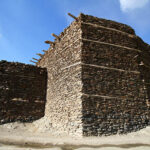
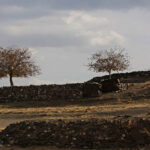
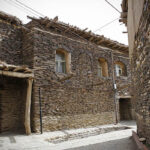
Varkaneh Village in western Iran (PHOTOS)

Varkaneh Village0

Varkaneh Village in Hamedan Province is a rural destination popular with tourists visiting western Iran.

In the Kurdish dialect, var means side and kaneh means spring. So Varkaneh is a place located on the edge of a spring.

The village, 2,250 m above sea level, has mild and lovely weather in the spring and summer. But it’s very cold in the winter.

People first took up residence in the village during the early years of the Safavid era, almost four centuries ago.

Azeri, Farsi and Kurdish are spoken by people in the village who are Shiite Muslims. A 2006 census put the number of the village residents at 1,000.

Varkaneh is one of the six touristy villages in the province and has been registered as a national heritage site.

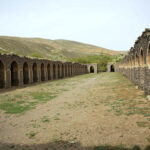
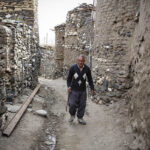
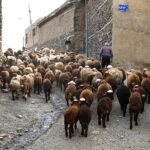
The following images of Varkaneh have been posted online by Mehr News Agency:


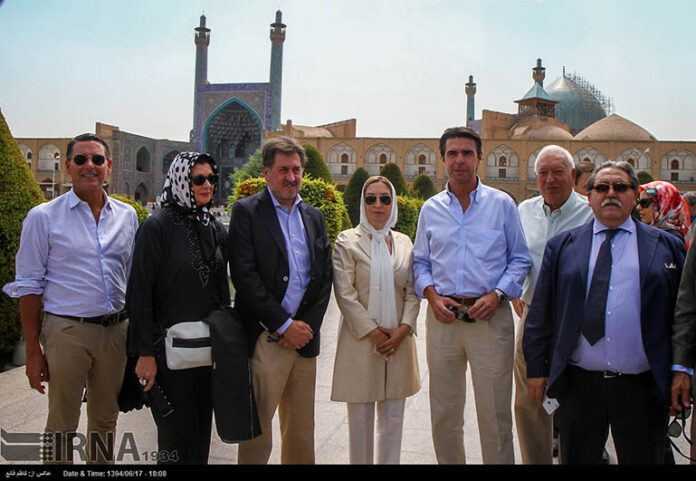
Spanish delegation visits Isfahan (PHOTOS)

Spanish delegation0

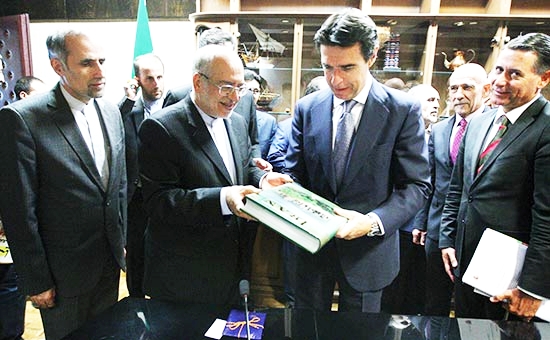
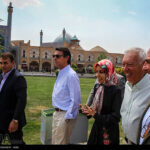
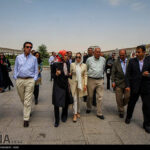
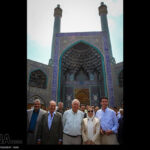
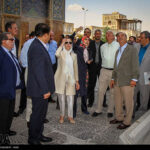
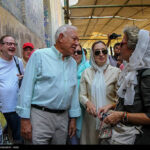
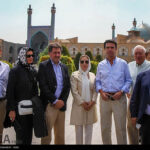
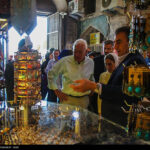
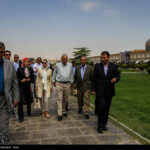
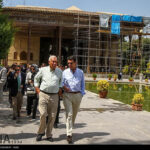
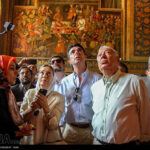
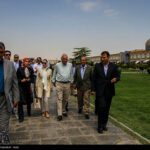
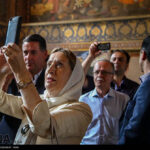
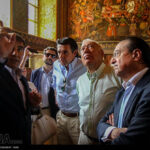
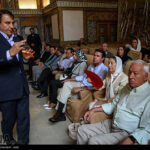
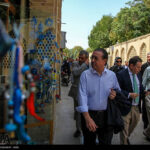
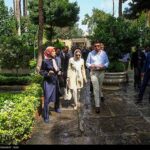
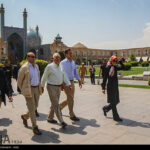
Spanish Foreign Minister José Garcia-Margallo along with Minister of Industry, Energy and Tourism José Manuel Soria Lopez and the minister of public works and transport visited the historical sites and tourist attractions of the central Iranian city of Isfahan on Tuesday.

Photos of the visit released online by the Islamic Republic News Agency:


A look at Iranian newspaper front pages on September 9

Iranian Newspapers Headlines

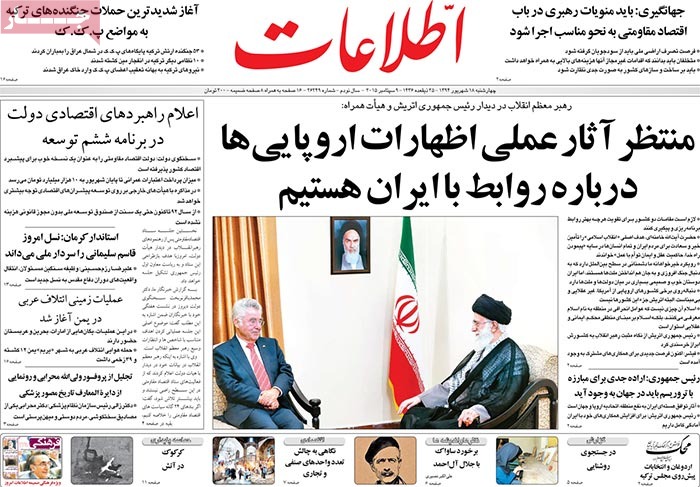
The meetings of the Austrian president with the Supreme Leader and President Rouhani, and the comments of officials on the review of the Joint Comprehensive Plan of Action dominated the front pages of Iranian newspapers on Wednesday.


Ettela’at: “We are waiting for the practical impact of comments by the Europeans on relations with Iran,” the Supreme Leader said at a meeting with the visiting Austrian President.

Ayatollah Khamenei urged officials of the two countries to plan and follow up measures to bolster bilateral ties.


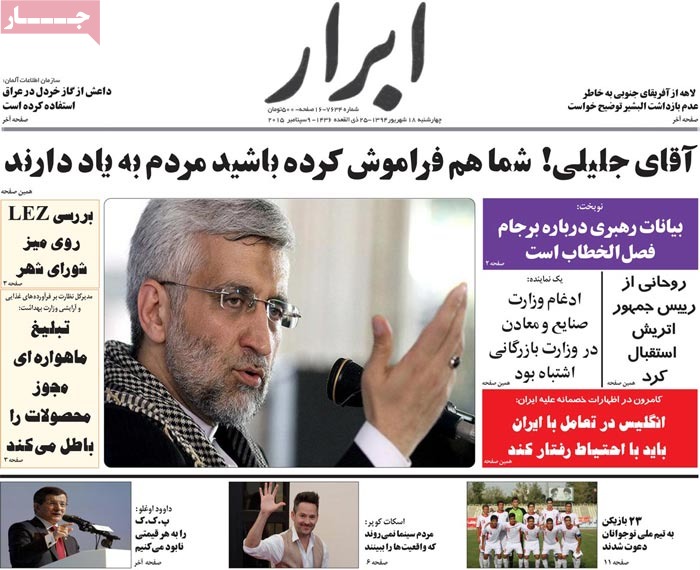
Abrar: “The Supreme Leader has the final say on the Joint Comprehensive Plan of Action,” said the government spokesman.


A look at Iranian newspaper front pages on September 9


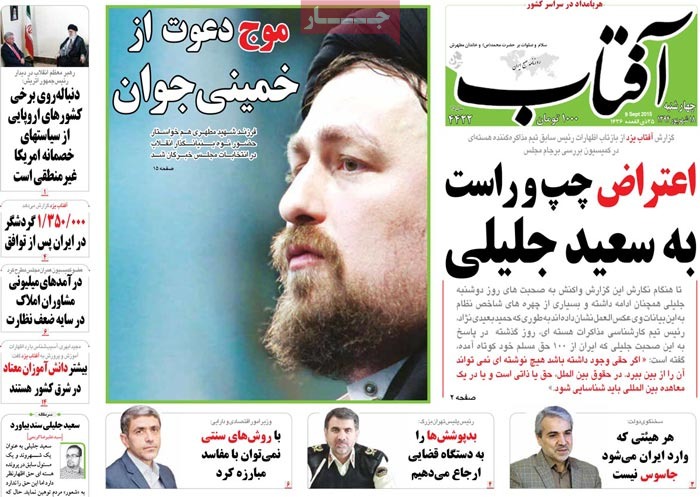
Aftab-e Yazd: Jalili comes under fire from left and right for the comments he made at a meeting of parliament’s JCPOA Review Committee.

Aftab-e Yazd: Up to 1.35 million tourists in Iran in the wake of the Vienna nuclear deal.

Aftab-e Yazd: The young Khomeini is being urged to run

Ali Motahari has called on the grandson of the founding father of the Islamic Republic to field his candidacy in the upcoming Assembly of Experts elections.


A look at Iranian newspaper front pages on September 9


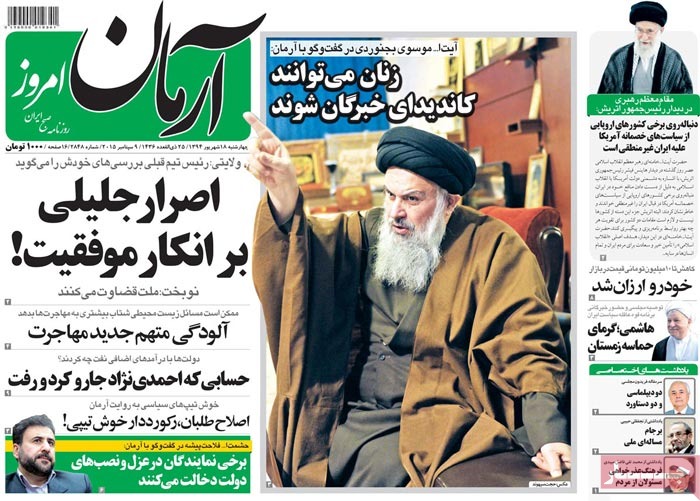
Arman-e Emrooz: “Women can run for the Assembly of Experts,” said Ayatollah Mousavi Bojnurdi.

Arman-e Emrooz: [Former top nuclear negotiator Saeed] Jalili insists on denying the success [the negotiator that replaced him scored].


A look at Iranian newspaper front pages on September 9


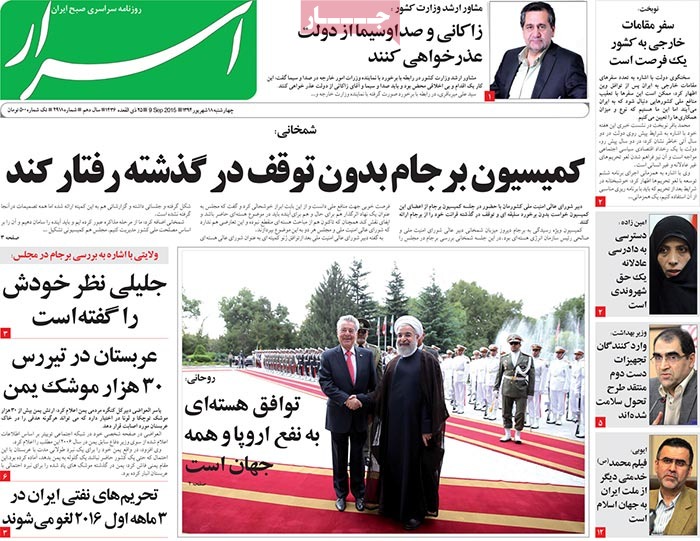
Asrar: Iran’s oil sanctions will be lifted in the first quarter of 2016.


A look at Iranian newspaper front pages on September 9


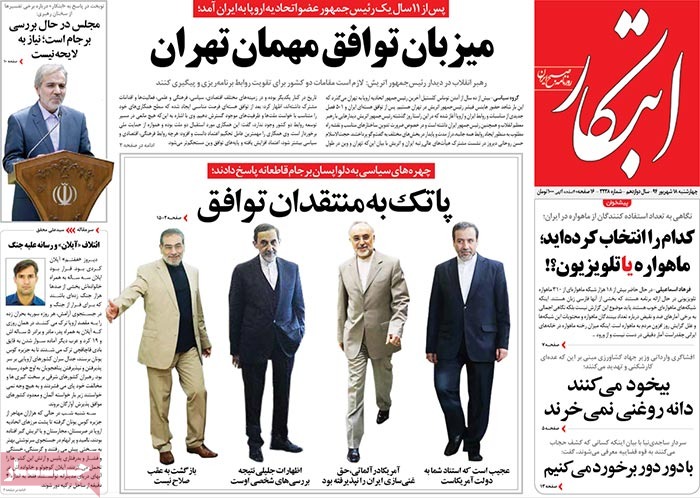
Ebtekar: “Parliament is already reviewing the Joint Comprehensive Plan of Action, no bill is needed,” said the government spokesman.

Ebtekar: Critics of the Joint Comprehensive Plan of Action under attack

Araghchi: What is surprising is that critics base their comments on the statements of the US administration.

Salehi: The US did not recognize Iran’s right to enrichment in Almaty.


A look at Iranian newspaper front pages on September 9


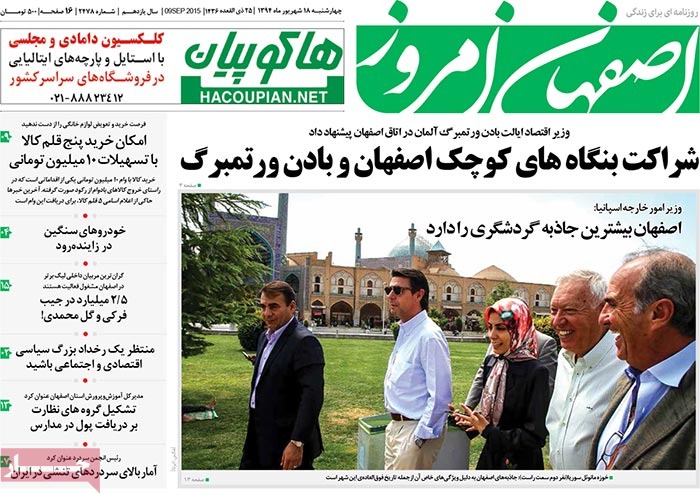
Esfahan Emrooz: The Spanish foreign minister has said that Isfahan has the greatest number of tourist attractions.


A look at Iranian newspaper front pages on September 9


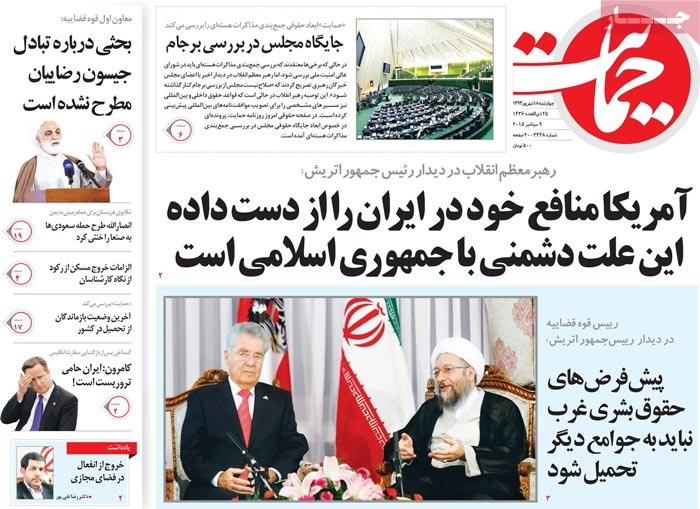
Hemayat: “There has been no talk about any swap involving Washington Post correspondent Jason Rezaian,” said the judiciary spokesman.

Hemayat: “The human rights presuppositions of the West should not be imposed on others,” said the judiciary chief at a meeting with the visiting Austrian president.


A look at Iranian newspaper front pages on September 9


Hosban: The secretary of the Supreme National Security Council has urged members of parliament’s JCPOA Review Committee to set aside personal preferences in interpreting the nuclear deal.


A look at Iranian newspaper front pages on September 9


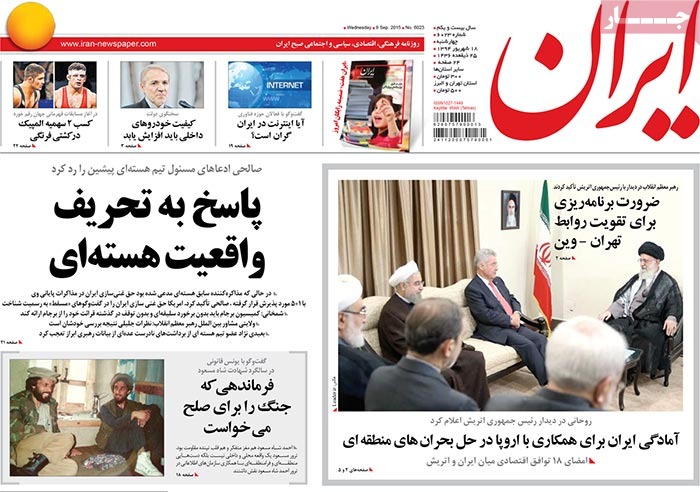
Iran: Distortion of nuclear facts draws reaction

The director of the Atomic Energy Organization has refuted claims by the former top nuclear negotiator.


A look at Iranian newspaper front pages on September 9


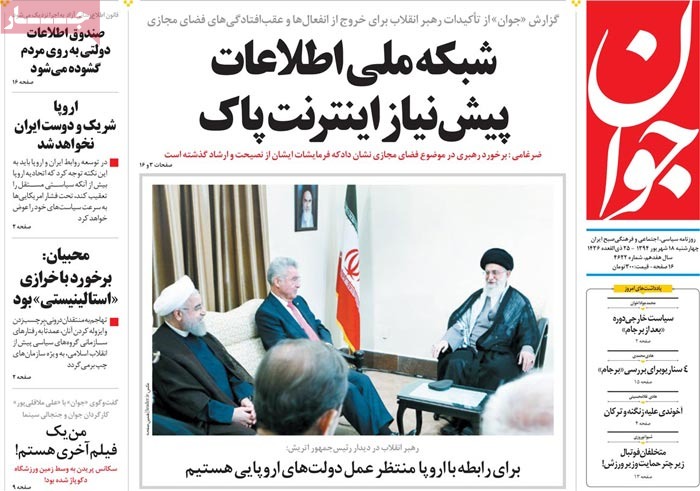
Javan: A national information network is a prerequisite for a clean Internet.


A look at Iranian newspaper front pages on September 9


Jomhouri Islami: The parliament speaker has said that the Joint Comprehensive Plan of Action is acceptable but not flawless.

Jomhouri Islami:  Those who import second-hand equipment are in the ranks of individuals who are critical of the Healthcare Transformation Plan.


A look at Iranian newspaper front pages on September 9


Kaenat: “Iran welcomes any measure to improve the oil market,” said the Iranian oil chief.


A look at Iranian newspaper front pages on September 9


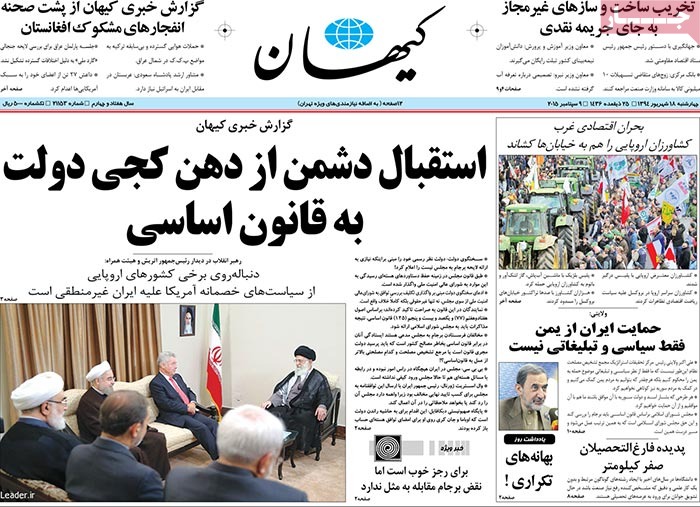
Kayhan: The enemy has welcomed the [Iranian] government thumbing its nose at the Constitution [a reference to government’s failure to send a bill to parliament on the Joint Comprehensive Plan of Action].


A look at Iranian newspaper front pages on September 9


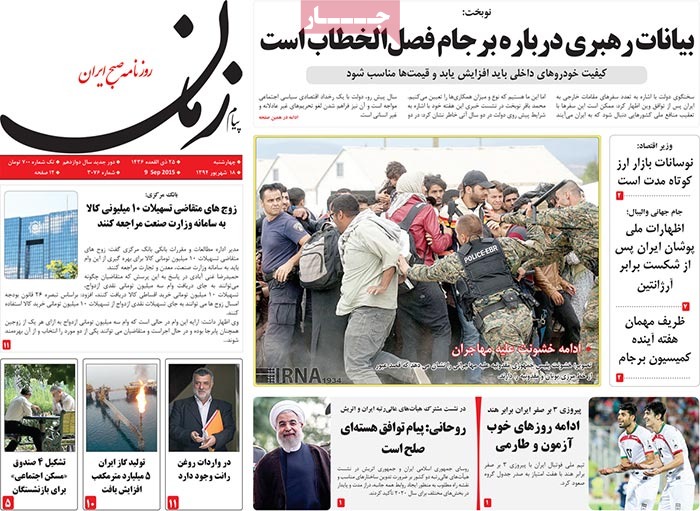
Payam-e Zaman: Iran has defeated India 3-0 in the World Cup qualifiers.


A look at Iranian newspaper front pages on September 9


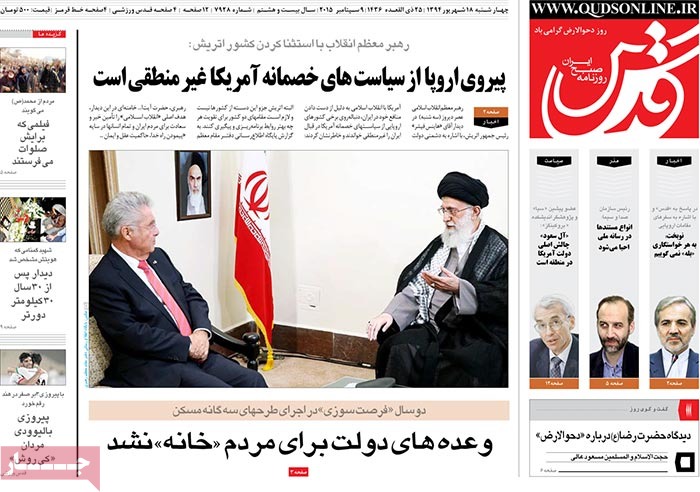
Qods: “Europe’s pursuit of America’s hostile policies [toward Iran] is irrational,” said the Supreme Leader at a meeting with the Austrian president.


A look at Iranian newspaper front pages on September 9


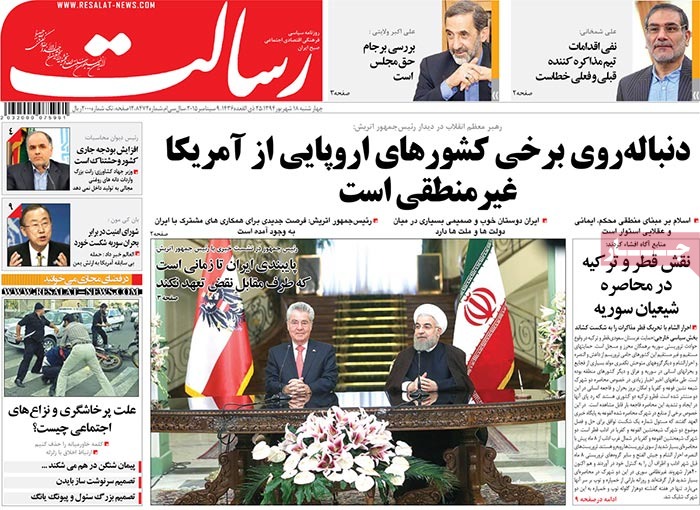
Resalat: “Iran remains committed [to the nuclear deal] as long as the other side does not violate the terms of the deal,” the president said at a joint press conference with his Austrian counterpart.


A look at Iranian newspaper front pages on September 9


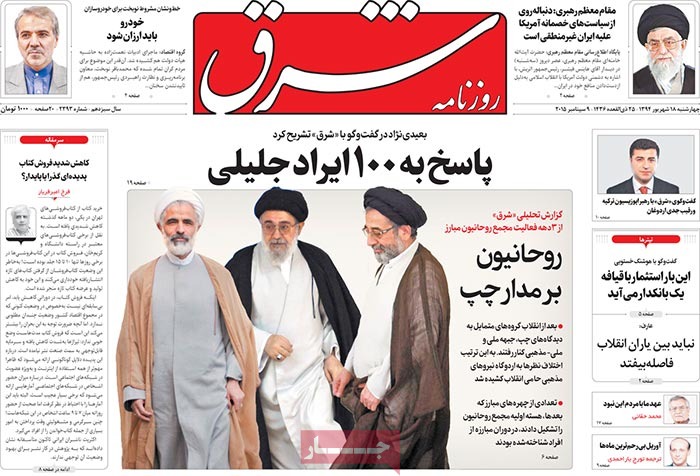
Sharq: The government spokesman has said that automakers need to mark down prices.


A look at Iranian newspaper front pages on September 9