
A funeral procession was held in Tehran on Tuesday for 275 martyrs, including 175 divers, of the Iran-Iraq war whose remains had recently returned home.
The following are images of the procession released by different news agencies:
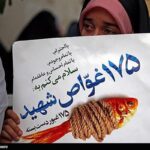
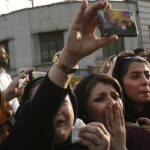
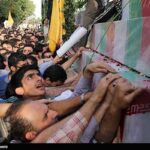
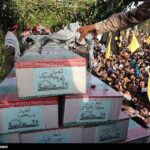
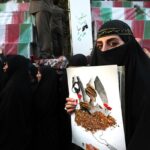
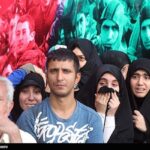
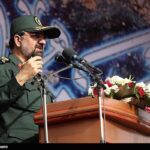
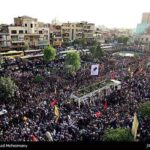
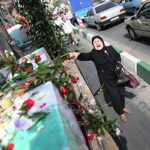
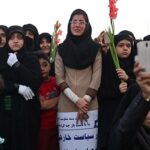
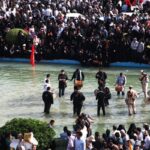
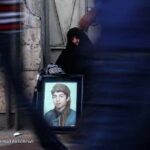
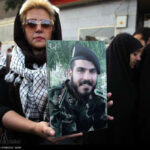
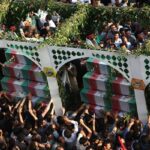
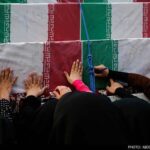
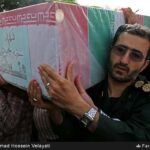
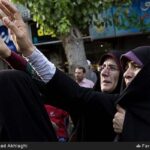
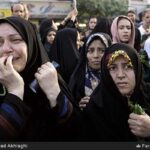
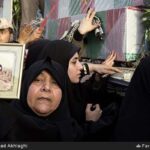
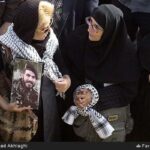
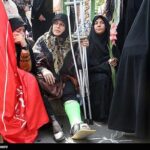
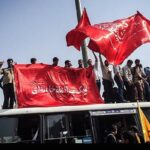
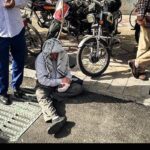
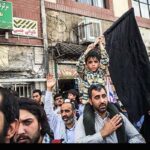
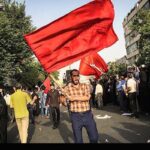
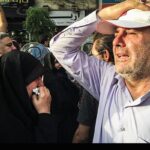
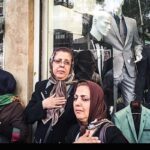
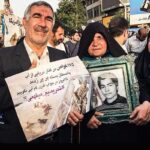
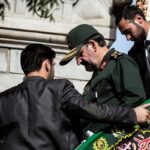
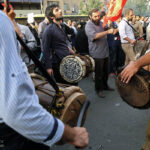
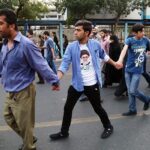
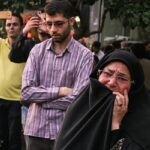
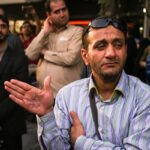
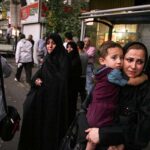
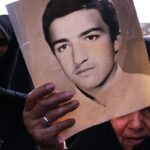
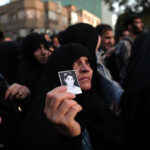
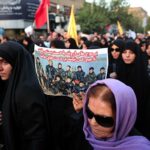
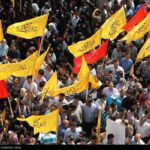
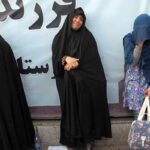
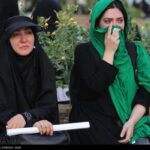
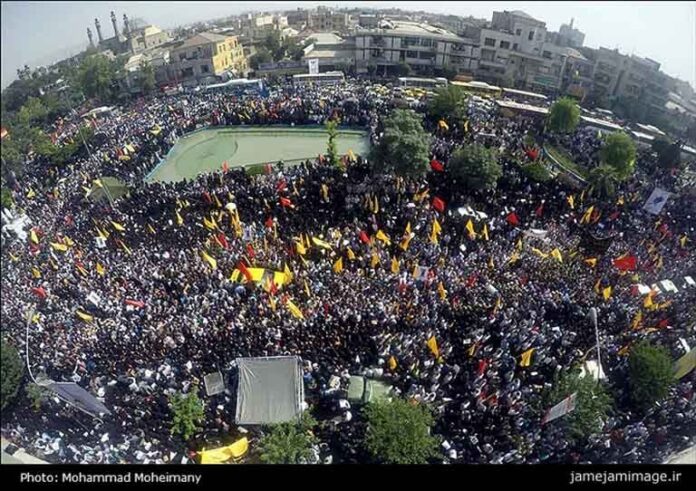
A funeral procession was held in Tehran on Tuesday for 275 martyrs, including 175 divers, of the Iran-Iraq war whose remains had recently returned home.
The following are images of the procession released by different news agencies:
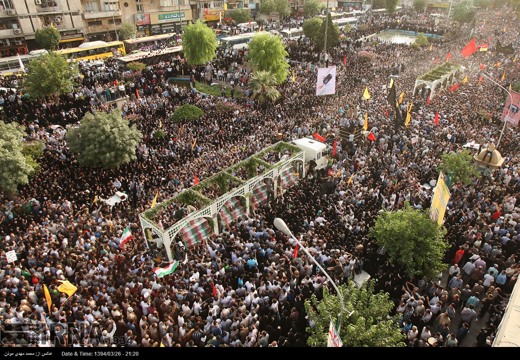
A large number of people took part in the procession around Baharestan Square in downtown Tehran to pay respect to the martyrs, whose coffins were carried draped in Iran’s national flags.
A total of 175 of the bodies belonged to a group of military divers that returned home on May 18.
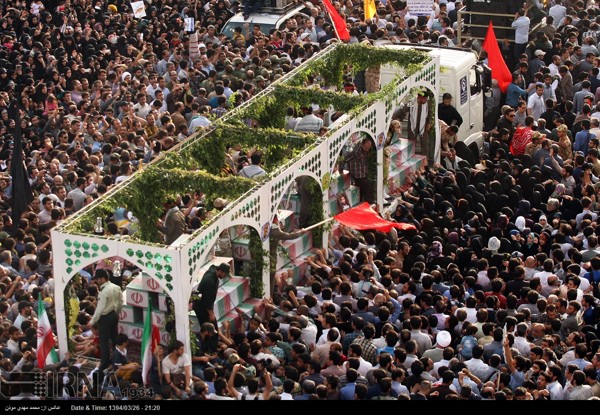
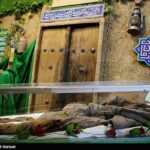
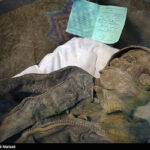
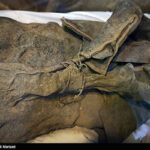
Some of the retrieved bodies had their hands tied and bore no scars, indicating that the martyrs were buried alive by the forces of the former Iraqi Ba’ath regime during Operation Karbala-4, said the commander of the Missing in Action (MIA) Search Committee of the Iranian Armed Forces, Brigadier General Mohammad Baqerzadeh.
According to Baqerzadeh, the bodies were brought into Iran via Shalamcheh border crossing in the southwestern province of Khouzestan.
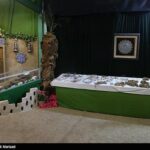
The images of the bodies that were earlier released triggered a wave of sorrow and sympathy among Iranians from all walks of life.
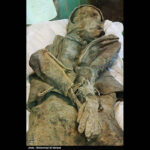
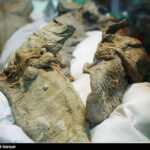
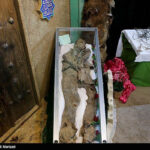
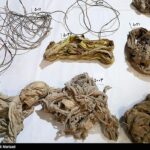
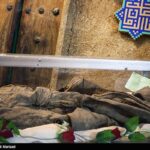
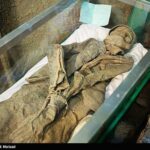
Operation Karbala-4 was launched under the cover of darkness in late December 1986, and was meant to give Iranian forces a foothold along the Arvand Roud waterway. The Iranian troops would go on the offensive once across the waterway, and move onto the Iraqi port city of Basra. However, the operation did not go as planned.
According to the head of Iran’s Islamic Revolution Guards Corps (IRGC) Public Relations Office, Brigadier General Ramazan Sharif, the deposed Iraqi Ba’ath regime was notified of Operation Karbala-4 mainly through US intelligence operatives.
About 34 years ago, former Iraqi dictator Saddam Hussein, supported by major Western and regional states, launched a military invasion of Iran. It came less than two years after the Islamic Revolution.
A large number of volunteers joined the Iranian armed forces to defend their country against the Iraqi aggressor under the leadership of the late founder of the Islamic Republic, Imam Khomeini.
The imposed war is commemorated in Iran every year as the eight years of Sacred Defense. Each year, Iranian Armed Forces stage nationwide military parades to mark the war’s anniversary.
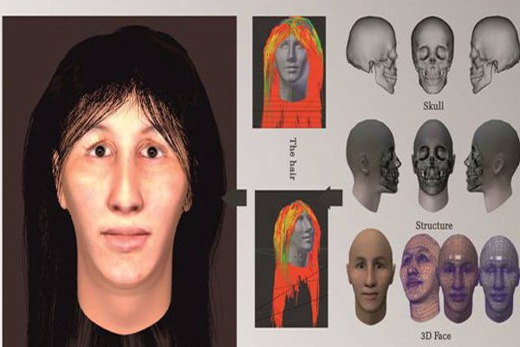
Experts at Iran’s Archeology Research Center have reconstructed the face of a 7,000-old year woman whose skeleton was dug out in urban excavations in a southern neighborhood of the capital last year.
According to the Public Relations Office of the Cultural Heritage and Tourism Research Center, experts first photo-scanned the skeleton before applying photogrammetry techniques to the images to create a 3-D model.
Mohammad Reza Rokni, an expert with the research center said the computer-aided facial reconstruction featured software and resulted in the creation of a chin, cheekbones, lips, a nose, eyes and ears.
He further said facial reconstruction of skeletons is routine, images of reconstructed faces in Iran may not have been released, though.
The discovery last year of a few pottery vessels by a student in Moulavi Street prompted archeological excavations which produced two skeletons – one of them was intact and dated back 7,000 years – and a few other ancient objects.
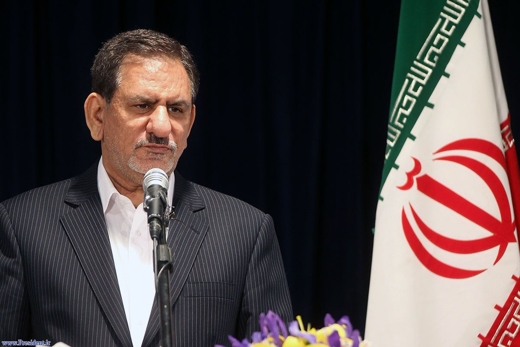
Government is committed to protecting the nuclear achievements, First Vice-President Eshagh Jahangiri said on Tuesday.
Speaking in a local ceremony, he told reporters that Tehran will do its best to defend the country’s nuclear achievements in a logical away.
Inhumane sanctions have targeted the lives of ordinary Iranians and the country’s development, Jahangiri noted.
He added that the negotiating team has defended the country’s rights with pride.
Iran is an advanced country in the field of engineering and technical services and is ready to transfer its experiences to the neighboring countries, the official underlined.
[…]
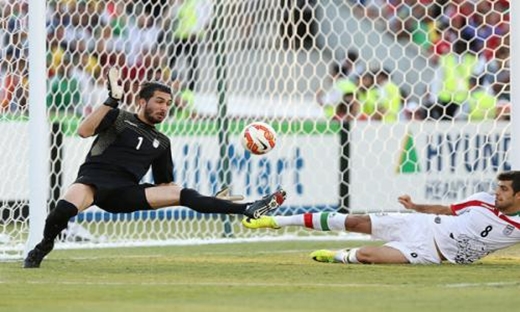
The Iranian national football team was held to a 1-1 draw on Tuesday against Turkmenistan to have a disappointing start in FIFA 2018 World Cup qualification.
It was first Iran’s striker Sardar Azmoon who scored on the 4th minute.
Over the rest of the first half, Iran took the lead, but Carlos Queiroz’s men failed to make use of their scoring chances.
However, Turkmenistan gained a scoring chance in the last minutes of the first half and leveled everything.
In the second half, the two teams played a boring game and failed to score a goal and the game finished 1-1.
Iran has been pitted against Guam, Oman and Turkmenistan in Group D of the competitions and is now on the third place of its group with one point from one game.
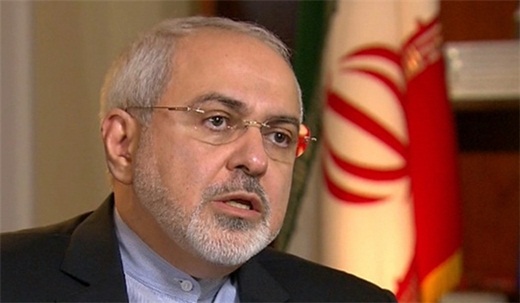
Iranian Foreign Minister Mohammad Javad Zarif has described the policies of the United States and the Zionist regime of Israel as the main reasons behind terrorism in the Middle East.
Root causes of terrorism and extremism in the Middle East are the expansionist policies of Washington and Tel Aviv, Zarif said in a Tuesday meeting with a Mexican parliamentary delegation in Tehran.
Zarif further called for international and regional cooperation in an all-out fight against the phenomena of terrorism and extremism.
Iran had earlier warned of the formation and expansion of the Islamic State in Iraq and the Levant (ISIL) terrorist group and extremism in the region, he reminded.
Zarif’s remarks came as Iran attracted attention last year as one of the first countries that anticipated a growing trend in extremist moves in the world.
On December 18, 2013, the United Nations General Assembly overwhelmingly voted to approve Iranian President Hassan Rouhani’s World against Violence and Extremism (WAVE) proposal.
Also at the meeting, Gabriela Cuevas Barron Chairwoman of Mexican Senate’s Foreign Relations Committee referred to dialog and negotiation as the only way out of regional crises, saying that Mexico supports this approach in the international community.
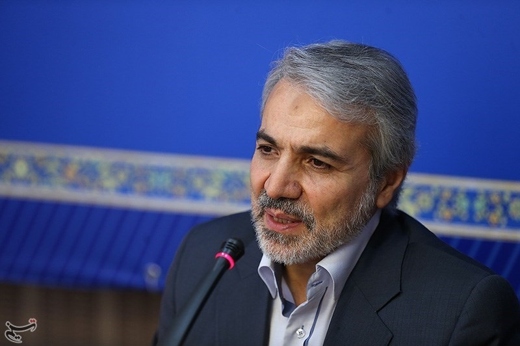
The government spokesman has said that the Government of Prudence and Hope is still grappling with the problems it has inherited from the previous government, adding the eleventh government has been held hostage to wrong decisions of the past.
Mohammad Bagher Nobakht, who is also the vice-president and head of the Management and Planning Organization, made the comment Monday in a ceremony in Kermanshah to mark the second anniversary of President Rouhani’s election and added that government has Plans A and B for the country whether or not nuclear talks produce a deal.
Entekhab.ir on June 16 released a report on his remarks in the ceremony. The following is the translation of part of what Nobakht said in the western province:
[…]
Nobakht took a swipe at the previous government’s implementation of the subsidies act and said that government has paid more than $2 billion in cash subsidies in the first two months of this year (March 21- May 21) to 76 million people who receive the monthly handouts, but it has failed to allocate even one rial to developmental projects because of budget crunch.
[…]
He said the maldistribution of resources is what government has inherited from its predecessor, adding the unequal distribution of resources comes as millions of people are unemployed in the country waiting for government’s investment in different projects and subsequent creation of jobs.
On nuclear talks, he said President Rouhani still insists on what he said on the campaign trail that “Centrifuges have to spin, as the wheels of people’s lives do”, adding Iran’s nuclear team is pursuing efforts to have the unfair sanctions removed as it tries to maintain the country’s glory and dignity.
The country is capable of producing four million barrels of oil, but cannot sell more than one million barrels because of sanctions, he said, adding this has decreased government’s revenues dramatically.
Nobakht then recalled a slump in crude prices and said, “We have to count on $24 billion in foreign exchange to manage the country. This comes as we have thousands of incomplete projects and many other problems on our hands to deal with. We cannot bring the money ($24 billion) into the country and we need to remove the obstacle standing in the way of that money”.
Government is trying to loosen the noose of unjust sanctions and does not let some derail nuclear talks and throw obstacles in their way, he added.
The spokesman also said that Israel is concerned about the course nuclear talks have taken and added, “An American official may make a comment in their circle [Israelis’]. That [the baseless comment] should not be repeatedly aired by the national broadcaster. Why should we repeat the baseless comments? We welcome those who are concerned to step forward and speak their mind, but certain media outlets seem to simply instill dismay and frustration into society, whereas our nation is hopeful [about the future].”
The vice-president went on to say that government has made preparations for any circumstances, adding it is ready for a breakthrough nuclear deal which would earn the country tens of billions of dollars and has a Plan B if the talks end inconclusively.
“We need to have proper planning to make proper use of resources,” he said, adding that lack of planning in the previous government caused the country’s economic growth to land in negative territory (-5.7%) with many unfinished projects and a growing number of jobless people despite $800 billion in revenues it earned.
“We have prepared ourselves for tough times, but we are very much hopeful about the conclusiveness of the talks. We are not insisting that they [the talks] produce a result by the-end-of-June deadline, but we do what is needed to lift the burden [of sanctions] from people’s shoulders.
[…]
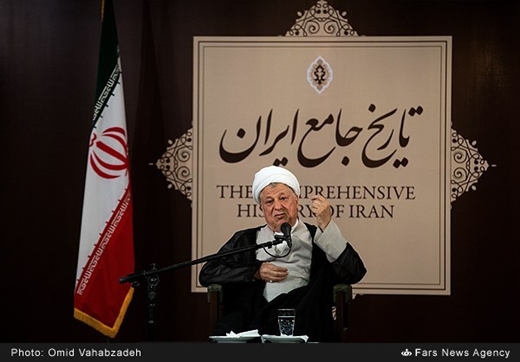
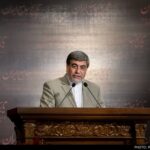
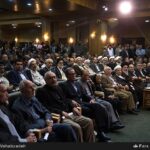
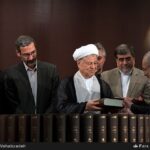
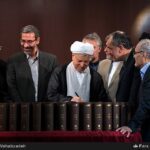
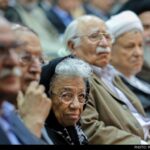
Chairman of the Expediency Council Ayatollah Akbar Hashemi Rafsanjani has criticized those who view interaction with the rest of the world as humiliating, urging them to stop shouting slogans that interfere with the country’s progress.
According to Entekhab.ir, the top councilor, who was speaking at the launch ceremony of The Comprehensive History of Iran on Tuesday, said the Islamic Republic which listens to the voice of reason should not be afraid of dialogue and interaction.
Ayatollah Rafsanjani lashed out at those who seek to wall off the country and live without interaction with the international community, and said sanctions have placed a very huge burden on everyday Iranians.
He said there are no religious justifications for failure to interact with others, citing the instructions of the Prophet Muhammad. “Of course, that [resisting interaction] is not what the Iranian public wants; that is what some people in positions of power pursue. What they are saying is troublesome.”
He blamed the minority in question for creating conditions that have resulted in great universities in the world not admitting Iranian students, and said, “We need to pave the path of interaction with the rest of the world. That is what wisdom and religion dictate. Extremism and ossification do not work.”
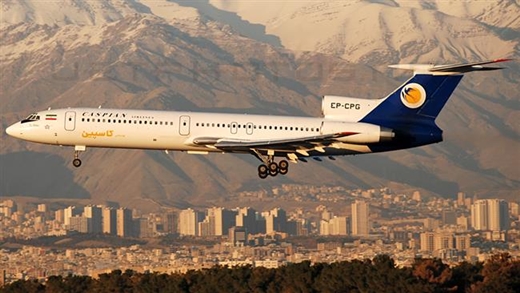
Iran’s minister of roads and urbanization says the country will need 400 new passenger planes in the next 10 years in order to renovate its civil aviation fleet.
Abbas Akhoundi, who is currently in the French capital, Paris, to take part in Le Bourget Airshow 2015, added that purchasing this number of planes will cost the country at least $20 billion.
“At present, the average age of Iran’s civil aviation fleet stands at about 20 years and it will be over 30 years in the next ten years, and many of our passenger planes will not be able to fly by that time,” he added.
The Iranian minister said the Islamic Republic attaches special importance to development of its civil aviation fleet, noting, “In addition to the fleet, development of airports and passenger terminals also needs special attention.”
Akhoundi stated that Iran created 6,000 km of new air corridor last year, adding that the Paris Air Show is a good opportunity to get familiar with modern air traffic and control systems.
“Right now, there are nine passenger terminals under construction in various Iranian airports, which will enable those airports to handle 50 million passengers per year,” he said.
During his stay in France, Akhoundi has already met with Airbus Chief Executive Fabrice Bregier and is also expected to meet and confer with French Minister of Territorial Equality and Housing Sylvia Pinel.
On May 10, Akhoundi announced that Iran has added a number of new planes less than 10 years old to its civil aviation fleet in order to renovate the sector.
Earlier in April, he said Iran has been negotiating with companies supplying airplane parts, adding, “The current situation of the air fleet is not becoming to the Iranian nation and the air fleet needs major investment. Therefore, we have conducted extensive negotiations with companies supplying passenger planes.”
“In parallel with renovating the fleet, we must be able to restructure major Iranian airlines because there are many airlines operating in Iran, but not all of them are fit for international competition,” he said.
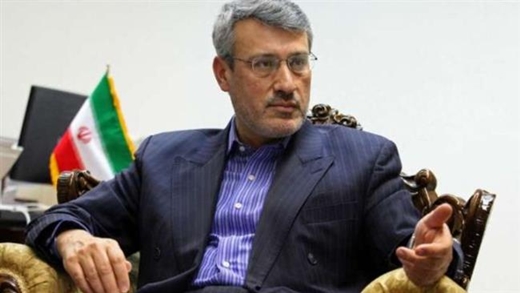
A senior member of Iran’s nuclear negotiating team has dismissed a Reuters report that the UN Security Council will lift sanctions against Tehran after the US Congress gives its green light.
Reuters on Monday quoted Western officials, speaking on condition of anonymity, as saying that if Iran and P5+1 reach a final nuclear deal, the Security Council will likely delay for at least one month action to lift UN sanctions on Tehran so the US Congress can review the agreement.
It also claimed that Iran appears to be reluctantly accepting the delay.
However, director general for political affairs at the Iranian Foreign Ministry Hamid Baeidinejad on Tuesday rejected the report and said, “I think this news is totally fabricated.”
Baeidinejad’s comment came as Iran and P5+1 are set to resume another round of nuclear talks in the Austrian capital of Vienna ahead of a self-imposed June 30 deadline.
Iran and P5+1 – the United States, Britain, France, China and Russia plus Germany – are seeking to finalize a comprehensive deal on Tehran’s nuclear program by June 30.
Tehran and its negotiating partners have been working on the text of a final agreement since they reached a mutual understanding on the key parameters of a final deal in the Swiss city of Lausanne on April 2.
© All Content by IFP News ( Iran Front Page ) is licensed under a Creative Commons Attribution 4.0 International License.
