Wednesday, December 24, 2025
Home Blog Page 4706

Int’l officials hail Iran on Vienna agreement

Final Talks

Senior officials from different countries welcomed the nuclear agreement between Iran and the world powers in Vienna as a historical landmark move that heralds the spread of stability and security across the region.

Iraqi Foreign Minister Ibrahim al-Jafari described the Iran-P5+1 agreement and its future implementation as a source of regional stability.

“The implementation of the Iran-P5+1 nuclear agreement is necessary for the restoration of security to the region,” the Iraqi foreign minister said.

Turkish Foreign Minister Mevlut Cavusoglu also hailed the agreement reached between Iran and the six world powers.

“Annulment of the sanctions imposed against Iran in this deal will benefit regional economy and will directly leave positive effects on Turkey’s economy,” Cavusoglu said.

Tajikistan’s Foreign Ministry, meantime, in a statement underlined that the Vienna deal is a historic achievement.

“The government of Tajikistan congratulates the Iranian leadership and people as well as P5+1 on this agreement,” the statement added.

Syrian President Bashar al-Assad in two separate messages on Tuesday to Iran’s Supreme Leader Ayatollah Seyyed Ali Khamenei and President Hassan Rouhani felicitated them on the achievement of the long-awaited agreement.

In his messages, President Assad voiced his pleasure that Tehran and P5+1 eventually settled their 13-year differences in the Austrian capital today.

Russian President Vladimir Putin also welcomed the decisions and agreement that were reached in Vienna on July 14, aimed at resolving the standoff over Iran’s nuclear program.

“Despite the attempts to justify forceful scenarios, the negotiators made a firm choice in favor of stability and cooperation, which will be reflected in a UN Security Council resolution,” Putin said in a statement posted on the Kremlin’s website on Tuesday.

“Russia welcomes the decision reached in Vienna today, aimed at resolving the situation around the Iranian nuclear program, and the Joint Comprehensive Action Plan approved by the six mediators and Iran. We are certain that today the world sighed with great relief,” the statement read.

“The comprehensive agreement is based on the solid foundation of international law, primarily, the Treaty on the Non-Proliferation of Nuclear Weapon and the International Atomic Energy Agency (IAEA) Safeguards Agreement, including

the Additional Protocol,” the president said.

“We have come a long way in the framework of the UN Security Council-backed negotiations involving Russia, China, the United States, France, the United Kingdom, Iran and the European Union. We are satisfied that the decision they reached is based on the principle of gradualness and reciprocity our country has consistently defended at every stage of these complicated negotiations,” the statement read.

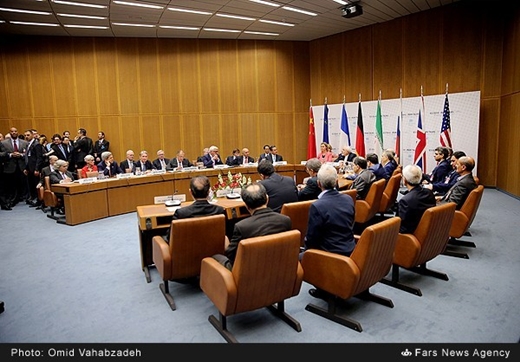
Iran and P5+1 (the US, Russia, China, Britain and France plus Germany) reached an agreement on Tuesday to resolve the 13-year-long standoff on Tehran’s nuclear program.
Iran, world powers can fight ISIL together: Zarif

Zarif-Presstv

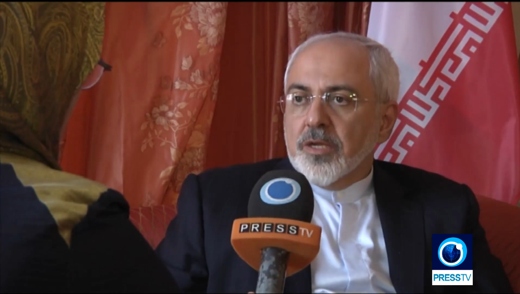
Iranian Foreign Minister Mohammad Javad Zarif says following the recent conclusion of nuclear talks, there exists the possibility for Iran and P5+1 to address “common challenges” including the ISIL Takfiri threat in the region, Press TV reports.

Zarif said that the joint fight against the ISIL terrorist group can be part of a possible broader cooperation, which may include the fields of trade and finance, between the two sides.

The agreement leads to cooperation in “common challenges… that threaten our region and beyond like extremism and Daesh,” said Zarif while referring to the terrorist group with its Arabic acronym in a Press TV interview on Tuesday.

It would have been “irrational” for the West to lose this “opportunity to start a new and different type of engagement,” he added, referring to the conclusion of the nuclear talks.

The conclusion “provides a way out of a very unsuccessful policy of trying to impose pressure on Iran,” Zarif added.

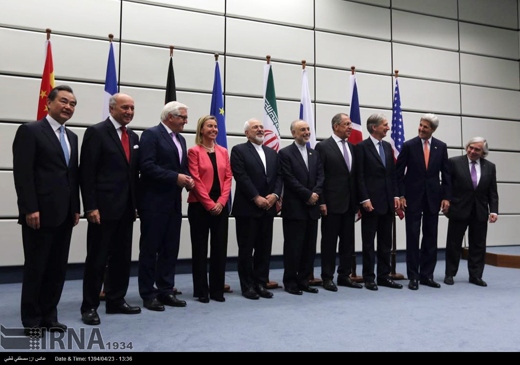
Earlier in the day, following 18 days of marathon talks in the Austrian capital city of Vienna, Iran and the P5+1 group of world powers – the United States, Britain, France, China, Russia and Germany – reached a conclusion on the Joint Comprehensive Plan of Action (JCPOA), which will put limits on Iran’s nuclear program in exchange for the removal of sanctions against the Islamic Republic.

Zarif went on to say that a resolution, which is due to be passed by United Nations Security Council regarding the conclusion of the talks, will include the JCPOA as an attachment.

“They have found that 30 something years of pressure on Iran didn’t work and produced the exactly opposite results and two years of negotiations in respect for Iran produced exactly the opposite and could lead to an agreement,” the Iranian foreign minister noted.

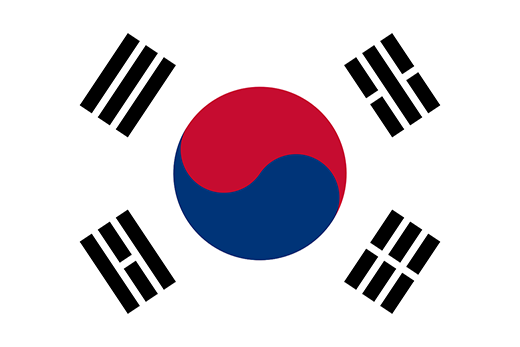
South Korea welcomes Iran, G5+1 nuclear deal

Flag_of_South_Korea

The nuclear deal is regarded as a big achievement for the Islamic Republic of Iran, it said.

Vienna nuclear deal will help restore stability and tranquility in the region and also bolster Non-proliferation treaty (NPT) of the nuclear weapons.

The statement also expressed the hope that the content of the agreement to be honestly observed by the two parties and Iran and G5+1 to remain committed to their pledges accordingly.

Seoul is hopeful that the deal between Iran and G5+1 to leave positive impacts on the stances of North Korea’s nuclear disarmament talks signed in 2008 and help bring the country back to table of negotiations.

The statement also has invited North Korean leaders to dismantle their nuclear weapons and respect to the United Nations resolutions.

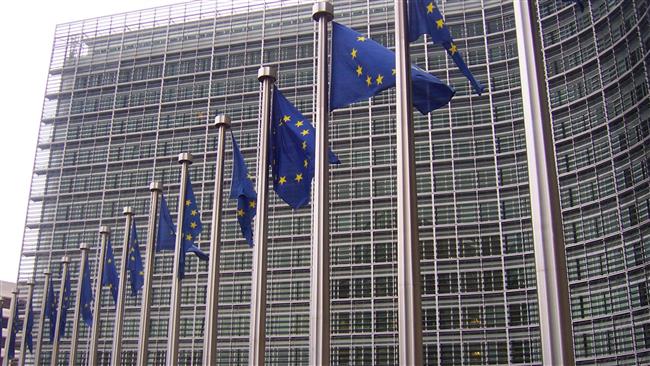
EU extends freeze on Iran sanctions until Jan. 2016

European Union

After 18 days of marathon talks in the Austrian capital of Vienna, Iran and the P5+1 group of world powers – the United States, Britain, France, China, Russia and Germany – reached a conclusion on the Joint Comprehensive Plan of Action (JCPOA), which will put limits on Iran’s nuclear program in exchange for the removal of sanctions against the Islamic Republic.

“Following the agreement reached on 14 July 2015 in Vienna on the Iranian nuclear issue, the Council has prolonged until 14 January 2016 the suspension of EU restrictive measures,” the European Council said in a statement on Tuesday.

“This will allow the EU to make the necessary arrangements and preparations for the implementation of the new Joint Comprehensive Plan of Action,” the statement added.

According to the conclusion text, the nuclear-related economic and financial restrictions imposed by the United States and the EU targeting the Iranian banking, financial, oil, gas, petrochemical, trade, insurance and transport sectors will be annulled.

The 159-page conclusion will be presented to the Security Council, which will adopt a resolution in seven to 10 days making the JCPOA an official document.

Based on the text of the nuclear conclusion, the UNSC sanctions against Iran, including all economic and financial bans, will be lifted under a mutually agreed framework and through a new UN resolution.

A deal that proves how effective diplomacy is

Iran nuclear talks

Marathon nuclear talks between Iran and six world powers that ran for 22 long months finally culminated in a deal on July 14, 2015.

That negotiation was given priority over coercion, particularly in circumstances where there was sheer determination to secure results, regardless of proportionality or lack of proportionality between what was gained and what was offered in return, is by itself a great achievement.

Choosing peace and coexistence over war and belligerence requires a great deal of courage. Contrary to popular belief, weakness, diminishing authority and fear, whether well-founded or not, about the decline in power are the factors that contribute to war. Peace, however, comes on the back of sensible decisions which have their roots in wisdom.

IFP wishes to thank all diplomats who contributed to nuclear talks for their tireless efforts and reminds them that conclusion of a deal on one of the world’s biggest challenges won’t be the end of the line.

It is always more difficult to safeguard an achievement and live in a climate of trust, mutual respect and what President Rouhani describes as constructive interaction with the rest of the world.

There is no denying that the nuclear deal between Iran and P5+1 will have opponents. Inciting them won’t serve anyone’s interests.

Undoubtedly, the Iranian nation is grateful to the negotiating team headed by Foreign Minister Mohammad Javad Zarif.

Hearty congratulations to the Supreme Leader, the Iranian government and nation as well as the international community on the conclusion of this agreement.

Nuclear talks produced a win-win deal

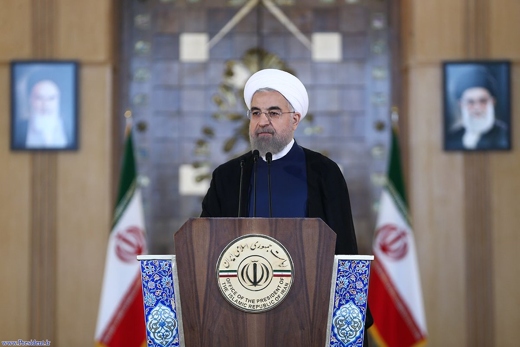
President Rouhani

Following the announcement Tuesday by Iranian and EU top diplomats that Tehran and P5+1 have finally struck a nuclear deal, President Rouhani made a televised speech aimed at the Iranian people and the international community at large on the agreement his administration has inked with six world powers.

In the speech the president credited interaction on the part of Iran and respect on the part of P5+1 for the historic deal.

The following is the translation of an excerpt from his speech which was aired by IRIB (Iranian state TV) on July 14:

The 12-year period during which major powers had illusions about Iran is over. Today a new chapter has opened in our relations with the international community which should know that a less costly shortcut exists for the problems the world is facing.

During this period, the nuclear case had become a political issue and an excuse for some to promote Iranophobia.

As I have said before sanctions never worked, yet they did have an impact on the lives of Iranian people. After 23 months of talks, we have arrived at a new point.

During this period, we sought a fair give-and-take with the world in keeping with our national interests. We assumed that only win-win talks can work and our negotiators built on that assumption for 23 months.

To clinch a deal we needed national consensus. Naturally, parties and individuals with different political leanings and affiliations hold different views. But we built on issues such as our national interests, security and development and managed to secure the consensus we needed.

From the very beginning holding talks with world powers was in line with the views of the Supreme Leader.

In the 2013 elections, people explicitly said that they wanted a government that paid attention to nuclear achievements and pocketbook issues at the same time.

In the course of the talks, we streamlined our economy; we contained the runway inflation and secured positive economic growth.

The perseverance of the Iranian people was the most important issue during this period. We followed four objectives in the talks: 1. Maintaining our nuclear capability, 2. Having the unfair sanctions lifted, 3. Having all illegal UN Security Council resolutions rescinded, and 4. Taking the nuclear case off the UN Security Council agenda. All those objectives have been met in the deal we struck today.

Our economists, experts and scientists contributed to the conclusion of this deal. Under the deal, we can keep more than 6,000 centrifuges, including over 5,000 in Natanz operational and 1,000-plus in Fordo.

On research and development, the world has agreed to Iran continuing R&D on IR8.

The deal recognizes Iran’s right to keep the heavy water reactor in Arak in place.

In Fordo, more than 1,000 centrifuges will remain.

Initially, world powers wanted to phase out the sanctions based on verification; under this deal all sanctions, including financial, banking, insurance, transportation, and petrochemical sanctions will be terminated.

The arms embargo will be lifted after five years. In the days to come when the UN Security Council reviews this deal, all six resolutions issued against Iran in the past will be rescinded.

This deal is not based on trust; this deal serves as a test. If this deal is implemented in a proper way, it can bring down the wall of mistrust.

This is a 2-way street; implementation of the deal is a mutual process. If they remain committed to the deal, we will keep our end of the bargain.

This process comes in three phases:

In the first phase which saw the two sides issue a joint statement earlier today, all seven countries involved in the talks agreed to the wording of the deal.

In the second phase, the text of the deal should be approved by the UN Security Council.

And in the third phase, the final deal is actually signed and its implementation officially begins.

Today is the most important day in the past 12 days because the world has recognized Iran’s nuclear activity. They have announced they will cooperate with Iran; they have said all sanctions will be lifted and all resolutions will be rescinded.

Today marks an end to injustices and a beginning for a new cooperative trend in the world.

People in countries allied with us are happy too because the Zionist regime failed in its efforts to thwart the deal.

From the very beginning, in keeping with a fatwa issued by the Supreme Leader, we did not seek to develop a nuclear bomb.

I would like to thank all those who contributed to conclusion of this deal. I would like to thank the nation for its resistance, the Supreme Leader for guiding the process, parliament, judiciary, the armed forces, the Expediency Council, etc.

I welcome constructive criticism, but I won’t allow public hope for a bright future and economic prosperity to be dashed by fake statements and slanders.

In conclusion, I’d like to say that regional countries should not be fooled by the Zionists. We view regional stability and security as our own. Iran does not seek WMD. We do not want to put pressure on regional countries. We seek better relations and close cooperation with our neighbors and countries in the region.

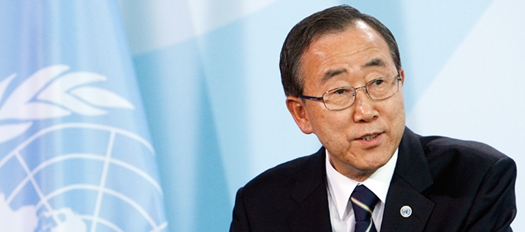
UN chief congratulates Iran, P5+1 on Vienna agreement

ban ki moon

The UN chief made the remarks in a statement issued in Addis Ababa, capital of Ethiopia, said a statement by the UN Information Cneter in Tehran (UNIC) on Tuesday.

The full text of his message reads:

I warmly welcome the historic agreement in Vienna today and congratulate the P5+1 and Iran for reaching this agreement. This is testament to the value of dialogue.

I know that an immense amount of work went into this, and I admire the determination and the commitment of the negotiators – as well as the courage of the leaders who approved the deal that was so painstakingly worked out by their teams in Vienna and elsewhere.

I hope – and indeed believe – that this agreement will lead to greater mutual understanding and cooperation on the many serious security challenges in the Middle East. As such it could serve as a vital contribution to peace and stability both in the region and beyond.

The United Nations stands ready to fully cooperate with the parties in the process of implementing this historic and important agreement.

Iran, EU Issue Joint Statement on Nuclear Talks (Full Text)

Iran Talks Vienna

The statement hailed Tuesday as a “historic day.”

It said a final nuclear agreement, known as the Joint Comprehensive Plan of Action (JCPOA) will ensure “the exclusively peaceful” nature of Iran’s nuclear program.
What follows is the full text of the joint statement:

Joint statement by EU High Representative Federica Mogherini and Iranian Foreign Minister Javad Zarif Vienna, 14 July 2015

Today is an historic day.

It is a great honour for us to announce that we have reached an agreement on the Iranian nuclear issue.

With courage, political will, mutual respect and leadership, we delivered on what the world was hoping for: a shared commitment to peace and to join hands in order to make our world safer. This is an historic day also because we are creating the conditions for building trust and opening a new chapter in our relationship.

This achievement is the result of a collective effort.

No one ever thought it would be easy. Historic decisions never are. But despite all twists and turns of the talks, and the number of extensions, hope and determination enabled us to overcome all the difficult moments. We have always been aware we had a responsibility to our generation and the future ones.

Thanks to the constructive engagement of all parties, and the dedication and ability of our teams, we have successfully concluded negotiations and resolved a dispute that lasted more than 10 years.

Many people brought these difficult negotiations forward during the last decade and we would like to thank all of them – as we would like to thank the International Atomic Energy Agency for its critical contribution and close cooperation as well as the Austrian government for the support and hospitality.

We, the EU High Representative for Foreign and Security policy and the Foreign Minister of the Islamic Republic of Iran, together with the Foreign Ministers of the People´s Republic of China, France, Germany, the Russian Federation, the United Kingdom and the United States of America met here in Vienna, following several months of intensive work, at various levels and in different formats, to negotiate the text of the Joint Comprehensive Plan of Action (JCPOA), based on the key parameters agreed in Lausanne on 2 April.

We have today agreed on the final text of this Joint Comprehensive Plan of Action

The E3/EU+3 and the Islamic Republic of Iran welcome this historic Joint Comprehensive Plan of Action (JCPOA), which will ensure that Iran’s nuclear programme will be exclusively peaceful, and mark a fundamental shift in their approach to this issue. They anticipate that full implementation of this Joint Comprehensive Plan of Action will positively contribute to regional and international peace and security. Iran reaffirms that under no circumstances will Iran ever seek, develop or acquire any nuclear weapons.

The Joint Comprehensive Plan of Action includes Iran’s own long-term plan with agreed limitations on Iran’s nuclear program, and will produce the comprehensive lifting of all UN Security Council sanctions as well as multilateral and national sanctions related to Iran’s nuclear programme, including steps on access in areas of trade, technology, finance, and energy.

The Joint Comprehensive Plan of Action comprises of a main text, and five technical annexes – on nuclear, sanctions, civil nuclear energy cooperation, a joint commission, and implementation. These documents are detailed and specific: that is important because all sides wanted clarity so as to ensure the full and effective implementation of the agreement.

The Joint Comprehensive Plan of Action is a balanced deal that respects the interests of all sides. It is also complex, detailed and technical: we cannot fully summarise the agreement now. But the full main text and all its annexes will be made public still today and will be presented within the next few days by the E3+3 to the Security Council for endorsement.

We know that this agreement will be subject to intense scrutiny. But what we are announcing today is not only a deal but a good deal. And a good deal for all sides – and the wider international community.

This agreement opens new possibilities and a way forward to end a crisis that has lasted for more than 10 years. We are committed to make sure this Joint Comprehensive Plan of Action is fully implemented, counting also on the contribution of the International Atomic Energy Agency.

We call on the world community to support the implementation of this historic effort.

This is the conclusion of our negotiations, but this is not the end of our common work. We will keep doing this important task together.

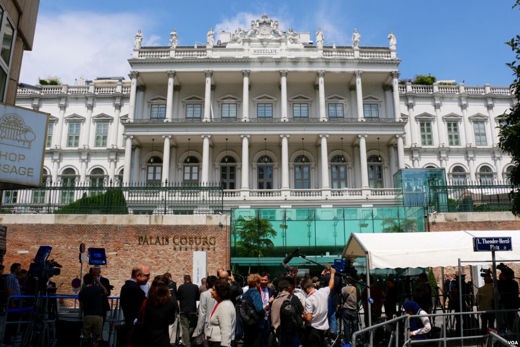
Iran and P5+1 have finally struck nuclear deal

Iran Talks Hotel Coburg

After 20 days of intense negotiations, Iran and P5+1 have eventually struck a deal over the former’s nuclear program.
Journalist are on their way to the Media Center in Vienna where Iranian Foreign Minister Mohammad Javad Zarif and EU foreign policy chief Federica Mogherini will hold a joint press conference to officially announce the deal.

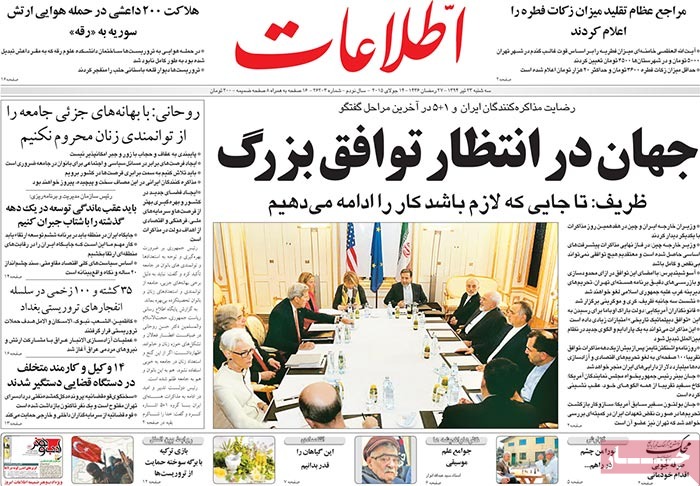
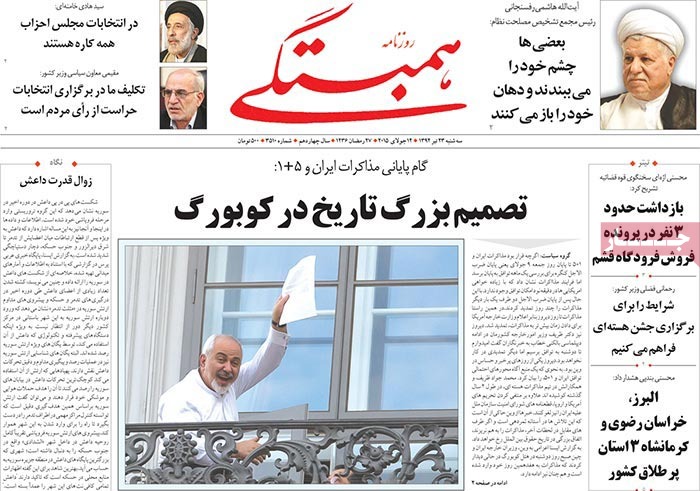
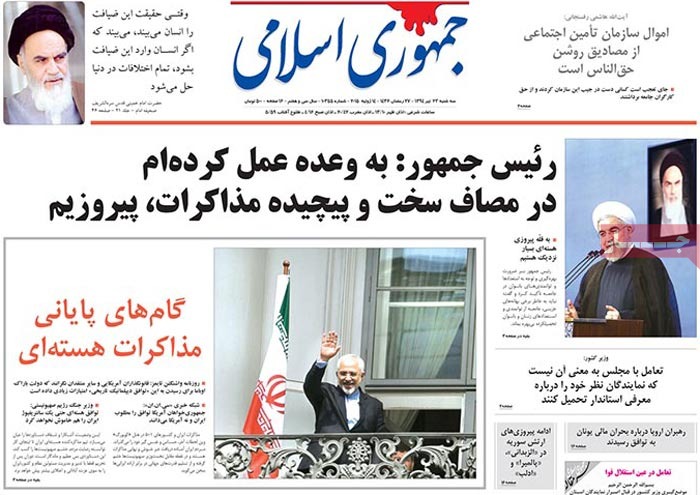
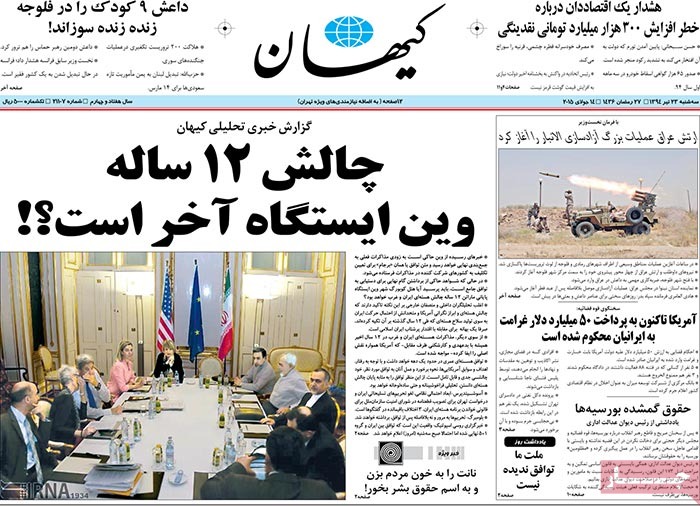
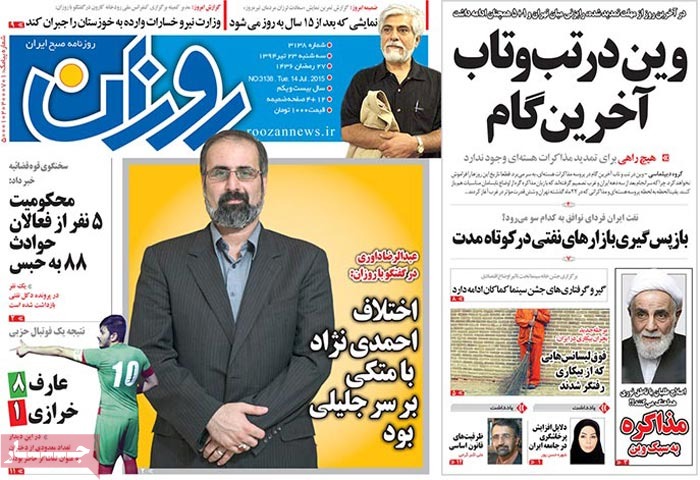
A look at Iranian newspaper front pages on July 14

Iranian Newspapers Headlines

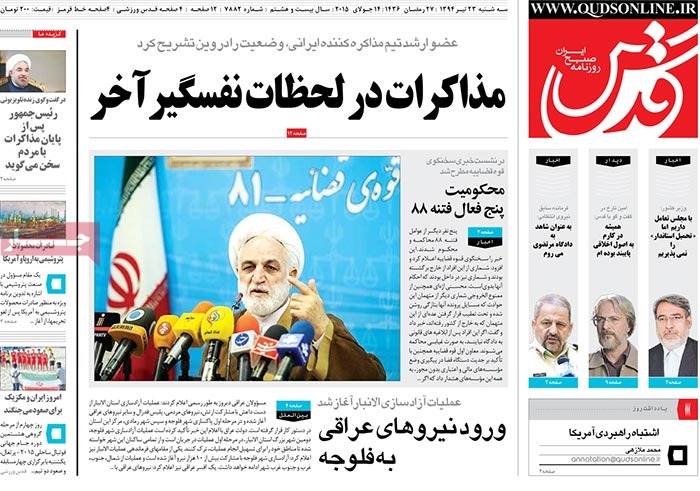
The wait for the announcement of a nuclear deal between Iran and P5+1 and the comments of the judiciary spokesman about a number of corruption and security cases dominated the front pages of Iranian newspapers on Tuesday.

Ettela’at: The world is anxiously waiting for the grand deal.

Iranian Foreign Minister Mohammad Javad Zarif said that he and his team would strive for as long as it takes [to clinch a deal].


Abrar: In Turkey, the split between President Erdogan and his predecessor Abdullah Gul has bubbled up.

Abrar: [Veteran actor] Rasool Najafian has called on authorities to give leeway to artists on social networking platforms.


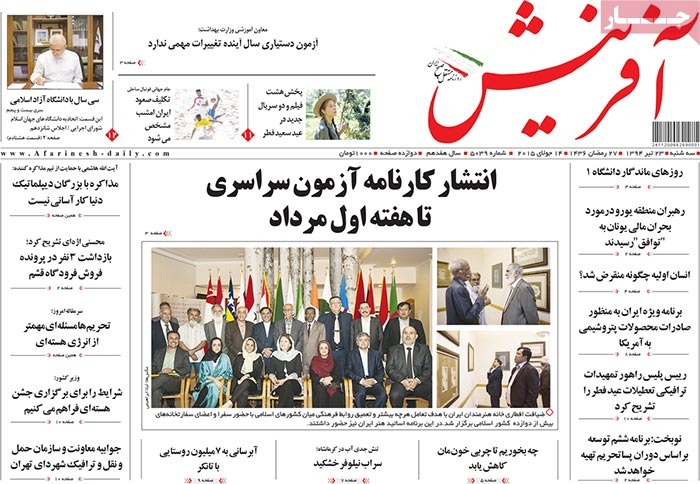
A look at Iranian newspaper front pages on July 14


Afarinesh: “Three people have been arrested in connection with the sale of the old airport on the Persian Gulf island of Qeshm,” said the judiciary spokesman.

Afarinesh: Water is being shipped to as many as 7 million villagers on board tankers.


A look at Iranian newspaper front pages on July 14


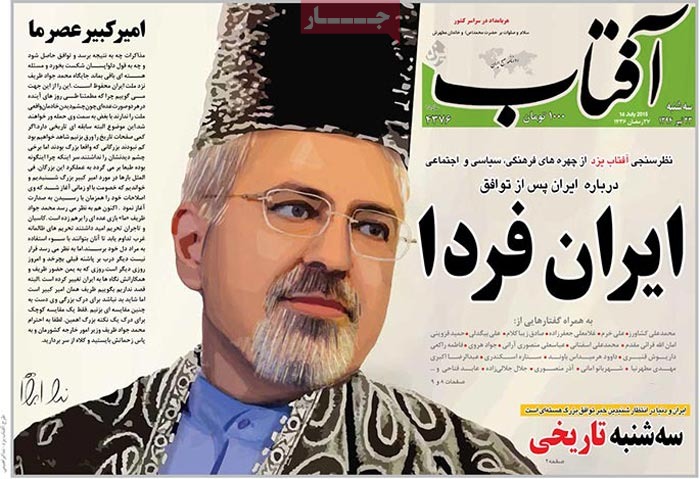
Aftab-e Yazd: A modern-day Amir Kabir

The daily has likened Foreign Minister Mohammad Javad Zarif to Amir Kabir, the chief minister of Naser al-Din Shah and one of the most prominent reformist modernizers of the country in the 1800s.

The daily has also hailed today as a historic Tuesday and published the viewpoints of cultural, political, and social figures about a post-sanctions Iran.


A look at Iranian newspaper front pages on July 14


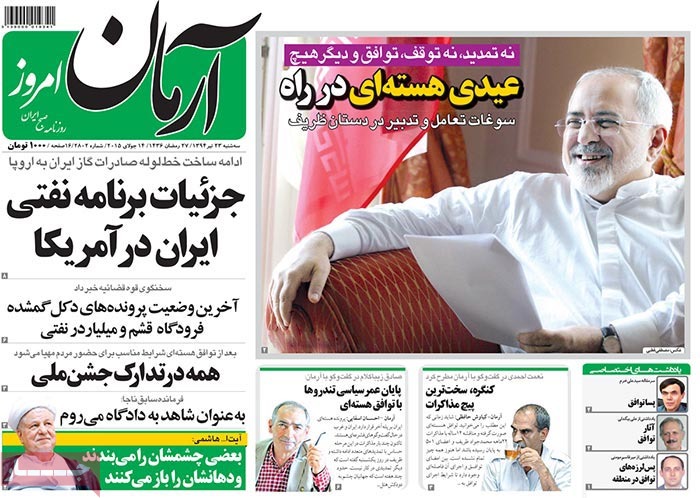
Arman-e Emrooz: A nuclear present is on its way

A memento of interaction and wisdom in the hands of Foreign Minister Zarif

Neither extension, nor a halt; only a deal

Arman-e Emrooz: Former Police Chief Brigadier General Ahmadi Moghaddam has said that he will appear before court as a witness.

It came after a court hearing the case of Ruholamini [who was killed in Kahrizak following the 2009 presidential elections] summoned the former police commander.

Arman-e Emrooz: “A nuclear deal will toll the political death knell for hardliners,” said Sadegh Zibakalam, a political analyst.


A look at Iranian newspaper front pages on July 14


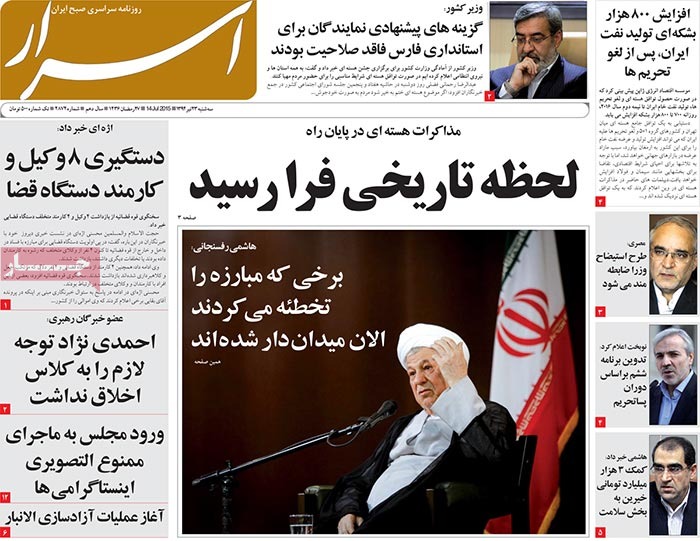
Asrar: “The individuals MPs proposed to take over as Fars provincial governor lacked the necessary credentials,” said the interior minister.

He also said his ministry has ordered the provincial governorates and law enforcement to set the stage for public participation in nuclear festivities.


A look at Iranian newspaper front pages on July 14


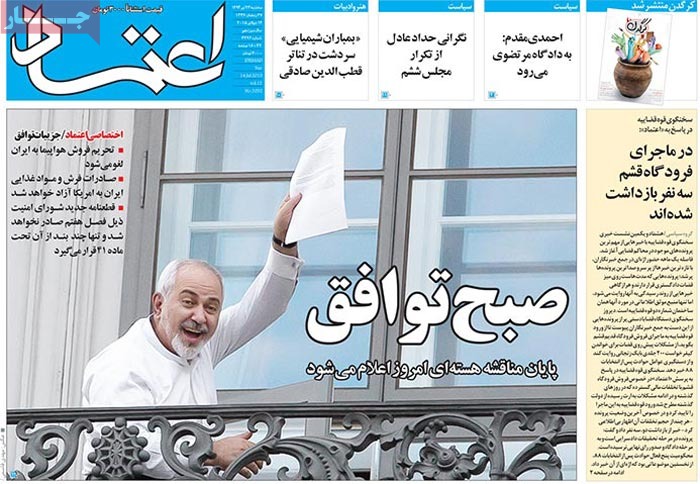
Etemad: After the deal, the ban on sales of aircraft to Iran will be lifted and Iran can export rugs and foodstuff to the United States.


A look at Iranian newspaper front pages on July 14


Hambastegi: “Some are closing their eyes [to realities] and blurting out anything that comes out of their mouths,” said chairman of the Expediency Council Ayatollah Akbar Hashemi Rafsanjani.


A look at Iranian newspaper front pages on July 14


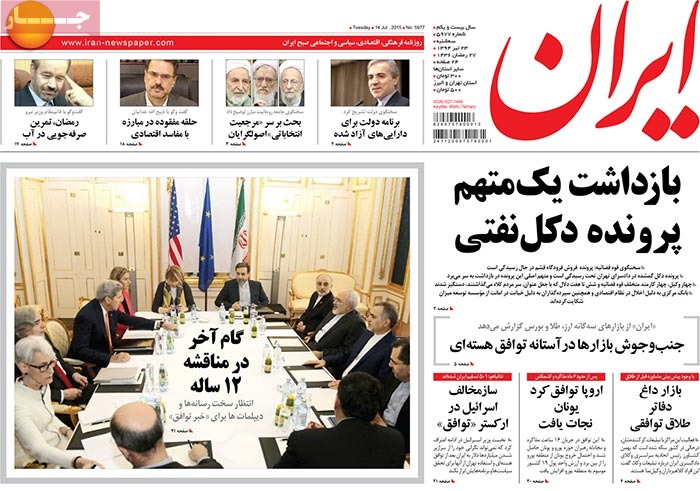
Iran: One final step in a 12-year dispute

The press and diplomats are eagerly waiting for news of a nuclear deal between Iran and P5+1.


A look at Iranian newspaper front pages on July 14


Jomhouri Islami: “Interaction with parliament does not mean that MPs can impose their will when it comes to naming a new governor,” said the interior minister.


A look at Iranian newspaper front pages on July 14


Kayhan: “The US has to pay $50 billion in compensation to Iranians,” said the judiciary spokesman.


A look at Iranian newspaper front pages on July 14


Qods: Five seditionists [a reference to those who incited riots following the 2009 presidential elections] have been sentenced to jail terms, said the judiciary spokesman.


A look at Iranian newspaper front pages on July 14


Roozan: “Saeed Jalili was at the center of the split between Ahmadinejad and [his foreign minister] Mottaki,” said Abdolreza Davari, a close associate of the former president.


A look at Iranian newspaper front pages on July 14


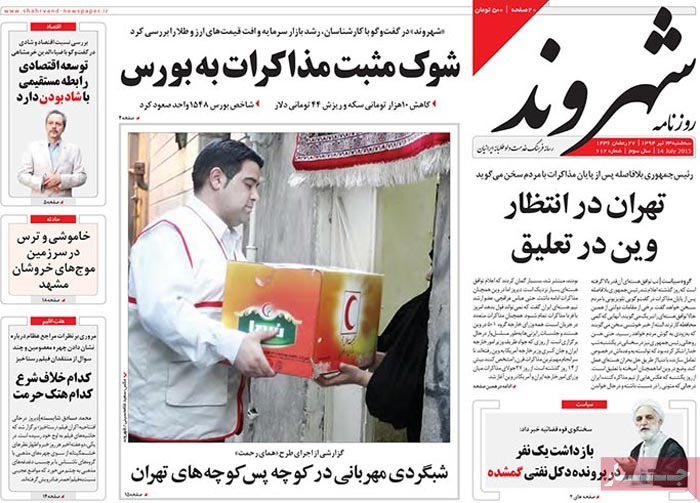
Shahrvand: Nuclear talks have given the stock market a shot in the arm.


A look at Iranian newspaper front pages on July 14