Tuesday, December 23, 2025
Home Blog Page 4702

Iran issues statement after approval of JCPOA by UNSC (Full Text)

139305101846561383325234

The Islamic Republic of Iran issued a statement after the 15-member United Nations Security Council on Monday unanimously adopted a resolution endorsing a document Iran and major world powers recently finalized on Tehran’s nuclear energy program.

The resolution had been negotiated as part of diplomatic talks between Iran and P5+1 (Russia, China, the US, Britain, France and Germany) in Vienna.

Iran and P5+1 on July 14 concluded more than two weeks of intensive talks in Austria. The negotiations resulted in a comprehensive 159-page document on Iran’s nuclear program.

Here is the full text of the statement:

In the name of God, the Compassionate, the Merciful

The Statement of the Islamic Republic of Iran

Following the Adoption of UN Security Council Resolution 2231 Endorsing

The Joint Comprehensive Plan of Action (JCPOA)

1. The Islamic Republic of Iran considers science and technology, including peaceful nuclear technology, as the common heritage of mankind. At the same time, on the basis of solid ideological, strategic and international principles, Iran categorically rejects weapons of mass destruction and particularly nuclear weapons as obsolete and inhuman, and detrimental to international peace and security. Inspired by the sublime Islamic teachings, and based on the views and practice of the late founder of the Islamic Revolution, Imam Khomeini, and the historic Fatwa of the leader of the Islamic Revolution, Ayatollah Khamenei, who has declared all weapons of mass destruction, particularly nuclear weapons, to be Haram (strictly forbidden) in Islamic jurisprudence, the Islamic Republic of Iran declares that it has always been the policy of the Islamic Republic of Iran to prohibit the acquisition, production, stockpiling or use of nuclear weapons.

2. The Islamic Republic of Iran underlines the imperative of total elimination of nuclear weapons, as a requirement of international security and an obligation under the Treaty on the Non-Proliferation of Nuclear Weapons (NPT).The Islamic Republic of Iran is determined to engage actively in all international diplomatic and legal efforts to save humanity from the menace of nuclear weapons and their proliferation, including through the establishment of Nuclear Weapons Free Zones, particularly in the Middle East.

3. The Islamic Republic of Iran firmly insists that States parties to the NPT shall not be prevented from enjoying their inalienable rights under the Treaty to develop research, production and use of nuclear energy for peaceful purposes without discrimination and in conformity with Articles I and II of NPT.

4. The finalization of the Joint Comprehensive Plan of Action (JCPOA) on 14 July 2015 signifies a momentous step by the Islamic Republic of Iran and E3/EU+3 to resolve, through negotiations and based on mutual respect, an unnecessary crisis, which had been manufactured by baseless allegations about Iranian peaceful nuclear program, followed by unjustified politically-motivated measures against the people of Iran.

5. The JCPOA is premised on reciprocal commitments by Iran and E3/EU+3, ensuring the exclusively peaceful nature of Iran’s nuclear program, on the one hand, and the termination of all provisions of Security Council resolutions 1696 (2006), 1737 (2006), 1747 (2007), 1803 (2008), 1835 (2008), 1929 (2010) and 2224 (2015) and comprehensive lifting of all United Nations Security Council sanctions, and all nuclear-related sanctions imposed by the United States and the European Union and its member-states, on the other. The Islamic Republic of Iran is committed to implement its voluntary undertakings in good faith contingent upon same good faith implementation of all undertakings, including those involving the removal of sanctions and restrictive measures, by E3/EU+3 under the JCPOA.

6. Removal of nuclear-related sanctions and restrictive measures by European Union and the United States would mean that transactions and activities referred to under the JCPOA could be carried out with Iran and its entities anywhere in the world without fear of retributions from extraterritorial harassment, and all persons would be able to freely choose to engage in commercial and financial transactions with Iran. It is clearly spelled out in the JCPOA that both EU and the U.S. will refrain from re-introducing or re-imposing the sanctions and restrictive measures lifted under the JCPOA. It is understood that reintroduction or re-imposition, including through extension, of the sanctions and restrictive measures will constitute significant non-performance which would relieve Iran from its commitments in part or in whole. Removal of sanctions further necessitates taking appropriate domestic legal and administrative measures, including legislative and regulatory measures to effectuate the removal of sanctions. The JCPOA requires an effective end to all discriminatory compliance measures and procedures as well as public statements inconsistent with the intent of the agreement. Iran underlines the agreement by JCPOA participants that immediately after the adoption of the Security Council resolution endorsing the JCPOA, the EU, its Member States and the United States will begin consultation with Iran regarding relevant guidelines and publicly accessible statements on the details of sanctions or restrictive measures to be lifted under the JCPOA.

7. The Islamic Republic of Iran will pursue its peaceful nuclear program, including its enrichment and enrichment R&D, consistent with its own plan as agreed in the JCPOA, and will work closely with its counterparts to ensure that the agreement will endure the test of time and achieve all its objectives. This commitment is based on assurances by E3/EU+3 that they will cooperate in this peaceful program consistent with their commitments under the JCPOA. It is understood and agreed that, through steps agreed with the IAEA, all past and present issues of concern will be considered and concluded by the IAEA Board of Governors before the end of 2015. IAEA has consistently concluded heretofore that Iran’s declared activities are exclusively peaceful. Application of the Additional Protocol henceforth is intended to pave the way for a broader conclusion that no undeclared activity is evidenced in Iran either. To this end, The Islamic Republic of Iran will cooperate with IAEA, in accordance with the terms of the Additional Protocol as applied to all signatories. IAEA should, at the same time, exercise vigilance to ensure full protection of all confidential information. The Islamic Republic of Iran has always fulfilled its international non-proliferation obligations scrupulously and will meticulously declare all its relevant activities under the Additional Protocol.  In this context, since no nuclear activity is or will ever be carried out in any military facility, the Islamic Republic of Iran is confident that such facilities will not be the subject of inspection requests.

8. The Joint Commission established under the JCPOA should be enabled to address and resolve disputes in an impartial, effective, efficient and expeditious manner. Its primary role is to address complaints by Iran and ensure that effects of sanctions lifting stipulated in the JCPOA will be fully realized. The Islamic Republic of Iran may reconsider its commitments under the JCPOA,  if the effects of the termination of the UNSC sanction, or EU or US nuclear related sanctions or restrictive measures are impaired by continued application or the imposition of new sanctions with a nature and scope identical or similar to those that were in place prior to the Implementation Date, irrespective of whether such new sanctions are introduced on nuclear related or other grounds, unless the issues are remedied within a reasonably short time.

9. Reciprocal measures, envisaged in the dispute Settlement mechanism of JCPOA, to redress significant non-performance are considered as the last resort, if significant non-performance persists and is not remedied within the arrangements provided for in JCPOA. The Islamic Republic of Iran considers such measures as highly unlikely, as the objective is to ensure compliance rather than provide an excuse for arbitrary reversibility or means for pressure or manipulation. Iran is committed to fully implement its voluntary commitments in good faith. In order to ensure continued compliance by all JCPOA participants, the Islamic Republic of Iran underlines that in case the mechanism is applied against Iran or its entities and sanctions, particularly Security Council measures, are restored, the Islamic Republic of Iran will treat this as grounds to cease performing its commitments under the JCPOA, and to reconsider its cooperation with the IAEA.

10. The Islamic Republic of Iran underlines the common understanding and clearly-stated agreement of all JCPOA participants that affirms that the provisions of the Security Council Resolution 2231, endorsing the JCPOA, do not constitute provisions of the JCPOA, and can in no way impact performance of the JCPOA.

11. The Government of the Islamic Republic of Iran is determined to actively contribute to promotion of peace and stability in the region in the face of increasing threat of terrorism and violent extremism. Iran will continue its leading role in fighting this menace and stands ready to cooperate fully with its neighbors and the international community in dealing with this common global threat. Moreover, the Islamic Republic of Iran will continue to take necessary measures to strengthen its defense capabilities in order to protect its sovereignty, independence and territorial integrity against any aggression and to counter the menace of terrorism in the region. In this context, Iranian military capabilities, including ballistic missiles, are exclusively for legitimate defense. They have not been designed for WMD capability, and are thus outside the purview or competence of the Security Council resolution and its annexes.

12. The Islamic Republic of Iran expects to see meaningful realization of the fundamental shift in the Security Council’s approach envisaged in the preamble of SCR 2231. The Council has an abysmal track record in dealing with Iran, starting with its acquiescing silence in the face of a war of aggression by Saddam Hussein against Iran in 1980, its refusal from 1984 to 1988 to condemn, let alone act against, massive, systematic and wide-spread use of chemical weapons against Iranian soldiers and civilians by Saddam Hussein, and the continued material and intelligence support for Saddam Hussein’s chemical warfare by several of its members. Even after Saddam invaded Kuwait, the Security Council not only obdurately refused to rectify its malice against the people of Iran, but went even further and imposed ostensibly WMD-driven sanctions against these victims of chemical warfare and Council’s acquiescing silence. Instead of at least noting the fact that Iran had not even retaliated against Saddam Hussein’s use of chemical weapons, the Council rushed to act on politically-charged baseless allegations against Iran, and unjustifiably imposed a wide range of sanctions against the Iranian people as retribution for their resistance to coercive pressures to abandon their peaceful nuclear program.  It is important to remember that these sanctions, which should not have been imposed in the first place, are the subject of removal under the JCPOA and UNSCR 2231.

13. Therefore, the Islamic Republic of Iran continues to insist that all sanctions and restrictive measures introduced and applied against the people of Iran, including those applied under the pretext of its nuclear program, have been baseless, unjust and unlawful. Hence, nothing in the JCPOA shall be construed to imply, directly or indirectly, an admission of or acquiescence by the Islamic Republic of Iran in the legitimacy, validity or enforceability of the sanctions and restrictive measures adopted against Iran by the UNSC, the EU or its Member States, the United States or any other State, nor shall it be construed as a waiver or a limitation on the exercise of any related right the Islamic Republic of Iran is entitled to under relevant national legislations, international instruments or legal principles.

14. The Islamic Republic of Iran is confident that the good-faith implementation of the JCPOA by all its participants will help restore the confidence of Iranian people who have been unduly subjected to illegal pressure and coercion under the pretext of this manufactured crisis, and will open new possibilities for cooperation in dealing with real global challenges and actual threats to regional security. Our region has long been mired in undue tension while extremists and terrorists continue to gain and maintain grounds. It is high time to redirect attention and focus on these imminent threats and seek and pursue effective means to defeat this common menace.
Germany seeks ‘stable’ economic ties with Iran

4bff596d-c33d-427f-beac-87c09093fa99

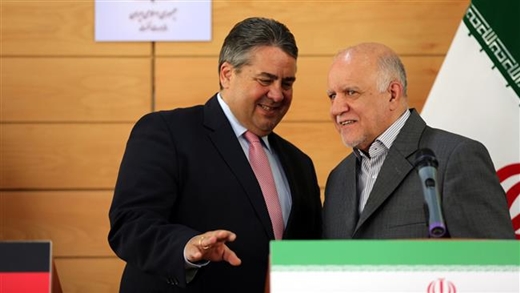
Germany’s economy minister and Chancellor Angela Merkel’s deputy says Berlin is after setting up “lasting and stable” economic ties with Iran.

“German companies are not only prepared to sell products to Iran, but also seek to expand lasting and stable economic cooperation (with the country),” Sigmar Gabriel was quoted as saying by the Iranian media on Monday.

The German official also pointed to the long-lasting trade ties between Berlin and Tehran and said German companies are ready to transfer technology and technical know-how to Iran as part of efforts to re-engage with the country on economic matters.

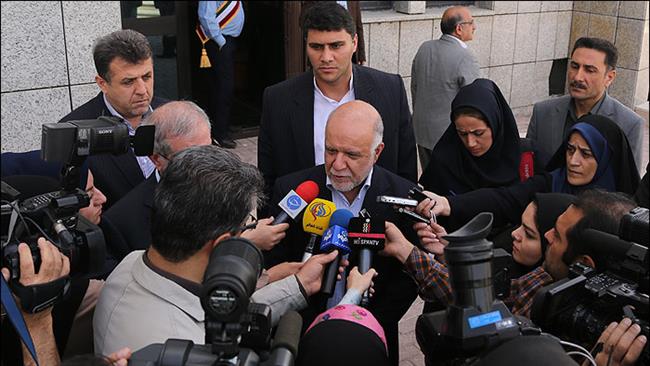
He made the comments during a meeting with Iran’s Petroleum Minister Bijan Zanganeh in Tehran.

The German official also said a ministerial-level meeting of Germany-Iran economic commission would take place early next year in Tehran.

“After the removal of sanctions, German companies will start to cooperate with Iran to modernize the country’s industries,” he noted.

Accompanied by dozens of German business leaders, Gabriel is on an official visit to Iran in a bid to revive trade ties with Tehran.

German exports to Iran reached 4.4 billion euros in 2005 but plunged to 1.8 billion euros eight years later as the US and its Western allies imposed sanctions on Iran over its nuclear program.

German economy and energy minister is the first high-ranking Western official visiting Iran after the conclusion of nuclear talks between Tehran P5+1.

The talks have been aimed at securing a comprehensive deal which will see all sanctions against Iran removed in exchange for certain curbs on Tehran’s nuclear program.

Many Western companies, including German firms, have already kept a close eye on the final result of the nuclear talks between Iran and the five permanent members of UN Security Council plus Germany, amid rising hopes of returning to the country’s untapped market of 78 million people.

China won’t return Iran’s oil money even after a deal: Former top banker

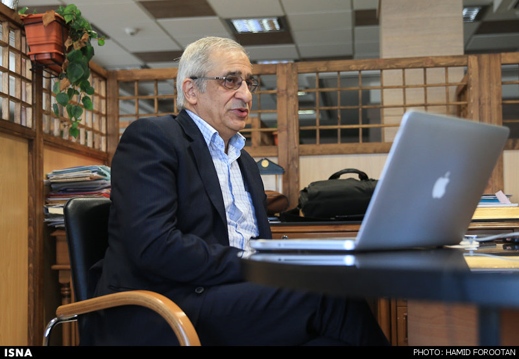
Tahmasb Mazaheri

Iran’s oil money in China does not fall into the category of frozen assets; it is even worse and China won’t release it even after the finalization of a nuclear deal, the former governor of the Central Bank of Iran has said.

The following is the translation of a report Donyay-e Eghtesad daily ran on the comments of the former top banker on July 20:

Tahmasb Mazaheri said that the Central Bank is the only authority who know how much in Iranian assets has been frozen overseas. “Any figure released by any other institution is mere speculation. My guess would be as good as anyone else’s. I believe the frozen assets are somewhere between 20-25 billion dollars.”

Mazaheri, who also served as the minister of economy and financial affairs, further said under a deal the previous government signed with the Chinese, the Chinese have been entrusted with holding Iran’s assets.

He went on to say that the West has frozen our assets and will release them once a deal is finalized. “But the Chinese won’t return the Iranian money even after a deal has been struck. Instead, their middlemen will sell us inferior products at a premium on commission.”

Apple and Boeing are welcome, but not McDonald’s

Boeing-Apple-Macdonalds

After American hamburger giant McDonald’s posted an international franchising application for Iran, Haft-e Sobh daily published a report on July 20 which argued that the American juggernauts such as Apple and Boeing are welcome in Iran, but not McDonald’s.

The following is the translation of part of that report:

[…] A few years after the victory of the Islamic Revolution, McDonald’s had its brand registered in Iran. But the negative reaction establishment of McDonald’s outlets drew inside the country in the late ’80s forced authorities to call off the opening of a McDonald’s outlet on the same day it was expected to happen.

The new opposition to McDonald’s has reportedly its roots in the fact that the fast-food giant is known around the world as a symbol of Americanism. That is why its reentry into the Iranian market might be faced with a lot of difficulties.

Iranian defense minister rules out any access to military sites

139402131042443195222944

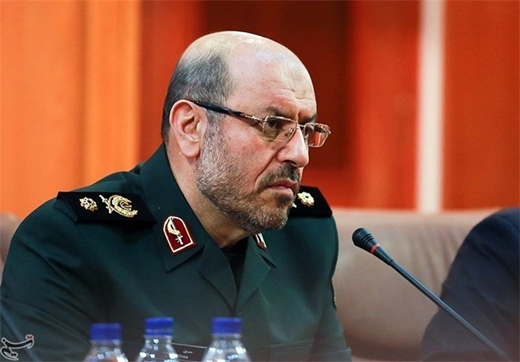
Iranian Defense Minister Brigadier General Hossein Dehghan reiterated Tehran’s red line on any access to military sites under the pretext of nuclear inspection, saying that the Islamic Republic will not give any international authority access to its military secrets.

“The (nuclear) agreement was the outcome of the Iranian nation’s resistance and bravery, the judicious guidelines of Supreme Leader of the Islamic Revolution (Ayatollah Seyyed Ali Khamenei) and the wisdom and strength of the nuclear negotiating team,” General Dehghan said in a speech on Monday.

“Definitely, we will not give any (international) authority access to our military and security secrets,” he underscored.

He made the remarks in reference to last week’s conclusion of nuclear talks between Iran and P5+1 (Russia, China, the US, Britain, France and Germany).

The minister added that the implementation of the agreement requires the six states’ compliance with the red lines of the Islamic Republic and efforts to gain the Iranian nations’ confidence.

Back on April 9, Ayatollah Khamenei categorically rejected foreign access to the country’s “security and defensive” sectors under the pretext of nuclear monitoring.

Iran and P5+1 concluded more than two weeks of intensive talks over Tehran’s nuclear program in Vienna on July 14.

The negotiating parties reached a conclusion over the text of a comprehensive 159-page deal on the nuclear issue after 22 months of talks.

Seminary student opens brew bar

1

No one says you are doomed to a traditional lifestyle when you are a student at a seminary school. There are many seminary students in Iran who engage in modern social activities. At times their foray into the unusual is frowned upon.

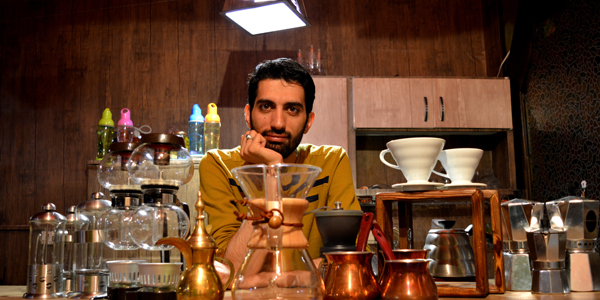
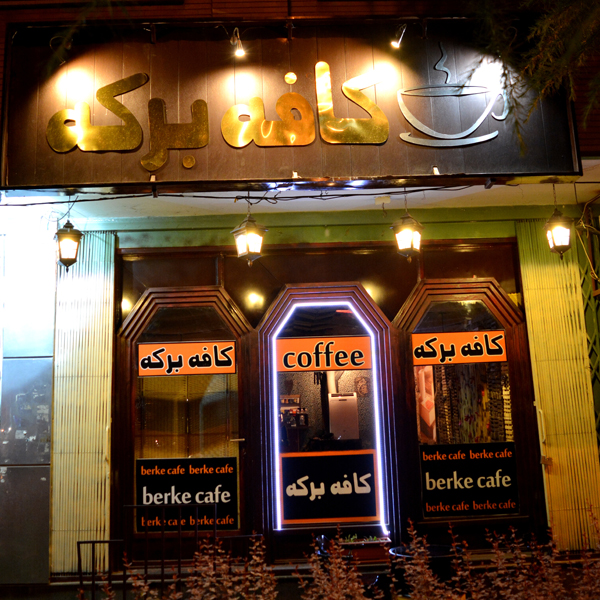
One such student, Hadi Hosseini has recently opened up a café, or what he calls a “brew bar”, in his home town: Isfahan in central Iran.

“We usually give our foreign customers a package. This place abounds with tourists because of its proximity to the city’s main tourist spot. The package contains a copy of the letter the Supreme Leader wrote to the European youth. Some time ago a Danish man came here and said he had read the letter already but had some questions about its content. I said I was ready to answer his questions. It took us a cool three hours to go through all his questions,” Hadi said in an interview with bultannews.com.

What follows is the translation of an excerpt of the interview:

You are a seminary student, why this?

Ever since I started studying in university and then in seminary, I have always had a job. I have done marketing, freelance taxi driving, and even journalism. I believe working is a necessity for everyone.

During the war my family was on the move. Once I returned to Isfahan, my wife had a sum. So we decided to start a business. We had several options to choose from, among them a fast-food restaurant, a trade company and or a café. After much thinking and consulting experts, we decided to open this shop.

Why did you choose a café?

I believe seminary clerics must be in contact with people and live among them. The more we reach out to different social strata, the more impact we can have on them. People from all walks of life come here to spend some time. This is the best opportunity for a cleric like me to tell them what they need to hear about Islam. When a customer sees a café owner has religious looks and receives them well, they will probably become a regular and take a liking to what they have to say.

Have you tried to make this place look religious?

No, not at all. As you can see, we have opted for a romantic décor in here. Except for a few photos of famous poets, actors, politicians and thinkers which have given this place a social tinge, no other symbols can be seen in the café. Customers here are not treated based on how they look, whether religious or not.

Have you ever received any training for what you are doing here or you have learned the ropes over time?

Our religion instructs us to do everything based on knowledge and training. Accordingly, before opening this place I started looking for a trainer. I came across a member of the Coffee Association of Europe who had officiated at a final round of a barista competition in Iran. I took two training courses with this man. I am proud to say that we are Isfahan’s first “brew bar”. Very few brew bars are up and running in Iran, and we are one of them.

How was the café received by your friends and acquaintances?

Up to 80 percent of the reactions have been positive and encouraging. I have been flattered by their comments about my venture. Others do not approve of the move and sometimes make sarcastic comments. I am sure these comments are out of concern, so I don’t get offended.

2

Iran oil to hit 4.7 million bpd ‘soon’

Zangeneh-Iran-Oil-Minister

Minister of Petroleum Bijan Zanganeh says Iran will raise its oil recovery to 4.7 million barrels per day “in the near future” and unveil its new Iran Petroleum Contract (IPC) in the month which begins on Aug. 23.

He made the announcement on Monday at a meeting with a delegation of German state officials and executives of industries and businesses headed by Economy Minister Sigmar Gabriel on their visit to Tehran.

“Iran has the biggest hydrocarbon reserves in the world and deems itself responsible for the world’s energy security,” Zanganeh said.

“Gas production in Iran will surpass 1,000 million cubic meters per day in the next three days. Moreover, oil production is expected to reach 4.7 million bpd in the near future,” he added.

The country plans to restore its oil production which intensified Western sanctions have sliced by half. To achieve that goal, Iran has lined up new contracts in order to attract foreign investors to its ageing oilfields to ramp up output.

Zanganeh said he hoped German companies would participate in Iran’s oil industry projects after the new contracts were announced.

“Investment in the petrochemical sector, refining, storage, energy use optimization and development of new energies are among many of the projects which German companies will participate in,” he said.

Executives from Linde, an industrial gases and engineering company, and Europe’s biggest engineering company, Siemens, are accompanying Gabriel along with representatives of other big German firms on the visit to Tehran.

In a joint news conference with Zanganeh, Gabriel said it was time for Iran and Germany to “open a new chapter in economic ties”, the website of Ministry of Petroleum’s Shana news agency said.

“Some people believe the effects of the nuclear agreement will not be tangible but we want to prove that this accord will kick-start economic cooperation and have positive impact on the life and prosperity of the people and lead to a boom in business,” it quoted Gabriel as saying.

Zanganeh said Iran is also counting on small- and medium-size German companies for the implementation of projects.

“For contracting and EPC (engineering, procurement, construction) contractors, it is in the best interests of the German companies to register in Iran and work along with Iranian firms,” he said.

“Iran has a very valuable educated workforce which Germany companies can use,” he added.

Zanganeh said the most immediate hurdle to bilateral trade was banking and insurance restrictions which the sanctions have created.

“We hope this issue will be resolved as soon as possible so that an immediate cooperation of the companies is facilitated.”

The minister said Iran and Germany will soon hold their first joint trade meeting after a 14-year gap.

German officials foresee bilateral trade, which totaled 2.7 billion euros ($3 billion) in 2014, expanding to 6 or 7 billion euros in 2016.

Zarif hits back at US official for ‘military option’ remark

‘Political resolve, goodwill key for comprehensive nuclear deal’

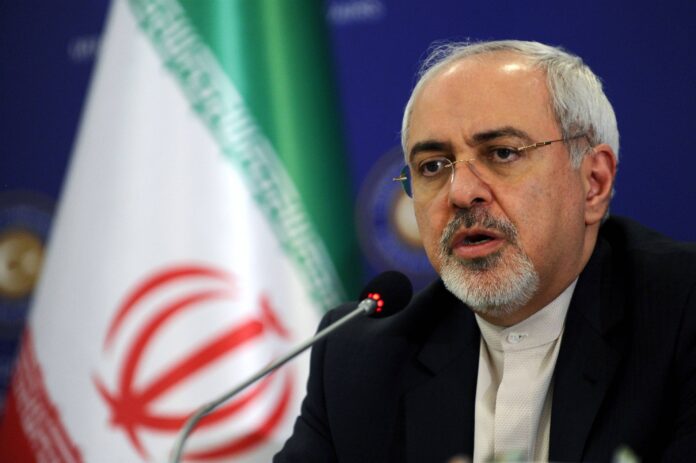
Iran’s Foreign Minister Mohammad Javad Zarif says those who have used the language of force against the Islamic Republic after the successful conclusion of negotiations between the country and the P5+1 are incapable of properly engaging in diplomacy.

“At a time when the world considers last week’s agreement in Vienna the victory of diplomacy over war and violence, unfortunately, there still are people who speak of the illegal and illegitimate use of force to achieve their delusional objectives,” Zarif told IRNA on Monday.

Zarif made the remarks after US Defense Secretary Ashton Carter said on Sunday that the agreement between Iran and P5+1 does not prevent Washington from using military force against the Islamic Republic.

“One of the reasons why this deal is a good one is that it does nothing to prevent the military option,” Carter told reporters on board a flight to Israel.

Zarif, who led Iran’s negotiating team with P5+1, further said, “These individuals do not seem to be able to understand that the use of force to violate others’ rights is not an option, but a dangerous and injudicious temptation,” Zarif said.

The use of force is “often put forth by those who lack the necessary capacity and capability to manage, push forward and consolidate diplomacy,” the Iranian foreign minister said.

[…]

Tehran storm catches citizens off guard, kills 20

storm

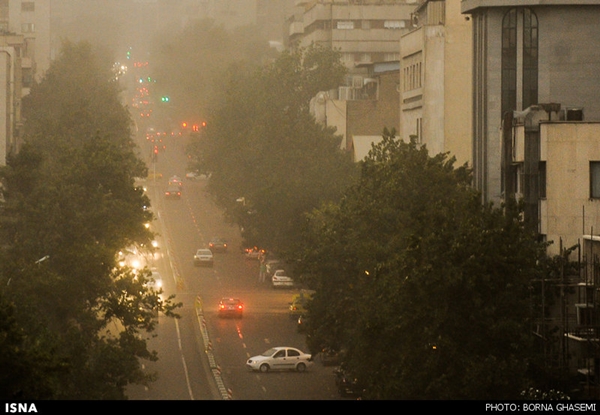
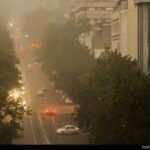
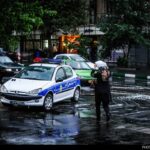
At least 20 people lost their lives as a freak storm hit the Iranian capital Sunday evening followed by heavy downpour almost halfway through a very hot summer.

Abolfazl Ghanaati, a member of the Presiding Board of Tehran City Council, said that the flood, triggered by heavy rainfall, caused a rockslide in Emamzadeh Davood district in the northwest of the Tehran.

Entekhab.ir, a news website, published a report on the freak weather in Tehran on Monday and the number of causalities. The following is the translation of the report:

The city councilor said that the rockslide knocked down trees, adding that a number of people trapped in the storm path lost their lives.

He further said details on casualty reports are still sketchy, adding the storm has claimed around 20 lives in the province.

Casualties in Karaj, Alborz Province

Heavy downpour caused the Karaj River to burst its banks Sunday night, leaving five people dead and more than ten others injured.

An official with the Crisis Management Center in Alborz Province said that the overflowing river washed away more than 50 cars on Karaj-Chalus road, adding that 15 cars have been recovered so far.

Meanwhile, an official with the Alborz Provincial Red Crescent Department said that according to local accounts as many as a dozen people have gone missing.


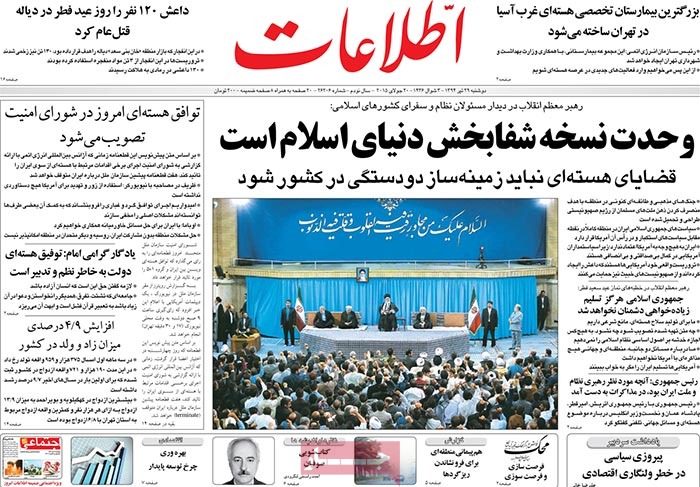
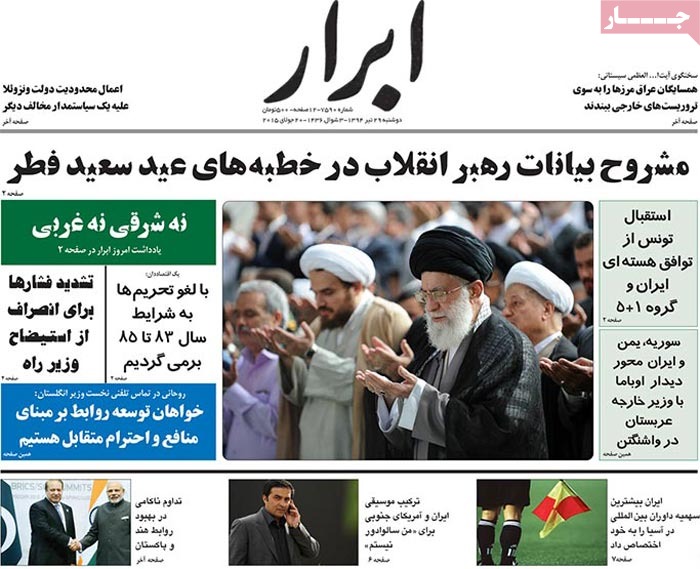
A look at Iranian newspaper front pages on July 20

Iranian Newspapers Headlines

The comments of the Supreme Leader that the nuclear issue should not create division among the Iranian people dominated the front pages of Iranian newspapers on Monday.  


Ettela’at: “Unity is the only remedy for the world of Islam,” said the Supreme Leader at a meeting with state officials and Islamic ambassadors based in Tehran.

Ayatollah Khamenei also said that the nuclear issue should not divide the nation.


A look at Iranian newspaper front pages on July 20


Abrar: “We are in favor of expansion of ties based on mutual interests and respect,” President Hassan Rouhani told the British prime minister on the phone.


A look at Iranian newspaper front pages on July 20


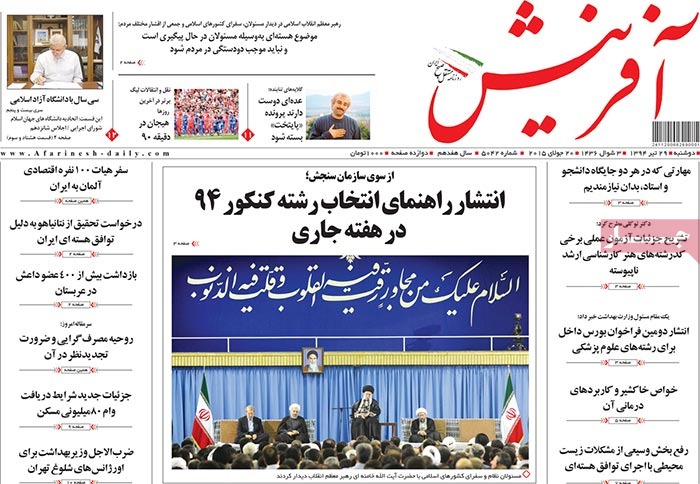
Afarinesh: Saudi Arabia has arrested more than 400 IS terrorists.


A look at Iranian newspaper front pages on July 20


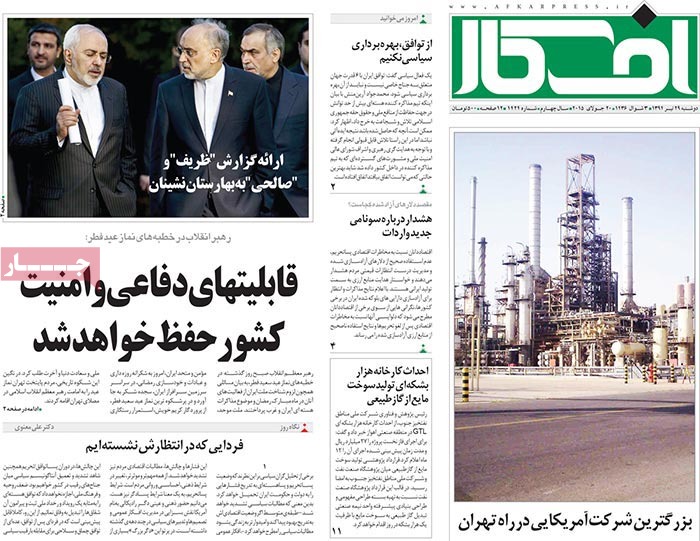
Afkar: “The country’s defense and security capabilities will be maintained,” said the Supreme Leader.

Afkar: Zarif and Salehi will be in Baharestan [a Tehran street where parliament is located] to present a nuclear report to MPs.


A look at Iranian newspaper front pages on July 20


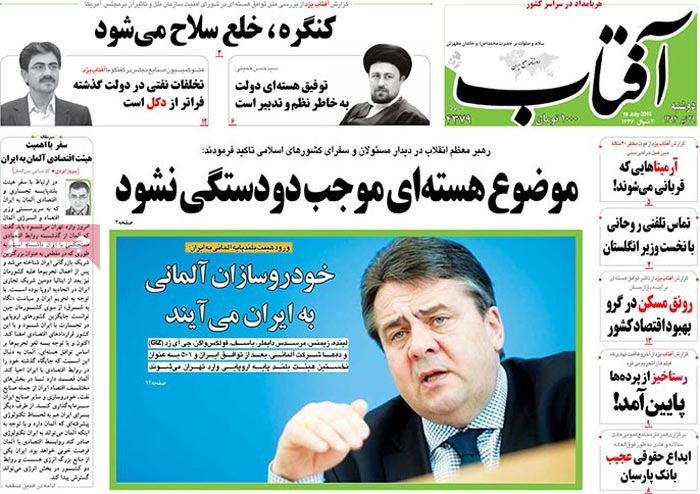
Aftab-e Yazd: “The oil-related offenses of the previous government are not limited to [the disappearance of] an oil derrick,” said a member of parliament’s Industries Committee.

Aftab-e Yazd: German carmakers make an Iran comeback.

Representatives of German automakers arrive in Tehran as part of a first Western delegation visiting Tehran in the wake of the nuclear deal.


A look at Iranian newspaper front pages on July 20


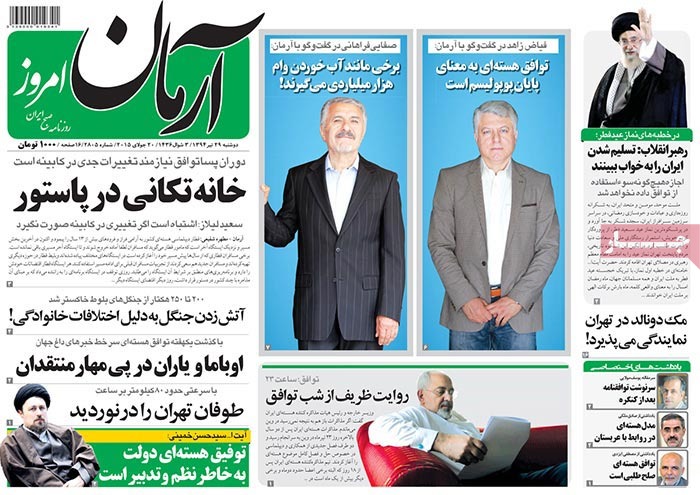
Arman-e Emrooz: “The nuclear deal will spell an end to populism,” said Fayyaz Zahed, a university professor and reformist activist.

Arman-e Emrooz: The post-deal era requires major changes in the Cabinet lineup.

“Failure to introduce a shakeup would be a big mistake,” said economist Saeed Laylaz.

Arman-e Emrooz: A storm with gusts of 80 kph ripped through Tehran.

Arman-e Emrooz: McDonald’s is to set up an outlet in Tehran!


A look at Iranian newspaper front pages on July 20


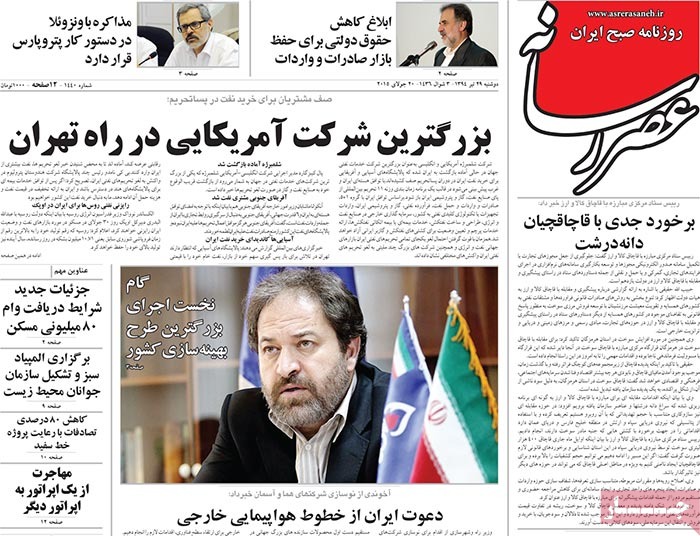
Asr-e Rasaneh: The biggest American company on its way to Tehran to purchase Iranian oil in the post-sanctions era.


A look at Iranian newspaper front pages on July 20


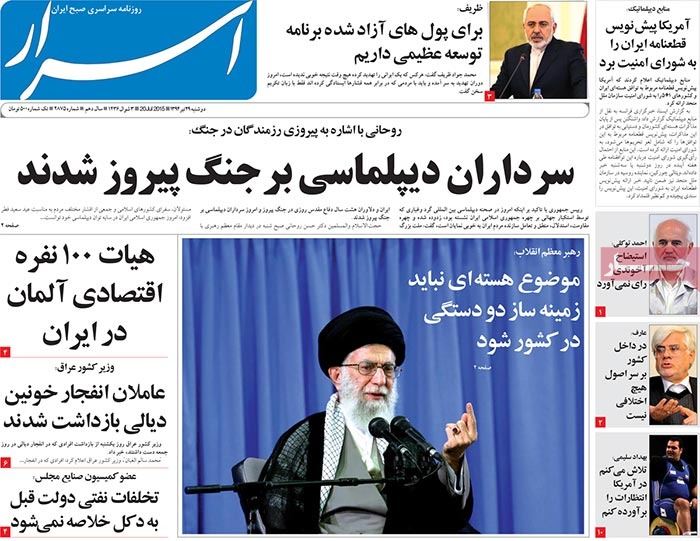
Asrar: “We have a massive development plan to implement when our assets are unfrozen,” said Foreign Minister Zarif.

Asrar: The Iraqi interior minister has said that those behind the deadly bombing in Diyala have been arrested.


A look at Iranian newspaper front pages on July 20


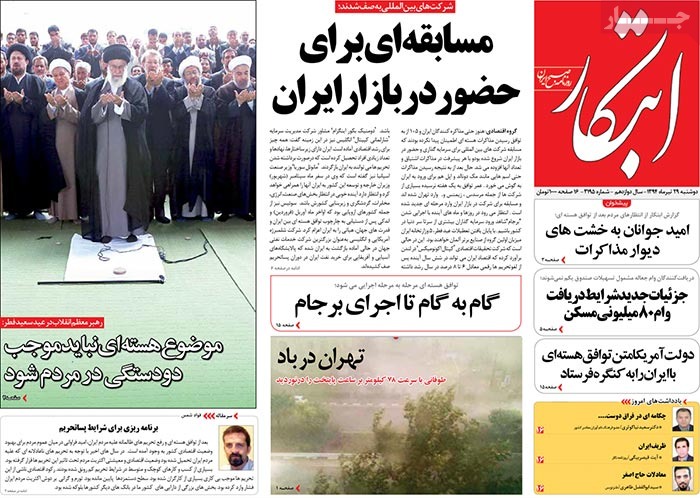
Ebtekar: The race is on for presence in Iran’s market.

Ebtekar: “The nuclear issue should not spark division in the country,” said the Supreme Leader.


A look at Iranian newspaper front pages on July 20


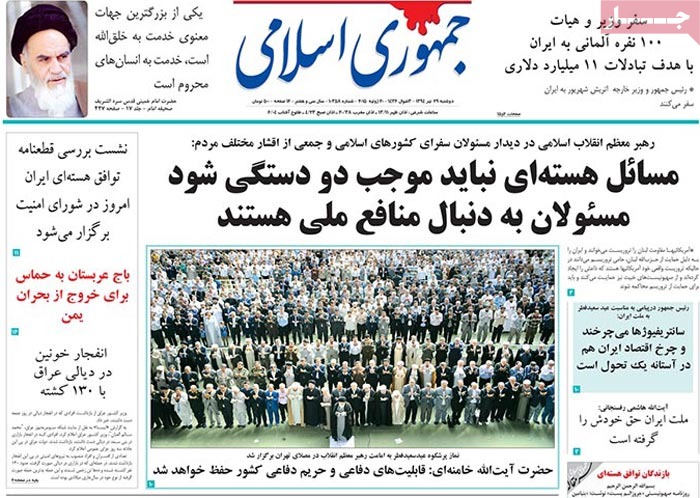
Jomhouri Islami: “The Iranian nation has reclaimed its right,” Chairman of the Expediency Council Ayatollah Akbar Hashemi Rafsanjani said.


A look at Iranian newspaper front pages on July 20


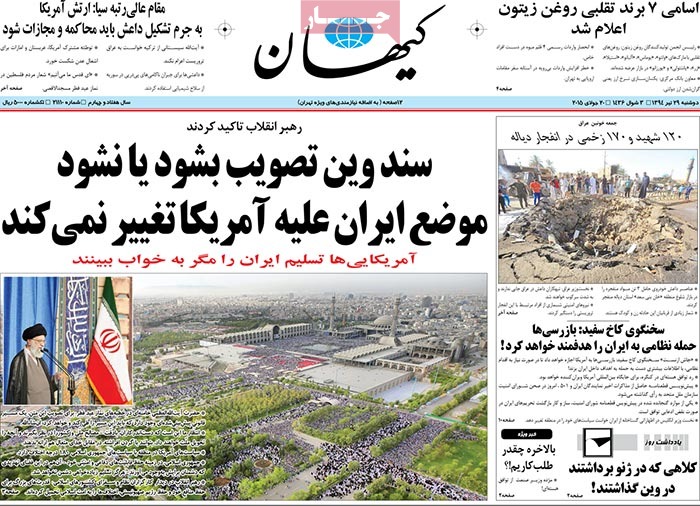
Kayhan: “Whether or not the Vienna deal is approved, Iran’s stance vis-à-vis the US won’t change,” said the Supreme Leader.

“Only in their dreams will the Americans see Iran capitulate,” Ayatollah Khamenei said.


A look at Iranian newspaper front pages on July 20


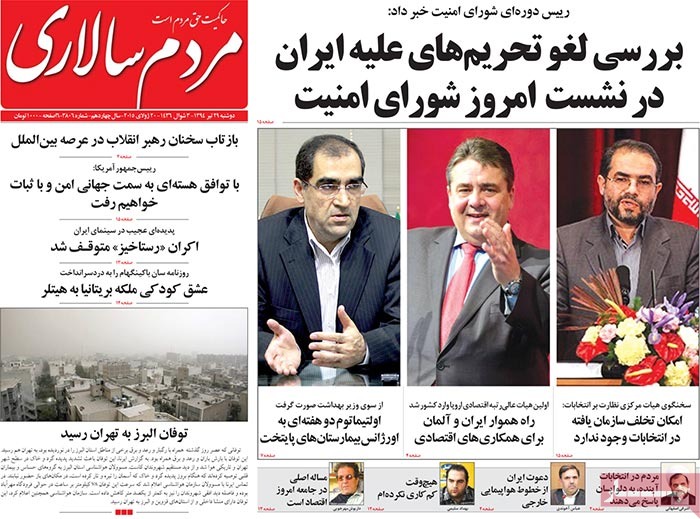
Mardomsalari: The health minister has given the capital’s hospitals two weeks to get their ER house in order.


A look at Iranian newspaper front pages on July 20


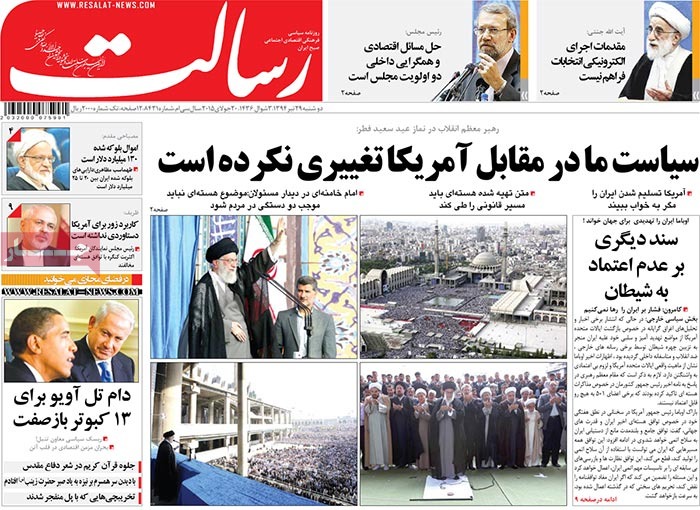
Resalat: “The stage is not set for holding electronic elections,” said the secretary of the Guardian Council.


A look at Iranian newspaper front pages on July 20


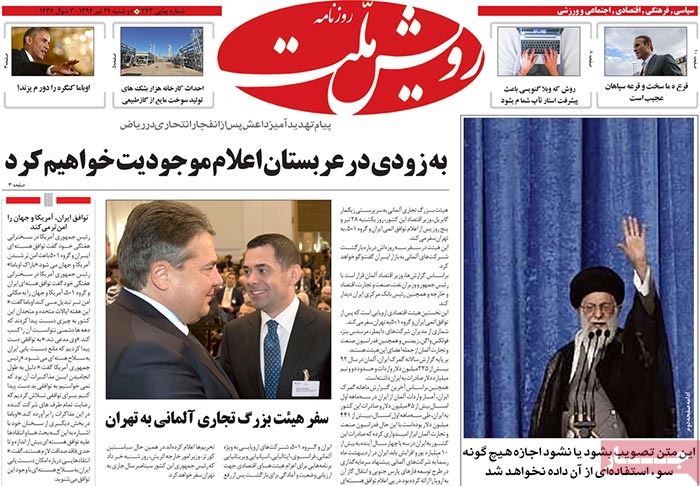
Rooyesh-e Mellat: In a threatening message, IS has said that it will soon make its presence in Saudi Arabia official.


A look at Iranian newspaper front pages on July 20


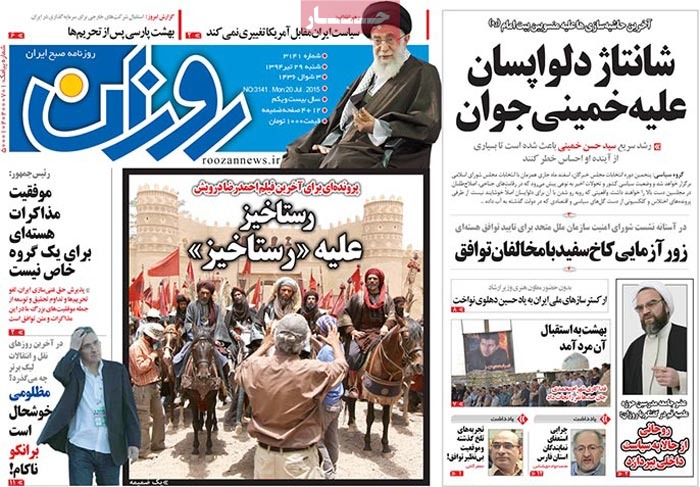
Roozan: “The breakthrough in nuclear talks is not limited to one group,” said President Rouhani.


A look at Iranian newspaper front pages on July 20