Thursday, December 25, 2025
Home Blog Page 4691

Syrians, not others, should decide Syria’s fate: Iranian FM

Zarif-Syria

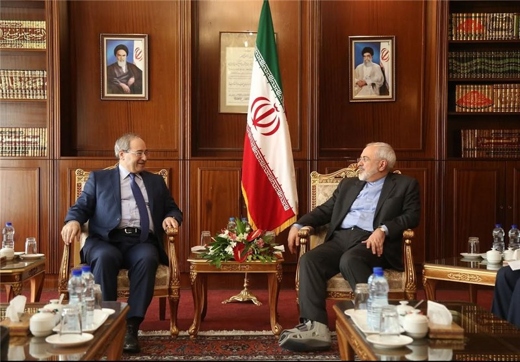
Iranian Foreign Minister Mohammad Javad Zarif on Wednesday reaffirmed Tehran’s support for the peaceful resolution of ongoing crisis in Syria, reiterating that the Syrian people are the ones who should determine their future.

“The Islamic Republic of Iran’s policy on Syria is based on clear, logical, and firm principles,” Zarif said in a meeting with Syrian Deputy Foreign Minister Faisal Mekdad in Tehran.

“We believe the Syrian people themselves should decide their future and fate,” the Iranian minister stressed, adding that other countries can at most play the role of a facilitator in the process of resolving the crisis in Syria.

[…]

Zarif hailed the Vienna talks as “a good move towards a political solution”, adding that Iran clearly voiced its positions on Syria in the conference.

Mekdad, for his part, appreciated Tehran’s support for the Syrian nation and government, saying Iran’s measures will be recorded in history.

“We are grateful for your previous and recent efforts in helping resolve the crisis,” he said, adding that the Syrian nation will always remember Iran’s positive role.

Syria has been in a civil war since 2011, with opposition factions and terrorist groups such as ISIL and the Nusra Front fighting the Syrian Army.

More than 250,000 people have been killed so far in Syria due to the violence perpetrated by the terrorists.

Iran, China urge enhanced cooperation for global peace

Iran-China-military

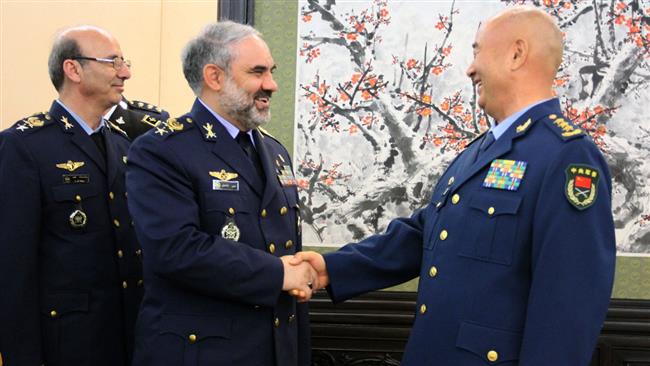
Air force commanders of Iran and China have stressed the importance of bolstering strategic cooperation in a bid to improve regional and international peace and stability.

Commander of the Islamic Republic of Iran Air Force (IRIAF) Brigadier General Hassan Shah Safi, who is on an official visit to China at the head of a high-ranking military delegation, held a meeting with Ma Xiaotian, a member of China’s Central Military Commission and commander of the Chinese People’s Liberation Army (PLA) Air Force.

Shah Safi said the armed forces of Iran and China should work toward strengthening cooperation in all areas of common interest.

“We believe that these relations, in addition to serving the two sides’ interests, can guarantee peace, stability and security in Asia and even across the world,” the Iranian commander said.

He added that Tehran and Beijing are pursuing common goals such as independence and non-interference in the internal affairs of other countries.

The Chinese commander, for his part, said continued mutual relations will contribute to global peace and stability.

He added that Iran and China should do more to improve military cooperation.


Iran seeks to promote regional understanding, counter division: Official

Shamkhani

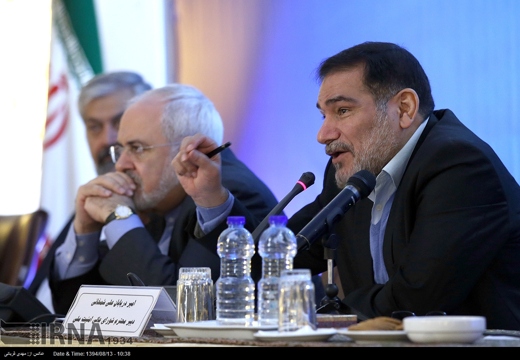
In an annual gathering of Iranian ambassadors and heads of the country’s diplomatic missions across the world Wednesday, Secretary of the Supreme National Security Council Ali Shamkhani described the Fight against Global Arrogance as the underpinning policy of the Islamic Republic.

What comes next is the translation of part of his remarks as reported by khabaronline.ir on November 4:

– The major mission of the heads of diplomatic missions abroad is to tap into diplomatic potential and to take the initiative in areas which are instrumental in the country’s national security.

– Effective use of the Leader’s unwavering support for the Iranian diplomatic apparatus and the success resulting from the policy of constructive interaction, along with tapping into new regional and international opportunities created following the conclusion of the Joint Comprehensive Plan of Action (JCPOA) requires tireless efforts by the foreign policy machine.

– The 9-point guidelines issued by the Supreme Leader along with the decisions of parliament and the Supreme National Security Council have created a solid framework for executive officials on how to follow up and wisely implement JCPOA.

– Sudden and unpredictable changes in regional equations have resulted in replacement of strategies with processes and this has complicated the role of crucial components in current developments.

– Emergence of fast-paced developments and the physical and arms losses terrorist groups have suffered across Syria of late showed that the US-led coalition involving 60 countries only sought to control and not counter terrorism and lacked any operational value.

– The strategy shift by America and Britain and their decision for continued presence in the region through establishment of new bases will give rise to growing regional instability and insecurity in the future.

– Most of Iran’s political activities in the post-JCPOA era have been focused on the promotion of regional cooperation. The country carries on with that trend to decrease disagreements and ease growing insecurity, promote understanding along with cooperation, and counter divisions provoked by trans-regional powers.

– Thanks to concerted and tireless efforts of different entities, particularly those active in areas such as foreign policy, security, defense and culture along with the success secured in nuclear talks with P5+1, Iran enjoys a unique position in terms of authority, stability and independence.

Shamkhani also answered a number of questions asked by participants on the Syrian crisis, the Russian military intervention in the Arab country, challenges that may come along in the implementation of JCPOA, and developments of Iraq and Yemen.

Untimely death of Chalabi, a bane of Iraq’s political process

Ahmed Chalabi

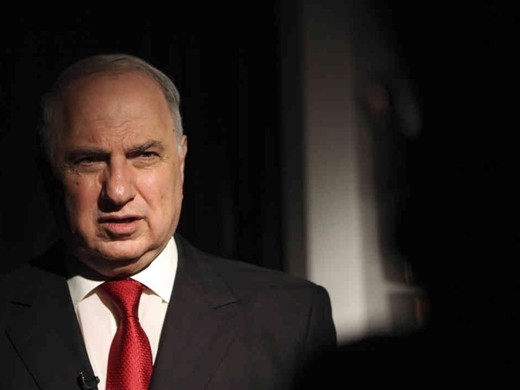
Ahmed Abdel Hadi Chalabi, who had recently assumed the responsibility of balancing the budget, unexpectedly left Iraq’s political and economic scenes at a time when the country’s economic crisis has come to a head. The untimely departure of the Iraqi politician and economist on November 3 came as a shock to everybody.

Chalabi, who has been characterized by world media as the key to the overthrow of one of the world’s most violent authoritarian regimes, died peacefully at the most critical times of the Iraqi political process. The absence of this statesman whose expertise is badly needed in his home country to help patch up differences and reconcile political movements will create a void in the struggling country.

Khabaronline.ir on Tuesday published a report on the death of the influential Iraqi politician and took a closer look at who Chalabi really was and what the former Iraqi deputy prime minister did during his 71-years-long life. The following is the translation of the report:

Chalabi’s background

Ahmed Chalabi, who earned a Ph.D. in mathematics from the University of Chicago and a bachelor’s of science degree in mathematics from the Massachusetts Institute of Technology, was cast – by the Western and Arab political experts – as the most controversial political figure in Iraq over the past three decades.

He hailed from a famous family in Iraq with political and economic leanings. His father was appointed commerce minister when Iraq was a kingdom. Ahmed was known as a key opponent of Saddam in the 80s and 90s.

The 2003 US-led invasion of Iraq

Chalabi was among the few political opponents of the Baath party [which ruled Iraq until the US-led invasion in 2003] who was openly cursed out in media. Accounts of his role in the country’s developments over the past 20 years are many. Chief among them is a report on his widespread political contacts from East to West which helped him convince the administration of George W. Bush (Bush 43) to take military action against Iraq and topple Saddam’s government.

Many analysts have commented on Chalabi’s lobbying power in the 90s and early 2000s, praising him as a rare political figure who managed to simultaneously establish close ties with the Islamic Republic of Iran and have friendly relations with Washington – up until the appointment of Paul Bremer as non-military ruler of the US in Iraq [leader of the occupational authority of Iraq following the 2003 US-led invasion]. He was also a close friend of Donald Rumsfeld, President Bush’s secretary of defense.

In Saddam’s Iraq

Chalabi was the only figure in Saddam’s Iraq who had the backing of most opposition groups. So when these groups agreed to act against Saddam under the same umbrella, Chalabi was picked as the leader of the new [integrated] political body. This led to the formation of the Iraqi National Congress (INC) which served as the umbrella Iraqi opposition group [and Chalabi headed the executive council of the INC].

The ensuing differences created rifts in the new political group, but Chalabi turned the congress into a political party which remains active in the country’s political landscape to date.

In post-Saddam Iraq      

Following the collapse of Saddam’s government in March 2003, there were confrontations between the US-backed government of [Prime Minister] Ayad Allawi and the movement led by Muqtada al-Sadr. Back then Chalabi forged an alliance of Shiites, stopped the killing of Sadr’s followers and foiled a US plot to kill Muqtada al-Sadr in Najaf.

Although Chalabi was a liberal figure, he was always viewed as a politician with close ties with the sources of emulation in Najaf thanks to his abidance by family traditions. In the 2014 elections, when he was asked about the reason why he had aligned himself with the Islamic Supreme Council of Iraq (ISCI), he replied that he had always been in alliance with the ISCI, citing the [deep-rooted] friendship between the Chalabi’s and the Hakim family which dated back to the time when Ayatollah Muhsin al-Hakim was a source of emulation.

Chalabi made it to parliament in the 2014 elections. As expected, he was placed at the helm of Iraq’s economic machine and was asked to draw up the 2015 budget. The general outlines of his budget plan drew the least amount of opposition in parliament.

He was also involved in balancing the 2016 budget, devising plans to regulate Iraq’s banking policies.

Chalabi’s end

Ahmed Chalabi died of a heart attack at his Kadhimiya residence in Baghdad on November 3. As a result of his death, the National Coalition – which is the biggest caucus in the Iraqi parliament – lost one of its strongest men.

Iraq needs people who favor talks and dialogue in critical conditions and Chalabi’s death will inflict huge losses on the country. Hamam Hamoudi, the first deputy speaker of the Iraqi parliament, in a message of condolences, described Chalabi’s death as a big loss for the political process in Iraq.

Chalabi’s death comes at a time when Iraq is being threatened by the world’s most barbaric terror group [ISIS]. More importantly, the Arab country is teetering on the brink of bankruptcy and the loss of Ahmed Chalabi who was a political and economic underpinning for his country will be badly felt.

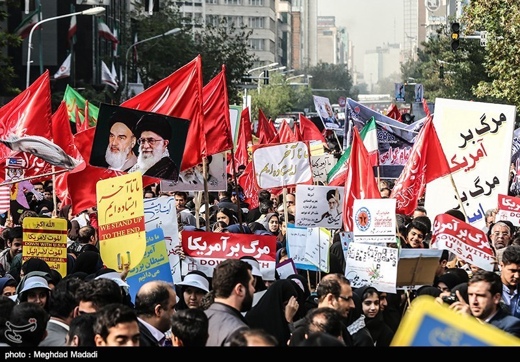
Iranians hold nationwide rallies to mark 1979 US embassy takeover

139408131429502746450234

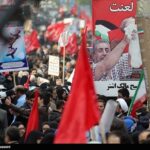
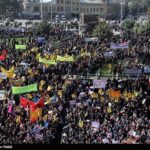
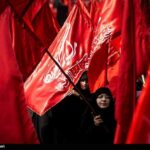
Iranians have held massive rallies across the country to mark the 36th anniversary of the 1979 takeover of the US embassy in Tehran.

Demonstrators gather outside the premises of the former US embassy, also known as the “Den of Espionage,” in Tehran every year and chant slogans against the US. People in other cities across the country also take to the streets to mark Student Day as well as National Day of the Fight against Global Arrogance.

Thirty six years ago on this day, a group of Iranian university students took over the US embassy, which they believed had turned into a center of espionage aimed at overthrowing the Islamic Republic following the country’s Islamic Revolution earlier in 1979.

Documents found at the compound later corroborated claims by revolutionary students that the US was using its Tehran embassy to hatch plots and overthrow the nascent Islamic establishment in Iran.

Fifty-two Americans from the embassy were held for 444 days until January 20, 1981.

Founder of the Islamic Republic Ayatollah Khomeini later hailed the event as “a second revolution” with a greater significance than the original revolution of the Iranian nation.


Iran signs landmark $6 billion power deal

power

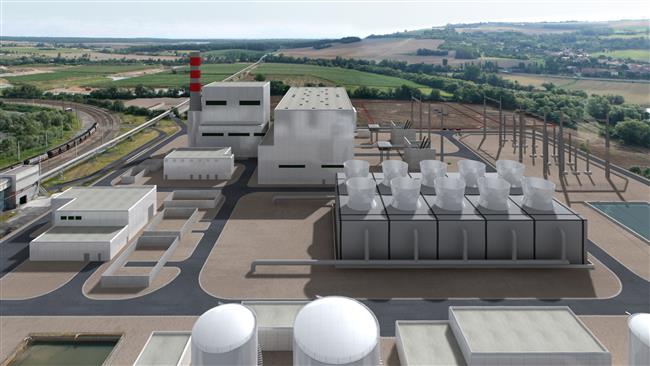
The Iranian government has signed an agreement worth $6 billion with a European company to build 4,250 MW of power capacity in the country.

The agreement between Iran’s Ministry of Energy and the foreign firm envisages developing gas-powered plants for 3,250 MW and wind farms for an additional 1,000 MW of electricity, Government Spokesman Mohammad Bagher Nobakht said.

“The big investment will be made by March under the existing political conditions where the Joint Comprehensive Plan of Action and the lifting of sanctions have not started yet,” he said.

Nobakht did not name the European company, but Tasnim news agency said Belgian UNIT International SA, which is already involved in construction of gas-fired power plants in Iran, was the likely developer.

The government just recently approved the establishment of a 3,250 MW capacity at Tabriz, Miyaneh and Aras sites in northwestern Iran and Zahedan in southeastern Iran, Tasnim News Agency reported.

“The plan is to be implemented for the first time in Iran with direct foreign investment,” the news agency added.

The sites for the wind farms have yet to be finalized. According to Tasnim, several locations across Iran, including Ahar and Sarab in the northwest, are being broached for the purpose.

Iran is the Middle East’s biggest electricity producer with a capacity of 70,000 megawatt-hours. Energy Minister Hamid Chitchian has said the country planned to raise it to more than 100,000 MW.

On Tuesday, Nobakht said some 5,000 MW of additional power is to be generated a year to meet the rising demand in the country of 80 million.

Renewable projects

The government is eyeing renewables as the new alternative to fossil fuels which constitute about 90% of Iran’s energy mix.

The existing renewable capacity is focused on hydro power plants which produce about 8,500 MW. Green power plants account for only 150 megawatts of electricity used in the country.

The government plans to install 5,000 MW of renewable capacity, putting Iran among the likes of the UK and France in this category. The Ministry of Energy is already implementing 500 MW wind converters and another 100 MW biomass projects.

The Middle East’s first geothermal power plant, a 50-megawatt pilot project, is being built at the foot of an inactive volcanic peak in the northwestern city of Meshginshahr.

However, Iran’s renewable energy potential is huge and only the wind capacity is estimated at 30,000 MW.

Foreign projects

German companies are reportedly about to begin building wind farms next year in Iran at a cost of $331 million. In August, they signed a document for generation of 100 MW of wind power plus 400 MW of solar in southern Khuzestan.

Back then, Italy’s Fata, the engineering unit of leading industrial group Finmeccanica, signed a 500 million euro ($543 million) contract with Ghadir Investment Company to build a power plant in Iran.

A consortium of Iranian, Indian and South Korean companies seeks to set up an energy park in Khuzestan Province in a project worth $10 billion, including generation of 1,000 MW of solar power.

Saudis funnel gobs of money into anti-Shiite intelligence division: Prince

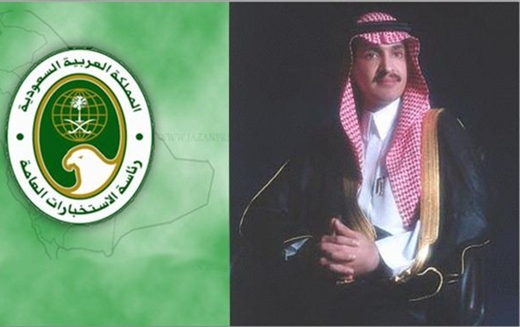
Turki bin Bandar bin Mohammad bin Abdul Rahman Al Saud

The Rafideh [a derogatory term used by Salafis to refer to Shiite Muslims] Department of the Saudi General Intelligence Directorate receives an annual budget equal to those of Tunisia, Jordon and Yemen combined, Turki bin Bandar bin Mohammad bin Abdul Rahman Al Saud, a dissident prince, said in a weekly conference in Paris.

The following is the translation of part of a report Tasnim News Agency filed on November 3 on his revelations about Saudi efforts to clamp down on Shiites:

The Saudi Prince said that among other things, the intelligence division masterminds anti-Shiite plots and tries to tarnish the image of Shiites through publication and distribution – during the Hajj rituals – of books full of fabrication. Some of these books go as far as promote the murder of Shiites.

In a weekly gathering in his residence – attended by representatives of media and politicians – the Paris-based dissident prince said that Shiites are better than Salafis, because Shiites try to get close to God through pilgrimage visits to the holy shrine of Imam Hussein [their third Imam]. Salafis, however, falsely believe that killing Shiites helps them get close to God. In fact, such murderous acts get them close to the Devil.

Turki bin Bandar further said that he was disavowed by Saudi scholars for opposition to monarchy; it came despite the fact that approval or disapproval of the rule of someone is the entitlement of every human.

The prince went on to say that in the past he was told that Shiites were unbelievers because they did not recognize Abu Bakr, Umar and Uthman as the first three Muslim caliphs [after passing of the Prophet Muhammad]. “But it has been proven to me that anyone who does not recognize a political ruler might be denounced as an unbeliever by ill-wishing scholars close to that ruler.”

He said that he will be granted French citizenship soon and then will run for the French parliament.

The prince described Saudi Arabia as a backward country which is still struck in the Stone Age and said those at the helm of the kingdom drink at all other times of day except during prayer times, and plunder public money to pay dancers and bankroll terrorist groups who behead people.

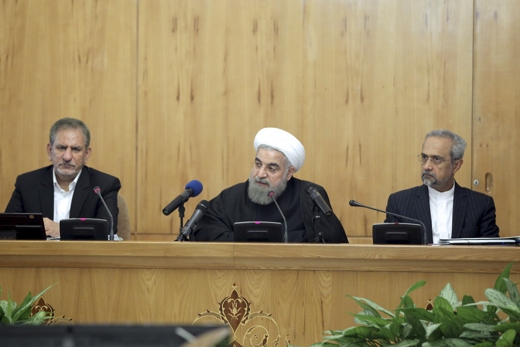
Rouhani describes countering infiltration as a national, not factional issue

Rouhani-Government

An occasion like November 4 [Student Day] complements Iran’s defiance of excessive foreigner demands in the course of the Islamic movement, President Rouhani told his Cabinet Wednesday.

According to president.ir, the president further said historic occasions which mark Iran’s defiance of foreign powers should be used to further national unity. “We should not allow such historic events to be hijacked by certain factions, because any factional use of these events would be to the detriment of the revolution and national unity.”

The following is a translation of highlights of President Rouhani’s remarks marking National Day of the Fight against Global Arrogance:

November 4 is a historic day for the Iranian nation which marks the beginning of a new era in the Islamic movement.

What the students did on November 4, 1979 was a reaction by the Iranian nation to the US plots aimed at harming the revolution. The Iranian youngsters proved that the Islamic Revolution does not belong to a certain group.

Up until November 1964, the Islamic movement was more of an anti-tyrannical nature, but a new wave was created in the county against colonialism when the Capitulation law was introduced and Imam Khomeini made a revealing speech on the colonial plan which was hatched against the dignity of the Iranians and questioned Iran’s political and judicial independence.

People know well about the meaning of infiltration, colonialism, history and the US mistreatment of Iran, and they know about the country’s national interests and future. We need to seriously and genuinely counter the infiltration of the outsiders. Certain people should not play with the word ‘infiltration’.

The Supreme Leader belongs to the entire Iranian nation, not to certain groups or institutions. … The Iranian nation walks down the path of revolution, independence and resistance and stands united in the face of the outsiders.

We need to try to develop an accurate understanding of and implement what the Supreme Leader says. We should not let certain individuals use his words to score personal, collective and factional points. People are well aware of the situation and monitor what is unfolding, and knowingly make their presence felt when it is needed – like in elections – and speak their mind.

A look at Iranian newspaper front pages on Nov. 4

Iranian Newspapers Headlines

Comments by the Supreme Leader in a gathering of students that America has not changed and that ‘Death to the US’ has nothing to do with the American people dominated the front pages of Iranian newspapers on Wednesday. Also in the news were remarks by the government spokesman on the country’s economic conditions.


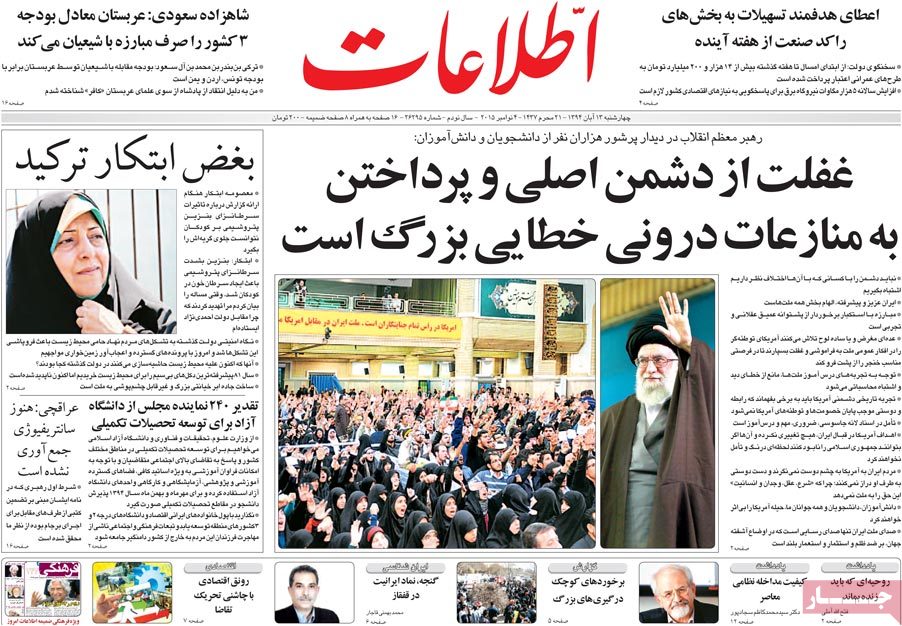
Ettela’at: Ignoring the principal enemy and focusing on domestic disputes is a big blunder, said the Supreme Leader in a meeting with thousands of school and university students.

In a speech to mark Students Day, Ayatollah Khamenei further said that the voice of the Iranian nation is the only ringing voice which is heard against injustice, colonialism and exploitation in the current tense situation in the world.    

Ettela’at: The inactive industrial units will be granted targeted loans as of next week.

Iran needs extra power plants to generate an additional 5,000 MW of electricity annually to meet its economic demands.

Ettela’at: “The money Saudi Arabia dedicates to the fight against the Shiites equals the budget of Tunisia, Jordan and Yemen combined,” said a [dissident] Saudi prince.

Turki bin Bandar bin Mohammed bin Abdul Rahman Al Saud further said that he was denounced as an infidel by religious scholars simply because of being critical of the king.

MORE ….

Ettela’at: Ebtekar burst into tears.

Masoumeh Ebtekar could not hold back her tears when she was presenting a report on the carcinogenic impacts of petrochemical-based gasoline on children.   

Ettela’at: As many as 240 MPs have praised the Islamic Azad University for its efforts to develop higher education.

The Iranian deputies have urged the Ministry of Science, Research and Technology and the Islamic Azad University to admit more students at post-graduate levels to promote higher education.

Ettela’at: No centrifuges have been removed yet, said Abbas Araghchi.

He further said that the first condition the Supreme Leader set in his letter on written guarantees by the other sides [to the nuclear talks] for the implementation  of JCPOA has materialized.
 

A look at Iranian newspaper front pages on Nov. 4


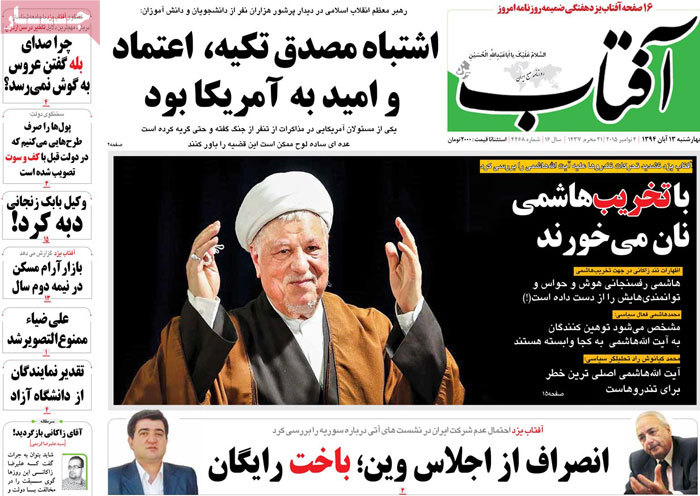
Aftab-e Yazd: “We are still spendingthe money [the government earns] on the projects which were approved by the previous government amidst cheers [of its fans],” said the government spokesman.

Aftab-e Yazd: Ali Zia, an Iranian TV presenter, has been suspended from his post [for ridiculing the head coach of the capital’s powerhouse Esteghlal in a gathering of a number of artists].
 

A look at Iranian newspaper front pages on Nov. 4


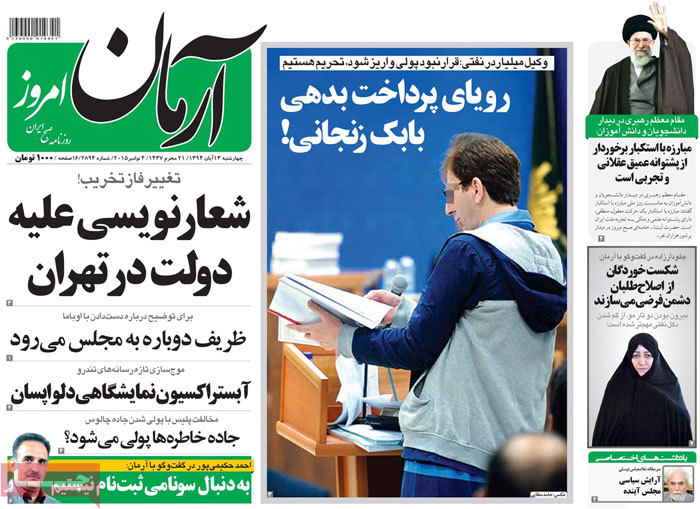
Arman-e Emrooz: FM Zarif will appear before parliament to explain his handshake with President Obama [on the sidelines of the UN General Assembly in September].   

Arman-e Emrooz: A shift in mudslinging [approaches]

Anti-government slogans appear [on the walls] in Tehran.
 

A look at Iranian newspaper front pages on Nov. 4


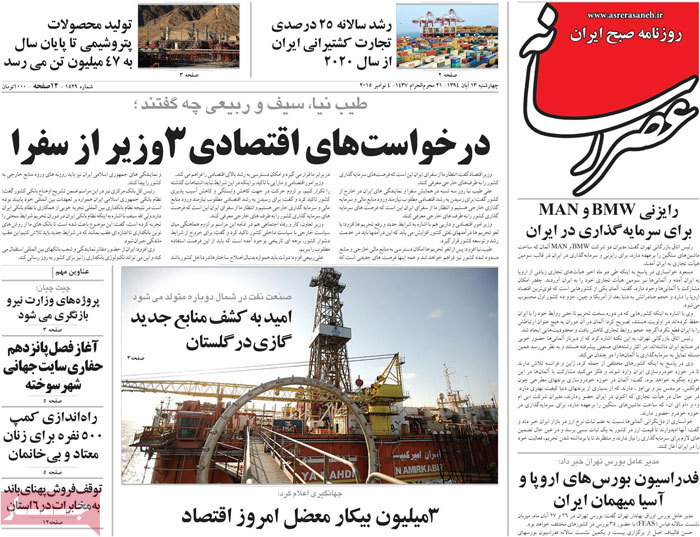
Asr-e Rasaneh: The first vice-president has said that the Iranian economy has one big problem: three million jobless people.
 

A look at Iranian newspaper front pages on Nov. 4


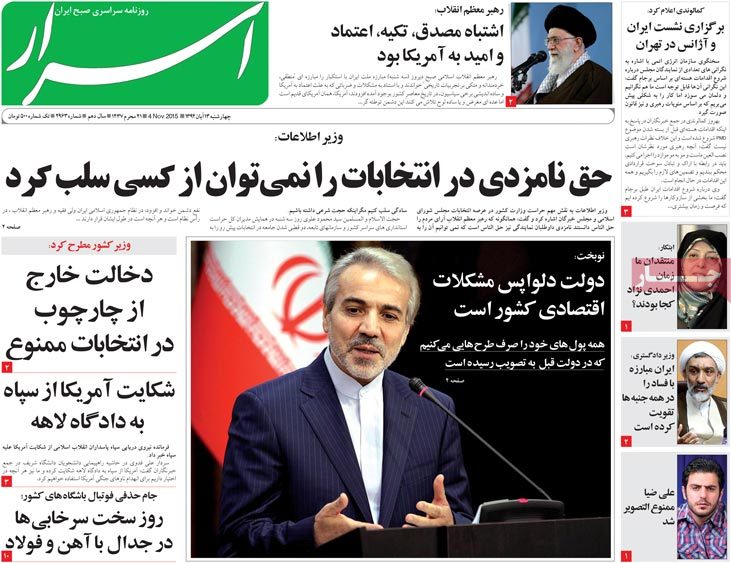
Asrar: Nobody can be denied the right to run for elections, said the intelligence minister.

Asrar: “Where were our critics during Ahmadinejad’s presidency?” asked Director of the Environment Protection Organization Masoumeh Ebtekar.
 

A look at Iranian newspaper front pages on Nov. 4


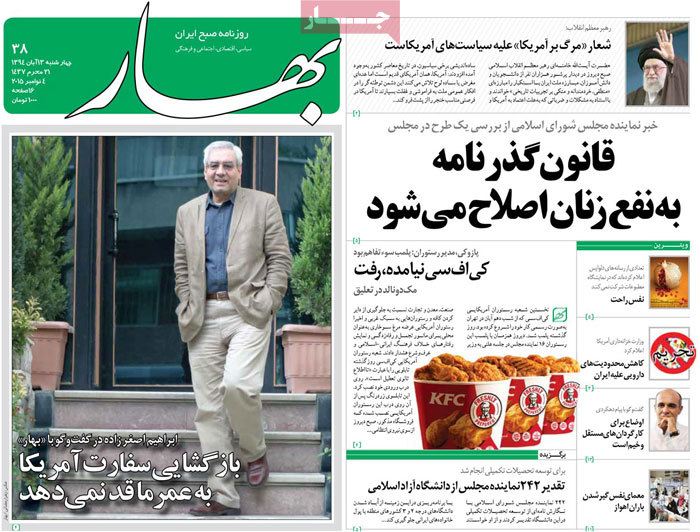
Bahar: “We will not live (long enough) to see the reopening of the US embassy in Tehran,” said Ebrahim Asgharzadeh, a former student who was involved in the 1979 takeover of the US embassy in Iran.
 

A look at Iranian newspaper front pages on Nov. 4


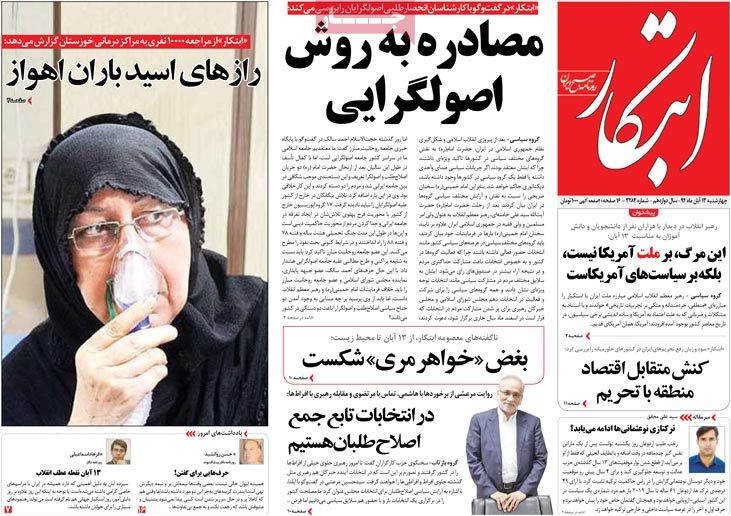
Ebtekar: The Supreme Leader has told thousands of students that ‘Down with the US’ is not aimed at the American people; rather, it targets US policies.
 

A look at Iranian newspaper front pages on Nov. 4


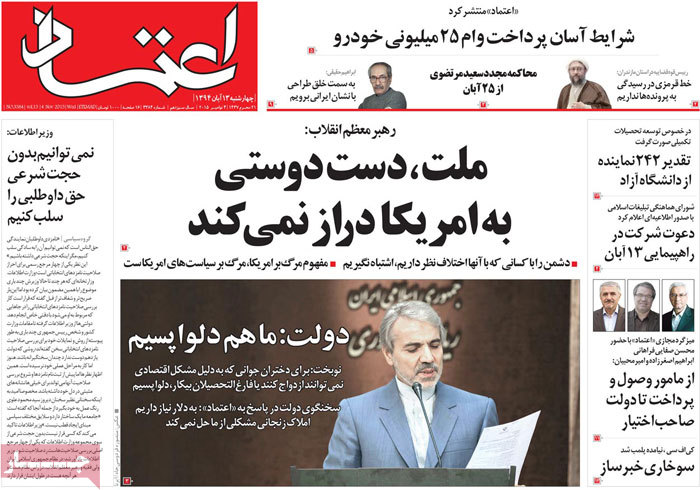
Etemad: The Supreme Leader has said that the nation does not extend a hand of friendship to the US.

“We should not mistake the enemy for the ones we do not see eye to eye with,” said Ayatollah Khamenei.
 

A look at Iranian newspaper front pages on Nov. 4


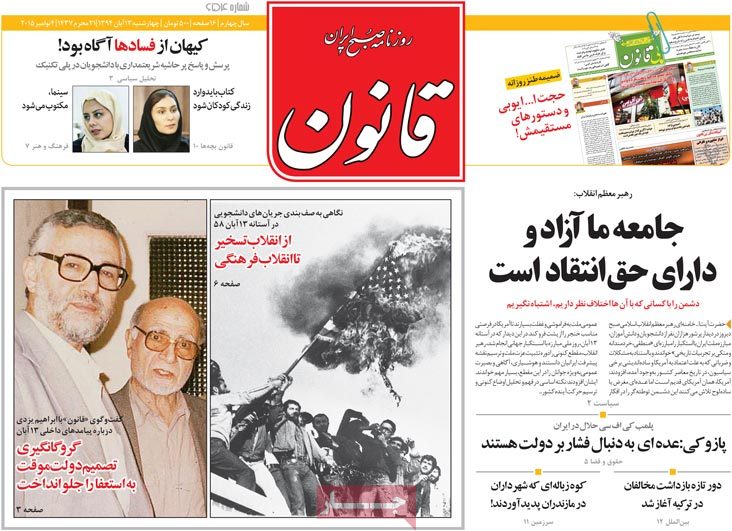
Ghanoon: The shutdown of KFC Halal [restaurant] in Iran  

Abbas Pazouki, the manager of the restaurant, said that some are seeking to pile pressure on the government.
 

A look at Iranian newspaper front pages on Nov. 4


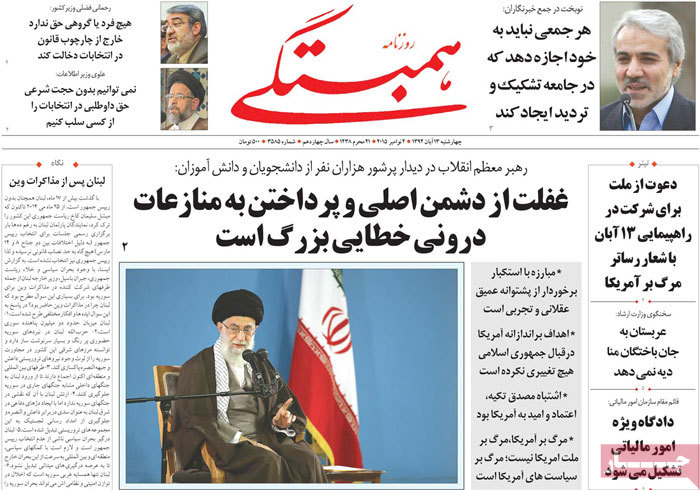
Hambastegi: “No individual or group is entitled to meddle in the elections beyond the frameworks set by the law,” said the interior minister.
 

A look at Iranian newspaper front pages on Nov. 4


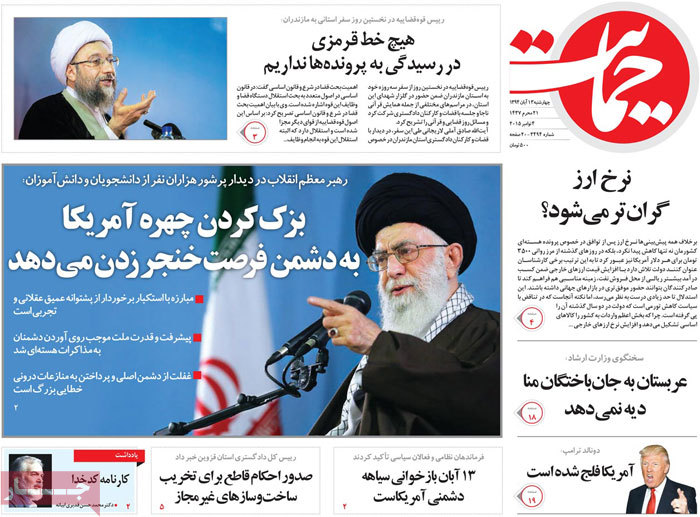
Hemayat: The spokesman of the Ministry of Culture and Islamic Guidance has said that Saudi Arabia will not pay blood money to the families of the victims of the Mina tragedy.
 

A look at Iranian newspaper front pages on Nov. 4


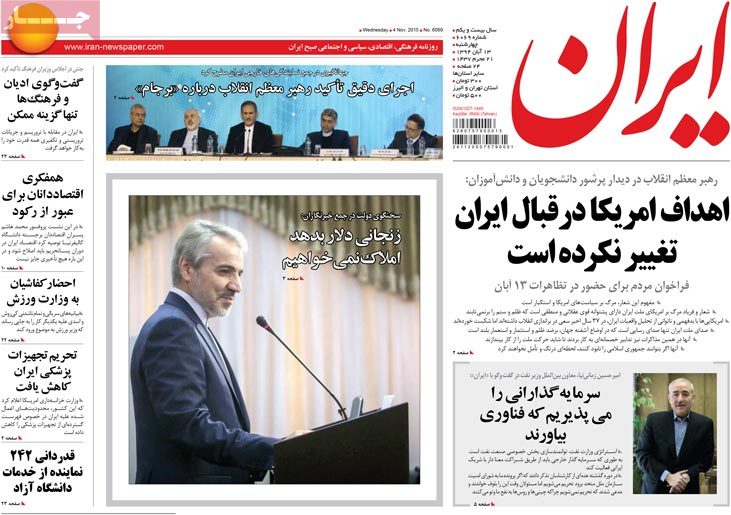
Iran: The minister of culture and Islamic guidance has said in the ninth Islamic Conference of Culture Ministers in Muscat that dialogue among faiths and cultures is the only option [available for the region].

Ali Jannati further said that Iran will do what it takes to fight terrorism and Takfiri groups.   

Iran: Iran welcomes those investors who bring in technologies, said a deputy oil minister.
 

A look at Iranian newspaper front pages on Nov. 4


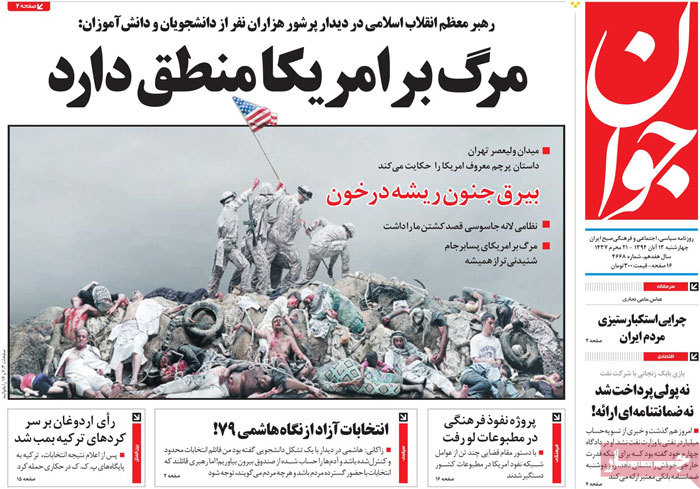
Javan: “There is a certain logic behind ‘Down with the US’,” said the Supreme Leader in a meeting with students [marking Students Day].
 

A look at Iranian newspaper front pages on Nov. 4


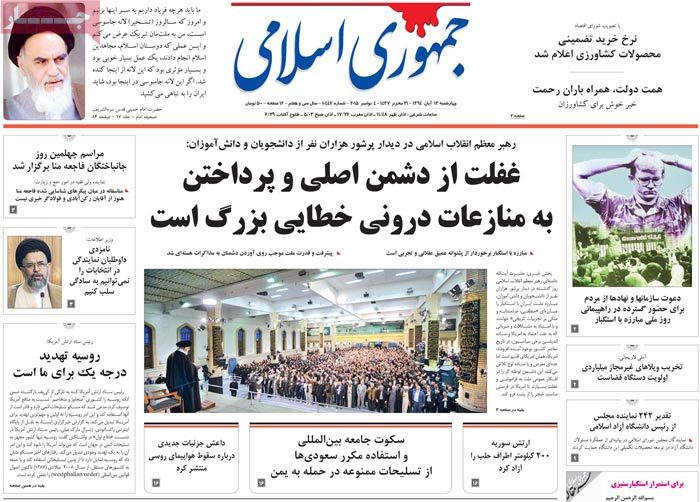
Jomhouri Islami: Government organizations and institutions have called on people to massively take part in rallies to mark National Day of the Fight against Global Arrogance.
 

A look at Iranian newspaper front pages on Nov. 4


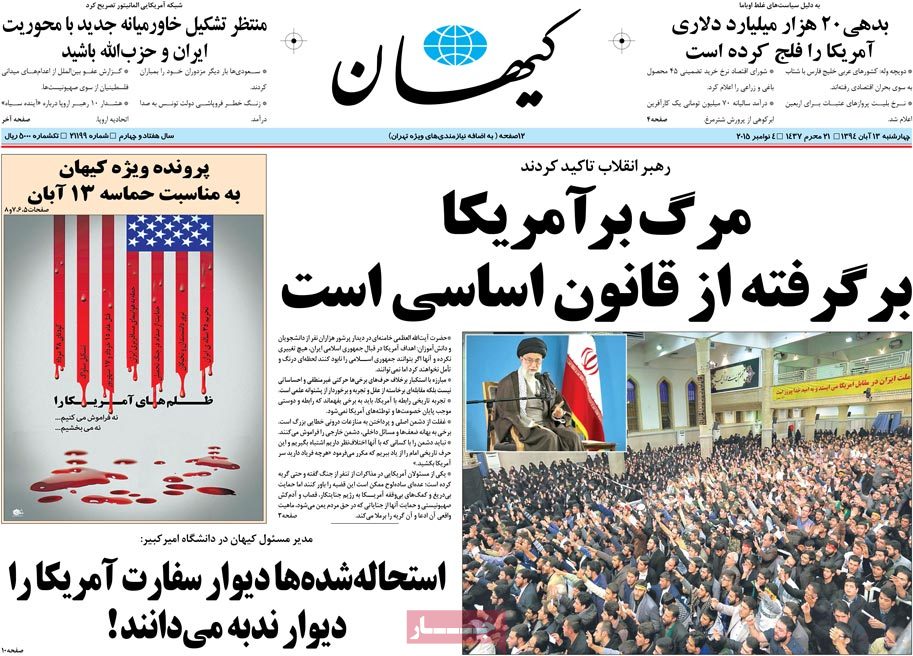
Kayhan: The Supreme Leader has stressed that ‘Down with the US’ has its roots in the Constitution.  

Kayhan: “Wait for the formation of the new Middle East with Iran and Hezbollah taking center stage,” said Al-Monitor.
 

A look at Iranian newspaper front pages on Nov. 4


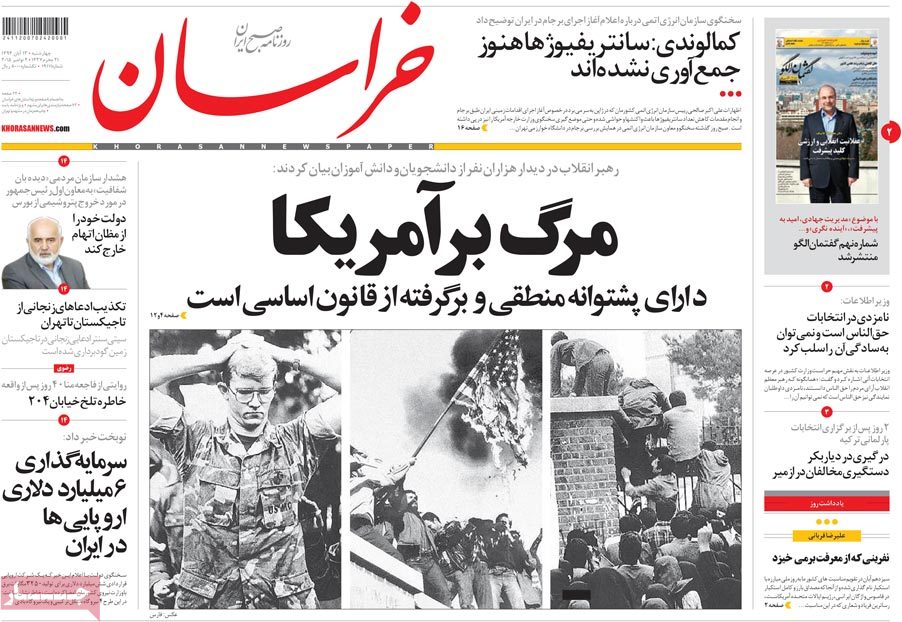
Khorasan: Centrifuges have yet to be removed, said Spokesman of the Atomic Energy Organization of Iran Behrouz Kamalvandi.
 

A look at Iranian newspaper front pages on Nov. 4


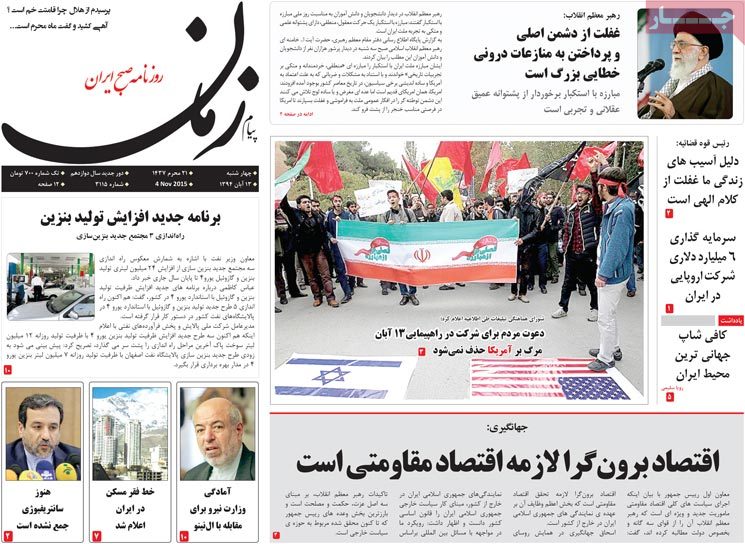
Payam-e Zaman: The first vice-president has said that outward-looking economic policies are needed to implement the resistance-based economy.
 

A look at Iranian newspaper front pages on Nov. 4 


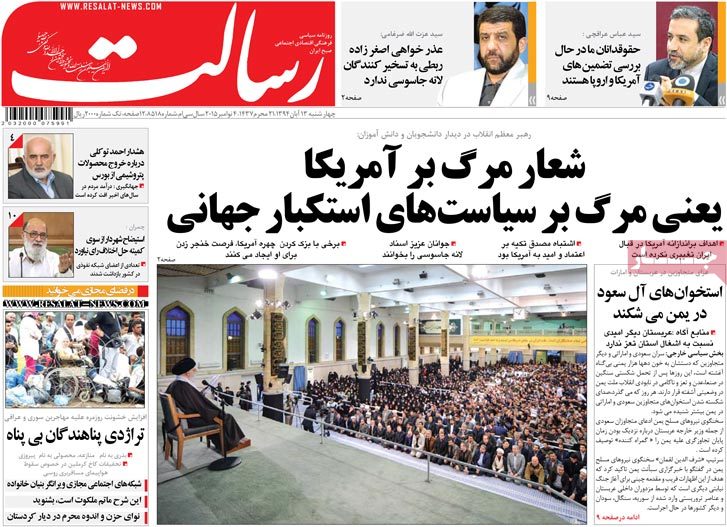
Resalat: Reliance on and trust in the US was the mistake [Prime Minister] Mosaddegh committed, said the Supreme Leader.

Ayatollah Khamenei further said that US goals to push for regime change have not changed.
 

A look at Iranian newspaper front pages on Nov. 4


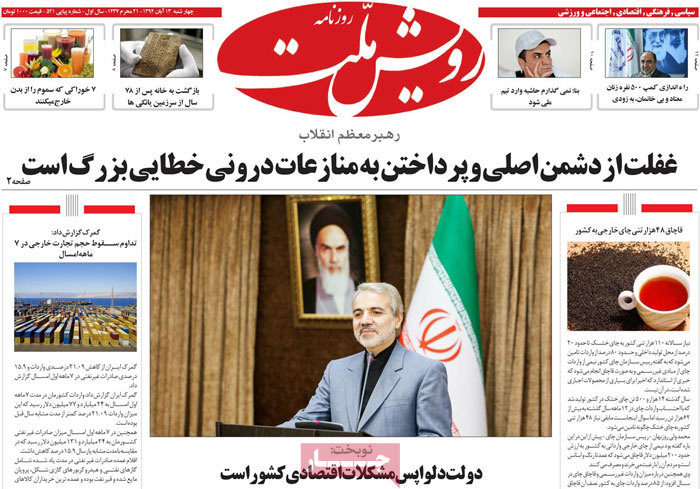
Rooyesh Mellat: The government is worried about the country’s economic problems, said Government Spokesman Mohammad Bagher Nobakht.
 

A look at Iranian newspaper front pages on Nov. 4


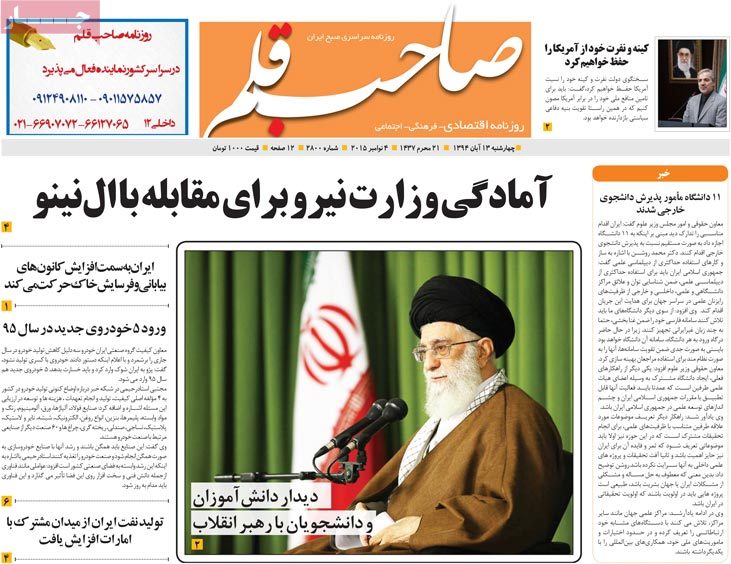
Saheb Ghalam: The Energy Ministry has expressed readiness to tackle El Nino [a climate cycle in the Pacific Ocean with a global impact on weather patterns].
 

A look at Iranian newspaper front pages on Nov. 4


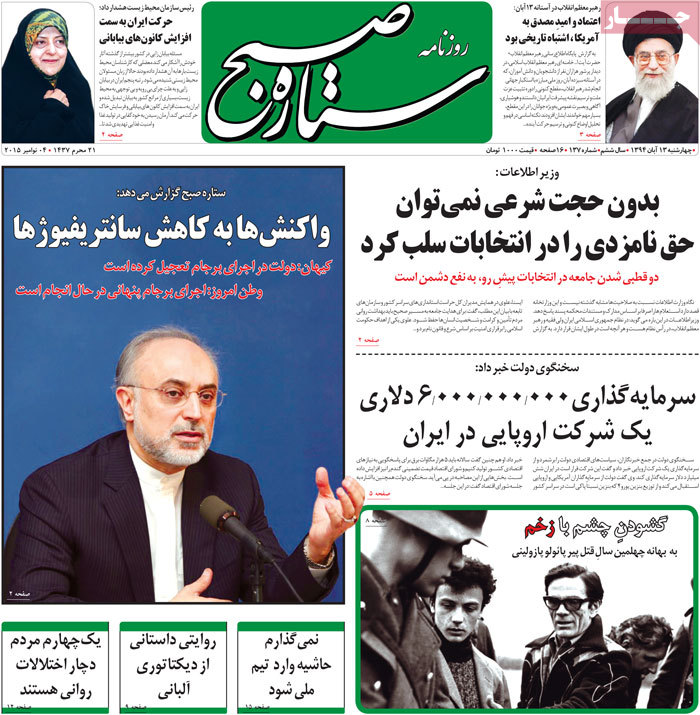
Setareh Sobh: One European company is to invest $6b in Iran, revealed the government spokesman.
 

A look at Iranian newspaper front pages on Nov. 4


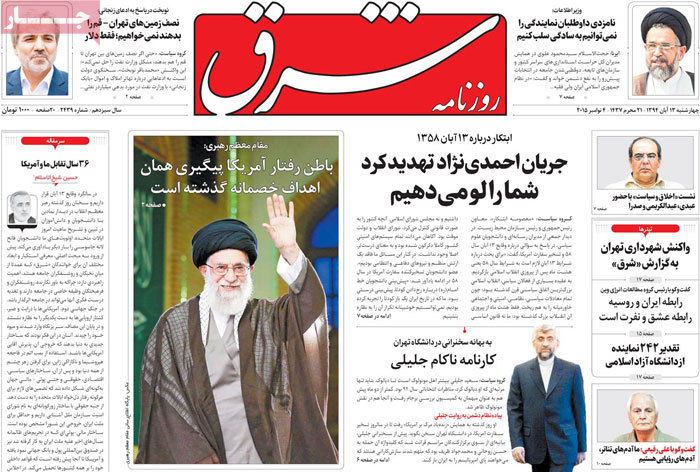
Sharq: “Iran and Russia have a love-hate relationship,” said Fereydoun Barkeshli, the president of Vienna Energy Research Group and a former director general for OPEC and International Affairs at the National Iranian Oil Company.

 

A look at Iranian newspaper front pages on Nov. 4


Iran rejects foreign military buildup in Syria

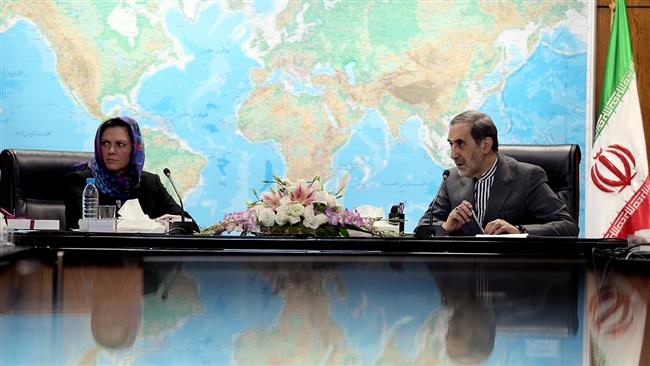
Velayati-Ainger

A senior Iranian official has reiterated Tehran’s opposition to military intervention in Syria, saying that would further complicate the tumultuous situation in the conflict-stricken Arab country.

“Five years of conflict in Syria has showed that the country’s problem has no military solution,” Ali Akbar Velayati, a top advisor to Leader of the Islamic Revolution Ayatollah Seyyed Ali Khamenei, said in a meeting Tuesday with Minister for Economic Affairs, Media, Energy and Technology of Germany’s Bavaria State Ilse Aigner.

The Iranian official criticized any plan to divide countries in the Middle East, saying, “Partitioning regional states will not settle issues but will add to their complications.”

He added that any country’s fate should be determined only by its people without any foreign intervention.

Velayati called on all countries to help put an end to the war in Syria and hold elections in the country, saying Germany can play a positive role in this regard.

[…]