Monday, December 22, 2025
Home Blog Page 4649

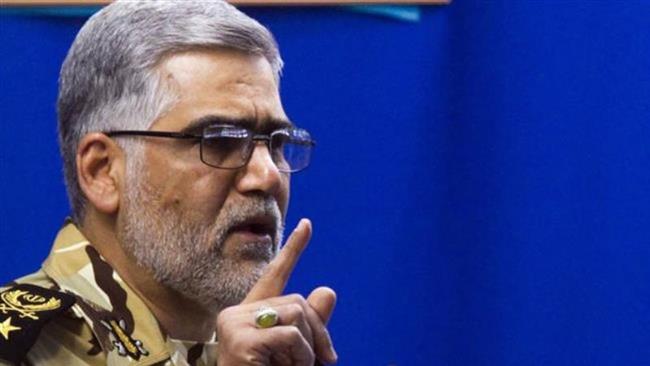
Iran’s Armed Forces prepared to combat threats: Cmdr.

General Ahmad Reza Pourdastan

“The Armed Forces’ preparedness has increased proportionate to enemies’ threats in different fields,” Commander of the Iranian Army’s Ground Forces Brigadier General Ahmad Reza Pourdastan said on Saturday.

He added that Iran faced threats in the past given the massive presence of the US troops in the region.

However, the commander said, Iran now faces the threat of proxy wars after the withdrawal of the American forces from the region.

“Takfiri groups such as Daesh are the most important players of proxy wars,” Pourdastan said.

The commander also noted that the Iranian Army’s Ground Forces would stage rapid response drills within the next few months in the western and eastern parts of the country to boost their defense capabilities.

This will assure the Iranian nation that the Armed Forces have the deterrent power to combat enemies, he added.

Iran has conducted major military maneuvers to enhance the defense capabilities of its Armed Forces and to test modern military tactics and state-of-the-art equipment.

The Iranian Army’s Ground Forces successfully staged a missile exercise, codenamed Beit-ul-Muqaddas 27, in the central province of Isfahan, in May.

The Islamic Republic maintains that its military might poses no threat to other countries, stating that its defense doctrine is merely based on deterrence.

A desperate father tells about the tragic loss of loved ones

Syrian Father

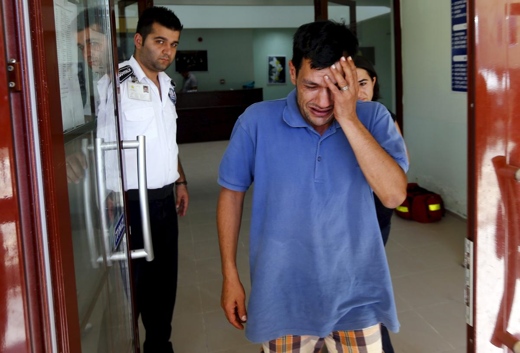
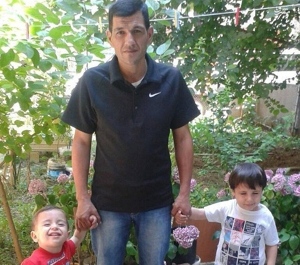
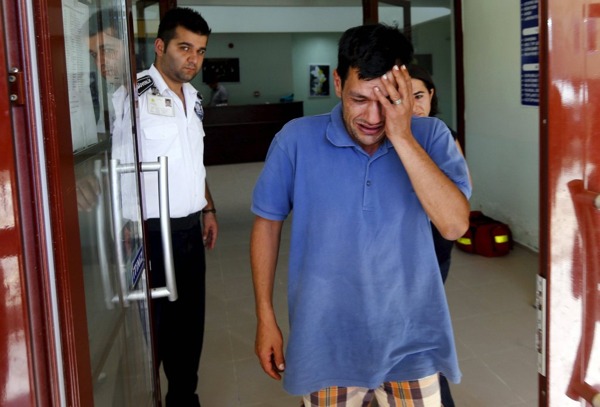
Syrian kid-fatherAbdullah Kurdi is the only member of a family of four who escaped unscathed when a group of migrants at sea failed to make it to their desired destination and were left at the mercy of the driving waves. The tragic incident unfolded when a boat carrying his family and a number of Syrian refugees capsized off the Greek island of Kos.

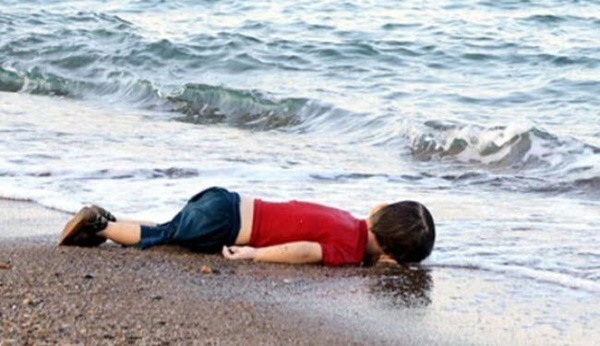
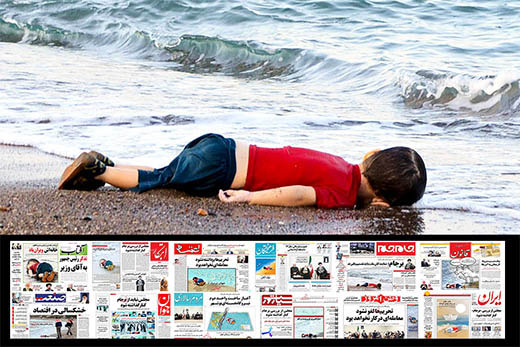
Alef.ir on September 5 released a report on the human tragedy. The report includes comments by Abdullah Kurdi, the distraught father of two Syrian children who drowned with their mother and several other migrants as they tried to reach Greece. The shocking image of the lifeless body of Aylan, Abdullah’s three-year-old boy, made headlines around the world. The following is the translation of part of that report:

In remarks after the incident, Abdullah said, “When the boat foundered, I was overwhelmed by fear”.

Abdullah, who was too weak to speak loud enough to be heard, continued, “We all had life jackets on. With one hand, I was holding my wife’s hand and with the other the hands of my two sons. But at the spur of the moment, the kids’ hands slipped off my hand. We tried to reach the boat, but it capsized in an instant. No longer could I hear the voice of my wife and kids. […]

“I thought they may have had to return to Bodrum [in Turkey where their journey originated] out of fear. I went back to our meeting place, but I found no trace of them. Right there, I went to the city’s hospital and faced the home truth, the bitterest in my life.”

As many as 12 people who are said to be all Syrians lost their lives in the incident. Aylan, the three-year-old boy who grabbed the world headlines, his five-year-old brother Galip, and mother were among the victims. This toll should be added to the number of the victims of the recent migration crisis in Europe.

Abdullah, 40, further said that before this fateful voyage he had tried twice to flee Syria, adding that they failed to reach their destination. “Prior to this, I paid money to the traffickers twice to take us to the island of Kos. First we were stopped by the Turkish coast guard, but we were released a few hours later. The second time, the traffickers did not live up to their promise and did not provide us with a boat.”

[…]

Is Ottawa to blame for the death of Aylan?

Tima, Abdullah’s sister who migrated to Canada 20 years ago and now lives in Vancouver, told reporters, “I did what was needed for their immigration to Canada. A number of our friends and neighbors accepted to financially support my brother’s family. To our disbelief, officials turned down our request”.

Grief-stricken Abdullah, who was to bury his loved ones in the war-torn Syrian town of Kobani, desperately makes an appeal to the international community: “Make sure [Aylan] is the last.”


syrian kid


Nomadic sport festival in southern Iran (PHOTOS)

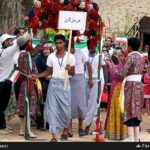
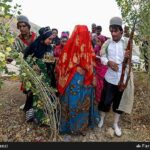
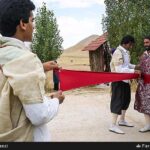
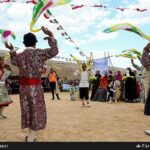
Nomadic sport festival 21-

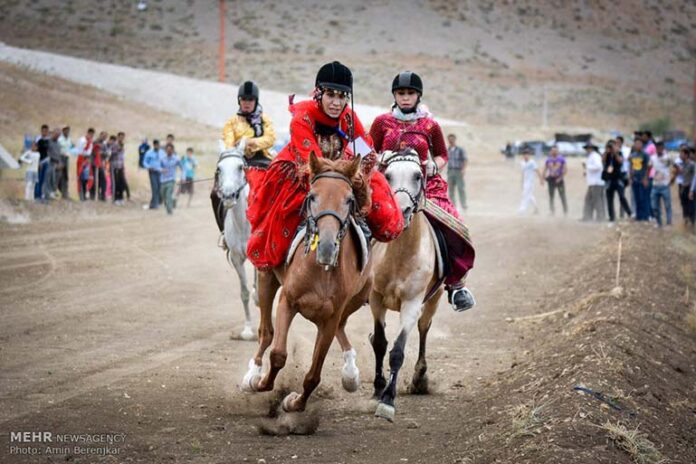
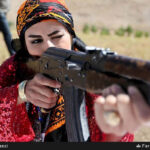
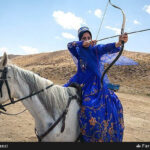
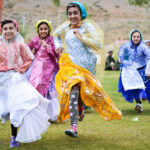
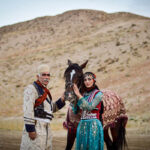
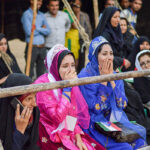
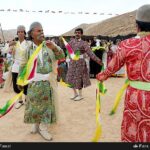
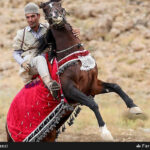
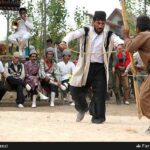
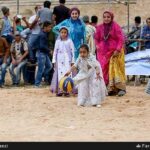
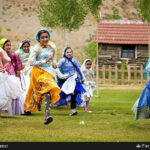
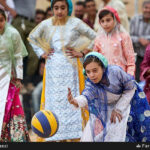
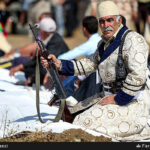
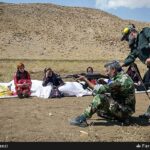
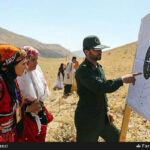
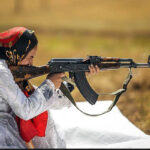
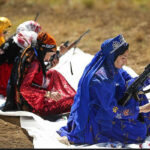
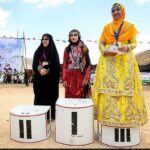
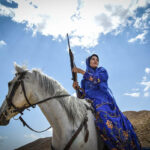
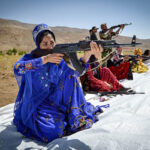
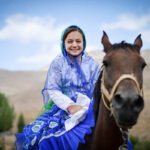
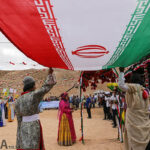
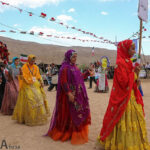
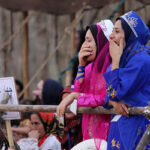
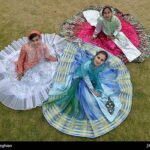
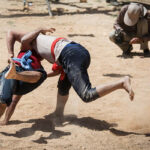
Sepidan, a town in Fars Province, hosted a fifth nomadic sports festival on September 3. At the two-day festival about 120 nomadic sportsmen and sportswomen from southern and southwestern Iran competed against each other in different events, including archery, horse-riding and wrestling.

The following are images of the festival published by Fars News Agency:

Iranian dolls handed to war-stricken Syrian, Palestinian children (PHOTOS)

Iranian dolls handed

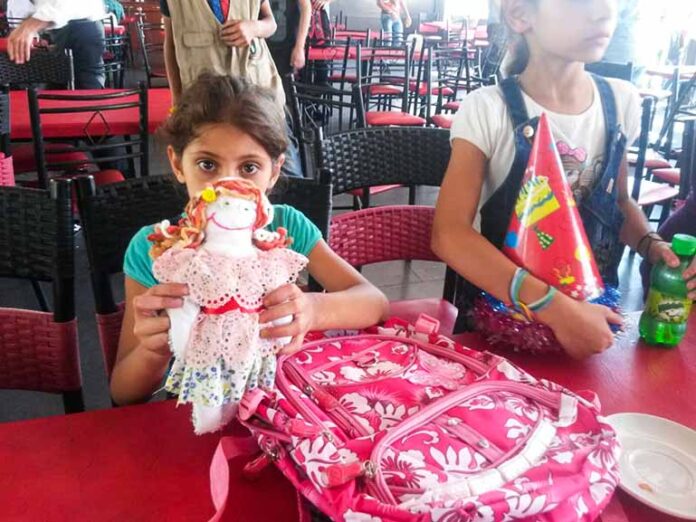
At a ceremony in Damascus on September 4, dolls purchased by Iranians benefactors – as part of a campaign dubbed “Silent Dolls” – were handed out to over 150 war-stricken Syrian and Palestinian children.

As a token of appreciation, the children drew some pictures and handed them to the Iranian representatives at the event.

Iranian singer Taha Choganbaz sang a song in two languages at the ceremony and after his performance said that the least he could do was to show solidarity with the stricken children and try to alleviate their suffering. He expressed hope he had provided a good day for the long-suffering children.

After Zionist atrocities came to a head in Gaza last summer, the Silent Dolls Campaign was launched and was welcomed by people across Iran.

Images of the ceremony released online by Tasnim News Agency:

Drowned Syrian boy in Iranian media

Syrian boy

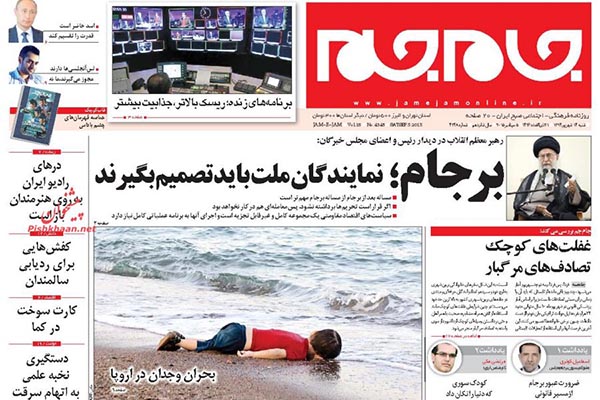
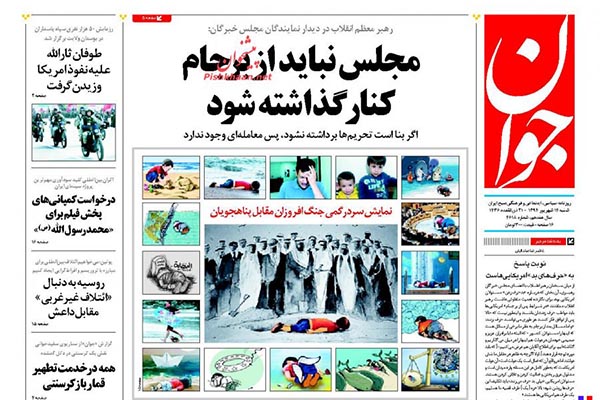
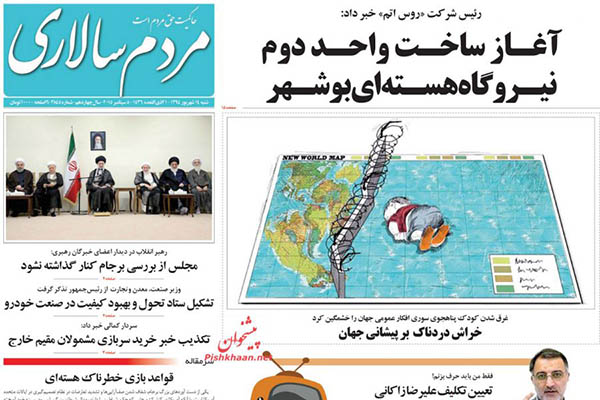
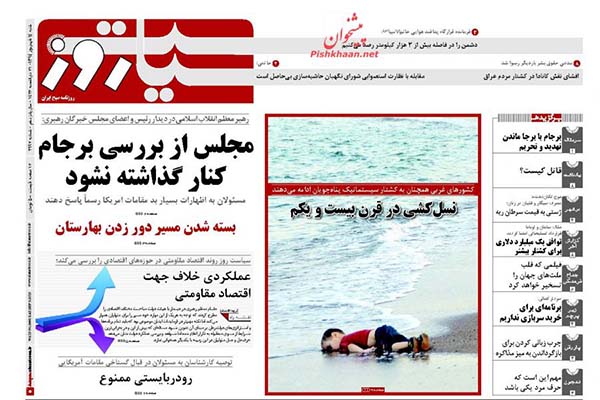
The heartbreaking image of Aylan Kurdi, a Syrian Kurdish toddler whose body washed ashore on a Turkish beach as his family was trying to reach Greece, was on the cover of most of Iranian newspapers on Saturday.


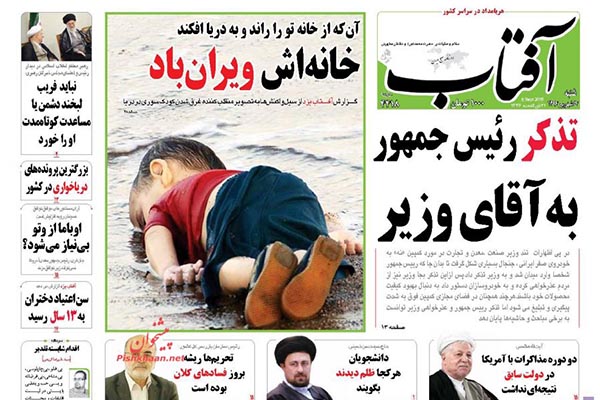
Aftab-e Yazd:

May the house of the one who displaced you and threw you in the sea be laid in ruins.

A report by Aftab-e Yazd on the floods of reactions to the heart-wrenching image of the drowned Syrian child


AftabYazd


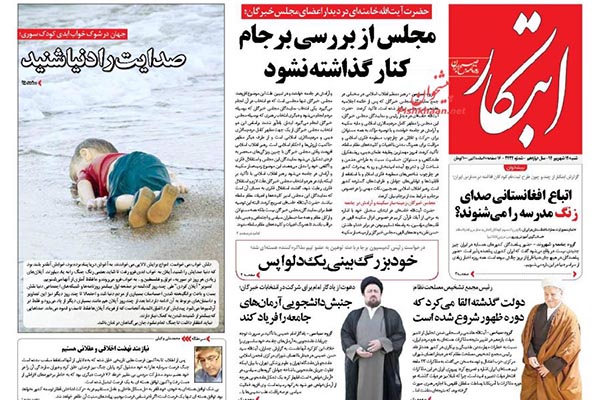
Ebtekar:

The world hears your voice: the world still in a state of shock for the eternal sleep of the Syrian child.


Ebtekaar


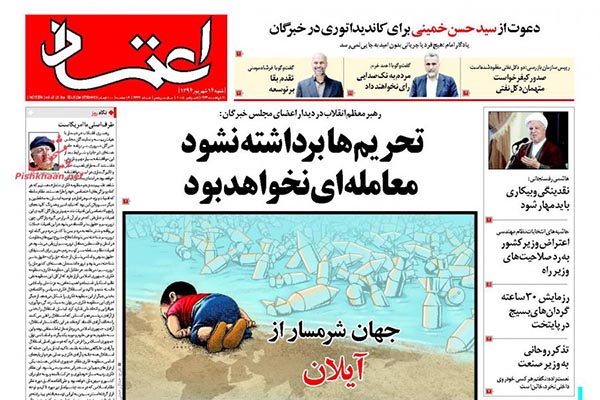
Etemad:

The world is filled with remorse for [what happened to] Aylan.


Etemaad


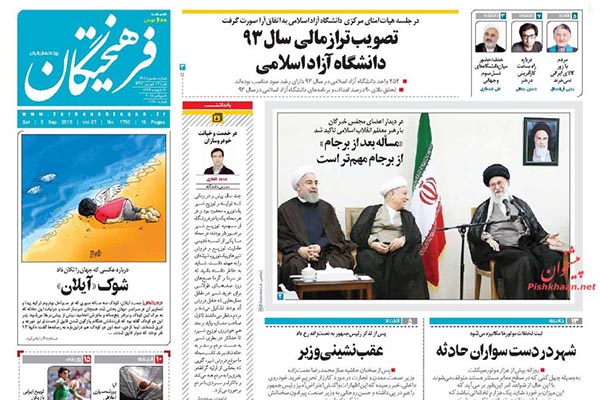
Farhikhtegan:

On an image which shook the world; the shock of Aylan.


Farheekhtegan


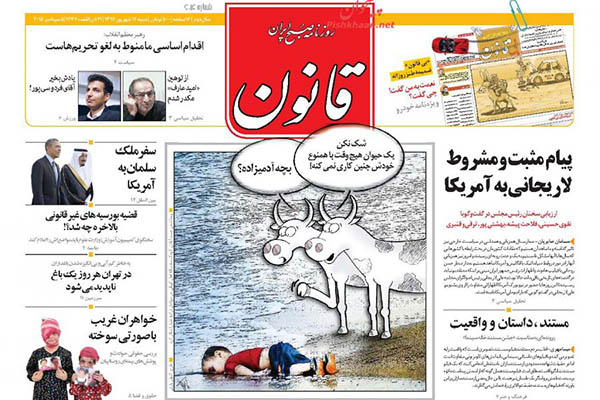
Ghanoon:

– Is it a human kid?

– No doubt! An animal never does such a thing to another animal!


Ghanoon


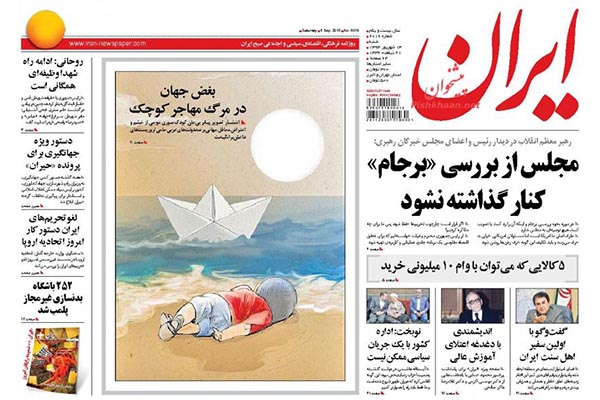
Iran Newspaper:

The world’s unshed tears for the little migrant

The image of a lifeless Syrian kid sparked in international circles a wave of anger at and protest against the Arab governments which support ISIL terrorists.


Iran


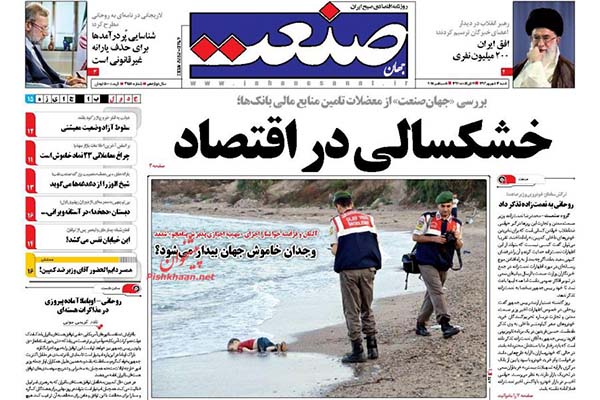
Jahan-e Sanat:

Does the world’s conscience wake up?

Germany and France have called for binding refugee quotas [for EU members].


JahanSanat


Jamejam:

The crisis of conscience in Europe


JaameJam


Javan:

A show of confusion by war-mongering people against refuge seekers


Javan


Mardomsalari:

A painful scratch on the world’s forehead

The drowning of the Syrian child refuge-seeker has drawn anger across the world


MardomSalari


Siasat-e Rooz:

Genocide in the 21st century; Western countries continue their systemic killings of refuge-seekers.


SiasatRuz


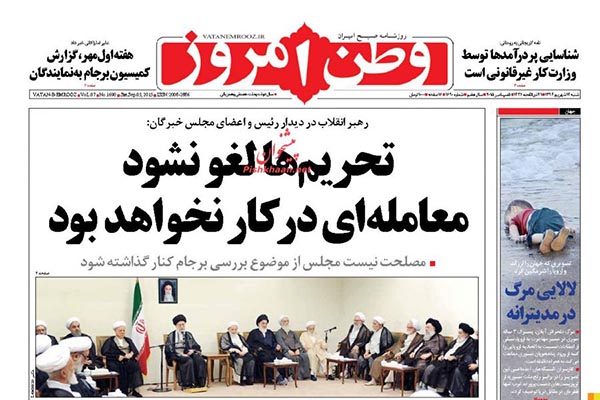
Vatan-e Emrooz:

The lullaby of death in the Mediterranean Sea

An image which shook the world and shamed Europe


VatanEmruz


A desperate father tells about the tragic loss of loved ones

Dispute over S-300 Delivery; Russia Refuses to Pay Compensations to Iran

S300

Ties between Iran and its northern neighbor – Russia – have [always] been full of twists and turns. Russia could have had the closets ties with our country over the years thanks to the border it shares with Iran, but suspense has always been a staple of relations between the two neighbors. In recent years, ties between the two countries have seen several ups and downs, and now the S300 [surface-to-air] missile system has added a new twist to Tehran-Moscow ties.

Ghanoon daily on September 2 published a report on relations between Iran and Russia and how the controversial delivery of the S300 anti-aircraft missile system [read Russian failure to deliver] has once again overshadowed their neighborly ties. The following is the translation of part of that report:

The purchase by Iran of the S300 missile system first came up for discussion in 2007. Iran signed an $800m agreement with Russia to buy five S300 systems. This agreement was later suspended. Russia delivered no system and put the deal on the verge of termination.

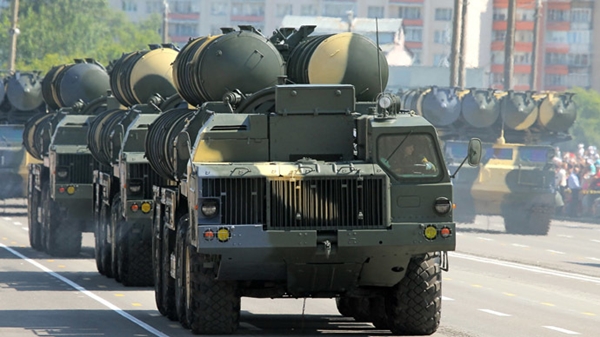
The S300 missile system is one of the most powerful missile shields which can simultaneously intercept more than 100 missiles and get engaged with over 12 targets. The missile with a range of 200 km deploys in five minutes. It can also destroy ballistic missiles and attack ground targets. The S300 system is similar to the US air defense system, the MIM-104 Patriot [a surface-to-air missile (SAM) system].

After the contract between Iran and Russia came under the media spotlight, the West ratcheted up its pressures amid the heated dispute over Iran’s nuclear program and in the spring of ties between Washington and Moscow [known as the Russian Reset].

To win the consent of the West, the Russians built on Article Eight of UN Resolution 1929 to justify their failure to honor their commitment under the S300 contract with Iran, although they had received $167m in advance money from Iran.

In [September] 2010, Dmitry Medvedev, the then Russian president, signed a decree on the implementation of UN Security Council Resolution 1929 prohibiting the sale to Iran of missiles and other military hardware such as combat tanks, armored vehicles, high-caliber artillery guns, military helicopters, aircraft and vessels.

This claim lacked any substance, because Resolution 1929 was adopted at the UN Security Council on June 9, 2010 whereas Iran-Russia deal for the S300 delivery predated the Resolution by three years. The missile defense system should have been handed to Iran much earlier than the adoption of Resolution 1929.

In reaction, Iran lodged a complaint with the International Court of Arbitration asking for $4b in compensations. The defense minister of the tenth government [led by Ahmadinejad] announced in 2012 that Iran is developing a similar missile defense system: Bavar-373.

Efforts to dissuade Iran

Later the Russians tried to stop Iran from demanding compensations by offering a replacement for S300: the Tor missile system [The TOR-M1 surface-to-air missile system is a mobile, integrated air defense system, designed for operation at medium-, low- and very low –altitudes, against fixed/rotary wing aircraft, UAVs, guided missiles and precision weapons].

Iran rejected this offer. The Antey 2500 was another offer by Russia which argued it would better meet Iran’s needs. Iran had many reasons to reject the two similar offers. The S-300PMU has been developed to meet missile defense needs; the Antey 2500, by contrast, has been designed for ground forces and can be useful for Iran’s big army. […]

Iran had the right to take the system for which it had planned and made advance payment. […] The point is that if – under Resolution 1929 – Iran was not allowed to possess any defense or combat system, how come other systems were proposed to Iran? Iran was not supposed to have S300 systems, was it?

Iran Nuclear Deal, a new chapter in ties

On March 14, 2015, President Vladimir Putin ordered the ban on the delivery of S-300 missile systems to Iran lifted ten days after the conclusion of the Lausanne agreement. There was still no guarantee for such delivery, since Russia had not announced any exact timing.

Forget compensations; get [defense] system instead

Many Russia watchers used to say that Moscow returned to the negotiating table to discuss the delivery of S300 simply because the sanctions regime was about to collapse, but recent reports coming out of Russia show that Moscow is still seeking to get new concessions from Iran. Five months after a presidential decree – with Iran trying to clinch a nuclear deal – Russia has yet to ship the missile defense system to Iran.

According to Sputnik International (The Voice of Russia), a ranking Russian official has said that the missile system will be given to Iran if Iran drops its complaint. […] In 2011, Iran filed a lawsuit against JSC Rosoboronexport [the sole state intermediary agency for Russia’s exports/imports of defense-related and dual use products, technologies and services] with the International Court of Arbitration for Russia’s failure to deliver five S300 systems to Iran. […]

Compensations: $4b or $400m

After Putin announced that Russia will deliver the missile defense system to Iran, Barack Obama said, “And I’m frankly surprised that it [delivery of S300 missile system] held this long, [given that they were not prohibited by sanctions from selling these defensive weapons].” He said he had asked Putin to delay the missile sale to Iran for five years and that he’s been surprised that they really did this.

[“With respect to the Russian sales, I will tell you this is actually a sale that was slated to happen in 2009, when I first met with then-Prime Minister [Vladimir] Putin. They actually stopped the sale, paused or suspended the sale, at our request,” Obama said.]

That the Russians characteristically make bad on their promises in dealing with Iran can be a good reason behind their refusal to send the missile system to Iran. At critical junctures throughout history, they have joined the ranks of countries which are against Iran. Now they are asking Iran to withdraw its complaint. In return, they are vowing to sell S300VM or Antey 2500 to Iran, claiming that Russia does no longer produce S300 systems.

What happens next remains to be seen. Russia has sold the S300 system to Venezuela and is in talks with Turkey for a similar contract, but its deal with Iran is still in limbo. When Iran took the case to an international court and asked for $4b in damages, the Russian media said if Moscow cancels the contract, it will have to pay Iran $400m in compensations in addition to $800m which was the value of the [original] contract.

Besides, they said, Russia will suffer extra losses as a result of Iran reducing its military purchases from Moscow – somewhere in the neighborhood of $300m-$500m a year.

Now Russia is back at the negotiating table. Iran has already paid the first installment of the S300 missile system. We should wait to see if Russia finally ships the defense system to Iran or the two settle their case in court.

Iranian artworks on display at 2015 Art International Istanbul (PHOTOS)

Iranian artworks0

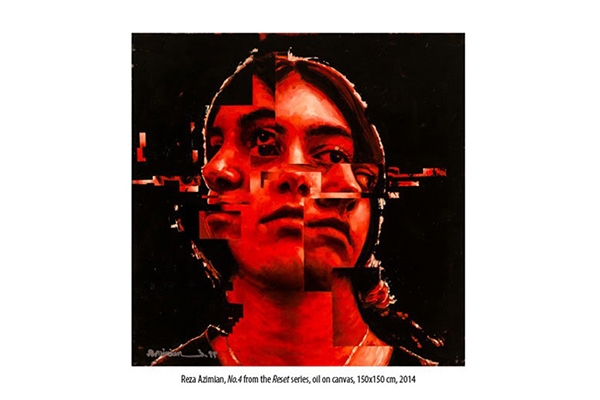
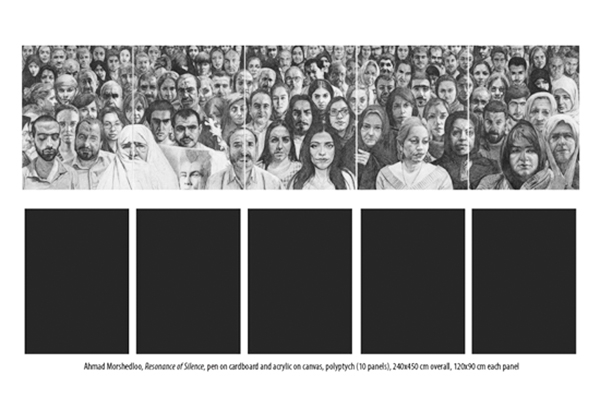
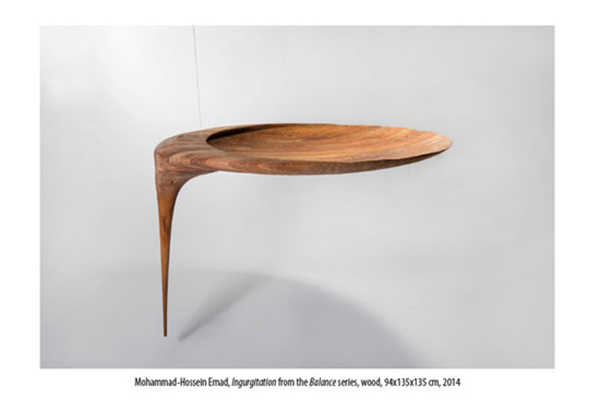
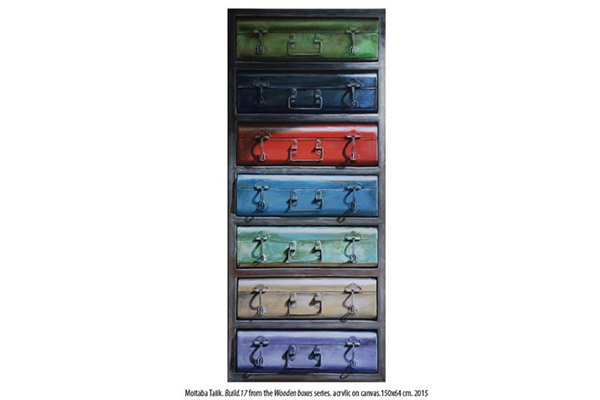
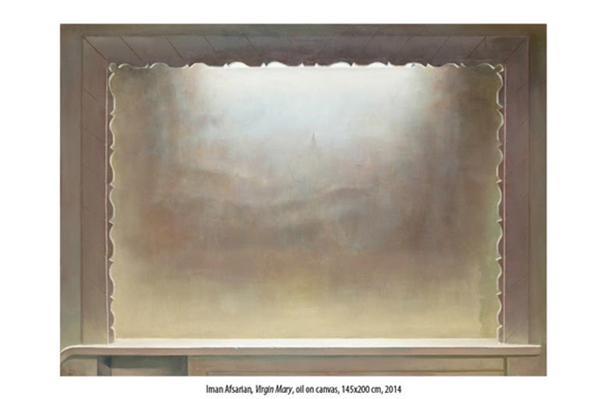
Asar Art Gallery has presented the artworks of seven Iranian artists to a 2015 edition of Istanbul’s Art Fair.

Paintings by Reza Azimian, Iman Afsarian, Mojtaba Tajik and Ahmad Morshedloo, a wooden sculpture by Mohammad Hossein Emad and a collection of integrated paintings, photographs and mirrors by Samira Alikhanzadeh are on display at the expo.

The video section of the art fair features the work of Payam Mofidi which comprises three parts.
It has been the first time that the artworks of these Iranian artists are put on public display. The art exhibition which opened in Istanbul on September 4 will run through Sunday.
Images of some Iranian artworks at the exhibition posted online by honaronline.ir:

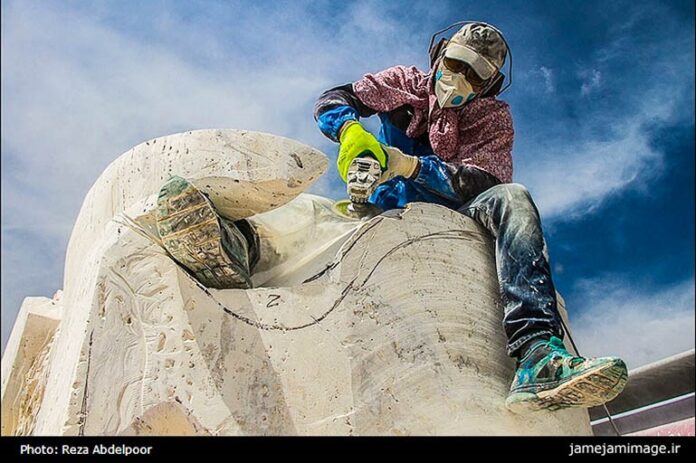
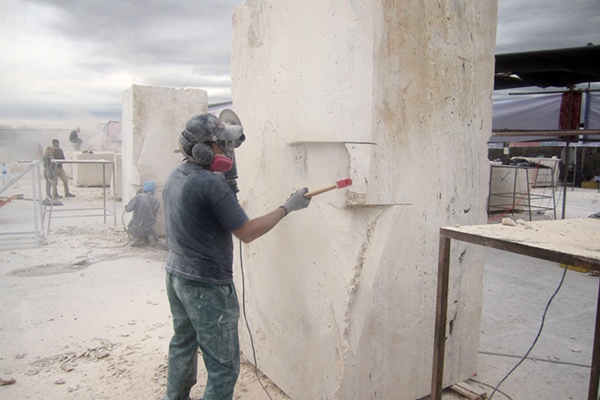
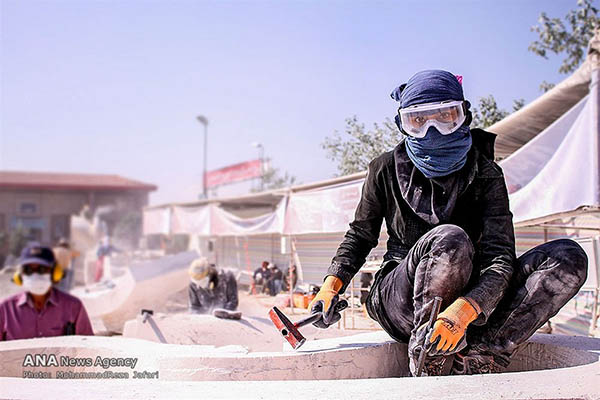
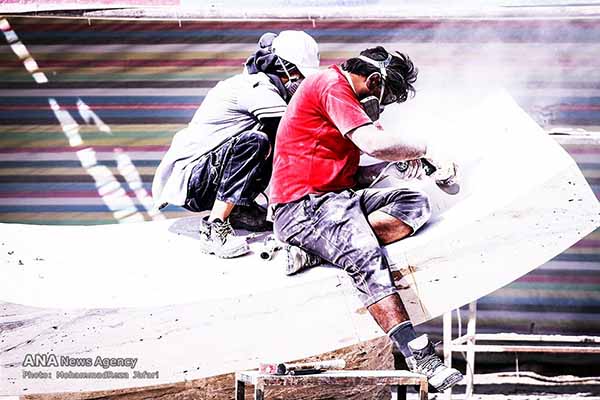
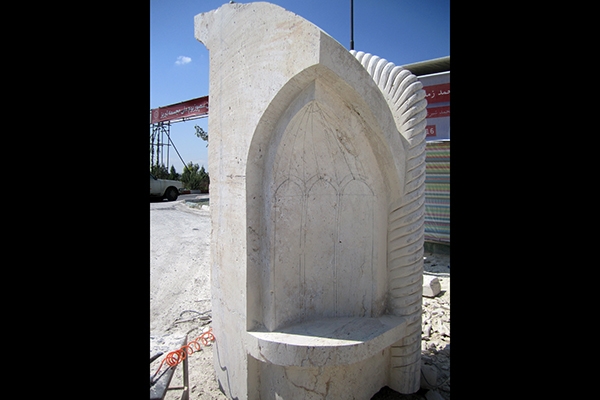
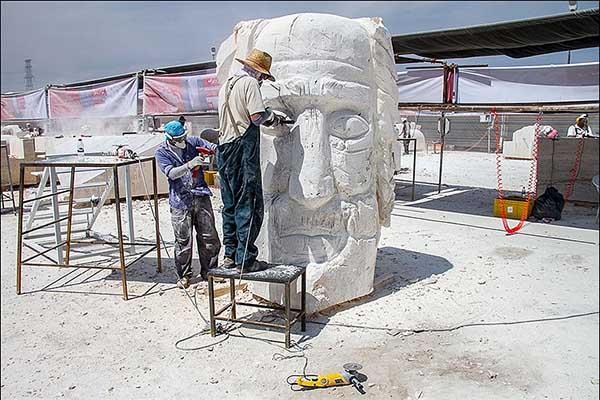
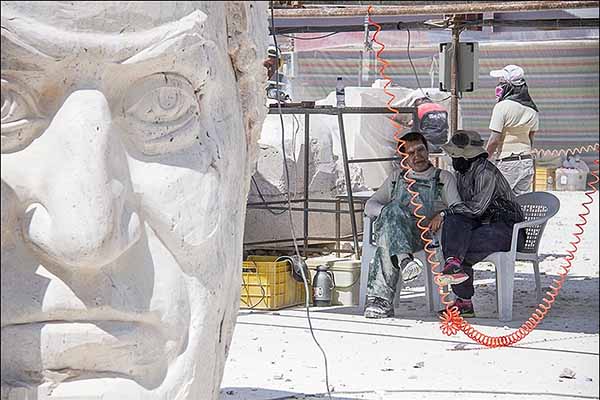
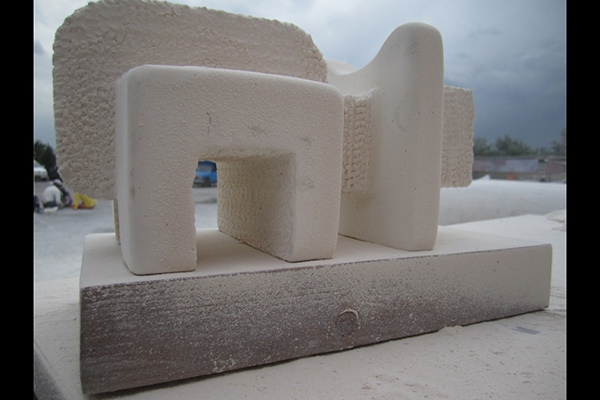
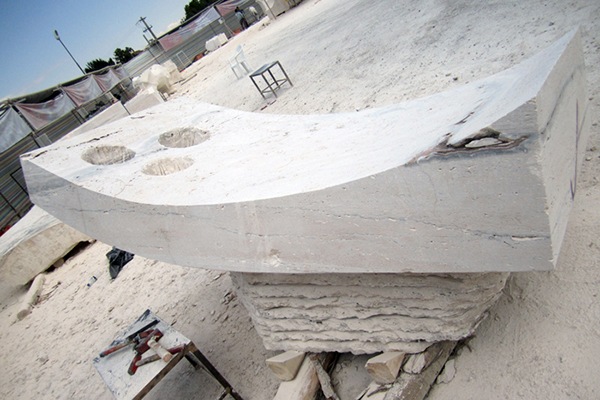
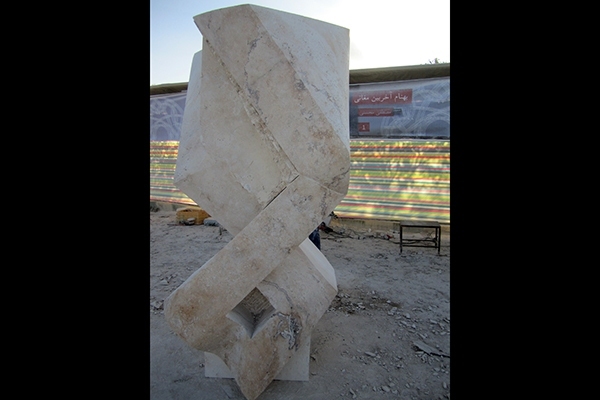
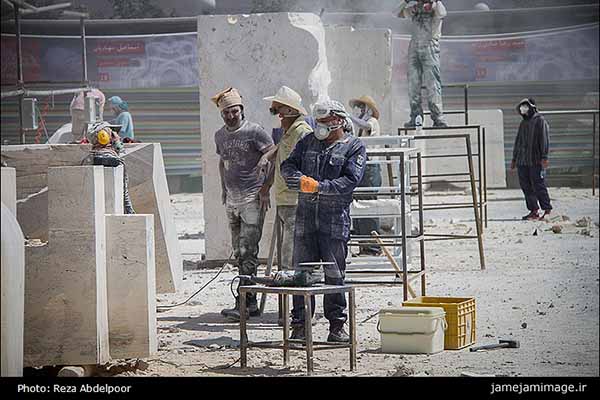
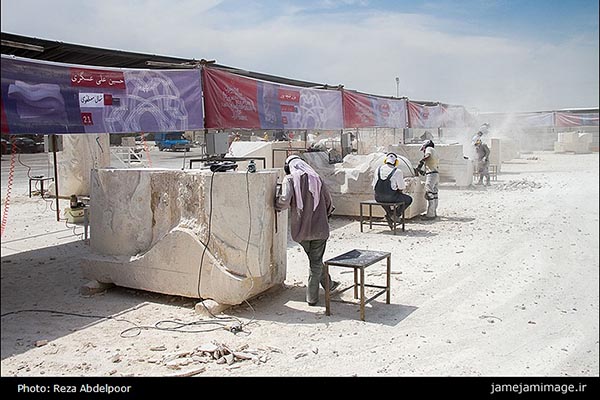
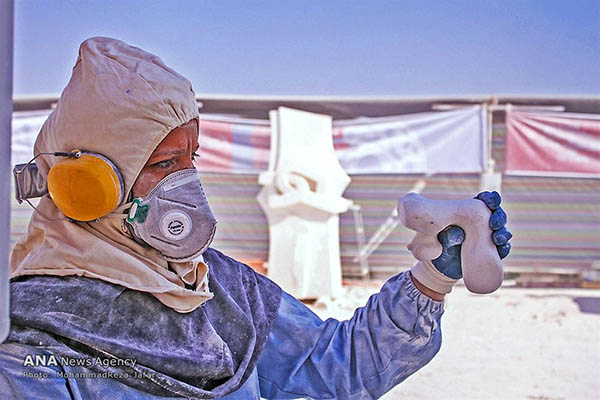
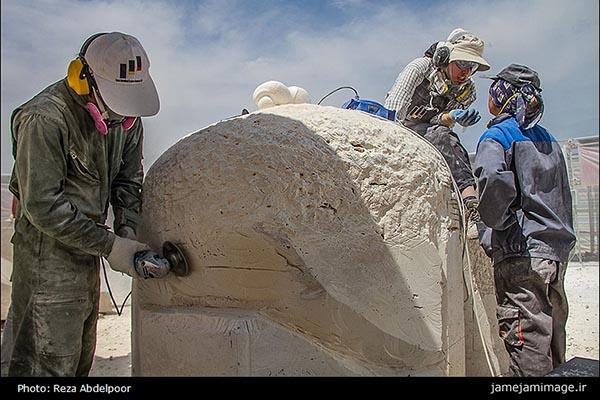
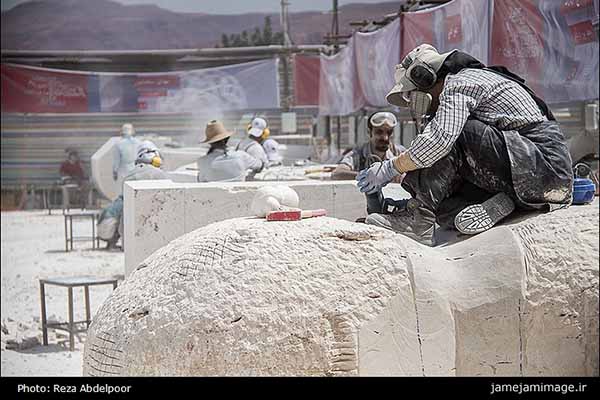
National Sculpture Symposium in northwestern Iran (PHOTOS)

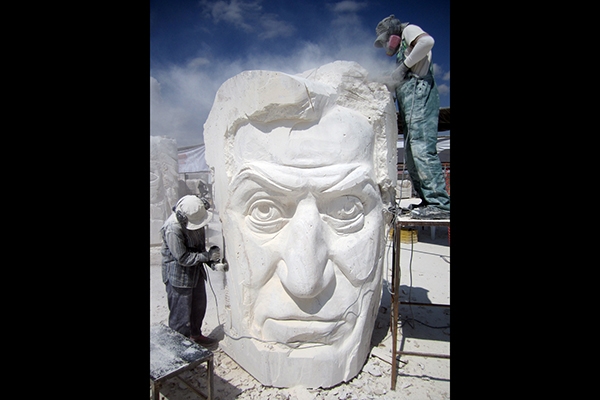
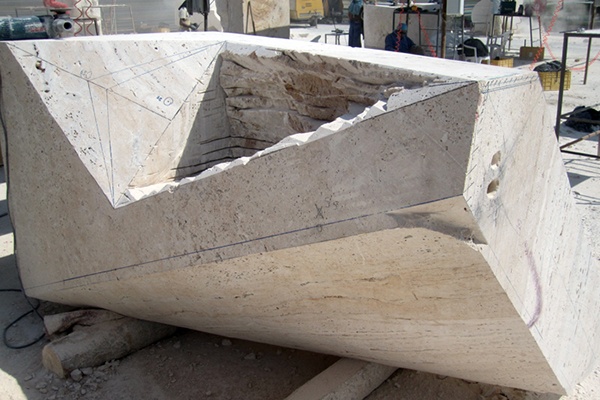
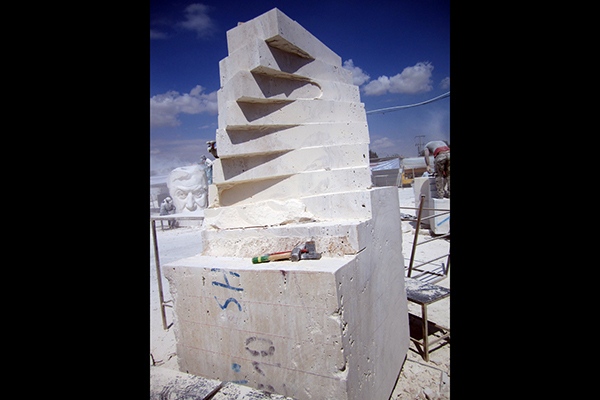
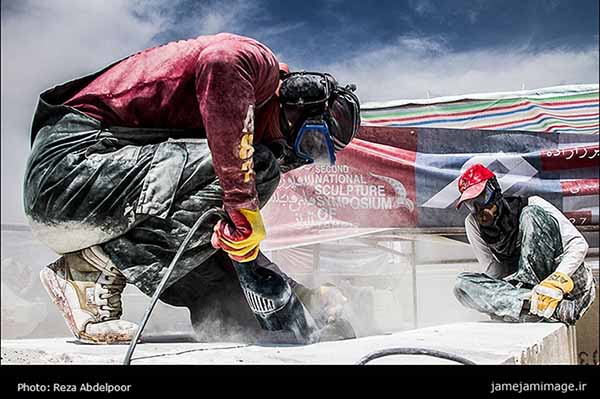
Sculpture Symposium00

The National Sculpture Symposium is designed to promote the art of sculpting, said the managing director of Tabriz Beautification Organization, adding that the symposium is also aimed at sharing aesthetic experience in society and raising public awareness about art and creativity.

Akbar Amjadi went on to say that transfer of cultural, historical and national concepts is among the main objectives of the Tabriz symposium.

Just like the first symposium, stone sculptures are put on display in Tabriz during the second symposium.

Some 30 sculptors are competing in the 22-day symposium which opened on August 23.

Amjadi said that the symposium will be held internationally next year.

Photos of the sculpture symposium released online by different news websites:

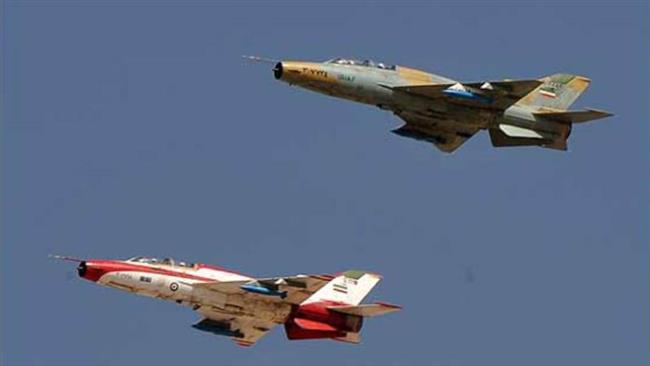
Iran Air Force launches major maneuvers

Iran Air Force

The large-scale drills, codenamed Fada’eeyan-e Harim-e Velayat 5 (Devotees of the Velayat Sanctuary 5) began on Saturday to convey Iran’s message of security, stability, friendship and lasting peace to regional countries.

Various military aircraft, including fighter jets, bombers, cargo planes, drones and reconnaissance aircraft, will be used in the two-day exercises.

The Air Force will conduct reconnaissance and data transfer missions, strike air and ground targets and practice civil defense tactics.

The operations will be carried out in three phases over an area of 400,000 square kilometers.

The maneuvers aim to improve commanders’ skills, upgrade systems and test different defense achievements in order to demonstrate the military prowess of the Islamic Republic of Iran’s military.

The Air Force holds annual drills to boost its capabilities to defend Iran’s airspace against any possible aggression.

Iran’s Air Force successfully wrapped up Fada’eeyan-e Harim-e Velayat 4 major war games in the country’s southern Persian Gulf waters in December 2013.

Different types of rockets, light and heavy smart guided-bombs, domestically-made military equipment and the latest aerial combat accomplishments underwent operational tests in the drill.

In recent years, Iran has made major breakthroughs in its defense sector and attained self-sufficiency in producing important military equipment and systems.

The Islamic Republic has conducted several military drills to enhance the defense capabilities of its armed forces and to test modern military tactics and equipment.

Iran says its military might poses no threat to other countries, stating that its defense doctrine is based on deterrence.

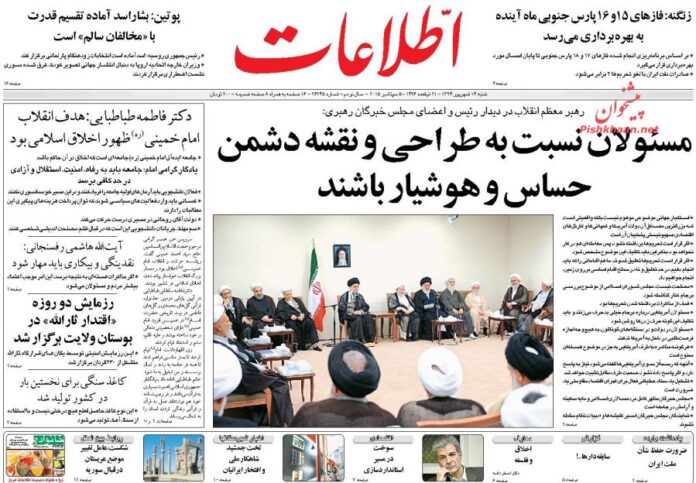
Highlights of Ettela’at newspaper on September 5

Ettelaat

 The Supreme Leader has urged officials to be sensitive and vigilant in the face of enemy plots.

Speaking at a meeting with members of the Assembly of Experts, Ayatollah Khamenei said, “If sanctions aren’t going to be lifted; there will be no deal. This issue needs to be clarified.”

 Oil Minister Bijan Namdar Zanganeh has said that Phases 15 and 16 of South Pars gas field will come on stream next month.

He further said that termination of sanctions will see the volume of Iran’s oil exports double.

 The Russian president has said that Bashar Assad is ready for power-sharing with the “healthy opposition”.

Vladimir Putin further said Assad is also ready to call snap parliamentary elections.

 The chairman of the Expediency Council has said that liquidity and unemployment should be brought under control.

Ayatollah Hashemi Rafsanjani further said that conclusiveness of the nuclear talks is bound to bolster trust between officials and members of the public.

 Dr. Fatemeh Tabatabai [wife of Imam Khomeini’s late son Seyyed Ahmad] has said that the revolution the late Imam championed was designed to help Islamic morality emerge.

Meanwhile the grandson of the founding father of the Islamic Republic said society needs to have enough welfare, security, independence and freedom.

 A two-day drill involving more than 50,000 volunteer Basijis has been held at Tehran’s Velayat Park.

 Rockstock, a kind of paper which is made of rock, has been produced in the country for the first time.

To make this an extremely environmentally friendly paper, not a single tree is felled.