Friday, December 26, 2025
Home Blog Page 4645

PART THREE: On the Iran nuclear deal

A former French premier has said that his country will not follow in the footsteps of the United States if Washington unilaterally goes back on its promises under the Iran nuclear deal.

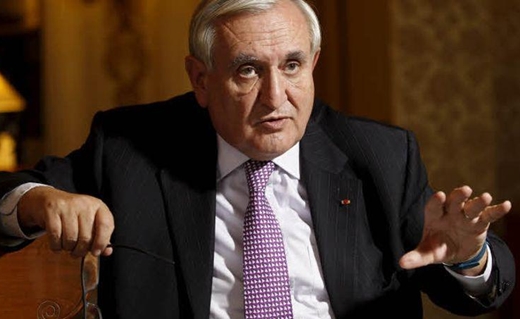
Jean-Pierre Raffarin, who served as French prime minister (2002–2005), made the remark in an interview with Etemaad daily’s Ehsan Badaghi and added that JCPOA is an agreement between Iran and six world powers and that one country, out of P5+1, cannot unilaterally violate the nuclear deal.

The opposition UMP party senator – who is now the chairman of the French Senate Committee for Foreign Affairs, Defense and Military – also talked about trans-partisan policies of France on the war on terror and stressed that Iran should be a key player in international efforts to take on terrorism.

Raffarin was in Tehran in mid-December as part of a French delegation led by President of the French Senate Gerard Larcher. The following is the translation of the final part (PART THREE) of the interview which focused on the international fight against terrorism and implementation of the Iran nuclear deal:

Q: If France holds a positive view of Iran, why is it that Paris took the harshest stance in the final hours of the two key stages of nuclear talks – once in Geneva and another time in Vienna? In those two stages, why did your country adopt a policy which pushed the talks to the brink of a breakdown?

A: France had no intention of taking the talks to the brink of a breakdown and putting an end to the negotiating process. France wanted the two sides to arrive at an agreement which could bring the dispute to an end for good. France was extremely worried that an agreement that lacked substance might be struck, one that could not close the [Iran nuclear] case forever.

The question was how to change Iran’s international position, and such a change is not what you can bring about every six months. France is very happy with the agreement [Iran and P5+1 struck in July] and is certain that the parties to the Iran nuclear deal will keep their end of the bargain.

As far as France is concerned, this [Iran’s nuclear] case is closed. We should honor all commitments under the nuclear deal. This applies to all sides of the deal. We can embark on our new work with regard to Iran’s new international position.

Q: What is that new work?

A: Development of political and economic cooperation. It is what the two sides are very much eager about, both officials in Iran and in France.

Q: As far as the Joint Comprehensive Plan of Action (JCPOA) is concerned, there is one point. Despite your positive view, we see certain developments, especially the new developments in the US, have unfolded to counter Iran. These developments have now created ambiguities in Iran. There are some in the Republican Party who insist on going back on JCPOA in case their nominee wins the 2016 presidential elections. What do you think about such stance? What is France’s policy on this?  

A: We view JCPOA as a special international opportunity, a starting point for a number of positive developments. I should stress here that JCPOA will not be revoked. France got involved in the talks simply to help the two sides reach a sustainable agreement.

I do not think a new development will take place in the United States [which can affect the nuclear deal], because it is in the best interests of all nations for Iran to assume its own place and undertake its own responsibilities. Thanks to Iran’s regional power and economic potential, it would serve the interests of all nations to help Iran reclaim the position it seeks and deserves on the world stage. This is the conclusion many countries have come to: this is the position which belongs to Iran.

France will be seriously defending Iran’s efforts to achieve such a position [at the international level] and this is the most important message of Paris to Iranian officials.

As for a US decision to contradict JCPOA, I should say that the Joint Comprehensive Plan of Action is a deal struck by Iran and six countries which represented the international community. I think the requirements of the political situation will eventually bar the US or any other country from going it alone and breaching the nuclear deal. Five powerful countries along with Iran, which had been involved in the talks for two years, will not easily ignore the results of the talks.

I cannot make promises on behalf of the Americans, but I can say on behalf of France that we will remain committed to the deal we have inked and reject as unconstructive any breach of JCPOA.

France distanced itself from the Americans during the US invasion of Iraq and Afghanistan, but our differences with the Americans will widen even more if they violate the nuclear deal. Paris does not follow any other country, including the US, when it comes to the implementation of the Iran nuclear deal.

The end

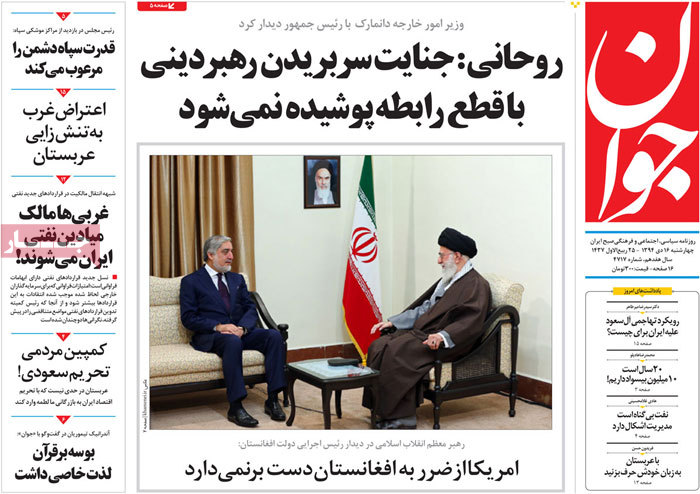
A look at Iranian newspaper front pages on Jan 6

Iranian Newspapers Headlines

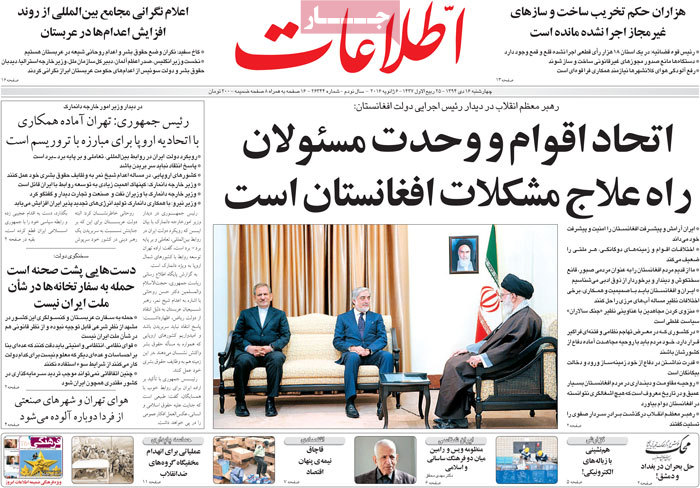
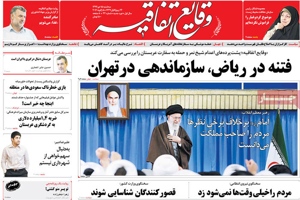
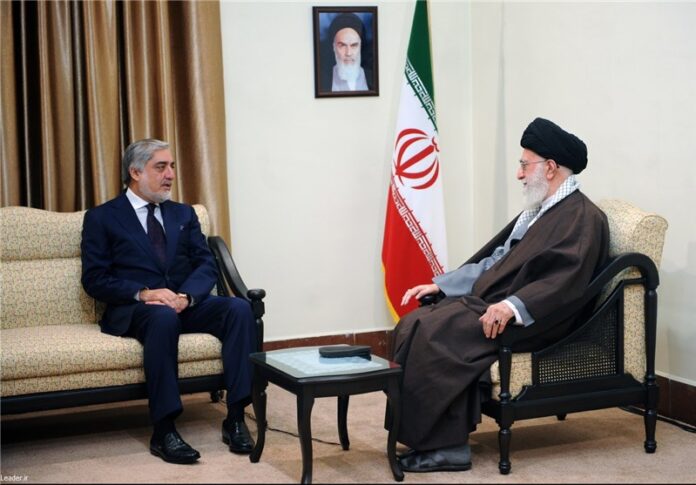
The comments of the Supreme Leader at a meeting with visiting Chief Executive Officer of Afghanistan Abdullah Abdullah dominated the front pages of Iranian newspapers on Wednesday. Also appearing on the cover of dailies was the result of a first round of screening for parliamentary elections.
 

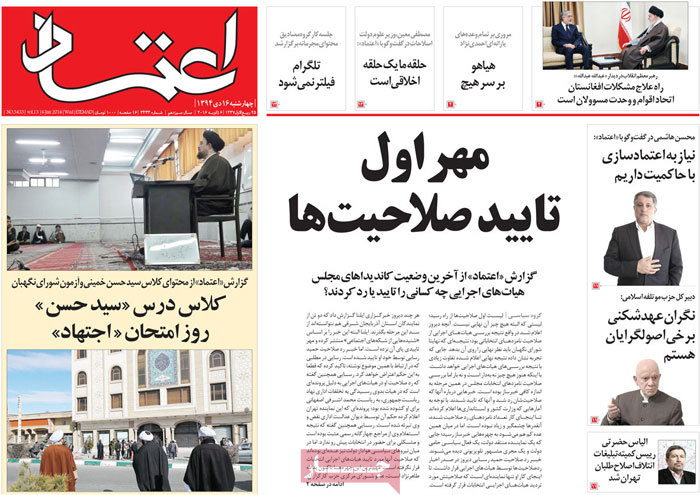
Ettela’at: The Supreme Leader has said that ethnic unity and official solidarity is key to solving the problems Afghanistan is facing.
In a meeting with visiting Afghan chief executive, Ayatollah Khamenei said that Iran views Afghan security and progress as its own.

Ettela’at: President Hassan Rouhani has said that Tehran stands ready to cooperate with the EU in the fight against terrorism.

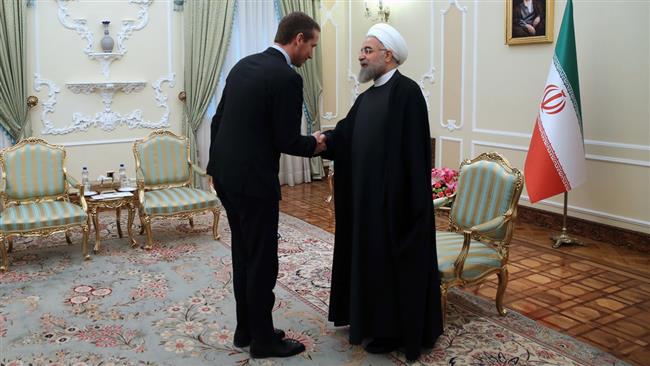
In a meeting with the Danish foreign minister, President Rouhani also said that Iran’s approach to international ties is based on win-win interaction.

Ettela’at: The Judiciary chief has said that there are thousands of unimplemented court rulings on pulling down unauthorized structures and buildings.

Ettela’at: International figures and institutions have expressed concern over the growing number of executions in Saudi Arabia.

The British prime minister, the German chancellor, the UN secretary general, the Australian foreign minister, Human Rights Watch and the Swiss government have expressed concern over executions in the kingdom.

Ettela’at: The government spokesman has said that hands behind the scenes are involved in recent incidents.

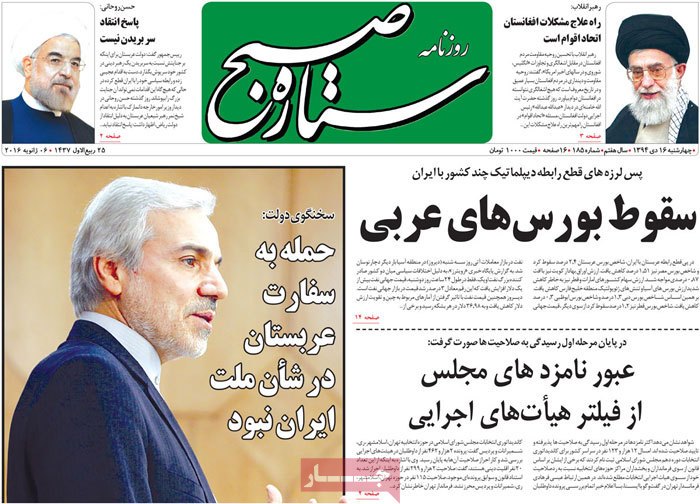
Mohammad Bagher Nobakht further said that storming embassies is below the dignity of the Iranian nation.

Ettela’at: Air pollution will make its ominous comeback to Tehran and industrial parks on Thursday.


A look at Iranian newspaper front pages on Jan 6


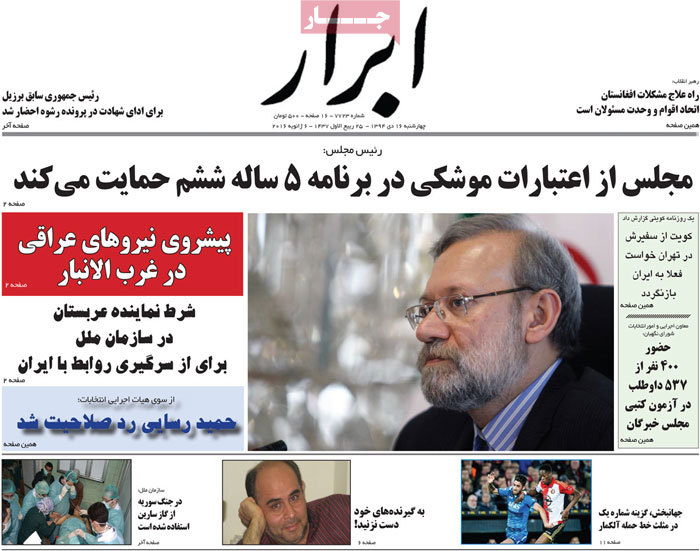
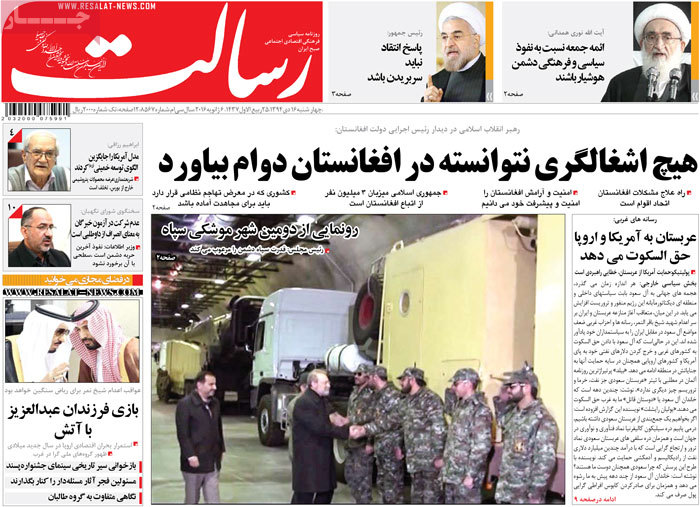
Abrar: Parliament Speaker Ali Larijani has said that the chamber supports allocation of budget to the country’s missile program in the Sixth Development Plan.

Abrar: Hamid Rasaei, [a hardline principlist MP in the current parliament] has been found unqualified to seek reelection.


A look at Iranian newspaper front pages on Jan 6


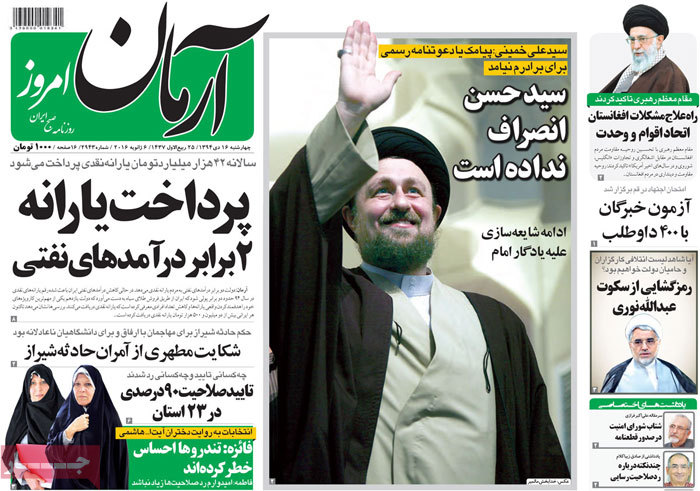
Arman-e Emrooz: Seyyed Hassan Khomeini [the grandson of the late Imam Khomeini] has not bowed out of the race for the Assembly of Experts, his brother Seyyed Ali said.

In another development, the executive boards [affiliated with the Interior Ministry] have given the [initial] go-ahead to 90 percent of electoral candidates.


A look at Iranian newspaper front pages on Jan 6


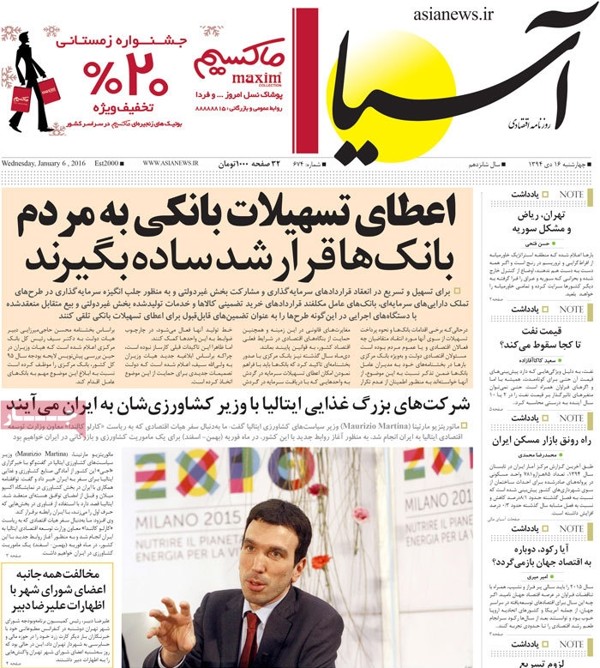
Asia: Representatives of Italian food giants will visit Iran along with the Italian agriculture minister.


A look at Iranian newspaper front pages on Jan 6


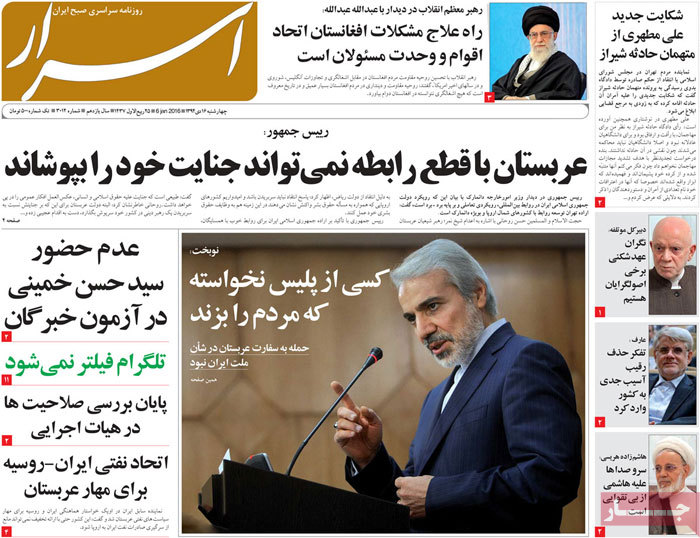
Asrar: Tehran MP Ali Motahari has filed a new complaint against those who ordered an attack on him in the southern city of Shiraz where he was to deliver a speech last year.

Asrar: Iran and Russia are to strike an oil alliance to contain Saudi Arabia.


A look at Iranian newspaper front pages on Jan 6


Etemad: Telegram [a messaging app very popular in Iran] won’t be blocked.


A look at Iranian newspaper front pages on Jan 6


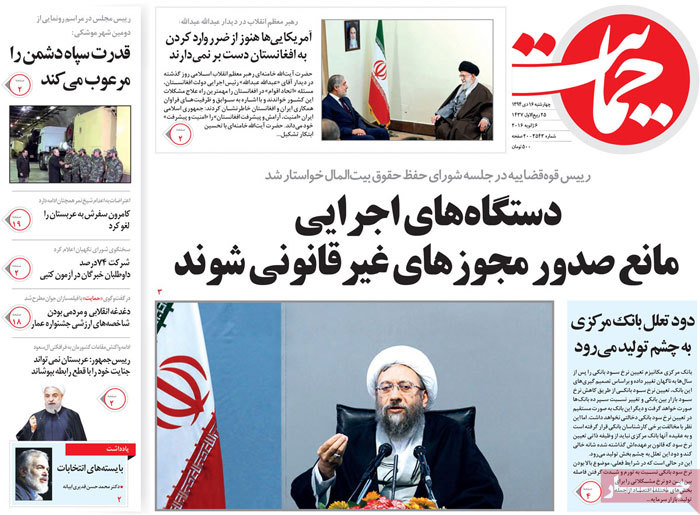
Hemayat: The parliament speaker has said that the missile capability of the Islamic Revolution Guard Corps sends chills down the enemy spine.


A look at Iranian newspaper front pages on Jan 6


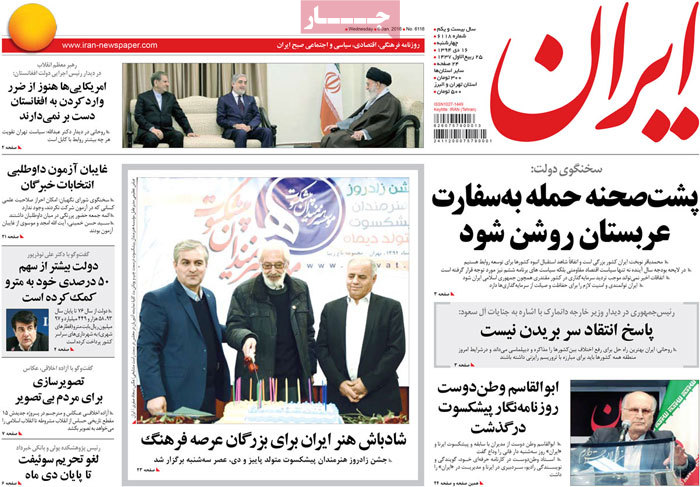
Iran: The SWIFT (Society for Worldwide Interbank Financial Telecommunication) ban on Iran will be lifted within two weeks.


A look at Iranian newspaper front pages on Jan 6


Javan: The US won’t quit harming Afghan interests, the Supreme Leader told the visiting Afghan chief executive officer.


A look at Iranian newspaper front pages on Jan 6


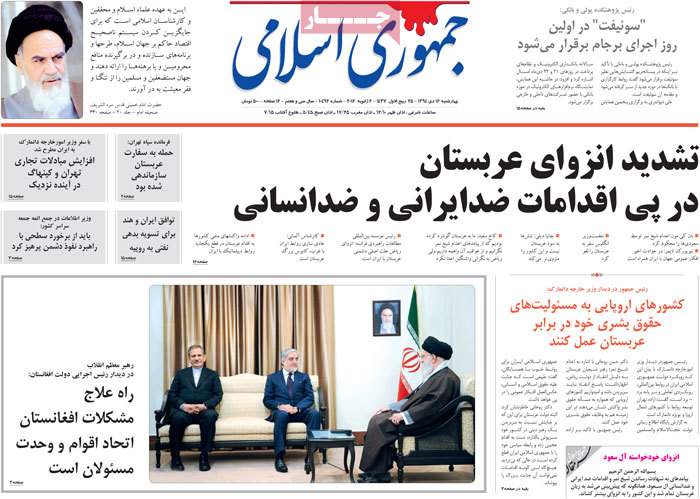
Jomhouri Islami: Trade transactions between Iran and Denmark will increase in the near future.

The announcement comes after a state visit to Tehran by the Danish top diplomat.


A look at Iranian newspaper front pages on Jan 6


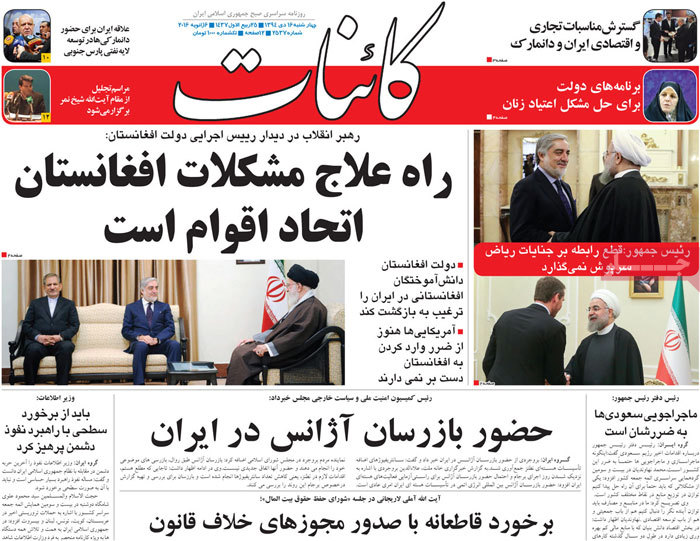
Kaenat: The chairman of parliament’s National Security and Foreign Policy Committee has said that IAEA inspectors are expected in Iran.

Kaenat: President Rouhani’s chief of staff has said that the adventurism of the Saudis will harm their interests.


A look at Iranian newspaper front pages on Jan 6


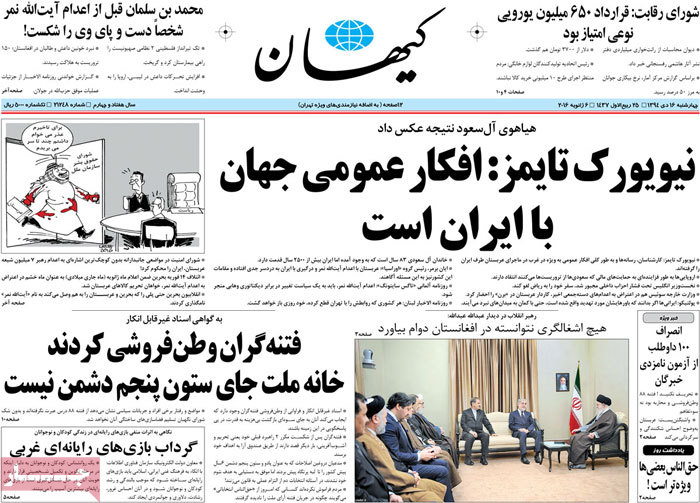
Kayhan: Some 100 hopefuls have withdrawn from the race for the Assembly of Experts.


A look at Iranian newspaper front pages on Jan 6


Resalat: Failure to take the [Ijtihad] test for Assembly of Experts aspirants amounts to withdrawal from the race, said a spokesman for the Guardian Council.


A look at Iranian newspaper front pages on Jan 6


Setareh Sobh: You don’t behead individuals for being critical, President Rouhani has said.


A look at Iranian newspaper front pages on Jan 6


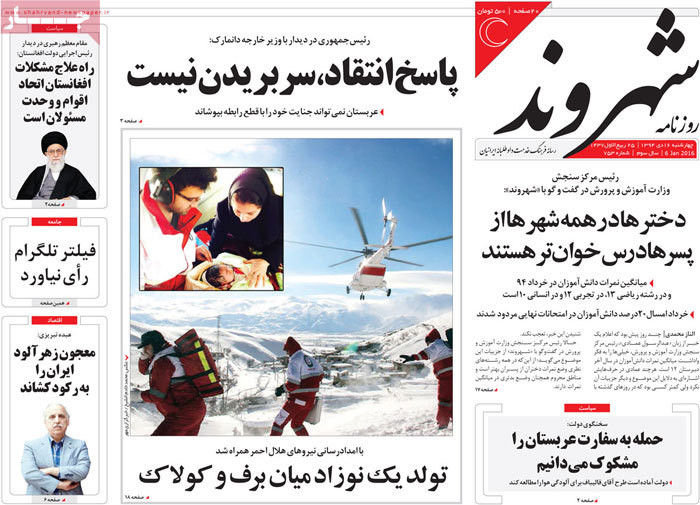
Shahrvand: A child has been born in blizzard condition after being rescued by the Red Crescent Society.


A look at Iranian newspaper front pages on Jan 6


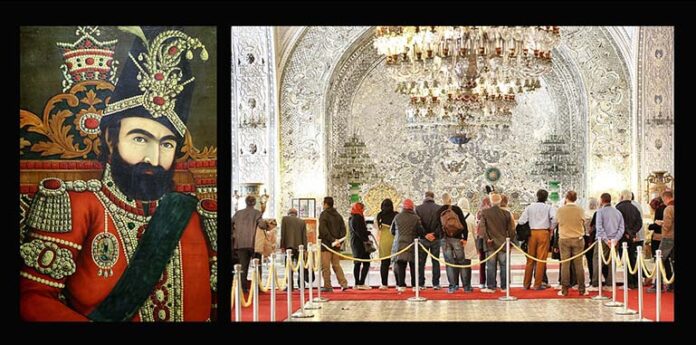
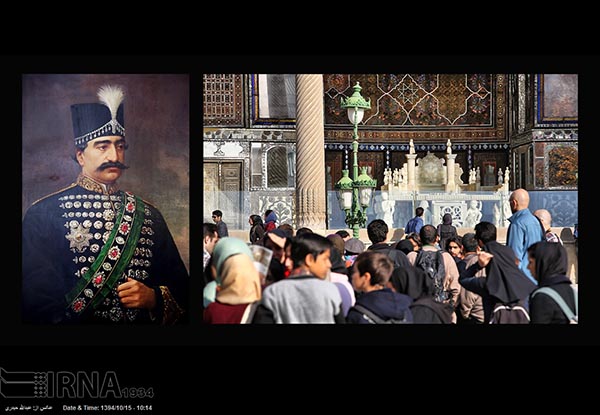
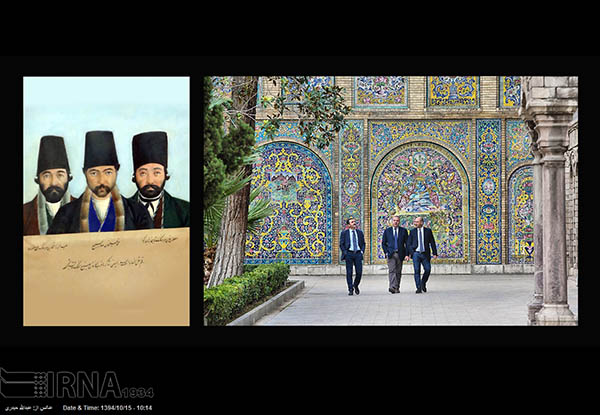
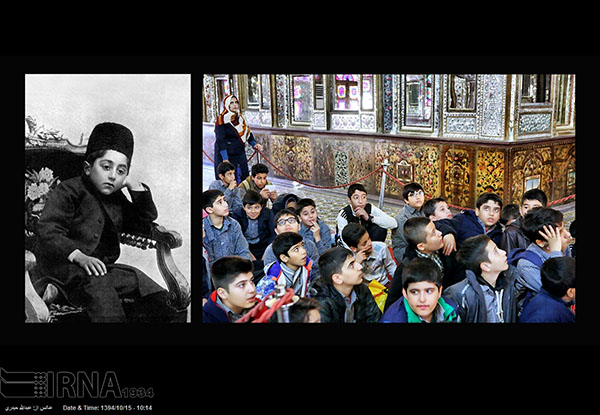
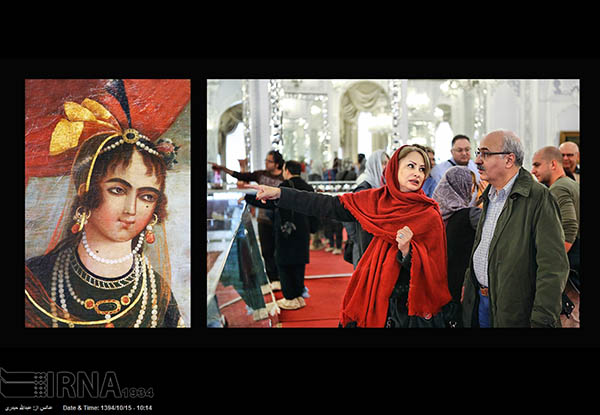
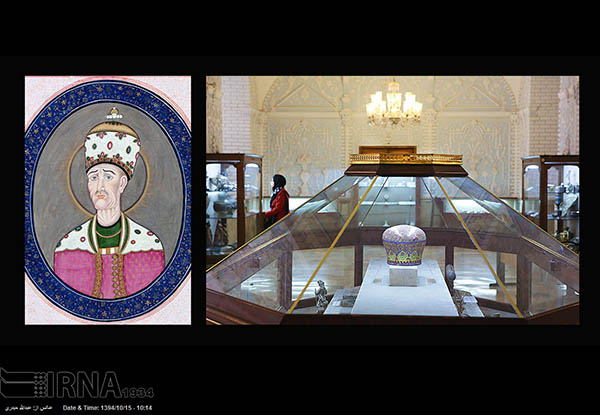
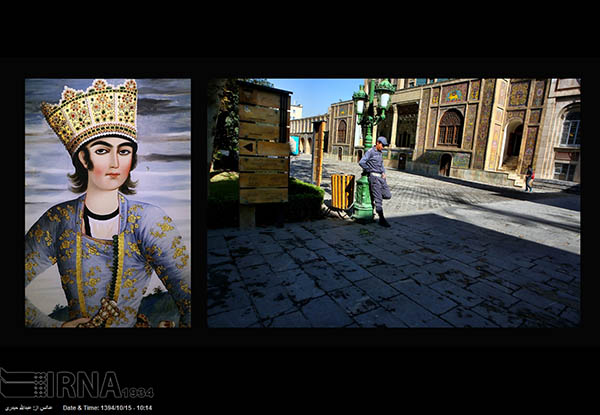
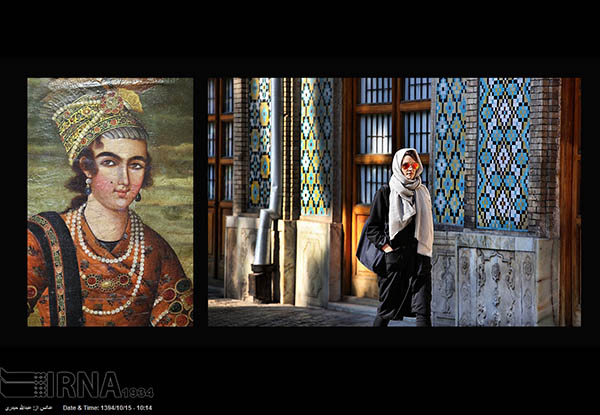
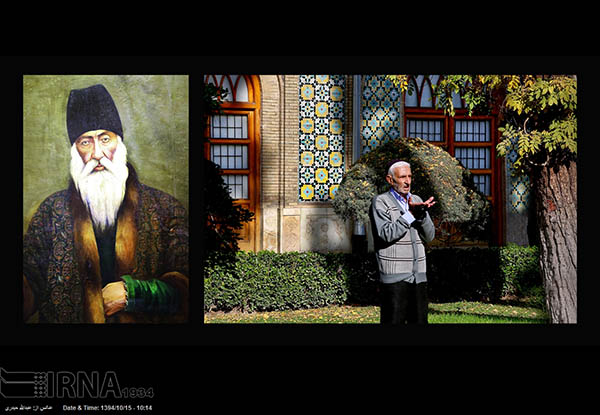
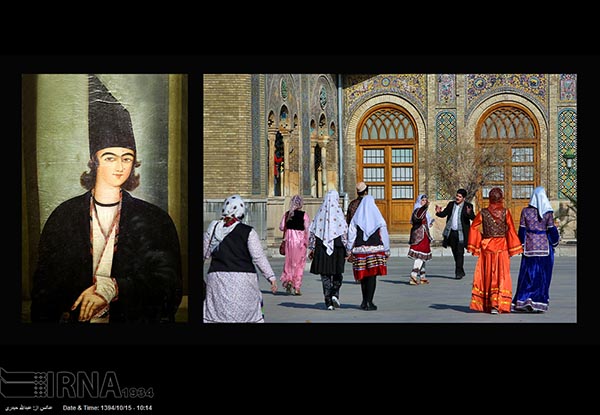
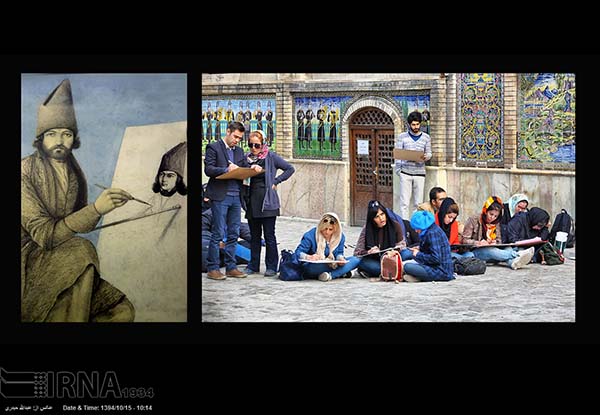
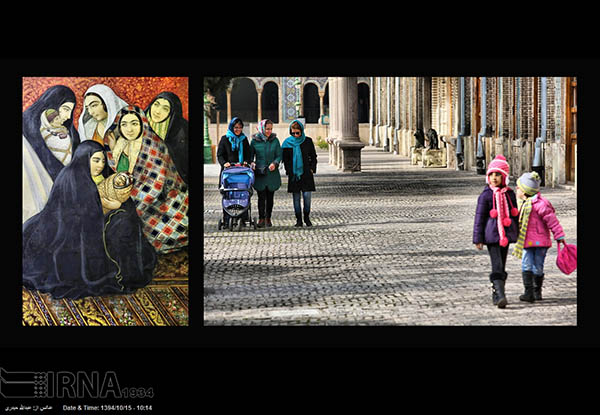
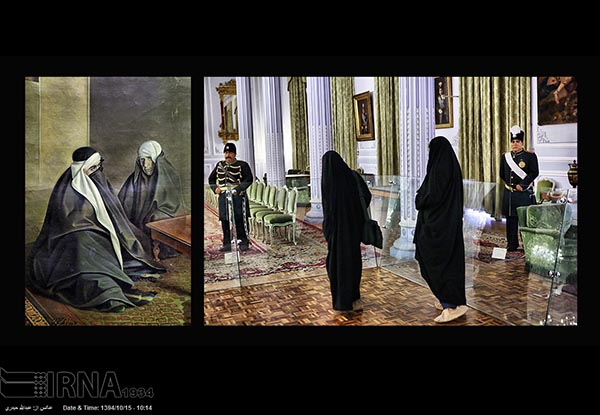
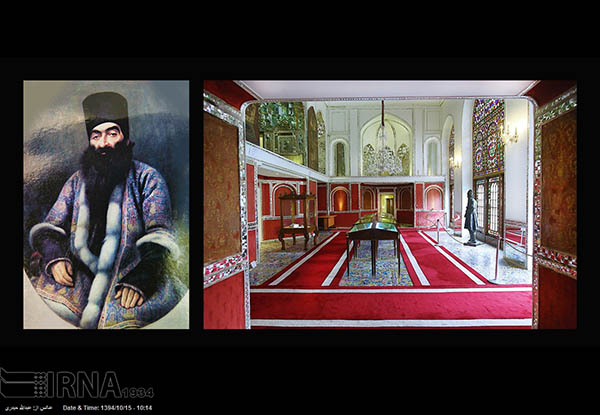
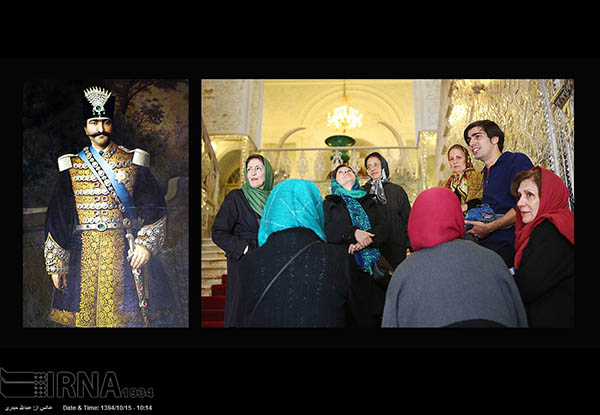
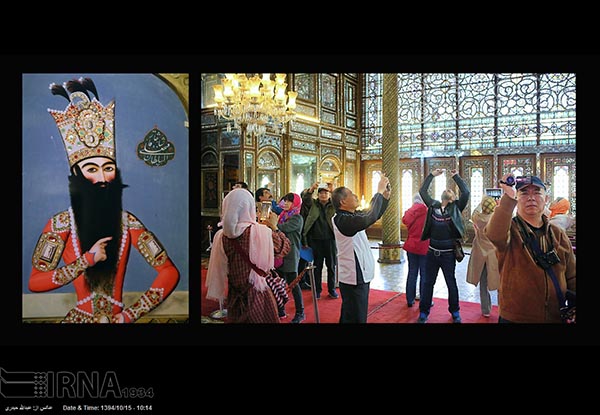
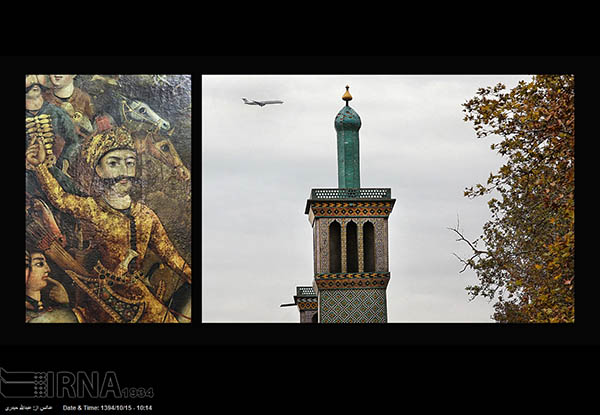
Golestan Palace in the course of time (PHOTOS)

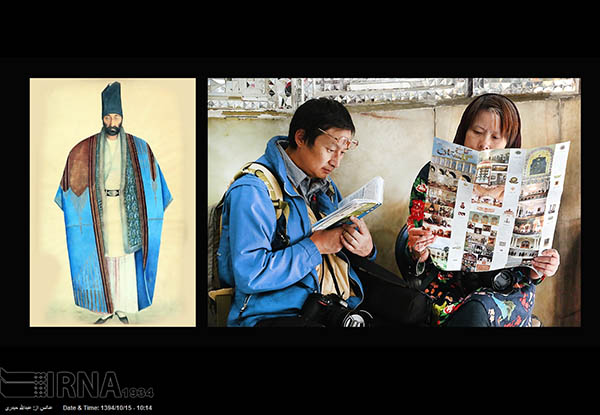
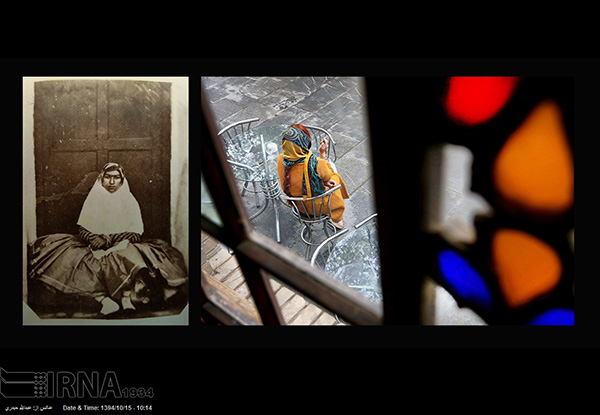
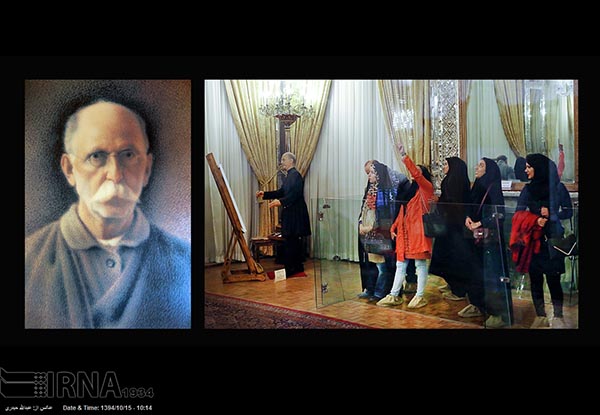
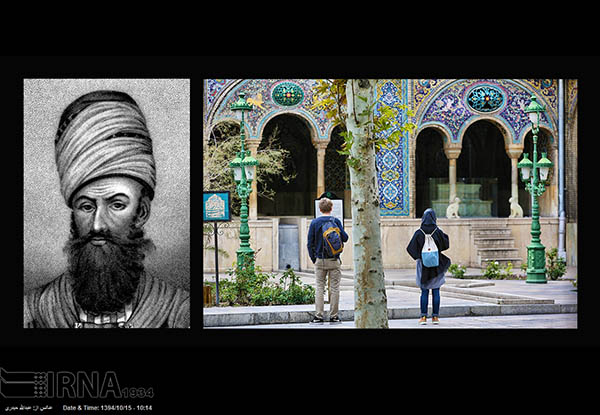
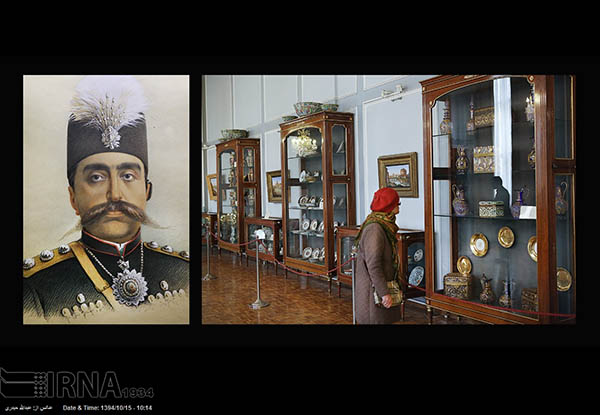
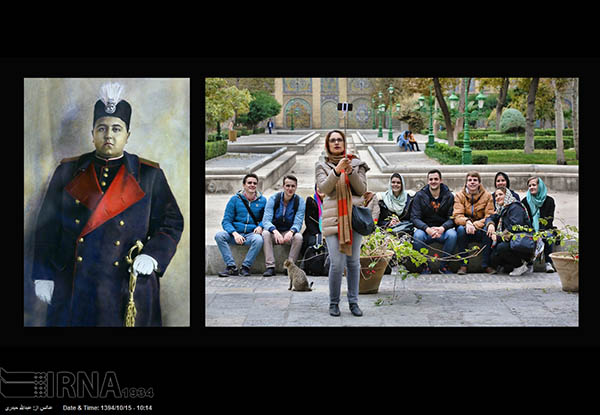
Golestan Palace in Tehran is a unique historical complex in Iran. The 440-year-old palace was the seat of government in Qajar era.

The lavish palace has now turned into an attractive museum for tourists and history lovers. 

The following images of the historical royal palace and its changes over time have been released by the Islamic Republic News Agency (IRNA):

Iran denies reports of Kuwait downgrading ties

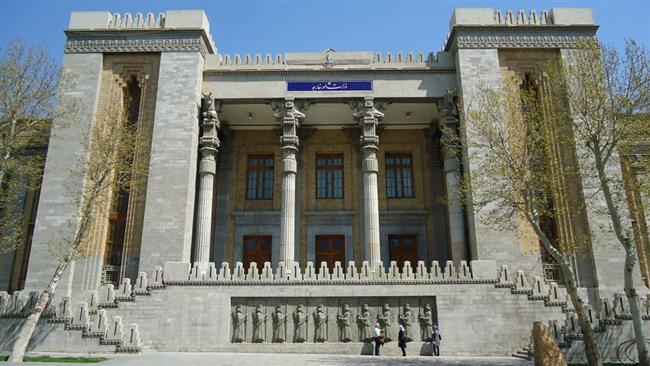
Iran's Foreign Ministry

The Islamic Republic has dismissed media reports that there has been a downgrade in diplomatic relations between Iran and Kuwait after Saudi Arabia and Bahrain severed relations with Tehran.

“The Kuwaiti ambassador traveled to his country only for consultation,” an informed source at Iran’s Foreign Ministry said on Tuesday.

He added that such reports are media hype.

Media reports claimed that Kuwait recalled its ambassador to Iran on Tuesday in reaction to demonstrations held in front of the Saudi embassy in Tehran and its consulate in the northeastern city of Mashhad by angry protesters censuring the Al Saud family for the killing of the top Shia cleric Sheikh Nimr al-Nimr.

Some people scaled the walls of the consulate in Mashhad while incendiary devices were hurled at the embassy in Tehran. Some 50 people were detained over the transgression.

Saudi Arabia severed diplomatic relations with Iran on Sunday following the demonstrations.

The Bahraini government said on Monday that it is cutting diplomatic ties with Iran following a similar move by its ally Saudi Arabia. Manama also announced on Tuesday that it had decided to halt all flights to and from Iran.

The United Arab Emirates said on Monday it has recalled its ambassador from Iran and downgraded diplomatic relations with Tehran.

The UAE had decided to lower “diplomatic representation to the level of charge d’affaires and reduce the number of Iranian diplomats in the country,” WAM news agency quoted the Foreign Ministry as saying in a statement.

Nimr’s execution has drawn strong public and political reactions around the world. The monarchy has, however, rejected all criticisms, accusing critics of meddling in its internal affairs.

Sheikh Nimr, a critic of the Riyadh regime, was shot by Saudi police and arrested in 2012 in Qatif, which was the scene of peaceful anti-regime demonstrations at the time.

He was charged with instigating unrest and undermining the kingdom’s security. He had rejected the charges as baseless.


Iran supports peace, stability in Afghanistan: Rouhani

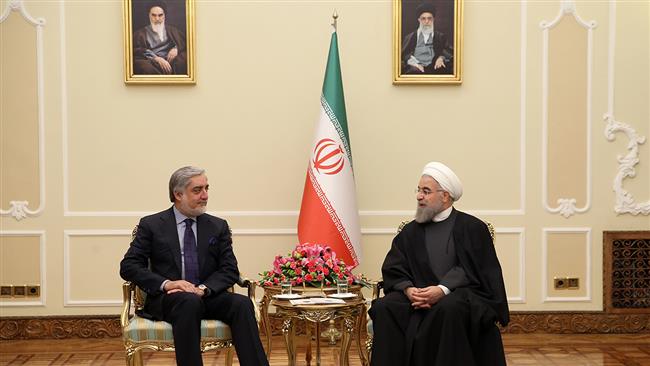
Iranian President Hassan Rouhani says the Islamic Republic supports peace and stability in Afghanistan.

“The Islamic [Republic of] Iran favors a secure, stable and united Afghanistan,” Rouhani told the visiting Chief Executive of Afghanistan Abdullah Abdullah in Tehran on Tuesday.

Rouhani gave a positive assessment of the formation of national unity government in Afghanistan, saying it proves the “maturity” of Afghan political leaders who have paved the way for “unity and consensus among all ethnic Afghan groups.”

The Iranian president noted that security is the key requirement for Afghanistan and the entire region and expressed hope that unity in the country would result in further development of the Central Asian country.

He said that Iran’s policy is based on strengthening Tehran-Kabul ties.

“Iran welcomes the expansion of cooperation with Afghanistan particularly in the economic, cultural and environmental sectors,” said Rouhani.

He also said that the production and smuggling of narcotics poses a challenge whose tackling requires regional cooperation.

For his part, Abdullah heaped praise on the Islamic Republic for its all-embracing support for his country, saying the Iranian government and nation have always stood by the Afghan nation.

The Afghan chief executive expressed hope that the proper conditions would come about soon to facilitate the return of Afghan refugees living in Iran.

Roadmap for Iran-Afghanistan ties: Zarif

In a meeting with Abdullah earlier on Tuesday, Iranian Foreign Minister Mohammad Javad Zarif stressed the importance of drawing up a roadmap for bilateral cooperation in different fields including transit of goods, trade, security and legal issues.

He commended the Afghan government’s efforts to establish security and peace in the country within the framework of dialog among all ethnic Afghan groups.

Zarif and Abdullah also discussed the latest regional and international developments and ways to improve constructive cooperation in fighting terrorism and extremism.

Heading a high-ranking delegation, Abdullah arrived in Tehran on Monday for an official three-day visit.


Saudi Arabia is seeking confrontation with Iran

Over the past two years, the Saudi government has openly aligned itself with the Zionist regime and tried to use all manner of means to interfere with Iran’s renewed interaction with foreign countries and [the conclusion of] the Joint Comprehensive Plan of Action. Riyadh has exhaustively tapped into its potential to materialize such a goal.

Vaghaye Etefaghie
Vaghaye-e Etefaghiyeh’s front page – Jan. 5

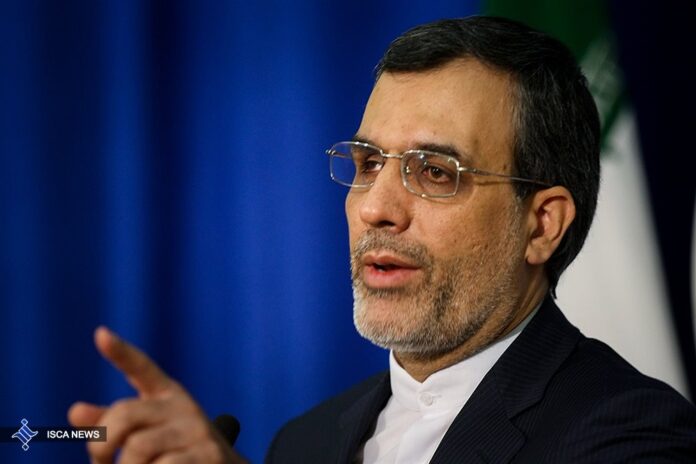
Foreign Ministry Spokesman Hossein Jaberi Ansari wrote this at the beginning of a piece Vaghaye-e Etefaghiyeh daily published on January 5. The following is the translation in its entirety of the piece – which focused on Saudi Arabia and what developed in the wake of the Saudi execution of prominent Shiite cleric Sheikh Nimr:

After its attempts to obstruct the conclusion of JCPOA failed, the Saudi government tried to stop the Iran nuclear deal from being implemented; we have now gone through the latter stage.

It is crystal clear that in current circumstances Saudi Arabia – like Israel – is seeking to advance its interests in two core issues: confrontation with Iran and continuation of crises in Western Asia. In other words, to the Saudis growing regional tensions safeguard their interests and even their survival.

A question arises here as to whether or not the Saudis will be able to create an alliance against Iran in the region. That will not be an easy path to walk down, I should say, because those countries which characterize themselves as politically independent and pursue their own goals and plans, will never accept to follow in the footsteps of Saudi Arabia.

Despite growing pressure from Riyadh, such countries have refused to follow the lead of Saudi Arabia. The decision by two small countries – Bahrain and Djibouti which are somehow viewed as Saudi Arabia’s affiliates – to follow the lead of Riyadh will not challenge the argument above.

Those countries which value and respect their past and have a broader knowledge about the current trends in the world have set their own priorities which are different from those of Saudi Arabia. There is a dividing line between the policies of other countries and those of Saudi Arabia’s, both at regional and international levels, a distinction whose signs are clearly visible.

As for what happened [on Saturday] at the Saudi Embassy in Tehran, we see a kind of law-breaking by certain groups. Those behind the embassy attack are being duly dealt with, and some of them have been arrested and referred to judicial officials.

Iran honors its commitments on ensuring the security of foreign embassies and diplomatic missions under international conventions. This is not the first case in this regard; what matters more is that the Iranian government has fulfilled its commitments and that the law enforcement and judicial forces have put top on their agenda efforts to [seriously] deal with the perpetrators of the Saudi Embassy incident.

There are speculations that certain groups at home who are opposed to the Joint Comprehensive Plan of Action resort to such approaches in a bid to create obstacles in the way of the government’s [foreign] diplomacy.

But we should bear in mind that foreign policy issues are like national and sovereignty-related questions. These questions – either JCPOA or relations with regional and international powers – are national issues which should be excluded from partisan and factional bickering.

What the foreign policy apparatus has on its agenda for dealing with questions such as the Iran nuclear deal and regional and international relations comes from policies adopted by the country’s high decision making bodies. As the executor of national and sovereignty-related decisions, the Foreign Ministry simply carries out the decisions and deals with the details.

We believe that it is by no means acceptable and befitting to turn questions of national and foreign policy value into bones of contention and use them as a means to settle political scores. Such a behavior will only waste the country’s potential and capabilities and cause Iran to face further problems.

In the capacity of Foreign Ministry officials, we call on all people, figures, [political] groups and parties to contemplate the following idea: in dealing with foreign policy issues, national interests should not be tied to daily issues.

IRGC’s second missile town unveiled

Three months after the first missile town of the Islamic Revolution Guards Corps (IRGC) was revealed, Iran’s Parliament Speaker Ali Larijani Tuesday toured another underground missile facility of the Revolution Guards.

Different missiles, including the Emad ballistic missile which has a range of 1,700 kilometers, can be seen in the images released of the facility.

The IRGC has announced that it has set up big underground facilities in most cities which are safe from the enemy crosshairs and will be used if necessary.


Iran considers Afghanistan’s security its own: Leader

Supreme Leader of the Islamic Revolution Ayatollah Seyyed Ali Khamenei has reiterated Iran’s support for Afghanistan, saying the Islamic Republic regards peace and security in the neighboring country as its own.

In a Tuesday meeting with Afghanistan’s Chief Executive Officer Abdullah Abdullah in Tehran Ayatollah Khamenei pointed to the ongoing problems facing the Afghan nation, and said unity among various ethnic groups in the South Asian country is the most important solution to the problems.

“The Islamic Republic of Iran regards the security, tranquility and progress of Afghanistan as its own security and progress,” Ayatollah Khamenei added.

The leader further touched upon the history of close relations between Tehran and Kabul and highlighted the numerous potential of the two Muslim countries to boost mutual cooperation in various fields, including science and economy.

“Promotion of the level of cooperation is in the interest of both sides and differences of opinion, like the issue of water across the border shared by the two countries, should be resolved with cordiality and cooperation,” the leader stated.

Abdullah, for his part, described insecurity and the existence of terrorist groups in Afghanistan as the country’s main problem and said Kabul is trying to resolve the problem with trust in God and through measures to boost unity among the Afghan people as well as cooperation with “the Iranian brothers and friends”.

[…]

Cutting Iran ties can’t hide Saudi crime: President Rouhani

Iranian President Hassan Rouhani says Saudi Arabia will not be able to distract from its “great crime” of killing a religious leader by severing its ties with the Islamic Republic.

Referring to the execution Saturday by Saudi Arabia of prominent Shiite cleric Sheikh Nimr al-Nimr, President Rouhani said on Tuesday, “It is only natural that a crime against Islamic and human rights will be met with reaction from public opinion.”

“Of course, the Saudi government, in order to cover up its crime of beheading a religious leader has resorted to a strange measure and has severed its ties with the Islamic Republic, whereas, undoubtedly, such moves will never hide that great crime,” said the Iranian president, who was speaking at a meeting with Danish Foreign Minister Kristian Jensen in Tehran.

Saudi Arabia faced strong condemnation from Iran, as well as other countries, soon after the execution of Sheikh Nimr, who was a vocal critic of the Riyadh regime.

“Criticism should not be responded to with beheading,” President Rouhani said, adding, “We hope that European countries, which always react to issues of human rights, act on their human rights-related obligations in this case, too.”

Demonstrations were held in the Iranian capital and other Iranian cities to condemn the killing of Sheikh Nimr. Demonstrations were held, among other places, in front of the Saudi embassy in Tehran and its consulate in the northeastern city of Mashhad by protesters censuring Saudi Arabia.

Amid the largely peaceful protests, a group of people scaled the walls of the consulate in Mashhad while incendiary devices were hurled at the embassy in Tehran. Some 50 people were detained over the violation of the diplomatic perimeters.

On Sunday, Saudi Foreign Minister Adel al-Jubeir announced his country was cutting diplomatic relations with Iran.

Recounting Copenhagen’s reaction to Saudi Arabia’s execution, Jensen told President Rouhani that Denmark was the first country to condemn the killing of Nimr.

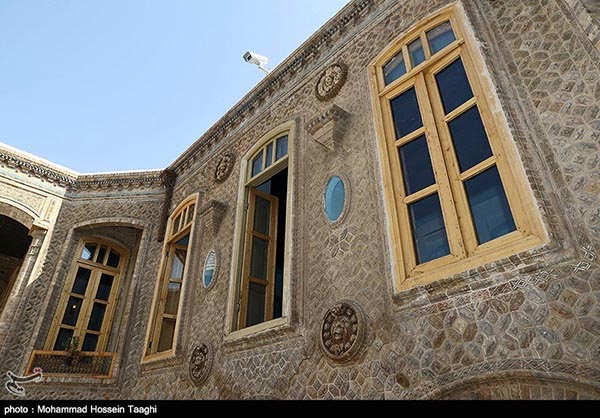
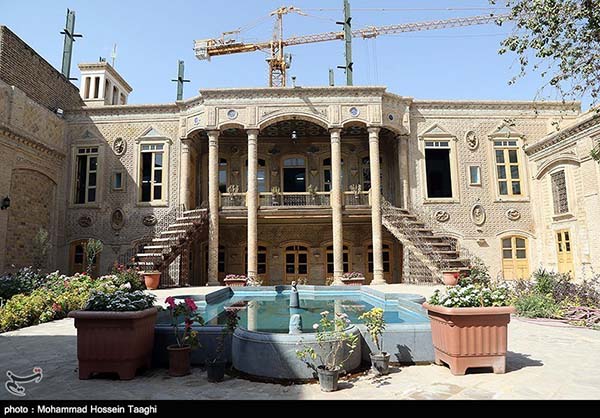
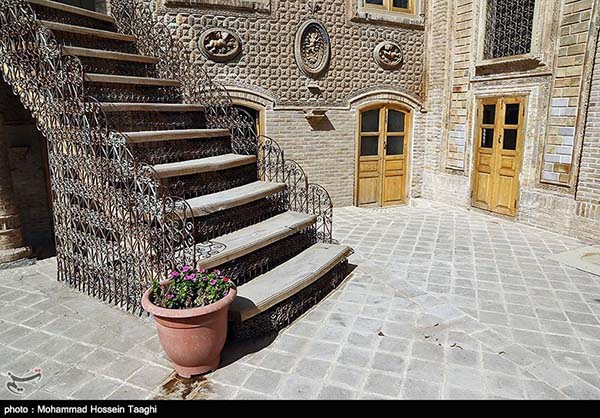
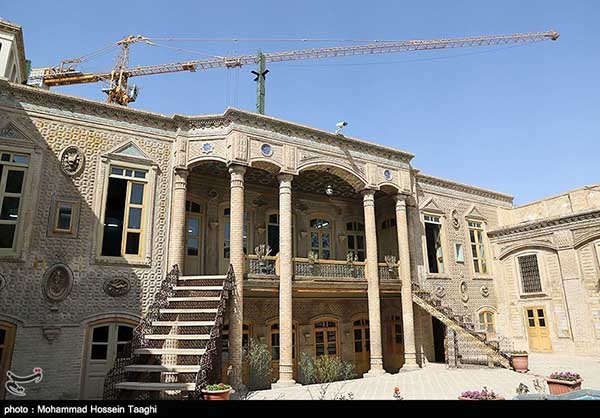
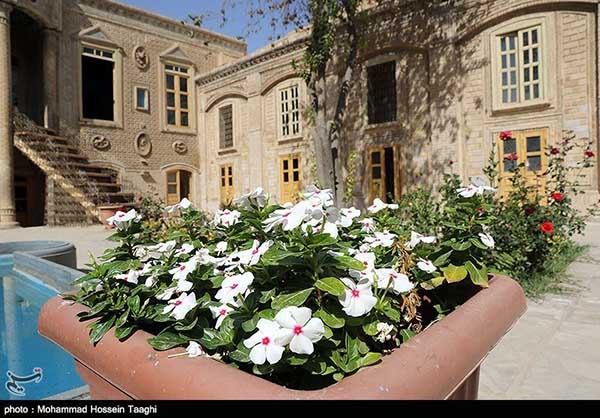
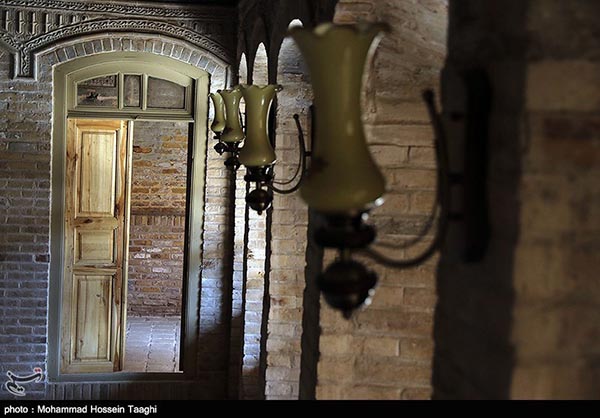
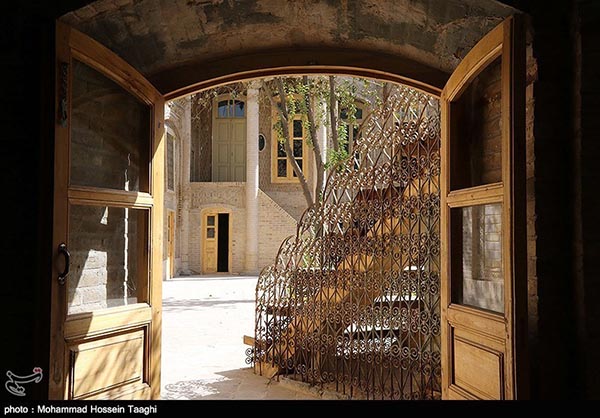
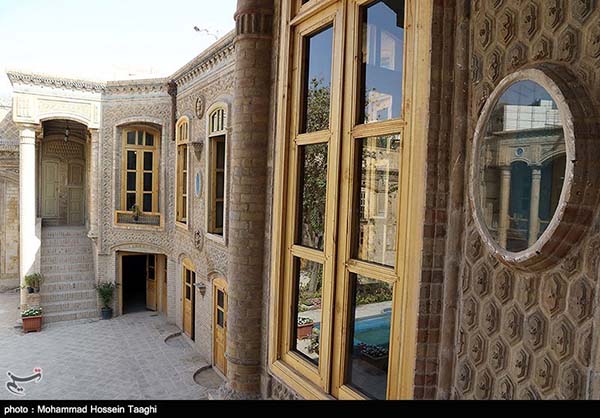
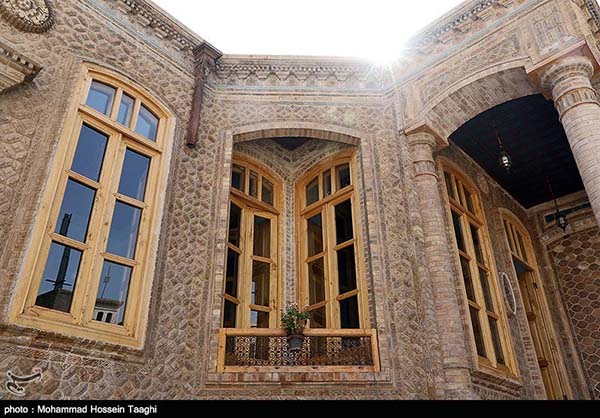
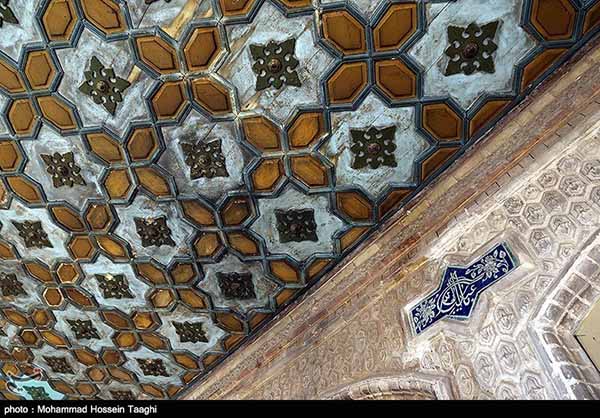
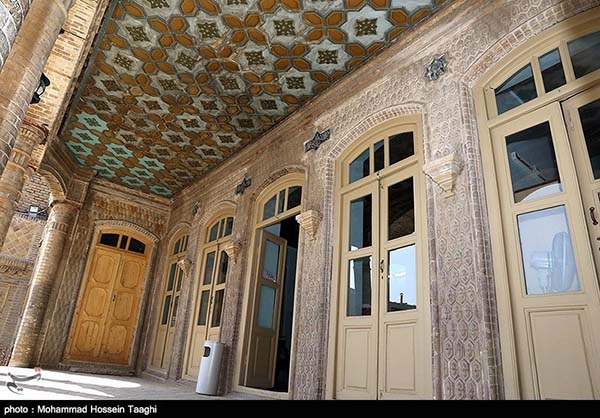
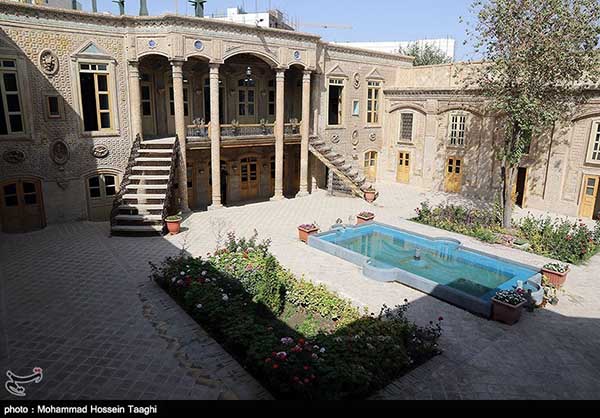
Darougheh House in Mashhad

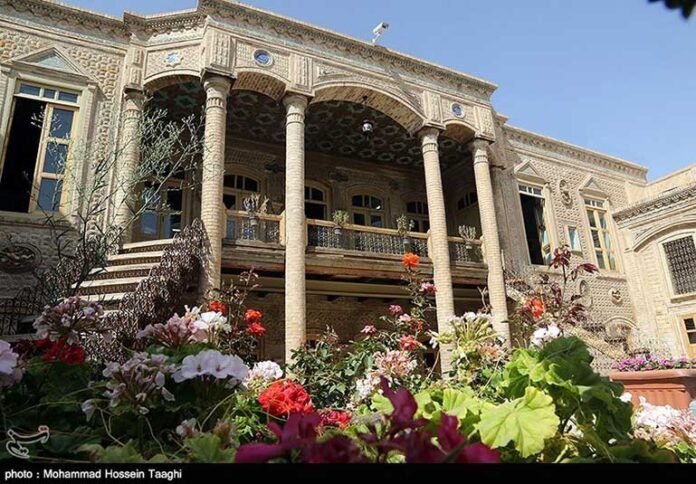
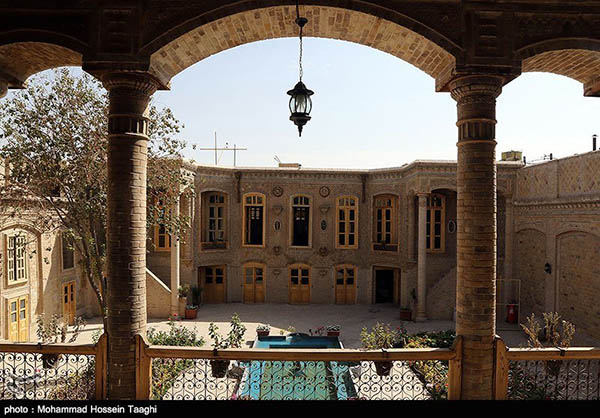
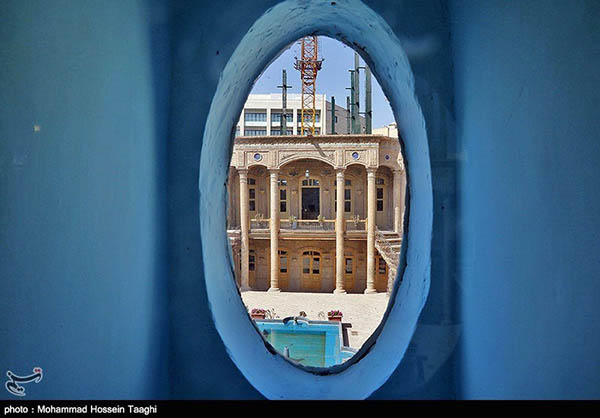
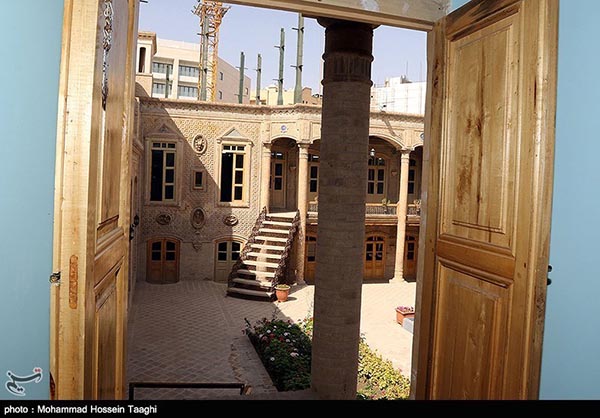
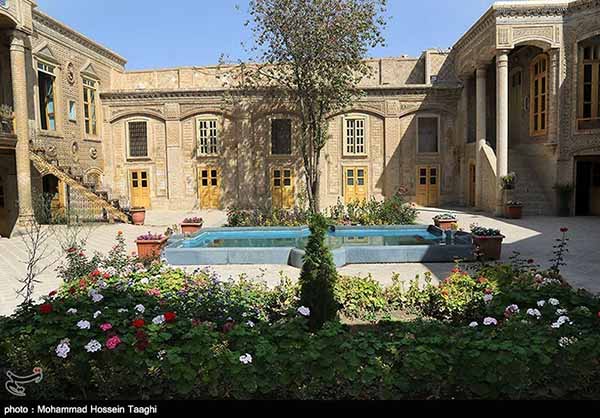
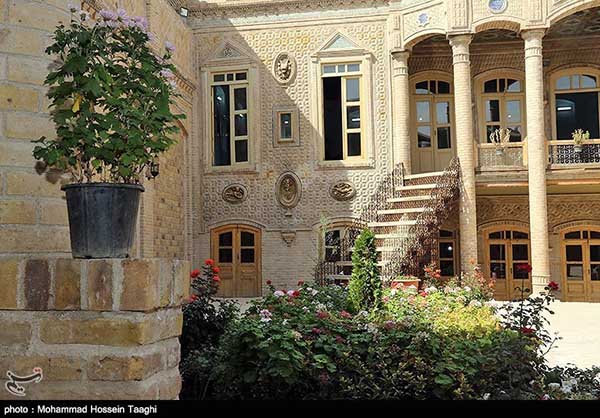
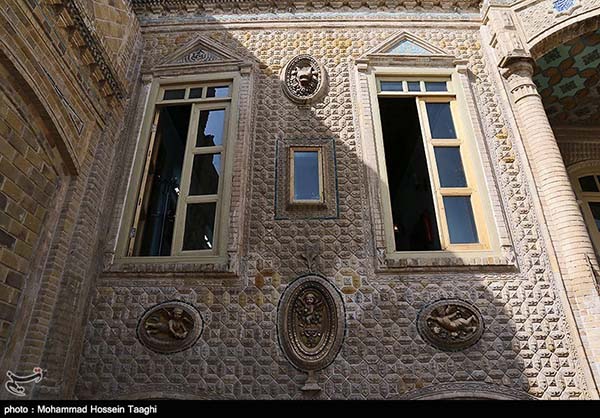
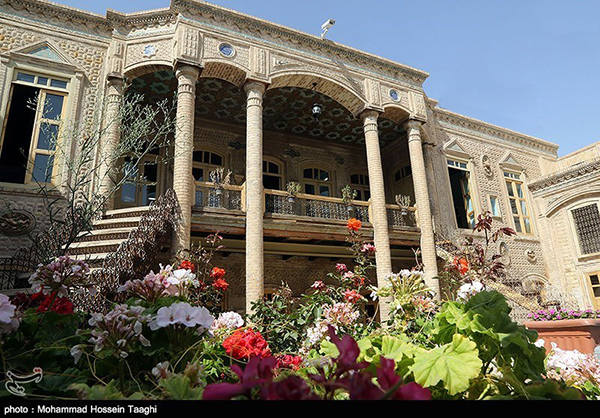
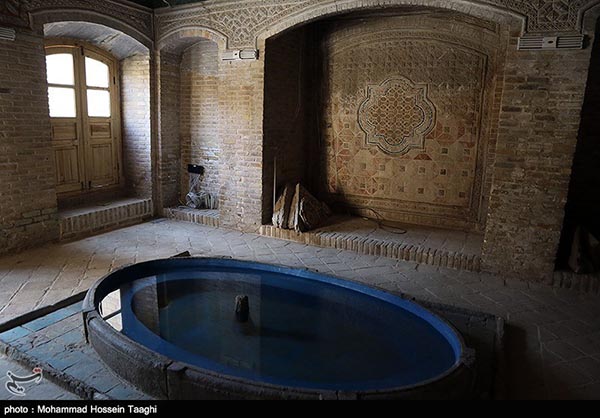
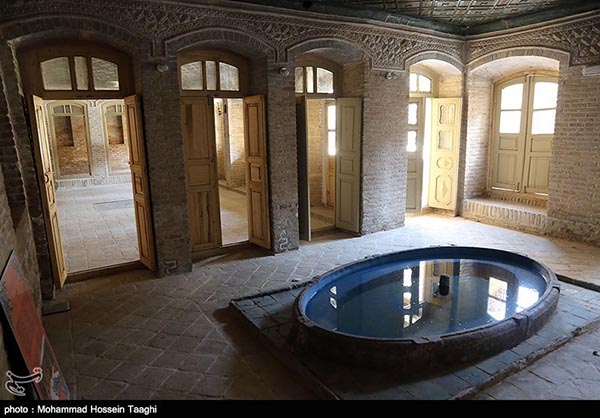
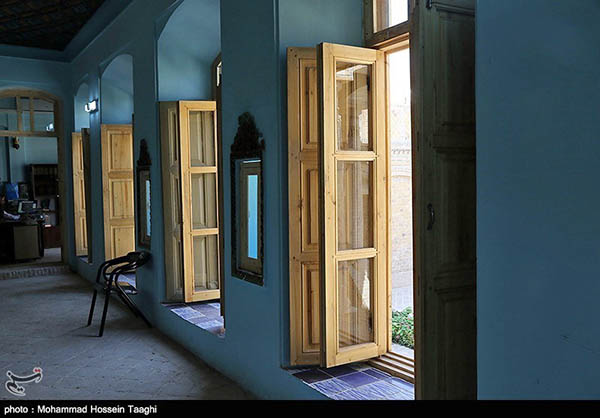
Darougheh House, a historical house in Mashhad was built by Russian architects in the late years of Qajar era. The house, which was built for the police chief [Darougheh in Persian] of the northeastern city, has been registered as one of Iran’s national heritage sites. 

Tasnim News Agency has posted online the following images of the historical house in Mashhad: