
Ali Akbar Velayati’s talks will focus on regional and bilateral issues.
Velayati is also to attend a news briefing to answer the correspondents’ questions.
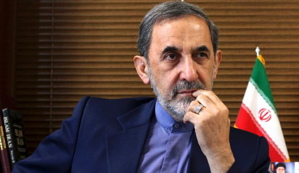
Ali Akbar Velayati’s talks will focus on regional and bilateral issues.
Velayati is also to attend a news briefing to answer the correspondents’ questions.
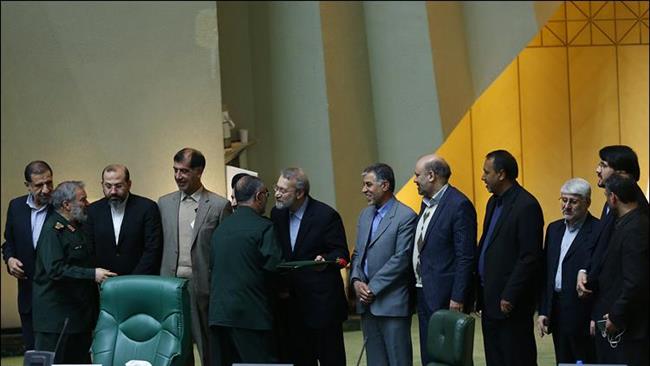
During a ceremony in the Iranian parliament (Majlis) on Monday, IRGC Navy Commander Rear Admiral Ali Fadavi and other commanders and members of the naval force involved in the operation were awarded certificates of appreciation in acknowledgement of their efforts.
During the session, Fadavi briefed the lawmakers on the operation that led to the arrest of the American sailors.
IRGC naval forces arrested 10 US sailors after their patrol boats entered the country’s territorial waters in the Persian Gulf on January 12.
The following day, the IRGC announced that ten US Marines were released after Americans apologized for the incident.
The two US Navy crafts carrying the 10 Marines had drifted three miles into the waters surrounding the Farsi Island in the Persian Gulf. The trespassing occurred because of technical problems with the navigation systems of the American vessels.
In his Monday address to the Iranian parliament, Fadavi said there is still more video footage regarding the arrest, adding that “if the Americans’ acts of malevolence continue, we will release them.”
On January 13, Iran released a video showing the moment the ten US sailors were arrested.
The footage showed US sailors on their knees with their hands on their heads. It also showed weapons seized by Iranian officers, including assault rifles and light machine guns, along with belts of ammunition.
The release of the video irked American officials, including US Secretary of State John Kerry who said he was very “angry and frustrated” at the release of the video.
On Sunday, Leader of the Islamic Revolution Ayatollah Seyyed Ali Khamenei awarded the ‘Fat’h’ (Victory) medal to Fadavai along with four other high-ranking commanders for arresting the intruding US sailors.
The Fat’h medal is among the highest honors that the Leader of the Islamic Revolution can bestow on a military leader. It is rarely awarded.
Following the arrest of the US sailors, Ayatollah Khamenei on January 24 commended as timely and praiseworthy the “brave” move by the IRGC naval forces.
The Leader stated that the praiseworthy measure by the IRGC forces stemmed from their faith and courage and was taken in the right time, adding that the capture of the US sailors “was in fact an act of God, who brought the Americans into our waters so they would be arrested with their hands on their heads through your timely measure.”
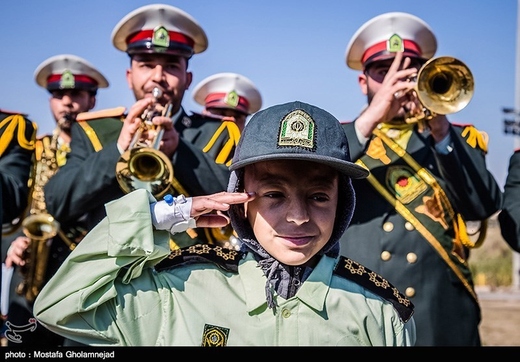
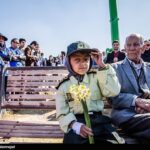
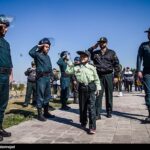
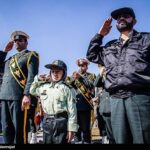
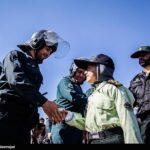
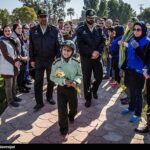
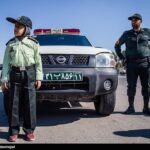
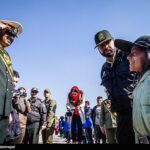
Abbas Abdullahzadeh, a 12-year-old suffering from cancerous neuroblastoma, has a single wish – he wants to be a policeman. Ahvaz Police Force, in combination with a charitable NGO, will make his wish come true for a day.
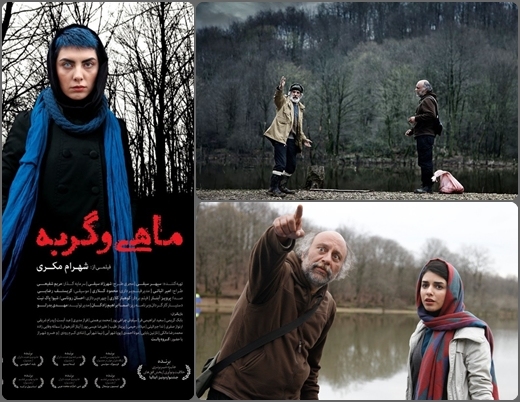
Fish and Cat, directed by Shahram Mokri, was screened in different US states in 2015, in film screening sessions with the collaboration of the Museum of Modern Art. The Chicago Reader, a major source of Chicago criticism, announced Fish and Cat as their best film in 2015.
Shamsi Ranjbar wrote in Shargh (a Farsi newspaper) that Fish and Cat had managed to push Mad Max down to 7th place, while according to most American news outlets, it was the number one movie of the year. A film from the French director André Téchiné, as well as David Gordon Green’s latest movie starring Al Pacino couldn’t compete with Fish and Cat. Shahram Mokri and his film appeared in multiple American headlines. Papers like the New York Times, the Washington Post and the Hollywood Reporter all reviewed the movie positively. Ben Sachs, a critic fromthe Chicago Reader, calls Fish and Cat a single long shot, but doesn’t praise the movie only for this characteristic. He says that the movie, with its numerous flashbacks and flash-forwards, represents intergenerational strife in Iran, while also referencing American slasher-style films. He calls it a movie worth revisiting endlessly.
A slasher movie is a type of horror or thriller movie in which a murderer, often psychologically disturbed, kills a number of victims, usually making use of sharp objects such as switchblades, hatchets, cleavers, or even kitchen knives. The best movies of the genre include Alfred Hitchcock’s Psycho and John Carpenter’s Halloween.
Fish and Cat was screened in May last year at Razi University in Kermanshah Province. Shahram Mokri told Shargh newspaper, “It was very satisfying for me, because I managed to screen the film in Kermanshah for an audience I love. They were very appreciative, and I was very happy about it. Now, when I return to Tehran, I’m happy to be able to say that Fish and Cat was screened in my home city.”
The plot of the film is non-linear, and includes smaller cyclical sub-narratives. Some male and female students travel to the north of Iran to participate in a kite-flying festival. Next to their camp, there is a restaurant where three men live. The restaurant is short of meat, and these young students end up in danger of becoming the next meal. The script was based on a real-life story from the year 2000, when a roadside restaurant was serving minced human flesh. This story was the source of inspiration for Shahram Mokri’s 2015 award-winning movie.
The entire film takes place in one shot. Shahram Mokri and Mahmoud Kalari, the cinematographer, along with the acting team, rehearsed for one month to be able to record this single shot. The movie was filmed in 2013. Shahram Mokri (born on 17th August 1978 in Kermanshah) is an Iranian scriptwriter, editor and film director. In 2013, the Venice Film Festival awarded Fish and Cat with a special award due to its creative content.
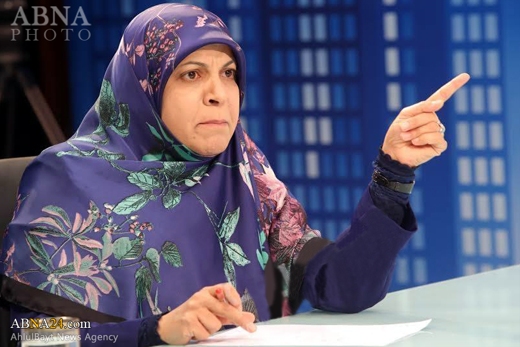
A female Iraqi Parliamentarian responding to a comment by Saudi ambassador to Baghdad about democracy said the last time Saudis took part in an election goes back to the time of their decision to kill the Prophet of Islam (PBUH).
As reported by Persian daily Islamic Republic [Jomhouri Islami] and translated by IFP, Iraqi member of the Iraqi Parliament told the Saudi Ambassador who was advising Iraqis to respect democracy said the ambassador of a country inviting us to democracy that last time they took part in election was when they chose a representative from each tribe to kill the holy Prophet of Islam.
This witty answer by Hanan Al Falavi, have been widely reflected by media in Iraq and other Arab countries.

Iran’s Ambassadorto Turkey Ali-Reza Bigdeli announced banking relations between the two countries go back to normal and Bank Mellat will resume its operations in Turkey with opening of three branches in Ankara, Istanbul and Azmir.
“Resuming of banking relations between Iran and Turkey was announced today in a meeting with central bank Governor Erdem Başçı,” Ali-Reza Bigdeli posted in his Facebook page.
Iran’s Ambassadorto Turkey also said an agreement to build Tabriz-Marand highway worth about 900 million dollars was signed.
He added that Bergiz Insaat Company enters Iran as the first Turkish investor with signing the agreement of Tabriz-Marand highway construction.
According to Iran’s Ambassadorto Turkey, in a ceremony attended by executives of the Turkish company in Iran’s Embassy in Ankara, the cooperation was discussed.
IFP Press Round-up, January 31, 2016
The implementation of the nuclear deal has brought about a new era for the Iranian economy and its investment potentials. These days most headlines in Iranian press looks at foreign companies sealing deals with Iranian partners to tap Iran’s major economic resources which many say is “the last remaining sizeable global economy cut off so far from international capital “.
The ongoing vetting processes in Iran for determining the final list of Parliament an Assembly of Experts hopefuls is still grabbing headlines as some of the leading hopefuls, who turned out to be disqualified by the Guardian Council, have objected the results in a last ditch effort to become eligible to run for a seat in the two leading bodies. The Assembly of Experts appoints country’s Supreme Leader and assesses his qualifications.
Here are the top headlines for Sunday, January 31, 2016.
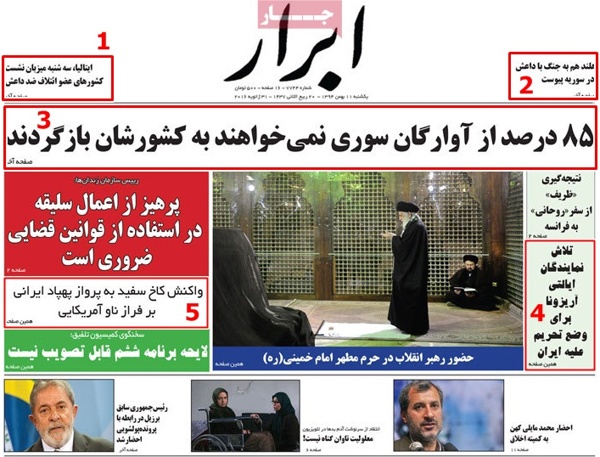
Abrar:
1- Italy to host summit of anti-ISIS coalition
2- Netherlands joins fight against Syrian ISIS
3- 85% of Syrian refugees oppose home return
4- Arizona state representatives seek fresh Iran sanctions
5- White House reaction to Iran drone flight over US aircraft carrier
Afkar:
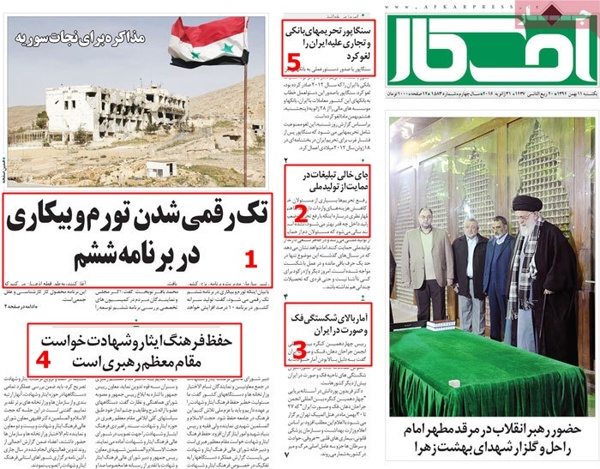
1- Iran eyes one digit inflation, unemployment rate in 6th plan
2- Absence of adverts to support domestic production
3- High rate of jaw, face fracture in Iran
4- Leader favors safeguarding of martyrdom, sacrifice culture
5- Singapore lifts banking, trade sanctions on Iran
Arman-e Emrouz:
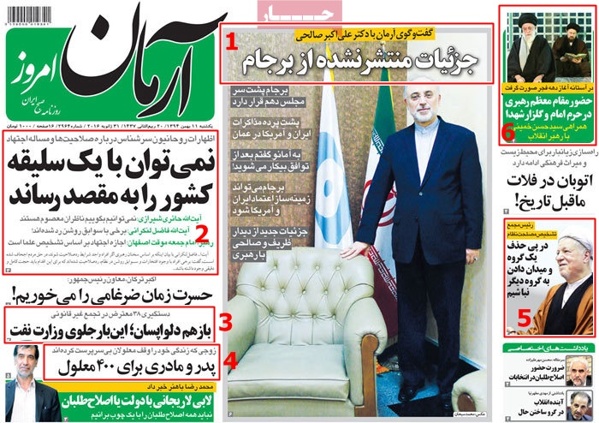
1- Unpublished JCPOA details released
An in-depth interview with head of the Atomic Energy Organization of Iran (AEOI) Ali Akbar Salehi about the terms and conditions of the Joint Comprehensive Plan Of Action (JCPOA) which were never published before.
2- Clerics: One taste cannot promote the country
A number of outstanding Islamic clerics have spoken out about qualifications of parliamentary hopefuls for the late February elections throughout time.
Ayatollah Haeri Shirazi: We cannot say that the screeners are infallible.
Ayatollah Fazel Lankarani: Many were disqualified despite vivid backgrounds.
Leader: Jurists can only allow one to become Mujtahid( jurisprudent).
3- Again, the Concerned; a group critical of some government policies, stage demonstration this time in front of Petroleum Ministry
Police arrested 38 “concerned” students who swarmed the Iran’s Ministry of Petroleum Headquarters in Tehran on Saturday to protest terms of the new oil deal model, known as Iran Petroleum Contract or IPC.
Through IPC, Iran has sweetened its oil deals for foreign investors.
4- Couple parent 400 disabled
Couple has dedicated their life to supporting 400 disabled children.
5- ‘Let’s not seek one group’s ouster and others favor’: Rafsanjani
6- Leader visit’s Imam Khomeini’s shrine, martyr’s tombs
The Supreme Leader of Islamic Revolution Seyyed Ali Khamanei has paid a visit on Saturday to the holy shrine of Imam Khomeini and mausoleums of Sacred Defense martyrs.
Asia:
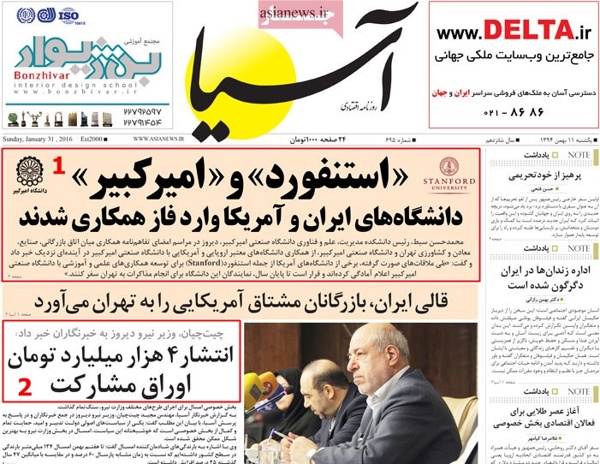
1-Stanford, Amir Kabir unis start cooperation
2-Issuance of $4,000b bonds in Iran
Asrar:
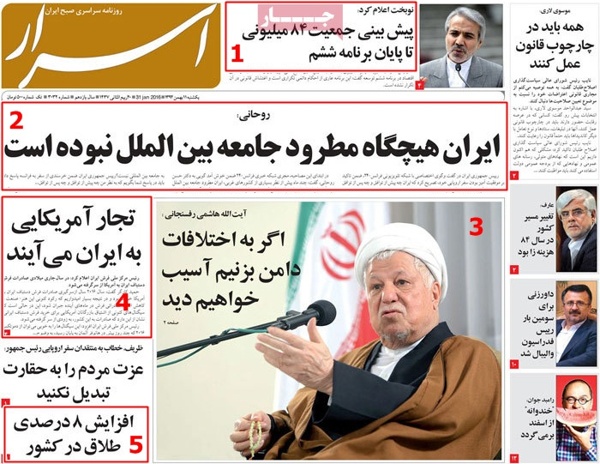
1- 84m population of Iran by end of 6th plan: Spokesman
2- Rouhani: Iran has never been isolated in int’l community
3- Rafsanjani: Aggravation of disputes will be harmful
4- American traders head to Iran
Head of the National Carpet Center of Iran said American traders will come to Iran for buying Iranian carpet now that the international sanctions on the country have been removed.
5- 8% growth in divorce files
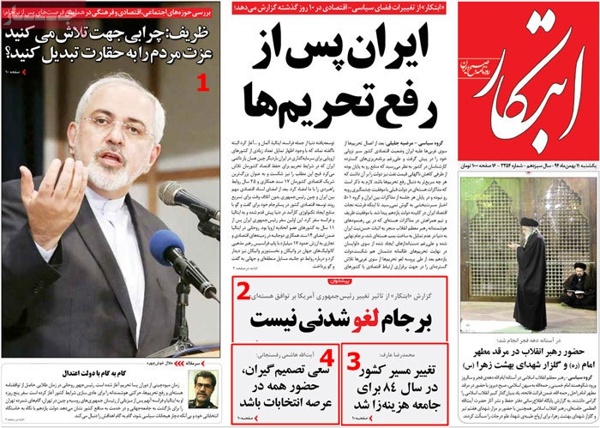
Ebtekar:
1- Zarif: Why do you vaguely try to humiliate nation’s resolve?
2- Report: JCPOA uncancellable
A report about the fate of JCPOA after US President Obama’s second term comes to an end
3- Reformist figure: Country’s 2005 detour took heavy toll on society
Mohammad Reza Aref, head of the Reformist Policymaking Council, said this.
4- Decision makers favor maximum election turnout: Rafsanjani
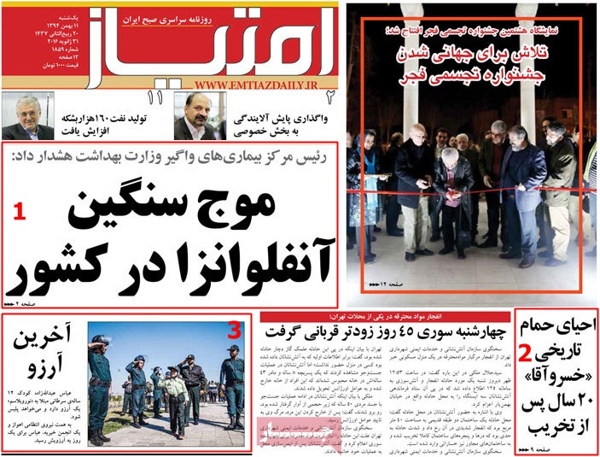
Emtiaz:
1- Heavy blow of flu in Iran
2- Historical bath recovered after 20 years of destruction
The last wish
3- A cancer kid in the southwestern city of Ahwaz wished to become a police when he grew up. The city’s policy materialized the 12-year-old’s last wish.
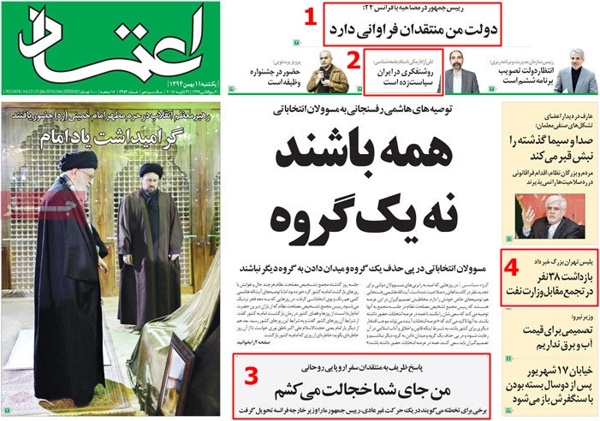
Etemad:
1- Iran President to France 24: My administration has many critics
2- Sociologist: Intellectuality in Iran is politicized
3- Zarif to critics: I am bashful instead of you
4- 38 protestors arrested in protests against Petroleum Ministry
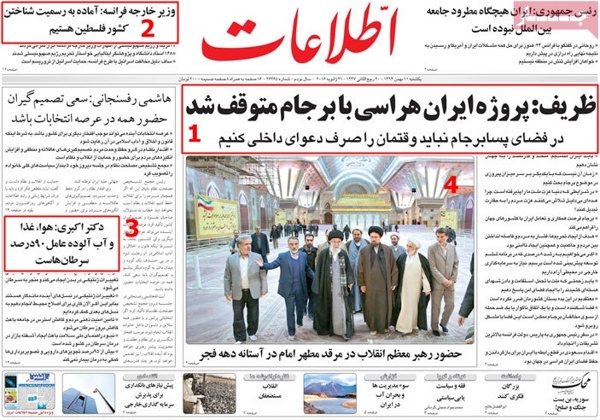
Ettela’at:
1- FM: Iranophobia scheme stopped by JCPOA
“Let’s not waste our time for domestic disputes in post-sanctions”: Zarif
2- France to recognize Palestinian state if peace efforts fail: FM
3- Tainted water, food, air cause of 90% of cancers
4- Leader visits Imam’s shrine on eve of Fajr 10 days festive period
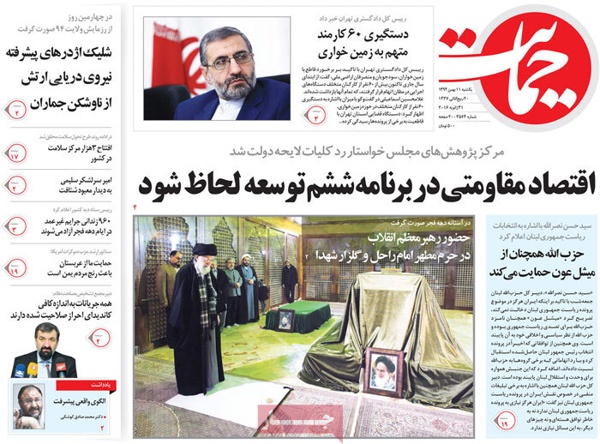
Hemayat:
1- Iran opens 3,000 healthcare centers
2- Iran to pardon 960 inmates on Revolution anniversary occasion
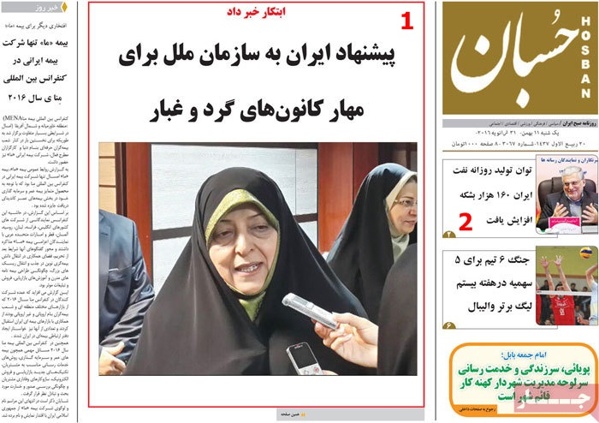
Hosban:
1- Iran proposes initiative to UN to control dust centers
2- Iran adds 160kb/d to crude production capacity
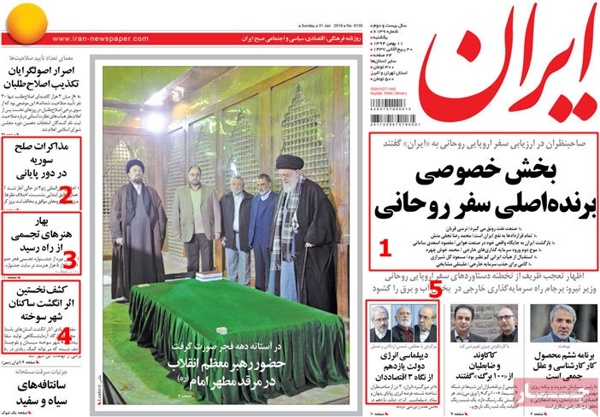
Iran:
1- Private sector chief winner of Rouhani visit [to Europe]
2- 2. New round of Syrian peace talks
3- Spring of visual arts in Iran
4- First fingerprints of burned city dwellers found in Sistan- Baluchestan Province
5- Economists examine admin’s energy diplomacy
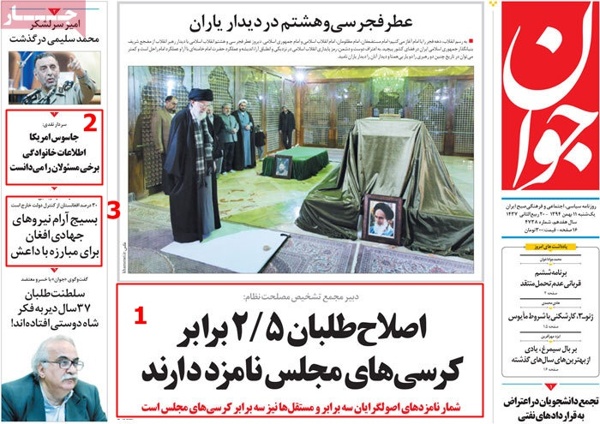
Javan:
1- Reformist candidates 2.5 times more than parliament seats: Expediency Council Secretary
2- Cmdr: US spy knew family details of some authorities
3- Afghan jihadists quietly mobilize against ISIS
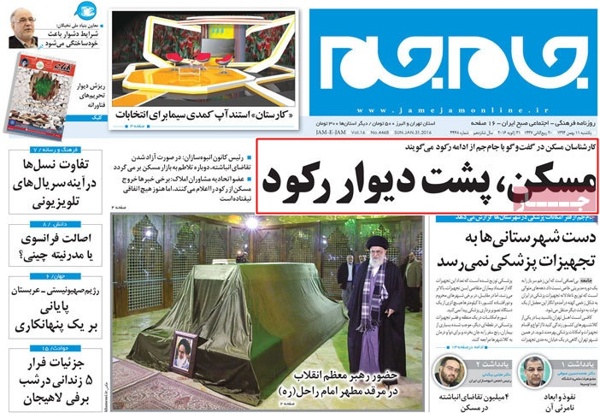
Jamejam:
– Housing stock behind wall of recession
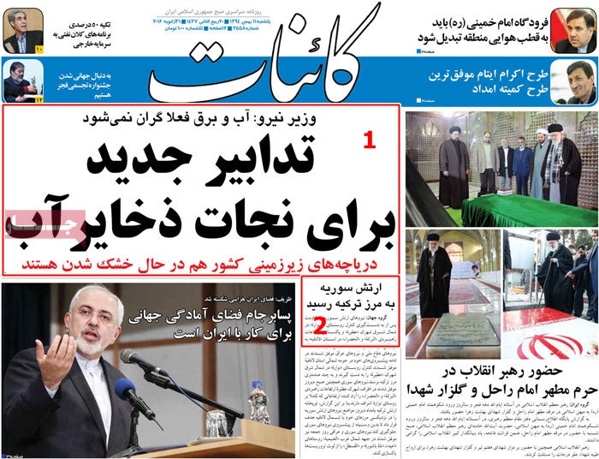
Kaenat:
1- New initiatives to save Iran water resources
2- Syrian army reaches Turkish border
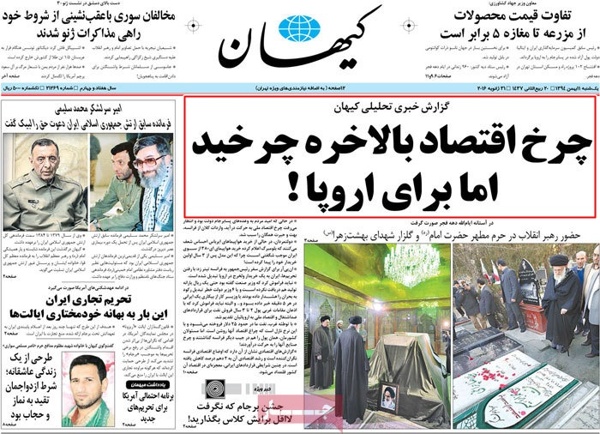
Kayhan:
– Wheel of economy finally moves, but for Europe: Analytic report
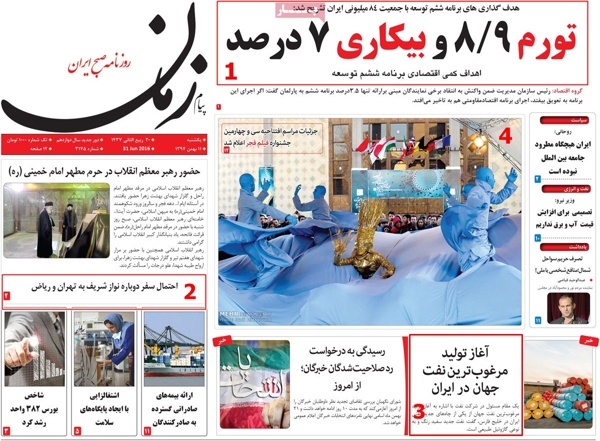
Payam Zaman:
1- 8.9% inflations; 7% unemployment eyes in 6th development plan
2- Pakistan’s Nawaz Sharif may revisit Tehran
3- Iran starts production of world’s best crude oil [from Hengam oil field the country shares with Oman]
4- 34thFajr Film festival kicks off
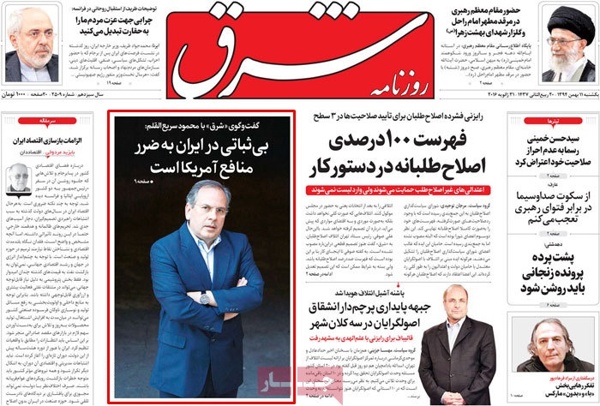
Shargh:
– Interview: Iran instability harmful for US interests
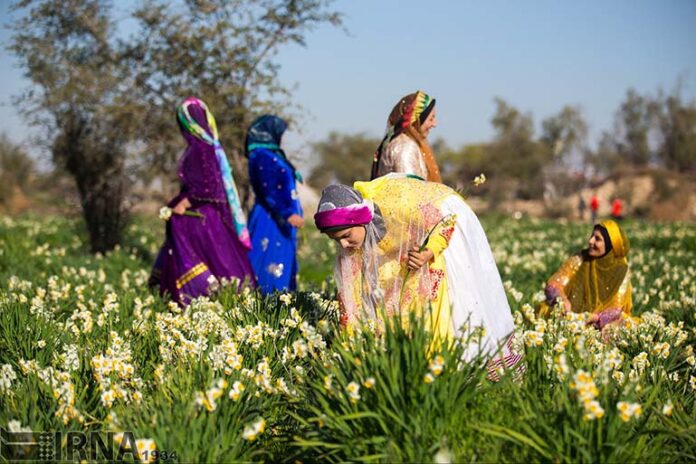
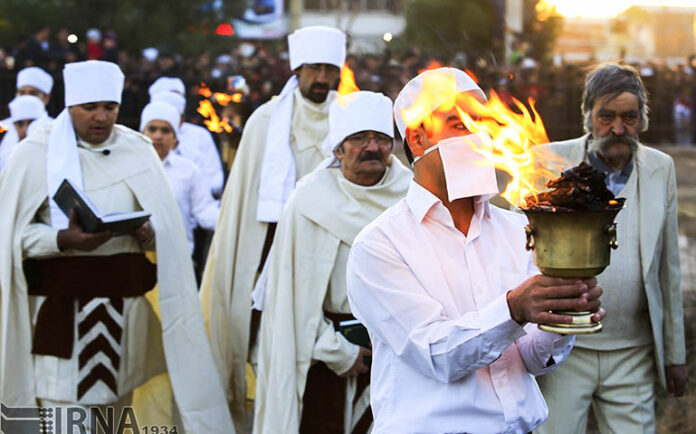
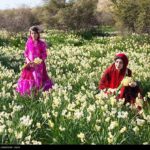
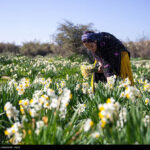
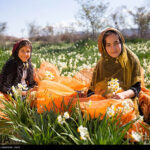
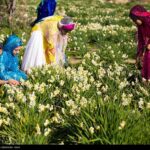
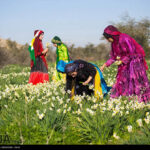
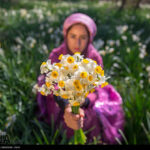
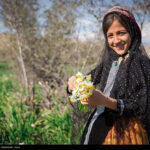
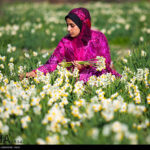
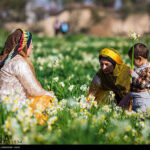
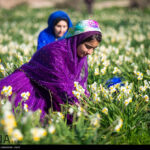
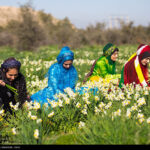
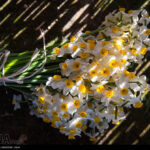
A festival is held in villages Jarreh and Baladeh villages in Kazeroun, Fars Province every year.
Amaryllis farms in Kazeroun cover 70 hectares of land making up one of the World’s most splendid and largest amaryllis farms.
The following images have been released by Islamic Republic News Agency :
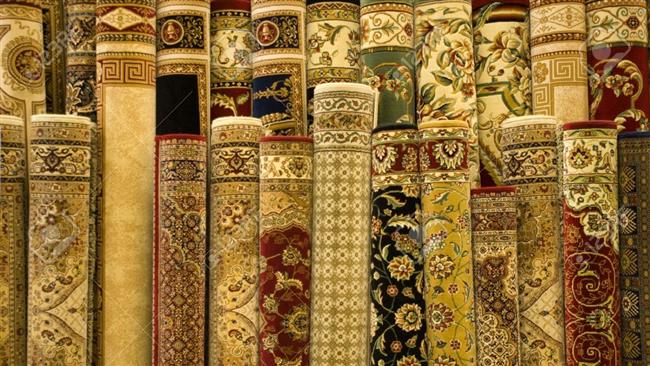
Exports of handcrafted Iranian rugs to the US will resume this year following a nuclear agreement which went into force earlier this month, head of Iran’s National Carpet Center Hamid Kargar said on Sunday.
Iranian caviar, pistachios, saffron and carpets and US commercial aircraft and their parts are among the items allowed for limited business with the US.
“The year 2016 will mark the resumption of handmade Iranian carpet exports to America. Hence, we are very hopeful that the existing downturn in this art-industry and the slump in exports will be compensated in the coming months,” Kargar said.
US imports from Iran have been blocked since 2010 when Washington removed a loophole which allowed imports of Iranian rugs, pistachios, caviar, and dried fruit.
Carpet weaving is a traditional craft in Iran, dating back to 500 BC. Basically an art form, it has evolved into an income earning occupation for many communities in Iran and beyond.
Carpets are one of the biggest foreign exchange earners for Iran’s $400 billion economy behind oil and gas and their derivatives, and pistachio nuts.
In 2011, the country exported more than $600 million worth of carpets and sought to raise it to $1 billion in the next year but intensified sanctions apparently hampered the plan.
In recent years, Iranian rug dealers have switched to the Asian market, catering especially to the growing crave in China and the UAE where many affluent families see exotic Persian carpets as investments.
‘No miracle’
Kargar said he was under no illusion about Iranian rugs redeeming the lost ground but “existing signals of enthusiasm by American traders are indicative of exports resuming soon.”
“In the few years which the handwoven Iranian carpet was absent from the American market, our rivals such as India and Pakistan took over and managed to pull off a significant share in the US carpet market,” he said.
In the United States, Persian carpets are offered from $200,000 to $5,000 a piece depending on the type of the fabric, design and intricacy employed in their making.
Those produced in India, Pakistan and China sell for about half the price of Persian carpets due to their lower quality, according to dealers.
The US imported $41 million worth of Persian carpets before sanctions were imposed. The country reportedly has a $200-million rug import market.
Kargar said he didn’t expect a “miracle” and a “phenomenal leap” in exports.
“However, one can fairly expect a growth in exports and a market boom after the removal of economic sanctions.”
Iran’s National Carpet Center has already held negotiations with some Persian rug dealers in the US and plans for possible visits by Iranian and American merchants, he said.
© All Content by IFP News ( Iran Front Page ) is licensed under a Creative Commons Attribution 4.0 International License.
