Wednesday, December 31, 2025
Home Blog Page 4555

A look at Iranian newspaper front pages on Jan 11

Iranian Newspapers Headlines

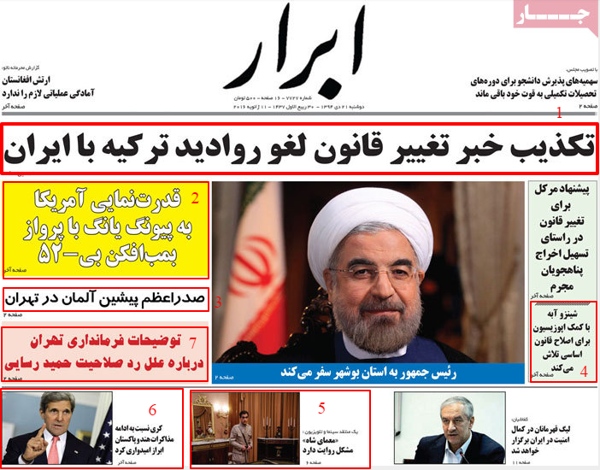
Abrar:

1- No new Turkey anti-Iranian visa law

2- US flying B52 bombers, sabre-rattling to N. Korea

3- Former German chancellor in Tehran

4- Japan’s Shinzo Abe looks for opposition’s approval to revise constitution

5- Narrative of Shah’s Mystery series problematic: critic

6- Kerry hopeful of India-Pakistan peace talks

7- Tehran governor on disqualification of MP Hamid Rasaei in upcoming parliamentary election
 

A look at Iranian newspaper front pages on Jan 11


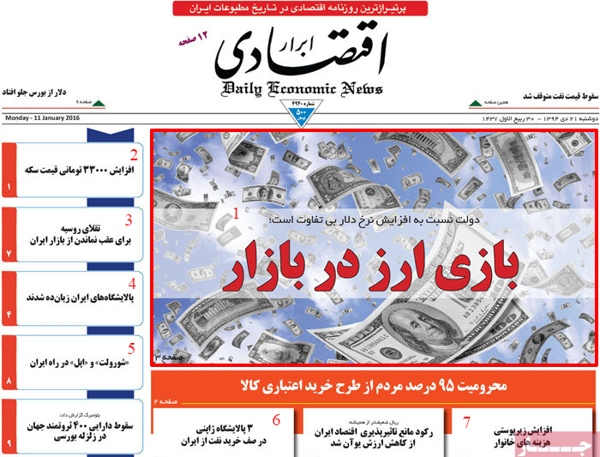
Abrar-e Eqtesadi:

1- Forex game in market;

The Rouhani Administration seems not challenged by foreign exchange price rise.

2- IRR 330,000 rise in gold coin price

3- Russia striving to win bigger share in Iran market

4- Iranian refineries no more profitable

5- Chevy, Apple coming to Iran

6- 3 Japanese refiners aline to buy Iran oil

7- Undercover rise of family expenses
 

A look at Iranian newspaper front pages on Jan 11


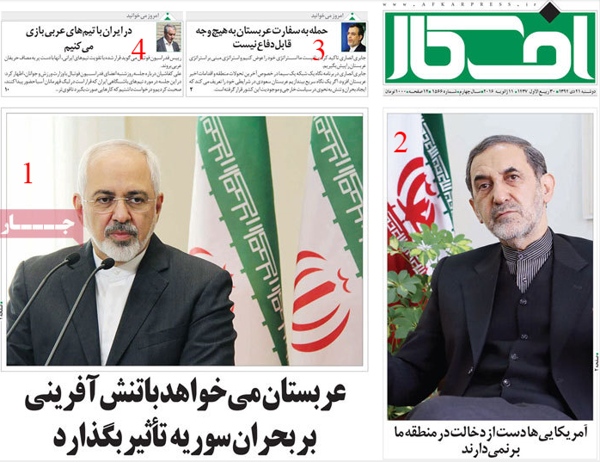
Afkar:


1- Zarif: Saudi entente aimed at influencing Syria crisis

2- Leader advisor: Americans never stop meddling in our region

3-Spokesman: Saudi embassy attack not justifiable at all

4- Arabic teams welcome in Iran

Head of Iran Football Federation (IFF) Ali Kaffashian said all Arabic teams can play in Iran. Kaffashian’s comments came as Saudi Arabia announced on Sunday that it will disallow Iranian teams in its soil.
 

A look at Iranian newspaper front pages on Jan 11


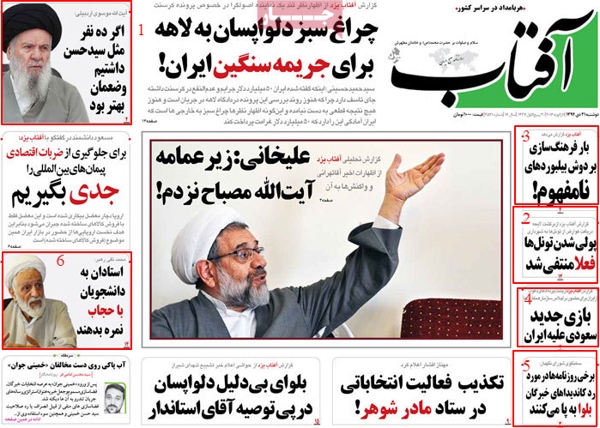
Aftab-e Yazd:

1- Cleric: Things would be better had we had 10 folks like Seyyed Hassan

Grand Ayatollah Mousavi Ardebili, Shia, Marja, said this referring to the religious and scientific supremacy of Seyyed Hassan Khomeini (the grandson of Imam Khomeini, founder of the Islamic Revolution).

2- No tolls for using tunnels, for now

A report on signals that tolls will be taken from tunnel users in Iran.

3- Vague billboards shoulder burden of sending cultural messages

4- New Saudi game against Iran

5- Spokesman: Some dailies make scene about certain candidates

Nejatollah Ebrahimian, spokesperson of the Guardian Council, the body in charge of major Iranian elections, said, referring to the large number of stories covered by Iranian newspapers about disqualification of outstanding Assembly of Experts hopefuls.

6- Cleric calls on university lecturers to give bonuses to well-covered students
 

A look at Iranian newspaper front pages on Jan 11


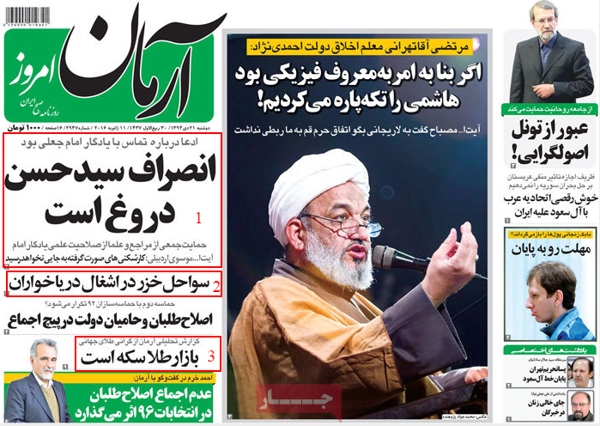
Arman-e Emrouz:

1- Seyyed Hassan’s resignation, a lie

A number of senior Shia clerics certified Seyyed Hassan Khomeini (the grandson of Imam Khomeini, founder of the Islamic Revolution)’s religious and scientific qualities.

2- Caspian coasts illegally seized

3- Gold market boarish
 

A look at Iranian newspaper front pages on Jan 11


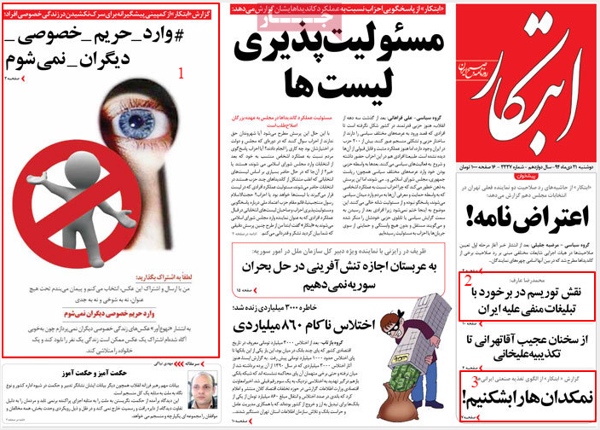
Ebtekar:

1- Campaign: #Will-not-violate-others’-privacy

The name of a new campaign in Iran

2- Ex-vice president: Tourism’s role in countering anti-Iran propaganda

3- Let’s smash salt cellars!

Ebtekar’s report about the need for Iranian households to change their eating habits
 

A look at Iranian newspaper front pages on Jan 11


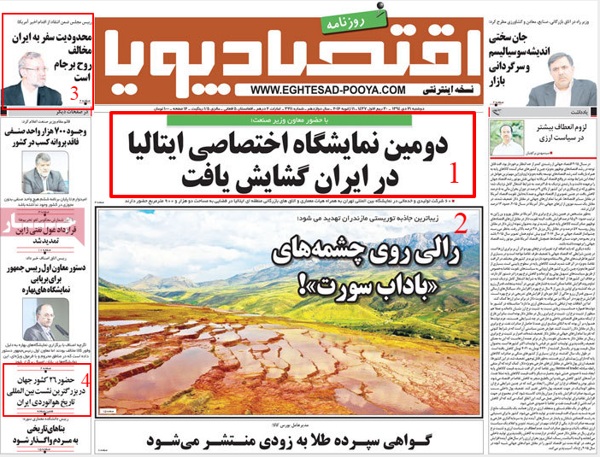
Eqtesad-e Pooya:

1- 2nd Specialized Italy Expo opens in Iran

2- Rally on Badat Sourt springs

The most popular tourism resort in northern province of Mazandaran

3- Parliament Speaker: New US visa law violation of nuclear deal

4- Exhibitors from 26 countries at Iran int’l aviation summit
 

A look at Iranian newspaper front pages on Jan 11


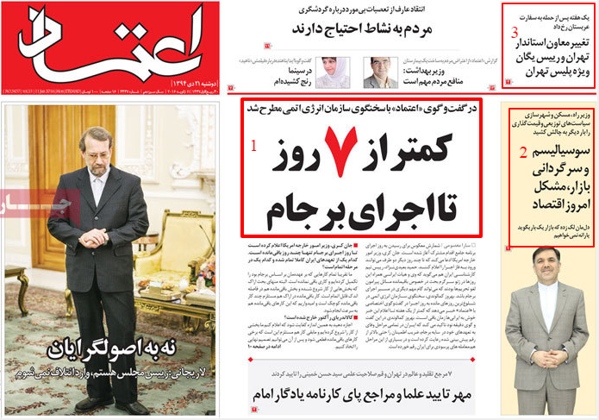
Etemad:

1- Less than 7 days to JCPOA implementation

2- Socialism, market confusion, biggest problems of Iran economy

3- Deputy Tehran governor, head of Special Unit of Tehran Police replaced

The replacements took place a week after the Saudi embassy in Tehran was attacked by a number of fervent citizens who opposed Saudi policy and execution of Sheik Nimr.
 

A look at Iranian newspaper front pages on Jan 11


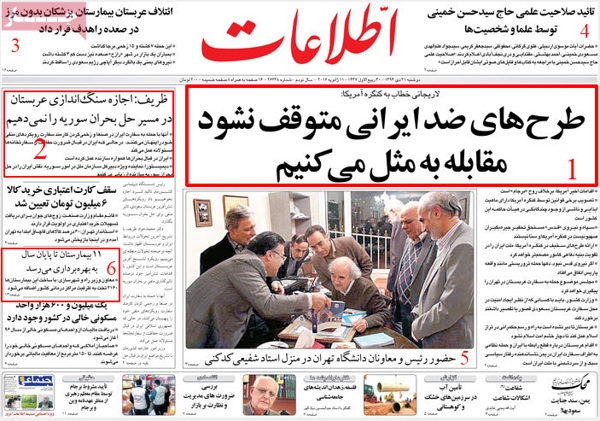
Ettela’at:


1- Majlis Speaker warns: Anti-Iran plots to be reciprocated

2- FM: Iran will not allow Saudis stonewall Syrian crisis solution

3- Doctors Without Borders hospital hit by SLC rocket in Yemen

Saudi-led coalition bombs hit the hospital in Saada governorate

4- Maraja certify Hassan Khomeini qualities

5- Tehran University Chancellor visits writer in his house

6- 11 new hospitals operational by year-end
 

A look at Iranian newspaper front pages on Jan 11


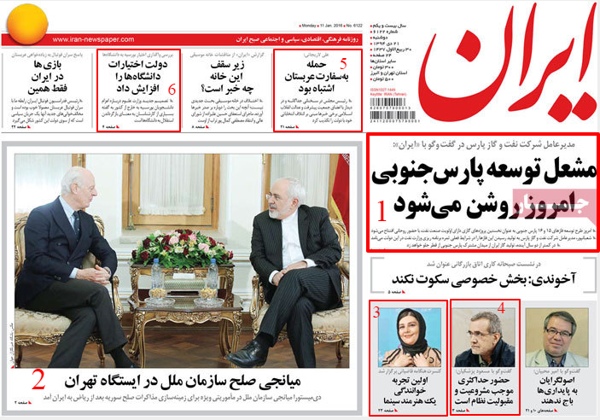
Iran:

2- South Pars development flair to be lit today

Pars Oil and Gas Company chief told this in an exclusive interview with Iran.

2- UN envoy in Tehran

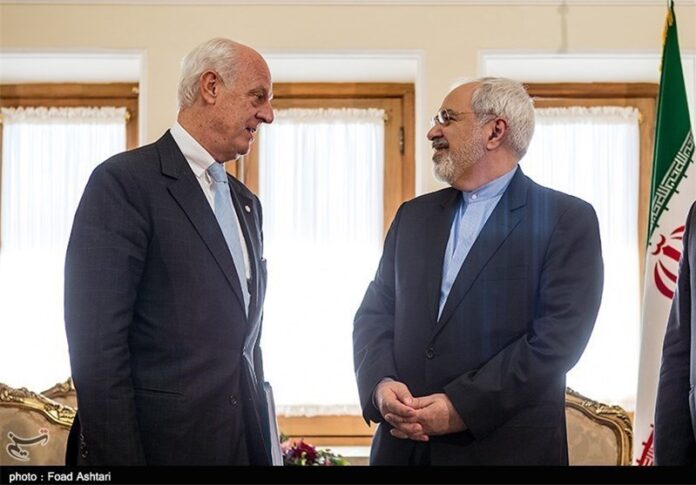
U.N. Special Envoy for Syria, Staffan de Mistura met with Iranian Minister of Foreign Affairs Mohammad Javad Zarif in Tehran to seek solutions to the Syrian crisis.

3- Actress’s debut concert in Tehran

4- Ex-health minister: Maximal election turnout proves system’s legitimacy

5- Saudi embassy attack, a mistake: Majlis Speaker Ali Larijani

6- Admin gives more free hand to universities


A look at Iranian newspaper front pages on Jan 11


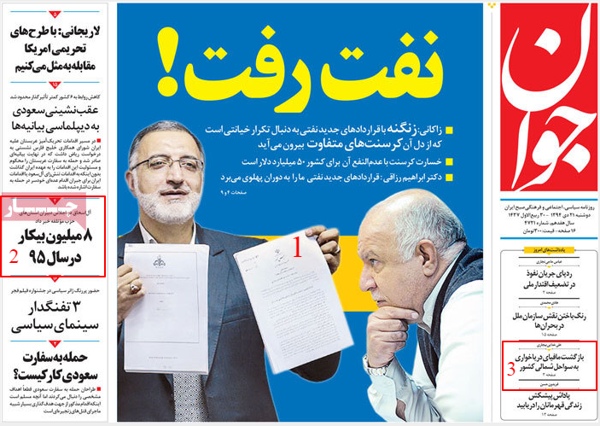
Javan:

1- Gone is oil

MP lambasts new petroleum contract model as being treason to the nation

“New oil deals take us back to the Pahlavi era,” said Ebrahim Zakani, member of Iranian parliament, who opposes Iran’s new petroleum contract model, known as IPC (Iran Petroleum Contract), as being miscalculated.

2- 8 million jobseekers in Iran next year

Senior economist, Yahya Ale-Eshaq, said

3- Illegal land dealers return to Caspian coasts
 

A look at Iranian newspaper front pages on Jan 11


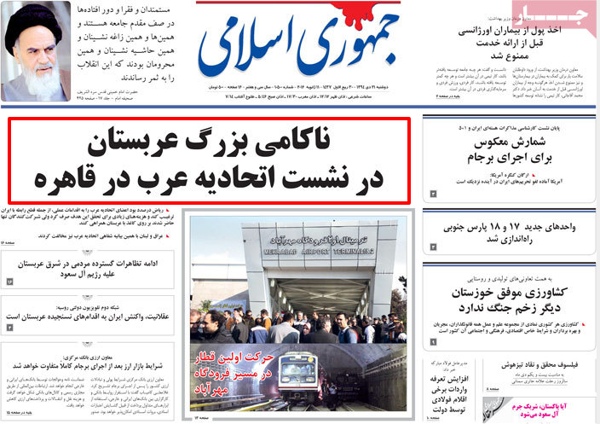
Jomhouri Eslami:

Major Saudi failure in Arab League summit in Cairo


A look at Iranian newspaper front pages on Jan 11


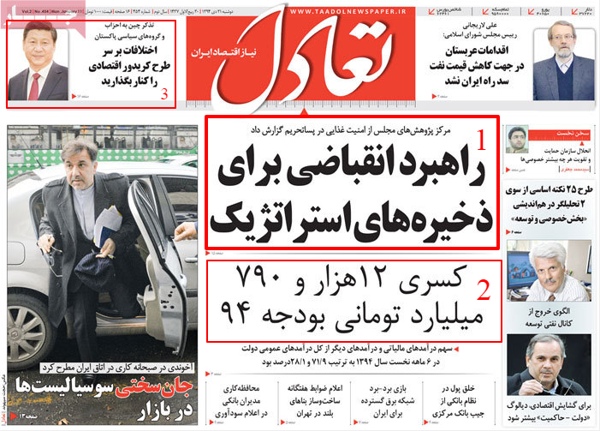
Ta’adol:

1- Contractionary strategy for strategic storage

Parliament’s research center said about food security in the post-sanctions setting.

2- IRR120bn deficit in national budget

3- China to Pakistani political factions: Stop disputes over economic corridor
 

A look at Iranian newspaper front pages on Jan 11


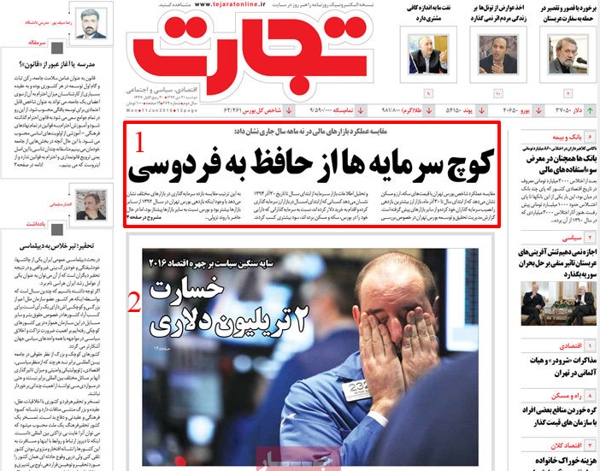
Tejarat:

1- Capital’s migration from Hafiz to Ferdowsi

Hafiz St. is where Iran’s stock market is located and Ferdowsi is the country’s hub for forex and gold trade.

2- The $2t damage

A report on the global economy
 

A look at Iranian newspaper front pages on Jan 11


S Arabia’s policies adopted under Israel’s influence: Iran official

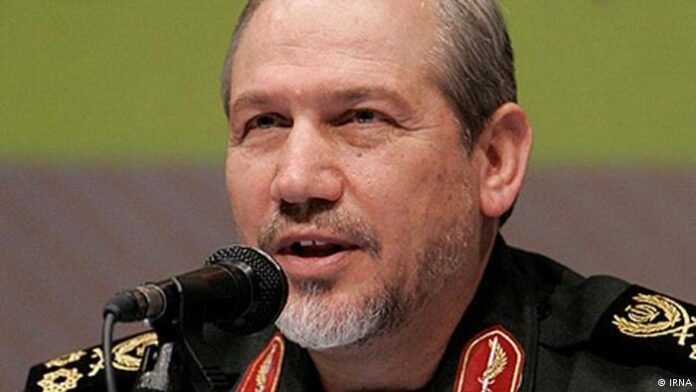
“Al Saud policies are influenced by the Zionist regime (Israel); and this regime is more inclined than the United States toward dragging the region to insecurity, unrest and chaos,” Major General Yahya Rahim Safavi, a top military adviser to Leader of the Islamic Revolution Ayatollah Seyyed Ali Khamenei, said on Monday.

He said that Tel Aviv’s impact on Saudi policies should be examined, adding that Riyadh’s actions have led to the massacre of the people in Yemen, Syria, and Iraq, describing the killings as the “Zionists’ policy.”

The regime in Riyadh began its military aggression against Yemen in late March 2015. The campaign was meant to undermine the Houthi Ansarullah movement and restore power to Yemen’s fugitive former President Abd Rabbuh Mansur Hadi. More than 7,500 people have been killed and over 14,000 injured since the beginning of the Saudi strikes.

Al Saudi is also widely believed to be one of the main sponsors of Takfiri terrorist groups operating in Syria and Iraq.

Elsewhere in his remarks, the Iranian general expressed hope that Muslims in regional countries would be “alert,” since “Israel is seeking to create tension” between Iran and Saudi Arabia and benefits from insecurity in the region.

Relations between Iran and Saudi Arabia have been strained in recent days following the Saudi execution of top opposition cleric Sheikh Nimr al-Nimr, which was announced on January 2.

Nimr’s execution was widely censured by Muslims and human rights activists around the globe as well as different governments.

Saudi Arabia severed diplomatic relations with Iran on January 3 following demonstrations held in front of the Saudi embassy in Tehran and its consulate in the northeastern city of Mashhad by angry protesters censuring the killing of Nimr. Some people mounted the walls of the consulate in Mashhad while incendiary devices were hurled at the embassy in Tehran. Almost 60 people were detained over the transgression.


Iran missile system not related to JCPOA

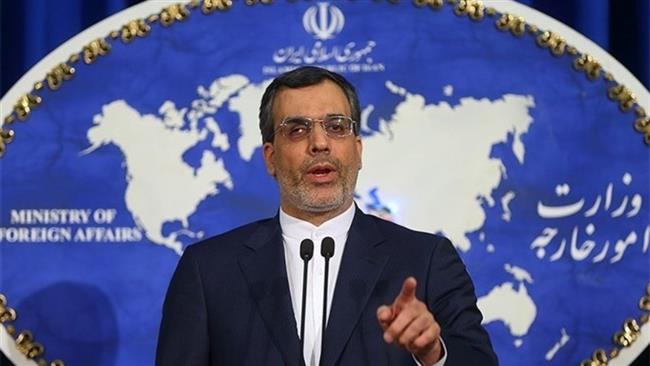
Talking to reporters in his weekly press conference, Jaber-Ansari reiterated that Iran’s missile systems are not related to the country’s nuclear agreement and are meant to follow a purely defensive framework.

‘Iran’s criteria in JCPOA deal and any legislation that comes into force from US and violates JCPOA would be followed by countermeasures from Iran,’ he added.

Jaberi-Ansari reiterated that the exact time for implementation of JCPOA has not been finalized yet and all obligations by the two sides should proceed.

On January 5, 2016, the Islamic Republic of Iran Broadcasting (IRIB) aired exclusive footage of the deep underground tunnel filled with numerous precision-guided long-range Emad ballistic missiles.

The Islamic Revolution Guards Corps (IRGC) first underground missile facility was unveiled on October 14, 2015.

Iran successfully test-fired the surface-to-surface missile, which has been completely designed and manufactured by experts of Iran’s Aerospace Industries Organization affiliated with the Iranian Ministry of Defense, on October 11.

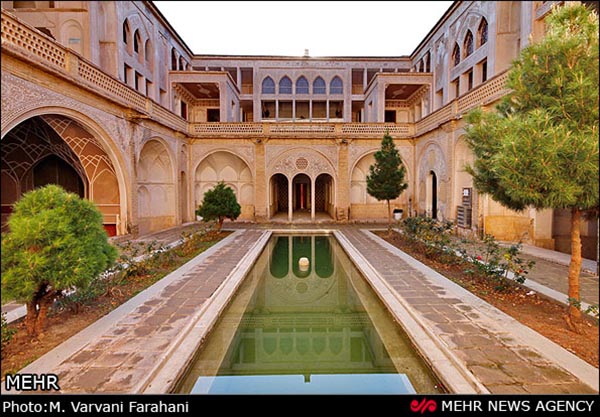
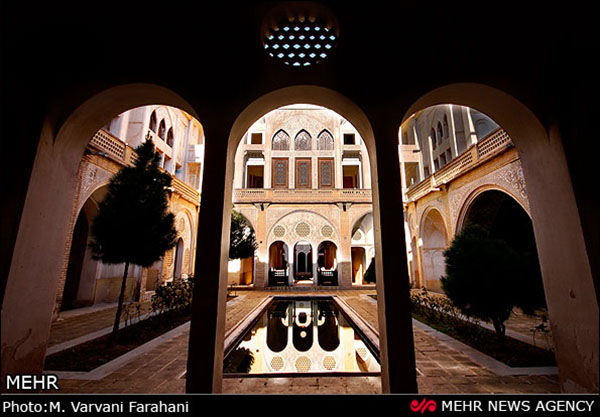
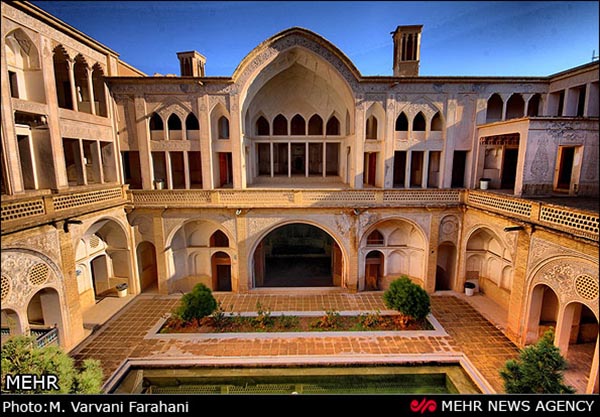
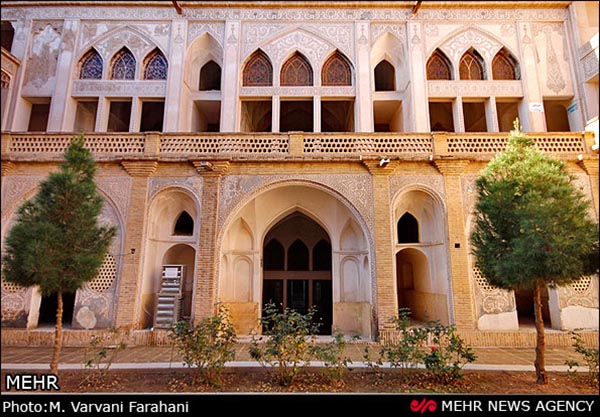
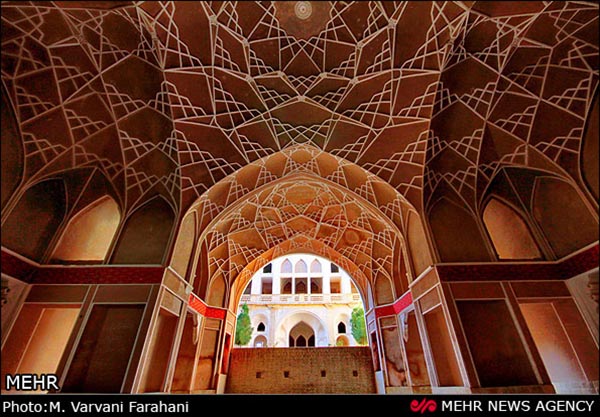
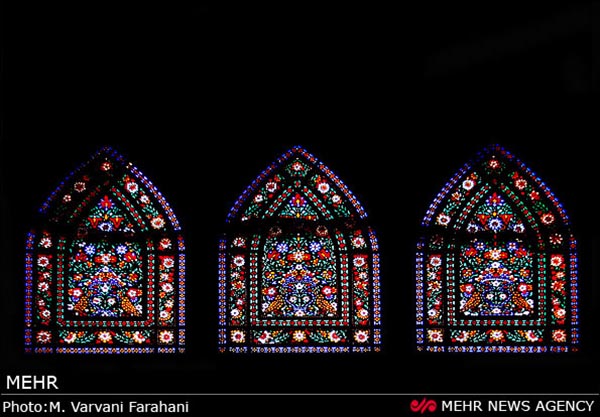
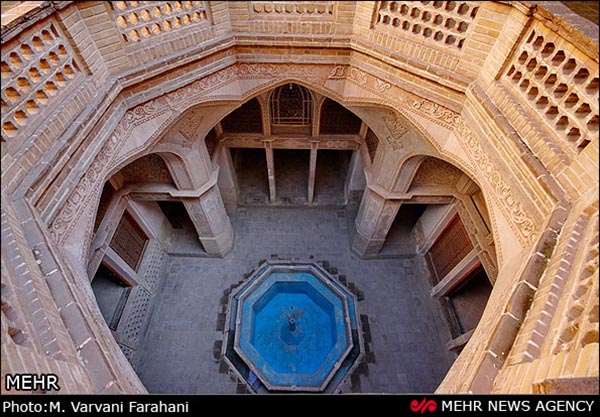
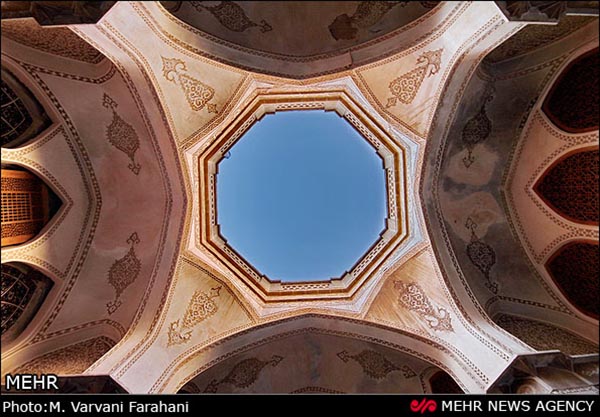
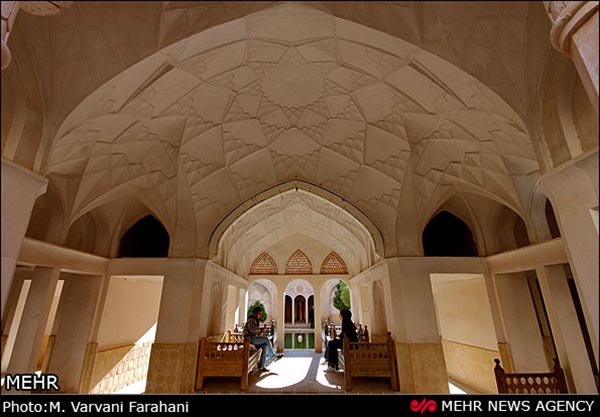
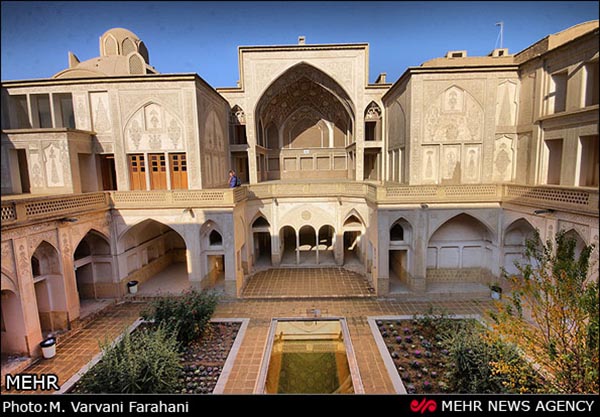
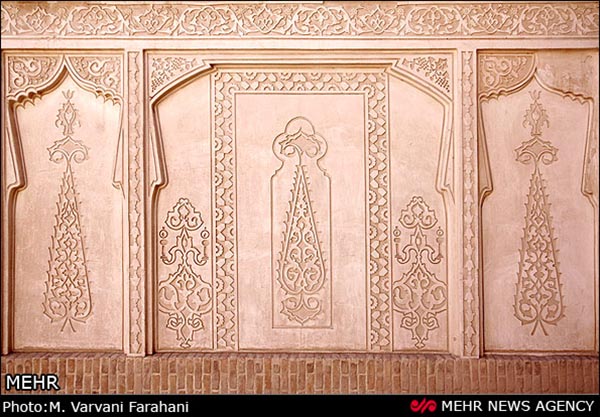
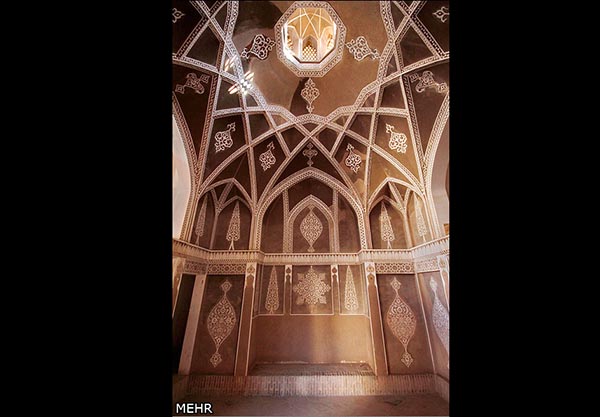
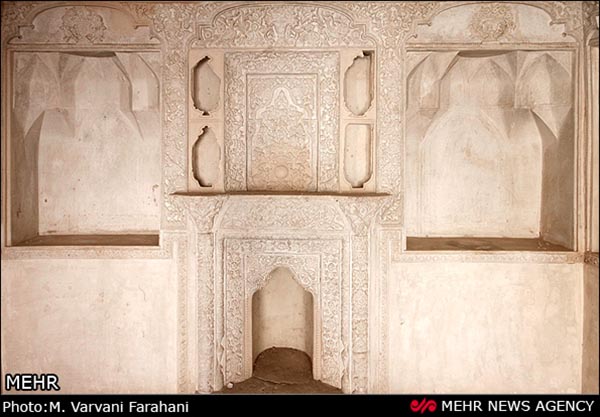
Abbasian Historical House (PHOTOS)

The Complex is 1 acre (5,000m2) in area. Iranian-Islamic original architecture, innovative schemes, and fancy stucco master workings, and also arts and decorations have made the complex a candidate for Iranian-Islamic most beautiful residential building.


The following images have been released by Mehr News Agencies:

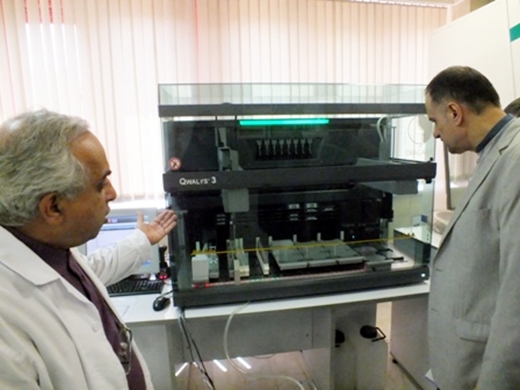
Iran, only developing country producing rare bloods systematically

‘According to the latest statistics today 8,000 units of rare blood exist in the Rare Bloods Bank of the WHO/ISBT in frozen form,’ said Dr. Mostafa Moqaddam in an interview with IRNA.

He reiterated that having a rare blood bank is one of the indexes of the high standards of a blood transfusion organization since its proves that in addition to meeting the demands of the day it has managed to assist the particular patients in need of such bloods.

The head of Iranian Blood Transfusion Organization’s Immune-Hematology Laboratory said that the Iranians decided to have a native national rare bloods program in our country.

‘In this program instead of running into a rare blood patient accidentally we arrange for programs to be able to assist the patients in need of such bloods wherever they might be,’ he said.

He said in order to do that we divide the people in five to ten thousand member groups for the ten regular blood types, identify the people with rare bloods among them, and then establish our rare bloods bank based on that data.

‘Such individuals also receive plates on which the information about their rare blood is inscribed, are trained and instructed to keep in touch with us constantly so that they will always have access to the blood they might once need,’ he emphasized.

He said that the information about such individuals is updated in the Blood Transfusion Organization’s website constantly.

He said that January 11th is nominated as the National Iranian Rare Bloods Day, because on that day an 18-month-old girl who had heart chamber problems was to go under a surgery and no regular blood type matched her blood.

‘The Blood Transfusion Organization provided the required blood for that little girl and she is now six years old living a healthy life, which is indebted to our organization’s Rare Bloods Bank.’

Dr. Moqaddam said that that little girl was the youngest patient saved thanks to launching this program and that was the reason why January 11th was named the National Iranian Rare Bloods Day.

Saudi Arabia actively sponsors terrorism, Zarif says

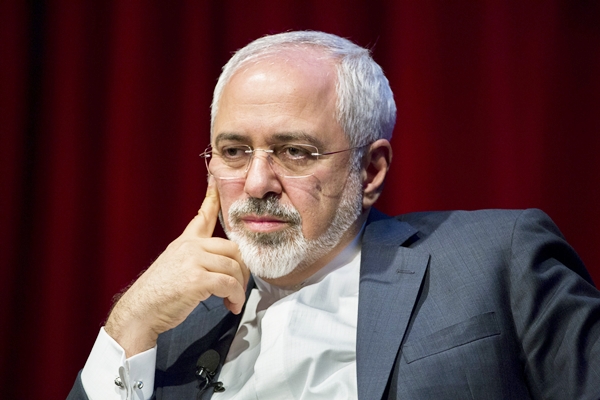
Iranian Foreign Minister Mohammad Javad Zarif speaks at the New York University (NYU) Center on International Cooperation in New York

In an OP-ED for the New York Times published on Sunday, Zarif said that Riyadh’s “active sponsorship of violent extremism” is a global threat.

Zarif noted that many acts of terror, “from the horrors of Sept. 11 to the shooting in San Bernardino and other episodes of extremist carnage in between,” and almost all al-Qaeda and its affiliate al-Nusra Front group members are either Saudi nationals or have been brainwashed by the kingdom’s message of hatred and sectarianism.

The recent mass execution of 47 people, including Shia cleric Nimr al-Nimr, clearly shows Saudi Arabia’s “barbarism,” he added.  

“Saudi Arabia seems to fear that the removal of the smoke screen of the nuclear issue will expose the real global threat: its active sponsorship of violent extremism. The barbarism is clear. At home, state executioners sever heads with swords, as in the recent execution of 47 prisoners in one day, including Sheikh Nimr al-Nimr, a respected religious scholar who devoted his life to promoting nonviolence and civil rights. Abroad, masked men sever heads with knives.”

Iran’s foreign minister also accused Saudi Arabia of attempting to “derail” the JCPOA—the agreement reached between Iran and the P5+1 – the United States, Britain, Russia, China, France, and Germany – in Vienna on July 14, 2015.

He also condemned the targeting of Iranian diplomatic facilities in Yemen, the systematic harassment of Iranian pilgrims in Saudi Arabia as well as Riyadh’s negligence which resulted in the death of hundreds of Iranians during last year’s Hajj rituals in Mina.

He added that Iran has “no desire to escalate tension in the region” and that unity is required to deal with the threat of extremism.

“The Saudi leadership must now make a choice: They can continue supporting extremists and promoting sectarian hatred; or they can opt to play a constructive role in promoting regional stability. We hope that reason will prevail.”  

The OP-ED was published after ties between Tehran and Riyadh was severed in the wake of Nimr’s execution.


The full text of his OP-ED reads:

The world will soon celebrate the implementation of the landmark agreement that resolves the unnecessary, albeit dangerous, crisis over Iran’s nuclear program. All parties hoped, and continue to believe, that the resolution of the nuclear issue would enable us to focus on the serious challenge of extremism that is ravaging our region — and the world.

President Rouhani has repeatedly declared that Iran’s top foreign policy priority is friendship with our neighbors, peace and stability in the region and global cooperation, especially in the fight against extremism. In September 2013, a month after taking office, he introduced an initiative called World Against Violence and Extremism (WAVE). It was approved by consensus by the United Nations General Assembly, giving hope for a farsighted global campaign against terrorism.

Unfortunately, some countries stand in the way of constructive engagement.

Following the signing of the interim nuclear deal in November 2013, Saudi Arabia began devoting its resources to defeating the deal, driven by fear that its contrived Iranophobia was crumbling. Today, some in Riyadh not only continue to impede normalization but are determined to drag the entire region into confrontation.

Saudi Arabia seems to fear that the removal of the smoke screen of the nuclear issue will expose the real global threat: its active sponsorship of violent extremism. The barbarism is clear. At home, state executioners sever heads with swords, as in the recent execution of 47 prisoners in one day, including Sheikh Nimr al-Nimr, a respected religious scholar who devoted his life to promoting nonviolence and civil rights. Abroad, masked men sever heads with knives.

Let us not forget that the perpetrators of many acts of terror, from the horrors of Sept. 11 to the shooting in San Bernardino and other episodes of extremist carnage in between, as well as nearly all members of extremist groups like Al Qaeda and the Nusra Front, have been either Saudi nationals or brainwashed by petrodollar-financed demagogues who have promoted anti-Islamic messages of hatred and sectarianism for decades.

The Saudi strategy to derail the nuclear agreement and perpetuate — and even exacerbate — tension in the region has three components: pressuring the West; promoting regional instability through waging war in Yemen and sponsoring extremism; and directly provoking Iran. Riyadh’s military campaign in Yemen and its support for extremists are well known. Provocations against Iran have not grabbed international headlines, primarily thanks to our prudent restraint.

The Iranian government at the highest level unequivocally condemned the assault against the Saudi embassy and consulate in Tehran on Jan. 2, and ensured the safety of Saudi diplomats. We took immediate measures to help restore order to the Saudi diplomatic compound and declared our determination to bring perpetrators to justice. We also took disciplinary action against those who failed to protect the embassy and have initiated an internal investigation to prevent any similar event.

By contrast, the Saudi government or its surrogates have over the past three years directly targeted Iranian diplomatic facilities in Yemen, Lebanon and Pakistan — killing Iranian diplomats and locals. There have been other provocations, too. Iranian pilgrims in Saudi Arabia have endured systematic harassment — in one case, Saudi airport officers molested two Iranian boys in Jeddah, fueling public outrage. Also, Saudi negligence was to blame for the stampede during the recent hajj, which left 464 Iranian pilgrims dead. Moreover, for days, Saudi authorities refused to respond to requests from grieving families and the Iranian government to access and repatriate the bodies.

This is not to mention the routine practice of hate speech not only against Iran but against all Shiite Muslims by Saudi Arabia’s government-appointed preachers. The outrageous beheading recently of Sheikh Nimr was immediately preceded by a sermon of hatred toward Shiites by a Grand Mosque preacher in Mecca, who last year said that “our disagreement with Shiites will not be removed, nor our suicide to fight them” as long as Shiites remained on the earth.

Throughout these episodes, Iran, confident of its strength, has refused to retaliate or break — or even downgrade — diplomatic relations with Saudi Arabia. We have until now responded with restraint; but unilateral prudence is not sustainable.

Iran has no desire to escalate tension in the region. We need unity to confront the threats posed by extremists. Ever since the first days after his election, the president and I have indicated publicly and privately our readiness to engage in dialogue, promote stability and combat destabilizing extremism. This has fallen on deaf ears in Saudi Arabia.

The Saudi leadership must now make a choice: They can continue supporting extremists and promoting sectarian hatred; or they can opt to play a constructive role in promoting regional stability. We hope that reason will prevail.

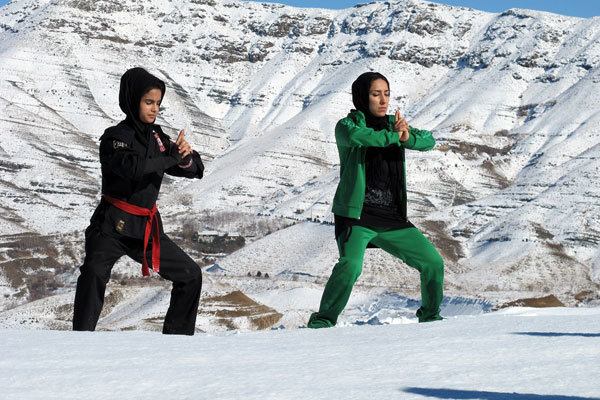
Iranian Ninja bags KIN’s Honorary Diploma

The 12th edition of the KIN festival was held in Yerevan on 3-7 November, 2015 and the Diploma of Honor for the best documentary has been awarded to the documentary Iranian Ninja, directed by Marjan Riahi.

The annual KIN International Film Festival is devoted to film makers whose production revolves around the theme of women (kin means “a woman” in Armenian).

It is narrated by Khatereh Jalilzadeh, the first Iranian ‘ninja’ woman (practicing Ninjutsu) and features the women’s hardships and barriers to practice the sport.

The documentary is the first feature film to depict Iranian ninja women competitions.

The 30-minute documentary has previously attended several international festivals including Hot Docs, Vesoul, Guanajuato, Créteil, Open City, Batumi, Baghdad, Jaipur, Silk Road, Innsbruck, Didor, flEXiff, Media Arts and Tartu winning a number of international awards.


Iran Not to Let Saudi-Triggered Tensions Ruin Syria Peace Efforts: FM

“We will not allow the Saudi tension-creating approaches to have a negative impact on the settlement of the crisis in Syria or to aggravate the problems of people in Syria, Yemen and Europe, which have risen due to the migration of poor Syrians,” Zarif said Sunday in a meeting with the United Nations Special Envoy for Syria Staffan de Mistura in Tehran.

Denouncing Saudi Arabia for its policy of creating “turmoil” in the region, Zarif said Riyadh is pursuing provocative measures to adversely affect the situation in Syria.

He said the Saudis targeted Iran’s embassy in the Yemeni capital of Sana’a as part of attempts to cover up their negative conduct, while Iran feels responsible to protect the embassies of foreign countries.

“The Islamic Republic of Iran has always acted responsibly and constructively on crises,” Zarif added.

The UN envoy, for his part, hailed Iran’s constructive role in the settlement of the crisis in Syria.

De Mistura noted that efforts are underway to release a single list of the wildly different opposition groups in Syria for negotiations with the Damascus government.

The Austrian capital of Vienna has played host to two rounds of multilateral talks over the past months for finding a way out of a lingering crisis in Syria.

Senior diplomats from a number of influential countries, including Iran, the US and Russia, as well as envoys from the United Nations (UN) and the European Union (EU) have attended the negotiations.

Syria has been gripped by civil war since March 2011 with Takfiri terrorists from various groups, including Daesh (ISIL), currently controlling parts of it.

According to the United Nations, more than 250,000 people have been killed and one million wounded during the conflict.


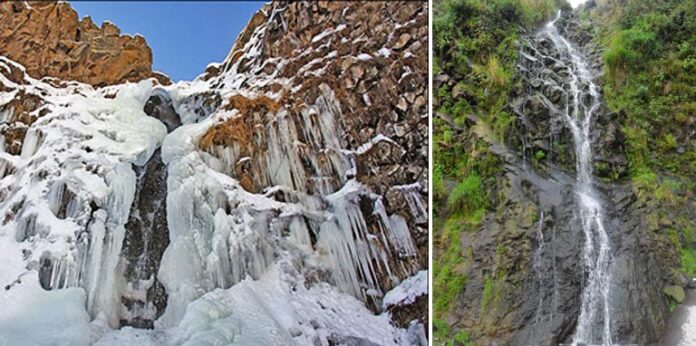
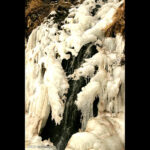
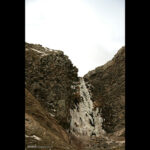
Frozen Sardabeh waterfall (PHOTOS)

Located 24 km from Ardebil in eastern slope of Sabalan Mountain, Sardabeh waterfall has near 15 meters height with strong smell of sulfur and is frozen due to the very low temperature in winter. The place is Ardebil’s one of tourist attraction places.


The following images have been released by Mehr News Agencies:


Saudi airstrike on Iran embassy in Yemen premeditated act of war: Lawmaker

Saudi Arabia must be held accountable for the act of aggression against the Iranian mission in Yemen, Chairman of the Iranian Parliament’s Committee on National Security and Foreign Policy, Alaeddin Boroujerdi, said on Sunday.

The attack on Iran’s embassy, which was carried out intentionally, can well be pursued by Iran’s Foreign Ministry in international organizations, he added.

The Iranian legislator also stressed that the Saudi government must compensate Iran for all damage it has inflicted on the country, stressing that the Islamic Republic reserves the right to follow up on this issue by taking legal action through international authorities.

On January 6, Saudi warplanes targeted Iran’s embassy in Sana’a, damaging the mission’s building and wounding a number of security forces guarding the place.

One day later, Iranian Foreign Ministry Spokesman Hossein Jaberi Ansari roundly condemned the “deliberate” Saudi attack, saying it was a “violation of all international conventions and regulations” in protecting diplomatic missions under all circumstances.

Iran’s Foreign Minister Mohammad Javad Zarif said on Saturday that the Islamic Republic has so far exercised patience with regard to negative measures adopted by Saudi Arabia.

“We have so far responded to negative Saudi measures with patience because there is a distance between Iranian wisdom and Saudi officials’ misguided and immature approaches,” Zarif said, emphasizing that Iran does not seek tension in the region.