Monday, December 29, 2025
Home Blog Page 4532

A look at Iranian newspaper front pages on Jan 30

Iranian Newspapers Headlines

Abrar:

1- Total, Airbus chiefs meet with Rouhani

2- Frozen cash in Treasury before Iranian yearend

3- Iran, France presidents say determined to open new chapter in Tehran-Paris relations

4- 15m undecided dossiers filed with Iran judiciary: Judiciary Chief

5- Kerry talks about last efforts to free Rezaeian

6- Culture Minister reacts to tensions regarding artists

7- Obama directs team to counter ISIS in Libya
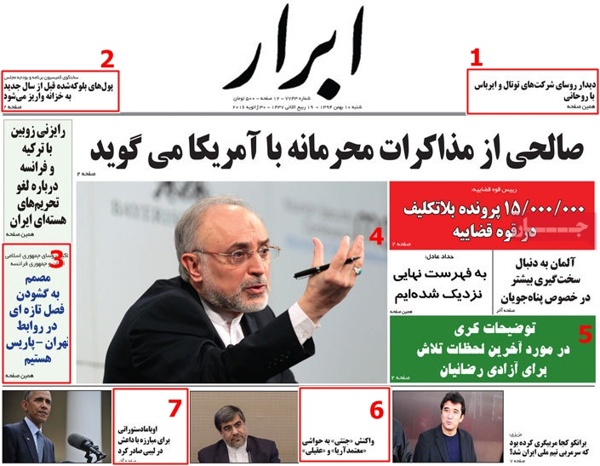
 

A look at Iranian newspaper front pages on Jan 30


Afkar:

1- Italy’s Sace boosts insurance capital to €6b

2- Iran, France leaders stress reviving relations, combating terrorism
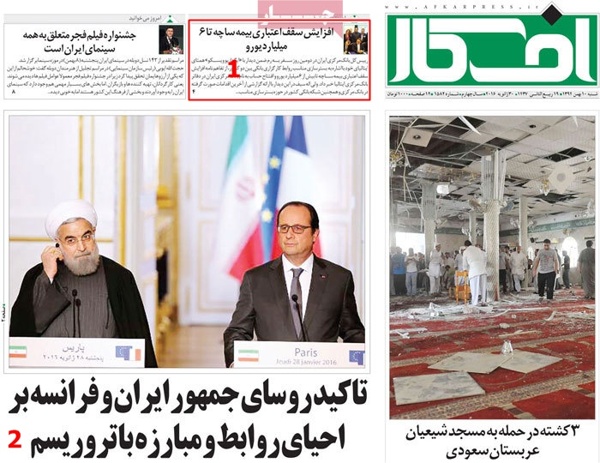
 

A look at Iranian newspaper front pages on Jan 30


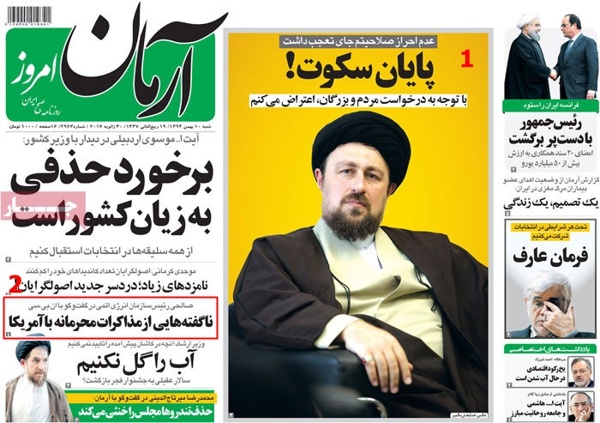
Arman-e Emrouz:

1- End of silence;

Hassan Khomeini, Assembly of Experts hopeful, says he will react to his disqualification to respect people’s aspiration.

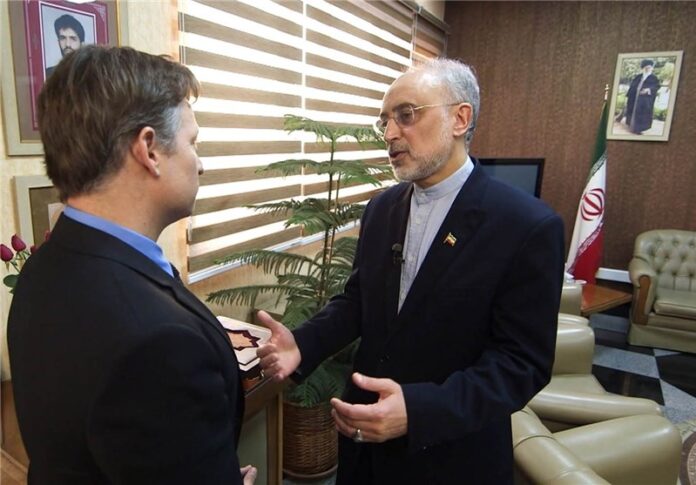
2- AEOI chief (Salehi) tells untold stories about confidential US talks

In an interview with NBC, head of the Atomic Energy Organization of Iran, Ali Akbar Salehi, told about Iran-US talks behind closed doors. He said supreme Leader made 4 conditions for nuclear agreement
 

A look at Iranian newspaper front pages on Jan 30


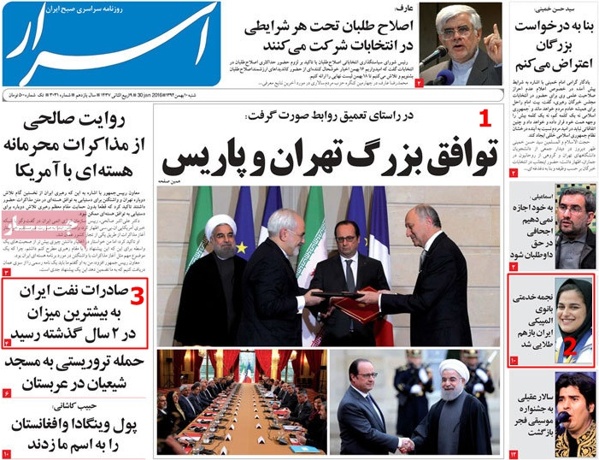
Asrar:

1- Tehran, Paris ink major deals

2- Iranian shooter wins gold medal

Iran’s Najmeh Khedmati claimed 10 metre air rifle gold on the third day of the Asian Shooting Olympic Qualifier in New Delhi today as Japan secured a third gold medal in successive days.

3- Iran oil exports highest in two years
 

A look at Iranian newspaper front pages on Jan 30


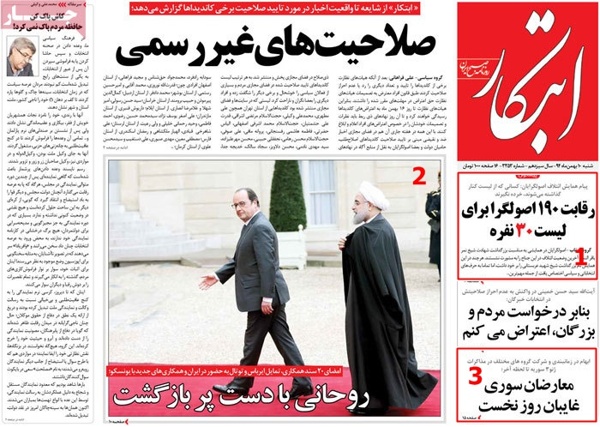
Ebtekar:

1- 190 Principalists vie for parliament seats

2- Rouhani returns with full hands
Signature of 20 cooperation deals, willingness of Total and Airbus to return to Iran and fresh ties with UNESCO were some of the outcomes of an Iranian delegation headed by Iranian President Hassan Rouhani to Europe.

3- Syrian opposition absent on first day of talks
 

A look at Iranian newspaper front pages on Jan 30


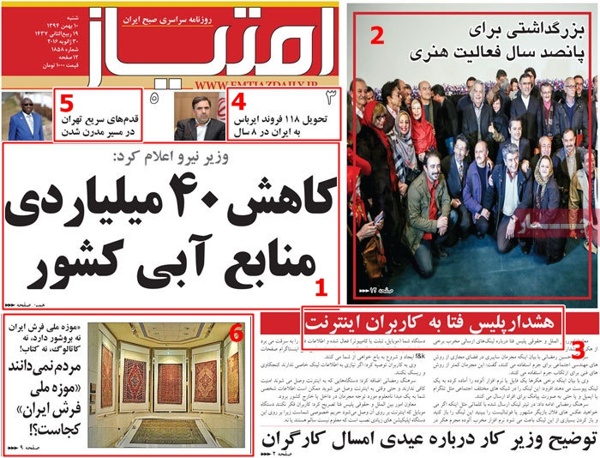
Emtiaz:

1- 40bl slump in Iran’s water supplies: Minister

2- Celebration of 500 years of artistic activities

3- Cyber police warns internet users

4- 118 Airbus planes in Iran within 8 years

5- Tehran taking swift steps to modernization

6- Report: People have no idea where carpet museum of Iran is located!
 

A look at Iranian newspaper front pages on Jan 30


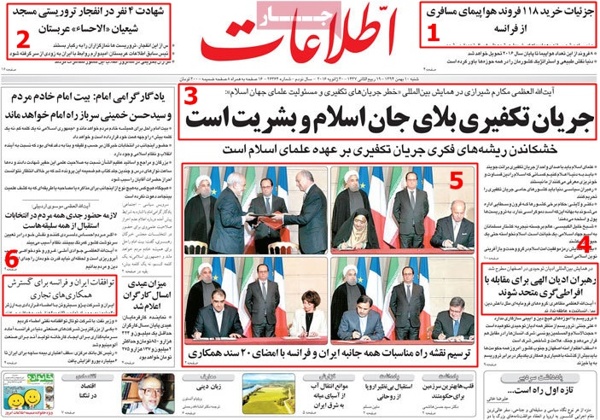
Ettela’at:

1- Details of Iran purchasing 118 French planes

2- Blast hits Shia mosque in Saudi Arabia, 4 killed

3- Cleric slams Takfirism as plight of Islam, humanity

4- Calls for unity of religious leaders against extremism

5- Road map of Iran-France ties sketched by signing 20 docs

6- Iran, France agree to boost trade
 

A look at Iranian newspaper front pages on Jan 30


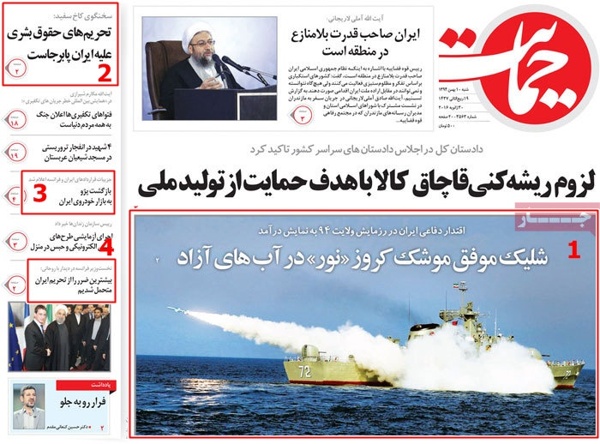
Hemayat:

1- Iran successfully test fires Noor (light) cruise missile in high seas

2- Anti-Iran human rights sanctions in place: White House

3- Peugeot returning to Iranian market

4- French Primer to Rouhani: France biggest loser in sanctioning Iran
 

A look at Iranian newspaper front pages on Jan 30


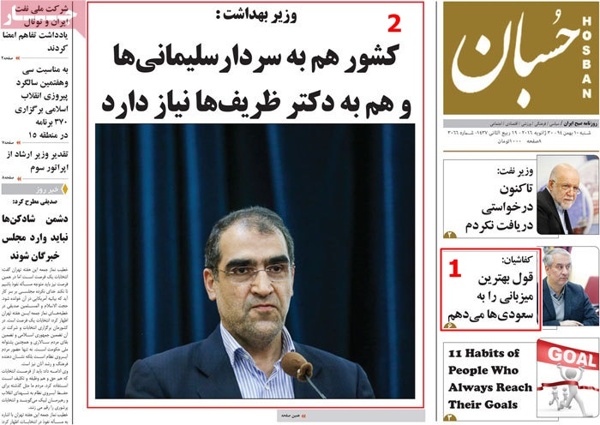
Hosban:

1- Iran promises Saudi footballer best hosting

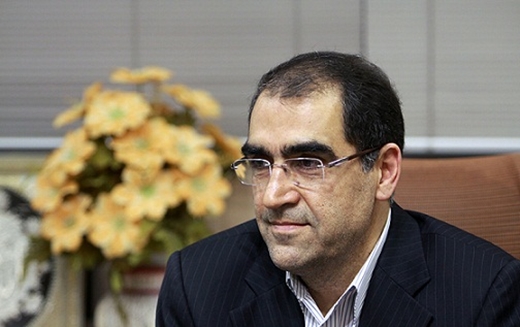
2-Health Minister: Iran needs [fighters like] Cmdr Soleimani, [negotiations like] Zarif and [scientists like] Salehi
 

A look at Iranian newspaper front pages on Jan 30


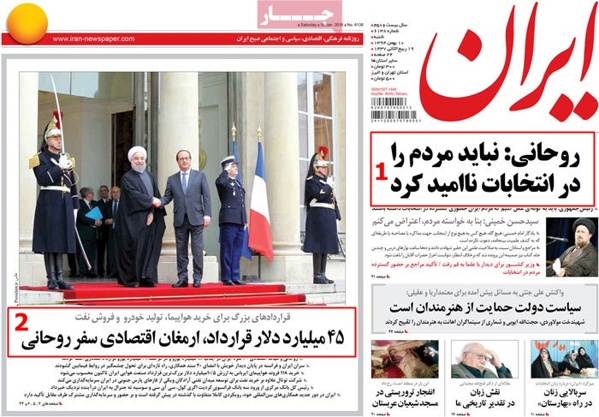
Iran:

1- Rouhani: People must not lose hope in elections

2- $45b deals, outcome of Rouhani’s economic visit
 

A look at Iranian newspaper front pages on Jan 30


Jamejam:

1- AFC hails IRIB

2- Story of tainted India rice in Iran: report

3- Media: ethical dos and don’t in elections

4- Beginning and end of media monopolism: viewpoint

5- Messages of navy drill: viewpoint by Iran navy commander
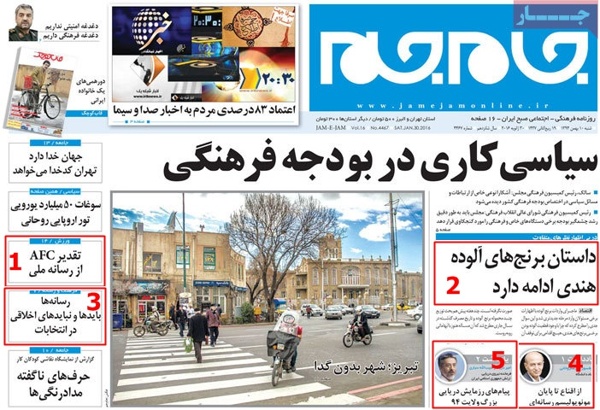
 

A look at Iranian newspaper front pages on Jan 30


Javan:

1- Francs reaps JCPOA benefits

2- Students’ brain, JCPOA blackboard

Tehran’s Education Administration has launched an initiative to hold classes for high school students to teach them the principles and terms of Tehran’s nuclear agreement with the P5+1 group of countries. The initiative’s implementation is pending on a decision by the council of schools.

3- 130 thousand tons of expired rice seized

4- Chief: IRGC’s main duty, preservation of Revolution’s value frontiers
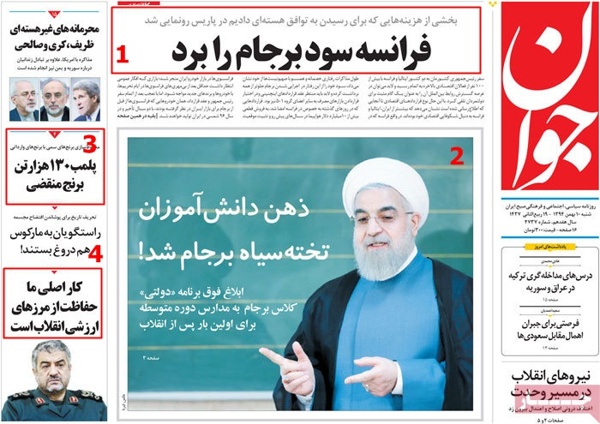
 

A look at Iranian newspaper front pages on Jan 30


JomhoriEslami:

1- Obama: US fully supports Israel

2- Opposition disturbances in Geneva talks for Syrian peace

3- UN: Worlds seems to have forgotten Yemen crisis

4- Iran holds 2nd conference on “Threats of Takfiri trends in modern world”
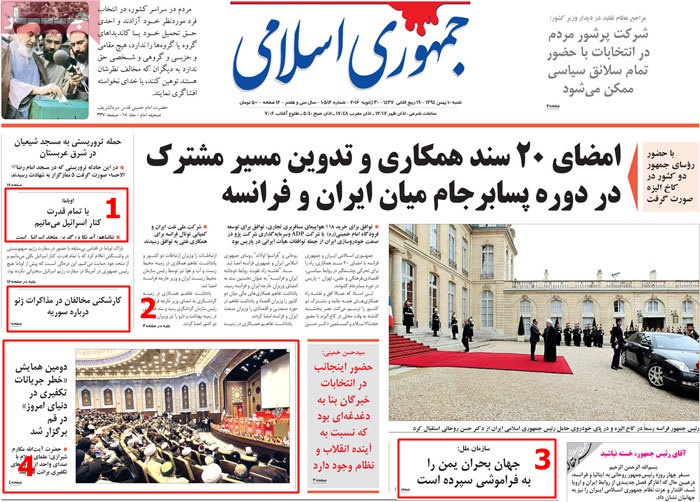
 

A look at Iranian newspaper front pages on Jan 30


Payam-e Zaman:

1. Rouhani: Political sanctioning failure, futile

“Riyadh must display initiative to restore diplomatic ties”

2. Health Minister: Population growth positive in Iran

3. Total agrees to buy 200kb/d from Iran

4. Zarif: Rouhani Europe Visit Shows Power of Diplomacy
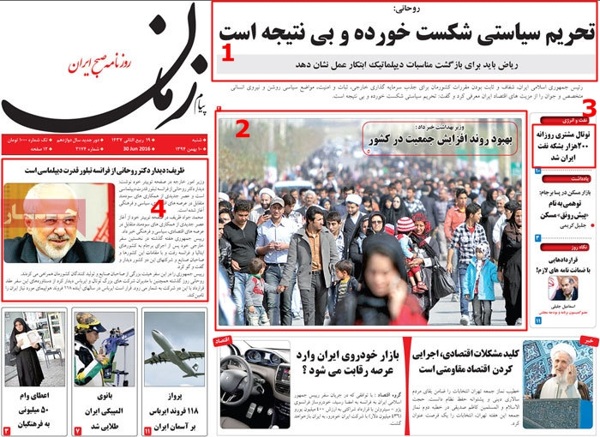
 

Payae Zaman


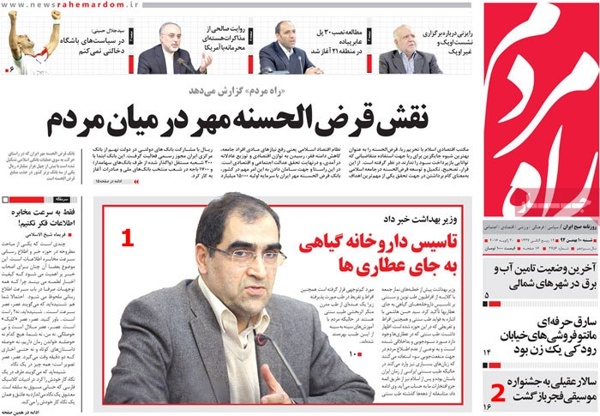
Rah-e Mardom:

1. Iran to launch herbal pharmacies instead of herbal shops: Minister

2. Singer Salar Aqhili returns to Fajr Music Festival
 

Rahe Mardom


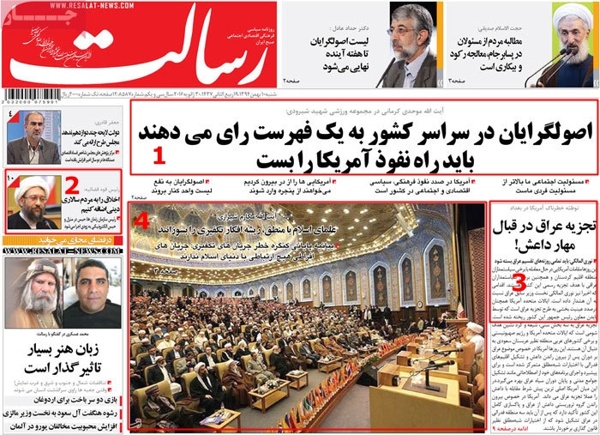
Resalat:

1. Ayatollah Mowahedi Kermani: All Iranian Principalists vote for one list; US infiltration must be stopped

2. Judiciary Chief calls for addition of ethics to religious democracy

3. Dangerous US plot in Baghdad; Dissolution of Iraq in exchange for containing ISIS

4. Cleric urges eradication of Takfirism by logic

Addressing conference in the central province of Qom on Friday to discuss threats of Takfirism, Ayatollah Makarem Shirazi said logic must be clung in order to uproot Takfirism in the world of Islam.

“Extremist trends have nothing to do with Islam,” said the grand cleric.
 

Resalat daily


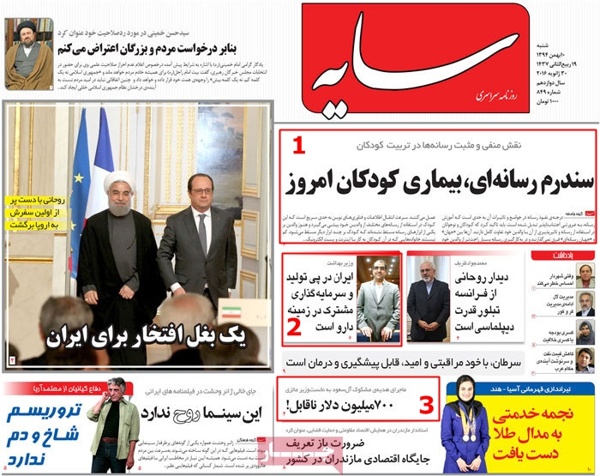
Sayeh:

1. Media syndrome: malady of today’s children

A report about the negative and positive impact of the media in the lives and treatment of children.

2. Iran seeking JVs in production of medicine: Health Minister

3. A modest 700 million dollars; [The mystery behind a $700M donation from the Saudi royals to the Malaysian PM]
 

Sayeh daily


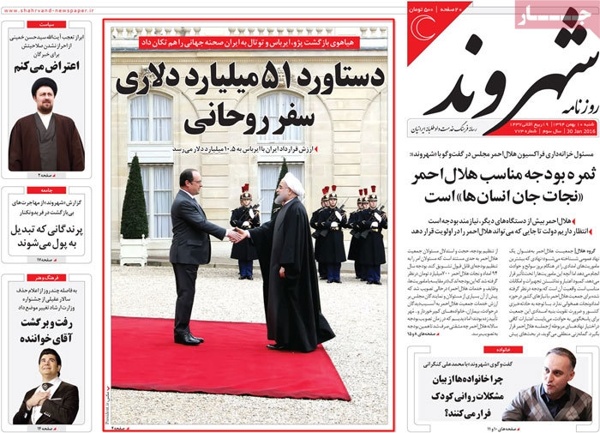
Shahrvand:

$51b achievement of Rouhani’s visit

Iran inked a deal with Airbus valued at more than 10 billion dollars.
 

Sharvand daily


Saheb Ghalam:

1. IRGC Chief: No security concerns but cultural ones

2. IRGC Navy Chief: US unable to saber-rattle before us

3. Water, environment areas of interest for France, Italy in cooperation with Iran
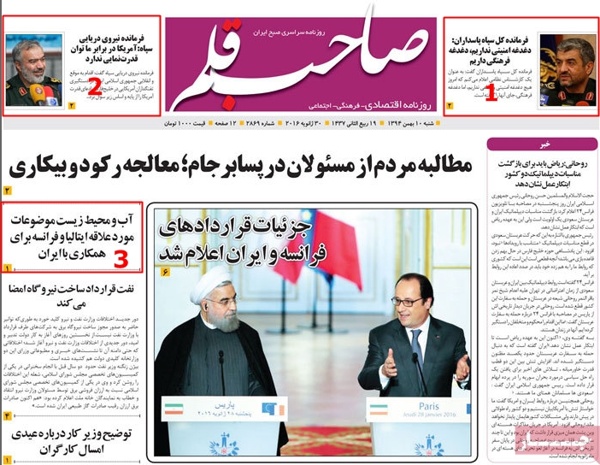
 

Saheb Ghaam daily


Asr-e Iranian

1. Caspian water in central Iranian desert: Deputy of Planning and Economic Affairs of Power Ministry

2. Culture Minister: Private banks enter fields of art

3. UN FAO: More than 14 Million Yemenis Under Food Insecurity
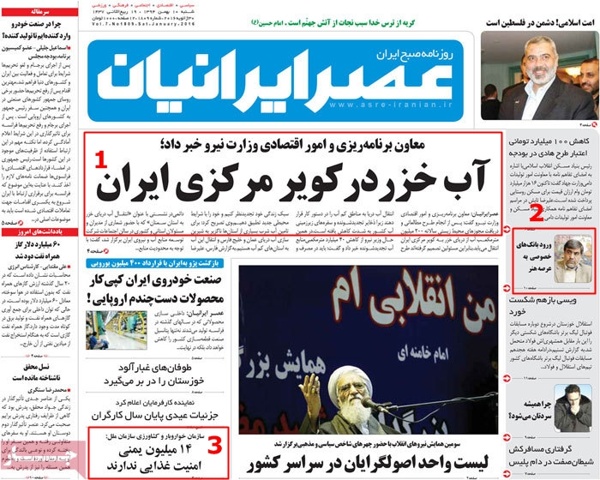
 

Asre Iranian daily


Ghods:

1. Iran car-making industry respectfully yours, Peugeot!

2. Ayatollah calls for formation of anti-Takfir global network
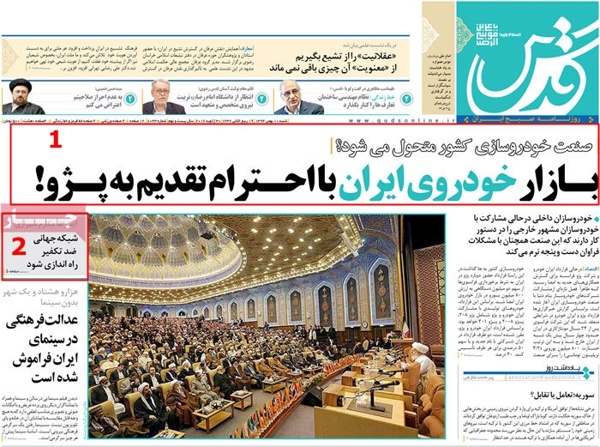
 

ghods daily


Kaenat:

1. Peugeot’s €400m return to Iran

2. Display of missile strength in high seas

Coalitions plane carrier under Iranian drone surveillance
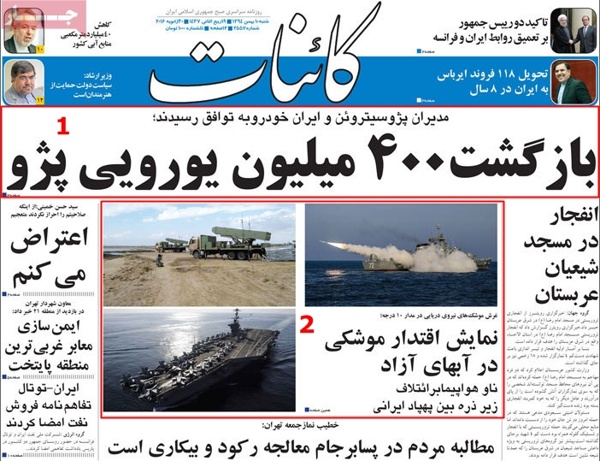
 

Kaenat daily


Keyhan:

1. Analytic report: Foreign souvenir: Economic prosperity for Iran or France?!

2. Terrorist attacks by Vahhabis to Shia mosque in western Saudi Arabia

3. Zionist regime frees burner of Palestinian infant

4. We want no parliament where US, EU statement is read: Tehran Friday prayer leader
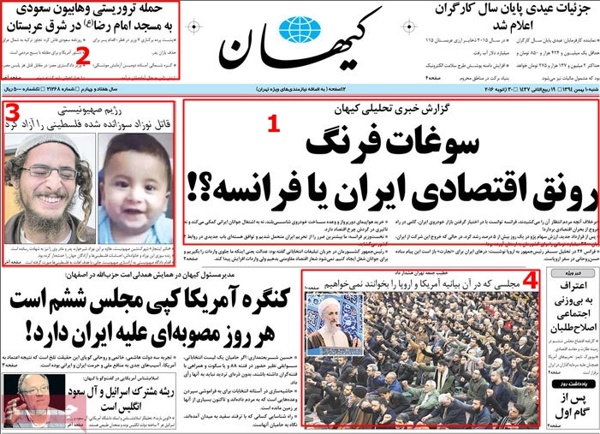
 

Kayhan


Mardom Salari:

1. Maximus election turnout guarantees victory for reformists: 14th Democracy Faction Congress

2. Reformist leader: Reformists’ priority is preserving national interests

3. Ali Motahari urges voters to actively participate in elections
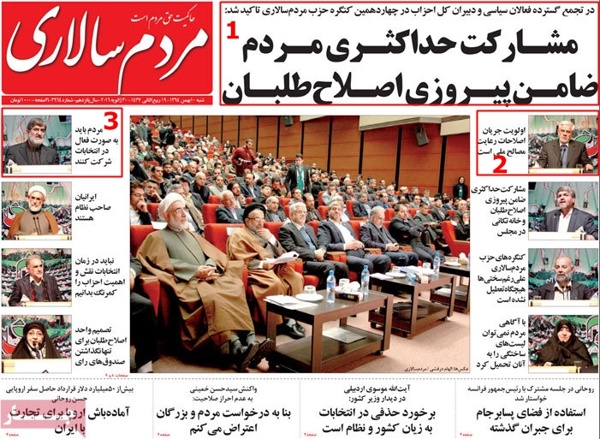
 

Mardom salari


Vaghaye-e Etefaghiyeh:

1. “I was startled, will object,” Hassan Khomeini said after he learned he was disqualified to vie for a seat in the Assembly of Experts

2.From the Poor House to the Foreign Ministry
– Is Adel al-Jubeir a CIA choice?

3. Traditional singer Salar Aghili returns to Music Festival

Culture Minister: Aghili knew who interviewed him

4. Principalists conference held to shortlist qualified hopefuls: Please step down!

The conference was held by the Principalist factions to choose 30 hopefuls from 190 qualified candidates for the late February parliamentary election.

5. West-lovers seek moderate, passive parliament for future: Leader’s representative in IRGC
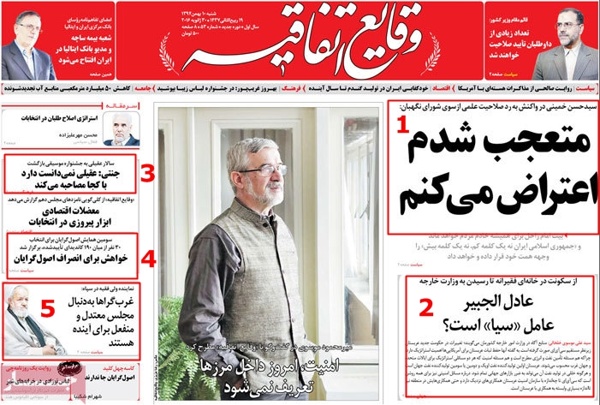
 

Vaghaye etefaghie daily


Asia:

1. Major human rights observation: inmates serving sentences at home

Iran’s Prisons Organization director general Asghar Jahangir said plans are under way to diminish the population of inmates. The initiatives include house arrests and electronic detention of inmates which are being studies for the time being.

2. Iran frozen assets in government treasury before Nowruz, spokesman of Iranian parliament’s planning and budget committee has said.
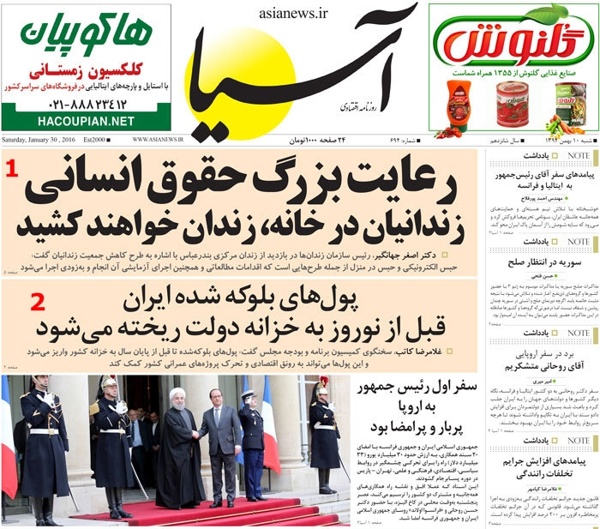
 

Asia daily


IRGC doubles missile activities despite US pressure: Commander

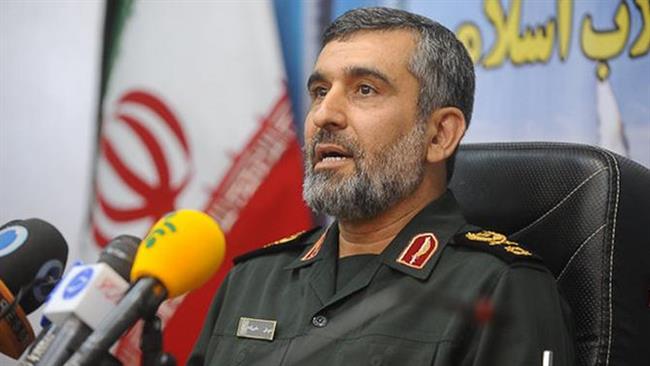
“We doubled our activities and the American demands from Iran had an opposite result,” Commander of the IRGC’s Aerospace Division Brigadier General Amirali Hajizadeh was quoted saying on the Basij Press website.

“Today, the enemies are bringing up the issue of missile-related sanctions and expecting us to back down. But, the IRGC’s reaction to this American demand will be aggressive,” he said.
Hajizadeh said the US has not dropped its hostile policies toward the Islamic Republic despite a nuclear deal which went into force earlier this month.

“Has the enemy abandoned its intentions for hostile moves? Does the (Islamic) Revolution have no problem anymore? That’s not the case.

“Our enemies, especially America, are still saying, ‘all options are on the table.’

“They are after certain goals in a number of fields, including the military and war, targeting the country’s security, culture and economy because they have a problem with the essence of the establishment and their problem is not nuclear,” he said.
The US adopted new sanctions against Iran over the country’s missile program, a day after the nuclear agreement went into effect, prompting Iranian officials to denounce them as “illegal.”

Hajizadeh said, “The Leader (Ayatollah Seyyed Ali Khamenei) had said before that ‘our problems with the Americans are not nuclear and that they will go after missile and other issues.’ Today, we see his predictions were right.”

The US has imposed a raft of sanctions on Iran under consecutive American administrations since the 1979 Islamic Revolution in the absence of diplomatic relations.

Hajizadeh said, “We have never trusted America and will never do so. Neither will we let a forging of relations with America.”

“As our late Imam (Khomeini) said the relationship between Iran and America is the relation between the lamb and the wolf. We will never allow such a connection.”

Officials say none of Iran’s missiles has been designed to carry nuclear warheads, and thus their production and tests do not violate UN Resolution 2231 which bans development of such projectiles.

Iran says its military might poses no threat to other countries and that its defense doctrine is merely based on deterrence.

2,875 Health Centers to be opened in suburbs

Health Promotion Programs in suburbs is one the second Health Reform plan’s sections to be implemented in the health field.

About 2000 health bases as well as over 800 Comprehensive Health Centers will be opened for around 10 million suburb residents.

The health centers will be opened in Tehran, Alborz, Isfahan, Kerman, Kermanshah, Yazd, Hormozgan, Khorasan, East Azerbaijan, West Azerbaijan, Khuzestan, Zanjan, Kordestan, Kohgiluyeh and Boyer Ahmad, Hamedan, Qazvin, Isfahan and Qom.

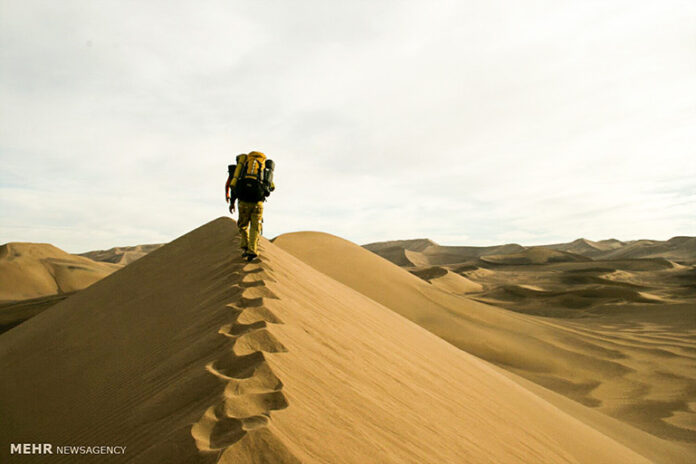
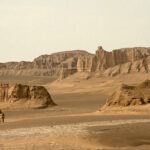
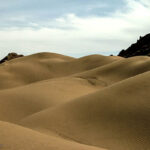
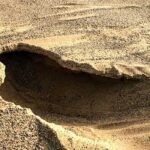
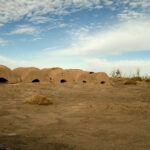
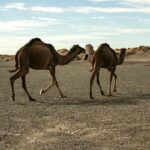
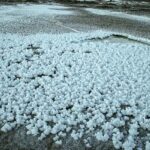
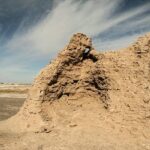
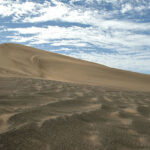
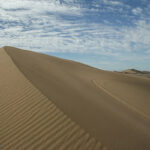
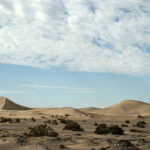
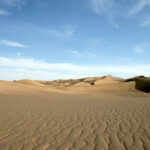
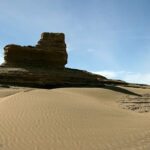
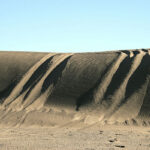
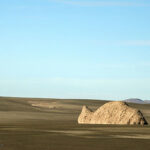
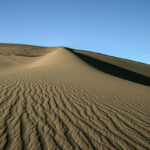
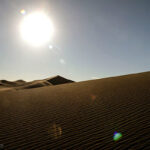
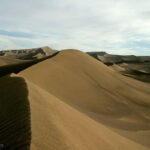
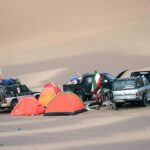
Lut Desert (PHOTOS)

Dasht-e Loot is a desert in southeastern province of Kerman, Iran. It is the world’s 25th biggest desert.

The surface of the sand there has been measured at temperatures as high as 70.7 °C (159 °F), and it is one of the world’s driest and hottest places.

The following images have been released by Mehr News Agency:


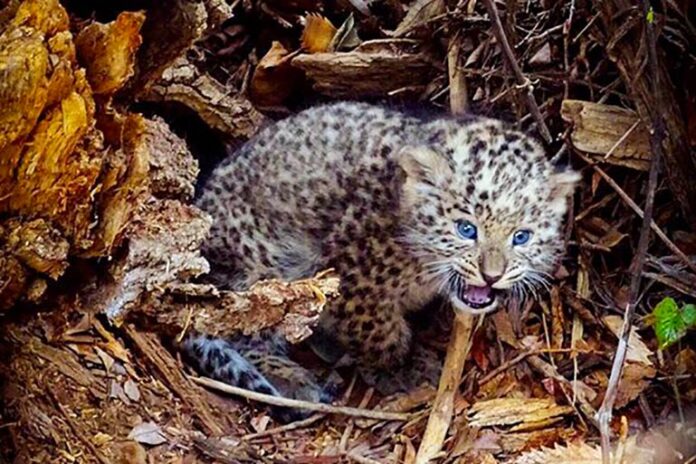
Newborn snow leopard photographed

“On the first day of a new round of camera installation project at the park aimed at assessing the population of Iranian leopards, surprisingly a lonely cub was hunted by cameras,” said Commander of District 2 of Golestan Park Hamed Abulghasemi.

“The cub was hidden by its mother therefore we left it for its mom to return,” he said.
Regarding mating season of leopards, the cub’s birth is a rare incident in winter. Cubs are usually cited during spring.


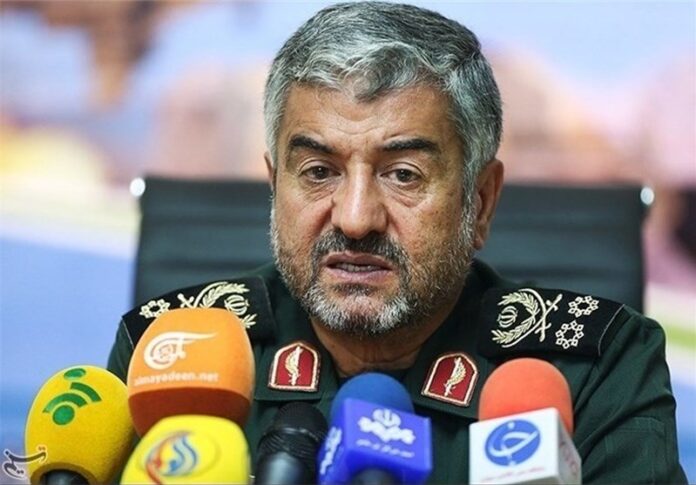
Enemies Looking for Cultural Infiltration in Iran: IRGC Commander

“As a military expert, I should say that we do not have any concern in the fields of security and defense today, but the cultural concern has replaced them,” General Jafari said in an address to a conference held in Iran’s northern city of Karaj.

“The main war front today is the cultural one,” he said, adding that the cultural war is a permanent one which will last as long as there is an enemy.

“Enemies, using all their equipment and power, have mobilized to undermine our revolution,” the Iranian commander stressed, adding that they will target the country’s culture to achieve their goal.

Leader of the Islamic Revolution Ayatollah Seyed Ali Khamenei has in many occasions urged vigilance in the face of enemy ploys to gain a political and cultural foothold in Iran, warning that the consequences of such infiltration would be much worse than that of enemy’s economic influence.

“Economic and security infiltration is of course dangerous and has dire consequences, but the enemy’s political and cultural infiltration (into Iran) is a much more serious threat that everyone should be vigilant about,” Ayatollah Khamenei said back in September 2015.

Describing the enemy’s attempts to find a way into Iran as one of the “major threats”, the Leader called on the IRGC forces to be wary of such peril.

As part of plans for cultural infiltration, the enemy has made heavy investment to gradually change the Iranian people’s beliefs, the Leader explained at the time.


Nasrallah: Iran has not, will not interfere in Lebanon

‘Iran is the powerful country in this region and other countries are competing to have establish with it. It doesn’t need the issue of Lebanon’s presidential vote to solve its nuclear program,’ he said in a televised speech on Friday which was broadcst by Al Manar TV.

He also denounced the deadly attack on Imam Ridha Mosque in Saudi Arabia’s Ahsaa province and stressed importance of countering terrorism.

Nasrallah offered condolences to Palestinian Hamas anti-occupation movement over the martyrdom of Qassam brigades fighters who were killed in tunnel collapse in Gaza.

He welcomed the resumption of the cabinet work in Beirut and urged Lebanese factions, ‘Don’t bet on international developments while dealing with the issue of the presidential vote.’

‘Hezbollah doesn’t dictate its views on allies. Hezbollah’s relations with allies is based on honesty and trust, despite differences in points of view,’ he added.

Based on several conditions, Nasrallah said, Hezbollah decided to back the nomination of General Michel Aoun for presidency.

Iran’s Salehi Talks of Leader’s Conditions for Nuclear Talks

Salehi, who is also one of Iran’s vice presidents, said the Leader of the Islamic Revolution Ayatollah Seyed Ali Khamenei was involved at every step of the way in the secret so-called “second track” with Washington.

“Without the Supreme Leader, we were not able to start the second track. That is for sure,” he said in an exclusive interview with NBC News correspondent in Tehran Richard Engel.

Salehi said Washington initiated the dialogue, indirectly at first, through a businessman from the Arab sultanate of Oman.

The Iranian nuclear chief added, however, that he wanted more than just the word of a middleman before going to the Leader to propose something as important as negotiations with Washington over the nuclear program.

“I said, ‘Look, we have to receive an official letter from the Omanis that would give us the assurance that this is a serious proposal. Otherwise, we cannot just rely on (the) verbal note of a person,'” he said.
“So the Sultan of Oman wrote a letter to our Supreme Leader, expressing the fact that the US is ready to enter into negotiation with Iran on a bilateral basis, or a second track, you may say. And then, I submitted the letter to the leader, and then I discussed the issue with him. And, yes, he said, ‘Okay, I agree that you start this second track. But you have to take four conditions into consideration.'”

Salehi said the Leader’s four conditions limited how far the negotiators were able to go in their talks with Washington.

“One condition was that, ‘Look, you just discuss the nuclear issue. You do not enter into any other issue. I mean, no political negotiations. It’s only nuclear issue negotiation.'”

The second condition, he said, was for the talks to be quick, and not drag on “lethargically.”

“The third condition was that they (Washington) will have to recognize our basic right, which is enrichment. And the fourth condition was a condition that, let’s keep it for ourselves.”

Much has been reported about the personal relationship that developed between US Secretary of State John Kerry and Iran’s Foreign Minister Javad Zarif, but it wasn’t the only personal relationship that mattered.

Salehi was Iran’s chief technical nuclear negotiator. His American counterpoint was Energy Secretary Ernest Moniz, who had taught at MIT when Salahi was a student there, though the two men did not know each other at the time, the NBC News reported.

“But later, when we met each other for the first time,” Salahi recalled, they discovered that they had friends in common, “and they had told him about me.” It was, he said, “as if we knew each other.”

“Had it not been the case that me (and) Professor Moniz were in the negotiation, it would have been very difficult for experts to make decisions,” he said.

The two scientists could discuss both the specific safeguards Washington wanted to place on Iran’s nuclear program and the specific facilities that Iran wanted to keep.

“He (Moniz) was a very rational person, wise person. Of course, he was looking for his own national interest, as I was looking for my own national interest,” Salehi said.

The negotiations over Iran’s nuclear program culminated with smiling press announcements from Kerry and Zarif in Vienna earlier this month, but this didn’t all happen peacefully. There’s blood on the ground too.

Five photographs are prominently displayed on the wall of Salahi’s Tehran office. The quiet, soft spoken man, who speaks fluent, barely accented English, became emotional when he showed them to us, his voice instantly hardening.

The photographs are of four nuclear scientists and a driver murdered in Tehran in an effort to sabotage Iran’s nuclear program. Salehi blamed Israel for the murders but says Washington shares the responsibility.

“We have all the information that it was the Zionist regime,” he said. “But there is — there was — a tacit, we think, agreement from the United States as well, unfortunately.”

According to NBC, US officials have denied involvement in the killings. Israeli officials have not confirmed the regime’s involvement, but expressed satisfaction that the Iranian nuclear scientists were killed.

Asked if he expected a sixth photograph on his wall, Salehi showed a passion previously hidden behind his relaxed demeanor.

“I hope it’s me. I hope it’s me,” he said. “Because this is a source of pride, I told you. We look for martyrdom. We are not frightened of that.”


Diplomacy, logic can settle regional issues: Rouhani

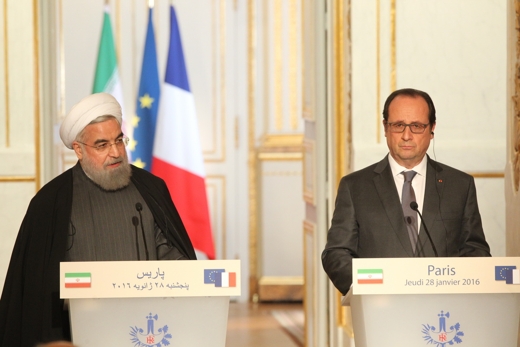
In a Thursday presser with his French counterpart Francois Hollande in Paris, Rouhani said the diplomatic process that culminated in last July’s deal on the Iranian nuclear issue should serve as a model in efforts to address other issues of international significance such as the crisis in Syria.

The Iranian president further said it is up to Syrians to decide their political future, calling on other players to avoid interference in the country’s affairs and merely assist the Arab nation to resolve the crisis on its own.

“The main problem in Syria is not such and such person, the main issue is terrorism and Daesh,” said the Iranian president, criticizing the foreign parties that fuel the crisis in Syria by arming the terror groups and being involved in illegal oil trade with them.


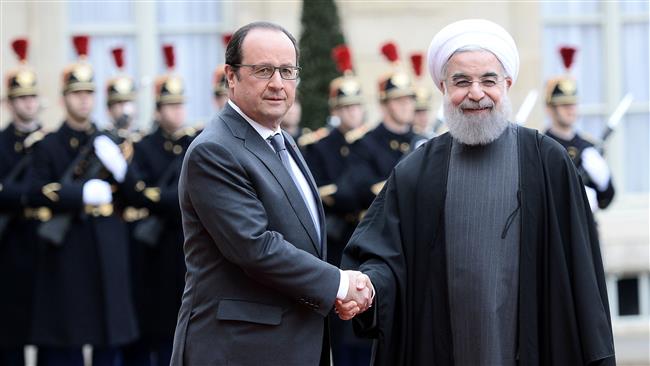
French President Francois Hollande (R) shakes hands with his Iranian counterpart Hassan Rouhani upon his arrival on January 28, 2016 at the Élysée Palace in Paris. ©AFP


Hollande, in turn, said Iran and France have agreed to make efforts to protect the cultural heritage of war-torn Iraq and Syria from destruction.

The French head of state further highlighted the role of Iran in the political process aimed at resolving regional crises.

Echoing Rouhani’s call for joint fight on terrorism, Hollande said Muslims in the Middle East are falling prey to Daesh terrorist acts.

He noted that Iran and France “share responsibility” for fighting terrorism which he said is threatening “regional countries, including Iran.”

“Terrorism is our sole enemy,” he said, adding that terrorism threatens human beings of every religious belief.

Referring to ongoing crisis in Syria, Hollande said it was “urgent to implement humanitarian measures and to negotiate political transition.”

“It’s possible,” said the French president.

Earlier in the day, Rouhani sat down for talks with Hollande after his meeting with the country’s senior executives and businessmen.

Rouhani was officially welcomed by the French leader at the Élysée Palace in Paris.

Also on Thursday, Rouhani and Hollande oversaw the signing of several memoranda of understanding between Iran and France in various sectors, including telecommunications, environment, tourism, agriculture, higher education and transportation.

In a landmark deal, Iran agreed to buy 118 Airbus aircraft worth about $25 billion.

“The sky has brightened for Iranian passengers, and Airbus is pleased to welcome the return of Iran to the international civil aviation community,” Airbus boss Fabrice Bregier said after signing the memorandum.

The agreement to purchase 73 long-haul and 45 medium-haul planes, covers “new aircraft orders and a complete package of cooperation in the civil aviation sector,” according to an Airbus statement.

Meanwhile, France’s energy giant Total signed a letter of intent with National Iranian Oil Company (NIOC) for buying crude oil from Iran.

Iranian Foreign Minister Mohammad Zarif was also on Thursday welcomed by his French counterpart Laurent Fabius at the French Foreign Ministry, where the two signed a set of cooperative agreements.

Zarif and Fabius signed a set of letters of intent on political dialogue between Iran and France and the establishment of business council.

The two ministers also discussed a wide range of issues including Middle East crises and monitoring of implementation of Iran’s nuclear agreement with world powers.
On January 16, Iran and the five permanent members of the UN Security Council – the United States, Britain, France, Russia and China – plus Germany started to implement the nuclear agreement they had reached in July 2015.

After JCPOA went into effect, all nuclear-related sanctions imposed on Iran by the European Union, the UN Security Council and the US were lifted. Iran, in return, has put some limitations on its nuclear activities.

Rouhani censures policy of imposing sanctions on countries

“The policy of sanctions has always been a wrong policy and has never proved to be successful in the course of history,” Rouhani said in a Thursday meeting with French executives and businessmen in Paris.

Two unnamed EU officials were cited on Wednesday as saying that France had asked its partners to consider new sanctions on Iran over its recent missile tests. The report by the Associated Press, however, was refuted hours later by EU diplomats and a French official.

“No such request was made,” said one EU diplomat, speaking on condition of anonymity.

President Rouhani also said the nuclear deal reached last year between Iran and the P5+1 group of countries proved how dialog can pave the way for the progress of nations.

Iran and the P5+1 – the US, Britain, France, China, and Russia plus Germany – reached the nuclear agreement, dubbed the Joint Comprehensive Plan of Action (JCPOA), in July 2015. The deal went into force on January 16, its “implementation day.”

“This agreement told the world… that the negotiating table can be quite influential and effective,” Rouhani said.

Referring to the long history of relations between Tehran and Paris, the president said time is ripe for the two sides to enhance their relations, adding Tehran is prepared to open a new chapter in the ties.

Leading a high-ranking political and business delegation, Rouhani arrived in Paris on Wednesday from a two-day visit to Italy.

France will be the last leg of Rouhani’s tour of Europe. The trip is expected to open a new chapter in business and trade relations between the two countries as officials strike deals worth billions of dollars.

Deals signed 

In their business forum on Thursday, officials of the two countries announced a set of business tie-ups and export deals, including the sale of dozens of Airbus planes and a car factory revamp.

French Prime Minister Valls said there would also be agreements signed in the areas of health, agriculture and the environment.

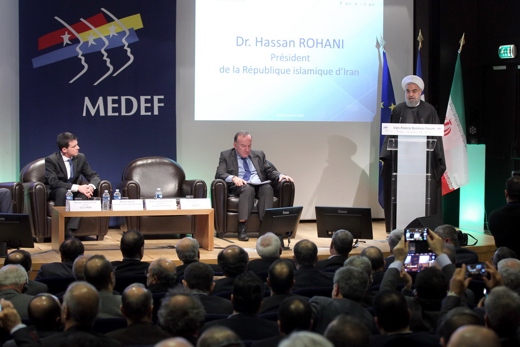
“Let’s forget past differences and start anew,” Rouhani said in a speech to the forum, in an apparent refrain to France’s hardline stance in nuclear talks and on issues related to regional developments.

“We are ready to turn the page” and establish a “new relationship between our countries,” Rouhani added.

Four business arrangements are flagged by France’s main industry body including the PSA Peugeot Citroen tie-up and a plan to sell over 100 Airbus passenger planes.

French officials said Iran was putting the finishing touches to the Airbus deal. People close to the discussions said technical talks were continuing.

Pierre Gattaz, head of France’s Medef employers association, said French national railway operator SNCF and aluminum company Fives were also expected to unveil deals.

“Iran’s needs are enormous,” Gattaz told reporters. “Iranians need everything. The country is not starting from scratch, it’s got a very educated workforce, a real development
potential.”