Thursday, December 25, 2025
Home Blog Page 4524

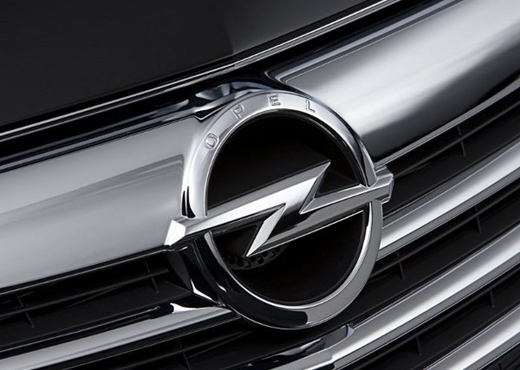
Iran to import Opel automobiles

Following the announcement of the list of authorized imported vehicles by the Trade Promotion Organization (TPO) of Iran, Ministry of Industry, Mine and Trade, in a letter to TPO, announced its agreement with licensing German Opel cars in two models of Adam and Corsa with engine capacities of less than 2500 cc.

In the letter to Iran’s TPO, the Ministry of Industry has announced that the importer company, Tavan Khodro Jey Co., possesses credible certifications as well as licenses from the Iranian Department of Environment as well as the Institute of Standards and Industrial Research and intends to import Opel Adam and Corsa hatchback automobiles with an engine capacity of 1400 cc.

The Import-Export Regulatory office at Iran’s Trade Promotion Organization has announced the import permit of Opel cars to the Regulation on Exports, Imports and Customs Affairs center of the Free Zones.

Founded in 1862, Adam Opel AG is a German automobile manufacturer headquartered in Rüsselsheim, Hesse, Germany, and a subsidiary of General Motors Company.

The company designs, engineers, manufactures and distributes Opel-branded passenger vehicles, light commercial vehicles and vehicle parts for distribution in Africa, Asia, Europe and South America.

South Korean president in Iran on May 1

Parviz Esmaeili said the South Korean president will visit Tehran at the invitation of her Iranian counterpart Hassan Rouhani.

During her three-day stay in Iran, President Park Geun-hye will be accompanied by a number of South Korean ministers as well as senior economic officials of that country, said Esmaeili.

During their talks in Tehran, the Iranian and South Korean presidents are to discuss ways to widen bilateral relations, he said.

They will also confer on international and regional developments, he added.

Energy, bank, insurance, infrastructural projects, science, technology, culture and health are among the issues on which Tehran and Seoul are to discuss, the official noted adding various documents will be also inked.

After signing those documents on cooperation, new serious move will start towards development of bilateral ties, Esmaeili said.

Ms Park Geun-hye is the only South Korean president that is to visit Iran.

Soil Erosion Costs Iran $56bn Annually: Official

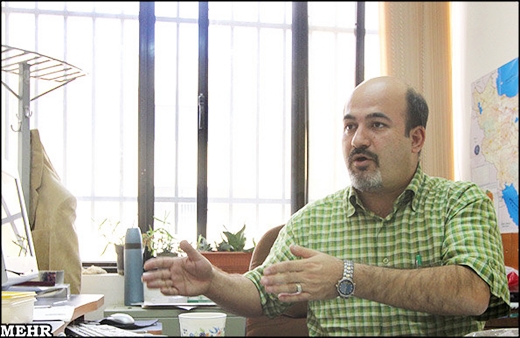
Darvish, known as Iran’s green gladiator, also says Iran has “lost 18 million oak trees in the Zagros Mountains”.

Darvish is in charge of education and environmental contributions, and is not satisfied with the number of NGOs active in protecting the environment in a country as big as Iran, with a population of around 78m.

Excerpts from his interview with Tehran Times are printed below:


Q: What is your evaluation of the current status of environment in Iran?

A: The current condition of Iran’s environment could be studied in terms of five fields: soil, water, biodiversity, weather, and a newly added field, which are people’s contributions to protecting the environment.

The estimated price for each ton of soil is now $28. Two billion tons of soil are eroded in Iran every year, costing the country $56bn annually. I’m sorry to report that, on average, soil erosion in Iran is three times that of Asia and one of the highest rates globally.

While hundreds of thousands of Iranians lost their lives during an eight-year war to defend their soil, they are now losing an amount equal to the mass of Lesser Tunb [an island in the Persian Gulf] every year, simply by adopting poor polices.

As the Supreme Leader highlighted last year, soil is more important than water, because 200 to 1,000 years are required to form soil, but there are ways to turn saline water into fresh water.

However, water (consumption) is the second challenge in Iran.  Instead of 40%, Iranians are draining over 80% of their water reservoirs, the result of which is water stress across the country. Water levels have been declining in more than 60 main plains in the center of Iran. Besides that, the fastest desertification of the century has taken place in Lake Urmia, where 480,000 hectares of land have turned into desert within 15 years.

Most of the lagoons are in deplorable conditions, and a total of 60% of them, including Almagol, Alagol, and Ajigol in Payab-e Atrak, have been left bone dry. Gomishan has receded 1.5km. The average depth of Anzali has declined from 14 meters to 0.7 meters. We have lost Gavkhouni, Arzhan, Parishan, Bakhtegan, Kaftar, Poozak, Saboori, Hamoon, Jaz Murian and Horolazim. We have lost 30% of Shadegan. Helleh lagoon is not in good condition either.

Apart from these, we have lost 18 million oak trees in the Zagros Mountains, which are constantly subject to different pests such as wood-boring beetles and the Loranthus.

Biodiversity is no better than the other four fields, with the total number of gazelle, deer, chinkara, Persian fallow deer, wild goat, and so on, having fallen below 110,000, while there was 10 times more about half a century ago. Biodiversity is a bio-indicator which gives us information about the quality of an ecosystem where animals are living.

Instead of investing in soil and water, Iranians could move towards high-tech and alternative energy, and take advantage of their 4,700km maritime border or historical Silk Road.

On the other side, people’s contributions to protect the environment are not satisfactory. Though the number of NGOs over the past two years has increased from 400 to 780, the figure is nothing compared to a 70m population.

Despite the fact that Article 50 of the constitution states future generations must be provided with a flourishing social life and that the protection of environment is a public duty and that any activity which may damage or pollute the environment is forbidden, the soil, water, weather, and biodiversity all are not in a good condition.

Environmental challenges are posing serious threats to people’s social lives, affecting education, increasing depression, violence and even crime.

Q: Iran is moving fast towards having more and more deserts in the not-too-distant future. What measures do you think are needed to slow this process?

A: First of all, I need to explain that deserts are not an advantage or disadvantage per se. There are many countries in the world which are 100% desert, but they are among the richest in the world. Also, there are some countries 100% covered in jungle, but who are among the poorest, like Bangladesh. What is important in this regard is the attitude of the ruling body towards the management of its ecological capital.

In Arizona, for example, people used to grow corn, bringing them $3,000 per hectare, but they replaced it with wind turbines and got $3,500 instead.

Iran’s deserts stand first among 243 countries on the earth for developing photovoltaic cells and solar panels. To Iranians, though, a desert seems to be a dead piece of land, due to thousands of years of farming culture. Today, however, land is valued at the amount of money obtained from it, and deserts are popular tourist destinations in many places.

Let’s turn to your questions. Of course we must take quick measures to slow the process of desertification and ecological debt. The most important reason we are moving towards ecological debt is because of policies we have adopted for the development of our country which are not in accordance with its ecological conditions.

Instead of investing in soil and water, Iranians could move towards high-tech and alternative energies, and take advantage of their 4,700km maritime border, or historical Silk Road. Iran is among the top five countries in the world in terms of natural landscapes, and 10th for historical buildings. It could easily attract 20-22m tourists every year, collecting revenue twice that of its oil industry.

Q: What is your department doing now to bring the ongoing environmental challenges under control?

A: Well, what we are currently pursuing seriously is raising a new generation with an eco-friendly attitude, who never sign any deal or agreement that may endanger their environment in the future.

In this regard, a memorandum of understanding was signed two years ago between the Minister of Education Ali-Asghar Fani and Ms. Masumeh Ebtekar, head of the Department of Environment, according to which 96,000 teachers were trained and sent to schools to expose students indirectly to environmental activities. These efforts are being made at elementary levels to help students love their environment.

Besides this, 44 environmental schools have been founded so far in Alborz province [in northwest Tehran] to have students engage in environmental practices.

The department is also trying to raise awareness of parliamentarians, lawyers, artists and athletes, and to make them conscious of the dangers threatening the environment by supplying learning materials as well as setting up workshops.

However, the department is one of the weakest and poorest organizations inside the ruling system, and cannot fulfill the responsibilities put on its shoulders. Though it has had the highest percentage budget increase during President Rohuani’s government, about 30 to 50, the figure is still meagre because its base was so low.

Iran’s FIFF to hail French cinema in 2016 edition

As reported by the public relations office of the 34th FIFF, the six French films to be screened in the Iranian film event, which are mostly 2015 productions, have previously been screened at prominent film festivals like Cannes. ‘The Measure of a Man’ is one of the most successful films on the list, which has formerly been praised at numerous film festivals and won best acting awards.

The lineup for the Retrospection of French Cinema Section is as follows:

‘The Fear’ (2015), Damian Odoul

Synopsis: Gabriel, an introverted young man, finds terror and appalling carnage in the hell on earth of the trenches between 1914 and 1918. At the end of his horrifying interior journey through the conflict – full of sound, fury and blood – he will discover his own humanity.

Awards: Prix Jean Vigo for Best Feature Film

‘Rabid Dogs’ (2015), Eric Hannezo

Synopsis: A bank job goes wrong. Four armed robbers take refuge in a shopping center- shots are fired, panic ensues. Surrounded, the criminals shoot a man and take a woman hostage. Cornered, they hijack a car, at the wheel a father on his way to hospital with his sick child. Out of control, on the run, their escape turns into a merciless manhunt. For these rabid dogs, there is no turning back.

The Little Prince (2015), Mark Osborne

Synopsis: A little girl lives in a very grown-up world with her mother, who tries to prepare her for it. Her neighbor, the Aviator, introduces the girl to an extraordinary world where anything is possible, the world of the Little Prince.

Awards: César Awards: Best Animated Feature Film

The Measure of a Man (2015), Stéphane Brizé

Synopsis: An unemployed factory worker is trying to make ends in working-class France.

Awards: Cannes IFF: Best Actor, Prize of the Ecumenical Jury-Special Mention / Cesar Awards 2016: Best Actor / Brussels European IFF: Audience Award / Denver IFF: Special Jury Prize / International Film Festival of India: Silver Peacock for Best Actor

The Clear Stream Affaire (2014), Vincent Garenq

Synopsis: Journalist Denis Robert sparked a storm in the world of European finance by denouncing the murky operations of banking firm Clearstream. His quest to reveal the truth behind a secret world of shadowy multinational banking puts him in contact with an ever-expanding anti-corruption investigation carried out by Judge Renaud Van Ruymbeke. Their paths will lead them to the heart of a political/financial intrigue named the which will rock the foundations of the Europe and the French government itself.

Anton Chekhov 1890 (2015), Rene Feret

Synopsis: Anton Chekhov, a humble Russian doctor, writes novels he sells to newspapers to feed his family. As his talent gets noticed by his peers, Chekhov even gains Tolstoy’s admiration. But when his brother dies from tuberculosis, Chekhov, remorseful, decides to flee his escalating notoriety and travels to the penal colony of the Sakhalin Island, in Siberia, to write about the depraved society the convicts live in. This journey will inspire some of his most brilliant and famous pieces.

Nikolic calls for Serbia-Iran medical cooperation

Tomislav Nikolic made the statement in the opening ceremony of the 5th Symposium of World Federation of Neurosurgical Societies in Tehran.

The symposium that will run through April 22 is an integrated scientific event including the 5th Symposium of World Federation of Neurosurgical Societies, the 7th International Neurosurgery Congress, the 1st International Neuroscience Confederation Congress and the MASSIN Interim Meeting.

According to neurosurgeon Prof. Madjid Samii, prominent scientific figures from Germany, China and Serbia attend the symposium.

Samii in the meeting of the symposium announced at the time that the participation of highly outstanding scientific figures from across the globe including 30 prominent German scientists, saying “the presence of these figures in Iran has great significance for the country, since they are all among the top scientists in their own country. As such, their recount of the experience they had in Iran when they return to their country can produce very good feedback.”

Russia Says Legal Barriers for Iran Loan Cleared

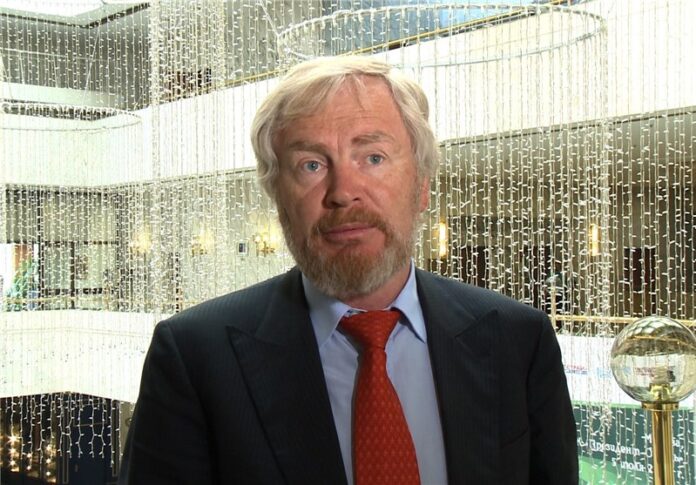
“Contradictions in the intergovernmental loan have been removed,” Russian Deputy Foreign Minister Sergei Storchak said as quoted by Sputnik on Monday.

“We’ll sign them (the documents) as soon as the decision is made by the authorities,” he added.

Preliminary agreements on granting Iran the $5-billion loan were signed during Russian President Vladimir Putin’s visit to Tehran at the end of November 2015.

Officials in Moscow had earlier said that the loan will be used for infrastructure projects, most likely electrical power generation and the development of railways.

The measure is expected to boost trade between the two countries. The target is $10 billion, from the current $1.6 billion.

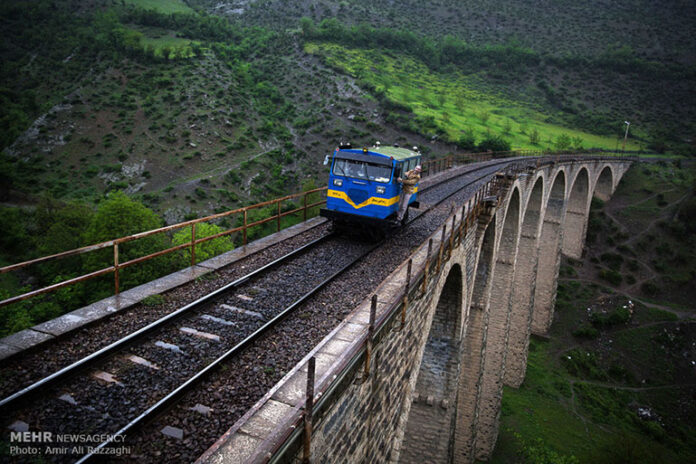
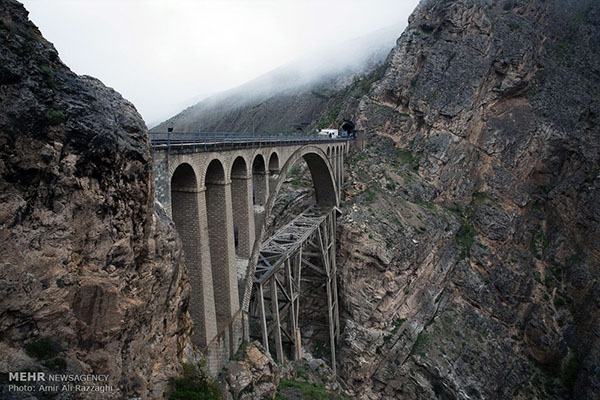
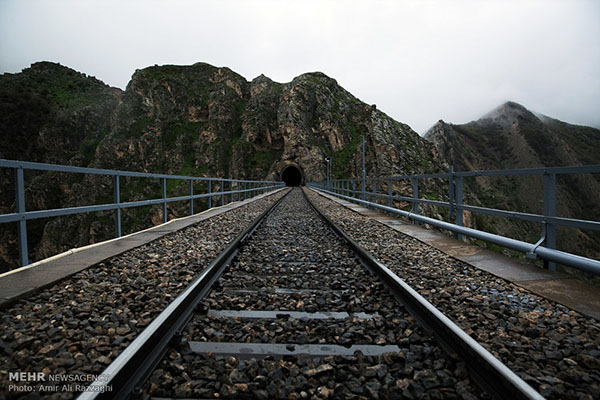
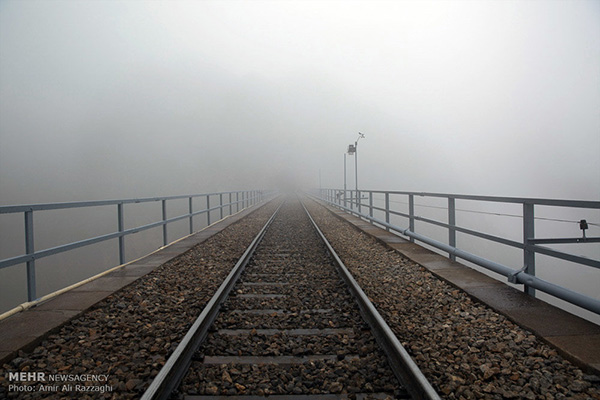
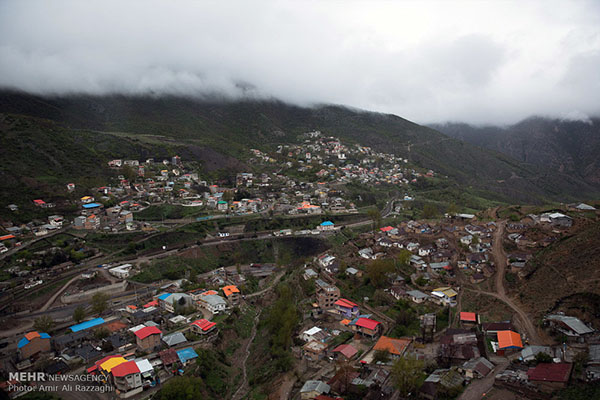
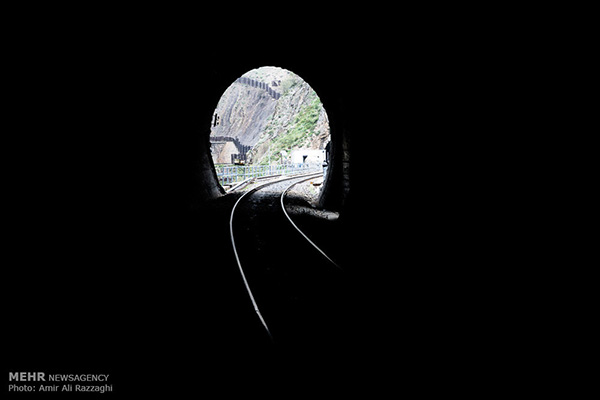
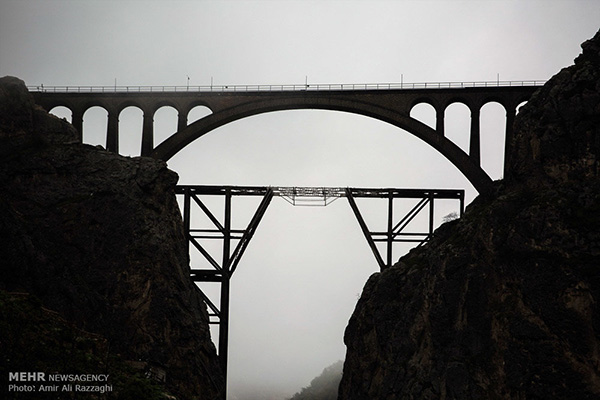
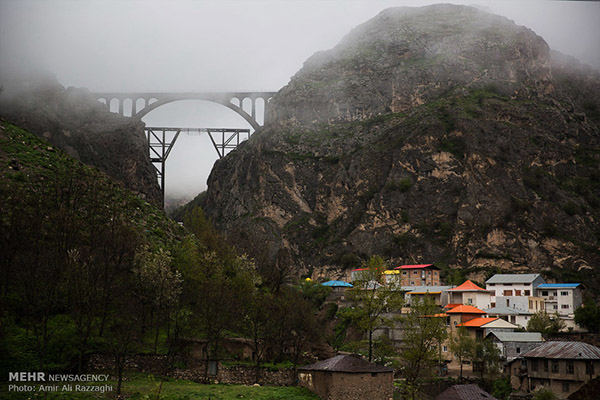
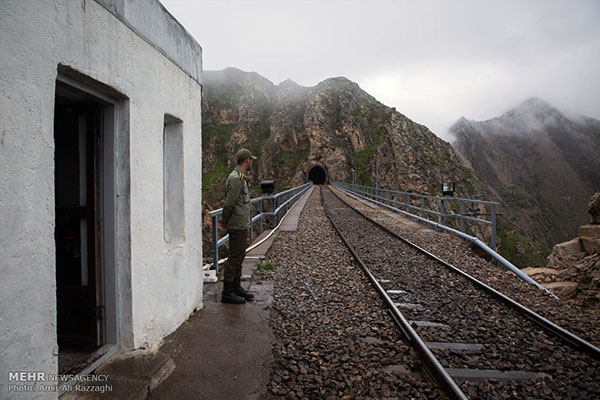
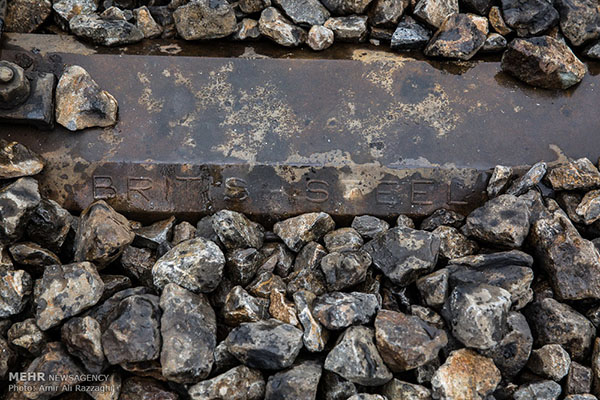
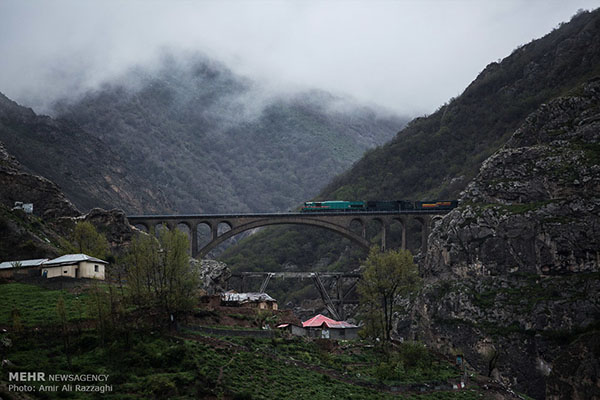
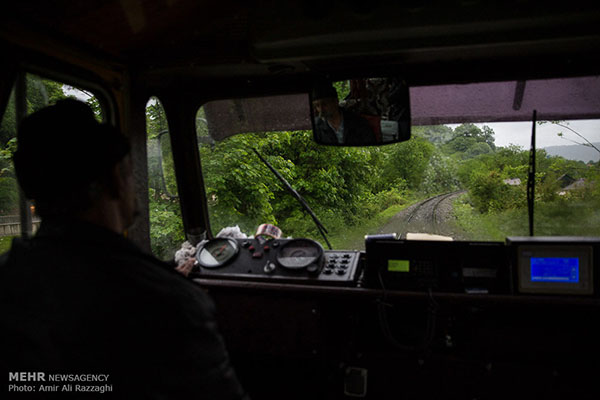
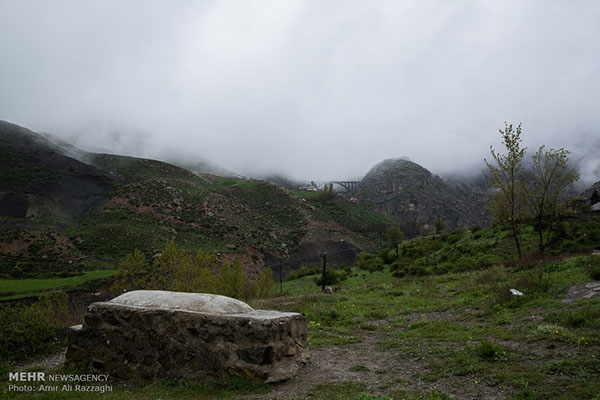
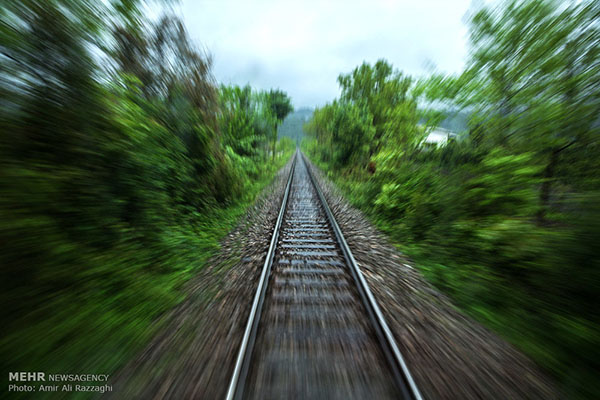
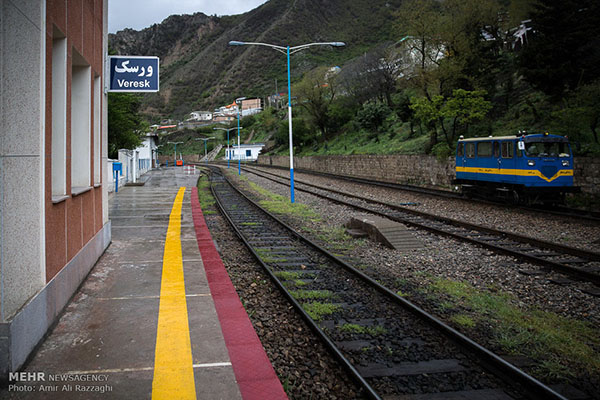
Veresk bridge in Mazandaran

Registered in Iran’s National Heritage List, the bridge is now an 80-year-old monument still serving passengers today.


Iran to dispatch work force to 5 states

Director General of Department of Policy and Employment Promotion, Ministry of Cooperatives, Labor and Social Welfare Mohammad Akbarnia noted that 80 foreign employment agencies are active inside the country while 10,000 work force are expected to be dispatched abroad in the current Iranian calendar year (began March 20); “the issue is being pursued by the private sector.”

The official asserted “some countries have voiced readiness to establish employment offices; Australia, Germany, the US, Britain and Georgia among others.”

He deemed establishment of offices for coordinating work force as the main priority of Iran’s Ministry of Cooperatives, Labor and Social Welfare saying “these agencies are in charge of supporting Iranians working abroad as well as seeking venues for job creation and deployment of work force to other countries.”

“Strengthening employment and expanding virtual employment remain as the most important responsibilities of the officials in the field,” he emphasized.

Akbarnia reiterated that Iranian human resources can be dispatched to Australia, Turkey, Germany and Denmark; “recently, negotiations have been held to send work force to Ireland.”

“Most of the countries which are after work force need skilled workers for their intended jobs,” said the official adding “given Iran’s active diplomacy in the region and other parts of the world, the country can boost interactions with other states.”

Iran to Build Petchem Hub in Austria

Managing Director of Petrochemical Commercial Company Mehdi Sharifi Niknafs said the company has recently inked a memorandum of understanding (MoU) with an Austrian company for establishing a petrochemical hub in the country aimed at accessing petrochemical markets in eastern European countries like Czech, Bulgari, Slovakia, etc.

Speaking on the sidelines of the 10th Iran Plast Exhibition here in Tehran, the official further said Iran needs to put on display the potentialities and capabilities it developed under the sanctions by holding such showcases.

“Iran Plast Exhibition, given the promising circumstances in the country, can be a major step for showing to the world Iran’s petrochemical achievements and capabilities,” he said.

Niknafs further called for holding more showcases like Iran Plast so that world countries will better able to learn about petrochemical activities and achievements in Iran.

He further said his company has held talks with numerous European delegations which will boost Iran’s petrochemical exports to Europe.

He also said talks are under way with Pakistanis which will hopefully lead to favorable results for interactions between Iran and Pakistan in the near future.

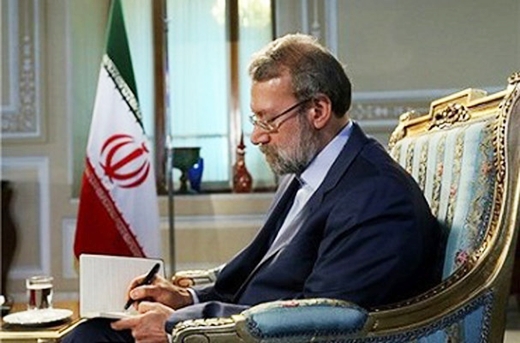
Larijani congratulates Assad on parliamentary Election

In his message, Larijani referred to the Syrian people’s massive turnout in the polls despite threats made by terrorist groups, and said the election, especially the massive participation of people, was an important regional and international event.

Larijani underlined that Iran’s strategy is establishing broad, comprehensive and close cooperation with the government and the people of Syria to achieve stability, peace and security in the region.

He expressed hope the Arab country will soon come to peace in light of the resistance and sustainability of the government and people of Syria against terrorist groups.

The Syrian electoral commission announced late Saturday that the National Unity coalition, comprising the ruling party and its allies, had won 200 of the 250 seats at the People’s Assembly (Majlis al-Sha’ab) in the recent parliamentary elections held on April 13.