Saturday, December 27, 2025
Home Blog Page 4513

Ebtekar Speaks of “Planet” and “Peace” at the Environment, Religion and Culture Seminar

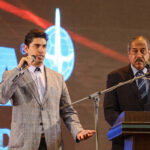
Yesterday, with all my work, I got a chance to attend the International Seminar of the Environment, Religion and Culture held in the Environmental Protection Organization headquarters, in the presence of representatives from different religions and nationalities.

In the first panel, called “Planet,” there was a talk about the knowledge and deep attachment of Indigenous communities, like American Indians, with nature. Their relations with nature go far beyond fulfilling their initial needs, and they have a spiritual and emotional relation to it. Such communities try to bring the educational process into the frameworks of spiritualism and understanding, so they can affect the human soul.

One of the people present there asked about the effect of human interference in nature, such as transgenic products. The lecturer replied, saying that the indigenous communities have an innate knowledge toward the importance and varieties of natural species, therefore they’ll protect them.

It reminded me of the Holy Quran and Yusuf Surrah, “Set me over the storehouses of the land; I will indeed guard them with full knowledge. Thus did we give full authority to Yusuf in the land, to take possession therein, as when or where he likes. We bestow of Our Mercy on whom we please, and we make not to be lost the reward of Al-Muhsinun.”

I asked to be given some time to talk briefly about being a “Full-Knowledge Guardian” of the earth’s resources, and pointed out that followers of different religions have forgotten such words and phrases in their holy books.

I then went to the second panel, called “Peace,” which was held simultaneously in another hall. As soon as I arrived, one of the foreign Christian guests made a criticism at the presence of representatives from the Vatican. They said, “The destruction of the world is a matter for civilizations, and it has its root in the fact that women and the female soul has been forgotten in the guardianship of the world – in some interpretations of religion, it has been fully denied. Some Christians believe women are the devil’s playthings, and this is the same perverted view that has led to the earth’s destruction”.

There too, I spoke to the audience, reciting a few lines about the story of Queen Saba in the Holy Quran, who was a clever manager and governor, saving her land from war and instability. She went through the “passageway of the soul,” instead of relying on common and popular solutions of the time.

I hope this seminar and its meetings become an opportunity for thinking about the environment through the eyes of various religions and cultures, which are followed by billions of people in the world.

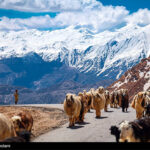
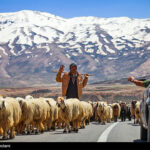
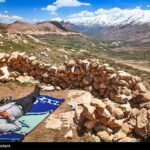
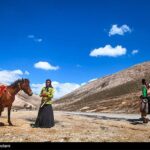
Winter Is Coming for Iran’s Bakhtiari Nomads

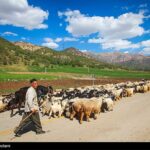
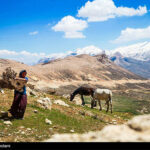
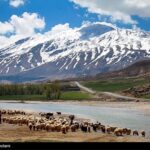
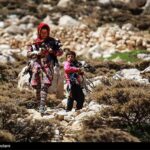
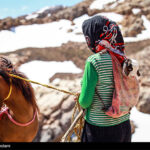
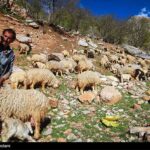
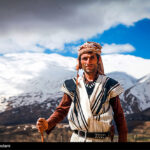
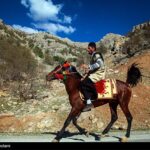
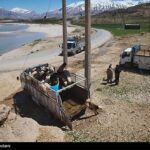
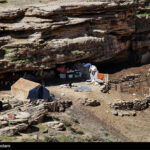
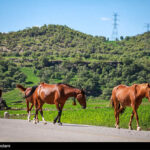
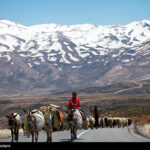
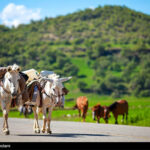
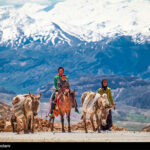
Bakhtiari tribes spend the six coldest months of the year in the southwestern province of Khuzestan, then, after climbing the cold and snowy heights of Zardkooh, arrive in the western region of Koohrang to spend the six hotter months.

These nomads walk the long distance in one month. Since Khuzestan province warms up very early in the year, and the Koohrang region very late, this one-month journey is necessary so as to prevent the cattle from dying of heatstroke.

This year, the spring snow and frost caused problems for the nomads and their cattle in the early part of their migration.

Germany to Invest in Iranian Agriculture

agriculture

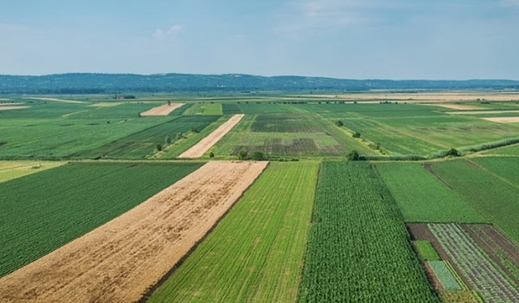
Minister Schmidth made the remarks in a meeting with Iranian officials in East Azerbaijan province in Tabriz on Tuesday.

The German official said Saxony is the third major fruit producer in Germany, adding that there are plans to enter joint ventures with Iranian companies in agricultural projects of East Azerbaijan.

Director of Agricultural Jihad of East Azerbaijan Karim Mehri, for his part, said the two sides could cooperate in projects related to the production of pesticides and herbal medicine, research and training schemes, modernization of medical plants and technologies, development of micro irrigation techniques, and boosting productivity rate in the sector.

The meeting came after Iran and German Federal State of Sachsen agreed to develop cooperation and invest in agricultural projects, including in the processing and supplementary industries.

The agreement was reached during a meeting between Deputy Minister of Agriculture Ali Akbar Mehrfard and German Minister Schmidt in Tehran in April.

During the talks, Mehrfard said Iran produces some 120 million tons of crops annually, adding that Germany could help boost the sector through modern technology transfer.

Minister Schmidt, for his part, said the two sides should work together to improve ties, adding that German companies and private sector seek trade and investment opportunities in Iran, particularly in food packaging and processing.

He also invited private businesses to visit Germany to learn more about Sachsen’s technical and scientific capabilities.


Taxi-library in northern city promotes book-reading

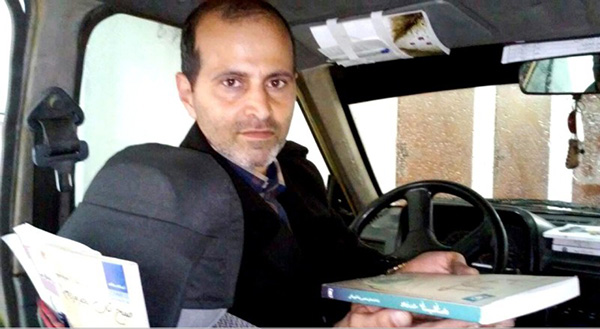
Sahel Filsoof who has turned his shuttle taxi into a mobile library, believes that people could overcome many of their problems through reading books.

“The idea to accommodate my taxi with books hit me a long time ago,” Filsoof told the Islamic Republic News Agency correspondent in a recent interview.

“I thought reading books may provide the public with some mental fodder and by doing this, I could promote book-reading as well,” he said.

The fans of his taxi-library are mostly women and young men, he said.

He taxi exhibits 50 books on different subjects, including psychology, children and history.

“Books even get circulated among my fixed passengers,” he said.

According to Filsoof, he had asked the authorities in the public libraries across the Province of Gilan to support his move and he has been granted scores of books to increase the quality of his mobile library.

“When I come across a passenger who asks me for the book he or she had read during the last ride to continue reading, I just realize I am doing a good job.”

Iran’s Early April Crude Exports up by 600,000 bpd

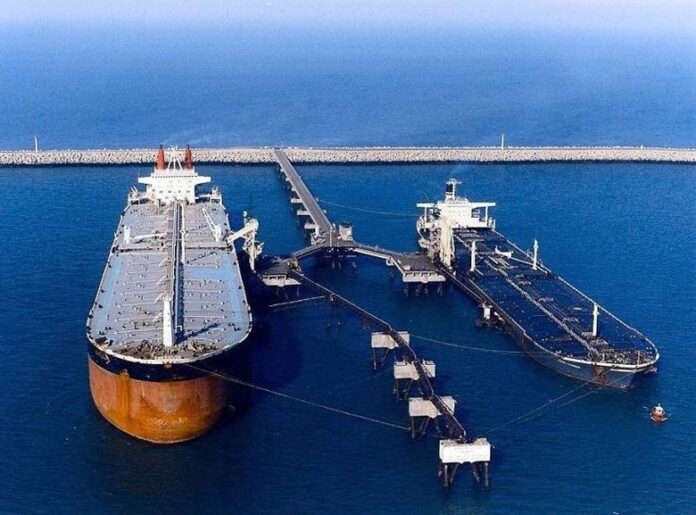
The Petroleum Ministry’s department for OPEC affairs and relations with energy associations reported that in the period under study, Iran’s crude exports atood at more than two million bpd.

Iran increased export of its crude under condition when crude exports of certain other OPEC members like Nigeria and Iraq fell by about 100,000 bpd in the said period.

Information released by South Korean Customs Office says South Korea’s import of crude from Iran showed more than a 80 percent increase in March 2016 and reached 245,000 bpd on the average compared to that in the same period the previous year.

Average crude imports from Iran by South Korea stood at about 135,000 bpd in March 2015.

Young Iranian couple taking care of injured animals

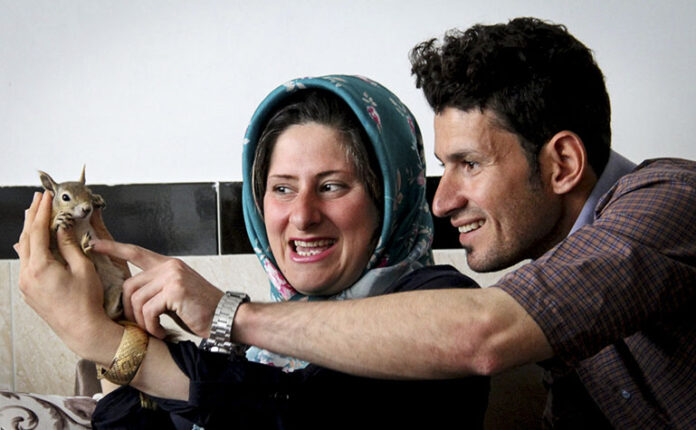
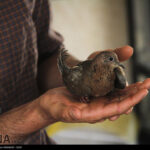
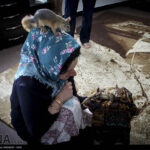
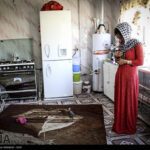
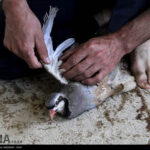
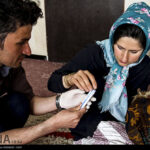
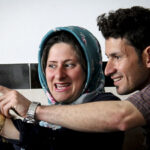
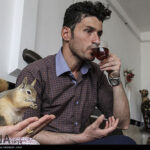
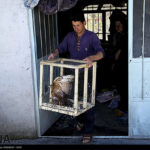
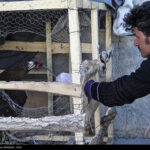
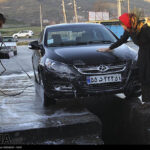
Marivan – A young Iranian couple in the city of Marivan in the western province of Kurdestan have a passion for taking care of the wounded animals and birds they find abandoned in the wild. They treat the injured animals and birds at their small home adjacent to a car wash, where they work, and let them go back to their natural homes after treatment.
Tehran Wants Deeper Ties with Latin America

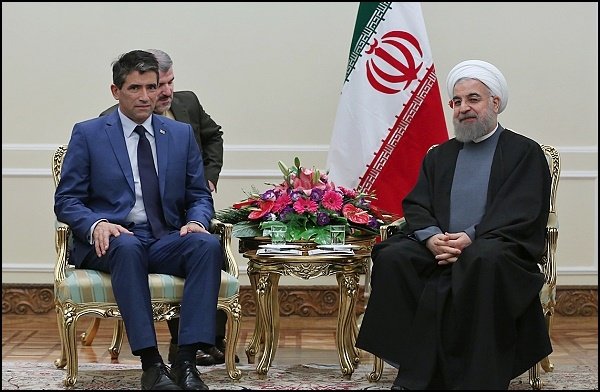
The Iranian President made the remarks during a meeting with Uruguayan Vice-President Raul Sendic in Tehran on Tuesday morning, “Tehran and Montevideo possess great determination to strengthen multilateral relations and no third-party country can affect these friendly ties.”

“The Formation of a Joint Economic Commission as well as the implementation of the agreements reached between Iran and Uruguay will open a new chapter in the relations between the two countries,” he added.
President Rouhani pointed to the economic capacities of the two states, asserting “In order to accelerate collaborations, this common potential needs to become operational more than the past especially in the private sector.”

The official deemed implementation of joint projects as a prerequisite for regional cooperation: “Iran and Uruguay can make investments and run production and export plans in order to gain access to a portion of vast markets in Latin America, Central Asia and the Caucasus.”

The Iranian President went on to add that “Beyond economic and trade matters, there exist important matters in the world today like the environment and terrorism which demand consultation and collaboration among all countries.”

Rouhani urged global cooperation in the fight against terrorism and extremism, concluding “Currently, terrorism has displaced millions of people around the world and claimed thousands of victims; therefore we must all go hand-in-hand to combat this ongoing scourge.”

The Uruguayan Vice-President Raul Sendic, for his part, voiced Uruguay’s determination to bolster ties with Iran in all areas of interest.
“Iran and Uruguay are two friendly nations and trade partners with historical relations,” highlighted the visiting official, adding “The two sides possess vast capacities which need to be exploited in line with increased cooperation.”

Sendic, who is accompanied by a trade and business delegation, continued “Upon the activation of the Joint Economic Commission between the two countries, a new era will begin in Tehran-Montevideo relations, with energy and agriculture as major areas of cooperation.”

The Uruguayan official also emphasized the need for further coordination between Iran and Uruguay on regional and international issues.

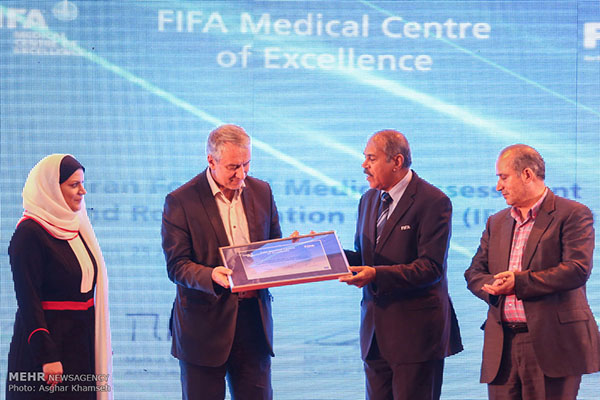
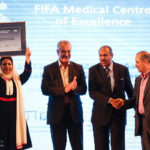
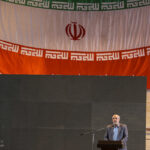
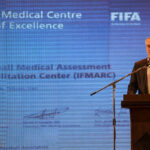
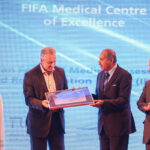
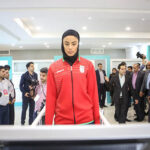
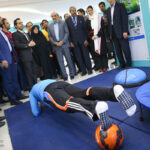
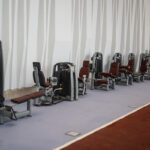
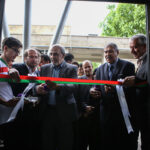
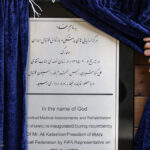
FIFA Medical Centre of Excellence Inaugurated in Tehran

As reported by FIFA:

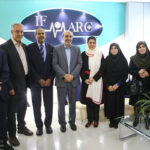
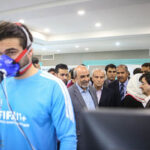
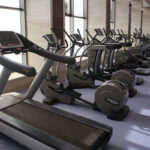
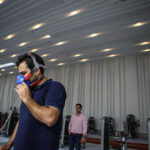
IFMARC is the first centre of its kind in central Asia and has been designed to provide excellence in sports medicine, rehabilitation and fitness assessment. Those using IFMARC will also be educated about injury prevention.

By signing contracts with internationally renowned medical professionals from Iran, the FIFA Medical Centre of Excellence is capable of providing the highest level of services for male and female players, match officials and coaches. It is hoped the centre will create medical and health data banks for all amateur, semi-professional and professional players, helping with research, injury prevention programs and standardization of football medicine in close cooperation with F-MARC.

Fajr International Film Festival Culminates – Icelandic “Rams” Bags Top Prize

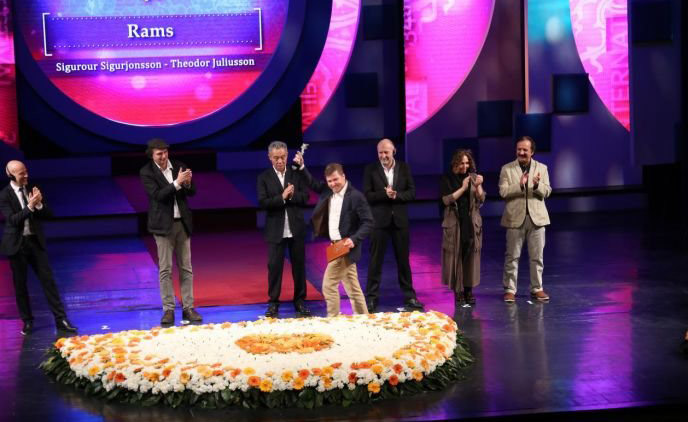
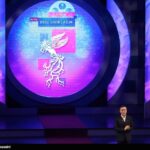
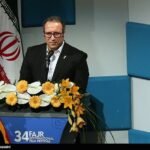
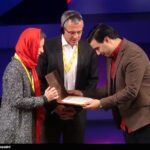
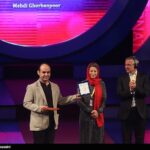
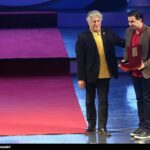
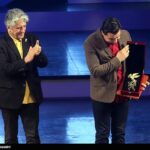
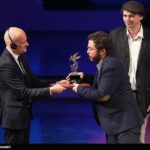
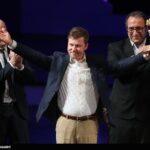
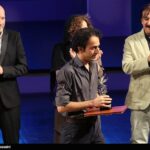
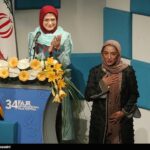
Rams, a humanist drama by Icelandic director Grimur Hakonarson, has won the Golden Simorgh for best film in the main competition – Cinema Salvation – at the 34th Fajr International Film Festival.

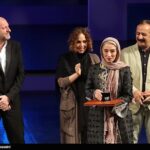
Producer Grimar Jonsson was not in attendance at the closing ceremony held at Tehran’s Vahdat Hall on Monday, so a member of the film’s art department received the award.

The story of the film is set in a remote Icelandic farming valley, where two brothers who haven’t spoken in 40 years have to come together in order to save what’s dearest to them – their sheep.

The movie enjoyed further success, as stars Sigurour Sigurjonsson and Theodor Juliusson shared the award for best actor.

The Jury special award didn’t leave the country, as Iranian director Puria Azarbaijani received the honour for Arvand, about an Iranian war veteran who is suffering from a mental disorder.

The Silver Simorgh for best director was presented to Turkish filmmaker Emin Alper for Frenzy, and Spanish writer/director Asier Altuna Iza won the award for best screenwriter for When a Tree Falls.

The Silver Simorgh for best actress went to Pantea Panahiha for her role in Iranian drama Breath by director Narges Abyar.

Seeing, directed by Soheil Amirsharifi from Iran, won the Silver Simorgh for best short film.

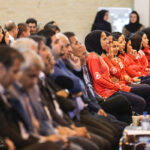
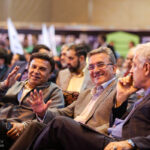
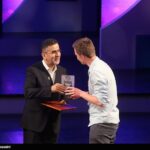
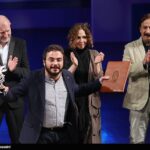
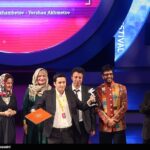
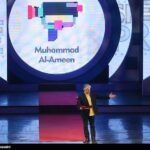
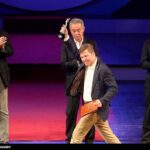
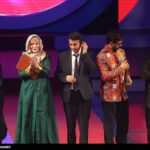
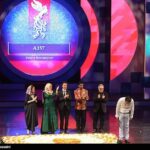
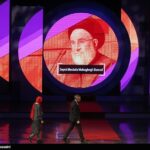
Below is a selection of photos from the festival’s closing ceremony.

Read more – Selected interviews from the festival:


“I Could Never Complain about Iranian Acting” – Alexander Sokurov

“FIFF Is Just Like Western Film Festivals” – Marcin Luczaj

Magali Van Reeth, French Jury Member

Martin Radich, UK Director, on Norfolk


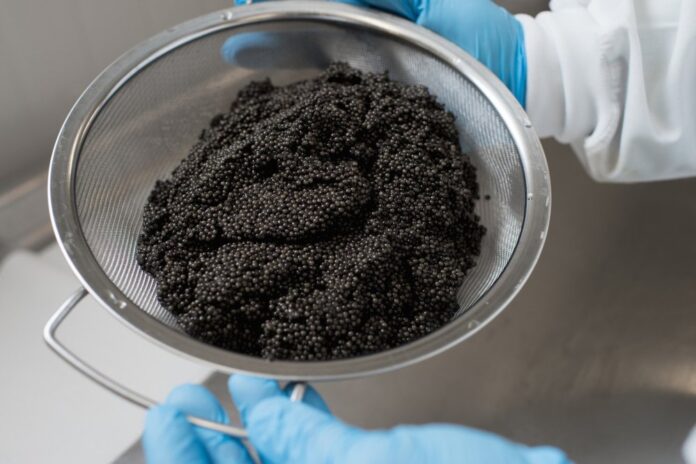
Caviar exports from Iran up 183% yr/yr

The country exported more than one tons of the product, i.e., 65 percent of the total produced amount domestically in the past year, to eight different countries namely Japan, Germany, the United Arab Emirates, the United Kingdom, Italy, Belgium, South Korea, and Norway.

The exported volume registered 46 percent growth in weight compared to 1393, the report said.

Caspian Sea sturgeon accounts for 90 percent of the world’s caviar. The Major population of sturgeon lives in the southern parts of the Caspian Sea where the sea is much deeper.

After the collapse of the former Soviet Union in 1991, different species of sturgeon faced extinction due to uncontrolled fishing in the Caspian Sea.

In 2006, the Convention on International Trade in Endangered Species (CITES), affiliated to the United Nations, prohibited international trade of caviar products due to the fact that sturgeon fish was on the verge of extinction.