Friday, January 16, 2026
Home Blog Page 4409

President Felicitates Montenegro on National Day

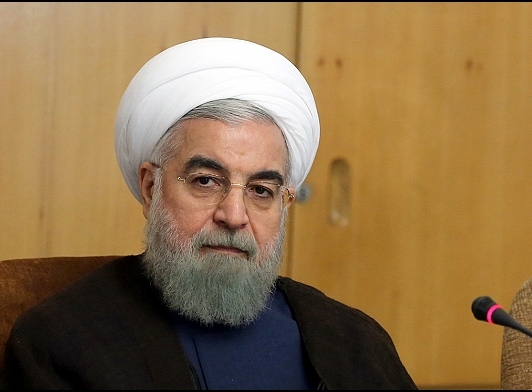
Rouhani Writing

President Rouhani expressed his hope that bilateral relations between Tehran and Podgorica would be reinforced in the future.

He also wished prosperity and progress for the people of Montenegro.

National (Statehood) Day is a holiday that occurs every year on July 13 in Montenegro to commemorate the day in 1878 on which the Berlin Congress recognized Montenegro as the twenty-seventh independent state in the world, and that in 1941 the Montenegrins staged an uprising against the Nazi occupiers and sided with the partisan communist movement.

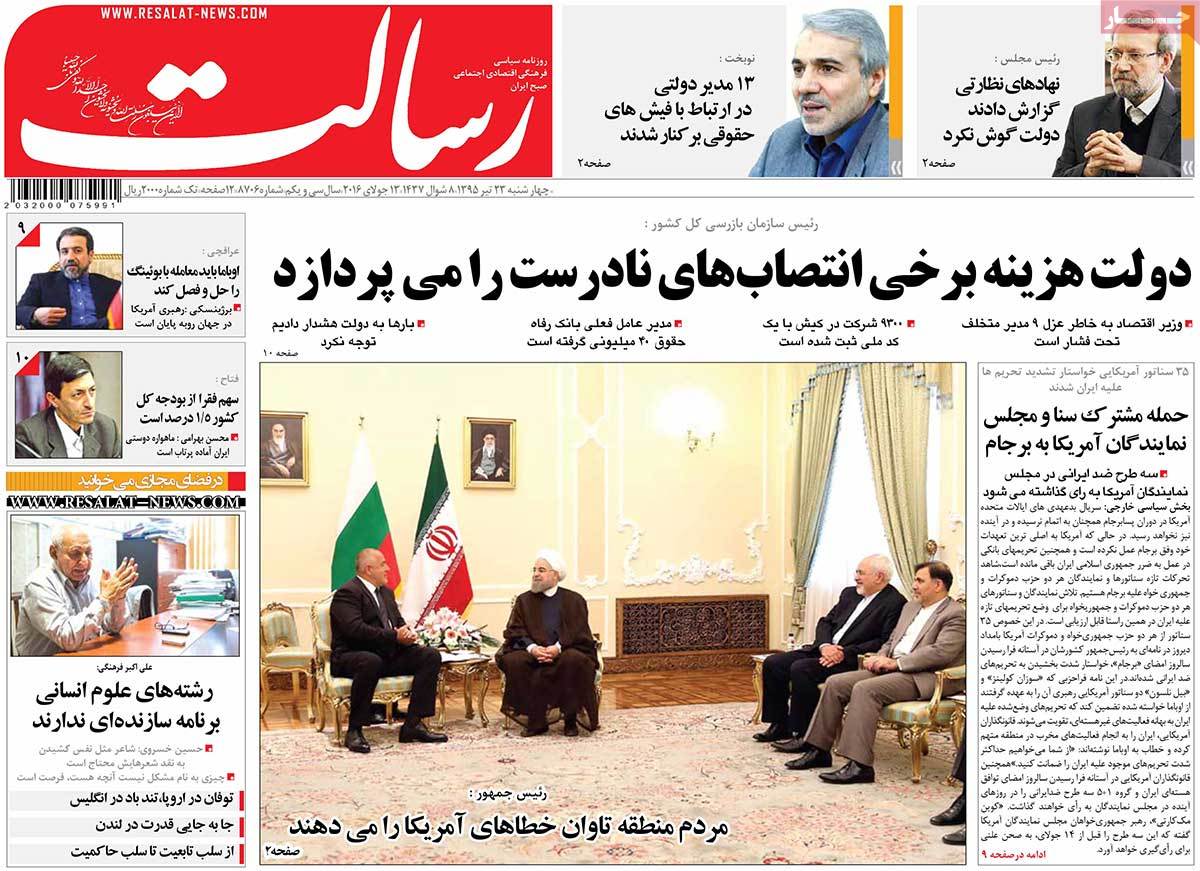
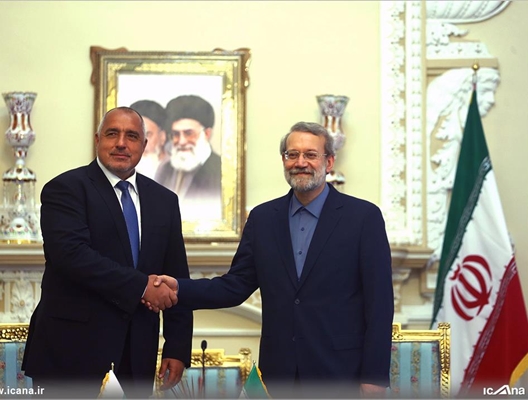
Iran Sees Bulgaria as Gateway to European Union: Larijani

201607101805744541_Orig

Here is IFP’s translation of a report by ICANA on the meeting:

During the meeting held on Tuesday, July 12, Larijani noted that the good relations between Bulgaria and Iran in the past are an advantage after the end of anti-Iran sanctions.

“We look at Bulgaria as a gateway to the European Union in order to develop our economic relations with European countries,” Larijani said, adding that Iran-Bulgaria trade ties can be a good model for Tehran-EU ties.

He further reaffirmed Iran’s desire to advance cooperation with Bulgaria in the fields of economy, tourism, energy and culture.

“The visit of Bulgarian delegation to Iran can be a turning point in the two countries’ bilateral relations, and today is a good time for expansion of ties,” he noted.

“Iran can provide sustainable security for Europe’s energy demands, but this needs certain prerequisites and conditions, which should be considered by Europe,” Larijani stressed.

“Under the current circumstances, we have yet to receive good feedbacks from the other side in the implementation of the nuclear deal between Tehran and world powers,” he regretted.

He also referred to the issue of terrorism and highlighted the critical situation of the Middle East, saying that the entire region, and even Europe, is now suffering from the issue.

“Fight against terrorism needs international cooperation. Terrorism is not a simple and tactical issue, and cannot be resolved through a number of airstrikes,” he warned.

Borissov, for his part, said that the historic agreement on Iran’s nuclear program and the enhanced dialogue between the EU and Tehran have paved the ground for restarting relations between Bulgaria and Iran.

The Bulgarian PM said there are positive prospects for the development of ties between the two countries due to the fact that Bulgaria was among Iran’s traditional partners in Eastern Europe during the 1980s.

In some years, the commercial exchange between Tehran and Sofia exceeded $500m whereas now it totals some $150m or $160m annually, he went on to say.

“The levels of the 80s may be restored. The talks which I had on Tuesday with President [Hassan] Rouhani and First Vice-President [Eshaq] Jahangiri were very useful to us and hopefully to Iran as well. Our delegation discussed concrete projects which could provide the foundations to restart our economic cooperation. We believe that as EU member Bulgaria is of interest to Iran as a location on the transit route of Iranian goods to Europe and possibly for new energy projects.”

Prime Minister Borissov noted that parliamentarian cooperation has played an important role in boosting economic ties between the two countries, which in recent years has been actively developing. He extended an invitation to Larijani to visit Bulgaria on behalf of Bulgarian Parliament Speaker Tsetska Tsacheva, as reported by BTA.

Borissov noted that Bulgaria is an example of tolerance between the different religions. He said that the Bulgarian people are peaceful and that Christians and Muslims coexist peacefully and that Muslims participate in the political and social life in Bulgaria on an equal footing.

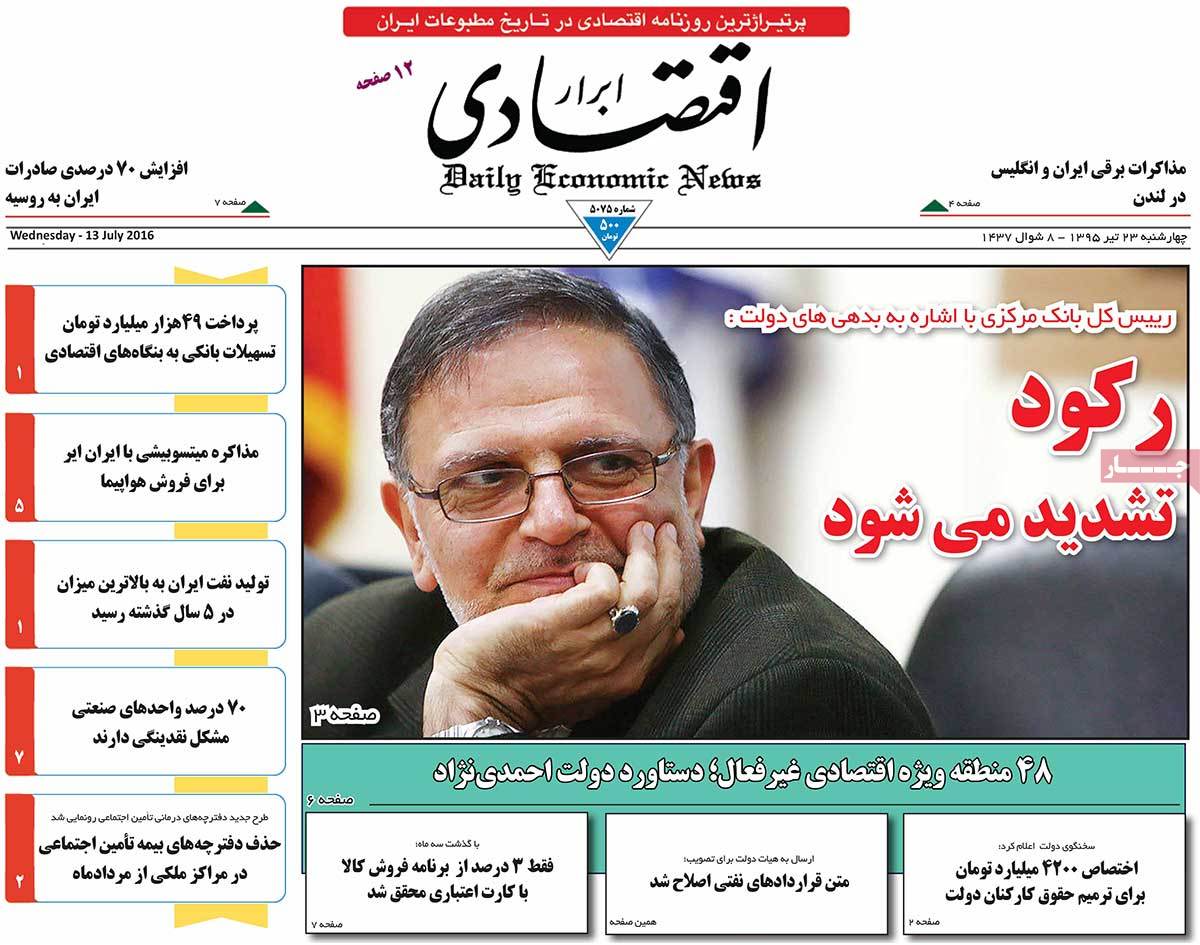
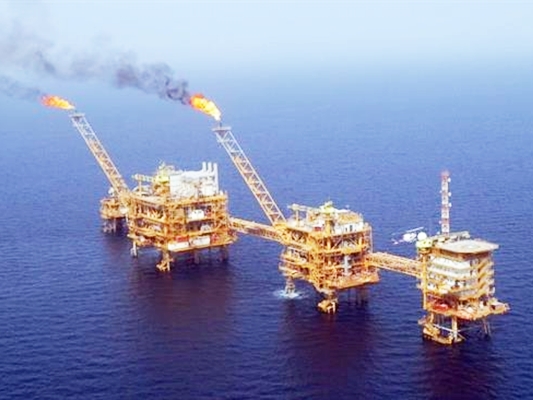
Iran’s Oil Output at Highest Level in 5 Years

d617f118-5a03-4980-be16-887a73941a5f

Platts has quoted market data as showing that Iran’s oil production has climbed by 740,000 barrels a day since December to 3.63 million in June. This, it added, is a level not seen since 2011.

The achievement comes as Iran is fighting to regain the market share it lost as a result of multiple years of US-engineered sanctions.

The country announced on Monday that it had regained about 80% of the market share it held before the sanctions hit its oil industry in 2012.

Mohsen Qamsari, the director of international affairs of the National Iranian Oil Company (NIOC), has told Bloomberg that Iran’s success to regain a major share of its lost market has been materialised through the country’s ability to export about 2 million barrels of crude oil per day.

Qamsari added that Iran has ambitious plans to double its oil exports to as high as 4 million barrels per day, emphasizing that the country is waiting for the right conditions to push this through.

The sanctions limited the country’s oil sales to only 1 million bpd from the previous levels of above two million barrels a day.

Iran’s ambitions to further its post-sanctions production capacity heavily rely on the development of a series of promising targets that are mostly located in oil-rich southern and southwestern region.

The country plans to award those targets through its new format of oil contracts in which serious incentives are believed to have been included to attract investors.

The awards are expected to take place within the next few months.

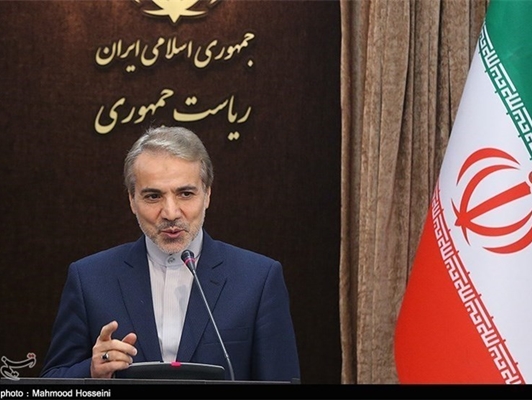
Iran Condemns Any Move in Support of MKO

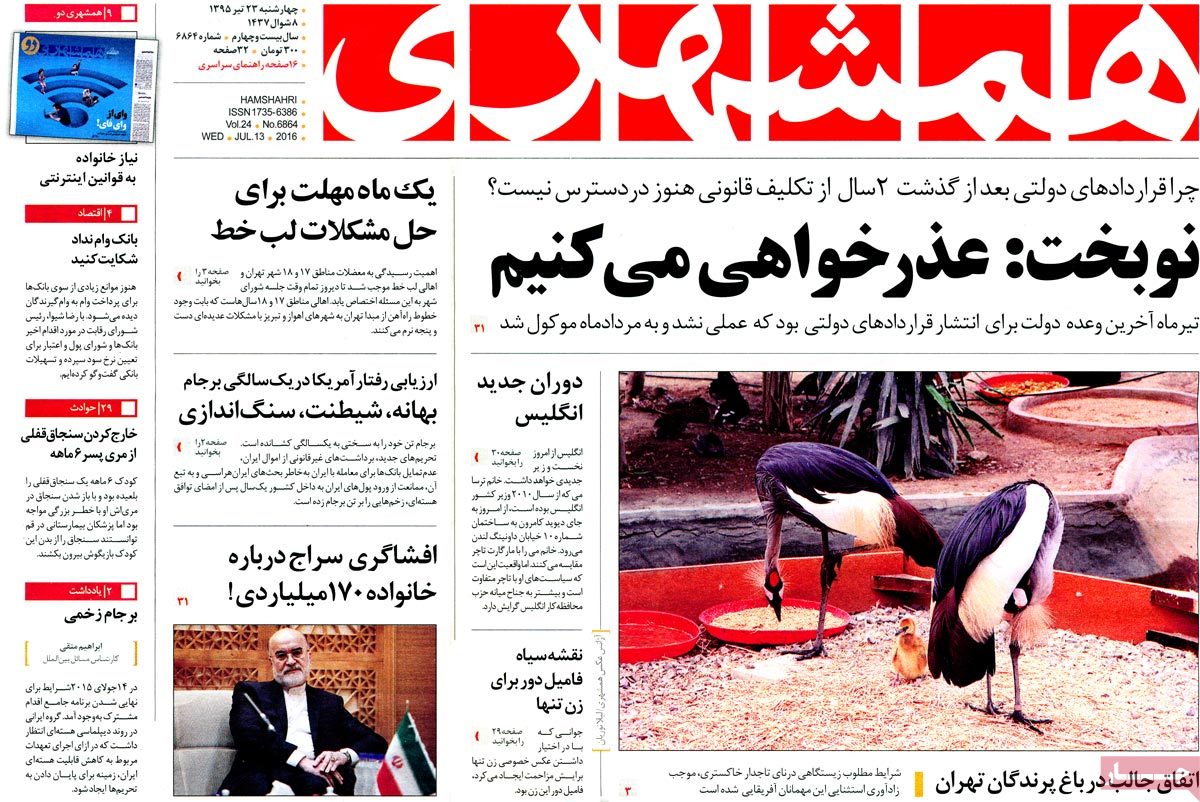
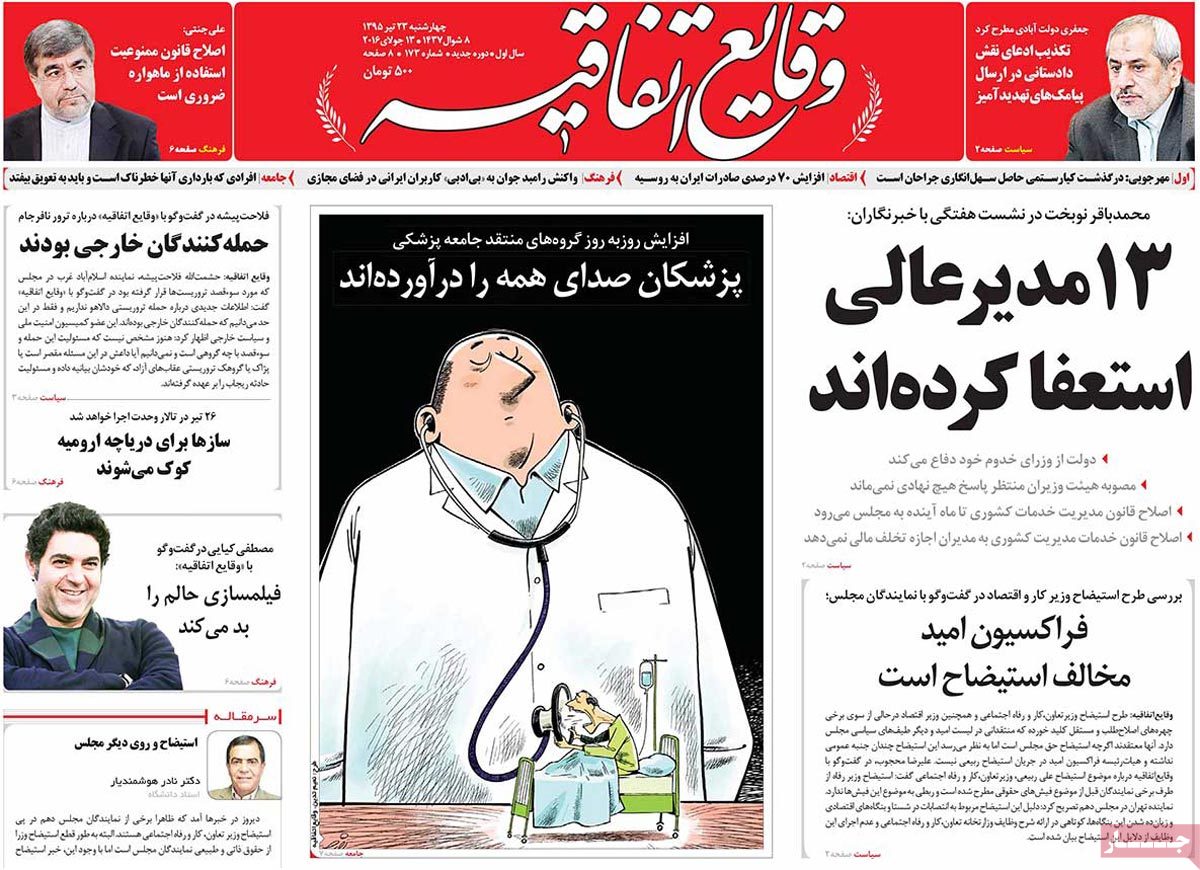
Mohammad Baqer Nobakht

“Any European or regional country which seeks to support terrorism, particularly this disgraced terrorist group, which has no place among the Iranian people, will reap no achievement but to increase the resentment of the Iranian nation,” he said, as reported by Press TV.

He emphasized that the Iranian government and nation condemn any support for terrorists.

Nobakht said Iran will continue to confront this “traitorous” group and will censure any government that seeks to help the MKO terrorist group.

The MKO is the most hated terrorist group among the Iranians because of its dark history of assassinations and bombings and for siding with former Iraqi dictator Saddam Hussein in his eight-year war against Iran in the 1980s.

The MKO – listed as a terrorist organization by much of the international community – fled Iran in 1986 for Iraq and was given a camp by Saddam Hussein.

They fought on the side of Saddam during the Iraqi imposed war on Iran (1980-88). They were also involved in the bloody repression of Shiite Muslims in southern Iraq in 1991 and the massacre of Iraqi Kurds.

The notorious group is also responsible for killing thousands of Iranian civilians and officials after the victory of the Islamic revolution in 1979.

More than 17,000 Iranians, many of them civilians, have been killed at the hands of the MKO in different acts of terrorism including bombings in public places, and targeted killings.

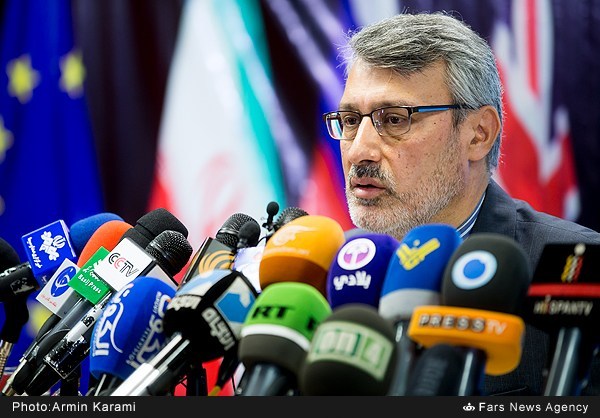
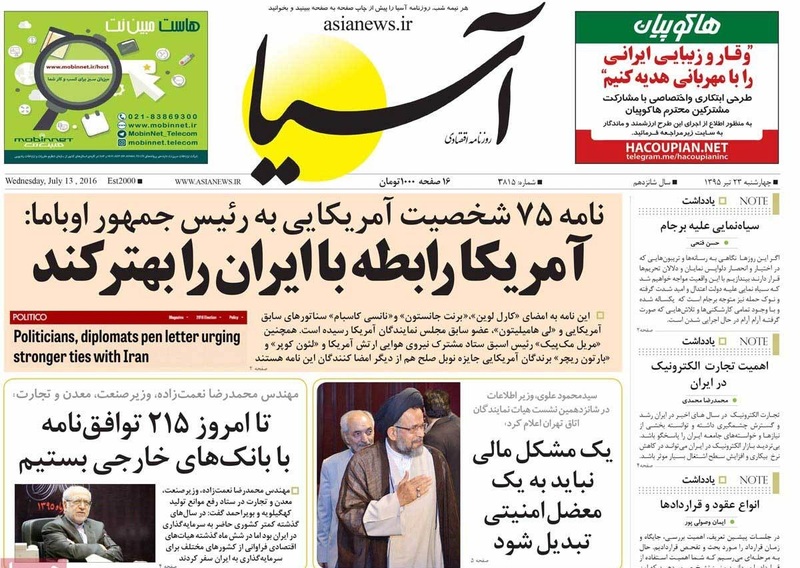
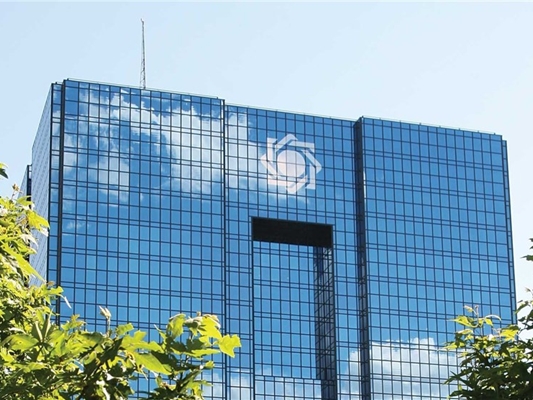
Meeting of Iran’s Central Bank, US Treasury, and Int’l Banks Postponed

No Legal Verdict against Iranian Banks in Bahrain: CBI Official

A spokeswoman for Britain’s Foreign Office said late on Tuesday, July 12, that the meeting had been postponed and would be re-scheduled, Reuters reported on Wednesday.

She did not give a reason for the delay, or say when it would be held instead.

The spokeswoman said Britain wanted its banks to be able to support British companies working in Iran and was committed to working through the remaining challenges with international partners, Iran and the banks themselves.

Earlier in the day, the British foreign secretary had said that the bankers were scheduled to hold the meeting in the British capital on Tuesday.

“There is a meeting happening this afternoon … between the Iranian Central Bank, the United States Treasury and international banks based in London in an attempt to try to make some progress on this matter,” Philip Hammond said.

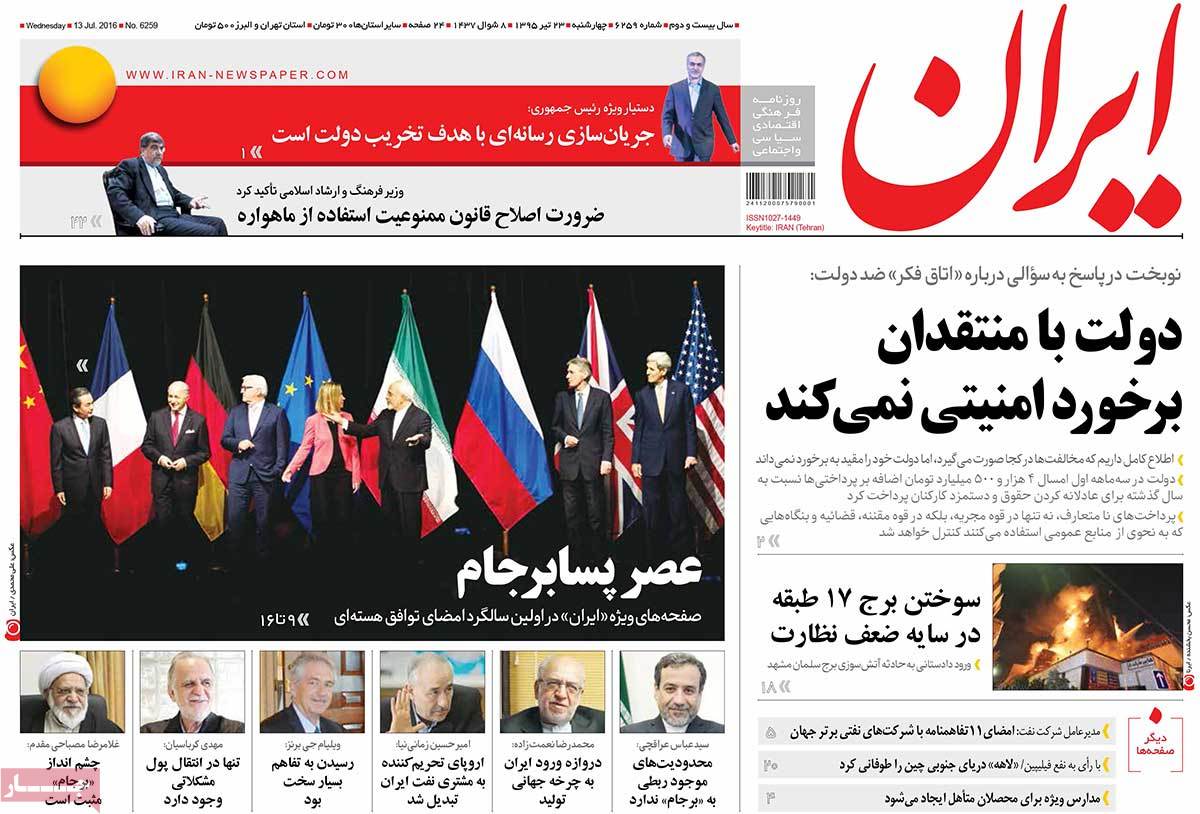
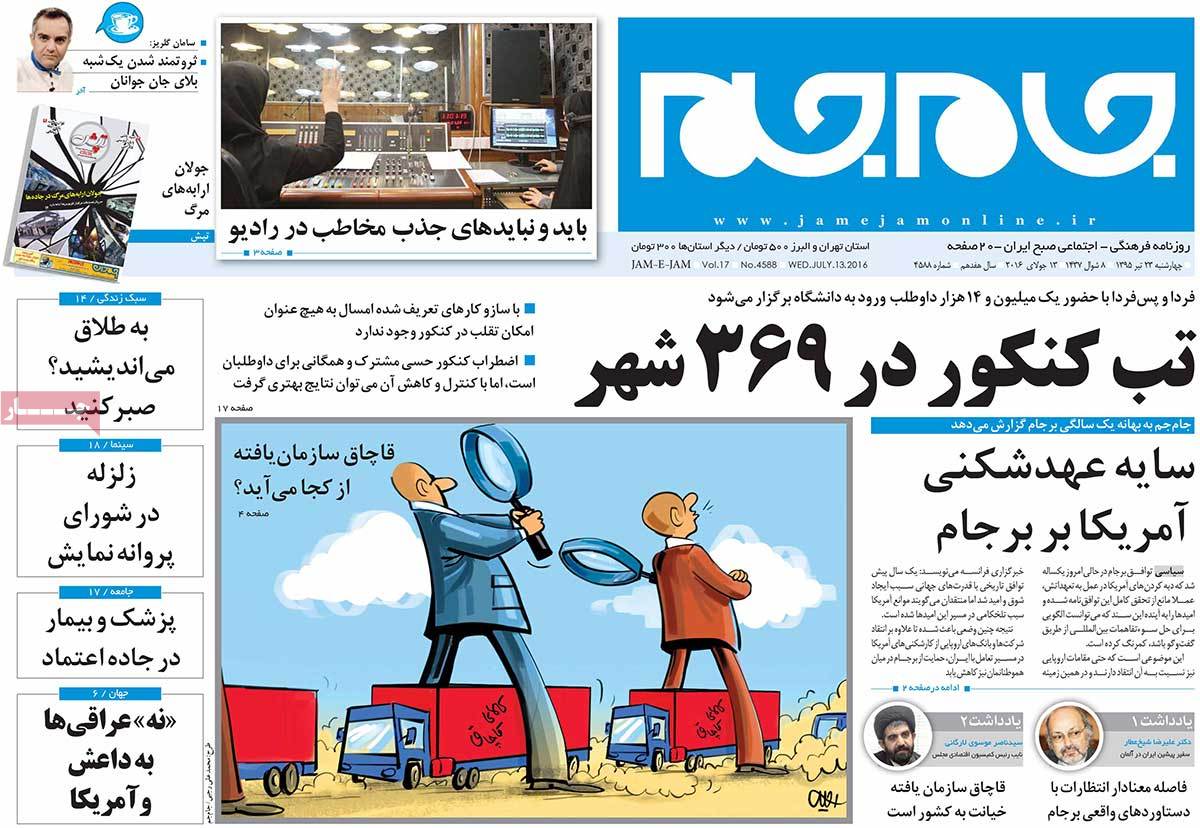
While the nuclear deal, also known as the Joint Comprehensive Plan of Action (JCPOA), between Iran and the Group 5+1 (Russia, China, the US, Britain, France and Germany), came into force in January, some Iranian officials complain about the US failure to fully implement the accord.

Back in March, Leader of the Islamic Revolution Ayatollah Seyyed Ali Khamenei said Americans have yet to fulfil what they were supposed to do as per the nuclear deal.

Iran still has problems in its banking transactions or in restoring its frozen assets, because Western countries and those involved in such processes are afraid of Americans, the Leader said at the time, criticizing the US for its moves to prevent Iran from taking advantage of the sanctions removal.

Iran Summons French Ambassador over MKO Meeting

139503131150264097830784

Director General of West Europe Department at Iran’s Foreign Ministry Abolqassem Delfi voiced Tehran’s strong protest to French envoy François Sénémaud over the anti-Iran gathering in Paris.

“Holding of such gathering by those who have the Iranian people’s blood on their hands and its orchestration by the father and founder of the terrorist groups like the Taliban, al-Qaeda and Daesh and the ally of Zionists and their worthless remarks against the Islamic Republic of Iran on the French soil are unacceptable,” the Iranian diplomat said.

Delfi also reminded France that letting officials from the other countries insult a third country is in violation of the international law and unacceptable.

On Saturday, Turki al-Faisal, former Saudi intelligence chief and diplomat, attended a meeting of the MKO terrorists in Paris, reaffirming Riyadh’s commitment to supporting the anti-Iran group and vowing support for efforts to remove the Islamic Republic.

The MKO – listed as a terrorist organization by much of the international community – fled Iran in 1986 for Iraq and was given a camp by former Iraqi dictator Saddam Hussein.

They fought on the side of Saddam during the Iraqi imposed war on Iran (1980-88). They were also involved in the bloody repression of Shiite Muslims in southern Iraq in 1991 and the massacre of Iraqi Kurds.

The notorious group is also responsible for killing thousands of Iranian civilians and officials after the victory of the Islamic revolution in 1979.

More than 17,000 Iranians, many of them civilians, have been killed at the hands of the MKO in different acts of terrorism including bombings in public places, and targeted killings.

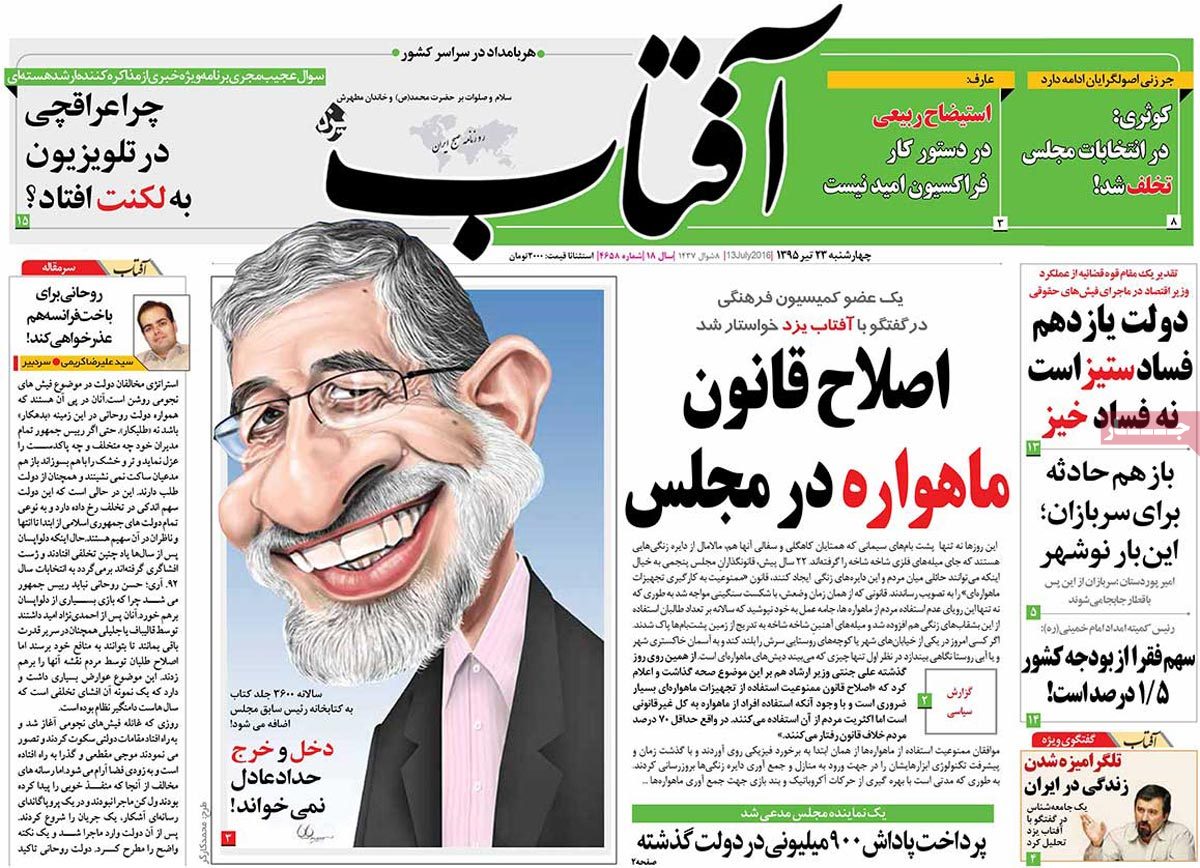
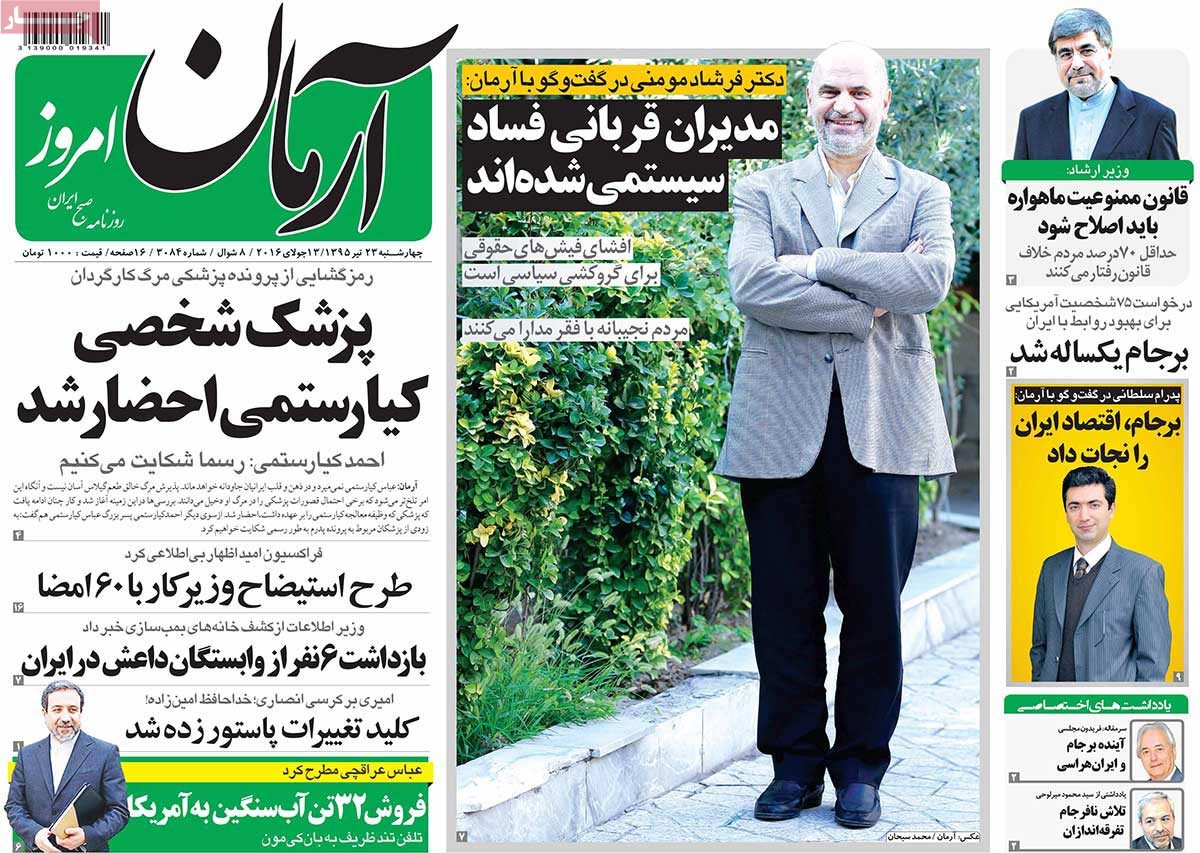
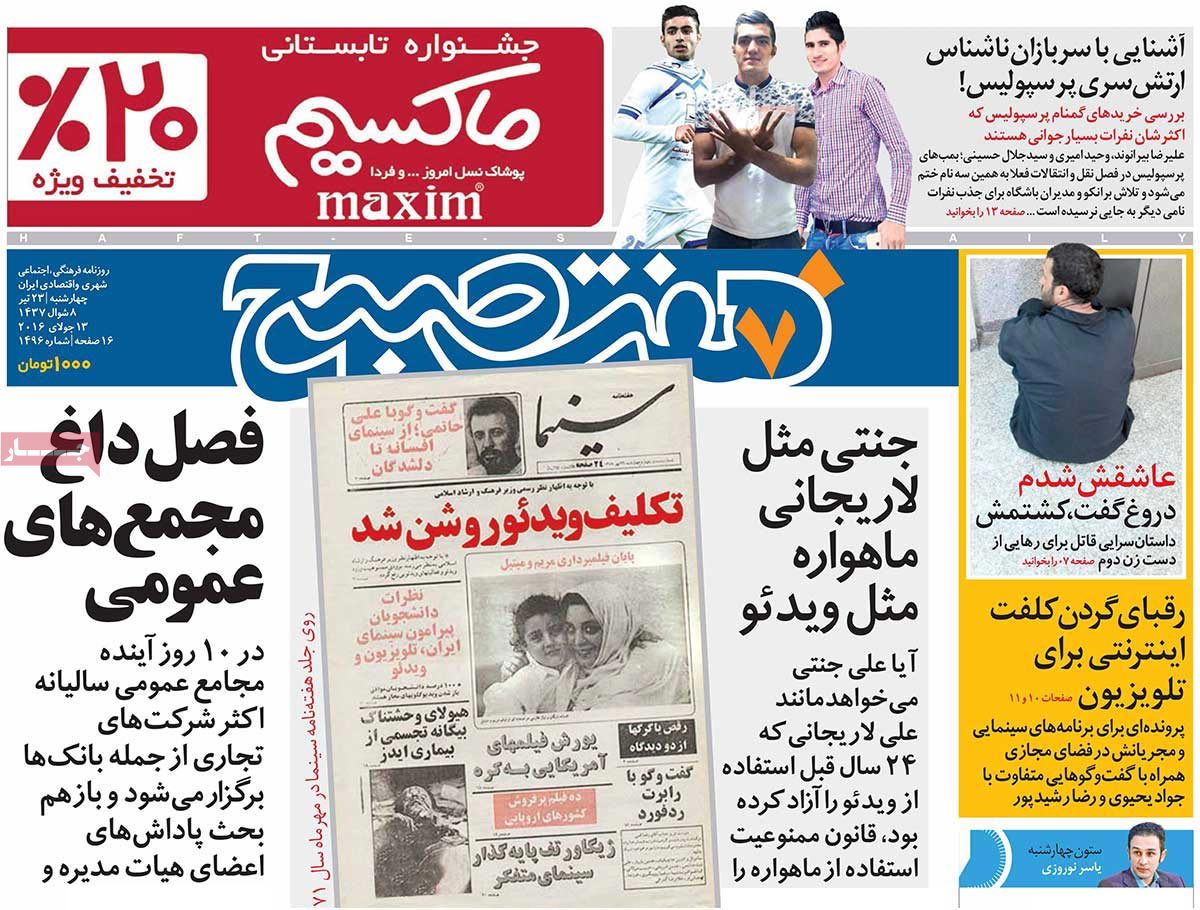
Advertisement of Iranian Films in Satellite Channels Requires Revision of Law: Minister

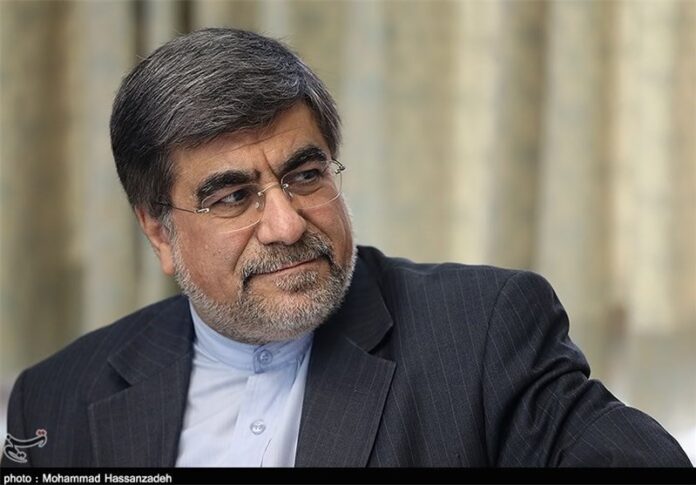
Iranian Minister of Culture and Islamic Guidance Ali Jannati

According to a report by ICANA, as translated by IFP, Jannati referred to the criticisms raised against the legal ban on the broadcast of Iranian films’ trailers in satellite networks, saying, “The revision of this law is very crucial, and it must be revised, because the use of satellite is completely illegal, while the majority of people are using it.”

“In fact, 70% of Iranian people are acting against the law; however, as long as the law that bans the use of satellite is in place, the regulations that fall under this law should also take effect,” he went on to say.

70% of Iranian people watch satellite channels while it is illegal: Minister

“Although the ban on advertisement of feature films in satellite networks is still in place and producers should not cooperate with satellite channels, a serious move should be made for the advertisement of films inside the country.”

Minister: If use of satellite becomes legal in Iran, cultural products can be advertised in satellite channels

He referred to the responsibility of the Islamic Republic of Iran Broadcasting (IRIB) to prepare the grounds for the advertisement of feature films, saying, “The Ministry has held talks with the IRIB chief and urged them to pave the way for advertisement of all films with official licences.”

“If this is realized, we can oppose the broadcast of film trailers in satellite networks; however, if there is such a devastating restriction inside the country [that the IRIB selectively airs the film trailers], filmmakers would naturally tend towards satellite channels.”

“Satellite channels can be used for the advertisement of cultural products, but this would be realized only if the use of satellite is legally permitted,” he stressed.

Nature in Oroumiyeh

Oroumiyeh

Picturesque sceneries of nature in Bouralaan region near the city of Maku in West Azarbaijan province with a view of the Ararat Mountain in the background.


Iranian Commander Urges Preventive Action on Bioterrorism

General Gholam Reza Jalali

In a session of the Parliament’s National Security and Foreign Policy commission on Tuesday, July 12, General Jalali emphasized the necessity for measures to ensure the health and safety of high-ranking officials facing the threat of bioterrorism, member of the commission, Javad Karimi Qoddousi, told Tasnim.

Warning against “biological weapons” that may target authorities and official figures, the commander cautioned that such hostile tactics could be widely employed and trigger a biological war in future, the lawmaker stated.

According to the MP, General Jalali also noted that the Civil Defence Organization is considering the possibility that some renowned Iranian figures with suspicious diseases may have fallen victim to bioterrorist attacks.

It comes after Secretary of Iran’s Supreme National Security Council (SNSC) Ali Shamkhani on July 1 announced the establishment of a committee to study whether a young Iranian individual who died recently has fallen victim to bioterrorism.

Speaking on the sidelines of a memorial ceremony for Ali Dadman, the son of a former minister who died of cancer recently at the age of 36, Shamkhani said the SNSC has set up a committee to study different aspects surrounding the death.

There is speculation that Dadman developed severe cancer abruptly after returning from a foreign trip.

The issue of bioterrorist attacks against Iranian individuals has raised concerns over the past few weeks.

Bioterrorism is terrorism involving the intentional release or dissemination of biological agents, such as bacteria, viruses, or toxins, to target people.

Differences Narrowing among Caspian States, Iran’s FM Says

caspian

It would be relatively optimistic to think that participants in the Astana meeting will be able to resolve the outstanding issues and reach a conclusion, Zarif told reporters upon his arrival in the Kazakh capital on Tuesday.

Though the differences have been widely narrowed, there still exist issues that need to discussed and settled, he added.

As regards the common grounds, Zarif said the Caspian littoral countries have developed good cooperation to conserve the environment and protect the flora and fauna of the lake, adding that there is also a consensus that Caspian Sea should remain the “sea of peace and friendship” without the presence of outsiders.

Accompanied by a high-ranking delegation, including legal and political experts, Zarif is joining his counterparts from Azerbaijan, Kazakhstan, Turkmenistan and Russia for talks on the legal status of the lake.

Two days ago, a special working group from Iran arrived in Astana to participate in the expert-level talks ahead of the ministerial meeting.

The working group’s sessions were part of efforts to draft the convention on the legal status of the Caspian Sea.

The 45th meeting of the special working group of the Caspian Sea concluded in Russia’s capital of Moscow on June 10 with a communiqué.

The Caspian Sea is the largest enclosed water body on earth by area, variously classed as the world’s largest lake or a full-fledged sea.

The Caspian Sea Convention will determine the territorial rights of littoral states as well as other matters related to the world’s largest landlocked body of water.