Tuesday, May 5, 2026
Home Blog Page 440

Iran’s Stone Garden: A silent protest turned tourist attraction

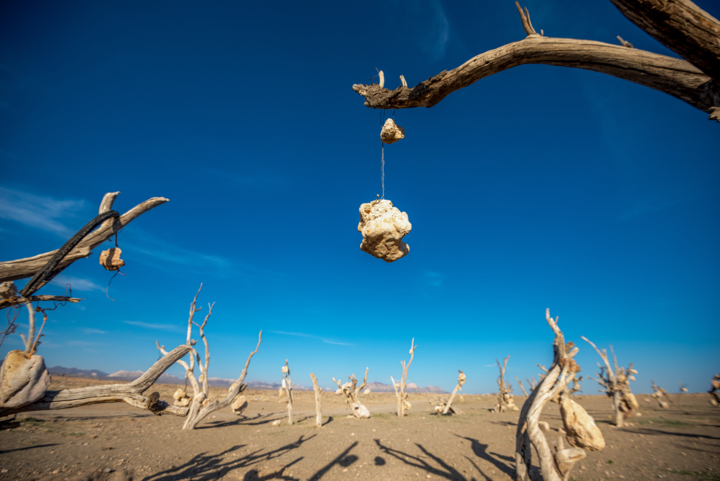
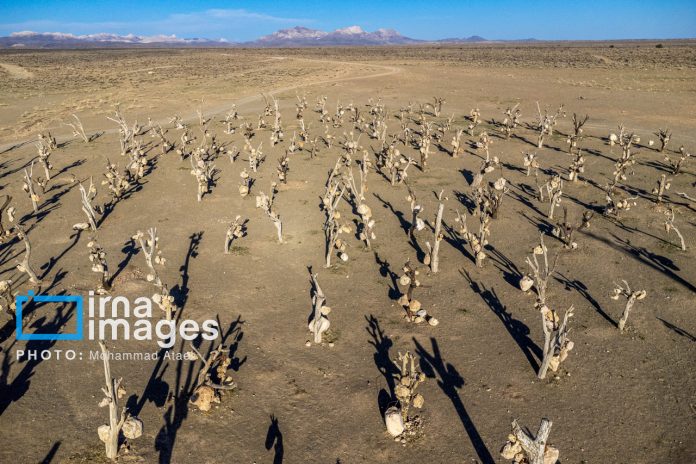
The Sirjan Stone Garden, created by deaf-mute farmer Darvish Khan Esfandiyarpour as a protest against land reforms in the 1960s, has become one of Iran’s most enigmatic tourist attractions.

Spanning 1,000 square meters, the garden features 180 dead trees hung with hundreds of perforated stones – some weighing over 10kg – suspended by wire.

Iran's Stone Garden: A silent protest turned tourist attraction

Local legend suggests Esfandiyarpour, who lost his lands during the 1961 agrarian reforms, created this surreal landscape as a silent cry against injustice.

“The stones speak louder than words,” said a local guide, noting how the 90-year-old creator (1904-2007) spent four decades carefully selecting and hanging each rock before being buried at the site.

Now listed as a cultural heritage site, the garden draws photographers and travelers to its haunting tableau.

Two award-winning films by Parviz Kimiavi, 1976’s The Stone Garden and 1994’s The Old Man and the Stone Garden, documented the creator’s life.

Iran atomic chief highlights nuclear breakthroughs, defies Western ‘red lines’

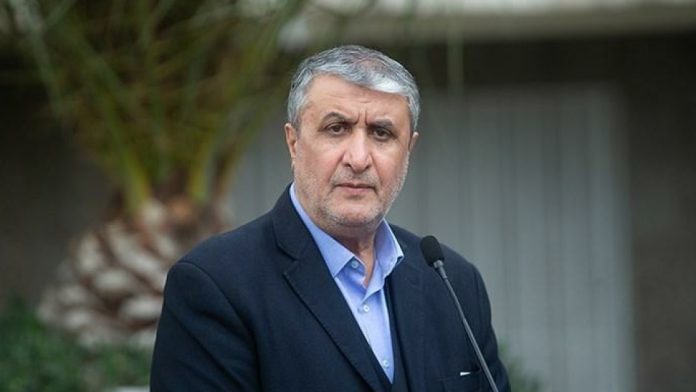
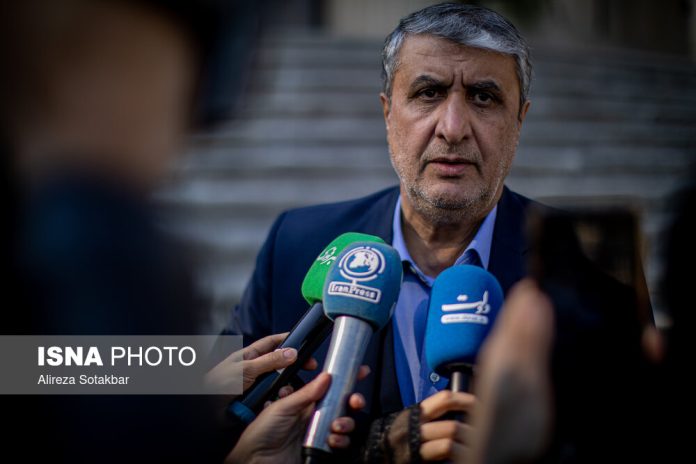
Mohammad Eslami, the head of the Atomic Energy Organization of Iran (AEOI), made the statement while addressing Friday prayers congregation in Tehran, saying Western attempts to restrict Iran’s nuclear program have failed.

“They cannot tolerate independent nations challenging their dominance,” Eslami said, adding, “All their efforts to stop Iran’s nuclear progress have been unsuccessful.”

The official highlighted civilian applications of nuclear technology, including medical breakthroughs in treating diabetic wounds and cancer through plasma therapy.

He pointed out, in agriculture, Iran has implemented radiation technology to address its 30% annual food waste problem, equivalent to about 40 million tons of produce, further explaining new preservation systems currently process 500,000 tons per year.

Despite international sanctions, Eslami emphasized progress on Iran’s ambitious plan to generate 20,000 megawatts of nuclear energy.

He cited the Bushehr nuclear plant as a success story, claiming it has produced 72 billion kilowatt-hours of electricity since 2013, saving the equivalent of 110 million barrels of oil worth approximately $10 billion.

The announcement comes amid ongoing tensions with the International Atomic Energy Agency, which Iran says is yielding to US pressure.

While asserting Iran’s compliance with nuclear inspections, Eslami denied any concealment in the country’s nuclear activities.

New figures: Iran-Saudi trade sees astonishing 6,483% growth

According to Iran’s Customs Administration, the country’s total non-oil commerce with 15 neighboring nations reached $74.3 billion last year, representing a 21% increase compared to 2023. Trade volume grew to 112.8 million metric tons, up 16% year-on-year.

The United Arab Emirates remained Iran’s largest regional trading partner at 29.2billion, followed by Turkey (19.4 billion) and Iraq (12.5billion).

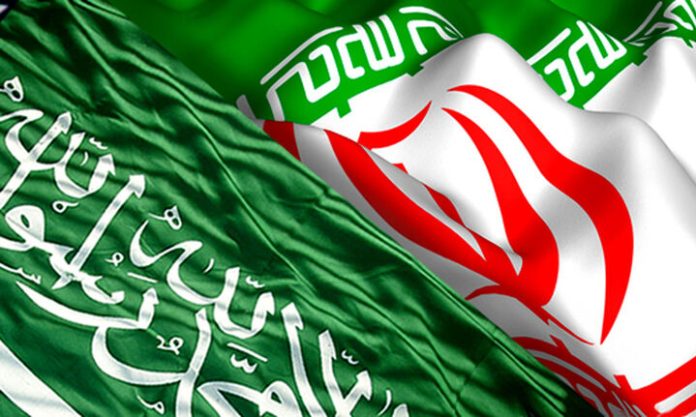
But the standout story was the resurgence of trade with Saudi Arabia, which reached 12.5 billion – a symbolic but significant jump from nearly zero the previous year.

“This explosive growth reflects the new economic realities following the restoration of diplomatic relations,” said the customs administration chief in a statement accompanying the data release.

The figures offer the first comprehensive look at how the China-brokered détente between Tehran and Riyadh is translating into commercial ties.

After severing relations in 2016, the regional powers agreed to reestablish diplomatic ties in March 2023.

Other notable gainers included trade with Turkey (up 63%), Qatar (46%) and Afghanistan (28%).

Overall, Iran exported 36 billion worth of non-oil goods to neighbors, up 17%.

Iran Foreign Ministry: Saturday talks to test US intentions, seriousness

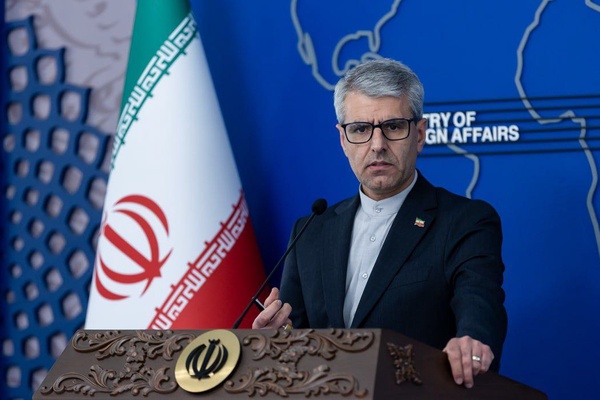
Esmail Baqaei

In a post on X social media platform, Foreign Ministry Spokesperson Esmaeil Baqaei emphasized Iran’s approach, writing “In earnest & with candid vigilance we are giving diplomacy a genuine chance. US should value this decision formed despite their prevailing confrontational hoopla.”

“We do not prejudge…We do not predict…We intend to assess the other side’s intent & resolve this Saturday. We shall reflect and respond accordingly,” Baqaei further asserted.

The remarks on Friday come as Washington continues its “maximum pressure” policy of sanctions on Iran, most recently targeting its oil network and nuclear program.

Longtime adversaries Iran and the US are set to hold talks in Oman’s capital, Muscat, aimed at reaching a potential nuclear deal.

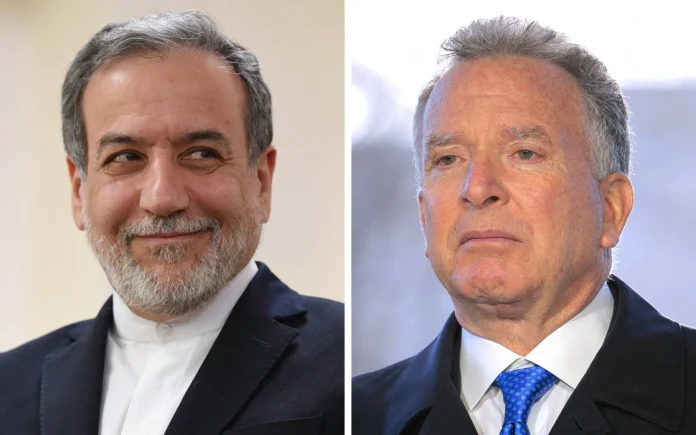
Leading the talks will be US special envoy Steve Witkoff and Iran’s Foreign Minister Abbas Araghchi.

US President Donald Trump said the talks would be ‘direct’ but Araghchi has insisted they would be ‘indirect.’

Trump has warned military action against Iran was ‘absolutely’ possible if talks failed to produce a deal, but Iranian officials say the approach is a non-starter.

Iran Leader ddvisor: Continued external threats could lead to expulsion of IAEA onspectors from Iran

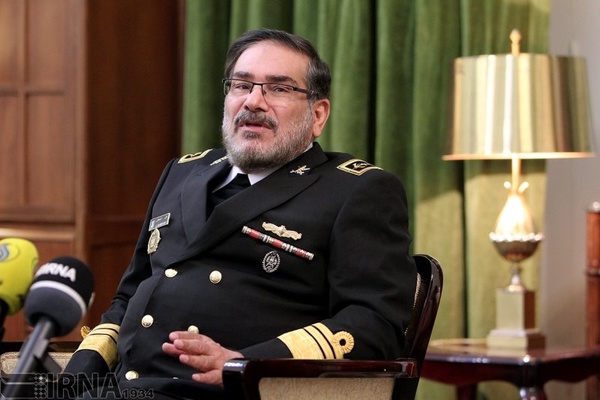
In a post on the X network, Shamkhani wrote that Iran might cease cooperation with the IAEA if external threats continue.

The Supreme Leader’s advisor further stated, “Transferring enriched materials to secure and undisclosed locations in Iran could also be placed on the agenda.”

Iran and the United States are set to begin indirect negotiations on the nuclear issue on Saturday in Oman.

Seyed Abbas Araqchi, Iran’s Foreign Minister, emphasized that lifting anti-Iran sanctions must be on the agenda of the Oman meeting.

Meanwhile, Mohammad Eslami, head of Iran’s Atomic Energy Organization, in response to the possibility of US demands during the Oman talks for a complete halt to uranium enrichment and the dismantling of centrifuges, described such requests as a “joke.”

Eslami stated, “The Islamic Republic will not back down from its nuclear program.”

Referring to recent US threats of attacking Iran’s nuclear facilities, he called them part of a “psychological operation” aimed at gaining more concessions.

Meanwhile, Rafael Grossi, Director General of the IAEA, is scheduled to visit Iran soon to discuss safeguards issues with Iranian officials.

The Islamic Republic of Iran has urged the IAEA Director General to focus on the agency’s technical duties and not be swayed by political pressures from the United States, the Zionist regime, and their European allies.

‘Coalition of the willing’ for Ukraine stalls over lack of US support: Bloomberg

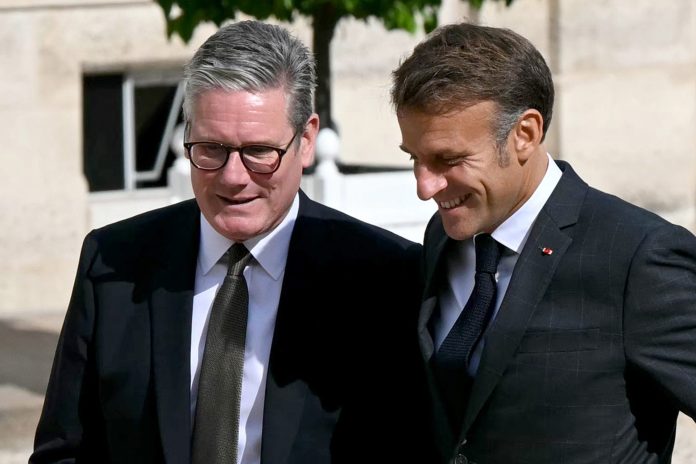
British Prime Minister Sir Keir Starmer and French President Emmanuel Macron

The coalition of European and other partners is meeting at NATO Headquarters in Brussels on April 10 to discuss a path toward a safe and secure Ukraine in the event of a ceasefire, with the deployment of European peacekeepers floated as a possible part of the plan.

The administration of President Donald Trump has ruled out U.S. participation in the so-called “reassurance force,” but London and Paris seek to convince Washington to at least provide airpower, intelligence support, or border surveillance as a backstop to the coalition’s efforts.

Trump has yet to offer any clear security guarantees to Ukraine and the coalition as Washington signals a reduced military presence on the continent.

U.K. officials insist that the U.S. contribution is a necessary part of the coalition’s efforts, Bloomberg reported, casting doubt on the initiative’s future unless the allies succeed in convincing Trump.

Publicly, French President Emmanuel Macron took a bolder line, saying the plan for the reassurance force would go ahead “with or without the U.S.”

At least 37 countries, including European, Asian, and Commonwealth nations, have been involved in the coalition’s discussions, with 15 reportedly ready to contribute their troops. Other members have been asked to provide other forms of support, including intelligence, arms, or naval support.

The Ukrainian military is still perceived as the main pillar of deterrence against further Russian aggression, while the allied troops, which could number between 10,000 and 30,000, would secure strategic facilities in the rear.

U.K. Prime Minister Keir Starmer first presented the coalition during a London summit on March 2 amid growing uncertainties about continued U.S. support. Trump has not approved any new defense aid packages for Ukraine and even briefly paused the already approved military assistance to push Kyiv to the negotiating table.

Trump’s efforts to broker a ceasefire have stalled, as Moscow has rejected a full 30-day truce agreed upon by Kyiv and Washington and reportedly violated a partial truce on strikes against energy infrastructure.

China dismisses role in war against Ukraine, calls on Kyiv to temper rhetoric

Russia Ukraine War

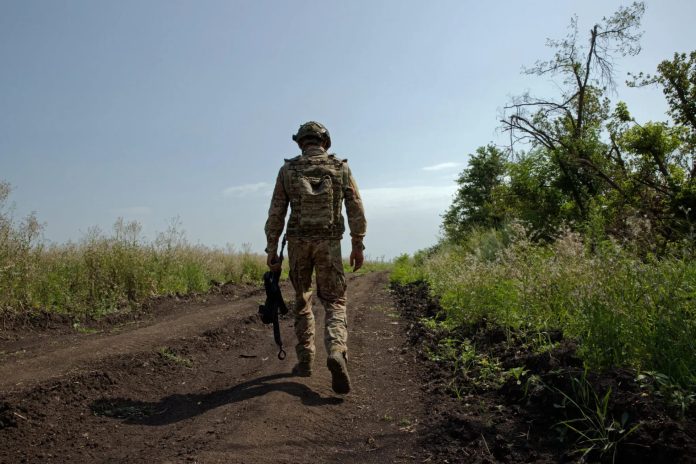
Lin’s statement came after President Volodymyr Zelensky said that 155 Chinese citizens were fighting for Russia on the territory of Ukraine. A day prior, Kyiv captured the first two Chinese nationals in Donetsk Oblast.

“Beijing knows about this. The Russians distribute advertising videos about recruitment through Chinese social networks,” Zelensky stated.

When asked about the details Ukraine’s president provided, the Chinese spokesperson reiterated that “we are not a party to it.”

“The Chinese government always asks Chinese nationals to stay away from areas of armed conflict, avoid any form of involvement in armed conflicts, and in particular avoid participation in any party’s military operations,” he said at a briefing.

“We call on the relevant party to be right and sober about China’s role and refrain from making irresponsible remarks,” he added.

Earlier in the day, Kremlin spokesperson Dmitry Peskov also denied China’s involvement in Russia’s war, describing the country as a “strategic partner, friend, comrade.”

A Ukrainian intelligence document seen by the Kyiv Independent showed that there are at least 163 Chinese nationals serving in Russia’s Armed Forces as of early April. Another document showed photos and passport details of 13 Chinese recruits who were being selected for service in the Russian army as of April 2.

One of the captured soldiers claimed he paid 300,000 rubles (roughly $3,500) to a middleman in China to join the Russian military in exchange for the promise of citizenship, Ukraine’s Luhansk military unit press service told Ukrainian Pravda earlier in the day.

China, which portrays itself as a neutral party in the war, has become the Kremlin’s largest supplier of dual-use goods essential for weapons manufacturing.

Unlike North Korean troops, who have fought on Russian soil, the Chinese nationals were captured on Ukrainian territory, marking a potential escalation in foreign involvement.

North Korea sent around 12,000 troops to Russia’s Kursk Oblast in 2024 to reinforce Russian lines after a Ukrainian cross-border offensive. Kyiv has said it captured two North Korean soldiers in January, estimating 4,000 casualties among the deployed units.

Israel denies nearly 70% of UN aid access attempts into Gaza: UN

Gaza Humanitarian Aid

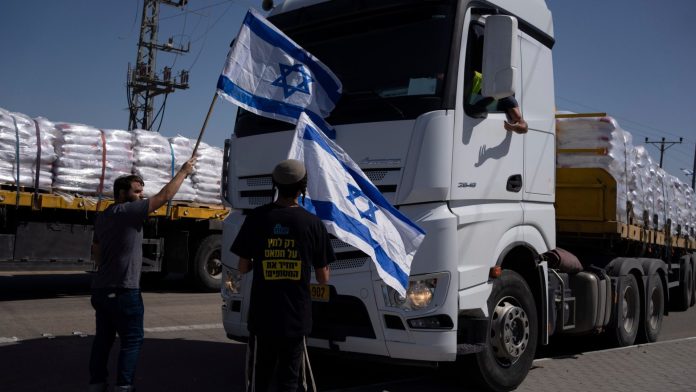
Citing the Office for the Coordination of Humanitarian Affairs (OCHA), UN spokesperson Stephane Dujarric described humanitarian operations in Gaza as “severely constrained.”

“That is due to the expansion of military operations, as well as the ongoing blockade of humanitarian aid and commercial goods, which has lasted for more than five weeks,” he said at a news conference.

He stated there have been “deadly attacks on aid workers and humanitarian facilities.”

“Meanwhile, just since yesterday, the Israeli authorities denied eight of 14 attempts by UN aid workers to coordinate access to people in need of urgent assistance.”

He stressed that “since the intensification of hostilities on 18 March, the Israeli authorities have denied 68% of the UN’s 170 attempts to coordinate access to reach people across the Gaza Strip and assist with humanitarian assistance.”

Noting that Israel continues “to reject all attempts to pick up supplies that were brought into Gaza and dropped at the crossings prior to the cargo closure on 2 March,” Dujarric emphasized that “these denials prevent humanitarians from carrying out critical and life-saving missions.”

“Despite the increasingly challenging conditions, the UN and its humanitarian partners remain committed to staying and delivering,” he added.

The Israeli army resumed its deadly assault on Gaza on March 18, killing nearly 1,400 victims and injuring more than 3,400 — shattering a ceasefire and prisoner exchange agreement that was reached in January.

Israeli Prime Minister Benjamin Netanyahu vowed last week to escalate attacks on Gaza as efforts continue to implement US President Donald Trump’s plan to displace Palestinians from the enclave.

Since October 2023, more than 50,700 Palestinians have been killed in Gaza in a brutal Israeli onslaught, with most of the casualties being women and children.

The International Criminal Court issued arrest warrants last November for Netanyahu and his former Defense Minister Yoav Gallant for war crimes and crimes against humanity in Gaza.

Israel also faces a genocide case at the International Court of Justice over its actions in Gaza.

Top Iranian MP: Negotiating team in Oman will act based on natl. interests

Araghchi Witkoff

Ebrahim Azizi, Chairman of the Iranian Parliament’s National Security and Foreign Policy Commission, stated that the Foreign Ministry and the negotiation team are committed to upholding the rights of the Iranian people through principled engagement.

He added that if the initial stages of dialogue proceed positively, a structured framework for future negotiations may be established.

Referring to the upcoming indirect talks between Iranian Foreign Minister Seyed Abbas Araghchi and Steve Witkoff, U.S. President Trump’s special envoy, Azizi stressed that Iran will not accept pressure or threats alongside diplomatic negotiations. “There can be no talks under duress,” he asserted.

Azizi also underlined the strategic role of Iran’s military strength in shaping diplomatic outcomes.

He stressed that the country’s armed forces have long supported the values of the Islamic Revolution and will continue to provide the foundation for Iran’s foreign policy stance.

AEOI Chief: Nuclear power can resolve Iran’s energy imbalances

Mohammad Eslami

He emphasized the AEOI’s capacity to turn scientific knowledge into technology and consumer-ready products through an indigenous innovation cycle.

Describing the AEOI as a leading organization in domestic research and innovation, Eslami said the institution has matured into a reliable body capable of producing around 150 technological and scientific achievements annually.

He went on to say that in 2023, 156 new accomplishments were registered, including cutting-edge technologies in nuclear medicine, agriculture, and industry.

Eslami referred to the organization’s strategic roadmap unveiled in 2022, noting that its implementation has led to sustained progress. Highlighting recent advances, he said that during this year’s National Nuclear Technology Day, seven new nuclear achievements were unveiled—three of which are advanced radiopharmaceuticals on par with global standards.

Eslami stressed that these technologies are already improving public life and underscored nuclear power’s long-term strategic role in ensuring energy security and national development.