Friday, April 17, 2026
Home Blog Page 4398

Iranian Rights Group Decries Massacre of Syrian Civilians in French Airstrike

Human Rights

In a statement on Saturday, the Iranian rights group condemned the deadly military attack by the French jets on the village of al-Tukhar near the Syrian city of Manbij that killed at least 120 people.

Most of those killed were children, women and elderly. The fate of scores of other civilians is unknown.

The fatalities came shortly after a US airstrike killed at least 20 civilians in Manbij.

The statement underlined that killing of civilians, particularly women and children, is in direct contradiction to international laws and could not be justified at all.

It also urged the international community to fulfill its basic duties and take action on such unlawful attacks that jeopardize world peace and security.

Two basic principles, namely having a genuine desire to combat terrorism and drawing a distinction between terrorists and civilians, should be taken into account in countering terrorism, it added.

The council also took a swipe at the French government for providing a safe haven for notorious terrorists, like members of the Mojahedin-e Khalq Organization (MKO) that have the blood of 17,000 Iranian people on their hands.

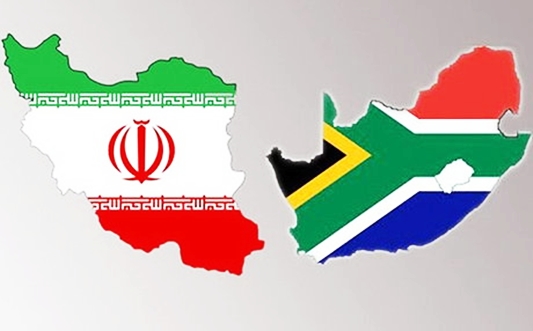
Iran to Open Commercial Centres in Africa

Iran-Africa

“Establishing centres in Kenya and Nigeria has been finalized, and they would be inaugurated by next month,” Director-General of Branches Affairs of Iranian Trade Promotion Organization Reza Abbasqoli said.

He added that Iran would open centres in Ghana, Tanzania, Uganda, Senegal and Sudan as well.

Abbasqoli noted that the move aims to boost exports of Iran’s goods and services to target markets, especially commercial markets in Africa.

800% Increase in Saudi Arabia’s Support for MKO Terrorists

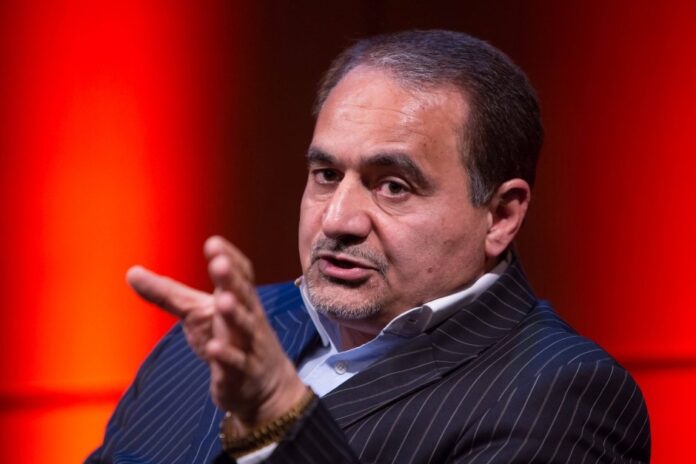
Hossein Mousavian

France has unfortunately been the epicentre for two terrorism-related events in recent weeks. The tragic truck attack in Nice, which received international attention, and a rally recently held in Paris by a notorious Iranian opposition group — the “Mujahedin Khalq,” or MKO, which for years has committed acts of terrorism against Iran. While it might not be immediately evident, there is a connection between the events — the groups behind them have been accused of atrocities and have historical ties to Saudi Arabia.

Both the MKO and the self-proclaimed ISIS, which claimed the attack in Nice, are groups with a history of terrorism, and both, in some way or another, are influenced by the kingdom.


MKO’s Terrorism in Iran

While the group no longer has the distinction of a terrorist group in the United States and is not related to or as widely destructive as ISIS, in Iran the MKO is still very much a perpetrator of terror.

Since its founding in the 1960s, the MKO’s favoured tactic has been terrorism, which for years it directed towards Americans. An MKO leader by the name of Massoud Rajavi stated in 1972 that the group’s “main goal” was to “free Iran of US imperialism.” As I documented in my 2014 book, “Iran and the United States,” the MKO’s assassination campaigns in the 1970s claimed the lives of several high-profile Americans. Among the victims were one colonel and one lieutenant colonel of the US Air Force, along with other servicemen.

The MKO’s hands are tainted not only with American blood, but also with the blood of countless Iranians, Iraqis and Kurds. Since Iran’s 1979 Revolution, the MKO has been responsible for the deaths of upwards of 17,000 Iranians, including senior officials and ministers. During the Iran-Iraq War, the MKO also sided with Saddam Hussein, earning the enmity of the vast majority of Iranians. An Iranian NGO, the Habilian Association, has gone so far as documenting all the Iranian victims of the MKO in a comprehensive database that includes photos and biographies of each of the victims.

In the ‘80s and ‘90s, the MKO was responsible for several terrorist campaigns within Iran, one of which killed some 70 Iranian officials in 1981, including both the president and prime minister at the time.

After the Iran-Iraq War, the MKO resided in Iraq and took on the role of Saddam’s henchmen. An October 1994 Wall Street Journal report quoted a Clinton administration official as saying, “Saddam looked on the Mujahedin as more loyal than some of his own army units.” After the 1991 Persian Gulf War, Massoud Rajavi lambasted the UN coalition that pushed Saddam out of Kuwait, stating, “Iranian national movements and their masses strongly denounce the Iranian regime’s alliance with US imperialism, world Zionism, and regional reactionaries to launch aggression against Iraq.”

In recent years, Iranian nuclear scientists have been assassinated — in some cases murdered while driving to work. MKO is thought by many to be involved in these attacks, perhaps with the assistance of Israel. According to a 2012 NBC News report, Israel was “training MKO members” to carry out the killings. The group has also been held responsible for an April 2000 assassination attempt on the leader of the Iranian policy making centre for the war in Iraq.


Saudi Connection

This year, the annual gathering of the MKO in Paris featured Prince Turki al-Faisal, the former director of Saudi intelligence, as a speaker. The conference typically draws the attendance of politicians of some nations, including the US, Egypt, and this year, Saudi Arabia. In his remarks, Al-Faisal praised the pseudo-Islamist-Marxist group and emphatically supported its objective of toppling the Iranian government. Al-Faisal’s comments, which come at a time when Saudi-Iranian relations are at an all-time low and have even been compared to a “Cold War” state, will have serious consequences for the Tehran-Riyadh relationship going forward.

During my trip to Iran a few weeks ago, I spoke with a senior official about the necessity of improving Iran-Saudi relations. He told me that Iran was willing to engage the Saudis but that Riyadh had devoted itself to a confrontational approach. This official informed me that Iran had detailed intelligence about Riyadh’s financial support to the MKO, which he said had increased 800 per cent in the past two years. He also noted that Saudi Arabia would cover the cost of this year’s MKO conference in Paris and that Prince Turki would be present to publicly declare Saudi Arabia’s support.

With Prince Turki’s speech to the MKO, Saudi Arabia has elected to destroy any chance of de-escalating tensions between the two nations. In pursuing this approach, Saudi leaders should be cognizant that not only are they imperilling regional and global security, but they are also following in the footsteps of Saddam Hussein. Saudi Arabia has already separated itself from its traditional regional allies with its hyper-anti-Iranian posture, so much so that only Bahrain— which is effectively under Saudi occupation — is standing fully with it. Global powers, on the other hand, are pursuing ways to enhance ties with Iran. It is truly a shame that Prince Turki al-Faisal, a man of significant ability and experience, has committed himself to this doomed cause rather than searching for peace and friendship between Iran and Saudi Arabia.

Riyadh’s now open alliance with the MKO only solidifies its position as the sponsor of yet another terrorist group that espouses perverted views of Islam. The barbaric Nice terrorist attack — later claimed by the ISIS terrorist group — and Prince Faisal’s endorsement of the MKO have a common denominator: a connection to Saudi Arabia.


Saudi Arabia and ISIS

It has long been evident to the global community that Saudi Arabia is a benefactors of Islamist militant groups, including likely the group that evolved into ISIS. Many US officials have publicly acknowledged this reality. Even former US Secretary of State Hillary Clinton stated at the Brookings Institution last year that, “Much of the extremism in the world today is the direct result of policies and funding undertaken by the Saudi government and individuals.” A recent British parliament report also stated that it is “very likely” that individuals close to the royals of the Arab monarchies of the Persian Gulf have donated money to ISIS, though it is unclear how directly those funds have been given. Historically, too, the ideology of the group has ties to Saudi Arabia’s own identity via Wahhabism.

While ISIS wreaks havoc on the world with its global acts of terror, the MKO ravages Iran. In much the same way ISIS is a twisted offspring of the Sunni world that has ravaged, among others, Sunni-populated areas, the MKO is its counterpart for Iranians in the Shia world. Iranians thus expect the world community to confront the MKO just as it confronts ISIS. At the very least, the group should not be hosted by countries like France and endorsed by Saudi Arabia. In the fight against terrorism, European and Saudi leaders should know better than to distinguish between “good” and “bad” terrorism, or tolerate any form of terrorism in the service of cheap geopolitical gains.

In light of the Nice terrorist attack, the international community should also view the threat from other groups such as the MKO as an interconnected phenomenon. The scourge of terrorism currently threatening the whole world can only be alleviated if it is addressed in a holistic way. The Nice truck slaughter — indeed the slaughtering by ISIS in general — and the MKO’s killing of thousands of Iranians are both worthy of our attention and condemnation. The territory the perpetrators of such violence use to plan and launch attacks, as well as the flow of cash, equipment and ideology they draw their support and influence from should all be considered as pieces of the same terrorism “puzzle.” The global terrorist threat simply cannot be solved until all these pieces are recognized as being a part of the same puzzle and dealt with in an effective and simultaneous manner. This means not only increasing security to prevent attacks, but also seriously confronting those who aid terrorism in any way — from the MKO to ISIS.

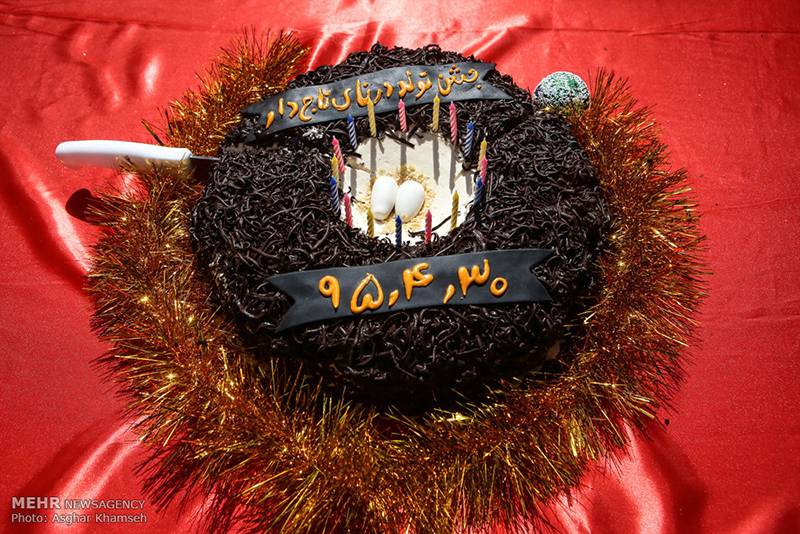
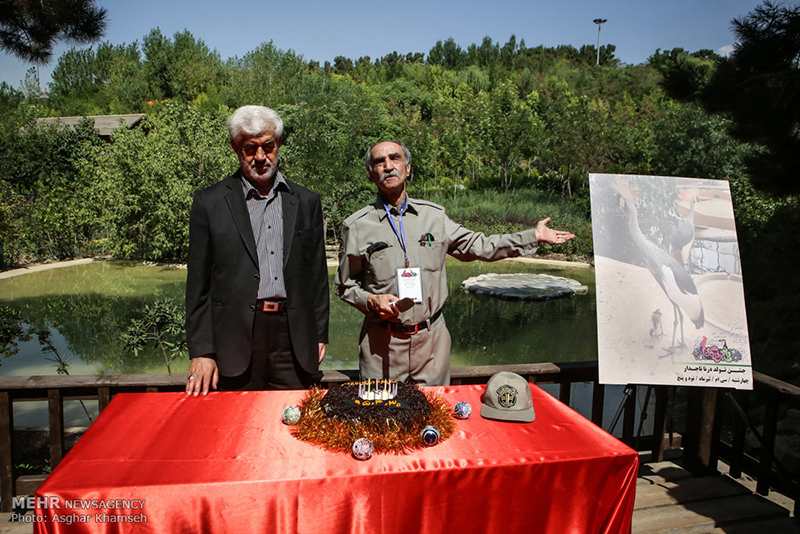
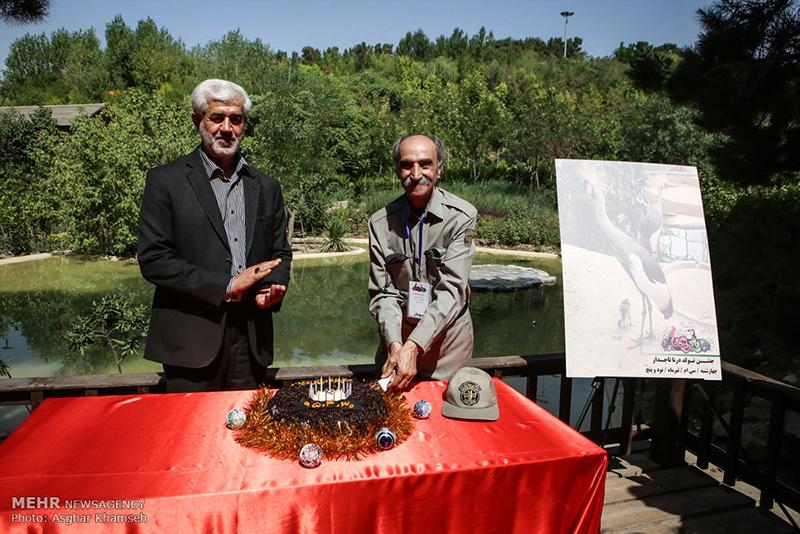
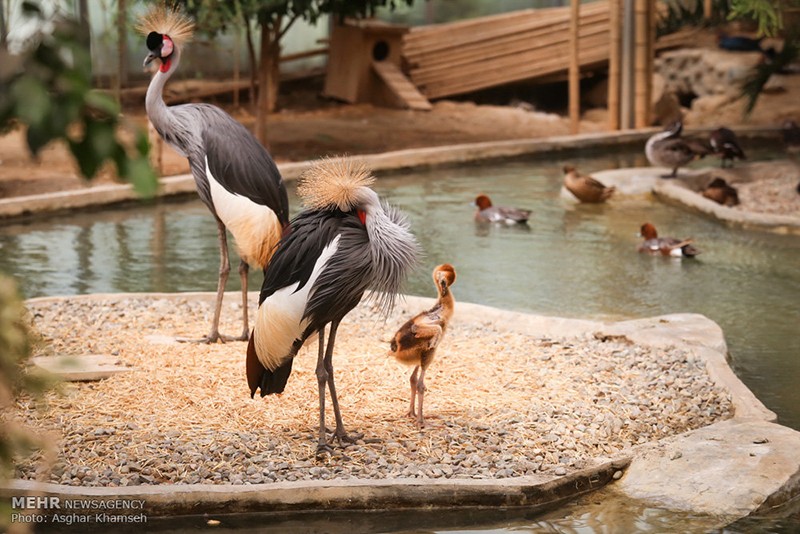
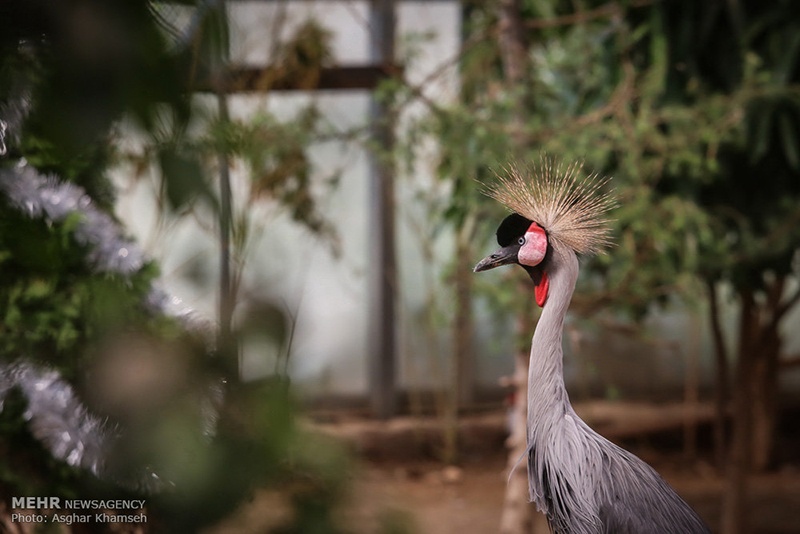
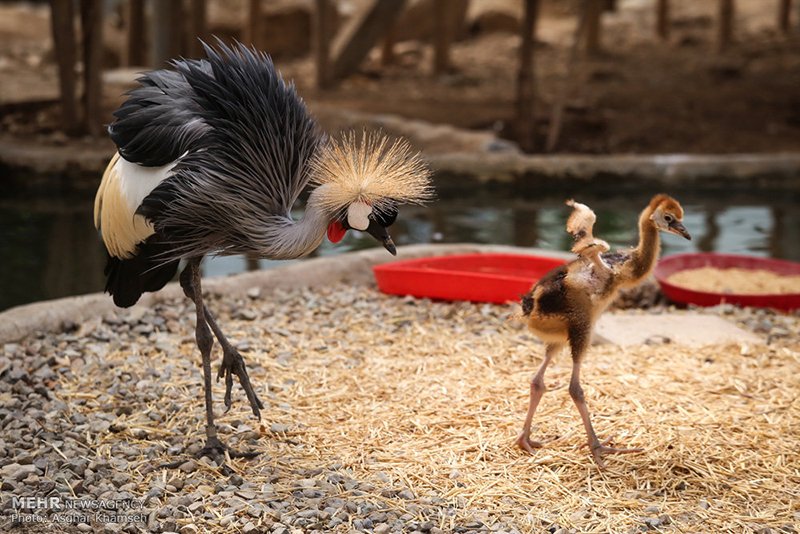
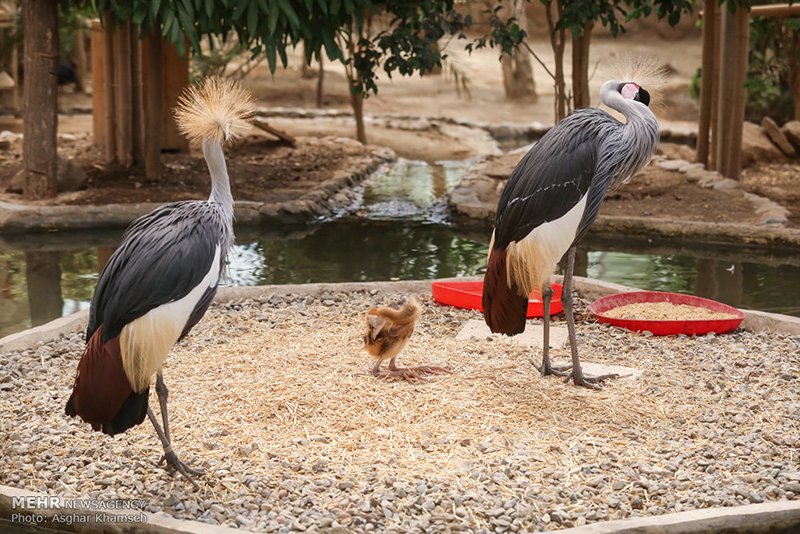
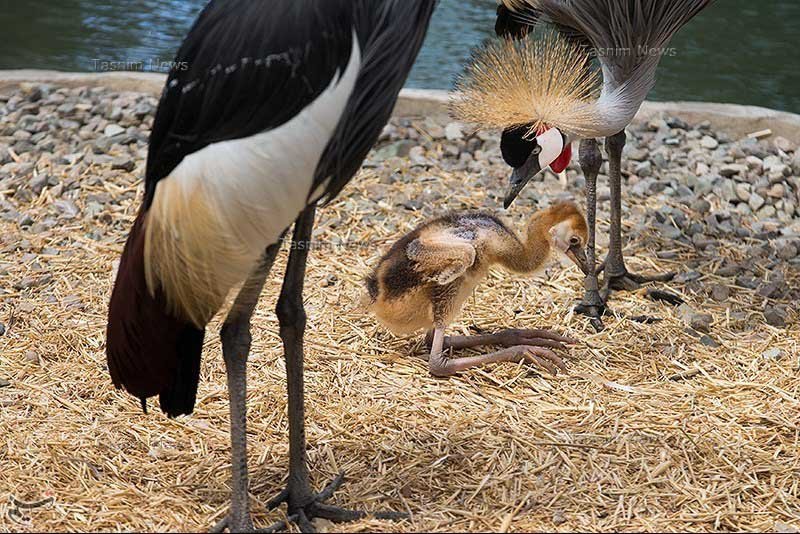
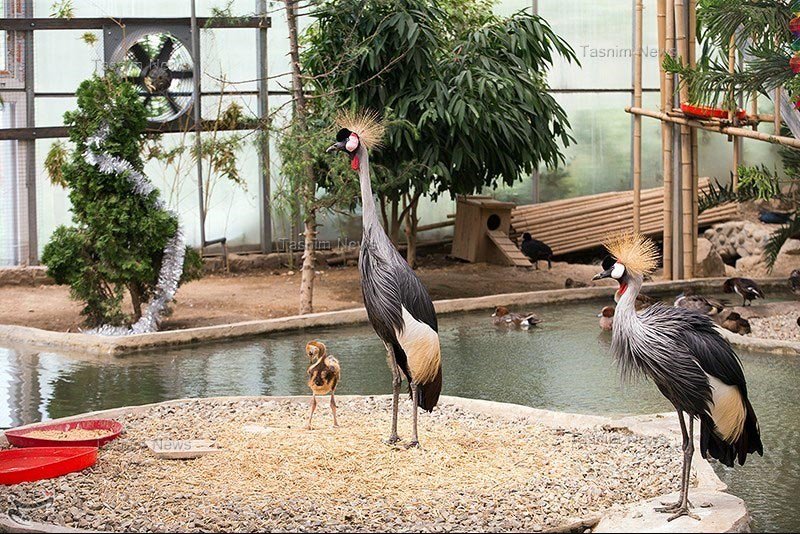
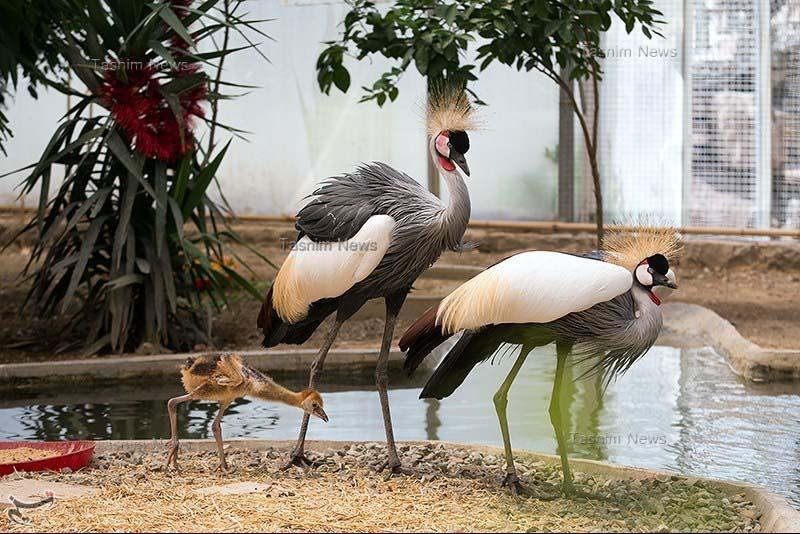
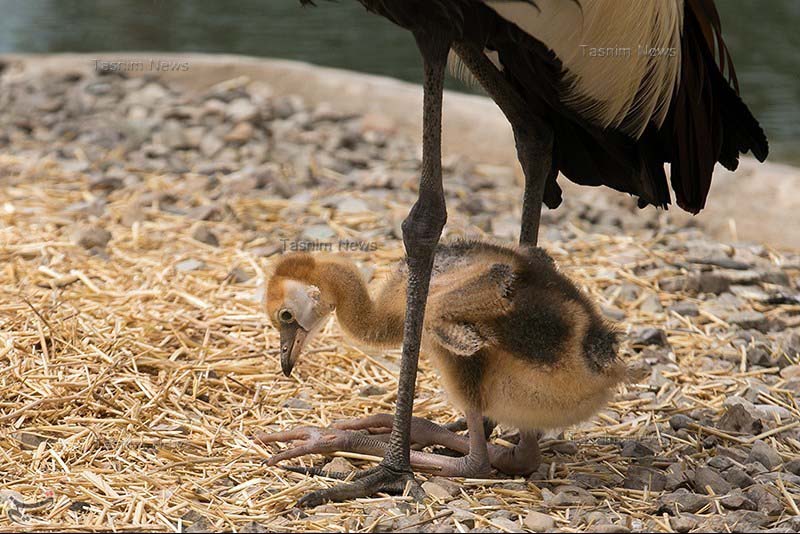
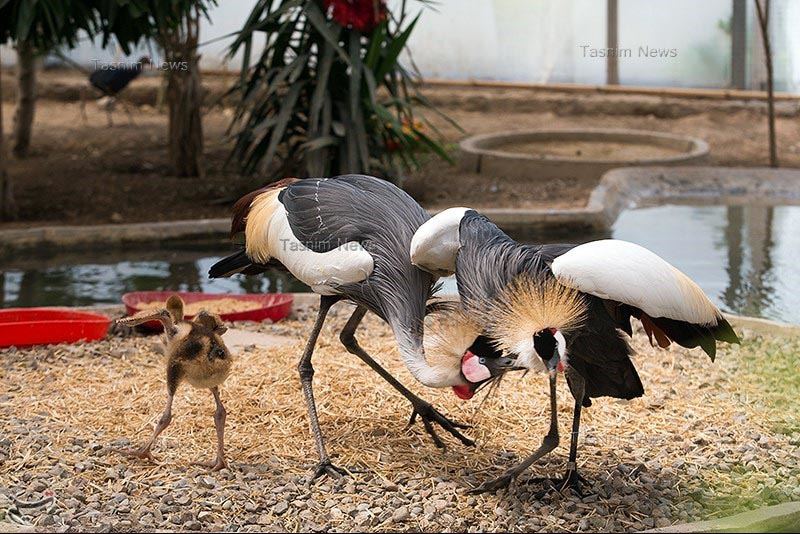
Black Crowned Crane Birthday Celebrated

Black Crowned Crane

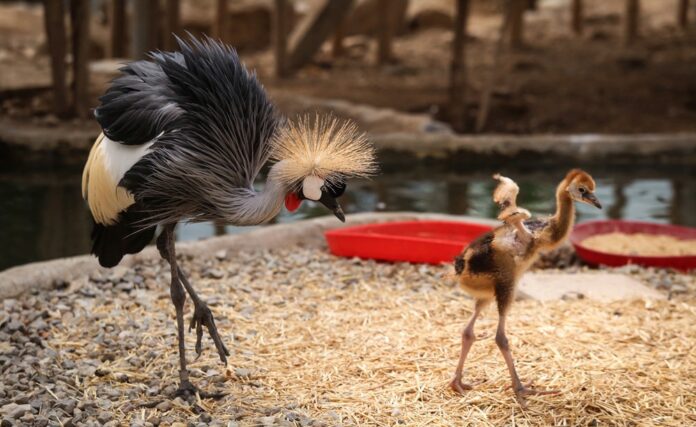
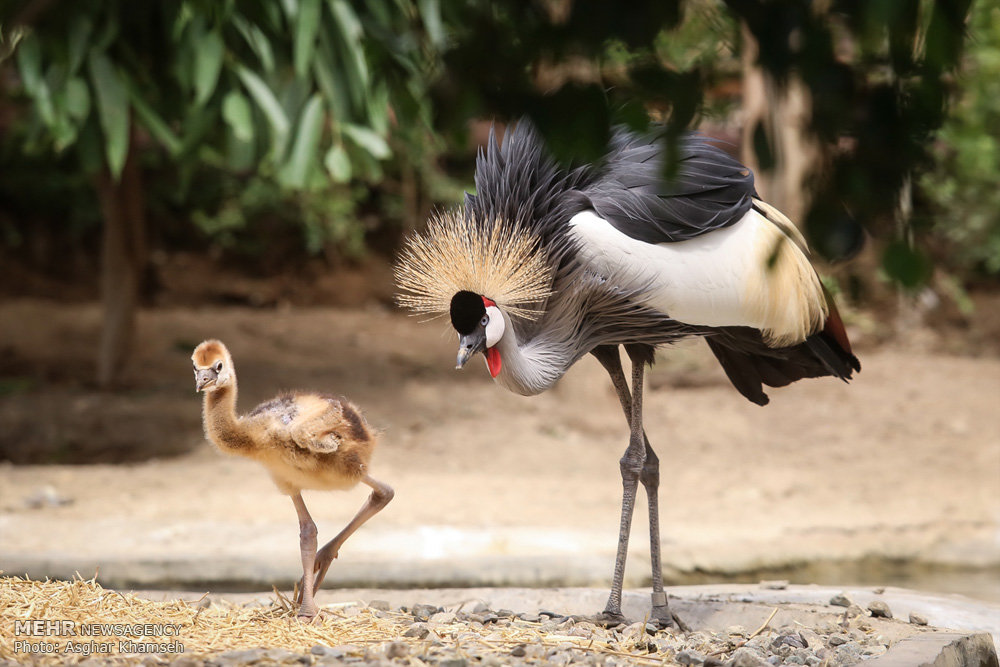
A ceremony was held in Tehran’s Birds Garden to celebrate the birthday of a black crowned crane. The black crowned crane (Balearica pavonina) is an endangered bird due to habitat loss and degradation.
Here are Tasnim and Mehr’s photos of the ceremony:


Iran Strongly Condemns Munich Shooting

Bahram Ghasemi- FM Spoksman

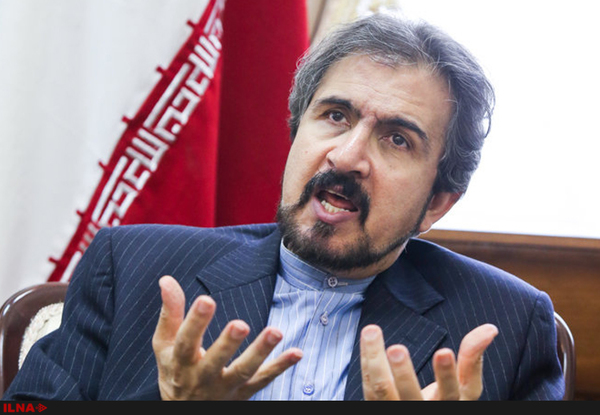
According to a report by the Foreign Ministry’s website, as translated by IFP, Qassemi strongly condemned the recent shooting incident in a shopping center Munich, which killed at least 10 people, and expressed sympathy with the German nation and government.

“Today, the fight against terrorism, anywhere in the world and in any possible form, is a serious and immediate demand of the international community and human conscience and needs to be considered as top priority for all countries,” Qassemi said on Saturday, July 23.

“Killing the innocent and defenseless people has turned to another stigma in human history, and the only way out is relentless and inclusive struggle free from double standards,” he went on to say.

On Friday afternoon, a shooting incident in a crowded Munich shopping mall left 10 killed and 16 injured, three of whom are in critical conditions.

Munich police claims that the assailant has been an 18-year-old German-Iranian dual citizen.

What Foreign Tourists Say about Iran’s Culture

57314993

A report by ISNA has pointed to excerpts from the remarks made by foreign tourists and travellers who have visited Iran throughout the history. Here’s IFP’s translation of the report:

Iranians are well-known for their cultural heritage and hospitality throughout the world as explicitly reflected in the books and manuscripts of famous travellers and tourists.

Mutual respect, cooperation, altruism, helping others, warm and cheerful greetings, and great general knowledge are among the incomparable features of Iranians that arouse interest of foreign tourists and travellers to hit the road and visit the country.

Hamid Amerian, in his book People and Culture of Iran, has quoted the comments made by a number of tourists and travellers who have visited Iran and shared their ideas and experience:


Jean Chardin, also known as Sir John Chardin, was a French traveller who described Iran as a matchless tourist destination all over the world.

“I travelled around the world; however, not a single place is like Iran as its people forgive each others’ mistakes generously.”

“In the societies of other countries, people won’t turn a blind eye on any minor mistake and rudely call them on it,” Chardin noted.

He said he had lived in Iran for many years and learned that showing respect creates a much deeper and more desirable effect than disrespectful behaviour.

According to Marco Polo, the Italian merchant traveller, Iranians have a spirit of cooperation.

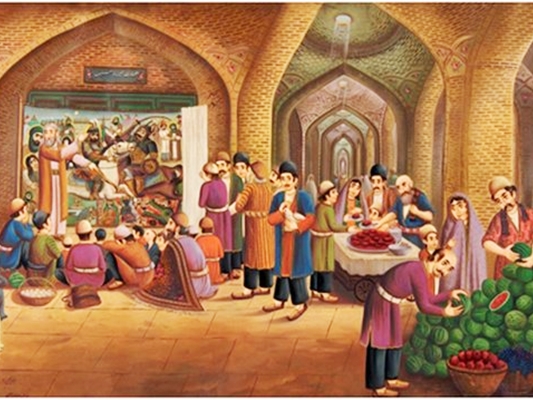
“In Iran’s markets, I noticed many times that when a cart laden with merchandise is parked in front of a shop, neighbours and passers-by would voluntarily help unload the cart,” Polo said.

He underlined that he has met people in Iran who would help each other with love, and he found this love as a strange feeling.

Hugo Grothe is another traveller from Germany who visited Tehran in 1907. These are his words about Iranians in his book Travelling to Iran:

“We Europeans are accustomed to having a soulless life without feeling for people around us. If we are told that one of our relatives is facing a problem, we never concern ourselves about it. However, in cities and towns of Iran I noticed that people truly care about each other.”

William O. Douglas, the American jurist and politician, travelled to Iran in 1949 and was fascinated by the culture and hospitality of Iranian people inasmuch as that he authored a book named “Strange Lands and Friendly People”.

“European and American passers-by behave in a lifeless manner, but Iranians, on the contrary, tend to be warm and friendly. Smiling is an integral part of their greetings and etiquette,” Douglas noted.

An English traveller was also amazed by the general and literary knowledge of Iranian people when he heard construction workers reciting poems from Hafez and Saadi [Iranian well-known poets].

“When my translator explained to me that they were reciting poems from their famous poets, I was quite surprised because in England no worker on a building ever recites poems from our eminent poet, Shakespeare. This shows that Iranians have a penchant for poetry and literature. They possess high level of general knowledge,” he said.

Grandfather Executes His ISIS-Linked Grandson

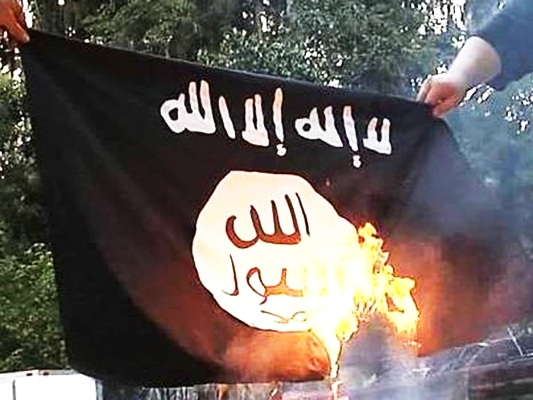
burn-isis-flag

According to a report by Entekhab, as translated by IFP, the mother of this young ISIS affiliate in the district of Sharqat in Iraqi province of Salahuddin, was mad at al-Baghdadi because of ISIS’s heinous crimes in her living town.

“ISIS brainwashes malleable minds of youths in the province of Salahuddin in a bid to train submissive soldiers to carry out evil deeds,” Jabbar al-Ma’mouri, the commander of Iraq’s volunteer forces, said.

The grandfather has managed to flee the district of Sharqat with his family members, he added.

The District of Sharqat, located in the north of Salahuddin province, has been occupied by ISIS since 2014 and is regarded as one of the key bases of this Takfiri [extremist] terrorist group.

Iran Asks Nationals to Keep Calm after Munich Shooting

139505020926043298191564

Following the shooting attack at the Munich Olympia Shopping Centre on Friday evening, Iran’s Consul in Munich Abdollah Nekounam Qadiri called on Iranians to keep calm and get the latest news from the German media outlets.

He also called on the Iranian nationals to immediately inform the consulate of any incident involving their fellow countrymen.

There has not been a single report of accidents for the Iranian nationals, Qadiri noted.

The Friday attack by an 18-year-old German-Iranian gunman who apparently acted alone killed at least 10 people.

The pistol-wielding attacker, identified by Munich Police Chief Hubertus Andrae as a dual national, was later found dead of a suspected self-inflicted gunshot wound to his head.

Iran Blasts ‘Baseless Remarks’ Made by ‘Founding Father of ISIS’

Bahram Ghasemi- FM Spoksman

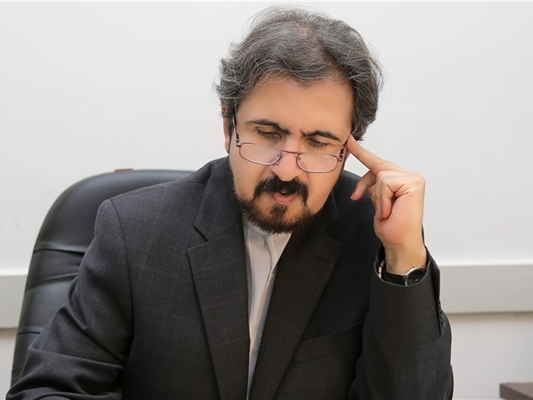
Qassemi said on Friday, July 22, that the Saudi FM is straining to distract international attention from the endless scandals of his country, which is “the founding father” of such terror groups as al-Qaeda and ISIS, Press TV reported.

It is understandable that the Saudi Foreign Minister has had difficult days in the wake of the release of the secret 9/11 report, and more difficult days are still ahead of him, the Iranian official added.

Qassemi added that the world, particularly those nations that fell victim to terrorism in the years after September 11, 2001, would certainly realize the significance of the information the report reveals about the Arab kingdom’s support for terrorism.

The senior Iranian diplomat also said that “Jubeir makes ridiculous statements about Iran whenever he is frustrated,” and advised him to think twice about “the repercussions of his statements.”

Last week, the US government released 28 pages of a congressional report on the September 11, 2001 terrorist attacks, which hinted at the Saudi government’s involvement in the attacks.

“While in the United States, some of the September 11 hijackers were in contact with, and received support or assistance from, individuals who may be connected to the Saudi Government,” reads part of the report released on July 15.

The report also showed information indicating that “Saudi Government officials in the United States may have other ties to al-Qaeda and other terrorist groups.”

The 9/11 attacks killed nearly 3,000 people in the US and caused about $10 billion worth of property and infrastructure damage. Of the 19 terrorists, who hijacked four airliners, 15 were Saudis.

The Saudi foreign minister made the anti-Iran allegations during his speech about terrorism at the Egmont Research Centre in Brussels earlier this week, claiming that Iran supports terrorism.

Under the new Saudi rulers, Riyadh has adopted an aggressive policy toward Iran and its allies, which are helping Iraq and Syria fight menacing Takfiri militancy.

Takfirism [extremism], which is the trademark of many terrorist groups operating in the region, is largely influenced by Wahhabism, the radical ideology dominating Saudi Arabia and freely preached by Saudi clerics.

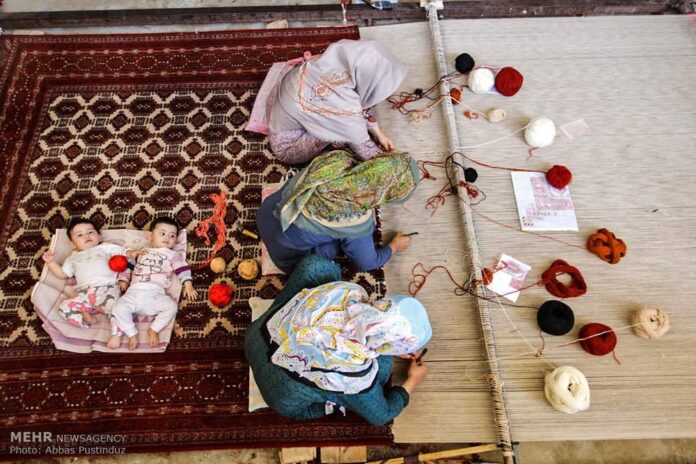
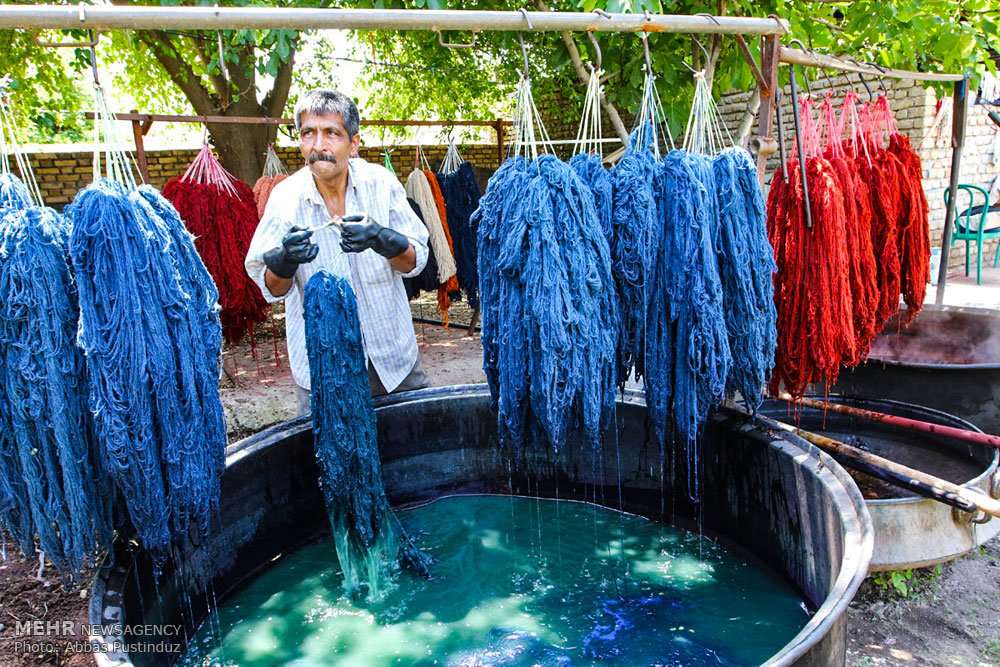
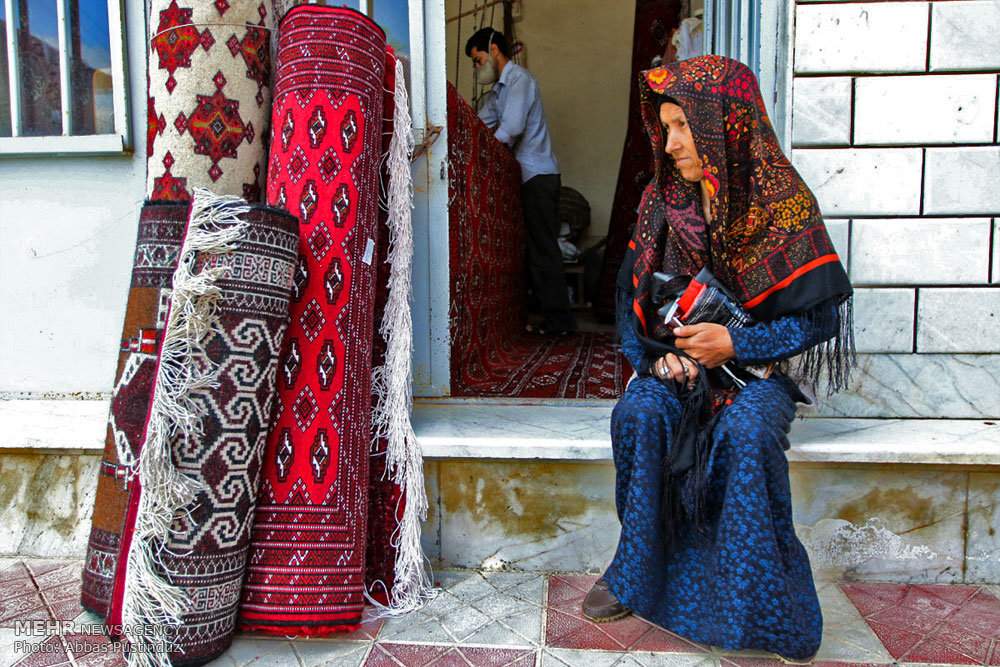
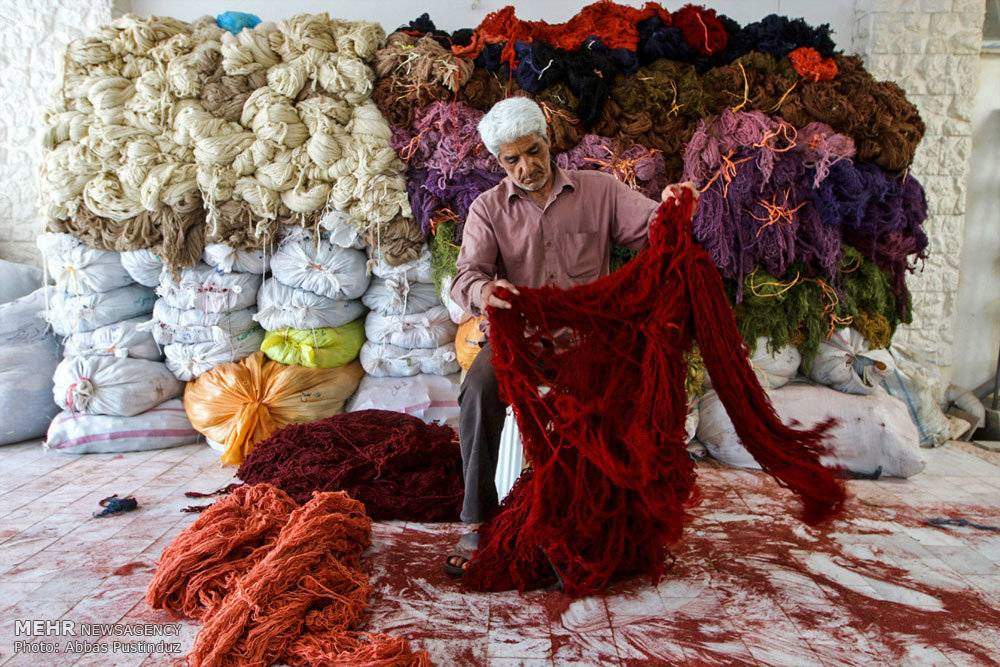
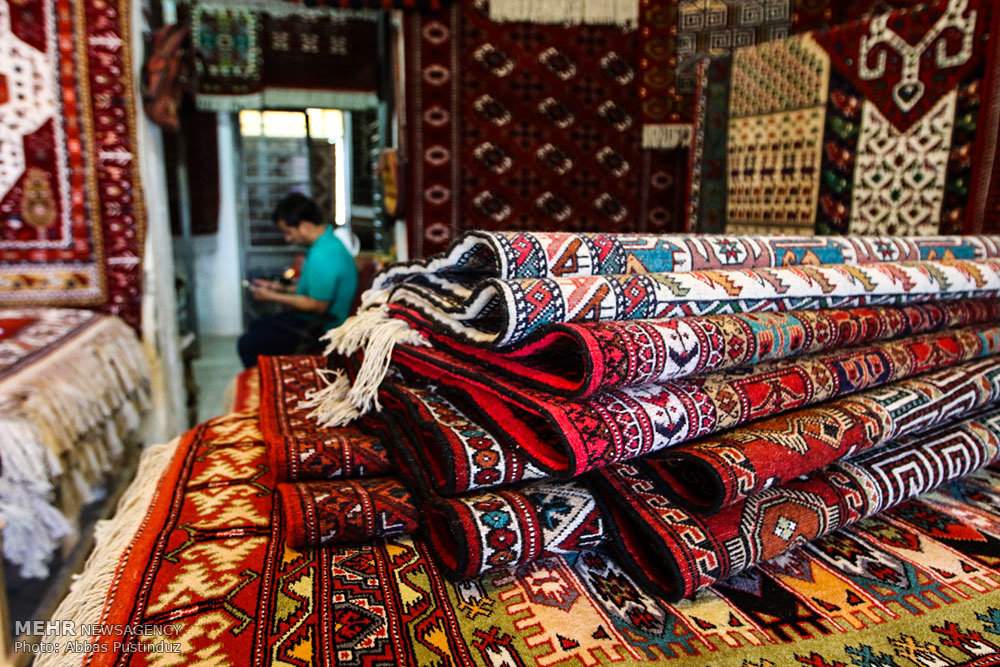
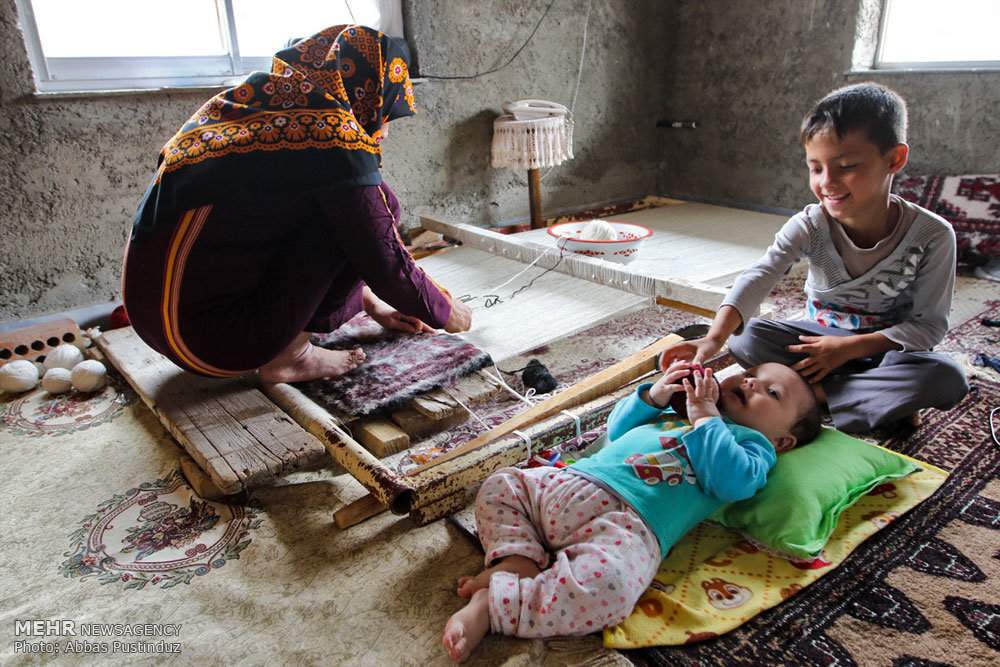
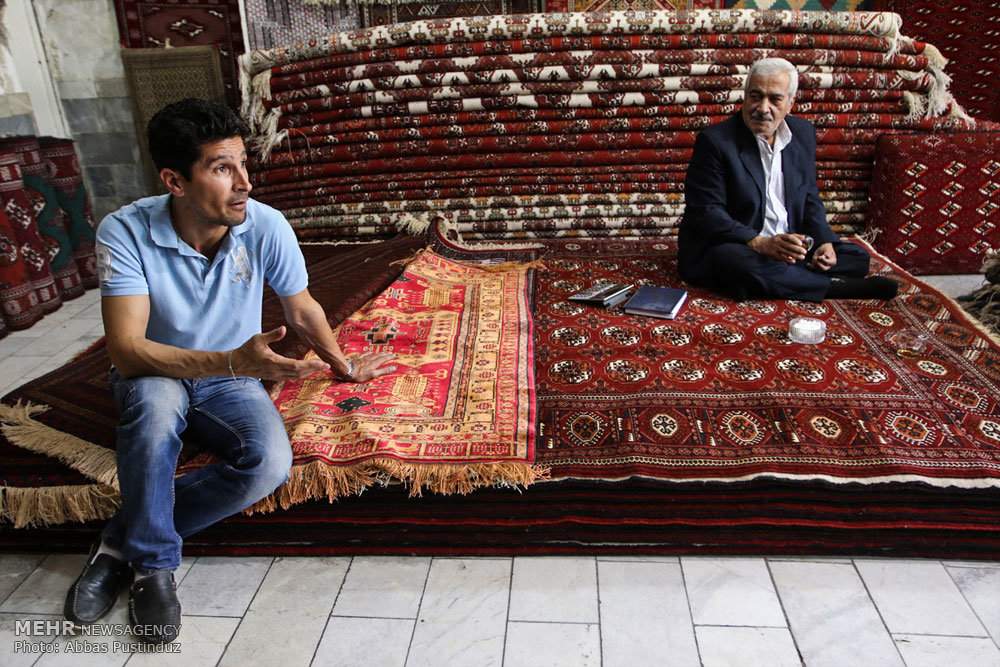
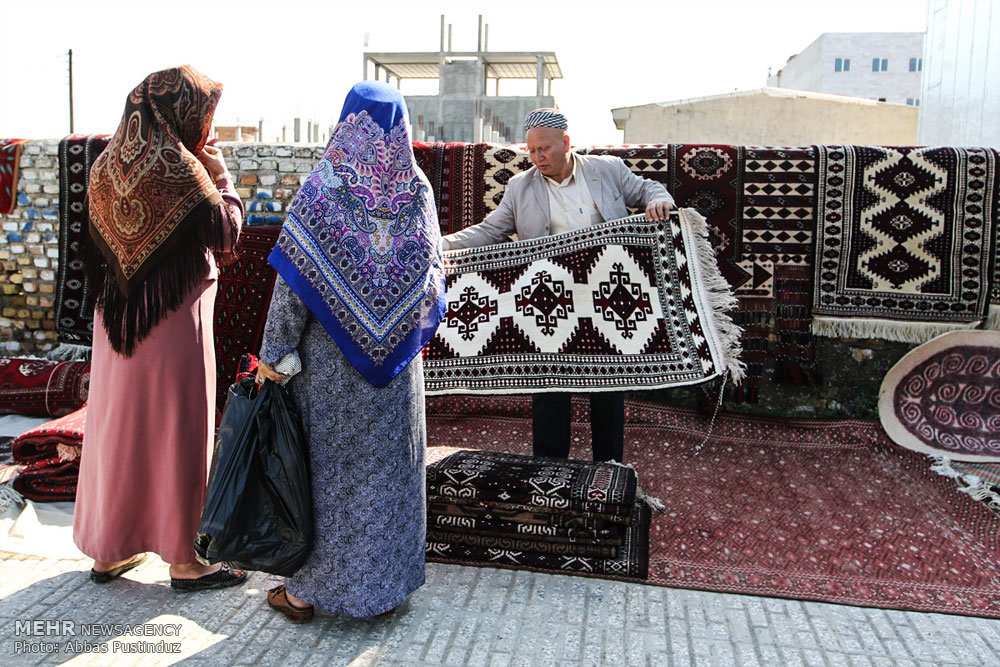
Turkmen Rugs Hand-Woven by Iranian Women

Turkmen Rug

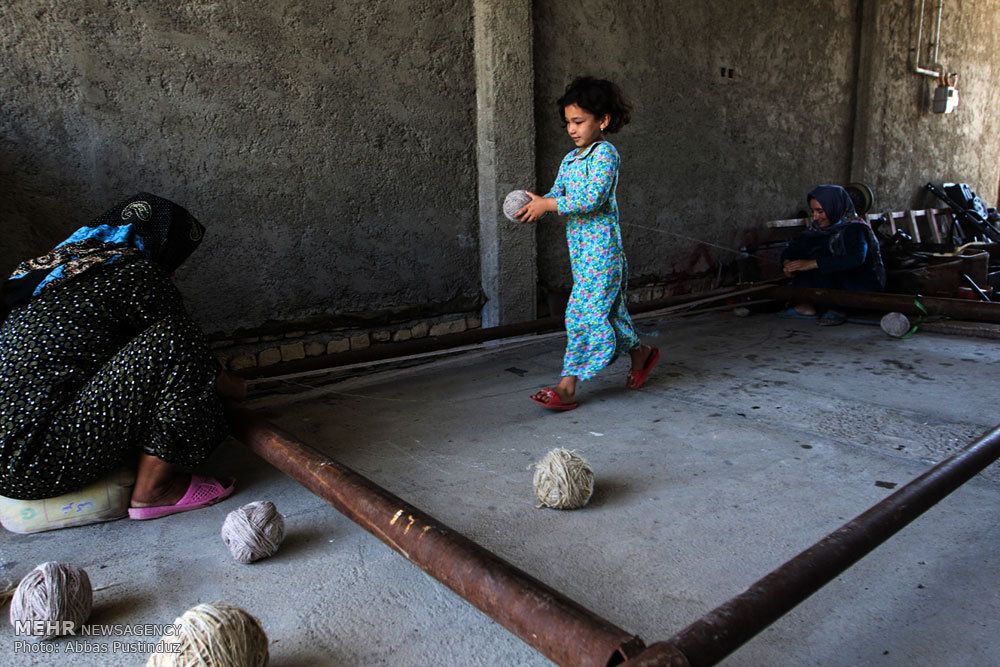
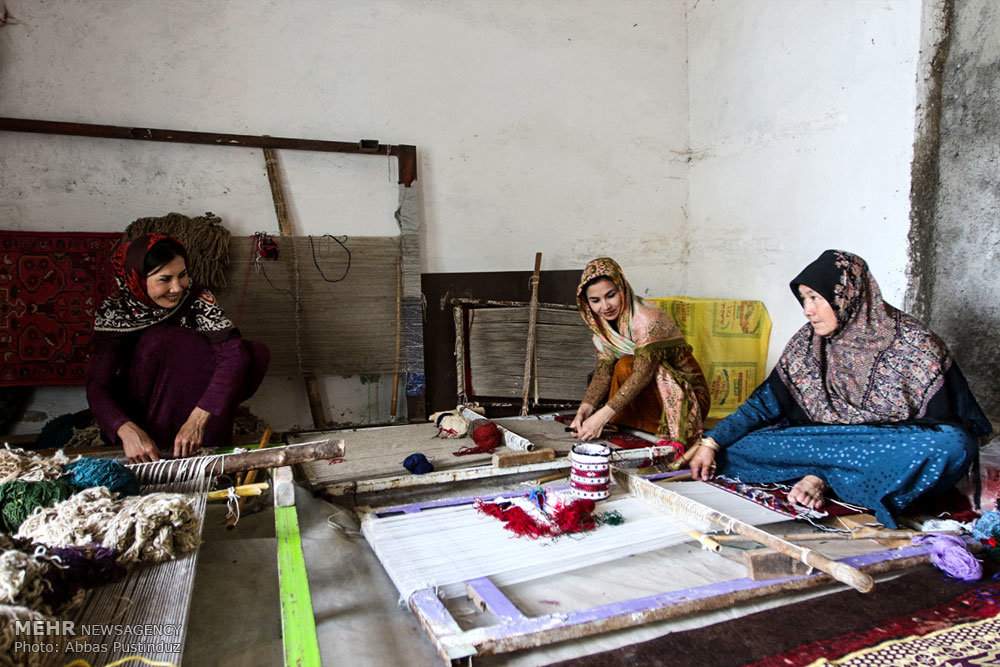
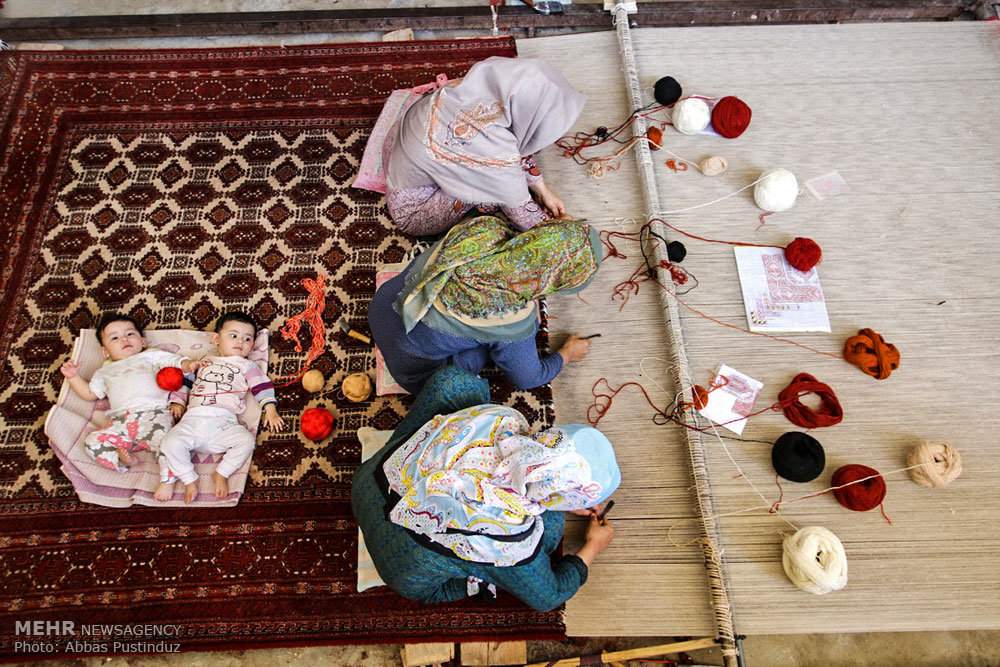
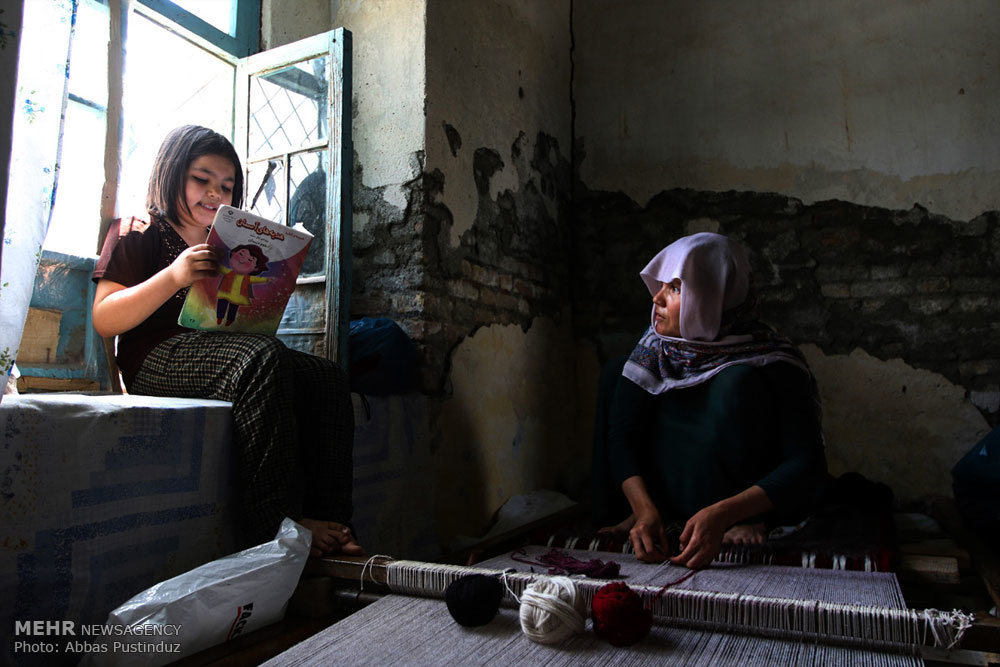
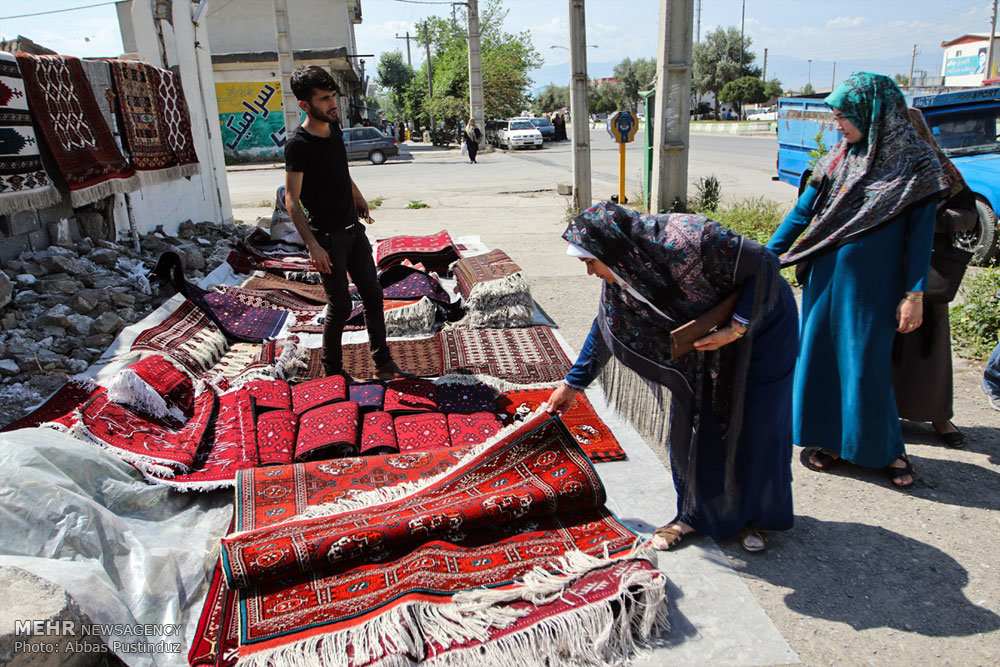
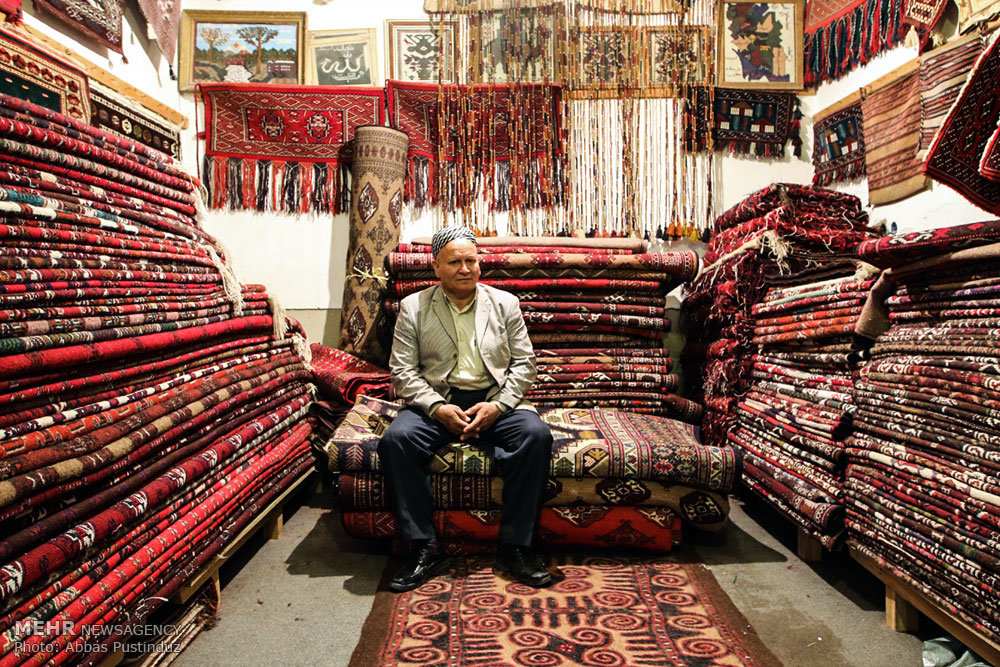
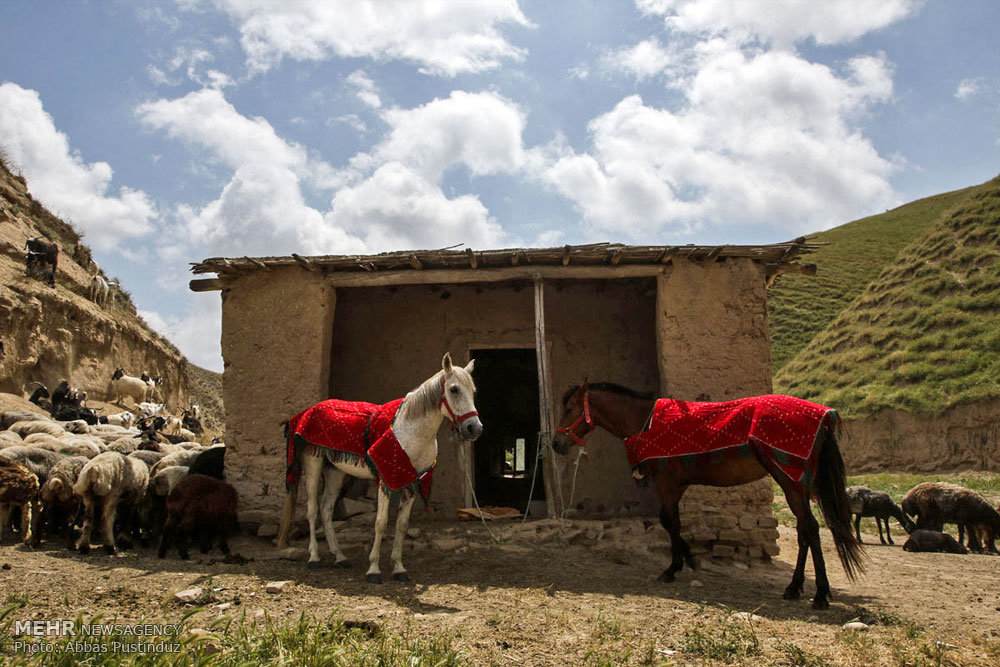
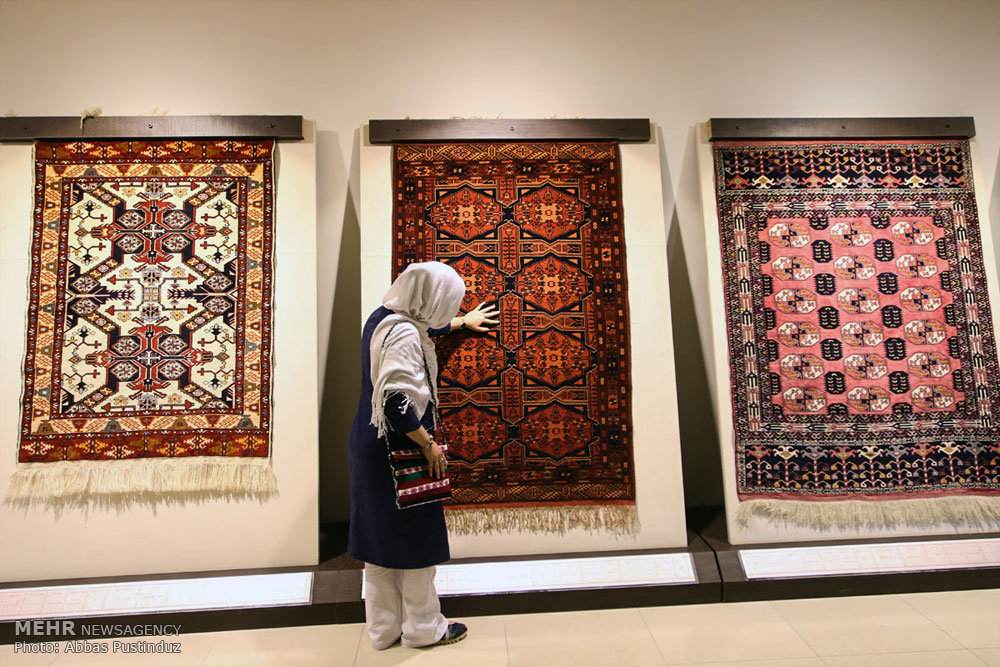
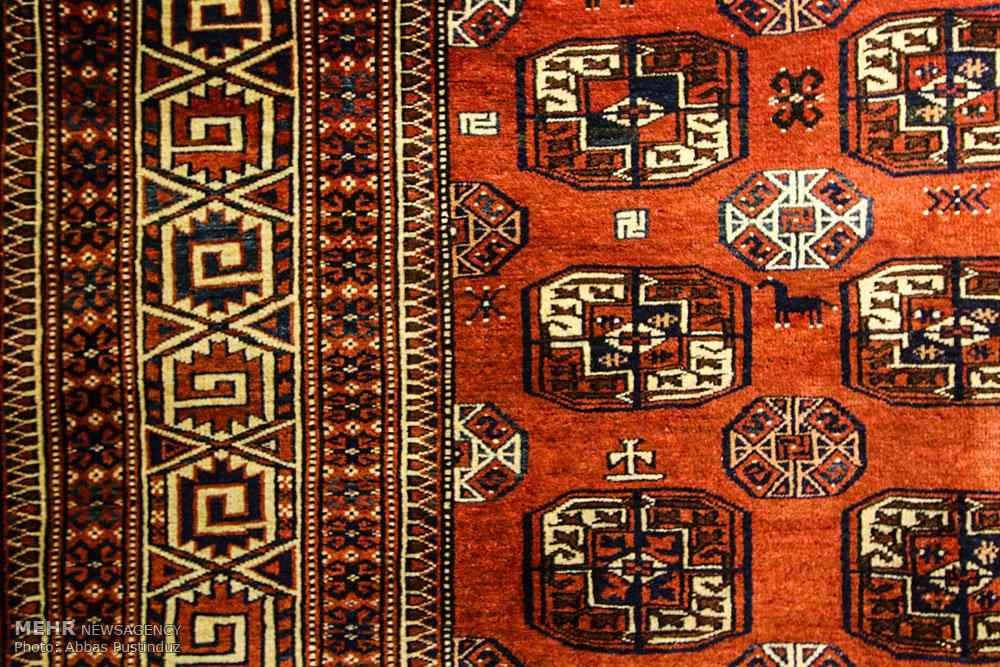
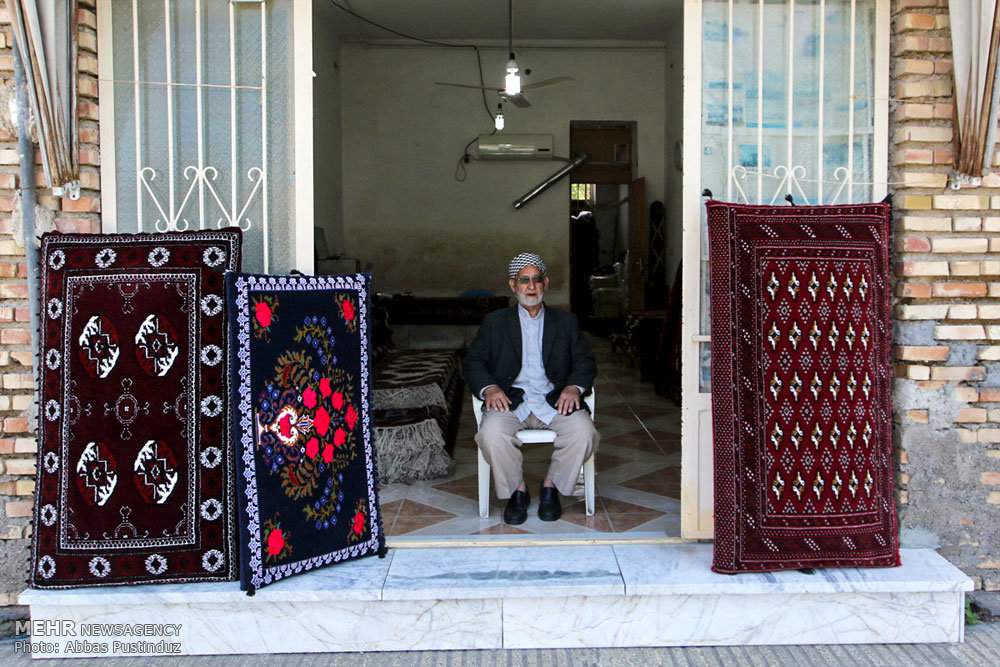
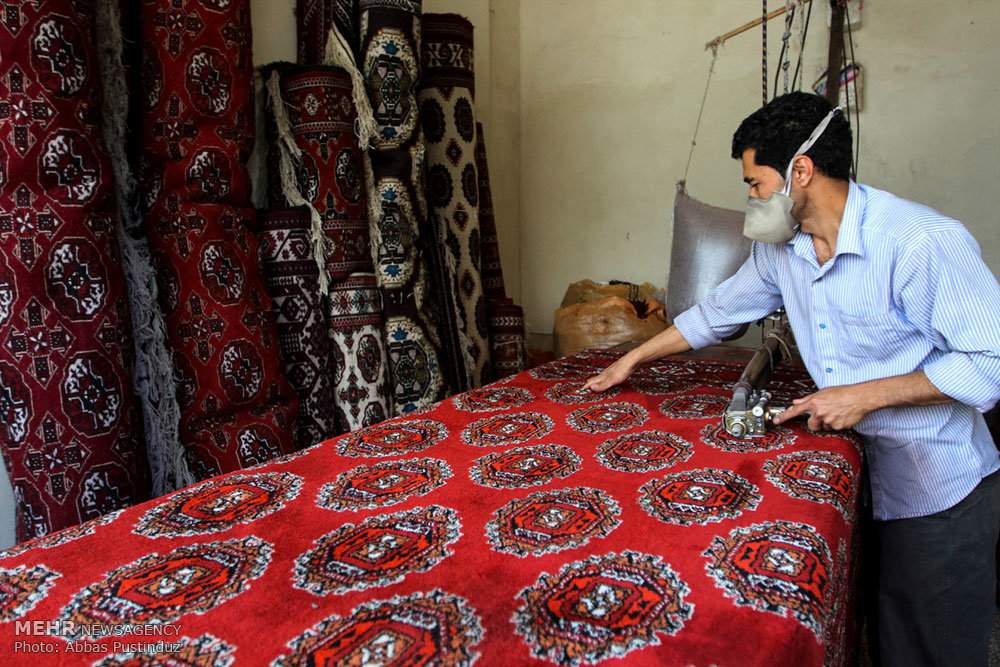
Turkmen rug (or carpet) is a type of handmade floor-covering textile traditionally originating in Central Asia. Iranian Turkmen girls and women weave fantasy into reality displaying their talent, ability and interest.