Thursday, January 15, 2026
Home Blog Page 4389

Iran’s President Congratulates Swiss Counterpart on National Day

President Hassan Rouhani

In a letter to President of the Swiss Confederation Johann Schneider-Ammann, President Rouhani felicitated the European country’s national day and hoped for closer ties between Tehran and Bern.

Rouhani also pointed to the Swiss President’s visit to Iran in late February, 2016, and described it as a solid base for deepening mutual cooperation.

He also wished good health and success for the Swiss president and glory and prosperity for the people and government of the country.

Since 1891, the first of August has been celebrated as Swiss National Day. The date refers to a historic alliance concluded in 1291 by the three cantons of Uri, Schwyz and Unterwalden.

This alliance was to become the focal point around which the Switzerland of today was built over the next 500 years.

Navy’s 42nd Flotilla Saves 7 Iranian Sailors in Indian Ocean

ranian Navy’s 42nd

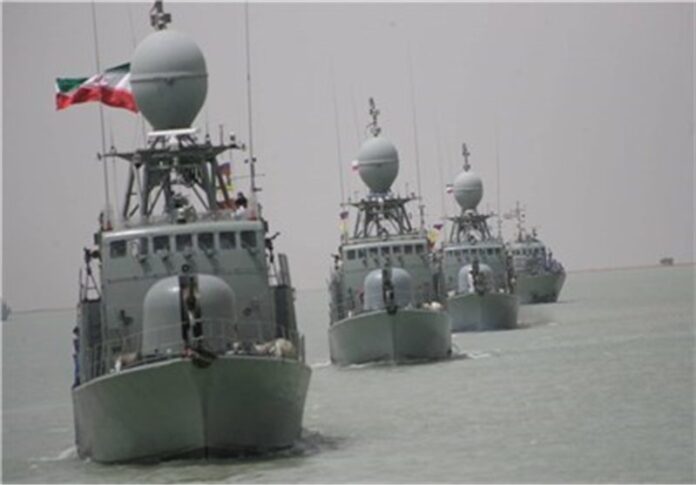
Deputy Commander of Iranian Navy Rear Admiral Mahmoud Mousavi said the 42nd naval flotilla on Sunday came across a fishing vessel of the country in the Indian Ocean and saved its sailors.

He added that due to a serious damage to propulsion system of the vessel and in order to prevent a possible pirate attack, the vessel was towed by the fleet’s Alvand Destroyer.

The 42nd flotilla of warships set sail for international waters on July 18 as part of regular missions to ensure security of the country’s trade vessels.

The fleet, comprising Alvand destroyer and Tonb logistic warship, departed Iran’s southern coasts for the Gulf of Aden and Bab el-Mandeb Strait.

The flotilla set sail from the southern port city of Bandar Abbas after its predecessor, the 41st flotilla, returned home from a 48-day overseas mission, during which it sailed 5,130 nautical miles and escorted 46 Iranian ships and oil tankers in international waters.

In recent years, Iran’s naval forces have increased their presence in international waters to secure naval routes and protect merchant vessels and oil tankers against pirates.

Iran Supports Any Solution Chosen by Syrians: Deputy FM

Hossein Jaberi Ansari

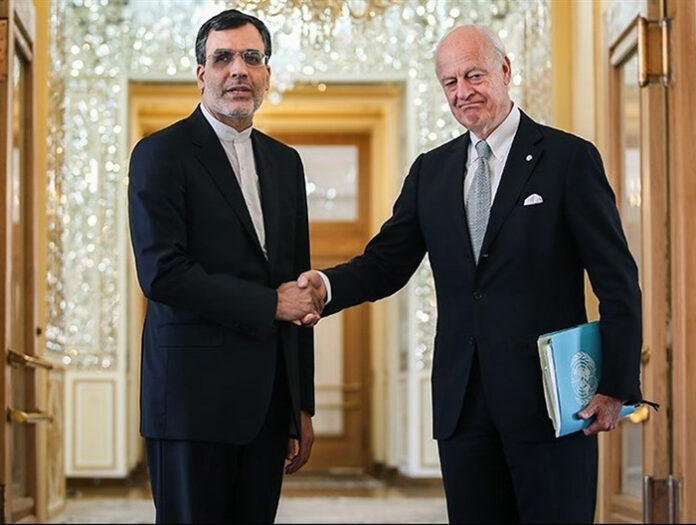
“The Islamic Republic of Iran will support any solution which is approved by the Syrian government, nation and political groups,” Iranian Deputy Foreign Minister for Arab and African Affairs Hossein Jaberi Ansari said in a meeting with United Nations Special Envoy for Syria Staffan de Mistura in Tehran on Sunday.

He emphasized that Tehran will continue with its support for a political solution to the Syrian conflict.

Highlighting the complexity of the conflict in Syria, the Iranian diplomat said some key players in the crisis have shifted their policies in order to realize through diplomatic means the objectives that they had failed to achieve militarily.

Jaberi Ansari pointed out, “The Islamic Republic of Iran’s strategy since the onset of the crisis in Syria up to the present time has been to underscore a political solution as the main strategy to end the crisis in Syria.”

The Iranian deputy foreign minister noted that attending to the realities on the ground in Syria will be the most important step toward the success of a political solution to the conflict in the Arab state.

Jaberi Ansari and de Mistura called for the continuation of bilateral consultation in a bid to help settle the Syrian crisis through political approaches.

The UN envoy for Syria arrived in Tehran on Sunday to hold talks with senior Iranian officials ahead of the resumption of the peace talks on the conflict in the Arab country.

Speaking at a news conference in Berlin on July 22, the UN official said there was determination to find a proper date for the resumption of the Syria peace talks.

“We are determined to actually look for a proper date in August for re-launching the intra-Syrian talks in Geneva,” de Mistura said.

He expressed optimism that the results of talks between the US and Russia can be helpful in resolving the crisis in Syria, saying the two sides have agreed to take some “concrete steps” to restore peace to the Arab country.

The US and Russia are still divided over the future of Syrian President Bashar al-Assad. Washington insists that Assad must step down before any peace process can yield results, but Russia opposes the idea, arguing that the Syrian president is defending his country against terrorists.

Syria has been gripped by foreign-backed militancy since March 2011. The UN special envoy for Syria estimates that over 400,000 people have been killed in the conflict.

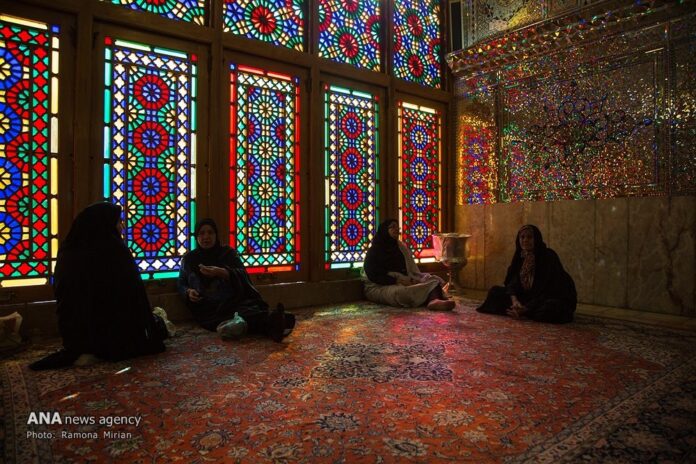
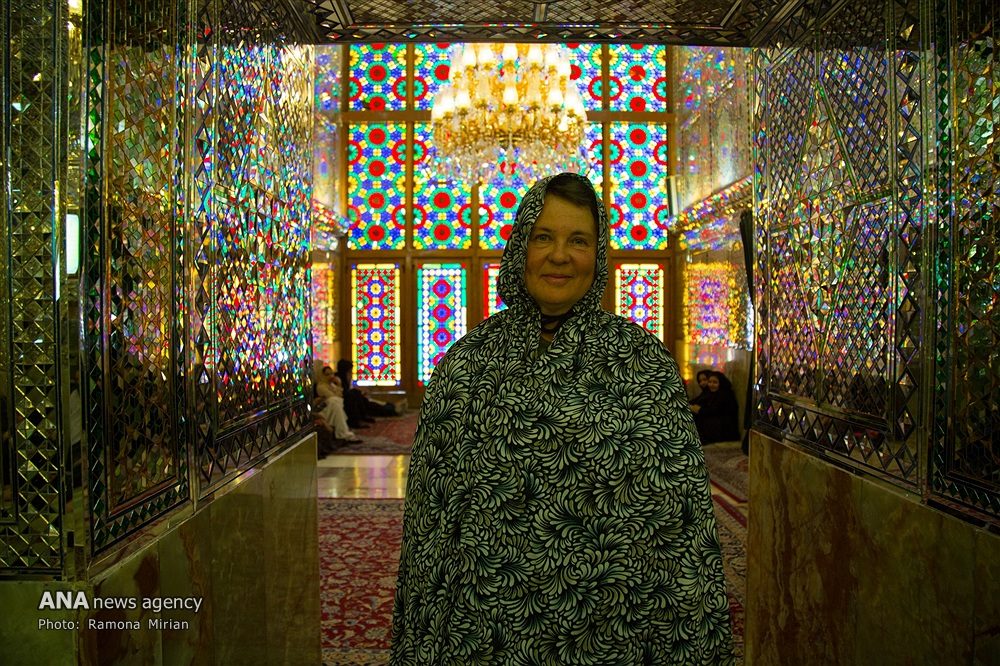
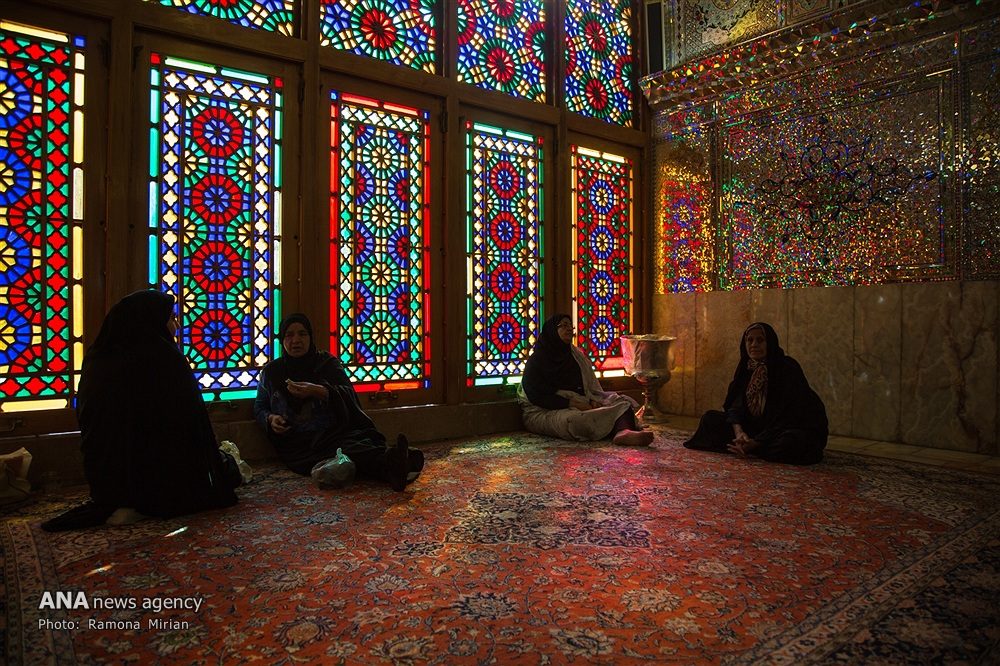
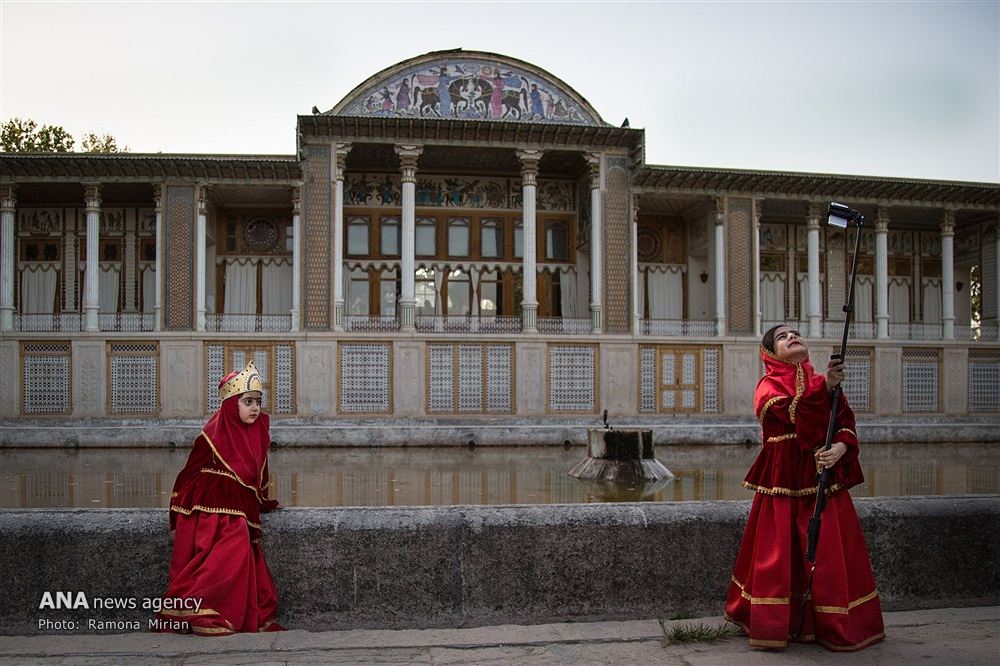
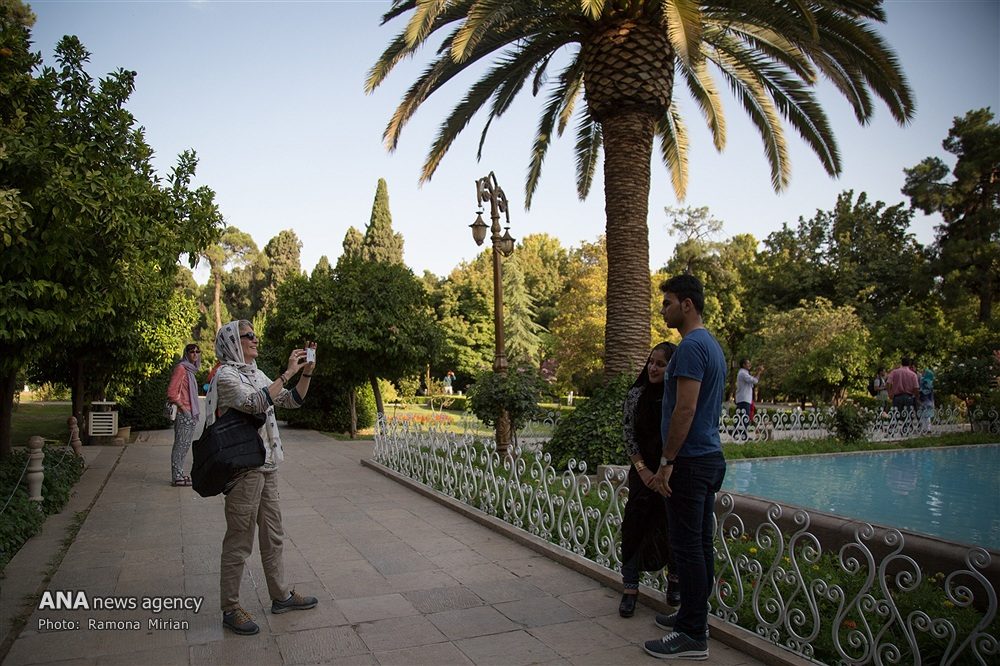
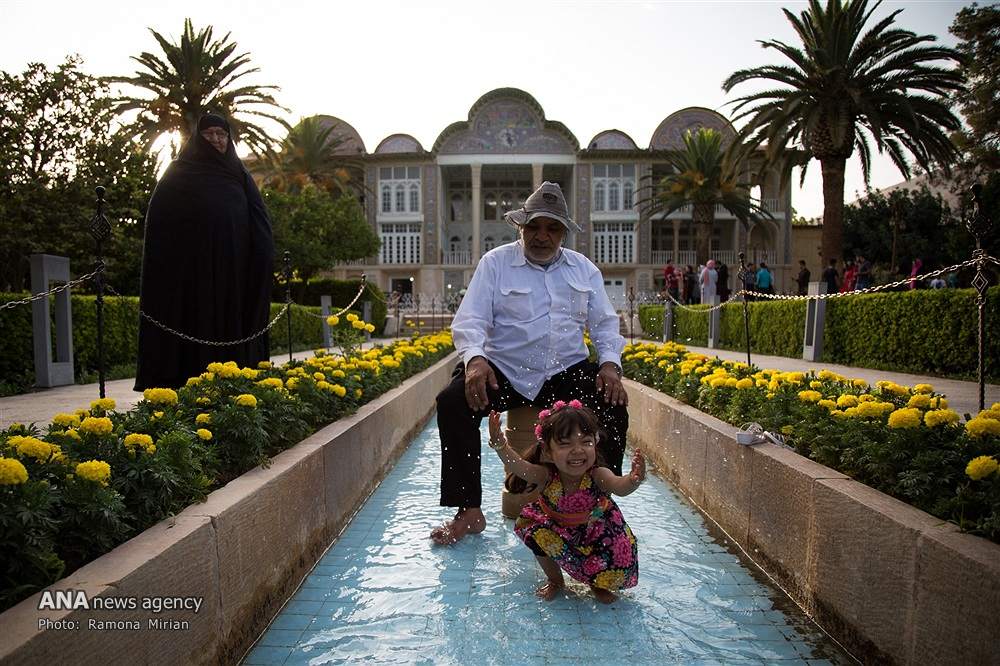
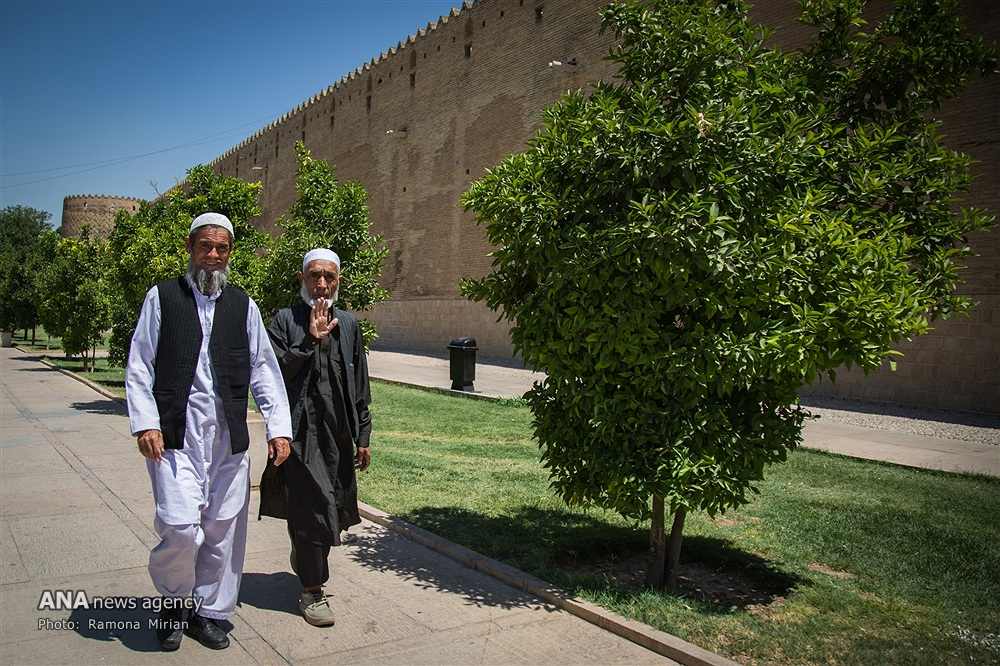
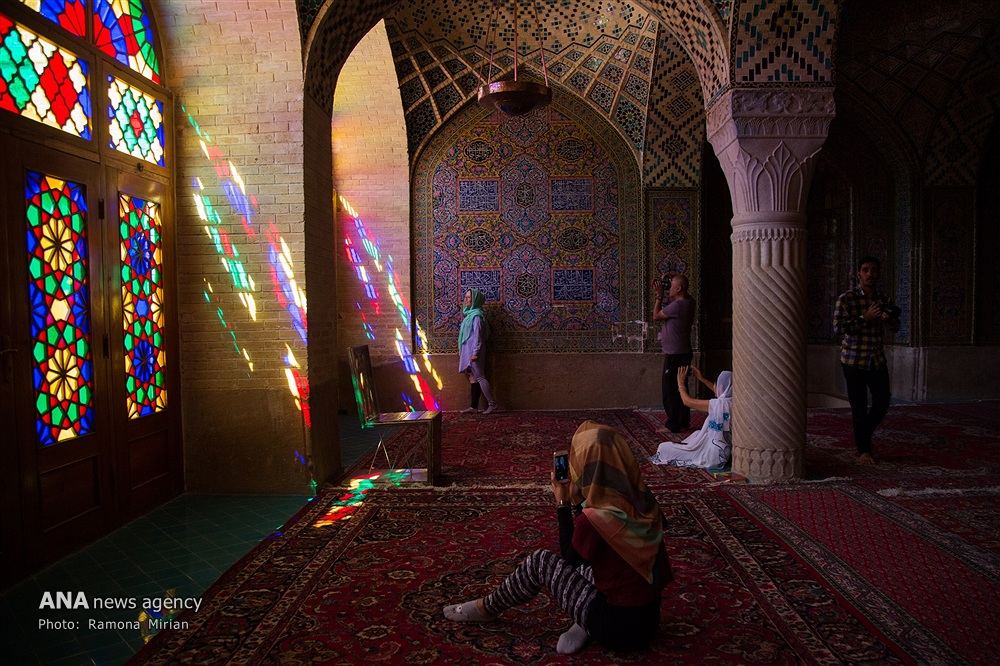
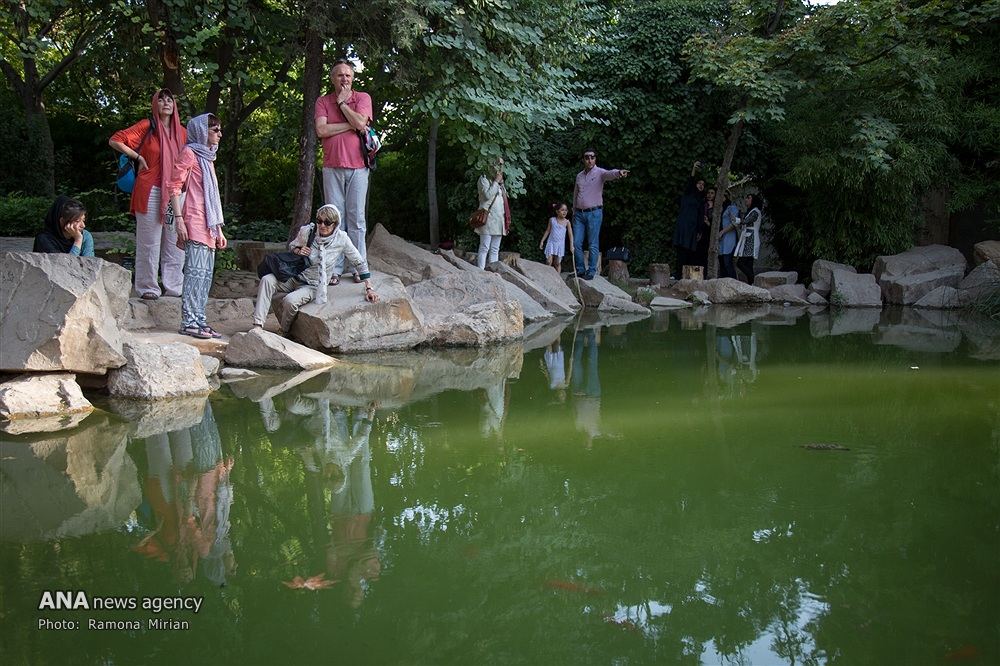
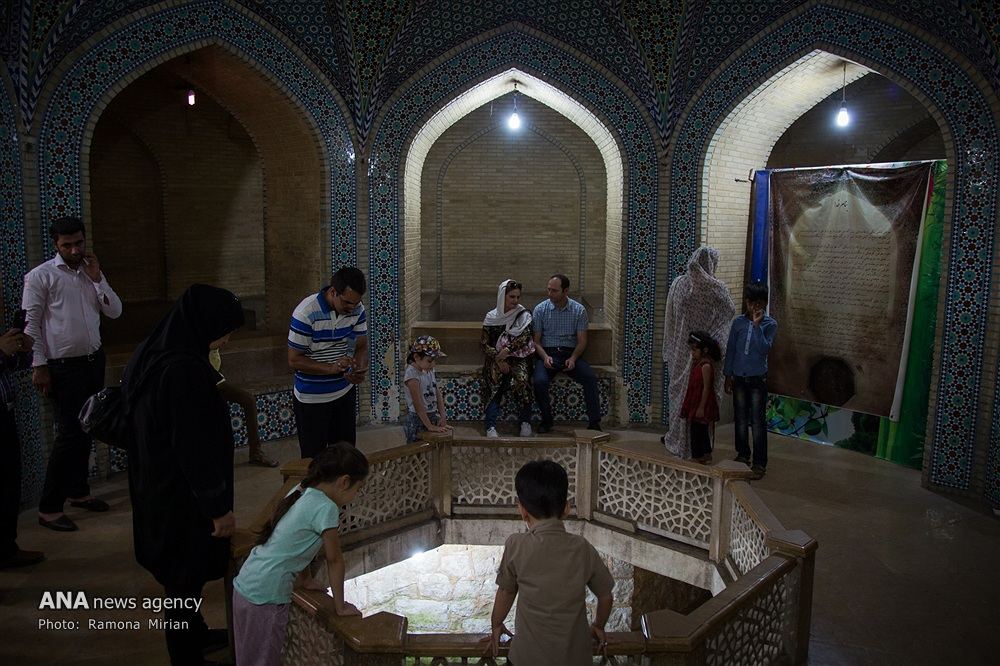
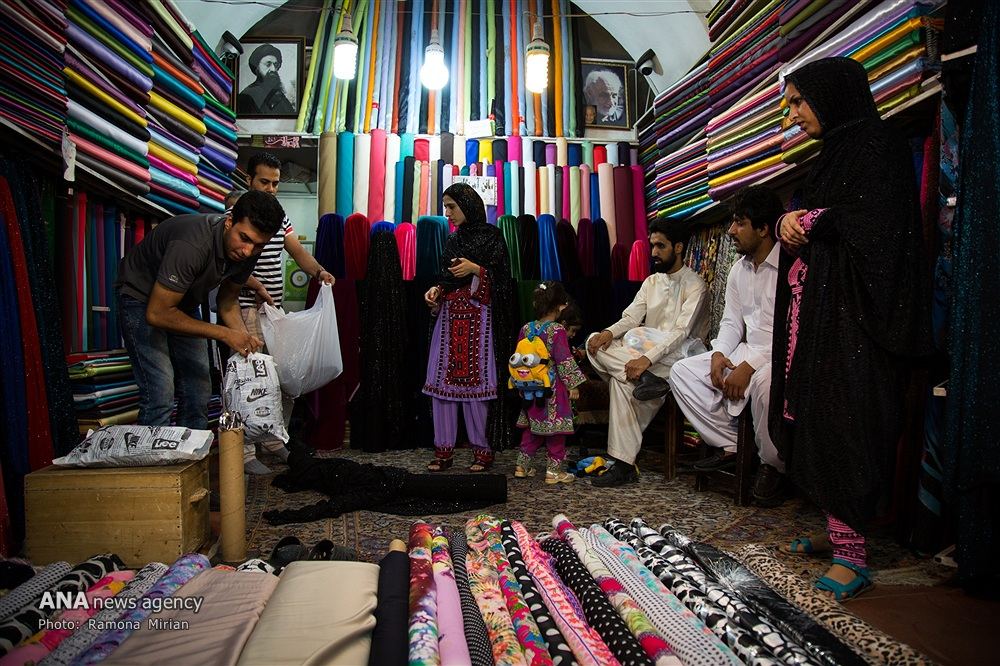
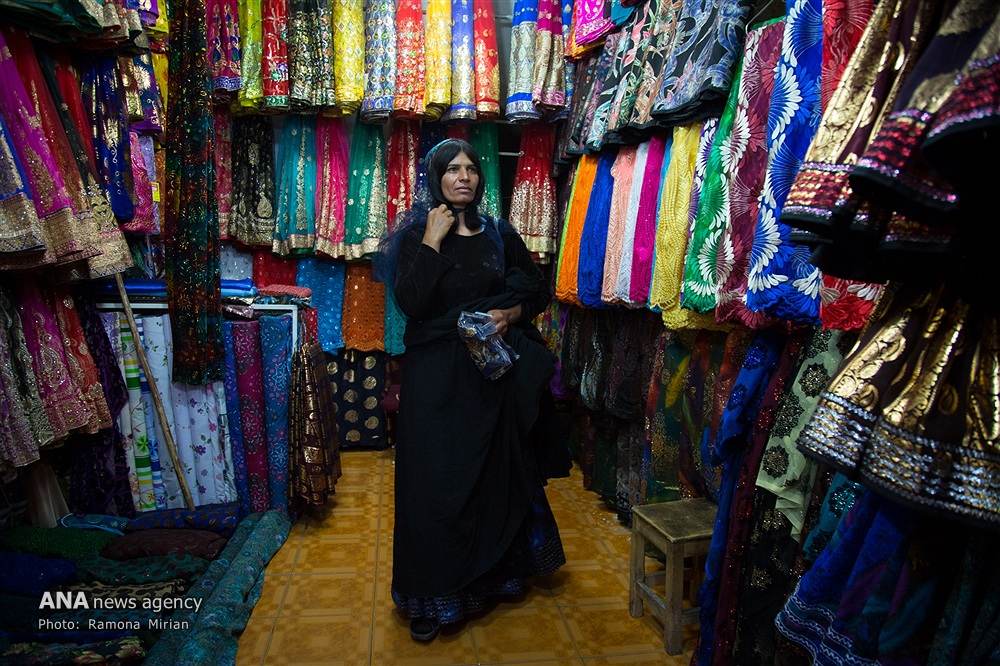
Tourists Visiting Shiraz in Spite of Summer Heat

Shiraz

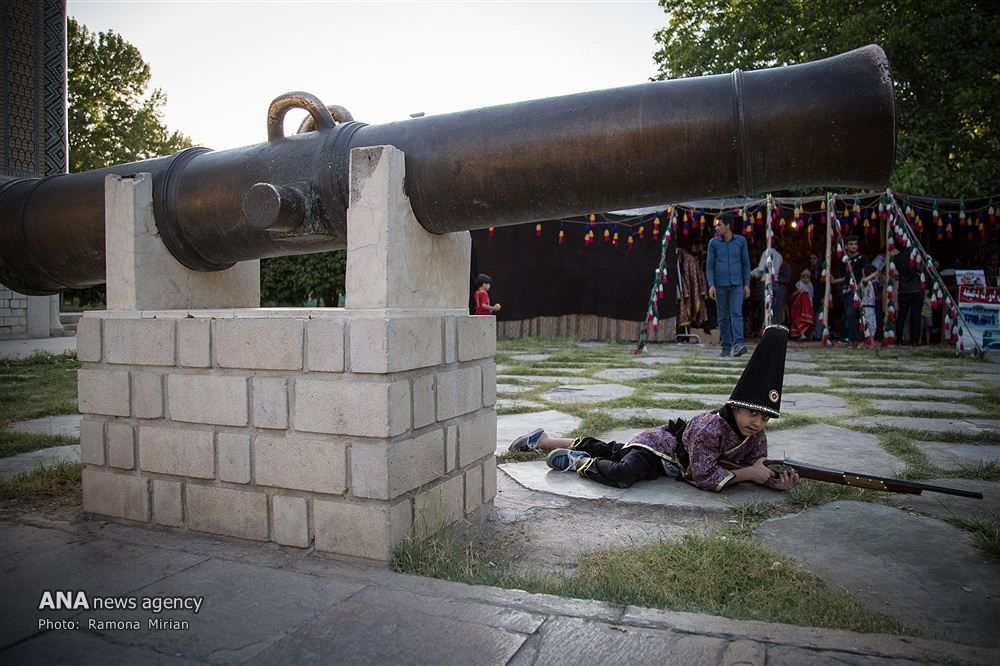
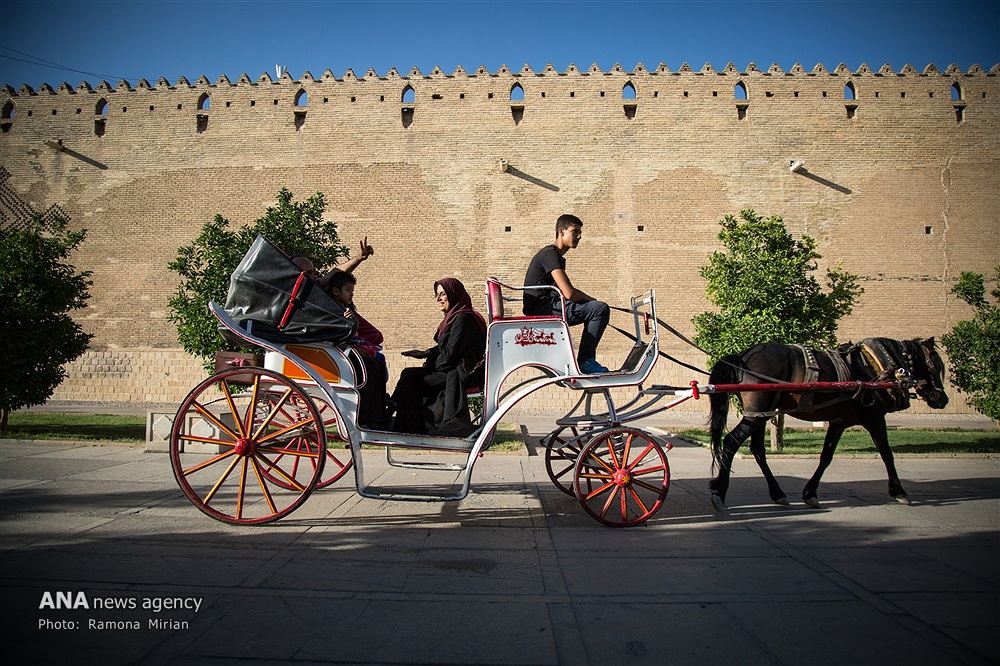
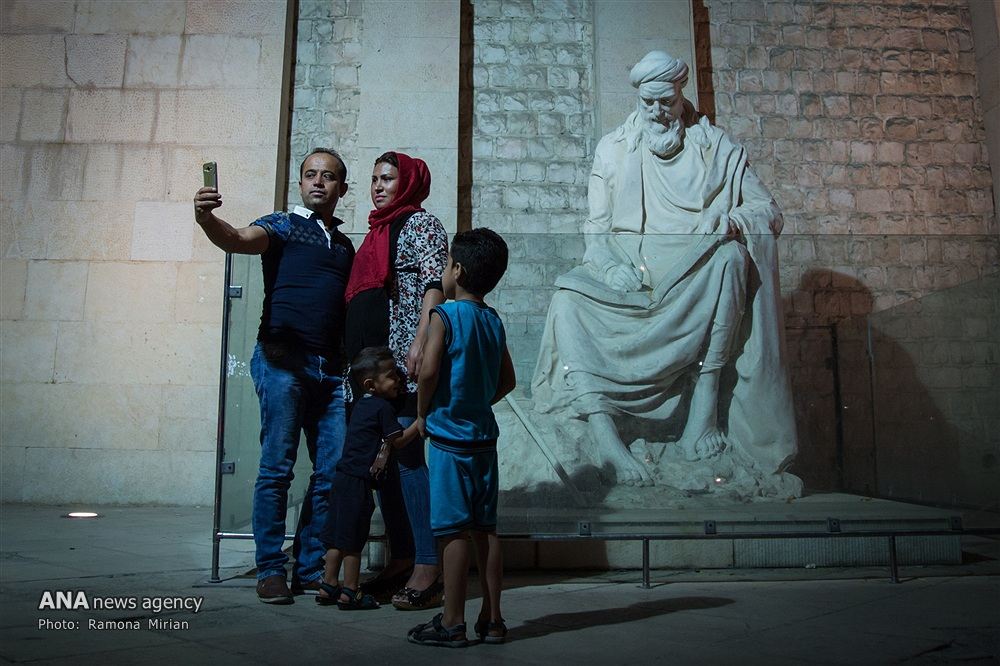
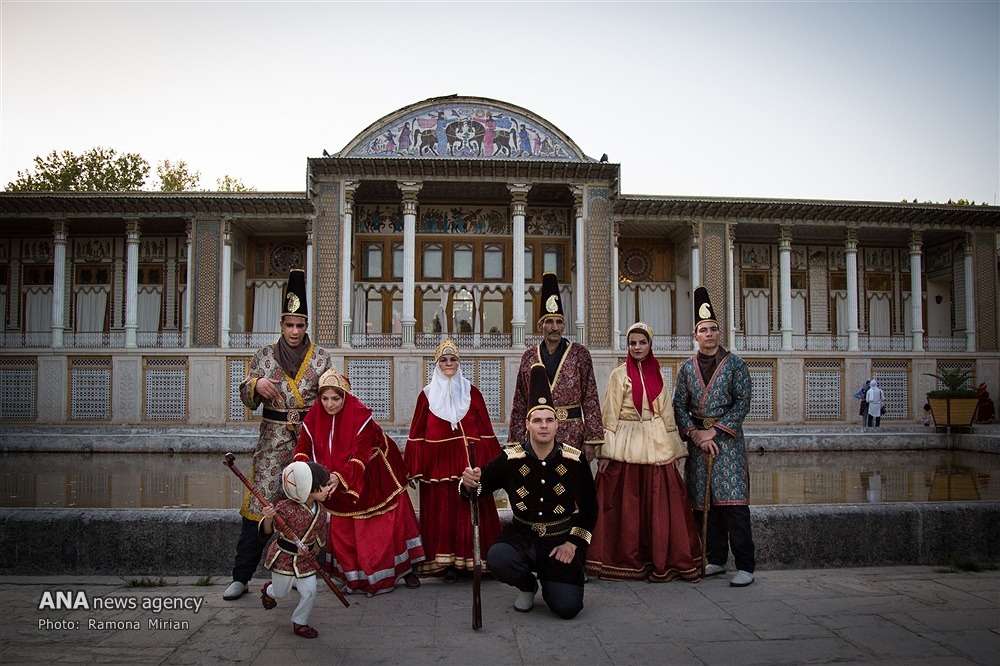
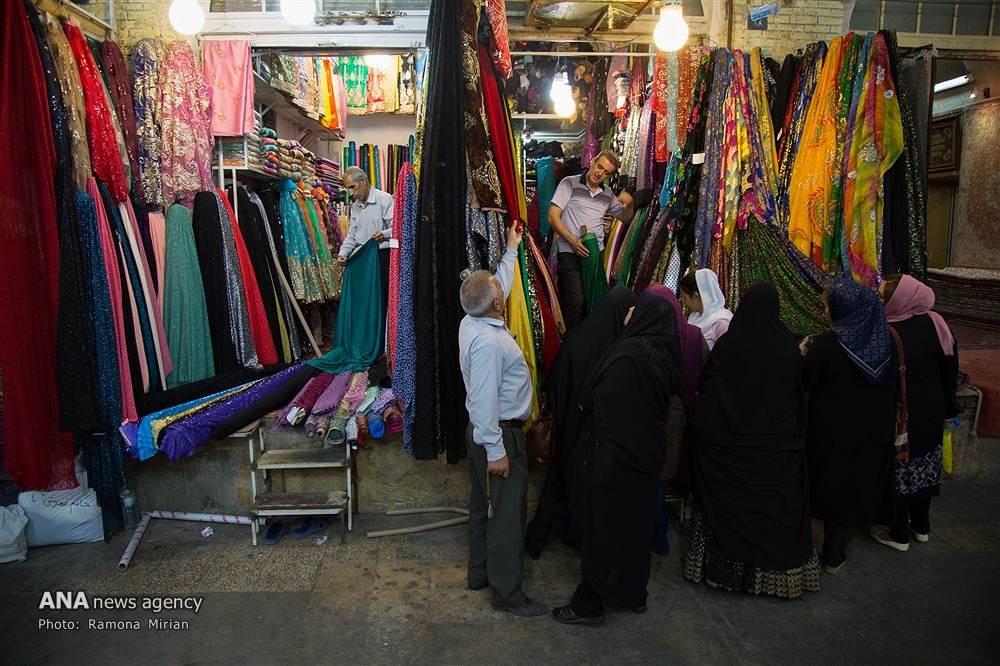
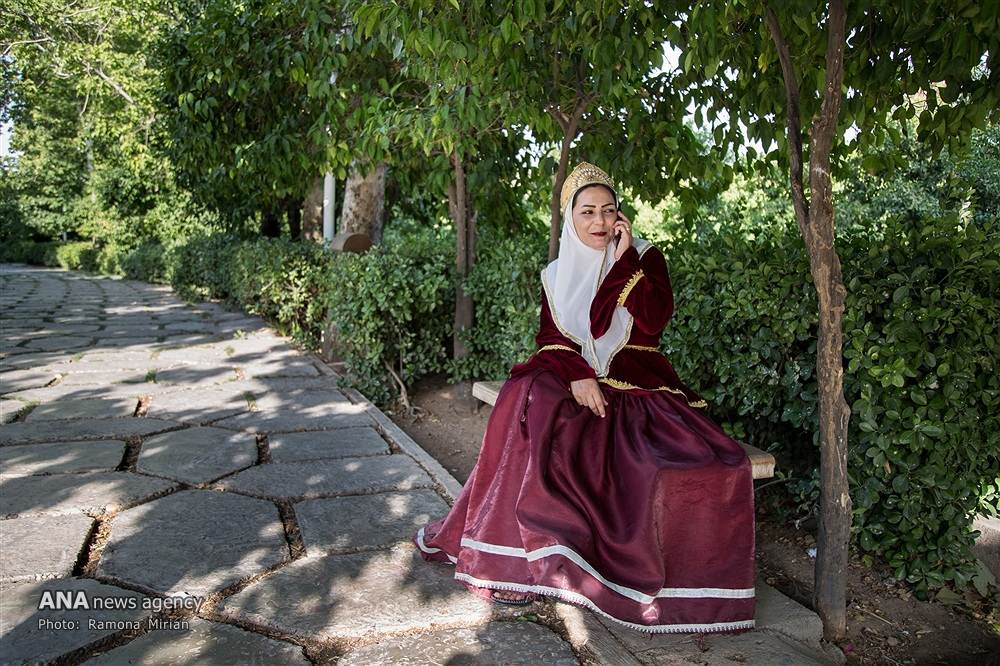
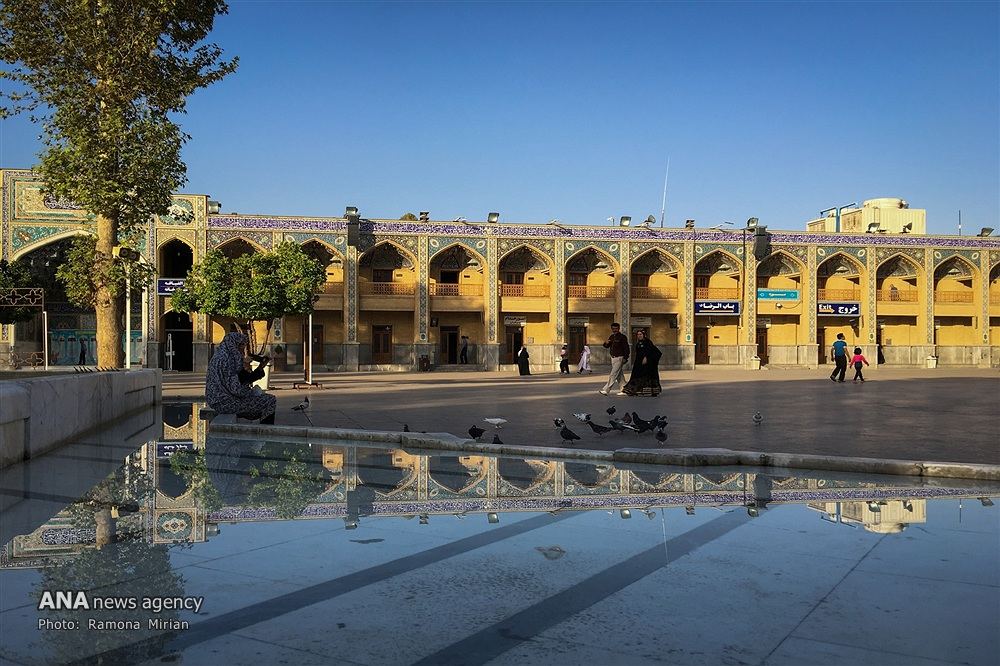
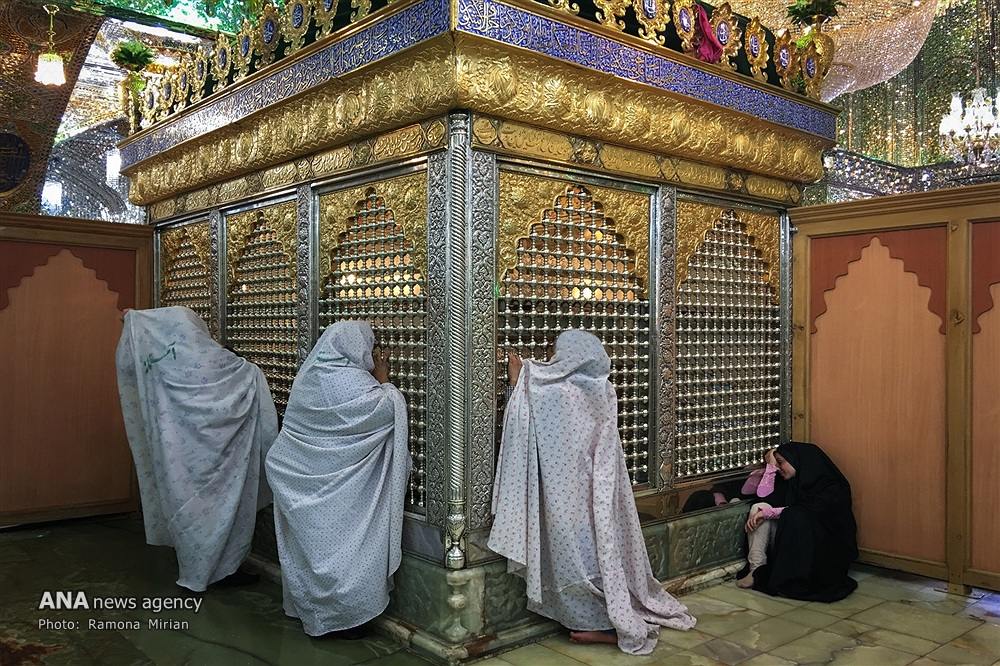
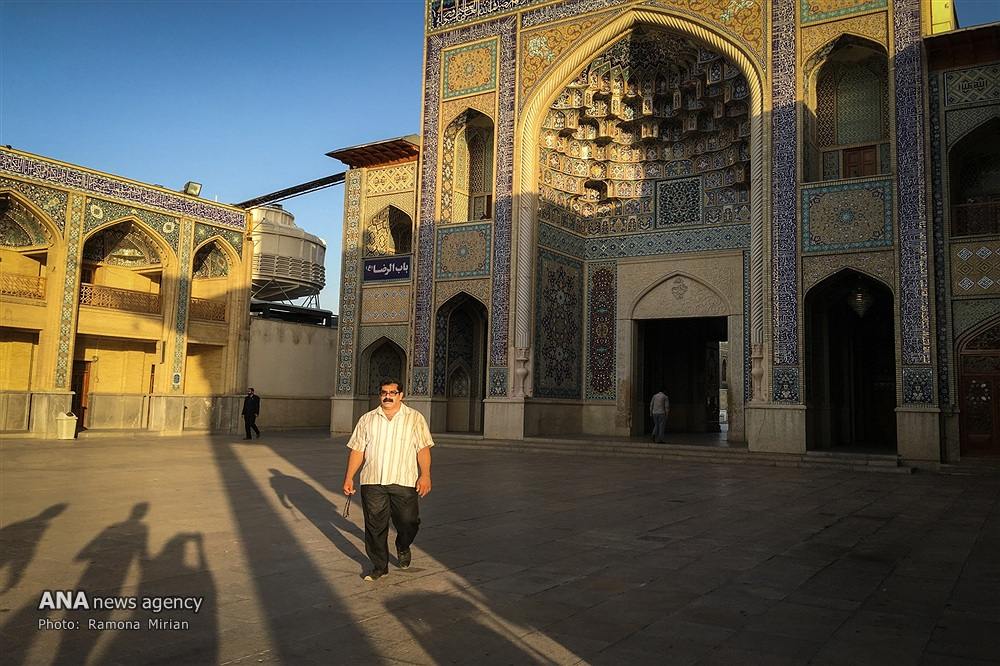
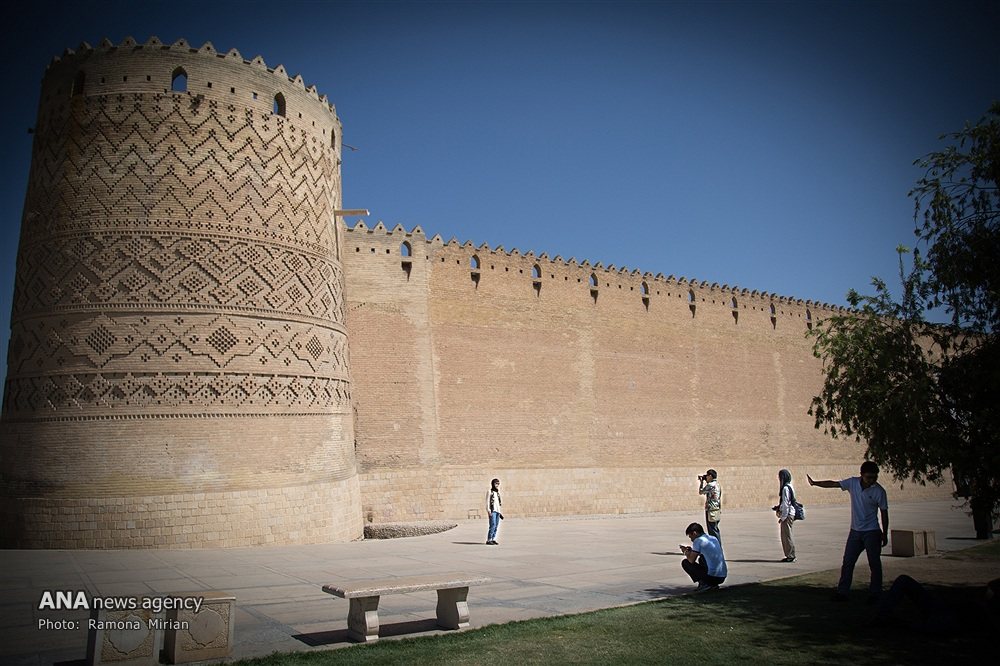
Shiraz, one of the most famous tourist destinations in Iran, is well-known for its beautiful gardens and the great poets whose mausoleums are located in the city. It also hosts historical monuments, castles, bazaars, mosques, and old houses.

Here are ANA’s photos of the beautiful Shiraz:


20-Fold Development of Iran’s Nanotech Economy in 4 Years: VP

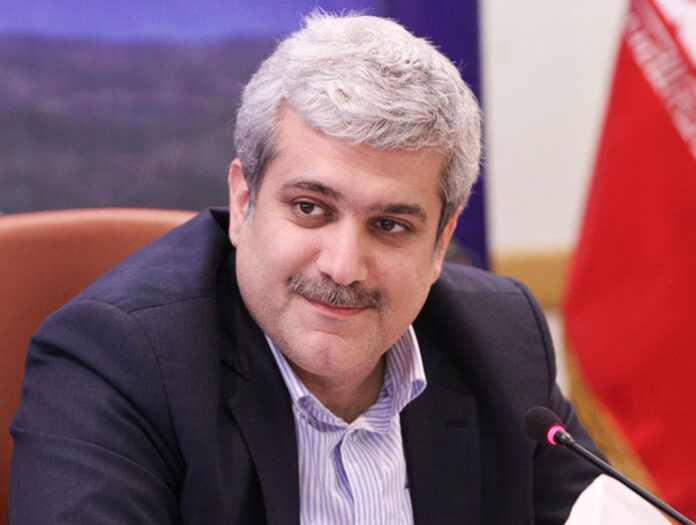
Sorena Sattari said on Sunday, July 31, that in the past four years, despite the difficult economic conditions, Iran has had an average annual growth of over 120% in the field of nanotechnology.

He added that the volume of sold nanotechnology products by Iranian companies has increased from nearly $5.4m in 2011 to over $100m in 2015, as reported by Mehr and edited by IFP.

According to Sattari, the volume of nanotechnology economy can be defined as the total value of Iran’s nano production. The main component of nanoproducts should be resulted from a nano material or be made through a nano process.

Every year, the INIC assesses the country’s nanotechnology economy with accurate precision, using the sales reports of nanotechnology companies, he said.

Sattari went on to say that 35 per cent of the total nano production market in Iran in 2015 was allocated to exports and the remaining 65 per cent was consumed by domestic market.

“The volume of Iran’s nano product exports reached $4.31m in 2015, which is a remarkable figure for such a new area of technology,” he said.

Textiles industry, polymers and composites, health and medicine, construction, and power plant industries are among the most important industrial areas for nanotechnology, which includes over 330 technological products from 157 companies, Sattari added.

According to him, 15 knowledge-based companies have so far exported their products to over 20 countries including Iraq, Uzbekistan, Turkmenistan, Afghanistan, Russia, and South Korea.

Iran’s Advancements in Robotics

Iranian robot

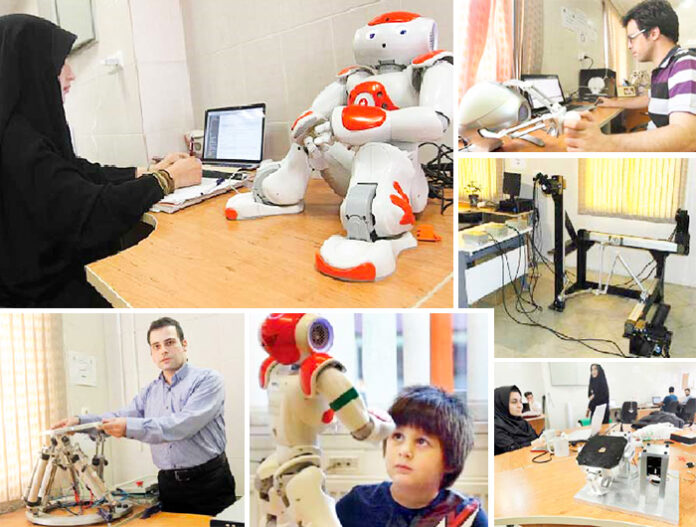
Masouleh, who heads a team of 20 students majoring in mechanical and electrical engineering, has explained about each of the robots developed in Human-Robot Interaction Laboratory (HRILAB).

Here is IFP’s translation of excerpts from Jame Jam’s report:

Delta; Four-Armed Robots

“Four Degrees of Freedom” is a type of parallel robot, named Delta, which can move forward, backward and downward without any help. Thanks to its four agile arms, the robot is able to spin and do all the activities such as packaging in high speed.

The name, “Four Degrees of Freedom”, actually comes from the fact that it can move in four directions.

When asked about the meaning of Human-Robot interaction, Masouleh explained, “Here, we are trying to build robots that can acquire the knowledge of doing things from humans.”

“This is how it works,” he added, “A human takes the arms of the robot with his or her hands and guide it towards carrying out a special task for the first time.”

“When a novice robot wants to learn doing a new task, it gains the capability through interaction with humans, and then performs it automatically.”

This will lift the burden of writing mathematical equations and all the complexities at every level.


Experience of Flying with Guff-Stewart Robot

There is no doubt that all of us have a strong willingness to experience flying in the sky and steering an airplane. “Six Degrees of Freedom Pneumatic” robot realizes the dream.

“It is a flight simulator that provides student pilots with an opportunity to learn flying a plane,” Masouleh said.

He went on to say that not many engineers work on these parallel robots because controlling the air pressure in them is not an easy job and requires precise calculations.

“Guff-Stewart robot is controlled by special software and unlike the Delta robot, it does not have a close interaction with humans,” he went on to say.


Dental Robot

Falcon is a parallel type, dental robot that provides the opportunity for dental students to participate in a practical program with realistic training courses.

“This is actually good news for those students who are scared of being trained on the teeth of a dead body.”


Robot that Helps Autistic Children

Autism is a serious developmental disorder that impairs the ability to communicate and interact.

As individual and social problems are interwoven with the disorder, scientists from different countries have come to the conclusion that treating autism patients is more practical by using robots.

Scientists in the HRILAB have bought a robot called NAO from France, in an effort to change the angles of the patients’ look and the position of their heads.

“Our goal was to cultivate a relation between an autistic child and the environment,” Masouleh noted.

One of the scientists in the lab described their work as distinctive, saying, “Different countries have worked on the movements of these children’s hands and feet; however, no one has ever embarked on an autism treatment method as we do here.”


Photographer Robot

“A robot looking like a big eye caught our attention at the corner of the laboratory,” Jame Jam further reported.

The robot is equipped with image stabilization technology, and thus reduces the likelihood of taking blurry photos by moving the camera lens automatically to compensate for camera’s unwanted movements.

“It is installed under helicopters, for example, and shoots clear images,” Masouleh went on to say.

“It can also pursue a specific object on the user’s call. Hava Naja (Iranian Police Aviation Unit) commissioned us to design the robot.”


Robots Handle Dangerous Chemicals

The robot “Three Degrees of Transitional Freedom”, which is named after its Canadian counterpart, is the second robot of its type in the world that handles dangerous and hazardous chemicals in high-risk, industrial environments.

Extensive studies have been conducted in the HRILAB to upgrade the robot, so that it can make 3D prints with high precision and speed, Masouleh noted.


Humans-Robots Interaction Lab was established four years ago. If you are a fan of robotics, feel free to visit the Lab’s website (http://fnst.ut.ac.ir/hor-lab) and enjoy a free tour of the Lab’s equipment and robots.

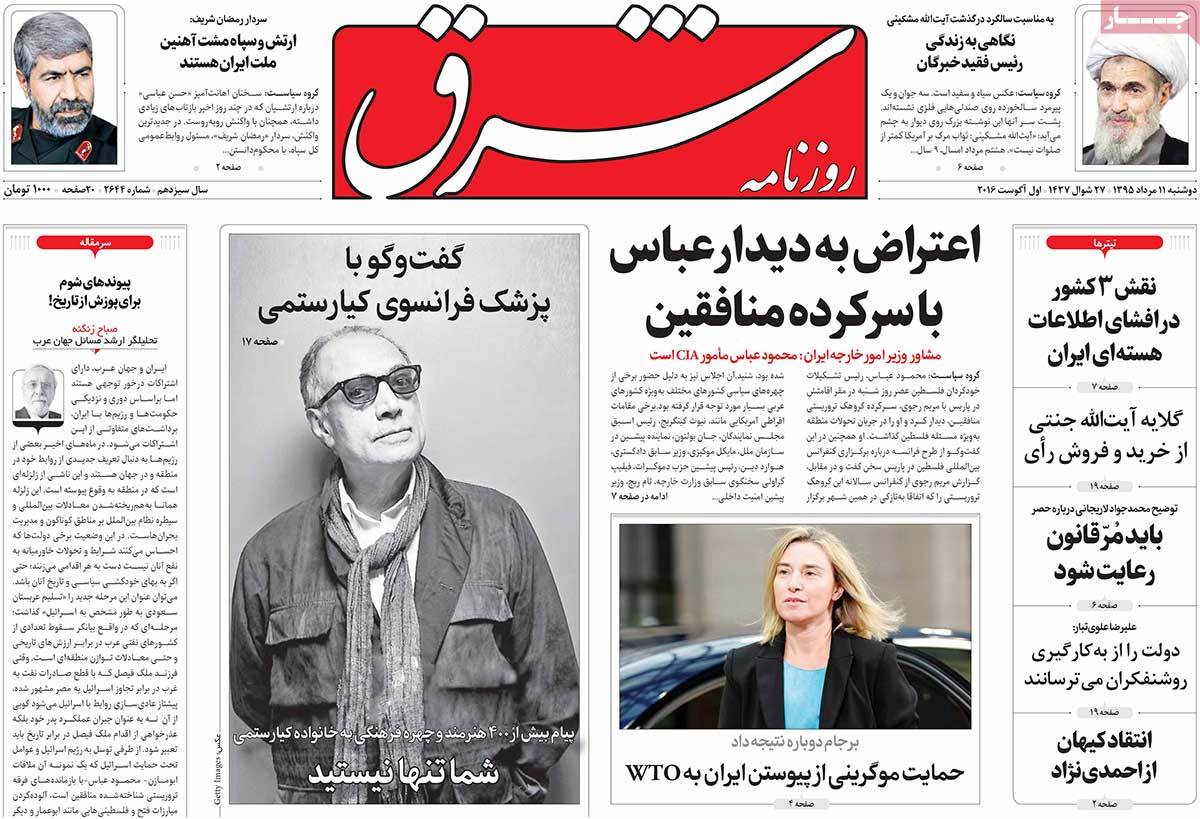
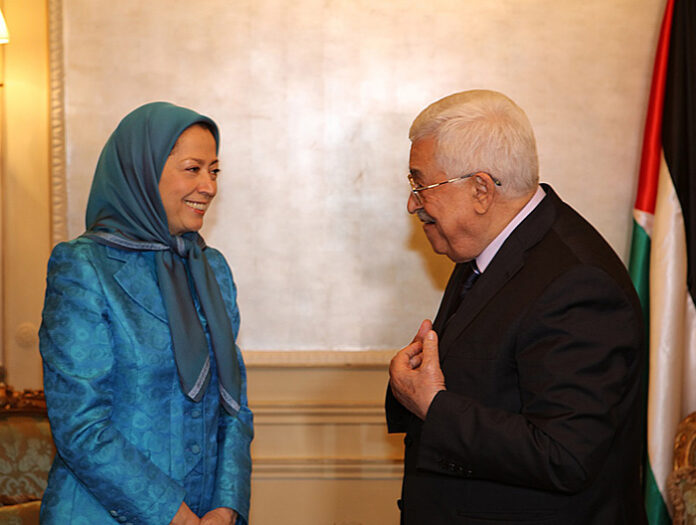
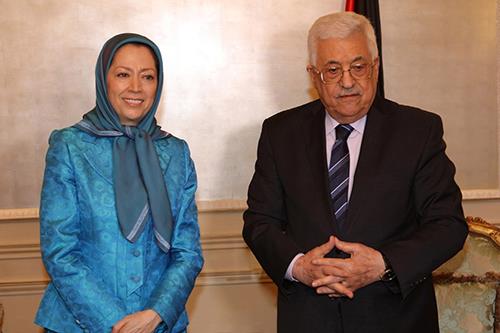
PA President Mahmoud Abbas Is a CIA Agent: Iranian Advisor

Maryam Rajavi

On Saturday evening, July 30, Abbas reportedly met Rajavi, the head of Mujahedin-e Khalq Organization (MKO), in the French capital of Paris.
In reaction, Hossein Sheikholeslam, an advisor to FM Mohammad Javad Zarif, described Abbas as member of a Palestinian front that has compromised with Israel under the US pressure.
It was not surprising to see such a figure standing against the Resistance Front and meeting with terrorist elements, he went on to say, as reported by Mizan and translated by IFP.
“The previous records of Abbas and the approaches he has adopted clearly prove that he is a US hireling. The documents of his cooperation with the US were discovered in the Spy Nest [the US embassy in Tehran], and it was made clear that he was an agent of US Central Intelligence Agency [CIA],” Sheikholeslam said.

Therefore, he added, his meeting with Maryam Rajavi, the chief of MKO terrorist group, was not unexpected.
“It should be clear for the people that Mahmoud Abbas has had secret ties with terrorist groups and Israelis, and now these relations are being disclosed.”
“There is no doubt that the submissive personality of Abbas – which causes him to easily give in to the West and Israel – has taken him to the meeting; therefore, the movement that supports him, and he himself, will suffer great losses after the recent move,” Seikholeslam noted.
“Given the unstable and weak personality of Abbas, the Islamic Republic of Iran should not take any serious move in this regard,” he noted.


Maryam Rajavi
At the meeting, Abbas and Rajavi have reportedly discussed the crises in the region. Abbas reiterated the need to combat fundamentalism and terrorism in the region and informed Rajavi of the latest developments in the Middle East, in particular with regard to Palestine and France’s initiative.
Rajavi also expressed gratitude for the solidarity of the Palestinian Resistance and its leader with Iranian people. She congratulated the Palestinian government on its victories and expressed hope that the goal of the Palestinian people would be achieved.
The MKO leader also claimed that Iran is the main instigator of sectarian discord, fundamentalism and terrorism in the entire region, in particular in Iraq, Syria, Lebanon, Yemen and Palestine.

Iran’s President Congratulates Morocco on National Day

President Hassan Rouhani

In a message to King Mohammed VI of Morocco on Saturday, President Rouhani congratulated him on the anniversary of his accession to the throne, known as Throne Day.

The president further expressed the hope that through all-out efforts by the two countries’ officials, bilateral ties between Iran and Morocco would expand in all areas.

Rouhani also wished health for the Moroccan King and prosperity for the people of the country.

King Mohammed VI took the throne on July 30, 1999, after the death of his father, King Hassan II, on July 23.

Turkish Envoy Lauds Iran’s Stance on Attempted Coup

Reza Hakan Tekin

Reza Hakan Tekin said in a recent interview with Tasnim that Ankara is pleased with Iran’s official stance in the early hours of the coup.

“Iranian officials, including the president and parliament speaker as well as the Iranian nation stood by the Turkish government and nation (during the coup),” he noted.

Referring to a recent telephone conversation between Iranian President Hassan Rouhani and his Turkish counterpart Recep Tayyib Erdogan over the coup, Hakan Tekin said Rouhani told Erdogan that he had stayed awake all night closely following the developments in Turkey.

He added that he did not think that any other government acted that way.

Since the outset of a coup attempt by a group of military forces in Turkey in the early hours of July 16, Iran voiced its backing for the government of President Erdogan and dismissed any military approach to settling conflicts.

The botched putsch began late on July 15, when a faction of the Turkish military blocked Istanbul’s iconic Bosphorus Bridge and strafed the headquarters of the Turkish intelligence agency and parliament in the capital.

Tanks, helicopters and soldiers clashed with police and people on the streets of the two main cities.

The Turkish president rushed back to Istanbul from a Mediterranean holiday and called on people to defy the coup plotters’ orders of a curfew and stage a rally in support of his government.

More than 300 people were killed from both sides before the coup was officially declared as a failure.

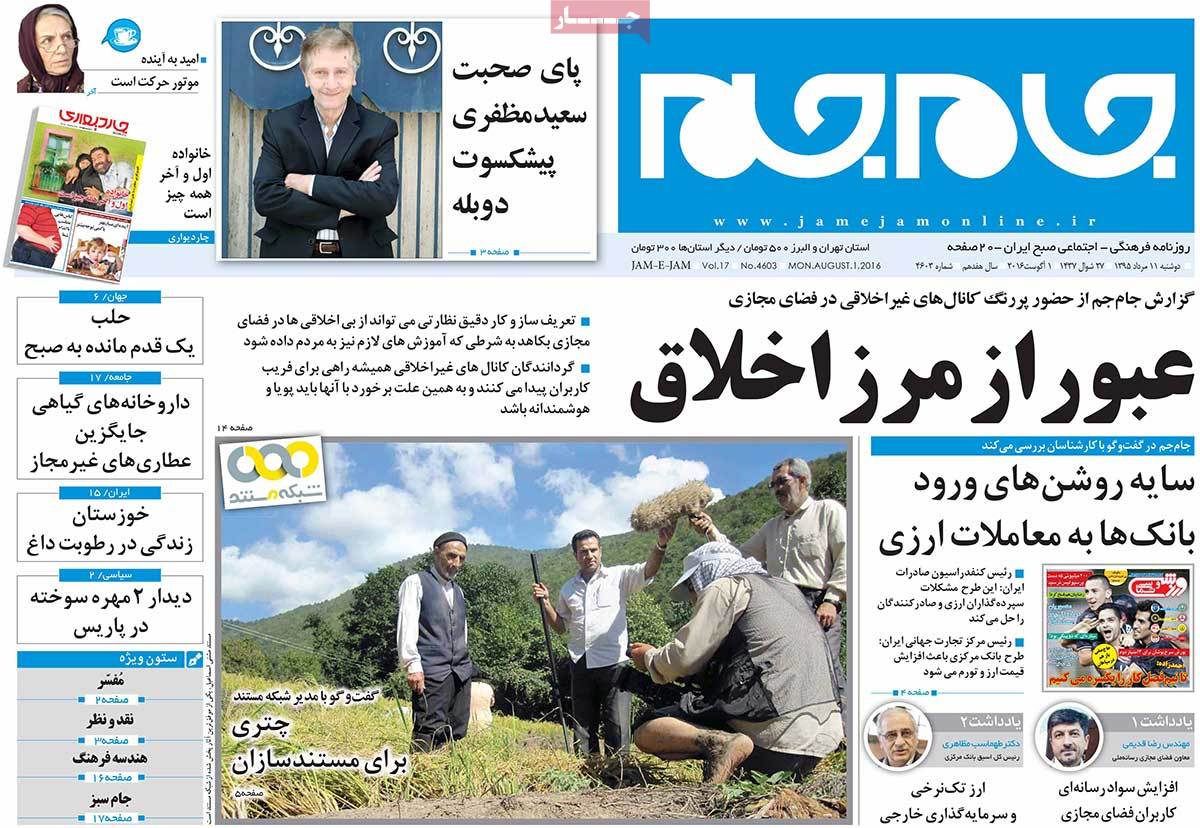
Blocking Internet Abusers; a Fist against Swearwords

Troll in the internet

These days, even those taxi drivers who have the “drive between the lines” sticker on their cars do not observe it.

Therefore, you cannot correct a wrongdoer in the cyberspace by simply blocking them. The people who lavishly use swear words on the Internet are required to learn the culture of using the Internet by taking some social and cultural psychology courses.

Here is IFP’s translation of a report published by Aftab-e Yazd newspaper about a recent campaign for blocking impolite internet users.

The use of swearwords in the Internet has a long history, and is as old as social networking websites.  Bozorgmehr Hosseinpour, a cartoonist and journalist, has run a campaign calling on internet users to block those who make net surfing an undesirable experience.


Block’em All

Hosseinpour released a statement in his Instagram page, and said, “I want to run a blocking campaign with your help. If you are on a page, skim the comments and block the users who have used swearwords in their comments. No matter whom they are insulting: whether it is you, Lionel Messi, Mahnaz Afshar [famous Iranian actress] or Cyrus the Great, or even their own fathers! We block them because they use expletives and coarse language.”

bozorgmehrIn his statement, he asked his followers to invite at least five of their friends to join the campaign and added, “We can constrain the scope of their life and activities on the Internet; so I ask my friends to take this seriously.”

Ali Karimi, who is now a retired football player, announced on his Instagram that he has joined the campaign and raised heated discussion among the opponents and proponents of the spontaneous social movement.


Blocking Will Prove Fruitless

Houri Dehqanshad, a professor of communication studies, believes that blocking these people is not productive.

“By blocking an internet abuser, you’ll only exclude him from your life; however, this person can simply build a brand new Instagram account and start pestering anew,” she explained.

Dehqanshad referred to the campaign as a transient social movement and said, “The movement will die out sooner or later and the culture of bad words on the Internet will survive. Internet users should develop the culture of cyberspace and learn that they do not have to resort to expletives for showing their disagreement.”

She also underlined the necessity for holding social and cultural psychology classes for ill-mannered internet users.