Monday, December 22, 2025
Home Blog Page 4263

Saudi Killing of Yemeni People Worst Kind of Terrorism: Leader

leader

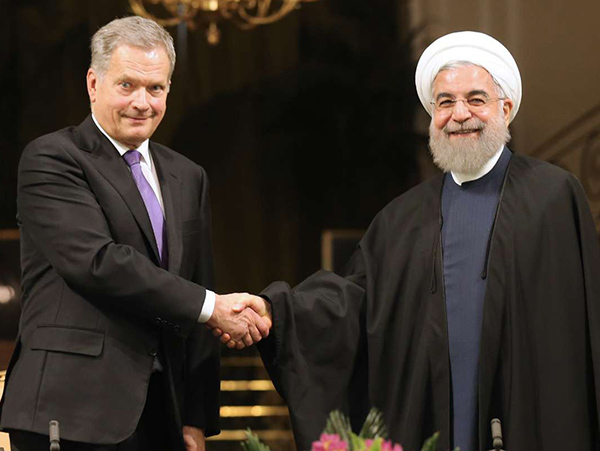
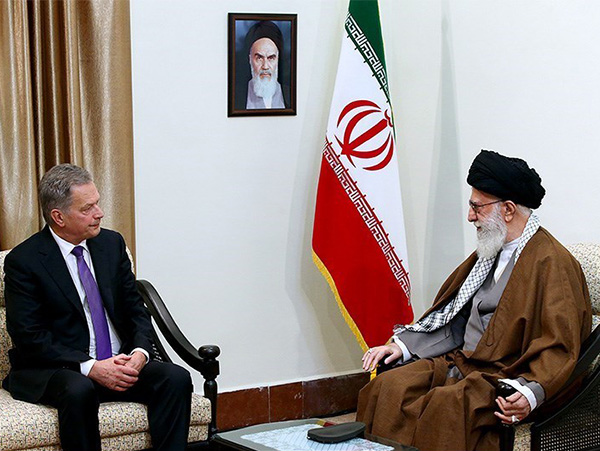
“Terrorism does not only refer to acts of unofficial groups but mass murdering of people by certain governments, including the (recent) Saudi attack on a funeral in Yemen that killed and injured hundreds, is also the worst kind of terrorism,” Ayatollah Khamenei said Wednesday in a meeting in Tehran with visiting Finnish President Sauli Vainamo Niinisto.

The October 8 Saudi airstrike on the funeral in Sana’a, which killed more than 140 people and was condemned by Human Rights Watch as an “apparent war crime”, was one of the deadliest since the Saudi-led coalition launched an air campaign against Yemen in March 2015.

The Leader deplored lack of serious resolve in the world to tackle this type of terrorism in Yemen over one and a half years after the start of the Saudi-led aggression on the Arabian Peninsula country.

“Countering terrorism requires serious determination by all of those who have influence on international powers,” Ayatollah Khamenei said.

The Leader also reiterated that the US and some other governments are not serious in the fight against the inauspicious phenomenon.

“These governments calculate all issues based on their interests and are not after rooting out the disease of terrorism either in Iraq or in Syria.”

Ayatollah Khamenei described Iran’s stance on resolution of the Syrian crisis as reasonable and based on supporting the nation and legitimate government of the Arab country, slamming the insistence by the US and some other governments on changing government in Syria.

Saudi Killing of Yemeni People Worst Kind of Terrorism: Leader


Elsewhere, the Leader welcomed enhancement of ties between Tehran and Helsinki, stressing that the memoranda of understanding (MoUs) signed between the two sides should become operational.

During the meeting, which was also attended by Iranian President Hassan Rouhani, the Finnish president highlighted the Islamic Republic’s position in the region and its role in the fight against terrorism.

“Iran has done its utmost to root out terrorism and will surely continue to do so,” Niinisto said.

He also referred to his talks in Tehran as positive and underlined the determination of Finland’s traders to forge serious and effective cooperation with Iran.

Heading a political and business delegation, Niinisto arrived in Tehran on Tuesday.

The two sides signed four MoUs in Tehran on Wednesday to boost bilateral cooperation.
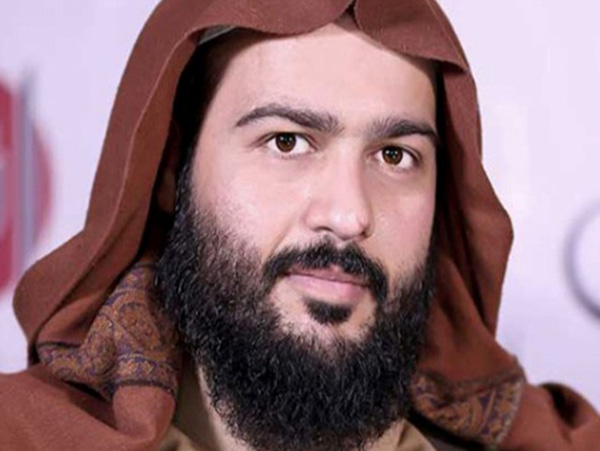
Wahhabi Cleric Claims to Be a Prophet!

Abdallah Muhammad al Muhaysini

According to a report by Al Alam News Network, as translated by IFP, Muhaysini said in a post on his Twitter account that he has received new revelations from God.

“One night, I saw in my dreams that I was holding the Holy Quran in a gathering with my friends. I was reciting the verses when a new verse was revealed to me. This verse was written on the last page of the holy book,” he said.

“My friends and I started crying after seeing the verse on the last page of the book. I underlined the verse …, but later on, after opening the book once again, we noticed that the line is not there anymore. It was removed.”

The claim sparked a controversy in social media, and the Wahhabi cleric was forced to remove his remarks and the verse from his Twitter account.

Some are saying that Muhaysini is a liar and some believe that he is claiming to be a prophet to justify his crimes in Syria.

Presidents Discuss Iran-Finland Railroad Link

Iran-Finland

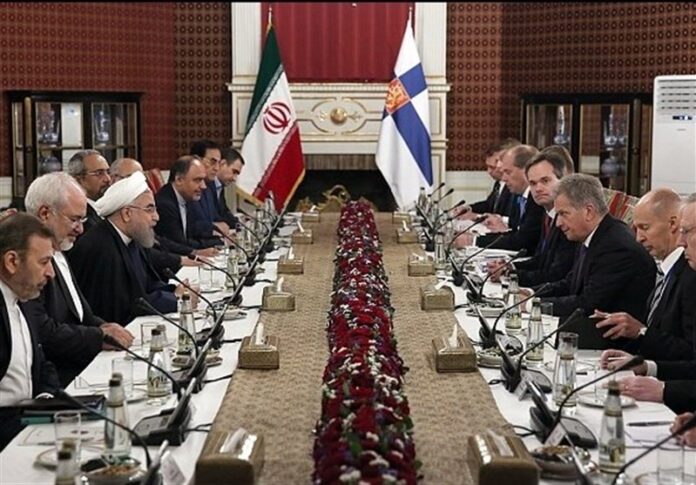
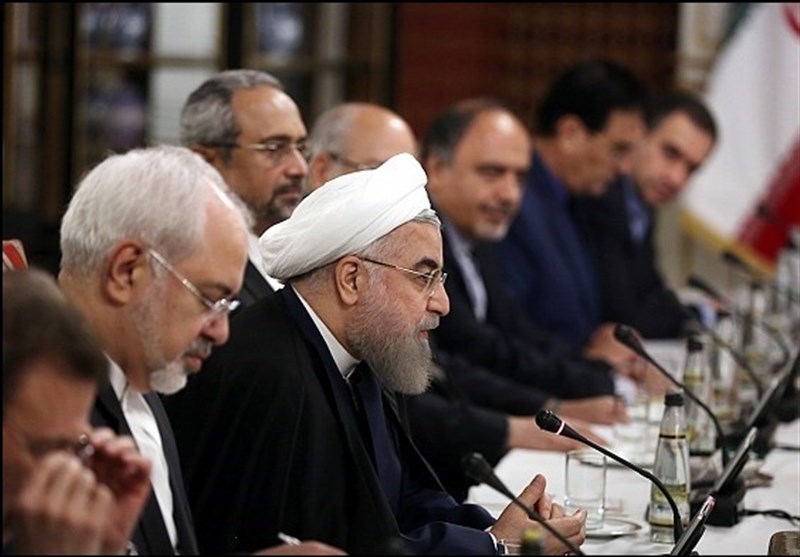
Speaking at a meeting of high-ranking officials from Iran and Finland, held in Tehran on Wednesday, Iranian President Hassan Rouhani said Iran can help Finland have access to the Persian Gulf by rail.

“Today, Iran’s railroad is connected to Russia via Turkmenistan and Kazakhstan, and we are trying to complete a connection through Baku as well,” the Iranian president said, adding, “We welcome the connection of that railroad to Helsinki, so that Finland would be also linked to the Persian Gulf, the Sea of Oman and the Indian Ocean.”

Presidents Discuss Iran-Finland Railroad Link

He further enumerated opportunities for mutual cooperation between Iran and Finland.

President Rouhani also highlighted the “big strides” Iran has taken to support displaced people in the region, saying Tehran is ready to share its experiences with Europe in this regard.

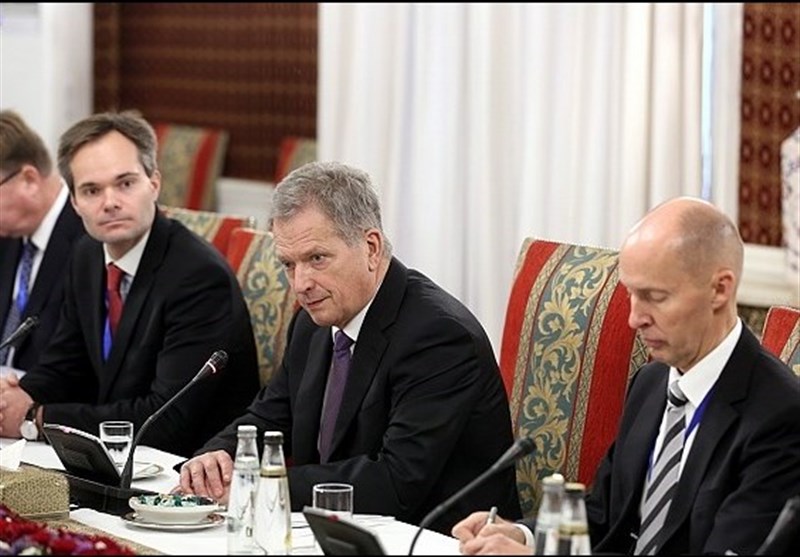
For his part, Finnish President Sauli Vainamo Niinisto urged cooperation to expand Tehran-Moscow railroad and link it to Helsinki, calling also for the operation of direct flights between Iran and Finland.

Voicing Europe’s deep concern about displacement of people in war-hit countries, like Syria and Yemen, he expressed willingness to tap into Iran’s experience of hosting 3 million Afghan refugees over the past years.

Presidents Discuss Iran-Finland Railroad Link

Following the meeting of the high-ranking officials, the two countries signed four memorandums of understanding (MoUs) for cooperation in the energy industry, technology and communication, management of forest resources, and investment.

Heading a political and business delegation, the Finnish president arrived in Tehran on Tuesday.

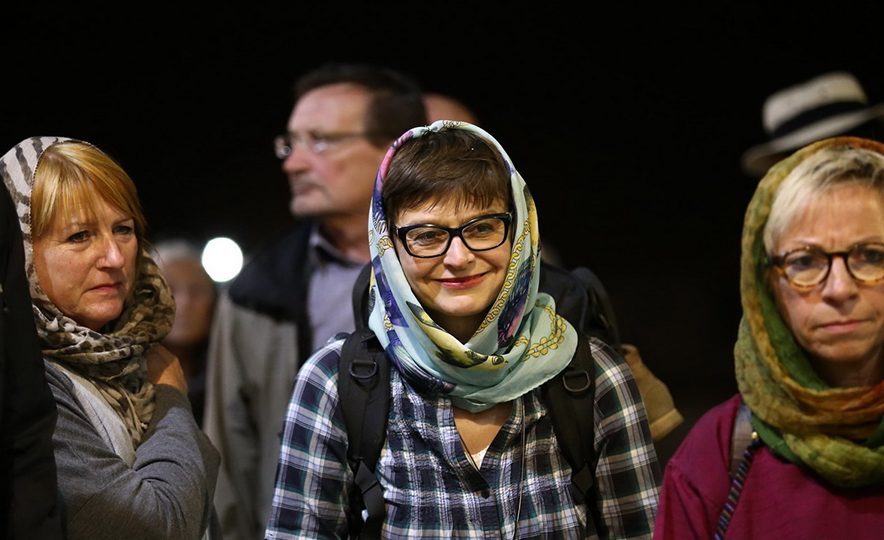
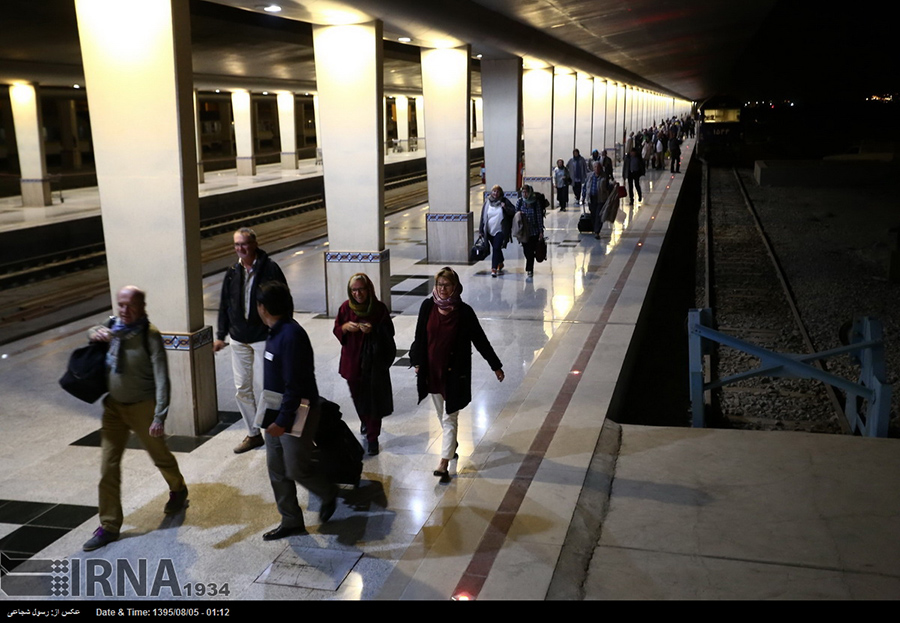
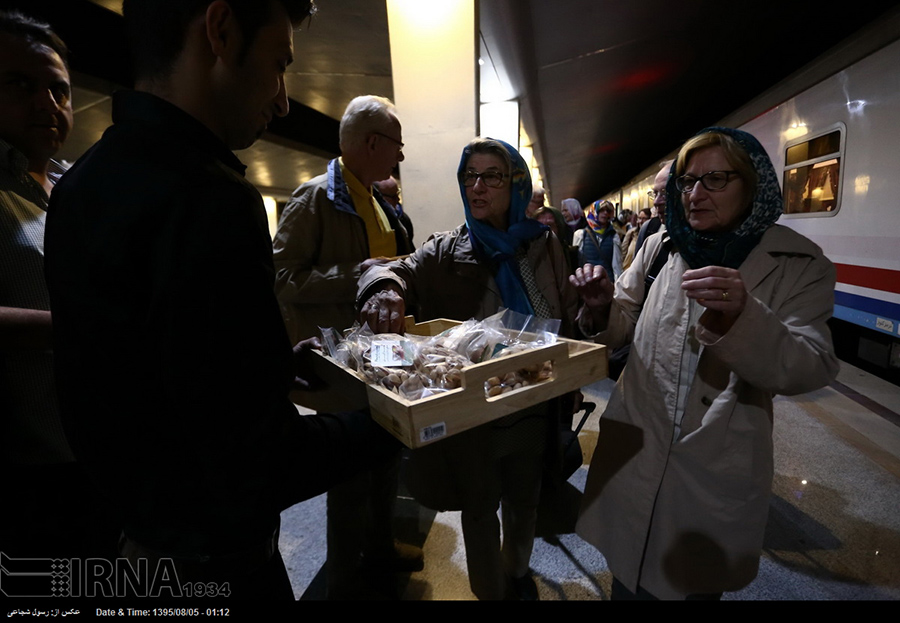
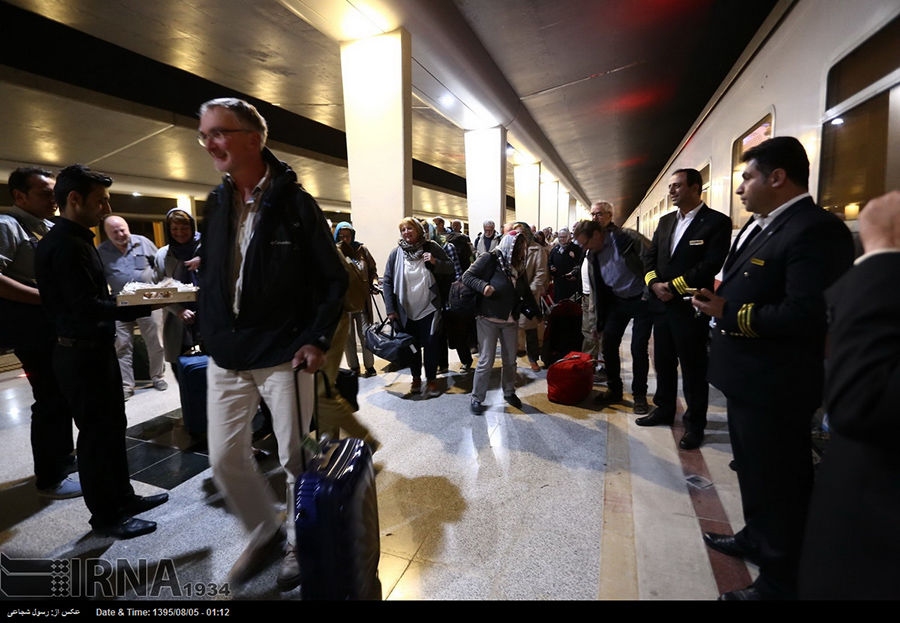
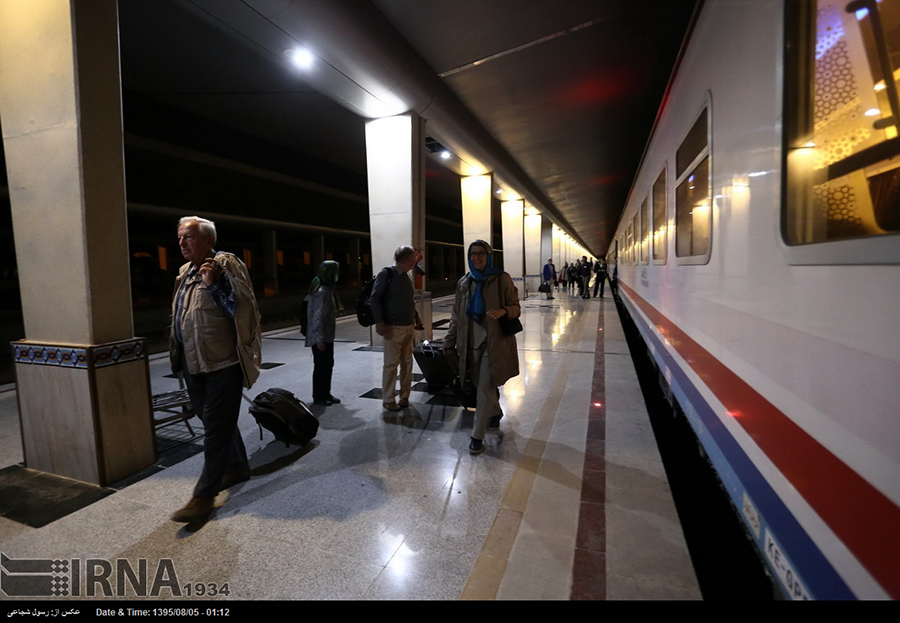
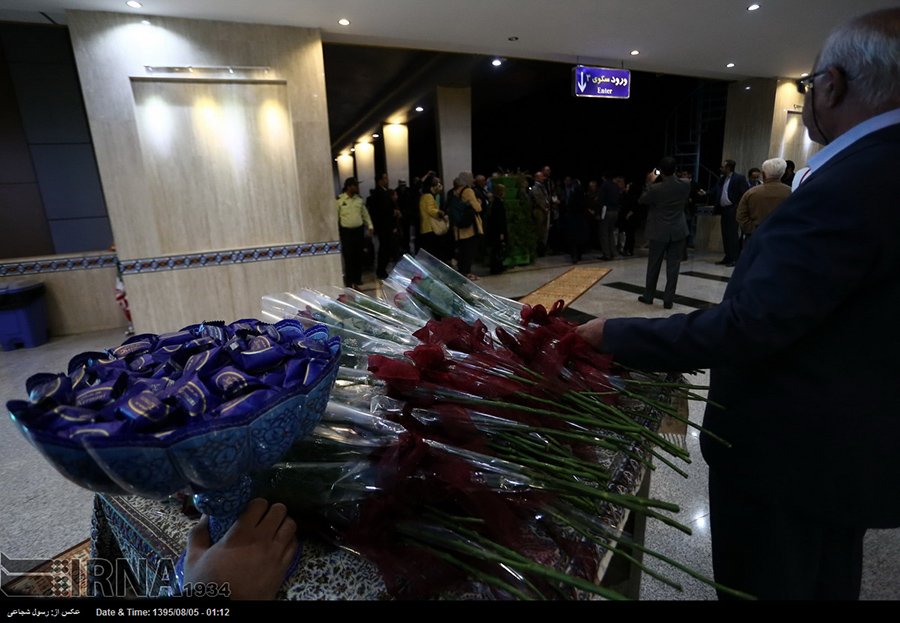
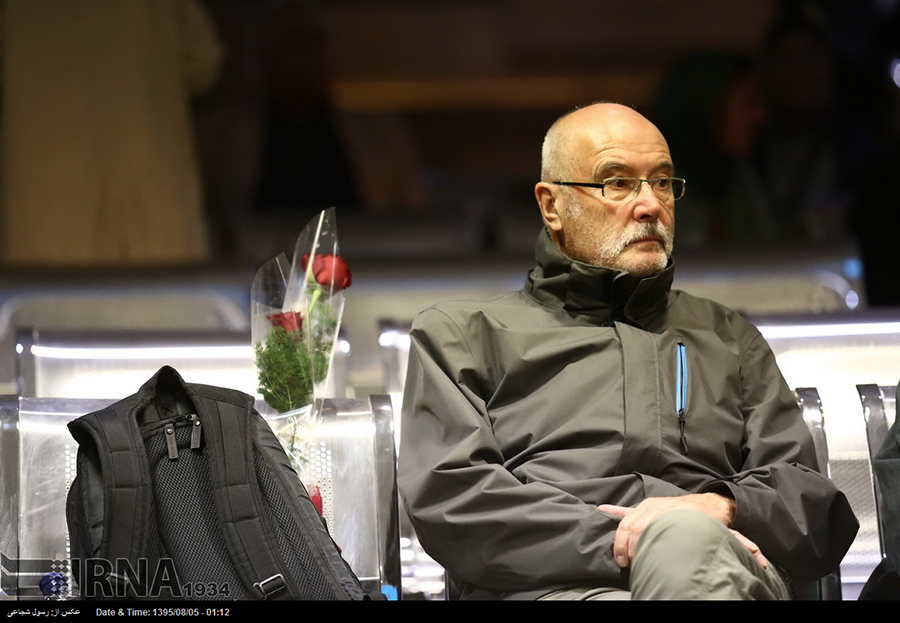
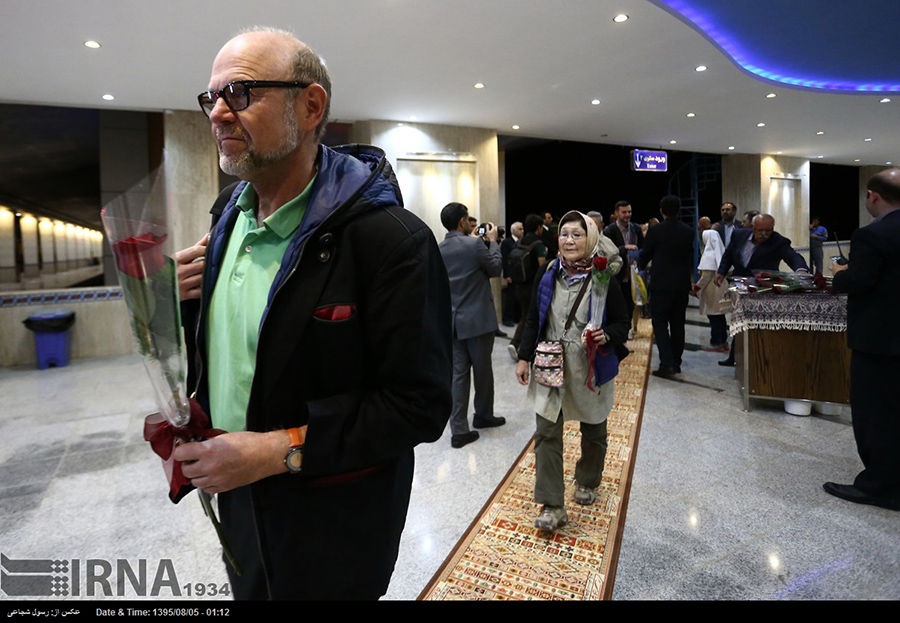
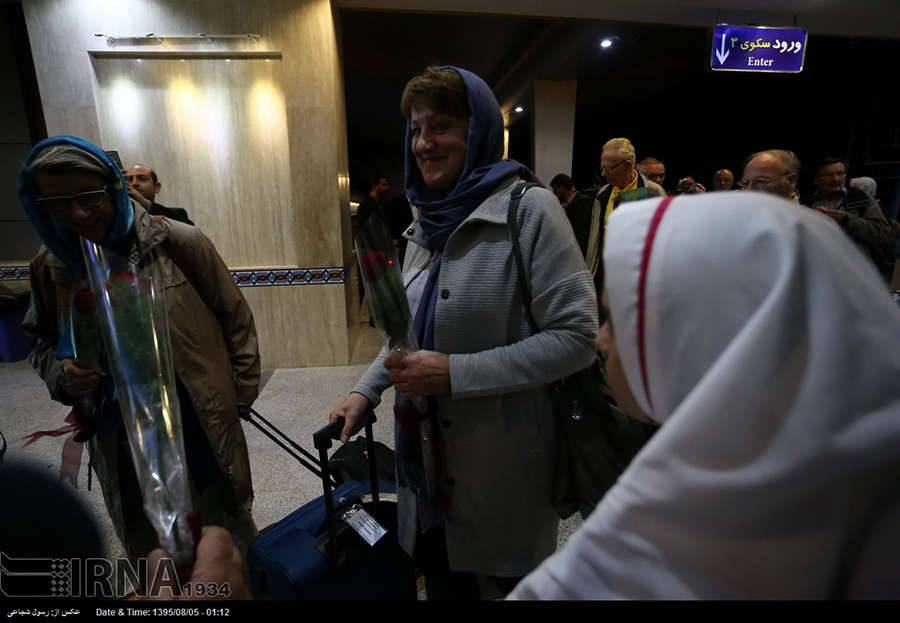
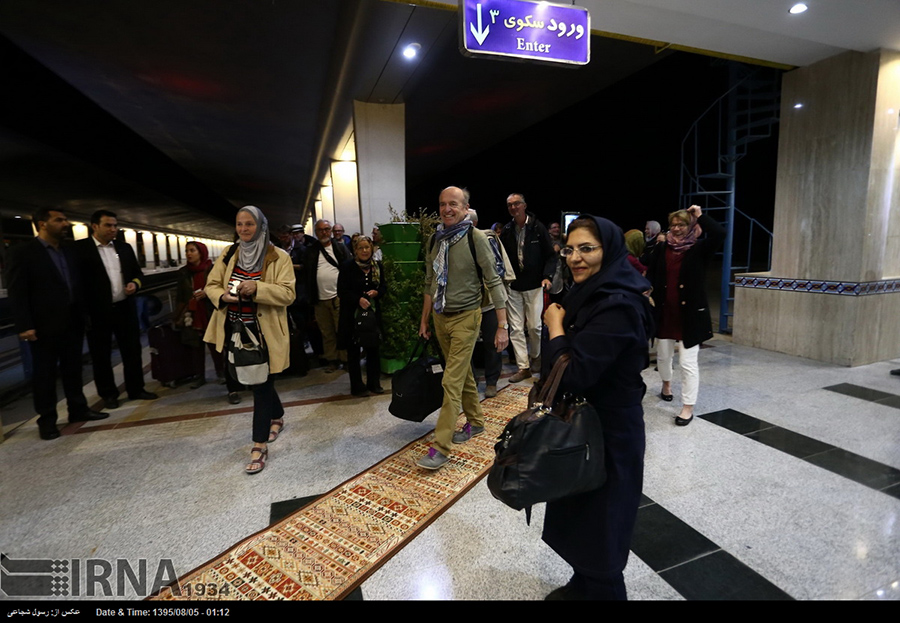
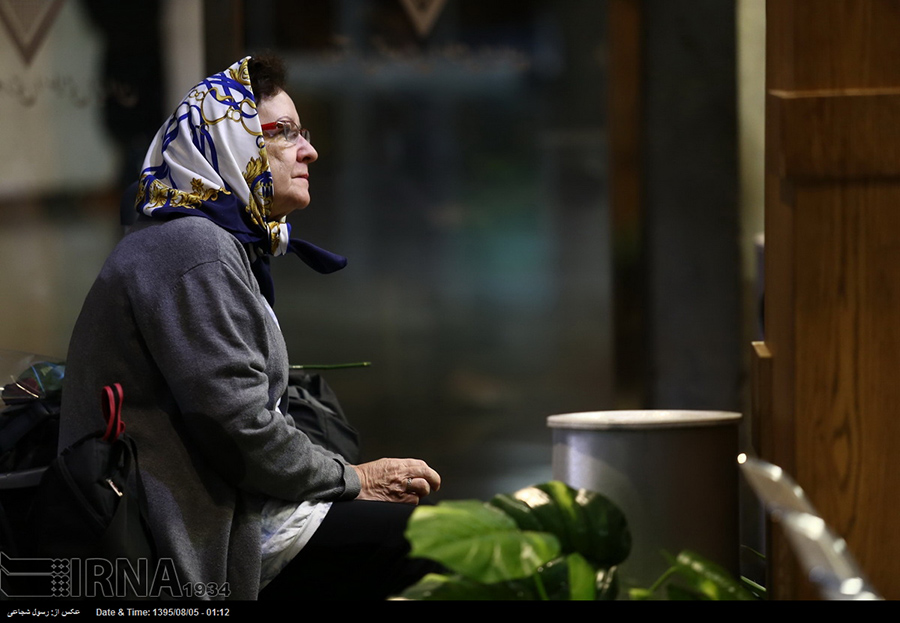
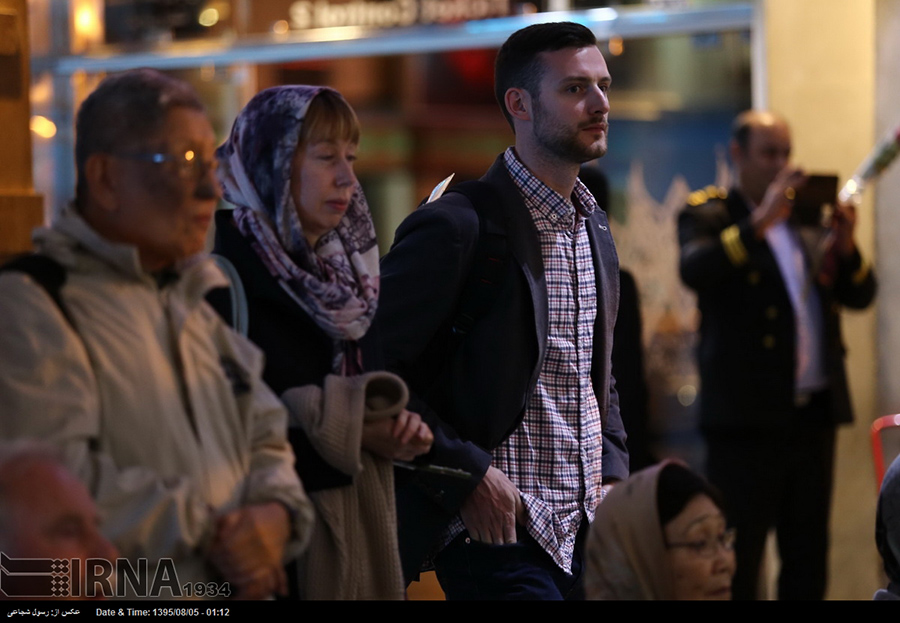
Int’l Train Brings Foreign Tourists to Isfahan

Foreign Tourists- Isfahan

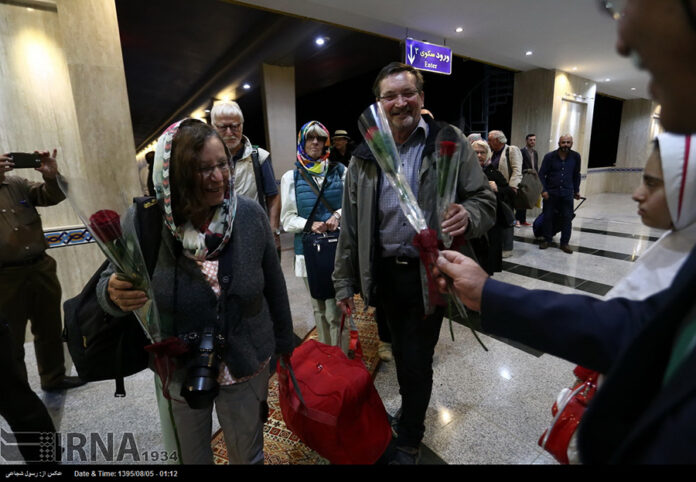
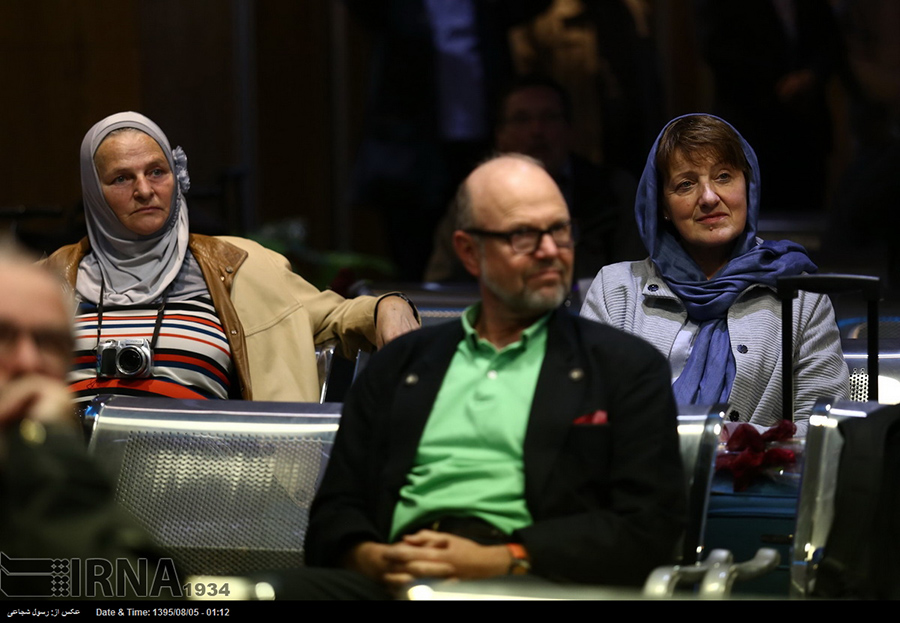
The tourists are from the US, Britain, Germany, France, Switzerland, Austria, Lithuania, and Singapore.

Here are IRNA’s photos of their arrival at Isfahan Train Station:


Iranian Instrument Attracts Japanese Music-Lover to Iran

santur

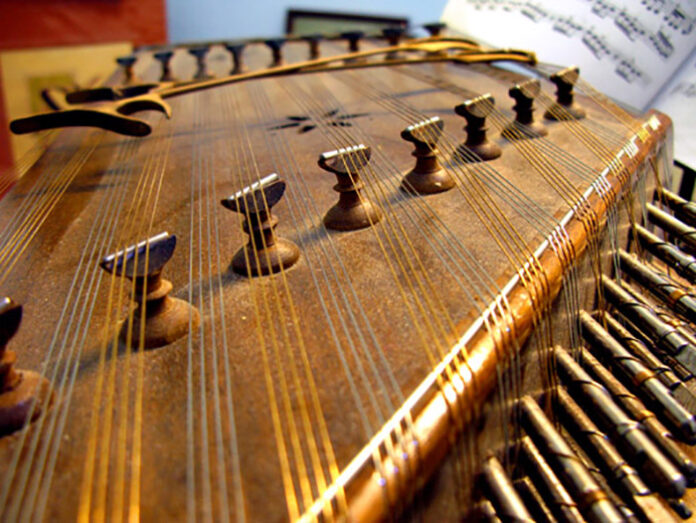
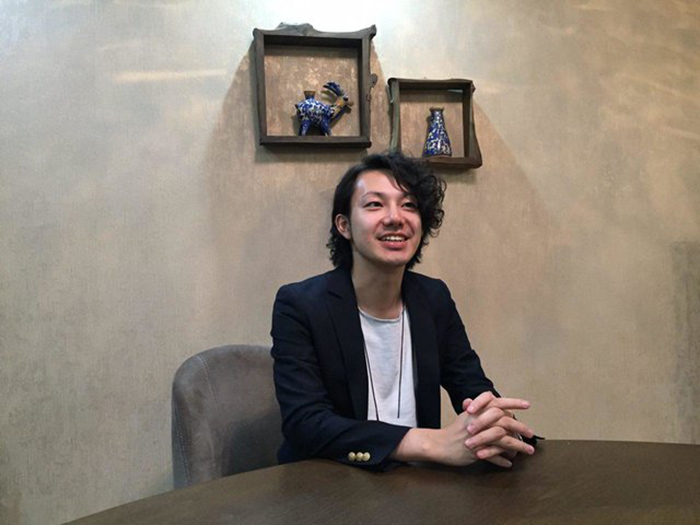
Kazune Iwasaki, a Japanese music student who says his interest in Iranian Santur [a hammered dulcimer of Iranian origin] has brought him to Iran, wants to introduce the Iranian culture and art to his people by playing Santur.

In early days, Iwasaki was forced to sit in Santur classes reluctantly; however, he later became so fascinated by this music that he left home and family behind in Japan and came to Iran.

He has found devotion in the Iranian methods of teaching music and believes that people of Japan know nothing about Iran. He says his major goal is to make them familiar with the “beautiful culture” of Iran through recital performance of Santur.

This is IFP’s translation of ISNA’s interview with Iwasaki, 27, who came to Iran four years ago to study music at the University of Tehran.


I’ve heard that you play Santur, and actually, this musical instrument has dragged you to Iran. Tell us the story of your acquaintance with it. 

I studied cultural and ethnic musicology in Osaka College of Music which opens up an opportunity to conduct research on any music that appeals to you. As a junior, I had to pass a course in Santur, but I had no idea what it actually was. My professor was an Iranian woman, around 30, who used to be a student of the [well-known] musician Abolhasan Saba. She lives in Japan and does musical activities there.

At the first session, after introducing herself, she played a few pieces for us which totally piqued my interest in Santur. I was fascinated by its harmony and scale.

Kazune Iwasaki-santur

What was in Santur that drew you to itself?

I found myself drawn to it because of its shape and sound which are similar to piano, my favourite instrument. Moreover, I realized that my Iranian professor was playing a scale that included notes that were strange to my discerning ears; they were semitone or half-step. Semitones aroused my curiosity and attracted me because Japanese music is deprived of them.

I was familiar with Iranian music; however, my interest was limited to Santur. Later, when I came to Iran, I found that Santur is not an independent instrument but it is linked with Persian poetry and singing. It was an interesting experience.

Among Iranian musicians, who have inspired you the most by their works?

I like the works of “The Kamkars” very much as I used to be a student of Pashang and Ardavan Kamkar. I’ve always been fascinated by the works of Parviz Meshkatian and Faramarz Payvar. I always listen to the songs of Mohammad-Reza Shajarian [Iran’s greatest living master of traditional Persian singing]. Every time I listen to them, I feel a need to grasp a deeper understating of Persian poetry and work harder in the field of Persian literature.

Are there any memories that you like to share?

It was in late September and during the opening week of the University of Tehran. I went to the class but it was empty. Until that day, I didn’t know that Iranian students do not attend classes during the early weeks. Professor Dariush Pirniakan entered the class and found me alone. “Are you alone here?” he asked and I said, “On behalf of the students, I ask for your apology.”

The next week, professor Pirniakan told the story to the rest of the students and said he liked me very much (laughing).

At first, I had a lot of stress and would get muscle tension in the class. I couldn’t communicate with Iranians because I didn’t know much Persian. One day, however, our professor asked me to think of him as a friend and said, “Although I am your teacher, I want you to be comfortable around me and treat me like a friend.” From that day on, I felt less stressed and started learning better.

I learnt that since many years ago Iranian music has been taught that way, I mean through cultivating an intimate relationship between teachers and students.

Have you ever performed any Iranian music in Japan?

I usually pay a visit to my family back in Japan twice a year and sometimes I would hold a concert of Iranian music in Tokyo. Everyone who heard the music was amazed by its beauty. Someone even told me once that there is a feeling in Iranian music which is very close to the Japanese one.

Japanese knowledge about Iranians is so small, close to zero. You shouldn’t be surprised to know that some of them may think Iran is just a vast desert and its people commute on camels. Even some others think that Iran is grappling with war like Iraq and Syria; however, during these four years it proved otherwise to me. Iranian people have ‘beautiful culture and art’ and I want to show these to Japanese people through recital performance of Santur.

Iranian Researchers Produce Edible Nano Packaging

nano

Milad Rouhi, the project manager, referred to edible films as one of the most important components in biodegradable packaging.

“Synthetic polymer-based biofilms are usually stronger, more maintainable and have more functions than the natural type.”

He went on to say, “Among synthetic polymers, the hydrophilic types, due to the use of polar solvents, are cheaper and less hazardous, and create less environmental pollution.”

“Furthermore, these types of polymers are usually edible and have higher biodegradability,” he added.

“In this study, new methods have been introduced for improving the performance and efficiency of these polymers in food packaging through the use of nano-crystalline cellulose,” he said.

Adding a specific amount of nano-crystalline cellulose and correction of the polymer structure will cause significant improvement in mechanical, thermal and durability properties of the biofilm, he added.

“The correction of the polymer structure was done via a simple and cheap method,” he said.

“Furthermore, within the structure of the polymer a color with antioxidant properties has been used which reduces chemical corruption of the packaged food.”

EU Seeks Closer Ties With Iran after JCPOA: President Rouhani

President Rouhani-President Sauli Niinistö

Rouhani made the remarks in Tehran on Wednesday during a joint press conference with visiting Finnish President Sauli Niinistö, who is in the Iranian capital at the head of a large business delegation.

“During today’s discussions, we addressed the [existing] capacity of relations between Iran and the EU, especially after the JCPOA and the European side’s willingness to expand [bilateral] economic, scientific, and technological relations,” the Iranian chief executive noted.

The Joint Comprehensive Plan of Action (JCPOA) was inked between Tehran and the P5+1 group of world powers, namely Russia, China, France, Britain, the US and Germany on July 14, 2015. The accord, which took effect in January, ended decades of economic sanctions against Iran in exchange for restrictions on its nuclear program.

On Monday, Iran’s Foreign Ministry said an Iranian delegation composed of deputy foreign ministers are to hold general talks with EU officials in Brussels in December, saying the talks will cover a range of issues.

“Our ties with Europe are fundamental and age-old and we have numerous commonalities and can even differ on issues that have to do with values and regional affairs,” said Ministry Spokesman Bahram Qassemi.

Rouhani also said economic ties with Finland had suffered prior to the JCPOA’s implementation as a result of the anti-Iran sanctions, but voiced certainty that the Finnish leader’s visit to Tehran would be a fresh start for the expansion of their relations.

Over the past days, the two sides have inked four memoranda of understanding in the areas of energy, communications and technology, environment and investment.

EU Seeks Closer Ties With Iran after JCPOA: President Rouhani

Rouhani also said it had been agreed during the trip that the two countries should expand banking relations, have direct flights between Tehran and Helsinki and establish a railway track that would connect the two states via Baku and Moscow.

The two statesmen had also addressed the developments in Middle Eastern states, namely Iraq, Syria, Libya, Yemen, and discussed the need for international cooperation against terrorism.

For his part, the Finnish head of state hailed the long-standing cooperation between the two nations, saying, “Iran was one of the first countries to recognize Finnish independence.”

“I believe that now, the Islamic Republic of Iran and Finland will cooperate further,” said Niinistö, describing the nuclear deal between Iran and the P5+1 states as an important milestone.

“I have brought with me a large business delegation and they have been very satisfied with their discussions with their colleagues from Iran,” he said.

There are various areas of potential cooperation between the two sides, including energy, clean tech, information and communications technology (ICT) as well as forestry.

Officials Stress Progress in Iran-France ties

Alaeddin Boroujerdi

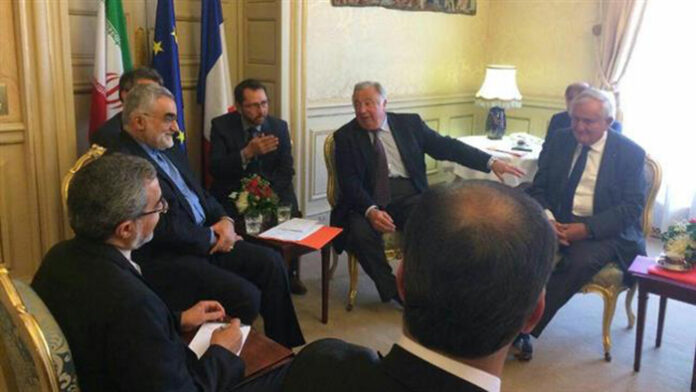
Alaeddin Boroujerdi, who is the chairman of the Iranian Parliament (Majlis)’s Committee on National Security and Foreign Policy, and Gérard Larcher, the president of France’s Senate met in Paris on Tuesday, discussing relations between their respective countries.

They also talked about regional issues, including the crisis in Syria, the developments in Iraq, the situation in Yemen, Lebanon’s efforts to elect a new president, and the region’s fight against terrorism.

The Iranian parliamentarian also asked Paris to take a constructive and serious stance against the bombardment of Yemen by Saudi Arabia and Riyadh’s attacks on civilian facilities.

Boroujerdi also brought up the developments in the bilateral ties over the past year, especially the trip made by Iran’s President Hassan Rouhani to France, which featured the inking of documents of cooperation, calling the visit a launch pad for better mutual relations in the future and urging the implementation of the cooperation agreements.

Rouhani traveled to France in January, signing cooperation several memoranda of understanding on cooperation in various sectors, including telecommunications, environment, tourism, agriculture, higher education, and transportation.

He made the trip following the implementation of a nuclear agreement known as the Joint Comprehensive Plan of Action (JCPOA) between Iran and the P5+1 group of countries in the same month.

The deal had been reached in July 2015, and France is one of the sides to the deal.

Under the deal, Iran undertook to put limitations on its nuclear program in exchange for the removal of nuclear-related bans imposed against it.

During the Tuesday meeting with Boroujerdi, Larcher said that following the nuclear agreement, the removal of sanctions, and the expansion of bilateral ties, “we should be able to support the two sides’ financial institutions and pave the way for their cooperation by removing the banking obstacles facing them.”

He also extended his kind regards to Iran’s Parliament Speaker Ali Larijani and welcomed future strategic talks between the countries’ senior parliamentarians.

IRGC ‘Most Powerful Armed Force’ in Middle East: Commander

general-mohammad-ali-jafari

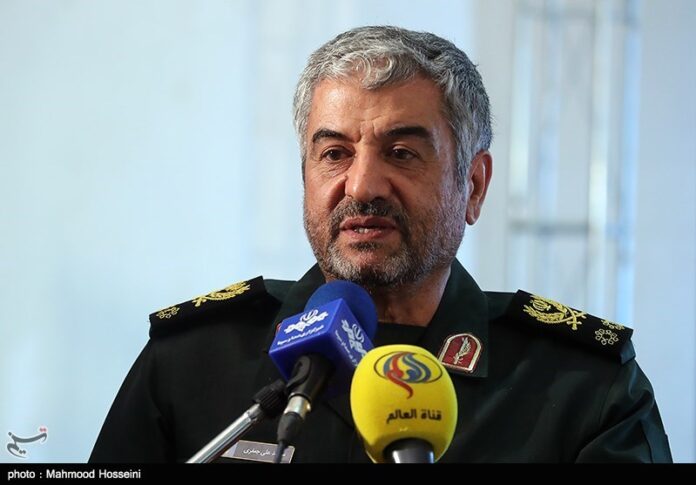
“Thirty seven years after the establishment of the IRGC, the force is stronger and with valuable experiences in defense today and the most powerful armed force in the region…,” Major General Jafari said in an address to a ceremony held Wednesday to inaugurate a military academy of the IRGC Navy.

The commander further noted that the IRGC Navy was established in the era of the Iraqi imposed war on Iran in the 1980s and at the time of direct confrontation with the US, adding that since then, the naval forces have been active in the Persian Gulf and the Strait of Hormuz.

Due to the high sensitivity of the Persian Gulf region, the IRGC Navy has kept a close watch on the activities of the enemies and their threats, the commander went on to say.

Back in May, Leader of the Islamic Revolution Ayatollah Seyed Ali Khamenei hammered the US for its schemes against Iran’s military presence in the Persian Gulf and made it clear that the Islamic Republic will continue to demonstrate power at its home, the Persian Gulf.

“The Persian Gulf is the Iranian nation’s home …, and the coasts of the Persian Gulf and large parts of the Sea of Oman coasts belong to this strong nation,” Imam Khamenei said at the time, adding, “Today, the enemies are biting off more than they can chew. For example, they draw plans that Iran should not hold military war games in the Persian Gulf.”

Judiciary Official Opposes EP Resolution on Iran Ties

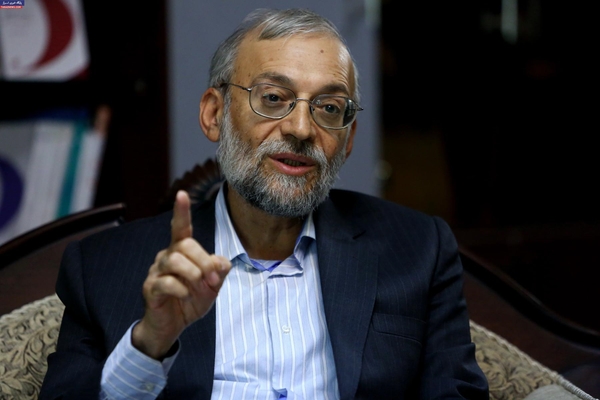
Speaking to reporters in Tehran on Wednesday, Chief of the Iranian Judiciary’s Human Rights Council Mohammad Javad Larijani slammed the EP resolution as a document revealing the EU’s real intentions in dealing with Iran.

The European Parliament passed a resolution on October 25 on the EU strategy toward Iran after coming into force of the Joint Comprehensive Plan of Action (JCPOA), a nuclear agreement between Tehran and the Group 5+1 (Russia, China, the US, Britain, France and Germany).

There are a lot of flaws in the resolution, though it has defined areas of cooperation with Iran in all fields, Larijani explained, saying the document has regarded Iran as a market for the sale of European goods.

He also slammed the resolution for talking about Iran’s nuclear program “in a rude manner”, saying it was impolite of the Europeans to raise the threat of re-imposing sanctions against Iran, while the country has already honored all its commitments under the JCPOA.

The EP resolution says “development of EU-Iran relations should advance hand in hand with the implementation of the nuclear agreement/JCPOA,” stipulating that “under the terms of the agreement a failure in its implementation by Iran can lead to the reintroduction of sanctions.”

Elsewhere in his remarks, Larijani lashed out at the European Parliament for commenting on human rights in Iran, saying they “lack the competence” to tell Iran to correct its conduct, while there are numerous cases of violence and violation of human rights in Europe itself.

As regards the EU plans to establish an office in Tehran, he said it would not be a big deal as long as the office deals with trade and business, but “they have announced that they want to make close contact with human rights advocates and NGOs inside our country with the establishment of such an office to make sure about the process of implementation of human rights” in Iran.

“They (EU) should know that the (Iranian) Judiciary will definitely not allow the establishment of such a den of corruption in Iran,” Larijani emphasized.

The EU resolution has welcomed “the steps taken by the EEAS for the establishment of an EU Delegation in Tehran”, saying “EU-Iran relations should be developed through multi-layered dialogue involving political, diplomatic, economic, academic, technical, and people-to-people contacts that include civil society actors, NGOs and human rights defenders.”