Thursday, December 25, 2025
Home Blog Page 4237

First Russian Tourist Train Arrives in Iran

First Russian Tourist Train Arrives in Iran

According to a report by YJC, as translated by IFP, the Russian train carrying over 70 passengers arrived in Sarakhs station in northeastern Iran on Sunday morning.

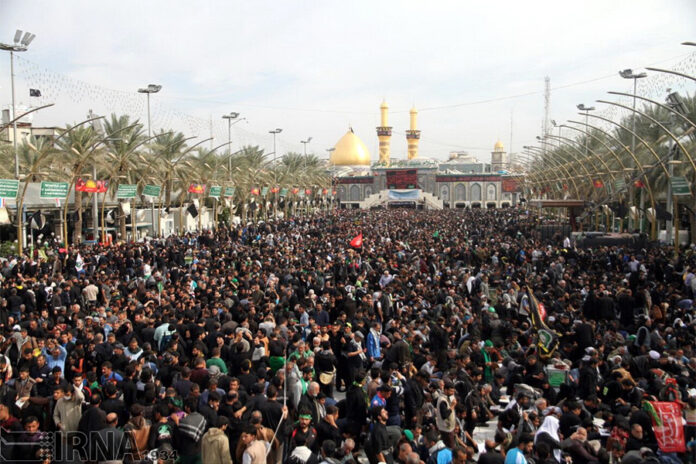
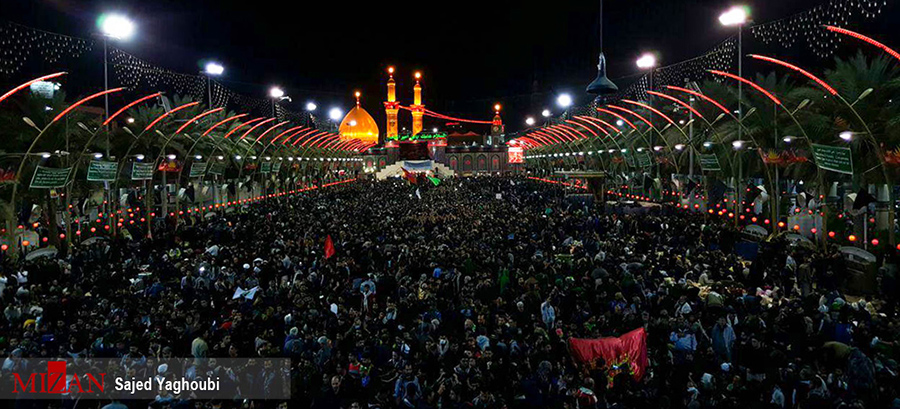
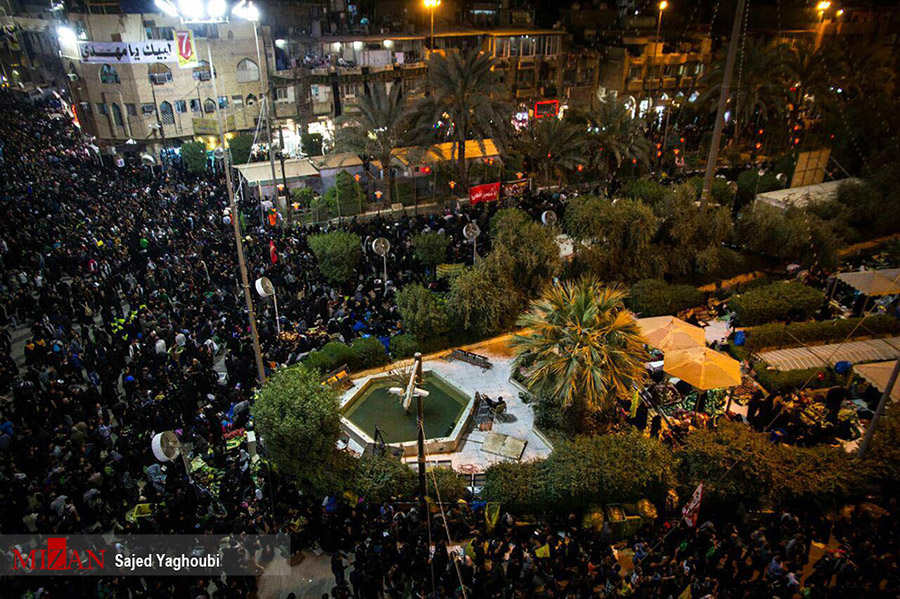
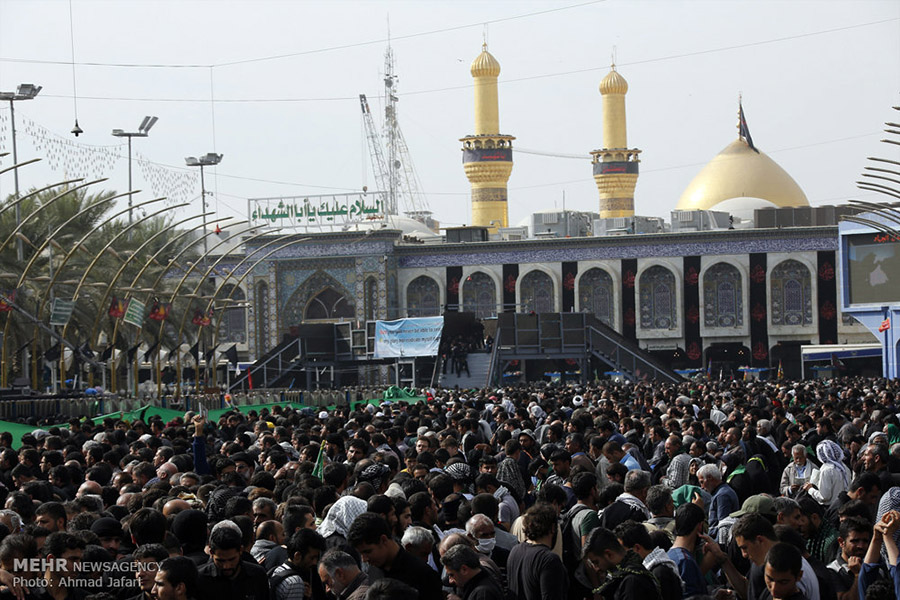
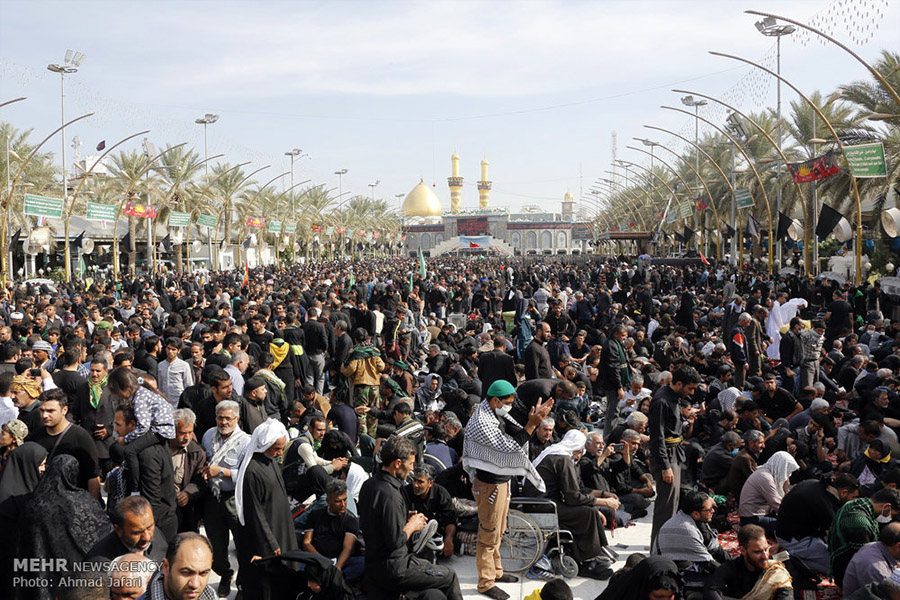
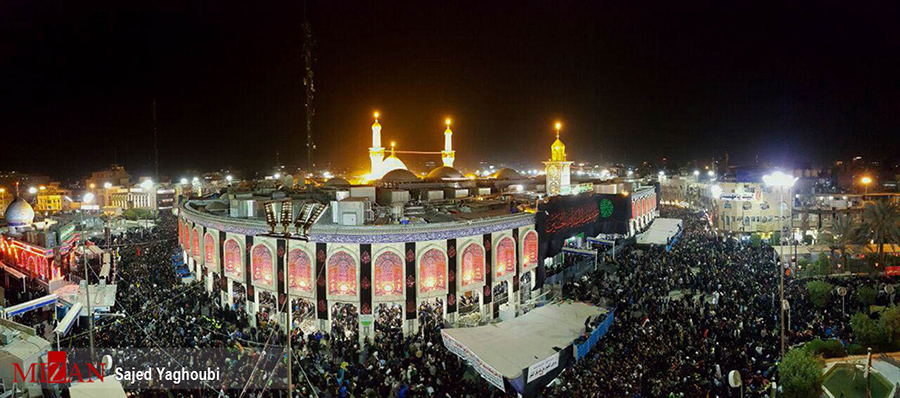
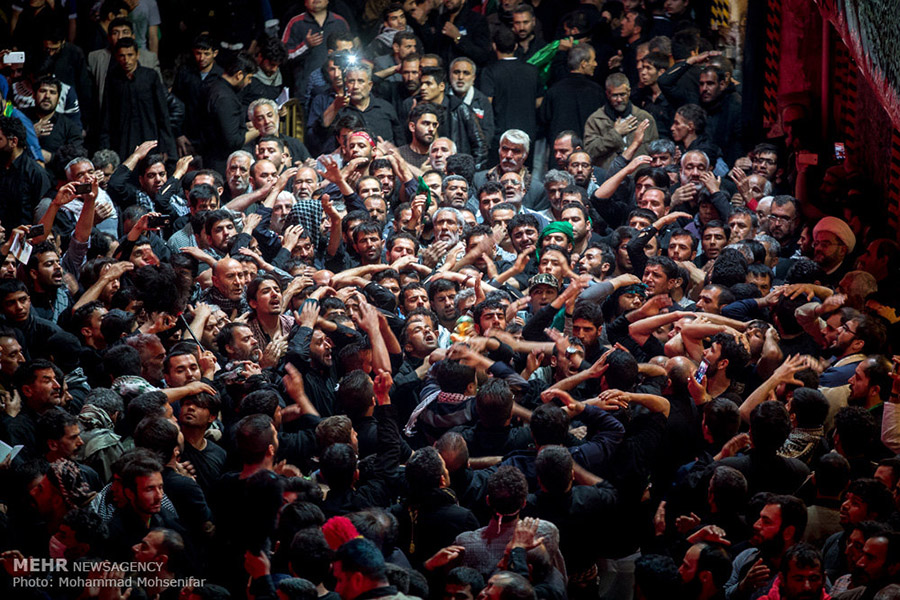
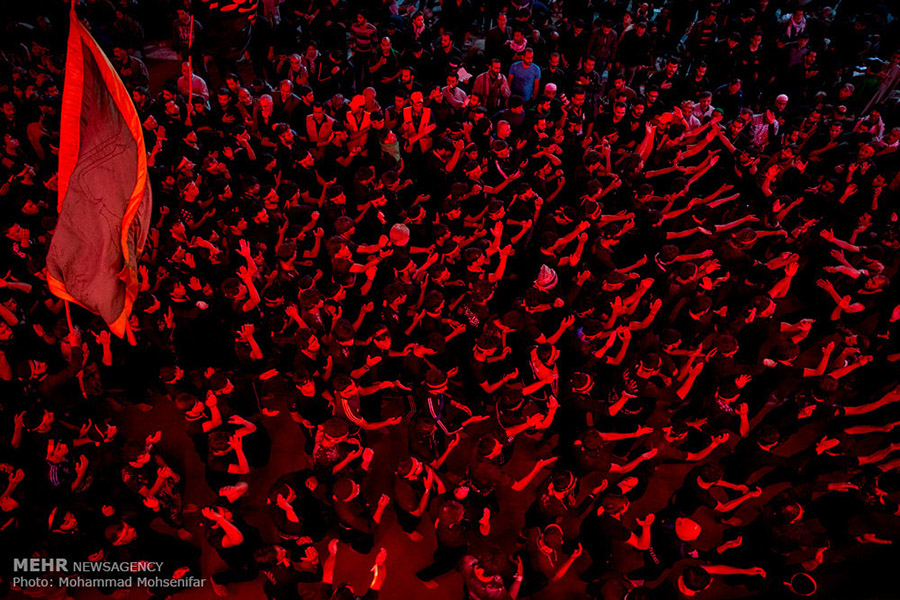
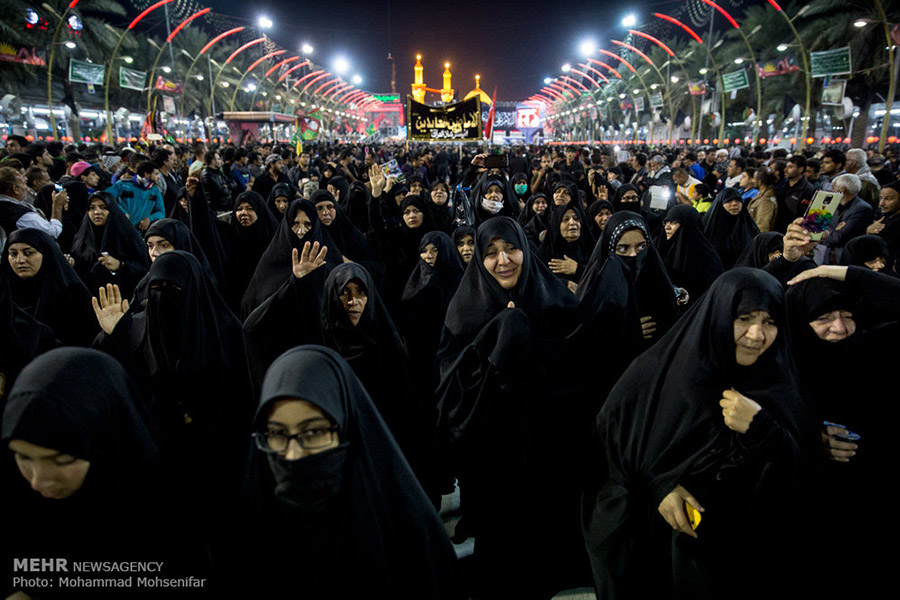
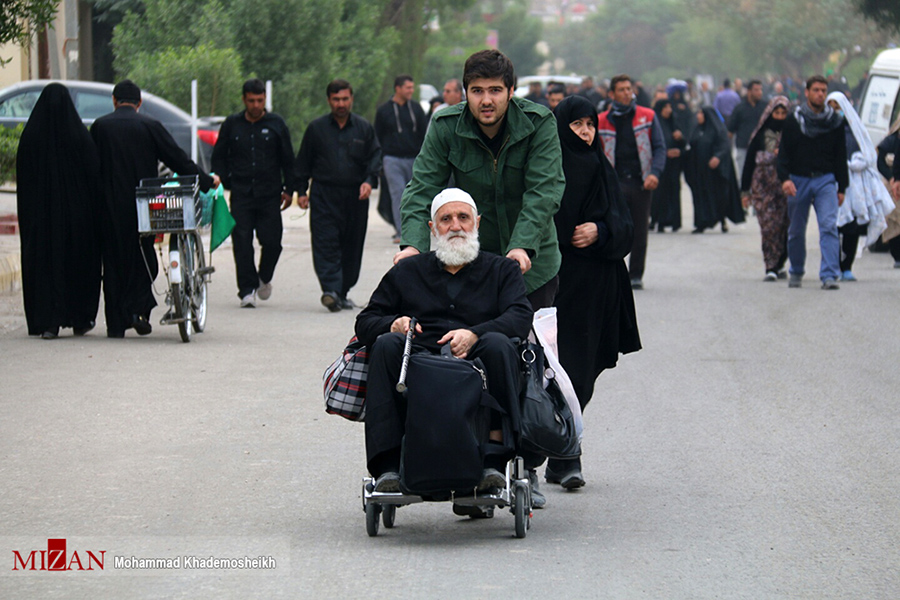
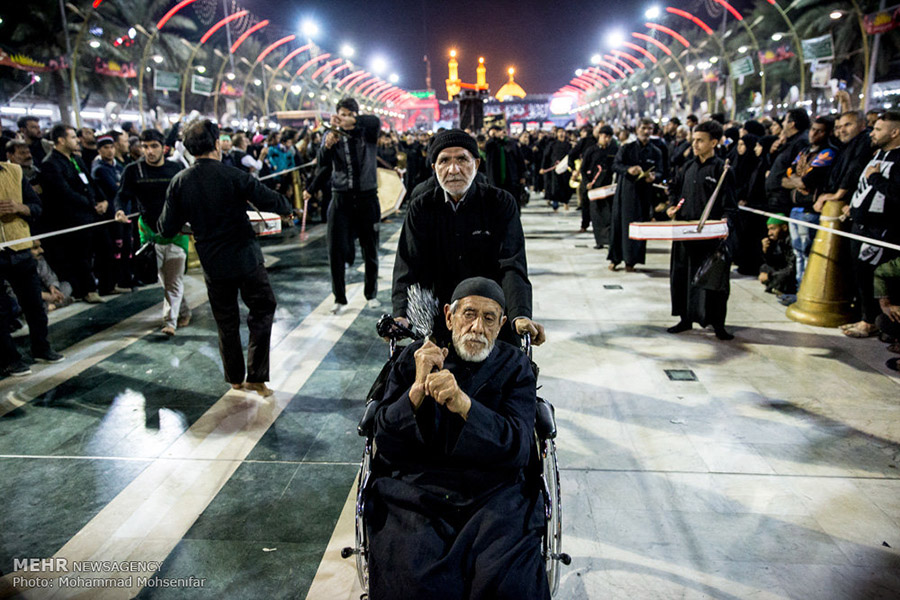
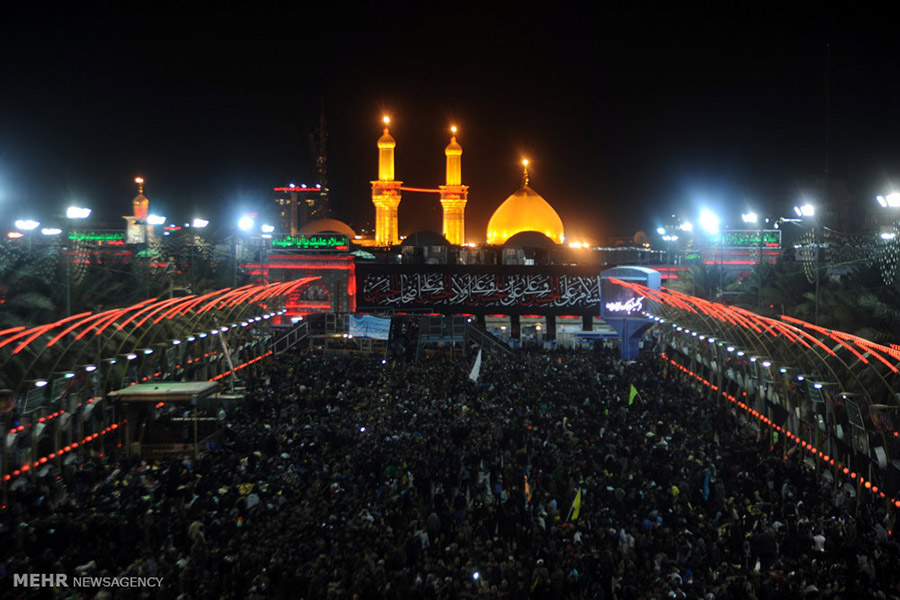
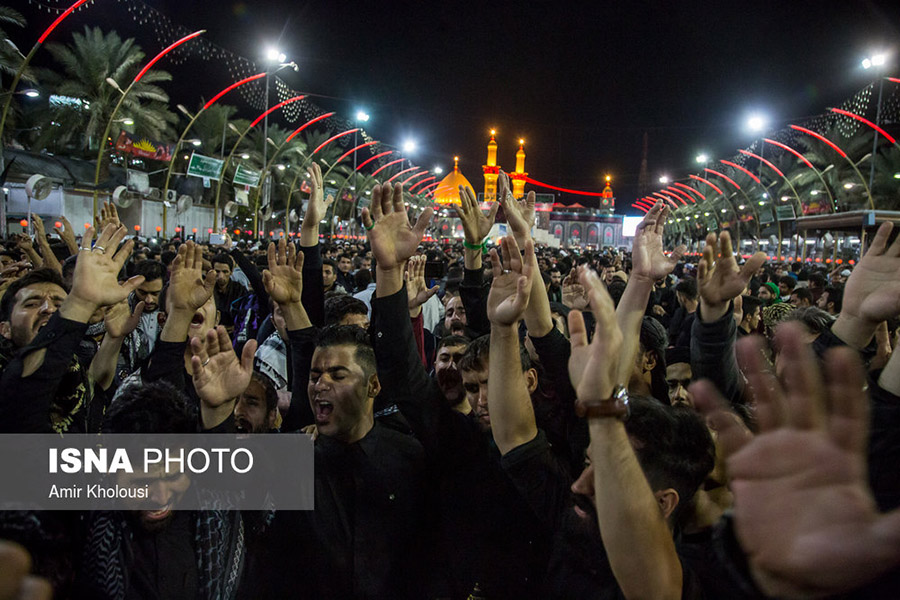
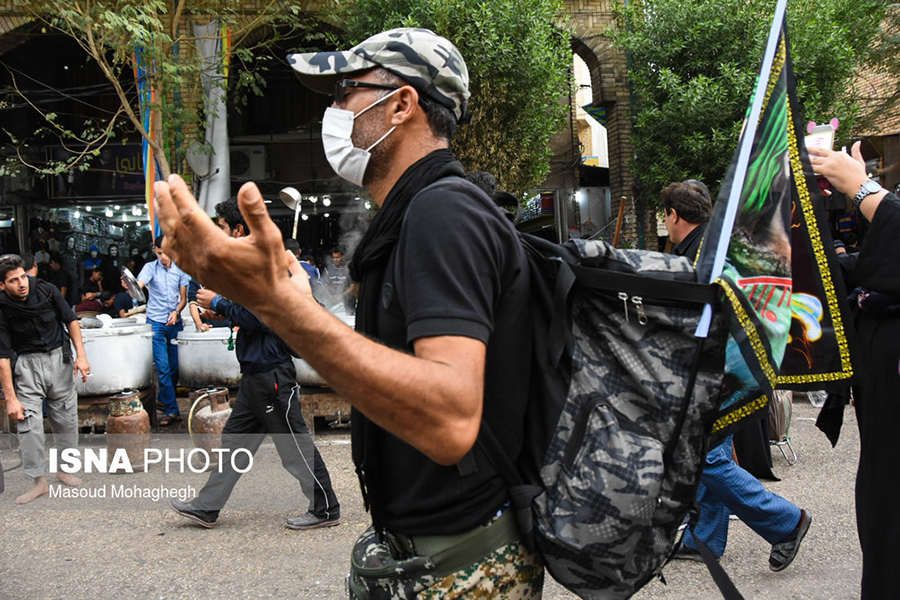
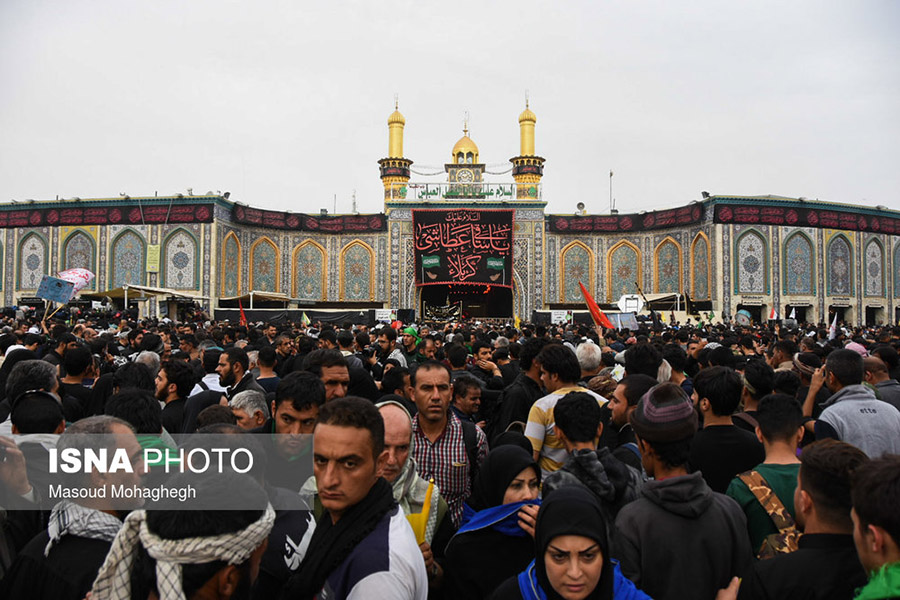
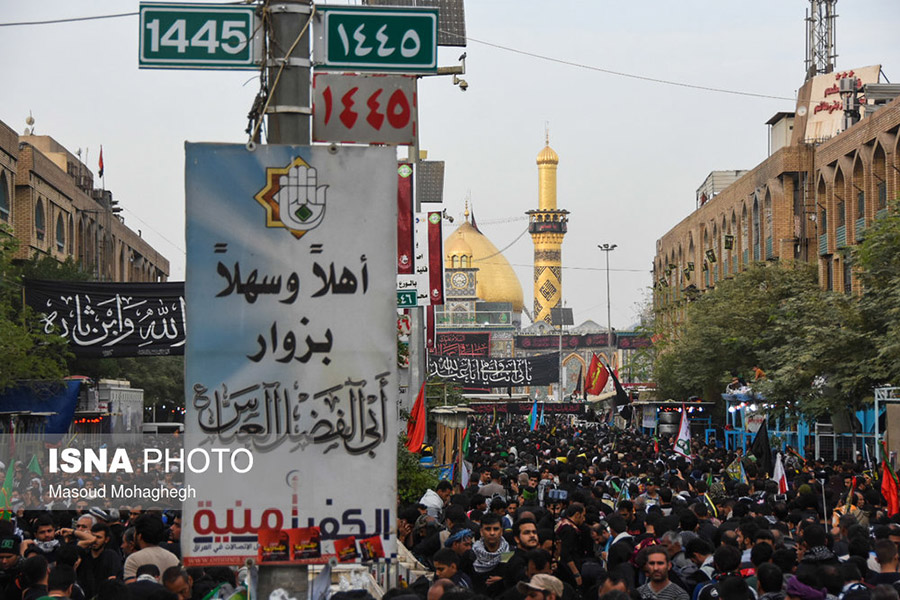
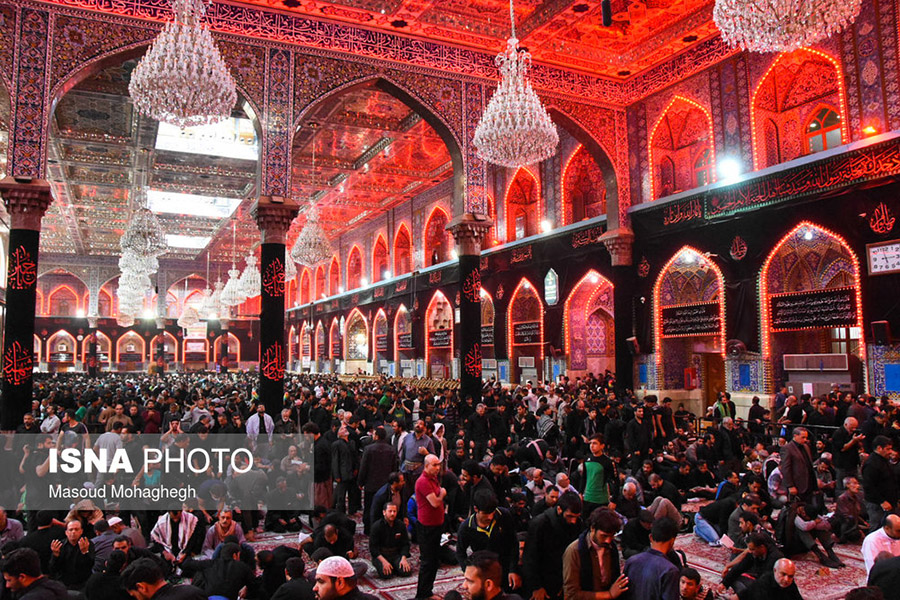
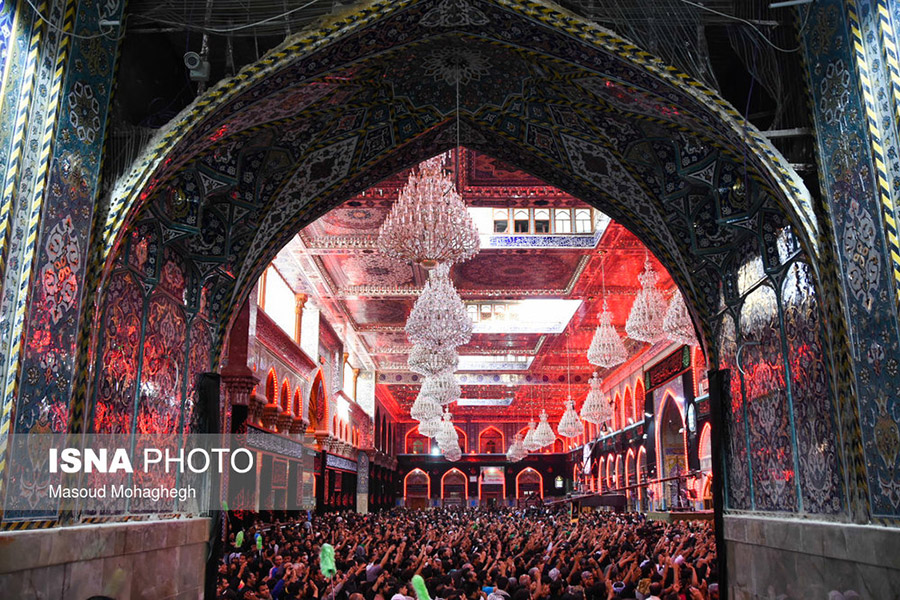
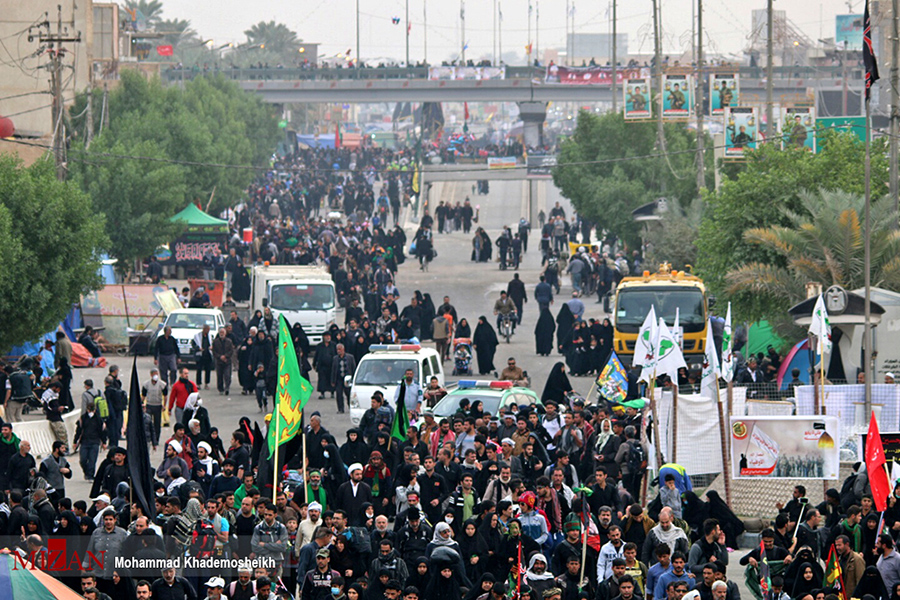
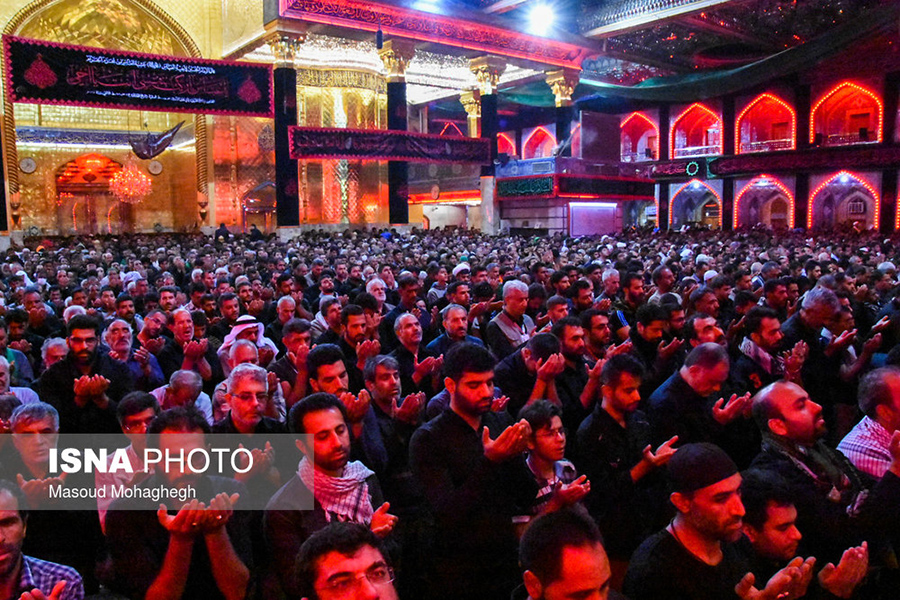
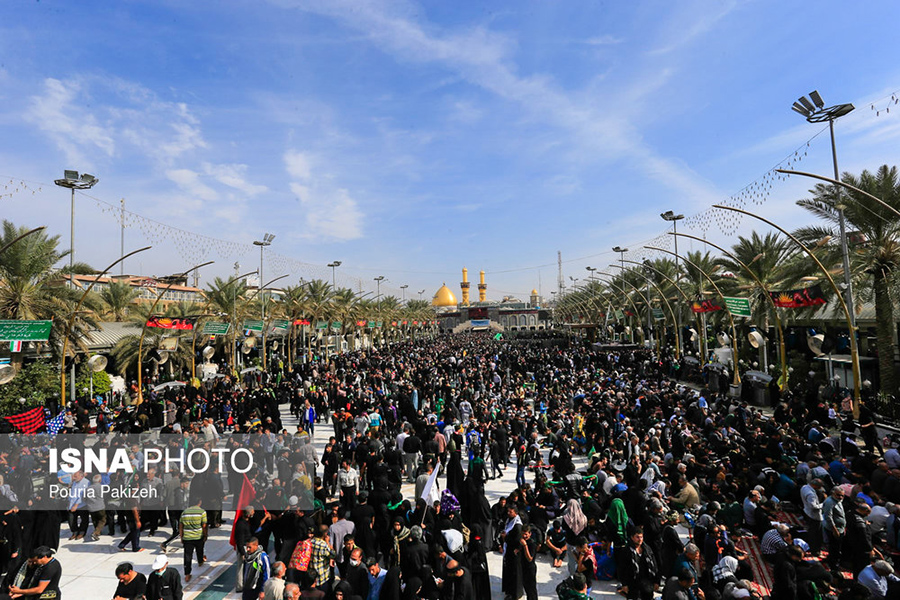
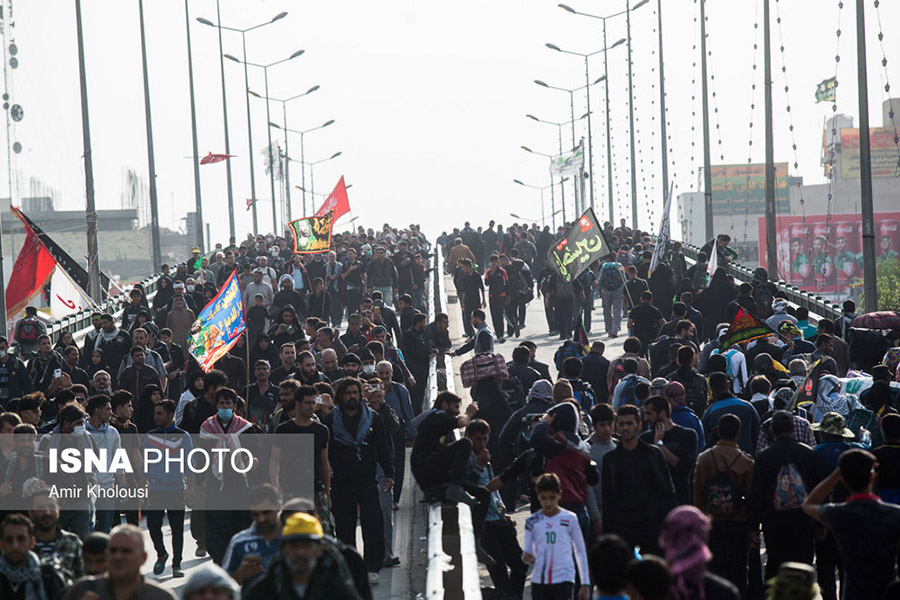
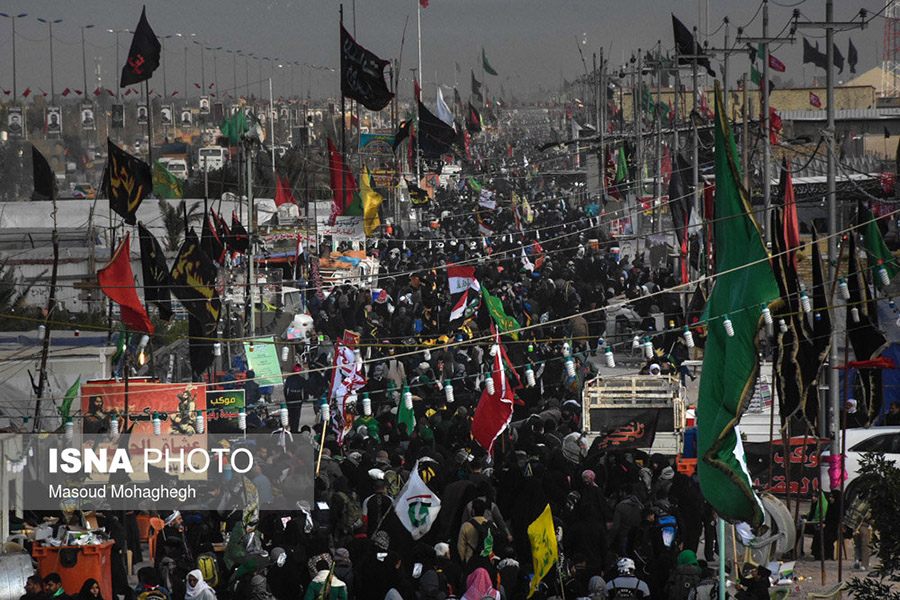
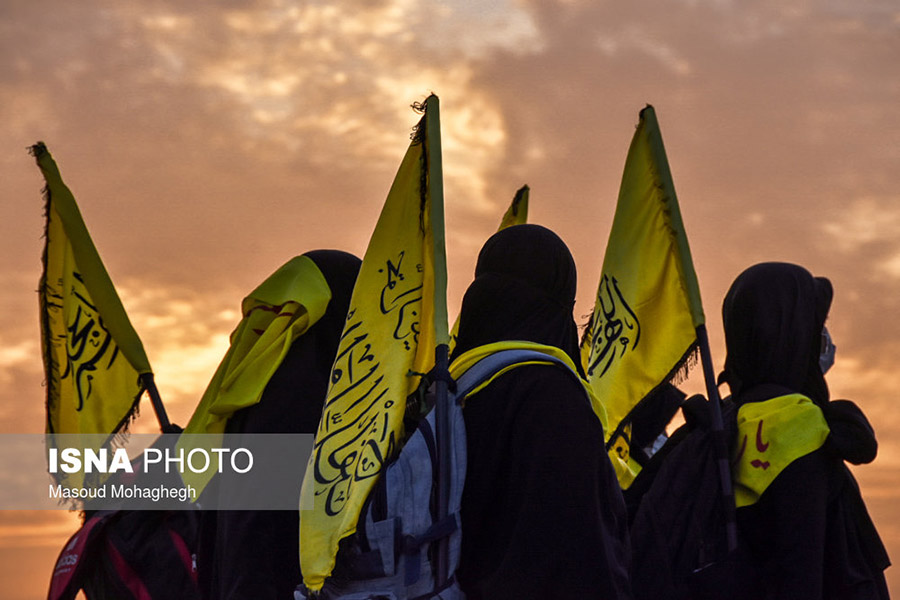
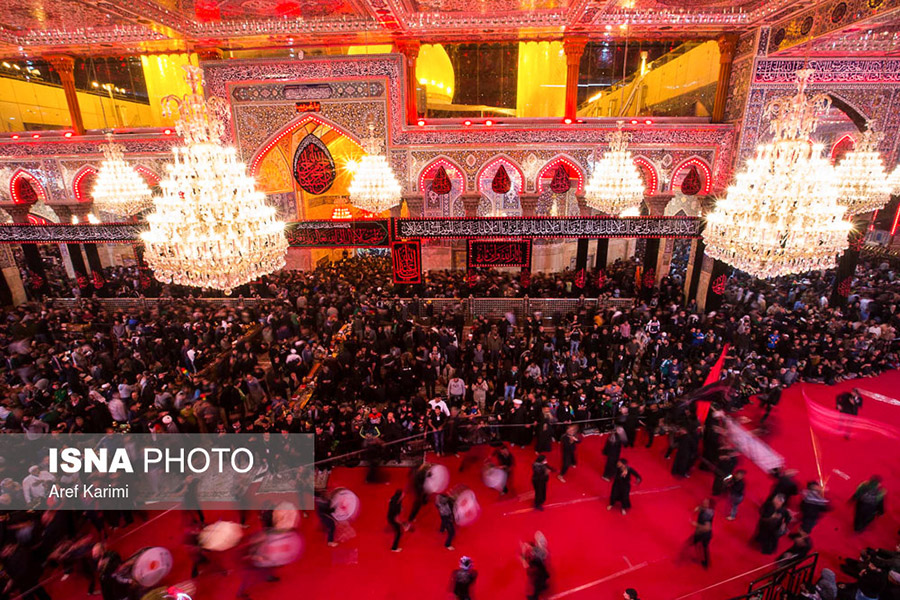
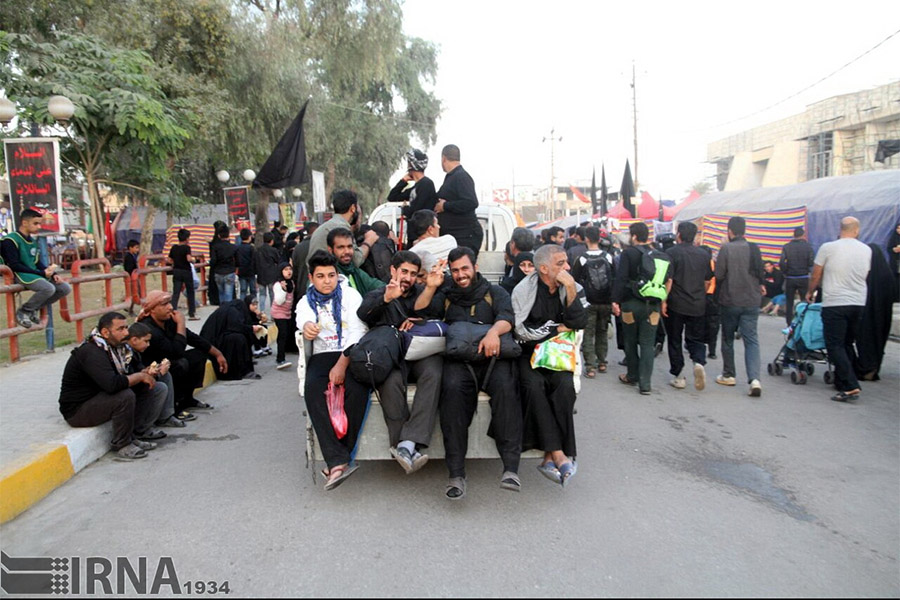
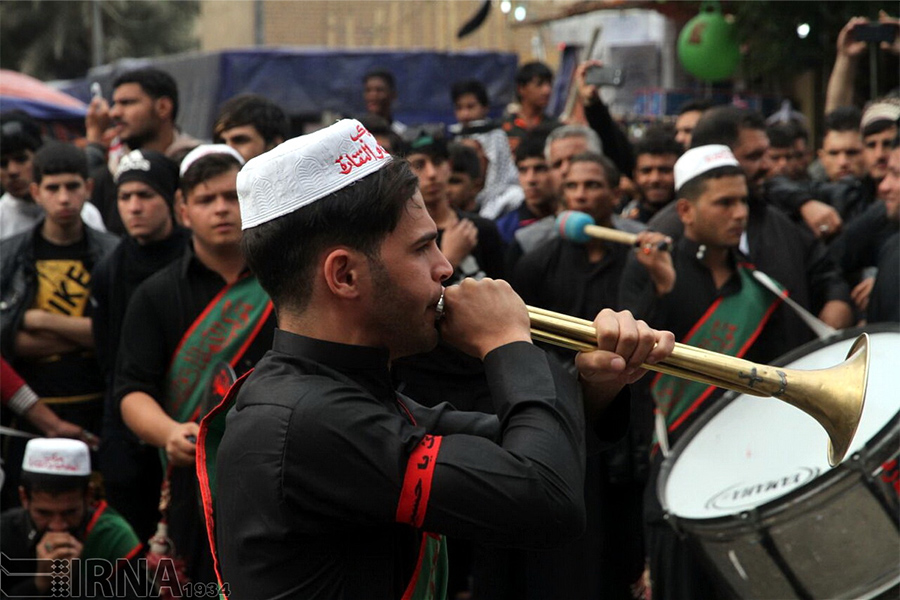
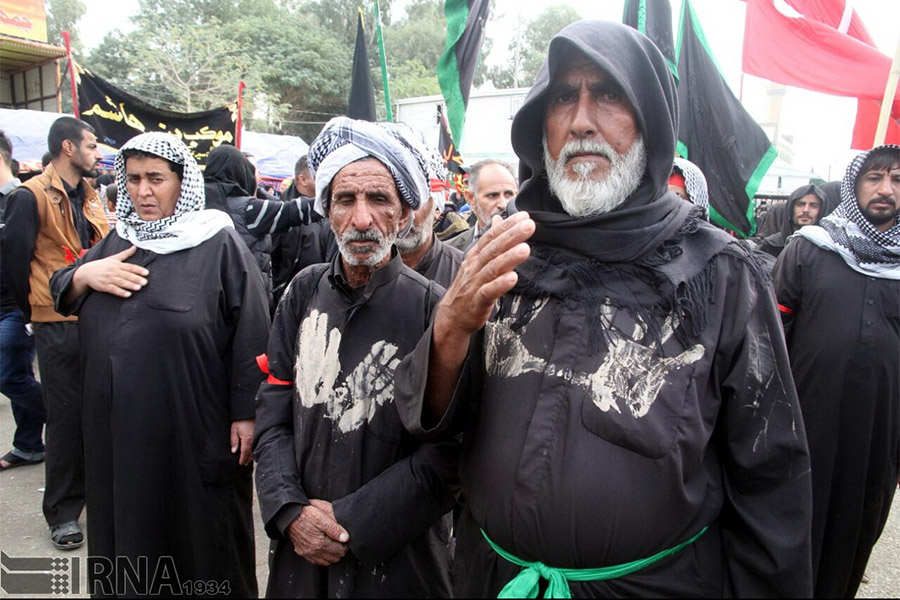
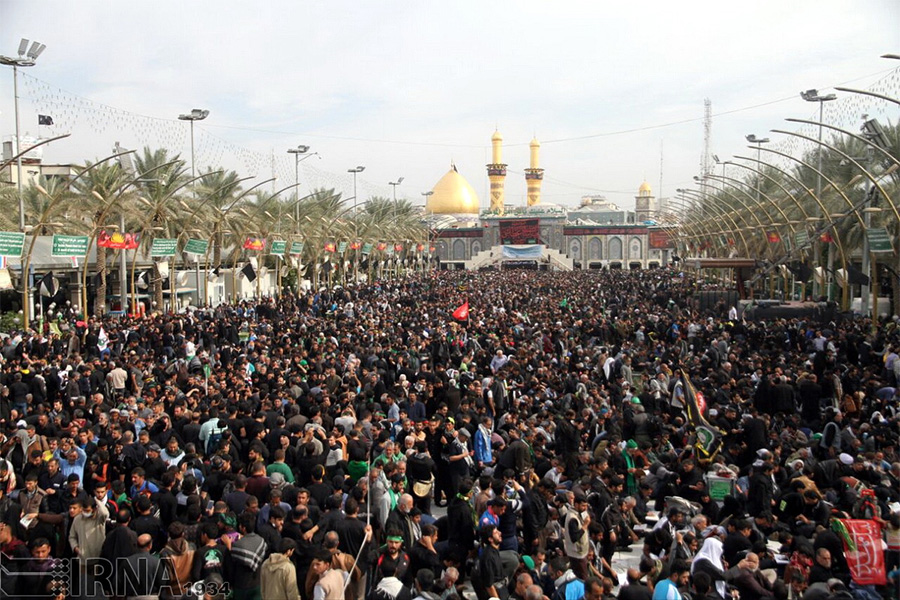
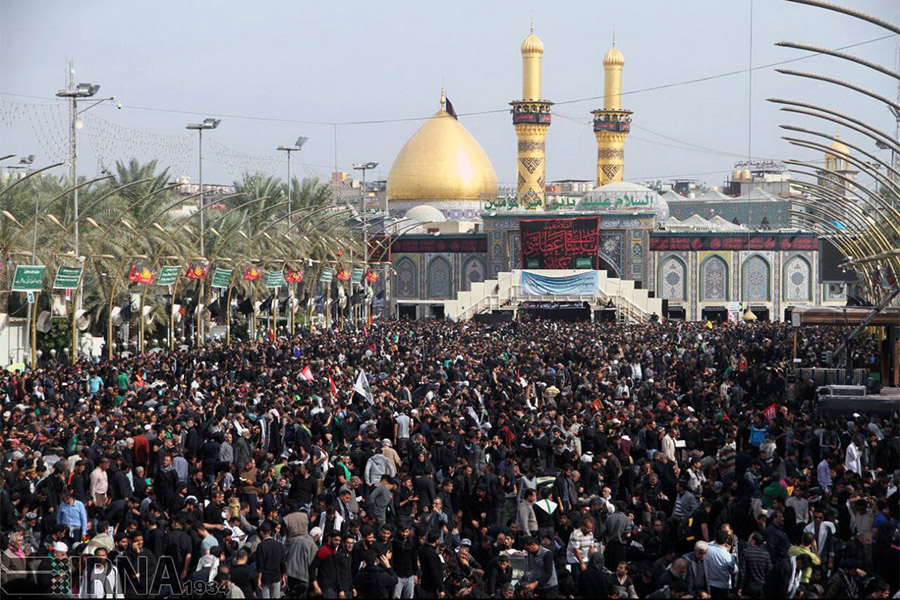
Muslims Converge on Iraq’s Karbala for Arbaeen Mourning Procession

Arbaeen

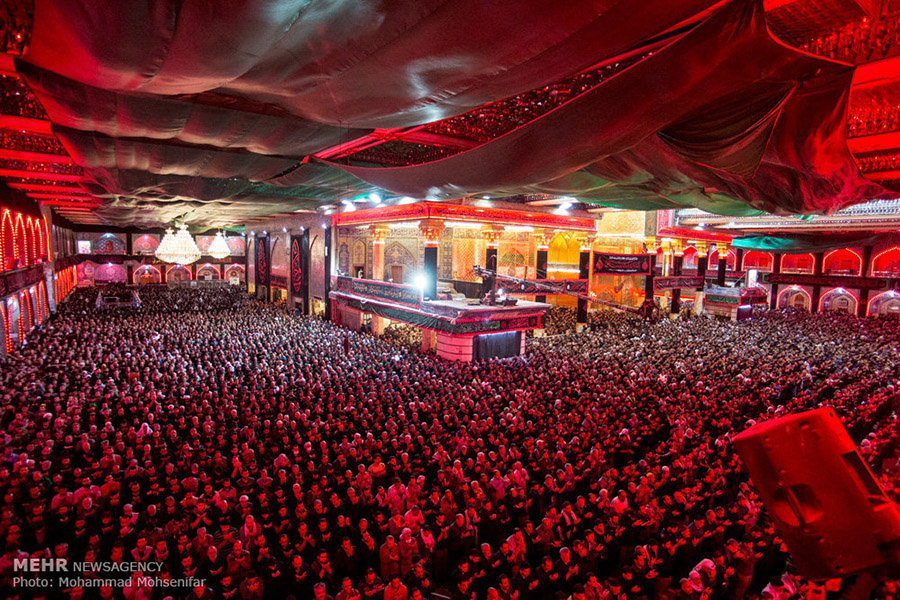
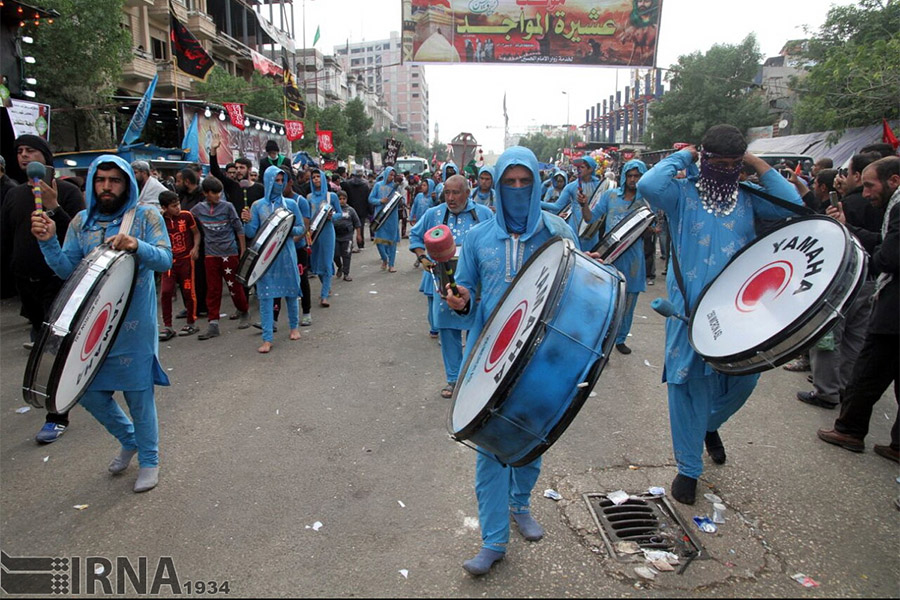
The Arbaeen mourning ceremony is one of the largest religious gatherings in the world.

More than 2 million Iranians are taking part in these processions, but they are less than 15% of the whole population of Muslims going on Arbaeen pilgrimage.

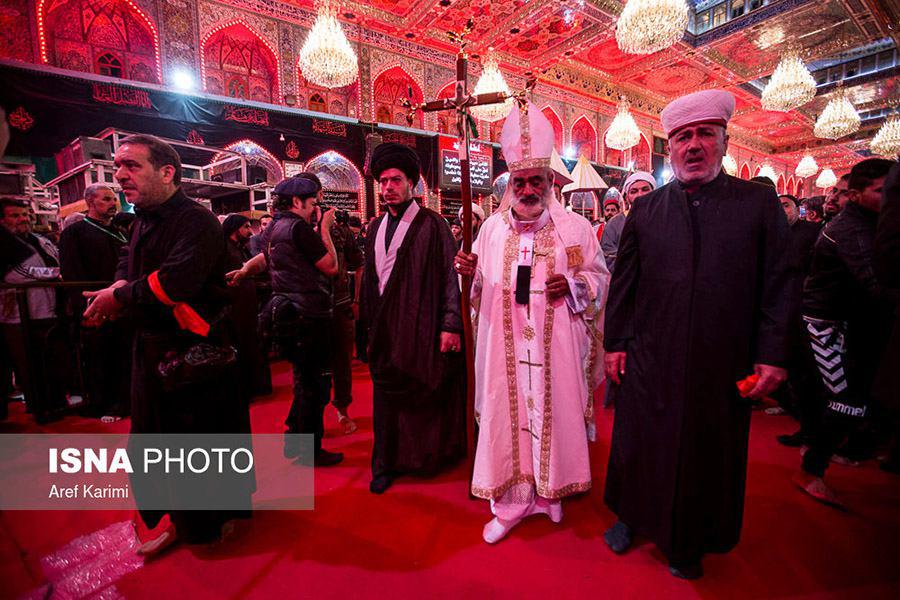
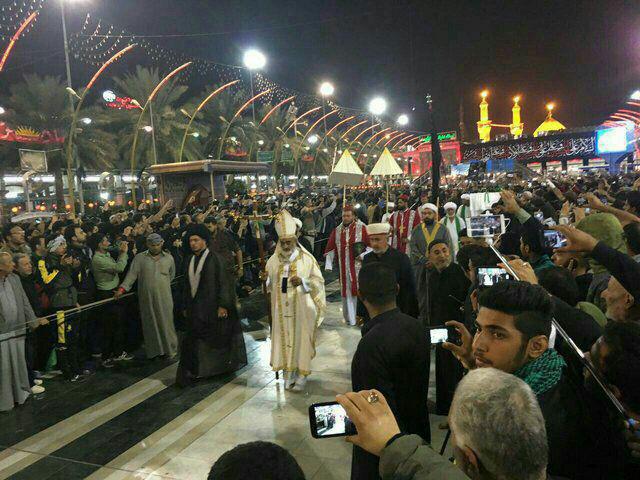
Not only Shiite Muslims, but also Sunnis and even Christians have joined the huge gathering.


In some parts of the walking route, Iraqi Sunni Muslims outpace Shiites in helping and giving service to pilgrims, whether they are Iranian or non-Iranian.

“I can’t describe my feeling.” This is the pilgrims’ most frequent answer to the question “how do you feel”. It seems to be the answer that best suits millions of pilgrims.

Here are photos of the processions taken by Iranian news agencies:


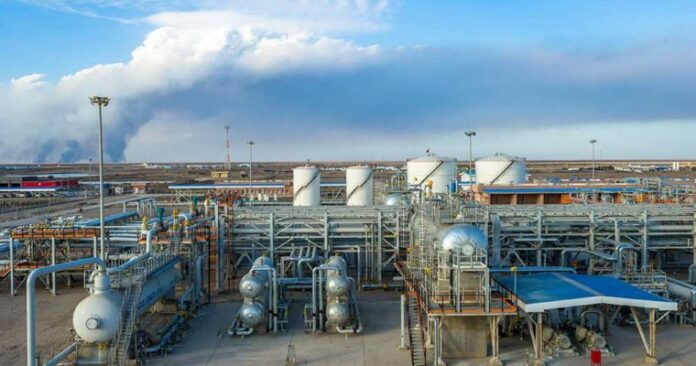
Iran’s Fierce Competition with Iraq over Joint Oilfields

oil

According to a report by SMT newspaper, as translated by IFP, the days of cheap, highly-efficient oil production are over; the formation of consortia of leading multi-national companies to develop cheap fields indicates that decades of production at the fields have turned them into brown fields in need of pricey enhanced oil recovery methods for preserving their output level.

Enhanced Oil Recovery (EOR) methods help pump out the remaining crude from underground deposits of old oilfields. The fields Iran shares with neighbouring Iraq in the West Karoun region are ones that need to be developed using EOR technologies right from the time the development begins.

The reason is that Iraq has been extracting oil from the fields for a pretty long time already, rendering the fields old and not leaving much for Iran. In return, Iran is primarily relying on Chinese contractors like the CNPCI to develop its share of the reserves.

The Chinese have always been present in the region and despite the fact that they were once expelled from Azadegan development project, one of the fields in the West Karoun region, they are now entrusted by Iranian officials with the development of the field as a member of the consortium of CNPCI and France’s Total.

CNPCI was expelled from Azadegan oil field development project in 2014 while it has long been busy pumping oil from Iraq’s share of the field. It would be fair to say that Chinese developers use Iran as a Guinea pig for trying new techniques and gaining experiences to use them in other parts of the world.

Entrusting major projects to Russian, Korean and Chinese companies without the partnership of such giant companies as Shell and Total would be a mistake

Iranian authorities keep justifying CNPCI’s presence in Iran, saying it has proved useful in North Azadegan development project and blaming their contractors in South Azadegan project for foot-dragging on the project. But the important fact here is that Chinese, Russian and Korean oil firms are never as sophisticated as companies like the Total, BP and Shell in oilfield development projects; therefore, entrusting major projects to Russian, Korean and Chinese companies without the partnership of such giant companies as Shell and Total would be a mistake.

Formation of consortia with such oil giants seems to be a logical strategy to accelerate the development of Iran’s oilfields; this is exactly what Iraq has done to develop its fields. But this is not the end of the story. Engaging Chinese developers in West Karoun development projects would be only a move to erase the problem instead of solving it. Their record is not one to be proud of and has caused so many economic troubles for Iran so far.


Iran-Iraq Recovery of Joint Fields

As Iraq is stepping up efforts to maximize its oil output from Majnoon oilfield, which is shared by Iran, and has set the target of 8.1mbd of crude oil production from the field by 2018, Iran is developing the four fields it shares with Iraq in the region.

Azadegan oilfield is being developed in two sections: North Azadegan and South Azadegan. Oil production in the former has started with nearly 20,000 b/d of output and targeted to produce 75,000 b/d once fully operational. South Azadegan is currently supplying 50,000 b/d. Once drilling operation in the southern section of the field is over, some 60,000 b/d will be added to its output.

Meanwhile, Mohammad Reza Asadi, the director of petroleum engineering department of the Petroleum Engineering and Development Company (PEDEC), thinks differently about the region’s production capacity.

“The four designated oil-rich areas of the region are north and south Azadegan and north and south Yaran fields which are all shared with Iraq,” he said.

“A consortium of developers in the Iraqi section of the field had estimated the block’s oil output would rise to 1.8mbd but seismic analyses of the fields as well as further appraisal studies indicated that the field would be developed for production of nearly a million barrels of oil per day, of which 170,000 to 200,000 b/d are currently being recovered from the field.”

Phase I of North Azadegan is currently supplying 85,000 b/d and North Yaran accounts for 35,000 b/d of Iran’s oil output while South Azadegan is supplying 45,000 b/d, said Asadi.

Iran’s total crude oil output from the fields currently stands at 165,000 b/d. South Azadegan is planned to produce 110,000 b/d by the end of the current Iranian calendar year [March 21, 2017].

Majnon Oilfield, Iraq

Even though Iran has just begun considering adoption of EOR technologies for oil recovery from Azadegan oilfield, Iraq in 2010 signed a 20-year contract with a consortium comprising Shell, Petronas and the Iraq National Oil Company for development of Majnoon oilfield. The initial plans for development of the field had considered an estimated output of 1.8mbd of crude oil from the field. Production of the field began at 175,000 b/d but since 2013, Iraq has been extracting 210,000 b/d of crude from the field.

According to a report by Reuters, Iraq began direct export of crude from the field on April 8, 2014. Iraqis say the field holds 25 billion barrels of oil-in-place while the number for Iran’s share of the fields is estimated at 6.5 billion barrels in North Azadegan and 6.25 billion barrels for South Azadegan. Shell has promised to bring crude oil production from Majnoon to 8.1mbd by 2018 and would charge Iraq $39.1 for every oil barrel it extracts from the field. However, in Iran, the projects for development of the fields have been repeatedly delayed. Iran has defined the South Azadegan development project in two phases with 320,000 b/d of ultimate output in the first phase. Currently the country is pumping 50,000 b/d from the phase while authorities keep announcing that the production is currently at 80,000 b/d in this phase which will reach 110,000 b/d by the end of this calendar year. Iran has so far announced no timetable for how it will reach the targeted 320,000 b/d at the current phase. Once Phase II become fully operational, production from the field will reach 600,000 b/d.

Chinese Developers

Although most observers view Chinese developers as the main cause of delayed development of West Karoun fields, Esmaeil Gholampour, the caretaker of North Azadegan development project, underlines CNPCI’s success in the North Azadegan project.

He says it was the world’s first company in 2015 in terms of annual revenues by making $289 billion.

The Chinese energy giant employs various contractor for fulfilling its projects and the team of contractors it employed for developing South Azadegan was a failure, says Gholampour.

CNPCI has increased the production of North Azadegan to 75,000 b/d and has so far recovered a total of 3 million barrels from the field.

It is not yet fully clear why the development of West Karoun fields has taken so long. Iran is currently recovering 110,000 b/d of light and heavy crude from Yadavaran oilfield. Iraq, on the other hand, is producing 50,000 b/d from the same field.

Darkhovin oilfield is one the most important fields of the region whose phases I and II have been developed and is supplying 160,000 b/d. Azar and Changouleh fields, located in Anaran block near Mehran county, are also being developed by Iraq by a consortium of Malaysia’s Petronas, Russia’s Gazprom and the Iraq National Oil Company. The fields’ early production stands at 60 to 70,000 b/d on the Iraqi side; Iran is planning to pump out 30,000 b/d from the fields by late-March 2017.

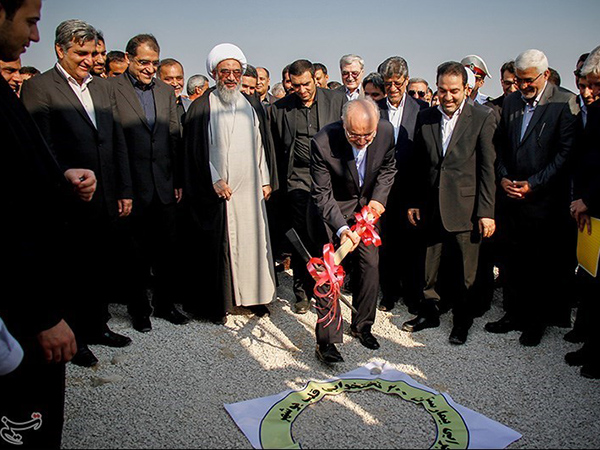
Iran Begins Building Nuclear Emergency Center in Bushehr

Nuclear Emergency Center

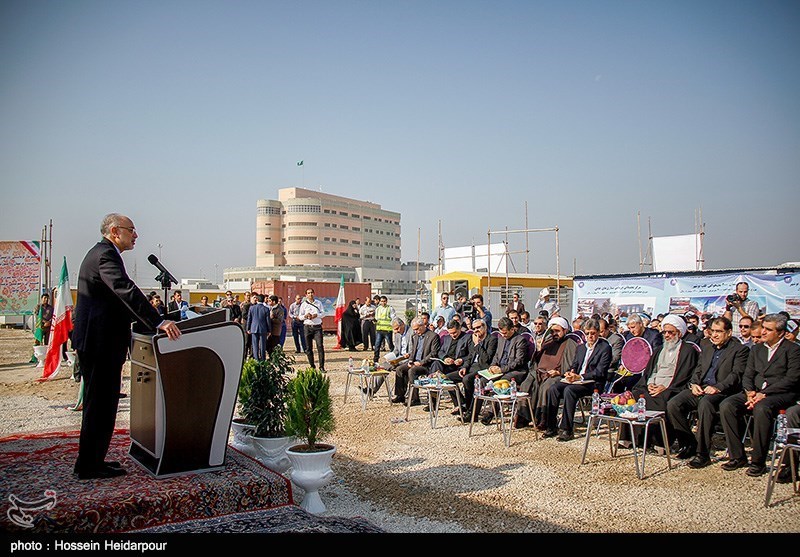
The medical center will be co-funded by the Atomic Energy Organization of Iran (AEOI) and the Health Ministry.
With an area of 8,000 square meters, the new center is expected to be ready within 18 months.

Iran Begins Building Nuclear Emergency Center in Bushehr

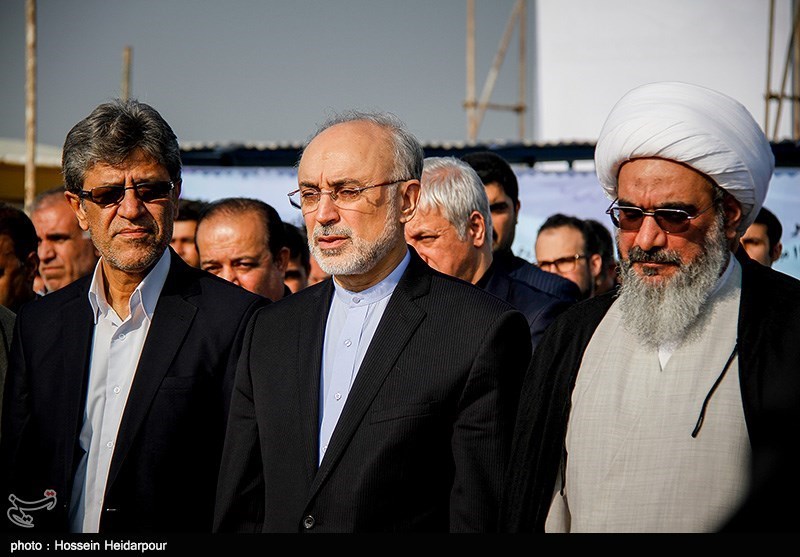
In a ceremony to inaugurate the project, AEOI Chief Ali Akbar Salehi said international regulations necessitate the existence of a nuclear emergency medical center in the vicinity of every nuclear facility.

Iran Begins Building Nuclear Emergency Center in Bushehr

According to Salehi, the country’s nuclear facilities in the province of Isfahan have already been equipped with an emergency medical center, noting that a similar center is under development in Arak as well.

Iran has also devised plans to construct the first nuclear hospital under a cooperation agreement with an Austrian company.

According to Salehi, only five countries in the world have such hospitals.

Trump’s Paradox: Close Ties with Putin and Hostility towards Iran

trump-putin

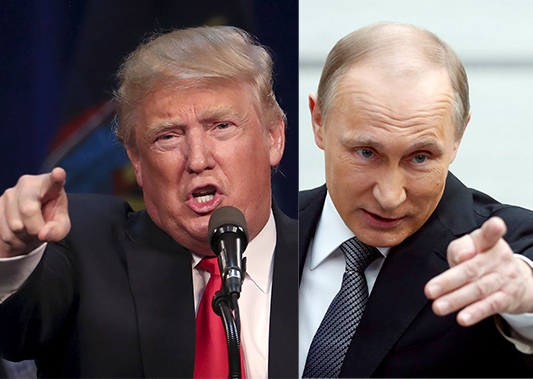
According to a report by Asr-e Iran, as translated by IFP, the US President-elect Donald Trump is expected to improve Washington’s ties with Moscow. On the other hand, it has vowed to scrap the nuclear deal with Iran and put the country under further pressure.

Since Iran and Russia have close policies on Middle East issues, particularly the ongoing crises in Iraq and Syria, it is not exactly clear how Trump will deal with the existing paradox in “having close ties with Russia” and at the same time “countering Iran’s policies and the Islamic Republic’s regional influence”.

Iran to Spend $10bln to Build Two Nuclear Plants in Bushehr: AEOI Chief

salehi

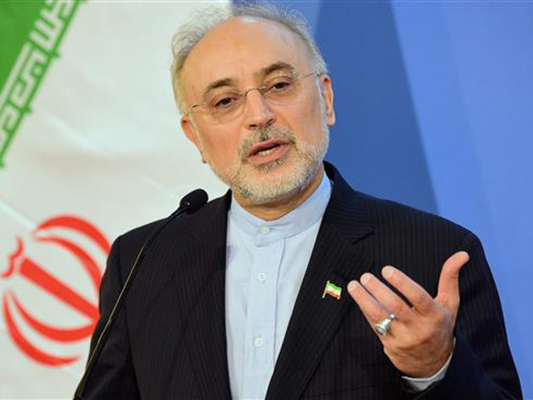
Speaking in a ceremony in Bushehr on Saturday, Salehi highlighted the importance of an ongoing project to build two new nuclear plants in the city, saying their construction has begun with $10 billion in funding.

He said the first installment of the funding for the project is planned to be paid with the approval of the Central Bank of Iran (CBI) within the next two weeks.

The Iranian official also highlighted the country’s progress in vaous areas, saying that with the removal of anti-Tehran sanctions and the improvement of international conditions for the country, a bright future awaits the Islamic Republic.

Iran’s only nuclear power plant in Bushehr, which produces 1,000 megawatts of electricity, became officially operational and was connected to Iran’s national grid in September 2011.

The Russian-Iranian agreement on the civil use of nuclear energy, followed by a deal to construct Iran’s first nuclear power plant, dates from 1992.

In 2014, Iran and Russia agreed on construction two new nuclear reactors on the Bushehr site.

In November 2014, Tehran and Moscow also struck a deal to build eight more nuclear power plants in Iran.

Iranian MP Urges Readiness to Retaliate US Breach of JCPOA

Mojtaba Zolnoor

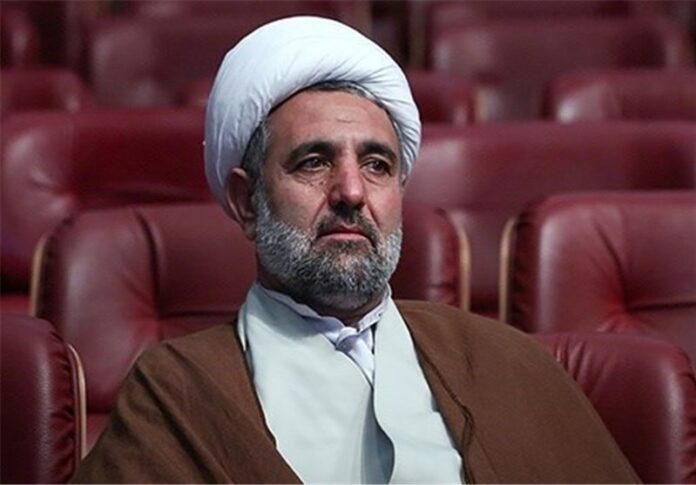
In an interview with Tasnim on Saturday, chairman of parliament’s nuclear commission, Mojtaba Zolnoor, took a swipe at the US for continuing to breach the JCPOA, a nuclear agreement between Tehran and the Group 5+1 (Russia, China, the US, Britain, France and Germany) that came into force in January.

Highlighting the US untrustworthy nature, he pointed to two recent anti-Iran bills passed by the US House of Representatives, saying if the bills win Senate approval and if the US president does not veto them, Washington will be clearly a violator of the nuclear deal.

On Tuesday, US lawmakers passed a bill renewing sanctions on Iran for 10 years. The House of Representatives voted 419 to one for a 10-year reauthorization of the Iran Sanctions Act, or ISA, a law first adopted in 1996 to punish investments in Iran’s energy industry.

Later on Thursday, the House passed another bill that would block the sale of commercial aircraft to Iran, a bid to stop sales by Boeing and Airbus that have already been approved by President Barack Obama’s administration.

However, the White House has said Obama would veto the measure even if it did pass the Senate. The US administration believes the legislation would be a violation of the JCPOA.

Elsewhere in his comments, Zolnoor reminded the Iranian administration of its obligations under a parliamentary law to retaliate any breach of the JCPOA by the other parties to the deal.

The administration needs to prepare itself to increase the number of centrifuge machines and uranium enrichment capacity, among other measures, in case of such a blatant violation of the JCPOA, he added.

According to a parliamentary law, the Iranian administration must safeguard the nation’s achievements and nuclear rights under the JCPOA.

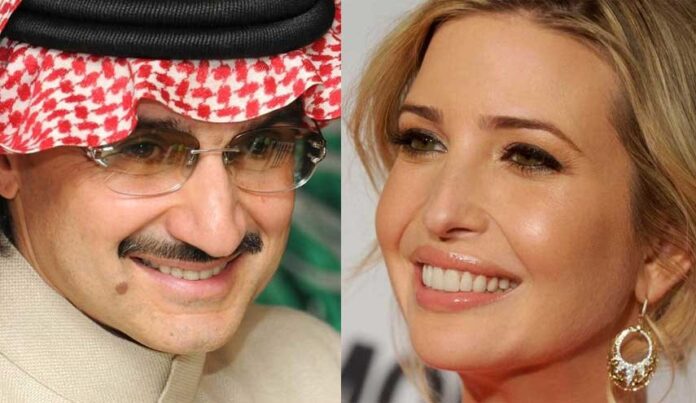
Saudi Prince: Trump’s Daughter Is My Friend

us-Saudi Arabia

According to a report by Al Alam News Network, as translated by IFP, Saudi Prince Al-Waleed Bin Talal bin Abdulaziz al Saud declared his mainly economic ties with the US President-elect Donald Trump in a TV interview.

He also said that Trump`s daughter, Ivanka, was “like a fiend” of his.

“I have been connected with Trump for 25 years. I bought a hotel and a ship from him. I contacted and congratulated him immediately after his election. I think the election campaign disputes are over now,” he said.

According to Bin Talal, Trump’s government has clear plans for US-Saudi relations, which are beneficial for both parties.

Turkey Not to Forget 52 Years of European Deception

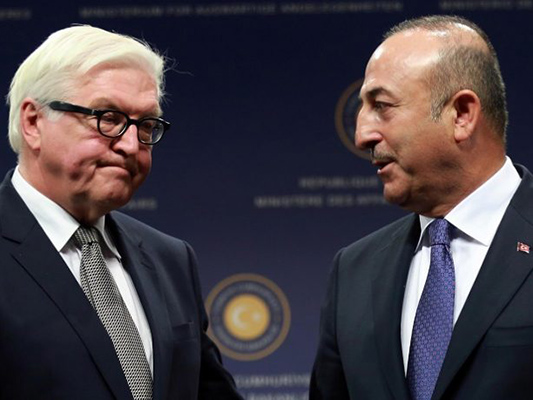
Mevlüt Çavuşoğlu-Frank-Walter Steinmeier

According to a report by Kayhan newspaper, Frank-Walter Steinmeier, the German Minister of Foreign Affairs, and his Turkish counterpart Mevlüt Çavuşoğlu had an “intense verbal dispute” during a joint press conference, insomuch that the session was left halfway.

Çavuşoğlu brought a lot of accusations against his German counterpart, such as sheltering the members of Kurdistan Workers’ Party (PKK) militants, and preventing the extradition of those affiliated with [Turkish opposition figure] Fethullah Gülen’s movement to Turkey.

Besides, Ankara has not forgotten the European Union`s deceptive behaviour on Turkey’s accession to the Union since 52 years ago, a matter mentioned by Recep Tayyip Erdoğan, the President of Turkey.

According to ISNA, Steinmeier, a usually calm person, started to sharpen his tone as he felt attacked during the conference. Referring to the mass arrests in Turkey after 2016 coup d’état attempt, he invited his Turkish counterpart to be moderate; however Çavuşoğlu didn`t stop his verbal attacks.

“Turkey asks to be recognized as an equal, not a second-class associate,” Turkish Minister of Foreign Affairs stated, pinning the blame on the EU`s “arrogant behaviour.”

As the final words in its article, Kayhan wrote that “the issue of human rights is an excuse for the West to invade other countries while having strategic relationships with the most dogmatist regimes such as those of Al Saud in Saudi Arabia, Al Khalifa in Bahrain and Al Thani in Qatar. Turkey`s situation could make a good example for those fascinated by the West.”

Iran Has Bought Russia’s Most Advanced Fighter Aircraft

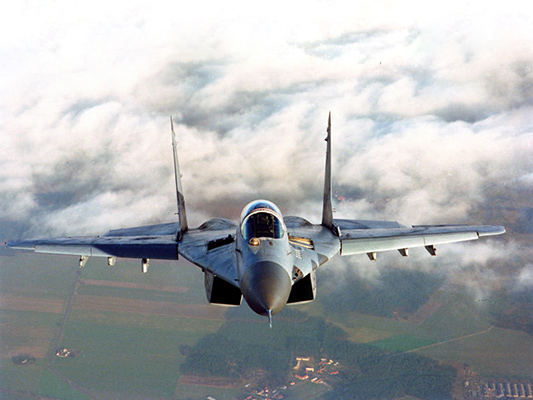
mig-29

According to a report by Mizan, as translated by IFP, Abolfazl Hassanbeigi, the vice-chairman of Iranian Parliament’s National Security and Foreign Policy Commission, referred to the history of Iran’s plane purchase from the Soviet Union, and then Russia, and said, “Iran has purchased Sukhoi and Mikoyan MiG-29 fighters before.”

“MiG-29 is manufactured in three ranges. The first is sold to small countries; the second to Russia’s allies, and the third to the Russian Army,” he added.

“The Islamic Republic of Iran has bought the same MiG-29 fighter jet that the Russian army possesses, namely the most advanced type.”

Elsewhere in his remarks, he further referred to the negotiations with China, Ukraine and Russia for joint manufacture of fighter jets.

“However, we haven’t bought Chinese aircraft because they were not as advanced as we expected them to be,” he noted, dismissing the reports about Iran’s secret negotiations with China about fighter aircraft purchase.

“Nothing can remain secret in today’s world. […] The world will naturally know and announce anything purchased or sold by Iran,” he added.

“As Iran is aware of the large number of weapons sold by Germany, France, China and the United-States to ISIS allies, others know about Iran’s deals as well,” Hassanbeigi went on to say.

Chinese Plane Makers Should Meet Int’l Standards to Sell Aircraft to Iran: Minister

While China is trying to catch up with Western aircraft manufacturers for a share of Iran’s market, Iranian Minister of Road and Urban Development Abbas Akhoundi made it clear that Chinese planes must meet international standards and think of technical support before sales to Iran.

Akhoundi, who is in China with a business delegation, paid a visit to the Commercial Aircraft Corporation of China (COMAC) in Shanghai.

COMAC is China’s state-run aircraft manufacturer, established in 2008, Tasnim reported.

In comments during the visit, Akhoundi emphasized that Chinese planes will need to meet international safety standards before being used in Iran’s fleet.

Chinese plane-makers ought to assure Iranian airlines and organizations of the safety, technical and quality standards, and should also guarantee the after-sales service, as well as technical and financial support, he added.

Iran signed deals with European and American plane manufacturers after coming into force of the Joint Comprehensive Plan of Action (JCPOA), a nuclear agreement between Tehran and the Group 5+1 (Russia, China, the US, Britain, France and Germany) reached in July 2015.

During a visit to Paris in January by Iranian President Hassan Rouhani, Tehran signed a major contract with Airbus worth about $27 billion to buy 118 aircraft.

Iran also sealed a deal in June worth around $25 billion with the US aerospace heavyweight, Boeing, for the purchase of 100 passenger planes.